What to Do If You Bought a Sick Puppy in Australia
Puppy Buying & Adoption By James C. • February 11, 2026
Buying a puppy should be a joyful experience, but that excitement can quickly turn into distress if your new companion becomes unwell soon after coming home.
Unfortunately, cases where people have bought a sick puppy in Australia are more common than many realise. When this happens, it can be hard to know what to do next or where you stand legally.
This guide explains the immediate steps to take, your rights under Australian Consumer Law, and the options available if a breeder or seller has let you down.
What to Do Immediately If Your Puppy Is Sick
If your puppy shows signs of illness soon after coming home, the way you respond can affect both the puppy’s outcome and your consumer rights. Acting quickly is not only about treatment. It also helps establish whether the illness may have existed before the sale, which is central if you have bought a sick puppy in Australia and need to seek a remedy later.
1. Seek Immediate Veterinary Care
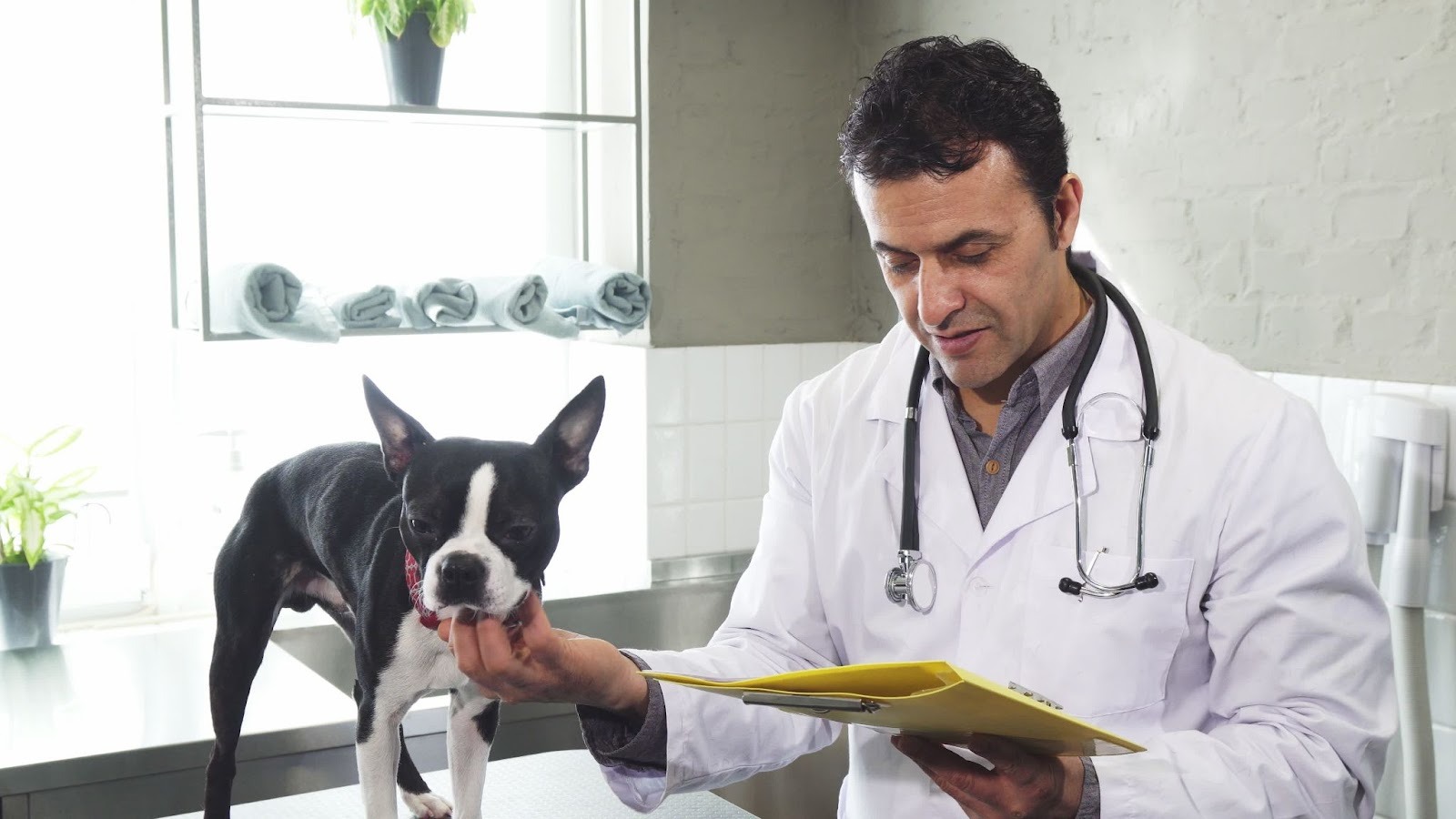
Your puppy’s health must always come first. Arrange a veterinary appointment as soon as symptoms of illness appear, even if they seem minor. A qualified vet can assess whether the condition is contagious, congenital, or likely to have been present at the time of sale. Early diagnosis also helps prevent the spread of serious illnesses such as parvovirus. A written veterinary report is one of the most important pieces of evidence if the situation escalates.
2. Avoid Delays or Home Treatment
Delaying professional care or attempting to treat the puppy yourself can worsen the condition and weaken your position later. Sellers may argue the illness developed after purchase or resulted from improper care. Prompt veterinary attention reduces this risk and shows you acted responsibly.
3. Contact the Seller and Start Building a Record
Once your puppy has been seen by a vet, the next step is communication and documentation. How and when you contact the seller matters, especially if you later rely on Australian Consumer Law protections.
A. Notify the Breeder or Seller Promptly
Inform the seller as soon as possible after the veterinary assessment. Be factual and calm. Explain what the vet has diagnosed and when symptoms appeared. Responsible breeders and pet shops often have procedures for assisting with vet costs, offering refunds, or discussing next steps.
B. Keep Clear Written Evidence
From this point on, keep everything in writing wherever possible. This includes:
- Vet reports, invoices, and test results
- Advertisements or listings describing the puppy’s health
- Vaccination and health certificates provided at sale
- Messages, emails, or texts exchanged with the seller
Having a clear paper trail helps demonstrate that the illness was not caused by something that happened after you took the puppy home.
C. Do Not Return the Puppy Without Advice
Some sellers may immediately ask you to return the puppy to the breeder. While this can be an option in certain cases, returning the puppy too quickly may limit your ability to claim vet costs or compensation. It is often best to seek advice or understand your rights first, especially if an emotional bond has already formed.
Understanding Your Rights Under Australian Consumer Law

If you have bought a sick puppy in Australia from a breeder, pet shop, or professional seller, your purchase is generally protected by the Australian Consumer Law (ACL). Under the ACL, pets are legally treated as consumer goods, even though most people view them as family members. This means sellers have clear obligations, and buyers have enforceable rights when something goes wrong.
Consumer guarantees apply automatically when a puppy is sold in trade or commerce. These guarantees cannot be removed, limited, or avoided through contracts, disclaimers, or verbal statements. They exist regardless of whether the seller offers their own health guarantee or return policy.
However, these protections do not apply in every situation, which is why it helps to buy a puppy safely from the start. Understanding when the law applies, and when it does not, is critical before taking the next step.
Consumer Guarantees That Apply to Puppies
When purchasing a puppy from a breeder or pet shop, the seller guarantees that the puppy:
- Is of acceptable quality, meaning it is healthy and free from significant illness at the time of sale
- Is fit for purpose, including being suitable as a companion animal
- Matches its description, including breed, age, health status, and vaccination claims
If a puppy has a preventable illness, serious infection, or genetic condition that existed before sale, these guarantees may have been breached.
When Consumer Guarantees Do Not Apply
Consumer guarantees may not apply if:
- You were clearly informed of the health issue before purchase and accepted it
- The puppy was bought through a genuine one-off private sale
- The illness developed due to events after purchase that were outside the seller’s control
Knowing whether your purchase falls under the ACL helps determine whether you can seek a refund, compensation, or other remedy.
What Counts as a Major vs Minor Health Problem
When you have bought a sick puppy in Australia, the difference between a major and minor health problem is critical under Australian Consumer Law. This distinction determines whether you control the remedy or whether the seller is allowed to decide how the issue is handled.
Below is a clear, practical comparison presented as a standard table, reflecting how vets, consumer regulators, and tribunals usually assess these cases.
| Assessment Factor | Major Health Problem | Minor Health Problem |
|---|---|---|
| Medical Severity | Life-threatening; causes significant pain or impairment; requires urgent or long-term care. | Mild to moderate; temporary discomfort; resolved with routine care. |
| Presence at Sale | Existed before purchase or was incubating; supported by veterinary evidence. | Not clearly present at sale; could have developed after purchase; no proof of pre-sale origin. |
| Long-Term Impact | Permanent effects; reduced quality of life; possible shortened lifespan. | No lasting impact; full recovery expected; normal development resumes. |
| Puppy Behavior | Limits breathing, walking, or eating; prevents normal development. | Temporary changes in energy/appetite; returns to normal after treatment. |
| Typical Examples | Parvovirus, Distemper, heart defects, inherited neurological disorders. | Worms/parasites, mild ear/skin infections, treatable stomach bugs. |
| Buyer Decision Test | Most buyers would not have purchased the puppy if they had known. | Many buyers would still proceed; does not change core suitability as a pet. |
| Legal Position | Strong breach of consumer guarantees; seller is likely at fault. | Possible breach, but less clear; depends heavily on evidence. |
| Who Chooses Remedy | The Buyer chooses (Refund, Replace, or Repair). | The Seller usually chooses how to fix it. |
| Available Remedies | Full refund, replacement, or compensation for all vet bills (current and future). | Treatment organized by seller, reimbursement of reasonable costs, or partial refund. |
| Practical Reality | Distressing decisions; returning the puppy is often emotionally unrealistic. | Puppy stays with owner; focus is on quick recovery. |
What Remedies You May Be Entitled To

If you have bought a sick puppy in Australia and the illness breaches consumer guarantees, Australian Consumer Law provides several possible remedies. The appropriate remedy depends on whether the health issue is considered major or minor, whether the puppy was sold in trade or commerce, and what outcome is reasonable in the circumstances.
These rights apply regardless of any store policy, contract wording, or verbal assurances. Sellers cannot exclude or limit their obligations under the law.
1. Refunds and Replacements
If the puppy has a major health problem, you generally have the right to reject the puppy and choose your preferred remedy. This may include a full refund of the purchase price or, if you wish, a replacement puppy. Importantly, the choice belongs to you, not the seller, provided the condition meets the threshold for a major failure.
In serious cases, the fact that time has passed or that you have formed an emotional bond with the puppy does not automatically remove your right to a refund.
2. Veterinary Cost Reimbursement
You may be entitled to reimbursement for reasonable veterinary expenses incurred as a result of the illness. This can include diagnostic tests, treatment, medication, and emergency care required to identify or manage a condition that existed at the time of sale.
Where ongoing treatment is reasonably foreseeable, compensation may also extend to future veterinary costs, provided these expenses are supported by veterinary advice. Pet insurance rarely helps here, because standard pet insurance cover excludes conditions that were present before the policy started.
3. Keeping the Puppy and Receiving Compensation
Many owners choose to keep their puppy despite the illness. Deciding to keep the puppy does not automatically cancel your consumer rights. In these cases, you may still be entitled to compensation for the puppy’s reduced value, ongoing treatment costs, or both, particularly where the condition has a long-term impact on health or quality of life.
This approach recognises the emotional reality that returning a puppy is often not practical or desirable.
4. Seller-Funded Treatment or Partial Refunds
For minor health problems, the seller is usually allowed to choose how the issue is resolved. This may involve paying for treatment, arranging veterinary care, or providing a partial refund to cover medical expenses.
If the seller fails to act within a reasonable timeframe, you may be entitled to seek alternative remedies under the law.
5. Compensation for Additional Losses
In some cases, compensation may also cover reasonably foreseeable losses linked to the illness. This can include follow-up consultations, specialist referrals, or related care costs that arose because the puppy was unwell at the time of sale.
To be claimable, these losses must be directly connected to the seller’s breach and supported by clear evidence.
Breeder and Seller Responsibilities in Australia

When you have bought a sick puppy in Australia, the law places clear responsibilities on breeders, pet shops, and professional sellers. These obligations exist to protect both animal welfare and buyers, and they apply whether the puppy is sold online or in person.
The table below outlines the key legal and ethical responsibilities sellers are expected to meet under Australian Consumer Law and related standards.
| Responsibility Area | What Sellers Are Required to Do | Why This Matters for Buyers |
|---|---|---|
| Selling Healthy Puppies | Ensure puppies are of acceptable quality; free from preventable illness or unmanaged disease. | Protects you from immediate vet bills and the distress of a sick pet shortly after arrival. |
| Fitness for Purpose | Puppies must be suitable as companion animals, with no health issues that prevent normal growth or behaviour. | Confirms the puppy can live a normal life as a family pet, as expected at the time of sale. |
| Accurate Health Disclosure | Disclose all known illnesses, genetic risks, or exposure to disease. Provide truthful vaccination and vet records. | Prevents misleading or deceptive conduct and allows you to make a fully informed choice. |
| Honest Advertising | Listings must accurately reflect breed, age, and health status without exaggeration. | Misrepresentation is a breach of the ACL and provides grounds for a refund. |
| Breeding Practices | Avoid breeding animals with known hereditary defects; follow strict hygiene and biosecurity protocols. | Poor breeding is often the direct cause of long-term defects and chronic illness. |
| Duty of Care (Pre-Sale) | Provide proper nutrition, housing, and veterinary checks; monitor litters for signs of illness. | Illness appearing shortly after sale usually links back to the care provided by the seller. |
| Post-Sale Accountability | Must engage with buyers if issues arise; cannot simply walk away after handover. | Seller responsibility extends beyond the moment of sale under consumer law. |
| Compliance with ACL | Must honour consumer guarantees; cannot use “no refund” contracts to override the law. | Your legal rights cannot be signed away in a breeder’s private contract. |
| Avoiding Misleading Conduct | Do not withhold material information or make claims that contradict known health risks. | Failing to mention a known issue is a serious breach and supports legal claims. |
What to Do If the Breeder or Seller Refuses to Cooperate
If a breeder or seller dismisses your concerns, stops responding, or refuses to offer a fair resolution, you are not out of options. When you have bought a sick puppy in Australia, there are structured escalation pathways designed to protect consumers and resolve disputes without immediately going to court. Acting methodically improves your chances of a successful outcome.
Practical Steps to Escalate the Issue
If informal discussions fail, consider the following actions:
- Request a formal response in writing: Clearly outline the issue, include veterinary evidence, and state what remedy you are seeking. Written requests create a clear record.
- Contact your state or territory consumer protection agency: These bodies can provide guidance and may assist with dispute resolution or mediation.
- Lodge a complaint with Fair Trading or Consumer Affairs: Many agencies offer free or low-cost mediation services that encourage sellers to resolve disputes without legal proceedings.
- Seek advice from a community legal centre: Specialist services can help clarify your rights and assess whether your case meets legal thresholds.
- Report animal welfare concerns where relevant: If poor breeding conditions or neglect are suspected, reporting to animal welfare authorities may be appropriate.
- Preserve all evidence: Continue keeping vet reports, invoices, communications, and advertisements in case the dispute escalates further.
Legal Time Limits You Should Know
Consumer rights are not unlimited in time. Understanding these limits helps avoid losing your right to take action:
- Consumer guarantee claims: Must generally be commenced within three years from when you became aware the guarantees were breached.
- Misleading or deceptive conduct claims: Usually must be brought within six years from when the misleading conduct occurred.
- Tribunal-specific deadlines: Some state tribunals have shorter procedural timeframes for lodging disputes.
- Delay risks: Waiting too long can weaken your claim or allow sellers to argue the issue arose after purchase.
Taking early, well-documented action signals seriousness and often encourages sellers to engage more constructively before formal proceedings become necessary.
How to Avoid Buying a Sick Puppy in the Future

While consumer laws offer protection after something goes wrong, prevention is always better than cure. Many cases where buyers have bought a sick puppy in Australia can be traced back to rushed decisions, limited checks, or dealing with sellers who operate without transparency.
Taking a more structured approach significantly reduces the risk of heartbreak and unexpected veterinary costs.
Red Flags to Watch Before Buying
Before committing to a puppy, be alert to warning signs that may indicate poor breeding practices or health risks:
- Reluctance to allow visits: Sellers who refuse in-person visits or inspections may be hiding poor living conditions.
- Incomplete health records: Missing vaccination history, vet checks, or microchip details should raise concern.
- Pressure to pay quickly: Urgency tactics are often common puppy scam signs that discourage proper checks and due diligence.
- Unusually low prices: Prices well below market value can indicate illness, poor care, or unethical breeding.
- Vague answers about breeding practices: Reputable breeders are open about health testing, parent dogs, and care standards when you ask the right breeder questions.
Why Safe Marketplaces Matter
Choosing where you buy is just as important as choosing the puppy itself. Safe, well-regulated marketplaces play a key role in reducing the risk of sick puppies entering new homes. Pups4Sale is a trusted website committed to ethical breeding excellence, and its puppies for sale listings give buyers greater transparency and accountability.
Using a reputable platform helps ensure:
- Sellers are operating legitimately and not as anonymous one-off traders.
- Listings include clear, accurate information about health, age, and care.
- Buyers can make informed decisions rather than relying on unverified claims.
- There is a clearer pathway for support if issues arise after purchase.
By choosing trusted marketplaces and taking time to verify sellers, buyers place themselves in a far stronger position. Careful preparation protects not only your finances, but also the long-term health and wellbeing of your future puppy.
Is Buying a Sick Puppy Grounds for Legal Action?
Buying a sick puppy can be emotionally and financially overwhelming, and many owners wonder whether legal action is possible or worthwhile. In Australia, the answer depends on the specific facts of the case, including how the puppy was sold, the nature of the illness, and what evidence is available. Legal action is not automatic, but it can be an option where consumer guarantees or other legal obligations have been breached.
If you bought the puppy from a breeder, pet shop, or professional seller operating in trade or commerce, Australian Consumer Law may provide a basis for action. Where a seller fails to supply a puppy that is of acceptable quality, fit for purpose, or accurately described, this may amount to a breach of consumer guarantees. In more serious cases, misleading or deceptive conduct may also be relevant, particularly if health claims were made that were not accurate.
Legal action does not always mean going to court. Many disputes are resolved through consumer protection agencies, mediation, or state and territory tribunals, which are designed to be lower cost and more accessible than traditional courts. These forums can order refunds, compensation for veterinary expenses, or other remedies where appropriate.
That said, legal action should usually be a last resort. Outcomes depend heavily on veterinary evidence, documentation, and whether the illness can be linked to the period before sale. Seeking advice early and understanding your options can help you decide whether formal action is the right step for your situation.
Conclusion
Discovering that your puppy is unwell can be confronting, but Australian law gives you clear protections.
Acting quickly, understanding your rights, and keeping proper records can make a real difference.
Whether you seek treatment, compensation, or support, informed decisions matter.
Choosing ethical sellers and trusted platforms like Pups4Sale is central to buying or adopting a puppy safely and helps protect both buyers and puppies in the long term.
FAQs
1. What should I do if my puppy gets sick shortly after purchase?
If your puppy becomes unwell soon after coming home, seek veterinary care immediately. A professional diagnosis protects your puppy’s health and helps establish whether the illness may have existed before sale. Keep all veterinary reports, invoices, and communication with the seller, as these records support any claim you may need to make.
2. Can I get a refund if I bought a sick puppy in Australia?
You may be entitled to a refund if the puppy has a major health problem that breaches Australian Consumer Law guarantees. This usually applies when the illness existed at the time of sale or was incubating. Veterinary evidence is essential, and your rights depend on how and where the puppy was purchased.
3. Does Australian Consumer Law cover private puppy sales?
Consumer guarantees generally apply when puppies are sold by breeders or pet shops operating in trade or commerce. They usually do not apply to genuine one-off private sales. If you are unsure whether your purchase is covered, a consumer protection agency can help clarify your position.
4. Can the breeder be responsible for vet bills?
Yes, in some cases breeders or sellers may be responsible for reimbursing reasonable veterinary costs. This applies where the illness or condition existed before the sale and breaches consumer guarantees. Claims should be supported by veterinary reports linking the condition to the pre-sale period.
5. What if the breeder refuses to help or stops responding?
If a seller refuses to cooperate, you can escalate the matter through your state or territory consumer protection agency. Mediation services, consumer tribunals, or legal advice may also be appropriate, particularly if the illness is serious and well documented.
6. How long do I have to take action if my puppy was sick?
Time limits apply. Consumer guarantee claims generally need to be made within three years of becoming aware of the issue, while misleading conduct claims may allow up to six years. Acting early helps protect your rights and improves your chances of a fair resolution.
 Add us as a preferred source