Questions to Ask a Breeder Before Paying a Deposit
Puppy Buying & Adoption By James C. • February 19, 2026
Paying a deposit for a puppy is exciting, but it is also where many buyers make costly mistakes. This is exactly why knowing the right questions to ask a dog breeder matters before any money is sent. A deposit should come after clarity, not pressure or assumptions.
In this guide, you will find practical questions to ask a dog breeder before paying a deposit. Each one is designed to help you confirm legitimacy, understand what you are agreeing to, and avoid common issues that only appear after payment is made.
Why Asking the Right Questions Before a Deposit Matters
A puppy deposit is more than a placeholder. It is often a financial commitment with limited protection once paid. Many buyers assume a deposit is refundable or informal, only to realise later that the terms were never clearly defined.
Asking the right questions early helps you slow the process down, buy a puppy safely, and spot issues before they become disputes. Ethical breeders welcome transparency and expect buyers to be thorough. Vague answers, rushed timelines, or resistance to basic questions usually signal problems. Taking time at this stage protects both your money and your future puppy.
The One-Minute Answer Buyers Are Looking For
Before paying a deposit, the most important questions to ask a dog breeder focus on legitimacy, health, and clear terms. You should confirm breeder registration, health checks for the puppy and parents, the puppy’s age, and exactly what the deposit covers. Clear, documented answers reduce the risk of scams, disputes, and unexpected costs later.
Essential Questions About the Breeder
Before focusing on the puppy itself, you need confidence in the person selling it. The answers in this section help establish whether you are dealing with a genuine, responsible breeder or someone you should walk away from.
1. Are you a registered breeder, and can you prove it?
A legitimate breeder should be registered with the relevant state authority and willing to share their breeder number. This confirms they are operating within legal breeding requirements. Hesitation, excuses, or refusal to provide proof is a major warning sign.
2. How long have you been breeding this breed?
Experience matters, especially with breed specific health and temperament traits. Breeders who focus on one or two breeds usually understand them well. Someone producing many different breeds at once may be prioritising volume over care.
3. Can I see where the puppies are raised?
Seeing the puppy’s environment tells you a lot. Clean, calm, lived in spaces suggest proper care and early socialisation. If distance is an issue, a video call should still be possible. A flat refusal is rarely a good sign.
Questions About the Puppy’s Health and Care

Health is one of the most important areas to clarify before paying a deposit. Clear answers here help you understand how the puppy has been raised and what to expect once it comes home.
What health checks have been completed so far?
Ask which veterinary checks the puppy has already had and when they were done. This usually includes a general health exam, early vaccinations if age appropriate, and regular worming. A responsible breeder should be able to explain this clearly and provide vaccination records.
Have the parents been health tested?
Many breeds have known genetic conditions. Ask whether the mother and father have been screened for these issues and what tests were performed. Proof matters. Verbal reassurance without documentation should be treated cautiously.
What socialisation has the puppy received?
Early experiences shape behaviour. Ask how the puppy has been handled, whether it has been exposed to normal household sounds, and how it interacts with people. Thoughtful answers usually reflect hands on, attentive care.
Questions About Timing, Age, and Readiness
When a puppy goes home matters just as much as where it comes from. This section helps you confirm that the timing is legal, appropriate, and in the puppy’s best interest.
How old will the puppy be when released?
Puppies should never leave their mother too early. Ask for the exact age the puppy will be when you collect it. Ethical breeders follow legal minimum age requirements and understand when puppies should leave their mother so extra time with the litter supports better development.
Has the puppy been microchipped, or when will that happen?
Microchipping is a legal requirement before sale in Australia. Clarify whether it has already been done or when it will be completed. You should also confirm that ownership details will be transferred correctly.
What support do you provide once the puppy goes home?
Good breeders do not disappear after payment. Ask what guidance they offer during the transition period. Ongoing advice, check ins, or availability for questions usually reflects genuine care and accountability.
Critical Questions About the Deposit Itself

This is the stage where many buyers feel pressured to move quickly. Slowing down and asking clear questions about the deposit helps prevent misunderstandings and financial loss.
Is the deposit refundable, and under what conditions?
Never assume a deposit is refundable. Ask for the exact circumstances where a refund applies, such as failed health checks or breeder cancellation. These terms should be clearly stated, not implied or loosely explained.
What happens if the sale does not go ahead?
Clarify scenarios on both sides. Ask what happens if you can no longer proceed and what happens if the breeder decides not to complete the sale. A fair breeder will explain this openly and in writing.
Will I receive a written receipt or agreement?
You should always receive confirmation showing the amount paid, the puppy details, and the agreed terms. Verbal promises offer little protection if a dispute arises later.
Questions About Paperwork and Legal Protection
Paperwork is often treated as an afterthought, but it plays a major role in protecting you once a deposit is paid. Clear documentation shows that the breeder is organised, compliant, and operating transparently.
What documents will I receive before and after payment?
Ask exactly what paperwork is provided and when. This should include health records, microchip details, and any breeder registration information. Knowing this upfront avoids confusion and delays closer to pickup.
Will the puppy come with a written health record?
A responsible breeder keeps detailed health notes from birth. This usually covers worming schedules, vaccinations if age appropriate, and vet checks. You should expect to see this in writing, not just discussed verbally.
Is there a written agreement or contract?
Even a simple agreement helps set expectations on both sides. It should outline the puppy details, deposit terms, and any conditions attached to the sale. Breeders who avoid written agreements often create risk for buyers.
Red-Flag Answers That Should Stop You Paying a Deposit
Some answers are more revealing than others. This section helps you identify warning signs that suggest you should pause or walk away entirely, no matter how appealing the puppy may seem.
- Refusal to share registration or identification: A breeder who avoids proving who they are or how they operate may not be legitimate.
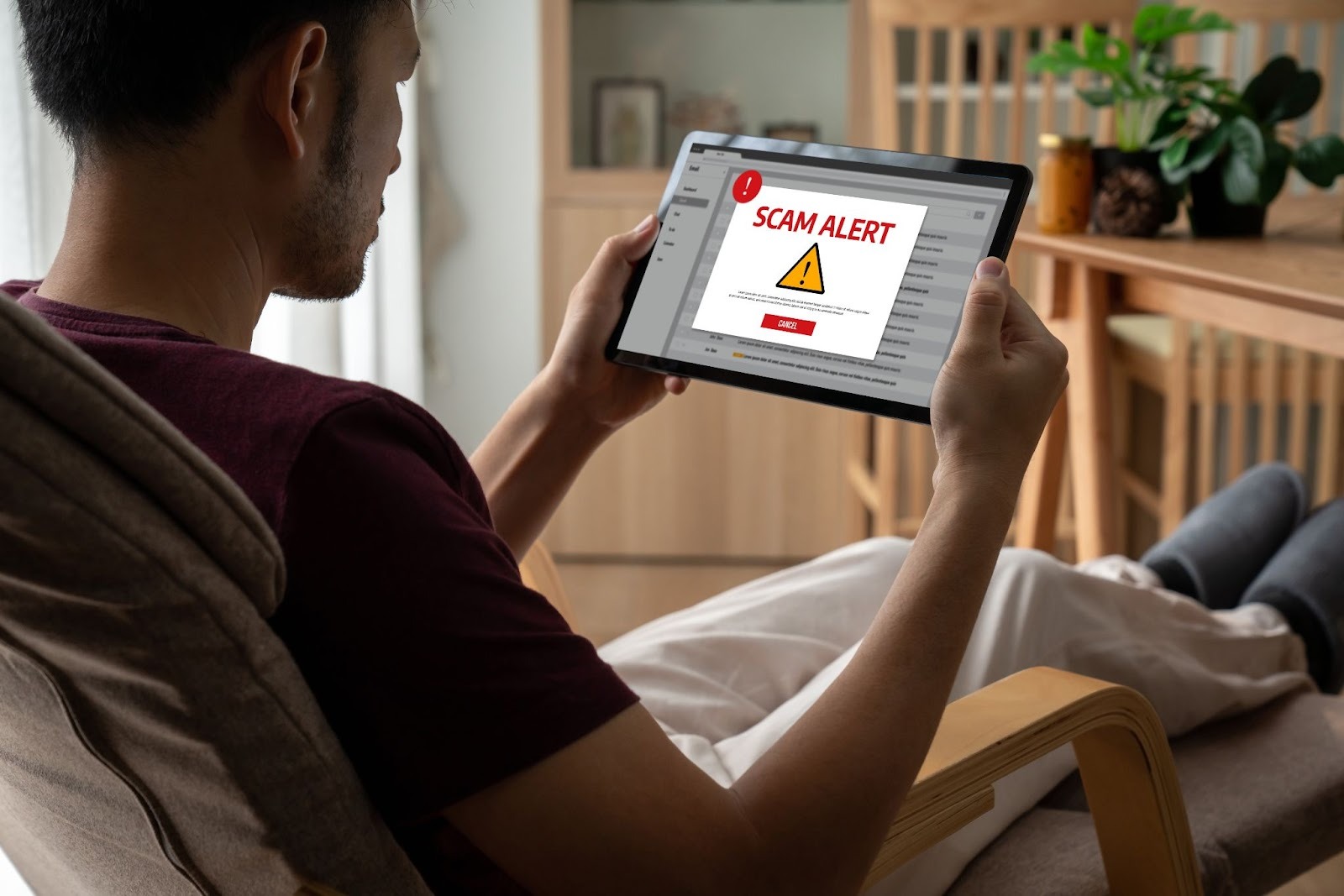
- Pressure to pay quickly: Urgency tactics such as “someone else is ready to pay today” are commonly used to bypass due diligence and are often how buyers first spot a puppy scam.
- Vague or changing answers: Inconsistent details about age, health checks, or paperwork often indicate poor record keeping or dishonesty.
- No written terms for the deposit: If refund conditions cannot be clearly explained or documented, your money may be at risk.
- Requests for unsafe payment methods: Cash only, gift cards, or anonymous transfers reduce traceability and buyer protection.
Ethical breeders expect questions. Resistance to transparency is usually the answer you need.
How Safe Marketplaces Reduce Deposit Risk

Using a structured marketplace reduces many of the risks that come with paying a deposit privately.
Pups4Sale encourages transparency by requiring clear listings, identifiable breeders, and consistent communication before any money is discussed.
When buyers can review breeder details, compare listings, and keep conversations in one place, it becomes easier to ask the right questions and spot inconsistencies early.
This added visibility helps slow rushed decisions and supports safer, more informed deposits.
Making a Confident Decision Before You Commit
Knowing the right questions to ask a dog breeder puts you in control before any deposit is paid. Clear answers, written terms, and transparency should always come first. If anything feels rushed, inconsistent, or unclear, it is a sign to pause and reassess.
When you are ready to move forward, using a trusted marketplace like Pups4Sale makes it easier to compare breeders, ask informed questions, and keep communication clear before committing financially. These steps are central to buying or adopting a puppy safely, protecting your money and giving your future puppy the best possible start.
Frequently Asked Questions
1. Is it normal to pay a deposit for a puppy in Australia?
Yes, paying a deposit is common, especially for planned litters. However, it should only happen after you have asked key questions to ask a dog breeder and received clear answers about health, legality, and refund terms.
2. How much is a reasonable puppy deposit?
Deposits vary by breeder and breed, but they are usually a portion of the total price, not the full amount. Be cautious if you are asked to pay a very high deposit upfront without documentation.
3. Can a breeder legally keep my deposit?
A breeder may keep a deposit if the terms were clearly explained and agreed to in advance. If no terms were provided in writing, disputes can arise, which is why clarity before payment matters.
4. Should I ever pay a deposit without seeing the puppy?
It is risky to pay a deposit without seeing the puppy or its living environment. If an in person visit is not possible, a video call and clear documentation should be the minimum standard.
5. What payment methods are safest for puppy deposits?
Traceable payment methods that provide records are safest. Avoid cash only arrangements or methods that cannot be easily tracked, as these offer little protection if problems occur.
 Add us as a preferred source