Is It Safe to Buy a Puppy Online? Buyer Checklist
Puppy Buying & Adoption By James C. • February 16, 2026
Buying a puppy online can seem convenient, but it carries risks if you don’t verify the breeder or seller properly. With scams, irresponsible breeders, and poorly raised puppies advertised on social media or marketplaces, it’s essential to follow a structured approach.
This article provides a practical buyer checklist, highlighting key steps to safely purchase a puppy online, including verifying seller credibility, checking health documentation, arranging visits, and asking the right questions to ensure your new companion’s welfare and a smooth, responsible buying experience.
Why Caution Is Important When Buying Puppies Online
Buying a puppy online can be convenient, but it carries risks. Understanding potential pitfalls helps you make informed decisions and protect both your finances and the puppy’s well-being.
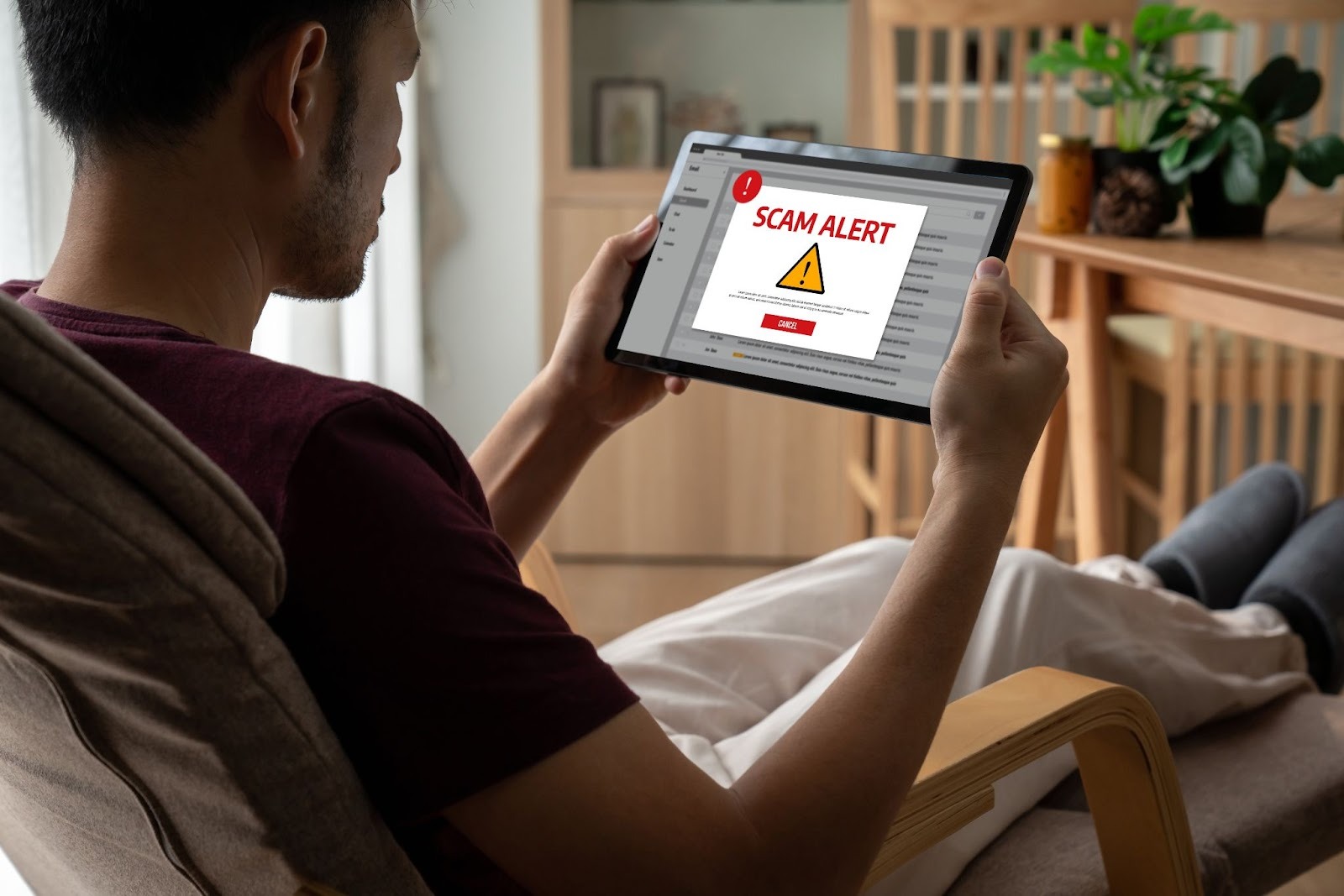
- Risk of Scams and Fraud: Fake listings or sellers can take payment without delivering a puppy, which is why buyers need to spot a puppy scam early. Verifying breeder credentials and using secure payment methods reduces the chance of financial loss.
- Unethical Breeding Practices: Some online puppies come from puppy mills or overcrowded facilities, leading to health and behavioural issues. Ensuring responsible breeder practices is critical for puppy welfare.
- Undisclosed Health Problems: Sellers may hide genetic disorders or infectious diseases. Requesting vaccination records, veterinary checks, and parent health history helps identify potential health risks early.
- Legal and Contractual Issues: Without proper documentation, you may lack consumer protection. Written contracts, microchipping, and adherence to Australian animal laws are essential for legal security.
- Emotional and Financial Impact: Buying an unhealthy or misrepresented puppy can lead to heartbreak and unexpected vet costs. Careful research and a thorough checklist prevent stress and loss.
Puppy Online Buyer Checklist
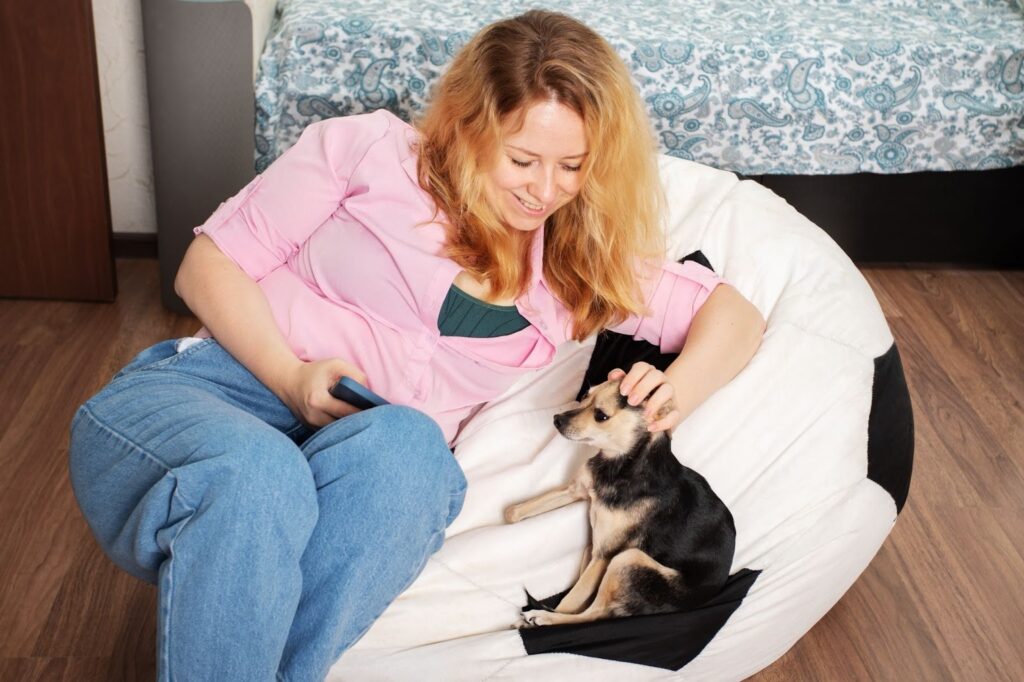
Following a structured checklist helps ensure you buy a puppy online safely, protect your investment, and support animal welfare. Each step is critical to verify breeder credibility and puppy wellbeing.
1. Verify Seller Identity and Reputation
Before proceeding, confirm the seller’s identity, credentials, and reputation. Responsible breeders provide clear contact information, references, and breeding histories.
Avoid sellers who only communicate online, use stock images, or refuse detailed questions, as these may indicate scams or unethical practices. Checking reviews and asking the right breeder questions ensures the puppy comes from a legitimate, trustworthy source.
2. Arrange an In-Person or Video Visit
Always meet the puppy where it was raised, ideally at the breeder’s home. Inspect the living environment and meet the mother and littermates.
If a visit is impossible, a live video call can provide insight. Puppies should be socialised, clean, and healthy. Avoid sellers refusing visits, as this is a common red flag for unethical breeding or fraud.
3. Check Health and Documentation
Ensure the puppy is microchipped, vaccinated, and dewormed, with all records provided. Request veterinary documentation confirming health status and hereditary screenings. Verified paperwork protects you legally, ensures medical safety, and confirms the puppy’s care history.
4. Ask About Breeding Practices
Inquire about the parents’ health, age, and breeding frequency. Avoid breeders who overbreed dams or fail to conduct health screenings. Ethical breeders follow recommended breeding standards, ensuring puppies are healthier and more likely to thrive.
5. Assess Socialisation and Environment
Puppies raised in a clean, safe home environment with human interaction develop better social skills. Ask how puppies were handled and socialised. Observe littermates’ behaviour during visits, ensuring puppies are confident, curious, and not fearful or isolated.
6. Use a Purchase Contract and Clarify Refund Terms
Always get a written agreement outlining the puppy’s health guarantees, refund conditions, and responsibilities of both parties.
Responsible breeders will provide clear contracts, ensuring accountability and protection if unexpected health or welfare issues arise after purchase.
7. Check Payment and Delivery Safety
Use secure, traceable payment methods only, such as PayPal or bank transfers through reputable institutions. Avoid wire transfers to unknown sellers.
Confirm pickup arrangements or professional transport services. Safe payment and verified delivery prevent scams, reduce stress, and ensure the puppy arrives healthy and legally documented.
8. Verify Reviews and References
Research the breeder’s reputation online, check social media pages, and request testimonials from past buyers. Breed club references and positive experiences indicate reliability.
Consistent, transparent communication builds confidence in the breeder’s integrity, helping you avoid puppy mills, fraudulent sellers, and unethical practices.
Red Flags When Browsing Online Puppy Listings

Not all online puppy listings are trustworthy. Recognising warning signs helps buyers avoid scams, unethical breeders, and poorly raised puppies, ensuring the safety and wellbeing of your future companion.
- Unrealistic Pricing: Puppies listed at extremely low or unusually high prices may indicate scams, misrepresentation, or unethical breeding. Price alone should not determine purchase; always verify the breeder’s credibility and documentation before committing.
- Lack of Verifiable Contact Information: Sellers who refuse to provide phone numbers, addresses, or breeder registration details may be hiding their identity. Transparency is essential for verifying legitimacy and arranging in-person or video visits.
- Stock or Stolen Photos: Listings using generic or stolen images without showing the actual puppy are suspicious. Reverse image searches can confirm authenticity. Legitimate breeders provide real photos of the puppy in its environment.
- Refusal of In-Person or Video Visits: Breeders who avoid visits or video calls may be hiding poor conditions or fraudulent practices. Responsible breeders welcome inspections to verify the puppy’s health, environment, and socialisation.
- Pressure to Pay Quickly: High-pressure tactics asking for immediate deposits or full payments before verification are serious contract red flags. Ethical breeders allow time for due diligence, questions, and contract review before committing financially.
- Missing Health Records: A lack of vaccination, microchip, or veterinary documentation suggests the puppy may not be properly cared for. Always request complete health and breeding records before purchase.
- Excessive Litter Availability: Multiple breeds or large numbers of puppies for sale simultaneously may suggest a commercial or puppy mill operation. Responsible breeders typically focus on one or two litters at a time.
- Vague or Evasive Answers: Sellers giving incomplete or unclear answers about the puppy, parents, or breeding practices may be hiding information. Transparent communication is a key sign of responsible breeders.
Key Points on Legality and Buyer Rights
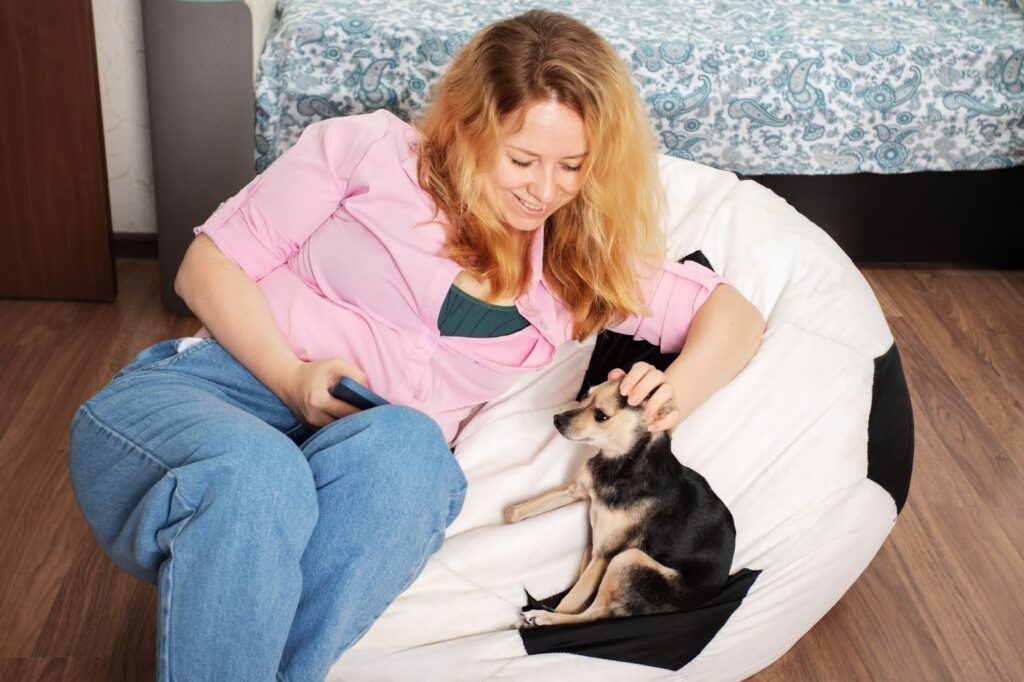
Knowing your legal rights as a puppy buyer ensures protection against scams, fraud, or unethical breeders. Awareness helps enforce contracts, guarantees, and responsibilities when purchasing a puppy online or in person.
- Right to Verified Documentation: Buyers are entitled to official records, including vaccination certificates, microchip registration, and health screening results. These documents confirm the puppy’s legal and medical status, protecting you and ensuring the puppy’s wellbeing.
- Legal Protection Under Consumer Law: Puppy purchases are covered under consumer protection legislation, which allows buyers to claim refunds or remedies if the puppy is misrepresented, sold under false pretences, or turns out to be a sick puppy at the time of sale.
- Contractual Agreements: A formal purchase contract protects both parties. It should outline health guarantees, return/refund policies, and breeder responsibilities. Signed agreements ensure clarity and provide legal recourse if issues arise post-purchase.
- Rights to Refund or Replacement: If a puppy has undisclosed health issues, buyers can request a refund or replacement per the agreement. Ethical breeders honour these clauses to maintain compliance and support animal welfare.
- Responsibility for Reporting Fraud: Buyers must report scams, fraudulent sellers, or misrepresented puppies to authorities or platforms. Prompt reporting helps protect other buyers and can support legal action against unethical practices.
- Regional and Breeder Registration Laws: Ensure the breeder complies with local registration, breeding, and animal welfare laws. Buying from unregistered or illegal breeders may void guarantees and put puppies at risk.
Practical Questions to Ask Before Buying
Before committing to an online puppy purchase, asking the right questions ensures a safe and informed decision, protects your investment, and supports the puppy’s welfare.
1. What is the health and vaccination history of the puppy’s parents?
Responsible breeders provide full details about the dam and sire, including age, temperament, vaccination records, and genetic screening for hereditary conditions, ensuring puppies are healthy and bred ethically.
2. How have the puppies been socialised?
Ask how the puppies have been handled, exposed to household noises, and interacted with littermates. Puppies raised in a clean, safe, and engaging environment are better adapted to family life.
3. Can you provide full health documentation for the puppy?
Request vaccination records, deworming schedules, and microchip registration. Verified paperwork ensures the puppy’s legal and medical status and protects buyers against potential health issues.
4. What is your policy on returns, refunds, and support?
A clear written agreement outlining health guarantees, return policies, and breeder responsibilities protects buyers if health or behavioural issues arise post-purchase.
5. What are the puppy’s daily care, diet, and special requirements?
Ethical breeders provide guidance on feeding schedules, routine care, and any specific needs, reflecting their commitment to the puppy’s welfare and ensuring a smooth transition to your home.
6. Can I meet the puppy’s parents and see the living environment?
Seeing the dam, sire, and puppy environment in person or via live video call confirms welfare standards, hygiene, and socialisation practices, reducing the risk of scams or unethical breeding.
7. Are there references from previous buyers?
Request references or testimonials from past buyers to verify the breeder’s reputation, the health of previous litters, and the accuracy of claims made during the sale process.
Safely Buying a Puppy Online
Buying a puppy online can be safe when you verify breeders, review documentation, and follow a thorough checklist for buying or adopting a puppy.
Protect your puppy’s welfare by asking questions, inspecting the environment, and confirming health records.
For trusted breeders, expert guidance, and safe puppy listings, visit Pups4Sale to confidently find your new companion.
FAQs About Buying Puppies Online
1. Is it safe to buy a puppy online?
Buying a puppy online can be safe if you research the breeder, verify their identity, and inspect the puppy in person or via live video. Avoid sellers who refuse visits or provide incomplete information.
2. What are common online puppy scams?
Common scams include fake ads using stock photos, sellers disappearing after payment, and false claims about the puppy’s lineage or health. Always verify breeder credentials and references before committing.
3. Should I meet the puppy before buying?
Yes. Meeting the puppy in its home environment and seeing the mother and littermates helps assess welfare, socialisation, and authenticity. Refusal to meet is a major red flag.
4. What paperwork should I expect from a reputable breeder?
Request vaccination records, deworming schedules, microchip registration, and health screening certificates. Authentic documentation confirms the puppy’s health, legal status, and responsible breeding practices.
5. Can a breeder refuse to show the puppy’s mother?
A reputable breeder will allow you to meet the mother and observe the environment. Refusal may indicate unethical practices or a third-party seller, increasing the risk of scams.
6. How can I verify the breeder’s legitimacy?
Check registration with kennel clubs, breeder associations, references from previous buyers, and online reviews. Transparent communication and willingness to answer questions are strong indicators of credibility.
7. What should I do if I suspect a scam?
If a listing seems suspicious, report the seller to the platform, authorities, or animal welfare organisations. Avoid payment until all verification steps are complete to protect yourself and other buyers.
 Add us as a preferred source