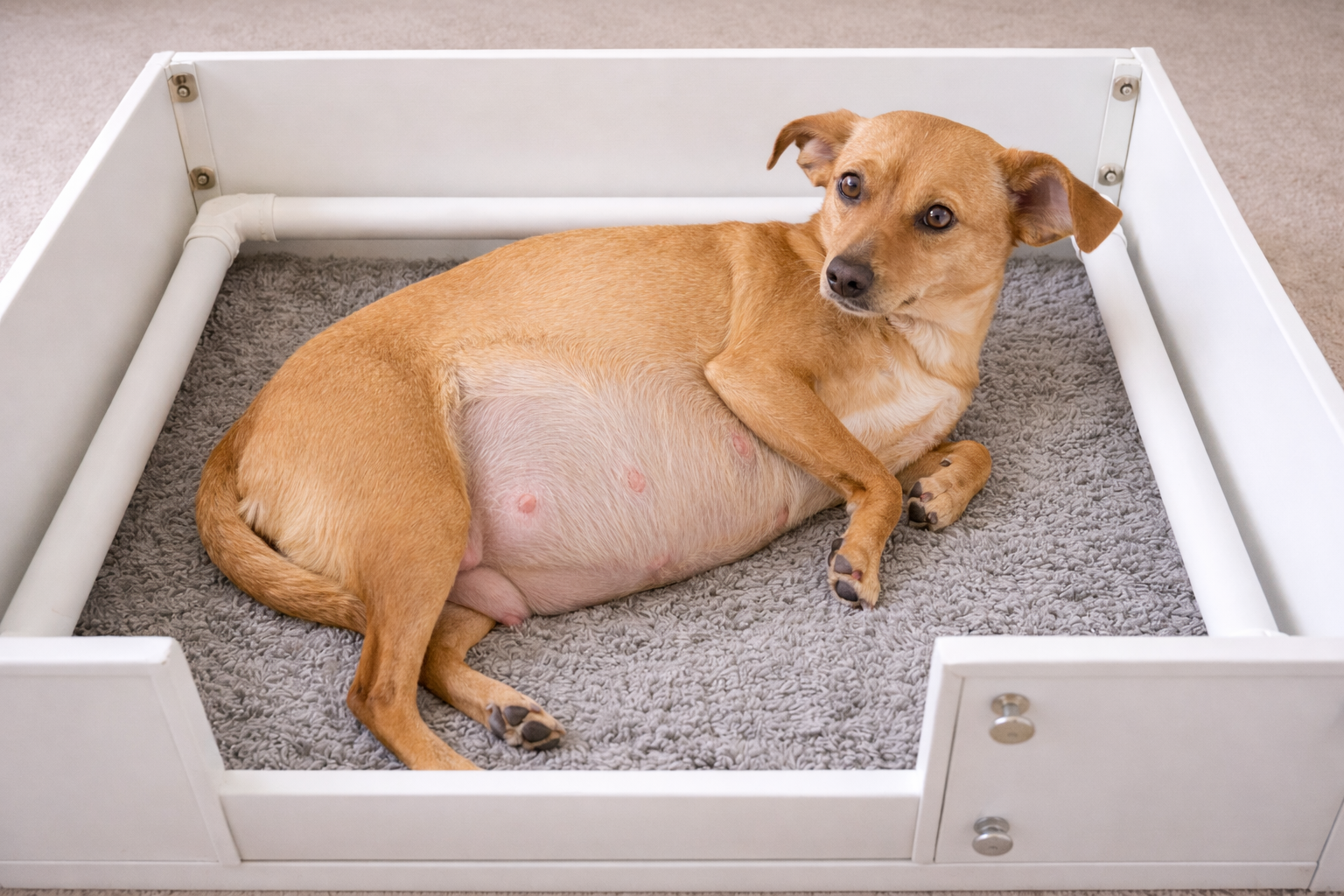
Dog Breeding and Whelping Guide for Aussies: Definitive Guide 2026
Breeding & Whelping By James C. • January 27, 2026
Dog breeding in Australia has changed fast. With tighter welfare laws and rising puppy demand, more Aussies are breeding at home than ever before, and the risks have never been higher. One wrong step can cost thousands, or worse, a dog’s life.
Breeding is not just pairing two dogs and hoping for the best. From health testing and legal requirements to pregnancy care and whelping emergencies, every stage matters. Get it right, and you protect the mum, the pups, and yourself.
This definitive 2026 guide breaks it all down. What to expect, what to avoid, and how to breed confidently, legally, and with welfare front and centre.
Is Dog Breeding Legal in Australia? What You Must Know First
Here’s what every Aussie must understand about the legality of dog breeding before starting, as laws vary by state and non-compliance carries serious penalties.
- Dog breeding is legal but regulated: Breeding dogs is legal in Australia; strict animal welfare laws apply, with obligations around care, housing, health, and limits on irresponsible or high-volume breeding practices.
- State and territory laws differ: Each state and territory sets its own breeding rules, including registration thresholds, desexing exemptions, and breeding limits, meaning legal requirements in Victoria may differ significantly from Queensland or NSW.
- Breeder registration is often required: Many states require anyone breeding dogs, even at home, to register as a breeder and obtain a breeder identification number under dog breeding requirements before advertising or selling puppies legally.
- Council rules also apply: Local councils may impose additional rules on breeding, property zoning, animal numbers, and inspections, making it essential to check council regulations before planning a litter.
- Animal welfare standards are enforceable: Breeders must meet minimum welfare standards covering nutrition, housing, veterinary care, and socialisation, with breaches leading to fines, bans, or seizure of animals.
- Penalties for illegal breeding are severe: Breeding without approval, falsifying records, or operating puppy farms can result in heavy fines, prosecution, and permanent bans from owning or breeding dogs in Australia.
Key Considerations Before Starting to Breed a Dog
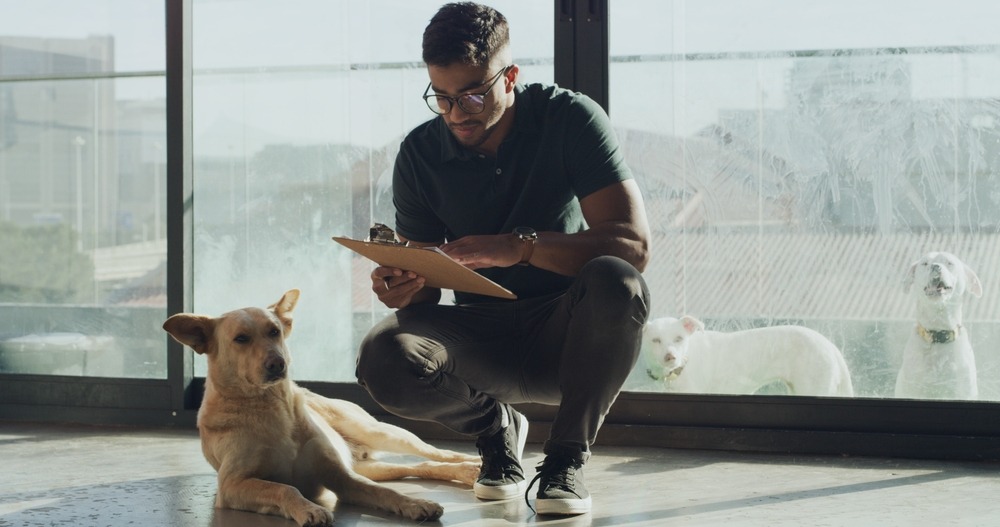
Before breeding a dog, it’s essential to understand the responsibilities, risks, and long-term commitments involved in doing it ethically and legally in Australia.
1. Assess Your Dog’s Health and Genetic Suitability
Breeding should only be considered once your dog has passed comprehensive veterinary checks and relevant genetic screening.
This helps reduce inherited conditions and protects both the mother and future puppies. Age, physical condition, and breed-specific risks must all be carefully evaluated.
2. Assess Temperament, Behaviour, and Stability
A dog’s temperament is just as important as physical health. Dogs with aggression, anxiety, or unstable behaviour should never be bred.
Puppies often inherit behavioural traits, making temperament testing and honest evaluation essential. Breeding stable, confident dogs supports safer family pets and reduces the risk of behavioural issues later in life.
3. Understand the Legal, Ethical, and Registration Requirements
Breeding comes with legal obligations that vary across Australia, including registration, welfare standards, and limits on breeding frequency. Ethical breeders go beyond minimum requirements, prioritising genuine animal welfare.
Understanding these responsibilities upfront, including how often a dog can be bred, prevents compliance breaches and ensures dogs are treated with care throughout the breeding process.
4. Prepare for the Financial Commitment
Breeding involves more than potential income. Costs include health testing, prenatal care, emergency vet treatment, whelping supplies, and puppy vaccinations. Financial preparedness ensures you can prioritise welfare without hesitation if complications arise.
5. Consider the Time and Emotional Investment
From pregnancy monitoring to round-the-clock whelping care, breeding demands significant time and emotional resilience. Sleepless nights, stress during labour, and ongoing puppy care are normal. A realistic commitment protects both your wellbeing and the dogs in your care.
6. Plan for Responsible Rehoming in Advance
Ethical breeding includes carefully screening future owners and planning how puppies will be rehomed legally. Having a clear, welfare-first rehoming strategy ensures puppies go to suitable, permanent homes and protects your reputation as a responsible breeder.
Preparing Your Dog for Breeding

Preparing your dog properly before breeding is essential for health, welfare, and successful outcomes for both the mother and her puppies.
1. Complete Comprehensive Health and Genetic Testing
Before breeding, arrange full veterinary health checks and breed-specific genetic screening. These tests help identify inherited conditions, confirm physical readiness, and reduce pregnancy risks. Responsible testing protects the mother’s wellbeing and improves long-term health outcomes for puppies.
2. Confirm Appropriate Age and Physical Condition
Dogs should only be bred once fully mature and in optimal physical condition. Breeding too young or too old increases complications during pregnancy and whelping. Your vet can advise on safe age ranges and body condition for your specific breed.
3. Evaluate Temperament and Behaviour Suitability
Temperament matters as much as health. Dogs with stable, calm, and sociable behaviour are better suited for breeding. Aggression, extreme anxiety, or poor socialisation can be passed on, affecting puppy development and rehoming success.
4. Optimise Nutrition and Overall Fitness
High-quality nutrition and appropriate exercise are vital before breeding begins. Balanced diets support reproductive health, while consistent fitness reduces complications during pregnancy and labour. Avoid sudden dietary changes without veterinary guidance.
5. Schedule Pre-Breeding Veterinary Planning
Work with your vet to plan the breeding timeline, vaccinations, parasite prevention, and pregnancy monitoring. Early planning ensures your dog enters breeding in peak condition and allows quick action if health concerns arise.
Understanding the Dog Breeding Process
Understanding the dog breeding process is essential for anyone planning to breed responsibly in Australia. It begins with recognising your dog’s heat cycle, which typically occurs every six to nine months.
Ovulation timing is critical, as breeding too early or too late reduces the chances of a successful pregnancy. Many breeders work closely with a veterinarian to track fertility and ensure safe timing.
Once mating occurs, pregnancy usually lasts around 63 days. During this period, the mother’s health, nutrition, and stress levels must be carefully managed. Regular vet check-ups help confirm pregnancy, monitor development, and identify potential risks early. Exercise should remain gentle, while diet is gradually adjusted to support growing puppies.
As whelping approaches, preparation becomes vital. Setting up a quiet, clean whelping area and understanding the stages of labour allows you to respond calmly and confidently. Not every birth goes to plan, so knowing when to seek veterinary help is part of responsible breeding.
By understanding each stage of the breeding process, you protect the wellbeing of the mother and give puppies the healthiest possible start.
Dog Pregnancy Explained Week by Week

Here’s a clear week-by-week breakdown of dog pregnancy, helping Australian breeders understand what’s happening and how to support mum properly at each stage.
1. Weeks 1–2: Mating, Fertilisation, and Early Changes
During the first two weeks, fertilisation occurs, and embryos begin travelling to the uterus. Physical changes are minimal, and pregnancy is usually not yet visible.
Your dog may show subtle behavioural shifts, such as increased affection or tiredness. Maintain normal routines, avoid dietary changes, and limit stress. Veterinary confirmation is not reliable yet, so focus on calm care and observation.
2. Weeks 3–4: Implantation and Pregnancy Confirmation
Embryos implant into the uterine wall and begin developing rapidly. Mild nausea, appetite changes, or mood swings may appear. Around week four, a vet can confirm pregnancy via ultrasound.
Exercise should remain gentle, and nutrition for a pregnant dog may be gradually adjusted. This is a critical developmental phase, so avoiding stress and illness is essential.
3. Weeks 5–6: Rapid Growth and Visible Changes
Puppy development accelerates, and your dog’s abdomen may start to enlarge. Appetite often increases as energy demands rise. Begin transitioning to a pregnancy-appropriate diet if advised by your vet.
Mammary glands may become more noticeable, and rest becomes increasingly important. Close monitoring helps detect discomfort or unusual symptoms early.
4. Weeks 7–9: Final Development and Whelping Preparation
In the final weeks, puppies gain most of their weight, and movement becomes noticeable. Your dog may nest, seek quiet spaces, or show restlessness.
Prepare the whelping area, reduce strenuous activity, and maintain regular vet contact. Labour can begin anytime from week eight onward, so readiness and calm supervision are essential.
Preparing for Whelping at Home

Here’s how to prepare for whelping at home properly, ensuring a calm, hygienic, and well-organised environment for a safe delivery.
- Create a clean, quiet whelping space: Choose a low-traffic room away from other pets and noise. Disinfect the area thoroughly, ensure good ventilation, and allow the mother privacy to reduce stress and labour complications.
- Set up a suitable whelping box: Use a sturdy box with low sides, non-slip flooring, and washable bedding. The space should allow the mother to stretch out comfortably while keeping the puppies safely contained and protected.
- Organise essential whelping supplies in advance: Prepare clean towels, gloves, iodine, scissors, scales, heating pads, and emergency vet contact details so everything is accessible during labour.
- Control temperature and lighting carefully: Keep the room warm for newborn puppies while avoiding overheating the mother. Soft lighting helps maintain a calm environment and supports natural birthing behaviour.
- Understand early labour signs and timing: Familiarise yourself with nesting, panting, restlessness, and appetite loss. Knowing what is normal helps you respond calmly and recognise when veterinary assistance is needed.
- Confirm emergency veterinary access: Know exactly where to go and who to call if labour stalls, distress appears, or more than two hours pass between puppies without progress.
- Reduce stress and outside interference: Limit visitors, handling, noise, and other pets to help the mother remain calm, focused, and confident during labour and early bonding.
The Whelping Process Step by Step

Here’s a clear step-by-step explanation of the whelping process, helping Aussie breeders understand what’s normal, what to monitor, and when to act.
1. Early Labour and Nesting Behaviours
Stage one begins when contractions start internally, even though you may not see straining yet. Your dog may pant, pace, shiver, vomit, or refuse food.
Nesting is common, along with clinginess or wanting privacy. Keep the room quiet, offer water, and monitor calmly. This stage can last 6 to 12 hours, sometimes longer for first-time mums.
2. Active Labour and Puppy Delivery
Stage two is active labour, where strong contractions and visible straining begin. A puppy should usually arrive within 30 to 60 minutes of consistent pushing.
Puppies may be born headfirst or tailfirst; both can be normal. The mother often breaks the sac and cleans the pup, then encourages breathing. Track timing between puppies closely and contact your vet if delays occur or signs point to common whelping complications.
3. Placenta Delivery and Recovery Checks
After each puppy, the placenta is passed during stage three, sometimes immediately, sometimes shortly after. Count placentas to ensure none are retained, as this can cause infection.
Mild discharge is normal, but heavy bleeding is not. The mother will rest between puppies, nurse briefly, then return to labour. Keep bedding clean, weigh pups, and monitor for steady breathing and warmth.
4. Post-Whelping Monitoring and First 24 Hours
Once whelping ends, ensure the mother is calm, hydrated, and comfortable, with puppies nursing regularly. Newborns should be warm, quiet, and gaining weight daily.
Watch for weak puppies, constant crying, or poor suckling. Check the mother for ongoing straining, foul-smelling discharge, fever, or lethargy. A vet check within 24 to 48 hours is a smart safeguard for both mum and pups.
Caring for Newborn Puppies (First 4 Weeks)
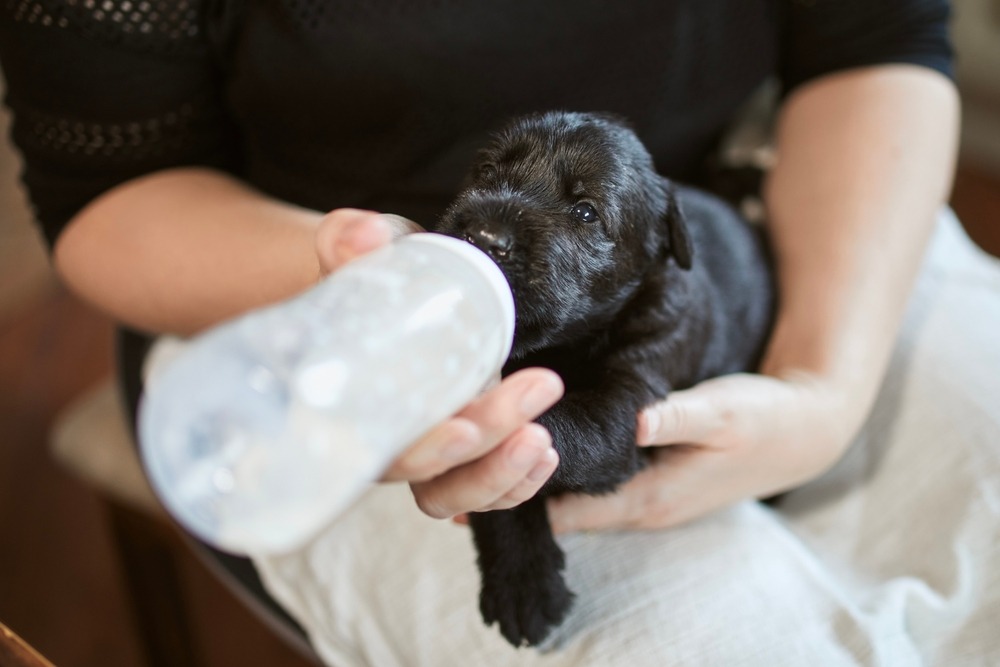
Here’s how to care for newborn puppies properly, focusing on warmth, feeding, hygiene, and close monitoring during their most vulnerable early days.
- Maintain warmth and body temperature: Newborn puppies cannot regulate heat, so keep the whelping area warm, draft-free, and stable, using heat pads or lamps positioned safely to prevent overheating or burns.
- Ensure regular feeding and nursing: Puppies should nurse frequently from their mother to receive essential nutrients and colostrum, which supports immunity, growth, and early development during the critical first days.
- Monitor weight gain daily: Weigh puppies at the same time each day to confirm steady weight gain, as poor growth is often the first sign of feeding issues or underlying health problems.
- Support hygiene and cleanliness: Replace bedding regularly, keep the whelping area clean, and gently wipe puppies if needed to reduce infection risk and maintain a healthy environment.
- Observe breathing and behaviour closely: Healthy puppies should be warm, quiet, and feeding well, while constant crying, weakness, or laboured breathing may indicate distress requiring immediate veterinary advice.
- Limit handling and external stress: Handle puppies minimally in the first days, allowing bonding with the mother, while avoiding visitors, noise, and unnecessary interference that can cause stress or disrupt nursing.
Caring for the Mother After Whelping

Here’s how to care for the mother after whelping, supporting recovery, milk production, and overall wellbeing during the demanding weeks following birth.
- Monitor physical recovery closely: Watch for excessive bleeding, foul discharge, fever, lethargy, or loss of appetite, as these may signal infection, retained placentas, or other post-whelping complications requiring veterinary attention.
- Support nutrition and hydration needs: Nursing mothers need increased calories, fresh water, and nutrient-dense food to maintain milk production and body condition throughout the feeding period.
- Keep the environment clean and calm: Maintain a clean, quiet whelping area to reduce infection risk and stress, allowing the mother to focus on nursing and bonding with her puppies.
- Encourage gentle movement and rest: Short, supervised breaks help maintain circulation and comfort, while adequate rest supports healing and prevents exhaustion during early motherhood.
- Observe maternal behaviour and bonding: Protective instincts are normal, but refusal to nurse, aggression, or disinterest in puppies may indicate stress, pain, or health issues that need prompt veterinary guidance.
- Check mammary glands and nursing comfort: Inspect teats daily for swelling, redness, or pain. Mastitis can develop quickly and requires immediate veterinary treatment to protect both mother and puppies.
- Schedule post-whelping veterinary checks: Arrange a vet examination to assess uterine recovery, milk production, and overall health, ensuring any issues are identified and treated early.
Raising Puppies Until They Go to New Homes

Here’s how to raise puppies properly in the weeks leading up to rehoming, setting them up for confident, healthy, and well-adjusted lives.
1. Support Early Development and Social Skills
From two to eight weeks, puppies learn vital social behaviours through interaction with littermates and their mother.
Gentle handling, exposure to everyday sounds, and short positive experiences help build confidence and resilience. This early socialisation reduces fear and behavioural issues once puppies transition into new homes.
2. Introduce Age-Appropriate Feeding and Weaning
As puppies grow, begin a gradual weaning process using high-quality puppy food softened for easy digestion.
Monitor each puppy’s appetite and weight to ensure steady growth. Balanced nutrition during this stage supports brain development, immunity, and overall health before rehoming.
3. Begin Basic Training and Handling
Early training should focus on gentle handling, positive reinforcement, and simple routines. Introducing basic cues, collar wearing, and brief separation builds adaptability. These foundations make the transition to new owners smoother and reduce stress for puppies.
4. Maintain Health Care and Veterinary Scheduling
Ensure puppies receive vaccinations, worming, and health checks according to veterinary advice and an appropriate puppy vaccination schedule. Keep clear records ready for new owners. Consistent health care protects puppies and builds confidence for families welcoming them home.
5. Prepare Puppies for Rehoming Day
Gradually introduce short separations from the mother to build independence. Familiarise puppies with crates, car travel, and new environments. Thoughtful preparation reduces anxiety and helps puppies settle faster into their new homes.
Rehoming Puppies Responsibly in Australia
Here’s how to rehome puppies responsibly in Australia, ensuring legal compliance, animal welfare, and positive long-term outcomes for both puppies and new owners.
1. Ensure All Legal and Health Requirements Are Met
Before rehoming, puppies must be at least eight weeks old, microchipped, and have received appropriate vaccinations and health checks.
Breeder registration details and accurate records should be ready to share. Meeting legal requirements protects puppies and builds immediate trust with buyers.
2. Screen Potential Owners Thoroughly
Responsible rehoming means asking about lifestyle, housing, work schedules, and previous dog ownership experience. Take time to assess suitability rather than rushing the process. Careful screening reduces impulse decisions and increases the likelihood of lifelong, stable homes.
3. Be Transparent About Health, Care, and Expectations
Provide detailed information on health history, feeding routines, socialisation, and any known temperament traits. Honest communication prepares new owners for the transition and helps puppies settle more smoothly into their new homes.
4. Rehome Puppies at an Appropriate Developmental Stage
Puppies should stay with their mother and littermates until at least eight weeks of age, the minimum age at which puppies can leave their mother, to support behavioural and emotional development. Early separation can increase anxiety and training challenges later on.
5. Choose Ethical, Trusted Platforms for Listings
Use platforms that support legal, transparent puppy listings with breeder identification and clear descriptions. Ethical listing practices help match puppies with informed buyers and reinforce responsible breeding standards across Australia.
6. Use Written Agreements and Ownership Transfers
Written agreements outline expectations, health guarantees, and return policies if placements fail. Ensure microchip ownership is transferred correctly and council registration responsibilities are explained. Proper documentation protects both parties and reinforces accountability throughout the puppy’s life.
Common Breeding and Whelping Mistakes to Avoid

Here are the most common breeding and whelping mistakes Aussies make, including first-time breeder mistakes, and why avoiding them is critical for the safety, welfare, and long-term outcomes of dogs and puppies.
- Skipping health and genetic testing: Breeding without proper health checks increases the risk of inherited diseases, pregnancy complications, and lifelong health issues for puppies that could have been prevented with screening.
- Ignoring legal registration and compliance rules: Failing to register as a breeder or follow state laws can lead to fines, banned listings, and long-term damage to your breeding reputation.
- Breeding dogs that are too young or too old: Dogs bred outside recommended age ranges face higher risks during pregnancy and labour, including complications that endanger both the mother and unborn puppies.
- Poor timing of mating: Failing to understand heat cycles and ovulation timing often leads to unsuccessful breeding, small litters, or unnecessary stress and repeated mating attempts.
- Inadequate whelping preparation: Not having a proper whelping area, supplies, or emergency plan increases the risk of injury, infection, and delayed response during labour complications.
- Delaying veterinary help during labour: Waiting too long to seek veterinary assistance during prolonged or difficult labour can result in stillbirths, emergency surgery, or loss of the mother.
- Rehoming puppies too early: Sending puppies to new homes before eight weeks disrupts development, socialisation, and health, often leading to behavioural and emotional problems later in life.
Breed Responsibly. Raise Confidently
Responsible dog breeding in Australia goes beyond producing puppies.
It requires legal awareness, careful planning, and a genuine commitment to animal welfare, from health testing right through to safe, supported whelping.
By understanding your obligations and preparing properly, you protect the mother, give puppies the best possible start, and build trust with future owners who value transparency and ethical breeding practices.
When you are ready to rehome puppies responsibly or showcase your breeding program, Pups4Sale helps Aussie breeders connect with informed buyers through trusted listings, clear compliance guidance, and a welfare-first platform built for Australia.
FAQs: Dog Breeding and Whelping in Australia
1. Is dog breeding legal in Australia?
Yes, dog breeding is legal in Australia, but it is tightly regulated. Breeders must comply with state, territory, and local council laws covering welfare standards, registration, housing, and breeding limits. Failing to meet these requirements can result in heavy fines or bans.
2. Do I need to register as a dog breeder in Australia?
In most states and territories, anyone breeding a litter must be registered as a breeder and obtain a breeder identification number. This number is usually required when advertising or selling puppies and helps improve transparency and traceability.
3. How long is a dog pregnant for?
A dog’s pregnancy typically lasts around 63 days from ovulation, though this can vary slightly. Veterinary confirmation and regular monitoring are important to ensure the health of both the mother and the developing puppies throughout pregnancy.
4. What is whelping, and when should I be concerned?
Whelping is the process of a dog giving birth. While many births happen naturally, prolonged labour, extreme distress, or failure to deliver puppies requires immediate veterinary attention. Preparation and knowing the warning signs are critical.
5. How many litters can a dog legally have?
Litter limits vary by state and council. Some regions restrict the number of litters a female dog can have over her lifetime to protect her welfare. Always check local regulations before planning repeated breeding.
6. What costs are involved in breeding a dog properly?
Responsible breeding involves health testing, vet care, nutrition, whelping supplies, emergency funds, and puppy care. Costs can quickly reach several thousand dollars, especially if complications arise.
7. When can puppies legally go to new homes?
In Australia, puppies must be at least eight weeks old before being sold or adopted. By this time, they should be microchipped, health-checked, and beginning socialisation to support a smooth transition.
 Add us as a preferred source