Best Grooming Routine for Short-Haired Dogs
Dog Grooming & Hygiene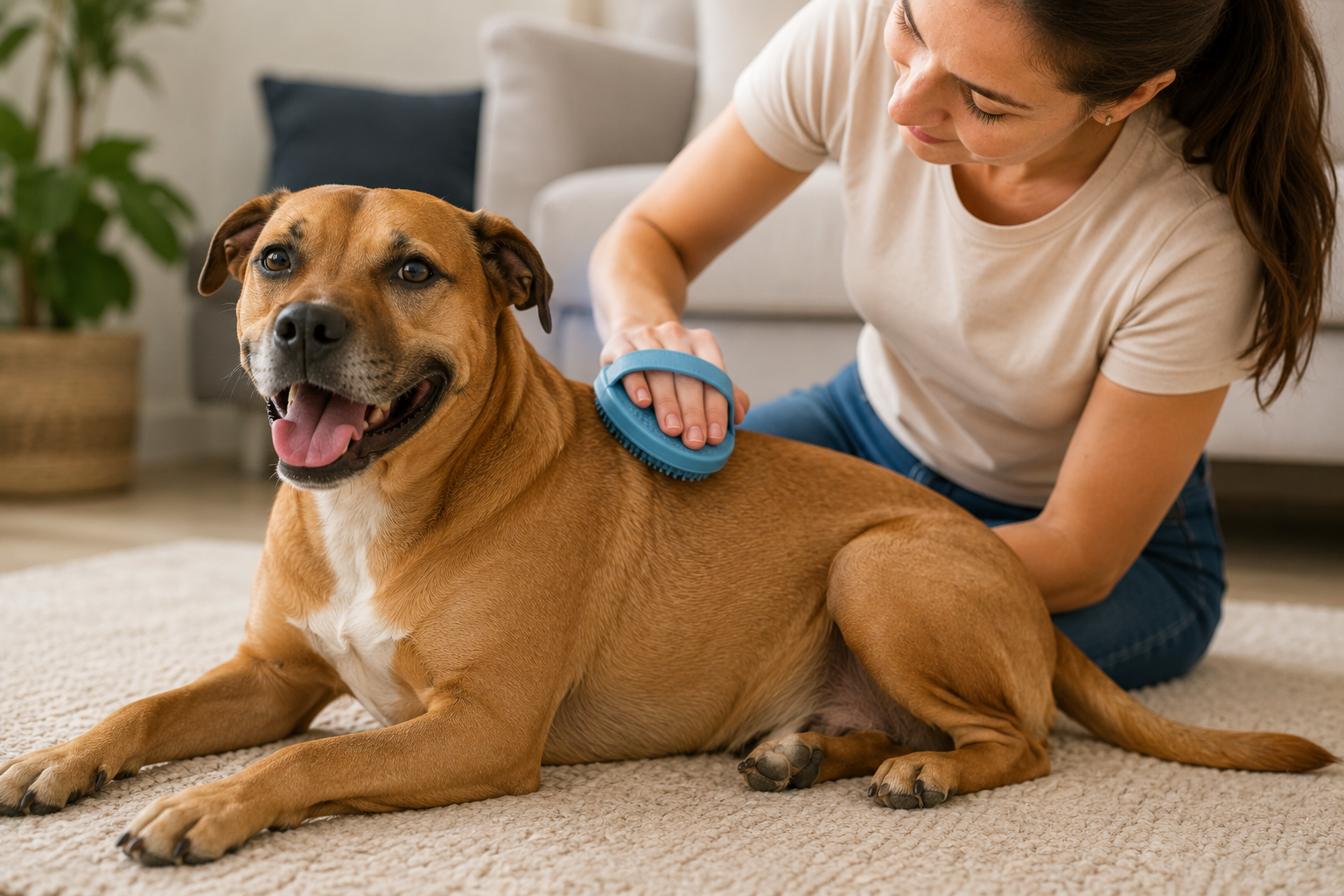 By James C. • July 28, 2026
Short-haired dogs still need a regular grooming routine: a weekly brush with a rubber curry brush or mitt, a bath every 4 to 6 weeks, and regular nails, ears and teeth.
It is a myth that short coats look after themselves, since many short-haired dogs shed heavily and their exposed skin needs care too.
This guide gives a simple weekly and monthly schedule, the right tools and technique, how to manage shedding, seasonal and sun care, and breed-specific tips, all suited to Australian conditions.
Do short-haired dogs need grooming?
Yes, short-haired dogs need regular grooming, even though their coats look low-maintenance.
Short coats do not mat like long ones, but they still shed, often heavily, and they collect dirt, allergens and dead skin. Regular brushing removes loose hair before it covers your home, distributes the natural oils that keep the coat healthy, and stimulates the skin. Skipping grooming can leave the skin dry and flaky, or let small problems go unnoticed.
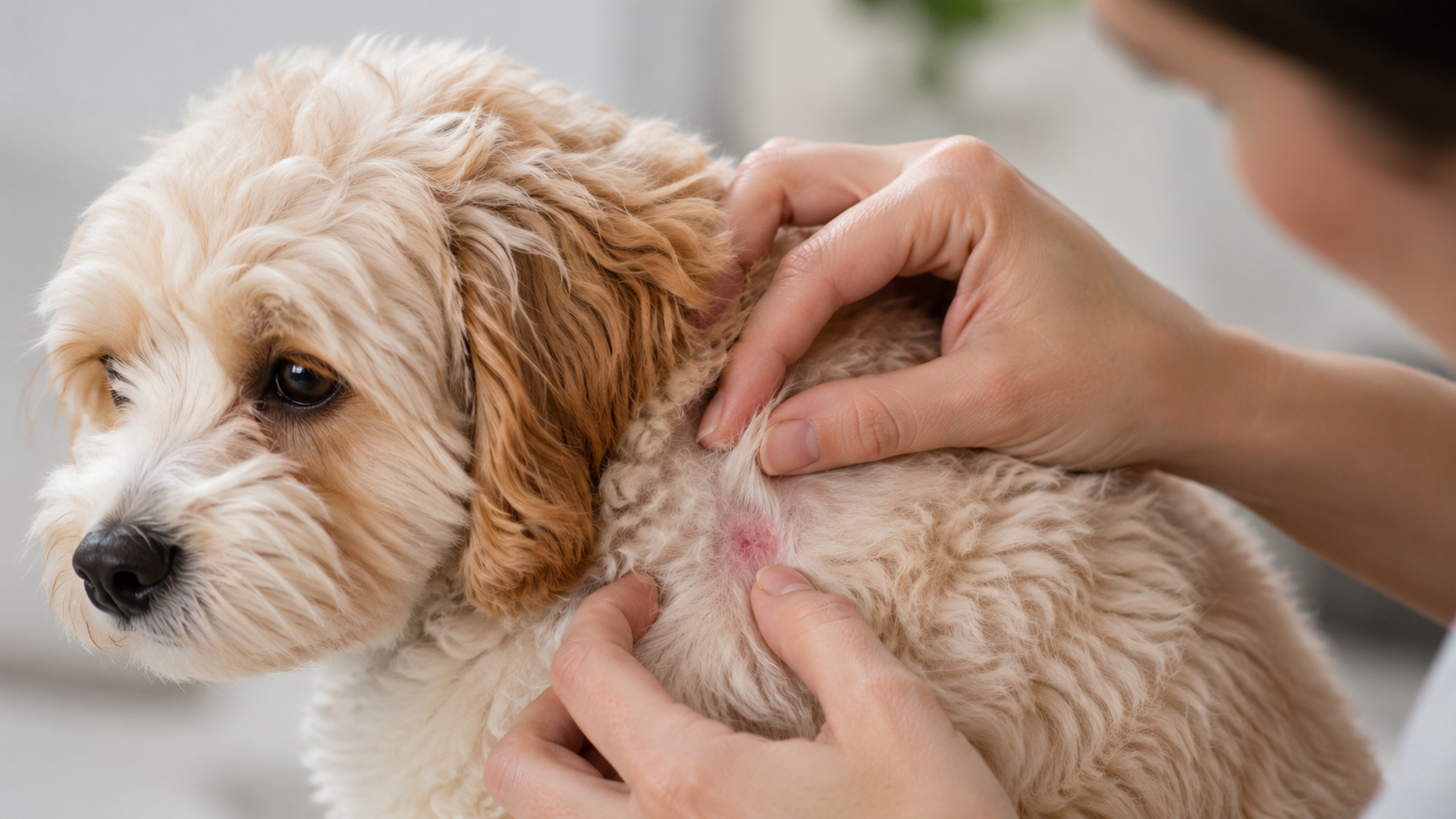
A short coat has one big advantage: it makes health checks easy. Every grooming session is a chance to feel for lumps or bumps, and to spot fleas, ticks, redness or dry patches early, when they are simplest to deal with. In that sense, grooming a short-haired dog is as much about your dog’s health and everyday care as appearance.
A simple weekly and monthly routine
A short-haired dog’s routine is straightforward once you know the cadence. Use this schedule as your baseline.
| Task | How often |
|---|---|
| Brush (rubber curry, then bristle) | Weekly, and daily during a shed |
| Wipe-down with a damp cloth | As needed between baths |
| Bath | Every 4 to 6 weeks |
| Nail trim | Every 3 to 4 weeks |
| Ear check and clean | Check weekly, clean as needed |
| Teeth brushing | Ideally daily, a few times a week minimum |
| Skin and body check | Weekly, while brushing |
| Professional groom (optional) | Every 8 to 12 weeks |
Adjust to your dog: brush daily during a seasonal shed, and bathe sooner if they get muddy or go swimming. Consistency matters more than perfection.
Grooming tools you need

You only need a small kit to groom a short-haired dog well.
- A rubber curry brush or grooming mitt
- A bristle brush for finishing
- A fine-tooth stainless steel comb
- A deshedding tool or undercoat rake for short double coats
- Dog nail clippers or a grinder
- A gentle, dog-specific shampoo
- Dog ear cleaning solution and cotton wool
- A dog toothbrush and dog toothpaste
- A soft, absorbent towel
Avoid human shampoos and harsh products, which can upset a dog’s skin. Good tools last for years and make the routine quicker and more comfortable for both of you.
Brushing short coats: tools and technique
Brushing is the foundation of short-haired dog grooming, and a simple two-step method works best.
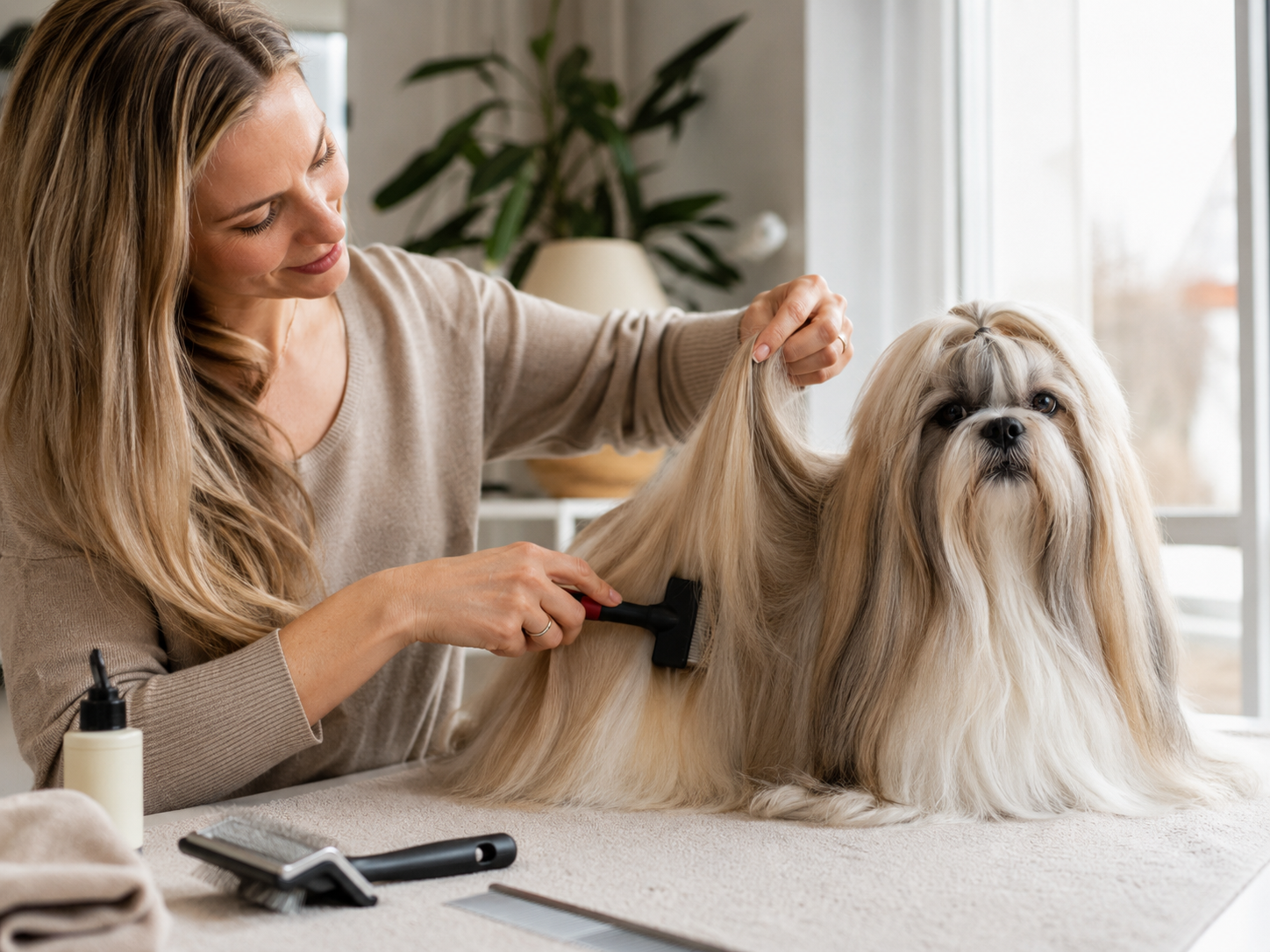
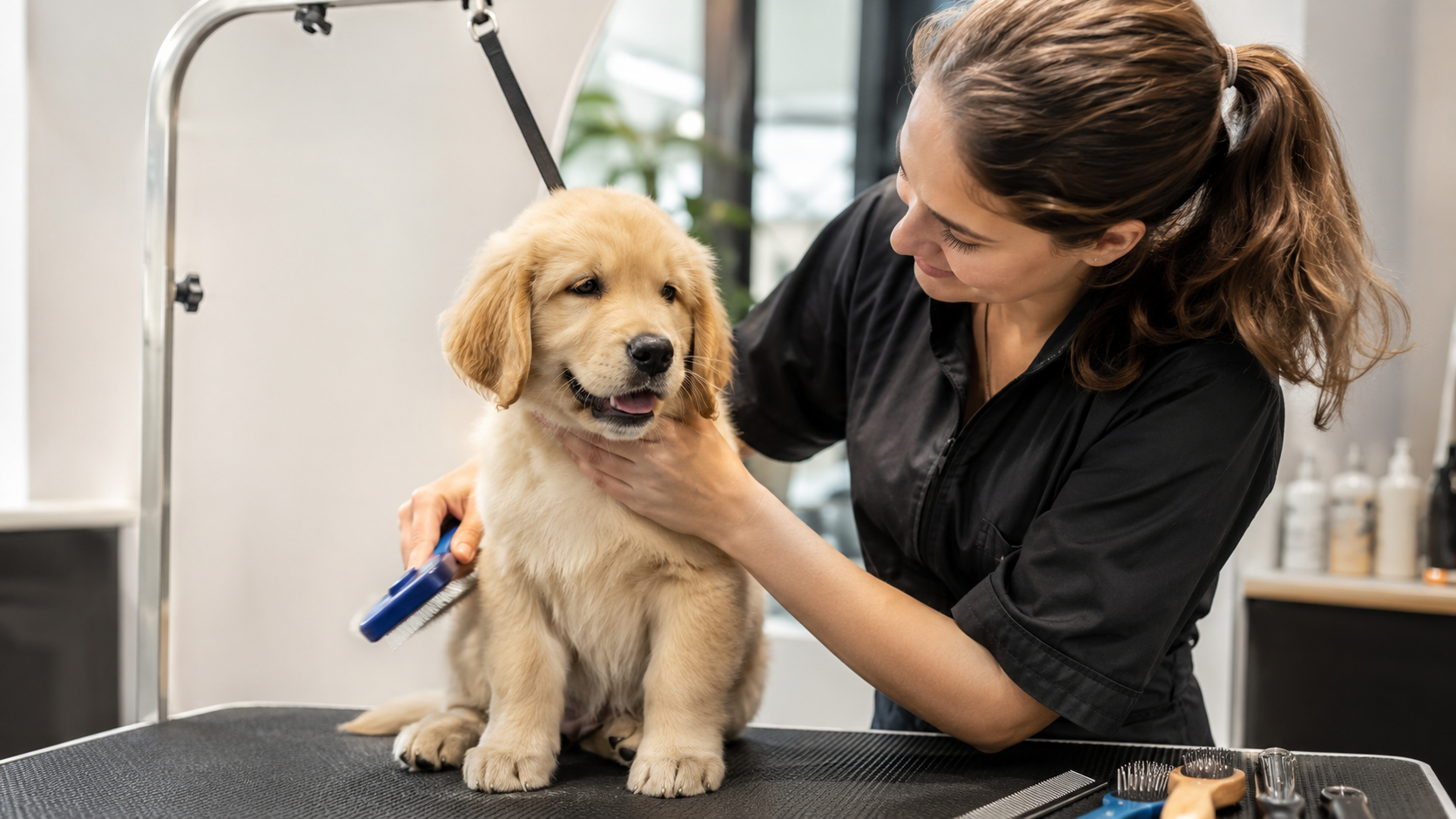
Start with a rubber curry brush or grooming mitt, working in circular motions to lift loose hair and massage the skin, paying attention to the chest, neck and base of the tail where hair builds up. Then switch to a bristle brush and stroke in the direction the coat grows, which collects the loosened hair and brings out a healthy shine. The whole process usually takes 10 to 15 minutes.
Brush at least once a week, and daily during a seasonal shed. Regular brushing is the single most effective way to cut down the loose hair around your home and keep the coat and skin in good condition.
Bathing short-haired dogs: how often
Most short-haired dogs only need a bath every 4 to 6 weeks, since over-bathing strips the natural oils and can dry the skin.
Brush first to remove loose hair, then use lukewarm water and a gentle, dog-specific shampoo, working it in and rinsing thoroughly, since leftover shampoo irritates the skin. Pay attention to easily missed spots like the belly, under the tail and between the toes. Pat the coat dry with a soft towel rather than rubbing, and most short coats air-dry quickly in a warm spot.
Between baths, a quick wipe-down with a damp cloth keeps a smooth coat clean and fresh, which is handy since short coats show dirt easily. Bathe more often only if your dog gets grubby or swims regularly, rinsing well after every swim.
Nails, ears and teeth
Coat care is only part of grooming, and the basics below matter just as much for a short-haired dog.
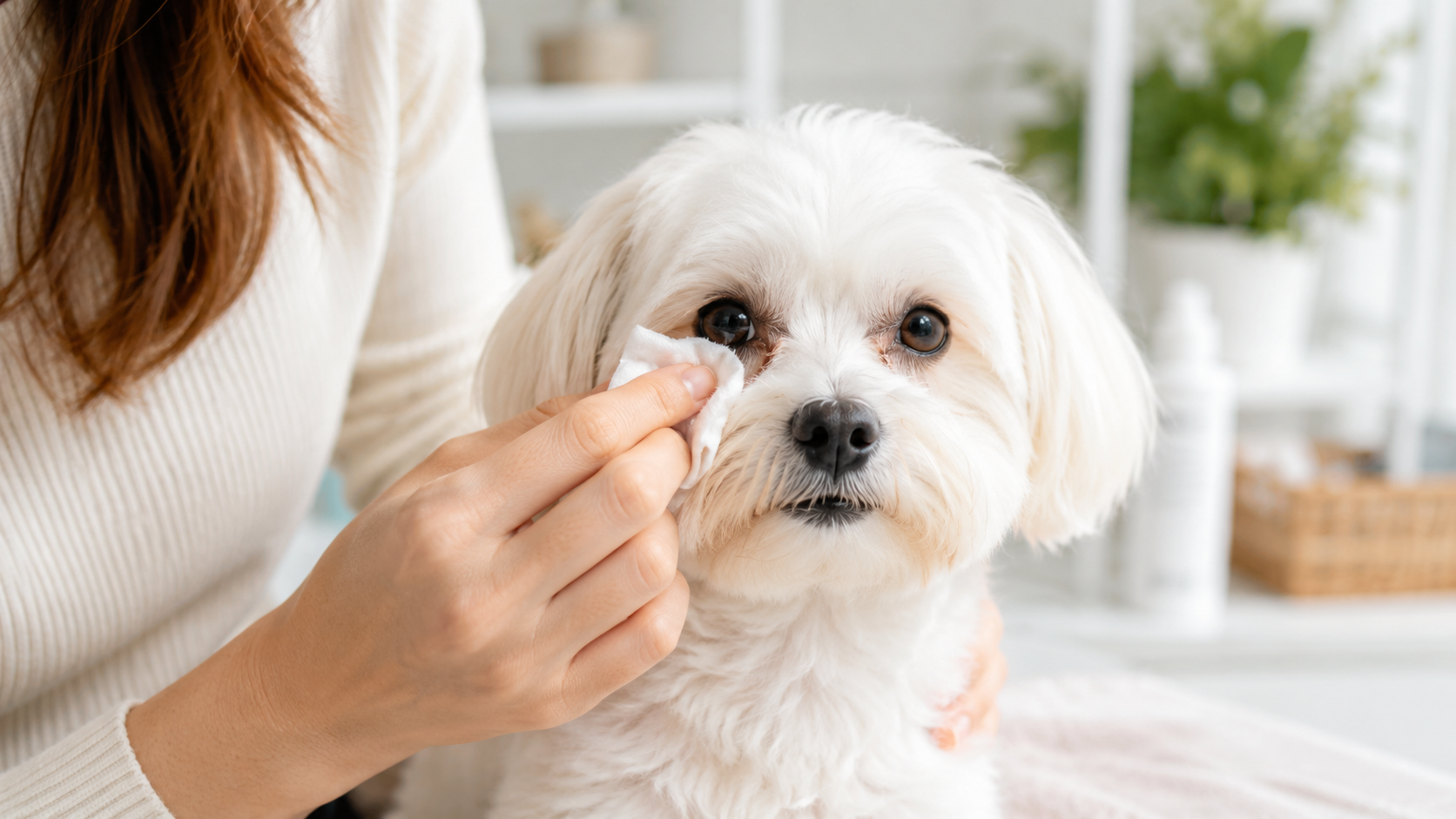
Trim the nails every 3 to 4 weeks, or when you can hear them clicking on hard floors. Check the ears weekly and clean them only when needed with a vet-approved solution and cotton wool, never cotton buds, and take note if their ears start to smell, which often flags a problem. Brush the teeth regularly, ideally daily, with dog toothpaste, since dental care is one of the most overlooked parts of a routine. Rolling these into your weekly grooming keeps them from being forgotten.
Managing shedding in short coats

Short coats can shed surprisingly heavily, and brushing is by far the best way to control it.
Smooth single coats shed steadily year-round, while short double coats, such as those on Labradors, Staffies and Corgis, shed a lot and blow their undercoat with the seasons. For these dogs, use a deshedding tool or undercoat rake and brush more often, daily during a heavy shed, to lift the loose undercoat before it spreads through your home. A complete, balanced diet with omega-3 fatty acids supports a healthier coat that sheds less, so it pays to know what a good diet looks like. If shedding suddenly becomes excessive, or comes with bald patches or irritated skin, it is worth a vet check.
Seasonal care and sun protection

Australia’s climate changes what a short-haired dog needs through the year, so it helps to know what temperatures are safe for dogs.
In spring and autumn, double-coated short-haired dogs shed most heavily, so step up brushing to keep on top of it. Summer brings more fleas, ticks and grass seeds, so check the coat and paws after outdoor time, and remember that short, light-coloured coats offer little protection from the sun.
Thin-coated and pale dogs can burn, so provide shade, avoid the hottest part of the day, and use a dog-safe sunscreen on exposed skin if your vet recommends it. Hot pavement can also burn paw pads, so walk on grass or in the cooler hours and consider a paw balm. In winter, indoor heating can dry the skin, so keep brushing regularly, bathe a little less often, and moisturise paws if they crack.
Short-haired breeds and their needs
Not all short coats are the same, so tailor the routine to your dog’s coat.
- Smooth coats (Greyhounds, Boxers, Dalmatians): a weekly brush with a bristle brush or mitt, plus a damp-cloth wipe between baths, is usually enough.
- Short double coats (Labradors, Staffies, Corgis, Kelpies): brush more often and deshed during seasonal blows, since these are the heavy shedders.
- Wiry coats (Jack Russells, many Terriers): benefit from occasional hand-stripping or carding to keep the texture, alongside regular brushing.
Even short-haired dogs can benefit from a professional groom every 8 to 12 weeks for a thorough deshed, nail trim and anal-gland check, especially if you would rather not do these at home. Coat needs differ from one breed to the next, as a quick look at the country’s most popular dog breeds makes clear.
The bottom line on grooming a short-haired dog
Short-haired dogs are not no-maintenance, but their routine is simple: weekly brushing, a bath every 4 to 6 weeks, regular nails, ears and teeth, and a little extra care through the seasons.
Keep it consistent, and use grooming time to check your dog over, alongside the wider basics of dog grooming and hygiene.
Frequently asked questions
1. Do short-haired dogs need grooming?
Yes. Short-haired dogs shed, collect dirt and can develop skin problems, so they need weekly brushing, regular baths, and nail, ear and dental care. Grooming also lets you check the skin and coat for early signs of trouble.
2. How often should I brush a short-haired dog?
Brush at least once a week, and daily during seasonal shedding. A rubber curry brush followed by a bristle brush removes loose hair, spreads natural oils, and keeps shedding around your home under control.
3. How often should I bathe a short-haired dog?
Every 4 to 6 weeks suits most short-haired dogs. Over-bathing strips natural oils and dries the skin. Bathe sooner only if your dog gets dirty or swims, and rinse thoroughly each time.
4. What is the best brush for a short-haired dog?
A rubber curry brush or grooming mitt is best, since it lifts loose hair while massaging the skin. Follow with a soft bristle brush for shine. A deshedding tool helps short double coats during shedding season.
5. Do short-haired dogs need professional grooming?
Not always, but a professional groom every 8 to 12 weeks is useful for a thorough deshed, nail trim and anal-gland check, especially for heavy-shedding double coats or if home grooming is difficult.
6. Should I trim my short-haired dog’s fur?
Usually not. Short coats grow to a set length and rarely need cutting. Occasional tidying around the paws or sanitary areas is fine, but avoid clipping the coat, since it does not help and can affect the skin.
 Add us as a preferred source