Signs a Dog Is Ready to Give Birth
Breeding & Whelping By James C. • February 24, 2026
If your dog is nearing the end of her pregnancy, it is completely normal to feel alert and slightly anxious. Whelping can happen quickly once labour begins, and knowing what to look for helps you stay calm and prepared.
The final days before birth bring clear behavioural and physical changes. In this guide, we’ll walk through the early warning signs, what active labour looks like, and when veterinary support may be needed so you can respond with confidence.
How Do You Know a Dog Is Ready to Give Birth?
A dog is usually ready to give birth within 24 hours when you notice a sudden drop in body temperature, nesting behaviour, restlessness, loss of appetite, and mild trembling or panting. These changes signal the first stage of labour. Visible contractions and fluid discharge indicate active whelping has begun.
Behavioural Signs Labour Is Close

In the final 24 to 48 hours before whelping, most dogs begin showing noticeable behavioural changes. These signs often appear before physical labour becomes obvious.
Nesting Behaviour
One of the earliest signs is nesting. Your dog may start scratching bedding, digging at blankets, or repeatedly rearranging her whelping area. This instinct prepares a safe space for the puppies and usually intensifies as labour approaches.
Restlessness and Pacing
A normally calm dog may become unsettled. She might pace around the house, struggle to get comfortable, or repeatedly stand up and lie down. This restlessness is often linked to early contractions beginning internally.
Clinginess or Isolation
Some dogs seek constant reassurance and stay close to their owner. Others withdraw and look for a quiet, secluded place. Both behaviours are normal and depend on temperament.
Loss of Appetite
Many dogs refuse food within 12 to 24 hours before labour begins. A sudden lack of interest in meals late in pregnancy can be a reliable early indicator that whelping is near.
Behavioural signs typically appear first. Physical labour signs follow soon after.
Physical Signs Labour Is Approaching
Physical changes usually confirm that whelping is close. These signs often appear within 24 hours of birth and become more obvious as labour progresses.
Drop in Body Temperature
One of the most reliable indicators is a drop in rectal temperature. A pregnant dog’s normal temperature ranges between 38°C and 39°C. About 12 to 24 hours before labour begins, it often falls below 37.5°C. Taking her temperature twice daily during the final week of pregnancy can help you spot this change accurately.
Enlargement of Mammary Glands and Milk Production
In the final days, the mammary glands become fuller and firmer. Some dogs begin leaking milk shortly before labour, although others may not produce visible milk until after the first puppy is born. Both scenarios can be normal.
Vaginal Discharge
A clear or slightly cloudy mucus discharge may appear as the cervix begins to dilate. This is often referred to as the “mucus plug.” It should not have a strong odour or contain heavy blood before active labour. A dark green discharge before the first puppy is delivered requires immediate veterinary attention.
Visible Abdominal Tightening
As labour moves closer, you may notice subtle tightening of the abdomen. These are early contractions. They can be mild at first and may not be rhythmic.
Physical signs combined with behavioural changes strongly indicate labour is near. Monitoring calmly and methodically is key.
Signs Active Labour Has Started
Once labour moves from preparation into active whelping, the signs become more obvious and time-sensitive. This stage requires close monitoring.
Strong, Visible Contractions
You will see clear abdominal contractions. The abdomen tightens rhythmically, and your dog may lie on her side while pushing. These contractions should gradually become stronger and closer together.
Heavy Panting and Trembling
Panting intensifies during active labour. Some dogs also tremble or shiver. This is caused by pain, hormonal shifts, and muscular effort. Mild shaking can be normal, but extreme distress is not.
Fluid Sac or Water Breaking
You may notice a clear fluid sac or a rush of fluid when the membranes rupture. This usually signals that the first puppy will arrive soon, often within 30 to 60 minutes.
Straining Without Progress
Occasional repositioning is normal, but if your dog strains hard for more than 20 to 30 minutes without producing a puppy, veterinary advice is needed immediately.
Active labour progresses quickly once it begins. Calm observation and clear timing of contractions are essential.
When to Call the Vet Immediately
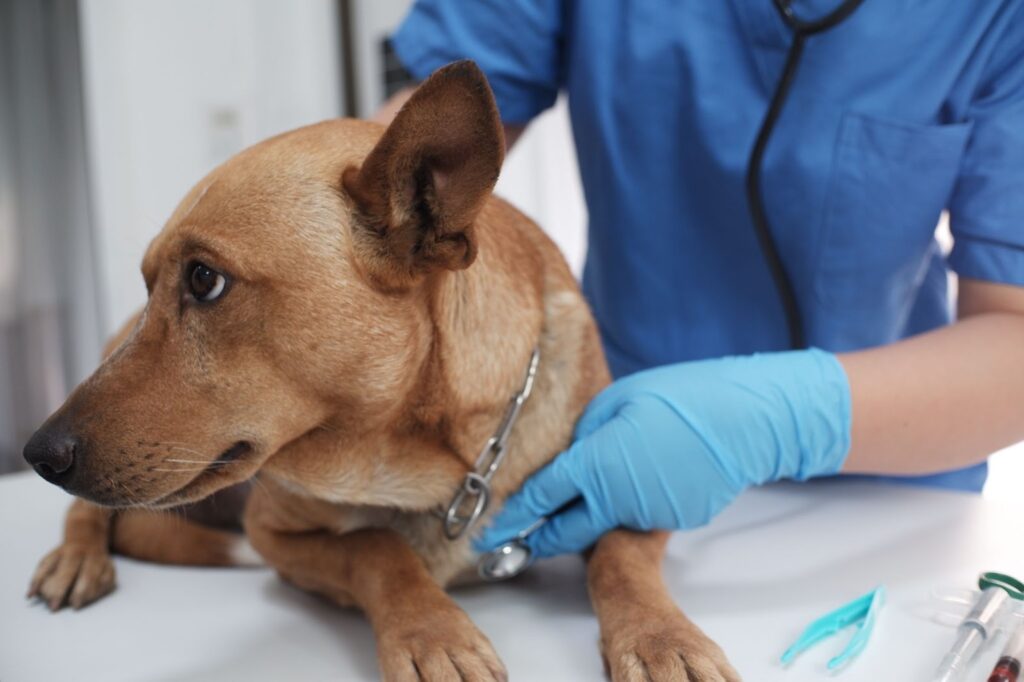
While most dogs give birth without complications, whelping emergencies can develop quickly. Knowing when to seek veterinary help can protect both the mother and her puppies.
Contact a veterinarian immediately if you notice strong contractions lasting more than 30 minutes without a puppy being delivered. This may indicate an obstruction or uterine inertia.
If more than two hours pass between puppies and you know additional puppies remain, this also requires urgent advice. Prolonged delays increase the risk of distress or oxygen deprivation.
A dark green or foul-smelling discharge before the first puppy arrives is a serious warning sign. Green discharge after a puppy is born can be normal, but before the first delivery it may signal placental separation.
Extreme lethargy, collapse, high fever, excessive bleeding, or signs of severe pain are not normal labour signs and demand immediate attention.
When in doubt, call. Early intervention is always safer than waiting too long.
How Long After These Signs Will Puppies Arrive?
Once the early signs appear, timing becomes important. Most dogs enter the first stage of labour within 12 to 24 hours after the temperature drop and nesting behaviour begin.
Stage one labour, which includes restlessness, mild contractions, and cervical dilation, can last anywhere from 6 to 12 hours. In some first-time mothers, it may extend slightly longer. During this phase, you may not see strong visible pushing yet.
Active labour, where clear contractions and straining begin, typically results in the first puppy being delivered within 30 to 60 minutes of strong, consistent contractions. After the first puppy arrives, additional puppies are usually born every 30 to 90 minutes. Short rest periods between puppies can be normal, especially if the litter is large.
The entire whelping process can take several hours, depending on how long dog labour lasts in that individual case. For small litters, it may be completed within 3 to 4 hours. Larger litters may take 8 hours or more.
Tracking timing calmly and accurately is essential. If labour stalls or exceeds expected intervals, veterinary advice should be sought promptly.
How to Prepare Safely Before Labour Begins
Preparation reduces stress and improves outcomes. Responsible breeding and whelping planning begins long before labour starts, ideally with everything ready at least one week before the expected due date, which is typically around 63 days after ovulation.
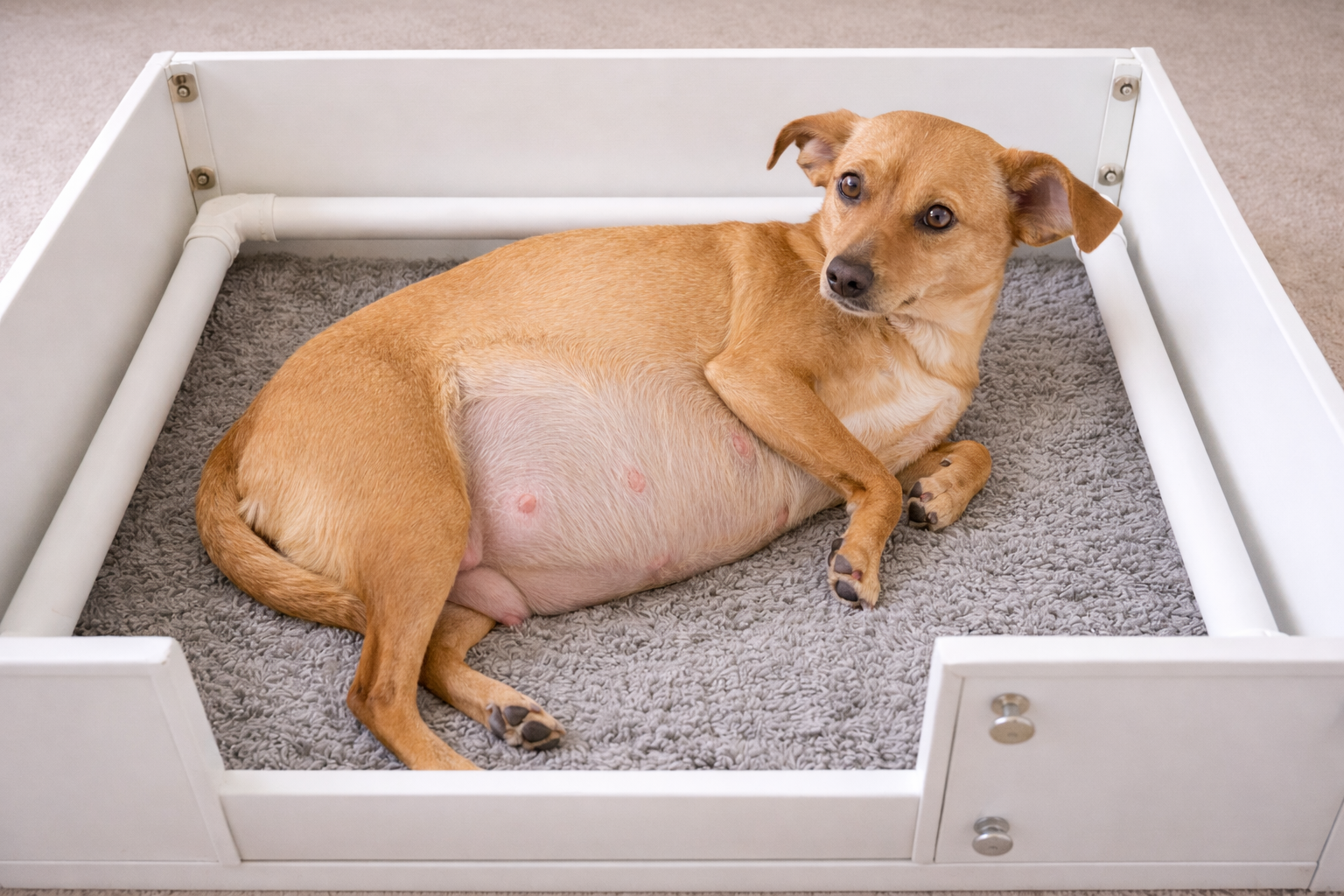
Start by setting up a quiet, warm whelping area away from household traffic. The space should be easy to clean, draft-free, and large enough for the mother to stretch out fully without crushing the puppies. Introduce her to this area early so it feels familiar and secure.
Keep essential supplies nearby. These include clean towels, disposable gloves, sterile scissors, thread or clamps for umbilical cords if needed, a digital thermometer, a notebook for timing contractions, and your veterinarian’s contact details. Most births require minimal intervention, but being prepared prevents panic.
In the final week, monitor her temperature twice daily to detect the pre-labour drop. Reduce unnecessary stress, avoid major changes in routine, and ensure she maintains steady food and water intake until appetite naturally declines.
Preparation is not about expecting problems. It is about ensuring calm support if labour progresses quickly.
After the First Puppy Arrives: What to Expect Next
Once the first puppy is delivered, labour is not over. Many owners relax too early, but careful monitoring should continue until all puppies are born.
After each puppy, the mother will usually tear open the sac if it has not already ruptured, clean the puppy, and stimulate breathing by licking. You should see steady movement and hear small vocalisations within moments, as this is important in the first hours that shape puppy survival in the first two weeks. If a puppy is not breathing, gentle clearing of the airway and stimulation may be necessary while contacting a veterinarian.
The placenta is typically delivered shortly after each puppy. It is normal for the mother to eat some of the placentas, but monitor the number passed. There should be one placenta for each puppy. Retained placentas can lead to infection.
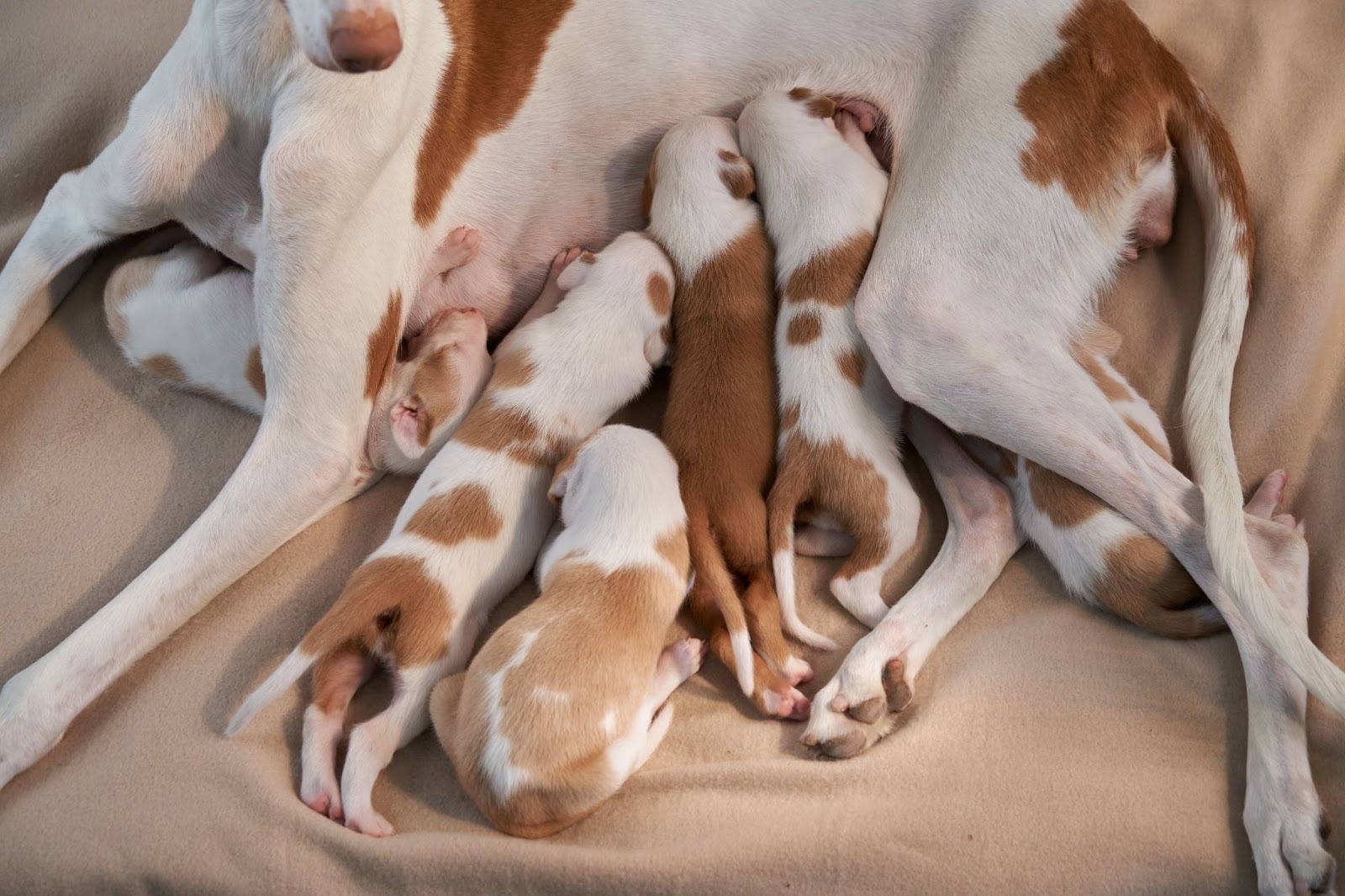
Between puppies, it is common for the mother to rest. These pauses may last 30 to 90 minutes. During this time, she may nurse already-born puppies. Calm rest periods are normal, but strong contractions without progress are not.
Continue timing each birth carefully. Labour is considered complete when contractions stop, the abdomen feels softer, and the mother settles with her litter.
Observation does not mean interference. Most dogs handle whelping instinctively, but quiet supervision ensures you can act quickly if needed.
Common Complications During Whelping

While most dogs deliver without assistance, the following complications require immediate attention:
- Uterine inertia: Contractions weaken or stop before all puppies are delivered. This may occur due to exhaustion, large litters, or calcium imbalance. Veterinary intervention is often required.
- Obstructed labour (dystocia): Strong straining for more than 30 minutes without producing a puppy, or a puppy visible but not progressing. This is an emergency and may require surgery.
- Prolonged gaps between puppies: More than two hours between puppies when additional puppies are expected. This increases risk of fetal distress.
- Dark green discharge before the first puppy: This can signal placental separation and requires urgent veterinary advice.
- Excessive bleeding: Bright red bleeding that is heavy or continuous is abnormal and must be assessed immediately.
- Retained placenta: Failure to pass one placenta per puppy can lead to infection and fever in the days following birth.
- Extreme lethargy or collapse: Weakness, pale gums, or unresponsiveness during or after labour are emergency signs.
Quick recognition of whelping complications and prompt veterinary support significantly improve survival outcomes for both mother and puppies.
Staying Calm and Prepared During Whelping
Recognising the signs a dog is ready to give birth helps you respond calmly rather than react in panic.
Most dogs whelp naturally with minimal intervention, but preparation and observation make a meaningful difference.
Monitor behavioural changes, track temperature in the final week, and time contractions once labour begins. Knowing when to call the vet is just as important as knowing when to step back.
Whether you are preparing for your first litter or supporting an experienced dam, responsible planning protects both mother and puppies.
Careful breeding, proper timing, and informed supervision create safer beginnings for every new life.
Frequently Asked Questions
1. How many days before giving birth does a dog start showing signs?
Most dogs begin showing behavioural and temperature changes within 24 to 48 hours before labour starts. Nesting, restlessness, and appetite loss are common early indicators.
2. How long after a temperature drop will puppies arrive?
Once a dog’s temperature drops below 37.5°C, labour typically begins within 12 to 24 hours. If 24 hours pass without progression, veterinary advice is recommended.
3. Do all dogs stop eating before giving birth?
Many dogs lose their appetite shortly before labour, but not all do. A sudden refusal of food late in pregnancy is common and often signals that whelping is close.
4. Is shaking normal before a dog gives birth?
Mild trembling or shivering can occur during early labour due to hormonal changes and discomfort. Severe distress or collapse is not normal and requires veterinary assessment.
5. How do I know if all the puppies are delivered?
Labour is usually complete when contractions stop, the abdomen feels softer, and the mother settles to nurse. If you suspect more puppies remain but contractions have stopped, contact your vet.
6. When should I be worried during labour?
Strong straining without progress, prolonged gaps between puppies, heavy bleeding, foul discharge, or extreme weakness are emergency signs that require immediate veterinary care.
 Add us as a preferred source