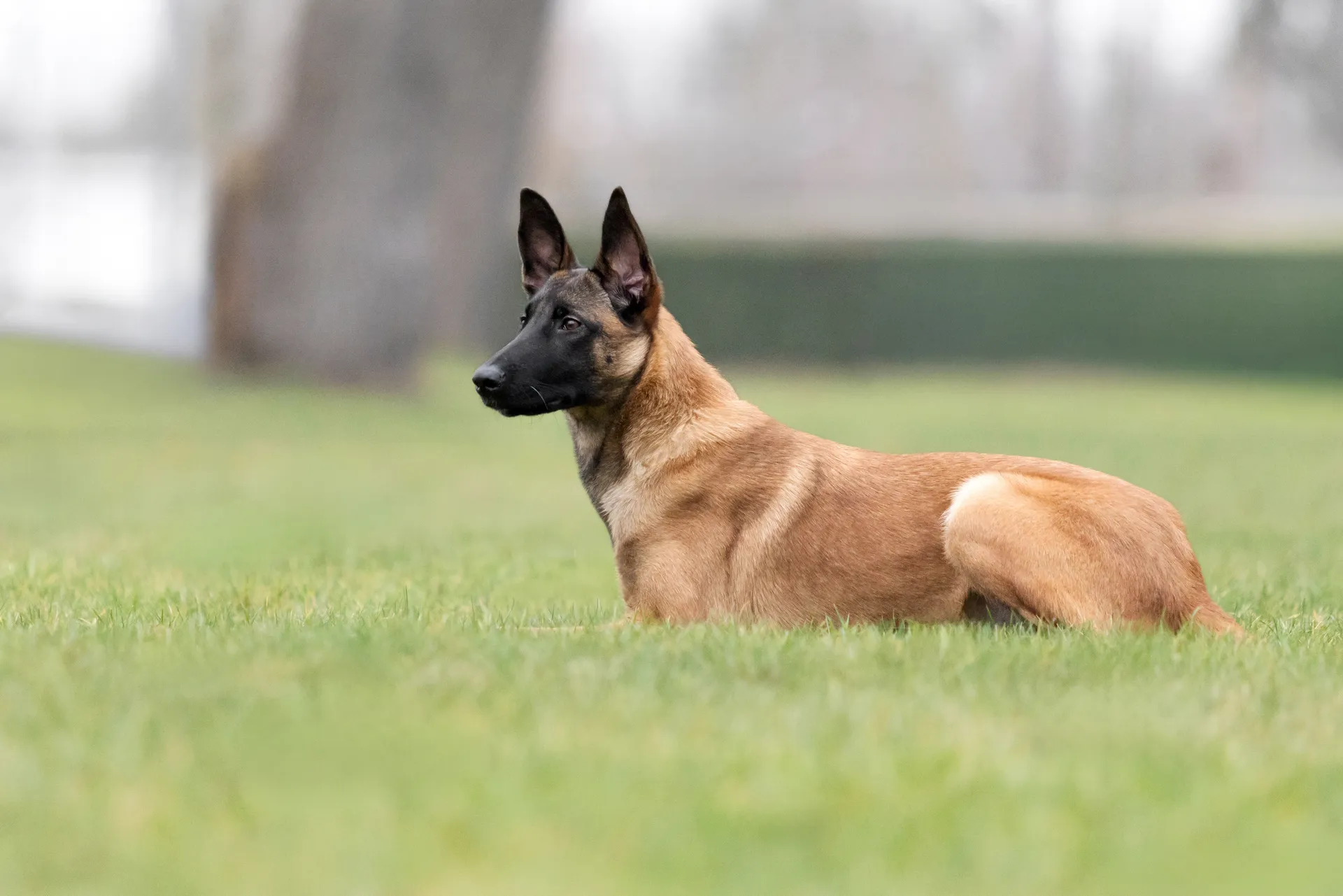
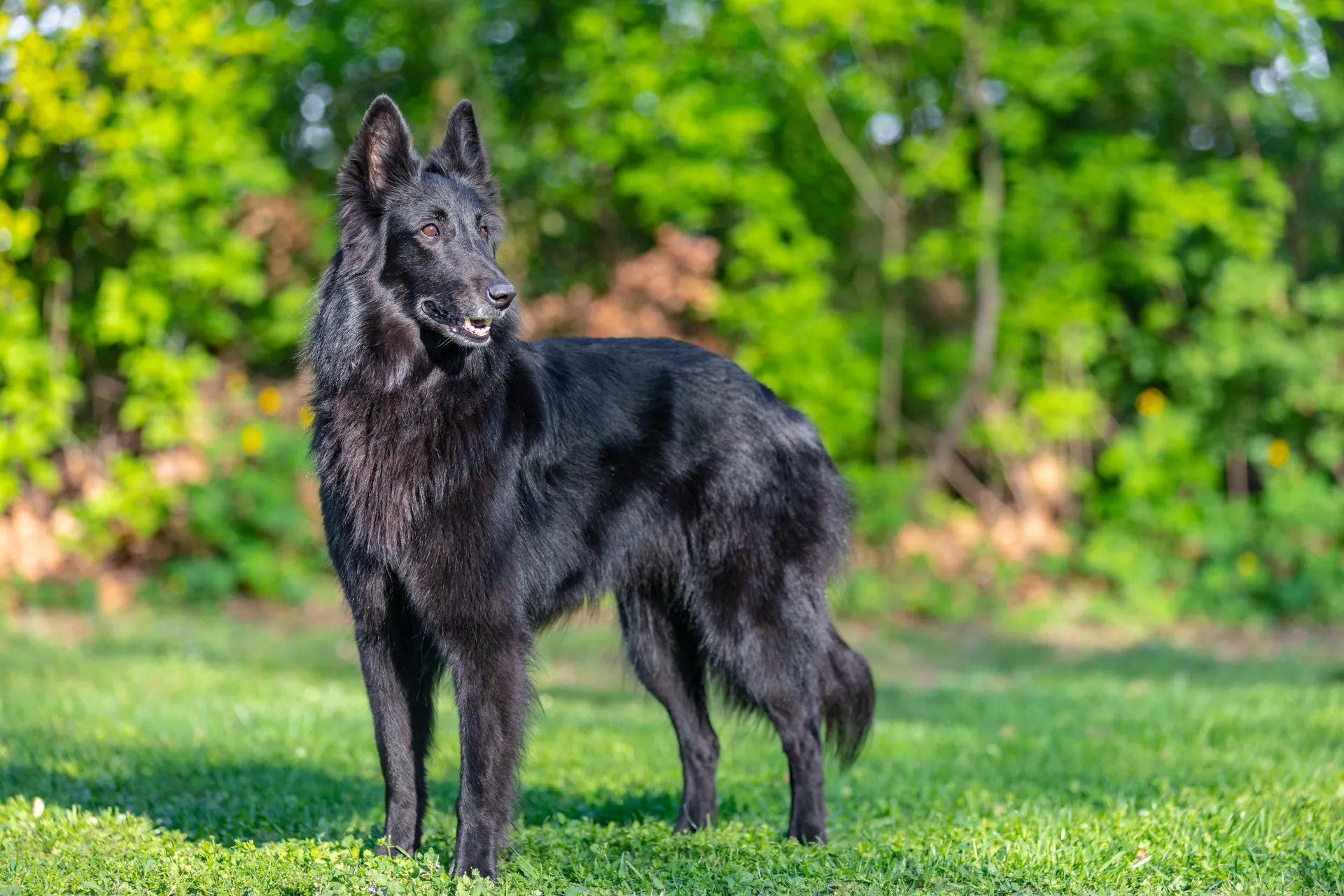
Belgian Shepherd
By James C. • Updated
The Belgian Shepherd Dog is a sharp, high-energy working breed that comes in four varieties: Groenendael, Tervueren, Malinois and Laekenois. It bonds closely with its handler, learns fast and needs 60 to 90 minutes of purposeful exercise a day plus regular training. It suits experienced, active owners with a secure yard, not first-time owners or anyone out of the house all day.
Breed Overview
Life Span
10 - 14 years
Average Price
AUD 760 - AUD 1715
Weight
Male: 25 - 30 kg Female: 20 - 25 kg
Height
Male: 60 - 66 cm Female: 56 - 62 cm
Life Expectancy
Male/Female: 10 - 14 years
Breed Group
Herding
Nicknames
Belgian Sheepdog, Chien de Berger Belge, Groenendael, Tervueren, Laekenois, Malinois
Breed Information
The Belgian Shepherd Dog was bred to herd, guard and work closely with people, and it still behaves that way. It's alert, quick and very bright, and it bonds hard with its owner. Give it structure, a job and regular mental work and it's a superb dog. It suits people who enjoy an active life and are comfortable handling a driven, responsive animal.
This breed is not a passive companion.
Expect daily exercise, ongoing training and early socialisation, especially through the early stages of puppy training and behaviour development. Get those right and a Belgian becomes a loyal family member and a capable all-rounder at home or at work.
Be honest about your time, experience and space before you commit. A Belgian Shepherd repays effort with intelligence and devotion. In a household that can't meet its physical and mental needs, it quickly becomes hard work.
Characteristics: What Living With a Belgian Shepherd Dog Is Really Like
Intense, clever and driven. For the right owner, life with a Belgian is deeply rewarding. For an unprepared one, it's exhausting. Here's how the breed usually shows up in everyday home and family life.
| Characteristic | Rating | Star Rating | What This Means for You |
| Size | Medium to Large | ⭐⭐⭐⭐☆ | Athletic and well proportioned. Needs room to move indoors and out. |
| Adaptability | Moderate | ⭐⭐⭐☆☆ | Settles best in structured, active households with a predictable routine. |
| Exercise Needs | Very High | ⭐⭐⭐⭐⭐ | Needs vigorous daily exercise and mental work to stay settled. |
| Easy to Train | High (with experience) | ⭐⭐⭐⭐☆ | Extremely trainable for a confident, consistent owner using positive methods. |
| Amount of Shedding | Moderate to High | ⭐⭐⭐☆☆ | Sheds heavily in spring and autumn, so regular brushing is a must. |
| Grooming Needs | Moderate | ⭐⭐⭐☆☆ | Varies by variety, but usually weekly brushing plus extra work at seasonal moults. |
| Good With Children | Good with supervision | ⭐⭐⭐⭐☆ | Loyal and protective with the family's kids. Best where children are taught to respect the dog. |
| Health of Breed | Generally strong | ⭐⭐⭐⭐☆ | Sound on the whole, but responsible breeding and health screening matter. |
| Cost to Keep | Moderate to High | ⭐⭐⭐☆☆ | Food, training, grooming and preventative healthcare all add up. |
| Tolerates Being Alone | Low | ⭐⭐☆☆☆ | Very people-focused and may show early signs of separation anxiety in dogs if left alone too often. |
| Intelligence | Exceptional | ⭐⭐⭐⭐⭐ | Quick-thinking and happiest when solving problems or doing a real task. |
This is a dog for owners who will put real time into training, exercise and enrichment. The payoff is a loyal, responsive dog that can turn its paw to almost anything.
History of the Belgian Shepherd Dog: A European Working Breed With Global Influence
Belgian farmers and shepherds needed quick, agile dogs to move livestock and guard property. Looks didn't matter. Early Belgian Shepherds were selected for stamina, performance and their ability to work with people across long days and rough country.
Early Development and Breed Formation
In the late 19th century, Belgium started formally documenting its native herding dogs. Professor Adolphe Reul, a Belgian veterinarian, was central to setting a unified breed standard in the 1890s. His work recognised four closely related varieties, split mainly by coat type and region: Groenendael, Tervueren, Malinois and Laekenois. They look different, but all four share the same structure, intelligence and working purpose.
The dogs soon earned a name for responsiveness, endurance and natural guarding ability. Farmers used them to herd sheep and cattle and to protect farms and rural communities.
Expansion Into Service and Modern Roles
In the 20th century the breed moved well beyond the farm. Belgian Shepherds carried messages, guarded and patrolled in both World Wars and proved reliable under pressure. That record led directly to their modern work in police, military, search and rescue and detection roles worldwide.
Kennel clubs in Australia and the UK recognise the Belgian Shepherd Dog as one breed with four varieties, with a strong focus on temperament, soundness and working ability. It still draws experienced owners who want a clever, loyal dog with a purpose.
Function, not fashion, shaped this breed.
Appearance of the Belgian Shepherd Dog: Athletic Elegance Built for Endurance
Everything about a Belgian's build has a reason behind it. Nothing is exaggerated. It's a dog designed to work all day beside people, with strength, agility and an alert presence packed into a clean, balanced frame.
Size, Build, and Structure
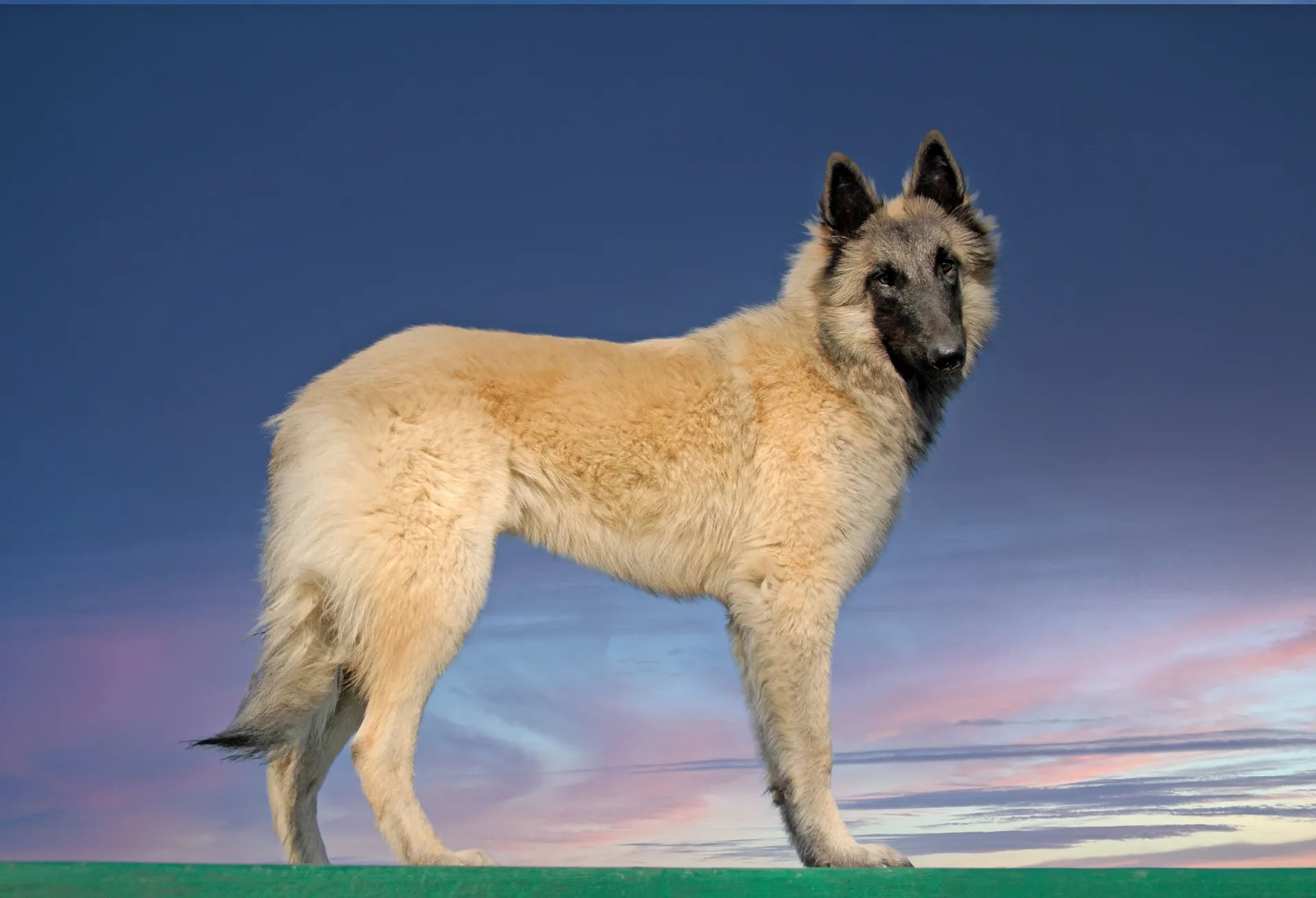
Belgians are medium to large dogs with a square, balanced outline. Males usually stand 60 to 66 cm at the shoulder and weigh 25 to 30 kg. Females are a little smaller at 56 to 62 cm and 20 to 25 kg. They're muscular without looking heavy, with a deep chest, strong back and powerful hindquarters built for sustained movement and sharp changes of direction.
They stand proud and upright, alert even when resting. On the move they're light and efficient, covering ground easily for long periods.
Coat Types and Colour Variations
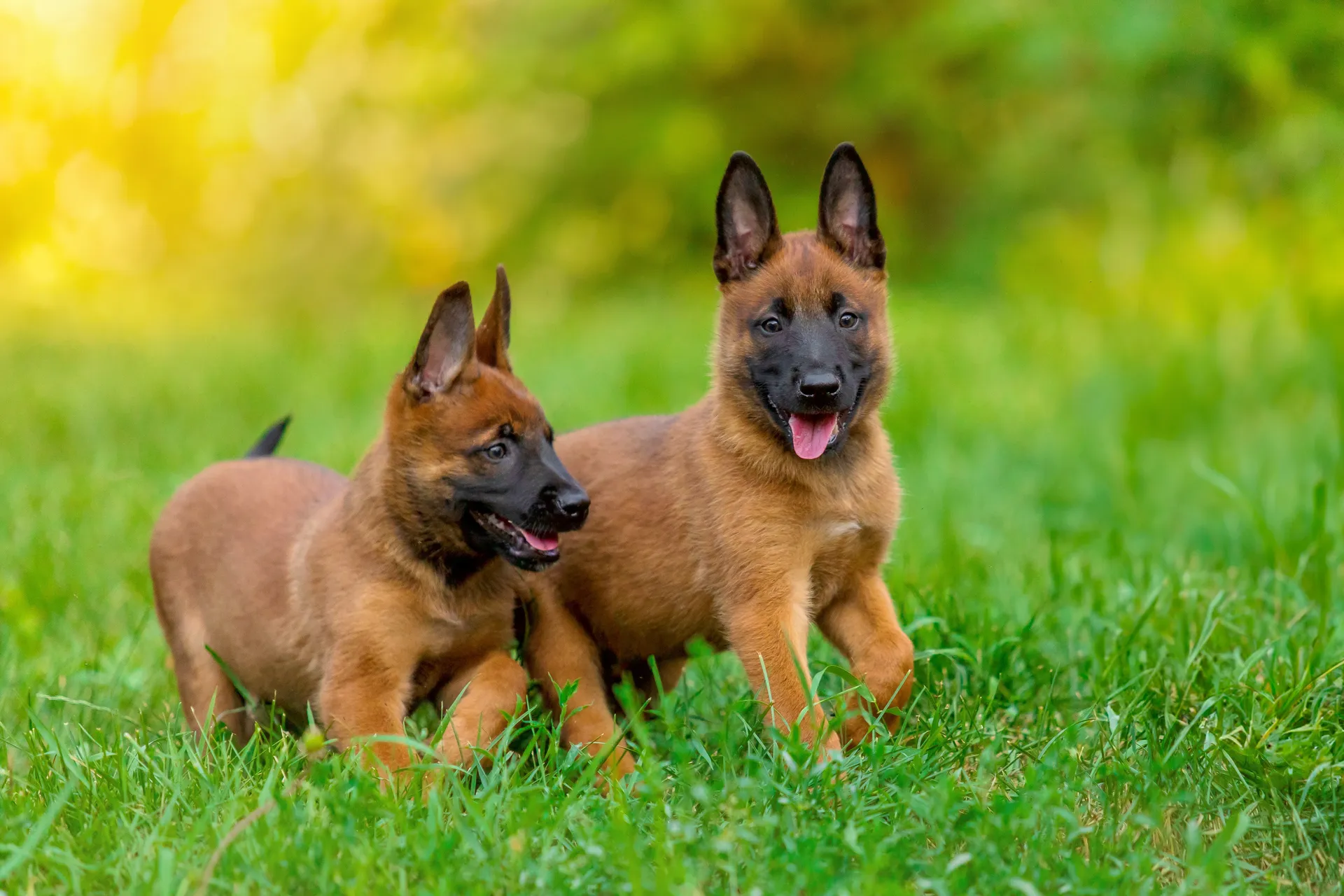
Each of the four varieties has its own coat. The Groenendael and Tervueren have long, straight coats. The Malinois has a short, dense coat. The Laekenois stands out with a rough, wiry texture. Colours run from rich fawn and mahogany to black, often with a black mask that sharpens the expression.
Under the coat, all four varieties share the same body and working build.
Head, Expression, and Distinctive Features
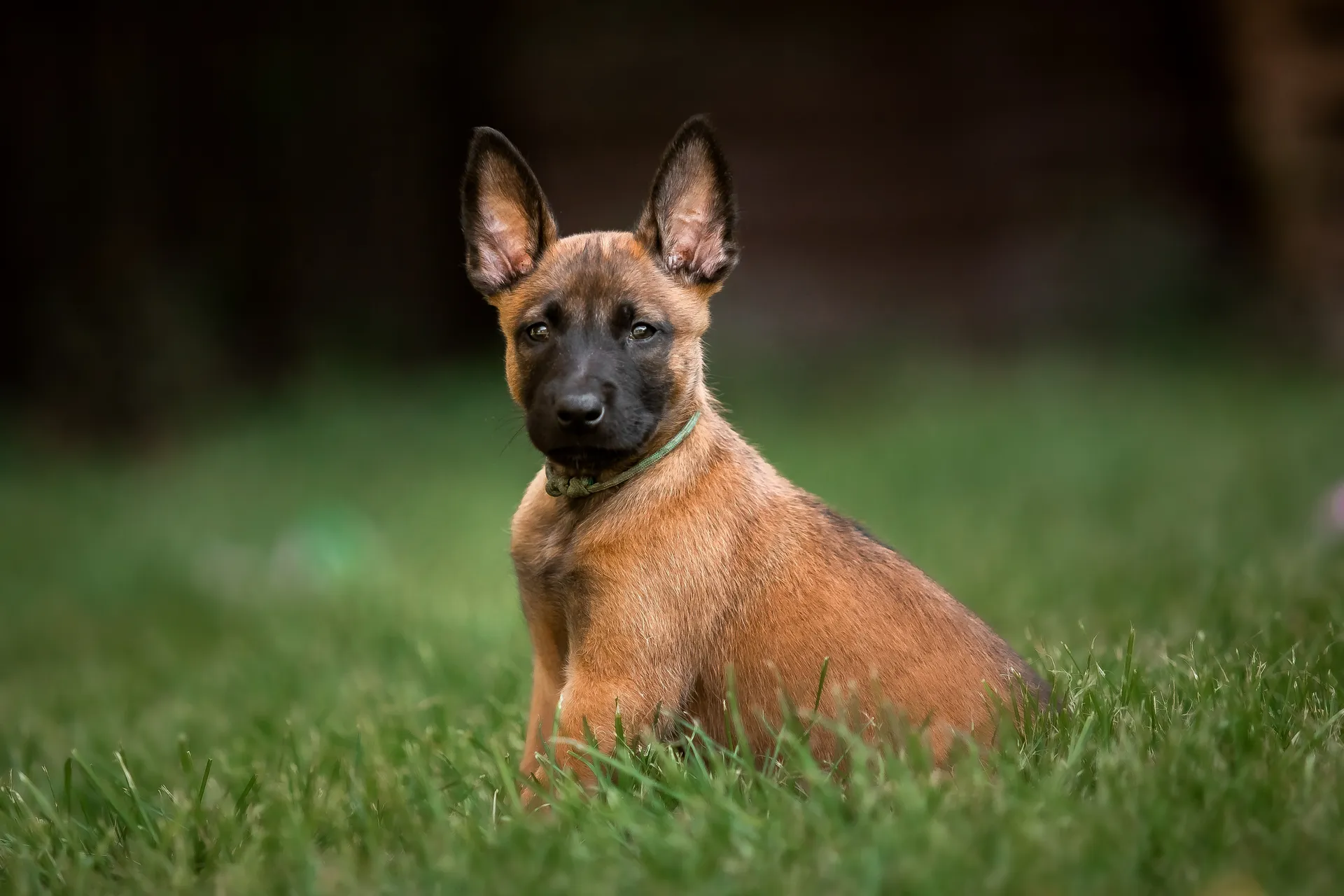
The head is long and finely chiselled, with a flat skull, moderate stop and strong muzzle. Dark, almond-shaped eyes give an intelligent, focused look, and high-set, erect triangular ears add to the alert expression. A black nose and tight lips finish it off.
Controlled power with a bit of polish. You'd never mistake it for anything but a working dog.
Temperament of the Belgian Shepherd Dog: Loyal, Alert, and Purpose-Driven
Sharp, loyal and wired to work. Belgians form intense bonds with their family and often pick one main handler. When their body and brain are both satisfied, they're calm, responsive and very dependable.
Core Personality Traits
Belgians are confident and watchful, and they read a situation fast. They're naturally protective without being aggressive towards everyone, so they make good watchdogs that alert rather than overreact. They pick up on small human cues, which is why changes in your mood, routine or surroundings register with them so quickly.
Don't expect an independent dog. Belgians want to work alongside their people and get unsettled when they're left out of daily life or given nothing to do.
Social Behaviour and Protective Instincts
Well socialised from early on, a Belgian is steady and controlled around strangers, if a little reserved at first. Most will watch and assess before they engage, a habit that comes from their guarding background. Socialisation from puppyhood keeps those instincts in proportion.
They usually get on with other dogs when introductions are handled properly. Their assertive streak means clear rules and structured interactions are important, especially with more than one dog in the house.
Drive, Energy, and Emotional Needs
The drive to work, learn and move is strong. Without an outlet, boredom can turn into anxiety, barking or destruction. A Belgian does best in a home with routine, clear leadership and regular interaction, not one that just wants a dog lying in the yard.
For experienced owners, that drive is the whole appeal: a loyal, alert dog that treats life as a partnership.
Intelligence and Trainability of the Belgian Shepherd Dog: A Fast Learner That Needs Direction
Belgians are among the brightest and most responsive working breeds. They were bred to make decisions while herding and guarding, and they combine quick learning with a strong wish to work with their handler. How well that goes depends a lot on your approach, consistency and experience.
Learning Style and Responsiveness
New commands sink in fast and stick. Reward-based training using praise, food and play gets the best response. Be clear and consistent, because a Belgian notices mixed signals immediately and will act on them.
Short, purposeful sessions beat repetitive drills. A Belgian gets mentally flat when training lacks variety or challenge, so keep mixing it up.
Training Methods That Work Best
Start structured obedience early, and it helps to know when to start obedience training before bad habits set in. Clicker training, scent work, agility and obedience sports are all excellent ways to channel the breed's brains and energy. Avoid harsh corrections or heavy-handed handling, which damage trust and can lead to avoidance or anxiety.
Belgians respond well to responsibility and clear expectations. Every session should work the mind as well as the body.
Common Training Challenges
Short on exercise and stimulation, Belgians may start barking excessively, reacting to things or destroying property. These are common puppy behaviour problems in high-drive working breeds. Inconsistent rules, late socialisation and a lack of structure are the usual mistakes that hold training back.
With patience and structure, a Belgian becomes a capable, reliable partner that's keen to work, whether that's on a trial field or in the lounge room.
Family Life and Living With a Belgian Shepherd Dog: Active Homes, Strong Bonds, Clear Structure
A Belgian wants to be in the thick of family life. It won't sit happily on the sidelines. Expect it to want a part in your routines, your training and every trip outdoors.
Living With Children
With good socialisation and supervision, Belgians can live well with children. They're loyal and protective and often take a sense of responsibility for the younger members of the family. Their size and intensity suit older children who understand boundaries.
Always supervise play. Herding instincts may show up as nipping, chasing or trying to round up kids who are running around the backyard.
Compatibility With Other Pets
Belgians can live with other dogs if they're introduced carefully and well socialised. Structured introductions and clear leadership work best in multi-dog homes. Their prey drive is high, so take care around cats, rabbits and backyard chooks, especially if the dog wasn't raised with them.
Ongoing management and training keep mixed-pet homes peaceful, and it helps to understand what dog growling can mean when things get tense.
Home Environment and Lifestyle Fit
An active household with a securely fenced yard, or easy access to open space, suits this breed. Apartment life is hard unless you are very committed to daily exercise and mental work. Belgians don't cope with long hours alone and may develop stress-related behaviours if they're isolated too often.
For active people who want a close working relationship with their dog, a Belgian with structure and purpose is a real partner.
Health of the Belgian Shepherd Dog: What Responsible Owners Should Know
The Belgian Shepherd Dog is generally healthy and hardy, with a lifespan of around 10 to 14 years with good care. Like any purebred, it carries some inherited health risks, so understand them before you commit. Responsible breeding and proactive vet care make a big difference.
Common Health Considerations
Belgian Shepherd Dogs may be predisposed to a small number of hereditary and lifestyle-related conditions, including:
- Hip dysplasia: A developmental condition of the hip joint that can cause pain, lameness and arthritis later in life.
- Elbow dysplasia: Less common, but still relevant, particularly in active working lines.
- Eye conditions: Including progressive retinal atrophy and other inherited eye disorders.
- Epilepsy: Reported in some bloodlines and needs long-term management.
- Bloat (gastric dilatation volvulus): A serious emergency risk in deep-chested dogs. Know the signs and talk to your vet about prevention.
Health Testing and Preventive Screening
Ethical breeders take part in recognised screening programs such as the BVA/KC Hip Dysplasia Scheme and the BVA/KC/ISDS Eye Scheme. Ask to see proof of these tests before you buy a puppy. Testing greatly reduces the risk of inherited conditions.
Ongoing Veterinary Care
Routine check-ups, vaccinations, parasite prevention and dental care matter throughout life, and knowing how often dogs should see a vet keeps that care on track. In an active breed like this, picking up joint or mobility problems early gives you time to adjust exercise and treatment.
Insurance Considerations
Because Belgians are so active and may be prone to joint and inherited conditions, pet insurance is well worth considering. Good cover softens the blow of an unexpected vet bill.
With sensible ownership, regular health checks and ethical breeding behind it, a Belgian usually stays fit and capable well into its senior years.
Caring for the Belgian Shepherd Dog: Daily Needs and Long-Term Commitment
Consistency is the key word. This is a high-energy working dog, and its day needs exercise, training and real interaction with you built in.
Daily Care Routine
Plan for several bouts of physical and mental activity a day. A brisk morning walk, run or structured play session sets a calm tone. Training, even five or ten minutes, keeps the dog focused and reinforces good habits. Puzzle toys, scent games and obedience work fill the gaps and stop boredom setting in.
A predictable routine helps. Structure keeps a Belgian emotionally steady and cuts down on stress behaviours.
Living Environment and Space Requirements
A home with a secure yard or reliable access to open space is best. A smaller home isn't ruled out, but apartment living takes exceptional commitment to daily exercise and enrichment. This is a people-focused dog that shouldn't be left alone for long stretches.
Belgians handle most climates, but they work hard and heat up fast. On hot days, give them shade and water and cut back activity. In a Queensland or Perth summer, that means exercising at dawn or after dark.
Seasonal and Age-Related Care
Shedding ramps up at the seasonal coat changes, particularly in spring and autumn, so brush more often then. As a Belgian ages, ease off the intensity but keep it moving to support the joints.
Seniors benefit from softer bedding, joint support and more frequent vet checks. Diet may need adjusting too, to suit a slower metabolism and stiffer joints.
Keep the care consistent through every life stage and a Belgian stays sound, settled and mentally sharp.
Grooming the Belgian Shepherd Dog: Managing the Coat Without Overcomplication
Grooming varies a little by variety, but this is a moderate-maintenance breed, not a high-upkeep one. Regular grooming is about skin health and comfort as much as looks, especially during the seasonal moults.
Coat Care and Brushing Routine
All Belgians have a dense double coat that protects them from weather and hard work. The long-coated Groenendael and Tervueren need brushing weekly to stop tangles and pull out loose undercoat. The Malinois and Laekenois, with shorter or rougher coats, are easier, but still need regular brushing.
When the coat blows in spring and autumn, step up to several brushes a week. An undercoat rake shifts the dead hair fast and saves a lot of vacuuming.
Bathing and Skin Health
Bath only when needed, using a dog shampoo that keeps natural oils in the coat. Too much bathing dries the skin and causes irritation. Regular brushing removes most dirt anyway.
Check the skin for irritation, allergies or hot spots, particularly in dogs that spend a lot of time outdoors. On the east coast, run your hands over the coat for paralysis ticks after every bush walk.
Nails, Ears, and General Maintenance
Trim nails regularly so they don't cause discomfort or change the way the dog moves. Check ears weekly for redness, wax or signs of infection, especially in busy dogs or ones that swim. Brush the teeth routinely to keep plaque under control.
Stick to a steady routine and good dog grooming and hygiene habits, and the coat stays healthy and practical for life.
Exercise Needs of the Belgian Shepherd Dog: High Energy With a Purpose
A Belgian's exercise needs are very high, and this breed won't settle into a sedentary life. It was built to work long hours beside people, and that hasn't changed. Daily exercise keeps it physically healthy, but just as importantly it keeps the dog's head straight.
Daily Exercise Requirements
An adult usually needs at least 60 to 90 minutes of purposeful exercise a day, split across a few sessions. A stroll around the block on lead won't cut it. The activity should get the heart rate up and engage the brain.
Puppies are different. Keep their exercise controlled to protect growing joints, with short, structured sessions instead of high-impact activity until they mature.
Suitable Activities and Mental Engagement
Anything that mixes movement with problem-solving suits a Belgian. Agility, obedience, tracking, scent work and structured play are all good outlets. Free running is great, but only in secure, fenced areas, because the prey drive is strong and they react fast.
Brain work matters as much as legwork. Training refreshers, puzzle toys and task-based games keep boredom and destructive habits away.
Exercise Management and Safety
Overdoing it without rest can cause injury, especially in young and older dogs. Adjust exercise for age, fitness and weather. On hot days, exercise in the cooler hours and always have shade and fresh water on hand.
Meet their exercise needs consistently and Belgians are calmer at home, sharper in training and much easier to live with.
Feeding the Belgian Shepherd Dog: Nutrition That Supports Performance and Longevity
A Belgian's diet shows up in its energy, muscle, joints and long-term health. It's a physically demanding breed with high energy needs, and food quality directly affects behaviour, recovery and condition.
Nutritional Requirements by Life Stage
Puppies need a nutrient-dense, balanced diet that supports steady growth without piling on weight. Choose food made for large, active breeds to protect developing joints and bones. Feed three to four smaller meals a day, moving to adult food at around 14 to 18 months depending on growth.
Adults do well on good-quality food rich in animal protein to maintain lean muscle and sustained energy. Fat should be enough to fuel activity without causing obesity. Carbohydrates should come from digestible sources that support endurance, not quick bursts of energy.
Seniors benefit from diets that support joints, digestion and weight control. Adjust as activity drops off with age.
Feeding Schedule and Portion Control
Feed most adults twice a day, morning and evening. Splitting meals keeps energy steady and reduces the risk of bloat, a serious condition in deep-chested breeds.
Go by body condition, not just the guide on the bag. Check weight, muscle tone and condition regularly and adjust. A working or sporting dog may need more calories, while a quieter one needs careful portions.
Special Dietary Considerations
Some Belgians may be prone to food sensitivities or skin problems. For those dogs, a diet free of common irritants such as wheat, artificial additives or cheap fillers may help. Omega-3 fatty acids support skin, coat and joints, whether from food or a supplement, but only add supplements when there's a real need.
Always have clean water available, especially after exercise and in warm weather.
Treats and Training Rewards
Treats are a big part of training, so keep them in check. They should make up no more than 10 percent of daily calories. Small, high-value rewards keep motivation up without throwing the diet out.
A well-managed routine and a balanced dog nutrition and feeding plan support focus, recovery and a long, healthy life.
Belgian Shepherd Dog Price and Ongoing Costs: What to Budget For in Australia
The purchase price is only the beginning. Budget for both upfront and ongoing costs so the dog gets proper care, training and healthcare for its whole life.
Purchase Price in Australia
Belgian Shepherd puppies in Australia usually cost $2,000 to $4,000 AUD, depending on variety, breeder reputation, lineage and health testing. Fully hip and eye tested litters sit at the higher end. A cheap puppy can mean limited health screening or poor early socialisation.
Initial Setup Costs
Before the puppy comes home you'll need a crate, decent bedding, leads and collars, grooming tools, bowls, enrichment toys and some puppy-proofing. Expect to spend $300 to $600 AUD, depending on what you buy.
Ongoing Monthly Expenses
Monthly costs cover premium food, parasite prevention, grooming supplies, training and routine vet care. Most owners spend around $120 to $200 AUD per month, more if the dog is in sport, a working role or advanced training.
Veterinary and Insurance Considerations
Annual vet costs depend on health, age and activity, but preventative care such as vaccinations, dental checks and parasite control should be budgeted every year. Pet insurance is strongly recommended for this breed, mainly for possible joint problems and emergencies. Premiums depend on the level of cover.
Sort the money side out early and you can focus on giving your Belgian the stability and enrichment it needs.
Buying Advice for the Belgian Shepherd Dog: Choosing Responsibility Over Convenience
Take your time with this one. Belgians are a demanding working breed, and the quality of breeding, early care and socialisation shapes temperament, health and trainability for life.
Choosing a Responsible Breeder
A good breeder puts health, temperament and correct type ahead of volume or looks. Look for breeders who do recognised health testing, including hip and eye screening, and who are open about lineage, living conditions and how the puppies are raised. Puppies should grow up in a home or well-run setup with exposure to people, everyday noises and handling.
You should be able to meet the mother, ask detailed questions and get clear paperwork. Those are among the most important questions to ask a dog breeder before committing. Good breeders are choosy about homes and will often question you just as closely.
Red Flags to Watch For
Walk away from sellers who can't show health test results, won't allow a visit or push you to decide quickly, as these are warning signs that help you spot a puppy scam online. Be wary of very low prices, vague answers about the puppy's background and listings that are all photos and no detail. A Belgian sold without proper screening or early socialisation is far more likely to have behaviour or health problems later.
Rescue and Rehoming Options
Rescue can work well for experienced owners. Breed-specific rescues occasionally have adult Belgians that need a knowledgeable home. These dogs may need extra training or behavioural support, but they can be very rewarding in the right hands.
Using Trusted Platforms
When you search online, stick to established platforms that encourage transparent, responsible listings. Pups4Sale connects buyers with verified breeders and sellers, which makes it easier to compare listings, ask the right questions and decide with confidence.
Buying carefully protects your future dog and the breed itself.
Is the Belgian Shepherd Dog the Right Breed for You?
A Belgian suits owners who are active, experienced and willing to engage every single day. Training, exercise and mental work need to be part of normal life, not something you get around to on weekends. Do that and you'll have a loyal, responsive dog that is closely tuned to you.
It is not a low-maintenance or passive breed. Long hours alone, an inconsistent routine or too little stimulation often lead to behaviour problems. First-time owners and busy households may find a Belgian overwhelming. Honestly, most would be better off with an easier breed.
If you want a highly intelligent dog that loves working with you and keeping up with an active life, a Belgian can be an exceptional match. Sourced responsibly and raised with structure, it brings drive, loyalty and versatility in one package.
When you're ready to take the next step, Pups4Sale makes it easier to connect with responsible breeders and see available Belgian Shepherd puppies across Australia.
Frequently Asked Questions
Related Breeds
Other herding breeds on Pups4Sale.
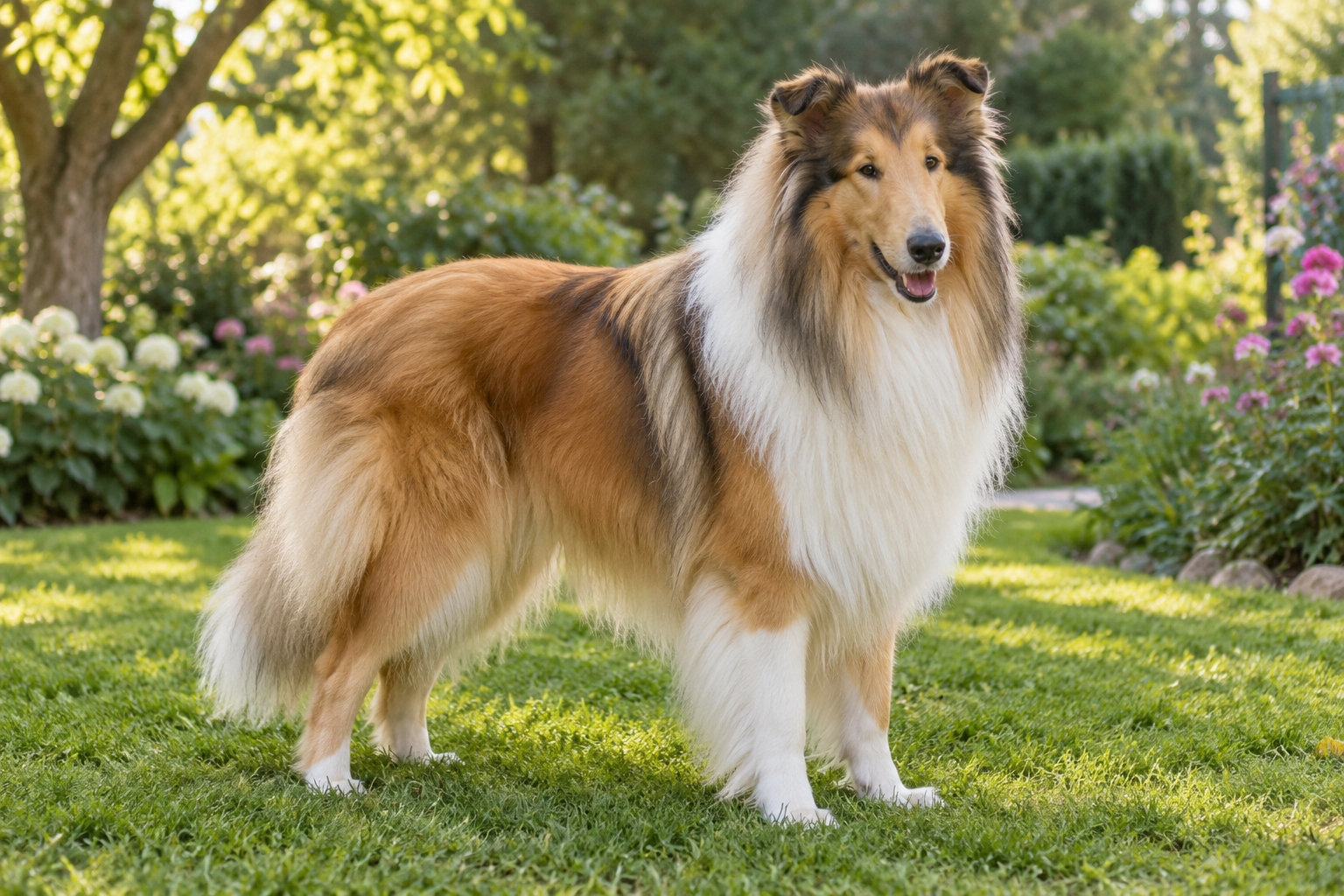 CollieLarge • Working Dogs (Group 5)
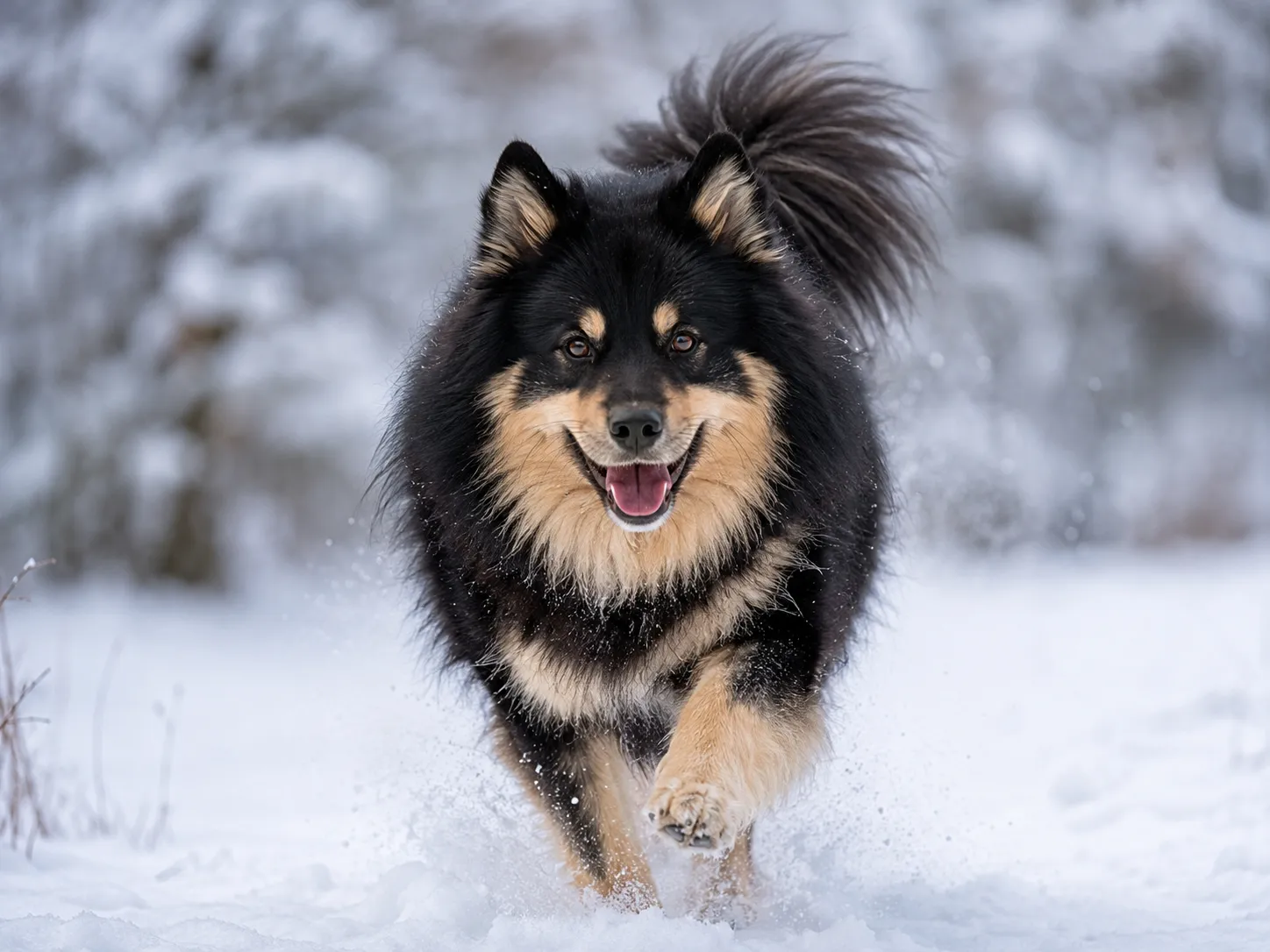 Finnish LapphundMedium • Utility / Spitz type (Nordic herding breed)
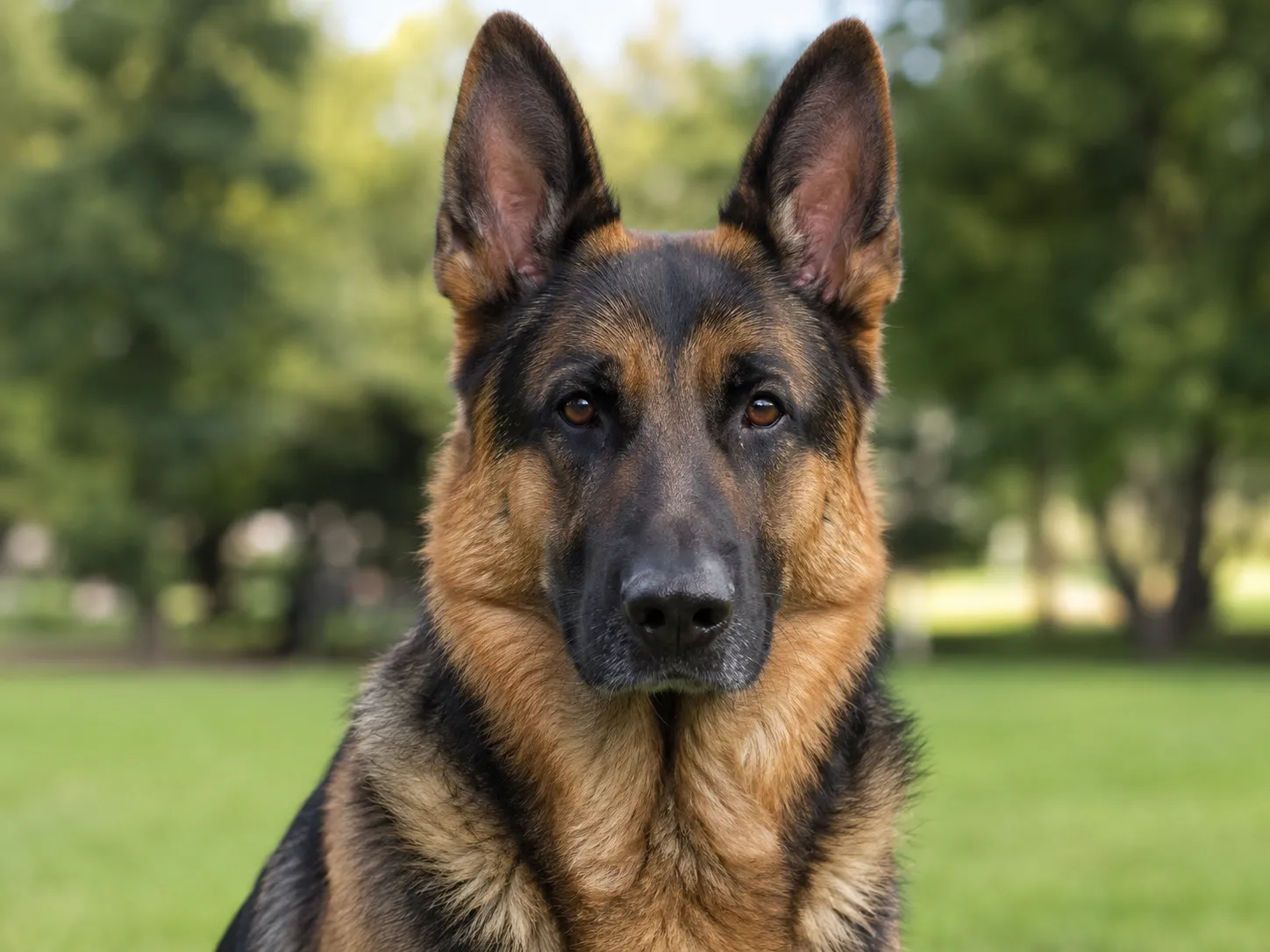 German ShepherdLarge • Working
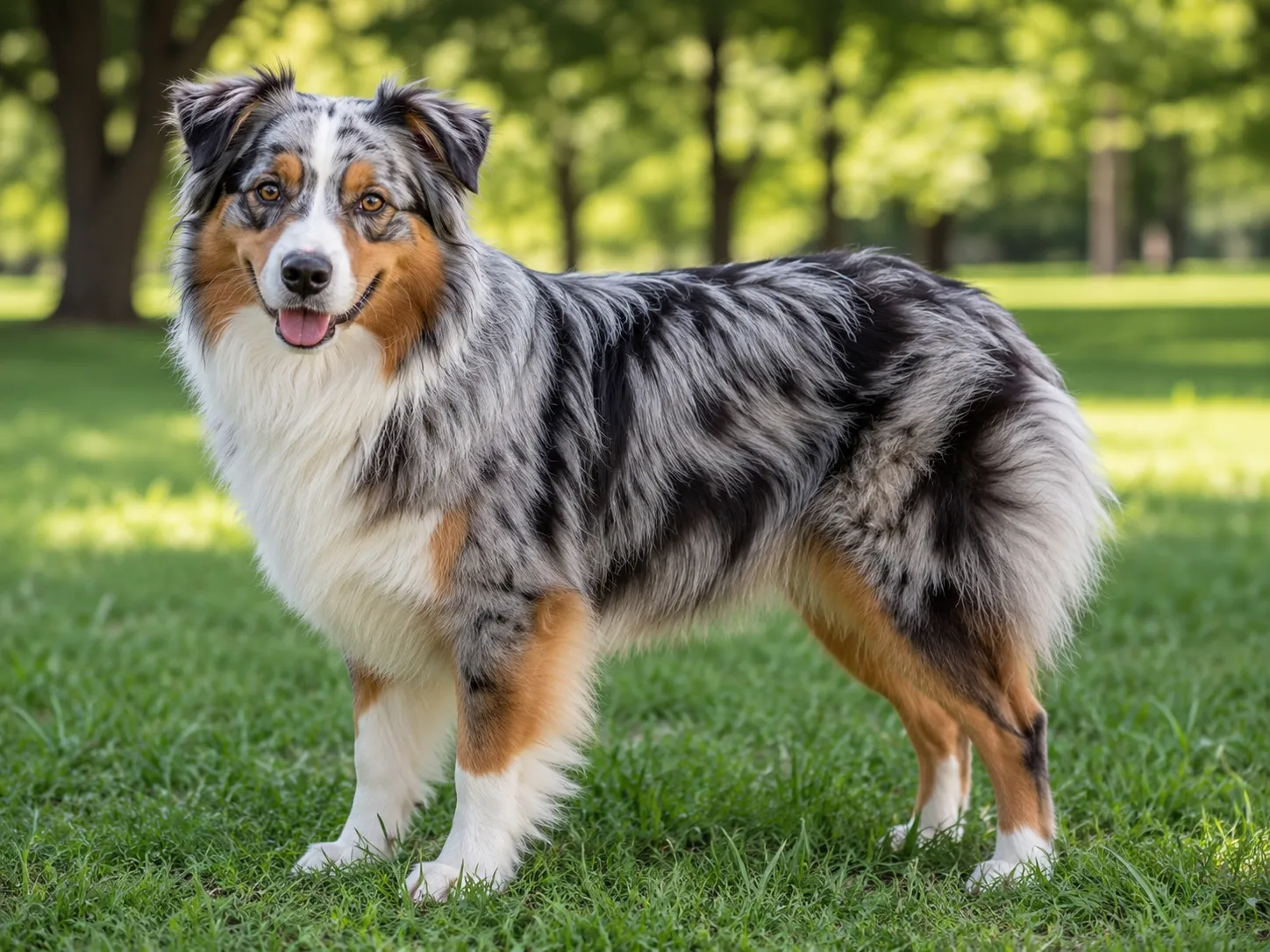 Miniature Australian ShepherdMedium • Herding / Companion
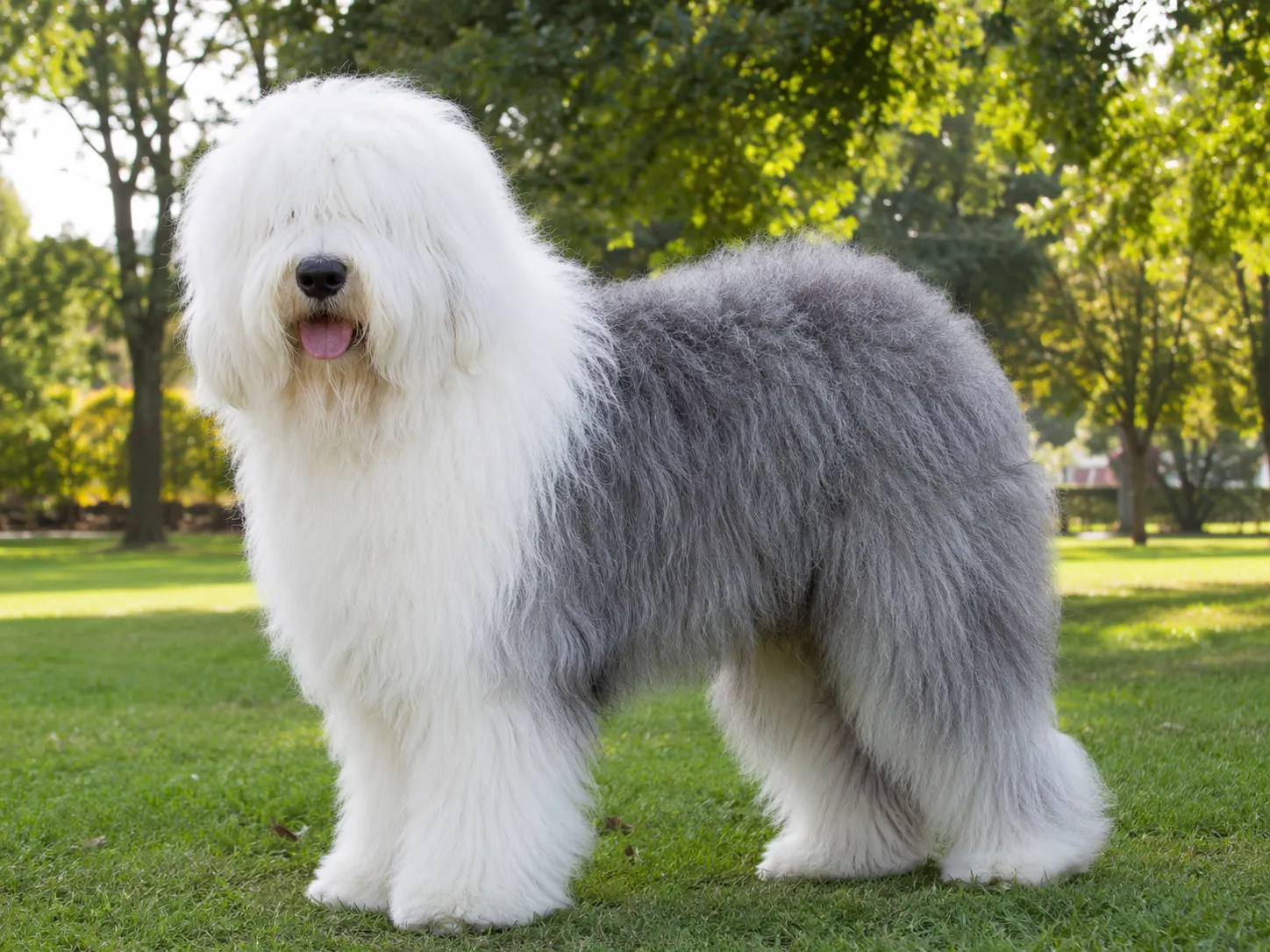 Old English SheepdogLarge • Herding (Pastoral)
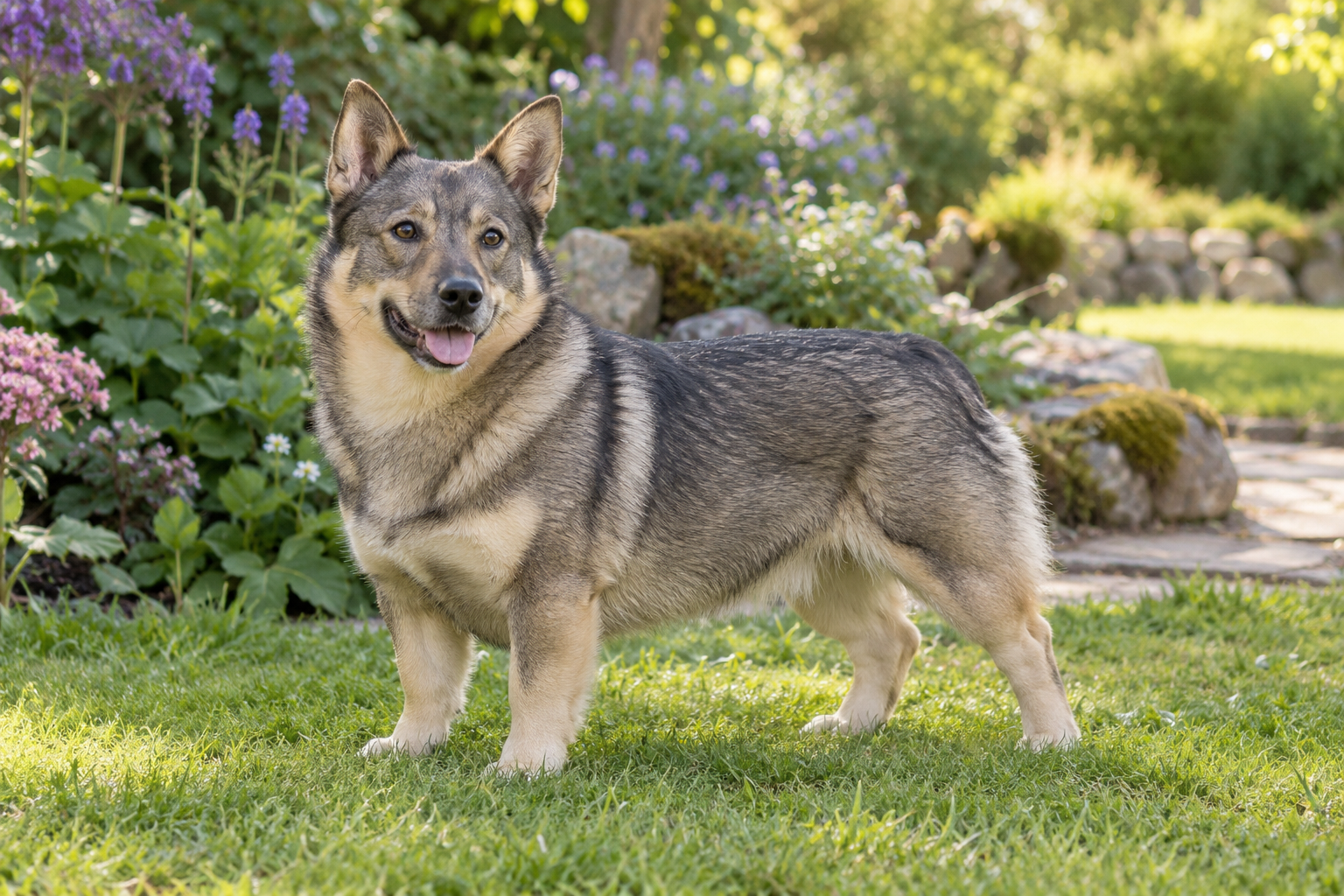 Swedish VallhundSmall • Working Dogs (Group 5)