
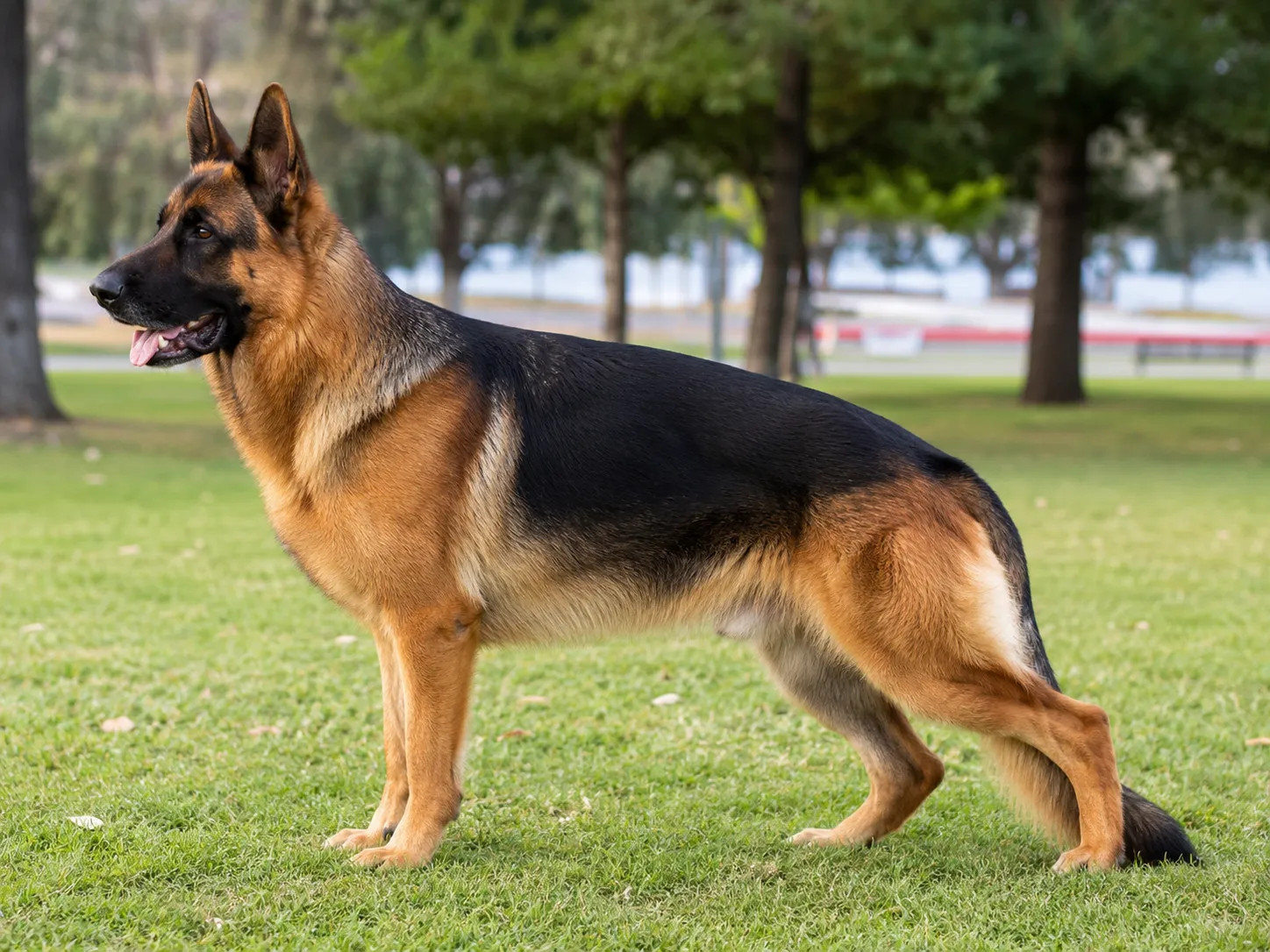
German Shepherd
By James C. • Updated
The German Shepherd is an intelligent, loyal, and highly versatile working breed originally developed in Germany for herding sheep. Today, they are widely used as police, military, search and rescue, and service dogs due to their trainability and strong work ethic. German Shepherds are devoted family companions that thrive with consistent training, mental stimulation, and regular exercise.
Breed Overview
Life Span
10 - 13 years
Average Price
AUD 2000 - AUD 4500
Weight
Male: 30 - 40 kg Female: 22 - 32 kg
Height
Male: 60 - 65 cm Female: 55 - 60 cm
Life Expectancy
Male/Female: 10 - 13 years
Breed Group
Working
Nicknames
GSD, Alsatian
Breed Information
The German Shepherd Dog is one of the most recognised and versatile working breeds in the world. Originally developed in Germany in 1899 by Max von Stephanitz, the breed was created with intelligence, strength, and reliability as primary goals. Today, it remains a benchmark for trainability, loyalty, and courage.
In Australia, the German Shepherd Dog is widely respected as a police dog, military dog, service dog, and devoted family guardian. Its powerful build and sharp mind make it highly capable, but ownership requires commitment. This is not a passive companion breed.
German Shepherds form deep bonds with their families and are naturally protective. Early socialisation and consistent training are essential to ensure a confident, stable adult dog. When properly bred and responsibly raised, the German Shepherd Dog offers an exceptional combination of loyalty, intelligence, and working ability.
This breed suits active households that can provide structure, purpose, and daily engagement. Without clear leadership and mental stimulation, behavioural issues can develop quickly.
Characteristics: What Living With a German Shepherd Dog Is Really Like
The German Shepherd Dog is intelligent, powerful, and deeply loyal, and buyers weighing up working breeds often compare it with the Belgian Shepherd, a lighter and more reactive alternative. Living with this breed means committing to daily structure, consistent training, and meaningful engagement. This overview gives a clear snapshot of how the breed fits into real Australian households.
| Characteristic | Rating | Star Rating (★ out of 5) | What This Means for You |
| Size | Large | ★★★★★ | A strong, athletic dog that requires space and confident handling. Not ideal for very small living environments. |
| Adaptability | Very Good | ★★★★☆ | Can adapt to suburban or rural homes if exercise and structure are consistent. |
| Exercise Needs | Very High | ★★★★★ | Requires more than 2 hours of physical and mental activity daily. Boredom leads to behavioural issues. |
| Easy to Train | Excellent | ★★★★★ | Highly intelligent and responsive. Thrives with structured, positive reinforcement training. |
| Amount of Shedding | High | ★★★★☆ | Sheds year-round with heavier seasonal moulting. Regular brushing is essential. |
| Grooming Needs | Moderate | ★★★☆☆ | Weekly brushing required, increasing during shedding seasons. |
| Good With Children | Very Good | ★★★★☆ | Protective and loyal with family children when well socialised and supervised. |
| Health of Breed | Moderate | ★★★☆☆ | Generally robust, but joint issues and genetic conditions require screening. |
| Cost to Keep | High | ★★★★☆ | Larger food intake, training, insurance, and healthcare costs should be expected. |
| Tolerates Being Alone | Low to Moderate | ★★☆☆☆ | Forms strong bonds and may develop anxiety if left alone for long periods. |
| Intelligence | Exceptional | ★★★★★ | One of the most intelligent breeds. Needs constant mental engagement. |
In summary, the German Shepherd Dog suits experienced or committed owners who can provide daily training, exercise, and leadership. This is a breed that thrives on purpose and involvement, not one that is content with a quiet, low-interaction lifestyle.
History of the German Shepherd Dog: From Herding Roots to Global Working Icon
The German Shepherd Dog was developed in Germany in the late nineteenth century during a period when livestock herding was undergoing rapid change. Local shepherds relied on intelligent, agile dogs to manage flocks across varied terrain. However, there was no single standardised breed. Dogs differed in size, coat type, and working style depending on the region.
In 1899, former cavalry officer Max von Stephanitz attended a dog show and encountered a dog named Hektor Linksrhein. Impressed by the dog’s intelligence, structure, and working ability, he purchased him and renamed him Horand von Grafrath. Horand became the first registered German Shepherd Dog and the foundation of the breed’s modern bloodlines. Von Stephanitz established the Verein für Deutsche Schäferhunde to formalise breeding standards, focusing strictly on working ability and character.
The breed quickly gained recognition for its versatility. During the early twentieth century, German Shepherds were used not only for herding but also in military and police roles. Their intelligence, trainability, and endurance made them ideal for tracking, guarding, and messenger duties. Following the First World War, returning soldiers praised the breed’s reliability, contributing to its international popularity.
Over time, the German Shepherd Dog became firmly established across Europe, the United States, and Australia. While the breed has evolved into distinct working and show lines, its original purpose remains central to its identity. Intelligence, loyalty, and functional structure continue to define the German Shepherd Dog today.
Appearance of the German Shepherd Dog: Athletic Structure and Confident Presence
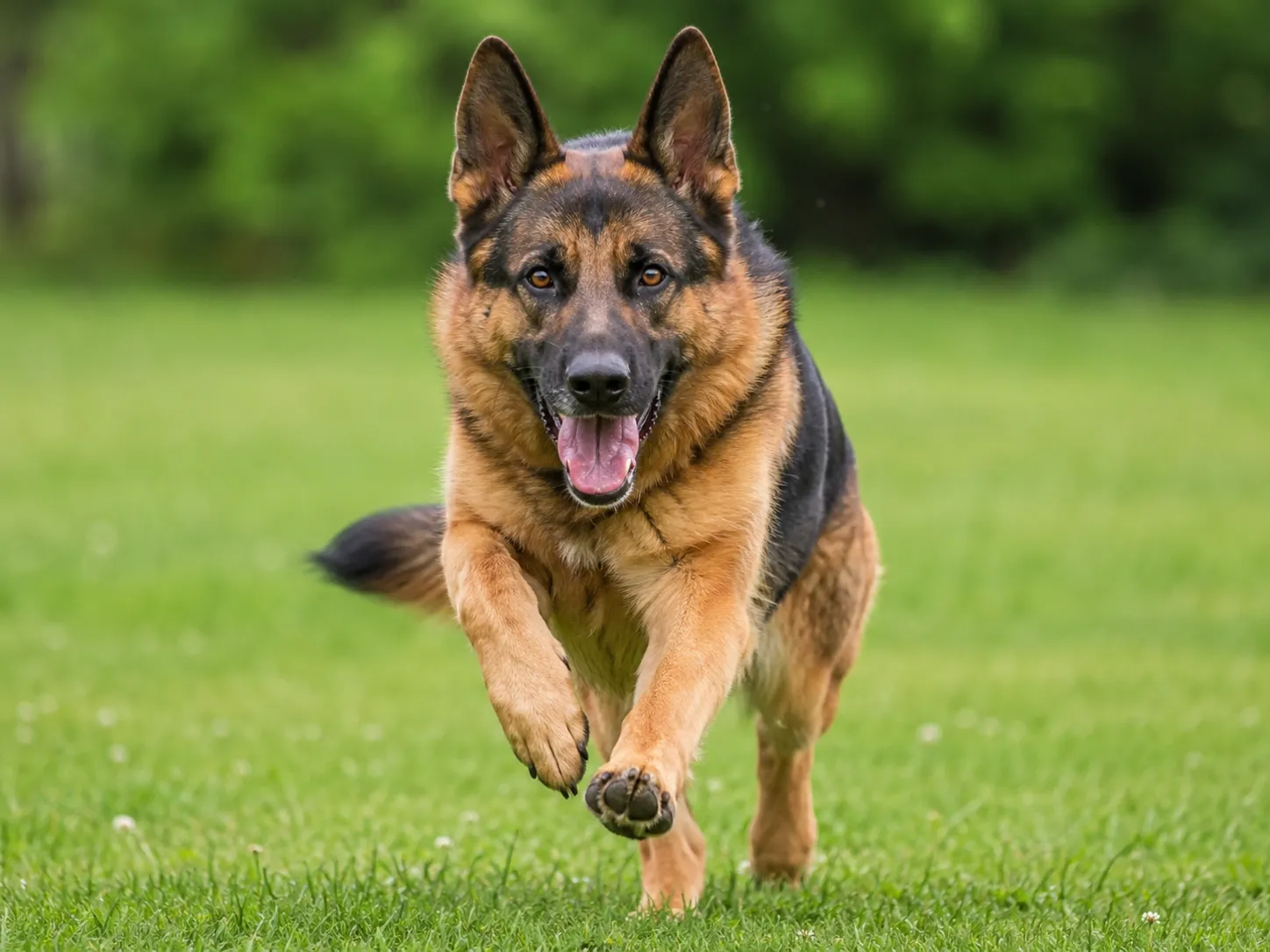
The German Shepherd Dog is a medium to large, well-balanced breed built for endurance, agility, and strength. Its appearance reflects its working heritage, combining athletic power with smooth, purposeful movement. When viewed in profile, the body is slightly longer than it is tall, creating a strong yet streamlined outline.
Strong, Proportional Build Designed for Work
Adult males typically stand between 60 and 65 cm at the shoulder and weigh 30 to 40 kg. Females are slightly smaller, measuring 55 to 60 cm and weighing 22 to 32 kg. The chest is deep but not overly broad, the back firm, and the overall structure muscular without appearing bulky. Proper proportion and sound movement are essential to long-term health and performance.
Double Coat and Recognised Colour Variations
The German Shepherd Dog has a dense double coat consisting of a harsh outer layer and a softer undercoat. Coat length may be medium or long. The most common colour pattern is black and tan with a saddle marking. Other recognised colours include sable, solid black, and bi-colour. While white-coated dogs exist, they are not accepted under some breed standards.
Head Shape, Eyes, and Expression
The head is clean-cut and proportional to the body. The muzzle is long and strong with a firm jaw and black nose. Eyes are medium-sized and almond-shaped, usually dark brown, giving an alert and intelligent expression. Ears are large, upright, and set high, contributing to the breed’s attentive appearance.
Tail Carriage and Movement
The tail is bushy and reaches to the hock, carried in a gentle curve when relaxed. Movement should be fluid and ground-covering, with a natural trot that appears effortless. A correctly built German Shepherd Dog moves with balance and coordination rather than exaggerated action.
Differences Between Working and Show Lines
In modern breeding, there are visible differences between working and show lines. Working lines are typically more functional in build with stronger drives, while some show lines may display a more sloped topline. Responsible breeding prioritises soundness, mobility, and structural health above appearance alone.
Temperament of the German Shepherd Dog: Loyal, Protective, and Highly Driven
The German Shepherd Dog is defined by its intelligence, loyalty, and natural guarding instinct, which makes it worth understanding what growling actually signals in dogs. This breed was developed to work closely with humans, and that heritage remains evident in its temperament today. A well-bred and properly raised German Shepherd is confident, steady, and deeply devoted to its family.
Core Personality Traits That Shape the Breed
At its best, the German Shepherd Dog is self-assured, courageous, and highly attentive. It forms strong attachments to its owners and often bonds closely with one primary handler. The breed is naturally alert and observant, which makes it an excellent watchdog. It is not typically over-friendly with strangers, showing a reserved and assessing nature rather than immediate affection.
Protective Instincts and Guarding Behaviour
Protection comes naturally to this breed. A German Shepherd will instinctively monitor its environment and respond to perceived threats. When socialised correctly, this protection remains controlled and appropriate. Without early exposure to different people, environments, and situations, guarding instincts can become excessive. Early socialisation is essential to develop a balanced adult dog.
Social Behaviour With Family and Visitors
Within the home, German Shepherds are affectionate and loyal. They enjoy being involved in daily family life and do not thrive when isolated outdoors or left alone for extended periods. With proper introductions, they can learn to accept visitors calmly. However, they are rarely indiscriminately friendly, which is part of what makes them reliable guardians.
Behavioural Risks if Needs Are Not Met
This is not a low-engagement breed. Without structured exercise, mental stimulation, and leadership, a German Shepherd Dog may develop behavioural issues such as excessive barking, destructive behaviour, anxiety, or territorial aggression. Clear boundaries, consistent routines, and positive training help channel the breed’s intelligence productively.
When raised responsibly, the German Shepherd Dog offers a rare combination of loyalty, trainability, and protective instinct. It is best suited to owners prepared to provide structure, purpose, and daily involvement.
Intelligence and Trainability of the German Shepherd Dog: One of the Smartest Working Breeds
The German Shepherd Dog is widely regarded as one of the most intelligent and trainable dog breeds in the world. Originally developed for complex herding tasks, the breed was selected for problem-solving ability, responsiveness to commands, and strong working drive. Intelligence is not simply a trait in this breed, it is a defining feature.
Early Training Foundations That Matter Most
Training should begin early, ideally as soon as the puppy settles into its new home. Focus areas include socialisation, recall, impulse control, and calm behaviour around distractions. Exposure to different environments, people, sounds, and surfaces builds confidence and reduces fear-based reactivity later in life.
Structured puppy training classes are highly recommended. This breed learns quickly, but it also forms habits quickly, whether good or bad.
Training Methods That Produce the Best Results
German Shepherds respond exceptionally well to clear, consistent, reward-based training. They thrive when expectations are predictable and boundaries are firm but fair. Harsh correction methods are unnecessary and can damage trust.
Short, focused sessions combined with mental challenges such as scent work or obedience drills help keep the dog engaged. Because the breed is highly perceptive, inconsistency from the owner can quickly lead to testing behaviours.
Advanced Training and Working Potential
This breed excels in advanced roles including police work, military service, search and rescue, tracking, protection sports, obedience, and assistance work. Its ability to learn multi-step tasks and interpret handler cues sets it apart from many other breeds.
For active households, structured activities such as agility, scent detection games, or advanced obedience training provide valuable mental outlets.
Common Training Mistakes to Avoid
One of the most frequent mistakes is underestimating the breed’s need for mental engagement. Physical exercise alone is not enough. A bored German Shepherd Dog may become destructive or overly vocal.
Another mistake is inconsistent leadership. This breed requires confident, calm handling. Overly permissive ownership can lead to pushy or dominant behaviours, while overly strict training can create anxiety.
When trained properly, the German Shepherd Dog becomes an exceptionally reliable companion, capable of remarkable obedience and unwavering loyalty.
German Shepherd Dog and Family Life: Children, Other Pets, and Home Dynamics
The German Shepherd Dog can be an exceptional family companion when properly trained and socialised. Its loyalty and protective instinct often make it deeply devoted to household members. However, this is a large, powerful breed that requires supervision, structure, and responsible ownership within family settings.
Living With Children of Different Ages
With older children, the German Shepherd Dog is typically affectionate, protective, and patient. It often forms strong bonds and may instinctively watch over them. However, due to the breed’s size and strength, interactions with toddlers and very young children should always be supervised. Accidental knocking over during play is possible.
Children should be taught respectful handling, calm interaction, and clear boundaries. Rough play, climbing, or teasing can trigger defensive responses in any large breed.
Teaching Safe and Structured Interaction
Establishing rules around feeding time, resting areas, and play sessions helps create a safe environment. Children should never disturb the dog while it is eating or sleeping. Structured interaction builds trust and reduces the risk of misunderstandings.
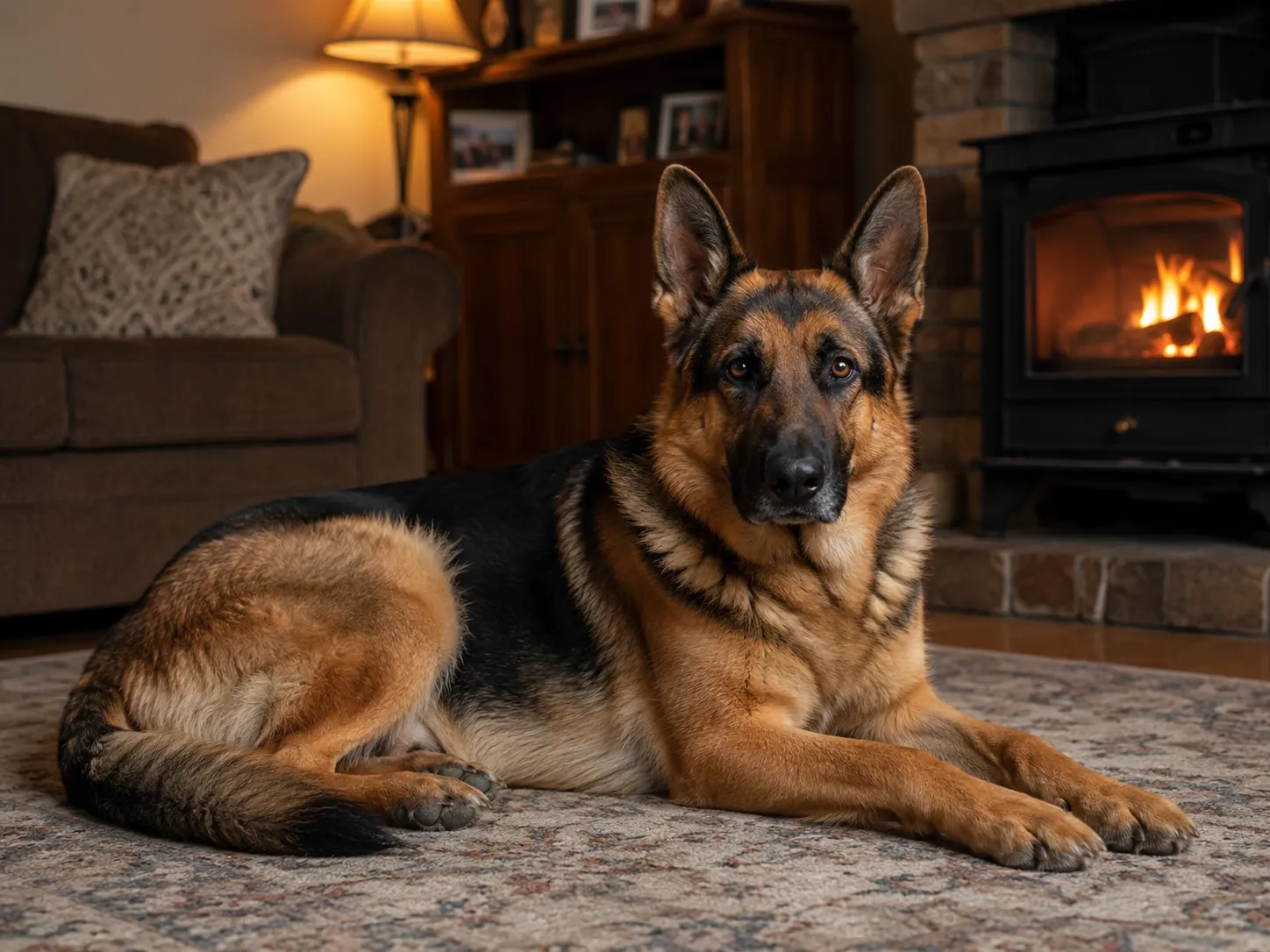
A well-raised German Shepherd Dog should appear calm and confident in the home rather than anxious or reactive.
Living With Other Dogs and Pets
Early socialisation plays a critical role in how this breed interacts with other animals. Many German Shepherds can live successfully with other dogs, especially when raised together. Same-sex aggression may occur in poorly socialised individuals.
Due to their strong prey drive, caution is required around small animals such as rabbits or rodents. Proper introductions and supervision are essential in multi-pet households.
Home Environment and Household Suitability
The German Shepherd Dog thrives in homes that provide space, routine, and daily engagement. While some individuals can adapt to suburban living, they are not suited to cramped environments without exercise outlets.
This breed does best when treated as a full member of the household rather than kept isolated outdoors. Strong bonds with family members are central to its emotional stability.
For families prepared to invest time in training and supervision, the German Shepherd Dog can be both a steadfast guardian and a loyal companion.
Health of the German Shepherd Dog: Lifespan, Genetic Risks, and Responsible Screening
The German Shepherd Dog typically lives between 10 and 13 years, though lifespan depends heavily on genetics, structure, nutrition, and preventative care, including getting the timing of desexing right for a large breed. While many individuals are healthy and robust, the breed is known for several inherited and structural conditions that responsible owners must understand.
Common Orthopaedic Conditions in the Breed
Hip dysplasia and elbow dysplasia are among the most significant concerns. These conditions involve abnormal joint development and may lead to pain, arthritis, and reduced mobility over time. Responsible breeders conduct hip and elbow scoring before breeding to reduce risk.
Degenerative spinal conditions, including lumbosacral disease, may also occur in some lines, particularly where structure has been compromised.
Degenerative Myelopathy and Genetic Testing
Degenerative Myelopathy is a progressive neurological condition associated with a mutation in the SOD1 gene. It affects the spinal cord and can lead to weakness in the hind limbs. A DNA test for Degenerative Myelopathy is widely available and should be part of responsible breeding programmes.
Testing does not eliminate the condition entirely, but it significantly reduces the likelihood of producing affected puppies.
Bloat and Other Health Risks
German Shepherd Dogs may be prone to gastric dilatation-volvulus, commonly known as bloat, a life-threatening condition that requires emergency veterinary treatment. Feeding smaller meals, avoiding vigorous exercise immediately after eating, and understanding early warning signs are important preventative measures.
Other reported conditions include Exocrine Pancreatic Insufficiency, allergies, and some autoimmune disorders.
Preventative Care and Long-Term Planning
Routine veterinary care, weight management, and joint support supplements may help extend mobility and quality of life. Maintaining a lean body condition is especially important to reduce strain on joints.
Prospective buyers should always request proof of health testing, including hip scores, elbow scores, and Degenerative Myelopathy DNA results, before purchasing a puppy.
When sourced from health-tested lines and supported by proactive care, the German Shepherd Dog can remain active and capable well into its senior years.
Caring for the German Shepherd Dog: Daily Structure, Space, and Long-Term Comfort
Caring for a German Shepherd Dog involves far more than food and shelter, starting with a correct puppy vaccination schedule in the first months. This is a breed that requires daily structure, physical outlets, and meaningful interaction. When its needs are met consistently, the German Shepherd becomes stable, confident, and deeply bonded to its household.
Daily Care Routine and Mental Engagement
A healthy adult German Shepherd requires over two hours of combined physical and mental activity each day. This may include structured walks, obedience training, scent games, and interactive play. Simply allowing the dog into a backyard is not enough. Without engagement, frustration and destructive behaviour can develop quickly.
Mental stimulation is equally important. Puzzle feeders, advanced obedience drills, and task-based activities help satisfy the breed’s strong working drive.
Ideal Living Environment
While adaptable, the German Shepherd Dog is best suited to homes with secure outdoor space and room to move. Rural or suburban environments are often ideal. Apartment living is possible only if exercise and training commitments are consistently maintained.
This breed should live indoors with its family rather than being isolated outdoors. Emotional stability depends on close human interaction.
Seasonal Care and Climate Considerations
The German Shepherd has a dense double coat that provides insulation in cooler weather. In warmer Australian climates, exercise should be scheduled during cooler parts of the day to prevent overheating. Fresh water and shaded rest areas are essential.
During heavy shedding seasons, more frequent brushing is required to manage loose undercoat.
Senior Care Adjustments
As the dog ages, joint care becomes increasingly important. Providing orthopaedic bedding, controlled exercise, and regular veterinary monitoring supports mobility. Weight control remains critical throughout life to minimise joint stress.
With consistent structure and thoughtful care, the German Shepherd Dog remains an active and capable companion well into its later years.
Grooming the German Shepherd Dog: Coat Maintenance and Shedding Management
The German Shepherd Dog has a dense double coat that requires regular maintenance, and a settled grooming routine for double-coated dogs keeps shedding manageable. While grooming is not technically complex, consistency is essential. This breed sheds year-round and experiences heavier moulting periods once or twice annually.
Understanding the Double Coat
The coat consists of a harsh, straight outer layer and a thick undercoat that provides insulation. This undercoat is responsible for most shedding. During seasonal coat changes, large amounts of loose hair can accumulate quickly.
Owners should expect visible shedding throughout the home. Regular brushing significantly reduces loose hair build-up.
Brushing Schedule and Tools
Brushing two to three times per week is recommended during normal periods. During heavy shedding seasons, daily brushing may be necessary. An undercoat rake or de-shedding tool helps remove loose undercoat efficiently without damaging the outer coat.
Routine brushing also supports healthy skin and allows early detection of lumps, irritation, or parasites.
Bathing and Skin Care
German Shepherds do not require frequent bathing. Washing every few months, or when genuinely dirty, is usually sufficient. Over-bathing can strip natural oils and dry the skin.
After bathing, thorough drying is important to prevent moisture retention within the dense undercoat.
Nail, Ear, and Dental Maintenance
Nails should be trimmed regularly if they are not naturally worn down. Overgrown nails can affect gait and joint alignment. Ears should be checked weekly for redness or debris. Dental hygiene, including brushing or dental chews, helps reduce plaque build-up.
Consistent grooming not only maintains appearance but also supports long-term comfort and health.
Exercise Needs of the German Shepherd Dog: High Energy and Purpose-Driven Activity
The German Shepherd Dog is a high-energy working breed that requires substantial daily exercise. This is not a dog that thrives on short walks alone. Physical movement must be paired with mental stimulation to maintain emotional balance and prevent behavioural problems.
Daily Exercise Requirements
A healthy adult German Shepherd typically needs at least 2 hours of combined physical and mental activity per day. This can include structured walks, controlled running, obedience sessions, tracking games, and task-based play. Simply allowing the dog to roam in a backyard is not enough to meet its needs.
Without sufficient outlets, frustration may lead to destructive chewing, excessive barking, or reactive behaviour.
Structured Activities That Suit the Breed
This breed excels in activities such as obedience training, agility, scent work, tracking, herding trials, and protection sports. Task-based exercise satisfies the breed’s strong working drive more effectively than repetitive ball throwing alone.
Mental fatigue is just as important as physical tiredness for maintaining stability.
Puppy Exercise Guidelines
Growing puppies require careful management. High-impact activities, excessive jumping, and forced running should be avoided until joints are fully developed. Controlled play and short, structured sessions are safer during the first year of life.
Over-exercising young dogs can increase the risk of joint problems later.
Safety and Environmental Considerations
Exercise during hot Australian summers should occur in cooler morning or evening hours. Fresh water and shaded rest periods are essential. Off-lead activity should only take place in secure, enclosed environments due to the breed’s prey drive and protective instincts.
Consistent exercise is not optional for this breed. It is fundamental to raising a stable and well-adjusted German Shepherd Dog.
Feeding the German Shepherd Dog: Nutrition, Growth Support, and Weight Control
Feeding a German Shepherd Dog correctly is critical for joint health, muscle development, and long-term wellbeing. As a large, active breed with known orthopaedic risks, nutritional balance must be carefully managed from puppyhood through to senior years.
Nutritional Requirements for a Large Working Breed
German Shepherds benefit from a high-quality, complete diet formulated for large breeds. Protein should support lean muscle maintenance, while controlled calcium and phosphorus levels are essential during growth to protect developing joints. Omega-3 fatty acids may help support joint function and coat condition.
Over-supplementation, particularly during the growth phase, should be avoided unless advised by a veterinarian.
Feeding Schedule by Life Stage
Puppies should be fed three to four small meals daily to support steady growth and reduce digestive stress. Adult dogs generally thrive on two measured meals per day, which may also help reduce the risk of bloat compared to a single large meal.
Senior dogs may require calorie adjustments depending on activity level and metabolism.
Bloat Prevention and Feeding Management
Because the breed is predisposed to gastric dilatation-volvulus (bloat), feeding management is important. Meals should not be followed by vigorous exercise. Providing calm rest periods before and after feeding is advisable. Some owners use slow-feeder bowls to reduce rapid eating.
Large single meals and intense activity immediately after eating should be avoided.
Weight Management and Body Condition
Maintaining a lean body condition is essential for reducing strain on hips and elbows. Excess weight significantly increases the risk of joint deterioration. Regular weight checks and portion adjustments based on activity level help maintain optimal condition.
Feeding the German Shepherd Dog responsibly supports not only performance and energy but also long-term mobility and quality of life.
German Shepherd Dog Price and Ongoing Costs: What Ownership Really Involves
Owning a German Shepherd Dog is a long-term financial commitment, so it is worth reviewing German Shepherd puppies listed across Australia before you budget. While the breed is widely available in Australia, price varies depending on pedigree, health testing, and breeder reputation. It is important to budget beyond the initial purchase cost.
Purchase Price in Australia
A well-bred German Shepherd Dog from a reputable Australian breeder typically costs $2,000–$4,500 AUD. Puppies from titled working lines or show champions may exceed this range. Lower prices can indicate lack of health testing or poor breeding practices, which often lead to higher veterinary costs later.
Always prioritise documented hip and elbow scores and Degenerative Myelopathy DNA results over price alone.
Initial Setup Expenses
Before bringing a puppy home, expect to spend approximately $500–$1,000 AUD on essentials. This includes a crate, quality bedding, food and water bowls, collar, lead, secure fencing adjustments, toys, grooming tools, and basic training equipment.
Early training classes are strongly recommended and should be factored into the initial budget.
Ongoing Monthly Costs
Food costs are higher than small breeds due to size and energy needs. Expect $100–$180 AUD per month for high-quality large-breed nutrition. Preventative veterinary care, parasite protection, and insurance may add another $100–$150 monthly.
Professional training, enrichment equipment, and replacement toys should also be considered.
Lifetime Financial Commitment
Over a lifespan of 10–13 years, the total cost of owning a German Shepherd Dog can be substantial. Healthcare for joint-related conditions, dental work, and potential emergency treatment such as bloat surgery can significantly increase expenses.
Responsible ownership means planning not only for routine care but also for unexpected medical needs. When financially prepared, owners can focus on providing the structure, training, and enrichment this breed requires.
Buying Advice for the German Shepherd Dog: Choosing Responsibly and Avoiding Risk
Buying a German Shepherd Dog requires careful research. Because the breed is popular in Australia, quality varies significantly between breeders. Making an informed decision protects both your future dog and your long-term experience as an owner.
Identifying a Responsible Breeder
A reputable breeder will prioritise health, temperament, and structural soundness over appearance or quick sales. You should be able to meet the puppy’s mother, view the environment in which the litter is raised, and ask detailed questions about bloodlines.
Responsible breeders openly provide documentation of health testing and will not hesitate to discuss strengths and weaknesses within their lines.
Essential Health Documentation to Request
Always request written proof of:
- Hip scoring results
- Elbow scoring results
- Degenerative Myelopathy DNA testing
- Vaccination and microchipping records
Breeding dogs should be screened before mating. Avoid breeders who dismiss health testing as unnecessary.
Assessing Puppy Temperament
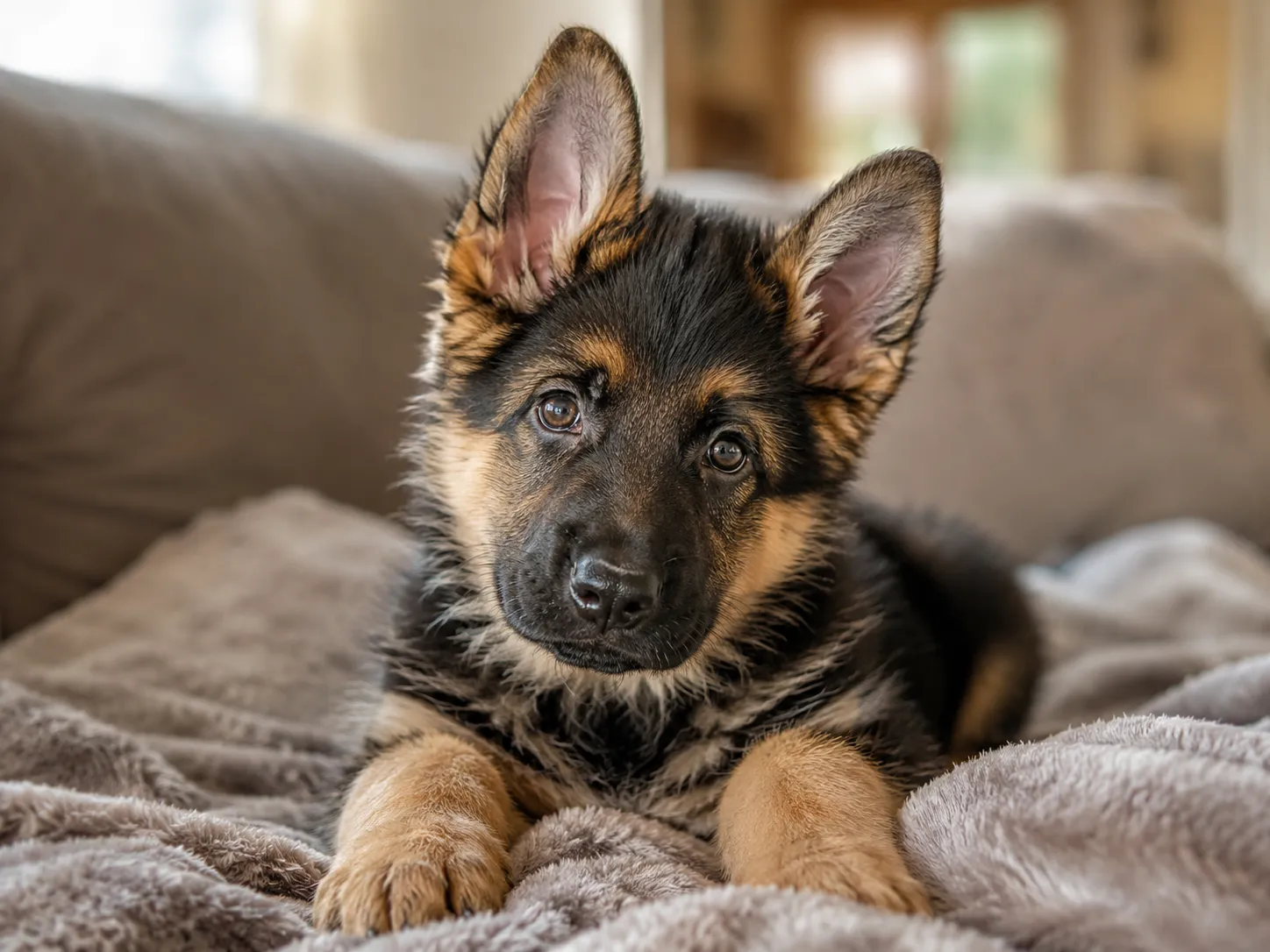
A well-bred German Shepherd puppy should appear curious, confident, and socially responsive. Extreme fearfulness, excessive aggression, or lethargy may signal poor breeding or inadequate early socialisation.
Observe how the puppy interacts with littermates and reacts to gentle handling.
Contracts and Ongoing Support
Reputable breeders provide written contracts outlining health guarantees and return policies. They remain available for guidance throughout the dog’s life and will prioritise the dog’s welfare if circumstances change.
Be cautious of online listings that lack transparency, rush decisions, or offer unusually low pricing.
Considering Rescue Options
German Shepherd Dogs are sometimes available through breed rescue organisations. Adoption may suit experienced owners who understand the breed’s needs and can support behavioural adjustment if required.
Taking time to source a responsibly bred German Shepherd Dog significantly reduces long-term risk and increases the likelihood of raising a stable, healthy companion.
Is the German Shepherd Dog Right for You?
The German Shepherd Dog is not a casual ownership decision. This breed demands time, structure, and daily involvement. When those needs are met, few dogs offer the same level of loyalty, intelligence, and capability. When neglected or poorly trained, behavioural and health challenges can escalate quickly.
This breed may be right for you if:
- You can provide over two hours of daily exercise and mental stimulation
- You are committed to consistent training and clear leadership
- You want a protective, highly trainable companion
- You have adequate space and a secure environment
It may not be suitable if:
- You are frequently absent from home for long hours
- You prefer a low-maintenance or low-energy breed
- You are unwilling to invest in training and socialisation
- You are not prepared for higher food and healthcare costs
For the right owner, the German Shepherd Dog becomes a devoted partner and guardian. If you are ready to commit to responsible ownership, training, and ongoing care, this breed can be one of the most rewarding companions available.
When searching for a puppy, always prioritise health-tested breeders and transparent documentation. A well-bred German Shepherd Dog sets the foundation for a stable and fulfilling lifelong relationship.
Frequently Asked Questions
Related Breeds
Other herding breeds on Pups4Sale.
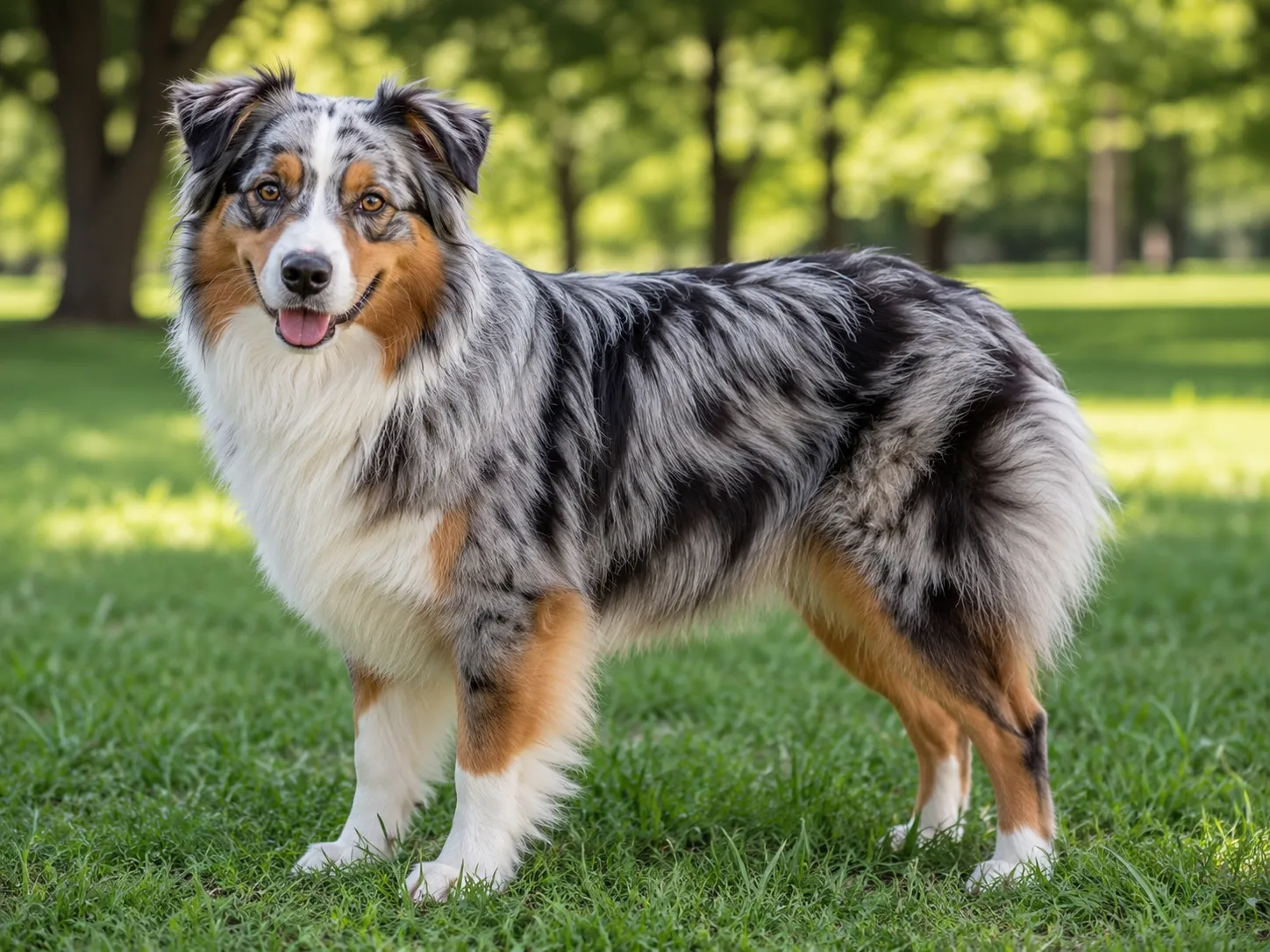 Miniature Australian ShepherdMedium • Herding / Companion
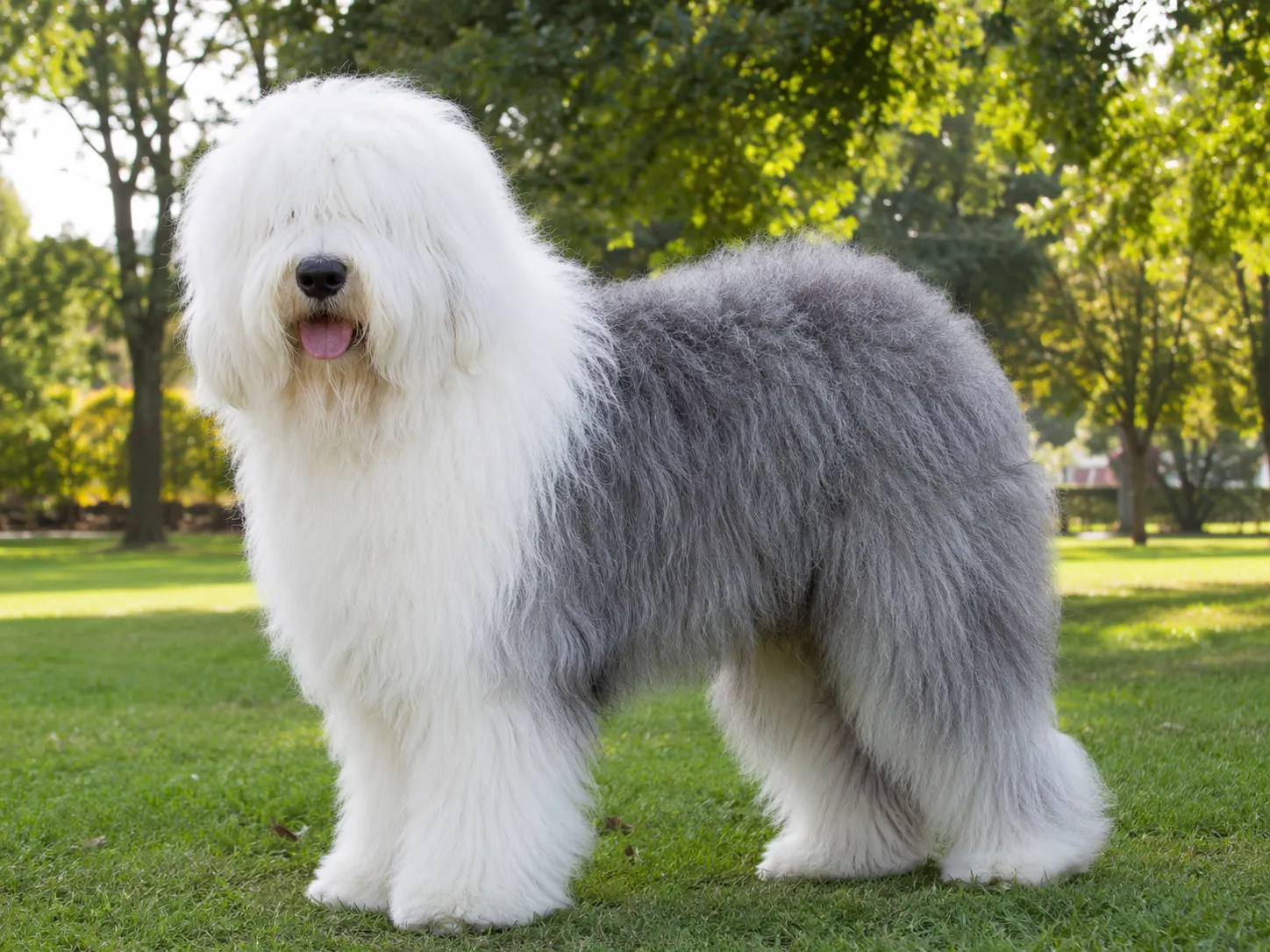 Old English SheepdogLarge • Herding (Pastoral)
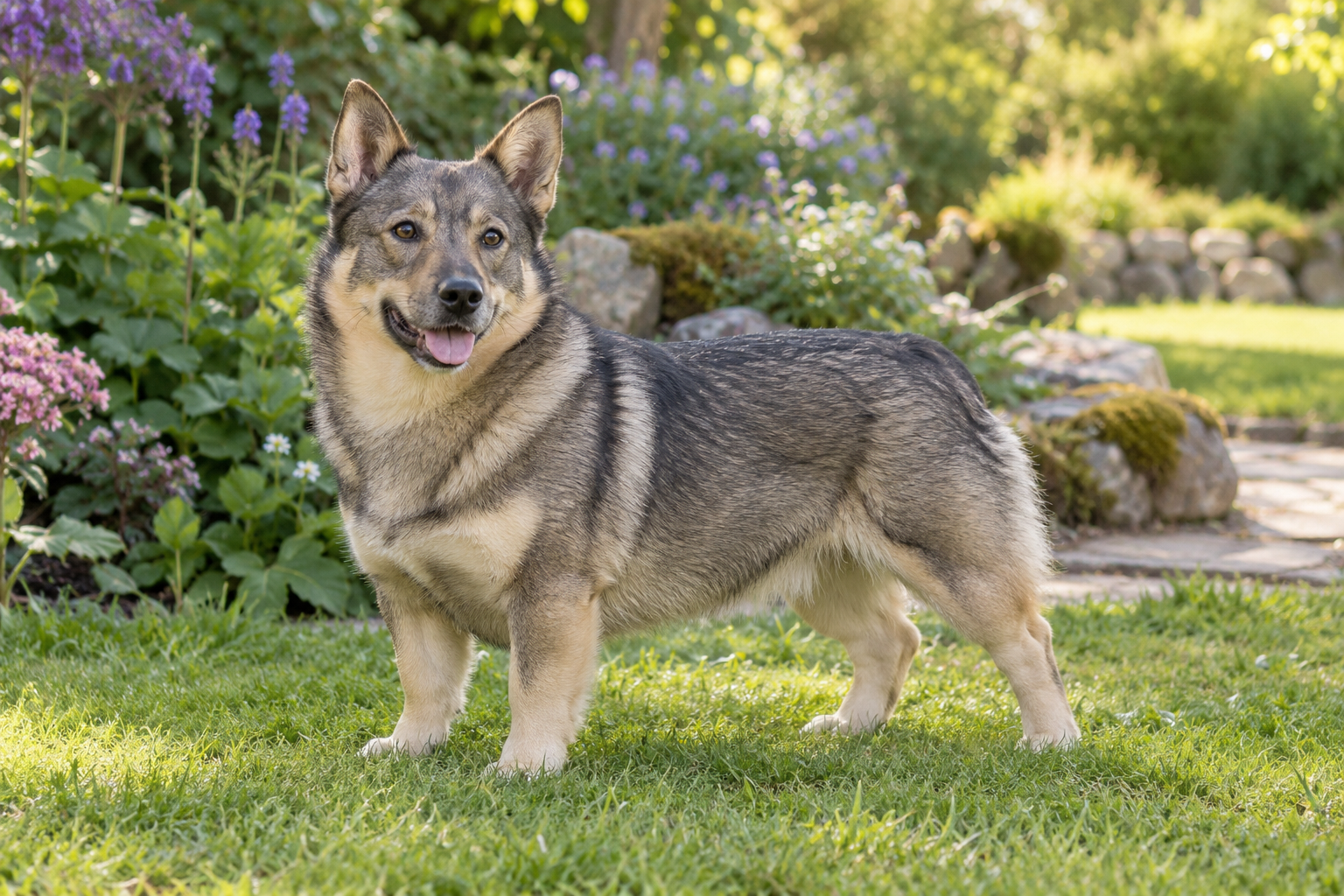 Swedish VallhundSmall • Working Dogs (Group 5)
 Australian KelpieMedium • Herding
 Bearded CollieMedium • Working Dogs (Group 5)
 BeauceronLarge • Herding