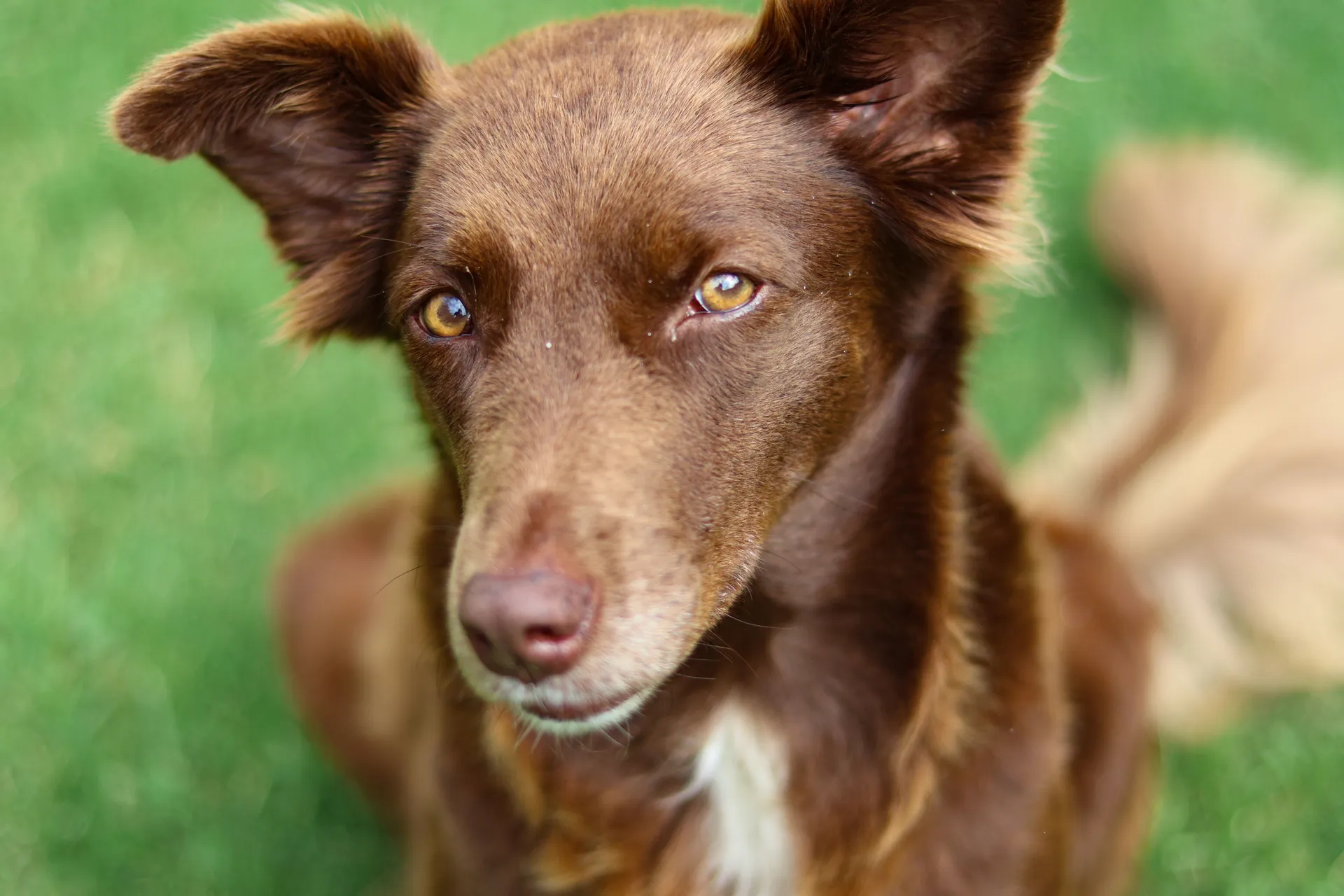
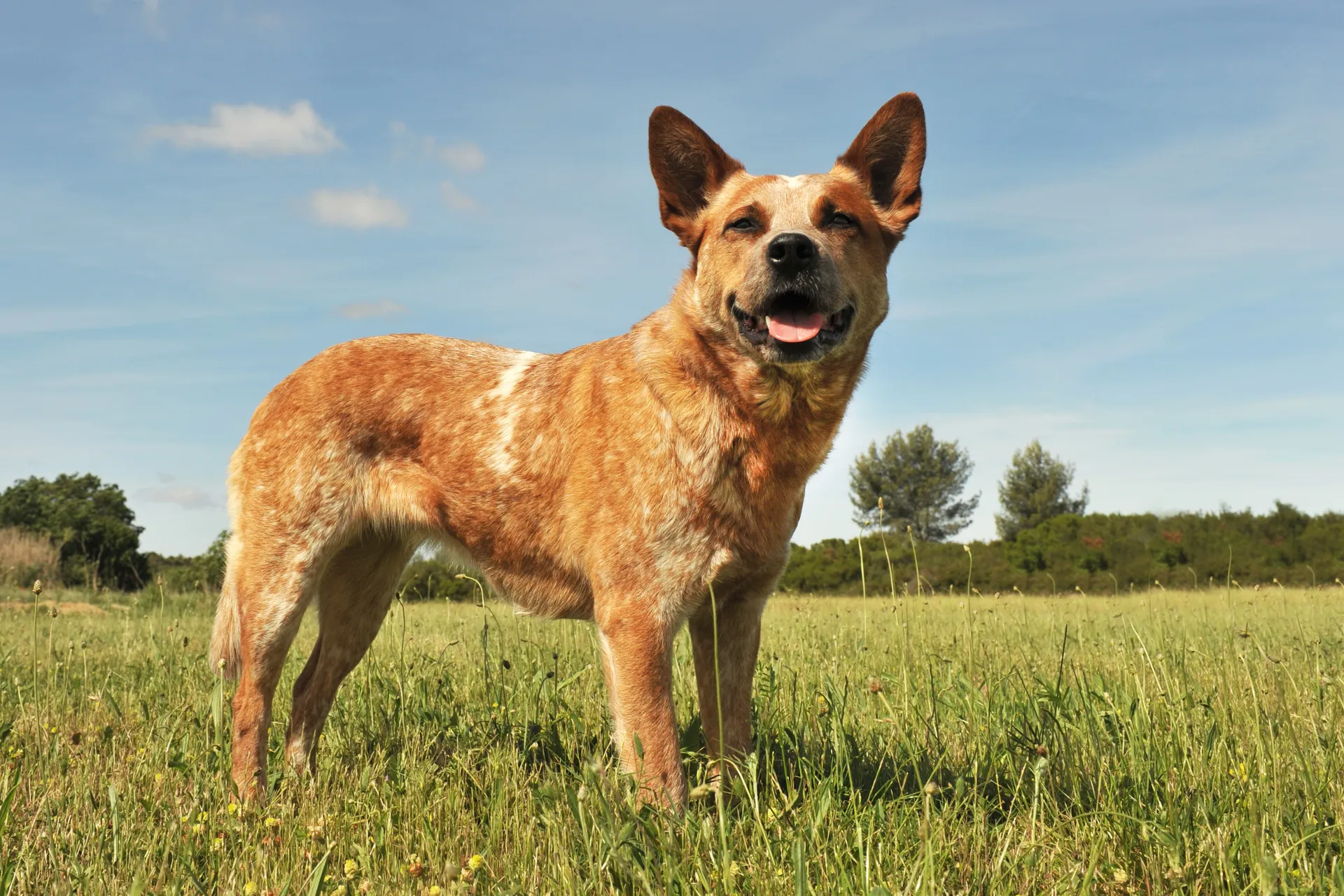
Australian Kelpie
By James C. • Updated
The Australian Kelpie is a sharp, high-energy herding dog bred to work stock in tough Australian conditions. It is loyal and quick to learn, but it needs an active owner who can give it daily exercise, mental work and a real job to do.
Breed Overview
Life Span
12 - 15 years
Average Price
AUD 760 - AUD 1335
Weight
Male: 14 - 20 kg Female: 11 - 16 kg
Height
Male: 45 - 51 cm Female: 41 - 46 cm
Life Expectancy
Male/Female: 12 - 15 years
Breed Group
Herding
Nicknames
Kelpie, Farmer Dog
Breed Information
The Australian Kelpie was bred to work sheep across huge, hot paddocks with very little help from a handler. That history explains almost everything about the dog you'd bring home today. It is a lean, medium-sized athlete with a quick brain, real stamina and a habit of solving problems you didn't know you had.
Kelpies still work on farms all over the country. Plenty also live as companions, but only with owners who can give them a job to do. A Kelpie with nothing to do will invent something, and you probably won't like what it picks.
The breed suits experienced, active people: farmers, dog sport competitors, runners, families who spend weekends outdoors. You need secure fencing. A bored Kelpie can clear or dig under a surprising amount of Colorbond.
Get the training and daily outlet right and you'll have a loyal, affectionate dog that is genuinely good company. Get it wrong and you'll have a restless one. Honestly, most Kelpies are wasted in a small suburban yard.
Characteristics: What Living With an Australian Kelpie Is Really Like
Here is a quick, practical snapshot of how a Kelpie fits into everyday life.
| Characteristic | Rating | Star Rating (★ out of 5) | What This Means for You |
| Size | Very Good | ★★★★☆ | Medium and athletic. Best in a home with room to move. |
| Adaptability | Moderate | ★★★☆☆ | Copes well with an active, structured routine. Struggles with a quiet one. |
| Exercise Needs | Very High | ★★★★★ | Needs a lot of daily exercise, ideally with a purpose behind it. |
| Easy to Train | Very Good | ★★★★☆ | Learns fast, but sessions must be consistent and interesting. |
| Amount of Shedding | Moderate | ★★★☆☆ | Sheds all year, with heavier drops at the change of season. |
| Grooming Needs | Low | ★★☆☆☆ | Regular brushing is enough. No professional grooming needed. |
| Good With Children | Moderate | ★★★☆☆ | Better with older kids who can stay calm and respect boundaries. |
| Health of Breed | Very Good | ★★★★☆ | Generally hardy when bred responsibly and given preventive care. |
| Cost to Keep | Moderate | ★★★☆☆ | Food and vet costs are reasonable. Training and sports can add up. |
| Tolerates Being Alone | Low | ★★☆☆☆ | Not a dog to leave alone all day. It wants involvement. |
| Intelligence | Exceptional | ★★★★★ | One of the brightest working breeds. Needs mental work every day. |
Put simply, this is a dog for owners who want a working partner, not an ornament. Give it purpose, space and steady leadership and it shines.
History of the Australian Kelpie: A Working Dog Shaped by the Outback
The Kelpie was developed in Australia in the late 19th century. Graziers needed a dog that could work on its own, cope with extreme heat and hold its focus over long distances. They bred from working Collies imported from Scotland and selected hard for stamina, brains and resilience. Looks didn't matter.
The name comes from a black-and-tan female pup called Kelpie, which Jack Gleeson acquired around 1872 from Warrock Station near Casterton, Victoria. She and her offspring did extremely well in sheepdog trials and became the foundation of the breed. Kelpies soon earned a reputation for working stock with minimal direction, often covering vast areas unsupervised.
Through the early 1900s, breeders selected almost entirely for work. The result was a capable mustering dog that handles sheep, cattle, goats and other stock. Its party trick, "backing", means running across the backs of tightly packed sheep to reach the other side of a pen.
There are now two types. The Working Kelpie is bred purely for performance. The Show Kelpie is bred to a physical standard but keeps strong instincts. Not every kennel club worldwide recognises the breed, yet it remains one of Australia's most important working dogs and is respected overseas for its intelligence and endurance.
Appearance of the Australian Kelpie: Athletic, Agile, and Built for Endurance
Everything about a Kelpie's frame is about function. It is built to keep moving all day over rough ground, not to look heavy or imposing.
Size, Weight, and Build
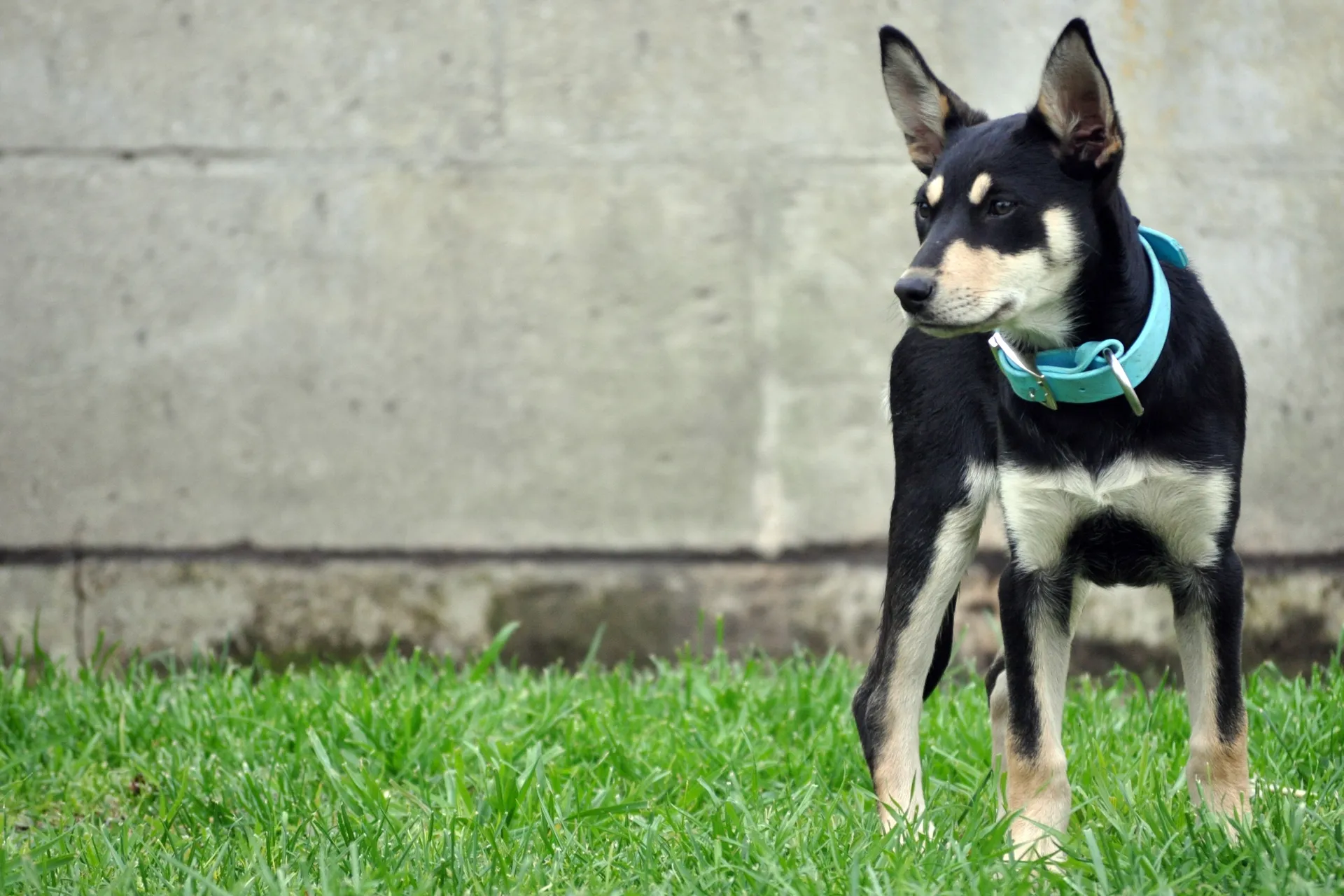
Kelpies usually stand 39 to 51 cm at the withers and weigh 14 to 20 kg. Males tend to carry a little more muscle. The body is compact, with strong legs, a deep chest and a firm topline, which gives the breed its speed and its ability to keep going without tiring.
Head Structure and Expression
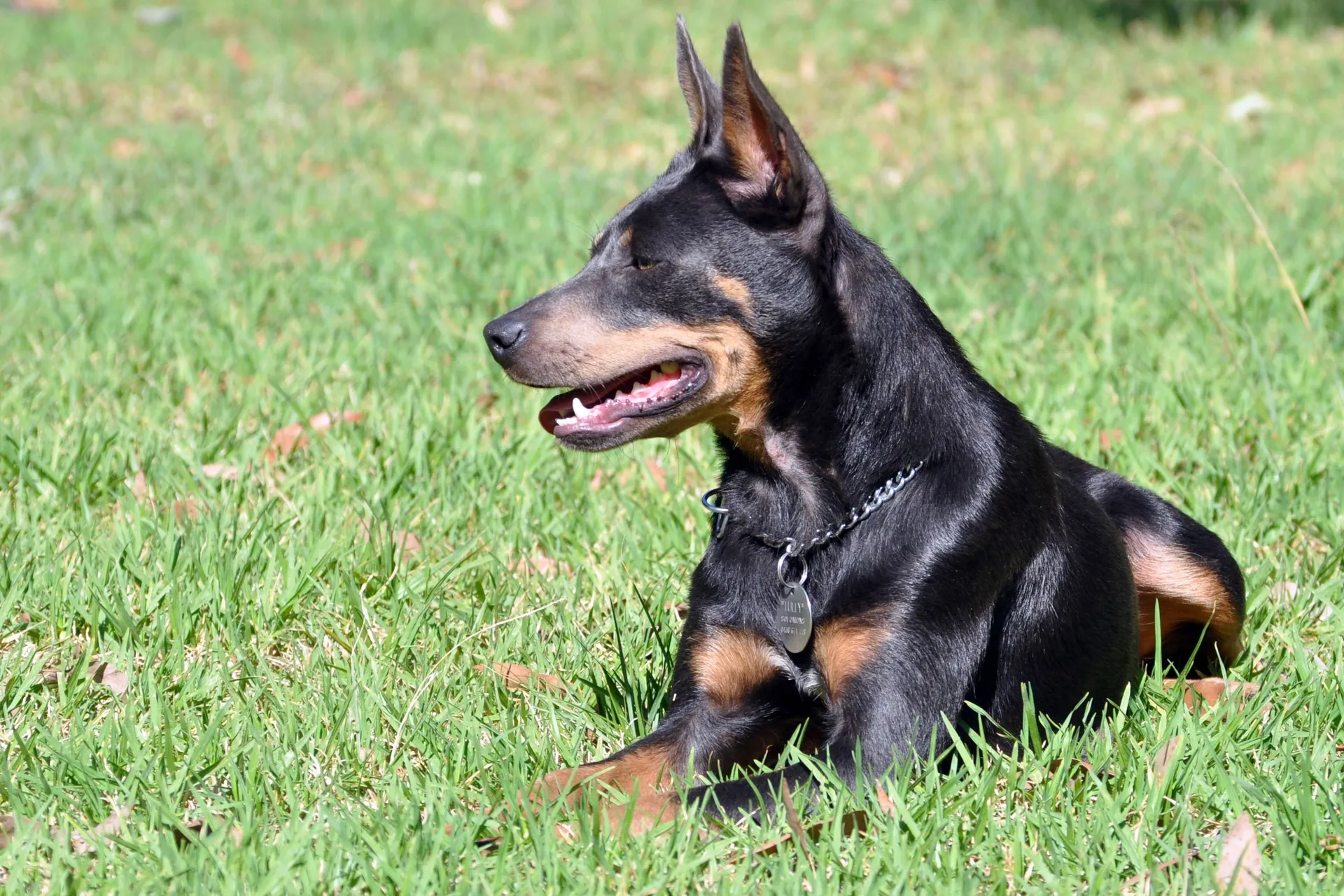
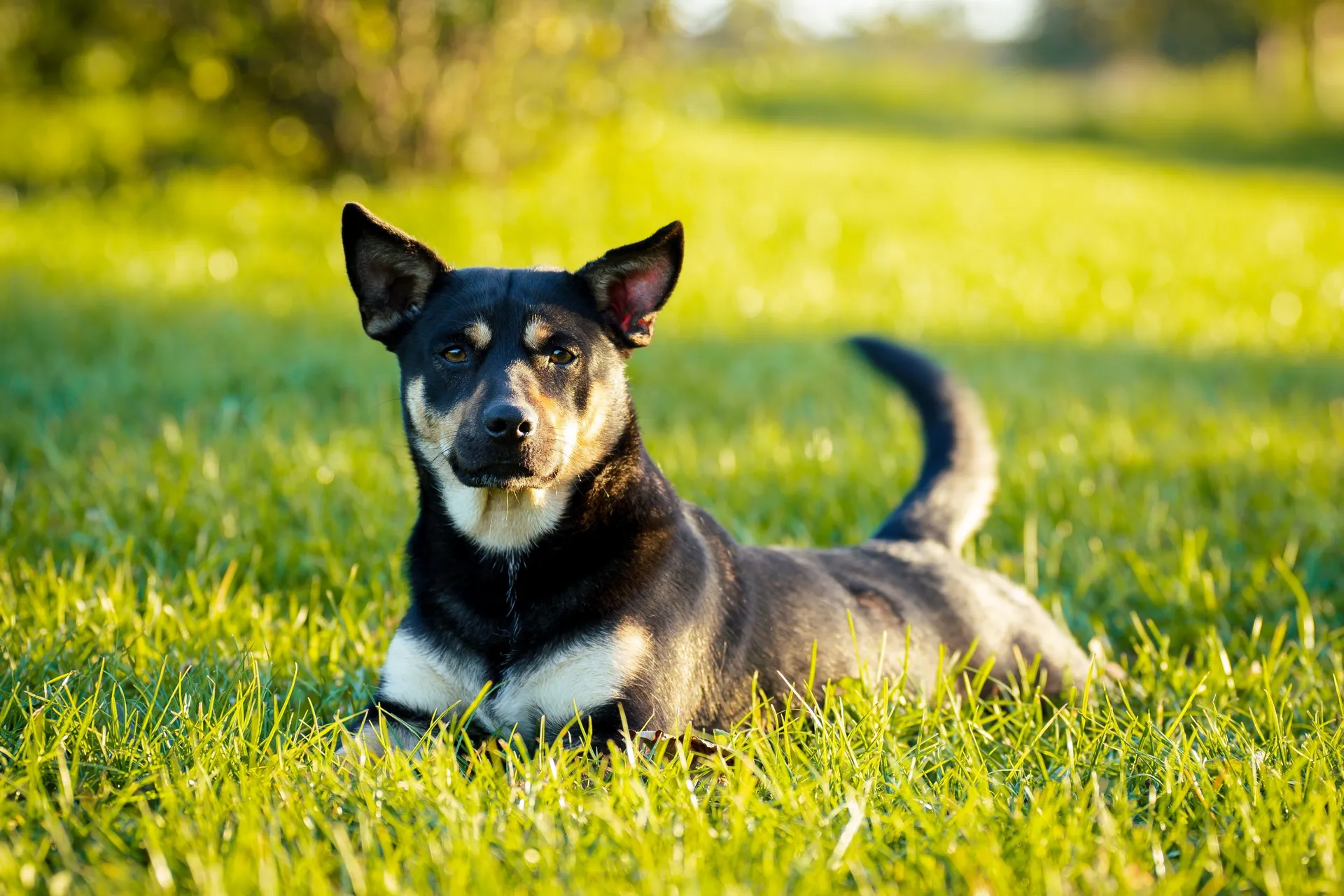
The skull is slightly rounded and broad between the ears, with a clean muzzle, tight lips and a scissor bite. The almond-shaped eyes are medium-sized and very alert. Ears are usually pricked and set well apart, which is where that sharp, watchful look comes from.
Coat Type and Colour Variations
The coat is a short, weather-resistant double coat: a dense undercoat under a harsh, close-lying outer layer that sheds rain and dirt. Colours include black, black and tan, red, red and tan, chocolate, chocolate and tan, blue, blue and tan, fawn and cream. Some dogs have a small white patch on the chest.
Movement and Presence
A Kelpie moves smoothly and covers ground with little visible effort, driven from strong hindquarters. The low-set tail lifts a little when the dog is alert or working. It looks exactly like what it is: a dog built for the job.
Temperament of the Australian Kelpie: Intelligent, Driven, and Deeply Loyal
Kelpies were bred to make their own decisions on a mob of sheep while still responding the instant a handler calls. That mix of independence and attachment shapes how they behave at home.
Core Personality Traits That Define the Breed
A Kelpie wants a role. Without one, it gets restless quickly. It thinks for itself, yet bonds closely with its people and keeps an eye on them all day. Most are confident and alert without being aggressive.
Social Behaviour With People and Other Animals
Well-socialised Kelpies are easy with family and familiar visitors. With strangers they usually watch first and warm up later. The herding instinct is the thing to manage: some will chase or nip at running children or other animals unless that habit is redirected early. Introduce them carefully to other pets, especially small ones.
Working Instincts and Drive
You can't separate a Kelpie's temperament from its work. Many will try to control anything that moves, from sheep to the neighbour's dog to passing cars. Channel that drive into training or a dog sport and it becomes the breed's best quality instead of a headache.
Common Behavioural Challenges to Be Aware Of
An under-exercised Kelpie may bark, dig or chew its way through the day. Some develop separation anxiety if left alone for long stretches, so build proven ways to reduce separation anxiety in dogs into the routine from the start. Harsh corrections backfire. This is a sensitive breed that does far better with calm, consistent handling and positive reinforcement.
Intelligence and Trainability of the Australian Kelpie: Fast Learners With Independent Minds
The Kelpie is widely rated among the most intelligent working breeds in the world. It picks things up fast and keeps its head under pressure. The catch is that it learns bad habits just as quickly as good ones.
Puppy Training Priorities That Build Strong Foundations
Start with socialisation, impulse control and clear communication. If you're unsure when to start obedience training puppies, the answer for a Kelpie is early. Introduce different people, animals, surfaces and places to head off nervousness later. Recall, sit, stay, leave it and loose-lead walking matter more than usual because of the breed's speed and chase drive.
Training Methods That Suit the Breed Best
Reward-based training works best, using food, toys or the chance to do a task. Keep sessions short and change the exercises often. Drill the same thing ten times and a Kelpie will switch off.
Mental Stimulation and Advanced Learning Capacity
Kelpies love problem-solving. They do well in agility, obedience, herding trials, flyball and scent work, and they enjoy learning sequences of behaviours. If you like training as a hobby, this is a very satisfying dog to work with.
Common Training Mistakes to Avoid
Inconsistent rules, no structure and too little mental work are behind most common puppy behaviour problems in this breed. Herding behaviour left unchecked turns into nipping and chasing. Don't overdo hard physical exercise with young puppies either, because their joints are still developing.
Australian Kelpie and Family Life: Children, Other Pets, and Home Dynamics
Kelpies are very loyal to their household and enjoy being part of everything. Their intensity and herding instincts, though, mean the family needs to understand working dogs.
Suitability With Children of Different Ages
Older children who can stay calm and follow rules usually get on well with a Kelpie. Toddlers are another matter. Small kids running and squealing set off the herding instinct, and a nip or a knock can happen. It isn't aggression, but it still needs supervision.
Teaching Children Safe and Respectful Interaction
Teach children to skip rough play, chasing games and sudden movements. Calm, structured play works better. Let them help with feeding, training and walks and the dog will often bond strongly with them.
Living With Other Dogs and Household Pets
Early socialisation helps a lot, including safe ways to socialise a puppy before full vaccination. Kelpies generally live well with other dogs, especially ones with similar energy. They may try to herd the cat or chase small pets, so introduce them carefully and keep managing it. Farms with livestock often suit them best because the instinct has somewhere to go.
Creating a Balanced and Safe Home Environment
Secure fencing, a clear routine and daily attention are the basics. Kelpies cope poorly with long periods of isolation and can become anxious or destructive. An active, consistent household brings out the best in them.
Health of the Australian Kelpie: Lifespan, Common Conditions, and Preventive Care
Generations of hard work in tough conditions have made the Kelpie a hardy breed. It still has a few inherited conditions worth knowing about before you buy.
Average Lifespan and General Health Outlook
Kelpies usually live 12 to 15 years, and many stay mobile and lively well into old age. Their moderate, athletic build avoids many of the problems seen in more exaggerated breeds, particularly if you keep them lean.
Common Breed-Related Health Conditions
Kelpies may be prone to hip dysplasia, which can affect mobility over time, and to inherited eye conditions such as Collie Eye Anomaly and Progressive Retinal Atrophy. Less common, but documented, are cerebellar abiotrophy and luxating patella. Any of these are worth discussing with your vet.
Importance of Health Testing and Responsible Breeding
Good breeders screen their dogs and use genetic testing to lower the risk of inherited disease. Ask to see hip scores and eye test results for both parents. Breeding for function rather than looks also helps keep the breed sound.
Preventative Healthcare and Ongoing Management
Plan on routine vet care for life. If you're unsure how often dogs should see a vet, ask at the first puppy visit. That care covers vaccinations, parasite prevention (including paralysis tick control if you live on the east coast), dental checks and general health checks. Keeping your Kelpie lean reduces joint stress and adds active years.
Insurance and Long-Term Health Planning
Active dogs get injured, and joint or eye problems can be expensive. Pet insurance is strongly recommended. Good cover makes it easier to say yes to treatment as the dog gets older.
Caring for the Australian Kelpie: Daily Needs, Environment, and Long-Term Wellbeing
Day-to-day care for a Kelpie comes down to three things: exercise, mental work and a routine it can rely on.
Daily Care Routines That Support Balance
Walks alone won't cut it. Add training sessions, problem-solving games and tasks with a point to them. Kelpies bond hard with their owners and respond best when you're actively involved, not just opening the back door.
Ideal Living Environment for an Active Breed
Rural properties, farms and houses with large, well-fenced yards suit Kelpies best. Apartment living is generally a poor fit unless you can commit to a lot of exercise and stimulation away from home every single day.
Seasonal and Climate Considerations
Kelpies handle Australian heat better than many working breeds. They still need shade, fresh water and rest on hot days, and a Queensland summer afternoon is no time for a run. In winter the dense double coat insulates well, though working dogs may need extra rest and food.
Senior Care and Lifestyle Adjustments
As a Kelpie ages, shift the focus to joint support, gentler exercise and more frequent vet checks. Keep its brain busy even as the physical work drops off. A soft bed, controlled activity and diet changes all help with mobility.
Meet these needs consistently and a Kelpie stays focused and rewarding company at every stage of life.
Grooming the Australian Kelpie: Coat Care, Hygiene, and Maintenance
Grooming is the easy part of owning a Kelpie. A simple weekly routine keeps the coat and skin in good shape.
Coat Type, Shedding, and Brushing Routine
The short double coat sheds moderately all year and more heavily when the seasons change. Brush once or twice a week with a bristle brush or grooming mitt to lift loose hair, spread natural oils and keep the coat clean.
Bathing and Skin Care Practices
Only bath a Kelpie when it is properly dirty. A mild, dog-specific shampoo is enough. Bathing too often strips natural oils and can leave the skin dry and itchy.
Ear, Nail, and Dental Care
Check ears regularly for dirt and wax, especially after dusty work. Nails often wear down with exercise but may need a trim every four to six weeks. Brushing teeth and offering dental chews helps prevent dog dental disease symptoms from showing up later.
Common Grooming Considerations
Seasonal shedding is the main grooming chore. Start handling and brushing in puppyhood so your dog stays relaxed about it. Each session is also a good chance to check for skin problems, ticks and small injuries.
Exercise Needs of the Australian Kelpie: Energy, Endurance, and Daily Commitment
This breed was made for long days of stock work. Its exercise needs at home reflect that, and they don't shrink just because the dog lives in town.
Daily Exercise Requirements
Plan on at least 90 to 120 minutes of exercise a day. Mix brisk walking, running, structured play and activities that make the dog think. A couple of short strolls around the block won't meet its physical or mental needs.
Suitable Activities for a Working Breed
Kelpies do best with movement that has a purpose. Agility, obedience, flyball, herding trials and recall games all suit them. Off-lead time in a secure area burns energy well, but check the fencing first, because these dogs like to roam.
Exercise Management for Puppies and Seniors
Puppies need controlled exercise while their joints develop. Hold off on high-impact activity until full maturity and focus on training, exploring and short play sessions. Seniors still need daily movement, just at a lower intensity and with less impact.
Mental Stimulation as a Core Requirement
For a Kelpie, brain work matters as much as legwork. Puzzle feeders, scent games, quick training refreshers and new walking routes all help prevent barking, digging and chewing. A mentally tired Kelpie is a much calmer housemate.
Feeding the Australian Kelpie: Nutrition, Portions, and Energy Support
Good nutrition supports a Kelpie's energy output, lean muscle and long-term joint health. Match the diet to activity level and life stage.
Nutritional Requirements for an Active Working Dog
Look for a diet rich in animal protein to help muscle repair and endurance. Moderate fat gives lasting energy without piling on weight, and controlled carbohydrates keep energy steady. Omega-3 fatty acids help joints, skin and coat.
Feeding Schedules From Puppy to Adult
Feed puppies three to four small meals a day. Most adults do well on two. Regular mealtimes help digestion and tend to settle behaviour too.
Special Dietary Considerations
Underfeeding is as much a risk as overfeeding with this breed. A working or sport Kelpie may need noticeably more food, while a pet-only dog needs portions watched closely. Choose foods without excessive fillers or artificial additives.
Weight Management and Body Condition
A lean dog has healthier joints and lasts longer in work. Check body condition by feel, not just the scales, and adjust portions for workload, age and the season.
Australian Kelpie Price and Ongoing Costs: What Ownership Involves
The purchase price is only the start. Kelpies are hardy and cheap to groom, but their training and activity needs belong in the budget.
Purchase Price From Ethical Breeders
Kelpie puppies from reputable breeders in Australia typically cost AUD $760 to $1,335. Lineage, working ability, health testing and availability all affect the price. Well-bred working lines are in demand, so waiting lists are common. Be wary of puppies advertised well below this range.
Initial Setup Costs
Budget for a secure collar or harness, lead, bedding, bowls, toys, grooming tools and puppy-proofing. Add early vet costs such as vaccinations, microchipping and desexing, plus council registration.
Ongoing Monthly and Annual Expenses
Typical ongoing costs include:
- Food: AUD $38 to $57 per month for a quality diet suited to active dogs
- Veterinary care: annual check-ups, vaccinations, parasite prevention and dental care
- Insurance: around AUD $42 per month for basic cover, or up to AUD $84 per month for lifetime policies
- Training or activities: optional obedience classes, agility or working trials
Australian Kelpie Lifetime Cost Considerations
Over a 12 to 15 year life, the total adds up, particularly if you take on professional training or dog sports. Planning ahead means the dog's physical, mental and vet needs are covered for its whole life.
Buying Advice for the Australian Kelpie: Choosing Responsibly and Ethically
Because of the breed's working background and exercise demands, it pays to choose carefully, from a breeder or a rescue.
How to Identify Ethical Australian Kelpie Breeders
Good breeders put health, temperament and working ability ahead of numbers. They breed a few litters, raise puppies in a stimulating environment and are open about lineage and care. Expect them to quiz you about your lifestyle, and bring your own questions to ask a dog breeder.
Verifying Health Testing and Breeding Standards
Ask for hip scores and eye test results covering inherited conditions such as PRA and CEA. Paperwork should also confirm vaccinations, microchipping and vet checks. If a breeder can't explain their health testing clearly, walk away.
Selecting a Puppy With the Right Temperament
A well-bred Kelpie pup should be confident, alert and curious. Watch how it plays with littermates and reacts to people. A very fearful or aggressive puppy may need more experienced handling than most pet homes can give.
Contracts, Guarantees, and Buyer Responsibilities
Ethical breeders give you a written contract covering health guarantees, returns and ongoing support. Many ask that the dog come back to them if your circumstances change. Be cautious of any seller who rushes you or avoids paperwork.
Rescue and Adoption Options
Working-dog and herding-breed rescue groups sometimes have adult Kelpies looking for homes. Adoption suits experienced owners who can handle an unknown background and commit to structured training and exercise.
Choosing well protects your own dog's welfare and the long-term health of the breed.
Final Thoughts on the Australian Kelpie: Is This Breed Right for You?
The Kelpie is a brilliant, driven athlete bred for hard work in tough country. With the right owner it is loyal, responsive and a real pleasure to live with. It is not a dog for a sedentary household or a casual owner.
If you enjoy training, outdoor activity and a dog that wants to be involved in everything, a Kelpie can be an outstanding partner. Without enough to do, expect behaviour problems.
Looking for a low-maintenance pet that happily dozes all day? Choose another breed. Want a smart, energetic dog and the bond that comes from doing things together? Then a responsibly bred Kelpie is hard to beat.
Frequently Asked Questions
Related Breeds
Other herding breeds on Pups4Sale.
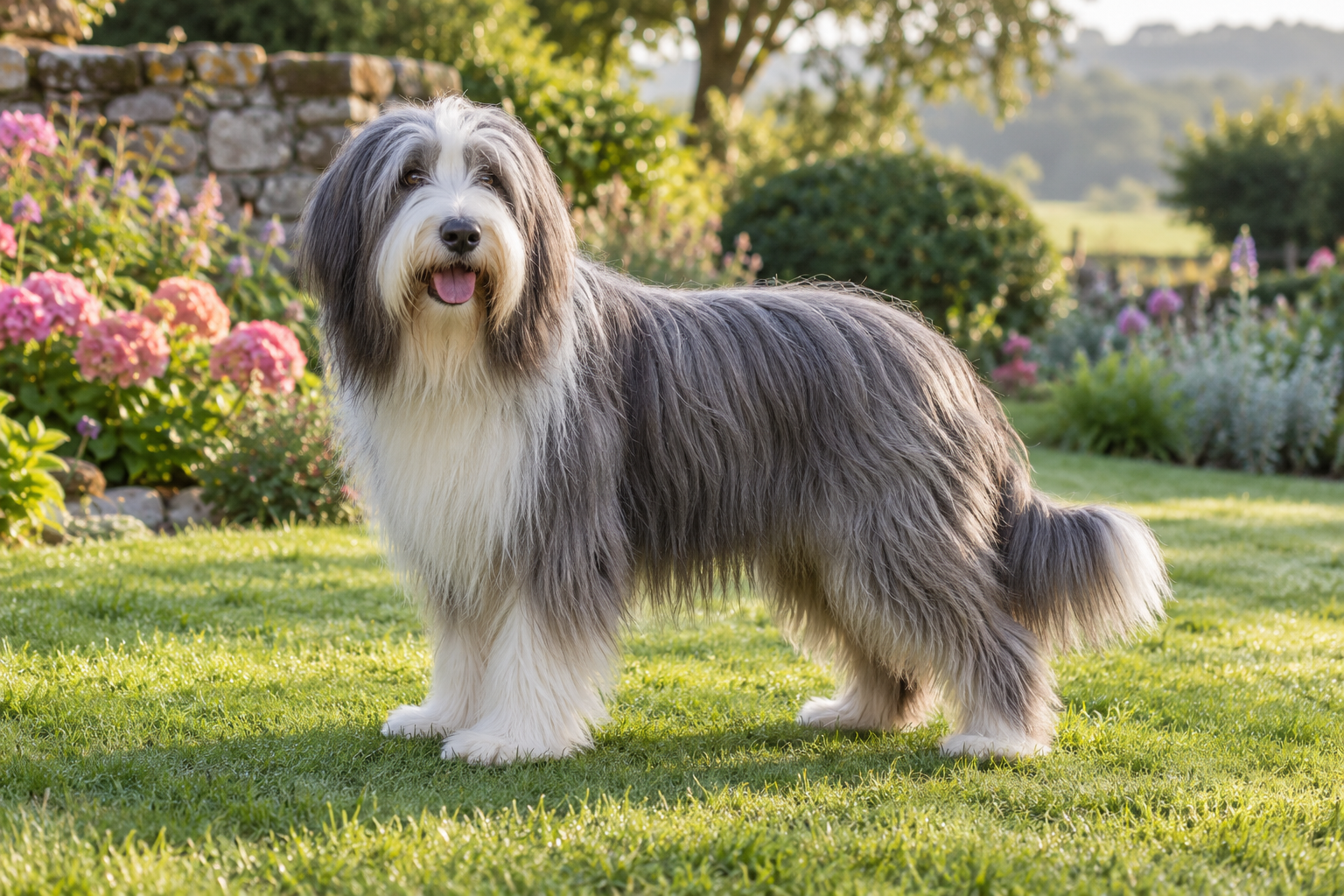 Bearded CollieMedium • Working Dogs (Group 5)
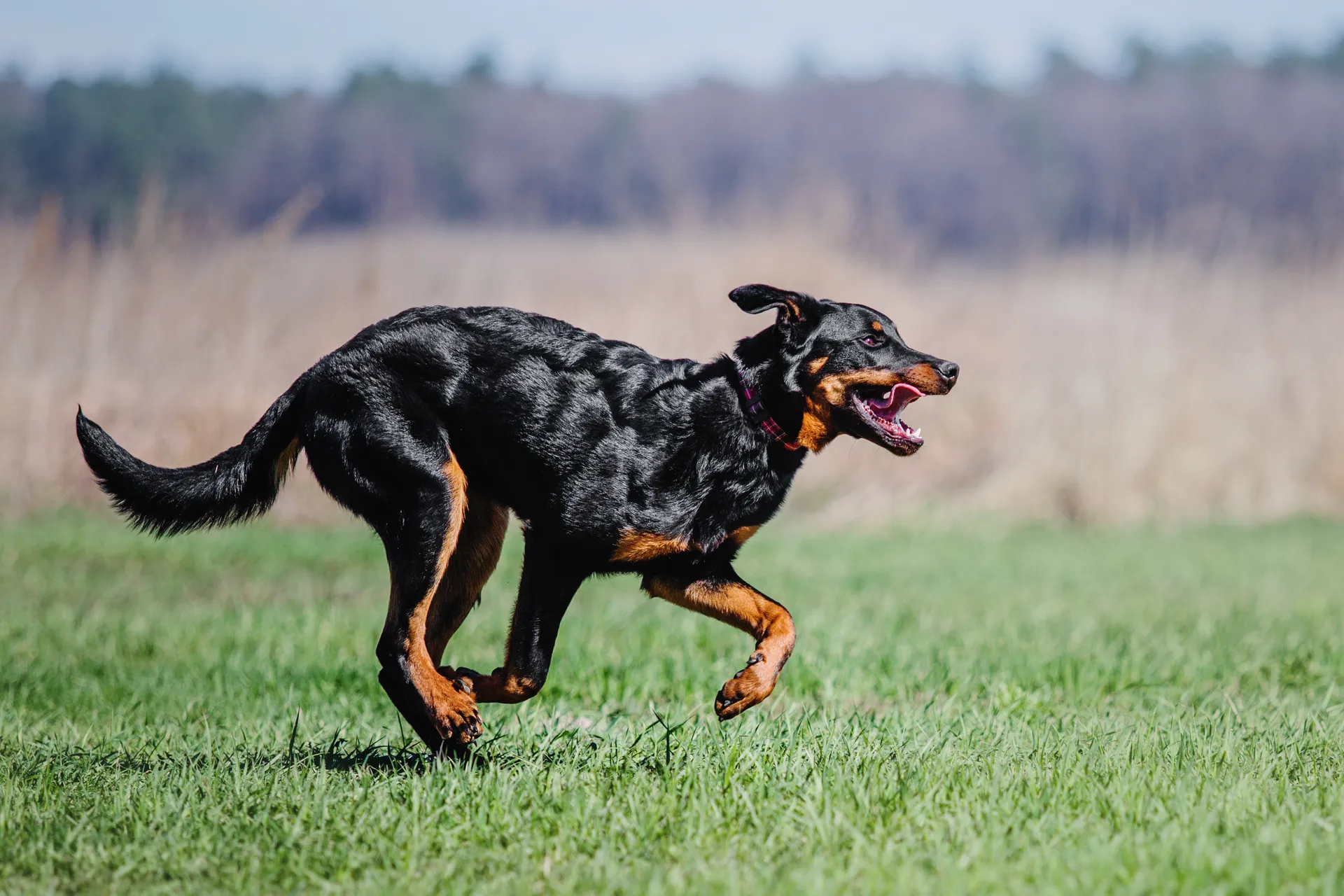 BeauceronLarge • Herding
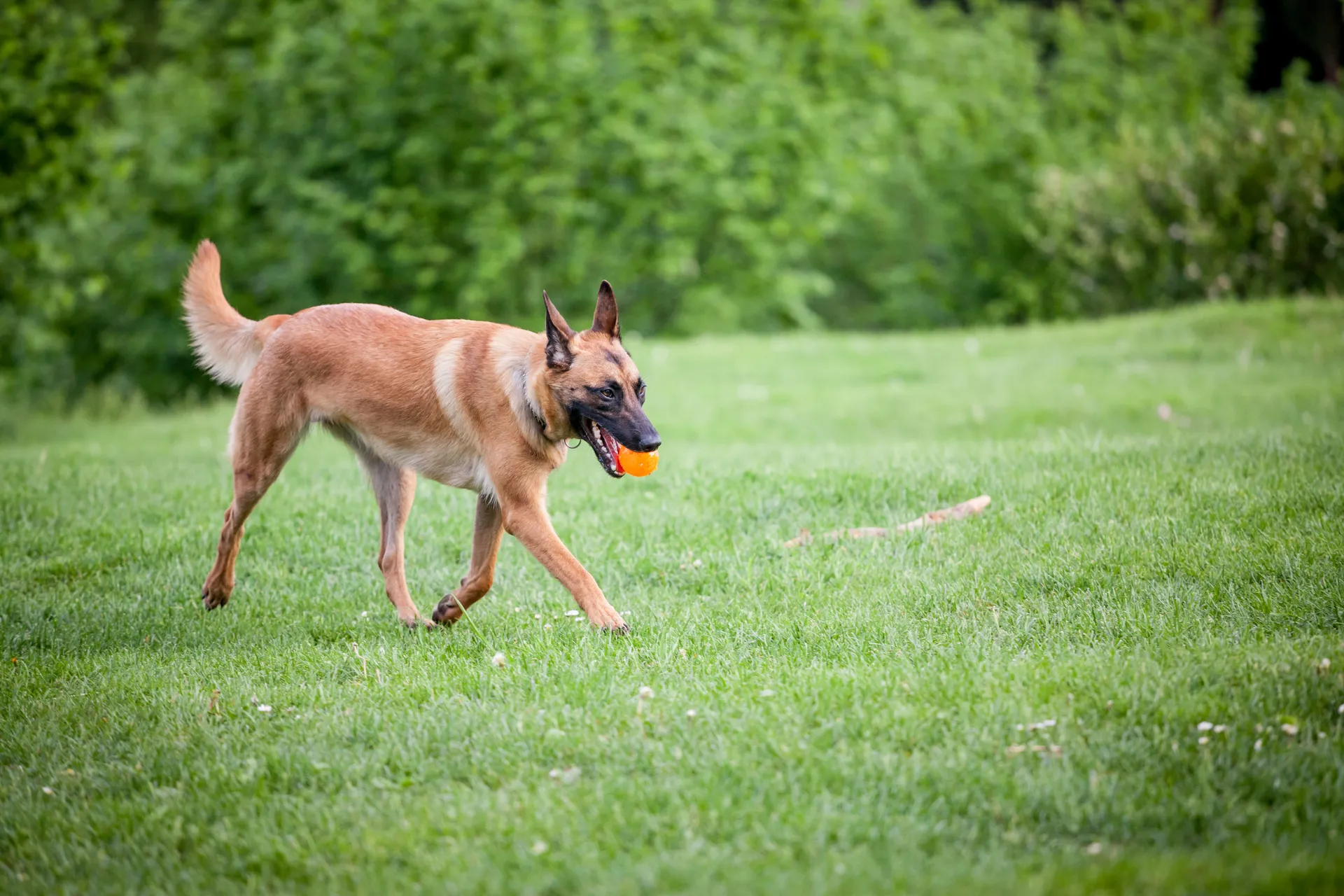 Belgian ShepherdMedium • Herding
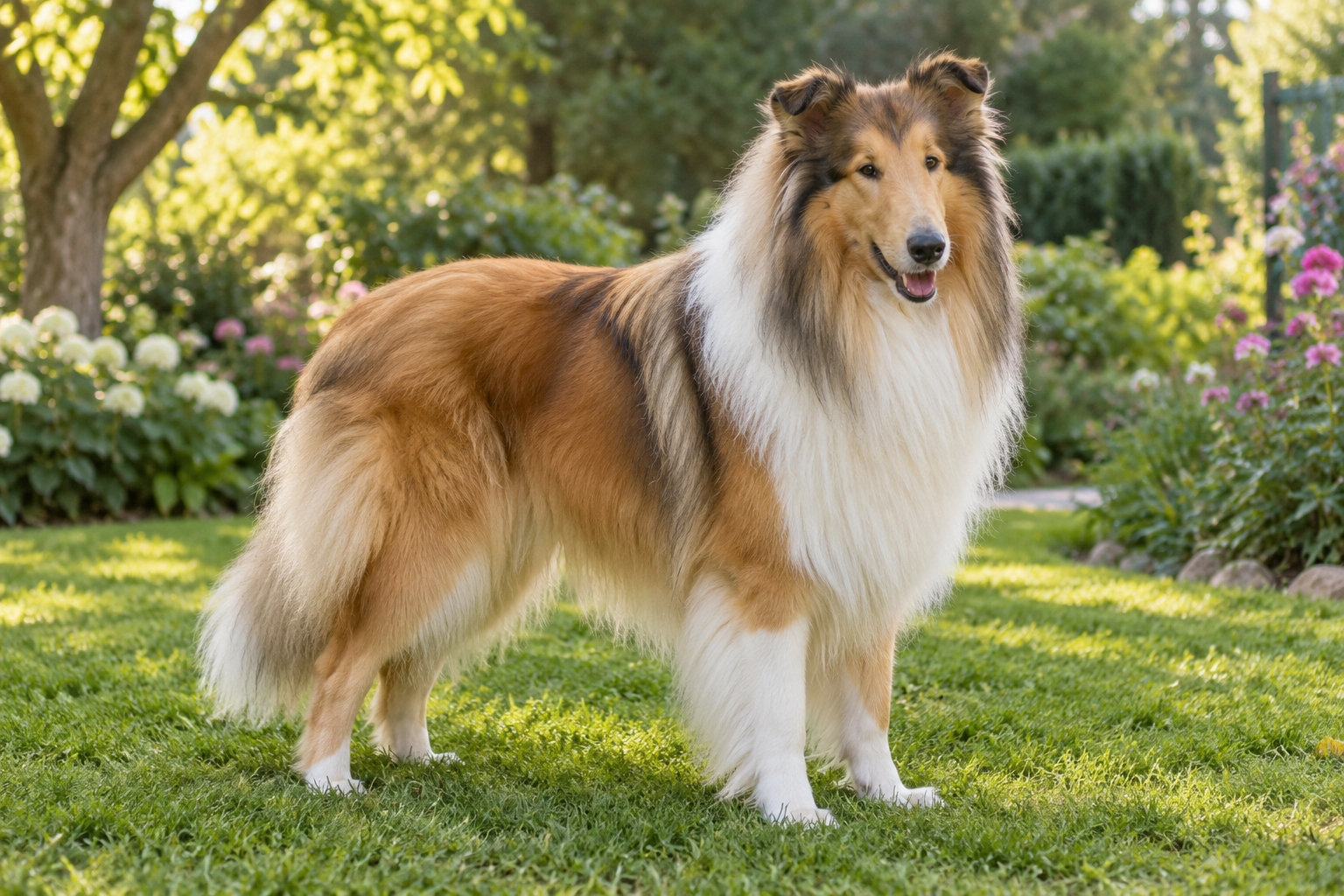 CollieLarge • Working Dogs (Group 5)
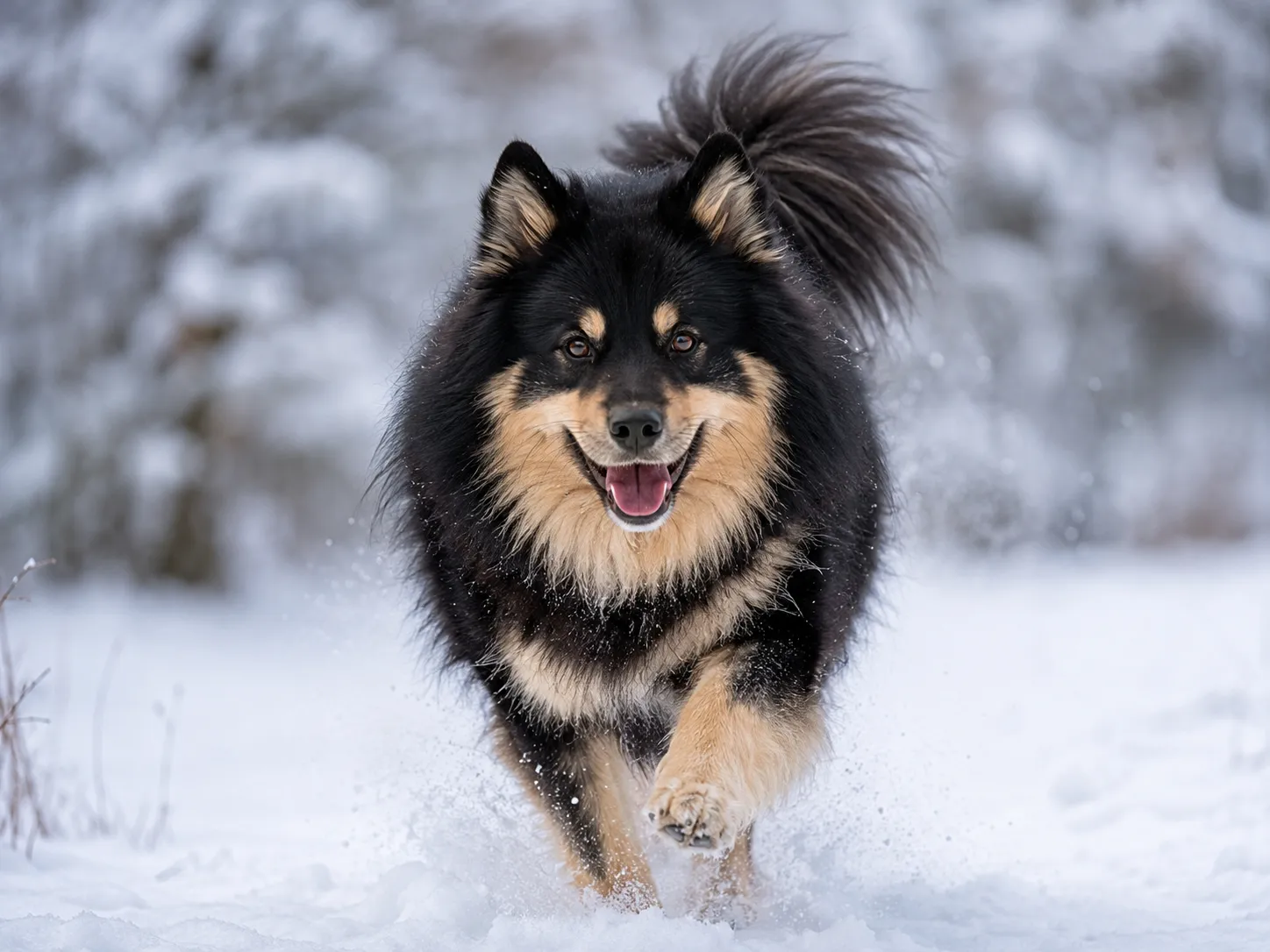 Finnish LapphundMedium • Utility / Spitz type (Nordic herding breed)
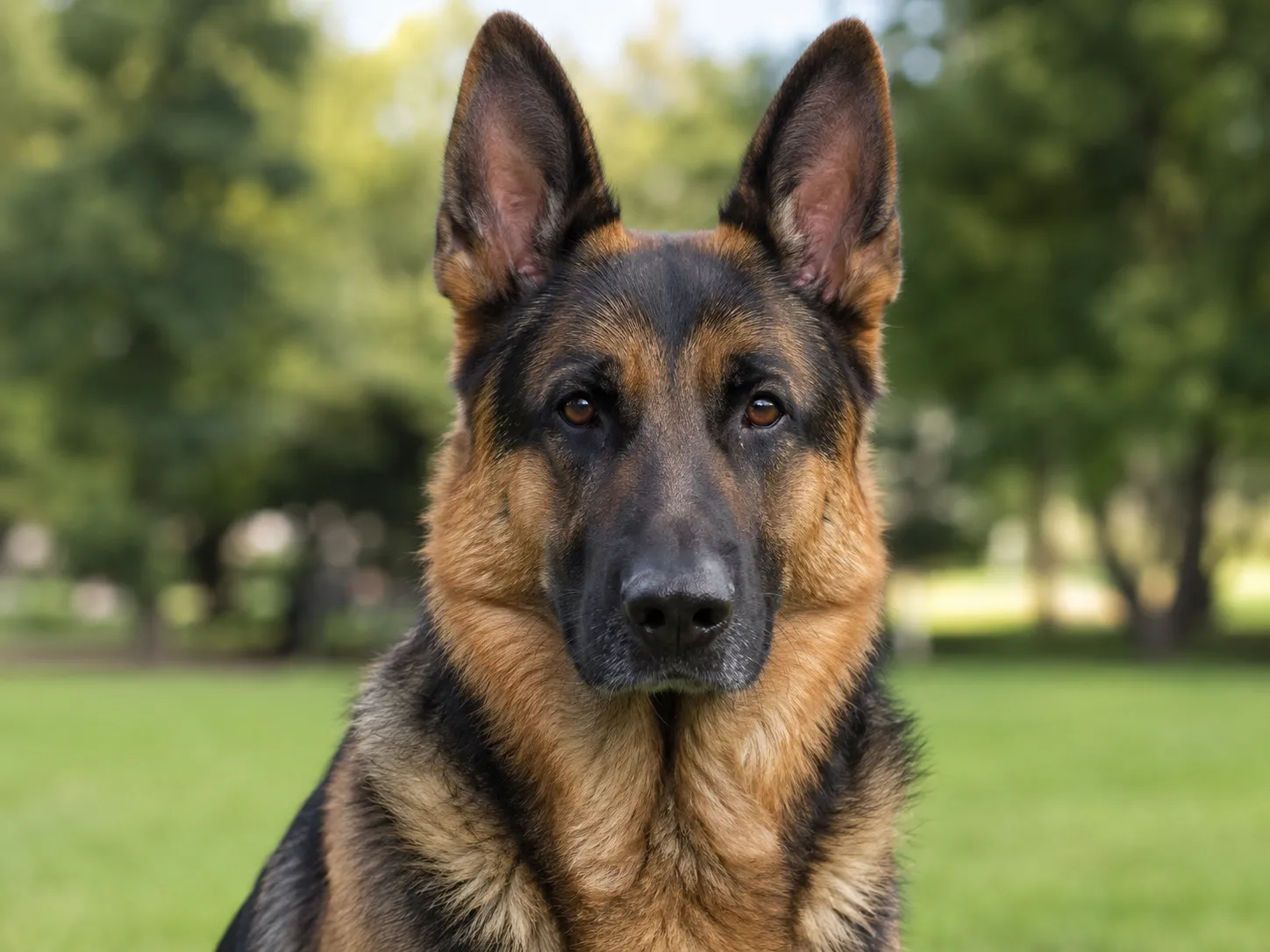 German ShepherdLarge • Working