Finnish Lapphund
By James C. • Updated
The Finnish Lapphund is a friendly, intelligent, and adaptable breed originally developed by the Sámi people of northern Finland to herd reindeer. They are known for their gentle temperament, strong family loyalty, thick weather-resistant coat, and suitability for active households that can provide regular exercise and companionship.
Breed Overview
Life Span
12 - 15 years
Average Price
AUD 3000 - AUD 5000
Weight
Male: 15 - 24 kg Female: 15 - 24 kg
Height
Male: 46 - 52 cm Female: 41 - 47 cm
Life Expectancy
Male/Female: 12 - 15 years
Breed Group
Utility / Spitz type (Nordic herding breed)
Nicknames
Lappy
Breed Information
If you want a dog that blends Nordic toughness with a genuinely soft heart, the Finnish Lapphund deserves your attention. Bred north of the Arctic Circle to herd reindeer in freezing winds, this is a working dog through and through. Yet at home, the Lappy is affectionate, loyal and surprisingly gentle.
This breed suits active families, rural households and owners who want a close companion rather than an independent outdoor dog. They cope well in cooler Australian climates and can adapt to suburban life, provided they get daily exercise and mental stimulation. Buyers drawn to Arctic breeds often compare it with the Samoyed, another thick-coated Nordic breed, which carries even more coat and needs the same climate planning.
Before choosing one, you should be prepared for regular brushing, seasonal heavy shedding and a dog that dislikes being left alone for long stretches. In the right home, however, the Finnish Lapphund is devoted, responsive and deeply connected to its people.
Characteristics of the Finnish Lapphund: What Living With One Is Really Like
| Trait | Rating (Out of 5) | What This Means for You |
| Size | 3/5 | Medium build, sturdy but not oversized. Suitable for homes with moderate space. |
| Adaptability | 4/5 | Adjusts well to family life if given exercise and companionship. |
| Exercise Needs | 3/5 | Moderate daily activity keeps them balanced and content. |
| Easy to Train | 4/5 | Intelligent and responsive, though occasionally independent. |
| Amount of Shedding | 5/5 | Heavy seasonal shedding, especially during coat blow. |
| Grooming Needs | 3/5 | Weekly brushing required, daily during shedding periods. |
| Good With Children | 4/5 | Gentle and tolerant when properly socialised. |
| Health of Breed | 4/5 | Generally robust, but requires health-tested breeding lines. |
| Cost to Keep | 3/5 | Moderate food, grooming and healthcare expenses. |
| Tolerates Being Alone | 2/5 | Strong pack instincts; prolonged isolation can lead to behavioural issues. |
| Intelligence | 4/5 | Quick learner with strong problem-solving ability. |
Living with a Finnish Lapphund means sharing your space with a dog that watches everything. They are observant and emotionally aware, often responding to subtle changes in your mood. This makes them deeply connected companions, but also means they do not thrive in detached or neglectful environments.
Their moderate exercise needs can sometimes surprise people. They are not hyperactive, yet they are built for endurance. A long walk, structured play, or light training work keeps them steady. Without stimulation, boredom may show itself through barking.
Shedding is one of the most noticeable traits. When their undercoat releases seasonally, hair can gather quickly. If you prefer a low-maintenance coat, this may not be the breed for you.
In the right household, however, the Finnish Lapphund balances resilience with affection in a way few breeds can match.
History of the Finnish Lapphund: From Arctic Survival to Modern Companion
The Finnish Lapphund traces its roots to Lapland, a vast Arctic region spanning northern Finland, Sweden, Norway and parts of Russia. For thousands of years, the indigenous Sami people relied on hardy spitz-type dogs to help them survive one of the harshest climates on earth. These early dogs were not pampered pets. They were essential working partners.
Originally, Sami communities hunted wild reindeer across frozen tundra. Over time, their lifestyle shifted towards organised reindeer herding. As this transition occurred, the dogs evolved with them. The Finnish Lapphund became a specialist herder, guiding and controlling large, stubborn reindeer herds across open landscapes. Reindeer are powerful animals capable of serious injury, so only quick, agile and intelligent dogs could handle the job.
Centuries spent living closely with humans shaped the breed’s temperament. Lapphunds often slept alongside their owners in tents or huts during freezing Arctic nights. This constant proximity helped develop their sociable and emotionally aware nature, which still defines the breed today.
Formal breed recognition came much later. As modernisation reduced traditional herding, enthusiasts worked to preserve the Lapphund’s working ability and genetic diversity. Today, the Finnish Lapphund remains a respected herding breed in Scandinavia while also thriving as a family companion across Europe, the UK and Australia.
Despite the change from tundra to suburb, the breed’s courage, resilience and close bond with its people remain unchanged.
Appearance of the Finnish Lapphund: A Powerful Nordic Spitz in a Compact Frame
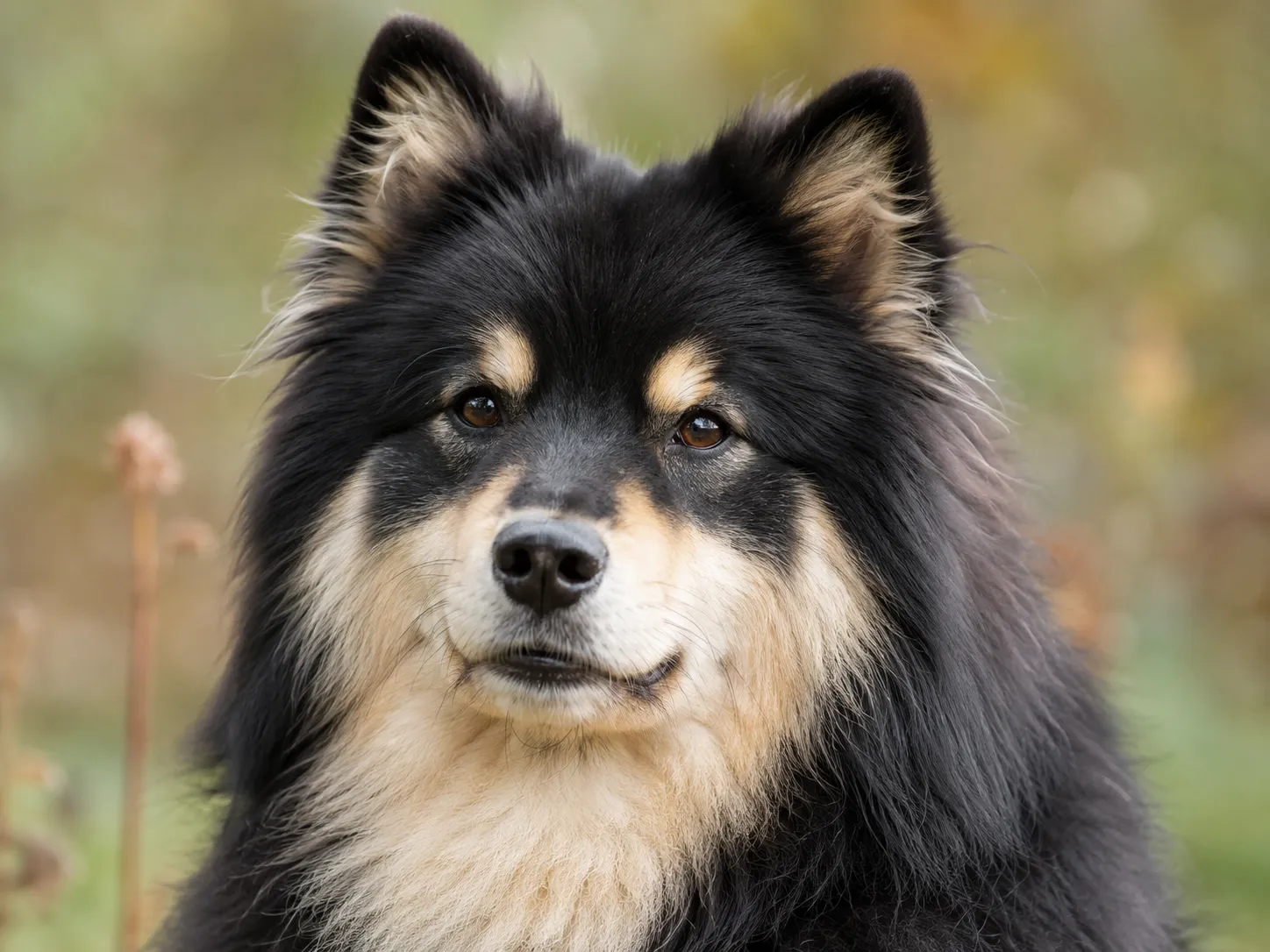
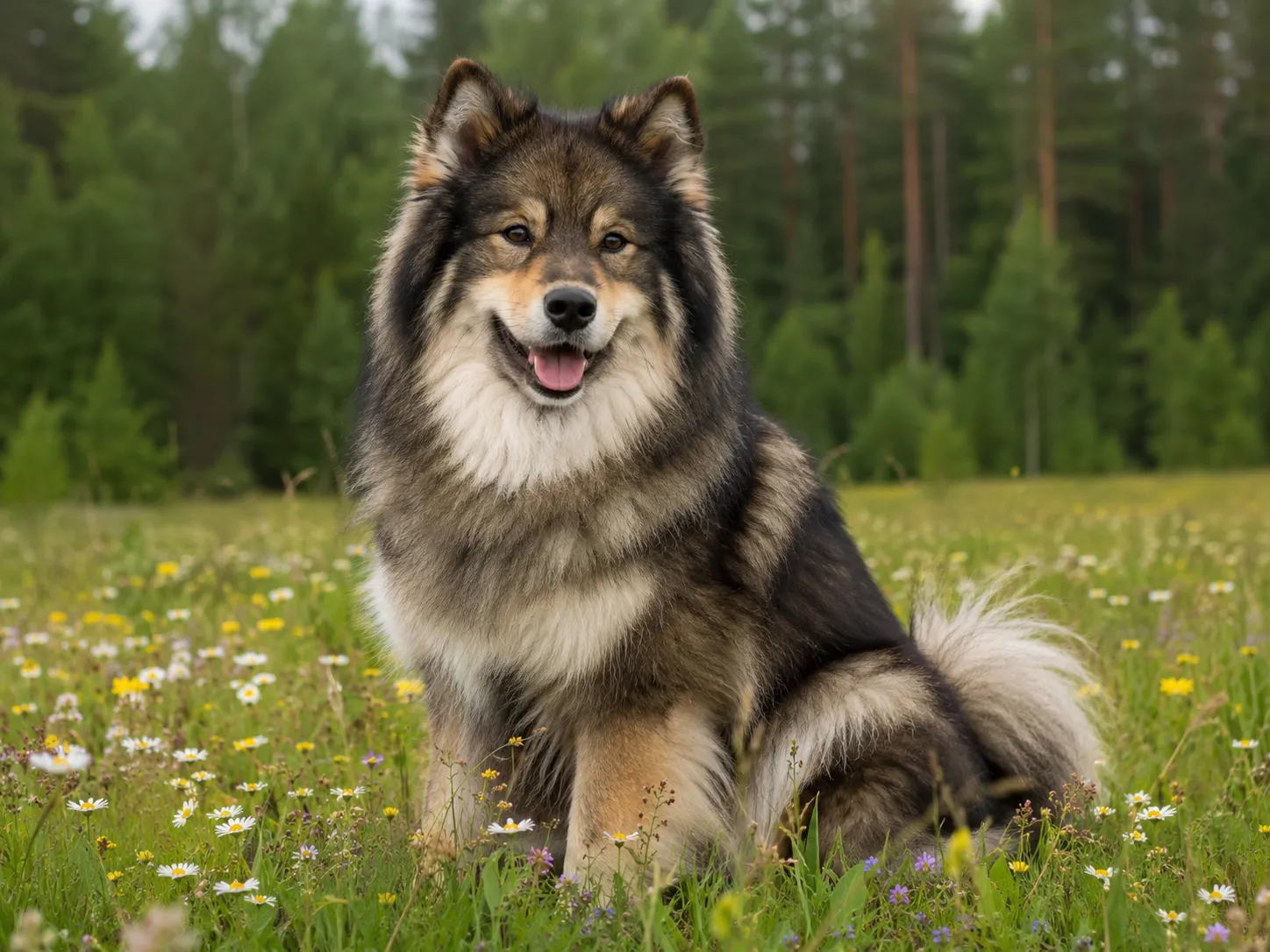
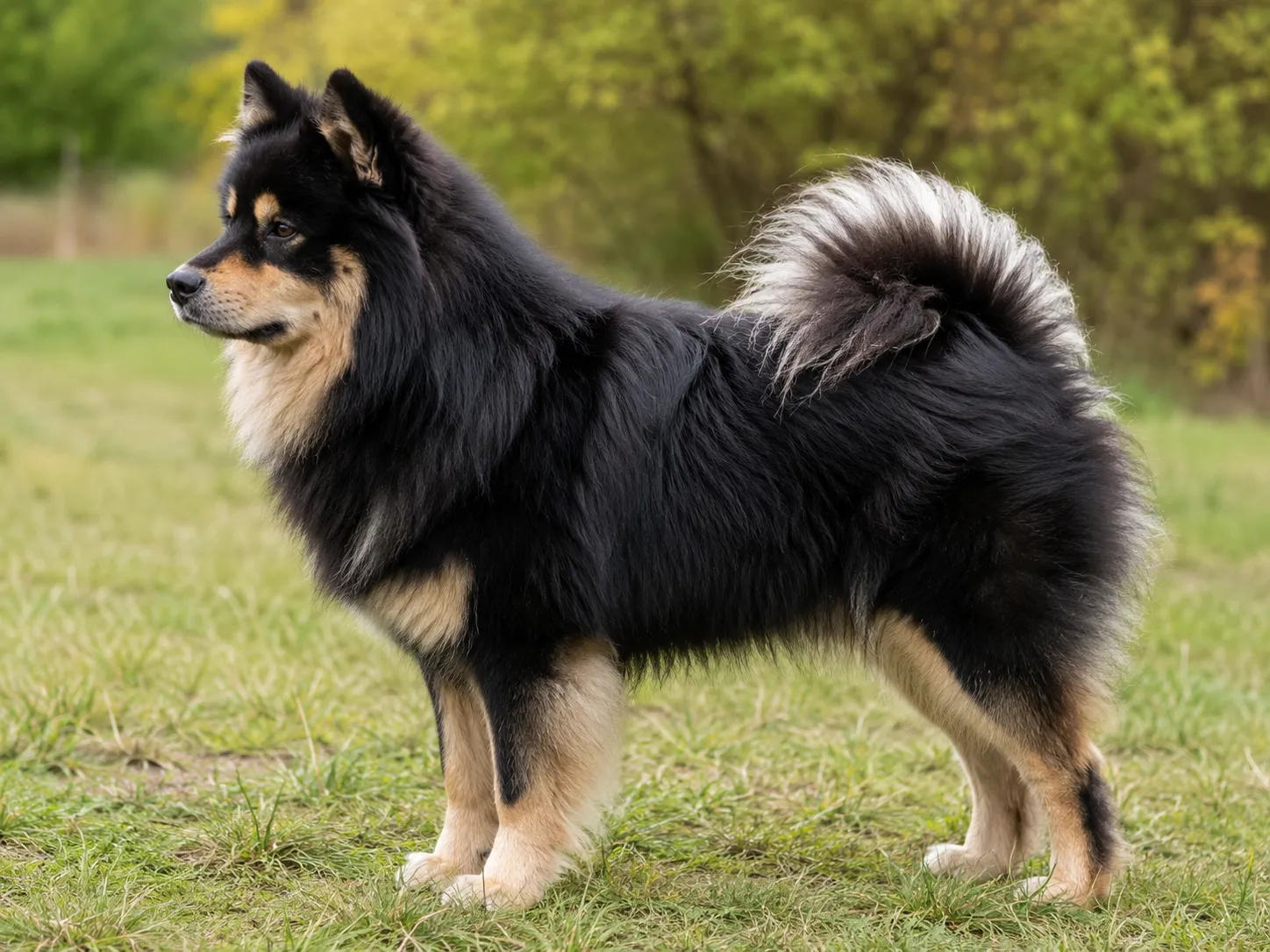
At first glance, the Finnish Lapphund looks every bit like a classic Arctic spitz. Thick coat, expressive almond-shaped eyes and a plumed tail that curves confidently over the back all signal its northern heritage. Yet beneath that striking coat sits a surprisingly muscular and well-balanced dog.
Size and Build
Lappies are medium-sized but solidly constructed. Males typically stand between 46–52 cm at the shoulder, with females slightly smaller at 41–47 cm. Their body is slightly longer than tall, giving them strength and stability without appearing heavy. Despite their fluffy appearance, they are agile and capable of quick directional changes, a necessity when working reindeer.
Coat and Colours
The double coat is one of the breed’s defining features. A harsh, weather-resistant outer coat protects a dense, insulating undercoat. This natural layering allowed them to function in freezing Arctic conditions.
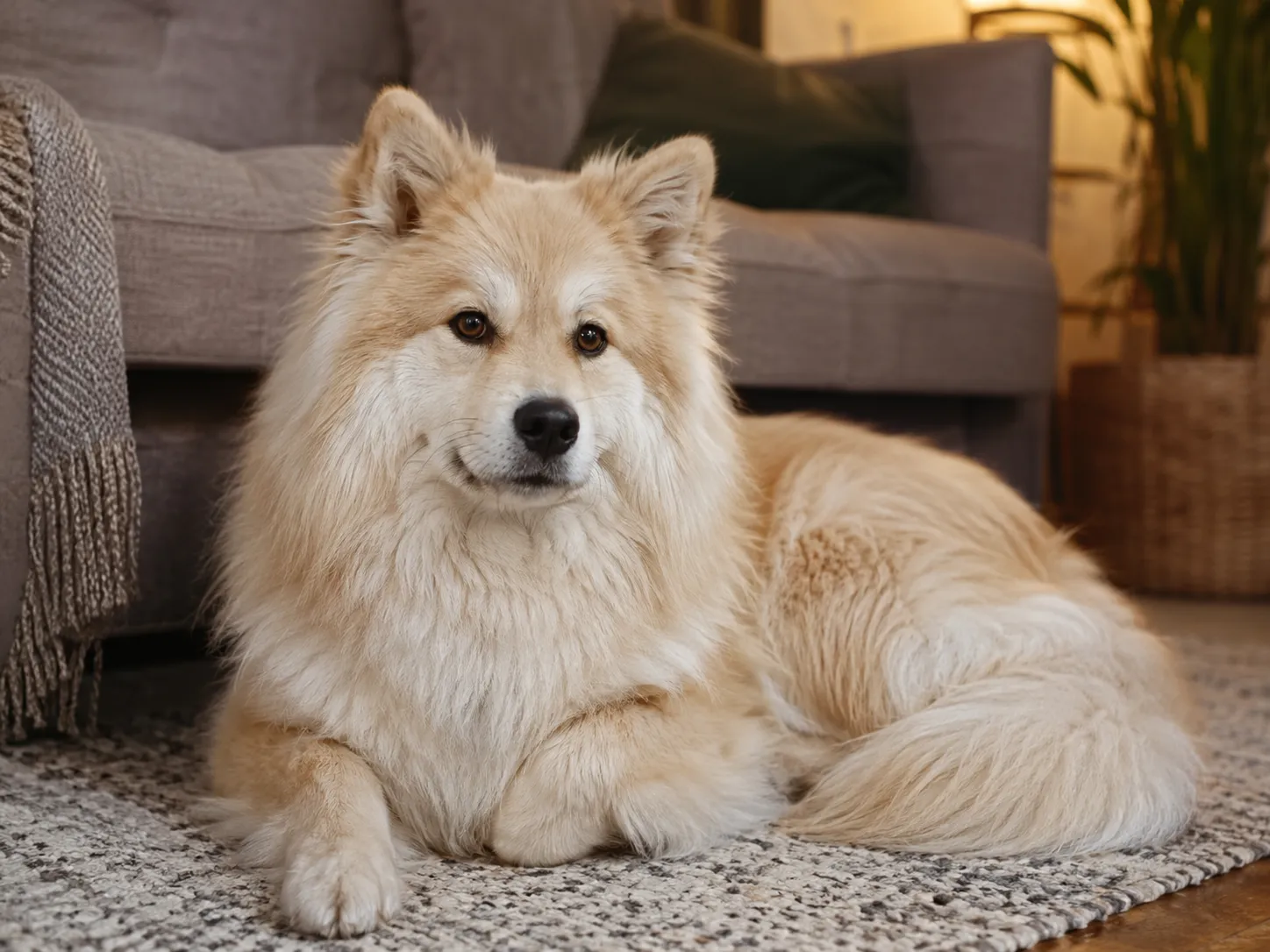
Colour variation is wide. Black, brown, wolf sable, cream and various combinations are all seen, often with lighter facial markings or chest patches. No single colour defines the breed, which adds to their visual appeal.
Eyes and Expression
The eyes are oval and usually dark brown, though lighter shades can appear in certain coat colours. Their expression is alert yet soft. Many owners describe a distinctly thoughtful look, as if the dog is constantly assessing its surroundings.
Distinctive Features
The tail is heavily coated and carried over the back when alert, but it may drop when relaxed. Ears are medium-sized, set wide apart and typically erect, though they can tip slightly at the ends.
Overall, the Finnish Lapphund combines rugged working capability with an approachable, friendly appearance. It is a dog that looks ready for snowfields, yet equally at ease curled up beside the family sofa.
Different Types of the Finnish Lapphund: Working Lines and Show Lines
Unlike some breeds that come in clearly defined size varieties, the Finnish Lapphund does not have official subtypes such as miniature or standard versions. However, there are noticeable differences in breeding focus that can influence appearance, drive and temperament.
Working Lines
In Scandinavia, some breeders still prioritise herding ability. These dogs may appear slightly lighter in build and more driven in temperament. A working-line Lappy often shows stronger instinct around livestock and may have higher stamina. They tend to mature with a confident, alert mindset and may require more structured activity.
For owners interested in herding trials or dog sports, a working-focused lineage could be a suitable choice.
Show Lines
Show-line Finnish Lapphunds are bred to meet formal breed standards in structure, coat and movement. These dogs often have fuller coats and slightly heavier bone. While they still retain intelligence and herding background, they may present a calmer overall temperament compared to strong working lines.
For most family homes in Australia, show-line dogs are more common and typically adapt well to suburban living.
Swedish Lapphund and Other Relatives
It is also important not to confuse the Finnish Lapphund with closely related Nordic breeds such as the Swedish Lapphund. Although they share ancestry and general appearance, they are distinct breeds with their own standards and characteristics.
When choosing a Finnish Lapphund puppy, understanding the breeder’s focus helps you select a dog whose energy level and temperament match your household.
Temperament of the Finnish Lapphund: Calm Confidence With Deep Loyalty
Spend time around a Finnish Lapphund and one trait becomes clear very quickly. They are emotionally tuned in. This is a breed that watches, listens and reacts thoughtfully rather than impulsively. Centuries of working closely with people shaped a dog that thrives on connection.
Core Personality Traits
At home, the Lappy is affectionate without being clingy. They enjoy being near their family and often position themselves where they can observe everything happening around them. Their calm nature indoors can surprise people who expect a high-drive Arctic dog.
Confidence is part of their character. They are not timid, but they are not reckless either. Many show a natural wariness of strangers at first, assessing before engaging. Proper socialisation ensures this caution never turns into nervousness.
Social Behaviour
Finnish Lapphunds are generally friendly and polite. Once introduced properly, they warm up and often become openly sociable. Their pack background means they bond strongly with their household and prefer not to be isolated for long periods.
They usually get along well with other dogs, especially when raised together. Their herding heritage may show in gentle circling behaviour, particularly around moving children.
Working Instincts
Herding instinct remains present in many Lappies. Some may bark to control movement or alert you to activity. They are naturally vigilant, which makes them good watchdogs without being aggressive.
Common Behavioural Challenges
Two behavioural traits deserve honest discussion. First, barking. They were bred to vocalise while herding, and some individuals can be expressive. Early training helps shape this.
Second, sensitivity to loneliness. A Finnish Lapphund that is regularly left alone for long stretches may develop nuisance behaviours. Catching common behaviour problems in young dogs early keeps small habits from hardening. This breed does best in homes where companionship is part of daily life.
In the right environment, their temperament feels balanced, warm and quietly confident. They are not dramatic dogs. They are steady companions who prefer being part of your routine rather than the centre of attention.
Intelligence and Trainability of the Finnish Lapphund: Smart, Observant and Occasionally Independent
The Finnish Lapphund is a quick thinker. This is not a dog that repeats behaviour blindly. Instead, they process information, assess the situation and then respond. That intelligence makes training rewarding, but it also means you need to approach it with patience and clarity.
Puppy Training Priorities
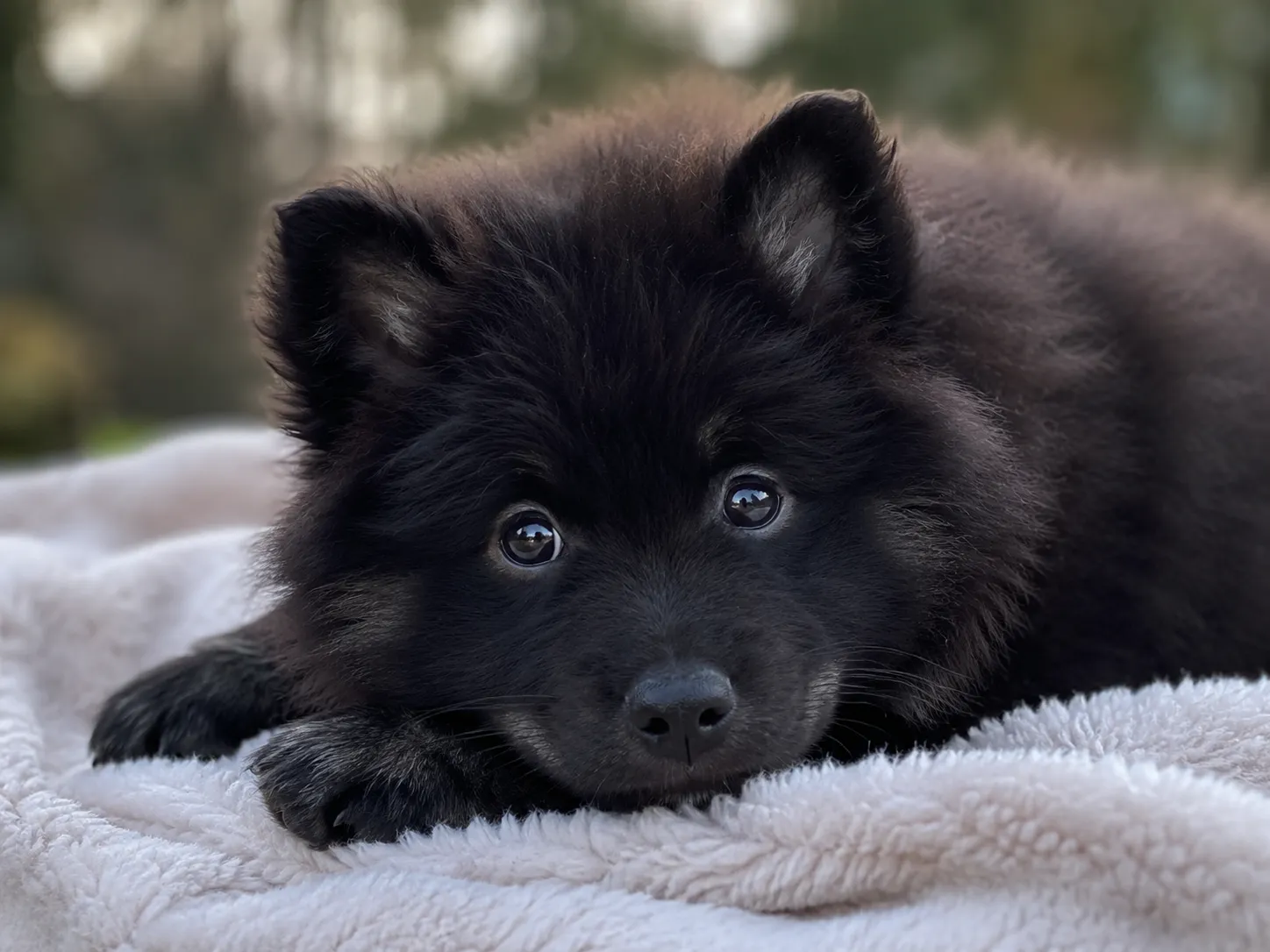
Early socialisation is essential. Between 8 and 16 weeks, exposing your puppy to different people, sounds, environments and surfaces helps build confidence. Lappies are naturally alert, so structured early exposure prevents unnecessary suspicion later in life.
Basic obedience should begin early as well. Sit, recall and loose lead walking form the foundation. Because they are people-focused, most Finnish Lapphund puppies respond well to praise and food rewards.
Training Methods That Work
Positive reinforcement works best. They are sensitive dogs and do not respond well to harsh correction. Firm consistency combined with calm guidance produces better long-term results.
Short, engaging sessions keep their attention. Repetition without variety can lead to boredom, so mixing obedience with light trick training or scent games helps maintain motivation.
Advanced Training Potential
Many Finnish Lapphunds excel in agility, rally obedience and herding trials. Their agility and awareness allow them to change direction quickly, a skill developed from managing reindeer. Tracking and scent work also suit their steady temperament.
Common Training Mistakes
The biggest mistake is assuming their calm nature means low stimulation needs. A bored Lappy may bark excessively or create its own entertainment. Another error is inconsistency. Because they are intelligent, they quickly notice when rules change.
When guided correctly, the Finnish Lapphund becomes a responsive and thoughtful companion. They enjoy learning, especially when training strengthens the bond with their family.
Finnish Lapphund With Children and Other Pets: Gentle but Still a Herding Dog
One of the reasons families are drawn to the Finnish Lapphund is their steady and affectionate nature. When raised correctly, they tend to be patient and tolerant, making them a suitable choice for households with children.
Interaction With Children
Lappies are generally gentle and observant around children. They do not typically react sharply to noise or movement, which helps in busy homes. Many show a protective awareness without becoming overbearing.
That said, they are still herding dogs. Fast running or high-pitched play may trigger instinctive circling or light barking. Teaching children how to interact respectfully with the dog prevents misunderstandings and builds mutual trust.
Teaching Children Proper Boundaries
Children should learn not to pull at the coat, disturb the dog while eating, or approach when the dog is resting. A Finnish Lapphund that feels respected is far more likely to remain calm and balanced.
Supervised interactions are important during early stages, especially with toddlers.
Living With Other Dogs
This breed typically integrates well with other dogs, particularly if introduced early. Their pack-oriented background supports cooperative living. They often enjoy canine companionship, which can help reduce boredom.
Cats and Smaller Pets
With gradual introductions, many Finnish Lapphunds coexist peacefully with cats. Their prey drive is generally moderate compared to some northern breeds. However, as with any dog, early exposure and controlled introductions are key.
Overall, the Finnish Lapphund fits comfortably into multi-pet households when guidance and structure are in place. They are social animals who prefer inclusion rather than isolation.
Health of the Finnish Lapphund: A Hardy Breed With Important Screening Needs
The Finnish Lapphund is generally considered a robust and long-living breed. Their development in harsh Arctic conditions naturally favoured strong, functional dogs. Still, like all purebred dogs, they are predisposed to certain inherited conditions that responsible breeders work carefully to minimise.
Common Breed-Specific Health Conditions
Hip and elbow dysplasia can occur in the breed. These joint conditions affect how the bones fit together and may lead to arthritis later in life. X-ray screening of breeding dogs significantly reduces risk.
Progressive Retinal Atrophy is another known concern. This inherited eye condition causes gradual vision loss. DNA testing helps identify carriers and affected dogs before breeding decisions are made.
Pompe Disease and Degenerative Myelopathy have also been identified in the breed. Both can be screened through DNA testing, allowing ethical breeders to make informed pairing choices.
Recommended Health Testing
Before purchasing a puppy, you should confirm that the breeder conducts:
- Hip evaluation
- Elbow evaluation
- Patella assessment
- Ophthalmologist eye examination
- DNA testing for PRA, DM and Pompe Disease
Clear documentation should be available upon request.
Preventive Healthcare
Routine veterinary care remains essential. Annual check-ups, parasite prevention, dental care and weight management all contribute to long-term wellbeing. Because Lappies are active and sturdy, joint health should be supported through appropriate exercise rather than excessive impact activities during growth. Heat management matters just as much in this country, so check the safe temperature range for dogs in Australia before planning summer exercise.
Insurance Considerations
Pet insurance may be worth considering, particularly for larger unexpected treatments. While the breed is not widely known for severe chronic illness, screening does not eliminate all risk.
With careful breeding and responsible ownership, the Finnish Lapphund typically enjoys a healthy lifespan of 12 to 15 years. Choosing a health-tested puppy is one of the most important steps you can take.
Caring for the Finnish Lapphund: Daily Life With an Arctic Companion
Caring for a Finnish Lapphund is less about constant activity and more about consistent engagement. This is a breed that values routine, companionship and purpose. When those needs are met, they settle into family life with ease.
Daily Care Routine
A typical day should include structured exercise, mental stimulation and time spent with you. A long walk combined with short training sessions or interactive play keeps them balanced. They enjoy being included in everyday activities, whether that means joining you in the garden or relaxing nearby while you work.
Fresh water, quality nutrition and a comfortable resting area are basic requirements, but emotional inclusion is equally important for this breed.
Living Environment Needs
Despite their thick coat, Finnish Lapphunds adapt well to Australian homes, particularly in cooler regions. They tolerate warm weather provided they have shade, airflow and fresh water. They should not live permanently outdoors.
A secure yard is recommended. While not known as escape artists, their alert nature means they may investigate movement beyond fences.
Seasonal Considerations
Heat management matters during Australian summers. Exercise should occur during cooler parts of the day, and heavy activity should be avoided in extreme temperatures.
In cooler climates, they thrive. Their coat naturally regulates body temperature, offering insulation in winter and protection in moderate warmth.
Senior Care Adaptations
As they age, joint support becomes more important. Moderate exercise remains essential, but impact activities should be reduced. Regular veterinary checks help monitor mobility and vision as the dog matures.
Owning a Finnish Lapphund is about partnership. They are not demanding in an extreme way, but they do expect to be part of your life. When given structure, companionship and care, they return loyalty and steadiness in equal measure.
Grooming of the Finnish Lapphund: Managing the Famous Double Coat
The Finnish Lapphund’s coat is one of its most striking features. Thick, weatherproof and designed for Arctic survival, it protects against extreme cold. In Australia, that same coat requires thoughtful maintenance to keep it healthy and comfortable.
Coat Maintenance Schedule
A thorough brush once a week is usually enough during most of the year. This removes loose hair, dirt and minor tangles while helping distribute natural oils through the coat.
During seasonal shedding, often called coat blow, brushing may need to happen daily. The undercoat releases heavily during these periods, and regular grooming prevents matting and excessive hair build-up around the home. It helps to understand the difference between shedding and blowing coat, because the two need different brushing schedules.
Bathing and Skin Care
Finnish Lapphunds do not typically have a strong dog odour. An occasional bath is sufficient unless they become particularly dirty. Overbathing can strip natural oils and reduce coat quality.
Importantly, this breed should not be shaved. The double coat acts as insulation in both cold and warm conditions. Removing it can interfere with temperature regulation.
Nail, Ear and Dental Care
Nails should be trimmed regularly to prevent discomfort or altered gait. Ears need weekly checks for redness or odour, especially in humid climates. Dental hygiene should not be overlooked, as routine brushing supports long-term health.
Common Grooming Challenges
The biggest challenge is shedding volume rather than matting. Owners must be prepared for visible hair during peak seasons. Investing in quality grooming tools makes the process manageable.
With consistent care, the Finnish Lapphund’s coat remains both functional and beautiful. Grooming becomes part of routine maintenance rather than a burden when handled proactively.
Exercise Needs of the Finnish Lapphund: Moderate Energy With Endurance Roots
At first glance, you might expect a reindeer herding dog from the Arctic to require endless exercise. In reality, the Finnish Lapphund sits comfortably in the moderate range. They are not hyperactive, but they are built for stamina.
Daily Exercise Requirements
A long, brisk walk of 45–60 minutes each day usually keeps a Lappy content. Some individuals may need slightly more, especially younger dogs. The key is consistency rather than intensity.
They enjoy purposeful movement. Walking aimlessly without engagement can leave them mentally under-stimulated.
Suitable Activities
Hiking, bush walks and structured play suit this breed well. Many Finnish Lapphunds enjoy agility, obedience, rally and even herding trials. Scent games and puzzle toys also satisfy their thinking mind.
A short daily training session combined with physical activity often produces the best balance.
Exercise Restrictions
During puppyhood, high-impact activities should be limited to protect developing joints. Long repetitive runs on hard surfaces are not recommended before full maturity.
In hot Australian weather, exercise should be scheduled in the early morning or evening. Despite their thick coat, they can adapt, but overheating must be avoided.
Mental Stimulation Matters
Physical movement alone is not enough. This breed was bred to problem-solve and respond to human direction. Without mental engagement, boredom can appear as barking or restlessness.
When exercise is structured and varied, the Finnish Lapphund becomes calm and steady indoors. They are happiest when both body and mind are given something to do.
Feeding the Finnish Lapphund: Balanced Nutrition for a Sturdy Nordic Dog
The Finnish Lapphund is not a fussy eater, but that does not mean nutrition can be overlooked. This is a medium-sized, muscular breed that benefits from steady, well-balanced feeding rather than excessive calories. Maintaining a healthy weight is one of the most important factors in protecting joint health over time.
Nutritional Requirements
A high-quality complete dog food suited to your Lappy’s life stage is essential. Puppies require formulas designed for growth, while adults benefit from balanced protein levels to support muscle without encouraging unnecessary weight gain.
Because this breed has a dense coat, omega-3 and omega-6 fatty acids can help support skin and coat health. Clean water should always be available, particularly in warmer Australian climates.
Feeding Schedule Guidelines
Puppies are typically fed three small meals per day until around six months of age. After that, most Finnish Lapphunds transition comfortably to two meals daily.
Free feeding is not recommended. Measured portions allow you to monitor appetite and maintain ideal body condition.
Special Dietary Considerations
This breed is not widely associated with significant food sensitivities, but individual dogs can still develop intolerances. If you notice itching, digestive upset or persistent ear irritation, discussing diet with your veterinarian is sensible.
Treats are useful for training, especially given the breed’s responsiveness to food rewards. However, they should make up only a small percentage of daily intake.
Weight Management
Carrying extra weight places strain on hips and elbows, particularly in breeds screened for dysplasia. You should be able to feel the ribs easily without pressing firmly, and your dog should have a visible waist from above.
With consistent portion control and moderate activity, the Finnish Lapphund maintains a healthy, athletic build well into adulthood.
Finnish Lapphund Price in Australia: What to Expect Financially
The Finnish Lapphund is still considered a relatively rare breed in Australia. Limited breeding numbers and responsible health testing influence the purchase price, so prospective owners should plan accordingly.
Purchase Price
A well-bred Finnish Lapphund puppy from a registered, health-tested breeder typically ranges between $3,000 and $5,000 in Australia. Pricing can vary depending on pedigree strength, breeder reputation, health screening, and demand at the time of enquiry.
If a price appears significantly lower than the average, it is worth asking detailed questions about health testing and registration.
Initial Setup Costs
Beyond the purchase price, you should budget for early essentials such as:
- Crate and bedding
- Food and water bowls
- Collar, lead and identification
- Vaccinations and microchipping
- Desexing, if not already completed
- Basic training equipment
These initial expenses can add another $1,000–$2,000 depending on quality and veterinary costs.
Ongoing Monthly Expenses
Monthly costs typically include food, parasite prevention, grooming tools, insurance and occasional training classes. On average, owners may spend $150–$300 per month depending on lifestyle and healthcare choices.
Lifetime Cost Considerations
Over a 12–15 year lifespan, total ownership costs can exceed $20,000 when food, vet care and maintenance are factored in. While this may seem substantial, many owners find the companionship and loyalty of a Finnish Lapphund well worth the investment.
Planning financially before bringing a puppy home ensures long-term stability for both you and your dog.
Buying Advice for Finnish Lapphund Puppies: Choosing Carefully Matters
Because the Finnish Lapphund is still uncommon in Australia, finding the right breeder may take patience. Rushing the process rarely leads to good outcomes. Careful selection protects both your investment and the long-term health of the breed.
Finding an Ethical Breeder
Start with registered breeders who are transparent about health testing and pedigree. A responsible breeder will openly provide hip and elbow scores, eye test results and DNA screening documentation.
You should feel comfortable asking questions. Ethical breeders are usually selective about where their puppies go and will ask about your lifestyle in return.
Health Testing Verification
Request written proof of:
- Hip and elbow evaluations
- Ophthalmologist eye clearance
- DNA testing for PRA, Degenerative Myelopathy and Pompe Disease
Health testing is not optional in a breed with known inherited conditions. It significantly reduces long-term risk. If this is your first pedigree purchase, the guide to buying or adopting a puppy in Australia covers what to check at each stage.
Evaluating the Litter Environment
Puppies should be raised in a clean, stimulating environment with exposure to normal household sounds. Early socialisation supports balanced temperament later in life.
Observe how the breeder interacts with the dogs. Calm, confident parent dogs often indicate stable temperament.
Waiting Lists and Patience
You may encounter waiting lists due to limited numbers. This is normal for well-managed breeding programs. Avoid online listings that offer immediate availability without proper screening.
Rescue and Adoption Options
Occasionally, Finnish Lapphunds become available through breed rescues. While less common, adoption may suit experienced owners willing to provide ongoing support.
Taking time to choose carefully increases the likelihood of bringing home a healthy, well-adjusted puppy. A thoughtful start often determines the quality of your experience for years to come. You can see which Finnish Lapphund breeders are listing now and start those conversations early.
Is the Finnish Lapphund Right for You? Honest Suitability Assessment
The Finnish Lapphund suits owners who want a close, emotionally aware companion rather than a highly independent working dog. If you value loyalty, moderate activity and a dog that prefers being part of daily life, this breed may fit comfortably into your routine.
They adapt well to active families, couples who enjoy outdoor walks, and homes where someone is present for much of the day. Cooler Australian climates suit them particularly well, although they can manage warmer regions with sensible heat precautions.
However, this breed may not suit households where the dog will be left alone for long hours regularly. Their strong pack instincts mean prolonged isolation can lead to boredom or excessive barking. Heavy seasonal shedding is also something you must be prepared to manage.
If you want a steady, intelligent and affectionate Nordic breed that bonds deeply with its people, the Finnish Lapphund is a rewarding choice. Taking the time to understand their needs before committing will make ownership far more enjoyable.
If you are considering adding one to your family, exploring registered Finnish Lapphund listings on Pups4Sale can help you connect with reputable breeders across Australia.
Frequently Asked Questions
Related Breeds
Other herding breeds on Pups4Sale.
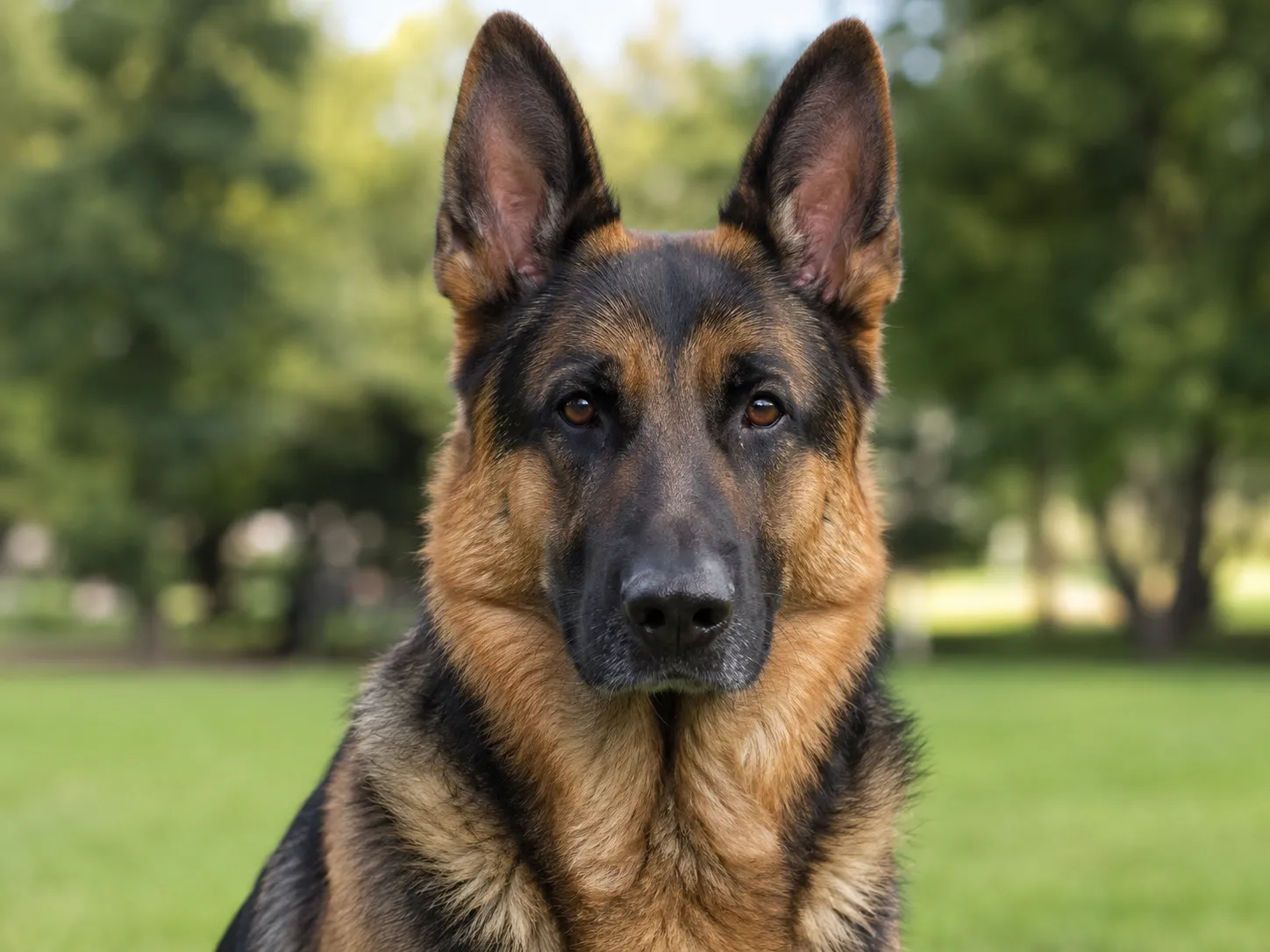 German ShepherdLarge • Working
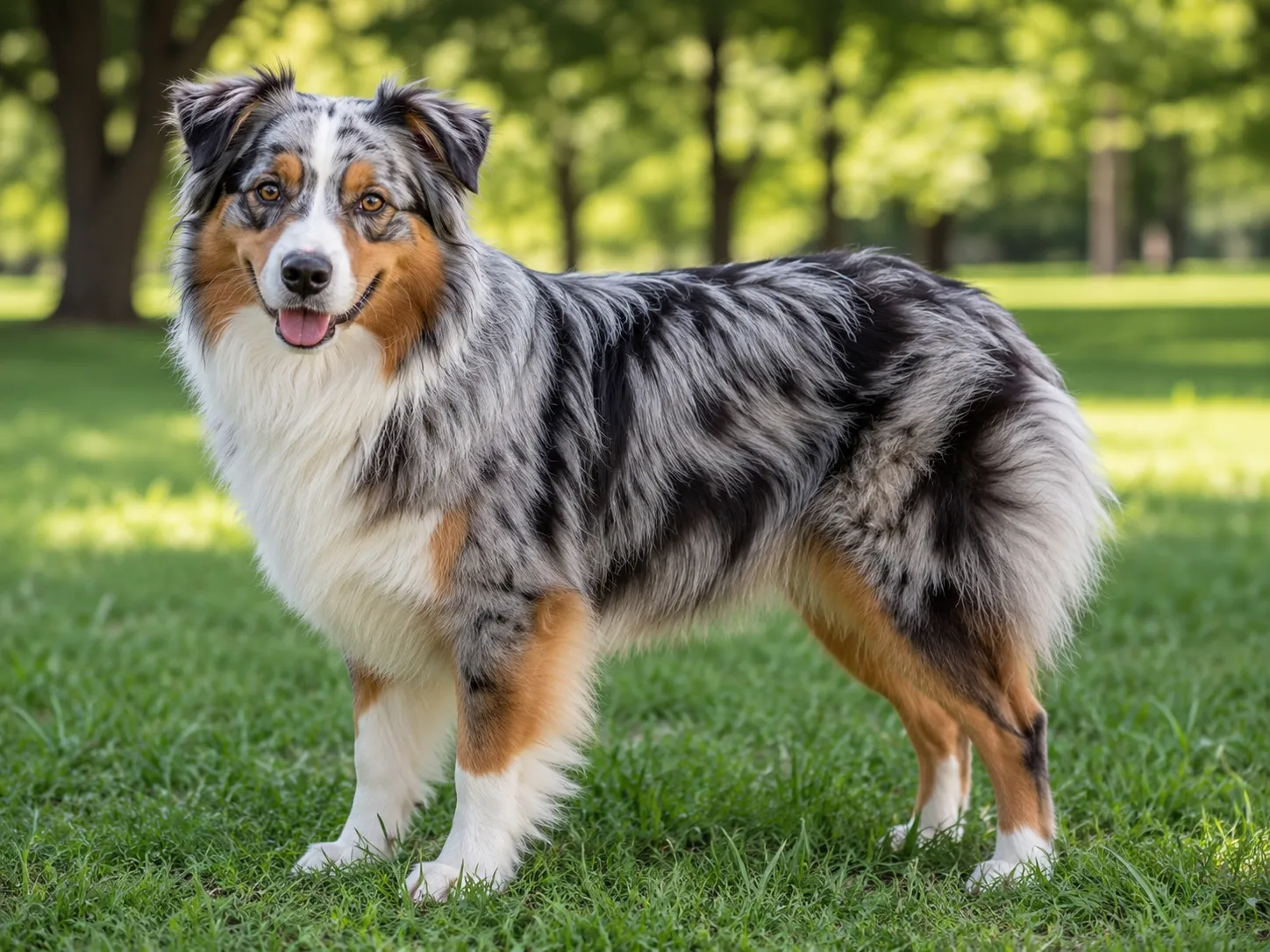 Miniature Australian ShepherdMedium • Herding / Companion
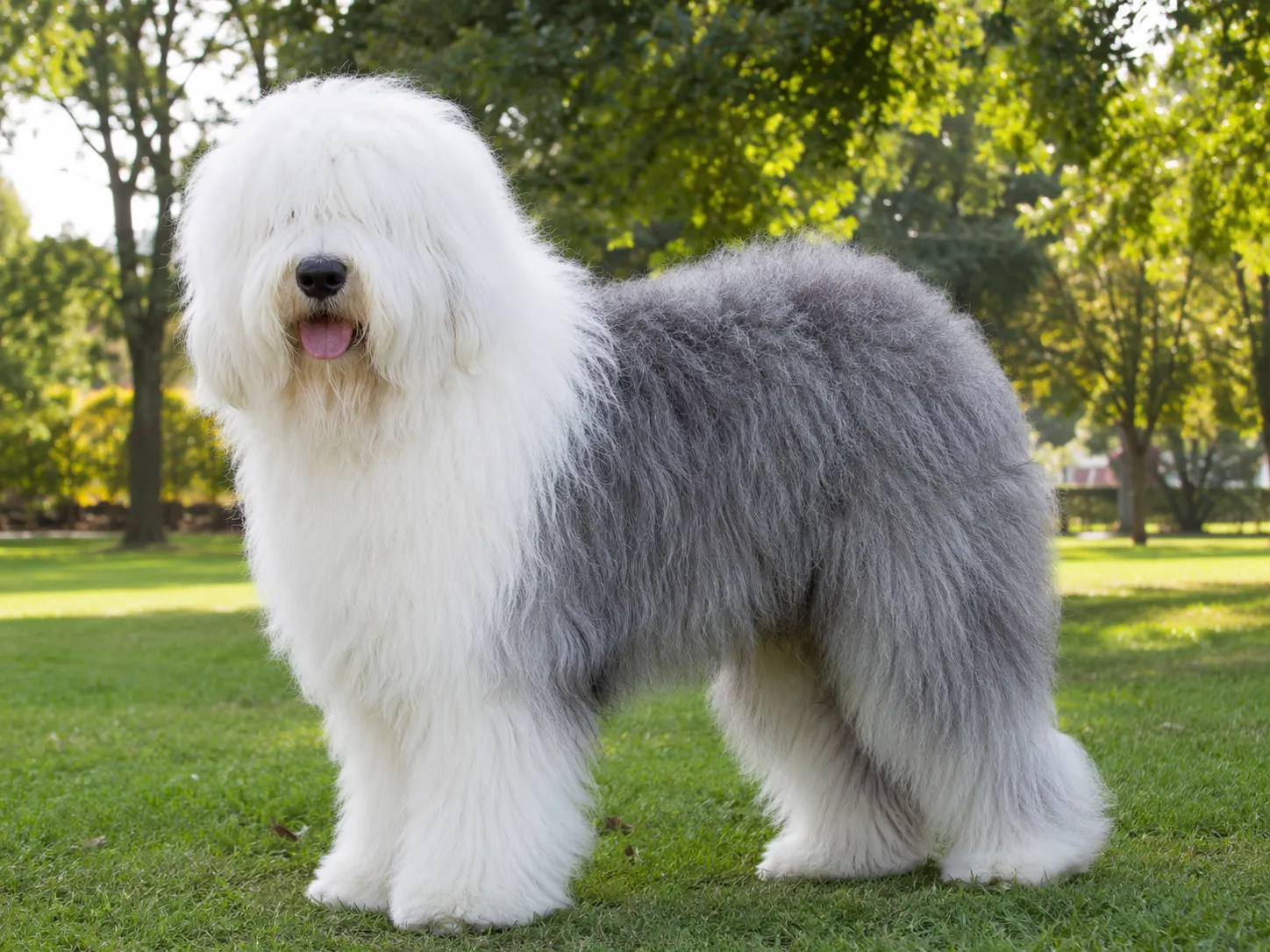 Old English SheepdogLarge • Herding (Pastoral)
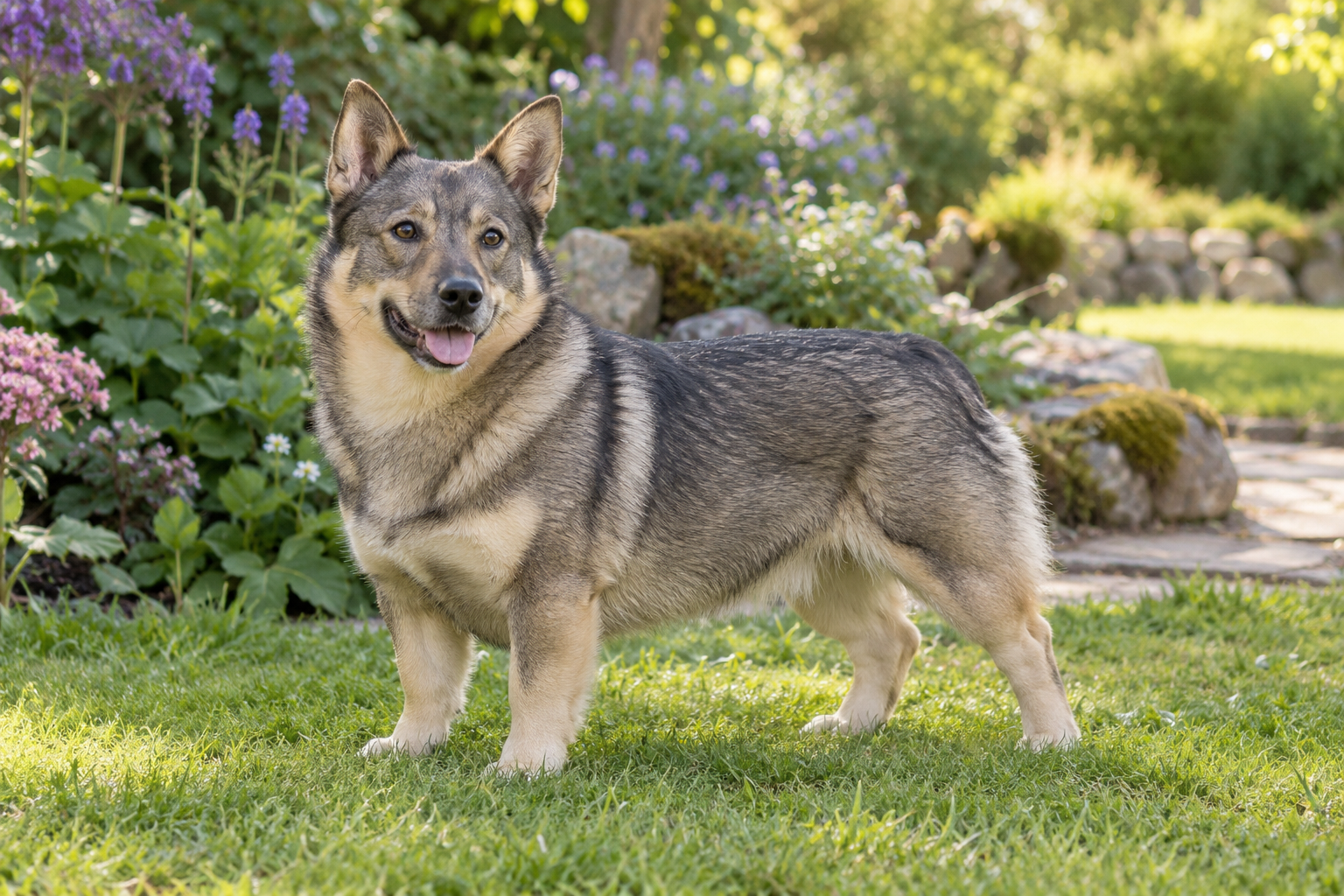 Swedish VallhundSmall • Working Dogs (Group 5)
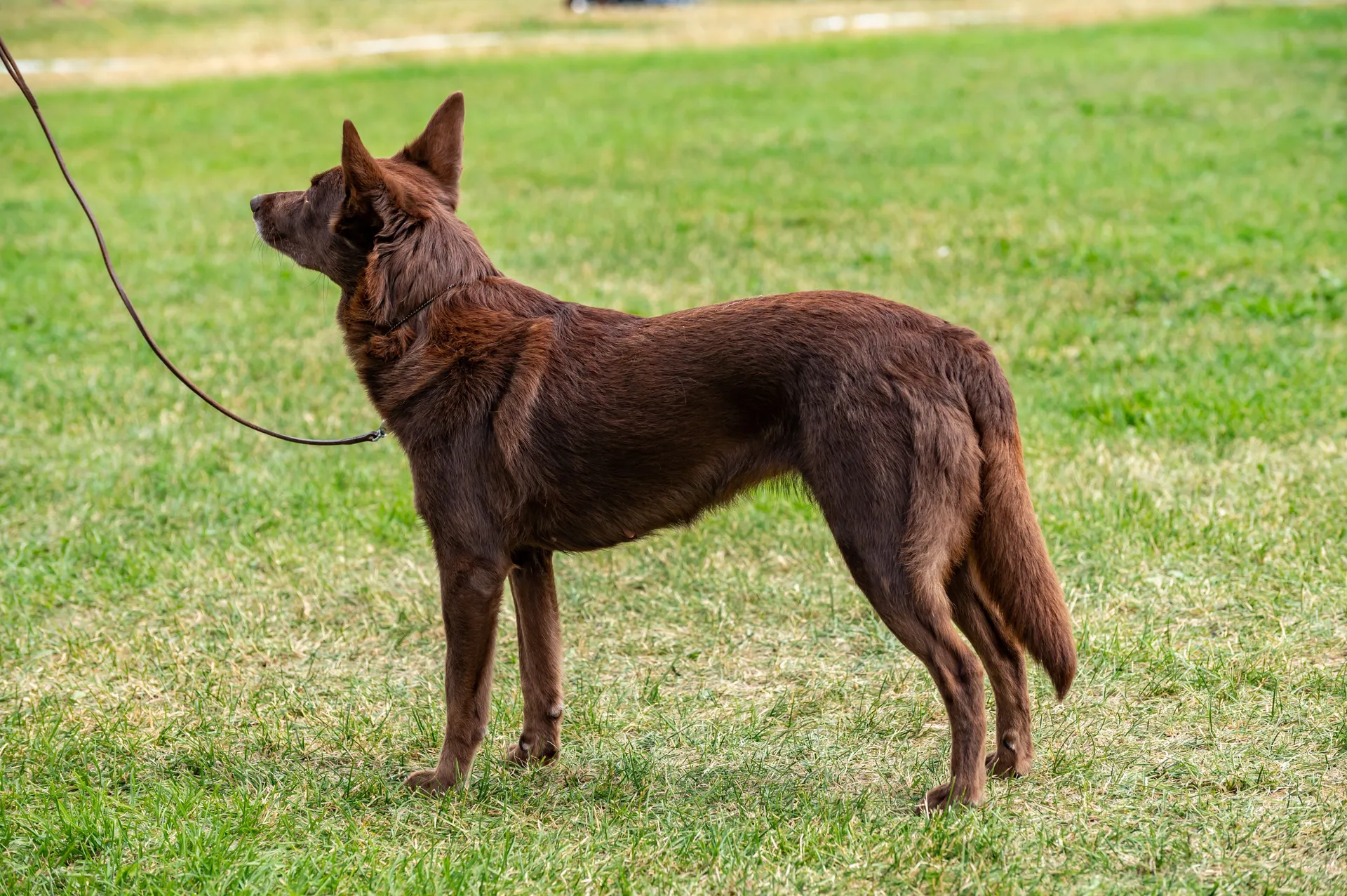 Australian KelpieMedium • Herding
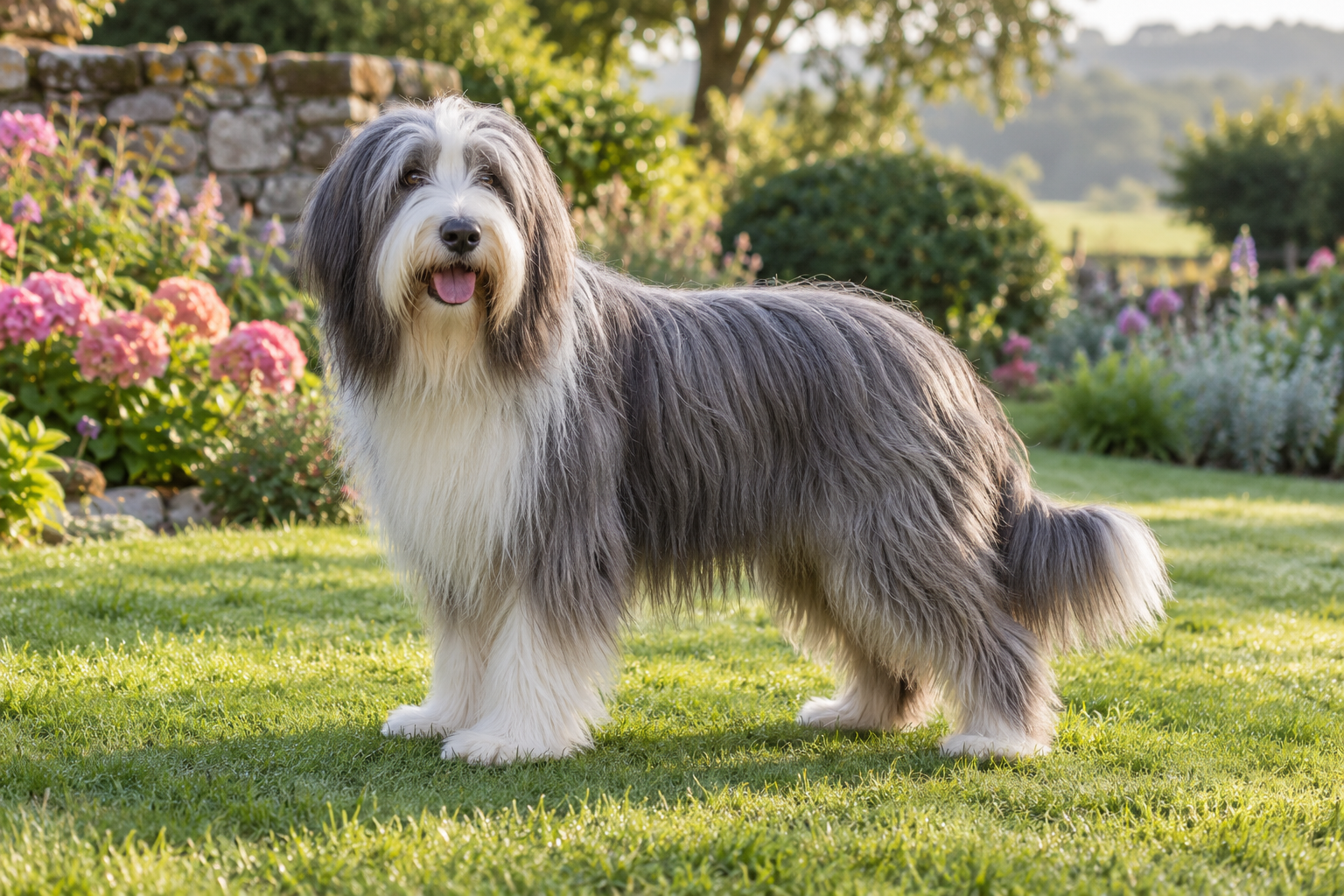 Bearded CollieMedium • Working Dogs (Group 5)