Shedding vs Blowing Coat: What’s the Difference?
Dog Grooming & Hygiene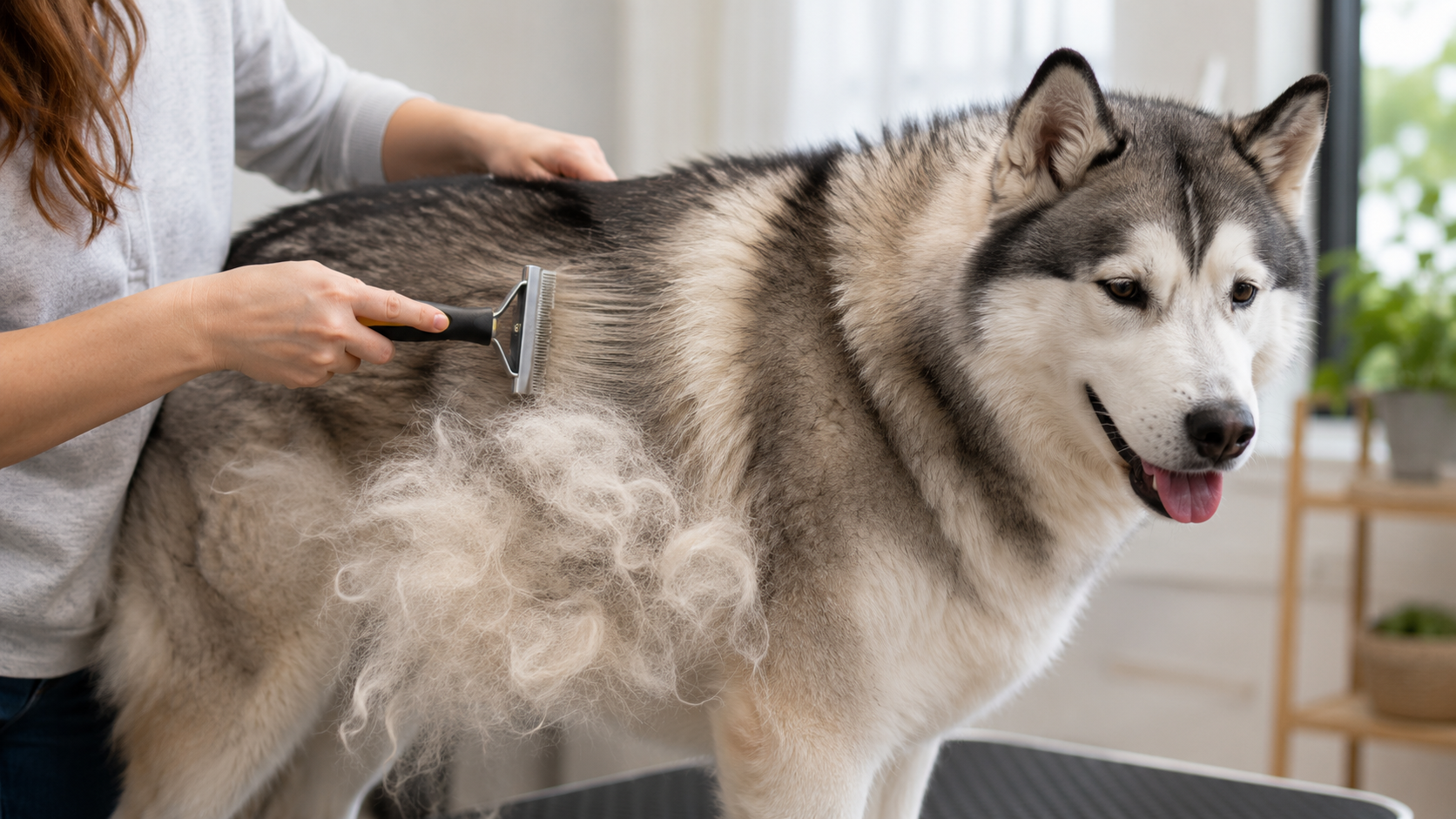 By James C. • July 24, 2026
Shedding is the steady, year-round loss of old hair that all dogs do, while blowing coat is the heavy, seasonal shed of the soft undercoat that double-coated breeds go through, usually in spring and autumn.
Understanding shedding vs blowing coat helps you know what is normal, when to expect the big clear-outs, and how to keep on top of the fur. This guide explains both, which dogs blow their coat, how often it happens, how to manage it, and when heavy shedding is worth a vet visit.
Shedding vs blowing coat at a glance
The quickest way to tell the two apart is by how much hair comes out, and when.
| Feature | Everyday shedding | Blowing coat |
|---|---|---|
| What it is | Steady, year-round loss of old hair | Heavy, seasonal release of the undercoat |
| Which dogs | All dogs, to some degree | Mainly double-coated breeds |
| When | All year round | Usually spring and autumn |
| How long | Continuous and low level | About 2 to 4 weeks per season |
| Amount | Small and gradual | Large tufts and clumps |
| Managing it | Regular brushing | Frequent brushing with an undercoat tool |
What is normal shedding?
Normal shedding is the gradual, everyday loss of old or damaged hair as new hair grows in its place.
Every dog sheds to some degree, since hair grows in cycles and old strands are constantly being replaced. The amount varies by breed, coat type, health and even the individual dog. Short-coated and single-coated dogs tend to shed lightly and steadily all year, and you will mostly notice it as hair on clothes, furniture and floors rather than in dramatic clumps.
Regular brushing removes this loose hair before it lands around your home, and it spreads the natural oils that keep the coat healthy. A sudden change in how much your dog sheds, rather than the steady background level, is what is worth paying attention to, since a dull coat or heavier shedding can be one of the signs your dog’s diet is not working.
What is blowing coat?
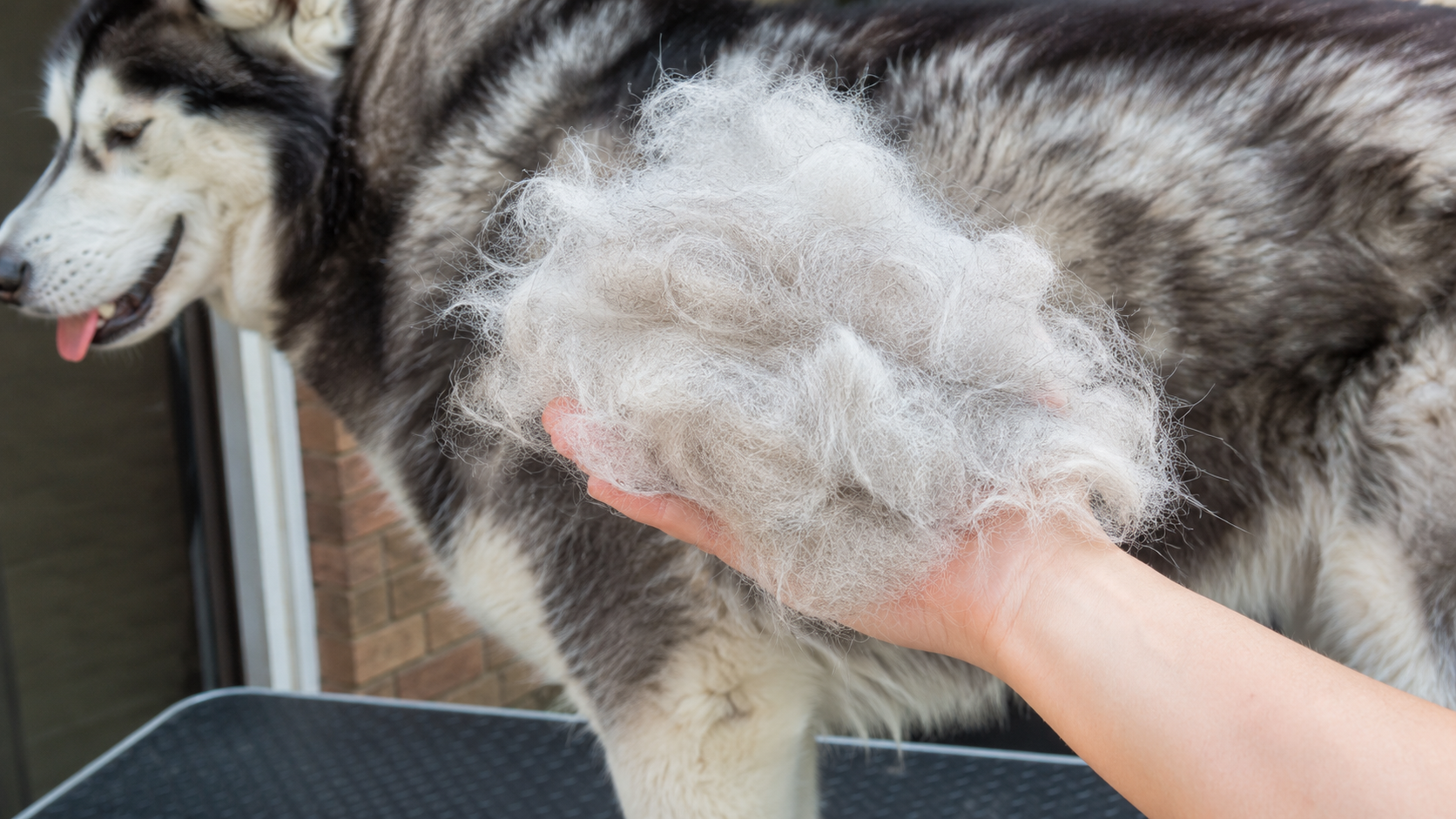
Blowing coat is when a double-coated dog sheds its soft undercoat all at once, releasing large tufts and clumps of fur over a short period.
Double-coated breeds have two layers: a soft, insulating undercoat and a coarser outer coat of guard hairs. When the seasons change, the undercoat is shed in bulk to make way for a coat better suited to the coming weather. This is a normal, healthy process, even though it can feel like a fur tornado while it lasts.
Unlike everyday shedding, blowing coat is concentrated and obvious. You might pull away a handful of loose fur with a single stroke of a brush, and the undercoat can come away in visible clumps. It is far more manageable when you brush it out regularly rather than letting the dead coat build up against the skin.
Which dogs blow their coat?
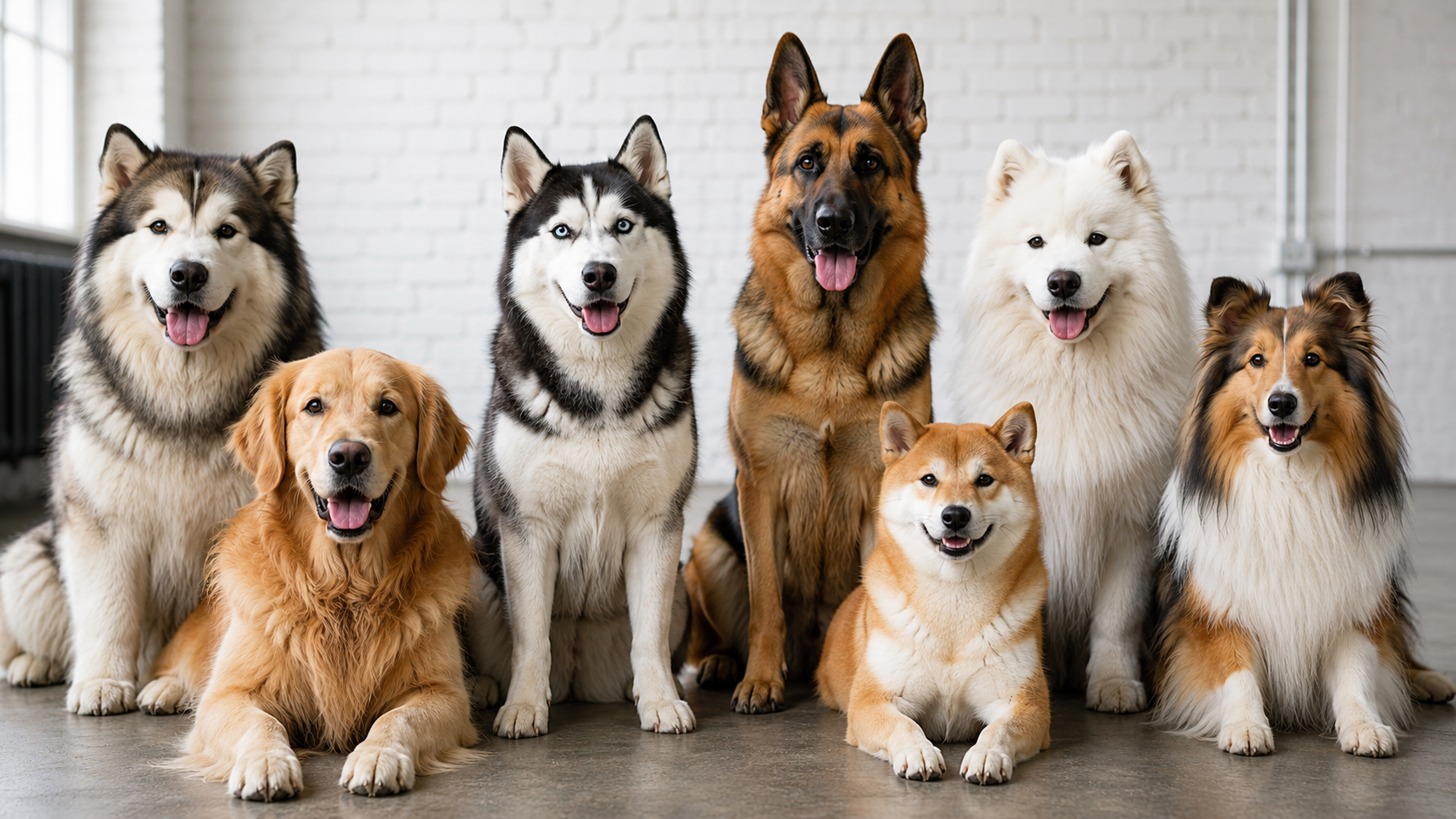
Only double-coated breeds truly blow their coat, while single-coated dogs shed steadily without the dramatic seasonal clear-out.
If your dog has a soft, dense undercoat beneath a coarser topcoat, they are double-coated and will likely blow coat with the seasons. Single-coated breeds, including many long-haired dogs, shed year-round but do not release their coat in the same heavy bursts.
Double-coated breeds that commonly blow coat include:
- Siberian Husky and Alaskan Malamute
- Samoyed and other Nordic breeds
- German Shepherd
- Golden Retriever and Labrador Retriever
- Border Collie and Australian Shepherd
- Bernese Mountain Dog and Newfoundland
- Akita, Chow Chow and Shiba Inu
- Pomeranian and Corgi
If you are researching a breed, its coat type is worth checking before you commit, since it shapes your grooming workload. Grooming workload varies widely across the most popular dog breeds in Australia, so it is worth comparing before you choose.
How often do double-coated dogs blow their coat?
Most double-coated dogs blow their undercoat twice a year, in spring and autumn, with each blow lasting around 2 to 4 weeks.
The trigger is daylight rather than temperature. As the days lengthen in spring, dogs shed their thick winter undercoat to make way for a lighter summer coat. As the days shorten heading into winter, they shed the lighter coat and grow a denser one for warmth. The heavier spring blow is usually the more dramatic of the two, while the outer guard coat tends to renew about once a year and the undercoat is what blows twice.
In Australia, that means the biggest clear-outs usually come in spring, around September to November, and again in autumn, around March to May. Homes that are heated and cooled year-round can blur the timing, so some dogs shed more evenly across the year. Climate plays a part too, since the Australian heat and humidity affect how heavily a dog sheds.
How to manage shedding and blowing coat
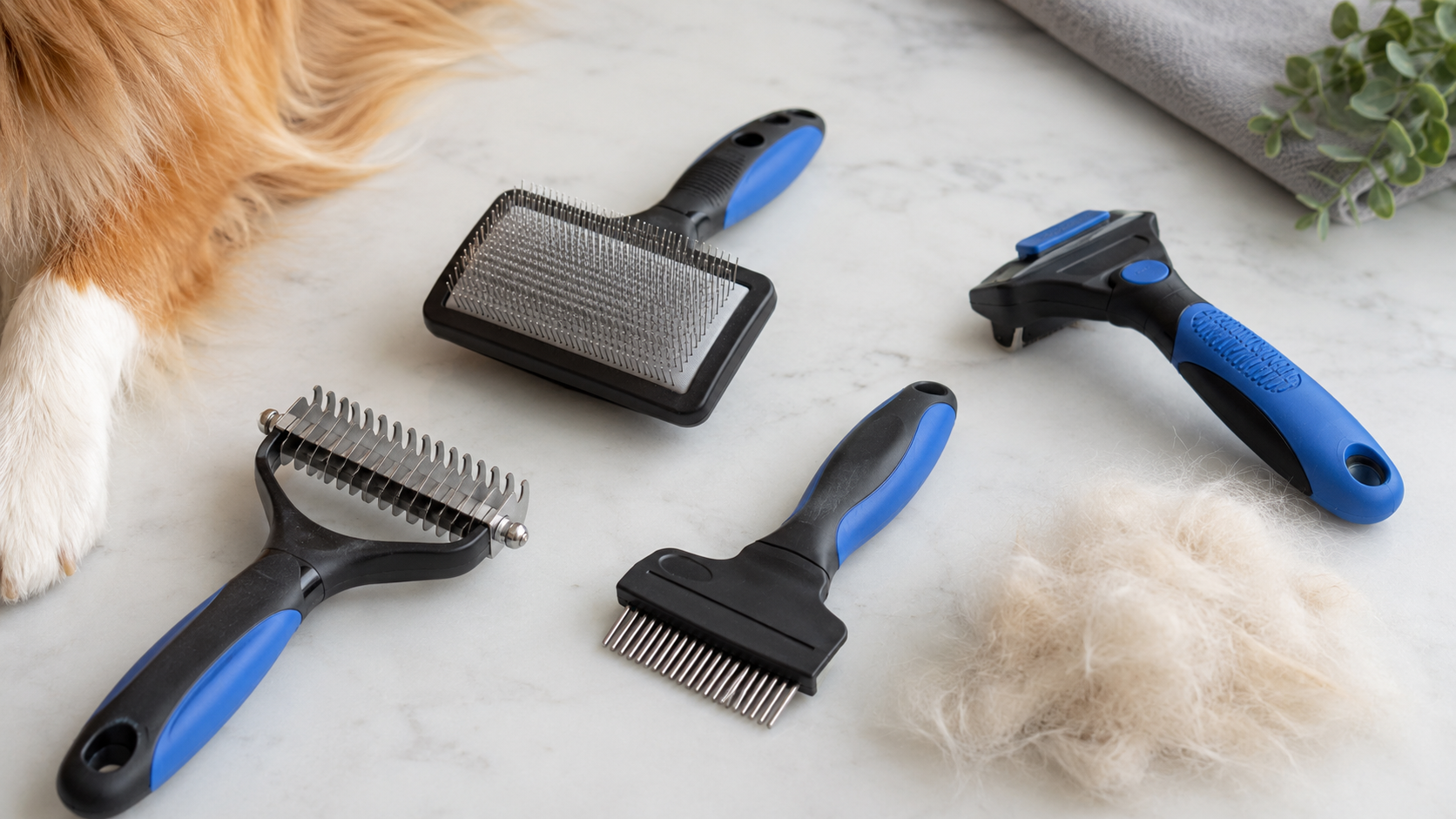
The key to managing both is regular brushing with the right tools, stepped up during blow-coat season.
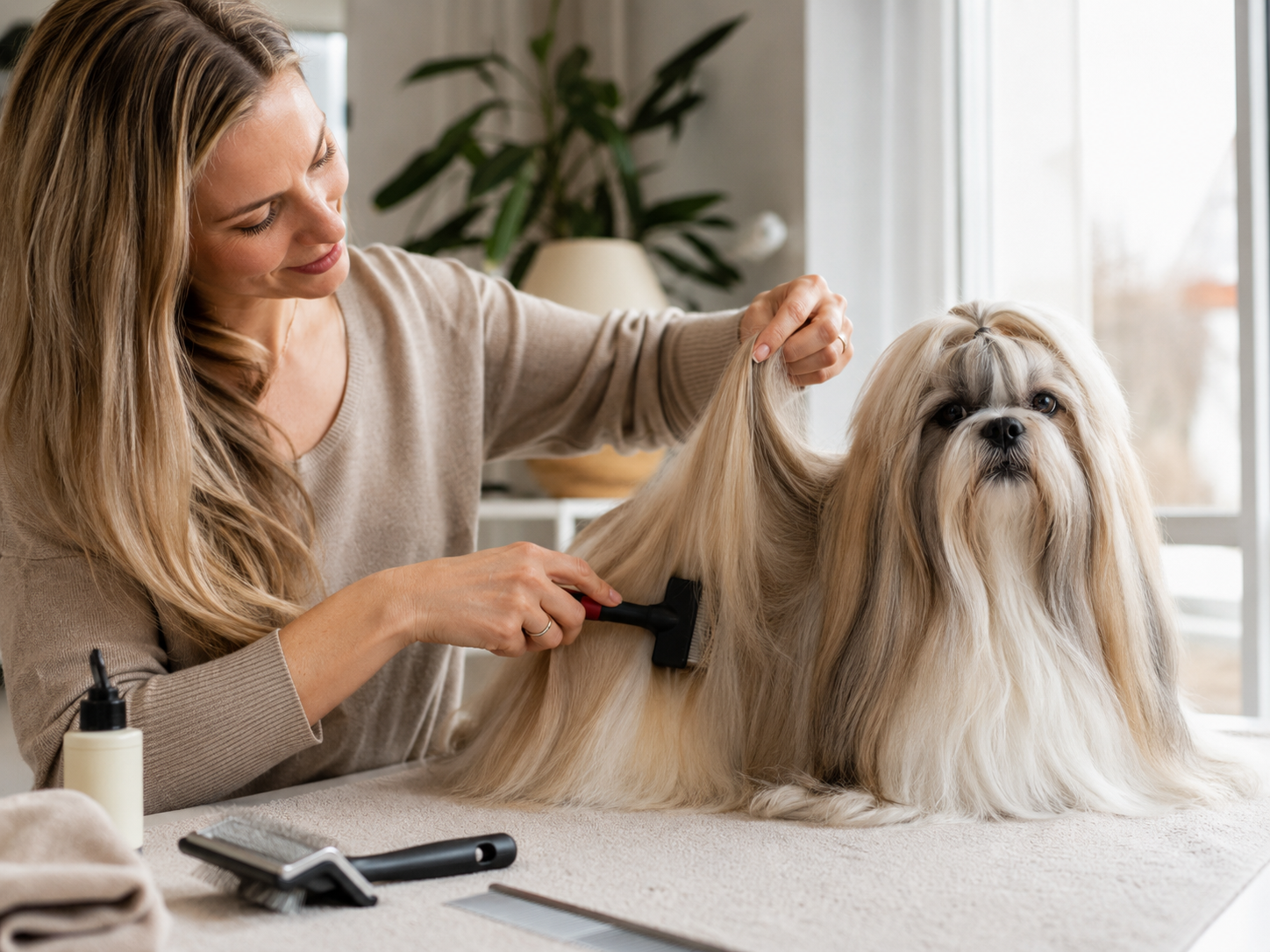
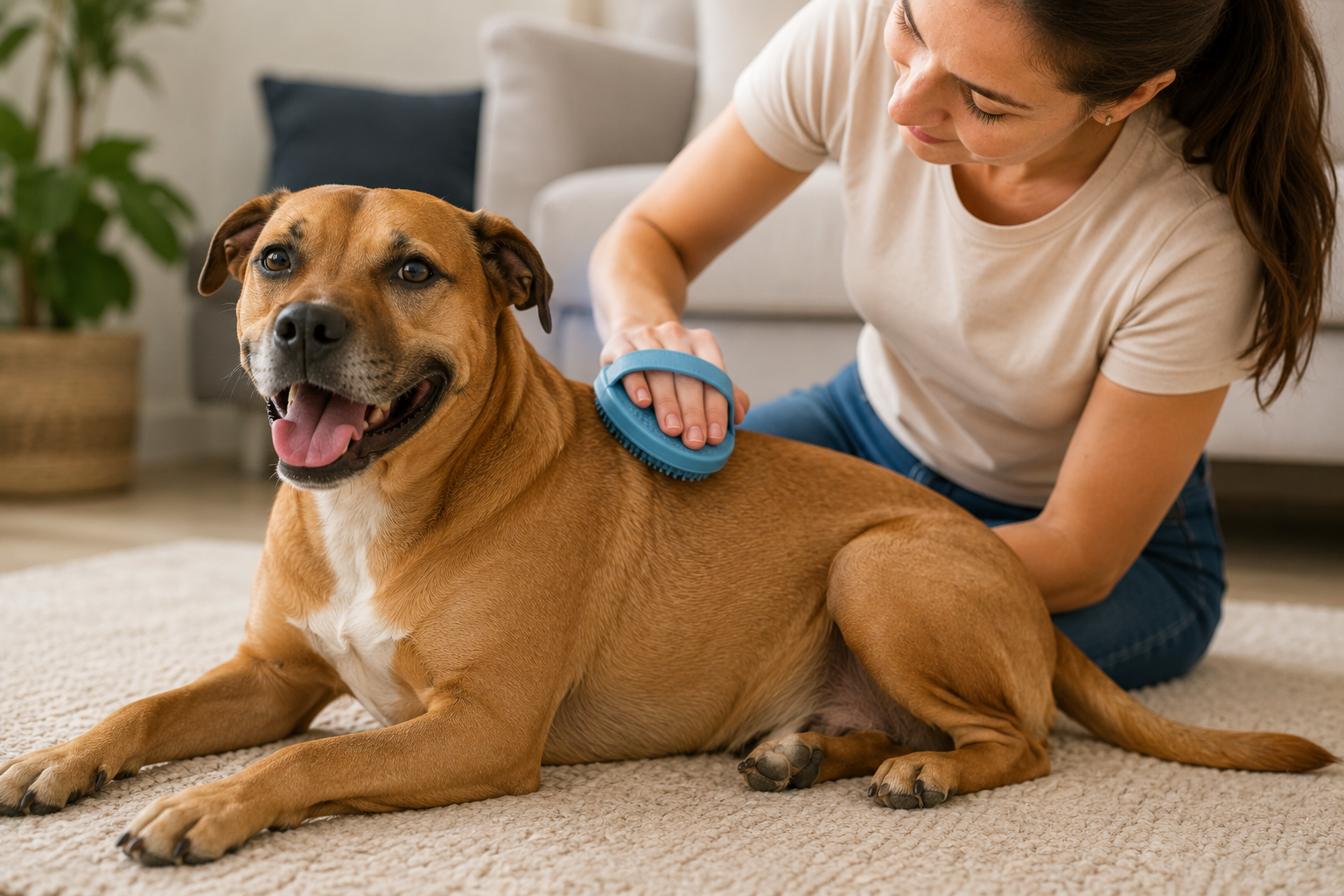
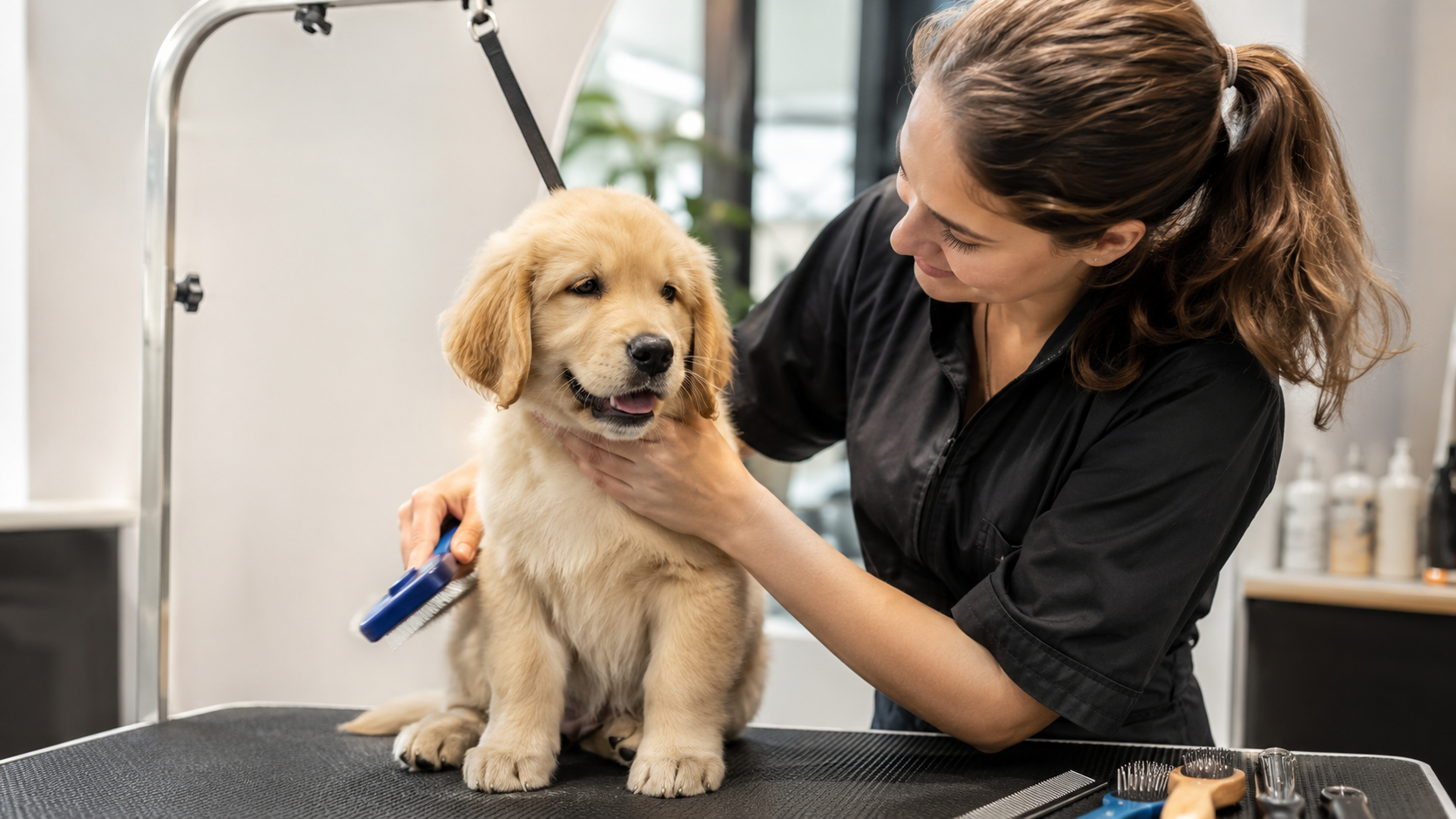
For everyday shedding, a weekly brush with a slicker or bristle brush keeps loose hair under control. During a coat blow, you may need to brush daily, or even twice a day, using an undercoat rake or deshedding tool to reach and lift the loose undercoat before it mats or spreads through your home. Brush in the direction the coat grows, and be gentle around the skin.
A warm bath followed by thorough drying and brushing can help loosen and release a blowing undercoat faster. Keep bedding clean, since it collects loose fur quickly, and a healthy diet supports a stronger coat that sheds less, so it is worth knowing what to feed for a healthy coat. One firm rule: never shave a double-coated dog to reduce shedding. Shaving does not stop the shedding, and it can harm the coat’s ability to insulate and protect the skin, sometimes changing its texture permanently.
When heavy shedding is a health concern
Blowing coat is normal, but shedding that seems excessive or comes with other symptoms is worth a vet check.
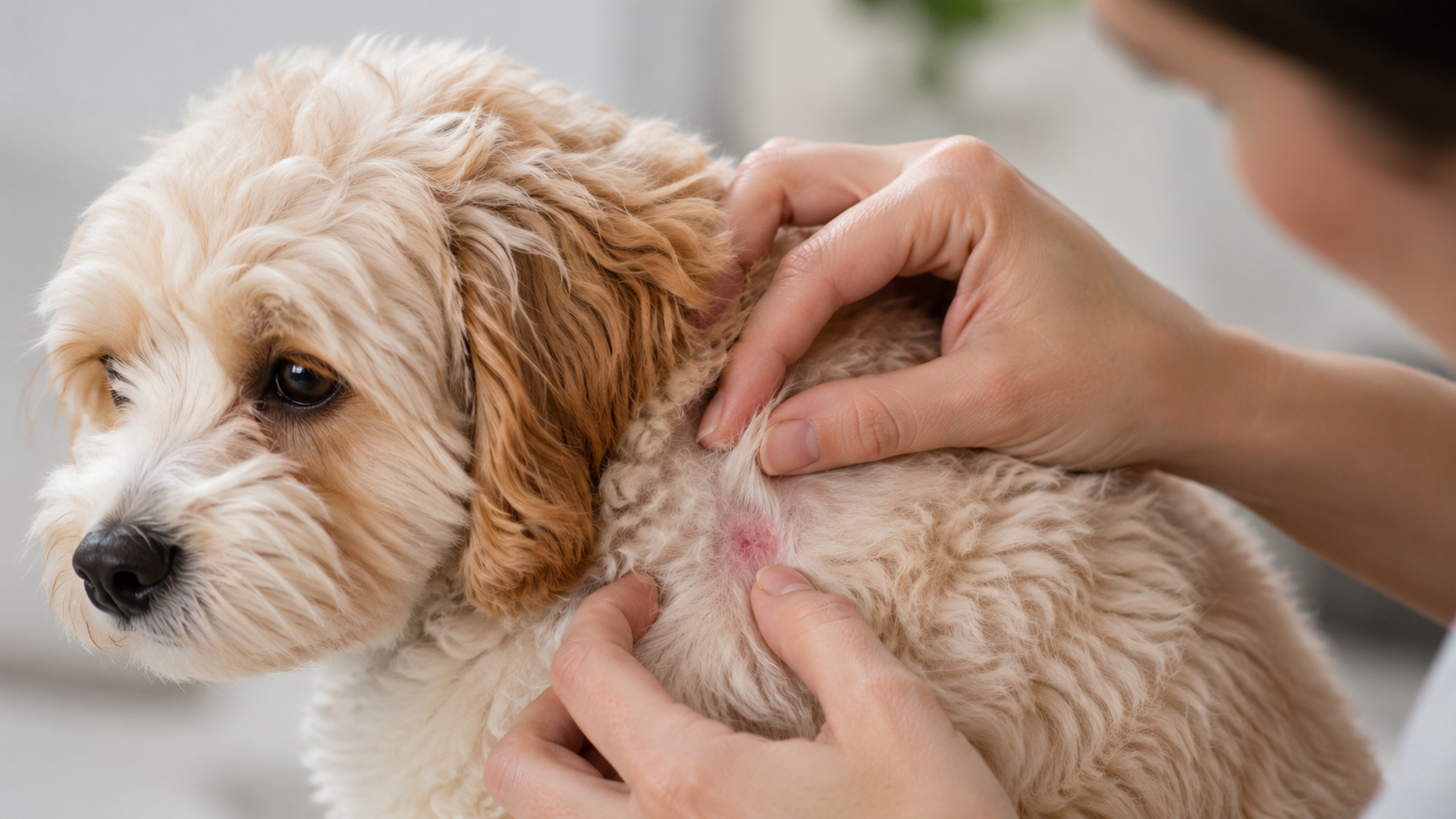
See your veterinarian if you notice bald patches or thinning fur, red, flaky or irritated skin, constant scratching, a dull or brittle coat, or shedding that is far heavier than usual for your dog and the season. These can point to allergies, parasites, skin infections, stress, or an underlying health or dietary issue rather than a normal seasonal blow.
A sudden change in coat quality or shedding pattern is the main thing to watch, since healthy seasonal shedding follows a fairly predictable rhythm. When in doubt, it is best to have your vet examine your dog rather than assume it is just the season.
The bottom line on shedding vs blowing coat
In short, all dogs shed a little year-round, but only double-coated breeds blow their undercoat in heavy seasonal bursts, usually in spring and autumn.
Keep on top of both with regular brushing, step it up during a coat blow, and never shave a double coat. Coat care is just one part of a dog’s wider grooming and hygiene care.
Frequently asked questions
1. What is the difference between shedding and blowing coat?
Shedding is the steady, year-round loss of old hair that all dogs do. Blowing coat is the heavy, seasonal shed of the soft undercoat in double-coated breeds, usually in spring and autumn, releasing large clumps of fur over a few weeks.
2. How often do dogs blow their coat?
Most double-coated dogs blow their undercoat twice a year, in spring and autumn, with each blow lasting about 2 to 4 weeks. The spring shed is usually the heaviest as the thick winter coat comes out.
3. Which dog breeds blow their coat?
Double-coated breeds blow coat, including Huskies, Malamutes, Samoyeds, German Shepherds, Golden Retrievers, Border Collies, Bernese Mountain Dogs, Akitas and Pomeranians. Single-coated breeds shed steadily but do not blow their coat in the same way.
4. How long does blowing coat last?
A coat blow usually lasts around 2 to 4 weeks per season, depending on the breed and the individual dog. Frequent brushing with an undercoat tool helps clear the loose fur faster and keeps it from matting.
5. Should I shave my double-coated dog to stop shedding?
No. Shaving a double-coated dog does not stop shedding and can damage the coat, reducing its ability to insulate and protect the skin. It may also change the coat’s texture permanently, so brush it out instead.
6. When is heavy shedding a sign of a problem?
See your vet if shedding comes with bald patches, red or irritated skin, itching, or a dull coat, or if it is far heavier than normal for your dog. These can signal allergies, parasites or other health issues.
 Add us as a preferred source