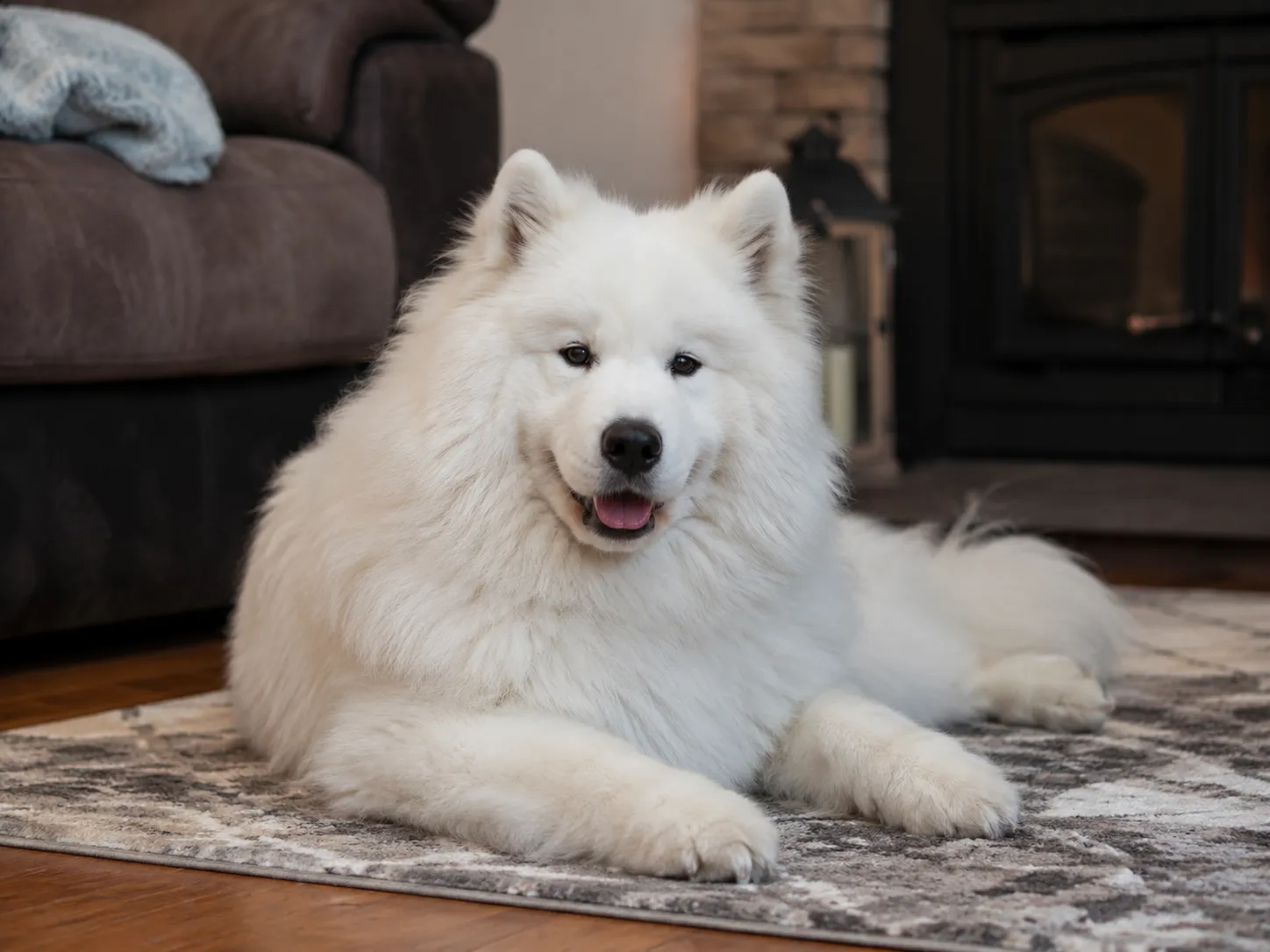
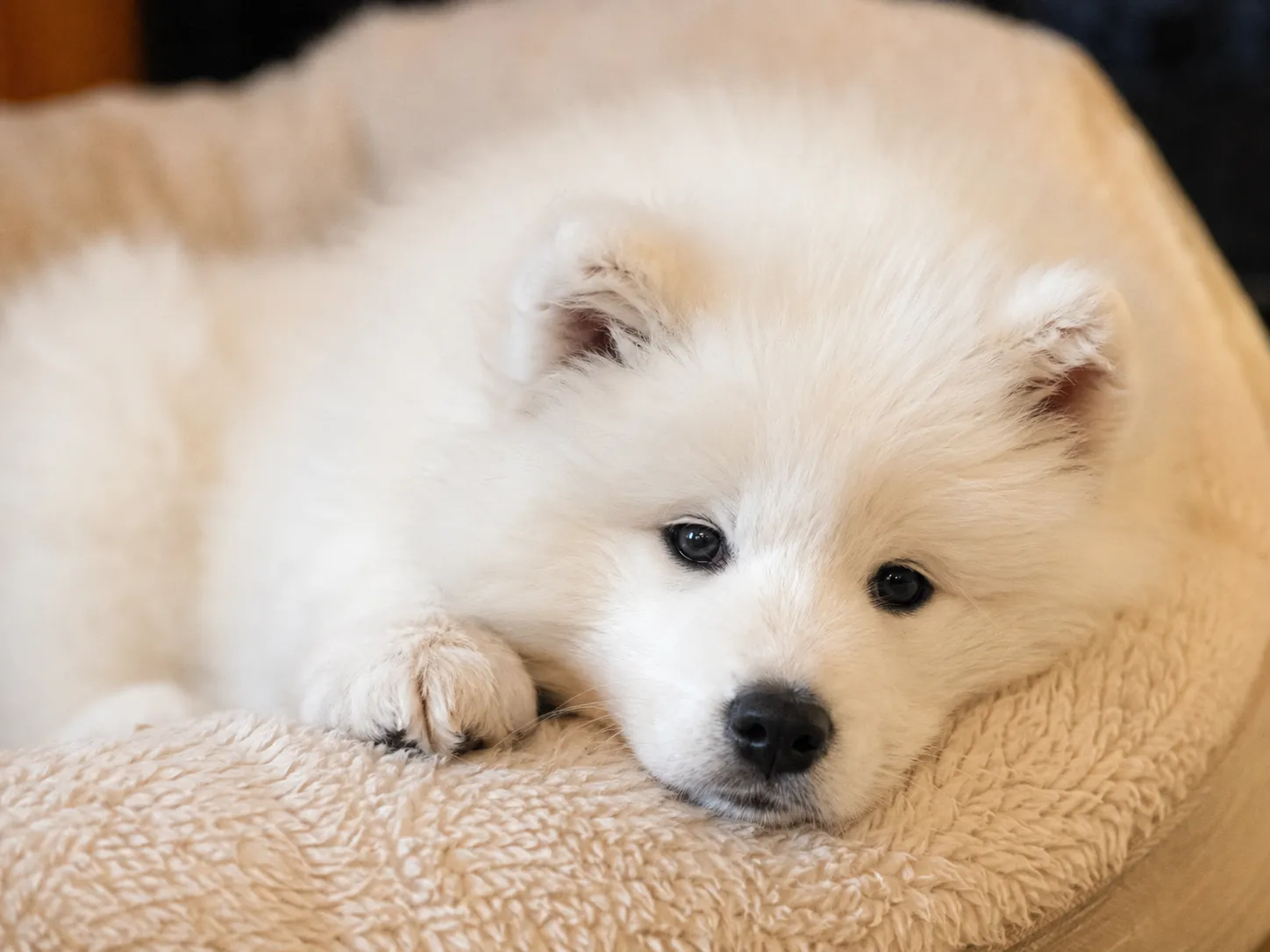
Samoyed
By James C. • Updated
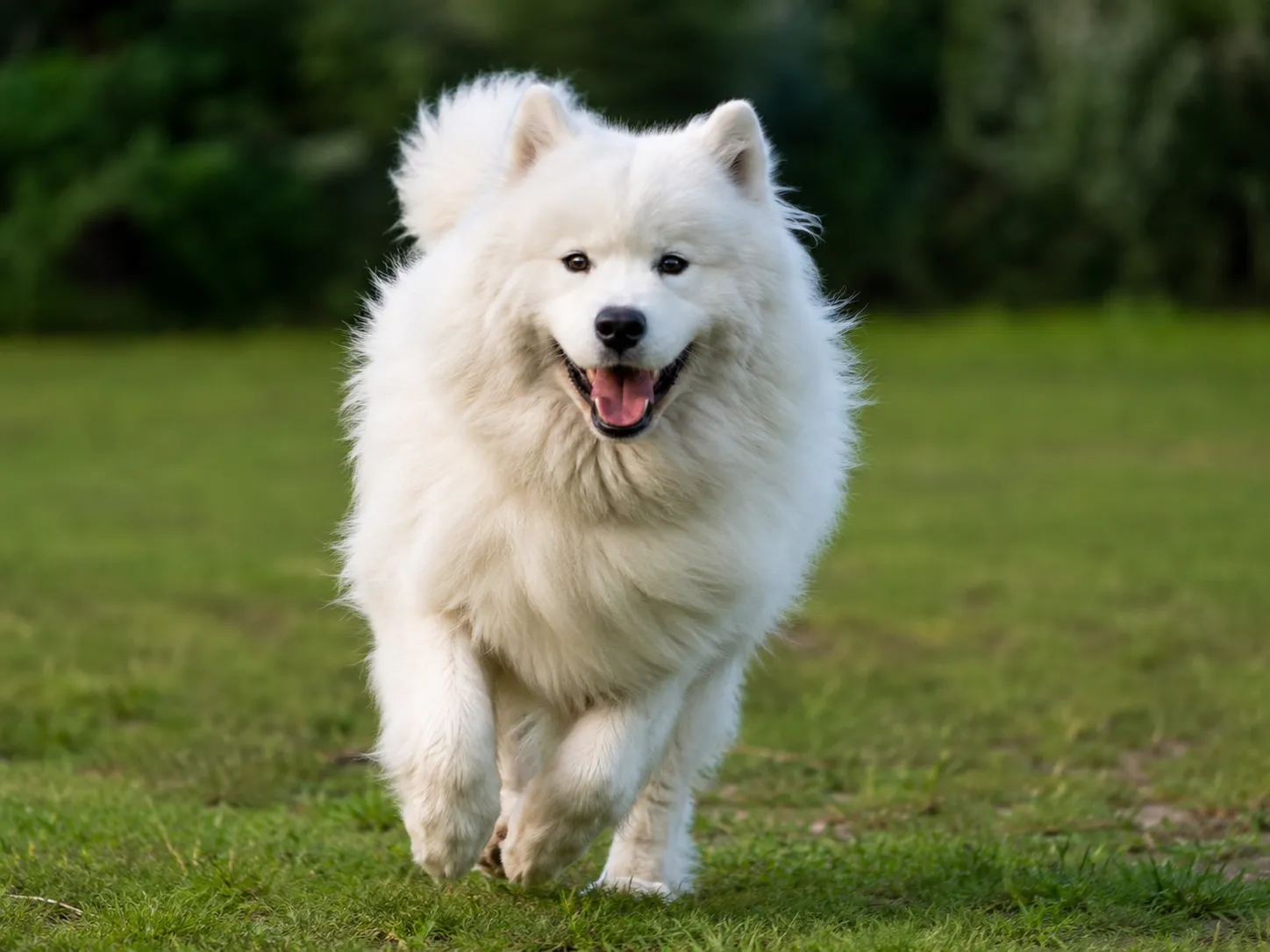
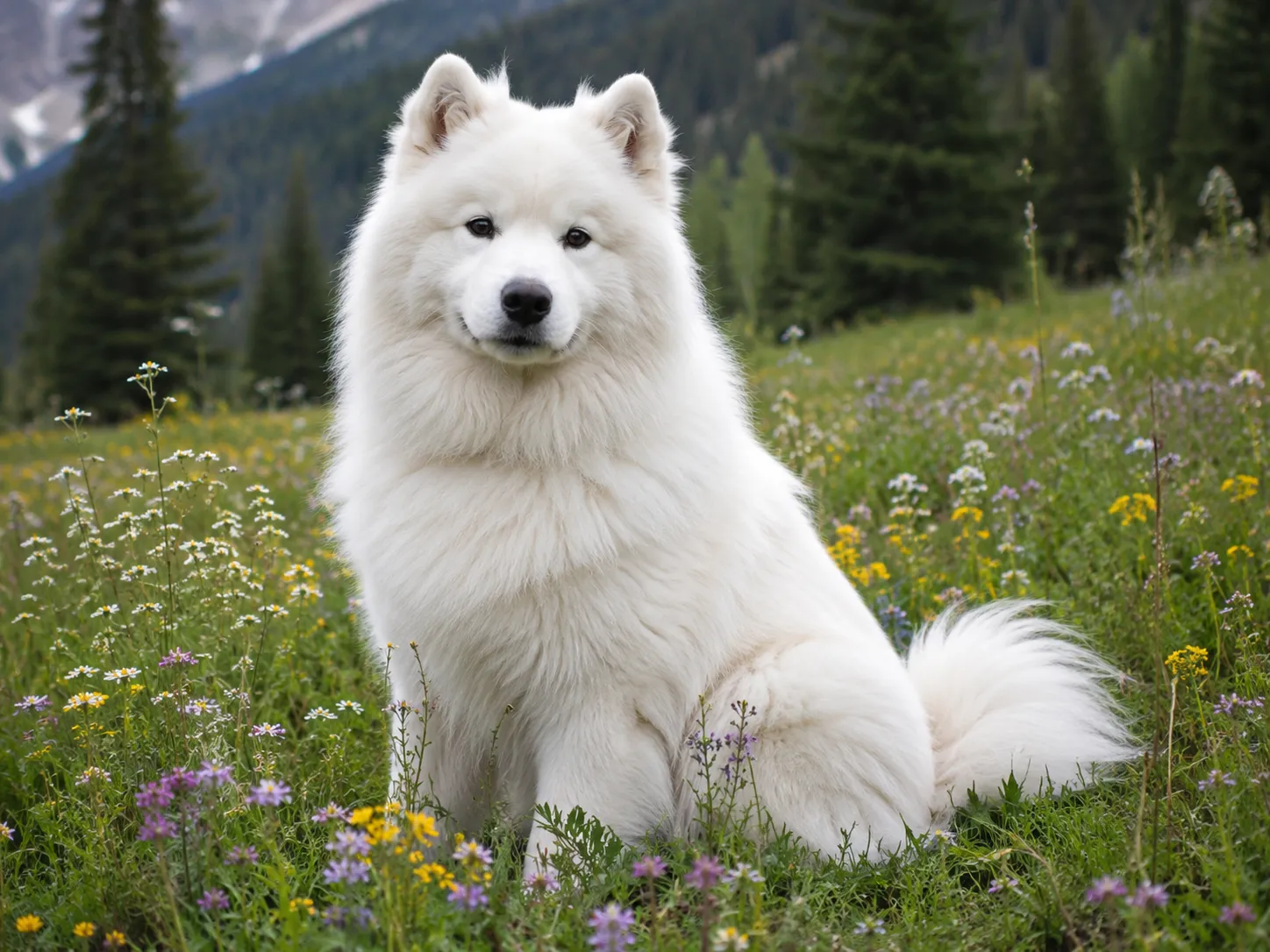
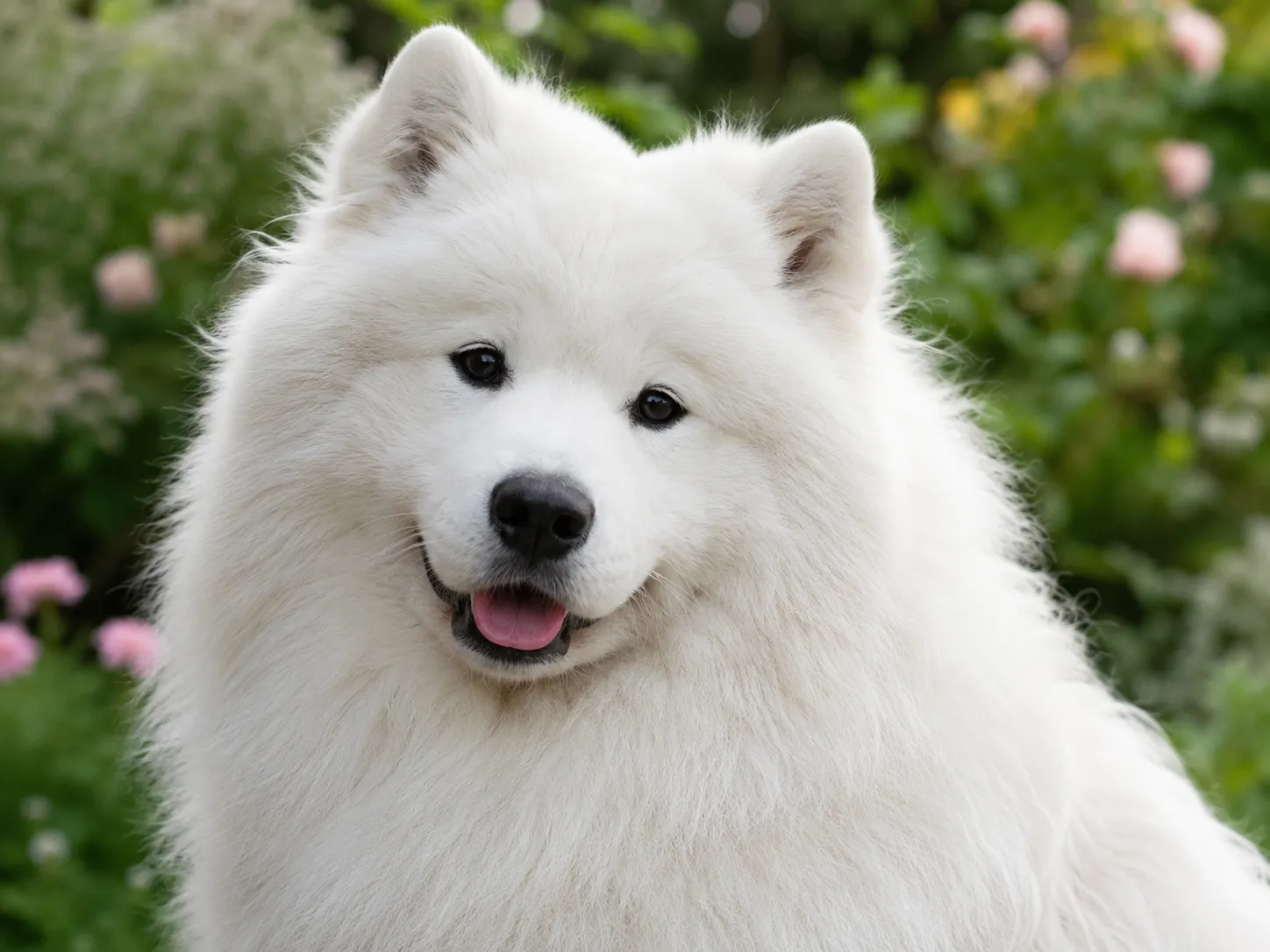
The Samoyed is a friendly, intelligent, and affectionate working breed originating from Siberia, where it was used for herding reindeer, pulling sleds, and living closely with nomadic families. Famous for its thick white coat and distinctive "Sammy smile", the breed is highly social and thrives on human companionship.
Breed Overview
Life Span
12 - 14 years
Average Price
AUD 3500 - AUD 6500
Weight
Male: 20 - 30 kg Female: 16 - 25 kg
Height
Male: 54 - 60 cm Female: 50 - 56 cm
Life Expectancy
Male/Female: 12 - 14 years
Breed Group
Working Group
Nicknames
Sammie, Smiling Sled Dog
Breed Information
Few breeds stand out quite like the Samoyed. Known for its signature “Sammy smile” and thick white coat, this dog was originally bred to work in harsh Arctic conditions, pulling sleds and herding reindeer.
If you are looking for a friendly, social, and active companion, this breed may suit your lifestyle. Samoyeds tend to thrive in homes where they get plenty of attention, exercise, and mental stimulation. They are not ideal for owners who are away often, as they prefer being around people.
Before choosing a Samoyed, it is important to consider grooming demands, energy levels, and space requirements. With the right care and environment, they can become loyal, affectionate companions for years.
Characteristics of the Samoyed: Temperament, Intelligence, and Personality Traits
| Trait | Rating | Star Rating | Meaning |
| Friendliness | Very High | ⭐⭐⭐⭐⭐ | Samoyeds are highly social dogs that usually enjoy human interaction and thrive in family environments with regular companionship. |
| Family Compatibility | Excellent | ⭐⭐⭐⭐⭐ | Their gentle and playful nature often allows them to integrate well into family life, especially when properly trained and supervised. |
| Trainability | Moderate | ⭐⭐⭐⭐ | They are intelligent but can be independent, meaning training requires consistency, patience, and positive reinforcement methods. |
| Energy Level | High | ⭐⭐⭐⭐⭐ | Samoyeds are active working dogs that need daily exercise and mental stimulation to stay balanced and prevent boredom. |
| Protective Instinct | Moderate | ⭐⭐⭐ | They may alert owners to unfamiliar activity but are generally friendly and not naturally aggressive guard dogs. |
| Grooming Needs | High | ⭐⭐⭐⭐⭐ | Their thick double coat sheds heavily and requires frequent brushing to maintain coat health and reduce loose fur. |
| Adaptability | Moderate | ⭐⭐⭐ | They adapt best to homes with space and active routines, and may struggle in very small or inactive environments. |
History of the Samoyed: From Siberian Working Dog to Family Companion
The Samoyed has a long history that traces back to Siberia, where it was developed by the Samoyedic people, which is why safe temperatures for dogs in Australia deserve close attention. These communities relied on the breed for essential daily tasks, including herding reindeer, pulling sleds, and keeping families warm during freezing nights.
Life in harsh Arctic conditions shaped the Samoyed into a resilient and versatile working dog. Its thick double coat provided insulation, while its friendly and cooperative nature made it easy to work alongside humans. Unlike some working breeds, Samoyeds lived closely with families, which helped develop their strong social instincts.
During the late 19th and early 20th centuries, explorers introduced the breed to Europe and other parts of the world. Samoyeds played a role in polar expeditions, valued for their endurance and ability to work in extreme climates.
Over time, the breed transitioned from a working role into a companion dog. While many Samoyeds today are kept as family pets, they still retain their original traits, including high energy levels, intelligence, and a strong desire to be part of a group.
Samoyed Appearance: Size, Coat, and Physical Features
The Samoyed is a well-balanced working dog with a strong yet elegant appearance, larger and heavier-coated than the Japanese Spitz. Bred for endurance in cold climates, the breed combines strength, agility, and a distinctive fluffy coat that protects it in harsh conditions. Despite its working background, the Samoyed carries a friendly and approachable expression.
Size and Build
Samoyeds are medium to large dogs with a sturdy and athletic frame. Their body is slightly longer than tall, allowing efficient movement over long distances.
Males typically stand between 54–60 cm at the shoulder and weigh around 20–30 kg. Females are slightly smaller, standing 50–56 cm and weighing 16–25 kg. Both sexes maintain a balanced, muscular structure suited for work and activity.
Coat and Colours
The Samoyed’s thick double coat is one of its most defining features. The outer coat is straight and weather-resistant, while the undercoat is soft and dense, providing insulation.
Coat colours are most commonly pure white, though cream and biscuit shades are also seen. This coat helps regulate body temperature but requires regular grooming to maintain its condition.
Eyes
Samoyeds have dark, almond-shaped eyes that give them an alert and intelligent expression. The eyes are slightly angled, contributing to their friendly and lively appearance.
Distinctive Features
Several physical traits make the Samoyed instantly recognisable:
● Thick, fluffy double coat suited for cold climates
● “Sammy smile” created by upturned mouth corners
● Erect, triangular ears that enhance alertness
● Plumed tail carried over the back
● Strong, agile frame built for endurance
These features give the Samoyed its unique combination of beauty and functionality.
Gender Differences
Male Samoyeds are generally larger and more solid in build, with broader heads and stronger necks. Females tend to appear slightly more refined but still maintain the same coat, structure, and overall balance expected of the breed.
Samoyed Temperament: Friendly, Social, and Energetic
The Samoyed is widely known for its friendly, social, and affectionate temperament, and that sociability means separation anxiety signs are worth watching. Originally bred to live and work closely with humans in Siberia, this breed developed a strong bond with people and continues to thrive on companionship today.
Affectionate and People-Oriented
Samoyeds are highly social dogs that usually enjoy being around their owners as much as possible. They often form strong attachments to their families and may follow people around the home to stay involved in daily activities.
Because of this, they are not well suited to being left alone for long periods. Without enough interaction, they may become bored or develop unwanted behaviours.
Playful and Energetic Nature
This breed has a naturally playful personality and maintains a high level of energy well into adulthood. Samoyeds often enjoy games, outdoor activities, and any opportunity to stay active with their family.
Regular exercise and mental stimulation are important to help manage their energy levels and keep them balanced.
Friendly with Strangers
Samoyeds are generally welcoming toward new people. Their friendly nature means they are not typically strong guard dogs, as they are more likely to greet strangers than show aggression.
However, they may still alert their owners to unfamiliar activity with barking.
Vocal and Expressive Behaviour
Many Samoyeds are quite vocal and may use barking, howling, or other sounds to communicate. This behaviour can be part of their personality and may require training to manage in certain environments.
Overall Temperament
When properly trained and socialised, the Samoyed usually develops into a friendly, loyal, and engaging companion. Their social nature and energetic personality make them well suited to active households that can provide attention, structure, and daily interaction.
Samoyed Intelligence and Trainability: Learning Ability and Working Instincts
The Samoyed is an intelligent working breed developed to perform tasks such as herding and sled pulling in harsh environments, so early obedience training channels that drive. Their ability to work closely with humans shows strong problem-solving skills and awareness, but their independent nature can influence how they respond to training.
Learning Ability
Samoyeds are capable learners that can understand commands and routines when training starts early. They respond well to repetition and clear communication, especially when sessions are consistent and engaging.
Basic obedience training is important from a young age, as it helps manage behaviour as the dog grows into an active and strong adult.
Working Background
The breed’s intelligence comes from its history as a working dog. Samoyeds were required to make decisions in challenging conditions while still cooperating with humans.
This background means they often perform well when given structured tasks or activities that provide purpose and mental engagement.
Best Training Methods
Samoyeds generally respond best to positive reinforcement techniques. Using rewards such as treats, praise, and play helps encourage good behaviour and builds trust.
Harsh or repetitive corrections may lead to stubbornness or reduced responsiveness, so a calm and consistent approach tends to be more effective.
Importance of Early Training
Starting training early is essential for this breed. Teaching commands such as sit, stay, recall, and leash walking helps establish control and structure.
Early socialisation also helps the dog become more confident and comfortable in different environments.
Mental Stimulation
In addition to physical exercise, Samoyeds need mental challenges to stay balanced. Activities such as training exercises, puzzle toys, and interactive play can help prevent boredom.
When given consistent training and mental engagement, the Samoyed usually develops into a responsive, cooperative, and well-adjusted companion.
Family Life with a Samoyed: Children, Pets, and Household Dynamics
The Samoyed is a highly social breed that tends to thrive in family environments where it receives regular interaction and companionship. You can browse Samoyed puppies listed in Australia. Bred to live closely with humans, this dog often becomes deeply involved in daily household life and prefers not to be left alone for long periods.
Samoyeds and Children
Samoyeds are generally gentle and playful with children, making them suitable for family homes. Their friendly nature often allows them to bond well with younger members of the household.
However, due to their energy and size, supervision is important, especially with small children. Teaching children how to interact respectfully helps create safe and positive relationships.
Living with Other Dogs
Samoyeds usually get along well with other dogs, particularly when they are socialised early. Growing up around other dogs can help them develop good social behaviour and confidence.
Positive introductions and consistent exposure to other dogs support a well-adjusted temperament.
Compatibility with Other Pets
With early training and exposure, many Samoyeds can live alongside other pets such as cats. Their herding instincts may occasionally appear, so careful supervision during early interactions is recommended.
Gradual introductions help build trust between animals in the household.
Ideal Household Environment
Samoyeds are best suited to homes where they have space to move and access to outdoor areas. While they can adapt to different living situations, they do best in environments that allow regular activity.
They also prefer households where someone is present for most of the day, as they enjoy companionship and involvement.
Overall Family Fit
When provided with attention, structure, and proper training, the Samoyed usually becomes a loyal, affectionate, and engaging member of the family. Their friendly personality and social nature make them well suited to active households.
Health of the Samoyed: Common Conditions and Lifespan
The Samoyed is generally considered a healthy and resilient breed, but like many purebred dogs, it can be prone to certain genetic conditions, so asking breeders about health testing matters. Responsible breeding, regular veterinary care, and proper nutrition play an important role in maintaining long-term health.
A well-cared-for Samoyed typically has a lifespan of around 12 to 14 years.
Hip Dysplasia
Hip dysplasia is a condition where the hip joint does not develop properly, leading to discomfort and reduced mobility over time.
Dogs affected may show signs such as stiffness, limping, or difficulty getting up. Responsible breeders often screen for this condition to reduce risk.
Progressive Retinal Atrophy (PRA)
PRA is an inherited eye condition that can lead to gradual vision loss. It affects the retina and may eventually result in blindness.
Early testing and responsible breeding practices help minimise the occurrence of this condition.
Diabetes Mellitus
Samoyeds have a higher risk of developing diabetes compared to some other breeds. This condition affects the body’s ability to regulate blood sugar levels.
Symptoms may include increased thirst, weight loss, and changes in appetite. Veterinary care is essential for management.
Hypothyroidism
This condition occurs when the thyroid gland does not produce enough hormones, leading to issues such as weight gain, lethargy, and coat problems.
With proper diagnosis and treatment, most dogs can live comfortably.
Preventative Care
Maintaining a Samoyed’s health involves consistent preventative care:
● Regular veterinary check-ups
● Balanced diet suited to activity level
● Weight management to reduce joint stress
● Routine vaccinations and parasite control
● Monitoring for early signs of illness
With proper care and attention, many Samoyeds live active and healthy lives as loyal companions.
Caring for a Samoyed: Daily Care and Living Needs
Caring for a Samoyed requires planning for an active, social, and cold-climate-adapted breed. While they are friendly and adaptable, their energy levels, coat, and need for companionship mean owners must provide consistent care and structure.
Living Environment
Samoyeds generally do best in homes with access to outdoor space where they can move freely. They can adapt to indoor living, but regular outdoor activity is important to keep them physically and mentally balanced.
Because of their thick coat, they are more comfortable in cooler climates. In warmer conditions, they require shade, ventilation, and access to fresh water to prevent overheating.
Exercise and Activity
This breed has high energy levels and requires daily exercise to stay healthy. Most Samoyeds benefit from at least 60 minutes of activity each day.
Activities such as walks, play sessions, and structured tasks help manage their energy and prevent boredom.
Managing Puppies
Samoyed puppies grow quickly and need structured routines. Early training, controlled exercise, and proper nutrition are important to support healthy development.
Avoid excessive jumping or intense activity while joints are still developing.
Temperature Sensitivity
Due to their dense coat, Samoyeds are sensitive to heat. Exercise should be scheduled during cooler parts of the day, such as mornings or evenings.
Providing cool resting areas indoors can help maintain comfort during warmer weather.
Companionship Needs
Samoyeds are highly social dogs that prefer being around people. They often thrive in homes where they receive regular attention and interaction.
Dogs left alone for long periods may develop behavioural issues, so consistent companionship is important for their wellbeing.
Grooming a Samoyed: Coat Care and Maintenance
The Samoyed has a thick double coat that requires consistent grooming to maintain its condition. While the coat is naturally clean and resistant to dirt, it sheds heavily and needs regular care to prevent matting and excess hair buildup.
Coat Structure
The Samoyed’s coat consists of a harsh outer layer and a soft, dense undercoat. This combination protects the dog from cold weather and helps regulate body temperature.
Because of this double coat, shedding occurs throughout the year, with heavier shedding periods during seasonal changes.
Brushing Routine
Regular brushing is essential to keep the coat healthy. Most Samoyeds benefit from brushing at least three to four times per week.
During shedding seasons, daily brushing may be required to remove loose undercoat and reduce hair around the home.
Using tools such as slicker brushes and undercoat rakes can help manage the thick coat more effectively.
Bathing
Samoyeds do not require frequent bathing, as their coat naturally repels dirt. Most owners bathe their dog every 6 to 8 weeks or when necessary.
Using a gentle dog shampoo helps maintain the natural oils that protect the skin and coat.
Nail Care
Regular nail trimming is important to maintain comfort and proper movement. Nails should typically be trimmed every 3 to 4 weeks, depending on growth.
Overgrown nails can affect posture and walking.
Ear, Eye, and Dental Care
Routine hygiene checks help maintain overall health. Ears should be checked for dirt or irritation, while eyes should be kept clean and free from discharge.
Dental care is also important. Brushing the dog’s teeth several times per week helps prevent plaque buildup.
Managing Shedding
Heavy shedding is a normal part of owning a Samoyed. Establishing a regular grooming routine helps manage loose hair and keeps the coat in good condition.
With proper grooming, the Samoyed’s coat remains healthy, functional, and visually impressive.
Exercise Needs of the Samoyed: Activity and Energy Levels
The Samoyed is a high-energy working breed that requires regular exercise to maintain physical health and mental balance. Without enough activity, they may become bored and develop unwanted behaviours.
Daily Exercise Requirements
Most adult Samoyeds need at least 60 to 90 minutes of exercise each day. This level of activity helps manage their energy and supports overall health.
Daily walks, combined with play sessions, are usually necessary to meet their needs.
Suitable Activities
Samoyeds benefit from a mix of physical and mental activities. Common activities that suit the breed include:
● Brisk walks or jogging
● Play sessions such as fetch or tug
● Hiking or outdoor exploration
● Basic training exercises
These activities help keep the dog engaged and prevent boredom.
Exercise During Puppyhood
Samoyed puppies require controlled exercise while their joints are developing. Short play sessions and light walks are usually appropriate.
High-impact activities such as jumping or running on hard surfaces should be limited until the dog is fully grown.
Mental Stimulation
In addition to physical activity, Samoyeds need mental engagement. Training exercises, puzzle toys, and interactive games can help keep their minds active.
Mental stimulation is important to prevent boredom-related behaviours such as excessive barking or digging.
Temperature Considerations
Because of their thick coat, Samoyeds can struggle in hot weather. Exercise should be done during cooler parts of the day, such as early morning or evening.
Providing shade and fresh water during activity helps prevent overheating.
Importance of Routine
A consistent exercise routine helps maintain a balanced and well-behaved Samoyed. When their physical and mental needs are met, they are more likely to remain calm and content at home.
Feeding a Samoyed: Nutrition and Diet Requirements
Feeding a Samoyed properly is important for maintaining energy levels, coat health, and overall wellbeing. As an active working breed, they require a balanced diet that supports both physical activity and long-term health.
Nutritional Needs
Samoyeds benefit from a diet rich in high-quality protein, healthy fats, and essential nutrients. Protein supports muscle maintenance, while fats provide energy and help keep the coat in good condition.
Balanced dog food formulated for active or medium to large breeds is often suitable.
Feeding Schedule
Adult Samoyeds typically do well with two measured meals per day. Splitting meals helps maintain consistent energy levels and supports digestion.
Puppies require more frequent feeding, usually three to four meals per day, gradually transitioning to two meals as they mature.
Portion Control and Weight Management
Maintaining a healthy weight is important for joint health and overall fitness. Overfeeding can lead to weight gain, which may increase the risk of health issues.
Portion sizes should be adjusted based on age, activity level, and veterinary guidance.
Foods to Avoid
Certain foods can be harmful to Samoyeds and should be avoided:
● Chocolate
● Grapes and raisins
● Onions and garlic
● Alcohol
● Foods containing xylitol
Cooked bones should also be avoided, as they may splinter and cause internal injury.
Hydration
Samoyeds should always have access to fresh, clean water. Proper hydration supports digestion, circulation, and temperature regulation.
Water bowls should be cleaned regularly to maintain hygiene.
Supporting Long-Term Health
Providing a consistent and balanced diet helps support muscle condition, coat quality, and overall energy levels. With proper feeding habits and regular veterinary care, Samoyeds can maintain good health throughout their lives.
Samoyed Price in Australia: Initial Costs and Ongoing Expenses
Owning a Samoyed involves both upfront costs and ongoing financial responsibilities. As a popular and high-maintenance breed, expenses can vary depending on breeder quality, location, and the level of care provided.
Purchase Price of a Samoyed Puppy
In Australia, a purebred Samoyed puppy from a reputable breeder typically costs between $3,500 and $6,500 AUD.
Several factors can influence the price, including:
● Breeder reputation and experience
● Health testing of parent dogs
● Pedigree and bloodline quality
● Location and demand
● Companion or show-quality classification
Responsible breeders often include vaccinations, health checks, and early socialisation.
Initial Setup Costs
Before bringing a Samoyed home, owners will need to purchase essential items. These one-time costs may include:
● Dog bed or crate
● Food and water bowls
● Collar, leash, and ID tags
● Puppy food and treats
● Grooming tools
● Toys and enrichment items
● Training classes
Initial setup costs usually range between $400 and $900 AUD.
Veterinary Expenses
Routine veterinary care is essential for maintaining health. Typical yearly costs may include:
● Vaccinations
● Parasite prevention
● Health check-ups
● Dental care
Annual veterinary expenses often range from $500 to $1,200 AUD, depending on the dog’s needs.
Food and Daily Care Costs
Samoyeds require a consistent supply of high-quality food. Annual food costs typically range from $800 to $1,500 AUD.
Additional expenses may include grooming supplies, treats, and general maintenance items.
Training and Insurance
Many owners invest in professional training, especially during puppyhood. Training courses can cost between $150 and $400 AUD.
Pet insurance is also common and may range from $50 to $120 AUD per month, depending on coverage.
Long-Term Financial Commitment
When all expenses are considered, owning a Samoyed may cost several thousand dollars per year. Planning ahead ensures you can provide proper care, nutrition, and healthcare throughout the dog’s life.
Buying a Samoyed Puppy: Choosing a Responsible Breeder
Finding a healthy Samoyed puppy starts with choosing a responsible and ethical breeder. Because this breed can be prone to certain genetic conditions, careful breeding practices are important to ensure good health and stable temperament.
What Responsible Breeders Provide
Reputable breeders usually raise puppies in clean, well-managed environments and focus on health, temperament, and early development.
When buying a Samoyed puppy, you should expect:
● Health testing for parent dogs, including hips and eyes
● Veterinary checks and vaccination records
● Pedigree documentation
● Microchipping and registration where required
● Guidance on feeding, grooming, and training
These steps help ensure the puppy has a strong start.
Visiting the Breeder
If possible, visiting the breeder in person allows you to assess how the puppies are raised. Healthy puppies should appear active, curious, and comfortable around people.
The parent dogs should also look well cared for and relaxed in their environment.
Questions to Ask the Breeder
Before committing to a puppy, it is helpful to ask:
● Have the parents been tested for genetic conditions?
● How are the puppies socialised?
● What diet are the puppies currently on?
● Is there any health guarantee or ongoing support?
Responsible breeders are usually open and transparent with this information.
Avoiding Puppy Mills
Avoid purchasing from puppy mills or unlicensed sellers. These operations often prioritise profit over animal welfare and may produce puppies with health or behavioural issues.
Choosing a responsible breeder helps support ethical practices.
Considering Adoption
Adoption is another option worth considering. Some rescue organisations may have Samoyeds or similar breeds available for rehoming.
Adopting a dog can provide a second chance while still offering the companionship many families are looking for.
By taking the time to choose carefully, you increase the likelihood of bringing home a healthy, well-adjusted Samoyed.
Is the Samoyed the Right Dog for You?
The Samoyed is a friendly, intelligent, and energetic breed, but it is not the right fit for every household. Understanding its needs helps you decide whether this dog suits your lifestyle.
Owners Who May Suit the Breed
Samoyeds often do well with owners who can provide regular exercise, consistent training, and daily interaction. Active individuals or families who enjoy outdoor activities may find this breed a good match.
Homes where someone is present most of the time are usually ideal, as Samoyeds prefer companionship.
Situations Where the Breed May Be Challenging
This breed may be challenging for people who are away from home often or unable to commit to grooming and exercise. Their high shedding and energy levels can require time and effort to manage.
Warm climates can also be difficult without proper care and cooling arrangements.
Commitment to Training and Socialisation
Early training and socialisation are important for shaping behaviour. Teaching basic commands and exposing the dog to different environments helps build confidence and control.
Without structure, Samoyeds may develop stubborn or vocal behaviours.
Long-Term Responsibility
Samoyeds typically live between 12 and 14 years and require ongoing care throughout their lives. This includes proper nutrition, grooming, exercise, and veterinary attention.
Owners should be prepared for both the time and financial commitment involved.
For those ready to meet these needs, the Samoyed can become a loyal, affectionate, and engaging companion that fits well into an active household.
Conclusion
The Samoyed is a friendly, intelligent, and active breed that thrives in homes where it receives regular attention, exercise, and care. Its social nature and working background make it well suited to owners who can provide structure and daily engagement.
Before choosing this breed, it is important to consider grooming demands, energy levels, and long-term responsibilities. These factors can influence how well the dog fits into your lifestyle.
If you are ready to commit to proper care and training, the Samoyed may become a loyal and rewarding companion. You can explore available listings or connect with trusted breeders through Pups4Sale to find the right puppy for your home.
Frequently Asked Questions
Related Breeds
Other working breeds on Pups4Sale.
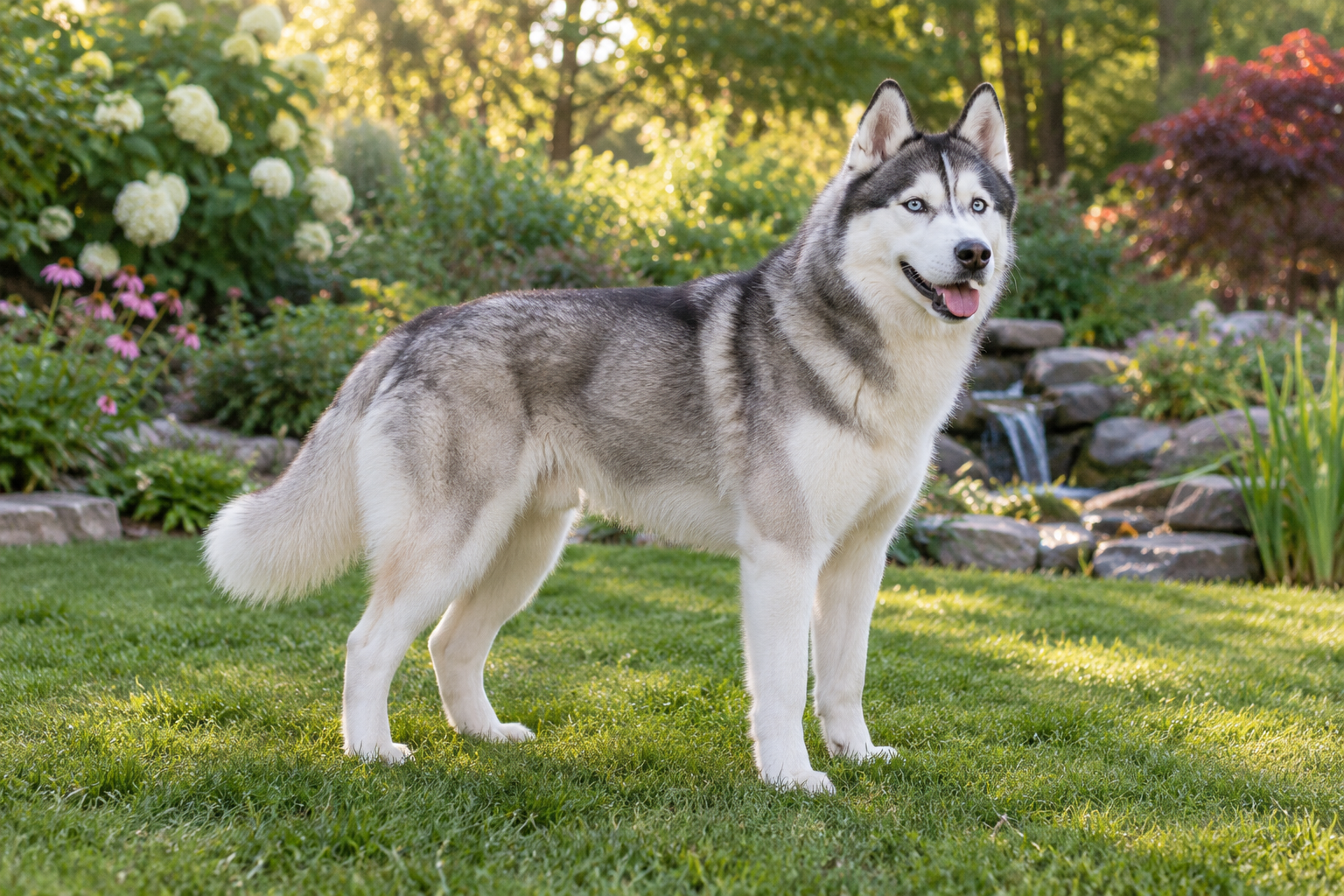 Siberian HuskyMedium • Utility (Group 6)
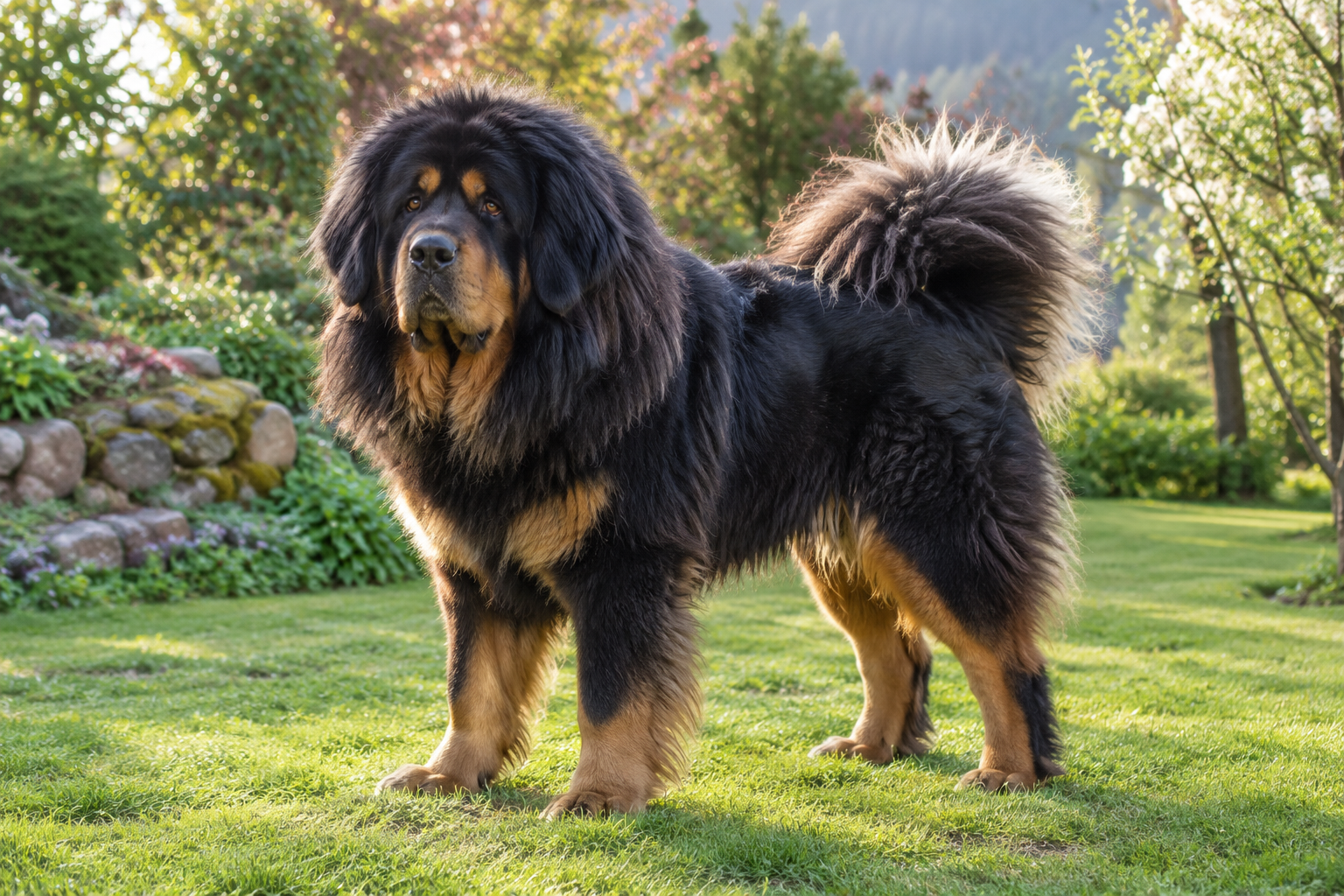 Tibetan MastiffGiant • Utility (Group 6)
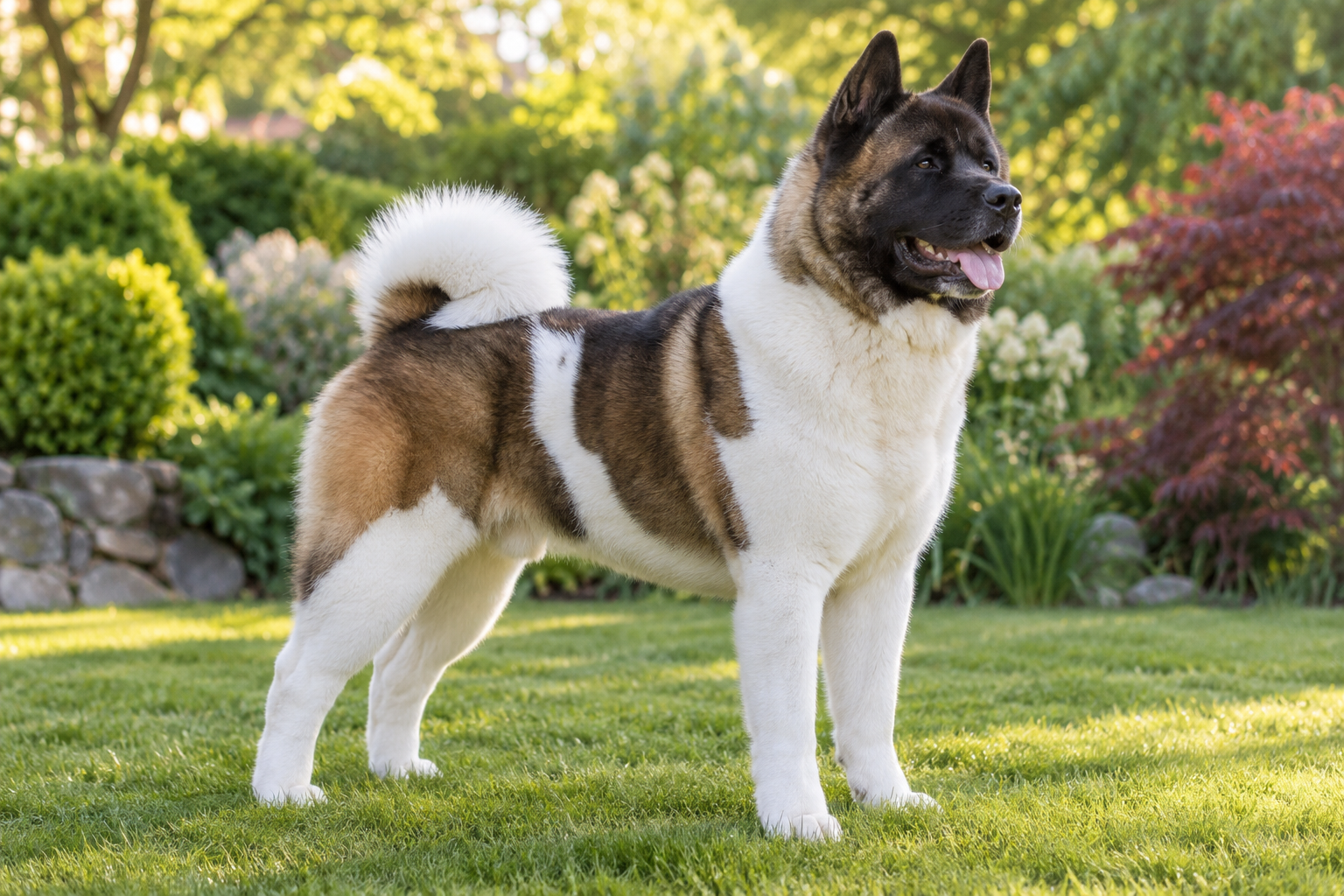 AkitaLarge • Utility (Group 6)
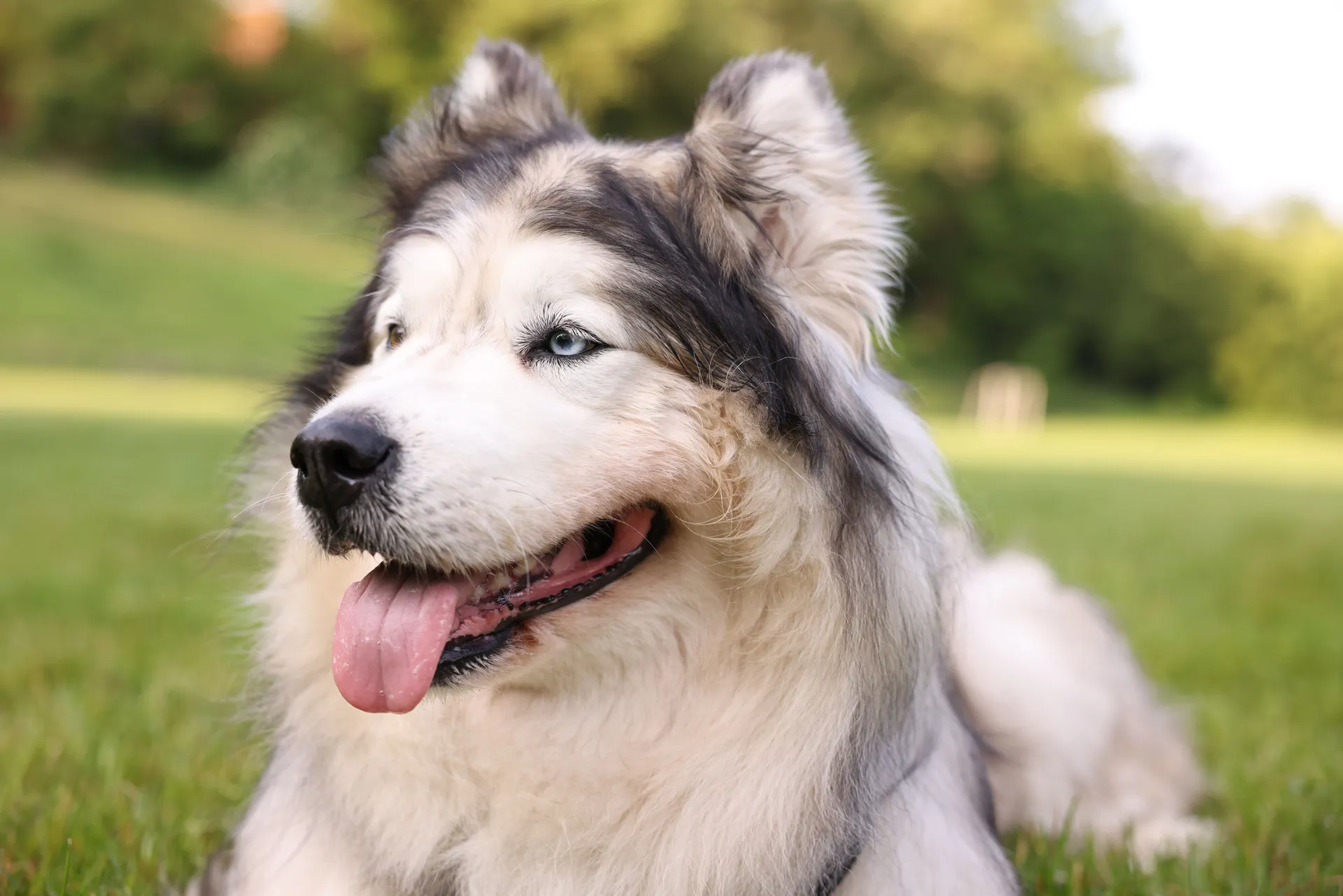 Alaskan MalamuteLarge • Working
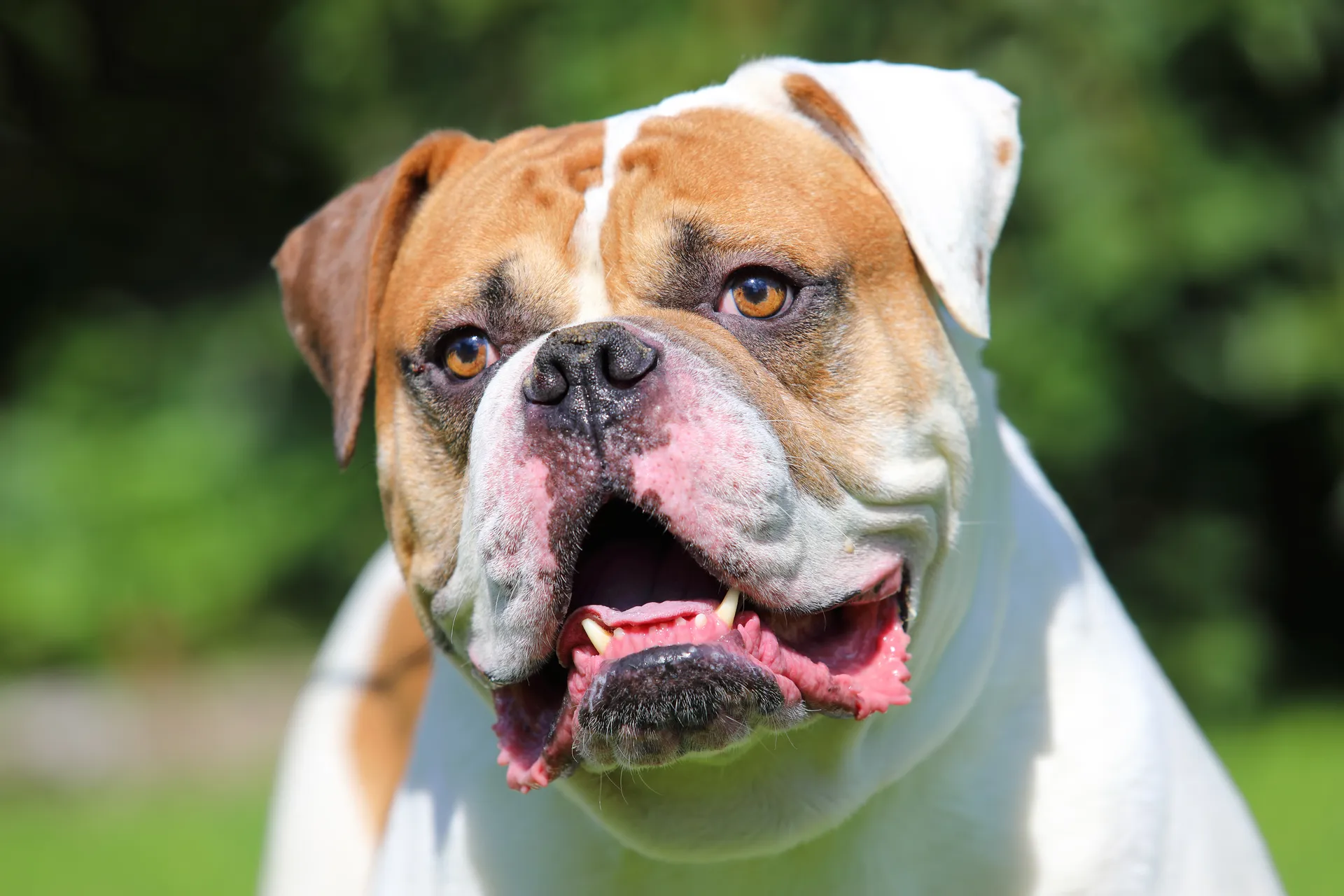 American BulldogLarge • Working
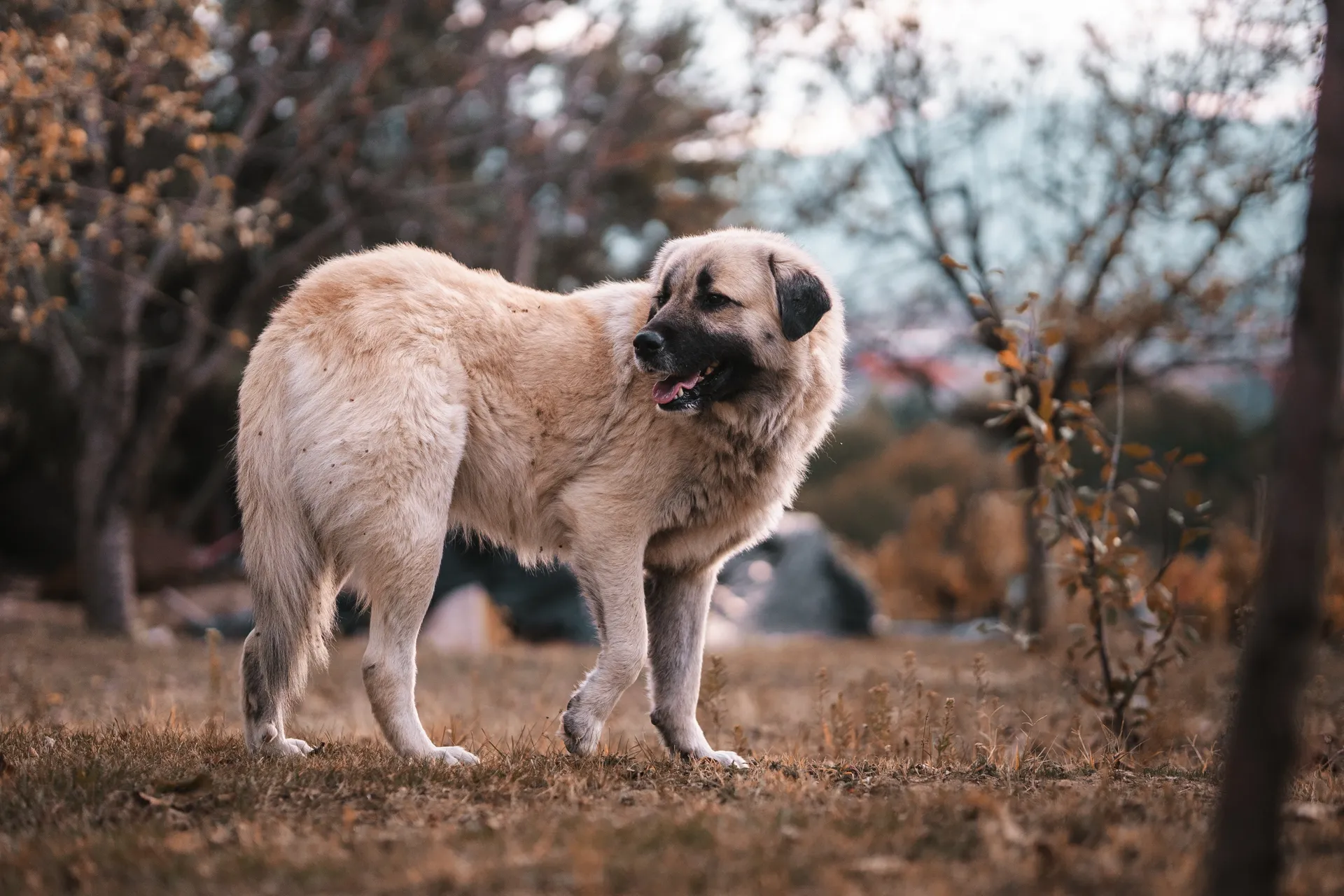 Anatolian Shepherd DogLarge • Working