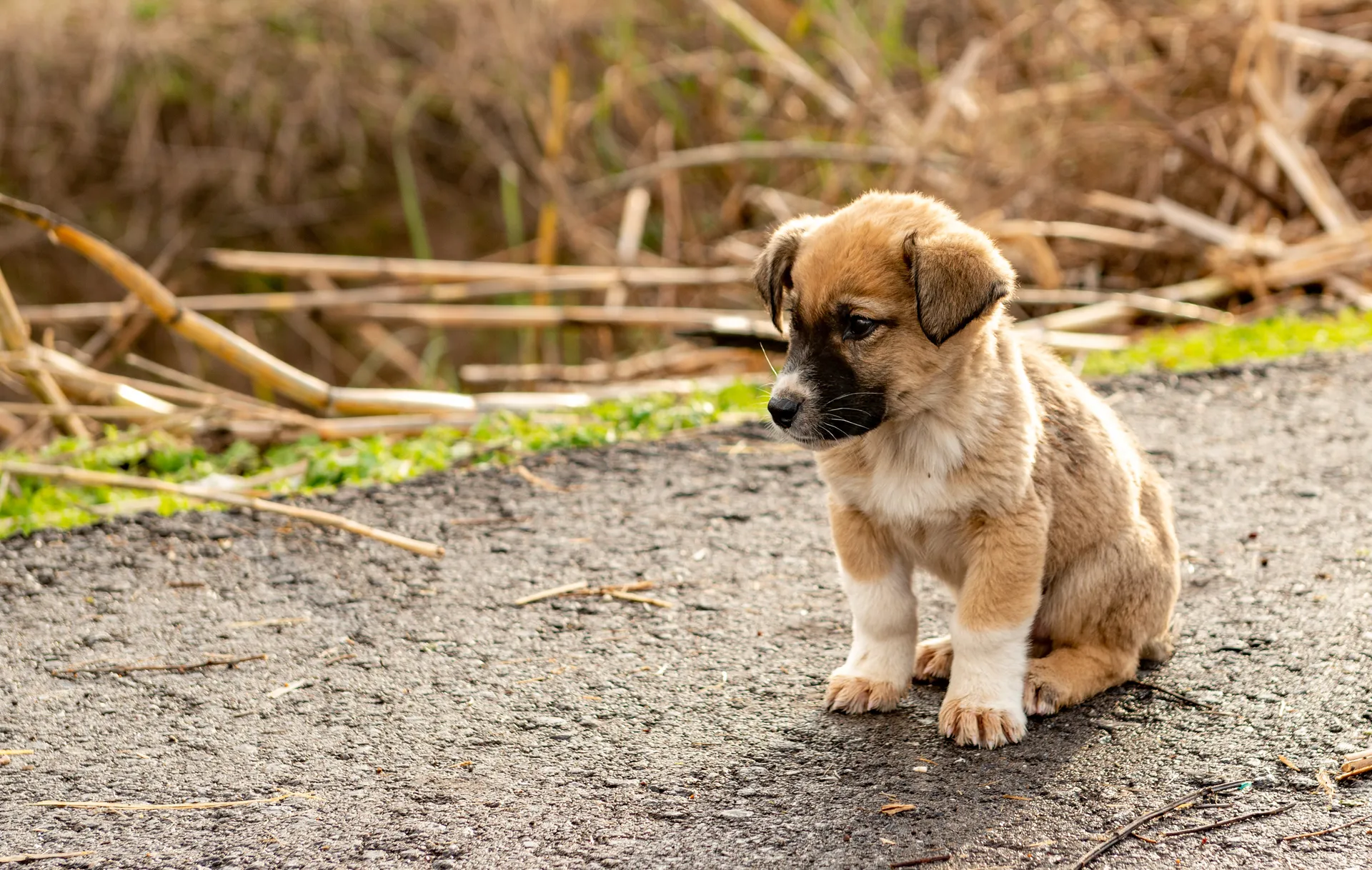
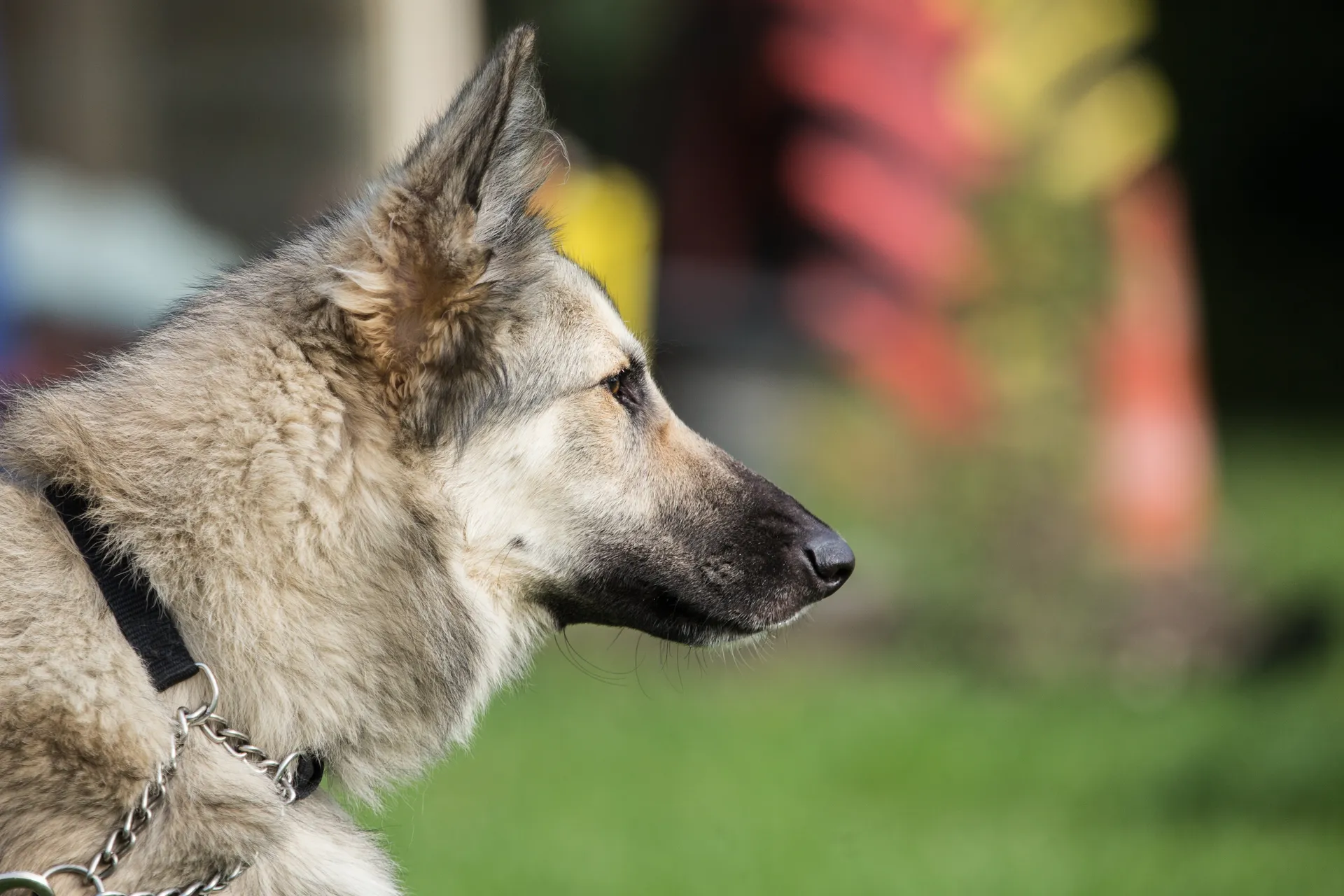
Anatolian Shepherd Dog
By James C. • Updated
The Anatolian Shepherd is a big, independent livestock guardian from Turkey that makes its own decisions. Devoted to family and reserved with strangers, it needs an experienced owner, secure fencing and room to patrol, ideally on a rural or semi-rural property.
Breed Overview
Life Span
11 - 15 years
Average Price
AUD 1500 - AUD 3000
Weight
Male: 50 - 68 kg Female: 40 - 55 kg
Height
Male: 71 - 76 cm Female: 66 - 71 cm
Life Expectancy
Male/Female: 11 - 15 years
Breed Group
Working
Nicknames
Anatolian, Kangal-type shepherd
Breed Information
The Anatolian Shepherd is a livestock guardian, first and last. It was bred to protect flocks across rough country and brutal weather, and to make its own calls while doing it. That independence is the whole point of the breed, and the main reason it is not for everyone.
It belongs with experienced owners, ideally on a rural or semi-rural block with room, routine and a job to do. Shut one in a small yard and leave it to its own devices and you will have problems. The people who do well with this breed value a calm, confident dog that can work without supervision.
Anatolians are devoted to their family, reserved with strangers and territorial to the bone. Early socialisation and firm, fair boundaries make the difference between a steady adult and a difficult one, so the early stages of puppy training and behaviour development matter more than usual.
Characteristics: What Living With an Anatolian Shepherd Is Really Like
This is not a conventional companion dog. Centuries of guarding alone, far from the shepherd, shaped every rating below.
| Characteristic | Rating | Star Rating (★ out of 5) | What This Means for You |
| Size | Very Large | ★★★★★ | A powerful, imposing dog that needs real space to move and patrol. |
| Adaptability | Moderate | ★★★☆☆ | Happiest on rural or large properties, not in town or tight quarters. |
| Exercise Needs | Moderate | ★★★☆☆ | Steady daily activity, not constant high-intensity work. |
| Easy to Train | Low | ★★☆☆☆ | Intelligent but very independent. Needs experienced, patient handling. |
| Amount of Shedding | Moderate | ★★★☆☆ | Sheds heavily when the seasons change. |
| Grooming Needs | Low | ★★☆☆☆ | Simple coat care outside the seasonal moult. |
| Good With Children | Moderate | ★★★☆☆ | Usually calm with the family’s own children, but its size means supervision is essential. |
| Health of Breed | Good | ★★★★☆ | Naturally hardy, though large-breed conditions need watching. |
| Cost to Keep | High | ★★★★☆ | Food, insurance and fencing push ongoing costs up. |
| Tolerates Being Alone | Moderate | ★★★☆☆ | Copes with time on its own, but still needs clear boundaries and a purpose. |
| Intelligence | Very High | ★★★★★ | Exceptionally perceptive and makes its own decisions. |
Put simply, this breed suits owners who prize calm authority and guarding instinct over eager obedience. It respects leadership. It does not look to you for instructions every five minutes.
History of the Anatolian Shepherd: An Ancient Guardian Forged by Harsh Lands
The breed comes from the Anatolian Peninsula in modern-day Turkey, a land of wide plains, rugged hills and hard seasons. For thousands of years, shepherds there relied on big, tough guardian dogs to keep wolves, bears and jackals off their sheep and goats. Looks counted for nothing. Judgement, stamina and the ability to work without a handler counted for everything.
Archaeological evidence and historical records suggest dogs resembling the modern Anatolian existed more than 6,000 years ago. Carvings and artefacts from ancient civilisations in the region show large, muscular dogs guarding stock beside shepherds. Generation after generation, only the dogs that survived the conditions and made sound decisions were bred from. The result was a dog that favours protection over pursuit, and deterrence over aggression.
Herding breeds work hand in glove with people. The Anatolian developed the other way, as a self-governing protector expected to patrol big areas, size up threats and respond without being told. Regional types emerged across Turkey, shaped by climate, terrain and the stock being guarded, so size, coat and colour varied while the job stayed the same.
In the mid-20th century the breed drew international attention as interest grew in non-lethal livestock protection. Anatolians were exported because they deterred predators while keeping conflict to a minimum. They are still very much working dogs in temperament and build: guardian first, companion second.
Appearance of the Anatolian Shepherd: Power, Balance, and Purpose
Nothing about this dog is exaggerated. It is built to cover ground, face down a threat and keep going in tough conditions, and it carries itself with quiet authority rather than flash.
Size and Build
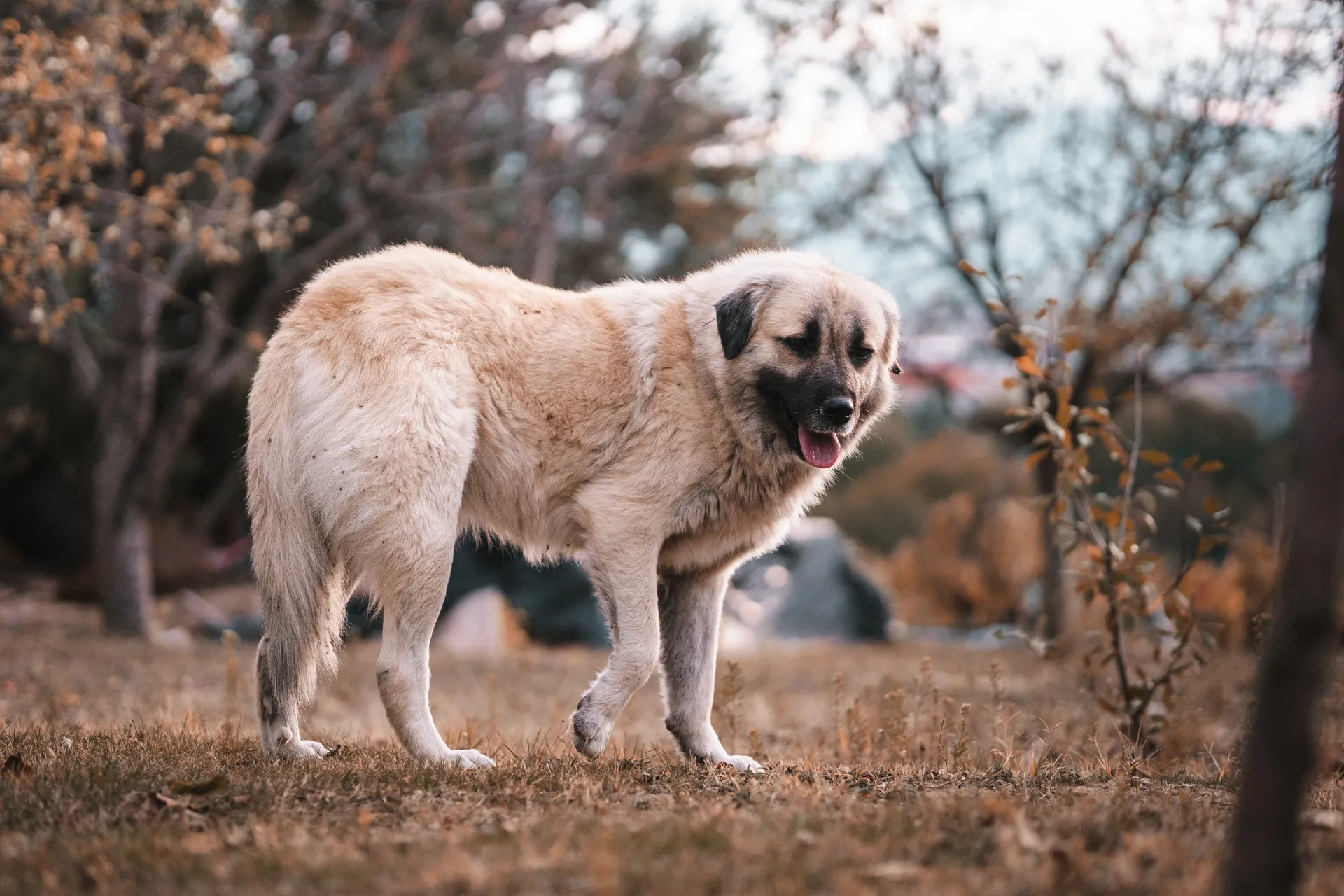
Anatolians are large and solidly built, with a strong, athletic frame. Males are noticeably heavier and broader than females. Expect a deep chest, powerful shoulders and well-muscled hindquarters made for long hours on the move. The body is slightly longer than tall, an outline that favours stamina over speed. For their size, fit Anatolians move with surprising agility.
Coat and Colours
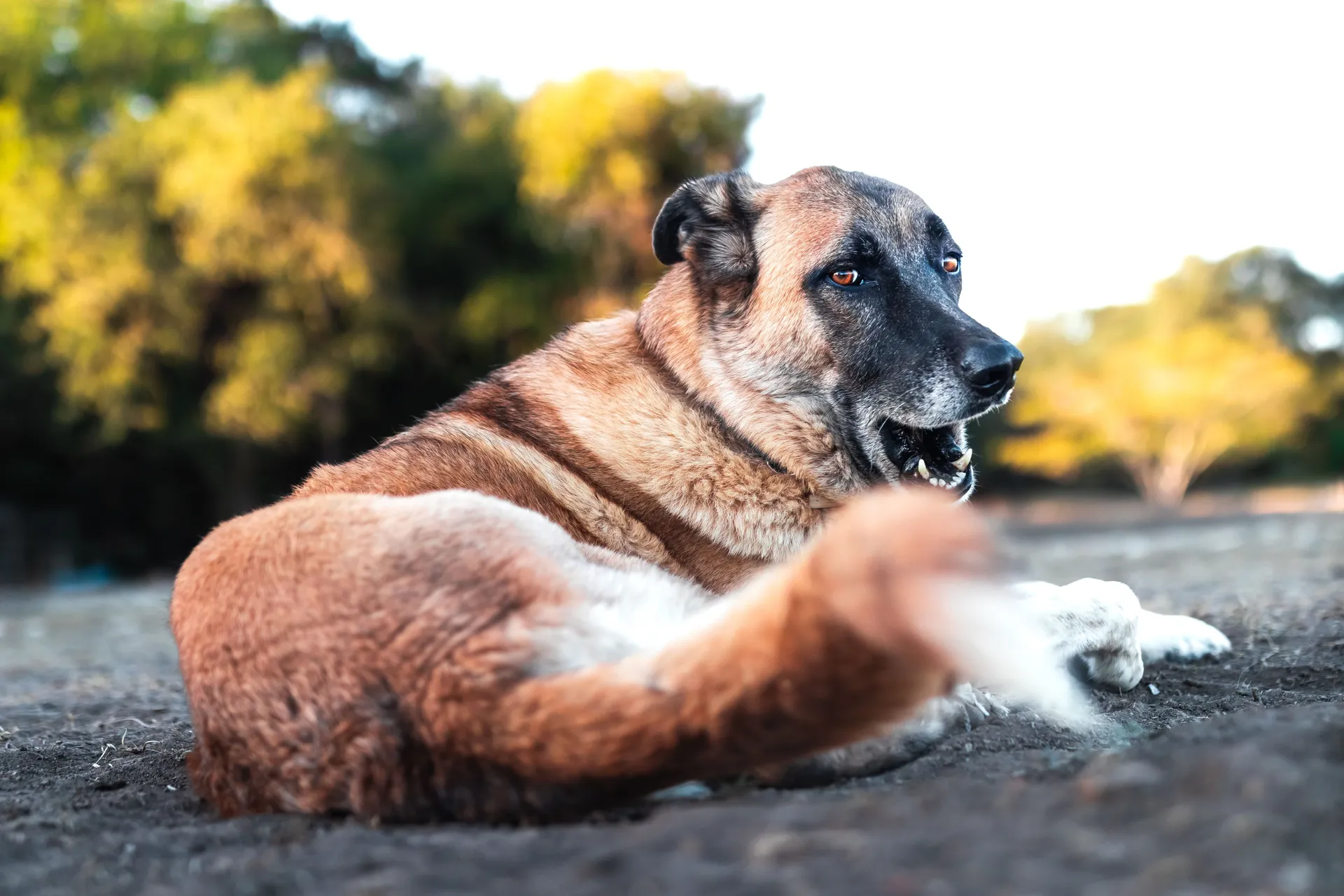
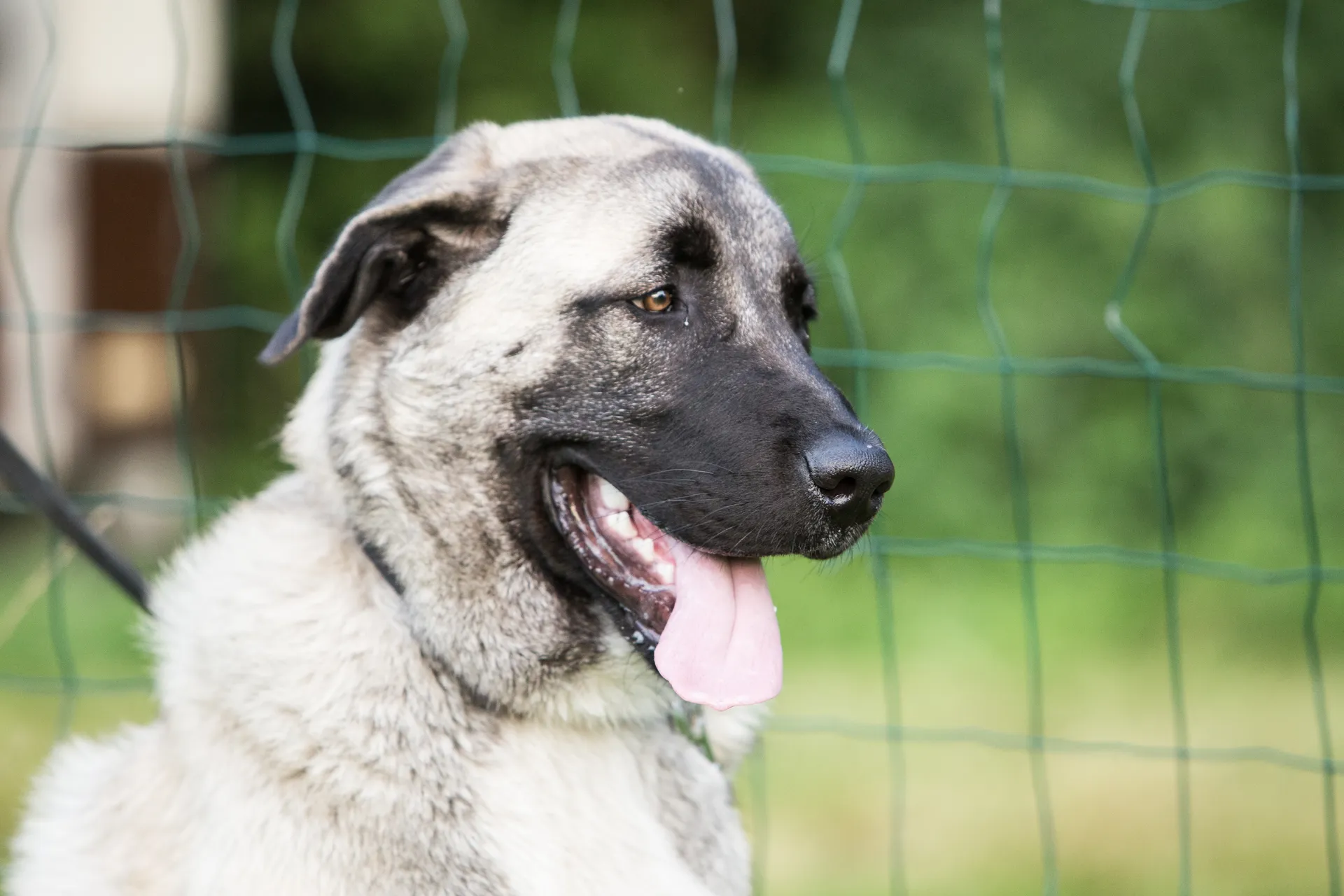
The dense double coat protects against both heat and cold. The outer coat is short to medium and lies close, with an insulating undercoat beneath. It thickens around the neck, shoulders and tail. Colours include fawn, cream, brindle, white and grey, often with the breed’s signature black mask and dark ears.
Head, Eyes, and Expression
The head is large and broad without looking coarse. A slight crease between the eyes gives that serious, thoughtful look. Eyes are medium-sized and almond-shaped, from amber to dark brown. The muzzle is strong and blunt, with black lips and a black nose.
Ears, Tail, and Presence
The ears are medium-sized and triangular, lying flat when the dog is relaxed and lifting slightly when it is alert. The tail is long and set high, usually carried low with a gentle curve, rising or curling when the dog is switched on. The impression is power under control, confident without being aggressive.
Different Types Within the Anatolian Shepherd
The Anatolian is recognised internationally as one breed, but it carries regional differences shaped by geography, climate and the work. These are not formal sub-breeds. They are local versions of the same guardian.
Regional Variations and Working Lines
Turkey’s terrain and climate vary a lot, and so did its guardian dogs. Dogs from cold mountain country often had heavier bone and denser coats. Dogs from the hot plains tended to be leaner and shorter coated. The independence, stamina and territorial awareness were the same in both.
Kangal-Type Influence
Many Anatolians show traits associated with Kangal-type guardians: a fawn coat with a black mask, a strong head and a calm, watchful manner. Kangal-type dogs are sometimes discussed separately, but in many regions they sit within the wider Anatolian guardian tradition rather than forming a distinct, universally recognised breed category.
Coat Length and Texture Differences
Most Anatolians have a short to medium coat. Some carry a slightly longer outer coat, especially around the neck and tail. The difference is practical, not cosmetic: it suited the weather where those dogs worked.
Consistency in Purpose and Temperament
Whatever the look, the behaviour underneath is the same. Every type is bred to guard independently, judge threats without instruction and stay calm under pressure. Expect variation in appearance, not in instinct.
Temperament of the Anatolian Shepherd: Calm Authority With Deep Loyalty
Steady and self-assured. This is not a reactive or excitable dog. It takes situations in, weighs them up, and takes its responsibility for territory and family seriously.
Core Personality Traits
Anatolians are calm, observant and confident. They don’t need constant attention, yet they bond deeply and for life. The loyalty is quiet and intense, shown by keeping watch rather than by fawning. They respond to clear, consistent leadership, and force gets you nowhere.
Social Behaviour With People and Animals
With family, gentle and composed. With strangers, reserved, preferring to assess before engaging. That measured response makes them reliable guardians rather than dogs that bark at everything. A low prey drive means many live peacefully with livestock and household pets, particularly when raised with them.
Working Instincts That Shape Behaviour
Nobody teaches an Anatolian to guard. It patrols boundaries, notices changes and steps in only when it decides it must. Presence and a warning bark come first, and it escalates only when it sees a genuine threat. That independent judgement sits at the centre of the breed.
Common Behavioural Challenges
Skip early socialisation and firm boundaries and an Anatolian can become overly territorial or simply ignore you, the kind of common puppy behaviour problems that get harder as the dog grows. Inexperienced owners often mistake independence for stubbornness. A bored dog without a role may roam or become over-vigilant. Consistent routines, room to patrol and clear expectations keep it on an even keel.
Intelligence and Trainability of the Anatolian Shepherd: Independent Thinker, Not a People-Pleaser
Very intelligent, but not in the way an obedience breed is. The Anatolian was bred to decide for itself, and it still weighs up what you ask before doing it. Work with that mindset. Trying to override it rarely ends well.
Puppy Training Priorities
Start as soon as the puppy has settled in. The first months are when respect, boundaries and trust are built. Socialise widely with people, places, sounds and other animals to cut down on over-guarding later. Sit, stay, recall and loose-lead walking are not party tricks here; they are how you safely manage a very large, strong dog, which is why it pays to know when to start obedience training.
Training Methods That Work Best
Calm, consistent, reward-based training works. Food, praise and clear verbal markers build cooperation without confrontation. Keep sessions short and make each one count, because pointless repetition switches this dog off. Harsh corrections and dominance methods damage trust and tend to produce resistance.
Advanced Training and Mental Engagement
Repetitive drill work is not its thing. Advanced obedience, boundary training and guardian roles that give it some autonomy within limits suit it far better. Problem-solving tasks, scent work and real responsibilities put that brain to good use.
Common Training Mistakes to Avoid
The usual mistakes are inconsistent rules, late socialisation and expecting instant obedience every time. Let a young Anatolian run its own show and you may end up with dominance issues. Clamp down too hard and you get defiance. Good training balances leadership with respect for an independent dog.
Anatolian Shepherd and Family Life: Children, Other Pets, and the Home
An Anatolian can fit into family life, but only with thoughtful management and realistic expectations. Size, strength and guarding instinct shape how it deals with children, other animals and the household.
Interactions With Children of Different Ages
With children they know, Anatolians are usually calm and tolerant, more protective presence than playmate. Their size means accidental knocks happen, particularly with toddlers and young kids, so supervise at all times. Homes with older children who know how to behave around a big, independent dog are the better fit.
Teaching Children Proper Interaction
Teach children to approach calmly, avoid sudden movements and leave the dog alone on its bed. No ear pulling, climbing or rough play. Clear house rules keep interactions predictable and make defensive reactions less likely.
Living With Other Pets and Livestock
Thanks to a low prey drive, many Anatolians live peacefully with stock and household pets they grew up with. The instinct is to guard, not chase. Strange animals are another matter, particularly dogs that wander onto their territory. Socialise early and introduce new animals carefully, especially dogs of the same sex.
Creating a Safe Home Environment
Security is non-negotiable. You need high, reinforced fencing, because this is a natural patrol dog that will roam if its boundary is unclear. Inside, give it a quiet spot where it can switch off. Structure, supervision and clear boundaries do the rest.
Health of the Anatolian Shepherd: Strength, Longevity, and Responsible Care
Centuries of hard work have made the Anatolian a hardy, resilient breed. Many live long, healthy lives, but a dog this size comes with health considerations you should understand before you commit.
Breed-Specific Health Conditions
Like many large and giant breeds, the Anatolian may be prone to hip and elbow dysplasia, which affect joint stability and mobility over time. It is not widespread across all bloodlines, and responsible breeding and early screening help keep the risk down. The deep chest also makes the breed more susceptible to gastric dilatation-volvulus, better known as bloat, which needs a vet immediately if symptoms appear.
Genetic Testing and Health Screening
Ethical breeders health test. Hip and elbow screening is widely recommended, along with checks for inherited eye conditions such as entropion, where the eyelids roll inward and irritate the eye. Some lines are also screened for congenital deafness. Check the health clearances before you buy.
Preventative Healthcare and Monitoring
Regular vet care keeps you ahead of large-breed problems, and knowing how often dogs should see a vet helps you plan for it. That means vaccinations, parasite prevention, dental care and weight checks. On the east coast, include paralysis tick prevention and run your hands through that thick coat after the dog has been out in long grass or scrub. Anatolians may also be sensitive to certain anaesthetics, so make sure your vet knows the breed before any procedure.
Insurance and Long-Term Health Planning
Insurance usually costs more than for smaller breeds, reflecting size and possible joint problems. Comprehensive cover helps with orthopaedic treatment or emergency care. Plan ahead, buy well and pay attention, and most Anatolians enjoy a good quality of life well into their senior years.
Caring for the Anatolian Shepherd: Structure, Space, and Long-Term Commitment
Looking after an Anatolian is about more than company. It needs its physical, mental and environmental needs met consistently, with routine, space and clear boundaries holding everything together.
Daily Care Routine
A predictable day should include structured exercise, supervised free movement inside secure boundaries and regular time with its people. It won’t demand your attention, but it watches everything and settles best when it understands its role. Quick daily checks of ears, eyes and paws catch problems early, and ongoing dental care pays off long term.
Living Environment Needs
Rural or semi-rural is best, with room to move and patrol. A large, securely fenced property lets it guard safely. Apartments and small spaces tend to produce frustration and behaviour problems. Indoors, give it a quiet resting place where it can keep an eye on things undisturbed.
Seasonal Care Adjustments
Anatolians handle a range of climates, but they still need some seasonal tweaks. Through an Australian summer, exercise early or late and make sure shade and fresh water are always available. In cold or wet weather, dry the coat thoroughly, especially the dense undercoat, to prevent skin irritation.
Senior Care Considerations
Older Anatolians slow down, and stiff joints are common. Adjust exercise to suit. Supportive bedding, ramps and targeted nutritional support help with comfort and mobility. More frequent vet visits let you manage age-related changes before they become problems.
Grooming of the Anatolian Shepherd: Practical Care for a Working Coat
The coat is there to handle weather, not to be styled. Grooming is simple, but it needs to be regular to keep the skin healthy and the shedding under control.
Coat Maintenance Schedule
Brush the short to medium double coat weekly in normal times. That removes loose hair, spreads natural oils and keeps the coat clean. During the seasonal moult, usually spring and autumn, you may need to brush several times a week to keep up with the undercoat.
Professional Grooming Requirements
Professional grooming is usually minimal. Bath the dog only when it is properly dirty, because frequent washing strips the coat’s natural oils. Some owners pay a groomer or vet nurse for nail trims and ear cleaning, which is worth it if your dog is too big to wrestle.
Home Grooming Techniques
A firm bristle brush or an undercoat rake during the moult is the core of a practical dog grooming and hygiene routine for this breed. Check ears regularly for wax build-up or infection, and trim nails as needed so they don’t affect the dog’s gait. Brush the teeth with dog-safe toothpaste, which matters in large breeds.
Common Grooming Challenges
The big job is the seasonal shedding, which is substantial. Fall behind on brushing and loose hair piles up fast. Moisture trapped in the undercoat after rain or a swim can irritate the skin, so dry the dog thoroughly.
Exercise of the Anatolian Shepherd: Purposeful Movement, Not Constant Activity
This is a working breed, but it was bred to patrol, watch and respond, not to chase a ball for an hour. Purposeful movement and mental work suit it better than repetitive, high-energy exercise.
Daily Exercise Requirements
Adults typically need around 90 to 120 minutes of activity a day. Spread it across structured walks, supervised roaming inside secure boundaries and tasks that make it think. Long, steady walks beat short bursts of intense exercise for muscle tone and fitness, without wiring the dog up.
Suitable Activities for the Breed
Give it controlled independence. Boundary walks, scent games and task-based training sessions give both movement and mental work. Where it fits, a real job guarding stock or patrolling a property lines up with its instincts and keeps it settled.
Exercise Restrictions and Safety
Puppies and adolescents need carefully managed exercise to protect growing joints. Avoid high-impact activity, repeated jumping and lots of stair work until the dog is physically mature. Because of the deep chest, avoid vigorous exercise straight before or after meals to reduce the risk of bloat. On hot days, stick to the cooler parts of the day.
Mental Stimulation and Behavioural Balance
A dog with too little to think about may get restless or over-vigilant. Rotate activities, bring in new challenges and give it problems to solve. A mentally occupied Anatolian is calmer and easier to live with.
Feeding of the Anatolian Shepherd: Supporting Strength, Growth, and Longevity
Good feeding protects the joints and muscle of a large, slow-maturing working breed, whose needs differ from smaller or faster-growing dogs.
Nutritional Requirements
Build the diet around high-quality animal protein for muscle and endurance, as part of a sound dog nutrition and feeding plan. Moderate fat fuels daily activity without piling on weight. Calcium and phosphorus need careful balancing, particularly during growth, to support bone development and reduce joint stress.
Feeding Schedule Guidelines
Feed puppies three to four measured meals a day for steady growth without rapid weight gain. Adults usually do best on two evenly spaced meals. Splitting the food helps digestion and may lower the risk of gastric problems in deep-chested dogs.
Special Dietary Considerations
Because of the bloat risk, avoid vigorous exercise immediately before or after feeding. Raised feeding bowls are not always recommended, so follow your vet’s advice. Some dogs develop food sensitivities, and a simple ingredient diet can help. Joint supplements may be worth considering as the dog matures.
Weight Management and Monitoring
Keep the dog lean and muscular. Extra weight strains the joints and can worsen mobility later in life. Check weight and body condition regularly and adjust portions for age, activity and workload.
Anatolian Shepherd Price and Ongoing Costs: Understanding the Full Commitment
In Australia, the cost of an Anatolian reflects its size, working background and long-term care needs. The purchase price is only the start.
Purchase Price in Australia
Well-bred puppies from ethical Australian breeders typically cost between AUD $1,500 and $3,000. Price depends on pedigree, health testing, breeder reputation and availability, and the breed is still fairly uncommon here. Puppies from established guardian or working lines may sit at the top of that range.
Initial Setup Costs
Setup often runs to AUD $500 to $1,500: heavy-duty collars and leads, grooming tools, bedding, big food and water bowls, and early vet checks. For many Australian homes, secure fencing and reinforced gates are the biggest upfront cost, and you cannot skip them with a dog that likes to roam.
Ongoing Monthly Expenses
Expect around AUD $120 to $250 a month, depending on your choices. That covers quality large-breed food, routine vet care, parasite prevention and insurance. Premiums for large working breeds can be higher, especially if you choose comprehensive cover for joint conditions.
Long-Term and Lifetime Costs
Over a lifetime, budget for joint management, emergency vet care and senior support such as supplements or special diets. Planning for these costs means the dog gets consistent care at every stage.
Buying Advice for the Anatolian Shepherd: What Australian Buyers Should Know
Buy with preparation, research and an honest look at your property. This is a powerful livestock guardian that needs experienced ownership, secure space and a long-term commitment.
Assessing Your Lifestyle and Property First
Before you contact a breeder, make sure your set-up suits the breed. Anatolians belong on rural or semi-rural properties with secure fencing and room to patrol. Small yards, shared fences and apartments are not appropriate. Honestly, a quarter-acre suburban block is a stretch for most of them. Experience with large, independent dogs is strongly recommended.
Finding Responsible Breeders and Sellers
Responsible breeders focus on health, temperament and correct type, not volume. If you are buying through an online platform, make sure the seller is open about the puppy’s background, living conditions and socialisation. Meet the breeder in person, see the property and see the puppy with its littermates and parents. That cuts the risk of unethical practices and gives you the right setting to ask important questions of a dog breeder.
Health Checks and Documentation to Request
Ask for paperwork showing the puppy has been microchipped, vaccinated and wormed. Hip and elbow screening and eye checks are especially important in a large breed. Walk away from sellers who can’t provide basic health information or push you to commit before proper checks, which are classic signs when you need to spot a puppy scam online. Once the puppy is home, register it with your local council.
Choosing the Right Puppy for Your Needs
Temperament matters as much as size. Look for a puppy that is confident, curious and calmly aware, not fearful or reactive. If it is going to guard stock, early exposure to animals and sensible handling should already be under way.
Considering Rehoming and Rescue Options
For experienced owners, an adult Anatolian can be a good alternative to a puppy. Rescue groups and private rehoming listings can offer dogs with known temperaments and working backgrounds, provided your home meets their needs.
Used carefully, Pups4Sale helps connect buyers with verified sellers and lets you compare listings, ask informed questions and make a responsible choice.
Is the Anatolian Shepherd the Right Breed for You?
The Anatolian Shepherd is a powerful, intelligent guardian, independent, patient and deeply loyal. It needs an experienced owner who can provide space, structure and clear leadership. Understand and respect what it is, and you get a calm, dependable presence on the right property.
If you are seriously considering one, do the research, ask the hard questions and plan properly. Pups4Sale lets you view available Anatolian Shepherd listings or connect with verified sellers, so you can choose a dog that fits your life and will be well looked after for the long haul.
Frequently Asked Questions
Related Breeds
Other working breeds on Pups4Sale.
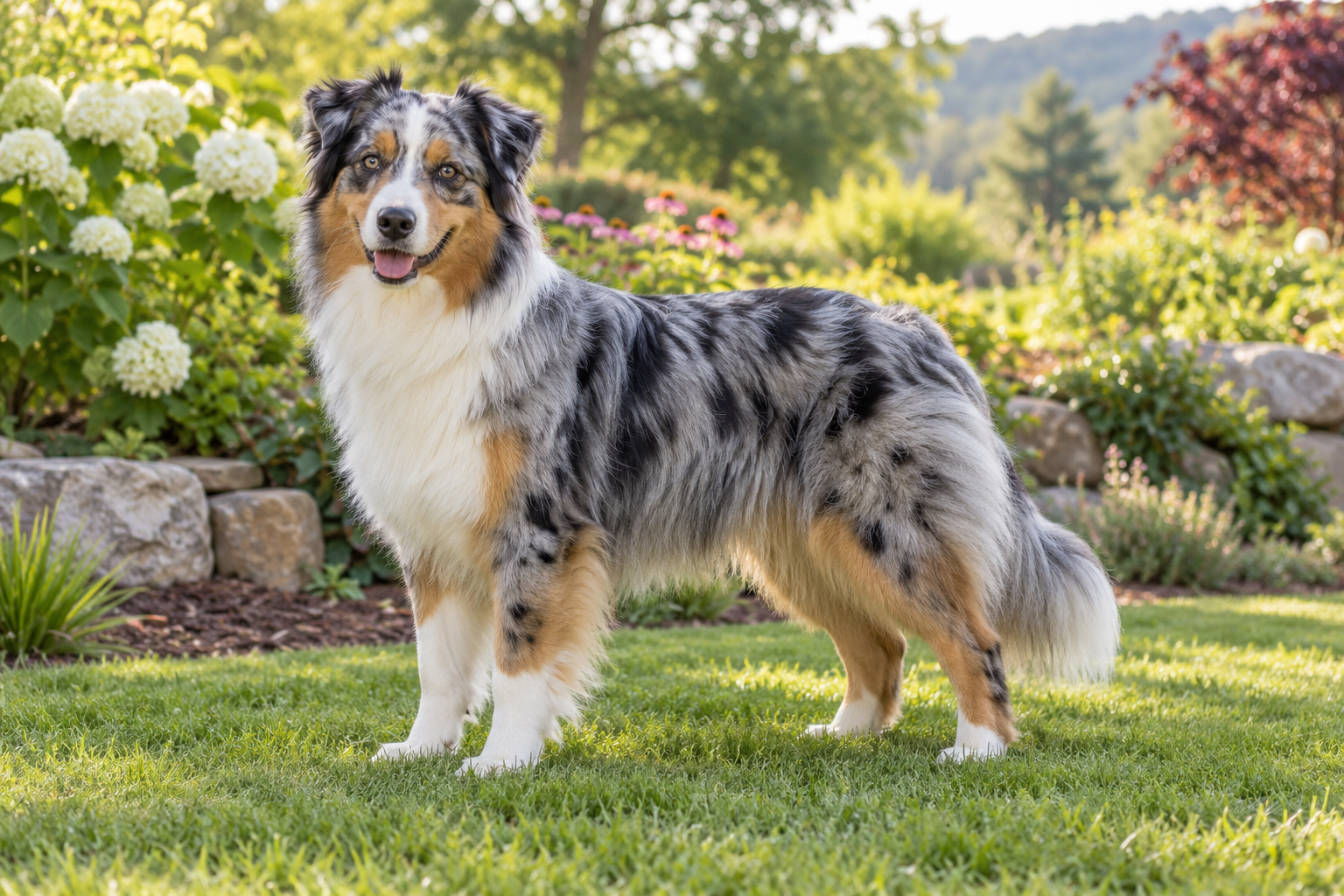 Australian ShepherdMedium • Working Dogs
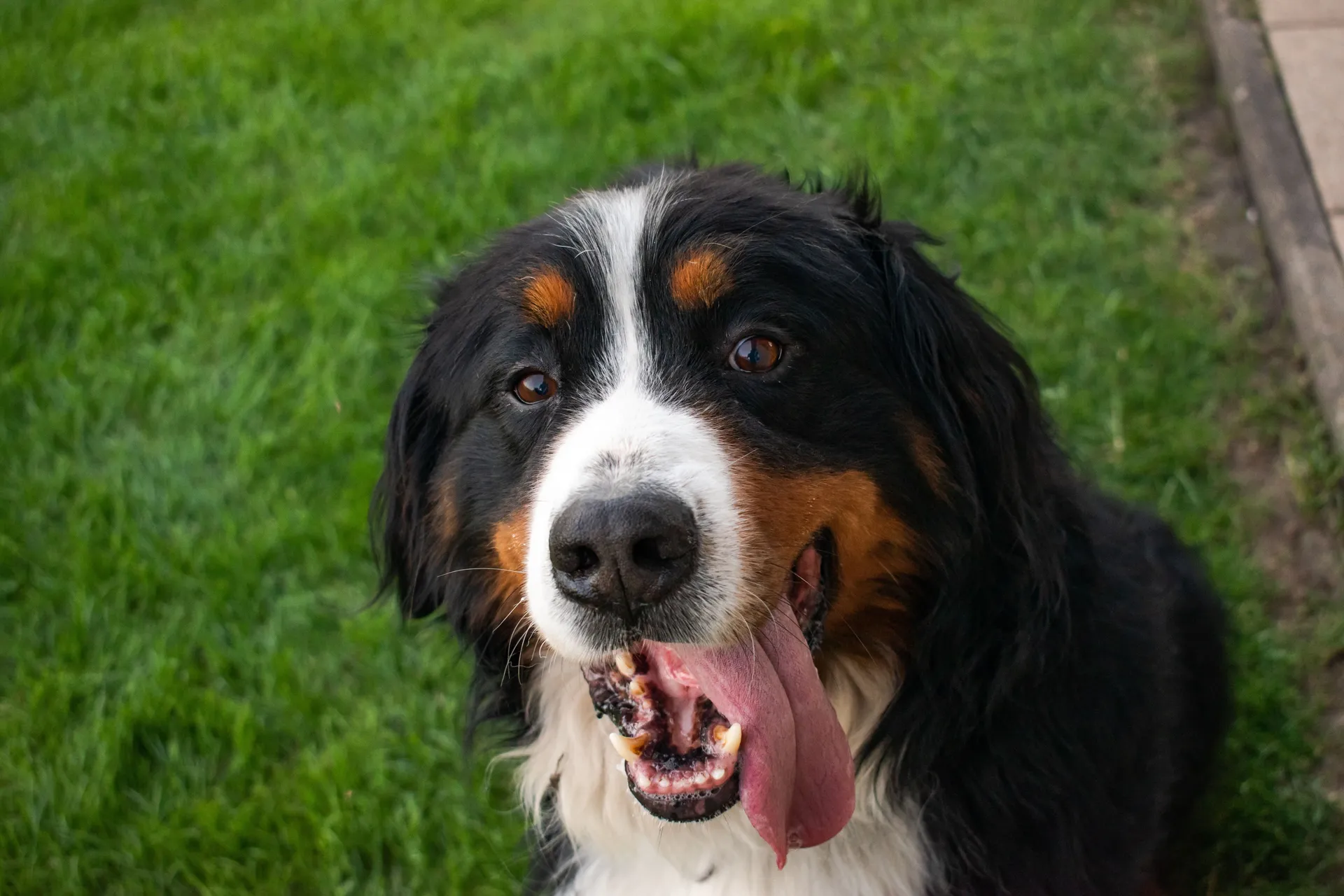 Bernese Mountain DogLarge • Working
 Black Russian TerrierLarge • Utility (Group 6), registered as Russian Black Terrier
 Blue HeelerMedium • Working
 Border CollieMedium • Herding
 Bouvier des FlandresLarge • Working