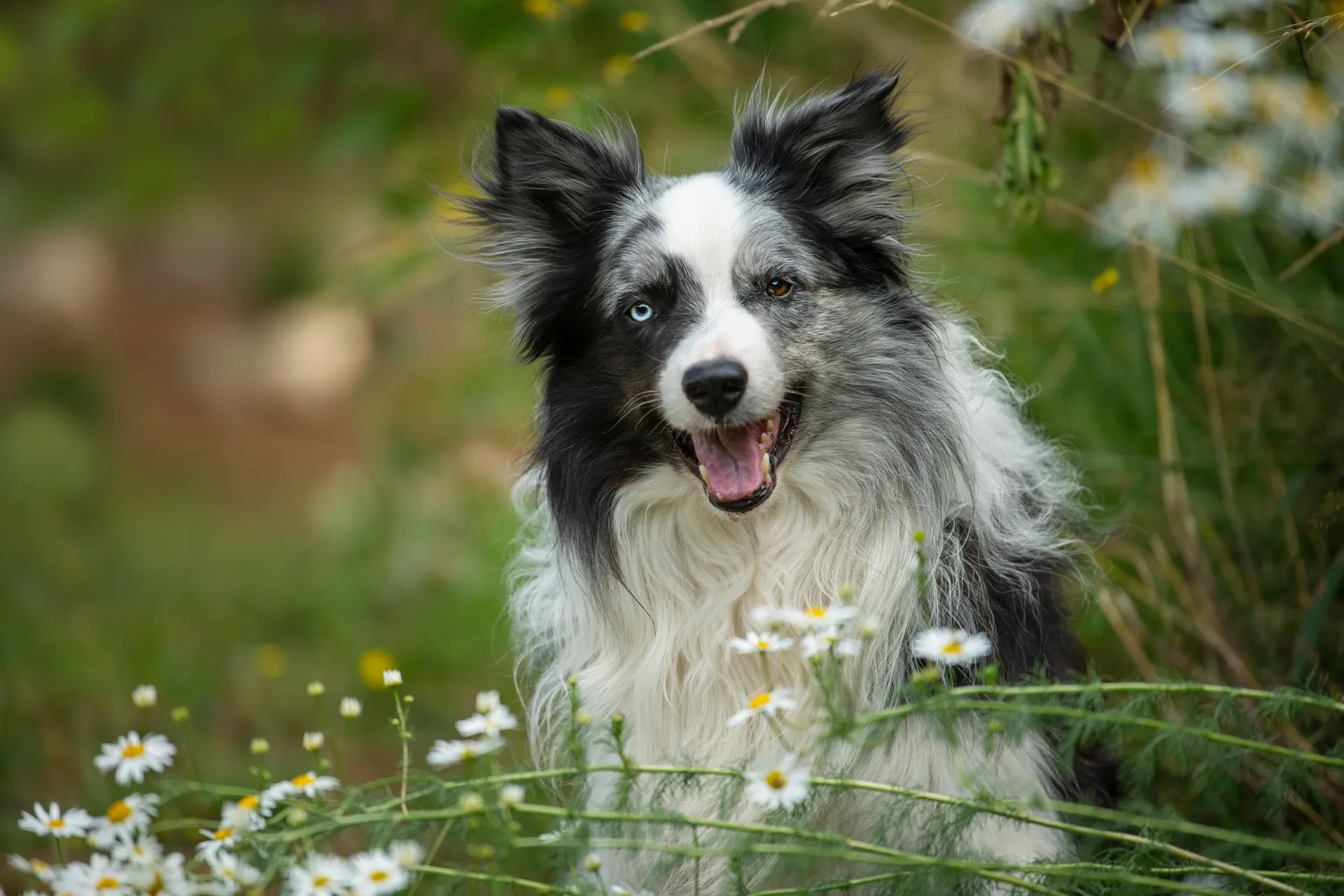
Border Collie
By James C. • Updated
See Border Collie puppies for sale
The Border Collie is a medium-sized herding dog with exceptional intelligence, focus and stamina. It is loyal and quick to learn, but it needs an active, experienced owner who can give it daily exercise, structure and real mental work.
Breed Overview
Life Span
12 - 15 years
Average Price
AUD 1200 - AUD 3500
Weight
Male: 14 - 20 kg Female: 12 - 19 kg
Height
Male: 48 - 56 cm Female: 46 - 53 cm
Life Expectancy
Male/Female: 12 - 15 years
Breed Group
Herding
Nicknames
Border Sheepdog
Breed Information
The Border Collie was bred to herd sheep over steep, rough hill country, and it still carries itself like a dog with a job to do. Speed, stamina and fierce concentration matter far more in this breed than looks. Border Collies bond closely with their owners and are at their best when every day has some structure and purpose.
This is a dog for active households and experienced owners, or for people genuinely prepared to put in daily training and mental work. Australian buyers often weigh it up against the Blue Heeler, a tougher Australian cattle dog that handles heat and rough country better but asks even more of its owner. Border Collies are affectionate at home, can be reserved with strangers and tend to develop problems when bored. Meet their needs, though, and few dogs are more capable or more rewarding.
Characteristics: What Living With a Border Collie Is Really Like
Here is how a Border Collie usually fits into an Australian home and an active lifestyle.
| Characteristic | Rating | Star Rating | What This Means for You |
| Size | Medium | ★★★☆☆ | Athletic and balanced. Built for agility, not bulk. |
| Adaptability | Moderate | ★★★☆☆ | Fits an active home. Struggles with a quiet, low-contact one. |
| Exercise Needs | Very High | ★★★★★ | Needs vigorous exercise and a purpose every day. |
| Easy to Train | High | ★★★★☆ | Brilliant learner, but needs consistent, experienced handling. |
| Amount of Shedding | Moderate | ★★★☆☆ | Sheds all year, more heavily at the seasonal coat change. |
| Grooming Needs | Moderate | ★★★☆☆ | Weekly brush most of the year, more often when moulting. |
| Good With Children | Moderate | ★★★☆☆ | Better with older kids because of herding instinct and energy. |
| Health of Breed | Moderate | ★★★☆☆ | Generally healthy, with some inherited conditions to screen for. |
| Cost to Keep | Moderate | ★★★☆☆ | Food and vet costs are manageable. Training and enrichment add up. |
| Tolerates Being Alone | Low | ★★☆☆☆ | Bonds hard and may struggle when left with nothing to do. |
| Intelligence | Exceptional | ★★★★★ | One of the smartest breeds. Loves solving problems. |
Day to day, this breed suits owners who like being involved and enjoy a routine. Treat a Border Collie as a working partner and it excels. Treat it as an ornament and expect trouble.
History of the Border Collie: A Purpose-Bred Working Dog
The Border Collie comes from the border country between England, Scotland and Wales. Sheep farming there meant long days on steep, rugged ground. Shepherds needed a fast dog with stamina that could make its own decisions yet still respond to a whistle. Generation after generation, they bred for performance and ignored appearance.
Several early herding types went into the mix. Large Roman drover dogs brought to Britain added strength and endurance. Later, Viking spitz-type herders contributed agility and responsiveness. Crossing in the border regions refined all of this into a compact, highly capable stock dog. The crouch, the slow stalking approach and the hard stare became its tools for moving sheep calmly and efficiently.
By the nineteenth century the Border Collie was the dominant sheepdog in trials across the British Isles. Its reputation spread, and so did its uses. Today it also excels in obedience, agility, search work and detection.
Show rings and family homes have made the breed more popular, but the working dog is still right there. Its instincts, drive and need for something to do come straight from centuries of breeding for function.
Appearance of the Border Collie: Athletic, Agile, and Built for Work
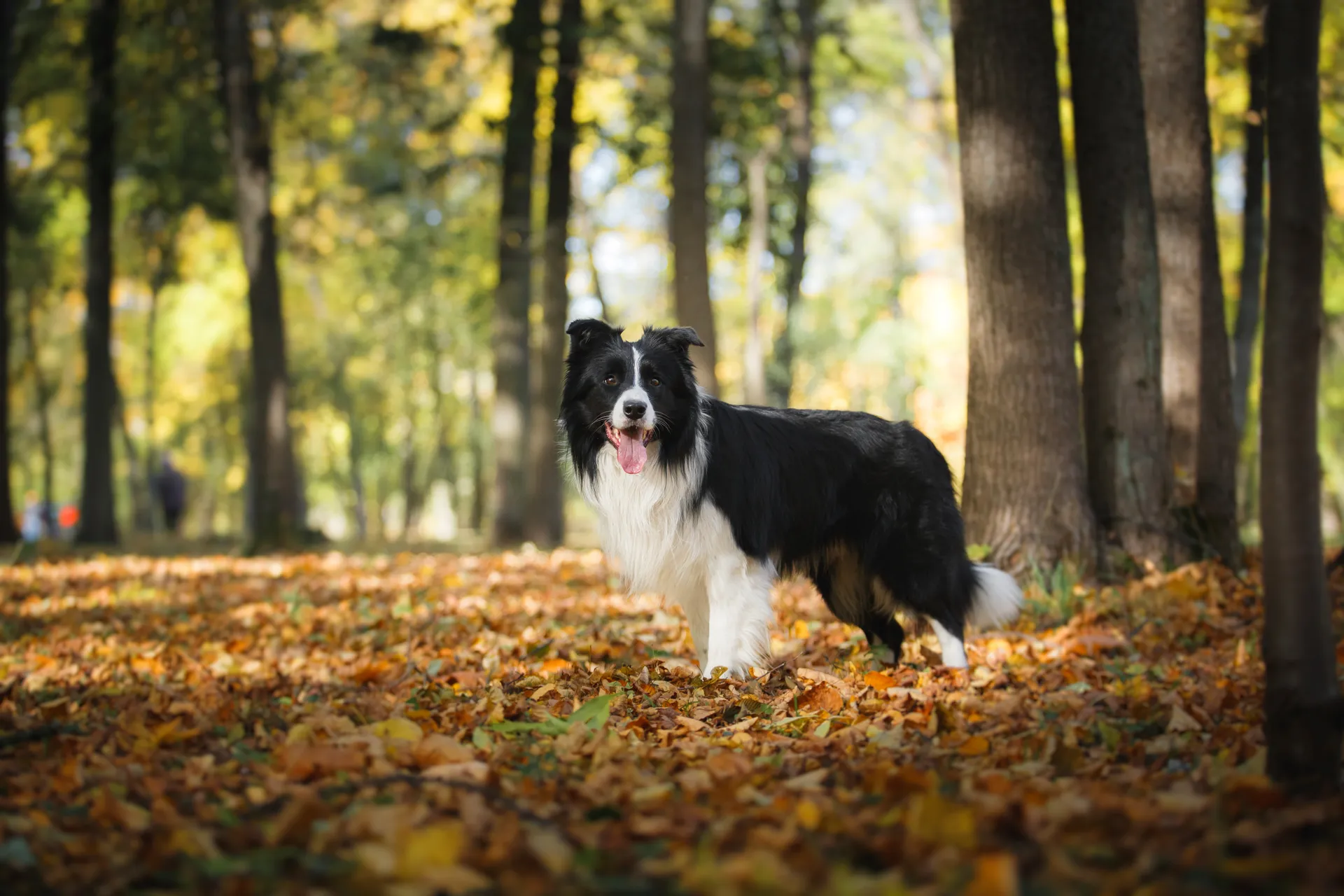
A Border Collie is medium-sized, lean and athletic. It is built to move efficiently over uneven ground while keeping precise control of stock.
Size, Weight, and Structure
Adults usually stand 46 to 56 cm at the shoulder and weigh 12 to 20 kg. Males are often a little taller and more muscular, females lighter and finer. The body is well proportioned, with a strong topline, a deep chest and flexible movement made for long stretches of work.
Head, Eyes, and Expression
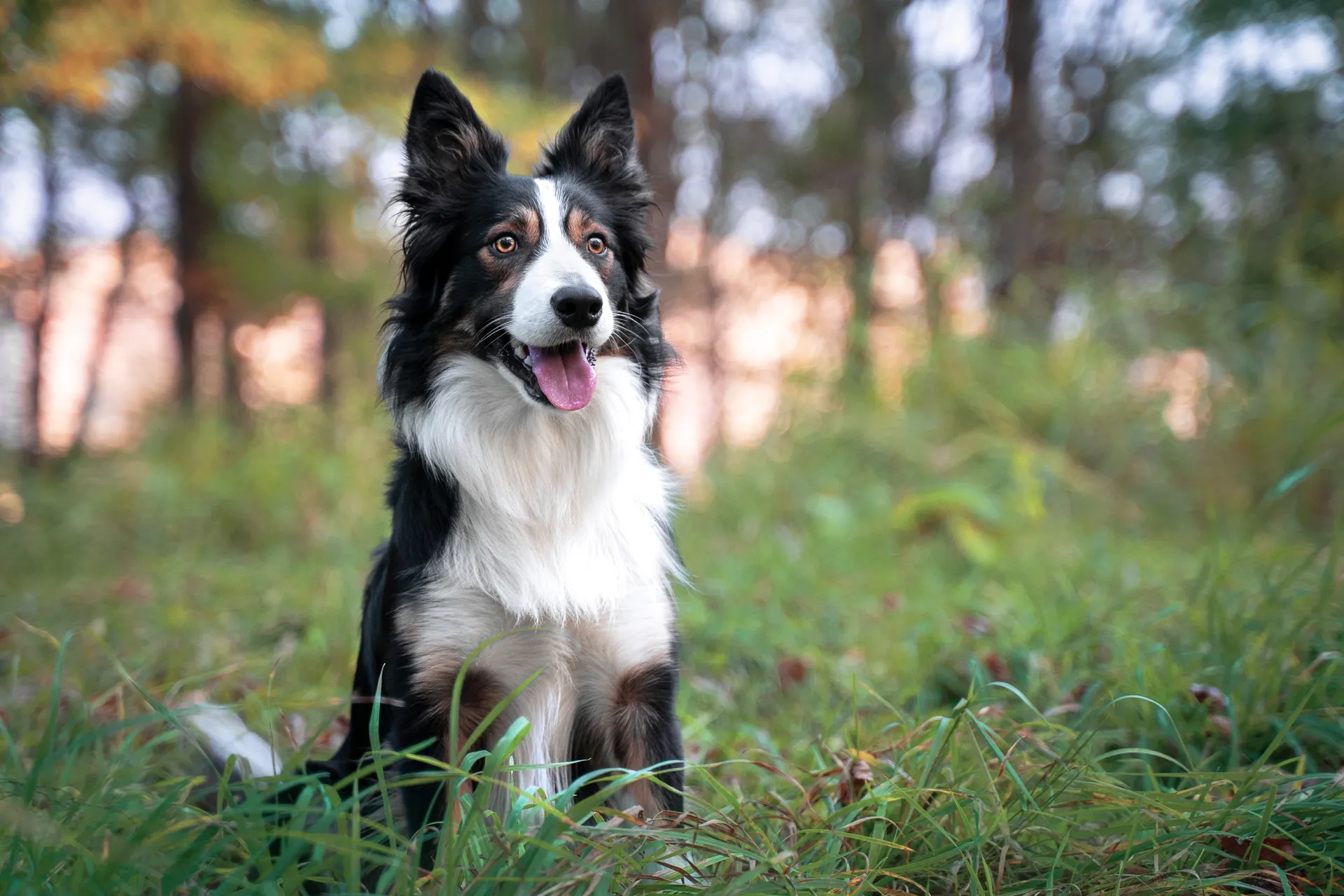
The head is moderately broad with a well-defined muzzle. Eyes are almond-shaped and usually brown, though blue or odd-coloured eyes do occur. Then there is the "herding eye", that intense, fixed stare the breed uses to control stock. Once you've seen it, you'll recognise it anywhere.
Coat Types and Colours
There are two coat types, rough and smooth. Both are dense, weather-resistant double coats that protect against cold, heat and wet. Colours vary widely and include black and white, red and white, blue merle, tricolour and sable combinations.
Tail and Movement
The tail is moderately long and hangs low at rest, lifting a little when the dog moves or goes on alert. Movement is smooth and agile, and it covers ground easily, which is why a working Border Collie can keep going for hours.
Temperament of the Border Collie: Focused, Intelligent, and Highly Driven
Intensity is the word most owners reach for. This breed was made to think independently while staying tuned in to its handler. Many Border Collies attach most strongly to one person, but they stay affectionate with the whole household.
Core Personality Traits
Border Collies are alert, confident and keen to work. They notice every change around them and rarely switch off. That awareness makes them superb working dogs. It also means they get restless fast when there is nothing to do.
Behaviour Around People and Strangers
With family, they are attentive and eager to please. With strangers they are usually reserved, watching first rather than rushing over. That is assessment, not fear or aggression, and early, ongoing socialisation keeps it that way.
Herding Instincts and Natural Drive
The herding instinct sits at the centre of this dog's personality. You may see stalking, staring, circling or nipping as it tries to control movement. Without a proper outlet, that shows up in everyday life, usually aimed at children, cyclists or other animals.
Managing Behavioural Challenges
Boredom is the enemy. Too little exercise, too little mental challenge or patchy rules can lead to excessive barking, destructiveness and obsessive habits such as shadow chasing. Most of these are common puppy behaviour problems that are much easier to fix early than to unpick in an adult. Structure, regular training and real activity keep a Border Collie calm.
Intelligence and Trainability of the Border Collie: Exceptional Ability With High Expectations
The Border Collie is widely considered one of the most intelligent dog breeds. It is practical, task-focused intelligence, shaped by generations of working beside people. These dogs learn fast, remember well and can solve complex problems when guided properly.
How Border Collies Learn
They process quickly. A Border Collie picks up patterns, anticipates cues and often acts before you've finished giving the command. That makes training a joy for an engaged owner. It also means repetition or vague instructions bore and frustrate it, so be clear and consistent.
Training Strengths and Natural Talents
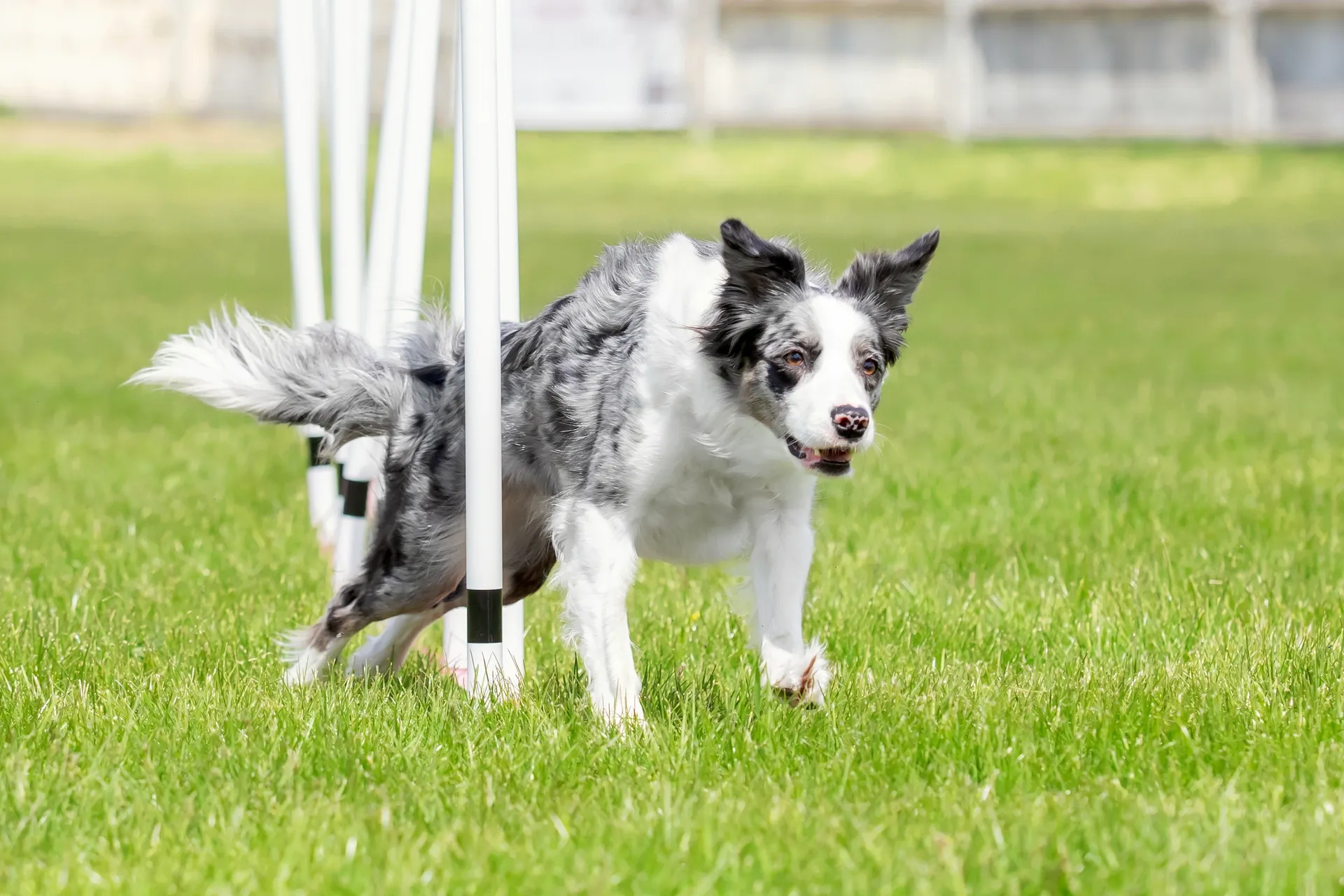
The breed shines at herding, obedience, agility, rally, tracking and scent work. It performs best when training has a purpose and keeps progressing. Tasks that mix movement with thinking suit it perfectly.
Common Training Challenges
Brains don't guarantee obedience. Border Collies think for themselves and will test rules that aren't applied consistently. Inexperienced handling, mixed signals or poor follow-through can lead to selective hearing.
Effective Training Approaches
Use positive reinforcement with calm, firm leadership. Keep sessions short, with a clear goal each time. Socialisation matters as much as skills, and knowing when to start obedience training with puppies gives a Border Collie structure before habits set. Training doesn't stop after puppyhood. A mentally busy Border Collie is a far more settled one.
Border Collie and Family Life: Children, Other Pets, and the Home
A Border Collie can be a devoted family dog, but only in a household that understands working dogs. Daily structure, clear boundaries and plenty of involvement make the difference.
Living With Children
Older children who can follow instructions usually do best with this breed. Fast, noisy play can set off the herding instinct, and some dogs will chase or nip at heels. It is instinct, not aggression. Still, it needs supervision, early training and simple rules for how the kids play.
Interaction With Other Dogs and Pets
Well-socialised Border Collies can live with other dogs and pets. They tend to be choosy about friends rather than dominant, and gradual introductions work best. A dog not raised with cats or small animals may chase them, so early exposure and management matter.
Bonding and Attachment Style
Expect a strong bond, often with one main handler. Border Collies want to be mentally involved in whatever the household is doing. They are affectionate but rarely lap dogs, and being shut out of the family routine unsettles them.
Home Environment and Daily Structure
Predictable routines and clear expectations suit this breed well. Secure fencing is essential, because a Border Collie notices movement beyond the yard and is quick enough to act on it. A calm, organised home with daily exercise and brain work keeps behaviour on track.
Health of the Border Collie: What Owners Should Know
Functional breeding has made the Border Collie a generally hardy, long-lived dog. The breed does carry several inherited conditions, though, and good breeders and owners plan around them.
Common Health Considerations
Border Collies may be prone to hip dysplasia, which can affect mobility over time, and progressive retinal atrophy, an eye condition that can lead to vision loss. Collie eye anomaly is another recognised concern, along with epilepsy and certain neurological disorders. Deafness occurs in some lines, so an early hearing check is sensible. Any of these is worth discussing with your vet.
Genetic Testing and Responsible Breeding
Ethical breeders health screen before breeding. Common tests include hip and elbow evaluations, eye examinations and DNA tests for known inherited conditions such as Collie eye anomaly, trapped neutrophil syndrome and ceroid lipofuscinosis. Always ask to see the paperwork. Proper testing greatly reduces the risk of serious inherited disease.
Preventative Care and Veterinary Support
Regular check-ups, parasite control (paralysis tick prevention is a must on the east coast), dental care and weight management all count. Learn how often dogs should see a vet at each life stage rather than only booking when something is wrong. Active dogs pick up injuries, so keep an eye on joints during growth and again in later life.
Long-Term Health Outlook
With responsible breeding, good food and consistent care, Border Collies often live active lives of 12 to 15 years or more. Catching problems early lets most stay fit and mentally sharp well into old age.
Caring for the Border Collie: Daily Needs and Long-Term Commitment
Food and a walk are only the start. A Border Collie needs structure, mental work and regular contact with its people every day.
Daily Care Essentials
Key daily needs include:
- Structured exercise that works body and mind
- Scheduled training or enrichment to head off boredom
- Consistent feeding times to anchor the routine
- Regular time with people, because this breed attaches strongly
Mental Stimulation and Purpose
Brain work matters as much as legwork. Good options include:
- Obedience training that keeps progressing
- Puzzle feeders and interactive toys
- Scent work and tracking games
- Task-based play that mimics herding
Without these outlets, frustration builds and can come out as destructiveness or obsessive habits.
Living Environment and Space
Border Collies do best where they can move freely and explore safely:
- Secure fencing is essential given their speed and alertness
- Outdoor space makes daily exercise easier
- Apartment living is generally unsuitable unless activity is exceptionally well managed
Long-Term Ownership Responsibilities
This is not a low-maintenance dog. Ownership means:
- Training that continues well past puppyhood
- Time every day for exercise and engagement
- Adjustments in later life to protect joints and comfort
Put that time in consistently and a Border Collie repays you with reliability and outstanding companionship.
Grooming of the Border Collie: Coat Care, Shedding, and General Hygiene
Grooming is practical rather than fussy. A regular session also gives you a chance to check an outdoor dog for grass seeds, ticks and scrapes.
Coat Type and Shedding
The dense double coat protects against both heat and cold. Rough and smooth coats need similar care. Expect light shedding all year and a heavier moult once or twice a year.
Brushing and Coat Maintenance
A weekly brush is usually enough for most of the year. During a moult, brush every few days to clear loose undercoat before it mats. A firm bristle brush or a slicker brush, which has fine wire pins for pulling out loose undercoat, does the job.
Bathing and Skin Care
Bath only when the dog is visibly dirty or smelly. Too many baths strip the coat's natural oils. Use a mild, dog-specific shampoo.
Nails, Ears, and Teeth
Trim nails regularly, especially if your dog doesn't spend much time on hard or rough surfaces. Check ears now and then for redness or debris. Brush teeth regularly to protect long-term dental health.
Done consistently, grooming a Border Collie is straightforward, and it helps you catch minor health problems early.
Exercise of the Border Collie: Physical Output and Mental Balance
A Border Collie needs consistent, purposeful exercise to stay calm and well behaved. A casual stroll won't do it. The activity has to challenge body and mind.
Daily Exercise Requirements
Most adults need at least 90 to 120 minutes of exercise a day. Choose activities that get the heart rate up and need coordination, not slow, repetitive plodding. Enough exercise helps prevent restlessness, anxiety and destructive behaviour.
Purposeful Activity Over Free Play
Border Collies do best when movement has a point. Good choices include:
- Controlled running, hiking or cycling alongside you
- Directional fetch or retrieve games with rules
- Agility-style exercises that test speed and accuracy
Time alone in the backyard rarely satisfies them. It tends to frustrate rather than tire them out.
Mental Engagement During Exercise
Mix in obedience cues, recall practice or small tasks while you exercise. A Border Collie that is worked physically but ignored mentally often stays unsettled.
Age-Appropriate Exercise
Don't overwork puppies while their joints are developing. Short, frequent sessions built around training and controlled play are best during growth. Build intensity and duration gradually as the dog matures. On hot summer days, move the hard work to early morning or evening.
For this breed, demanding daily exercise is not optional. It is the foundation of good behaviour.
Feeding the Border Collie: Nutrition for Energy and Longevity
Good feeding supports performance, joints and long-term health. Base it on activity level and life stage, not on how hungry your dog looks.
Choosing the Right Diet
Choose a high-quality, complete diet formulated to recognised standards. Enough animal protein keeps muscle lean, and balanced fats provide steady energy. Very active dogs may do better on a working or sporting formula.
Life Stage Nutrition
Needs change over time:
- Puppies need controlled-growth diets that support bones and joints without excess weight.
- Adults need nutrient-dense meals that fuel exercise without overfeeding.
- Seniors often benefit from diets that support joints and muscle with fewer calories.
Portion Control and Weight Management
Some Border Collies put on weight despite all that activity. Feed for the body condition you want, not for enthusiasm at the bowl. Weigh regularly and adjust as activity changes.
Feeding Routine and Treat Use
Most adults do well on two meals a day. Save treats mainly for training and keep them to a small share of daily intake. Fresh water should always be available.
Border Collie Price and Ongoing Costs: What Ownership Involves
The purchase price is the smallest part of the commitment. Border Collies aren't among the most expensive dogs to keep, but training and enrichment need a place in the budget.
Border Collie Puppy Price in Australia
Prices depend on breeder quality, health testing, bloodline and purpose. Puppies from registered, ethical breeders usually cost more because of responsible breeding and early care. Working-line dogs may be priced differently depending on demand, and rescue or rehoming is usually far cheaper.
Typical Ongoing Costs
Ongoing costs are moderate but steady. Plan for:
- Quality food for an active medium-sized dog
- Routine vet care, including vaccinations and parasite prevention
- Training classes or structured activities, especially in the first few years
- Replacement toys and enrichment gear, because they get heavy use
Additional Costs to Consider
Expect to spend more on training and mental stimulation than you would for many companion breeds. Secure fencing, equipment upgrades, council registration and optional pet insurance add to the annual bill. Some active dogs benefit from joint supplements as they age, if your vet recommends them.
Grooming costs stay low. What drives the total cost is the breed's brains and energy, not its size, and owners who budget honestly give their dog a more stable life.
Buying Advice for a Border Collie: Choosing the Right Dog for Your Lifestyle
Choose a Border Collie because it fits your life, not because it looks good or is popular. This breed struggles in homes that can't meet its physical and mental needs.
Choosing a Responsible Breeder
A good breeder focuses on health, temperament and working ability, and is open about all of it. Signs of responsible breeding include:
- Health testing for hips, eyes and known inherited conditions, with paperwork
- Puppies raised in a stimulating, well-socialised environment
- Questions about your lifestyle and experience before any sale
- Ongoing support after you take your puppy home
Be cautious of breeders who can't show health records or rush the sale, and learn the puppy contract red flags before you sign anything or pay a deposit.
Considering Rescue and Rehoming
Rescue groups and breed-specific organisations sometimes have Border Collies needing homes. An adult can suit an experienced owner, since temperament and energy are easier to judge. Be ready for some retraining.
Assessing Your Lifestyle Honestly
Before you commit, ask yourself about:
- Your ability to provide physical and mental exercise every day
- The time you have for training
- Access to secure outdoor space
- Your experience with intelligent, high-drive dogs
A mismatch between dog and owner is one of the most common reasons Border Collies end up rehomed.
Finding Border Collies Through Trusted Platforms
A verified platform lowers the risk and makes things more transparent. On Pups4Sale you can compare Border Collie listings from Australian breeders, check breeder details and decide with welfare front of mind.
Is the Border Collie Right for You?
A Border Collie is not a casual pet. It is a brilliant, driven working dog that needs structure and a purpose. If you enjoy training, the outdoors and doing things with your dog, it can be an exceptional partner.
You need time every day for exercise and brain work, plus clear routines and consistent leadership. Without them, frustration and behaviour problems usually follow.
For the right owner, a Border Collie offers loyalty, responsiveness and a remarkable capacity to learn. If you want a relaxed, low-maintenance pet, choose a different breed.
Frequently Asked Questions
Related Breeds
Other working breeds on Pups4Sale.
 Bouvier des FlandresLarge • Working
 BoxerLarge • Working
 Bracco ItalianoLarge • Gundog
 Bull ArabLarge • Working
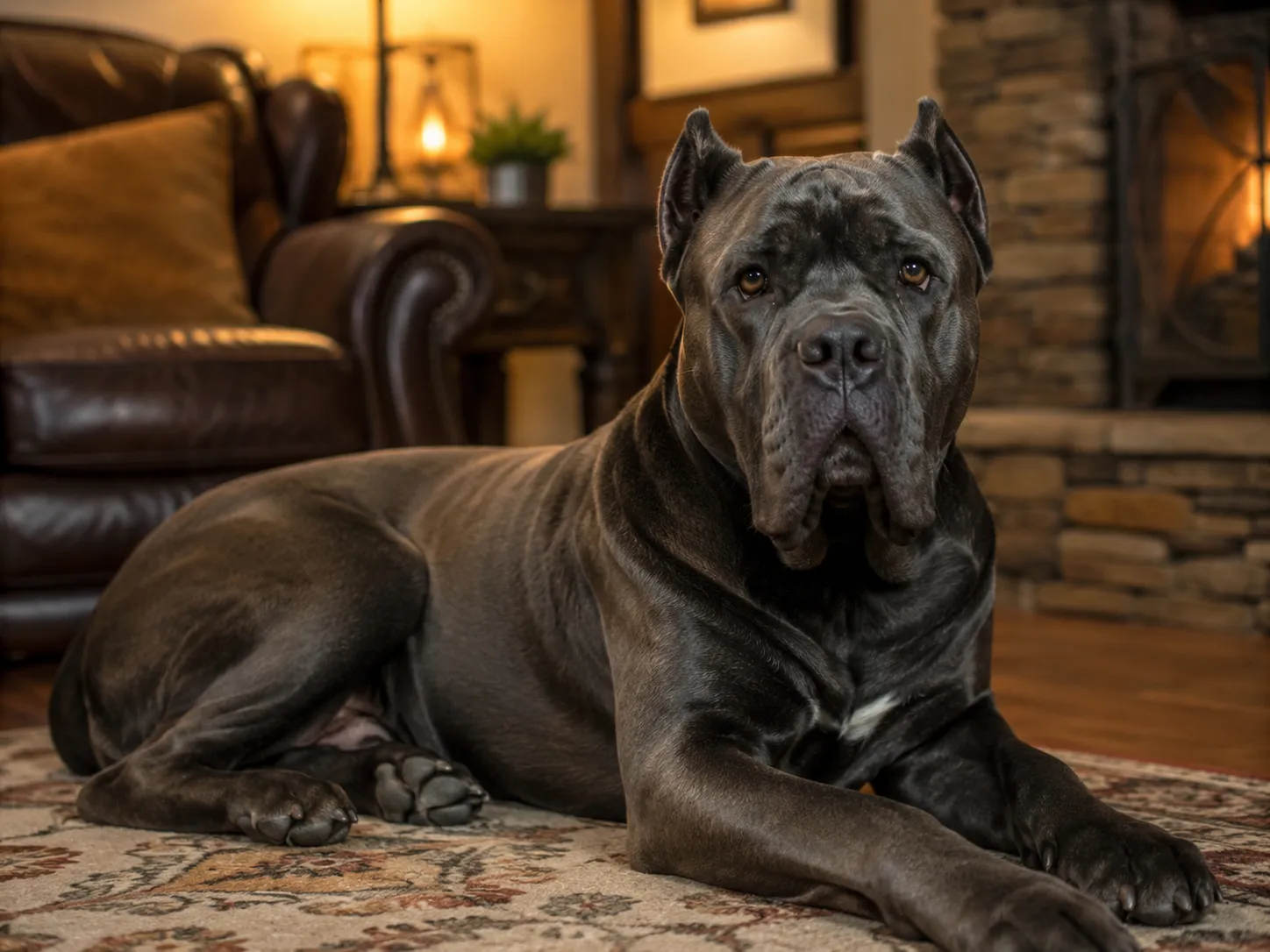 Cane CorsoLarge • Utility / Working
 Doberman PinscherLarge • Working