Bull Arab
By James C. • Updated
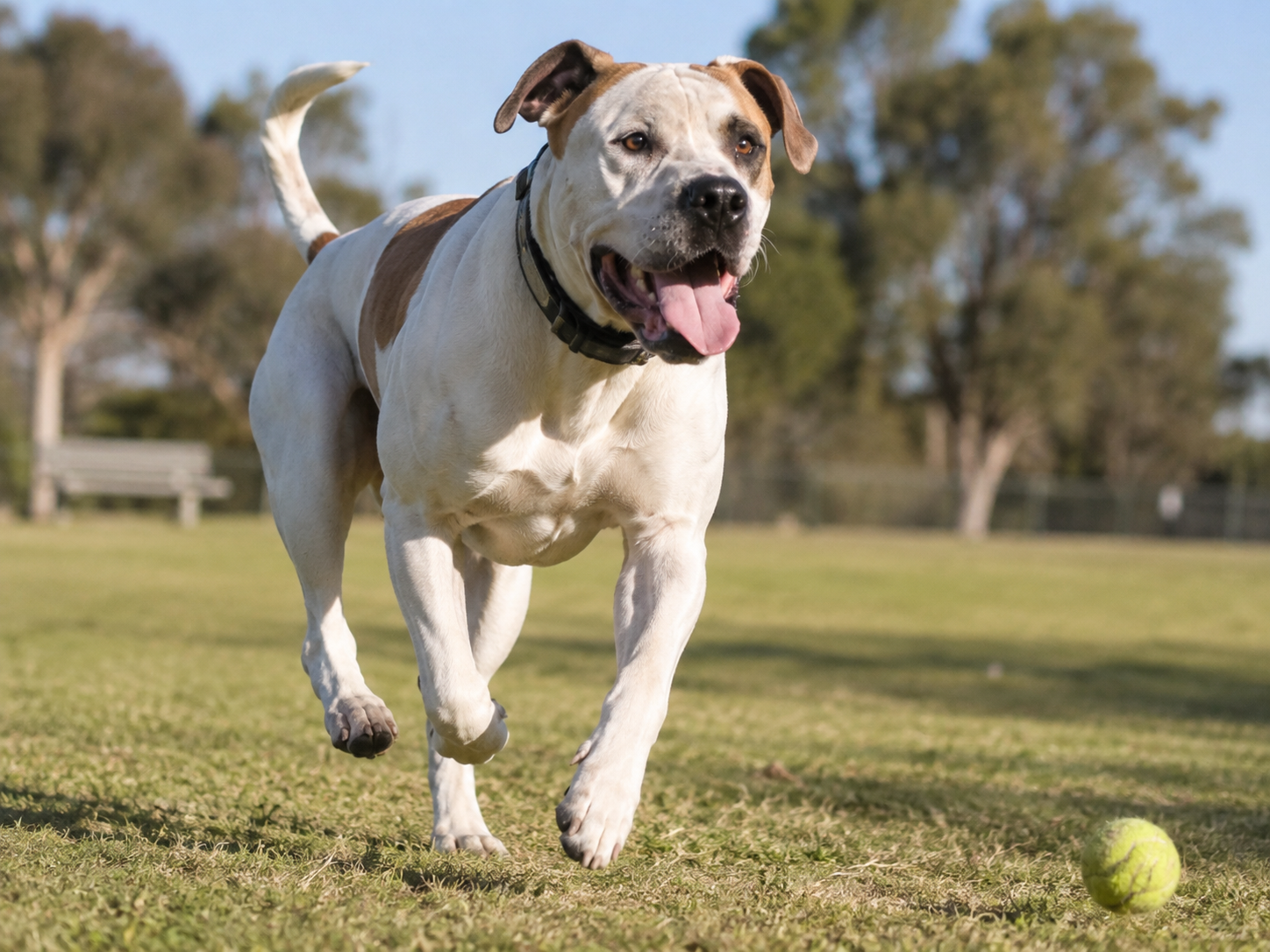
The Bull Arab is an Australian working crossbreed developed in Queensland in the 1970s for pig hunting, combining Bull Terrier, Greyhound and German Shorthaired Pointer. It is athletic, driven and strongly bonded to its people, with a scenting ability and stamina that reflect its purpose. Most stand 60 to 70 cm and weigh 30 to 50 kg, with a lifespan of 10 to 14 years. It is not recognised by any kennel body, which means no breed standard and considerable variation between dogs, and it appears in Australian rescue in very large numbers.
Breed Overview
Life Span
10 - 14 years
Average Price
AUD 300 - AUD 800
Weight
Male: 30 - 50 kg Female: 30 - 50 kg
Height
Male: 60 - 70 cm Female: 60 - 70 cm
Life Expectancy
Male/Female: 10 - 14 years
Breed Group
Working
Nicknames
Australian Pig Dog, Aussie Pig Dog
Breed Information
The Bull Arab is Australia's own working crossbreed, and it is the breed most likely to be in a rescue kennel right now. At the time of writing, National rescue listings showed 111 Bull Arabs or Bull Arab crosses looking for homes across the country, which is around 5.6 per cent of every rescue dog listed nationally. For a single non-recognised crossbreed, that is an extraordinary share, and it should shape how anyone approaches getting one.
The breed was developed in Queensland in the 1970s by breeder Mike Hodgens, who combined Bull Terrier for grip and tenacity, Greyhound for speed, and German Shorthaired Pointer for scenting ability. Later lines introduced Mastiff, Great Dane and Bloodhound. The purpose was pig hunting across rough Australian country, and the resulting dog is fast, hardy, powerfully built and capable of covering serious distance in heat.
It is not recognised by Dogs Australia, the FCI, the AKC or the UKC. That means there is no breed standard, no pedigree registration, and genuinely wide variation between individual dogs in size, build and temperament. Two Bull Arabs from different lines can look and behave quite differently, which matters when you are assessing a specific dog rather than a breed.
Characteristics of the Bull Arab
The Bull Arab rates very highly for exercise needs and durability and very low for grooming, and the mismatch between its working drive and the average suburban home is the reason so many end up in rescue.
| Trait | Rating | Star Rating | Meaning |
| Size | Large | ★★★★ | 30 to 50 kg, powerfully built and considerably strong. |
| Adaptability | Moderate | ★★★ | Copes well outdoors and in heat, poorly with confinement. |
| Exercise Needs | Very High | ★★★★★ | At least 90 minutes daily, and genuinely more for a young dog. |
| Easy to Train | Moderate | ★★★ | Willing and food motivated, but independent and easily distracted by scent. |
| Amount of Shedding | Low | ★★ | Short single coat with minimal seasonal change. |
| Grooming Needs | Very Low | ★ | A weekly brush and occasional bath covers it entirely. |
| Good With Children | Good | ★★★★ | Typically affectionate with family, though very strong and boisterous. |
| Health | Good | ★★★★ | Hybrid vigour helps, though joint injury and skin issues are common. |
| Cost to Keep | Moderate | ★★★ | No grooming and a low purchase price, offset by a large dog's food. |
| Tolerates Being Alone | Low | ★★ | Bonds strongly and becomes destructive when under-exercised and isolated. |
| Intelligence | Good | ★★★★ | Practical working intelligence and a very capable nose. |
History of the Bull Arab: An Australian Working Dog Built for Purpose
The Bull Arab was created in Queensland in the 1970s, and unlike most breeds its origin is recent enough to be attributed to an individual. Mike Hodgens set out to produce a dog capable of locating, chasing and holding feral pigs across large tracts of Australian country, which required a combination of traits no single existing breed offered.
The foundation was roughly half Bull Terrier, providing grip, courage and pain tolerance, a quarter Greyhound for speed over distance, and a quarter German Shorthaired Pointer for scenting and stamina. Later breeders introduced Mastiff, Great Dane and Bloodhound lines, with the Bloodhound influence associated particularly with tracking ability. It is worth noting honestly that the foundation breeding is not documented with the precision a formal breed record would provide, and the origin of the Arab element in the name is not established with certainty.
The breed spread quickly among Australian hunters and rural properties, where it remains in genuine working use. What followed was the problem the breed lives with today: its popularity produced very large numbers of dogs, many bred without selection for temperament or suitability as pets, and those dogs entered suburban households that had no realistic way to meet their needs.
Appearance of the Bull Arab: Athletic, Powerful, and Highly Variable
Size and Build
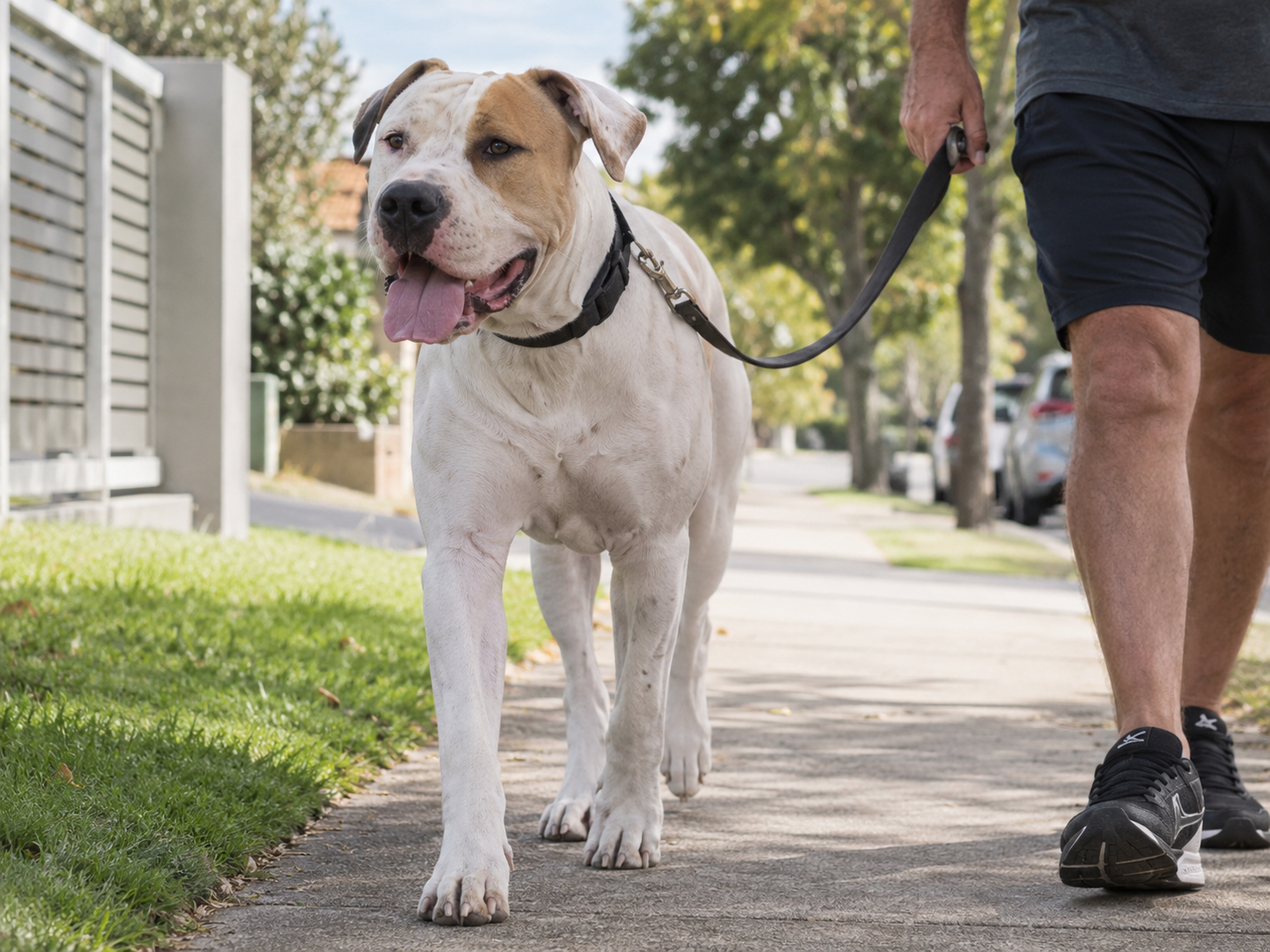
Bull Arabs typically stand 60 to 70 cm and weigh 30 to 50 kg, with a deep chest, well-muscled shoulders and considerable length of leg. The build reflects the mix: bull breed substance through the front, sighthound length and tuck through the body. Because there is no breed standard, variation is genuinely wide and a dog at the top of that weight range can be half again the size of one at the bottom.
Coat and Colours
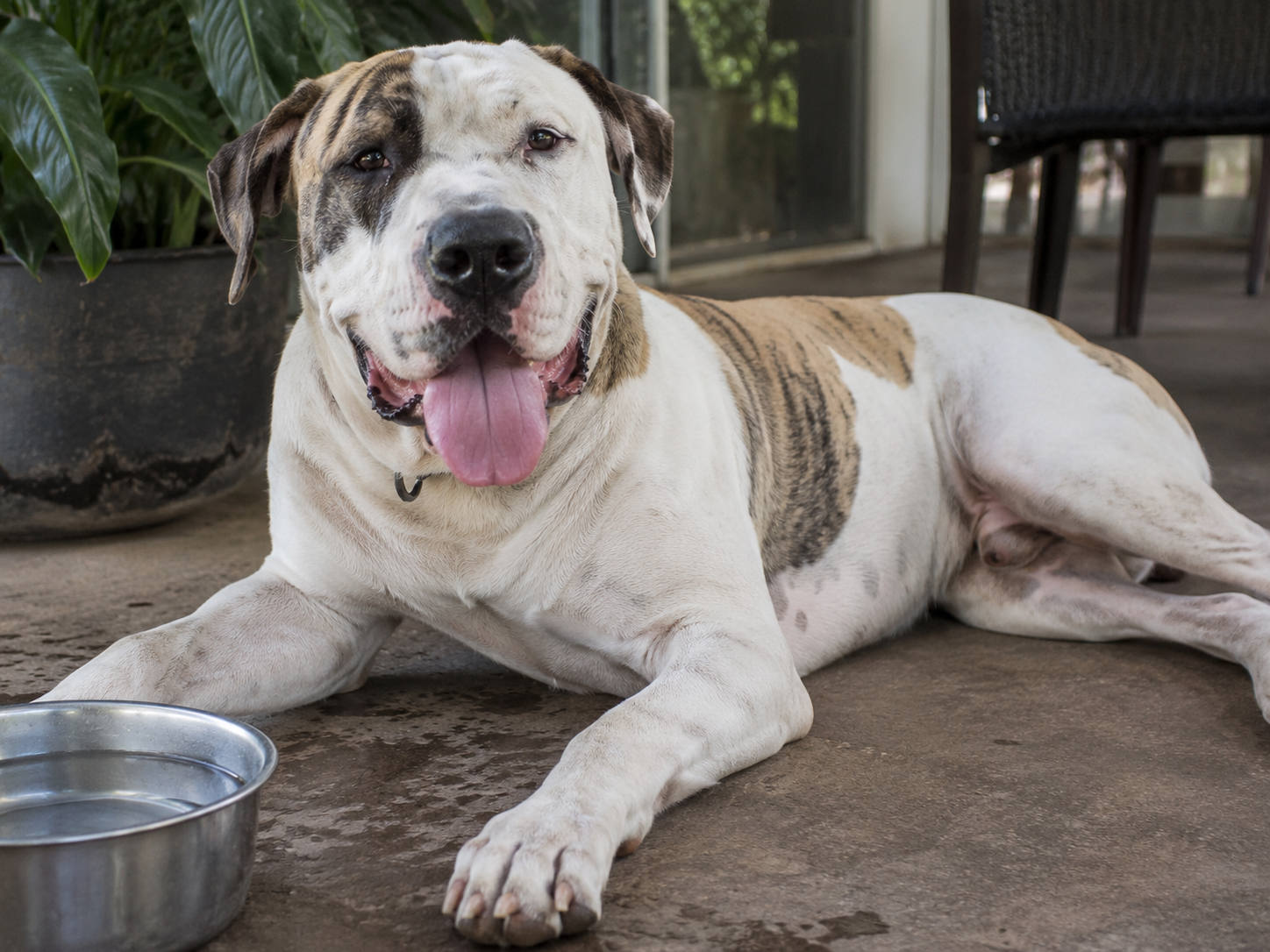
The coat is short, smooth and close-lying, requiring essentially no maintenance. Colouring is highly variable, commonly white with brindle, tan, black or red patches, particularly over the head and body. Predominantly white dogs with pink skin around the nose and eyes are common, and that has a direct practical consequence in Australian sun.
Distinctive Features
The head shows the Bull Terrier influence in width and strength without the extreme downface of the parent breed. Ears are usually semi-erect or folded. The most consistent feature across the breed is the athletic outline, which reads as a dog built for both speed and holding power. Individual dogs vary considerably in how strongly each parent breed shows.
Gender Differences
Males are generally larger and more heavily muscled, particularly through the head, neck and chest, and can be markedly stronger to handle. Females are usually lighter and are often reported as somewhat easier for less experienced handlers. Because the breed is not standardised, individual variation frequently exceeds the difference between the sexes.
Temperament of the Bull Arab: Driven, Affectionate, and Frequently Underestimated
Core Personality Traits
Bull Arabs are typically affectionate, loyal and strongly attached to their household. Owners consistently describe a soft, people-focused dog at home that becomes an entirely different animal in the field. This dual nature is genuine and it is the source of most misunderstanding about the breed: a Bull Arab lying on a verandah gives no indication of the drive it carries.
Social Behaviour
With familiar people the breed is usually warm and tolerant. With strangers most Bull Arabs are relaxed rather than protective, and the breed is not a natural guard. Same-sex dog intolerance appears in some lines, reflecting the Bull Terrier heritage, and should be assessed in the individual dog rather than assumed either way.
Working Instincts
The prey drive is exceptional and it is the defining practical fact about this breed. A Bull Arab was bred to locate, pursue and hold large animals, and that instinct is fully intact in dogs kept as pets. Livestock, cats, poultry and wildlife are all at genuine risk. Off-lead exercise belongs in securely fenced areas. On rural properties, a Bull Arab that gets out can cause serious harm to a neighbour's stock, with the legal and financial consequences that follow.
Common Behavioural Challenges
The single most common problem is a dog with working-level needs in a household equipped for a pet. An under-exercised Bull Arab digs, escapes, destroys and becomes very difficult to live with, and this is overwhelmingly why the breed appears in rescue in such numbers. Recognising what boredom does to a young working dog early, and responding with more outlet rather than more correction, is the difference between a good dog and a surrendered one.
Intelligence and Trainability of the Bull Arab: Capable, Practical, and Nose-Led
Intelligence and Learning Ability
Bull Arabs have strong practical intelligence and a genuinely excellent nose. They learn quickly, particularly anything involving scent or physical problem solving. What they are not is naturally biddable, and a Bull Arab that has picked up a scent has effectively stopped listening until it resolves.
Training Approach
Reward-based training with food works well, since most Bull Arabs are highly food motivated. Sessions should be short and practical. Train lead manners and basic control before the dog reaches full size, because a 45 kilogram dog that pulls is a genuine physical problem rather than a training inconvenience. Look at when to start formal training and prioritise loose lead walking above everything else.
Early Socialisation
Broad early exposure to people, dogs, livestock and environments produces a more manageable adult, and exposure to livestock specifically is worth deliberate effort for anyone in a rural area. The goal with stock is calm neutrality, which takes real work in a breed with this drive and should not be assumed to develop on its own.
Potential Training Challenges
Recall is the permanent limitation. A Bull Arab in pursuit is fast, committed and effectively deaf, and no amount of training makes that reliably safe in open country. The second challenge is adolescence, roughly nine to twenty months, when drive increases sharply and many dogs are surrendered. The third is scent distraction, which makes training in novel outdoor environments considerably harder than at home.
Bull Arab Family Life: Living with Children, Pets, and Households
Living with Children
Bull Arabs are generally affectionate and tolerant with children in their own family. The concern is entirely physical: this is a fast, powerful, enthusiastic dog that can knock over an adult without trying. Supervise young children, teach both dog and children calm greetings, and be realistic that a dog with this much drive needs its exercise met before it can be reliably settled around a family.
Living with Other Pets
This is where the breed needs the most honest assessment. Cats, poultry, rabbits and small animals are generally incompatible with a dog bred to catch and hold animals, and while individual Bull Arabs raised with a cat may accept that particular cat, the drive does not disappear. Other dogs vary by individual, with some lines showing same-sex intolerance. Livestock exposure requires active management on any rural property.
Household Environment
Substantial secure fencing is non-negotiable. A Bull Arab will jump, dig under and push through inadequate boundaries, and a dog roaming in a rural area is a serious liability. Acreage suits the breed far better than a suburban block, though acreage alone does not provide exercise since these dogs do not run themselves. Indoors, a properly exercised Bull Arab is calm and settled.
Lifestyle Compatibility
The breed suits rural properties, working homes and genuinely active owners who run, ride or hike. It suits people wanting a hunting or tracking dog. It suits standard suburban households poorly, and apartment living not at all, and honesty about this before acquiring a dog would empty a great many rescue kennels.
Health of the Bull Arab: Joints, Skin, and Working Injuries
Lifespan and Healthy Living
Bull Arabs typically live 10 to 14 years and benefit from the genetic diversity of a crossbreed, which generally means fewer inherited conditions than a closed-registry breed. Because there is no breed registry, breed-specific health data is limited, and the most defensible evidence available comes from Australian pet insurance claims data rather than from formal health surveys.
Common Health Conditions
Owners should be aware of several conditions that can be associated with the breed. It is best to discuss any concerns with a veterinarian.
- Hip dysplasia and joint injury. Australian insurance claims data for the breed identifies arthritis and joint disorders among the most common claims, reflecting both conformation and the physical demands the breed puts on itself.
- Gastric dilatation volvulus. A sudden twisting of the stomach, a recognised risk in any deep-chested large breed and an immediate emergency.
- Skin allergies and sunburn. Common, and compounded in predominantly white dogs with unpigmented skin around the nose, eyes and belly.
- Lumps and skin masses. Also prominent in Australian claims data for the breed.
- Working injuries. Lacerations, torn cruciate ligaments and puncture wounds are realistic for any dog used for hunting.
Genetic Health Testing
Because the Bull Arab is not registered by any kennel body, there is no health testing scheme, no scoring system and no pedigree to examine. That changes what due diligence looks like. Instead of asking for hip scores and certificates, ask to meet both parents and assess their movement and temperament yourself, ask how long dogs in the line have lived and what they died of, and ask specifically whether either parent has had joint surgery or chronic skin disease.
If you are buying rather than adopting, ask whether the litter was bred from hunting lines or companion lines, since drive levels can differ substantially and this is the most useful predictive question available in a breed with no formal records.
Preventative Health Care
Keep vaccinations current and maintain year-round parasite prevention including paralysis tick cover on the eastern seaboard, which is easy to check in a short-coated dog. For rural and hunting dogs there are additional considerations worth raising with a veterinarian, including snake bite risk, hydatid tapeworm from raw offal, and 1080 baiting in some regions. Sun protection matters for white dogs. If you are unsure how often a working dog should be checked over, annual checks are the baseline, and more often for a working dog.
Caring for the Bull Arab: Daily Care and Living Environment
Daily Care Routine
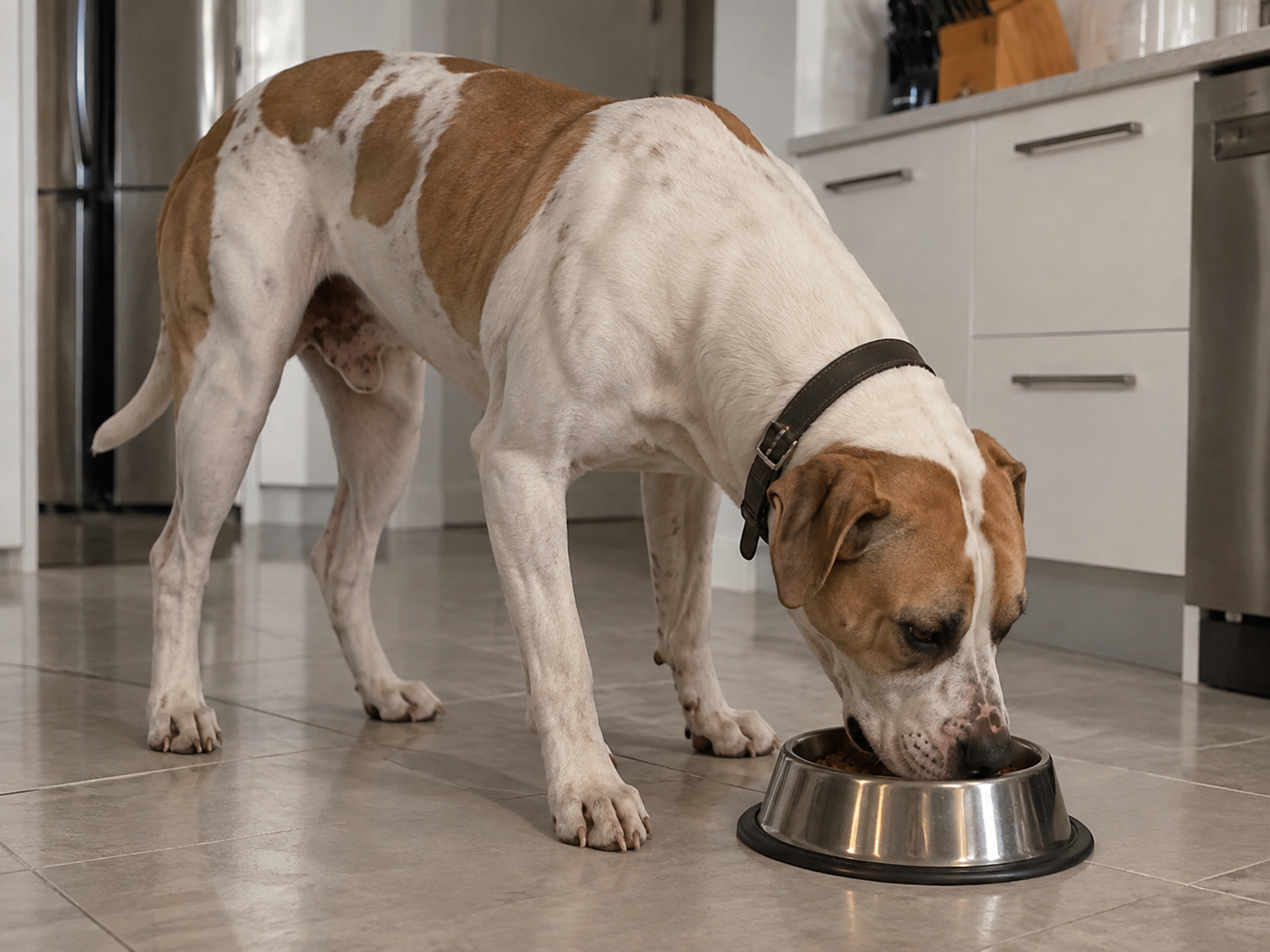
A workable day is a long walk or run, free movement in a secure area, and a scent or problem-solving activity. Feed twice daily rather than once given the deep chest, and avoid vigorous exercise around meals. Check the skin and pads regularly, particularly for any dog worked in rough country.
Living Environment Requirements
Fencing is the priority: solid, at least 1.8 metres, dug in at the base, with no weak points. Provide deep shade and constant water outdoors. Bull Arabs are perfectly comfortable outdoors in Australian conditions but should still have access to the household, since isolation compounds the boredom problems that make the breed difficult.
Climate Sensitivity
This is a breed bred for Australian conditions and it handles heat better than most large dogs, with a short coat and an efficient frame. That said, sunburn is a genuine problem for the many Bull Arabs with white coats and pink skin, and skin cancer is a real long-term risk on unpigmented noses and ears. Provide shade, consider a dog-safe sunscreen on exposed pink skin, and check the temperature limits worth respecting in Australia before working or exercising a dog hard on a hot day, since drive will override self-preservation in this breed.
Caring for Senior Bull Arabs
Older Bull Arabs frequently carry the accumulated cost of an active life, with arthritis common. Keep exercise regular but lower impact, maintain a lean weight, and provide good bedding and traction. Many working dogs slow considerably from around eight, and adjusting expectations rather than pushing through is the kinder approach.
Grooming of the Bull Arab: Almost Nothing to Do
Coat Maintenance
A weekly brush with a rubber mitt removes loose hair and keeps the coat in condition. There is no undercoat, no matting, no clipping and no professional grooming requirement. This is among the lowest-maintenance coats of any dog.
Skin and Sun Care
Skin is where the attention goes. Check weekly for allergic reactions, hot spots and, in working dogs, cuts and puncture wounds that can be hidden under the coat. For white dogs, check the nose, ear tips and belly for sunburn and any changes in pigmented areas, and raise persistent scabbing or non-healing sores with a veterinarian rather than watching them.
Ear, Nail, and Dental Care
Check ears weekly, since folded ears trap moisture and allergies often show there first. Nails are thick and grow quickly, needing trimming every three to four weeks in a dog not working on hard ground. Brush teeth several times a week.
Bathing and Professional Grooming
Bathe when genuinely dirty, which for a working dog may be often and for a companion may be a few times a year. Use a gentle shampoo given the breed's tendency to skin sensitivity. Professional grooming is not required at all.
Exercise Needs of the Bull Arab: The Highest in This Series
Daily Exercise Requirements
Plan on at least 90 minutes a day for an adult, and treat that as a minimum rather than a target. This is a dog bred to work across rough country for hours, and it is comfortably the most demanding breed covered in this series. A Bull Arab that gets a suburban walk twice a day is an under-exercised dog, and it will show you.
Activities Bull Arabs Enjoy
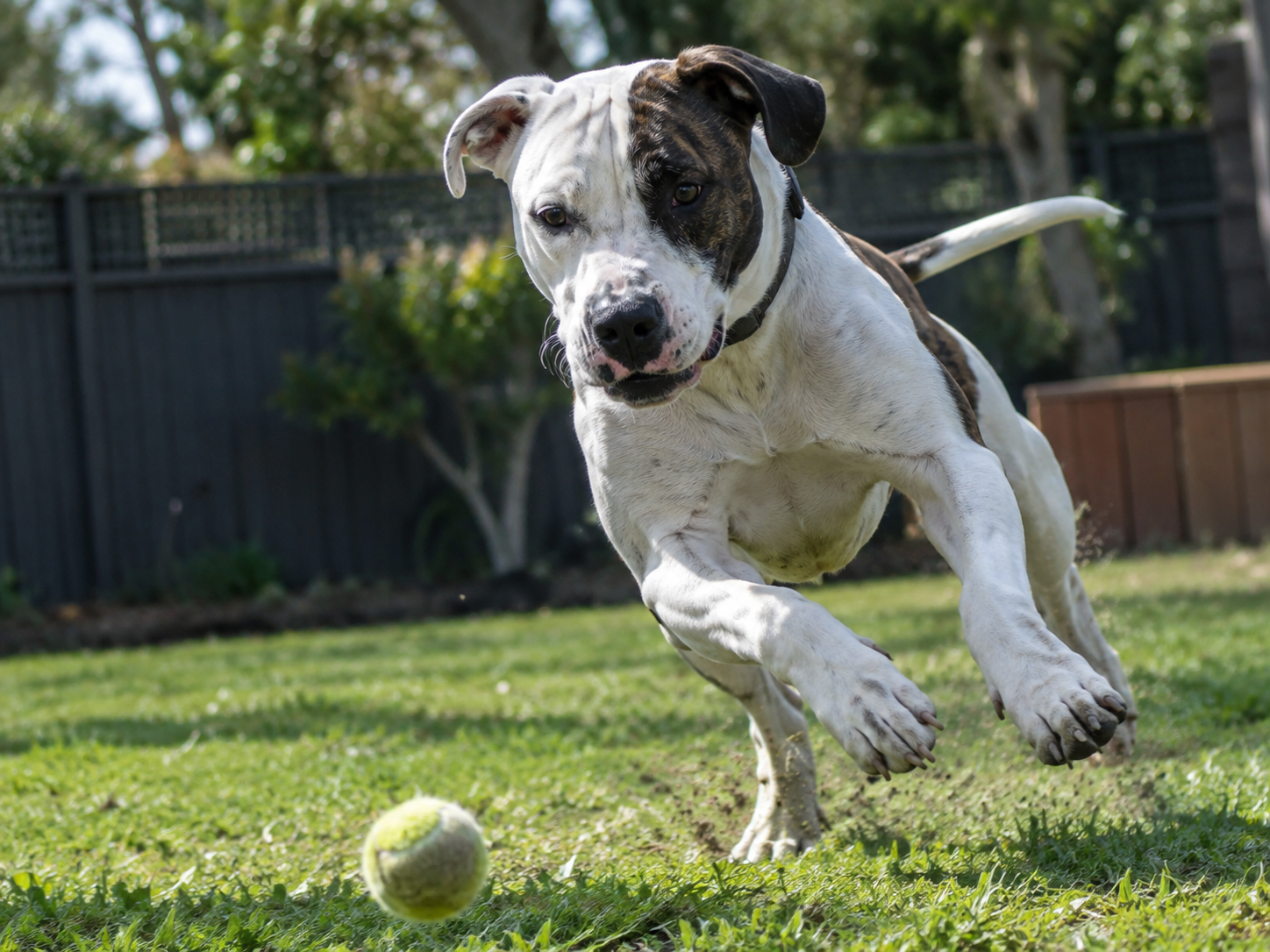
Running alongside a bicycle for a fit adult, long hikes, scent and tracking work, flirt pole games and swimming all suit the breed. Scent work in particular is undervalued and plays directly to the Pointer and Bloodhound heritage, providing satisfaction that distance alone does not. Structured retrieving works for many dogs.
Exercise by Life Stage
Puppies should not be run long distances or jumped while growth plates are open, which matters in a large breed already predisposed to joint problems. Build gradually through the first eighteen months. Adolescents need the most exercise and the most structure at once. Adults are genuine endurance companions. Seniors need impact reduced but movement maintained.
Importance of Mental Stimulation
Physical exercise alone does not settle this breed. A Bull Arab that has run for an hour without using its nose or solving anything is fitter but not satisfied. Scent games, tracking, puzzle feeders and training work fill the gap, and owners who add mental work usually report a noticeably calmer dog without increasing distance at all.
Feeding the Bull Arab: Nutrition and Diet Needs
Nutritional Requirements
A good quality complete diet for a large active dog suits the breed, with higher energy content appropriate for genuinely working dogs. Skin sensitivity is common enough that some Bull Arabs do better on a limited ingredient diet, though any food trial should be done with veterinary guidance.
Feeding by Life Stage
Feed puppies three to four times daily until around four months, then twice daily for life. Twice rather than once matters given bloat risk. Growth should be steady rather than rapid, since fast growth in a large breed loads developing joints.
Portion Control and Weight Management
Keep the dog lean. Ribs should be easily felt and there should be a clear waist and tuck-up. Excess weight loads joints in a breed where arthritis is already among the most common insurance claims, and reduces the heat tolerance that is one of the breed's genuine strengths.
Foods to Avoid
The standard toxic list applies: grapes, sultanas, chocolate, onion, garlic, macadamias and anything containing xylitol. Cooked bones should be avoided. For rural and hunting dogs, raw offal from feral animals carries hydatid tapeworm risk and should not be fed, which is a specific and under-discussed hazard for this breed.
Bull Arab Price in Australia: Purchase Cost and Ongoing Expenses
Puppy Purchase Price
A national search on 8 September 2026 found no purebred Bull Arab anywhere in Australia advertised with a sale price. The only purebred sale listing found was advertised free, and six further Bull Arab or Bull Arab cross listings were also free.
Fourteen priced listings were located, all of them crosses, ranging from $100 to $2,500 with a median of $450. Puppy litters clustered between $300 and $800. For context, that median is roughly a sixth of what a Whippet or Chow Chow puppy costs in the same market.
The more important number is the rescue figure. At the time of the survey National rescue listings showed 111 Bull Arabs or Bull Arab crosses nationally, with 56 in Queensland, 27 in Victoria, 25 in New South Wales and 3 in Western Australia. That is approximately 5.6 per cent of every rescue dog listed in the country, from a single unrecognised crossbreed.
Taken together those two findings point one way. If you want a Bull Arab, adoption should be your first option rather than your fallback. There is no supply shortage, no waitlist, and no pedigree to pay for, and an adult dog from rescue lets you assess size, drive and temperament directly rather than guessing at them in a breed with no standard.
Initial Setup Costs
Beyond the purchase or adoption fee, Australian guidance from the RSPCA puts microchipping at $60 to $80, a puppy vaccination course at $280 to $420, desexing at $350 to $650, a collar, lead or harness at $40 to $100, and a bed at $100 to $200, with puppy school around $170. Adoption fees typically bundle desexing, microchipping and vaccination, which is a meaningful saving. For this breed, budget seriously for fencing, which is the largest genuine setup cost.
Ongoing Monthly Costs
| Cost | Typical figure (AUD) | Source |
| Food | Above the $91 monthly average, given a 30 to 50 kg body weight | Animal Medicines Australia, Pets in Australia 2025 |
| Parasite prevention | Above the $122 annual average, since dosing is by weight | Animal Medicines Australia, Pets in Australia 2025 |
| Pet insurance | Around $1,461 per year for a large dog, accident and illness | Canstar, prepared March 2026 |
| Annual vet check and booster | $140 and upwards per year | RSPCA NSW |
| Professional grooming | Nil, the breed does not require it | n/a |
The Bull Arab is cheap to acquire and moderate to keep. Food and weight-based medication are the main recurring costs, and grooming costs nothing. Given that arthritis and joint disorders feature heavily in Australian claims data for this breed, it is worth understanding how insurance stacks up against the running costs and taking out cover early rather than after a problem appears.
Long-Term Financial Commitment
Across a 10 to 14 year lifespan the Bull Arab sits somewhat above the average of roughly $2,520 a year that Animal Medicines Australia reports dog-owning households spending, driven almost entirely by size. The near-zero purchase price is genuinely offset over time, and the costs most likely to move the total are orthopaedic surgery, chronic skin management and, for working dogs, injury repair.
Buying Advice for a Bull Arab: Choosing a Healthy Dog
Choosing a Responsible Breeder
There is no registry, no breed standard and no health testing scheme, so the usual markers of a responsible breeder do not apply here. What can be assessed is the environment, the parents and the honesty of the seller. Meet both parents where possible, watch how they move, and ask directly whether the line is bred for hunting or for companionship. Working through the questions still worth asking is still worthwhile even without papers to verify.
Given the numbers in rescue, it is reasonable to ask yourself why you are buying rather than adopting. For most households the honest answer will not survive scrutiny.
Health Checks Before Purchase
See the puppy with its mother, watch the whole litter move, and look for clear eyes, clean skin with no reddening between the toes, and even sound movement. Ask about the size of the parents, since adult size varies widely in this breed and a 30 kilogram expectation can become a 50 kilogram reality. Request written vaccination, worming and microchipping records and confirm the microchip matches the paperwork.
Questions to Ask the Breeder
- Is this litter bred from hunting lines or companion lines?
- How big are both parents, in kilograms rather than descriptions?
- Has either parent had joint surgery, cruciate injury or chronic skin disease?
- How long did dogs in this line live, and what did they die of?
- What is your breeder identification number, and which state issued it?
- Have the puppies been exposed to livestock, other dogs and household noise?
- What is your position if the dog needs to be returned?
- Are the puppies desexed or is desexing required under the sale agreement?
Considering Adoption
For this breed, adoption is the recommended route rather than an alternative one. With 111 Bull Arabs and Bull Arab crosses listed nationally, there is genuine choice, and rescue organisations assess temperament, drive and dog and cat compatibility before rehoming, which is information no puppy purchase can give you. Most are surrendered as adolescents or young adults by households that could not meet the exercise requirement, not for aggression. Anyone buying instead should be alert to how puppy scams tend to work, though with prices this low the breed attracts less scam activity than most.
Is the Bull Arab Right for You? An Australian Working Dog That Needs Real Work
Lifestyle Compatibility
This breed suits rural properties, working homes, hunters, and genuinely active owners who run or hike daily. It suits people who want an affectionate, hardy, low-maintenance dog and can meet a working exercise requirement. It suits ordinary suburban households poorly, and that mismatch is the single reason so many of these dogs are in rescue.
Time and Care Commitment
At least 90 minutes of exercise daily plus mental work, for ten to fourteen years, in all weather. Grooming is negligible. The commitment is time and space rather than money, and it is a larger commitment than most people making the decision realise.
Grooming and Health Awareness
You take on almost no grooming and a moderate health burden centred on joints and skin. Protect white dogs from Australian sun, take insurance early given the joint claim profile, learn the signs of bloat, and manage the specific rural risks of snake bite, baiting and hydatid tapeworm if you are on land.
Ideal Owner Profile
The Bull Arab suits an experienced, active owner with land, secure fencing and a genuine outlet for a working dog. It rewards people who use the dog's nose and stamina, and it fails badly with people who wanted a large affectionate pet and did not read the exercise requirement.
Find Bull Arab Dogs for Sale and Adoption
If the breed genuinely fits your household, you can browse Bull Arab listings on Pups4Sale, though given how many Bull Arabs are waiting in rescue, checking adoption listings first is the more sensible starting point for this particular breed.
Frequently Asked Questions
Related Breeds
Other working breeds on Pups4Sale.
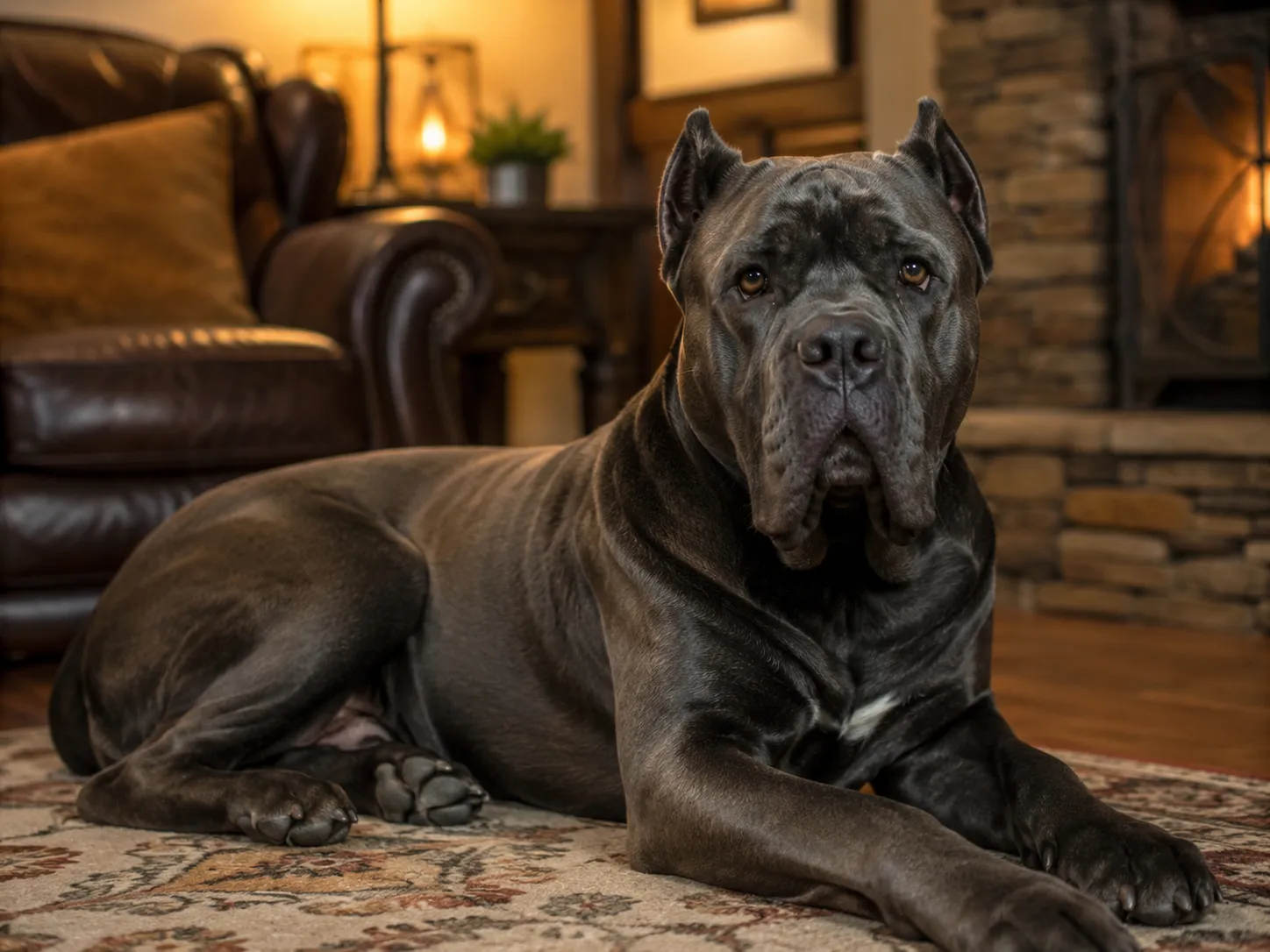 Cane CorsoLarge • Utility / Working
 Doberman PinscherLarge • Working
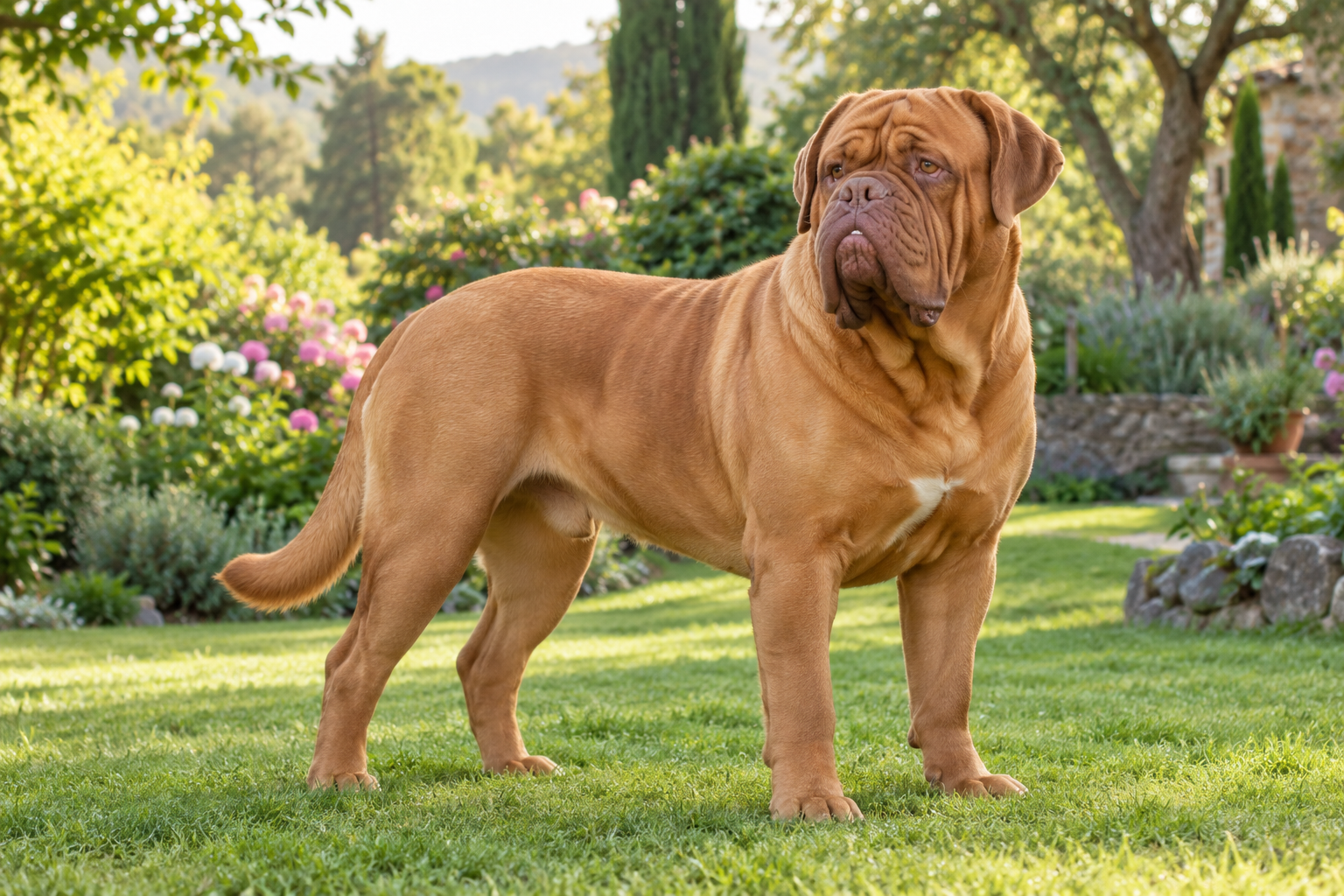 Dogue de BordeauxGiant • Utility (Group 6)
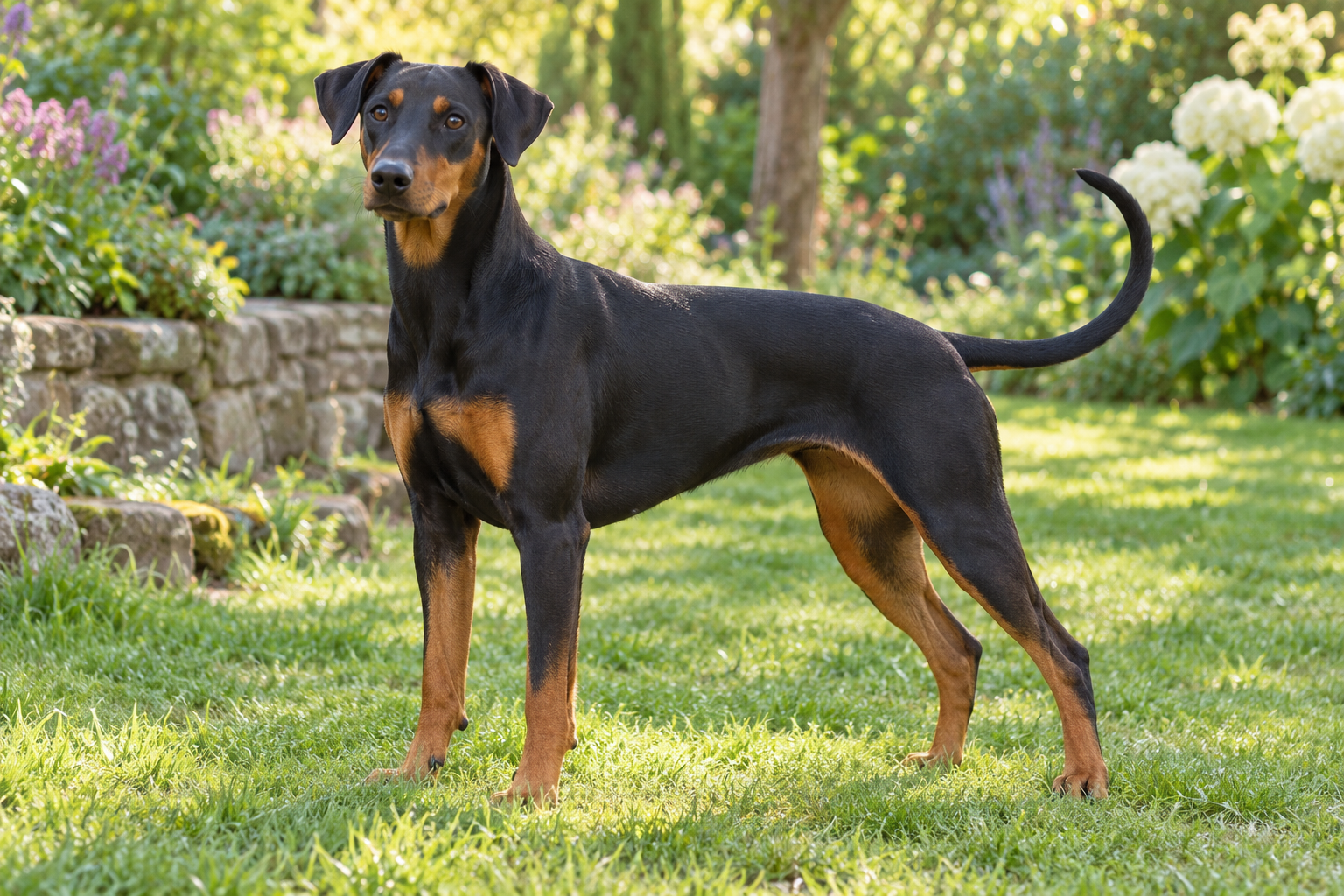 German PinscherMedium • Utility (Group 6)
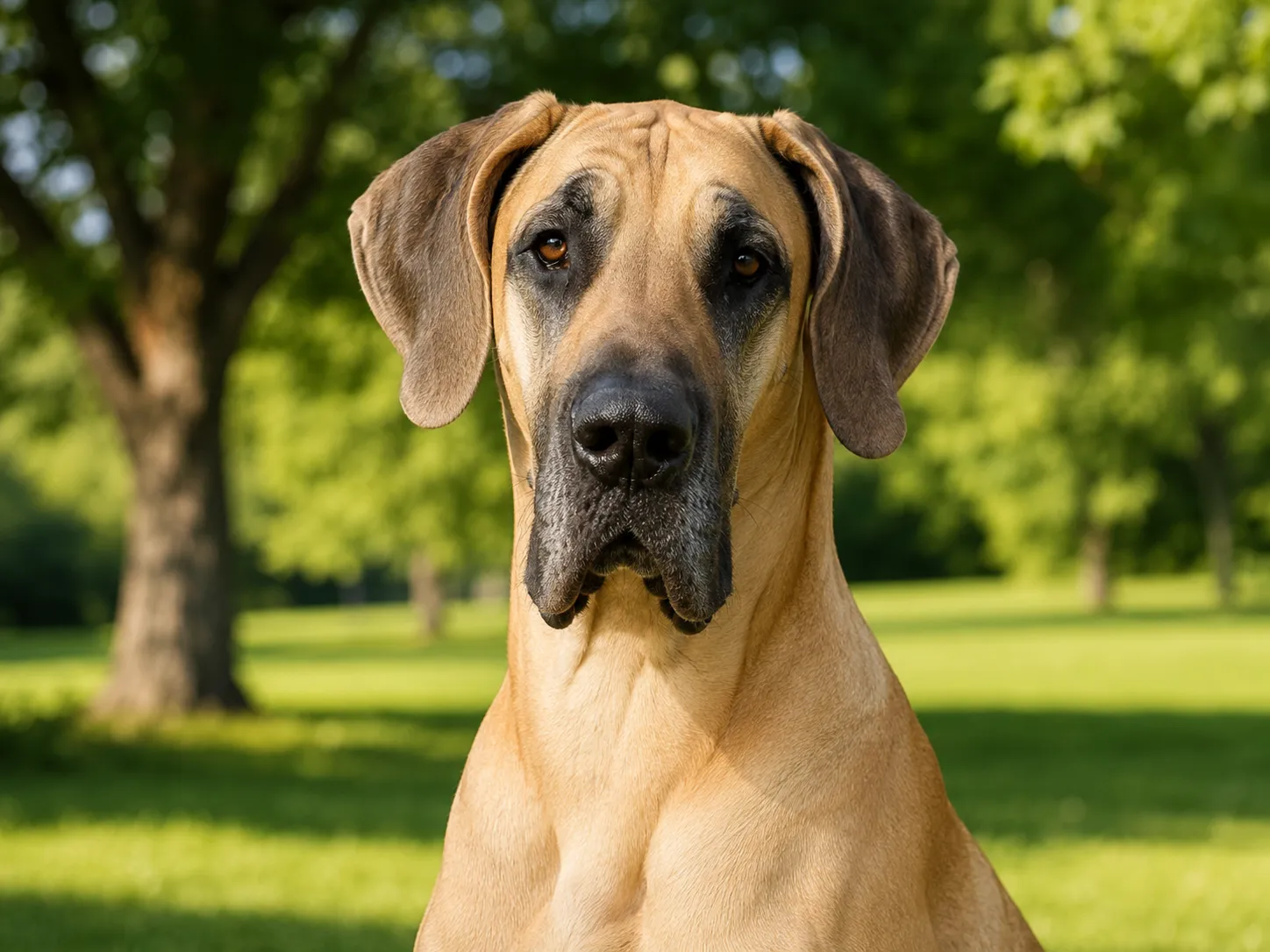 Great DaneGiant • Working
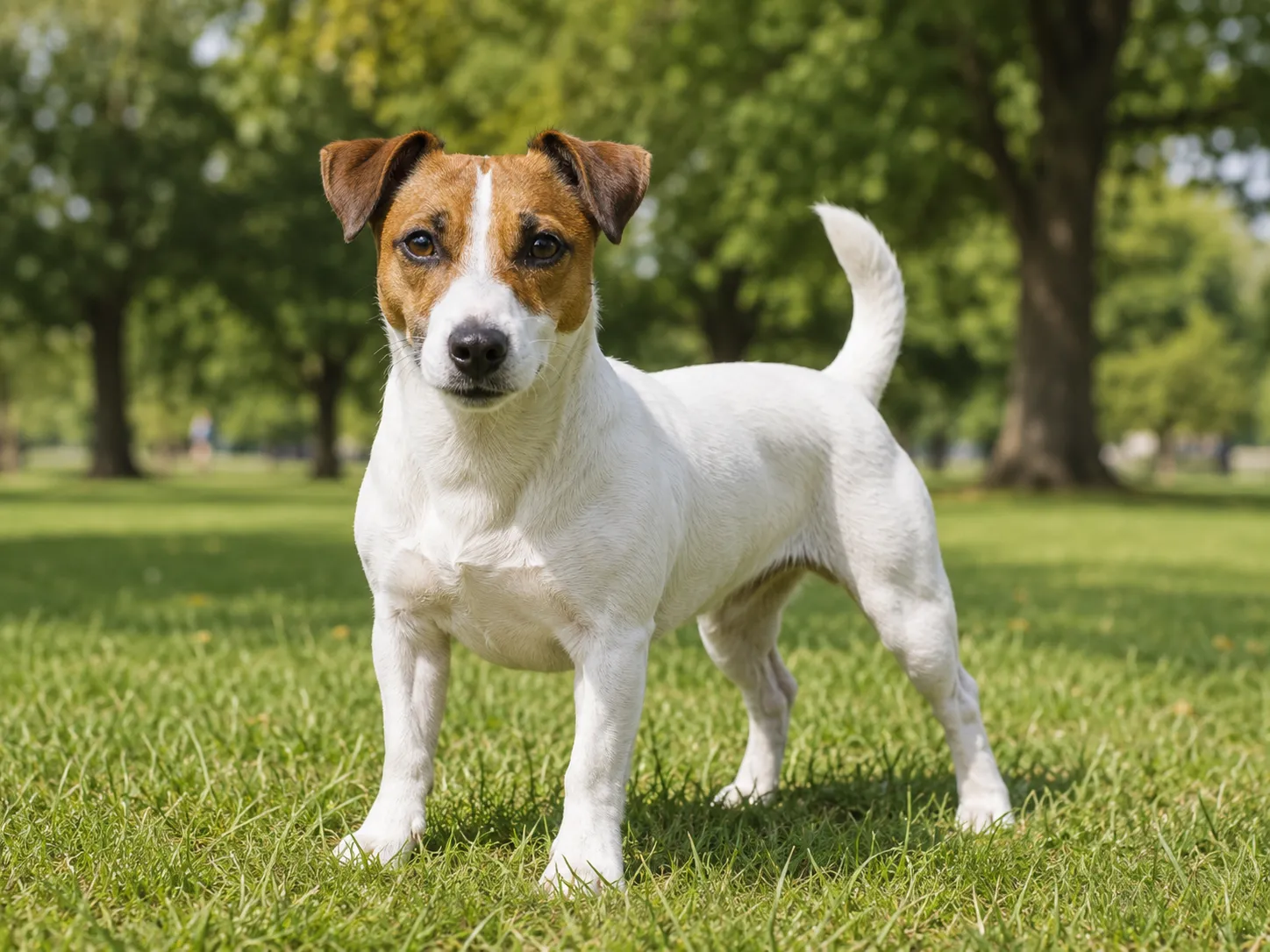 Jack RussellSmall • Terrier