


Cane Corso
By James C. • Updated
The Cane Corso is a powerful, intelligent, and highly protective Italian mastiff-type breed originally developed for guarding property and hunting large game. They are known for their loyalty, confidence, and strong guarding instincts. Cane Corsos require experienced handling, early socialisation, and consistent training to ensure they develop into stable and well-balanced companions.
Breed Overview
Life Span
10 - 11 years
Average Price
AUD 2500 - AUD 6000
Weight
Male: 45 - 50 kg Female: 40 - 45 kg
Height
Male: 63 - 70 cm Female: 58 - 66 cm
Life Expectancy
Male/Female: 10 - 11 years
Breed Group
Utility / Working
Nicknames
Cane Corso Italiano, Italian Mastiff
Breed Information
The Cane Corso is a powerful, intelligent, and deeply loyal guardian breed with ancient Italian roots. Originally developed to protect property, livestock, and families, this large mastiff-type dog combines physical strength with calm confidence and strong family bonds.
In Australian households, the Cane Corso is best suited to experienced dog owners who understand large guardian breeds and can provide consistent training, clear leadership, and structured routines. While naturally protective, a well-bred and well-socialised Cane Corso is stable, affectionate, and composed rather than reactive.
This breed thrives in homes with space, secure fencing, and regular human interaction. Cane Corsos are not dogs that can be left to manage themselves. They require early socialisation, ongoing mental stimulation, and purposeful exercise to remain balanced and reliable companions.
For the right owner, the Cane Corso offers unwavering loyalty, strong protective instincts, and a calm, watchful presence, making it one of the most respected guardian breeds in the world.
Cane Corso Characteristics and Living Requirements
| Characteristic | Rating | What This Means in Everyday Life |
| Size | Large ★★★★★ | A powerful, heavy-boned dog that needs space to move comfortably and safely |
| Exercise Needs | High ★★★★☆ | Requires structured daily exercise and purposeful activity to stay balanced |
| Easy to Train | Moderate ★★★★☆ | Highly intelligent but needs experienced, consistent handling |
| Shedding | Low to Moderate ★★☆☆☆ | Seasonal shedding, easy to manage with regular brushing |
| Grooming Needs | Low ★★☆☆☆ | Short coat requires minimal maintenance |
| Good With Children | Conditional ★★★☆☆ | Best with older children under supervision |
| Health of Breed | Moderate ★★★☆☆ | Prone to large-breed joint and gastric issues |
| Cost to Keep | High ★★★★☆ | Food, insurance, and vet care reflect large size |
| Tolerates Being Alone | Low ★★☆☆☆ | Can develop separation anxiety if left too long |
| Intelligence | Very High ★★★★★ | Learns quickly and thrives on mental engagement |
The Cane Corso is a large, commanding breed that requires owners to think beyond basic pet care, starting with a suitable feeding plan for a large breed puppy. Their size alone influences housing, fencing, transport, and ongoing costs, making them unsuitable for casual or first-time ownership.
Exercise is not optional for this breed. While not hyperactive, Cane Corsos need daily structured activity that combines physical movement with mental challenge. Without it, frustration and unwanted behaviours may develop.
Training success depends heavily on clarity, consistency, and leadership. Cane Corsos are intelligent and capable but will test boundaries if rules are unclear. They respond best to calm authority rather than force.
Although affectionate with family, this breed is not naturally tolerant of long isolation. Cane Corsos form strong attachments and do best in homes where someone is present for much of the day or where structured routines support independence training.
History of the Cane Corso: From Roman War Dog to Modern Guardian
Ancient Roman Origins and Molossian Roots
The Cane Corso traces its lineage back to the powerful canis pugnaces of ancient Rome, large Molossian-type dogs used in warfare and military defence, and you can now browse Cane Corso puppies available in Australia. These dogs were valued for strength, courage, and loyalty, traits that remain deeply embedded in the modern Cane Corso. As Roman expansion declined, these formidable dogs transitioned from the battlefield to civilian life, adapting to rural work across the Italian countryside.
Working Roles in Rural Italy
For centuries, the Cane Corso was a multi-purpose working dog, particularly in southern regions such as Puglia. Farmers relied on them to guard property, protect livestock, drive cattle, and assist in hunting large game including wild boar. Unlike heavier mastiff types, the Cane Corso was prized for being more agile and responsive, capable of covering ground quickly while remaining under control.
Decline and Near Extinction
Following World War II and the collapse of traditional share-farming systems, the Cane Corso’s working role diminished. By the mid-20th century, the breed had become rare and fragmented, surviving only in isolated rural pockets. Without coordinated breeding, numbers fell dramatically, placing the Cane Corso at real risk of extinction.
Revival and Formal Recognition
In the 1970s and 1980s, Italian breed enthusiasts began a dedicated recovery effort, selectively breeding remaining dogs to restore type, temperament, and health. This led to official recognition by the Italian kennel authority in the 1990s, followed by international acceptance. Today, the Cane Corso is recognised worldwide as a balanced guardian breed, retaining its working heritage while adapting to modern family life when placed with experienced owners.
Appearance of the Cane Corso: Power, Balance, and Athletic Presence
Overall Size and Proportions
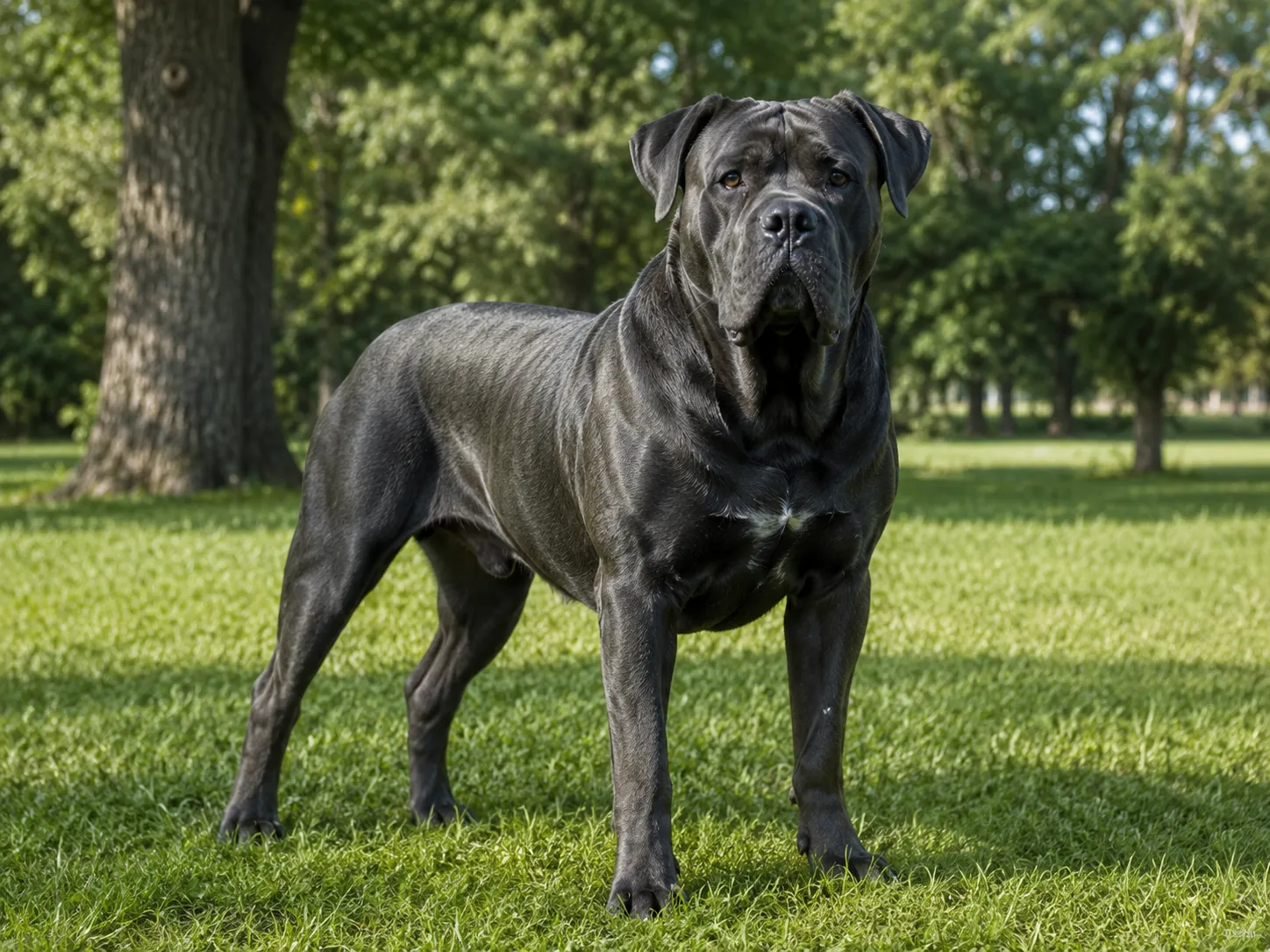
The Cane Corso is a large, well-proportioned working dog with a strong, athletic frame built for endurance and control rather than bulk, lighter and more agile than the Neapolitan Mastiff, its heavier Italian relative. Males typically stand between 63.5 and 70 cm, while females range from 60 to 66 cm, with weight proportionate to height. The body is slightly longer than tall, creating a rectangular outline that supports agility and forward drive.
Head Structure and Expression
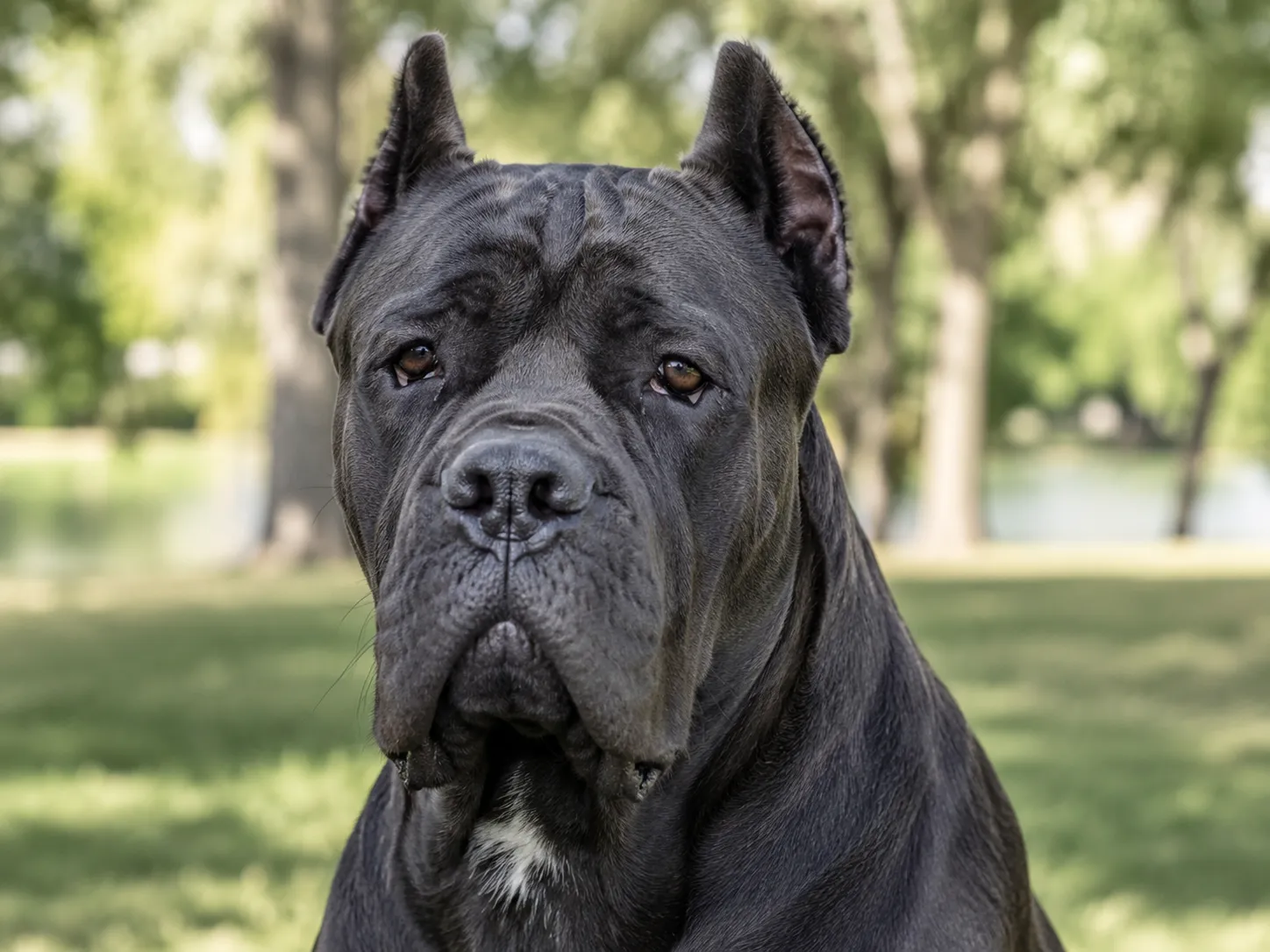
The head is one of the breed’s defining features. It is broad and imposing with a clearly defined stop and a short, deep muzzle. Eyes are oval, set well apart, and convey an alert, intelligent expression. Darker eye colour is preferred, particularly in darker-coated dogs. The ears are medium-sized and naturally drop forward. Ear cropping is illegal in Australia and unnecessary for function or breed type.
Coat Texture and Accepted Colours
The Cane Corso has a short, dense, and glossy coat that lies close to the body. It provides protection without requiring intensive grooming. Accepted colours include black, various shades of grey, fawn, red, and brindle. Many fawn and brindle dogs display a dark mask, which should not extend beyond the eyes. Small white markings on the chest or toes are acceptable within breed standards.
Musculature, Movement, and Gait
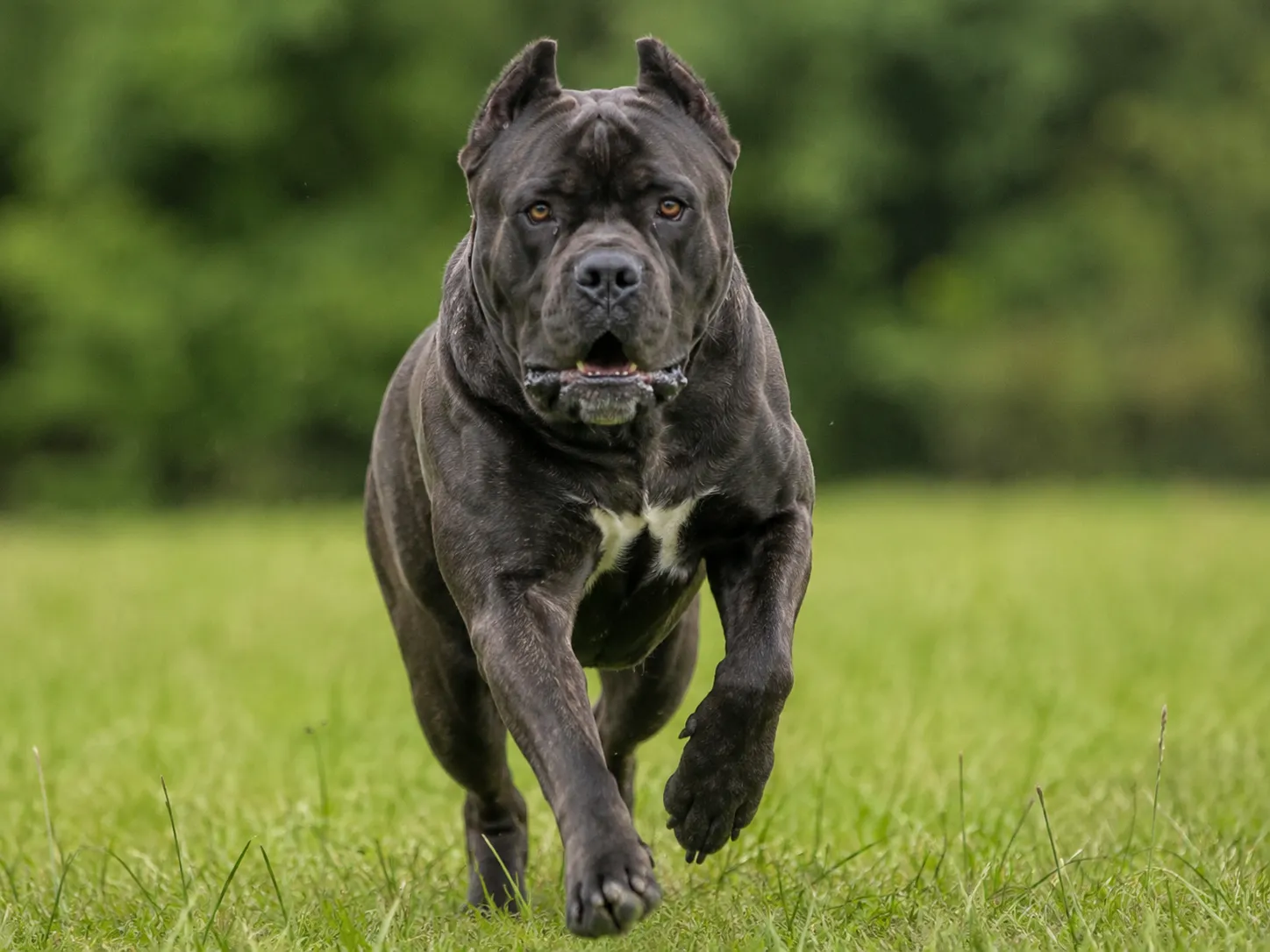
Muscle definition is strong but never exaggerated. The chest is deep, the neck powerful, and the limbs straight with solid bone. When moving, the Cane Corso displays a smooth, ground-covering gait with strong propulsion from the hindquarters. Movement should appear effortless and controlled, reflecting the breed’s historical role as a working guardian rather than a show-oriented dog.
Differences Between Males and Females
Males generally present with a broader head, heavier bone, and more pronounced musculature. Females are slightly finer in structure but remain equally strong and capable. Both sexes should display the same confident presence and balanced physical construction without signs of coarseness or weakness.
Temperament of the Cane Corso: Calm Confidence and Natural Guardianship
Core Temperament Traits
The Cane Corso is known for its calm, self-assured, and steady temperament, combining confidence with clear-headed judgment, though owners should still recognise what growling communicates in a guardian breed. Unlike reactive guard breeds, a well-bred and well-trained Corso is observant rather than impulsive, assessing situations before responding. This balanced temperament is a defining strength of the breed.
Protective Instincts and Territorial Awareness
Guarding is instinctive, not taught. Cane Corsos are naturally protective of their home and family, showing strong territorial awareness without unnecessary aggression. They are typically reserved with strangers and will position themselves between perceived threats and their owners. Proper socialisation ensures this behaviour remains controlled and appropriate.
Behaviour Within the Household
Within the home, the Cane Corso is often affectionate, loyal, and surprisingly gentle. They form strong bonds with their family and prefer to remain close rather than independent. Many owners describe them as emotionally intuitive, responding quickly to changes in household energy or routine.
Confidence Without Nervousness
A correct Cane Corso temperament should never be fearful or sharp. Nervousness, excessive reactivity, or unpredictability are faults. The breed is best described as composed and grounded, thriving in structured environments where expectations are clear and leadership is consistent.
Socialisation and Maturity Timeline
Cane Corsos mature slowly, both physically and mentally. Emotional maturity may not fully develop until three to four years of age, making early and ongoing socialisation essential. Exposure to varied people, environments, and controlled situations from puppyhood helps shape a stable, reliable adult dog.
Potential Behavioural Challenges
Without sufficient guidance, exercise, and mental engagement, Cane Corsos may develop dominance-related behaviours or separation anxiety. These issues are not breed flaws but reflect inadequate structure or leadership. This breed is best suited to experienced owners who understand working-dog psychology and long-term commitment.
Intelligence and Trainability of the Cane Corso: Thinking Before Acting
High Working Intelligence
The Cane Corso is a highly intelligent working breed with strong problem-solving ability and situational awareness, so structured obedience from an early age is not optional. Rather than reacting blindly, the breed is known for observing, processing, and then responding. This makes the Cane Corso exceptionally capable in guarding, obedience, and task-based roles when guided correctly.
Learning Style and Mental Processing
Unlike fast-reacting herding breeds, Cane Corsos learn through repetition, clarity, and purpose. They respond best when training has a clear reason and outcome. Commands that feel arbitrary or inconsistent are often ignored, not due to stubbornness, but because the breed is wired to evaluate relevance.
Trainability With the Right Handler
In the right hands, the Cane Corso is highly trainable and eager to work. They bond closely with their handler and respond best to calm, confident leadership. Training should be firm, fair, and structured, avoiding harsh corrections which can damage trust and reduce reliability.
Importance of Early and Ongoing Training
Training must begin early and continue well into adulthood. Basic obedience should be established in puppyhood, then reinforced through adolescence when confidence and strength increase. Consistency is critical, as gaps in training can lead to boundary testing during maturity.
Motivation and Reinforcement
Positive reinforcement works best, particularly praise, controlled rewards, and task completion. Cane Corsos are less food-driven than some breeds but highly motivated by engagement, purpose, and handler approval. Short, focused sessions prevent mental fatigue and frustration.
Risks of Inadequate Training
Without structured training and leadership, intelligence can become a liability. An untrained Cane Corso may become willful, dominant, or difficult to manage due to its size and confidence. This breed is not suited to passive or inconsistent owners, as it requires direction to thrive.
Family Life With a Cane Corso: Children, Other Pets, and Home Dynamics
Living With Children in the Household
The Cane Corso can be a deeply loyal and protective family dog when raised correctly, but it is best suited to homes with older children. Due to its size, strength, and confidence, accidental knock-overs are a real risk with toddlers. Calm, respectful interactions are essential, and supervision is non-negotiable at all times.
Understanding Protective Instincts at Home
This breed has a strong natural instinct to guard its family and home. While this makes the Cane Corso a reliable protector, it also means owners must actively manage introductions to visitors and new environments. Early exposure to different people, sounds, and situations helps prevent over-guarding or suspicion.
Cane Corsos and Other Dogs
With proper early socialisation, Cane Corsos can coexist with other dogs, particularly when raised together. Same-sex dominance can occur, especially in adult males, so introductions should be structured and controlled. Ongoing training and leadership are key to maintaining harmony in multi-dog households.
Living With Other Pets
Cane Corsos can live with cats or smaller pets if introduced early and managed carefully. Their prey drive is moderate, but supervision is always recommended. Clear boundaries and calm introductions help reduce risk and encourage tolerance rather than fixation.
Household Structure and Owner Involvement
This breed thrives in homes with clear routines, confident leadership, and regular human presence. Cane Corsos form strong attachments and do not cope well with long periods of isolation. Australian households with secure yards, predictable schedules, and engaged owners are best suited to this breed.
Is the Cane Corso a True Family Dog?
For experienced owners who understand working guardian breeds, the Cane Corso can be an exceptional family companion. However, it is not a casual or low-involvement pet. Success in family life depends on training, structure, and respect for the breed’s natural instincts.
Cane Corso Health: Lifespan, Common Conditions, and Preventive Care
Typical Lifespan and Overall Health
The Cane Corso has an average lifespan of 9 to 11 years, which is typical for a large, powerful working breed. With responsible breeding, correct nutrition, and proactive veterinary care, many Cane Corsos live healthy, active lives well into their senior years.
Common Genetic and Structural Health Issues
As a large molosser-type dog, the Cane Corso is predisposed to several inherited and size-related conditions. The most commonly reported issues include hip dysplasia and elbow dysplasia, both of which can lead to arthritis and reduced mobility if unmanaged. Reputable breeders screen breeding dogs through recognised hip and elbow schemes to reduce risk.
Eye and Skin Conditions
Eye issues such as entropion, ectropion, and cherry eye are seen within the breed. These conditions vary in severity and may require surgical correction. Cane Corsos can also experience skin problems, including demodectic mange and allergic dermatitis, particularly in warm or humid Australian climates.
Gastric Dilatation Volvulus and Emergency Risks
Due to their deep chest, Cane Corsos are at risk of gastric dilatation volvulus (bloat), a life-threatening condition requiring immediate veterinary intervention. Feeding smaller, measured meals and avoiding vigorous exercise before or after eating helps reduce this risk.
Cardiac and Neurological Considerations
Some lines show susceptibility to cardiac conditions, including dilated cardiomyopathy, as well as idiopathic epilepsy. Regular health checks and transparency from breeders regarding lineage health history are essential.
Preventive Health Care in Australia
Preventive care should include routine vaccinations, parasite control suited to Australian conditions, dental care, and regular joint monitoring. Given the breed’s size and potential health costs, comprehensive pet insurance is strongly recommended.
Choosing a Healthy Puppy
Prospective owners should only purchase from breeders who provide documented health testing, veterinary records, and clear breeding practices. Avoid breeders who skip screening or prioritise appearance over long-term health.
With informed ownership and proactive care, the Cane Corso can remain a strong, stable, and healthy companion throughout its life.
Caring for a Cane Corso: Daily Needs, Environment, and Commitment
Living Environment and Space Requirements
The Cane Corso thrives in homes that offer space, structure, and security. This breed is not suited to apartment living. A securely fenced yard is essential, as Cane Corsos are powerful, athletic, and naturally territorial. Fencing must be solid and well maintained, as this breed can test boundaries if bored or under-stimulated.
Daily Routine and Mental Engagement
Cane Corsos require a consistent daily routine that balances physical activity with mental stimulation. Without direction, they may develop destructive or dominant behaviours. Structured training sessions, problem-solving games, and purposeful interaction help satisfy their working-dog instincts.
Climate Considerations for Australia
While their short coat adapts well to most Australian climates, Cane Corsos are heat sensitive, particularly during warmer months. Access to shade, fresh water, and rest periods is essential. Exercise should be scheduled during cooler parts of the day to reduce the risk of overheating.
Socialisation and Behavioural Stability
Early and ongoing socialisation is critical. Cane Corsos must be calmly exposed to people, environments, and other animals from a young age to develop confidence and control. Poor socialisation can result in excessive guarding behaviour or anxiety, especially in unfamiliar situations.
Time Commitment and Owner Experience
This breed is best suited to experienced dog owners who understand large guardian breeds. Cane Corsos form deep bonds with their families and do not cope well with long periods of isolation. Owners should expect to invest daily time in training, interaction, and supervision.
Long-Term Responsibility
Caring for a Cane Corso is a long-term commitment that extends beyond physical care. Clear leadership, patience, and consistency are essential throughout the dog’s life. When properly cared for, the Cane Corso becomes a calm, loyal, and deeply devoted companion.
Grooming a Cane Corso: Coat Care, Shedding, and General Maintenance
Coat Type and Grooming Frequency
The Cane Corso has a short, dense, and glossy coat that is relatively easy to maintain with a simple short-haired grooming routine. Weekly brushing is usually sufficient to remove loose hair, distribute natural oils, and keep the coat healthy. During seasonal shedding periods, typically in spring and autumn, brushing may be needed more frequently.
Shedding Expectations
Although short-coated, Cane Corsos do shed, and shedding can be moderate during peak seasons. Regular brushing helps manage loose hair around the home and supports skin health. Shedding levels are generally consistent and predictable rather than excessive year-round.
Bathing and Skin Care
Bathing is only required every six to eight weeks, or when the dog becomes particularly dirty. Over-bathing can strip the coat of its natural oils and lead to dry or irritated skin. Owners should use dog-specific shampoos, especially if the dog shows sensitivity or allergic flare-ups.
Ear, Nail, and Dental Care
Routine maintenance extends beyond the coat and should include:
- Ear checks and cleaning to prevent infections, particularly in humid conditions
- Regular nail trimming to avoid discomfort or joint strain
- Dental care, including brushing several times a week, to reduce plaque and gum disease
These tasks are essential for overall health rather than cosmetic reasons.
Drooling and Cleanliness
Cane Corsos are known to drool, particularly after eating, drinking, or exercise. Owners should be prepared to wipe the mouth regularly and keep feeding areas clean. While normal for the breed, drooling is a consideration for household cleanliness.
Professional Grooming Needs
Professional grooming is not usually necessary beyond occasional nail trimming or health checks. Most Cane Corso grooming can be comfortably managed at home with basic tools and a consistent routine.
Exercise Requirements for a Cane Corso
Daily Activity Needs
The Cane Corso is an active, working-bred dog that requires consistent daily exercise to remain physically balanced and mentally settled. Adult dogs typically need 90 to 120 minutes of structured activity per day, spread across multiple sessions. This level of exercise supports muscle tone, joint health, and emotional stability.
Suitable Types of Exercise
Exercise should be purposeful rather than repetitive. Long walks, controlled off-lead time in secure areas, obedience training, and interactive play all suit the breed well. Cane Corsos benefit from tasks that engage both body and mind, reflecting their historical role as guardians and working dogs.
Mental Stimulation
Mental exercise is just as important as physical movement. Training sessions, scent work, problem-solving games, and controlled guarding-style activities help prevent boredom-related behaviours such as destructiveness or restlessness. Without adequate stimulation, behavioural issues can develop even in well-exercised dogs.
Puppies and Joint Protection
Cane Corso puppies require carefully managed exercise. High-impact activities, long runs, or repetitive jumping should be avoided until full physical maturity, usually around 18 months. Controlled walks, basic training, and free play on soft surfaces are more appropriate during growth stages.
Climate Considerations in Australia
Due to their size and short muzzle, Cane Corsos can be sensitive to heat. Exercise should be scheduled during early mornings or evenings in warmer regions, with constant access to shade and water. Overexertion in hot conditions increases the risk of heat stress and exhaustion.
Secure Spaces and Supervision
A Cane Corso should only be exercised off-lead in fully enclosed, secure environments. Their strength, speed, and protective instincts require reliable recall and strong handler control at all times.
Feeding and Nutrition for a Cane Corso
Nutritional Needs by Life Stage
The Cane Corso requires a high-quality, balanced diet that supports large-breed growth, muscle maintenance, and joint health. Nutritional needs change significantly from puppyhood to adulthood and again in senior years, so food should always match the dog’s life stage and activity level.
Feeding Cane Corso Puppies
Puppies should be fed a large-breed puppy formula designed to control growth rate and support healthy bone development. Meals are best divided into three to four smaller feeds per day until around six months of age, reducing gradually to two meals as the dog matures. Excess calories or calcium during growth can increase the risk of joint disorders.
Adult Feeding Guidelines
Adult Cane Corsos typically do well on two measured meals per day. Splitting meals helps reduce the risk of gastric dilatation-volvulus (bloat), a condition the breed is predisposed to. Diets should be rich in animal-based protein, moderate in fat, and free from unnecessary fillers.
Joint and Muscle Support
Given the breed’s size and weight, nutrition should prioritise joint health and lean muscle maintenance. Ingredients such as glucosamine, chondroitin, omega-3 fatty acids, and antioxidants can be beneficial, particularly for working or highly active dogs.
Weight Management
Maintaining a healthy body condition is critical. Excess weight places additional strain on hips, elbows, and the cardiovascular system. Owners should regularly assess body condition rather than relying solely on feeding guidelines and adjust portions based on activity and age.
Feeding Timing and Exercise
Exercise should be avoided one hour before and after meals to reduce bloat risk. Calm feeding routines and slow-feeder bowls can also help dogs that eat quickly.
Fresh Water Access
Clean, fresh water must be available at all times, particularly in warmer Australian climates where dehydration can occur quickly.
Price and Ongoing Costs of Owning a Cane Corso in Australia
Initial Purchase Price
In Australia, a Cane Corso puppy from a reputable, registered breeder typically costs between AUD $3,000 and $6,000. Pricing varies based on pedigree, health testing, breeder reputation, and lineage. Puppies advertised well below this range should be treated with caution, as this may indicate poor breeding practices or lack of health screening.
Set-Up Costs
Before bringing a Cane Corso home, owners should budget for essential items such as a heavy-duty crate, quality bedding, strong lead and collar, bowls, enrichment toys, and initial veterinary visits. These upfront costs usually range between AUD $500 and $1,000, depending on quality and brand choices.
Ongoing Monthly Expenses
Cane Corsos are a large, powerful breed with higher-than-average upkeep costs. Monthly expenses generally include premium dog food, parasite prevention, grooming supplies, and routine health care. Expect ongoing costs of AUD $120 to $180 per month, excluding emergencies.
Veterinary and Insurance Considerations
Given the breed’s predisposition to hip and elbow dysplasia, eye conditions, and bloat, comprehensive pet insurance is strongly recommended. Insurance premiums in Australia often range from AUD $70 to $150 per month, depending on coverage level and age at enrolment. Veterinary bills for large breeds can escalate quickly without insurance.
Long-Term Financial Commitment
Over a typical lifespan of 10 to 11 years, the total cost of owning a Cane Corso can exceed AUD $25,000 to $35,000. This breed is best suited to owners who are financially prepared for long-term care, preventative health management, and responsible ownership.
Buying Advice: Choosing a Responsible Cane Corso Breeder
Researching the Right Breeder
Because of the Cane Corso’s size, strength, and guarding instincts, choosing a responsible breeder is critical. Reputable Australian breeders prioritise temperament stability, health screening, and correct breed type, not exaggerated size or aggression. Expect waiting lists rather than immediate availability.
Health Testing and Documentation
Both parents should be health tested for hip and elbow dysplasia, with results available for review. Responsible breeders are transparent about genetic risks such as eye conditions and cardiac issues and will openly discuss how they manage these within their breeding program.
Meeting the Parents and Litter
Whenever possible, meet the dam and observe her temperament. Well-bred Cane Corsos should appear calm, confident, and controlled, not fearful or reactive. Puppies should be curious and stable rather than overly dominant or timid.
Avoiding Red Flags
Avoid breeders who promote ear cropping or tail docking, as both practices are illegal in Australia. Be cautious of sellers advertising oversized dogs, “extra aggressive” lines, or puppies sold without contracts, health guarantees, or proper socialisation.
Contracts and Ongoing Support
A reputable breeder will provide a written contract, health guarantees, and lifetime support. Many ethical breeders will insist the dog is returned to them if circumstances change, reinforcing responsible ownership.
Choosing the right breeder is essential to raising a balanced, healthy Cane Corso that fits safely and confidently into Australian family life.
Is the Cane Corso the Right Breed for You?
Lifestyle and Experience Requirements
The Cane Corso is best suited to experienced dog owners who understand large, dominant guardian breeds. This is not a dog for first-time owners or casual pet households. Confidence, consistency, and leadership are essential for raising a stable adult Corso.
Space and Living Environment
This breed requires space to move and exercise, ideally a securely fenced home with a yard. Apartment or inner-city living is generally unsuitable unless paired with exceptional daily exercise, structure, and mental stimulation.
Time, Training, and Commitment
Cane Corsos need ongoing training, social exposure, and daily interaction. Long periods alone can lead to anxiety or behavioural issues. Owners must be prepared to invest time in training throughout the dog’s life, not just during puppyhood.
Family and Household Considerations
In the right home, the Cane Corso can be a loyal and deeply bonded family guardian. Families with older children who understand dog boundaries are better suited than households with toddlers. Supervision and clear rules are essential due to the dog’s size and strength.
Financial Responsibility
Ongoing costs including food, training, insurance, and veterinary care are higher than average. Prospective owners should be financially prepared to support a large, powerful breed with specific health needs.
If you are seeking a calm, devoted protector and are willing to meet the breed’s physical, mental, and leadership requirements, the Cane Corso can be an exceptionally rewarding companion.
Frequently Asked Questions
Related Breeds
Other working breeds on Pups4Sale.
 Doberman PinscherLarge • Working
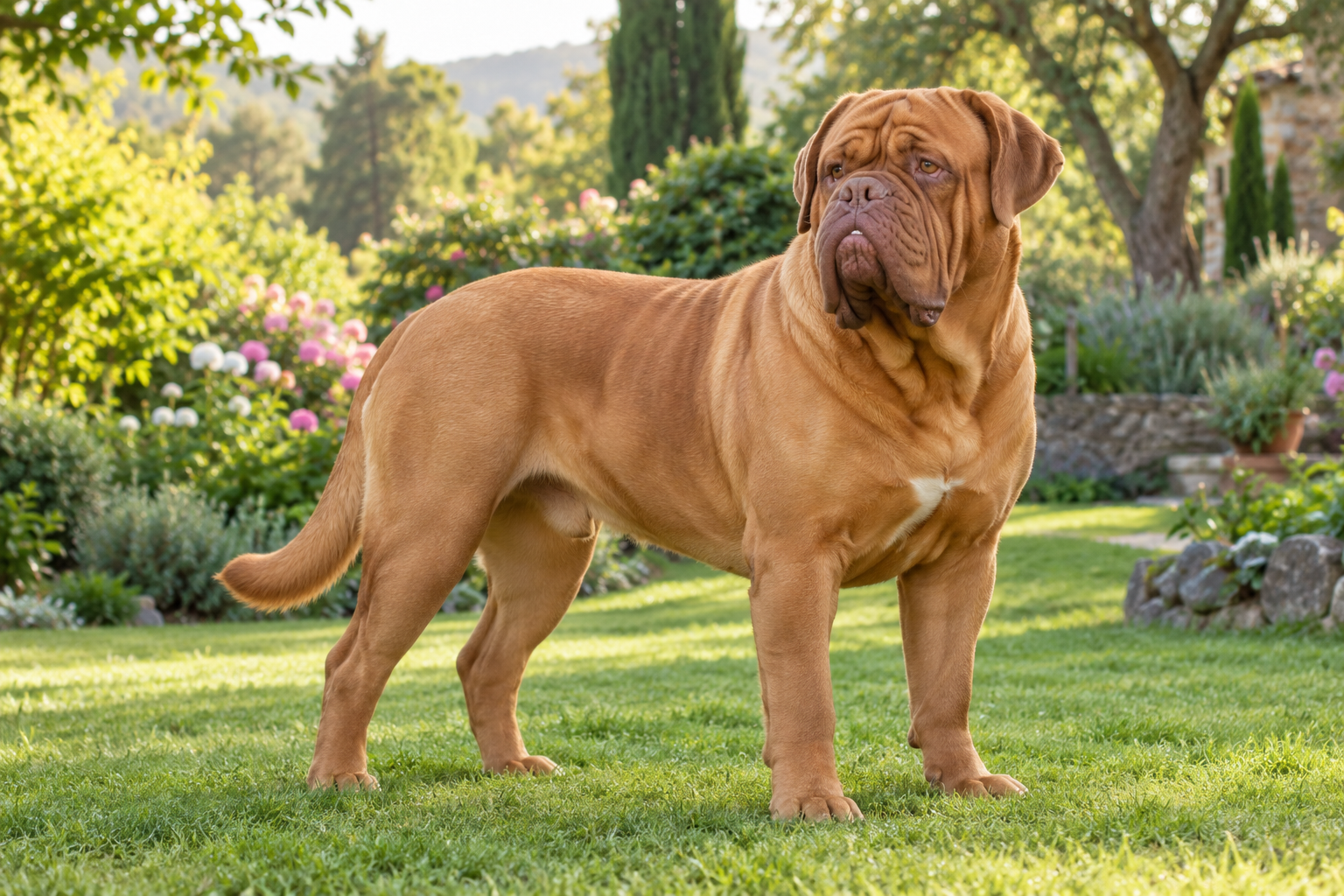 Dogue de BordeauxGiant • Utility (Group 6)
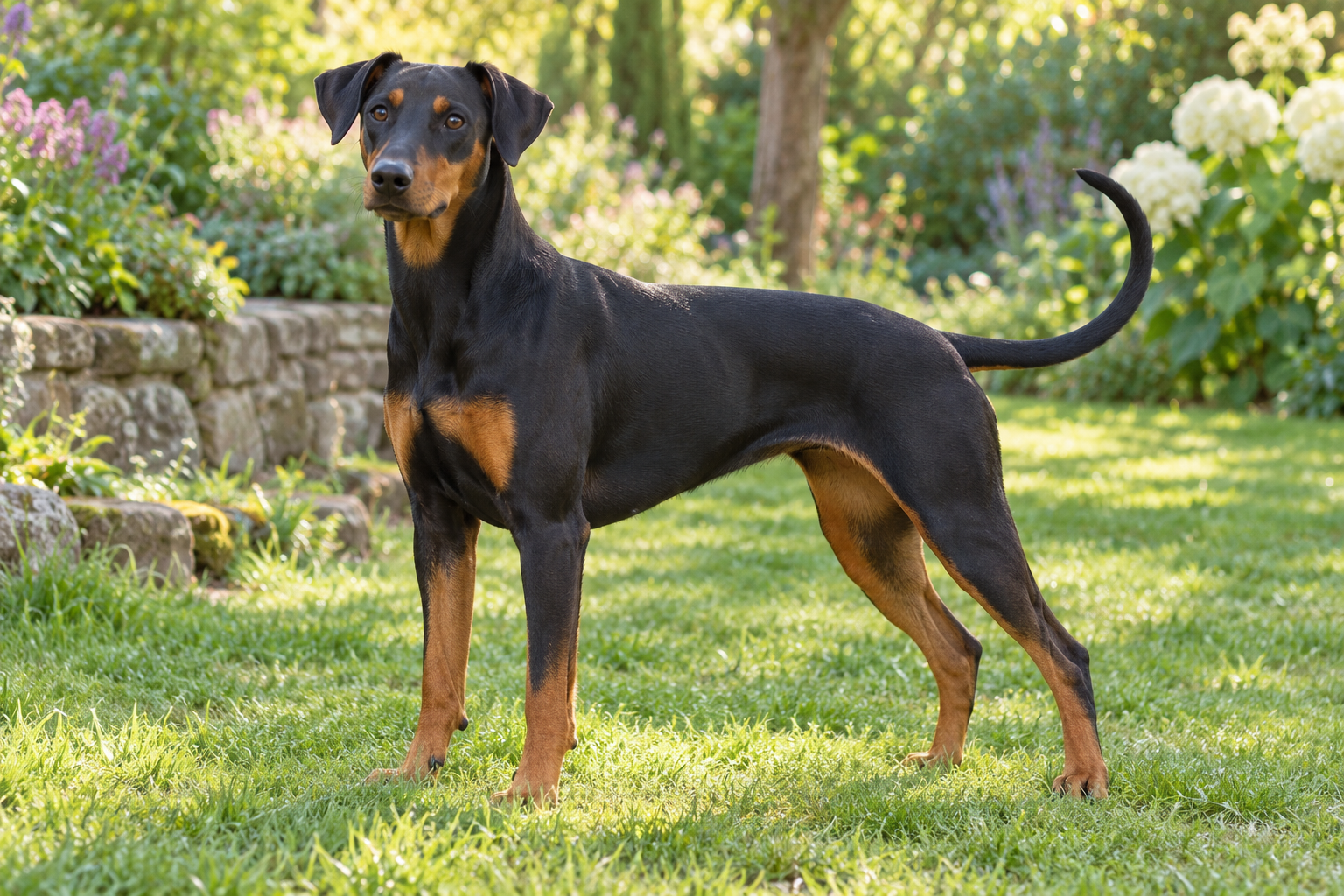 German PinscherMedium • Utility (Group 6)
 Great DaneGiant • Working
 Jack RussellSmall • Terrier
 Labrador RetrieverLarge • Gundog / Sporting Group