

Doberman Pinscher
By James C. • Updated
The Doberman Pinscher is a powerful, intelligent, and highly trainable working breed originally developed for personal protection and guarding. They are loyal, alert, athletic, and strongly bonded to their owners, making them popular as family protectors, police dogs, and obedience competitors.
Breed Overview
Life Span
10 - 13 years
Average Price
AUD 3000 - AUD 6500
Weight
Male: 40 - 45 kg Female: 32 - 35 kg
Height
Male: 66 - 72 cm Female: 61 - 68 cm
Life Expectancy
Male/Female: 10 - 13 years
Breed Group
Working
Nicknames
Doberman, Dobie
Breed Information
The Doberman Pinscher is one of the most recognisable and powerful working breeds in the world. Developed in Germany in the late 19th century as a personal protection dog, the Doberman combines intelligence, athleticism, loyalty, and striking presence in a sleek, muscular frame.
Despite its reputation as a formidable guard dog, the Doberman is deeply devoted to its family. It thrives on structure, leadership, and daily engagement. This is not a breed suited to passive ownership. Without guidance and purpose, its intelligence and drive can quickly become challenging. Buyers shortlisting protective working breeds often compare it with the German Shepherd, a comparably driven working breed, which is more openly social but needs the same level of structure.
The Doberman Pinscher is best suited to experienced owners who can provide firm, fair leadership, consistent training, and meaningful activity. In the right hands, it is one of the most loyal, capable, and dependable companions available.
Characteristics: What Living With a Doberman Pinscher Is Really Like
The Doberman Pinscher is a powerful working breed with high intelligence and strong loyalty. Bred for protection and personal security work, this is a serious dog that requires structure, leadership, and daily engagement. The characteristics below reflect what day-to-day life with a Doberman typically involves and who this breed genuinely suits.
| Characteristic | Rating | Star Rating (★ out of 5) | What This Means for You |
| Size | Large | ★★★★★ | A strong, athletic dog that needs space and confident handling. |
| Adaptability | Moderate | ★★★☆☆ | Adjusts well with structure but struggles in chaotic or inactive homes. |
| Exercise Needs | High | ★★★★★ | Requires substantial daily physical and mental activity. |
| Easy to Train | High | ★★★★☆ | Intelligent and responsive when training is consistent and fair. |
| Amount of Shedding | Low to Moderate | ★★☆☆☆ | Short coat sheds lightly but is easy to maintain. |
| Grooming Needs | Low | ★★☆☆☆ | Minimal coat care required; routine maintenance is straightforward. |
| Good With Children | Moderate | ★★★☆☆ | Loyal and protective, best with supervised interaction and early socialisation. |
| Health of Breed | Moderate | ★★★☆☆ | Prone to certain inherited conditions requiring responsible screening. |
| Cost to Keep | High | ★★★★☆ | Food, training, and health care costs reflect the breed’s size and needs. |
| Tolerates Being Alone | Low | ★★☆☆☆ | Bonds closely and may develop anxiety if left alone for long periods. |
| Intelligence | Very High | ★★★★★ | Quick learner that needs structured mental stimulation daily. |
In summary, the Doberman Pinscher suits owners who can provide leadership, activity, and consistency. This breed offers exceptional loyalty and capability but does not thrive in passive households. When properly trained and engaged, the Doberman becomes a stable, confident, and devoted companion.
History of the Doberman Pinscher: From Tax Collector’s Guardian to Global Working Dog
The Doberman Pinscher originated in Germany in the late 19th century and was developed with a clear working purpose. The breed’s creator, Karl Friedrich Louis Dobermann, was a tax collector who required a loyal and protective dog to accompany him during his rounds. Seeking a dependable guardian, he selectively bred dogs that combined strength, intelligence, courage, and loyalty.
Although exact breeding records were not kept, it is widely believed that early Dobermans were developed using several breeds, including the Rottweiler, German Pinscher, Weimaraner, and possibly Greyhound and Manchester Terrier. The goal was not appearance, but function. The result was a sleek, powerful dog capable of protection work while remaining responsive and trainable.
By the early 20th century, the Doberman had gained recognition as a versatile working breed. It served in military and police roles, particularly during both World Wars, where it earned a reputation for bravery and reliability. In fact, the Doberman became closely associated with disciplined protection and service work worldwide.
Over time, breeding emphasis shifted slightly toward refining temperament while preserving working ability. Modern Dobermans are still used in protection sports, police service, and competitive obedience, but they also thrive as loyal family companions when properly trained.
Today, the Doberman Pinscher remains one of the most respected working breeds globally. Its history is rooted in purpose, and that legacy continues to shape its temperament, drive, and need for structured ownership.
Appearance of the Doberman Pinscher: Sleek Power and Athletic Precision
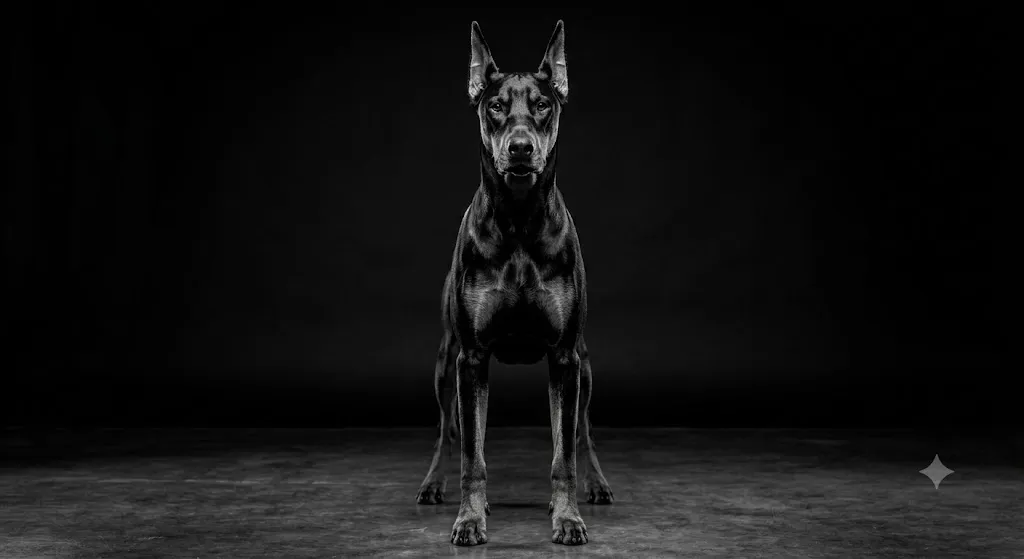
The Doberman Pinscher is a breed built for speed, strength, and presence. Its outline is clean and muscular, combining elegance with unmistakable power. Every part of the Doberman’s structure reflects its origins as a protection and working dog.
Size and Build
The Doberman is a large, athletic breed with a square, balanced frame. The body is compact and muscular without appearing bulky. Males are typically larger and more imposing, while females are slightly more refined but equally strong.
The chest is deep, the back is firm, and the limbs are straight and well-muscled. This structure supports endurance, agility, and explosive movement.
Head and Expression
The head is long and wedge-shaped, with a strong muzzle and tight lips. The expression is alert, intelligent, and confident. Dark, almond-shaped eyes contribute to the breed’s focused and watchful look.
In some countries, ears may be cropped, though natural ears are medium-sized and lie close to the cheeks. The tail may also be docked depending on regional regulations.
Coat and Colours
The Doberman has a short, smooth coat that lies close to the body. It requires minimal maintenance and highlights the dog’s muscular definition.
Recognised colours include:
- Black with rust markings
- Brown with rust markings
- Blue with rust markings
- Fawn with rust markings
The rust markings are sharply defined and appear on the muzzle, chest, legs, and above the eyes.
Movement and Overall Presence
The Doberman moves with a free, powerful gait. Stride is smooth and efficient, reflecting balance and strength rather than exaggeration.
Overall, the breed’s appearance communicates readiness and composure. The Doberman Pinscher is neither heavy nor fragile. It presents a clean, athletic silhouette that matches its reputation as one of the world’s most capable working dogs.
Temperament of the Doberman Pinscher: Loyal, Alert, and Purpose-Driven
The Doberman Pinscher is defined by loyalty and intensity of focus. Bred as a personal protection dog, this breed forms deep attachments to its family and remains naturally alert to its surroundings. Its temperament is not accidental. It reflects generations of selective breeding for courage, control, and responsiveness.
Core Personality Traits
Dobermans are confident, intelligent, and emotionally perceptive. They tend to bond closely with their household and often shadow their preferred person throughout the day.
Despite their serious reputation, well-bred Dobermans are stable and affectionate at home. They are not aggressive without reason, but they are highly aware and quick to respond when something feels out of place.
Protective Instinct
Protectiveness is instinctive in this breed. A Doberman does not require training to recognise potential threats, but it does require structured guidance to manage that instinct appropriately.
Without early socialisation and leadership, natural guarding behaviour can become overprotective or reactive. With proper upbringing, the Doberman becomes discerning rather than indiscriminately defensive.
Social Behaviour With People
Dobermans are typically reserved with strangers but warm and playful with family. They do not usually display exaggerated friendliness toward unfamiliar people, yet they should remain confident and stable rather than fearful.
Early exposure to different environments, people, and experiences is essential to build balanced adult temperament.
Behavioural Challenges
This breed does not cope well with inconsistency or neglect. Lack of training, insufficient mental stimulation, or prolonged isolation can lead to anxiety, destructive behaviour, or excessive vigilance. It helps to know what separation anxiety looks like in dogs, because a Doberman left alone too long often shows it as vigilance rather than distress.
The Doberman Pinscher thrives under calm, confident leadership. When properly guided, it is loyal, steady, and dependable. When misunderstood or under-managed, its intelligence and protective drive can become difficult to handle.
In the right home, the Doberman is one of the most devoted and capable companions available.
Intelligence and Trainability of the Doberman Pinscher: Fast Learner With High Expectations
The Doberman Pinscher ranks among the most intelligent working breeds. It learns quickly, reads human cues with precision, and thrives on structured training. However, intelligence alone does not guarantee ease. This breed requires consistent leadership and purposeful engagement to reach its full potential.
How the Doberman Learns
Dobermans are highly responsive to tone, body language, and timing. They quickly associate actions with outcomes and often anticipate commands after only a few repetitions.
Because of this speed of learning, mistakes are also learned quickly. Inconsistent rules or unclear expectations can create confusion just as efficiently as good habits are formed.
Training Methods That Work Best
Firm, fair, and reward-based training produces the best results. Dobermans respond well to positive reinforcement combined with clear boundaries.
Harsh corrections or unpredictable handling can damage trust and increase defensive behaviour. This breed performs best under calm authority rather than physical force.
Early Training Priorities
Early socialisation is critical. Exposure to different people, environments, and controlled challenges helps prevent overprotective or reactive behaviour later in life.
Obedience training should focus on:
- Reliable recall
- Loose-lead walking
- Impulse control
- Controlled greetings
Mental stimulation through advanced obedience, scent work, or protection sports can channel the breed’s drive productively.
Common Training Mistakes to Avoid
Allowing dominance-based methods, neglecting socialisation, or leaving the dog under-stimulated often leads to behavioural problems.
The Doberman Pinscher requires daily mental work. Without it, boredom may manifest as destructive behaviour or hypervigilance.
With structured training, meaningful engagement, and consistent leadership, the Doberman becomes exceptionally obedient, focused, and dependable. Few breeds match its capacity for disciplined performance when properly developed.
Doberman Pinscher and Family Life: Children, Other Pets, and the Home
The Doberman Pinscher can be a loyal and stable family companion when raised with structure and consistency. This breed bonds deeply with its household and often becomes highly protective of its people. However, its size, strength, and instinct require responsible management within a family setting.
Living With Children
Dobermans can do well with children, particularly when raised together from puppyhood. They are often affectionate and attentive, and many become patient guardians within the home.
What works well:
- Older children who understand calm interaction
- Clear household boundaries
- Supervised play
What requires care:
- Roughhousing that encourages overexcitement
- Unsupervised interaction with very young children
- Inconsistent rules that confuse the dog
Because of their size and enthusiasm, accidental knocking over of smaller children is possible.
Compatibility With Other Dogs and Pets
With proper early socialisation, Dobermans can coexist peacefully with other dogs. Temperament varies by individual, but structured introductions and training are essential.
Smaller pets may trigger prey drive in some Dobermans. Early exposure improves compatibility, but supervision is still necessary, particularly with unfamiliar animals.
Home Environment and Daily Living
The Doberman is not suited to sedentary households. It requires daily physical exercise and mental engagement to remain balanced.
Ideal home features include:
- Space to move comfortably
- Secure fencing
- Regular interaction with family members
Dobermans do not tolerate prolonged isolation well. They thrive when included in daily activities and given purposeful tasks.
When raised in a structured environment with consistent leadership, the Doberman Pinscher can be deeply loyal, protective without being unstable, and remarkably devoted to its family.
Health of the Doberman Pinscher: Powerful but Genetically Sensitive
The Doberman Pinscher is an athletic and capable breed, but it carries several inherited health risks that responsible owners must understand. Careful breeding, early screening, and proactive veterinary management are essential to maintaining long-term wellbeing.
Dilated Cardiomyopathy (DCM)
Dilated cardiomyopathy is one of the most serious concerns in the breed. This heart condition can develop silently and may lead to sudden cardiac failure. Regular cardiac screening, including echocardiograms and Holter monitoring, is strongly recommended for breeding dogs and adult pets.
Because DCM can appear later in life, routine monitoring is critical even in outwardly healthy individuals.
von Willebrand’s Disease
Dobermans are predisposed to von Willebrand’s disease, a hereditary blood clotting disorder. A simple DNA test can identify affected or carrier dogs.
Responsible breeders screen breeding stock to reduce the risk of passing the condition to offspring.
Hip Dysplasia and Orthopaedic Issues
Although not as common as in some large breeds, hip dysplasia can occur. Maintaining a healthy weight and avoiding excessive strain during puppy growth reduces risk.
Joint health management is particularly important in active working lines.
Other Health Considerations
Additional concerns may include:
- Hypothyroidism
- Wobbler syndrome (cervical vertebral instability)
- Gastric dilatation-volvulus (bloat)
Because of the breed’s deep chest, bloat can be life-threatening and requires immediate veterinary attention. Knowing when vomiting in dogs is an emergency can be the difference between a routine vet visit and a crisis.
Lifespan and Preventive Care
The average lifespan of a Doberman Pinscher is 10 to 13 years. Preventive care plays a significant role in extending quality of life.
Owners should prioritise:
- Annual veterinary exams
- Cardiac monitoring
- Weight management
- Parasite control
- Dental care
When sourced from health-tested lines and maintained proactively, many Dobermans live active, fulfilling lives. However, this is not a breed where health screening should ever be overlooked.
Caring for the Doberman Pinscher: Structure, Leadership, and Daily Engagement
Caring for a Doberman Pinscher requires commitment and consistency. This is not a low-maintenance breed that thrives on minimal interaction. The Doberman needs daily physical activity, mental stimulation, and clear leadership to remain balanced and confident.
Daily Routine and Mental Engagement
A structured daily routine is essential. Dobermans benefit from purposeful exercise, obedience sessions, and controlled play. Mental challenges such as advanced training, scent work, or interactive enrichment prevent boredom.
Without consistent engagement, the breed’s intelligence can turn into restlessness or destructive behaviour.
Living Environment Requirements
Dobermans adapt best to homes where they have space to move comfortably. A securely fenced yard is highly recommended, though not a substitute for walks and structured activity.
Apartment living is possible only if exercise needs are met thoroughly each day. Sedentary lifestyles are not suitable for this breed.
Social Needs and Emotional Bond
Dobermans form strong attachments and do not tolerate long periods of isolation well. They prefer to be involved in daily family life and often follow their owner from room to room.
Prolonged loneliness can lead to separation anxiety, vocalisation, or destructive habits.
Managing a Powerful Breed
Because of their size and strength, Dobermans require confident handling. Early obedience training and clear household rules prevent behavioural escalation.
Owners must be proactive rather than reactive. Providing leadership, structure, and consistent boundaries ensures the Doberman develops into a stable and dependable companion.
With proper care and engagement, the Doberman Pinscher becomes deeply loyal, attentive, and responsive, embodying the balance of power and partnership that defines the breed.
Grooming of the Doberman Pinscher: Low Maintenance but Not No Maintenance
The Doberman Pinscher has a short, sleek coat that requires far less grooming than many large breeds. However, low grooming demand does not mean neglect. Regular maintenance keeps the coat healthy and supports overall wellbeing.
Coat Care and Shedding
The Doberman’s coat is smooth, tight, and lies flat against the body. Shedding is generally light to moderate and occurs year-round, with some seasonal increase.
Weekly brushing with a soft bristle brush or grooming mitt helps remove loose hair and maintain natural shine. Because the coat is short, grooming sessions are typically quick and manageable. The standard short haired dog grooming routine covers brushing frequency, bathing, and the skin checks that matter for coats like this.
Bathing Requirements
Dobermans do not require frequent bathing. Overbathing can dry out the skin and reduce natural oils.
Bathing every few months, or when visibly dirty, is usually sufficient. Mild dog-specific shampoo should always be used.
Nail, Ear, and Dental Care
Nails should be trimmed regularly, typically every three to four weeks, to prevent discomfort or altered gait.
Ears, whether natural or cropped, should be checked weekly for signs of irritation or infection. Gentle cleaning when needed helps maintain ear health.
Dental hygiene is equally important. Regular brushing and routine veterinary dental checks reduce plaque build-up and support long-term health.
Skin Sensitivity Considerations
Some Dobermans are prone to dry or sensitive skin. A balanced diet and appropriate grooming products help maintain skin integrity.
With consistent but straightforward care, the Doberman Pinscher remains clean, healthy, and well presented without extensive grooming demands.
Exercise of the Doberman Pinscher: High Energy With Structured Output
The Doberman Pinscher is a high-energy working breed that requires substantial daily exercise. This is not a dog satisfied with casual strolls alone. Physical exertion must be paired with mental stimulation to maintain stability and prevent behavioural problems.
Daily Exercise Requirements
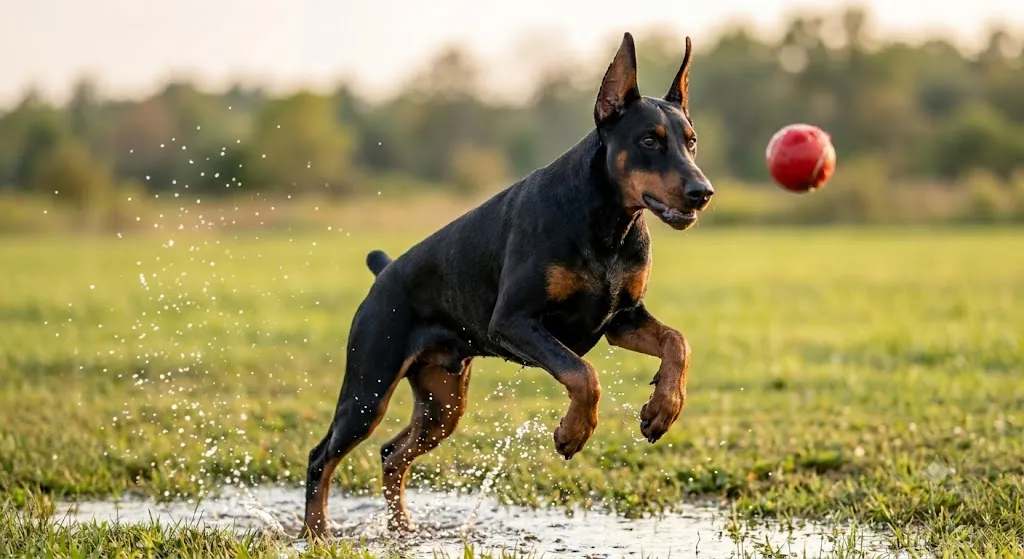
Most adult Dobermans require at least 90 minutes of meaningful activity per day. This may include brisk walking, controlled running, structured play, and training sessions.
Exercise should be purposeful rather than random. Unstructured yard time alone is rarely sufficient for this breed.
Suitable Activities
Dobermans excel in:
- Obedience and advanced training drills
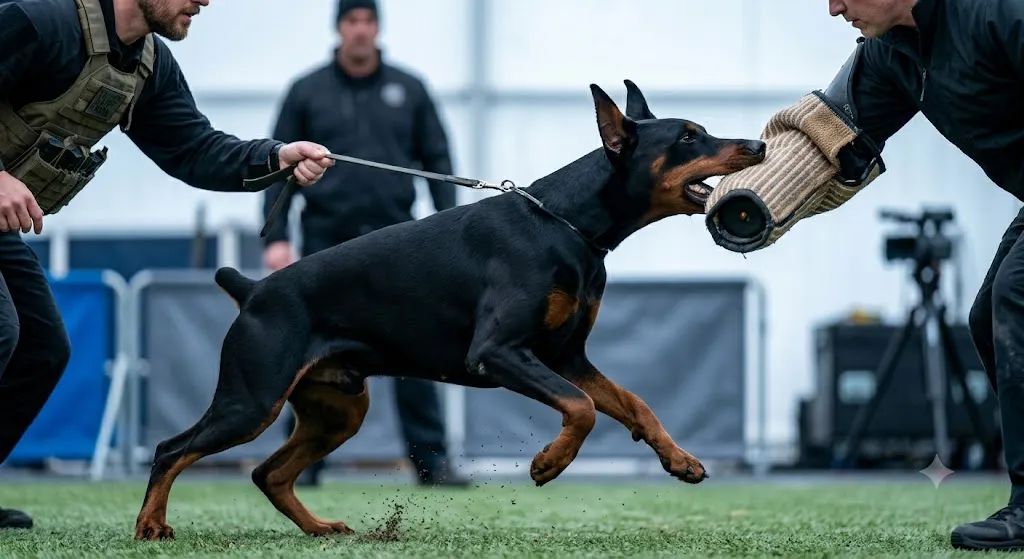
- Agility or protection sports
- Scent work
- Controlled fetch sessions
- Hiking with structured pace
They are athletic and responsive, thriving when given tasks that engage both body and mind.
Exercise Management in Puppies
Growing Dobermans should not be overexercised. Excessive jumping, long-distance running, or repetitive impact activities can stress developing joints.
Short, structured sessions with gradual increases in intensity are ideal during growth stages.
Consequences of Insufficient Exercise
Without adequate activity, Dobermans may develop:
- Destructive behaviour
- Hypervigilance
- Excessive barking
- Restlessness or anxiety
This breed needs daily outlets for its drive. When exercised appropriately, the Doberman becomes calmer indoors and more focused in training.
Providing consistent physical and mental engagement is one of the most important responsibilities of Doberman ownership.
Feeding of the Doberman Pinscher: Fueling a Lean, Athletic Working Dog
The Doberman Pinscher requires a balanced diet that supports muscle maintenance, cardiac health, and sustained energy. As a large, active breed, nutritional quality matters more than volume. Overfeeding can lead to unnecessary weight gain, which places strain on joints and increases long-term health risks.
Nutritional Requirements
A high-quality large-breed formula is generally recommended. Protein should come from reliable animal sources to maintain lean muscle mass, while fat levels should be moderate to support energy without encouraging excess weight.
Some owners consult their veterinarian about heart-supportive nutrients such as taurine and L-carnitine, particularly given the breed’s predisposition to cardiac concerns.
Feeding Schedule
Adult Dobermans typically do well with two measured meals per day. Free feeding is not recommended, as it makes portion control difficult.
Puppies require more frequent meals during growth, usually three smaller servings daily until maturity.
Managing Bloat Risk
The Doberman’s deep chest increases the risk of gastric dilatation-volvulus, commonly known as bloat. While no prevention method is guaranteed, owners can reduce risk by:
- Dividing meals into smaller portions
- Avoiding vigorous exercise immediately before and after meals
- Using steady feeding routines
Some owners discuss preventative gastropexy with their veterinarian.
Weight and Body Condition Monitoring
Maintaining a lean body condition is critical. Ribs should be easily felt without excess fat coverage, and the waist should be visible when viewed from above.
Regular weight checks and portion adjustments based on activity level help maintain long-term health.
With consistent feeding practices and appropriate nutritional planning, the Doberman Pinscher maintains strength, stamina, and overall wellbeing throughout its life.
Doberman Pinscher Price and Ongoing Costs: Investing in a High-Performance Breed
The Doberman Pinscher is a large, health-screened working breed, and pricing reflects that responsibility. Because proper breeding involves cardiac testing, DNA screening, and structured socialisation, well-bred puppies are rarely inexpensive.
Doberman Pinscher Puppy Price in Australia
From registered, health-tested breeders, Doberman puppies typically range between AUD $3,000 and $6,500. Pricing varies based on pedigree, breeder reputation, and whether the puppy comes from show, working, or companion lines.
A reputable breeder should include:
- Microchipping and vaccinations
- Pedigree documentation
- Health screening results for parents
- Early socialisation
Prices significantly below this range should be approached cautiously.
Initial Setup Costs
Before bringing a Doberman home, owners should budget for equipment appropriate for a large, strong dog:
- Heavy-duty collar, lead, and harness
- Crate sized for a large breed
- Quality bedding
- Large-breed puppy food
- Initial obedience training
Setup expenses typically range from AUD $500 to $1,200, depending on quality choices.
Ongoing Monthly Expenses
Dobermans have higher ongoing costs than smaller breeds due to food intake, health screening, and activity requirements.
Monthly costs generally include:
- Quality large-breed nutrition
- Parasite prevention
- Insurance premiums
- Training classes or sport participation
Owners should expect approximately AUD $150 to $300 per month, excluding emergency veterinary care.
Long-Term Financial Planning
Given the breed’s predisposition to cardiac conditions and other inherited concerns, pet insurance is strongly recommended. Unexpected treatment costs for heart monitoring or emergency care can be significant.
Owning a Doberman Pinscher requires financial planning alongside lifestyle readiness. When properly budgeted, the costs remain predictable, but this is not a low-cost breed to maintain.
Buying Advice for the Doberman Pinscher: Health Testing Is Non-Negotiable
The Doberman Pinscher is not a breed to purchase casually. Because of known inherited health risks, particularly cardiac disease, responsible sourcing is critical. Choosing the right breeder significantly affects both lifespan and long-term quality of life.
Choosing a Responsible Breeder
A reputable Doberman breeder will prioritise health, temperament, and structure over speed of sale. Expect detailed conversations about your experience, lifestyle, and expectations.
At minimum, breeders should provide:
- Cardiac screening results for both parents
- DNA testing for von Willebrand’s disease
- Hip evaluations
- Transparency regarding longevity within the line
A breeder unwilling to discuss health documentation should be avoided. Going in with the health questions every breeder should answer makes that conversation far easier to steer.
Temperament and Early Development
Dobermans require stable, confident temperaments. Early neurological stimulation, structured socialisation, and exposure to varied environments during puppyhood contribute to balanced adult behaviour.
Meeting the dam and observing temperament can offer valuable insight into what to expect. You can compare Doberman Pinscher litters across Australia and shortlist breeders worth contacting before arranging a visit.
Red Flags to Watch For
Be cautious of:
- Breeders offering multiple litters at once without screening
- Claims that health testing is unnecessary
- Immediate availability without interview or screening
- Extremely low pricing
With this breed, shortcuts often result in preventable health or behavioural issues.
Considering Rescue
Doberman-specific rescue organisations occasionally have adult dogs available. An adult Doberman can be a suitable option for experienced owners prepared for a strong, intelligent dog.
Verified platforms such as Pups4Sale can help connect buyers with legitimate listings across Australia while reducing exposure to online scams.
Purchasing a Doberman Pinscher should be approached with patience and due diligence. Careful selection protects both your future companion and the integrity of the breed.
Is the Doberman Pinscher Right for You?
The Doberman Pinscher is not a casual choice. This is a powerful, intelligent working breed that requires leadership, daily engagement, and structured training. Owners must be confident, consistent, and prepared to invest time into exercise and mental stimulation.
The Doberman suits experienced households that can provide stability, clear boundaries, and regular activity. It does not thrive in inactive homes or with owners who are frequently absent. Without guidance, its intelligence and protective instincts can become difficult to manage.
In the right environment, however, the Doberman Pinscher is exceptionally loyal, protective without instability, and deeply bonded to its family. If this breed aligns with your lifestyle, you can explore verified Doberman Pinscher listings across Australia on Pups4Sale and connect with responsible breeders to begin your search with confidence.
Frequently Asked Questions
Related Breeds
Other working breeds on Pups4Sale.
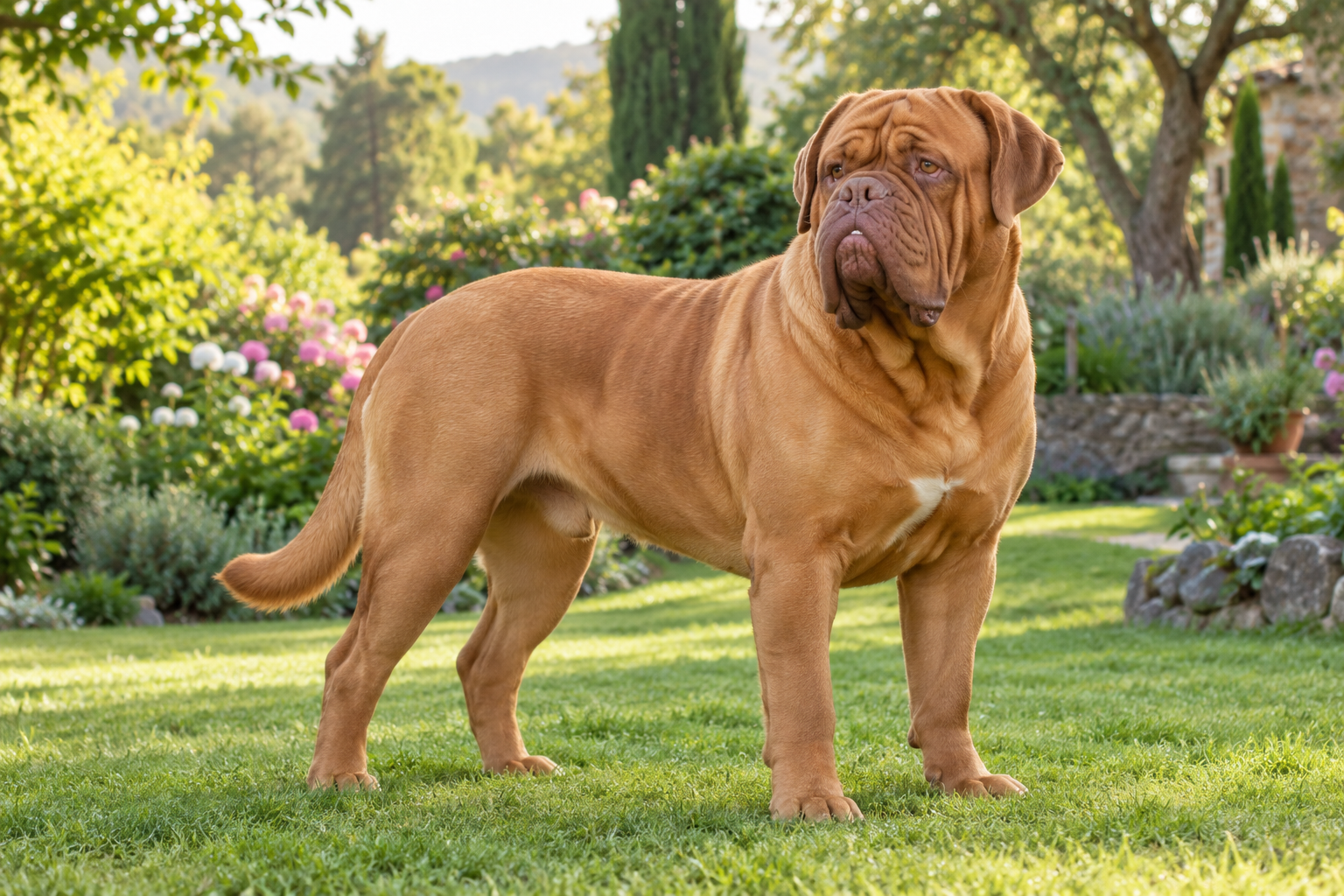 Dogue de BordeauxGiant • Utility (Group 6)
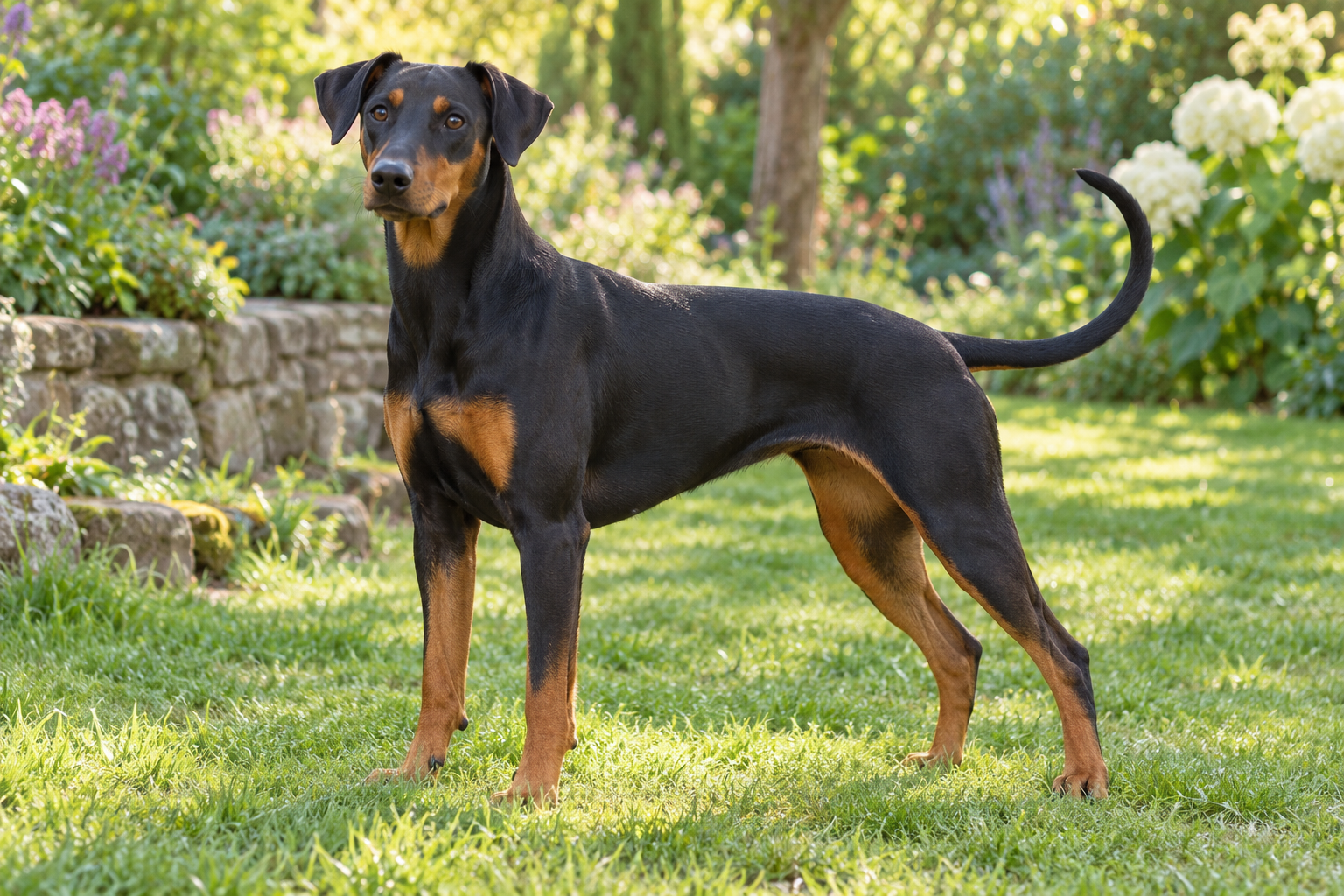 German PinscherMedium • Utility (Group 6)
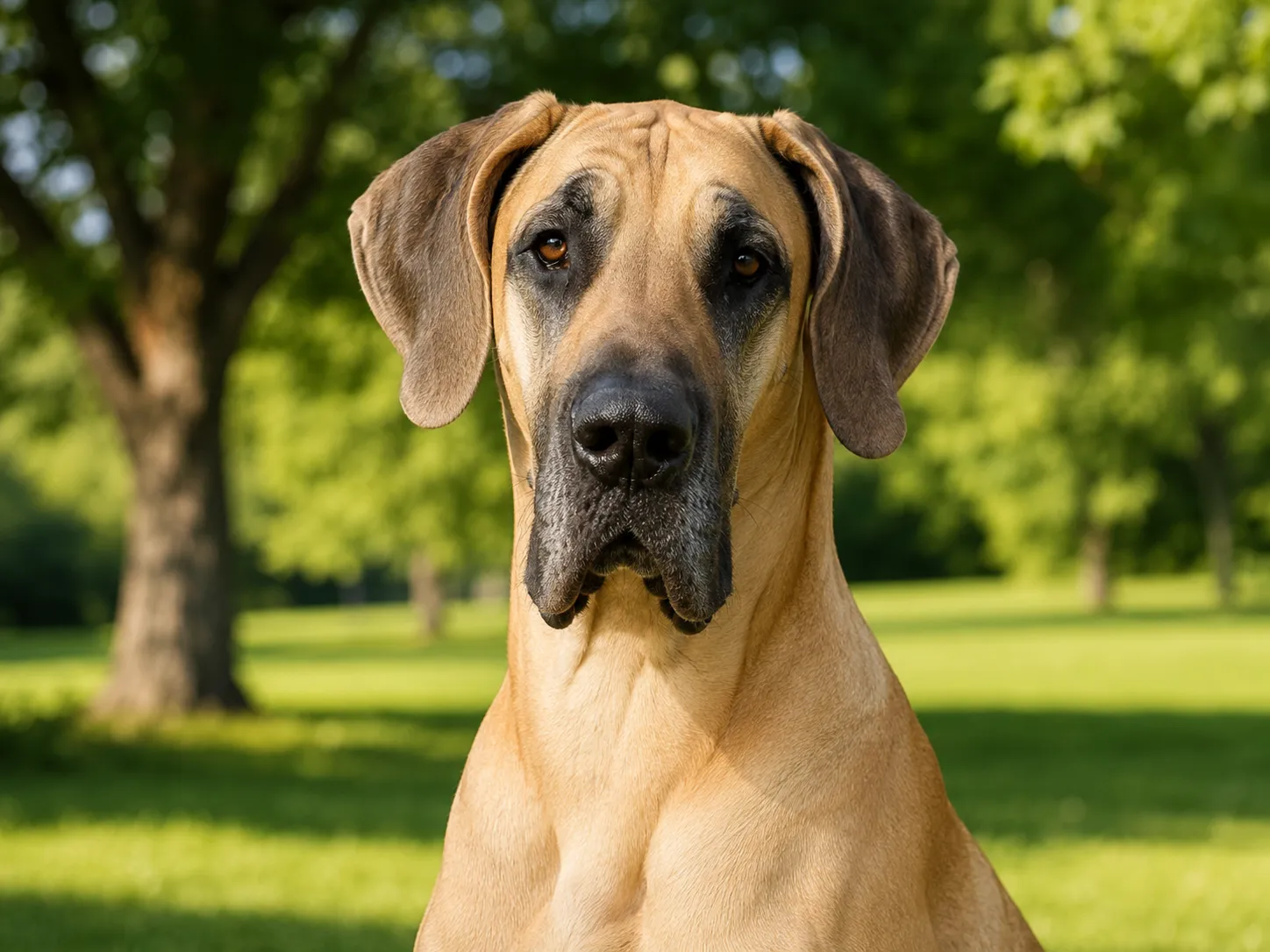 Great DaneGiant • Working
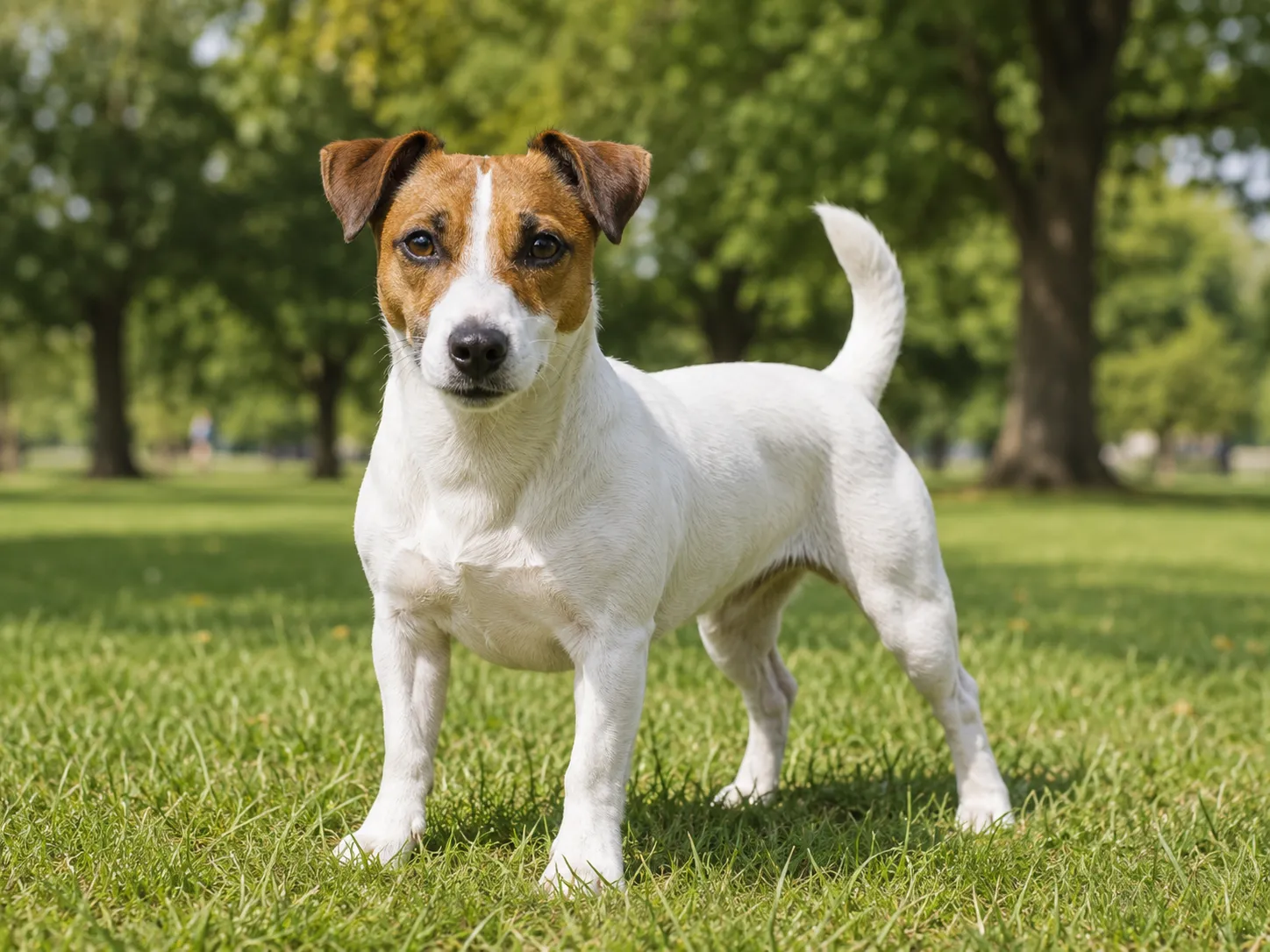 Jack RussellSmall • Terrier
 Labrador RetrieverLarge • Gundog / Sporting Group
 Maremma SheepdogLarge • Working Dogs (Group 5)