Great Dane
By James C. • Updated
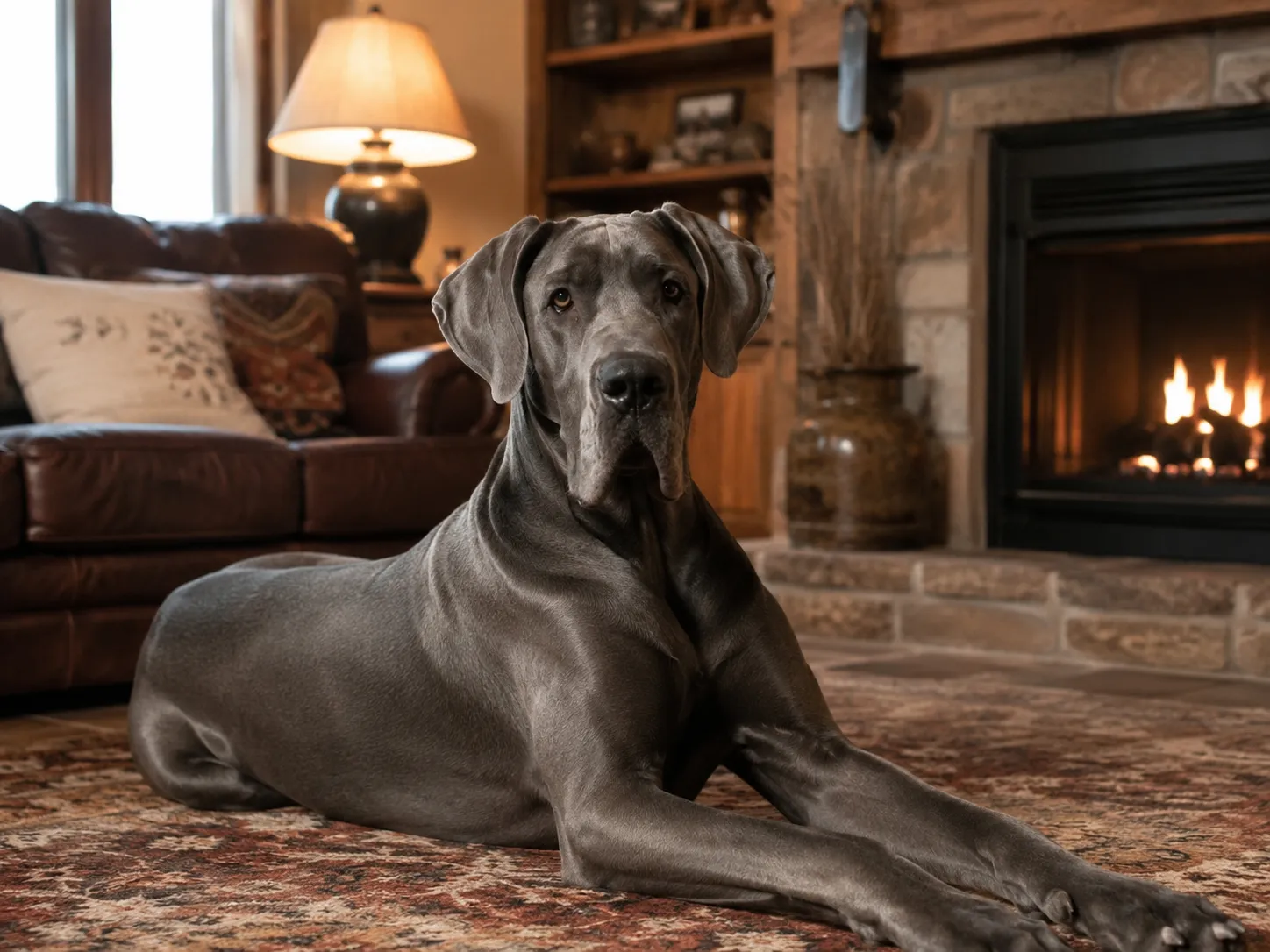
The Great Dane is one of the world's tallest dog breeds. Originally developed in Germany for hunting large game and guarding estates, Great Danes are known for their gentle nature, loyalty, and calm temperament. Despite their imposing size, they are often referred to as "gentle giants" and typically form strong bonds with their families.
Breed Overview
Life Span
7 - 10 years
Average Price
AUD 1500 - AUD 3500
Weight
Male: 54 - 90 kg Female: 45 - 60 kg
Height
Male: 76 - 86 cm Female: 71 - 81 cm
Life Expectancy
Male/Female: 7 - 10 years
Breed Group
Working
Nicknames
Gentle Giant, Apollo of Dogs
Breed Information
The Great Dane is one of the tallest and most visually striking dog breeds in the world. Often referred to as the “Apollo of dogs,” this breed combines impressive size with surprising gentleness and loyalty. Originally developed in Germany as a powerful boar hunter and estate guardian, the modern Great Dane is best known as a devoted family companion with a calm and affectionate nature.
Despite their imposing appearance, Great Danes are typically affectionate, people-oriented dogs that thrive when included in daily family life. They are not suited to small living spaces without careful planning, yet they do not require excessive exercise compared to other working breeds. What they do require is space, structure, early training, and a financially prepared owner.
This breed is best suited to experienced or confident dog owners who understand the responsibility of managing a giant dog. From food costs to veterinary care, everything about the Great Dane is scaled up. For the right household, however, few breeds offer the same balance of dignity, devotion, and gentle companionship.
Great Dane Characteristics: Temperament, Energy and Trainability Ratings
Living with a Great Dane is very different from living with a smaller breed, and buyers at this size usually also consider the Neapolitan Mastiff, another giant guardian breed. Their size influences everything, from space requirements to training approach. This overview gives a clear snapshot of what daily life with a Great Dane typically involves.
| Characteristic | Rating | Star Rating (★ out of 5) | What This Means for You |
| Size | Very Large | ★★★★★ | One of the tallest dog breeds in the world. Requires ample space, strong equipment, and confident handling. |
| Adaptability | Good | ★★★★☆ | Can adapt to suburban or semi-urban living if exercise and space needs are met. Not ideal for very small homes. |
| Exercise Needs | Moderate | ★★★☆☆ | Needs 30–60 minutes daily, but not a hyperactive breed. Structured walks and play are sufficient. |
| Easy to Train | Moderate to High | ★★★★☆ | Intelligent and eager to please, but size means early training is essential. |
| Amount of Shedding | Moderate | ★★★☆☆ | Short coat sheds year-round. Weekly brushing helps manage loose hair. |
| Grooming Needs | Low | ★★☆☆☆ | Simple coat care, though drooling and nail maintenance require regular attention. |
| Good With Children | Very Good | ★★★★☆ | Generally gentle and affectionate, but supervision is vital due to size. |
| Health of Breed | Moderate Risk | ★★★☆☆ | Prone to bloat, joint issues, and heart disease. Requires proactive veterinary care. |
| Cost to Keep | High | ★★★★★ | Food, medication, bedding, and vet costs are significantly higher than average. |
| Tolerates Being Alone | Moderate | ★★★☆☆ | Forms strong bonds. Long isolation may lead to anxiety or destructive behaviour. |
| Intelligence | High | ★★★★☆ | Quick learner, responds well to structured and consistent leadership. |
In summary, the Great Dane suits owners prepared for a giant breed commitment. They are affectionate, calm, and loyal, but their physical scale amplifies both responsibility and cost. With proper training, space, and financial planning, they become deeply devoted companions.
History of the Great Dane: From Boar Hunter to Gentle Giant
The Great Dane may carry the name of Denmark, but its true origins lie in Germany, where its ancestors were developed as powerful hunting and estate dogs. Early versions of the breed were heavier and more muscular than the modern Dane, bred specifically to hunt wild boar. These dogs needed strength, courage, and stamina to confront dangerous prey, traits that shaped the breed’s confident and fearless temperament.
During the 16th and 17th centuries, large Mastiff-type dogs were crossed with Irish Wolfhound–type dogs to create a taller, more agile hunter. Over time, selective breeding refined the dog’s structure, making it more elegant while preserving its imposing presence. The German name Deutsche Dogge remains the breed’s official name in its country of origin. The term “Great Dane” is believed to have emerged through French descriptions of similar large dogs, though the name does not reflect Danish heritage.
By the 1800s, the role of the breed shifted. As wild boar hunting declined, the Great Dane transitioned from a working hunter to a guardian of estates and noble households. Its dignified stance and calm authority earned it the nickname “Apollo of dogs,” highlighting its balanced blend of power and elegance.
Formal breed standards were established in Germany in 1880, helping stabilise appearance and temperament. The breed was recognised by major kennel organisations soon after and gained popularity internationally. Today’s Great Dane retains the height, nobility, and presence of its ancestors but is primarily valued as a loyal companion rather than a hunting dog.
Although no longer used for boar hunting, the breed still carries its historical confidence and alertness. Modern Great Danes combine working heritage with affectionate family loyalty, making them one of the most distinctive giant breeds in the world.
Great Dane Appearance: Size, Structure and Recognised Colours
The Great Dane is one of the tallest and most visually commanding dog breeds in the world, which makes tracking growth against a puppy weight gain chart worthwhile in the first year. Its outline combines power and elegance, giving the impression of strength without heaviness. Everything about this breed is scaled up, from its height to its head proportions, yet balance and harmony are essential to correct breed type.
Height, Weight and Overall Proportion
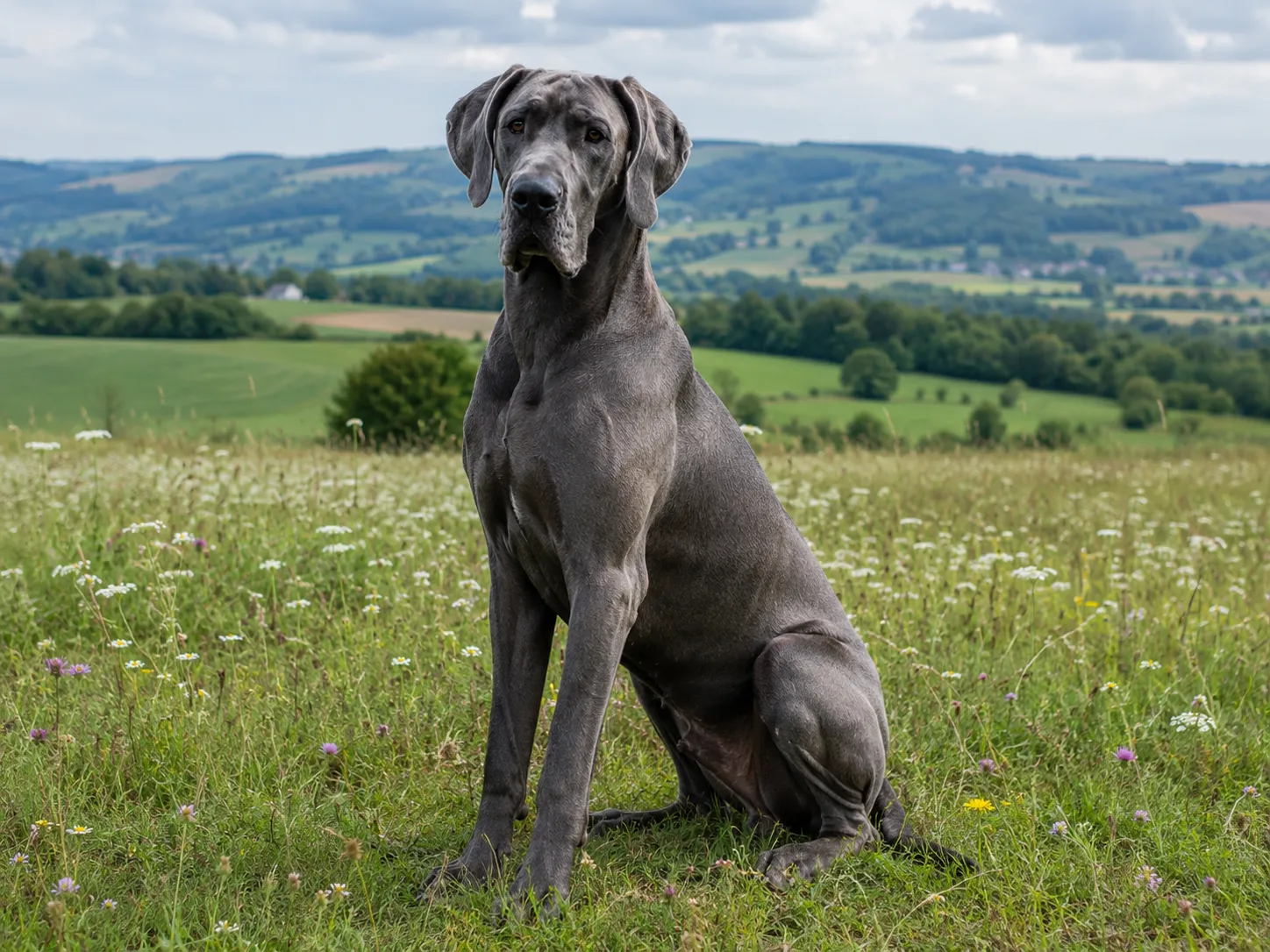
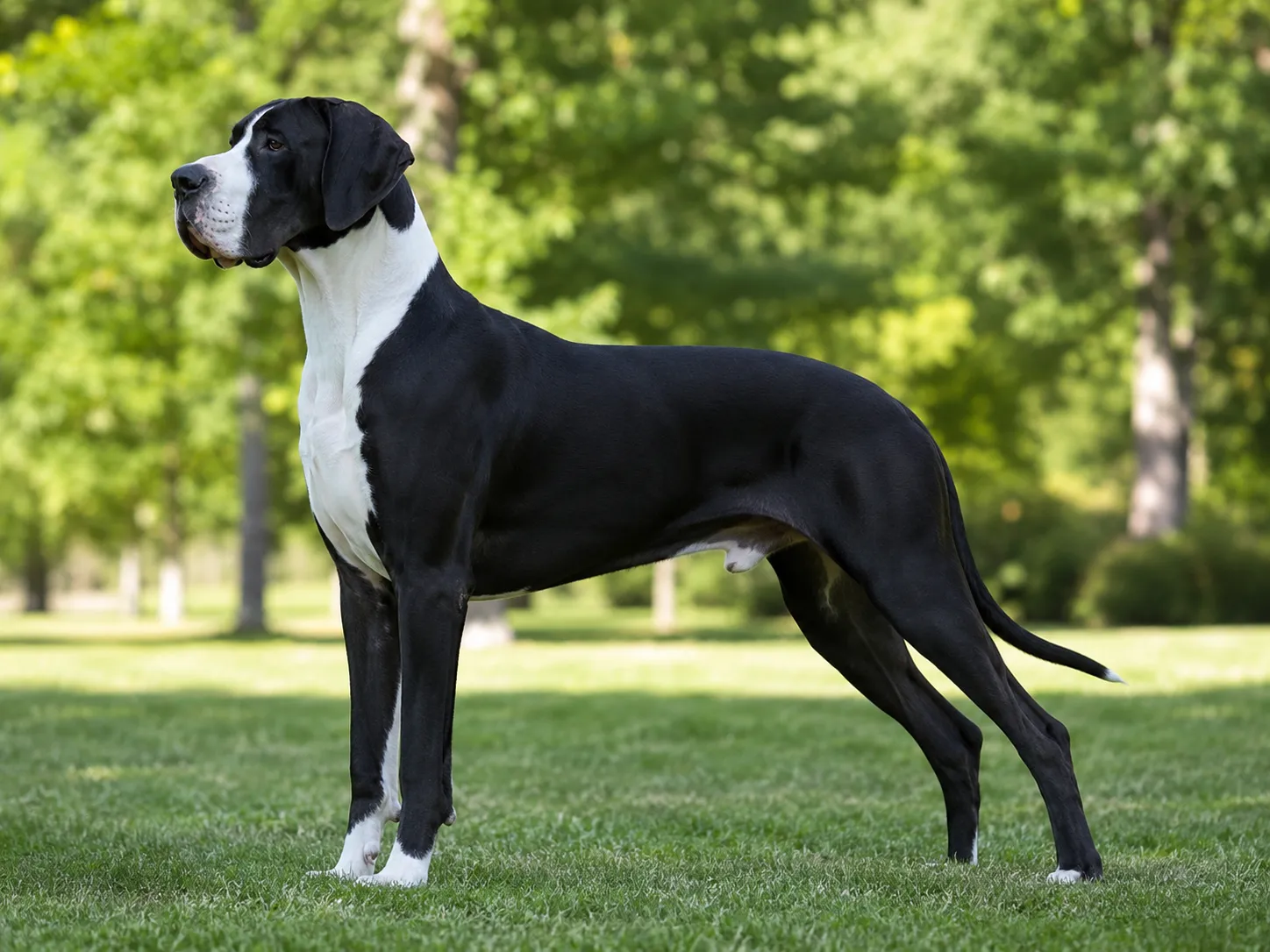
Adult males typically stand between 76 and 86 cm at the shoulder, with females slightly smaller at 71 to 81 cm. Weight varies widely depending on sex and bloodline, often ranging from 45 to 90 kilograms. Despite this mass, the body should appear balanced and athletic rather than bulky. The frame is long, with a deep chest, strong back, and well-developed muscles supporting the dog’s impressive stature.
Head Shape, Expression and Facial Features
The head is long, rectangular, and finely chiselled, reflecting the breed’s noble appearance. The muzzle is broad and deep, with a clearly defined stop. Eyes are medium-sized and expressive, typically dark in colour, although lighter shades may appear in some coat patterns. The expression should convey alert intelligence and calm confidence rather than aggression.
Ears are naturally medium-sized and set high. In Australia, ear cropping is not practised, so most Great Danes have natural, floppy ears that frame the face.
Coat Type and Texture
The coat is short, dense, and smooth, lying close to the body. It has a glossy appearance when healthy and requires relatively simple maintenance. Although short-coated, the breed does shed throughout the year.
Recognised Coat Colours
The Great Dane comes in several recognised colours and patterns, including:
- Fawn with a black mask
- Brindle with dark striping
- Blue
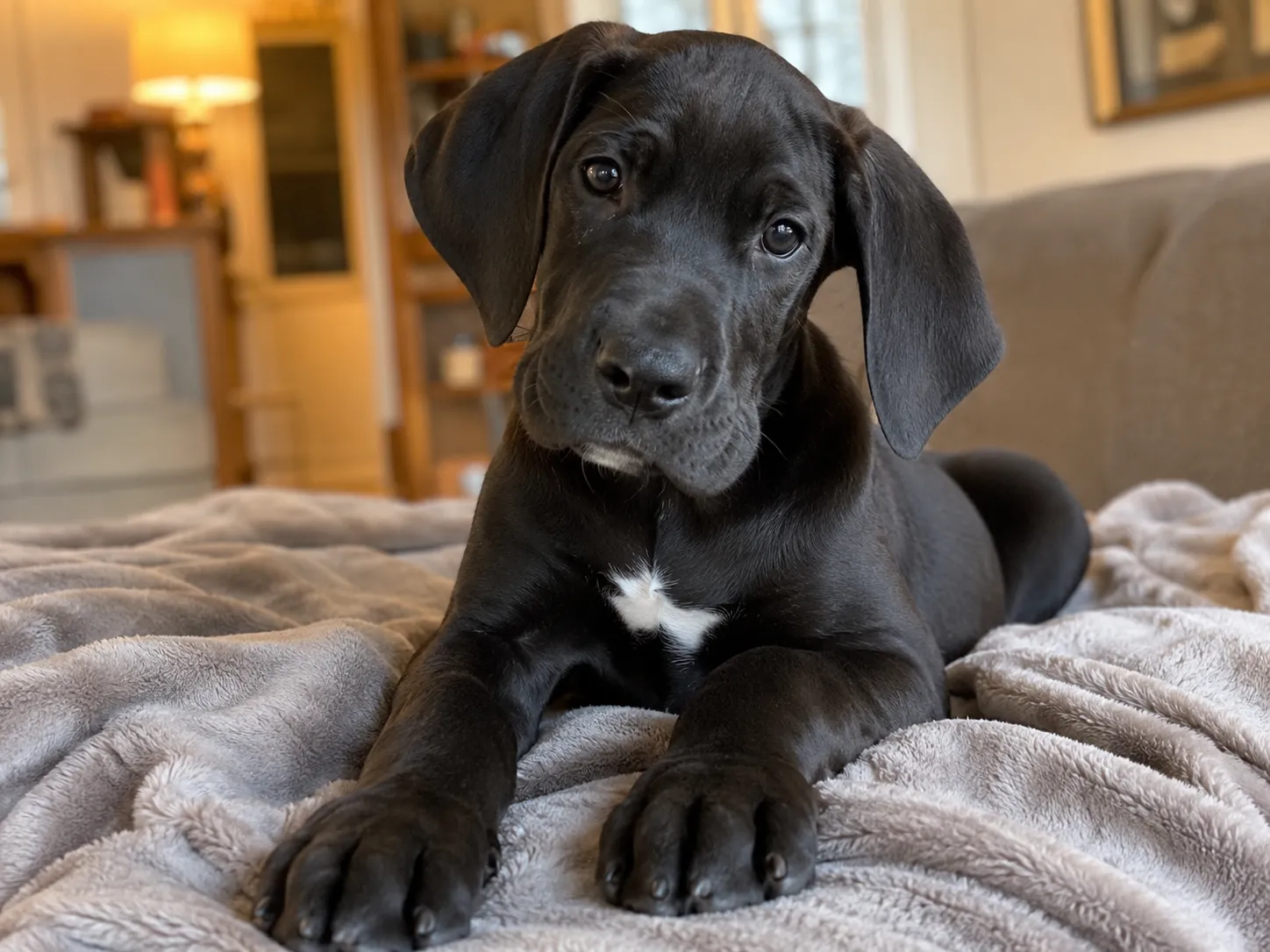
- Black
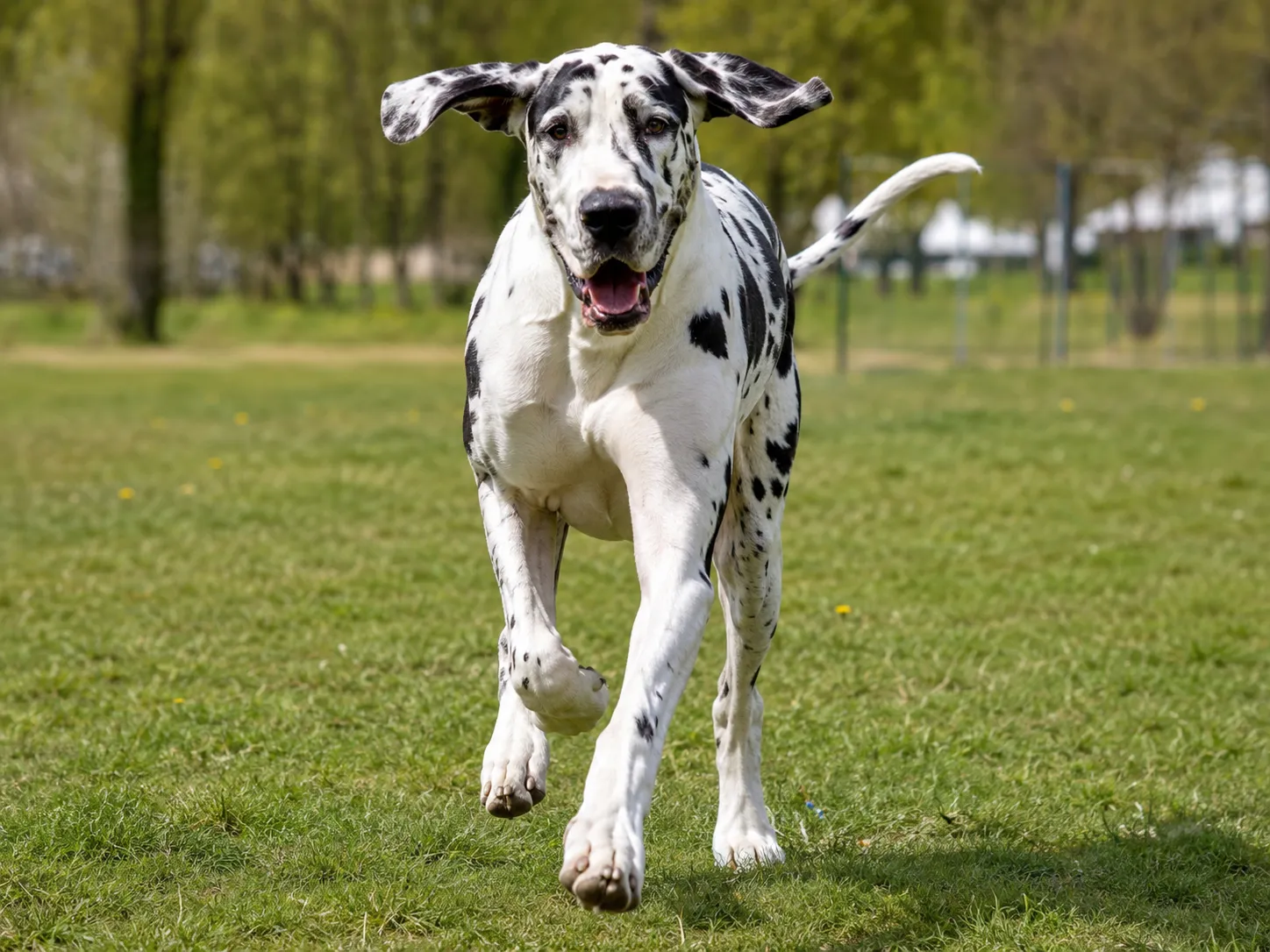
- Harlequin with black patches on white
- Mantle with black and white markings
- Merle (in some registries)
Each colour should be clear and well-defined according to breed standards.
Movement and Presence
Despite their size, Great Danes should move with smooth, powerful strides. The gait is balanced and effortless, reflecting strength without clumsiness. When standing, the breed carries itself with dignity, reinforcing its long-standing nickname as the Apollo of dogs.
In summary, the Great Dane’s appearance is defined by height, balance, and noble presence. While their size is immediately striking, correct structure and proportion are what truly distinguish a well-bred Dane.
Great Dane Temperament: Gentle Giant or Powerful Guardian?
The Great Dane temperament is often misunderstood, particularly by owners comparing it with the Bullmastiff, a heavier and more protective giant. While their size can appear intimidating, most well-bred Danes are known for being affectionate, calm, and deeply loyal. They are frequently described as “gentle giants,” and in the right environment, this description is accurate.
Core Personality Traits
Great Danes are typically people-oriented and emotionally attached to their families. They enjoy being involved in daily activities and often follow their owners from room to room. Despite their working origins, modern Danes are generally placid indoors and content to relax once their exercise needs are met.
They are confident but not naturally aggressive. A well-socialised Dane should display calm assurance rather than nervousness or reactivity.
Social Behaviour With Strangers and Other Dogs
With early and consistent socialisation, Great Danes can be polite and stable around strangers. They may be initially reserved but are rarely hostile without cause. Their deep bark and imposing presence make them effective deterrents, even if their nature is friendly.
With other dogs, temperament varies by individual. Some Danes coexist peacefully, while others may show dominance, particularly males. Early exposure and structured introductions are essential due to the breed’s physical strength.
Protective Instincts and Watchdog Tendencies
Although not bred as modern guard dogs, Great Danes retain strong protective instincts. They are naturally alert and will position themselves between their family and perceived threats. This protective nature should be guided through training, as an untrained giant dog reacting impulsively can become difficult to manage.
Behavioural Challenges to Consider
Without structure, a Great Dane may develop separation anxiety, destructive chewing, or pulling on the lead. Their physical strength means poor behaviour is magnified. A jumping Great Dane is not a minor inconvenience, it is a safety concern.
Consistency, early obedience training, and clear boundaries are non-negotiable for this breed. When raised with guidance and social exposure, the Great Dane grows into a stable, affectionate, and impressively calm companion.
In summary, the Great Dane combines size with sensitivity. Their temperament thrives under confident leadership and close family integration, making them best suited to owners prepared for both emotional and physical responsibility.
Great Dane Intelligence and Trainability: What to Expect
The Great Dane is an intelligent and observant breed, but intelligence in a giant dog must be guided early and consistently. While they are capable learners, their size means that training is not optional, it is essential for safety and control.
Early Training Foundations Are Critical
Training should begin in puppyhood, focusing first on lead manners, recall, impulse control, and calm greetings. A 60-kilogram adult pulling on a lead or jumping on guests is not manageable without early structure. Starting young also prevents bad habits from becoming ingrained during rapid growth phases.
Basic obedience commands such as sit, stay, down, and leave it should be taught before adolescence, when confidence and physical strength increase significantly.
Best Training Approach for This Breed
Great Danes respond well to positive reinforcement and consistent boundaries. They are sensitive dogs and do not respond well to harsh correction. Firm but calm leadership builds trust and cooperation.
Short, structured sessions work best. Overly repetitive drills can lead to boredom, while inconsistent rules can create confusion. Clear expectations and predictable routines help this breed feel secure.
Adolescence and the “Big Puppy” Phase
Between 8 and 18 months, many Great Danes go through a challenging phase. They may test boundaries while still behaving like oversized puppies. During this period, reinforcement of rules and continued social exposure is critical.
Owners must remain patient and consistent, remembering that emotional maturity often lags behind physical growth.
Advanced Training and Mental Engagement
With proper guidance, Great Danes can participate in obedience, scent work, tracking, and even agility adapted for large breeds. Mental stimulation helps prevent boredom, especially in young adults.
However, they are not typically high-drive working dogs. Their intelligence is best described as steady and cooperative rather than intense or hyper-focused.
In summary, the Great Dane is highly trainable when raised with structure. Their intelligence, combined with their physical scale, makes early and consistent training one of the most important responsibilities of ownership.
Great Dane and Family Life: Children, Other Pets and Home Compatibility
The Great Dane is widely known as a family-oriented breed, but successful integration into family life depends on supervision, training, and realistic expectations. Their affectionate nature makes them deeply bonded to their household, yet their size changes how they interact within the home.
Living With Children of Different Ages
Great Danes are generally gentle, tolerant, and patient with children, especially those within their own family. Many form strong bonds with older children and enjoy calm companionship.
However, supervision is essential with toddlers and small children. Even an accidental bump, tail swing, or enthusiastic greeting can knock a child over. The risk is not aggression, but physical scale. Teaching children respectful handling and avoiding rough play is critical.
Interaction With Other Dogs
When properly socialised, Great Danes can live peacefully with other dogs. Early exposure helps prevent dominance issues, particularly between large males. Structured introductions and controlled environments are important due to the breed’s strength.
Some Danes prefer calm canine companions rather than highly energetic dogs.
Compatibility With Smaller Pets
Caution is advised with small animals. While many Danes coexist peacefully with cats when raised together, prey drive varies between individuals. Careful introductions and supervision are necessary. Small pets such as rabbits or rodents are generally not recommended in the same household.
Space and Home Environment
A Great Dane does not require constant outdoor activity, but it does require physical space to move comfortably indoors. Tight hallways, fragile furnishings, and crowded living arrangements can become challenging.
They can adapt to suburban homes and even larger apartments if daily exercise and mental stimulation are provided. Access to a secure yard is beneficial but not a substitute for interaction.
Emotional Needs Within the Household
Great Danes are deeply attached to their families and do not thrive in isolation. They prefer to be near their people and may develop separation anxiety if left alone for extended periods.
In summary, the Great Dane fits best in homes that provide space, supervision, and close companionship. With the right structure, they are affectionate, loyal, and remarkably gentle members of the family.
Great Dane Health: Lifespan, Common Conditions and Preventative Care
The Great Dane has a shorter lifespan than most breeds, typically ranging from 7 to 10 years. As a giant breed, their rapid growth and large frame increase the risk of certain health conditions. Responsible ownership includes understanding these risks and planning for proactive care.
Bloat and Gastric Dilatation-Volvulus (GDV)
One of the most serious conditions affecting Great Danes is bloat, also known as gastric dilatation-volvulus (GDV). This life-threatening emergency occurs when the stomach fills with gas and twists, cutting off blood supply.
Symptoms include restlessness, abdominal swelling, drooling, and unproductive retching. Immediate veterinary attention is critical. Preventative strategies include feeding smaller meals, avoiding vigorous exercise after eating, and discussing preventative gastropexy surgery with a veterinarian.
Hip and Elbow Dysplasia
Due to their size, Great Danes are prone to hip and elbow dysplasia, where joints develop abnormally. This can lead to pain, lameness, and arthritis.
Reputable breeders conduct hip and elbow scoring before breeding. Maintaining a healthy weight and avoiding excessive impact during growth reduces long-term joint strain.
Heart Disease
Dilated cardiomyopathy (DCM) is a known concern in giant breeds. This condition affects heart muscle function and can lead to heart failure. Regular veterinary checks and, in some cases, cardiac screening are advisable, especially if there is a known family history.
Wobbler Syndrome
Wobbler syndrome, or cervical spondylomyelopathy, affects the spinal cord in the neck. It can cause an unsteady gait and weakness. Early veterinary assessment is important if coordination changes are observed.
Growth-Related Concerns
Rapid growth in puppyhood places stress on bones and joints. Feeding a large-breed puppy formula helps control growth rate and reduces skeletal strain. High-impact exercise should be limited until full maturity at around two years of age.
Preventative Veterinary Planning
Routine vaccinations, parasite control, dental checks, and weight monitoring are essential. Given the breed’s size, medication dosages and surgical procedures are often more expensive than for smaller dogs.
Pet insurance is strongly recommended, as treatment for conditions such as GDV or joint surgery can be significant.
In summary, while the Great Dane is affectionate and gentle, it carries higher health risks associated with giant breeds. Responsible breeding, preventative care, and financial preparedness are key to supporting their wellbeing.
Caring for a Great Dane: Daily Routine and Living Requirements
Caring for a Great Dane requires thoughtful planning, starting with settled nights and knowing what to do about a puppy crying at night. Their physical scale affects everything from sleeping arrangements to transport. While their temperament is often calm, their needs are substantial and must be managed consistently.
Daily Routine and Structure
An adult Great Dane typically needs 30 to 60 minutes of controlled exercise per day, split between structured walks and light play. They are not high-energy dogs, but they do require regular movement to maintain joint health and prevent weight gain.
Mental stimulation is equally important. Basic obedience practice, scent games, and interactive toys help prevent boredom, particularly during adolescence.
Sleeping and Resting Needs
Due to their size, Great Danes require large, supportive bedding to protect joints and prevent pressure sores. Orthopaedic beds are highly recommended, especially as they age.
They prefer to sleep near their family and often choose positions that allow them to monitor household activity.
Home Safety and Space Considerations
Furniture placement, stair access, and flooring should be considered carefully. Slippery surfaces increase the risk of joint injury, particularly in growing puppies. Ramps or controlled stair use may be necessary in some homes.
Crates, if used, must be appropriately sized for giant breeds. Many standard products are not suitable.
Transport and Practical Considerations
Owning a Great Dane often requires a large vehicle capable of safely transporting a giant dog. Standard cars may not provide sufficient space.
Boarding facilities, veterinary clinics, and grooming services must also be equipped to handle giant breeds comfortably.
Emotional and Social Needs
Great Danes thrive on companionship. They are deeply bonded to their owners and do not cope well with extended isolation. Regular interaction, calm leadership, and inclusion in daily life are essential for emotional stability.
In summary, caring for a Great Dane involves more than feeding and walking. Their size amplifies responsibility, and owners must be prepared to provide space, structure, and consistent care throughout the dog’s life.
Great Dane Grooming: Coat Care, Drooling and Maintenance
The Great Dane has relatively low grooming requirements compared to many other breeds, but their size means even simple maintenance tasks require consistency and planning. While coat care is straightforward, drooling and nail management are common considerations.
Coat Care and Brushing Routine
Great Danes have a short, dense, smooth coat that lies close to the body. Brushing once or twice per week with a rubber curry brush or grooming mitt helps remove loose hair and maintain shine. Although the coat is short, shedding occurs year-round.
Regular brushing also supports skin health by distributing natural oils.
Bathing and Skin Care
Bathing is typically required every two to three months, or more frequently if the dog becomes muddy. Because of their size, bathing can be physically demanding and may require outdoor space or professional facilities.
After bathing, thorough drying is important to prevent skin irritation.
Drooling and Facial Hygiene
Many Great Danes are known for moderate to heavy drooling, particularly after eating or drinking. Keeping a towel accessible becomes part of daily life. Regular cleaning around the mouth reduces odour and prevents skin irritation.
Not every Dane drools excessively, but it is common enough to consider before choosing the breed.
Nail, Ear and Dental Maintenance
Nail trimming is especially important due to the breed’s weight. Long nails can alter gait and strain joints. Nails should be trimmed every three to four weeks.
Ears should be checked weekly for redness, debris, or signs of infection. Dental care is equally important, with regular brushing recommended to prevent plaque build-up.
Grooming Challenges Specific to Giant Breeds
Handling and positioning a giant dog for grooming requires space and confidence. Early desensitisation to brushing, nail trimming, and bathing makes adult care significantly easier.
In summary, the Great Dane is not coat-intensive, but their physical size increases the effort required for routine grooming. With early handling and consistent care, maintenance remains manageable.
Great Dane Exercise Needs: Activity, Growth Protection and Mental Stimulation
The Great Dane is not a high-energy breed, but appropriate exercise is essential for maintaining joint health, muscle tone, and emotional balance. Because of their giant size, exercise must be carefully structured, especially during growth phases.
Daily Exercise Requirements
Most adult Great Danes require 30 to 60 minutes of controlled exercise per day. This can include steady walks, light play in a secure yard, and structured interaction with their owner. They are not endurance athletes, but they do need consistent movement to prevent stiffness and weight gain.
Over-exercising is just as harmful as under-exercising, particularly in young dogs.
Exercise During Puppyhood and Adolescence
Great Dane puppies grow rapidly, placing strain on developing bones and joints. High-impact activities such as jumping from furniture, running on hard surfaces, or climbing stairs repeatedly should be limited until full skeletal maturity at around 18 to 24 months.
Short, controlled walks and supervised play are safest during growth stages.
Suitable Activities for Adult Danes
As adults, Great Danes may enjoy long walks, light hiking, scent games, and structured obedience sessions. Some individuals participate in low-impact dog sports suited to giant breeds. Mental stimulation is just as important as physical activity.
Interactive toys and training refreshers help prevent boredom and destructive behaviour.
Heat Sensitivity and Environmental Considerations
Due to their size and short coat, Great Danes can be sensitive to extreme temperatures. Exercise during hot Australian summers should be scheduled in cooler parts of the day, with constant access to fresh water.
Cold weather may require additional bedding support rather than extended outdoor activity.
Balancing Rest and Movement
Despite their size, Great Danes often enjoy lounging indoors. A healthy routine balances moderate exercise with substantial rest. Forced exercise or excessive stimulation can lead to joint stress or fatigue.
In summary, the Great Dane requires moderate, structured activity tailored to a giant breed body. Controlled movement during growth and consistent exercise in adulthood are essential for long-term health.
Feeding the Great Dane: Nutrition, Growth Control and Portion Management
Feeding a Great Dane correctly is one of the most important aspects of ownership, so work out how much a growing puppy should eat before free feeding. As a giant breed, their growth rate, joint health, and long-term wellbeing are directly influenced by diet. Poor nutrition during puppyhood can have lasting consequences.
Large-Breed Puppy Nutrition
Great Dane puppies must be fed a large-breed puppy formula specifically designed to control growth speed. Rapid growth increases the risk of joint disorders such as hip dysplasia and other skeletal problems.
Meals should be divided into three to four portions per day during early development. Calcium and phosphorus levels must remain properly balanced, so supplementation should only occur under veterinary guidance.
Adult Feeding Requirements
Adult Great Danes typically require two measured meals per day rather than one large meal. Feeding once daily increases the risk of bloat (GDV), which is a serious concern in this breed.
High-quality diets rich in animal protein help maintain muscle mass. Because food volume is significant, owners should expect higher monthly food costs compared to smaller breeds.
Preventing Bloat Through Feeding Management
To reduce the risk of gastric dilatation-volvulus:
- Avoid vigorous exercise one hour before and after meals
- Feed smaller, consistent portions
- Discourage rapid eating through slow feeder bowls
- Provide fresh water at all times, but avoid excessive intake immediately after meals
Some owners discuss preventative gastropexy surgery with their veterinarian.
Weight Management and Joint Protection
Maintaining a lean body condition is critical. Excess weight places additional strain on joints and increases health risks. Regular body condition assessments and veterinary weight checks help prevent obesity.
Portion sizes should be adjusted based on age, activity level, and neuter status.
Senior Nutrition Considerations
As Great Danes age, joint-supporting nutrients such as omega-3 fatty acids and glucosamine may be beneficial under veterinary supervision. Senior diets with moderate calorie content help maintain muscle while preventing weight gain.
In summary, feeding a Great Dane is not simply about volume. It requires careful growth control, structured meal timing, and weight management to support a giant frame throughout life.
Great Dane Price and Ongoing Costs: Financial Commitment Explained
Owning a Great Dane involves a significantly higher financial commitment than most other breeds, so it is worth checking Great Dane puppies currently listed in Australia against your budget. While their temperament may be gentle, their size increases the cost of nearly every aspect of care. Prospective owners should plan carefully before committing to this giant breed.
Purchase Price in Australia
A well-bred Great Dane puppy from a reputable Australian breeder typically costs between $1,500 and $3,500, depending on pedigree, health testing, and breeder reputation. Puppies from fully health-tested lines may sit at the higher end of this range.
Extremely low prices should be treated with caution, as they may indicate poor breeding practices or lack of health screening.
Initial Setup Costs
Initial expenses often exceed expectations. Giant-sized crates, bedding, leads, harnesses, and feeding bowls are more expensive than standard items. A realistic setup budget is $400 to $800, depending on quality and brand selection.
Vehicle upgrades may also be necessary for safe transport.
Monthly Food Costs
Feeding a Great Dane is one of the largest recurring expenses. High-quality large-breed food can cost $200 to $350 per month, depending on brand and portion requirements.
Supplementation for joints may add additional cost.
Veterinary and Insurance Expenses
Routine veterinary care, vaccinations, parasite prevention, and dental care are more expensive due to medication dosage based on body weight. Emergency procedures such as surgery for bloat (GDV) can be costly.
Comprehensive pet insurance is strongly recommended and typically ranges from $60 to $120 per month for giant breeds.
Grooming and Miscellaneous Costs
Although grooming needs are moderate, professional bathing for a giant breed may cost more than smaller dogs. Replacement items such as bedding and collars also wear out more quickly under heavier weight.
Lifetime Cost Consideration
Over an average lifespan of 7 to 10 years, the total cost of owning a Great Dane can reach tens of thousands of dollars. Food, insurance, healthcare, and equipment represent the largest long-term expenses.
In summary, the Great Dane is a premium breed in terms of financial responsibility. Owners must be prepared not only emotionally but financially to provide appropriate care throughout the dog’s life.
Buying Advice for the Great Dane: Choosing Responsibly and Ethically
Buying a Great Dane requires careful research and patience. Because of the breed’s size and health risks, choosing the right breeder has a direct impact on temperament, longevity, and overall quality of life.
Finding a Responsible Great Dane Breeder
A reputable breeder prioritises health testing, temperament stability, and structural soundness. You should be able to:
- Meet the puppy’s mother
- View the living conditions
- Review documented health tests
- Receive vaccination and microchipping records
- Obtain pedigree registration papers
Breeders should welcome questions and provide ongoing support after purchase. Avoid sellers who refuse visits, offer multiple litters at once without transparency, or pressure immediate deposits.
Essential Health Testing to Verify
Due to the breed’s known risks, ask for evidence of:
- Hip and elbow scoring
- Cardiac screening
- Thyroid testing
- Eye examinations
These tests help reduce the likelihood of inherited joint and heart conditions. Ethical breeders do not breed dogs with severe structural faults or known genetic disease.
Selecting the Right Temperament
A healthy Great Dane puppy should appear confident, curious, and socially responsive. Extreme shyness or aggression may indicate poor early socialisation.
Because these dogs grow rapidly into giant adults, early stability and calm behaviour are critical.
Contracts and Breeder Support
A written contract should outline health guarantees, return policies, and buyer responsibilities. Responsible breeders will take back a dog if circumstances change, rather than allowing it to enter unsuitable situations.
Considering Rescue and Adoption
While less common than smaller breeds, Great Danes do appear in rescue organisations. Adoption may suit experienced owners prepared to manage adult behaviour and potential medical needs.
In summary, purchasing a Great Dane should never be rushed. Selecting a health-tested, ethically bred puppy significantly improves the chances of raising a stable and healthy giant companion.
Is the Great Dane Right for You?
The Great Dane is not just a larger version of an average dog. Everything about this breed is amplified, from physical size to financial responsibility. While they are affectionate, calm, and deeply loyal, they require space, structure, and confident leadership.
This breed suits owners who can provide ample living space, consistent training, and the financial stability to manage giant-breed healthcare costs. They thrive in households where they are included in daily life and not left alone for extended periods.
If you are prepared for a dog that will occupy significant physical space in your home and heart, the Great Dane offers unmatched companionship and presence. Their gentle temperament makes them excellent family dogs when properly supervised and trained.
If you are considering adding a Great Dane to your household, explore available listings and connect with responsible breeders through Pups4Sale. Choosing carefully ensures that both you and your future companion begin your journey on the right foundation.
Frequently Asked Questions
Related Breeds
Other working breeds on Pups4Sale.
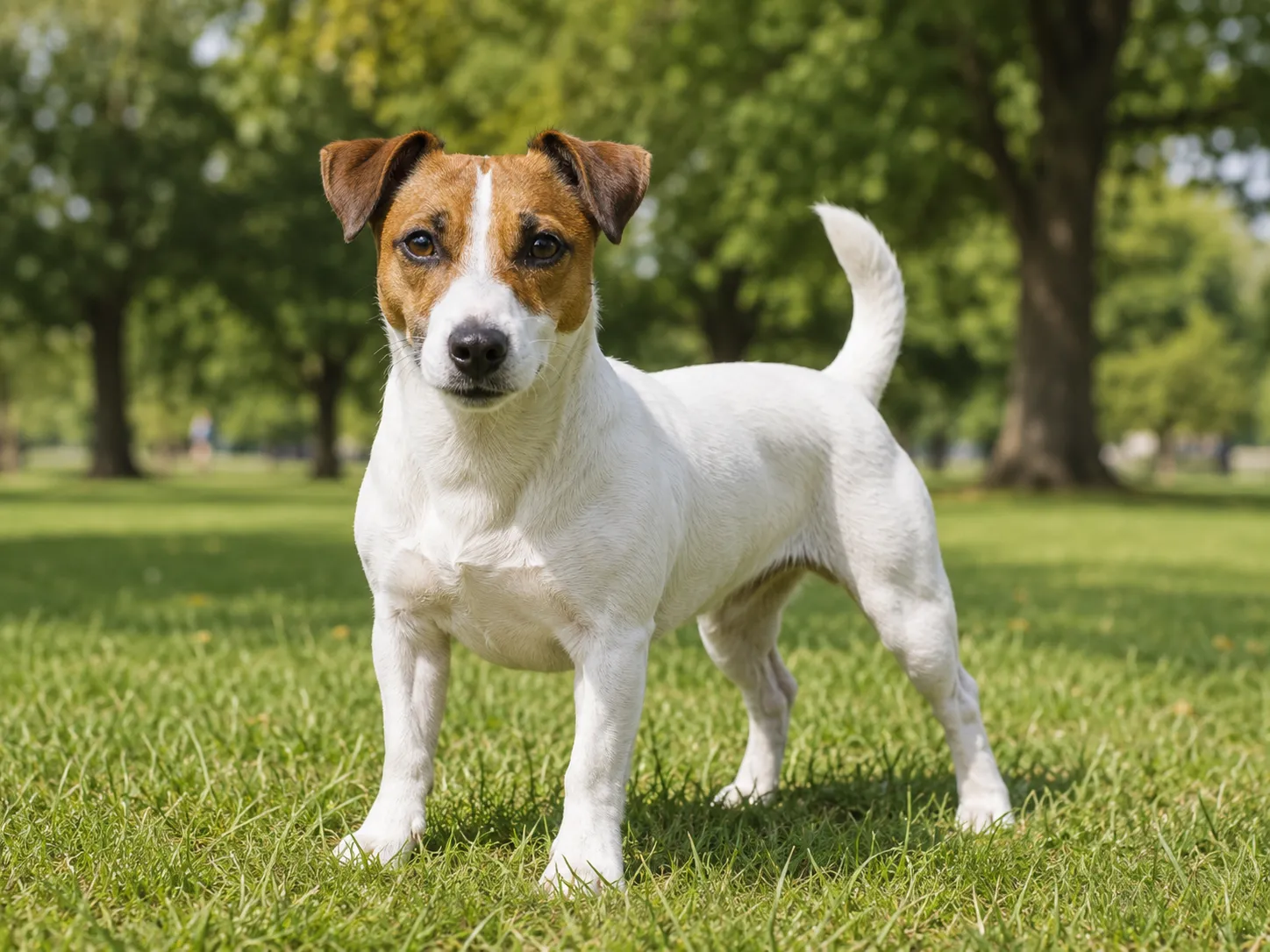 Jack RussellSmall • Terrier
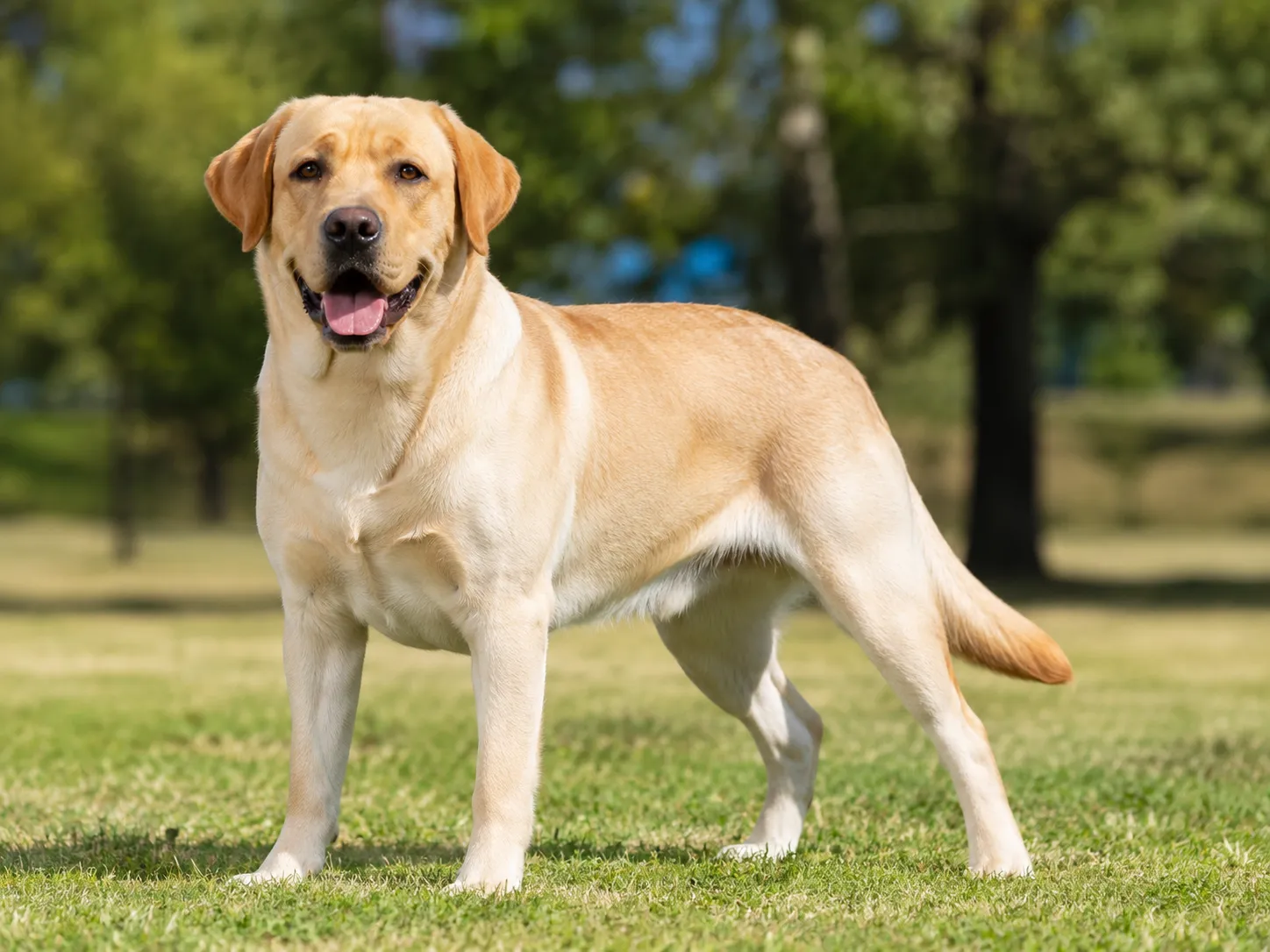 Labrador RetrieverLarge • Gundog / Sporting Group
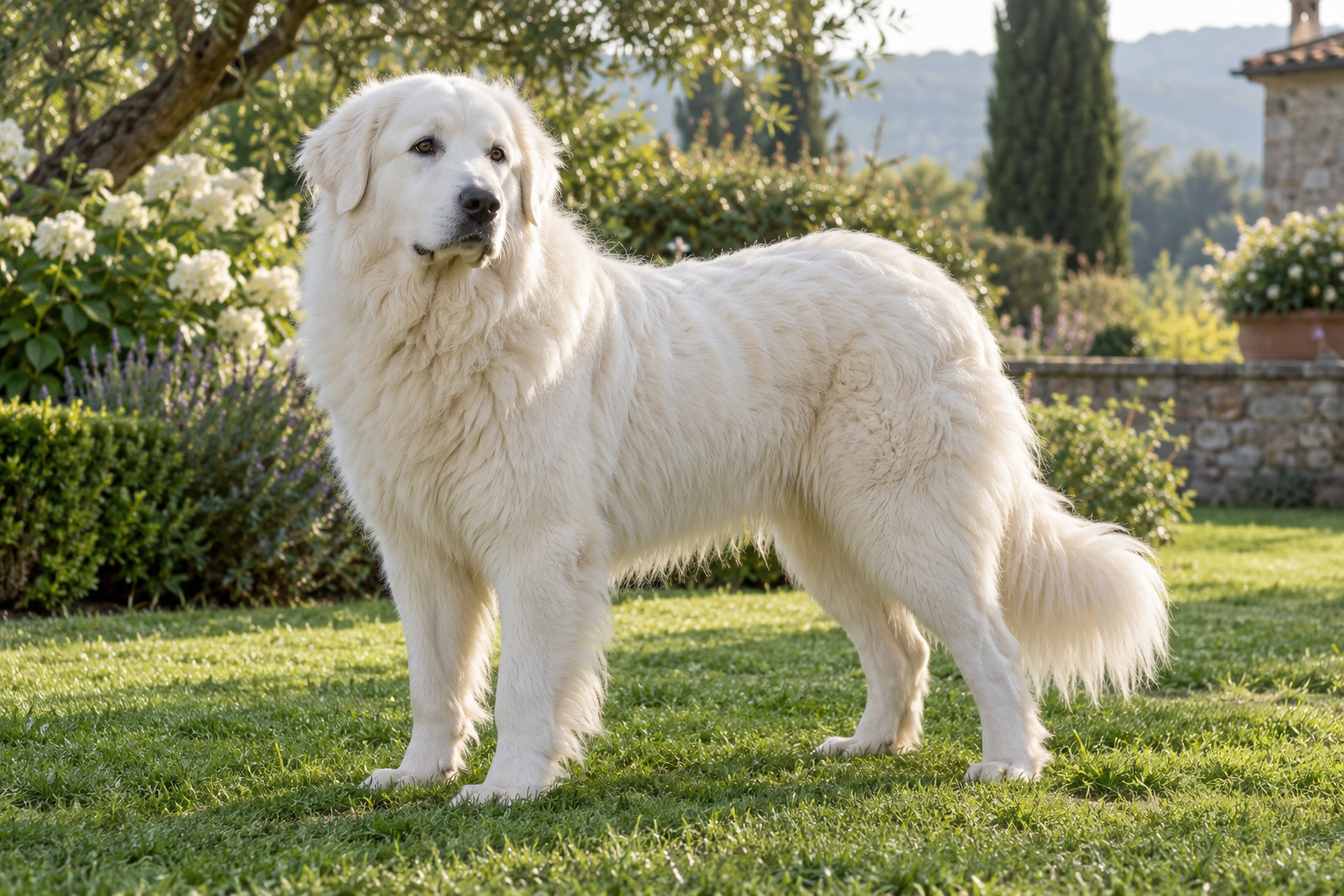 Maremma SheepdogLarge • Working Dogs (Group 5)
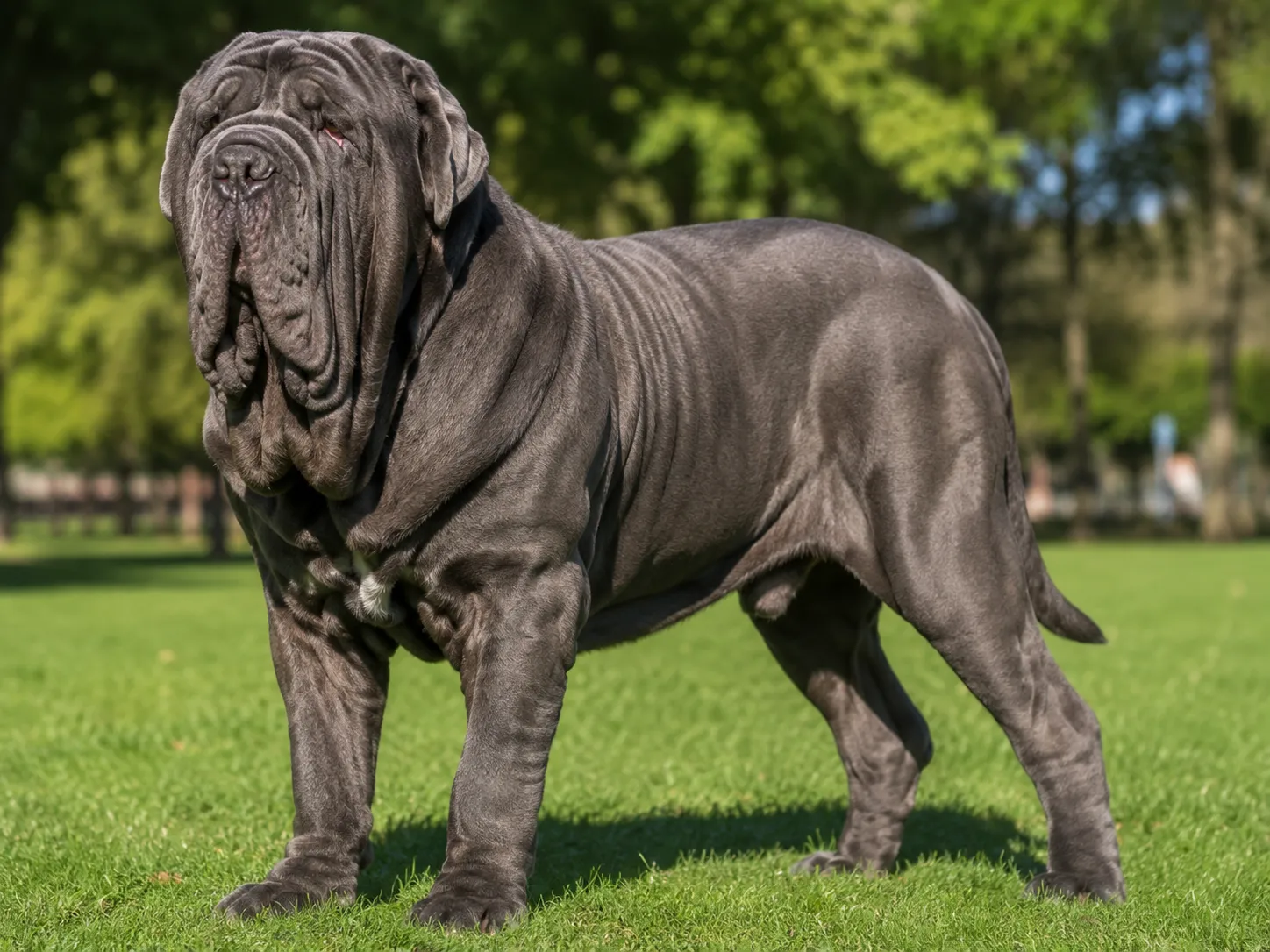 Neapolitan MastiffGiant • Working (Mastiff type guardian)
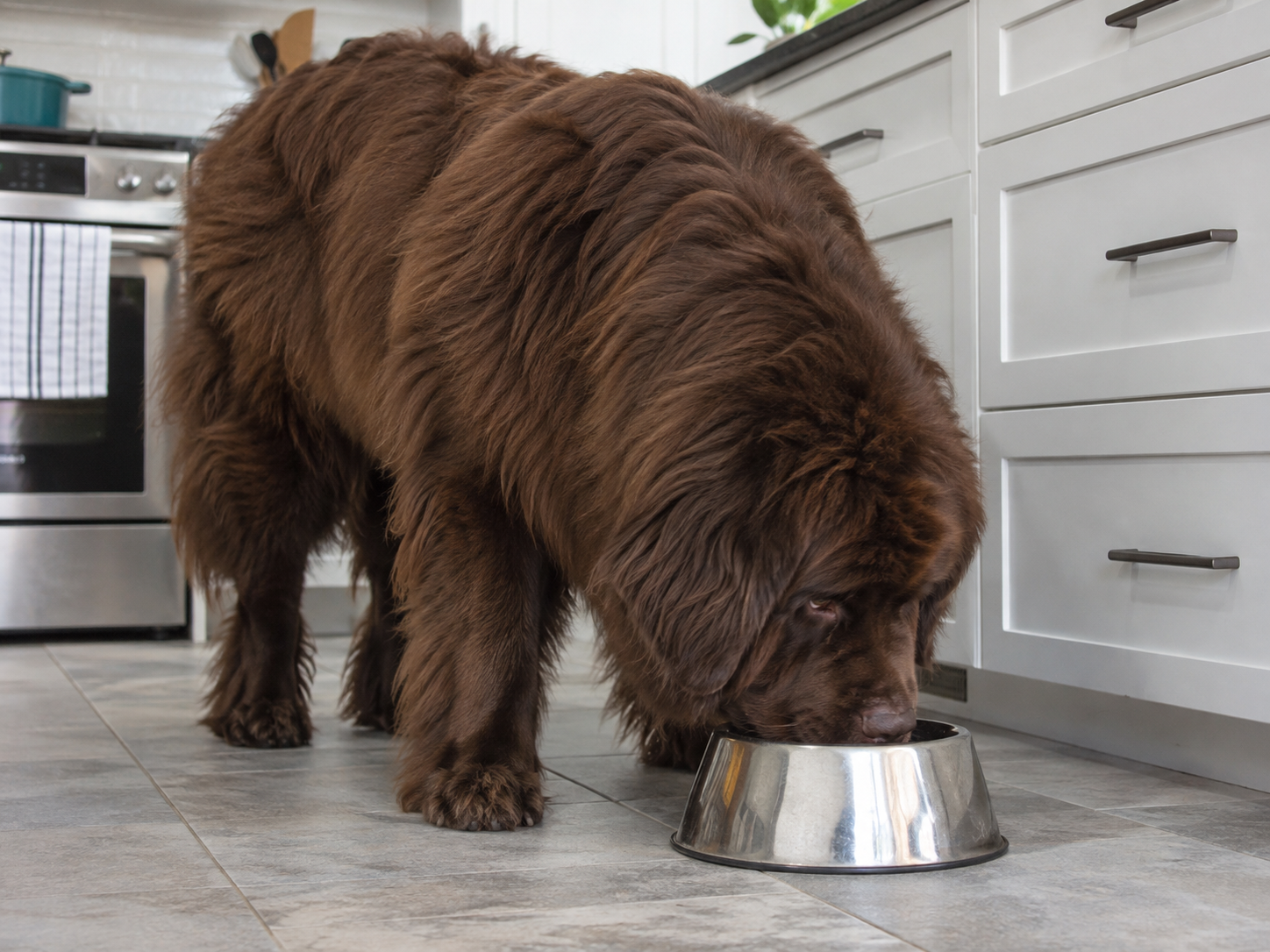 NewfoundlandGiant • Working Dogs
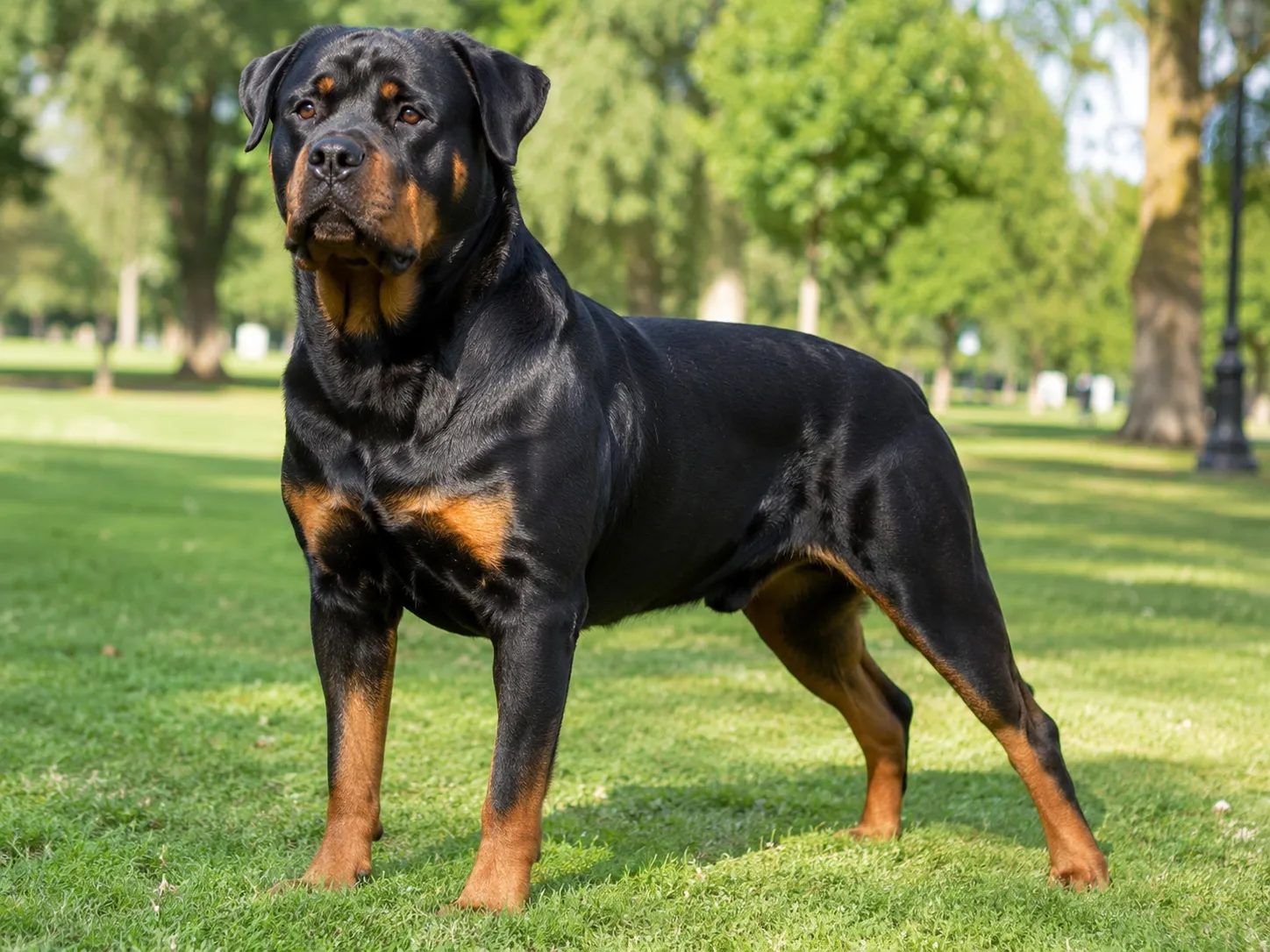 RottweilerLarge • Working / Guardian