Newfoundland
By James C. • Updated
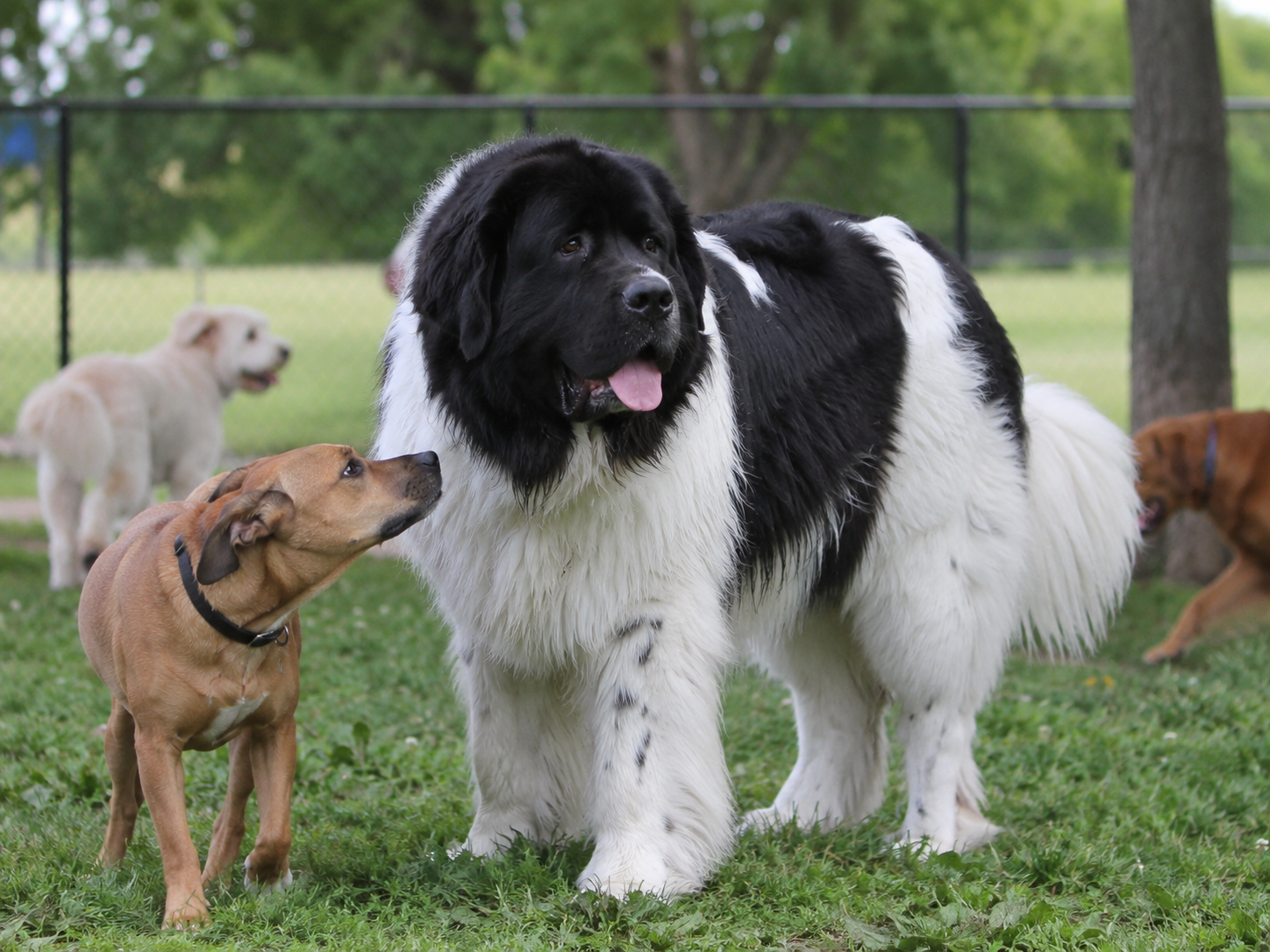
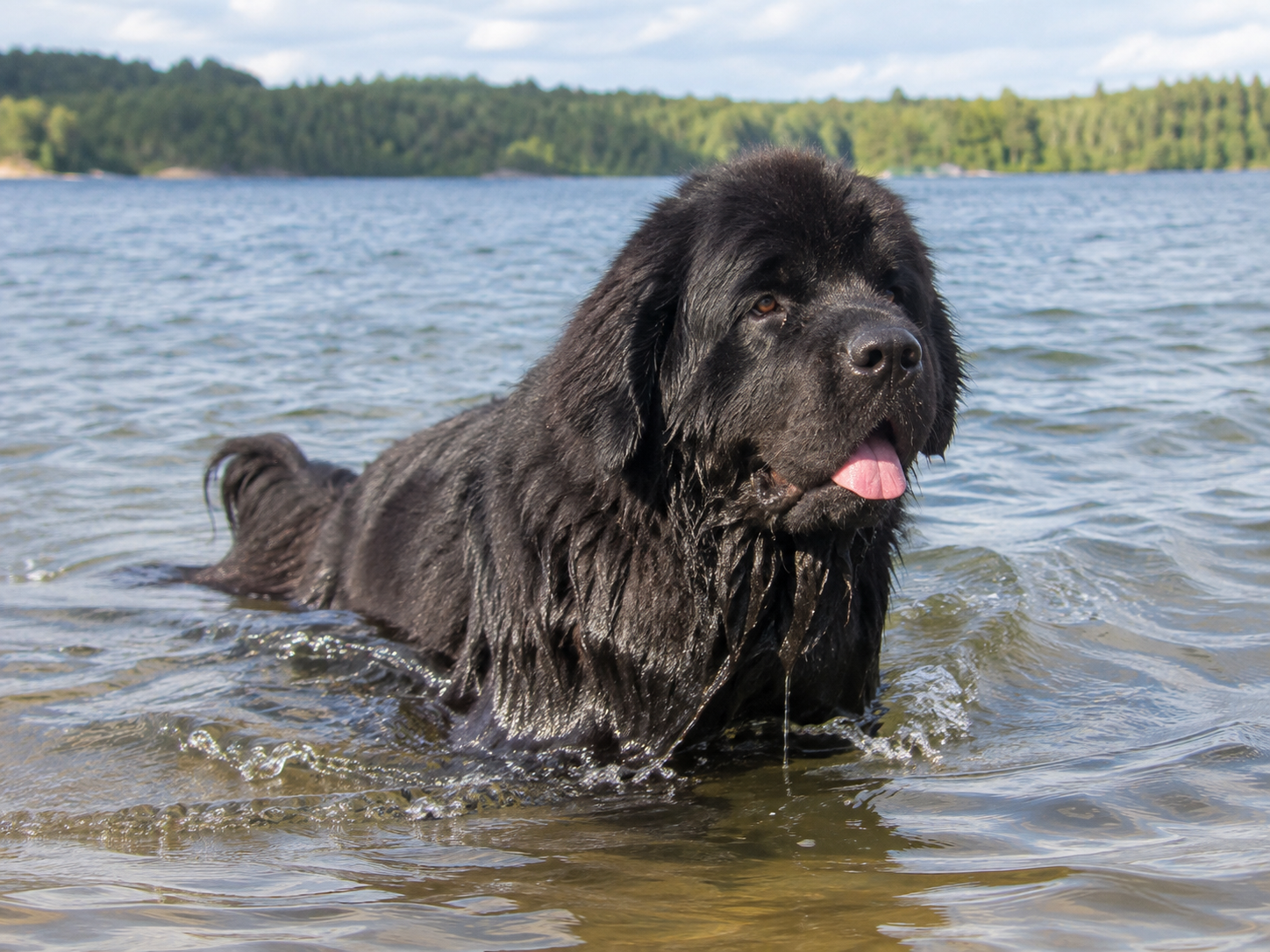
The Newfoundland is a giant working breed developed on the Canadian coast to haul nets, pull carts and perform water rescue, and it retains genuine swimming ability along with webbed feet and a water-resistant double coat. It is famously gentle, patient and biddable, with a temperament frequently described as the best of any giant breed. Males stand 69 to 74 cm and weigh 60 to 70 kg. The defining Australian consideration is heat: a 65 kilogram dog in a heavy double coat is poorly suited to northern summers without serious climate control.
Breed Overview
Life Span
8 - 10 years
Average Price
AUD 3800 - AUD 4000
Weight
Male: 60 - 70 kg Female: 45 - 55 kg
Height
Male: 69 - 74 cm Female: 63 - 69 cm
Life Expectancy
Male/Female: 8 - 10 years
Breed Group
Working Dogs
Nicknames
Newfie
Breed Information
The Newfoundland has arguably the best temperament of any giant breed, attached to arguably the least suitable coat for an Australian summer. Both halves of that sentence matter, and most breed guides only tell you the first.
The breed was developed on the island of Newfoundland off the Canadian east coast, working alongside fishermen hauling nets, pulling carts and, most famously, performing water rescue. Webbed feet, a heavily muscled hindquarter, a rudder-like tail and an oily water-resistant double coat are all functional adaptations to that job, and the breed remains a genuinely capable swimmer.
Australian availability is limited. There are 25 registered breeders nationally, with two advertising litters and only one having a puppy available at the time of writing. Registered breeders here do not publish prices. This is a breed you enquire about and wait for, and one of the search questions people most often ask, whether you can get a Newfoundland in Australia at all, has a genuine answer: yes, but not quickly.
Characteristics of the Newfoundland
The Newfoundland rates at the top for temperament and trainability and at the bottom for heat tolerance and grooming burden, which is an unusually stark set of trade-offs.
| Trait | Rating | Star Rating | Meaning |
| Size | Giant | ★★★★★ | Males 60 to 70 kg, with everything that implies for space and cost. |
| Adaptability | Low | ★★ | Needs space and cool conditions, and struggles in northern Australia. |
| Exercise Needs | Moderate | ★★★ | About an hour daily, far less than the size suggests. |
| Easy to Train | Very Good | ★★★★★ | Genuinely biddable and eager to cooperate, unusual in a giant breed. |
| Amount of Shedding | Very High | ★★★★★ | Constant, with two heavy annual moults from a very large dog. |
| Grooming Needs | Very High | ★★★★★ | Several sessions weekly, and a professional groom is a major job. |
| Good With Children | Excellent | ★★★★★ | Exceptionally gentle and patient, the breed's defining quality. |
| Health | Moderate | ★★★ | Cardiac, joint and bloat risks, and a short giant breed lifespan. |
| Cost to Keep | Very High | ★★★★★ | Giant breed food, weight-based medication and heavy grooming. |
| Tolerates Being Alone | Low | ★★ | Deeply people-oriented and unhappy isolated for long periods. |
| Intelligence | Very Good | ★★★★ | Thoughtful, responsive and genuinely good at learning tasks. |
History of the Newfoundland: From Fishing Boats to Water Rescue
The Newfoundland developed on the Canadian island it is named for, where working dogs were essential to a fishing economy. The breed's ancestry is debated, likely combining indigenous dogs with mastiff and other European types brought by fishermen, but its function is not in doubt. These dogs hauled fishing nets to shore, dragged carts of fish and wood, and worked in water cold enough to kill an unprotected animal.
The water rescue reputation is genuine rather than folklore. The webbed feet, the powerful hindquarters and the coat that sheds water rather than absorbing it are all functional, and the breed swims with a modified stroke that pushes water down and back rather than paddling. Newfoundlands are still used in water rescue work in several countries.
The breed reached Britain and Europe in the 1800s and became widely admired, appearing in art and literature of the period. It arrived in Australia much later and remains uncommon here, which reflects both limited breeding and the genuine practical difficulty of keeping a heavily coated 65 kilogram dog in much of this country.
Appearance of the Newfoundland: Massive, Heavily Coated, and Built for Water
Size and Build
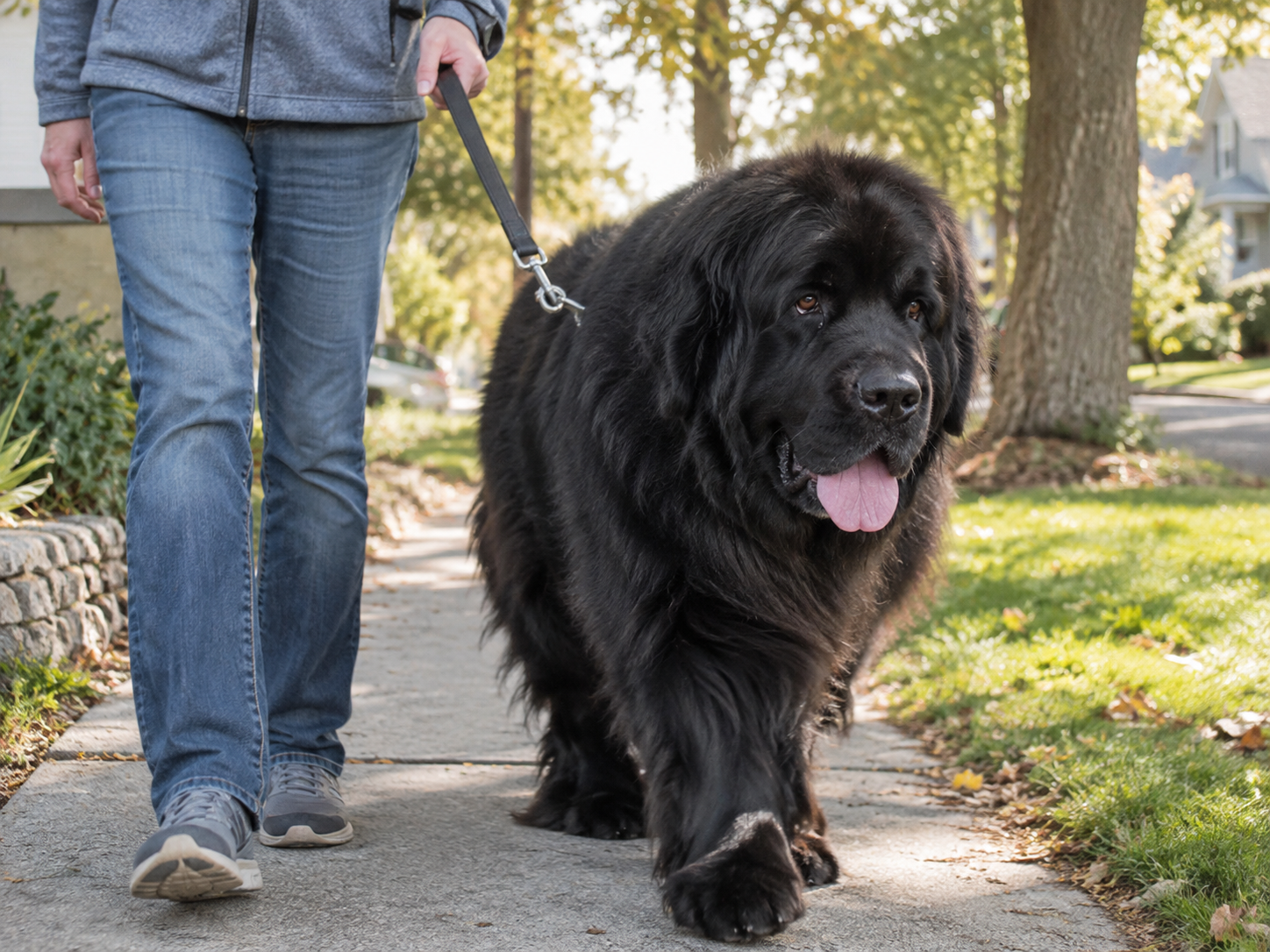
Males stand 69 to 74 cm and weigh 60 to 70 kg, with females at 63 to 69 cm and 45 to 55 kg. The build is heavy and powerful rather than tall, with substantial bone, a broad chest and a muscular hindquarter built for swimming. A Newfoundland is a genuinely massive dog and considerably heavier than its height suggests, which is worth registering before purchase.
Coat and Colours
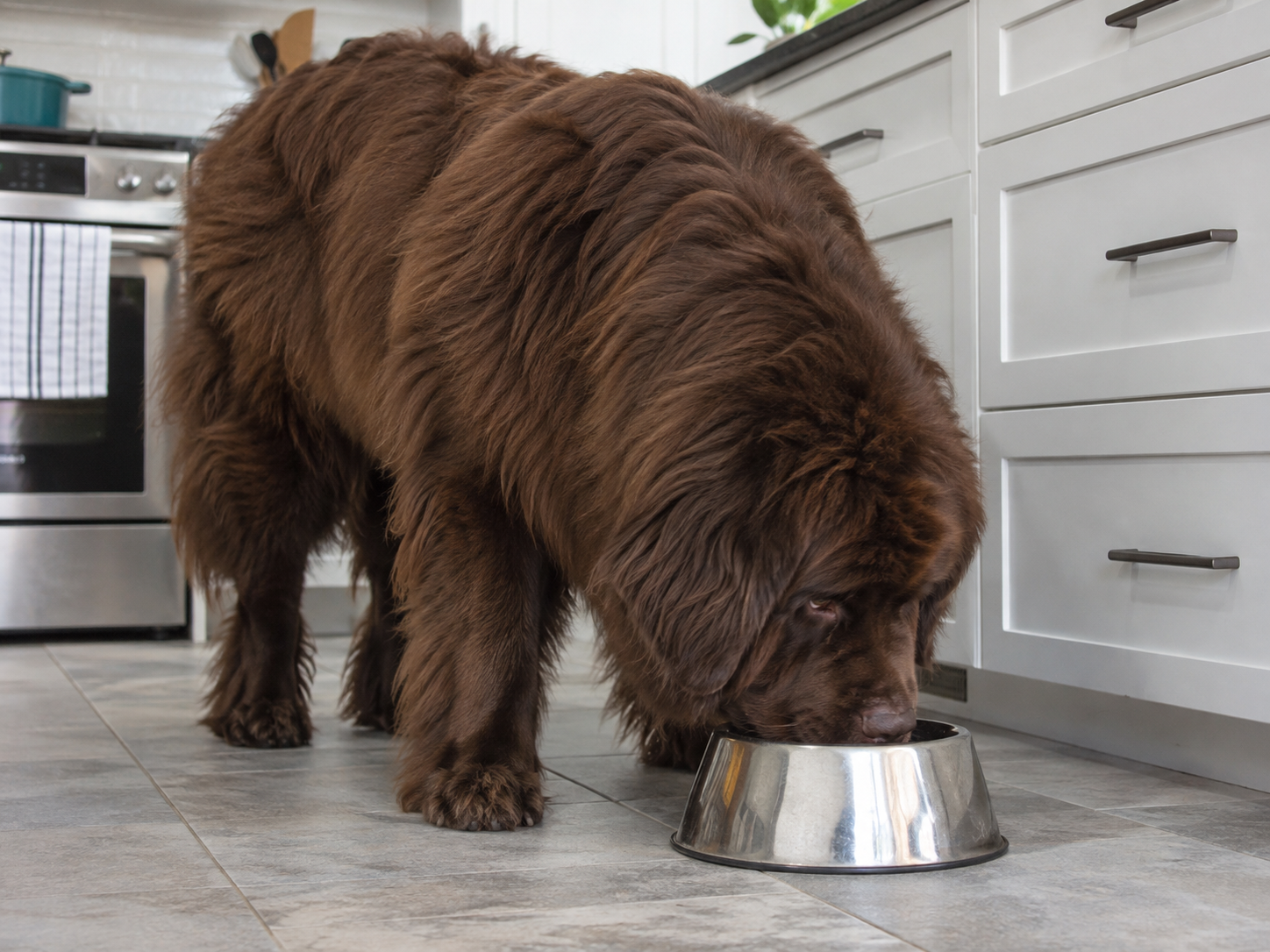
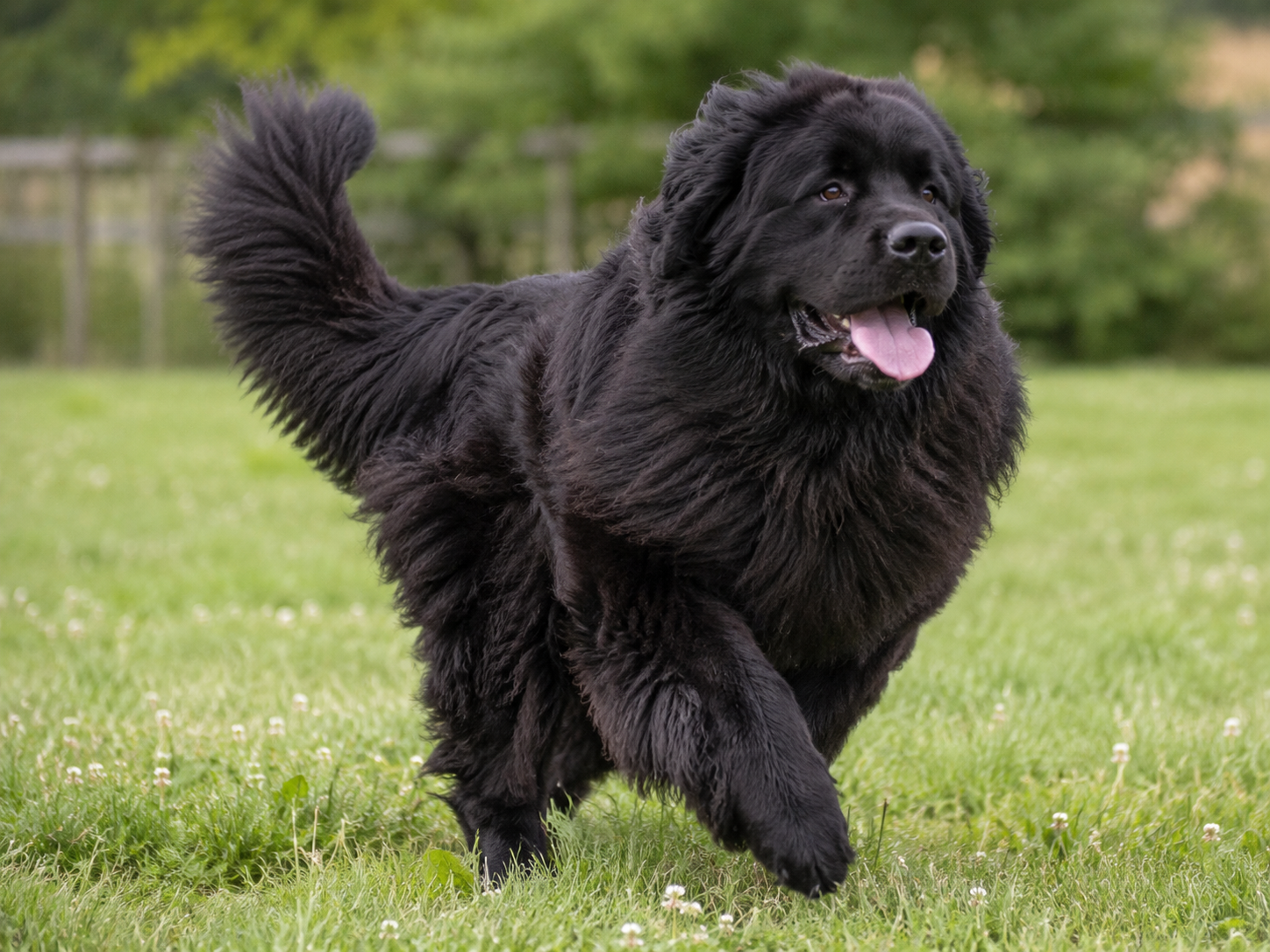
The coat is a heavy, oily, water-resistant double coat with a coarse outer layer and a dense soft undercoat. Colours are black, brown, grey and Landseer, which is white with black markings. The oiliness is functional, repelling water, and it also means the coat carries a distinctive odour when damp that owners either accept or do not.
Distinctive Features
The webbed feet are the most functionally interesting feature, giving genuine propulsion in water. The head is broad and heavy with a soft expression, and the breed is a notable drooler, particularly the heavier-lipped individuals, which is an underestimated part of daily life with a Newfoundland. The tail is thick and strong and acts as a rudder when swimming.
Gender Differences
The gap between the sexes is large, with males typically 15 kilograms heavier and noticeably more substantial through the head and coat. That difference has practical implications for food, medication cost, grooming time and the physical demands of lifting a dog that may need help into a car or onto a vet table. Females are the more manageable proposition for most households.
Temperament of the Newfoundland: Gentle, Patient, and Deeply Attached
Core Personality Traits
The Newfoundland's temperament is its defining quality and it is not exaggerated. This is a calm, sweet-natured, patient dog that is genuinely tolerant of noise, handling and disruption. The breed standard for many years described sweetness of temperament as the most important single characteristic, and good breeders take that seriously.
Social Behaviour
Newfoundlands are typically friendly with strangers and other dogs, without the guarding reserve of most large working breeds. They are not protective and make poor guard dogs, though their sheer size is a deterrent in itself. Poorly socialised dogs tend towards nervousness rather than aggression, which in a 65 kilogram animal is still a problem worth avoiding.
Bonding and Attachment
This is a dog that wants to be with its people, often physically against them. Newfoundlands lean, follow and settle wherever the household is, and they cope poorly with being isolated outdoors or left for long working days. The attachment is part of the appeal and part of the commitment.
Common Behavioural Challenges
Few, temperamentally, but all of them amplified by scale. A Newfoundland that leans applies 65 kilograms. Drool is constant and travels further than owners expect. The most genuine issue is adolescent clumsiness in a dog that becomes enormous long before it becomes coordinated, and establishing lead manners early is essential because a fully grown Newfoundland that pulls simply cannot be held.
Intelligence and Trainability of the Newfoundland: One of the Most Biddable Giant Breeds
Intelligence and Learning Ability
Newfoundlands are intelligent and, unusually for a giant breed, genuinely willing to work with a handler. They learn tasks readily and retain them well, and the breed excels at draught work, water rescue training and obedience. Owners moving from an independent breed are often surprised how cooperative a Newfoundland is.
Training Approach
Reward-based training suits the breed perfectly, and harsh handling is both unnecessary and counterproductive with a dog this sensitive. Everything must be established before the dog reaches full size. A six-month-old Newfoundland may already weigh 40 kilograms, so lead manners, settling and accepting handling are urgent priorities. Look at when training should begin for a large-breed puppy and start earlier than you would with a smaller breed.
Early Socialisation
Broad positive exposure in the first months produces the confident, easy-going adult the breed should be. Include handling by strangers, since a Newfoundland will need to be examined by vets and groomers throughout its life and a dog that objects at 65 kilograms is a genuine problem. Introduce grooming, foot handling and water early.
Potential Training Challenges
Slow maturity is the main one, with Newfoundlands mentally adolescent well past two while being physically enormous from twelve months. The second is that the breed's willingness can mask a lack of proofing, since a cooperative dog at home may still be unmanageable in a novel environment. The third is heat, which limits when training can practically happen through an Australian summer.
Newfoundland Family Life: Living with Children, Pets, and Households
Living with Children
Newfoundlands are exceptional with children and the breed's reputation here is thoroughly deserved. They are patient, gentle and remarkably tolerant of the noise and unpredictability of family life. The only realistic caution is physical: a dog this size can knock a toddler over simply by turning, and a tail at head height is a genuine hazard. Supervise and give the dog its own space.
Living with Other Pets
The breed generally lives well with other dogs and, with sensible introductions, with cats. Prey drive is low. The main consideration is size, since a Newfoundland playing with a small dog can cause accidental injury without any aggression involved.
Household Environment
Climate is the decisive household factor and it deserves more weight than floor space. A Newfoundland needs cool conditions. Reliable air conditioning is close to essential in Queensland, the Northern Territory, most of Western Australia and inland New South Wales, and a household that cannot provide it should think very seriously about a different breed. Beyond that, provide space to lie down, a vehicle that can carry the dog, and flooring that a heavy dog can get up from.
Lifestyle Compatibility
The breed suits cool-climate households with space, someone home for much of the day, and a genuine budget for food and grooming. Tasmania, Victoria, the ACT and cooler parts of South Australia and New South Wales suit it well. Northern Australia suits it poorly, and no amount of good intention changes that.
Health of the Newfoundland: Heart, Joints, Bloat, and Heat
Lifespan and Healthy Living
Newfoundlands typically live 8 to 10 years, which is normal for a giant breed and short in absolute terms. Keeping the dog lean, managing growth carefully through the first eighteen months, screening for cardiac disease and staying alert to bloat are the levers that most affect the outcome.
Common Health Conditions
Owners should be aware of several conditions that can be associated with the breed. It is best to discuss any concerns with a veterinarian.
- Subvalvular aortic stenosis. A narrowing below the aortic valve that obstructs blood flow from the heart. It is the breed's most significant inherited cardiac condition and is covered in detail below because no Australian breed page names it.
- Gastric dilatation volvulus. Bloat, a sudden twisting of the stomach that is an immediate emergency in deep-chested giant breeds.
- Hip and elbow dysplasia. Both reported in the breed and both testable through parental scoring.
- Cystinuria. An inherited condition affecting kidney transport of cystine, leading to bladder stones. A DNA test specific to the Newfoundland type exists.
- Obesity and arthritis. Frequently linked, and both accelerate decline in a giant breed.
- Heat intolerance. Not a disease but the most likely practical welfare problem for this breed in Australia.
Genetic Health Testing
Subvalvular aortic stenosis is the test question that matters most, and it is the one Australian buyers are least equipped to ask about. The NSW breed body advises buyers to get a heart check early without naming the condition it is pointing at. Named plainly: SAS is inherited, it can be present without obvious symptoms, and it is detected by cardiac auscultation and confirmed by echocardiogram. Ask whether both parents have been cardiac screened, by whom, at what age, and whether echocardiography was used rather than listening alone.
Cardiac screening is not cheap in Australia. A Sydney specialist practice publishes fixed pricing of $957 for an echocardiogram and $1,250 for a cardiology consultation with echocardiogram and blood pressure, which is useful context both for what a breeder has invested in screening and for what your own dog's workup would cost.
Also ask for hip and elbow scores on both parents and for a cystinuria DNA clearance, which is a standard requirement among responsible Newfoundland breeders.
Preventative Health Care
Keep vaccinations current and maintain year-round parasite prevention, noting that giant breed dosing costs considerably more. Learn the signs of bloat before you need them: a distended abdomen, unproductive retching, restlessness and rapid deterioration all constitute an immediate emergency. Discuss the timing of desexing with your veterinarian rather than defaulting to a standard age, since when to desex a slow-maturing breed carries more weight in giant breeds. If you are unsure the right interval between vet visits, annual checks are the baseline with cardiac monitoring added on advice.
Caring for the Newfoundland: Daily Care and Living Environment
Daily Care Routine
A workable day is a walk in cool hours, a swim where available, coat work, and a good deal of resting. Feed twice daily rather than once given bloat risk, and avoid vigorous exercise around meals. Wipe the mouth and face regularly, since drool accumulates and the beard traps food and water.
Living Environment Requirements
Provide a large supportive bed, since pressure calluses are common in giant breeds on hard surfaces. Ensure traction on smooth flooring and check that access to your home does not require stairs a young or elderly Newfoundland would struggle with. A vehicle capable of transporting the dog is a genuine prerequisite rather than a detail.
Climate Sensitivity
This is the section that should decide the purchase for many Australian households. A Newfoundland combines three heat disadvantages: a very large body mass relative to surface area, a heavy insulating double coat, and a breed history in one of the coldest working environments on earth. It sheds heat slowly and it overheats readily.
Practically, that means exercising only in the early morning and evening through summer, skipping exercise entirely on hot days rather than shortening it, providing reliable air conditioning or at minimum a cool tiled space with strong airflow, and offering swimming wherever it is available since it is by far the best exercise option for the breed in this country. Check the heat limits that apply to dogs in Australia and treat them as considerably more conservative for this breed. Never shave the coat as a heat solution, since it insulates in both directions and shaving exposes skin that has never seen sun.
The honest regional verdict: a Newfoundland is a reasonable proposition in Tasmania, Victoria, the ACT and cooler parts of South Australia and New South Wales. In Queensland, the Northern Territory and much of Western Australia it is a difficult dog to keep well, and that should be weighed seriously rather than optimistically.
Caring for Senior Newfoundlands
Ageing arrives early, with many dogs showing senior changes from around six. Expect stiffness, reduced exercise tolerance and increased cardiac risk. Keep the dog lean, maintain gentle regular movement, provide excellent bedding and traction, and be realistic that mobility support for a 65 kilogram dog is physically demanding for the owner as well.
Grooming of the Newfoundland: A Major Ongoing Commitment
Coat Maintenance
Brush thoroughly several times a week and daily during the two heavy annual moults. There is a great deal of coat on a dog this size, and neglect leads to matting that traps moisture against the skin and causes infection. An undercoat rake, a slicker and a wide-toothed comb are the working tools. Our guide to a routine that works on a heavy double coat sets out an approach that suits this coat type.
Drool and Face Care
Newfoundlands drool, and the heavier-lipped individuals drool considerably. Keep cloths where you sit, wipe the face and beard regularly, and be aware that damp beard hair develops odour quickly. This is a small daily task that prospective owners consistently underestimate and current owners consistently mention first.
Ear, Nail, and Dental Care
Check ears weekly, since the heavy coat and drop ears trap moisture, particularly in a dog that swims. Nails are thick and need trimming every three to four weeks, which is far easier if foot handling was established in puppyhood. Brush teeth several times a week, since dental disease adds anaesthetic risk in a breed already carrying cardiac considerations.
Bathing and Professional Grooming
Bathe when necessary rather than on a schedule, and be realistic about the logistics of washing and drying a 65 kilogram double-coated dog at home. Professional grooming is expensive for this breed given the size and coat volume, and drying alone is a substantial job. Budget for it rather than assuming a large-dog rate applies.
Exercise Needs of the Newfoundland: Moderate, and Weather Limited
Daily Exercise Requirements
About an hour a day suits most adults, which is less than the size suggests. Newfoundlands are not high-energy dogs and are content with steady walking and moderate activity. What constrains exercise in Australia is not the dog's stamina but the temperature, and through summer the practical window may be very narrow.
Activities Newfoundlands Enjoy
Swimming is the ideal exercise for this breed in Australia and should be used wherever it is available. It provides genuine physical work without heat load or joint impact, and it plays directly to what the breed was built for. Beyond that, steady walks, draught or cart work, and water rescue training all suit. Avoid running and jumping.
Exercise by Life Stage
Puppy exercise is the highest-stakes decision in raising this breed. Growth plates remain open considerably longer in giant breeds, and over-exercising, jumping or repeated stair use during growth risks permanent joint damage in a breed already predisposed to dysplasia. Keep it free-form, short and on soft ground. Adults handle an hour comfortably in cool conditions. Seniors need duration reduced and swimming favoured.
Importance of Mental Stimulation
Mental demands are modest but the breed enjoys having a task, which is unusual among giant breeds and worth using. Draught work, retrieving and simple problem-solving games suit well, and short training sessions are particularly valuable during hot weeks when physical exercise has to be curtailed.
Feeding the Newfoundland: Nutrition and Diet Needs
Nutritional Requirements
A complete diet formulated for large or giant breeds is important, particularly during growth where calcium and energy levels materially affect skeletal development. Feeding a giant breed puppy on a standard puppy formula can accelerate growth in a way that damages joints.
Feeding by Life Stage
Feed puppies three to four times daily until around four months, then twice daily for life, keeping it at twice rather than once given bloat risk. Growth should be slow and steady, and a slightly lean growing Newfoundland is considerably better off than a well-covered one.
Portion Control and Weight Management
Obesity is common in this breed and it is genuinely serious. Excess weight loads joints already under strain, increases cardiac workload in a breed with inherited cardiac risk, and worsens heat tolerance that is already the limiting factor. The heavy coat conceals condition, so judge by feel and ask your vet to body condition score the dog rather than relying on appearance.
Foods to Avoid
The standard toxic list applies: grapes, sultanas, chocolate, onion, garlic, macadamias and anything containing xylitol. Cooked bones should be avoided. Avoid large single meals and vigorous activity around feeding given bloat risk.
Newfoundland Price in Australia: Purchase Cost and Ongoing Expenses
Puppy Purchase Price
Australian pricing for this breed is barely documented. A national search on 8 September 2026 found only two listings with a stated price, at $3,800 in New South Wales and $4,000 in Victoria, and neither mentioned pedigree papers or ANKC registration. Every registered breeder listing states "Price on Request".
With a two-point sample there is no honest market range to give. What can be said is that supply is genuinely limited, with 25 registered breeders nationally and one puppy available at the time of the survey, so this is a waitlist breed. Expect to contact breeders directly, be assessed, and wait. Treat any listing offering immediate availability well below these figures with suspicion given how thin the supply is.
Initial Setup Costs
Beyond the purchase price, Australian guidance from the RSPCA puts microchipping at $60 to $80, a puppy vaccination course at $280 to $420, desexing at $350 to $650, a collar, lead or harness at $40 to $100, and a bed at $100 to $200, with puppy school around $170. For a giant breed most of those sit at the top of their ranges, and the bed, crate, vehicle restraint and grooming equipment all cost more. Air conditioning, if you do not already have it, belongs in this budget.
Ongoing Monthly Costs
| Cost | Typical figure (AUD) | Source |
| Food | Well above the $91 monthly average, given a 45 to 70 kg body weight | Animal Medicines Australia, Pets in Australia 2025 |
| Parasite prevention | Above the $122 annual average, since dosing is by weight | Animal Medicines Australia, Pets in Australia 2025 |
| Pet insurance | Above the $1,461 annual figure for a large dog, with giant breeds commonly loaded | Canstar, prepared March 2026 |
| Professional grooming | Above standard large dog rates given coat volume and drying time | Obtain a quote locally |
| Annual vet check and booster | $140 and upwards per year | RSPCA NSW |
| Cardiology consultation and echocardiogram | $1,250, or $957 for the echocardiogram alone | Veterinary Specialists of Sydney, fixed pricing |
This is one of the more expensive breeds to keep in Australia. Everything scales with body weight, grooming is a substantial recurring cost, and cardiac investigation is expensive if it becomes necessary. Given giant breed loading it is worth understanding what cover costs for a giant breed and arranging cover early.
Long-Term Financial Commitment
The Newfoundland sits well above the average of roughly $2,520 a year that Animal Medicines Australia reports dog-owning households spending. Over an 8 to 10 year lifespan the total is considerable, though the short life means it may not exceed that of a smaller dog living fifteen years. The costs most capable of moving the figure are bloat surgery, orthopaedic treatment and cardiac management.
Buying Advice for a Newfoundland: Choosing a Healthy Puppy
Choosing a Responsible Breeder
With 25 registered breeders nationally and litters infrequent, relationships matter more than price comparison. A good breeder cardiac screens breeding stock, holds hip and elbow scores, has cystinuria DNA clearances, keeps puppies to at least eight weeks, provides detailed giant breed rearing guidance and takes dogs back at any point. Work through what to put to a breeder before you join a waitlist before making contact, since you may only get one conversation.
Health Checks Before Purchase
See the puppy with its mother and watch the whole litter move. Look for clear eyes, sound even movement, and puppies that are well grown but lean rather than heavy. Ask the breeder directly about the ages and causes of death of dogs in the line, which is a fair question in a breed with an 8 to 10 year lifespan. Request written vaccination, worming and microchipping records.
Questions to Ask the Breeder
- Have both parents been cardiac screened for subvalvular aortic stenosis, by whom, and was an echocardiogram used?
- What are the hip and elbow scores for both parents?
- Do both parents have cystinuria DNA clearances?
- How long did the grandparents live, and what did they die of?
- Are the puppies registered, and on the Main or Limited Register?
- What is your registered prefix and which state body issued it?
- What feeding and exercise guidance do you provide for the first eighteen months?
- What climate are your dogs kept in, and do you have advice for my region?
Considering Adoption
Newfoundlands appear in rescue rarely given how few are bred. Where they do it is usually a change in owner circumstances rather than a behavioural problem. An adult settles readily given the temperament, but be clear-eyed about age: a five-year-old Newfoundland is already past the midpoint of its expected life, and coat and joint condition should be assessed carefully.
Is the Newfoundland Right for You? A Wonderful Dog in the Wrong Climate
Lifestyle Compatibility
This breed suits cool-climate households with space, budget, and someone home for much of the day. It is one of the best breeds available for families with children. It suits hot regions of Australia poorly, and that is a climate question rather than a commitment question, which means good intentions cannot compensate for it.
Time and Care Commitment
Exercise is moderate at about an hour daily. Grooming is the real commitment, at several sessions a week plus professional work, alongside daily drool management. The demanding period is the first eighteen months of careful growth management, and the last years arrive sooner than most owners expect.
Grooming and Health Awareness
You take on one of the heaviest grooming loads of any breed, a serious heat management responsibility, and inherited cardiac, joint and bladder stone risks. In exchange you get a temperament that is, by common consent, among the finest in dogs.
Ideal Owner Profile
The Newfoundland suits an owner in a cool part of Australia who wants a gentle, biddable giant, has the space and budget to keep it well, and understands they are choosing a short-lived dog. It rewards families and frustrates anyone in a hot climate, on a tight budget, or hoping for a low-maintenance coat.
Find Newfoundland Puppies for Sale
If the breed fits your household and your climate, you can browse Newfoundland listings on Pups4Sale, though national availability is very limited and a waitlist through a registered breeder is the realistic route. Prioritise breeders who can produce cardiac screening, hip and elbow scores and cystinuria clearances on both parents.
Frequently Asked Questions
Related Breeds
Other working breeds on Pups4Sale.
 RottweilerLarge • Working / Guardian
 SamoyedLarge • Working Group
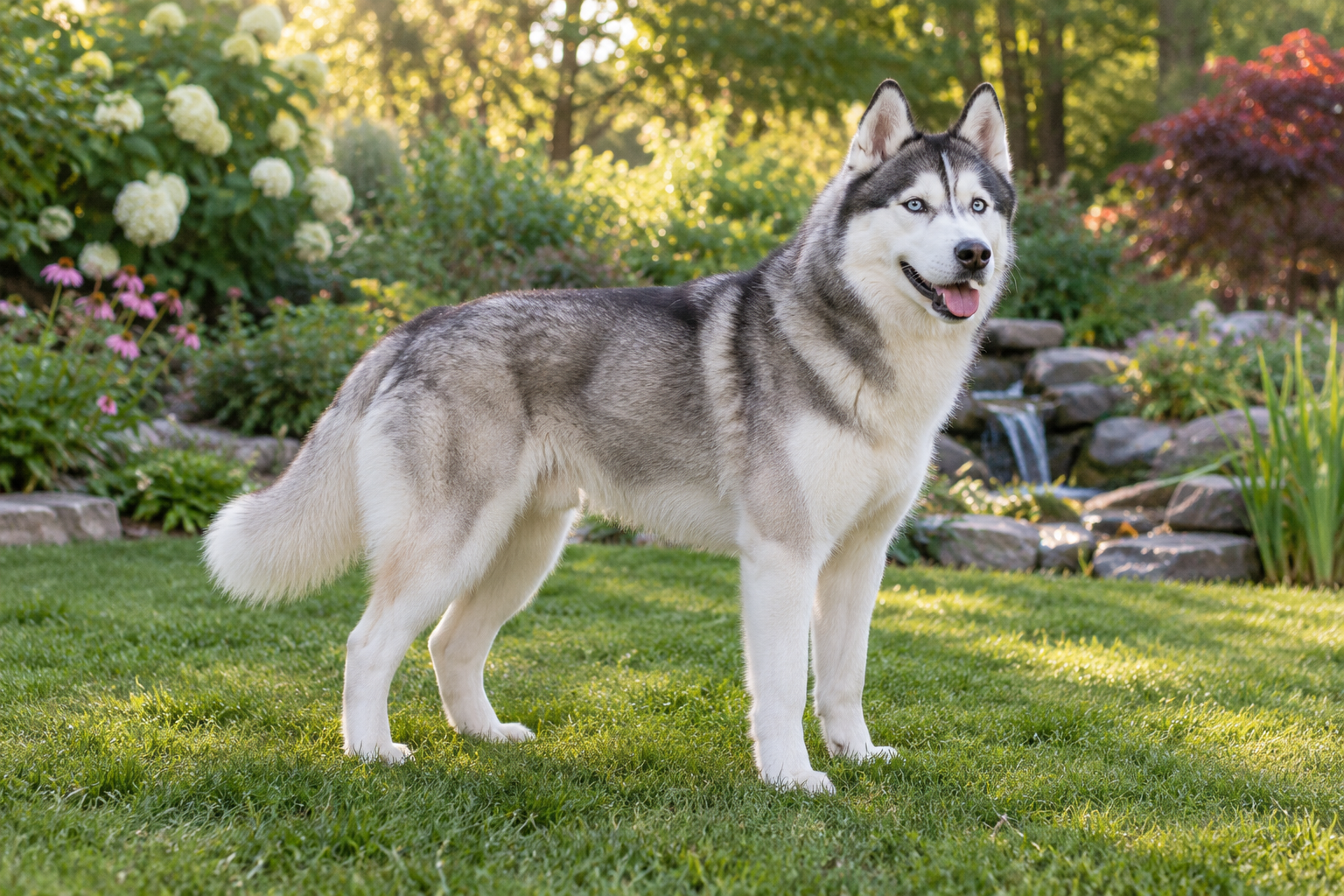 Siberian HuskyMedium • Utility (Group 6)
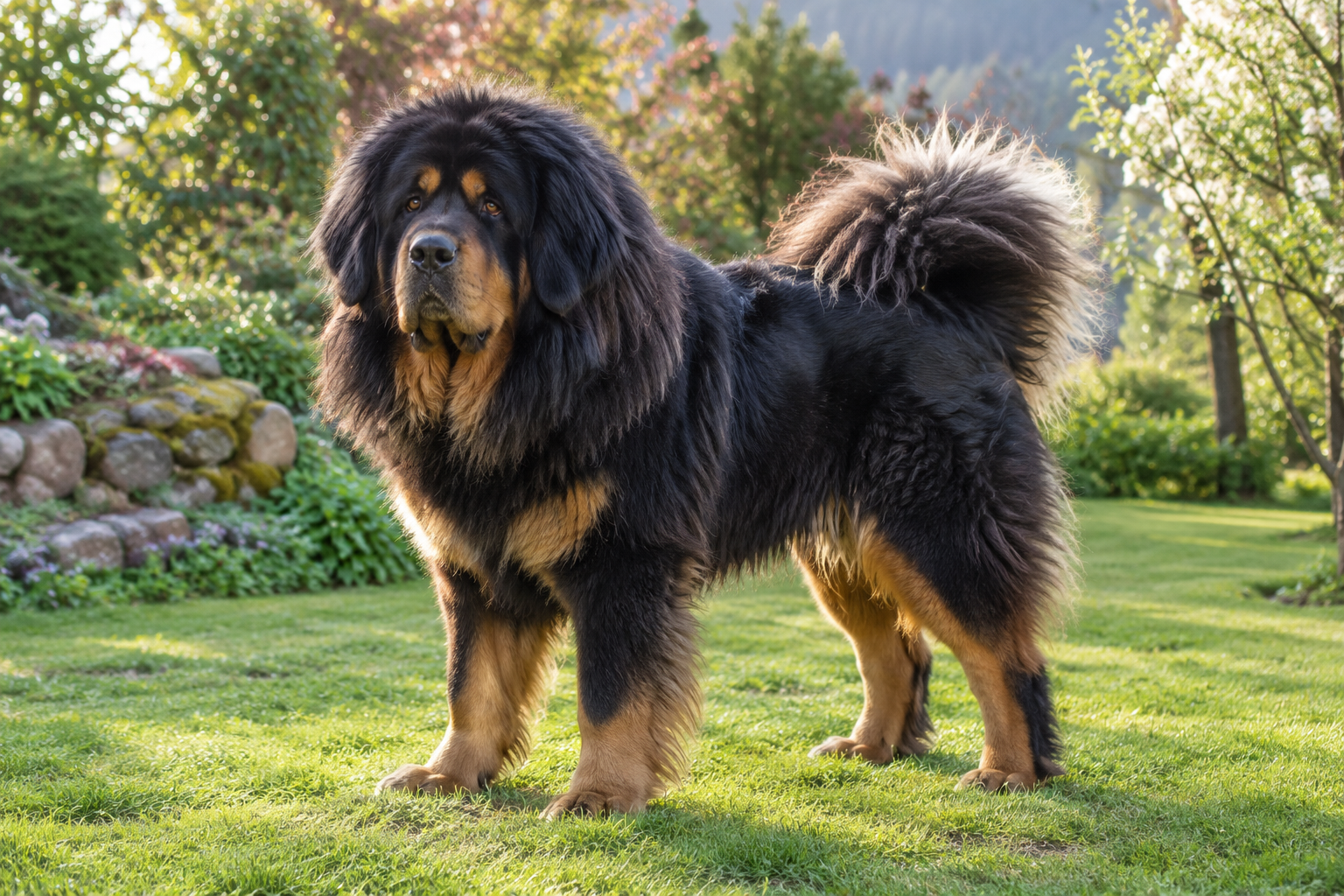 Tibetan MastiffGiant • Utility (Group 6)
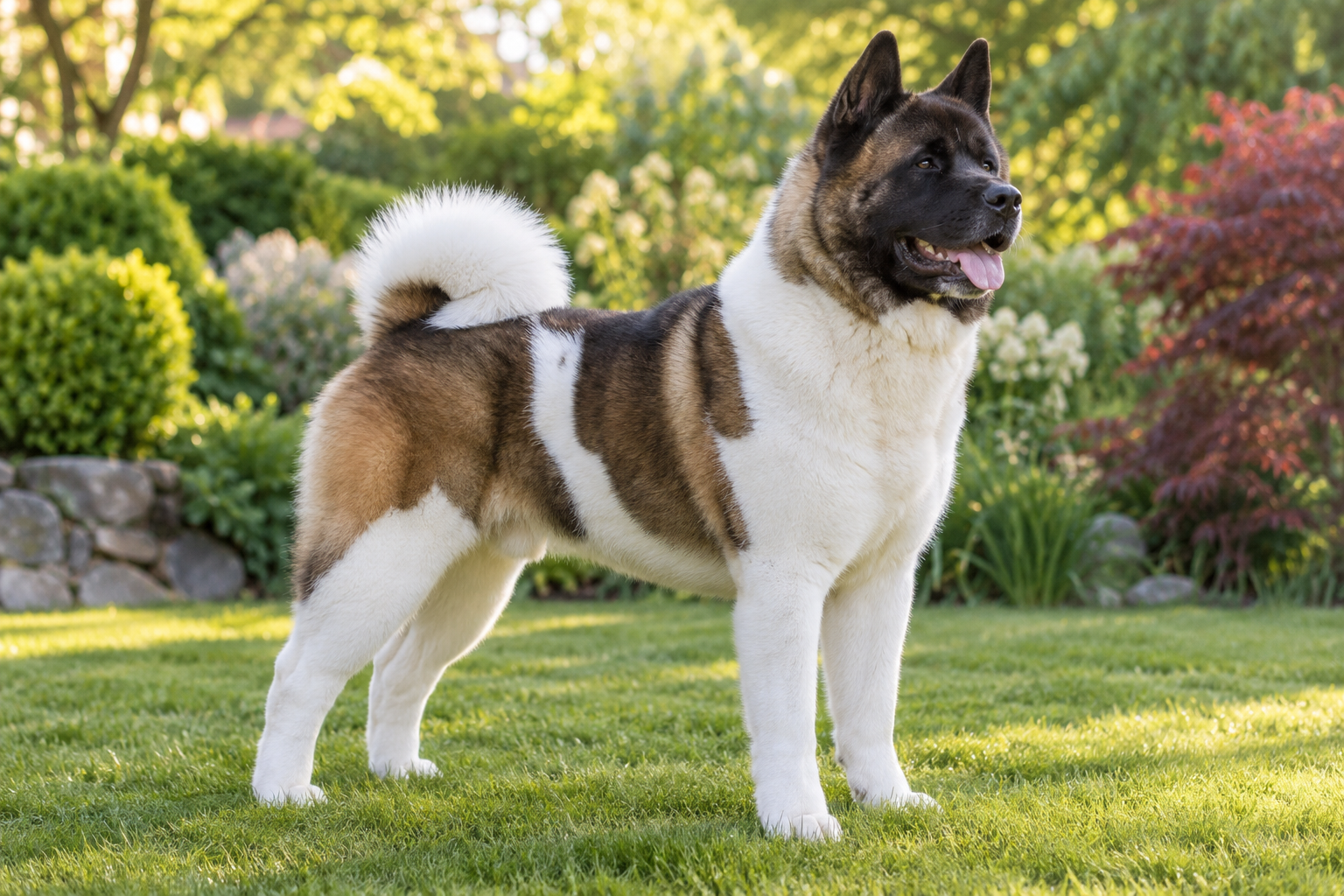 AkitaLarge • Utility (Group 6)
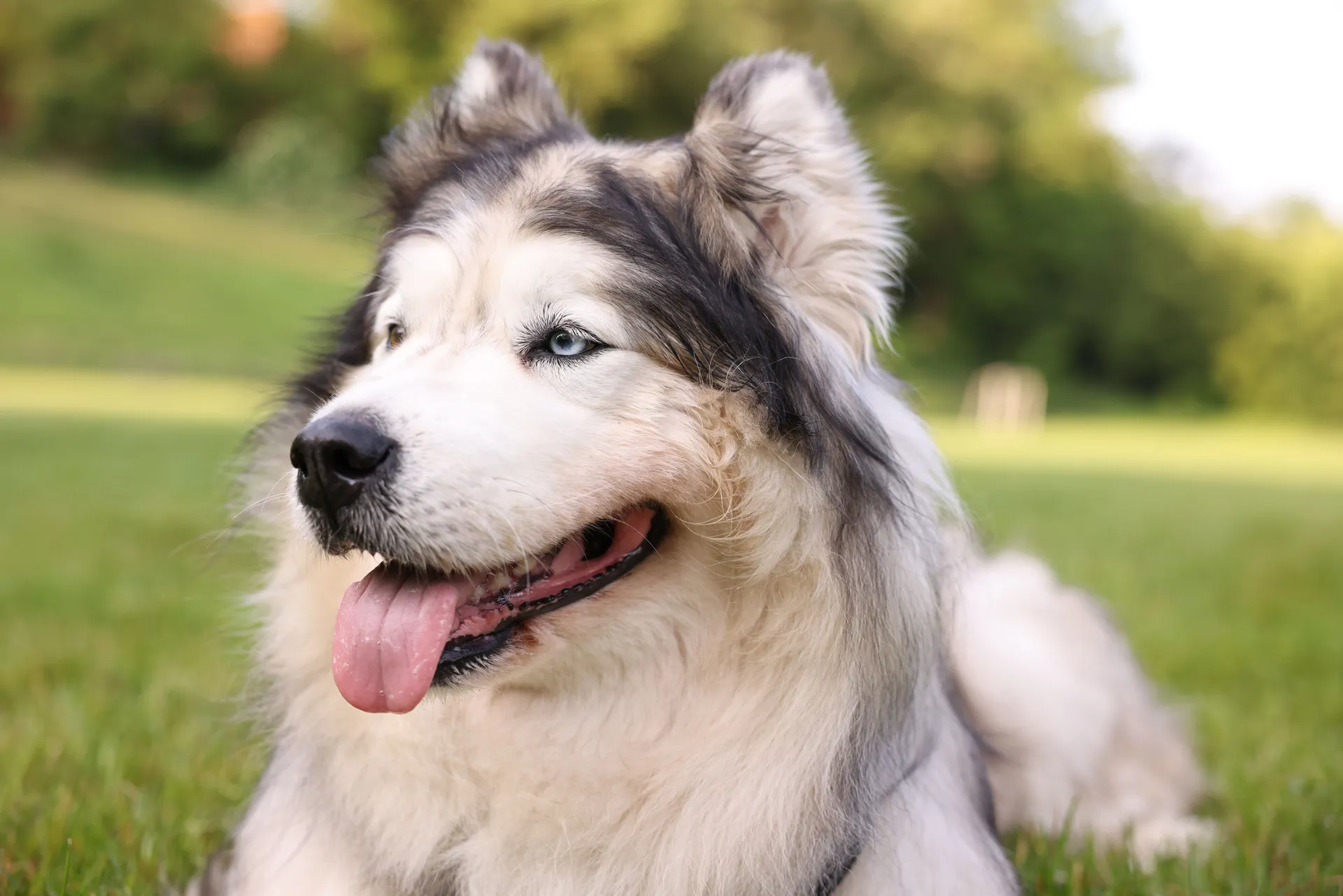 Alaskan MalamuteLarge • Working