
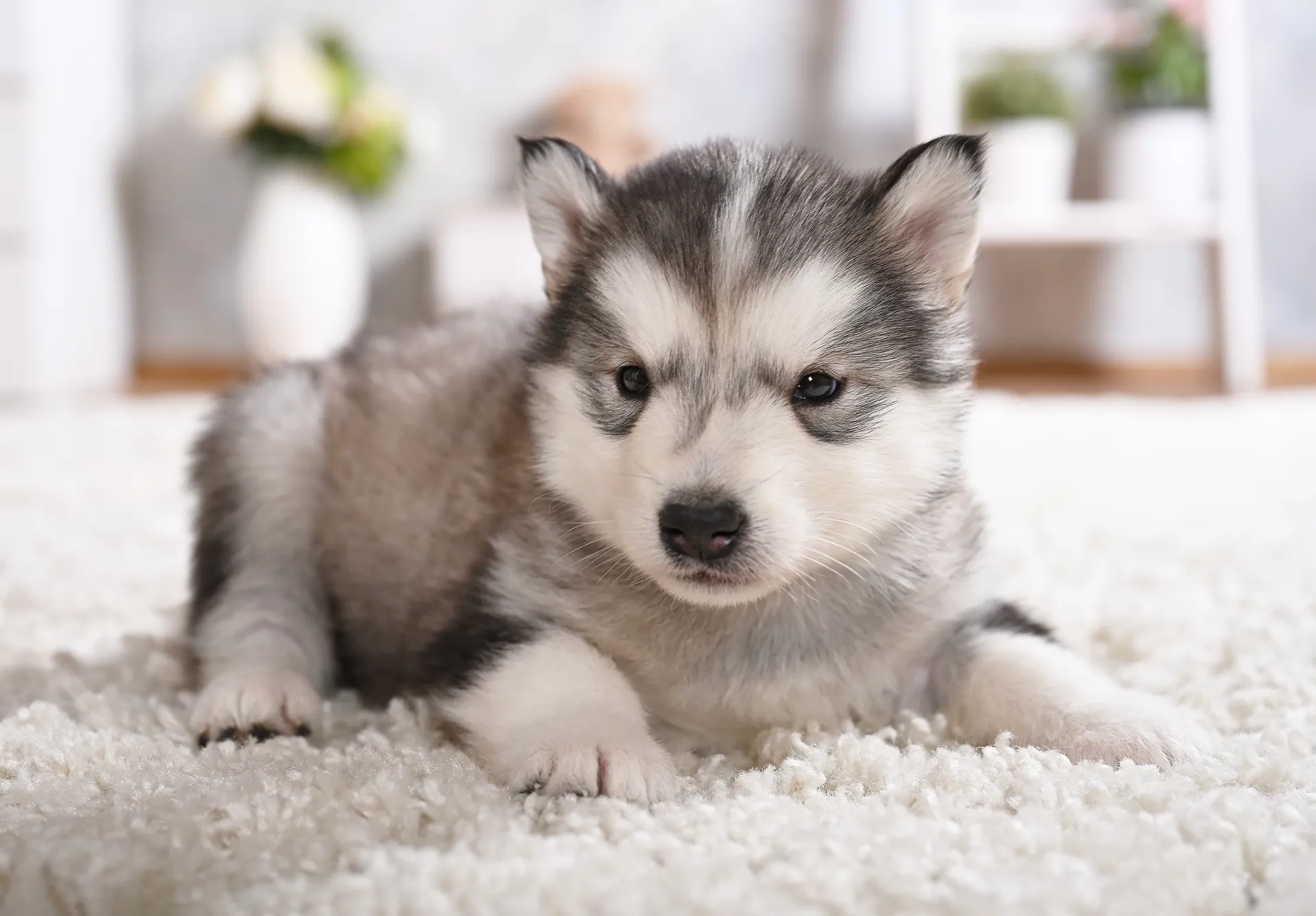
Alaskan Malamute
By James C. • Updated
The Alaskan Malamute is a powerful, friendly working breed built for endurance. Loyal and social, it thrives with active owners who can provide space, structure, and regular exercise.
Breed Overview
Life Span
12 - 14 years
Average Price
AUD 1800 - AUD 3500
Weight
Male: 38 - 56 kg Female: 38 - 56 kg
Height
Male: 64 - 71 cm Female: 58 - 66 cm
Life Expectancy
Male/Female: 12 - 14 years
Breed Group
Working
Nicknames
Malamute, Mal, Mally
Breed Information
The Alaskan Malamute is a powerful working dog shaped by survival in some of the harshest environments on earth. Bred to haul heavy loads across frozen terrain, this breed combines physical strength with endurance and a calm, deliberate nature. While striking in appearance, the Malamute is not a decorative breed. It is a dog that expects purpose, structure, and meaningful involvement in daily life.
This breed is best suited to experienced owners who are comfortable setting boundaries and maintaining consistency. Alaskan Malamutes tend to form strong bonds with their families and often show a playful, affectionate side at home, particularly with older children. However, their independent mindset means they are not naturally eager to please and respond best to patient, confident guidance rather than force.
Prospective owners should carefully consider the Malamute’s size, energy demands, and strong instincts. Regular exercise, mental engagement, and secure containment are essential, especially during the early stages of puppy training and behaviour development. Without these, even a well-intentioned Malamute can develop challenging behaviours. For the right household, though, this breed offers loyalty, resilience, and a deep sense of companionship.
Characteristics: What Life With an Alaskan Malamute Is Really Like
The Alaskan Malamute is a demanding but deeply rewarding breed for the right owner. This overview reflects how the breed typically fits into everyday life, highlighting both its strengths and the level of commitment it expects in return.
| Characteristic | Rating | Star Rating (★ out of 5) | What This Means for You |
| Size | Very Large | ★★★★★ | A powerful, heavy-built dog that needs space to move comfortably. |
| Adaptability | Moderate | ★★★☆☆ | Adjusts best to structured homes with routine rather than flexible lifestyles. |
| Exercise Needs | Very High | ★★★★★ | Requires daily physical work and purposeful activity to stay balanced. |
| Easy to Train | Low to Moderate | ★★☆☆☆ | Intelligent but independent, responds to consistency rather than repetition. |
| Amount of Shedding | Very High | ★★★★★ | Heavy seasonal shedding with ongoing coat maintenance year-round. |
| Grooming Needs | High | ★★★★☆ | Daily brushing is needed, especially during coat blow periods. |
| Good With Children | Good | ★★★★☆ | Generally reliable with older children who understand boundaries. |
| Health of Breed | Moderate | ★★★☆☆ | Robust overall but joint and hereditary conditions require planning. |
| Cost to Keep | Moderate to High | ★★★★☆ | Larger size increases food, grooming, and veterinary costs. |
| Tolerates Being Alone | Low | ★★☆☆☆ | Strong pack instincts make long periods alone challenging. |
| Intelligence | High | ★★★★☆ | Thinks independently and learns quickly when motivated. |
Overall, the Alaskan Malamute suits owners who value structure, physical activity, and engagement, rather than convenience or low-maintenance companionship.
History of the Alaskan Malamute: A Breed Shaped by Survival and Strength
The Alaskan Malamute is one of the oldest Arctic working breeds, developed over thousands of years to survive and function in extreme conditions. Originating in northwestern Alaska, the breed was shaped by the Mahlemut Inuit people, who relied on these dogs for hauling heavy loads, transporting supplies, and supporting daily survival in harsh, frozen environments. Strength, endurance, and reliability mattered far more than speed, and those priorities remain evident in the breed today.
Early Development in Arctic Communities
Malamutes were bred to work in teams, pulling freight sleds across long distances at steady, controlled paces. Their dense coats, strong bone structure, and wide feet allowed them to travel efficiently over snow and ice while conserving energy. Unlike lighter sled dogs bred for racing, Malamutes were valued for their ability to carry weight and withstand prolonged physical demands alongside human companions.
Impact of Exploration and Changing Times
During the late 19th and early 20th centuries, Arctic exploration and the Alaskan gold rush increased demand for sled dogs. This period saw both preservation and dilution of Malamute bloodlines, as crossbreeding became common to meet working needs. Dedicated breeders later worked to restore and stabilise the breed, recognising the importance of protecting its original characteristics.
Recognition and Modern Role
Formal breed recognition followed in the early 20th century, helping establish consistent standards and safeguarding lineage. Today, the Alaskan Malamute is no longer relied upon for survival work, but it still carries the physical strength, independence, and pack-oriented mindset shaped by its history. Understanding this background explains why the breed thrives best when given structure, purpose, and respect rather than a purely passive lifestyle.
Appearance of the Alaskan Malamute: Power, Balance, and Arctic Function
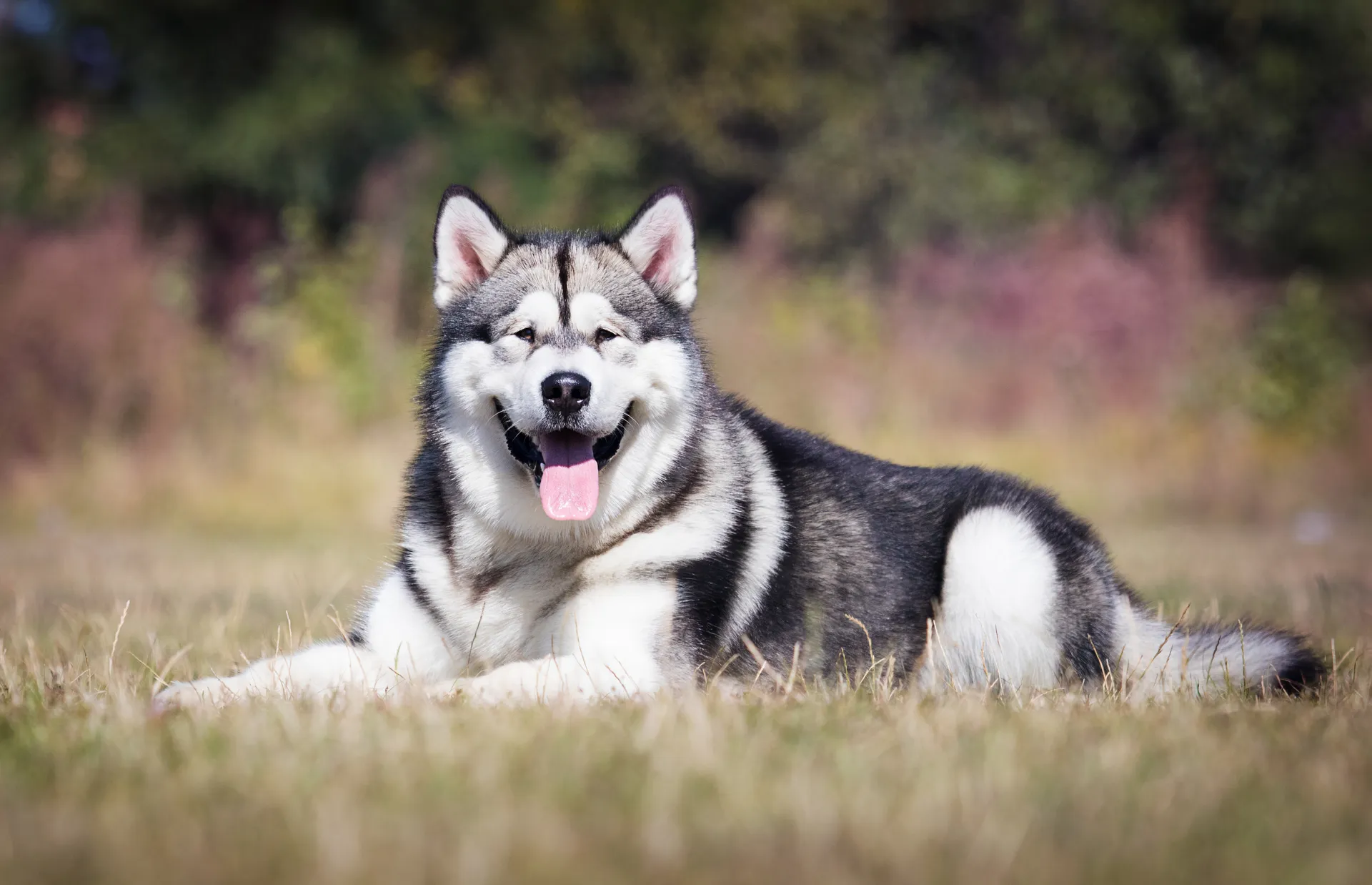
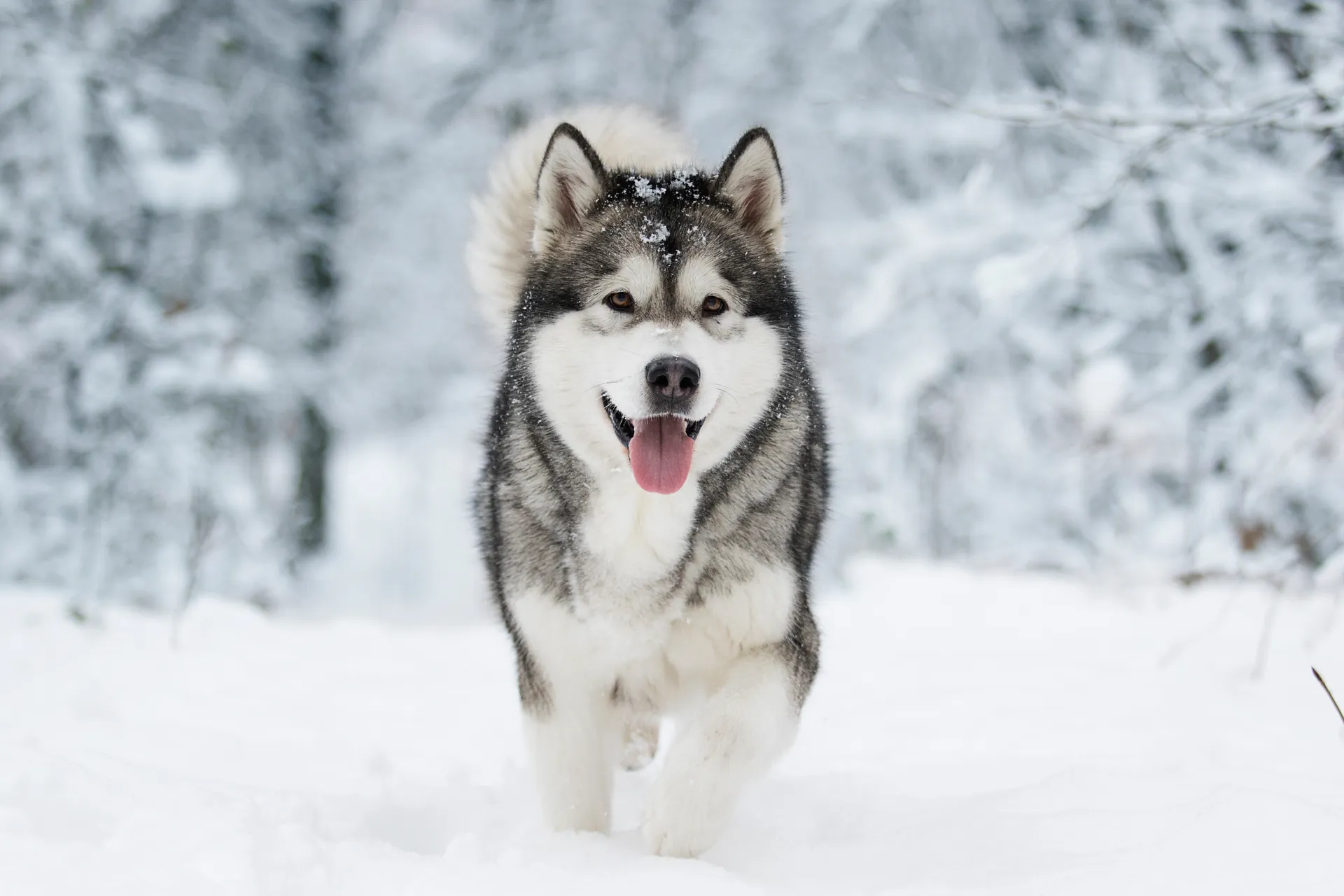
The Alaskan Malamute has a commanding presence that reflects its origins as a heavy-duty working dog. Everything about the breed is built for strength, endurance, and efficiency rather than speed or refinement. Its appearance is purposeful, with no exaggerated features, giving the impression of a dog designed to work hard in demanding conditions.
Size, Structure, and Build
Malamutes are large, heavily boned dogs with substantial muscle and a broad frame. The chest is deep and well developed, supporting strong lungs and stamina. The back is firm and level, flowing into powerful hindquarters that provide drive and stability when pulling weight. Feet are large and compact, with thick pads suited to snow and rough terrain.
Coat Texture and Colour
The breed has a dense double coat made up of a coarse outer layer and a thick, insulating undercoat. This coat protects against cold, wind, and moisture and requires regular maintenance to stay healthy. Recognised colours include various combinations of grey, black, red, sable, and white, along with solid white. Facial markings often form distinctive masks that contribute to the breed’s expressive look.
Head, Eyes, and Expression
The head is broad with a strong muzzle and a balanced, wolf-like profile. Eyes are almond shaped and usually brown, giving the Malamute a calm, intelligent expression. Blue eyes are not typical of the breed. Ears are triangular, set wide apart, and carried erect, reinforcing the alert and confident appearance.
Tail, Movement, and Gender Differences
The tail is heavily furred and carried over the back in a loose curve when the dog is relaxed or moving. Movement is steady and powerful, showing reach and drive without wasted effort. Males tend to appear heavier and more imposing, while females are slightly smaller and more refined, though both should display the same strength and balance.
Different Types of the Alaskan Malamute
The Alaskan Malamute is recognised as one breed with a single standard, rather than a dog with official size or coat variations. However, within that standard, you may notice differences in build, energy levels, and working drive depending on lineage and breeding focus.
Standard Alaskan Malamute
All purebred Alaskan Malamutes are bred to the same recognised standard, which prioritises strength, endurance, and structural balance. Variations in appearance are usually the result of genetics and breeding goals rather than separate types. A well-bred Malamute should always reflect the breed’s working heritage, regardless of whether it is raised as a companion or participates in activities.
Working-Focused Lines
Some Malamutes come from lines bred with an emphasis on pulling ability, stamina, and mental resilience. These dogs may show higher drive, stronger pack instincts, and greater need for structured activity. They often suit experienced owners who plan to engage in weight pulling, sledding, or similar working pursuits.
Companion-Oriented Lines
Other Malamutes are bred primarily for family companionship, often with slightly lower working intensity while still retaining the breed’s size and temperament. These dogs may adapt more easily to suburban living, provided their exercise and mental needs are met consistently.
Misleading Labels to Avoid
Terms such as “miniature Malamute” or “small Malamute” are not recognised and usually indicate crossbreeding. Prospective owners should approach these labels cautiously, as they fall outside established breed standards and may involve unpredictable traits.
Temperament of the Alaskan Malamute: Independent, Social, and Strong-Minded
The Alaskan Malamute has a temperament shaped by teamwork, endurance, and survival rather than obedience for obedience’s sake. This is a breed that thinks for itself, values social bonds, and expects clear leadership. While often friendly and affectionate at home, Malamutes are not naturally compliant and require owners who understand confident, consistent handling.
Core Personality Traits
Malamutes are typically calm, confident, and people-oriented with their families. They enjoy companionship and often display a playful, mischievous side well into adulthood. Their independence is a defining trait, meaning they assess situations rather than reacting automatically to commands.
Social Behaviour With People and Dogs
Most Alaskan Malamutes are sociable with people and tend to be welcoming rather than suspicious. They are generally not natural guard dogs. With other dogs, particularly those of the same sex, dominance issues can arise without early socialisation. Clear boundaries and controlled introductions play an important role in maintaining harmony.
Pack Instincts and Working Drive
As a pack-oriented breed, the Malamute thrives in households with clear structure. They respond best when they understand their place within the family unit. Without consistent leadership, they may attempt to take control of situations, leading to behavioural challenges rather than intentional disobedience.
Common Behavioural Challenges
Stubbornness, digging, and escape attempts are common when a Malamute’s needs are not met, and these can become common puppy behaviour problems if habits are left unchecked early on. Boredom and lack of stimulation often lead to destructive behaviour. Providing regular exercise, mental engagement, and predictable routines helps channel the breed’s natural instincts in positive ways.
Intelligence and Trainability of the Alaskan Malamute: Thoughtful, Capable, and Independent
The Alaskan Malamute is a highly intelligent breed, but its intelligence shows up differently compared to dogs bred for close handler compliance. Rather than working for approval, Malamutes tend to evaluate tasks and decide whether they see value in them. Training success depends on respect, consistency, and motivation rather than repetition.
Early Training Priorities
Training should begin as soon as the puppy arrives home, with a strong focus on socialisation, impulse control, and basic manners, which is why it helps to know when to start obedience training from the outset. Exposure to different environments, people, and dogs helps reduce future dominance or reactivity issues. Reliable recall and lead manners are particularly important due to the breed’s size and strength.
Training Approaches That Work Best
Positive reinforcement using food rewards, praise, and structured play tends to produce the best results. Sessions should be short, purposeful, and varied to prevent disengagement. Heavy-handed techniques often damage trust and can trigger resistance rather than cooperation.
Advanced Training and Purposeful Work
Malamutes excel when training mirrors their working heritage. Activities such as weight pulling, backpacking, cani-cross, and obedience-based challenges give them a sense of purpose. Mental stimulation is just as important as physical effort and helps prevent boredom-related behaviours.
Common Training Challenges
Inconsistency is the most common issue owners face. Allowing behaviours occasionally and correcting them later confuses the Malamute and encourages boundary testing. Clear rules, predictable routines, and calm leadership are essential for maintaining progress over time.
Alaskan Malamute and Family Life: Children, Other Pets, and Household Dynamics
The Alaskan Malamute can be a devoted family companion, but its size, strength, and instincts mean it is best suited to households that understand how to manage a powerful working breed. Family life works best when expectations are clear and everyone interacts with the dog in a calm, structured way.
Interactions With Children of Different Ages
Malamutes are often patient and affectionate with older children and teenagers who can match their energy and respect boundaries. Their large size and enthusiasm make them less suitable for homes with toddlers, as accidental knocks or overexcitement can occur. Supervision is essential during all interactions.
Teaching Children Appropriate Behaviour
Children should be taught to approach calmly, avoid rough play, and give the dog space when resting or eating. Involving older children in training and daily routines helps reinforce consistency and mutual respect. Clear household rules reduce confusion and support safer interactions.
Living With Other Dogs and Pets
With early socialisation, some Malamutes live successfully with other dogs, though same-sex dominance can be an issue in certain individuals. Their strong prey drive means caution is required around smaller animals such as cats or rabbits, particularly if the dog was not raised alongside them.
Creating a Stable Home Environment
A predictable routine, secure boundaries, and regular exercise help the Alaskan Malamute settle into family life. Providing a quiet retreat area allows the dog to rest undisturbed, supporting balance and reducing stress within the household.
Health of the Alaskan Malamute: Longevity, Risks, and Responsible Care
The Alaskan Malamute is a physically resilient breed, often reaching 12 to 14 years of age when raised with proper care. That said, its size, genetics, and working background bring specific health considerations that owners should understand early rather than encounter unexpectedly later in life.
Health Conditions Seen in the Breed
Joint health is one of the most important areas to monitor. Hip dysplasia can develop over time and may affect mobility if not managed appropriately. Some Malamutes are affected by neurological conditions, including Alaskan Malamute Polyneuropathy, which impacts coordination and muscle strength. Eye disorders, thyroid imbalance, and certain inherited blood or skin conditions are also reported within the breed, making long-term observation essential.
Importance of Health Screening and Breeder Practices
Ethical breeding plays a major role in reducing inherited risks. Responsible breeders carry out hip assessments, eye testing, and DNA screening for known genetic conditions. Prospective owners should expect clear documentation and open discussion around health history rather than vague assurances. Choosing carefully at this stage has a lasting impact on the dog’s quality of life.
Preventative Healthcare Throughout Life
Routine veterinary care helps identify potential issues early, when intervention is most effective, and understanding how often dogs should see a vet makes that easier to manage consistently. Regular weight monitoring is particularly important, as excess weight places added strain on joints and the cardiovascular system. Dental care, parasite prevention, and age-appropriate health checks support overall wellbeing from puppyhood through senior years.
Planning for Ongoing Care and Insurance
Due to the breed’s size and predisposition to certain conditions, many owners choose comprehensive pet insurance. Policies that cover hereditary and long-term conditions can ease financial pressure and allow treatment decisions to be made based on need rather than cost.
Caring for the Alaskan Malamute: Daily Structure, Space, and Long-Term Support
Caring for an Alaskan Malamute requires commitment to routine, physical activity, and ongoing engagement. This is a breed that thrives when daily life is predictable and purposeful. Without structure, even a well-intentioned Malamute can become restless or difficult to manage.
Daily Care and Routine
A Malamute benefits from a balanced day that includes exercise, mental stimulation, and downtime. Mornings often start best with purposeful activity such as long walks or training sessions, followed by rest periods. Mental challenges, including problem-solving games or obedience work, help keep the breed engaged and reduce boredom-related behaviours.
Living Environment and Space Needs
This breed is best suited to homes with secure outdoor space. A fenced yard allows for supervised movement and play, though it should never replace structured exercise. Apartment living is rarely suitable unless owners are exceptionally active and committed to meeting the breed’s high demands.
Climate and Seasonal Considerations
Malamutes are well adapted to cold conditions but can struggle in warmer climates. Exercise should be planned during cooler parts of the day in hot weather, with constant access to shade and water. Seasonal coat shedding requires adjustments to grooming routines to maintain comfort and skin health.
Supporting the Malamute as It Ages
As Malamutes enter their senior years, care routines may need modification. Lower-impact exercise, joint support, and more frequent veterinary check-ups help preserve mobility. Providing supportive bedding and adapting activity levels contributes significantly to comfort and quality of life.
Grooming the Alaskan Malamute: Coat Care, Shedding, and Ongoing Maintenance
Grooming is one of the most demanding aspects of owning an Alaskan Malamute. The breed’s thick double coat is designed for Arctic conditions, not convenience, and requires consistent care to keep both coat and skin healthy. This is not a wash-and-go breed, and grooming should be viewed as a regular responsibility rather than an occasional task.
Daily Brushing and Coat Management
Alaskan Malamutes benefit from daily brushing, particularly around the neck, shoulders, and hindquarters where undercoat builds up quickly. Regular brushing helps remove loose hair, reduces matting, and improves airflow to the skin. During seasonal shedding periods, grooming time increases significantly as the undercoat releases in large volumes.
Managing Heavy Seasonal Shedding
Malamutes typically blow their coat once or twice a year, shedding heavily over several weeks. During this time, undercoat rakes and de-shedding tools become essential. Without consistent grooming, loose hair can trap moisture against the skin, increasing the risk of irritation or infection.
Bathing and Skin Care
Bathing should be done only when necessary, using dog-specific shampoos formulated for double-coated breeds. Over-bathing can strip natural oils and compromise coat protection. Thorough drying is critical, as damp undercoats can lead to skin problems if moisture is trapped close to the body.
Professional Grooming and Common Challenges
While many owners manage grooming at home, occasional professional grooming can assist during heavy shedding periods. Clippers should not be used on the coat, as shaving interferes with temperature regulation and coat regrowth. Regular grooming also helps owners spot early signs of skin conditions, parasites, or coat abnormalities as part of a broader dog grooming and hygiene routine.
Exercise Needs of the Alaskan Malamute: Strength, Endurance, and Purpose
The Alaskan Malamute is built for sustained physical work rather than short bursts of activity. Exercise is not optional for this breed. It is a daily requirement that supports physical health, mental balance, and behavioural stability.
Daily Exercise Requirements
Most adult Alaskan Malamutes need at least 90 to 120 minutes of structured exercise each day. This should include long walks, controlled off-lead time in secure areas, and purposeful movement rather than casual strolling. Inconsistent or minimal exercise often leads to frustration, restlessness, and destructive behaviour.
Activities That Suit the Breed
Malamutes thrive in activities that reflect their working heritage. Hiking, backpacking, weight pulling, cani-cross, and sled-style pulling exercises suit both their strength and mindset. Swimming is often enjoyed when introduced safely. Mental engagement during exercise is just as important as physical effort.
Exercise Limits and Safety
Puppies should avoid repetitive high-impact activity, jumping, or long distances until joints are fully developed. In warm climates, exercise must be planned carefully, with sessions scheduled during cooler parts of the day and regular rest breaks provided to prevent overheating.
Mental Stimulation as Part of Exercise
Mental work is essential for this breed. Training drills, scent games, and problem-solving tasks help channel energy productively. A Malamute that is mentally engaged is far more likely to settle calmly at home.
Feeding the Alaskan Malamute: Nutrition, Portions, and Weight Control
Feeding an Alaskan Malamute correctly is essential for maintaining strength, joint health, and long-term wellbeing. As a large, working breed, the Malamute requires balanced nutrition that supports endurance without encouraging excess weight, which can place strain on joints and internal systems.
Nutritional Needs for a Working Breed
Alaskan Malamutes benefit from a high-quality diet rich in animal-based protein, supported by moderate fat levels for sustained energy and a well-planned dog nutrition and feeding routine. Large-breed formulations are often suitable, as they are designed to support controlled growth, bone development, and joint health. Omega fatty acids play an important role in maintaining coat condition and skin health, particularly during heavy shedding periods.
Feeding Schedules and Portion Sizes
Puppies generally require three to four meals per day during early growth stages, gradually transitioning to two measured meals daily as adults. Portion sizes should be based on body condition rather than appetite alone, as Malamutes can overeat if given the opportunity. Free feeding is not recommended for this breed.
Special Dietary Considerations
Some Malamutes develop food sensitivities or digestive issues, which may require limited-ingredient diets under veterinary guidance. Joint-support supplements such as glucosamine or omega-3 oils are commonly used, particularly as the dog ages or maintains high activity levels.
Maintaining a Healthy Weight
Weight management is critical for the Alaskan Malamute. Excess body fat increases the risk of joint stress and mobility issues. Regular body condition checks, controlled treats, and consistent exercise help ensure the dog remains fit, strong, and comfortable throughout its life.
Alaskan Malamute Price and Ongoing Costs in Australia
Owning an Alaskan Malamute in Australia comes with above-average costs, mainly due to the breed’s size, diet, grooming demands, and long-term health planning. These figures reflect typical expenses for responsible owners using reputable breeders, quality food, and routine veterinary care.
| Cost Category | Typical Cost Range (AUD) | What This Covers |
| Purchase Price | $2,000–$4,000 | Ethical Australian breeders, pedigree lines, health testing, microchipping, and vaccinations. |
| Initial Setup Costs | $450–$700 | Large crate, bedding, bowls, lead, collar, grooming tools, enrichment toys, and basic training gear. |
| Monthly Food Costs | $110–$160 | Quality large-breed food suited to high body weight and moderate to high activity levels. |
| Professional Grooming | $100–$180 per session | De-shedding support or coat maintenance during seasonal coat blow periods. |
| Routine Veterinary Care | $80–$120 per month (averaged) | Annual vaccinations, parasite prevention, dental checks, and general health monitoring. |
| Pet Insurance | $50–$90 per month | Accident and illness cover, including joint and hereditary condition support. |
| Estimated Lifetime Costs | High overall | Ongoing investment across food, healthcare, grooming, and preventative care over 12–14 years. |
Buying Advice for the Alaskan Malamute: Making Responsible Choices
Choosing an Alaskan Malamute requires careful consideration well before you commit to a puppy. This is a powerful, independent breed, and early decisions around sourcing and preparation have long-term consequences for both the dog and the owner.
Finding Ethical Australian Breeders
Reputable Australian breeders prioritise health, temperament, and breed integrity over volume. They are transparent about their breeding practices and welcome questions about lineage, living conditions, and socialisation, giving you the chance to ask the right questions when dealing with a dog breeder. You should be able to meet the puppy’s mother, view where the litter is raised, and receive documentation for microchipping, vaccinations, and pedigree registration. Breeders who avoid visits or push for quick deposits should be approached cautiously, as these are common warning signs when trying to spot a puppy scam online.
Verifying Health Testing and Breeding Standards
Ask for clear evidence of health screening, including hip scoring, eye examinations, and DNA testing for Alaskan Malamute Polyneuropathy. Ethical breeders are open about results and happy to explain how testing informs their breeding decisions. This step plays a major role in reducing inherited health risks and future veterinary costs.
Selecting the Right Puppy
A healthy Malamute puppy should appear confident, alert, and curious without showing excessive fear or aggression. Observe how the puppy interacts with people and littermates. Balanced temperament, responsiveness, and steady movement are more important than coat colour or size when choosing a puppy suited to family life.
Contracts, Guarantees, and Ongoing Support
A written agreement should outline health guarantees, return policies, and breeder responsibilities. Many responsible breeders offer ongoing support and expect to be contacted if circumstances change. This level of involvement often reflects genuine commitment to the breed rather than transactional selling.
Considering Rescue and Adoption
Although less common than some breeds, Alaskan Malamutes do appear in Australian rescue networks. Adoption may suit experienced owners prepared to manage unknown backgrounds and behavioural history. Breed-specific rescues and reputable platforms occasionally list Malamutes needing committed homes.
Is the Alaskan Malamute the Right Breed for Your Lifestyle?
The Alaskan Malamute is not a casual commitment. This breed thrives with owners who respect its strength, independence, and need for structure. When given clear leadership, regular physical work, and consistent mental engagement, the Malamute becomes a loyal, social, and deeply rewarding companion. Without those foundations, its intelligence and drive can quickly turn into frustration.
If you are experienced with large, strong-willed breeds and can offer space, time, and routine, the Alaskan Malamute may be a powerful addition to your life. Platforms like Pups4Sale can help you connect with ethical Australian breeders, find available Alaskan Malamute puppies, or list responsibly bred dogs while supporting informed and transparent ownership decisions.
Frequently Asked Questions
Related Breeds
Other working breeds on Pups4Sale.
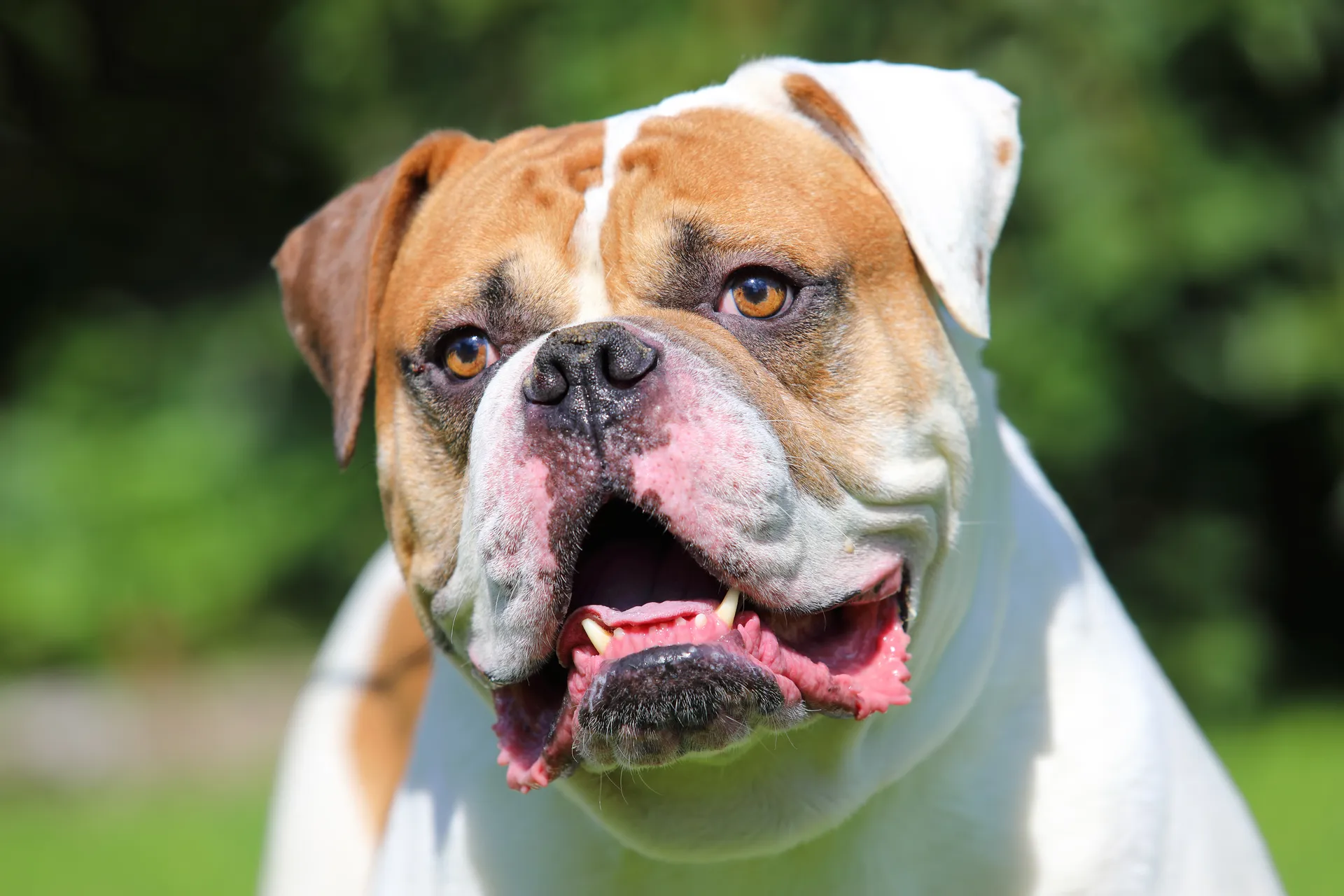 American BulldogLarge • Working
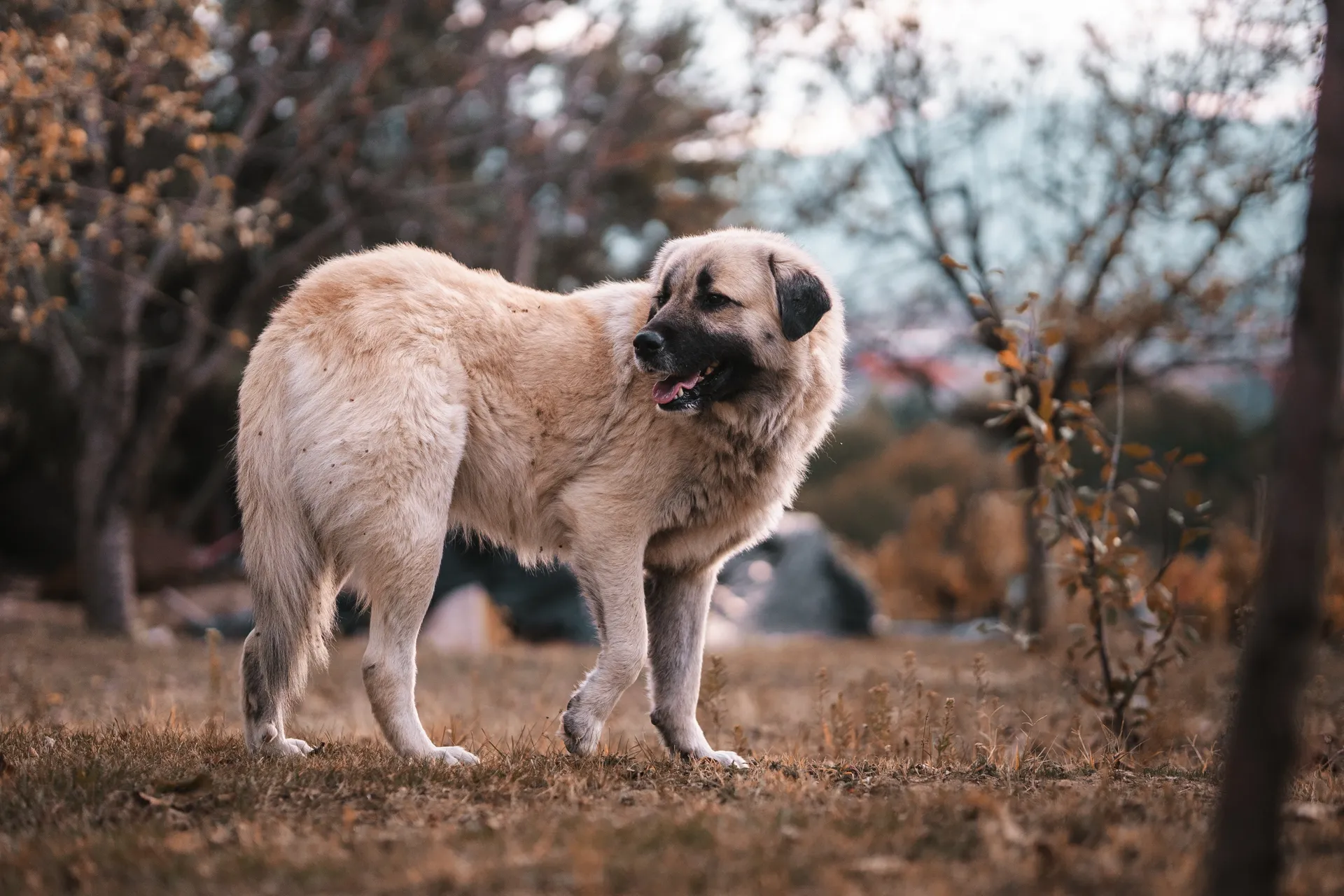 Anatolian Shepherd DogLarge • Working
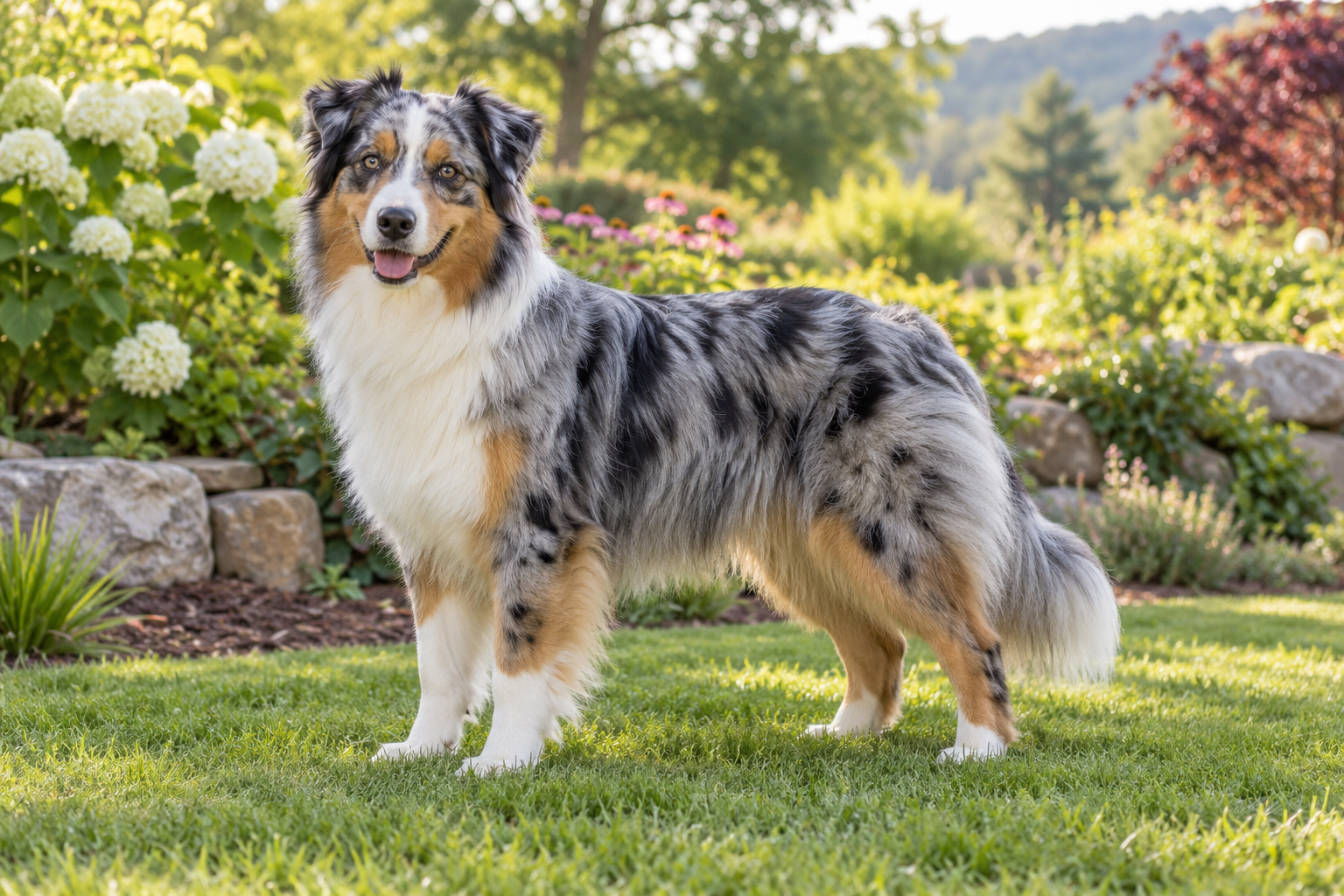 Australian ShepherdMedium • Working Dogs
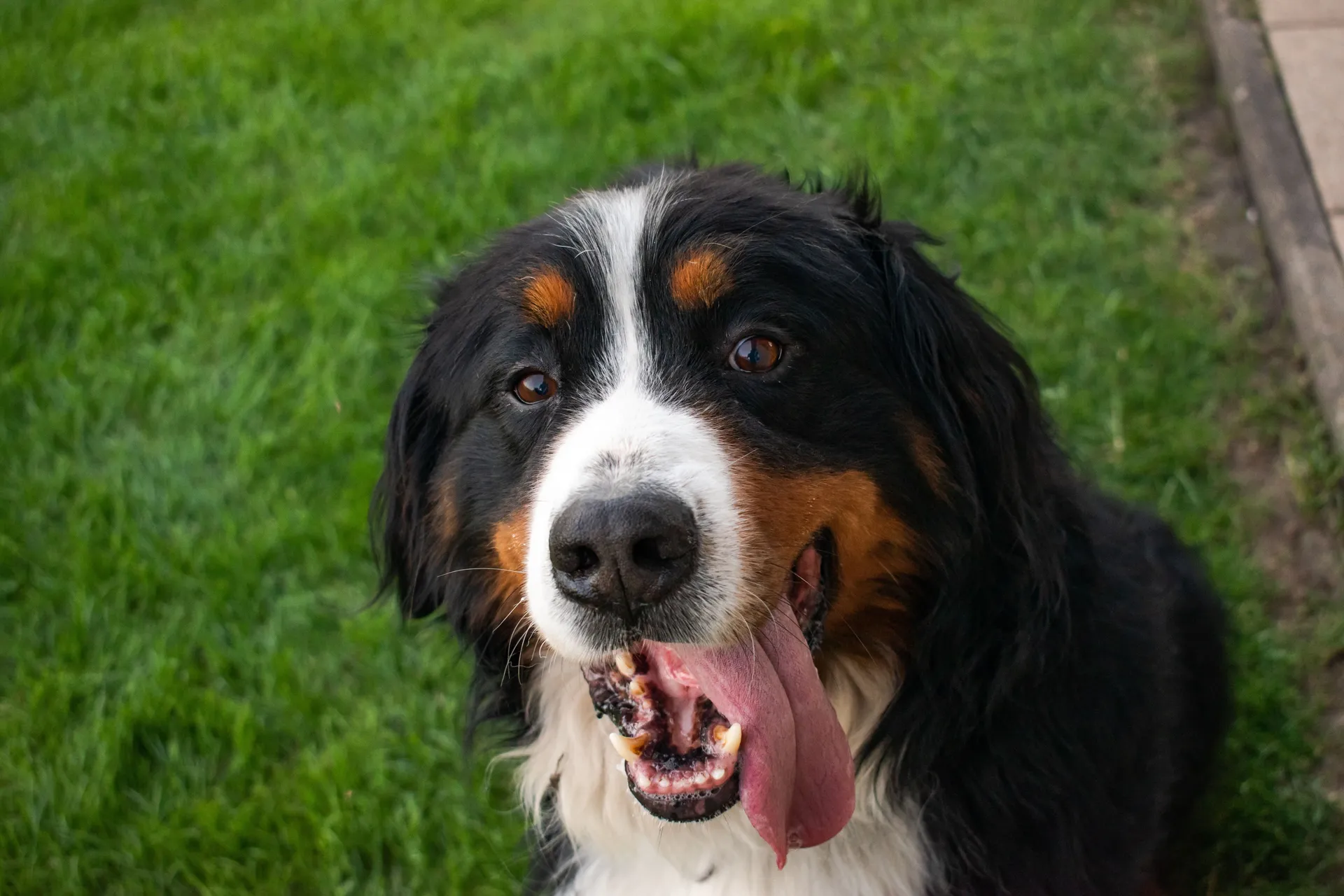 Bernese Mountain DogLarge • Working
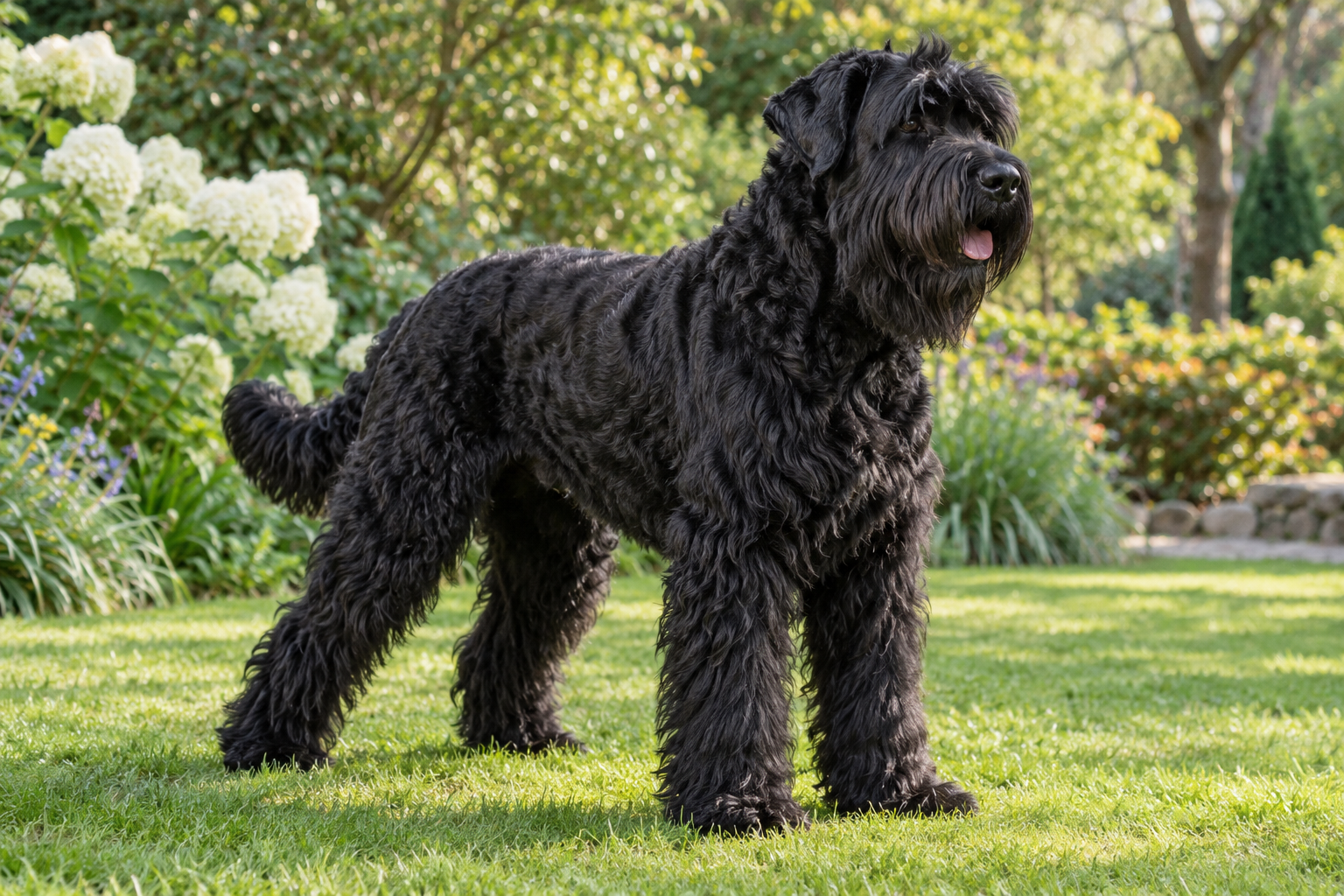 Black Russian TerrierLarge • Utility (Group 6), registered as Russian Black Terrier
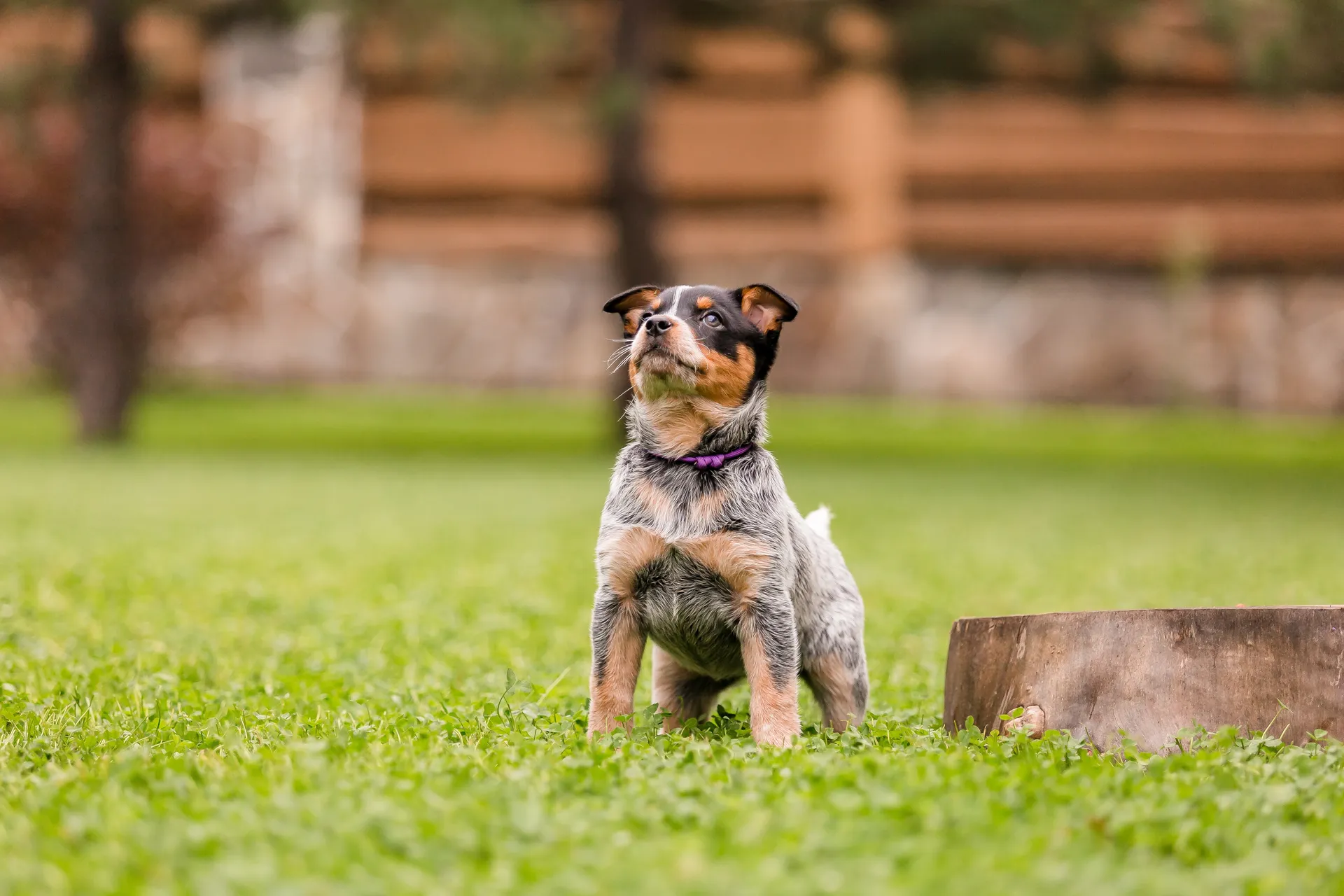 Blue HeelerMedium • Working