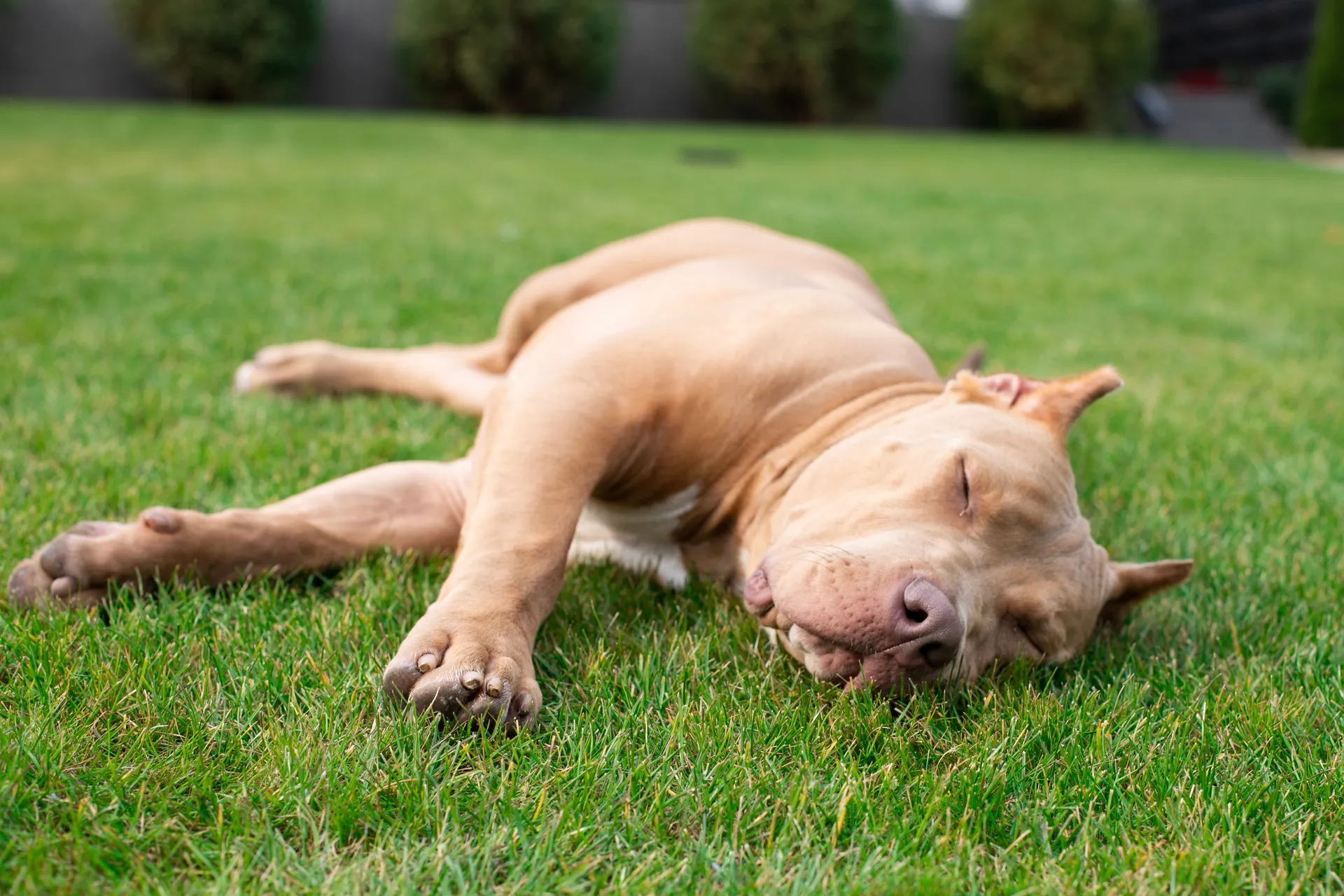
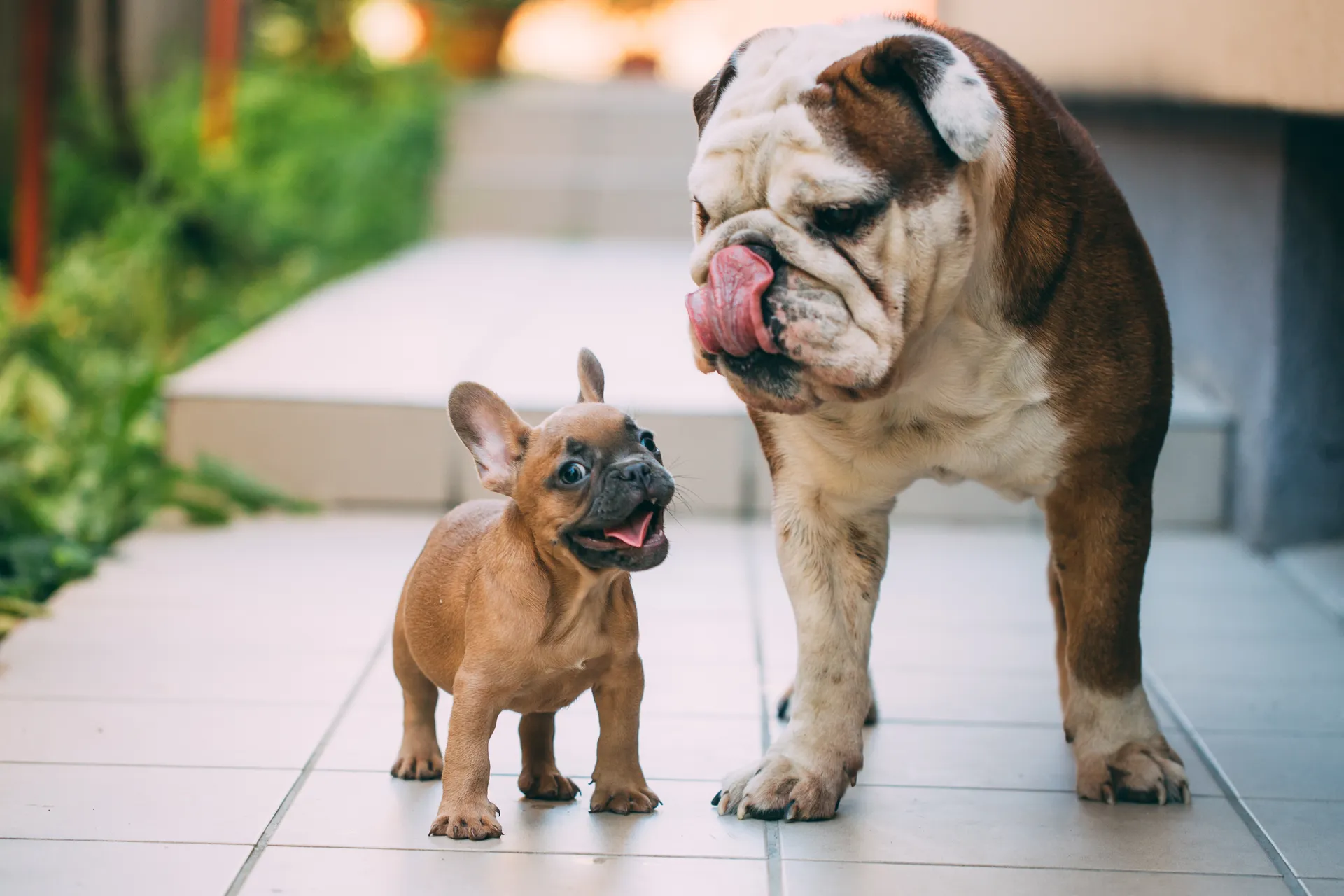
American Bulldog
By James C. • Updated
The American Bulldog is a strong, athletic former farm dog with a confident, protective nature and a soft spot for its family. It suits experienced, active owners who can give it training, clear structure and regular exercise from puppyhood.
Breed Overview
Life Span
12 - 14 years
Average Price
AUD 2000 - AUD 4000
Weight
Male: 32 - 54 kg Female: 27 - 45 kg
Height
Male: 55 - 71 cm Female: 51 - 66 cm
Life Expectancy
Male/Female: 12 - 14 years
Breed Group
Working
Nicknames
AB, Bully, American Bull Dog
Breed Information
The American Bulldog is a big, athletic dog with a lot of strength, plenty of confidence and a deep attachment to its family. It started out as a working farm dog, and the drive and protective instinct from that job are still very much there. This is not a dog that is happy to be ignored.
It suits experienced owners with active lives who can commit to steady leadership, daily exercise and early socialisation. Get those right and most American Bulldogs are calm, affectionate dogs at home.
Be realistic, though. This is not a beginner’s breed. A strong, assertive dog of this size needs clear boundaries from the start, and problems can build quickly without training and exposure, especially during the early stages of puppy training and behaviour development.
For the right person, it is a loyal, athletic and genuinely good-natured companion. Read up on temperament, care and the long-term commitment before you decide.
Characteristics: What Living With an American Bulldog Is Really Like
The breed’s working background and family loyalty show in almost everything it does. Use the table to see how its energy, temperament and care needs line up with your household.
| Characteristic | Rating | Star Rating (★ out of 5) | What This Means for You |
| Size | Large | ★★★★★ | Strong and solidly built, so it needs room and a secure handler. |
| Adaptability | Moderate | ★★★☆☆ | Copes with different settings but does best with routine and engagement. |
| Exercise Needs | High | ★★★★☆ | Needs daily physical activity and mental work to stay settled. |
| Easy to Train | Moderate | ★★★☆☆ | Smart and capable, but needs confident, consistent handling and positive methods. |
| Amount of Shedding | Low to Moderate | ★★☆☆☆ | The short coat sheds lightly, a little more at seasonal changes. |
| Grooming Needs | Low | ★★☆☆☆ | Easy coat care, but regular skin checks matter. |
| Good With Children | Moderate | ★★★☆☆ | Better with older children who understand dog boundaries. |
| Health of Breed | Moderate | ★★★☆☆ | Generally sturdy, but joint and genetic screening is important. |
| Cost to Keep | Moderate | ★★★☆☆ | Food and care are manageable; budget for vet and insurance costs. |
| Tolerates Being Alone | Low | ★★☆☆☆ | Wants company and can develop problems if left alone too often. |
| Intelligence | High | ★★★★☆ | Sharp and responsive, and happiest with a job or structured activity. |
Put simply, this is a dog for owners who want a loyal, athletic companion and can provide clear rules, regular exercise and real involvement every day.
History of the American Bulldog
The American Bulldog descends from working bulldogs that European settlers brought to North America in the 17th and 18th centuries. Nobody bred these dogs for looks. They were kept because they were strong, tough and useful: guarding land, handling livestock and taking on dangerous jobs that needed courage and muscle.
As farming spread across the southern United States, the bulldog became part of farm life. Its main job was catching and holding feral pigs and cattle, work that demanded speed, grip strength and no fear at all. Farmers bred for what worked locally rather than to a written standard, so regional types appeared under a string of names, including Southern Bulldog, White English Bulldog and plain bulldog.
The breed nearly disappeared in the early 20th century, particularly around the World Wars, when rural farming declined and fewer working dogs were needed. Its survival is largely credited to a handful of committed breeders.
Two names stand out. John D. Johnson favoured heavier, more powerful dogs, while Alan Scott preferred a leaner, more athletic type. Between them, they stabilised the breed and shaped the two forms you see today.
Most American Bulldogs are now companions, but the strength, determination and protective instinct remain. That history explains why the breed does best with purpose, structure and an owner who respects where it came from.
Appearance of the American Bulldog
This is a powerful but athletic dog, built for work rather than exaggeration. It looks strong without looking clumsy.
General build and proportions
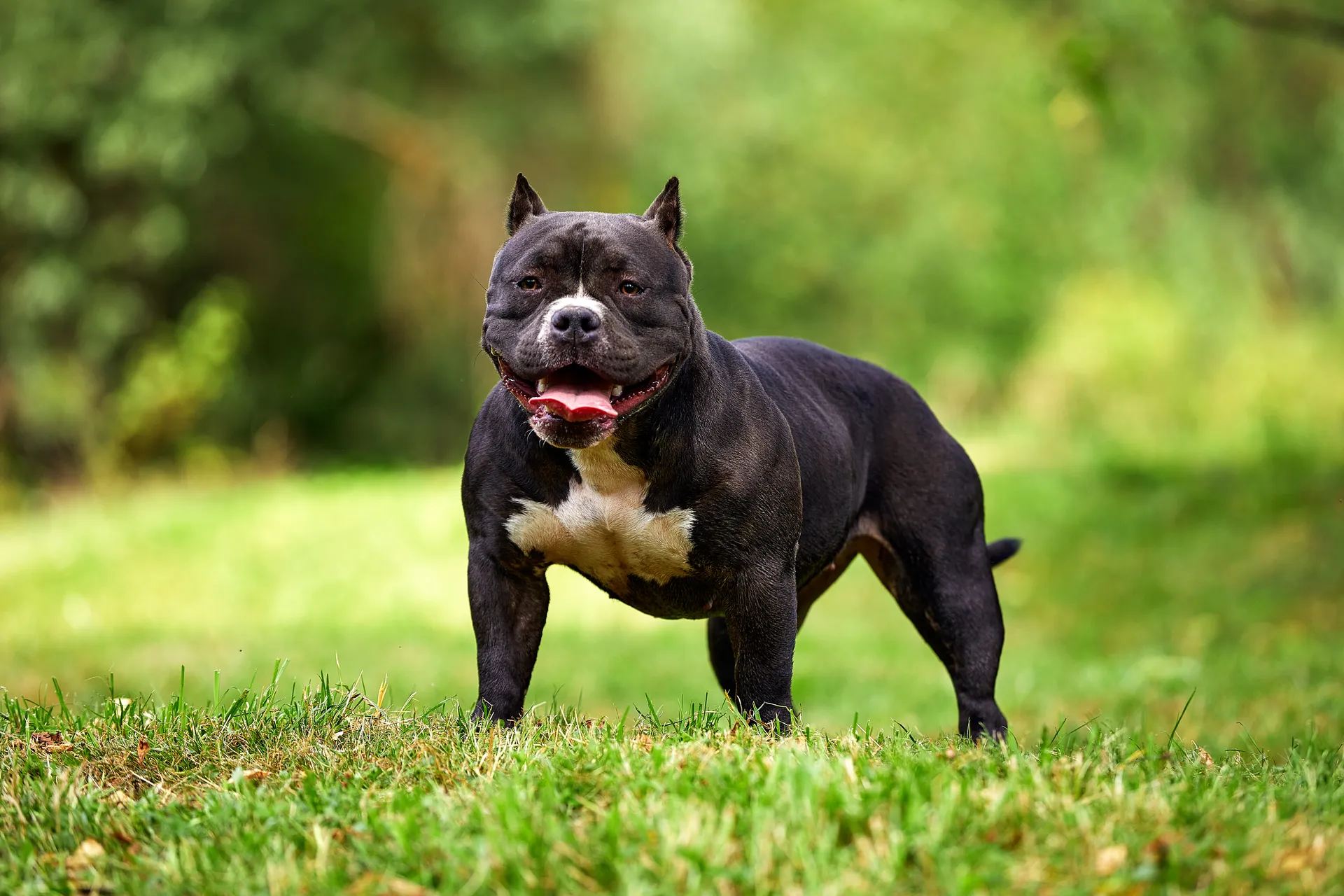
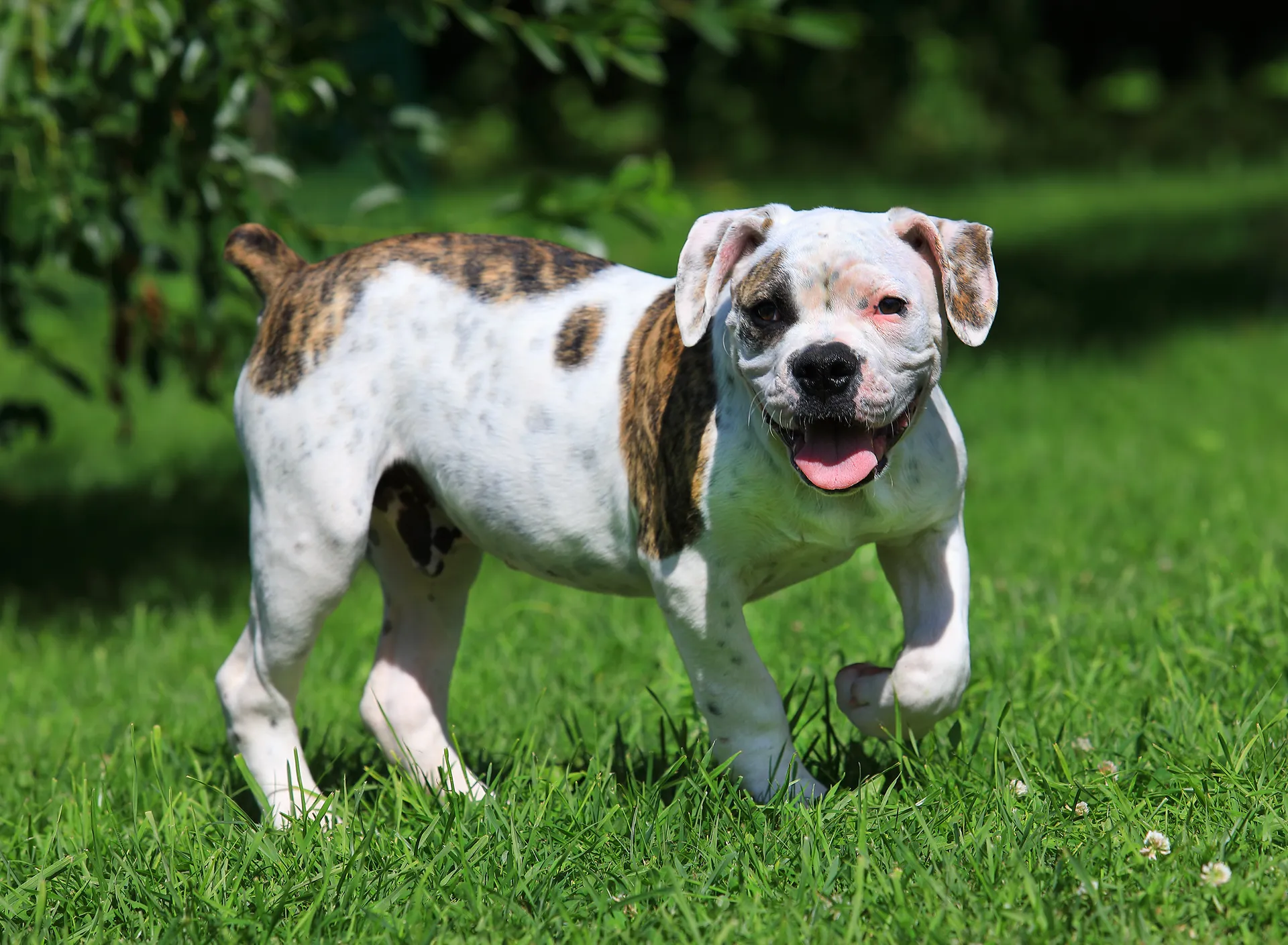
American Bulldogs are large and solid, with a broad chest, strong shoulders and well-muscled legs. The body is compact and practical, made for movement as much as power. Males usually look more imposing, but both sexes share the same sturdy outline.
Head shape and facial features
The head is broad, with a clear stop and a substantial muzzle. The face is longer and less squashed than an English Bulldog’s, which means easier breathing and better stamina. A strong jaw is one of the breed’s defining features, a reminder of its catch-dog past.
Coat type and colour
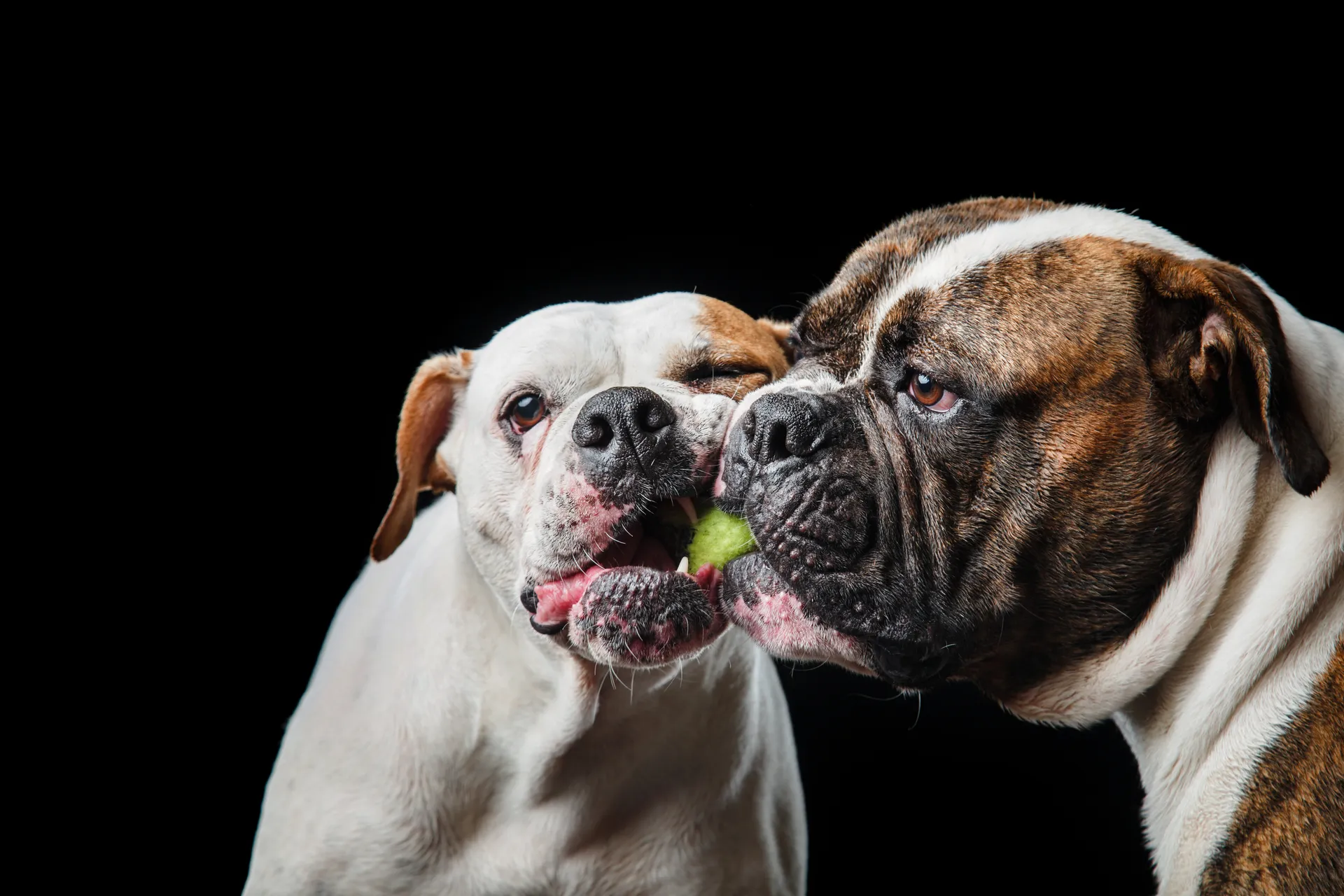
The coat is short, tight and close-fitting. It protects without needing much upkeep. Most dogs are white or white-based with patches of brindle, red, brown or black. There is some seasonal shedding, but it is easy to manage.
Movement and presence
On the move, the American Bulldog looks steady and powerful, with good drive from the hindquarters and a balanced, controlled gait. Strength and agility together. That is the working dog showing through.
Different Types of the American Bulldog
It is one breed, but people usually describe two main types that differ in build, movement and breeding focus. They are not separate breeds. They grew out of different working needs.
Bully type (Johnson type)
The Bully type is heavier, broader and more compact, with a wider chest, thicker neck and a bigger head with a shorter muzzle. It was built for strength and mass, which suited guarding and close work. These dogs are athletic but slower and more powerful than fast. Many are calmer once mature, but they still need firm, consistent training.
Standard type (Scott type)
The Standard type is leaner, taller and more agile, with longer legs and a more streamlined frame. It was developed for performance, especially catching and controlling livestock. Expect more stamina, quicker movement and often more drive. These dogs suit active owners who enjoy structured exercise and training.
Hybrid or performance blends
Many modern American Bulldogs sit somewhere between the two, mixing Bully strength with Standard athleticism. You will hear them called hybrids or performance types. Because so much depends on the breeding, temperament, energy and build vary a lot from dog to dog.
Knowing which type you are looking at helps you match the dog to your lifestyle and experience. Ask the breeder which lines they work with.
Temperament of the American Bulldog
Generations of real work produced a confident, self-assured dog. It is not naturally timid, and it is not aggressive without reason. Raised and guided well, it is steady, loyal and very attached to its people.
Confidence and loyalty
American Bulldogs bond closely with their families and are often deeply devoted to their owners. They are naturally protective and notice changes around them. That watchfulness is instinct, not training, and it usually shows as quiet presence rather than constant barking.
Independence and assertiveness
This breed can think for itself, which people often read as stubbornness. Calm, consistent leadership works. Force does not. If the rules are unclear, expect limit testing, particularly in adolescence. With structure and fair rules, most grow into cooperative, reliable dogs.
Social behaviour
Well socialised, American Bulldogs are usually polite with familiar people and dogs. Many stay reserved with strangers, which is normal for a breed with guarding instincts. Early socialisation is what keeps that reserve from becoming overprotectiveness.
Emotional needs
For all the tough looks, these dogs need company and involvement. Long periods alone can lead to frustration and unwanted habits, which easily turn into common puppy behaviour problems if nobody steps in early. Homes where interaction, routine and mental work are part of every day suit them best.
Intelligence and Trainability of the American Bulldog
American Bulldogs learn quickly when training is structured and makes sense to them. Pointless repetition loses them. Clear expectations and a task that feels worthwhile get the best results.
Learning style and responsiveness
They are natural problem solvers and tend to weigh things up before acting. That can look like slow responses. Often the dog is simply deciding whether your command is worth following. Clear communication and consistency build reliability.
Training approach that works best
Positive reinforcement works best: food, praise and controlled play. Heavy-handed or confrontational methods usually lead to resistance or shutdown, especially in more sensitive dogs.
Early training priorities
Start early with impulse control, lead manners, recall and calm behaviour around people and dogs, and know when to start obedience training so those first weeks are not wasted. Early structure stops bad habits forming before the dog is big and strong enough to make them a real problem.
Advanced potential and mental stimulation
With good guidance, American Bulldogs can do well in obedience, working sports, weight pulling and task-based activities. Mental work matters as much as physical exercise. A bored bulldog finds its own entertainment.
Patient, consistent owners usually end up with a reliable and rewarding dog.
American Bulldog With Children and Other Pets
American Bulldogs can fit well into family life, but their size, strength and confidence mean you need to plan how the household works. They are affectionate dogs. They also need clear rules and sensible supervision.
Living with children
Families with older children who know how to behave around large, powerful dogs are usually the best fit. These dogs are often patient when treated with respect, but they may react if overwhelmed or handled roughly. A solid, excited bulldog can also knock a small child flat by accident, so supervise play closely.
Teaching respectful interaction
Teach children to leave the dog alone while it is resting, eating or tired. Calm contact and predictable routines help the dog feel secure, and they make it easier to understand what dog growling can mean in different situations. Children who learn to engage properly often build strong, trusting bonds with the dog.
Other dogs and household pets
Socialised early, American Bulldogs can live with other dogs, especially when introductions are handled carefully. Same-sex pairs may need extra attention, depending on the individuals. Cats and small pets may trigger prey drive, so introduce them gradually and supervise.
Creating a stable home environment
Clear house rules, secure fencing and steady routines make life smoother for the dog, the family and any other animals. Everyone in the house needs to apply the same rules, or the dog will notice.
Health of the American Bulldog
The American Bulldog is generally a sturdy breed, but its size and genetics bring some health issues worth understanding before you buy. With responsible breeding and good preventative care, many live long, active lives.
Common health concerns
Hip and elbow dysplasia are among the most notable issues, particularly in dogs that grow too fast or carry extra weight. Skin conditions, including ichthyosis, can also occur and may need ongoing management. Some lines may be affected by inherited neurological conditions such as neuronal ceroid lipofuscinosis, which is why health screening matters so much in this breed. Talk these through with your vet and breeder.
Genetic testing and responsible breeding
Reputable breeders health test before they breed. Hip and elbow screening, plus DNA tests for known inherited conditions, lowers the risk of passing serious problems on. Always check the health certificates before choosing a puppy.
Preventative care and veterinary planning
Regular vet visits, vaccinations, parasite control and dental care are the foundation, and knowing how often dogs should see a vet helps you stay on schedule. On the east coast, add paralysis tick prevention to the routine. Keeping the dog lean is especially important for protecting its joints as it ages.
Insurance considerations
Because orthopaedic and genetic conditions are possible, pet insurance is often recommended. Good cover helps with unexpected vet bills over the dog’s life.
Caring for the American Bulldog
Day-to-day care is about balance: exercise, mental work, rest and company, all within a clear structure. Consistency keeps both the body and the behaviour in good shape.
Daily care and routine
A good day includes planned exercise, calm downtime and some purposeful interaction. Short training sessions, structured walks and supervised play use up energy in a useful way. Most American Bulldogs settle nicely indoors once their exercise needs are met, but long stretches of doing nothing do not suit them.
Living environment and space
Homes with space and secure outdoor access work best. A safely enclosed yard reduces frustration and helps with controlled exercise. Strong fencing is a must. A determined bulldog can get over, under or through a weak fence.
Seasonal considerations
Big, muscular dogs heat up fast. In summer, exercise early or late in the day and make sure there is always shade and fresh water. Most cope fine with cooler weather but appreciate a warm bed, particularly as they get older.
Supporting long-term comfort
As the dog ages, joint support, gentler exercise and more frequent health checks become more important. A supportive bed and an eye on mobility go a long way in the senior years.
Grooming of the American Bulldog
Grooming is simple, but it still matters, mainly for skin health. The short coat is easy. Paying attention to the skin underneath is the real job.
Coat care and maintenance
Brush once or twice a week to lift loose hair and spread the coat’s natural oils. A soft bristle brush or a rubber grooming mitt suits this coat. Shedding is steady through the year, with a little more at seasonal changes.
Bathing and skin health
Bath only when needed, with a gentle dog shampoo. Over-bathing dries the skin and can make sensitivities worse, especially in dogs prone to skin conditions. Check regularly for redness, flaking or irritation so problems are caught early.
Nails, ears, and dental care
Trim nails regularly, as long nails cause discomfort and can change how the dog walks. Check ears routinely and clean them occasionally to reduce infection risk. Dental care is easy to forget, but regular brushing protects long-term oral health.
Grooming as routine handling
Regular grooming gets the dog used to being handled and inspected as part of a broader dog grooming and hygiene routine. With a dog this strong, that makes vet visits much easier, and it helps you spot changes in skin, coat or body condition early.
Exercise of the American Bulldog
American Bulldogs are energetic and capable, and they need regular exercise with a purpose. Without it, frustration and behaviour problems become much more likely.
Daily activity requirements
Most adults need around 40 to 60 minutes of structured exercise a day. Spread it across walks, controlled play and training rather than one hard session. For joint health, consistency matters more than intensity.
Suitable forms of exercise
Activities that mix movement with thinking suit this breed. Brisk walks, hiking, obedience work and strength-based games like tug cover body and mind. Off-lead time in a securely fenced area is fine once recall is reliable.
Exercise limits and safety
Manage puppy exercise carefully to protect growing joints. Avoid high-impact activity, long runs and jumping until the growth plates have closed. Watch adults closely in hot weather, because large, muscular dogs overheat quickly. A Queensland summer afternoon is no time for a run.
Mental stimulation and enrichment
Exercise alone is not enough. Problem-solving tasks, scent games and short training sessions give the brain a workout. Pair physical and mental work and you are far more likely to have a calm, content dog at home.
Nutrition and Feeding Needs of the American Bulldog
Good feeding supports muscle, joints and long-term health. Use a structured approach that suits the dog’s size, activity and age, rather than free feeding or guessing portions.
Nutritional needs
Feed a balanced diet built on quality animal protein to maintain muscle and strength, as part of a well-planned dog nutrition and feeding routine. Keep fat moderate so energy stays up without the weight piling on. Foods made for large, active breeds are usually a good fit.
Feeding schedules and portion control
Puppies usually need three to four meals a day for steady growth. Adults do best on two measured meals. Adjust portions for age, activity and body condition rather than following the bag’s guide to the gram.
Special dietary considerations
Some American Bulldogs have food sensitivities or skin reactions. Limited-ingredient diets or a different protein source may help. Joint supplements may also be worth discussing with your vet, particularly for very active dogs or those showing early stiffness.
Maintaining a healthy weight
Extra weight strains the joints and raises the risk of mobility problems. Weigh your dog regularly and check its shape: you should be able to feel the ribs without pressing hard.
American Bulldog Price and the Real Cost of Ownership
The purchase price is only the beginning. A large, powerful dog brings ongoing costs for food, health care, training and general upkeep, so plan for the full picture.
| Cost Category | Typical Cost Range (AUD) | What This Covers |
| Purchase Price | $2,000 to $4,000 | From reputable Australian breeders; varies with bloodline, health testing and breeder standards. |
| Initial Setup Costs | $400 to $700 | Bed, crate, collar, lead, bowls, toys, grooming tools and basic training gear. |
| Monthly Food Costs | $80 to $130 | Quality large breed food suited to size, activity and muscle maintenance. |
| Routine Veterinary Care | $70 to $120 per month (avg.) | Annual check-ups, vaccinations, parasite prevention and general health monitoring. |
| Pet Insurance | $50 to $90 per month | Cover for accidents, illness and breed-related joint or genetic conditions. |
| Training and Enrichment | $50 to $150 (as needed) | Puppy classes, obedience training, behavioural support and enrichment tools. |
| Estimated Lifetime Costs | Moderate to high | Food, healthcare, insurance, training and general care over 12 to 14 years. |
Grooming costs are low. Size and strength push up spending on food, training and preventative health care instead, with joint care and insurance the big items.
Budget realistically and these costs are manageable. Planning ahead is part of giving the dog a stable, good life.
Buying an American Bulldog: What to Look for and What to Avoid
Take your time here. The choices you make now shape the dog’s health and temperament, and how well it fits your life, for years to come.
Identifying responsible breeders
Ethical breeders put health, temperament and sound structure ahead of looks or volume, and they should be comfortable answering the questions to ask a dog breeder before you commit. They are open about how they breed and let you meet the mother where possible. Puppies should be raised somewhere clean and structured, with early socialisation rather than isolation or high turnover. A poor setup is one of the clearest ways to spot a puppy scam online.
Health testing and documentation
Ask for proof of health screening for both parents: hip and elbow assessments plus genetic tests for conditions such as ichthyosis and neuronal ceroid lipofuscinosis. Vaccination records, microchip details and vet checks should all be documented before you pay.
Assessing puppy temperament
A well-bred puppy should be confident, curious and responsive, not fearful or overly aggressive. Watch how it behaves with littermates and with people it does not know. Extreme shyness or pushiness at a young age can signal problems later.
Contracts, guarantees, and breeder support
Good breeders put health guarantees, return policies and their own responsibilities in writing. Ongoing support after you take the puppy home is a good sign, particularly for a breed that benefits from guidance through its early development.
Considering rescue and rehoming
American Bulldogs turn up in rescue less often than some breeds, but they do appear. Adoption can suit experienced owners ready to take on an unknown background and put time into behaviour work. Rescue groups usually assess temperament carefully to match dogs to the right homes.
Is the American Bulldog the Right Fit for Your Lifestyle?
This is not a casual choice. An American Bulldog brings strength, confidence and loyalty, and it asks for structure, time and experienced handling in return.
Meet those needs and you get a steady, affectionate dog that settles into routine and responds to clear leadership. Owners who value consistency and training over convenience usually end up with a balanced, dependable family dog.
Ready for the next step? Pups4Sale lets you view available American Bulldogs from responsible breeders or list a puppy transparently for the right home. Good information leads to better outcomes for dogs and owners alike.
Frequently Asked Questions
Related Breeds
Other working breeds on Pups4Sale.
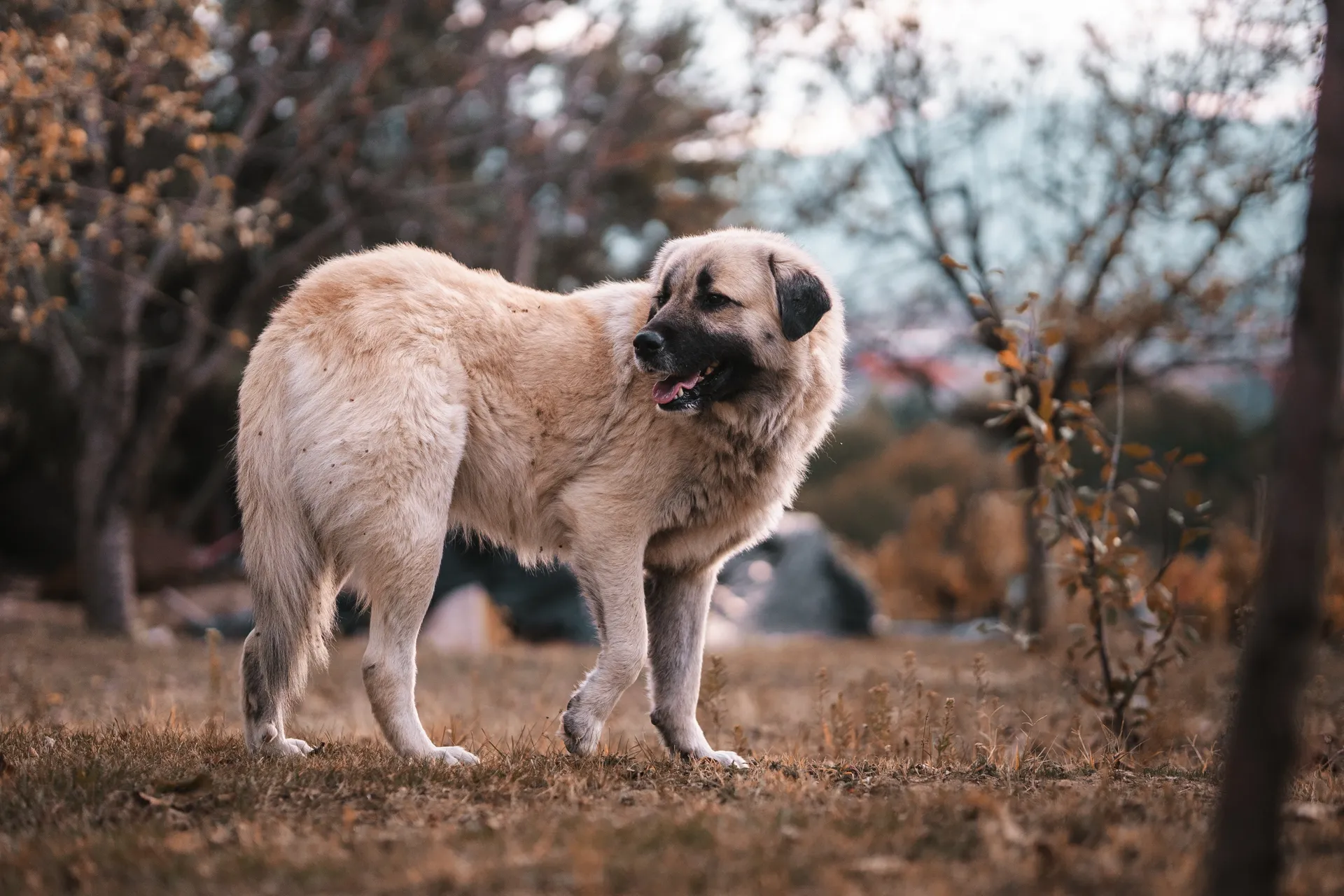 Anatolian Shepherd DogLarge • Working
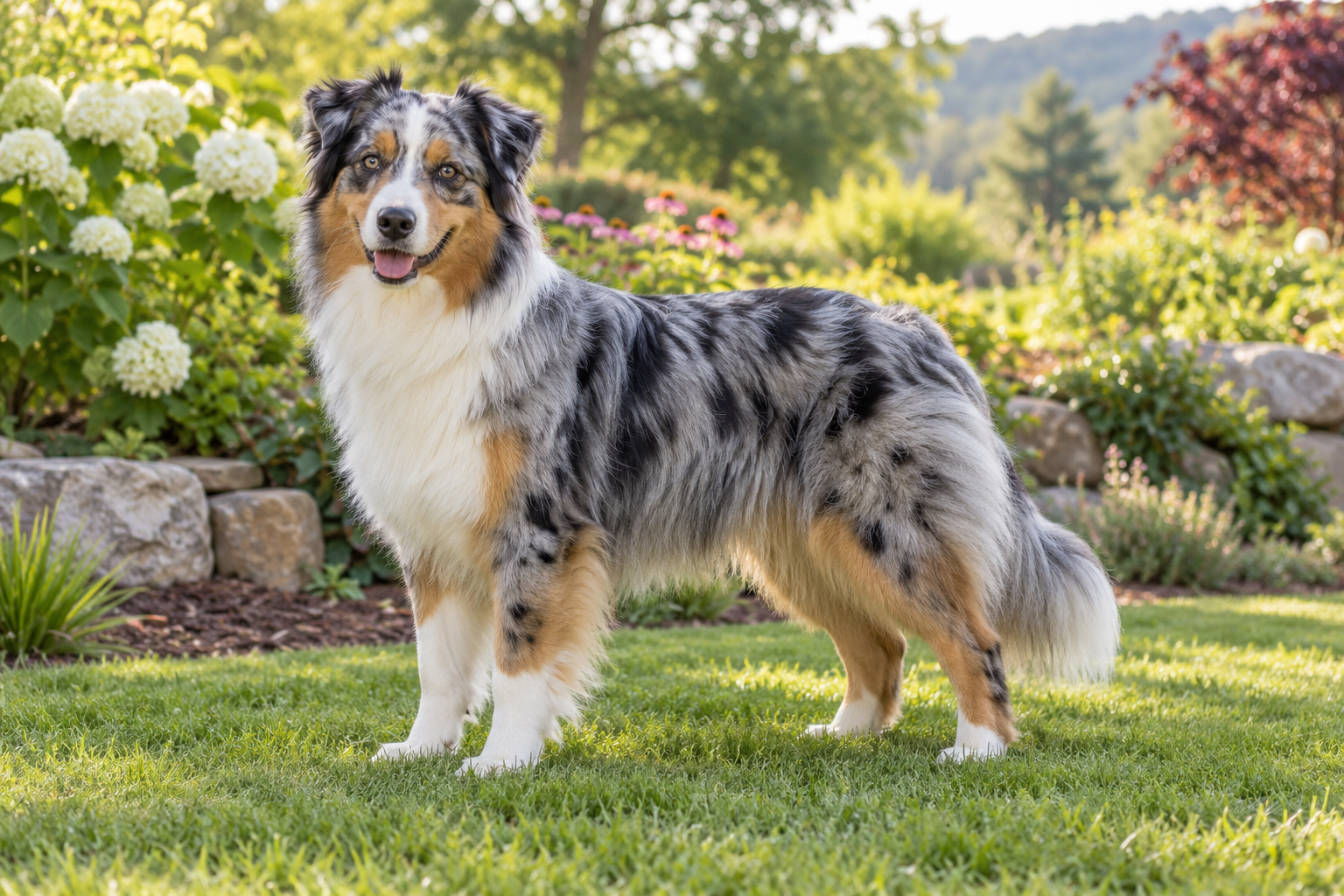 Australian ShepherdMedium • Working Dogs
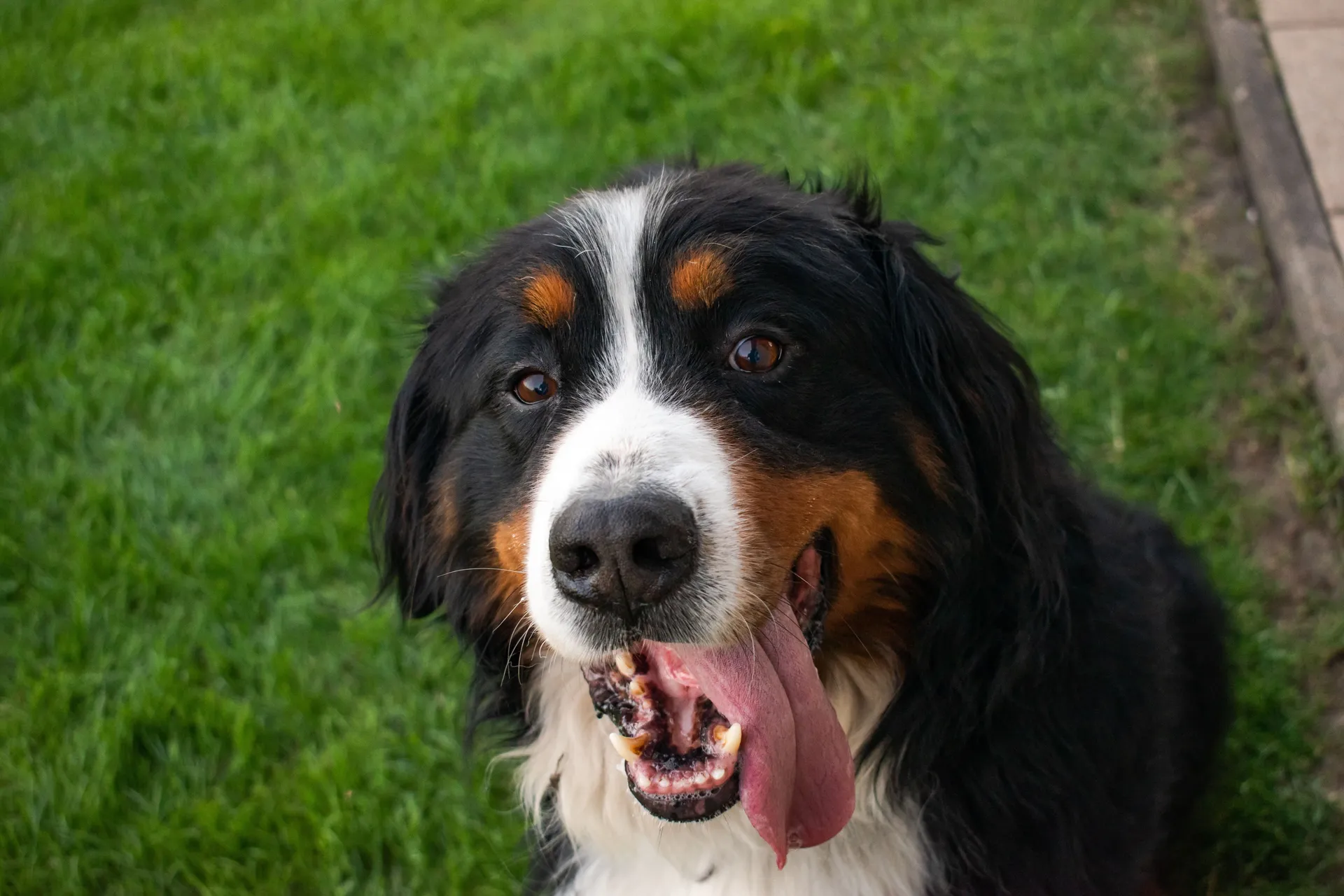 Bernese Mountain DogLarge • Working
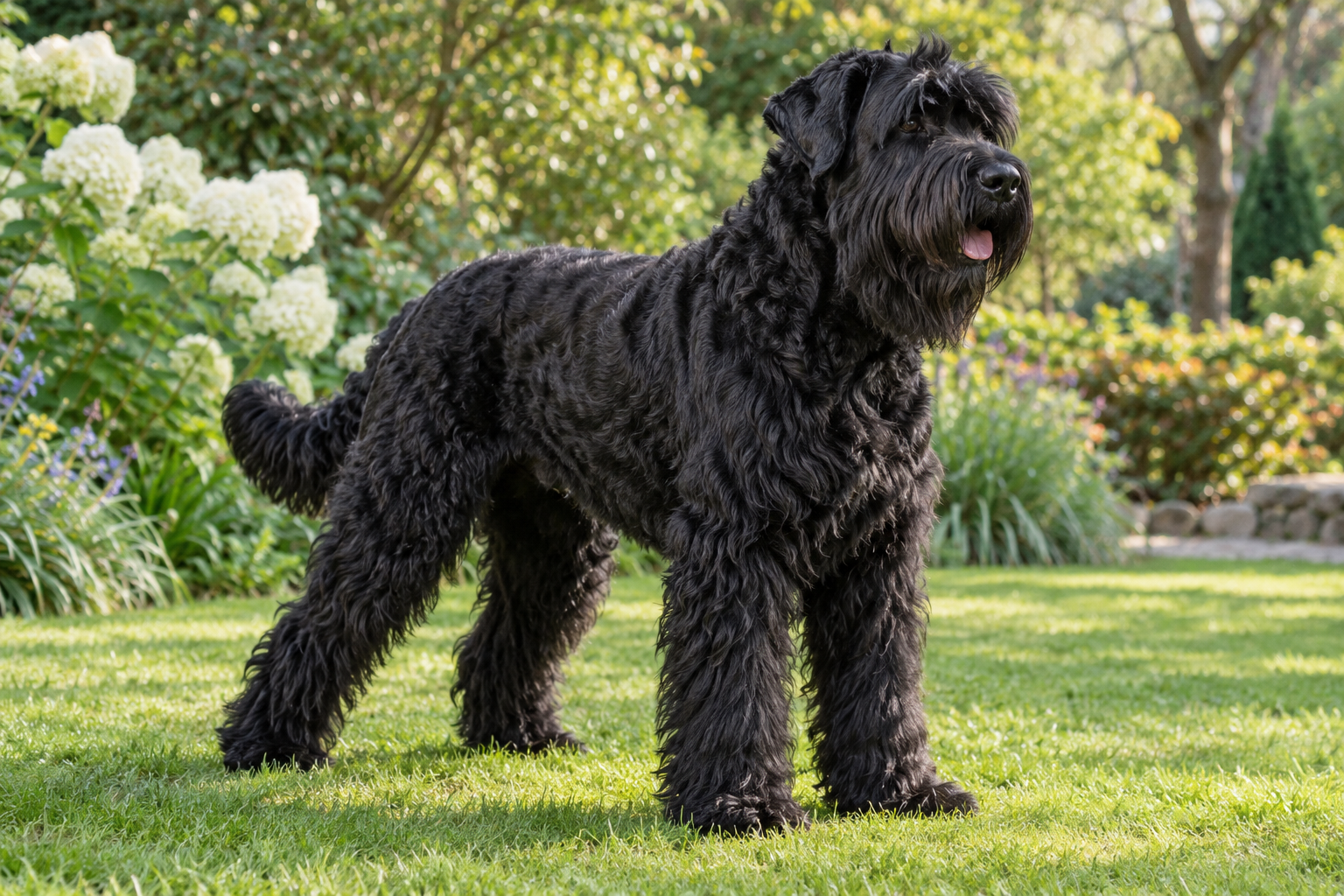 Black Russian TerrierLarge • Utility (Group 6), registered as Russian Black Terrier
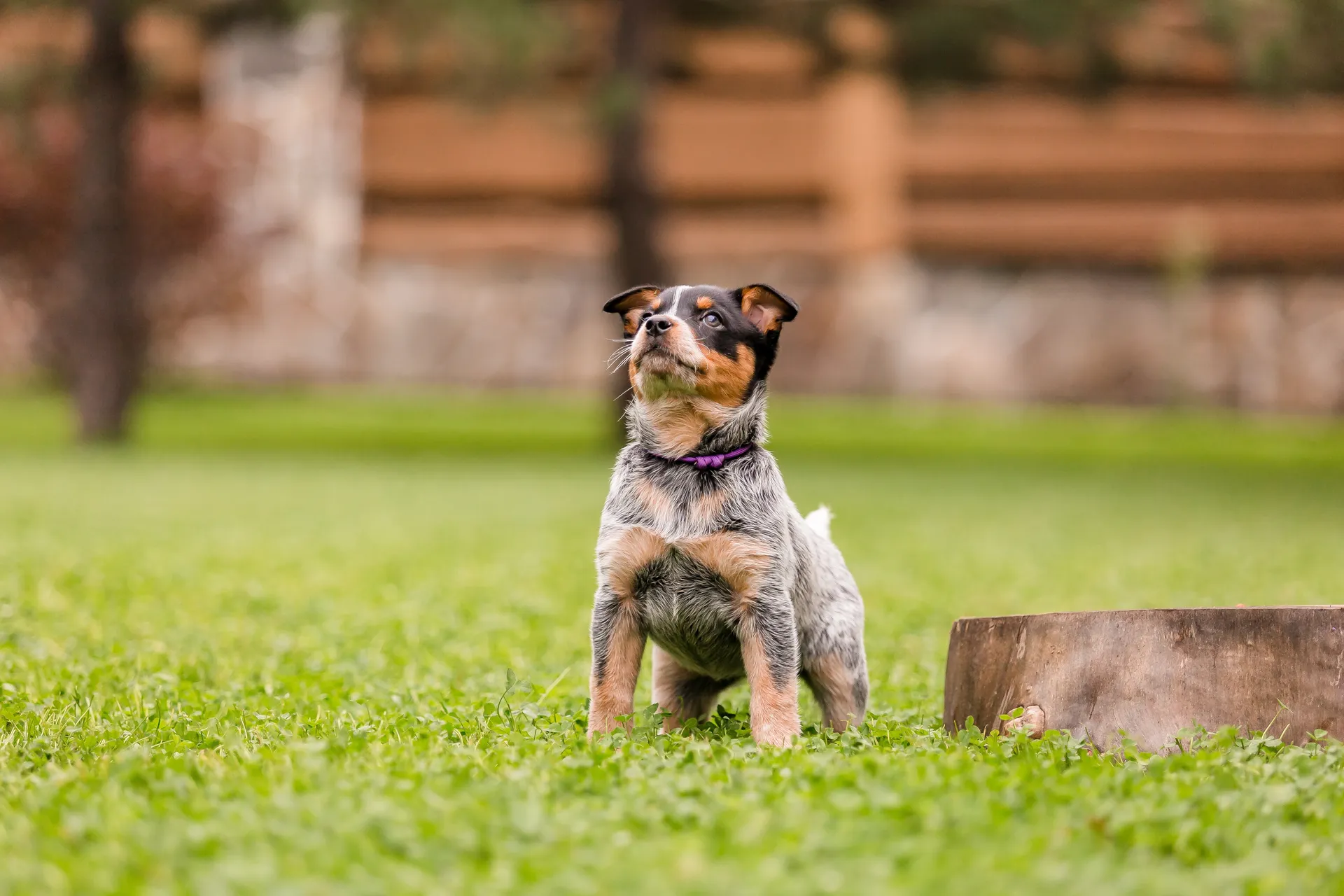 Blue HeelerMedium • Working
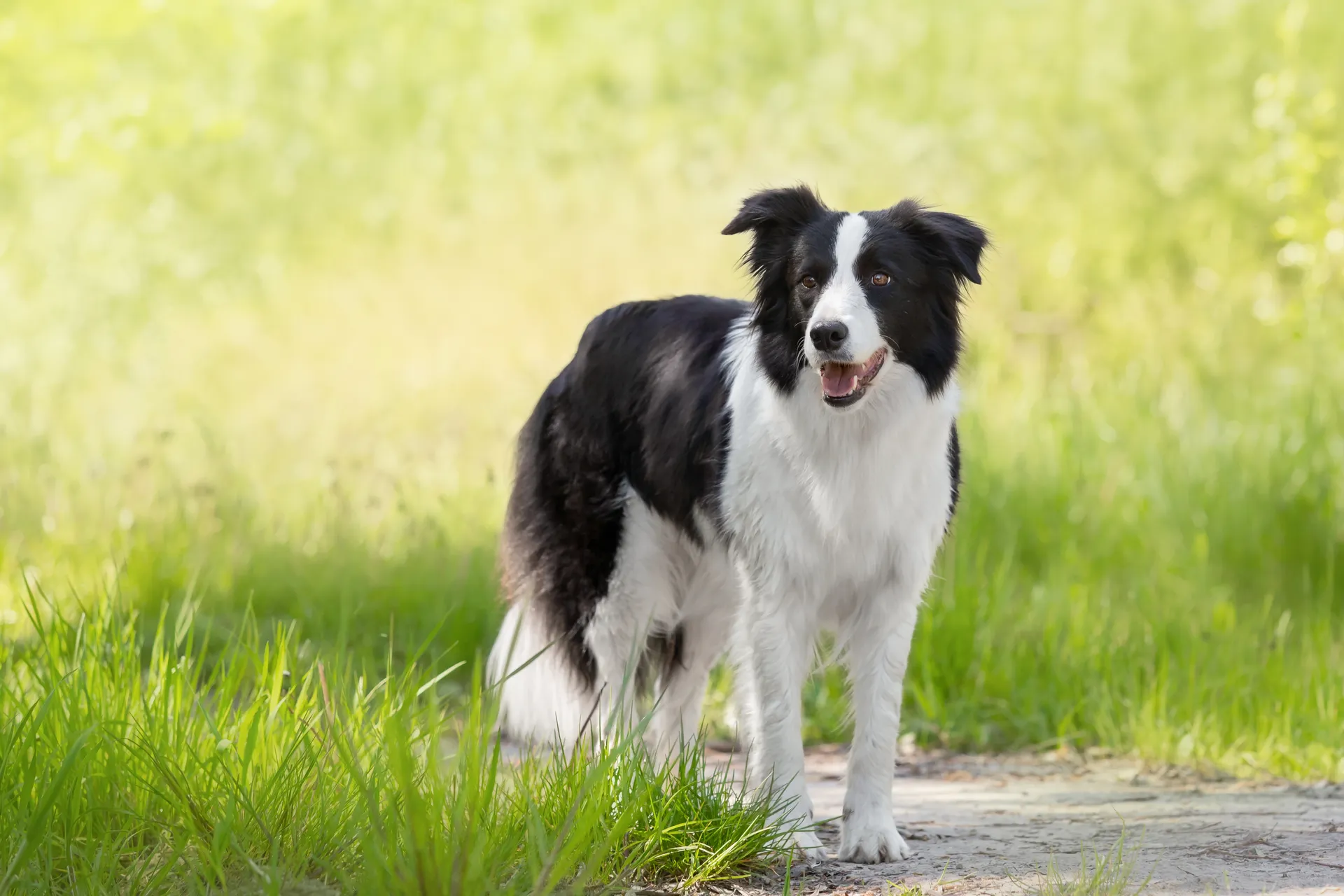 Border CollieMedium • Herding