

Blue Heeler
By James C. • Updated
The Blue Heeler is a medium-sized Australian cattle dog bred for hard work in tough country. It is sharp, loyal and quick to learn, with serious stamina and a protective streak. It suits active owners who can give it daily exercise, clear structure and a job to do.
Breed Overview
Life Span
12 - 15 years
Average Price
AUD 1500 - AUD 3500
Weight
Male: 16 - 23 kg Female: 14 - 22 kg
Height
Male: 43 - 51 cm Female: 43 - 51 cm
Life Expectancy
Male/Female: 12 - 15 years
Breed Group
Working
Nicknames
Australian Cattle Dog, Queensland Heeler
Breed Information
The Blue Heeler is a compact, muscular cattle dog built for stamina and brains, not looks. It was bred to move stubborn cattle across hot, rough Australian country, and that job shaped everything about it: the toughness, the quick thinking and the habit of making its own decisions when nobody is giving orders.
Heelers attach hard to their people and do best with a job. This is not a dog that lies on the couch all day. It needs structured exercise, something to think about and an owner who sets clear rules and sticks to them.
Get that right and you have one of the most capable dogs in the country. Get it wrong and you have a clever, bored dog inventing its own work. Active households, rural properties and people into dog sports suit the breed best. Buyers comparing Australian working breeds often look at the Australian Kelpie, a lighter and faster herding breed with far less guarding instinct, and it is worth meeting both before you decide.
Characteristics: What Living With a Blue Heeler Is Really Like
Day to day, a Heeler is a working partner that happens to live in your house. The table below shows how the breed usually fits into Australian homes and working settings.
| Characteristic | Rating | Star Rating (★ out of 5) | What This Means for You |
| Size | Medium | ★★★☆☆ | Compact and muscular, built for endurance rather than bulk. |
| Adaptability | Moderate | ★★★☆☆ | Settles well on rural or active homes, less so with a sedentary household. |
| Exercise Needs | Very High | ★★★★★ | Needs hard daily exercise with a purpose behind it. |
| Easy to Train | High | ★★★★☆ | Learns fast, but needs experienced, consistent handling. |
| Amount of Shedding | Moderate | ★★★☆☆ | Sheds all year, with two heavier moults annually. |
| Grooming Needs | Low | ★★☆☆☆ | A weekly brush covers most of the year. |
| Good With Children | Moderate | ★★★☆☆ | Better with older kids; the herding instinct means supervision. |
| Health of Breed | Moderate | ★★★☆☆ | Generally hardy, with a few inherited conditions to watch. |
| Cost to Keep | Moderate | ★★★☆☆ | Food and care are manageable; training and activity costs add up. |
| Tolerates Being Alone | Low | ★★☆☆☆ | Bonds tightly and gets into trouble when left with nothing to do. |
| Intelligence | Exceptional | ★★★★★ | Among the sharpest working breeds, and loves solving problems. |
The pattern is simple. Owners who like routine, training and getting out with their dog tend to love Heelers. Without enough physical and mental work, problem behaviour is close to guaranteed.
History of the Blue Heeler: Australia’s Purpose-Bred Working Dog
The Blue Heeler, formally the Australian Cattle Dog, dates to the early 19th century, when the cattle industry was pushing inland. The herding dogs brought out from Britain struggled with the heat, the distances and the terrain. Graziers needed something tougher.
Early breeders crossed British drovers’ dogs with the Dingo. The result coped better with the weather and could think for itself out on the run. These dogs became known as Hall’s Heelers, after Thomas Hall, a New South Wales cattle breeder who did much of the early refining. Their trademark heel-nipping style, still obvious in the breed today, shifted stubborn cattle efficiently over long distances.
Other breeds went in later. The Dalmatian added loyalty to handlers and ease around horses. The Black and Tan Kelpie strengthened herding ability and work drive. What came out was a compact, powerful dog made for Australian conditions.
By the late 1800s the Cattle Dog was standard equipment on cattle stations. Formal recognition came much later, but the breed’s reputation was earned in the paddock long before any kennel club took notice. It is still tied closely to rural Australia and working dog culture.
Appearance of the Blue Heeler: Compact, Athletic, and Built for Endurance
Everything about the Heeler’s build is practical. It is a medium-sized, athletic dog designed to keep going all day.
Size, Weight, and Structure
Adults usually stand 43 to 51 cm at the shoulder and weigh 14 to 23 kg. Males and females are about the same height, though males often carry a bit more muscle. The body is compact and balanced, which gives the breed its agility and its ability to move for hours.
Head, Eyes, and Expression
The head is broad, with a slightly curved skull and a well-defined muzzle. Dark, oval eyes give that watchful look Heeler owners know well. The ears are medium-sized, set wide and pricked, so the dog always seems to be listening. Usually it is.
Coat Type and Colour
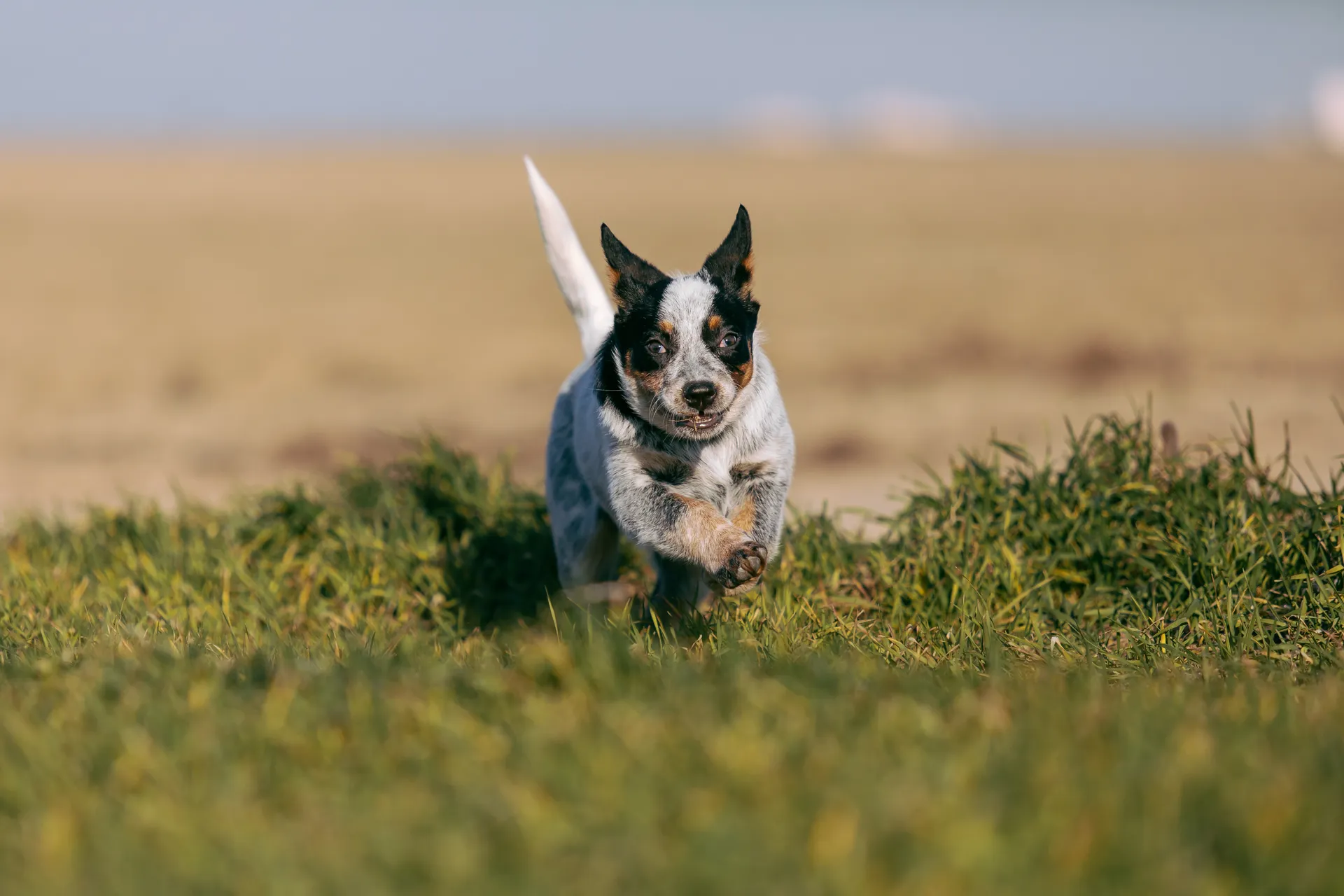
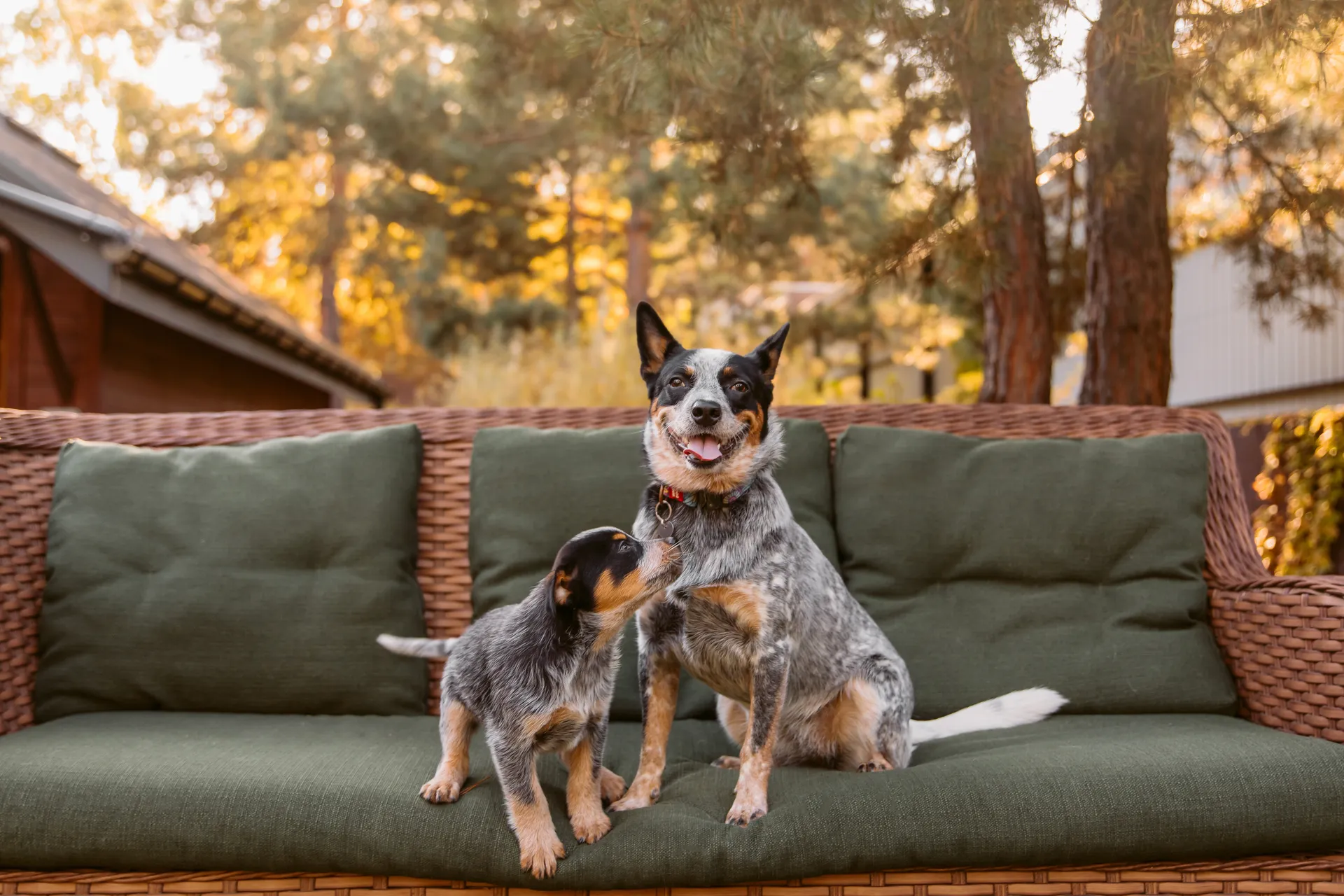
The coat is a short, dense double coat that handles heat, cold and scrub. Puppies are born white and colour up within the first few weeks. Adults are blue or red speckled, often with mottling or ticking that is unique to each dog.
Tail and Movement
The tail sits low with a gentle curve at rest and lifts a little when the dog is alert or moving. The gait is smooth, powerful and tireless, which is exactly what you want in a dog that might work stock across a big property all day.
Temperament of the Blue Heeler: Loyal, Intense, and Highly Driven
A Heeler has a serious streak. It watches everything, reacts fast and takes its family’s safety personally.
Core Personality Traits
Expect a confident, brave dog that is devoted to its owners and often fixated on one person in particular. Many shadow that person around the house, waiting for the next instruction. They notice unfamiliar sounds and visitors quickly, so they make good watchdogs.
Behaviour Around People and Strangers
With family, Heelers are affectionate. With strangers they are usually reserved. That caution is instinct, not aggression, but it needs managing. Early and ongoing socialisation stops wariness turning into reactivity or guarding the front gate against every delivery driver.
Working Instincts and Drive
The herding instinct is strong. You will see it in nipping at heels, chasing anything that moves and trying to round up people, kids or other pets. Without an outlet, those habits become a real problem in a suburban home.
Behavioural Challenges to Manage
An under-exercised Heeler may chew, dig, bark or develop frustration habits. If you work long days away from home, learn the early signs of separation anxiety in dogs, because a bored Heeler and an anxious one need different fixes. This breed handles boredom badly. Structure, consistency and real work keep it settled.
Put simply, it suits owners who want a focused, switched-on dog and are happy to provide firm guidance and daily engagement.
Intelligence and Trainability of the Blue Heeler: Exceptionally Smart and Highly Independent
The Heeler is widely recognised as one of the smartest working breeds. Its intelligence is practical, built over generations of dogs making decisions on their own out on the run.
How the Blue Heeler Thinks and Learns
Heelers learn fast and read situations quickly, often anticipating a command before you give it. The flip side is that they will question an instruction if they can see a quicker way. Be clear. Be consistent. Mixed messages get exploited.
Training Strengths and Natural Ability
The breed shines in obedience, herding, agility, scent work and advanced dog sports. They like tasks that test body and brain together, and they switch off when training turns into endless repetition. Their memory is excellent, so well-taught commands stick.
Common Training Challenges
Smart does not mean compliant. Heelers can be stubborn, selective and strong-willed, especially with a first-time handler. Inconsistent rules lead to boundary testing. Harsh methods backfire badly with this breed, damaging trust and sometimes triggering defensive behaviour.
Effective Training Approaches
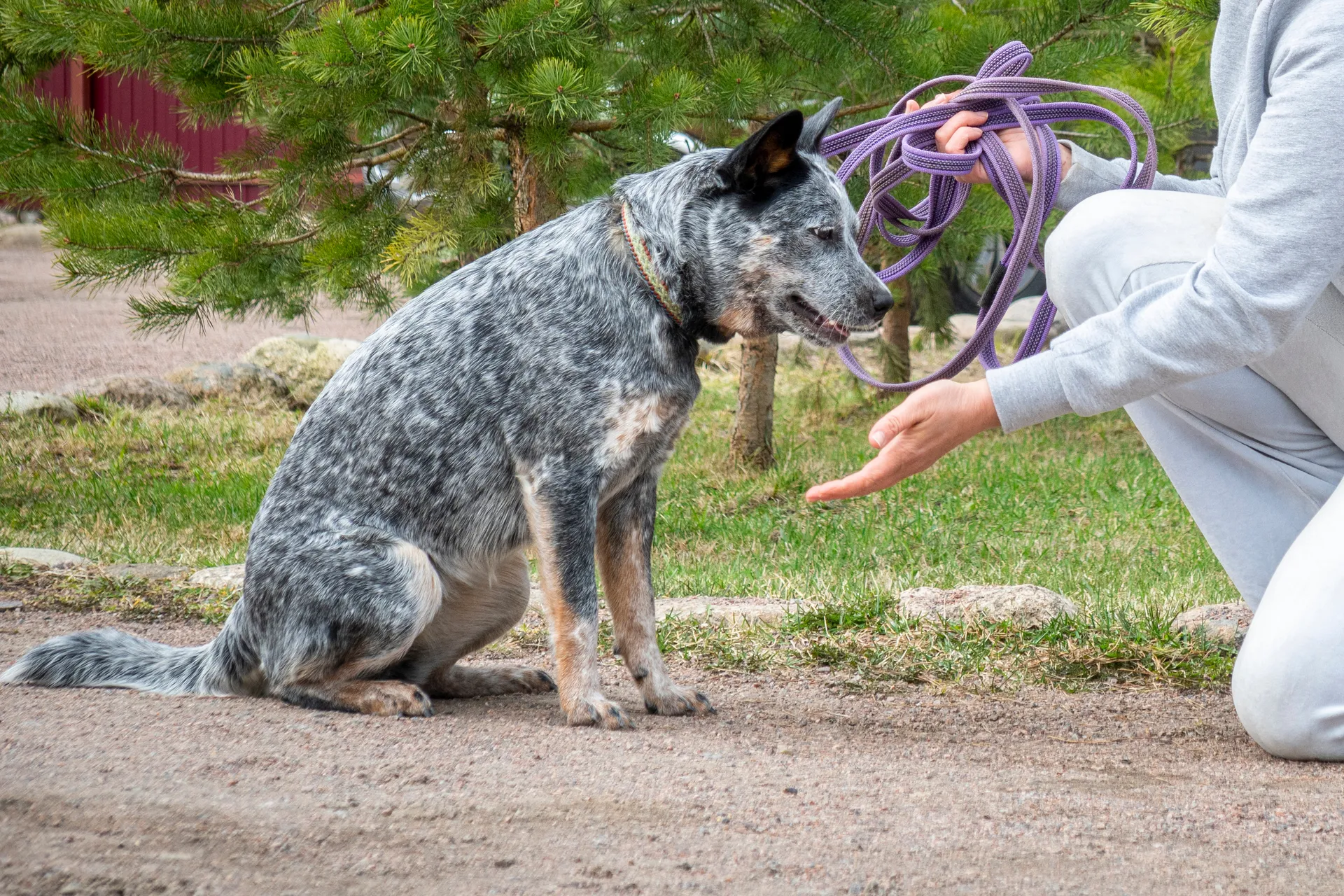
Positive reinforcement backed by calm, firm leadership works best. Keep sessions structured and varied, raise the difficulty over time and reward the right behaviour clearly. Early socialisation matters a great deal here, because it reduces overprotectiveness, nipping and suspicion of strangers.
Long-Term Mental Stimulation Needs
Training does not finish when puppyhood does. A Heeler needs mental work for life. Leave it without challenges and it will find its own projects, usually ones you will not like. Advanced training, problem-solving games and real tasks keep it focused.
If you enjoy training as a hobby, this is a great breed. If you want a dog that simply fits around you, it probably is not.
Blue Heeler and Family Life: Children, Other Pets, and Household Dynamics
A Heeler can be a devoted family dog, but not in every family. The herding drive, energy and intensity need a household that understands them.
Living With Children
Homes with older children who understand boundaries tend to work best. Fast, noisy kids running around the backyard look a lot like livestock to a Heeler, and nipping at heels is the usual result. It is not aggression, but it does need supervision, training and clear house rules from day one.
Interaction With Other Dogs and Pets
Well-socialised Heelers can share a home with other dogs, though they can be choosy about canine company and pushy if not guided early. Cats, rabbits and chooks may set off the chase instinct, particularly if the dog was not raised with them as a puppy.
Bonding and Attachment Style
Most Heelers attach strongly to one person in the household. They are affectionate, but not lap dogs. Their loyalty shows in attentiveness, protectiveness and wanting to be involved in whatever you are doing, whether that is fixing a fence or hanging out the washing.
Home Environment and Daily Structure
Structured households with clear routines suit the breed. Regular exercise, training and purposeful activity make for a settled dog. Chaos and inconsistency make for a frustrated one.
The best fit is an active family, ideally with previous dog experience, ready to put real time into training and supervision.
Health of the Blue Heeler: Longevity, Common Conditions, and Preventative Care
Heelers are generally hardy, a result of being bred for function rather than appearance. Many live long, active lives with responsible breeding, good food and regular vet care.
Lifespan and General Health Profile
Expect 12 to 15 years, and some dogs live longer. Toughness does not rule out inherited or lifestyle-related problems, though, so catching things early is the goal.
Common Genetic and Inherited Conditions
A few conditions turn up more often in the breed. Progressive retinal atrophy (PRA) causes gradual vision loss and eventually blindness, although it is not painful. Congenital deafness is also recognised, particularly in dogs with lighter facial markings, and a BAER hearing test is the reliable way to identify it.
Hip dysplasia and elbow dysplasia may occur, especially in poorly bred lines. In a breed that works its joints this hard, they can affect comfort and mobility over time. Screening breeding dogs reduces the risk.
Eye, Joint, and Hearing Care
Regular eye checks help pick up PRA and other eye problems early. Protect joints with controlled exercise while the puppy is growing, keep the dog lean and ask your vet to keep an eye on things. Have puppies’ hearing assessed where possible; a deaf Heeler can be trained well with hand signals if you know early.
Responsible Breeding and Health Testing
Good breeders screen for hip and elbow health, inherited eye disease and hearing. DNA testing for known conditions lowers the chance of passing on serious problems. Always ask to see proof of health testing before you buy.
Preventative Care and Long-Term Planning
Routine vet visits, parasite control, dental care and weight management do most of the heavy lifting. On the east coast, add paralysis tick prevention to that list, since Heelers spend so much time in long grass and scrub. Active dogs also get injured, which is why many owners weigh up dog insurance against realistic pet care costs before the first emergency bill lands. Look after them well and Heelers stay sharp and capable into their senior years.
Caring for a Blue Heeler: Daily Needs and Long-Term Commitment
Heeler care comes down to structure and activity. This is a working breed, and the daily routine has to give it both physical output and something to think about.
Daily Structure and Routine
Heelers like predictability. Regular meal times, planned exercise and short training sessions help them feel settled. Without that, they start writing their own rules.
Mental Stimulation and Purpose
Mental work matters as much as running. Puzzle toys, obedience, scent work and task-based games all scratch the problem-solving itch. A Heeler with nothing to think about tends to get destructive or noisy.
Living Environment and Space
They can adapt, but they do best with room to move. Secure fencing is a must, because curiosity and prey drive will take them over or under a weak fence. Apartment living rarely works unless the owner is exceptionally committed to exercise and enrichment.
Time, Attention, and Human Involvement
Heelers want to be part of daily life. Long stretches alone lead to frustration or separation-related behaviour, so plan for daily time on interaction, training and shared activity.
Long-Term Ownership Responsibility
This is not a low-maintenance dog. Its intelligence, strength and endurance demand committed ownership from puppyhood to old age. Owners who keep meeting those needs get a loyal, reliable dog that is hard to match.
Exercise Needs of the Blue Heeler: Physical Output and Mental Balance
A stroll around the block will not cut it. Heelers need daily exercise with a purpose to stay calm and well behaved.
Daily Exercise Requirements
Most adults need at least 90 to 120 minutes of structured exercise per day. That should include work that gets the heart rate up and tests coordination. Running, hiking, cycling beside you and long fetch sessions all suit their stamina. In a Queensland summer, shift that work to early morning or evening and carry water.
Purposeful Movement Over Free Play
Exercise with intent beats aimless running. Herding-style games, directional fetch, agility drills and controlled off-lead work tire the body and the brain together. Leaving a Heeler alone in the backyard rarely tires it out. It mostly winds it up.
Mental Work During Exercise
Mix training into every outing. Obedience cues, recall practice and small tasks during a walk feed the working instinct. A dog that is run hard but never asked to think often stays restless.
Age-Appropriate Activity Levels
Do not overwork puppies while their joints are still forming. Short, frequent sessions of training and controlled play are plenty. Build intensity and duration gradually as the dog matures.
Consequences of Under-Exercise
An under-exercised Heeler may become destructive, bark excessively, herd or nip, and become anxious. Hard daily exercise is not optional for this breed. It is part of the deal.
Feeding a Blue Heeler: Nutrition for Performance and Longevity
Good feeding supports a Heeler’s energy, joints and long-term health. The diet should match how active the dog is and its stage of life.
Choosing the Right Diet
Choose a high-quality, complete dog food formulated to AAFCO or equivalent standards. Heelers do well on diets rich in animal protein for muscle, with balanced fats for sustained energy. Foods made for active or working dogs are often a good match.
Life Stage Nutrition
Puppies need controlled growth formulas to protect developing bones and joints. Adults need nutrient-dense meals that fuel their exercise without piling on calories. Seniors may do better on diets that support joints and hold lean muscle while trimming fat.
Portion Control and Weight Management
Active or not, a Heeler will get fat if overfed. Base portions on ideal body weight, not appetite, and check body condition regularly. Adjust when the workload or the season changes.
Feeding Schedule and Meal Frequency
Most adults do well on two meals per day, which keeps energy steady and helps digestion. Very active dogs may need a little more on heavy work or training days.
Treats and Supplements
Use treats for training and keep them under 10 percent of daily caloric intake. Joint supplements with glucosamine and chondroitin may help active adults and older dogs, but talk to your vet first.
Grooming a Blue Heeler: Coat Care, Shedding, and Hygiene
Grooming a Heeler is low-fuss, but it still needs doing, particularly for a dog that spends most of its life outdoors.
Coat Type and Shedding Patterns
The short, dense double coat has a straight, water-resistant outer layer over an insulating undercoat. Shedding is light most of the year, with heavy seasonal shedding twice annually, usually called a coat blow. A standard double coated dog grooming routine applies, with brushing stepped up sharply during those two moults.
Brushing and Coat Maintenance
A weekly brush is enough for most of the year and clears out dirt and loose hair. During a coat blow, brush every few days. A firm bristle brush or a deshedding tool, which pulls loose undercoat out before it lands on your floor, does the job well.
Bathing Requirements
Bath only when the dog is dirty or smelly. Too many baths strip the coat’s natural oils. A mild dog shampoo is all you need.
Nail, Ear, and Dental Care
Trim nails regularly to prevent cracking, especially if your dog is not working on rough ground that wears them down. Check ears weekly for grass seeds, debris or irritation after time outdoors. Regular tooth brushing cuts plaque and supports long-term dental health.
Grooming as Health Monitoring
Grooming is a good time to check for cuts, ticks, skin irritation or sore joints. With a dog this physical, finding small problems early saves bigger ones later.
Blue Heeler Price and Ongoing Costs: What Ownership Involves
The purchase price is paid once. Food, vet care, training and enrichment keep coming for the next 12 to 15 years.
Blue Heeler Puppy Price in Australia
Puppy prices vary with breeder quality, bloodline, health testing and location.
- Puppies from registered, ethical breeders usually cost more because of health screening and proper early care.
- Working-line dogs may be priced differently depending on demand and purpose
- Rescue and rehoming are usually far cheaper
Typical Costs of Owning a Blue Heeler
Here is a general guide to what Heeler ownership costs in Australia.
| Expense Category | Estimated Cost (AUD) | Notes |
| Puppy Purchase | $1,500 to $3,500 | Depends on breeder, lineage and health testing |
| Initial Vet Costs | $400 to $800 | Vaccinations, microchipping, desexing |
| Food (Annual) | $800 to $1,400 | Quality food for an active medium dog |
| Routine Vet Care | $400 to $700 per year | Check-ups, vaccinations, parasite prevention |
| Training & Classes | $300 to $1,000 | Obedience, agility or behaviour training |
| Grooming | $100 to $300 per year | Mostly DIY, occasional tools or baths |
| Insurance (Optional) | $600 to $1,200 per year | Helps cover accidents or unexpected illness |
Additional Costs to Consider
Heelers are not cheap to keep, mostly because of their energy and brains. Common extras include:
- Replacement toys, because they destroy them
- Enrichment gear such as puzzle feeders
- Joint supplements for very active or older dogs
- Fencing upgrades if your yard is not already secure
Is a Blue Heeler a Cost-Effective Breed?
Grooming is cheap. The exercise, training and enrichment are where the money and time go. Owners who budget for that up front give their dog a far more stable life.
Buying Advice for a Blue Heeler: Choosing the Right Dog for Your Lifestyle
Choose a Heeler because it fits your life, not because you like the look of it. In the wrong home, this breed struggles.
Choosing a Responsible Breeder
A good breeder puts health, temperament and working ability ahead of volume. Look for breeders who:
- Provide health testing results for hips, elbows, eyes and hearing
- Let you meet the puppy’s parents where possible
- Raise puppies in a stimulating, social environment
- Ask about your lifestyle and experience
- Offer support after you take the puppy home
Walk away from anyone who cannot show health paperwork or sells puppies with no screening or advice. A prepared list of questions to ask a dog breeder makes it much easier to tell a careful breeder from a volume seller.
Considering Rescue and Rehoming
Rescues and breed groups often have Heelers needing experienced homes. Rescue may suit you if you:
- Have owned a working breed before
- Can handle some behavioural retraining
- Want to give an adult dog a second chance
An adult dog’s temperament is already formed, so you can see what you are getting.
Assessing Your Lifestyle Honestly
Before you commit, ask yourself:
- Can I provide daily physical and mental stimulation?
- Am I home enough to stop boredom setting in?
- Do I actually enjoy training and active routines?
- Is my property secure enough for a high-energy dog?
A mismatch between the dog’s needs and the owner’s lifestyle is the most common reason Heelers end up rehomed.
Finding Blue Heelers Through Trusted Platforms
Pups4Sale connects buyers with responsible breeders and verified listings across Australia. You can browse Blue Heeler puppies for sale, compare breeders side by side and read listing details before you make contact.
Is the Blue Heeler Right for You?
A Heeler is not a casual pet. With the right owner it is clever, loyal and remarkably capable.
In the wrong home it becomes frustrated and hard to live with. Be honest about your time, your yard and your energy, and choose carefully.
Frequently Asked Questions
Related Breeds
Other working breeds on Pups4Sale.
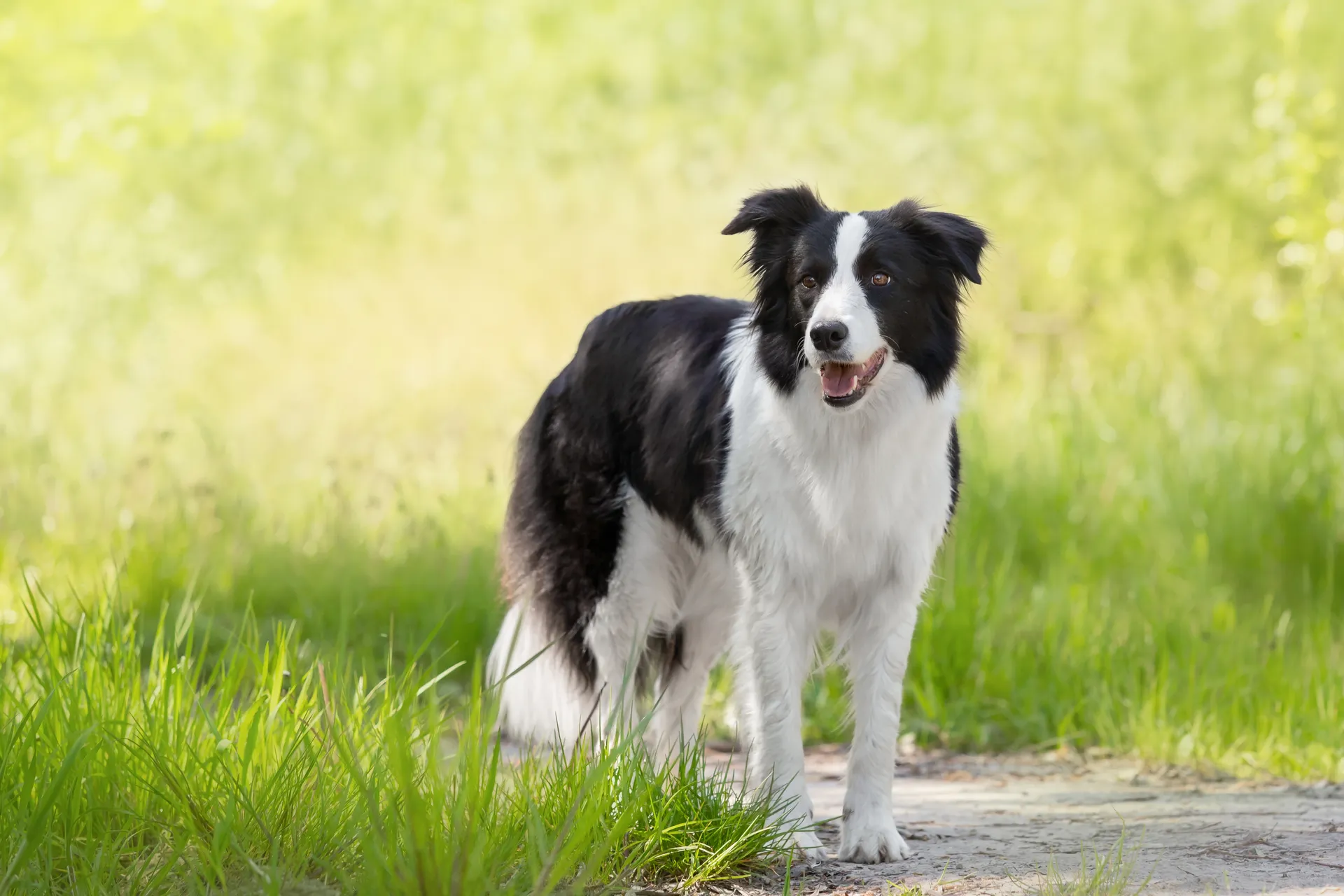 Border CollieMedium • Herding
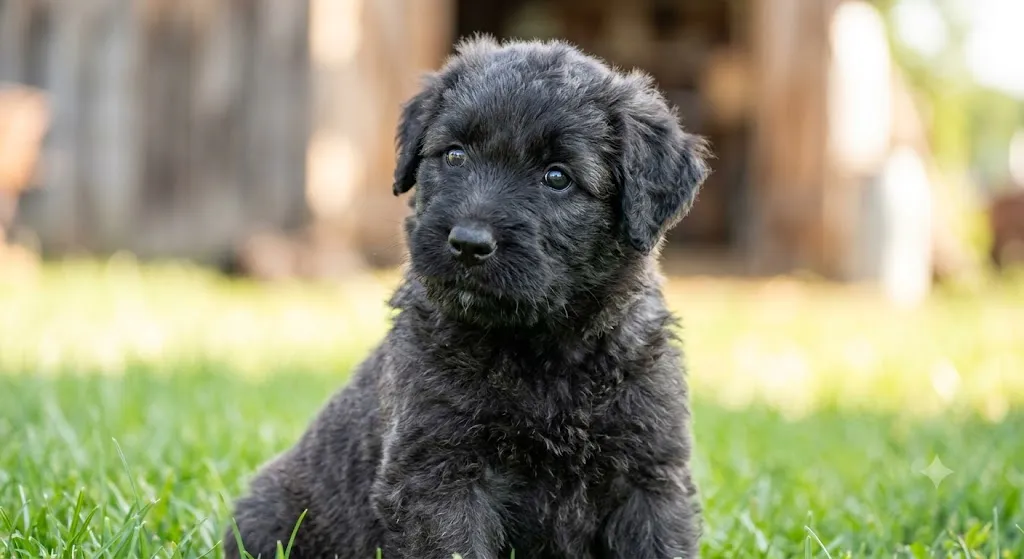 Bouvier des FlandresLarge • Working
 BoxerLarge • Working
 Bracco ItalianoLarge • Gundog
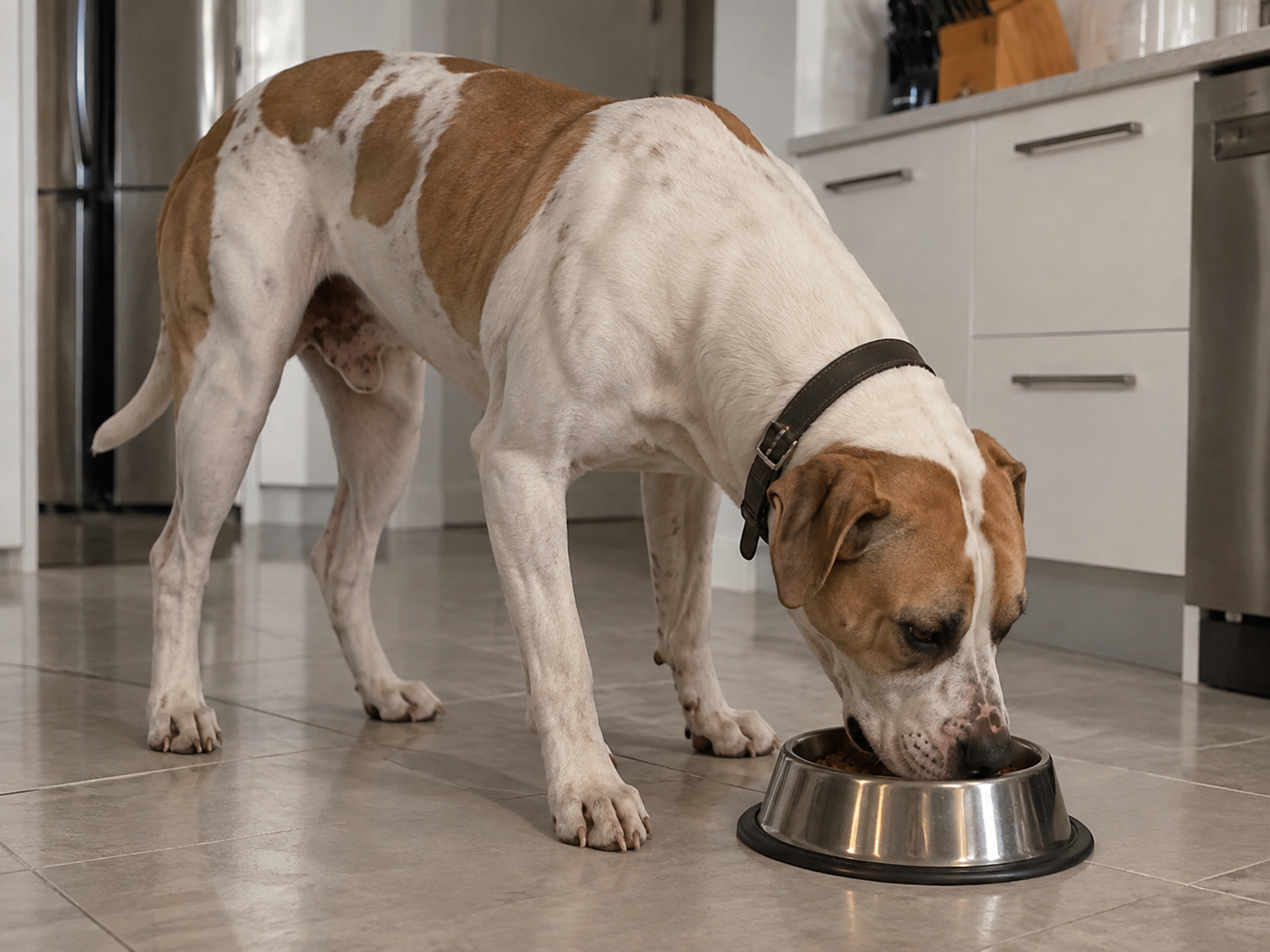 Bull ArabLarge • Working
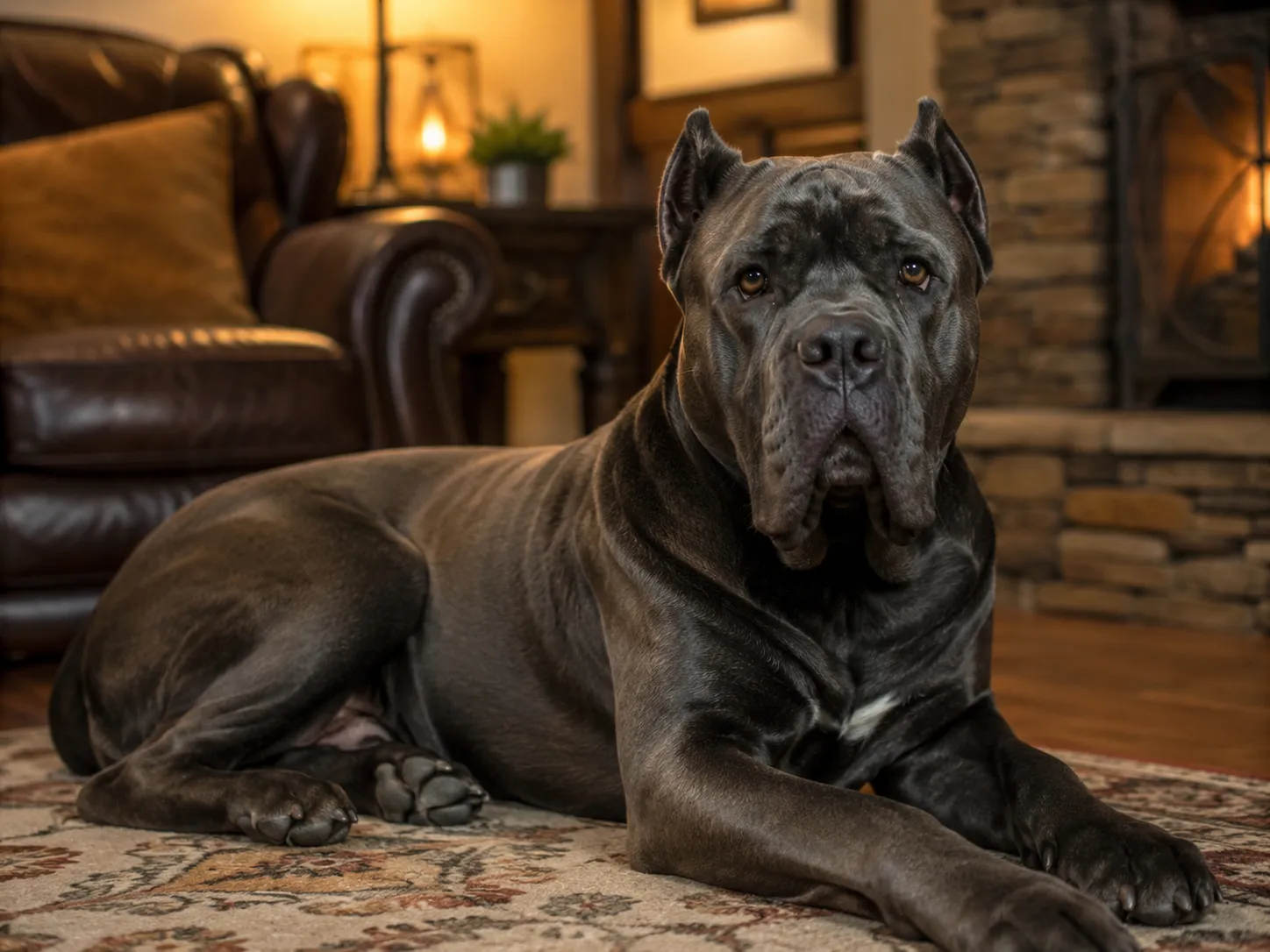 Cane CorsoLarge • Utility / Working