Bracco Italiano
By James C. • Updated
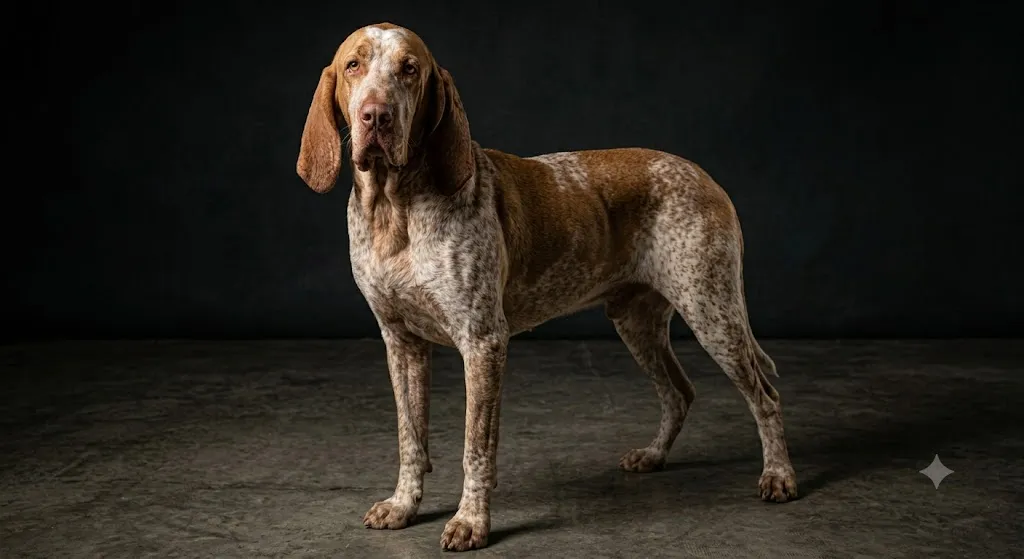
The Bracco Italiano is a large Italian gundog known for its powerful build, long ears, expressive face, and steady working nature. It is affectionate, intelligent, and usually gentle at home, but needs regular exercise, early training, and an owner who understands active sporting breeds.
Breed Overview
Life Span
12 - 14 years
Average Price
AUD 1500 - AUD 3000
Weight
Male: 29 - 34 kg Female: 25 - 29 kg
Height
Male: 56 - 61 cm Female: 51 - 56 cm
Life Expectancy
Male/Female: 12 - 14 years
Breed Group
Gundog
Nicknames
Bracco, Italian Pointer, Italian Pointing Dog
Breed Information
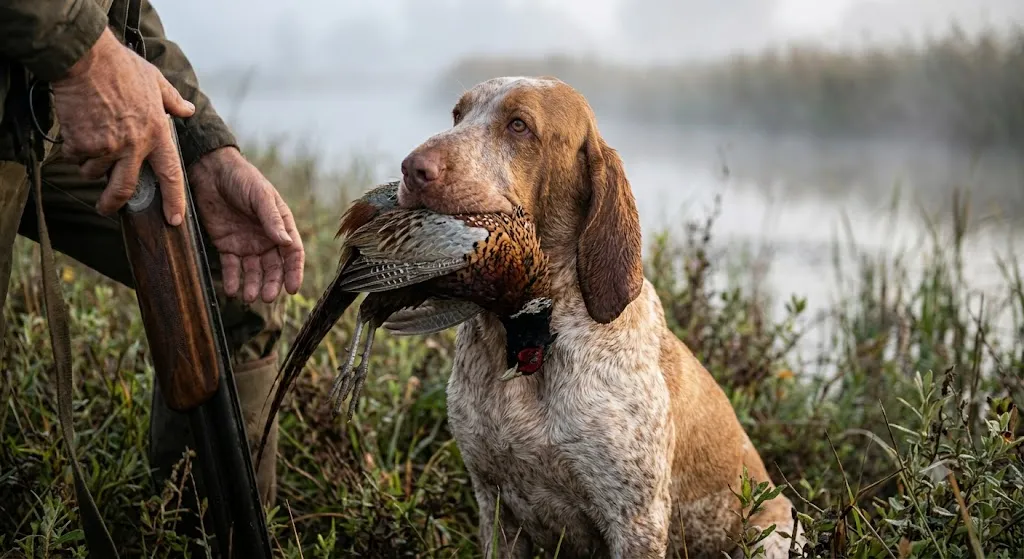
The Bracco Italiano is a powerful yet elegant gundog with a long history rooted in Italian hunting traditions. Known for its distinctive head, long ears, and effortless athletic movement, this breed combines endurance, intelligence, and calm affection. While originally developed for pointing and retrieving game, modern Braccos have also earned a reputation as loyal, gentle family companions.
This is a breed best suited to active households that appreciate outdoor pursuits and structured routines. Braccos thrive when given both physical outlets and mental engagement, forming deep bonds with owners who include them as part of daily life.
Potential owners should be prepared for a large, energetic dog that matures slowly and requires patient, consistent handling. In the right environment, the Bracco Italiano offers devotion, reliability, and a calm presence balanced by impressive working ability.
Bracco Italiano Characteristics at a Glance
| Characteristic | Rating | Star Rating (★ out of 5) | What This Means for You |
| Size | Large | ★★★★☆ | A tall, athletic dog that needs room to move freely, ideally with a large yard or access to open spaces. |
| Adaptability | Moderate | ★★★☆☆ | Adapts best to structured homes with routine, space, and regular outdoor activity rather than busy or confined environments. |
| Exercise Needs | High | ★★★★☆ | Requires at least two hours of daily exercise, including long walks, off-lead runs, and mentally engaging activities. |
| Easy to Train | Moderate | ★★★☆☆ | Intelligent and eager to please, but sensitive and sometimes stubborn, responding best to calm, consistent, positive training. |
| Amount of Shedding | Moderate | ★★★☆☆ | Sheds lightly year-round with manageable seasonal increases, easily controlled with weekly brushing. |
| Grooming Needs | Low | ★★☆☆☆ | Short coat is easy to maintain, though regular ear cleaning is essential due to long, pendulous ears. |
| Good With Children | High | ★★★★☆ | Patient and gentle with children of all ages, though supervision is advised due to the breed’s size and enthusiasm. |
| Health of Breed | Moderate | ★★★☆☆ | Generally healthy, but prone to joint and ear issues, making health-tested breeding and routine vet checks important. |
| Tolerates Being Alone | Moderate | ★★★☆☆ | Can be left alone for short periods if well exercised, but thrives on companionship and daily interaction. |
| Intelligence | High | ★★★★☆ | Quick to learn and highly capable, especially when training taps into scent work, retrieval, and problem-solving tasks. |
History of the Bracco Italiano
Ancient Origins in Italy
The Bracco Italiano is widely regarded as one of the oldest pointing breeds in Europe, with roots tracing back to the fourth and fifth centuries BC. Developed in northern Italy, the breed was shaped by the needs of hunters who required a dog capable of working across varied terrain with stamina, precision, and reliability. Early influences are believed to include ancient hounds and mastiff-type dogs, contributing to the Bracco’s strength, endurance, and distinctive head structure.
By the Middle Ages, the Bracco Italiano had become firmly established and highly prized, particularly among Italian nobility. Powerful families such as the Gonzaga and Medici were known to keep and gift Braccos to foreign courts, including those in France, reflecting the breed’s prestige and value.
Development as a Specialist Gundog
As hunting methods evolved during the Renaissance, the Bracco transitioned from driving game into nets to specialising in pointing and retrieving with the introduction of firearms. Two regional types emerged during this period. The Piedmont Bracco was lighter, white and orange in colour, and well suited to mountainous terrain, while the Lombardy Bracco was heavier, brown roan, and adapted to marshland hunting with a steady trotting style.
These two types were selectively bred for performance rather than appearance, reinforcing the breed’s reputation as a tough, versatile, and highly intelligent working dog. By the late 1800s, however, poor breeding decisions and declining hunting demand led to a sharp drop in quality and numbers.
Preservation and Modern Recognition
The Bracco Italiano narrowly avoided extinction in the early twentieth century thanks to the efforts of dedicated breeders who focused on restoring sound structure, health, and working ability. In the 1920s, the Piedmont and Lombardy types were formally unified to preserve genetic diversity and stabilise the breed. A definitive working standard was established in 1937, followed by the founding of the Società Amatori Bracco Italiano (SABI) in 1949.
The breed reached the United Kingdom in the late 1980s and later gained wider international recognition, including acceptance by the American Kennel Club in 2022. Today, the Bracco Italiano remains rare but highly respected, valued for its ancient heritage, functional elegance, and unwavering loyalty.
Appearance of the Bracco Italiano
Size and Overall Build
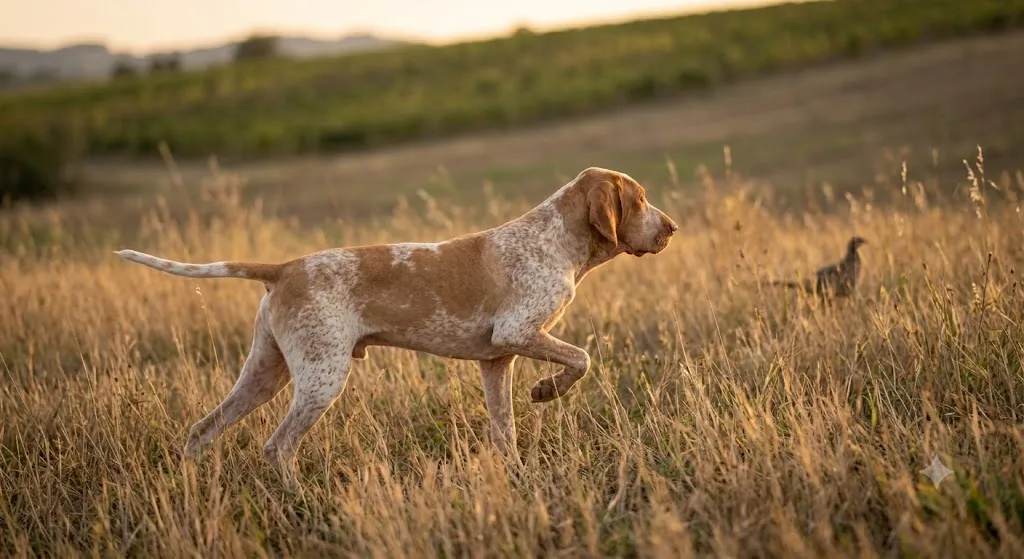
The Bracco Italiano is a large, athletic gundog built for endurance rather than speed, heavier in frame than the Brittany, a more compact pointing breed. Males typically stand between 56 and 61 cm at the shoulder, while females range from 51 to 56 cm. Weight generally falls between 25 and 40 kg. The body is square and muscular with a deep chest, strong topline, and well-sprung ribs, giving the dog a powerful yet balanced outline suited to long days in the field.
Head and Expression
One of the breed’s most distinctive features is its noble, sculpted head. The skull is long and narrow with a pronounced occiput and a gentle stop. The muzzle is slightly arched, creating the recognisable Roman nose profile. Eyes are oval-shaped and range from dark ochre to warm brown, giving a soft, thoughtful expression. Long, pendulous ears are set at eye level, folded inward, and rounded at the tips, contributing to the breed’s elegant appearance.
Coat Texture and Colour
The Bracco Italiano has a short, dense, and glossy coat that lies close to the body. The hair is finer on the head, ears, and front of the legs, with slightly thicker coverage elsewhere. Accepted colours include white, white and orange, white and chestnut, orange roan, and chestnut roan. A symmetrical facial mask that matches the coat colour is highly characteristic. Skin pigmentation varies from pale pink to dark brown, harmonising with the coat.
Movement and Gait
Movement is a defining feature of the Bracco Italiano. The breed is known for its extended, purposeful trot that appears effortless and elastic. Strong hindquarters drive the dog forward with power and stability, while the forequarters reach freely. This efficient gait reflects the Bracco’s heritage as a tireless working dog capable of covering large areas without fatigue.
Temperament of the Bracco Italiano
Core Personality Traits
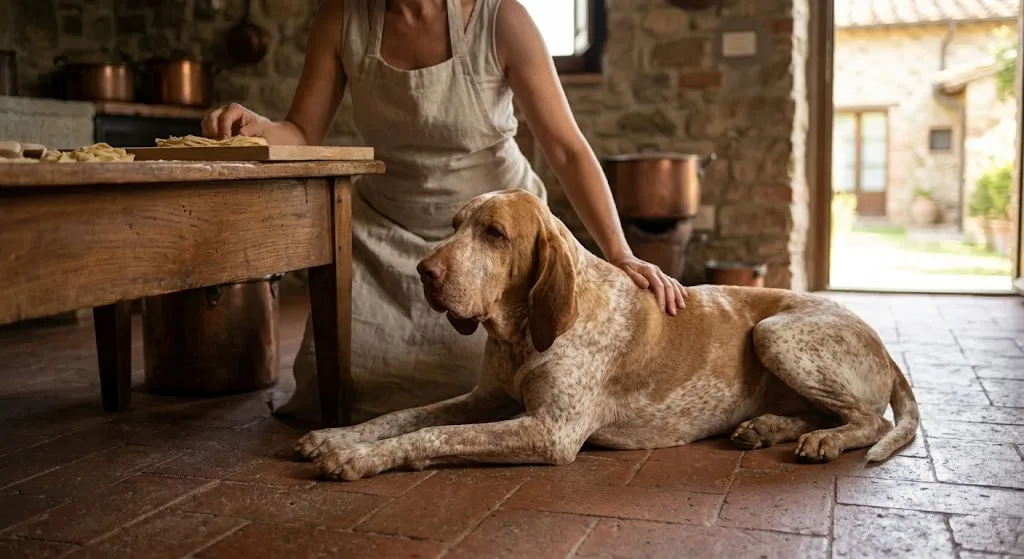
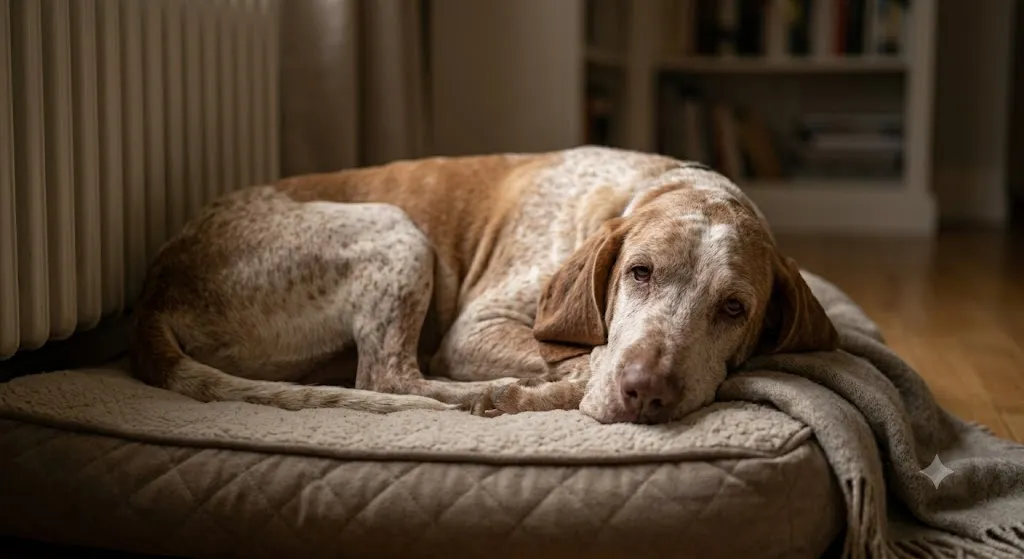
The Bracco Italiano is widely regarded as a gentle, loyal, and affectionate breed. Often described as a “gentle giant”, this dog forms strong bonds with its family and prefers to be included in daily life rather than left on its own. While calm and composed indoors, the Bracco shows enthusiasm and drive once outdoors, especially when given purposeful activity.
Social Nature and Family Behaviour
Braccos are typically friendly and sociable with people they know, showing patience and tolerance within family environments. When properly socialised, they are well suited to family life and tend to be steady around children. Their affectionate nature means they enjoy close companionship, often following family members from room to room without being overly demanding.
Behaviour With Other Dogs and Pets
With early and consistent socialisation, the Bracco Italiano generally gets along well with other dogs. Their gundog heritage means they may show interest in smaller animals, so introductions to cats and other pets should be gradual and supervised. Most Braccos adapt well in multi-dog households when boundaries are clearly established.
Sensitivity and Emotional Awareness
This breed is notably sensitive and does not respond well to harsh handling or raised voices. Braccos are emotionally perceptive dogs that thrive under calm, confident leadership. They are eager to please but may become withdrawn or stubborn if treated unfairly. A respectful, patient approach brings out their best temperament.
Common Behavioural Challenges
If under-stimulated or left alone for long periods, a Bracco Italiano may develop boredom-related behaviours such as restlessness or mild destructiveness. They are not suited to owners who prefer a low-interaction dog. Meeting their mental and physical needs is essential to maintaining their naturally balanced and cooperative temperament..
Intelligence and Trainability of the Bracco Italiano
Learning Ability and Problem Solving
The Bracco Italiano is a highly intelligent breed with strong problem-solving skills, though owners still need realistic expectations about the time obedience training takes. Bred to work independently in the field, this dog is capable of making decisions without constant direction. This intelligence shows in how quickly the Bracco understands routines, commands, and expectations when training is clear and consistent.
Willingness to Please
Although intelligent, the Bracco is not robotic in its obedience. It has a cooperative nature rather than a submissive one. Most Braccos are eager to please their owners, especially when training sessions are engaging and rewarding. Praise, food rewards, and encouragement are far more effective than repetition or force.
Training Style That Works Best
Positive reinforcement is essential when training a Bracco Italiano. This breed responds best to calm, patient guidance and short, focused training sessions. Harsh corrections or rigid methods often lead to resistance or disengagement. Consistency, fairness, and variety keep the Bracco motivated and responsive.
Independence and Stubborn Streaks
Due to its working background, the Bracco can display moments of independence. This may appear as stubbornness, particularly if commands feel repetitive or pointless to the dog. Owners should view this as thoughtful decision-making rather than defiance and adjust training to remain purposeful and rewarding.
Advanced Training Potential
With the right approach, the Bracco Italiano excels in advanced obedience, scent work, field trials, tracking, and other dog sports. Its combination of intelligence, stamina, and focus makes it highly capable when given structured challenges that align with its natural instincts.
Children, Family Life, and Other Pets
Behaviour Around Children
The Bracco Italiano is widely regarded as a gentle and patient breed, particularly with children, and you can see which Bracco Italiano litters are listed in Australia if the breed suits your household. Its calm temperament and tolerant nature make it well suited to family life when raised in a structured environment. With proper supervision, Braccos are generally careful and affectionate around young children, showing a natural awareness of their size and strength.
Suitability for Families
This breed thrives in households where it is treated as part of the family rather than a kennel dog. Braccos form strong emotional bonds with their owners and enjoy being involved in daily routines. They are best suited to active families who can provide companionship, exercise, and mental stimulation on a consistent basis.
Interaction With Older Children
Older children and teenagers often form excellent relationships with Bracco Italianos. The breed enjoys interactive play, outdoor activities, and training sessions, making it a good match for families who encourage shared responsibility and engagement. Teaching children how to give commands correctly strengthens mutual respect and bonding.
Living With Other Dogs
Braccos are generally sociable with other dogs, especially when socialised from puppyhood. They tend to integrate well into multi-dog households and enjoy canine companionship. Same-sex interactions are usually manageable, though introductions should always be calm and controlled.
Compatibility With Other Pets
When raised alongside cats or other household pets, Bracco Italianos can coexist peacefully. However, due to their strong hunting heritage, caution is required around small animals such as rabbits, birds, or rodents. Early exposure, training, and supervision are essential to managing prey drive.
Supervision and Boundaries
Despite their gentle nature, supervision is always recommended during interactions with young children due to the breed’s size and enthusiasm. Clear boundaries, consistent training, and respectful handling ensure a safe and harmonious home environment for both dog and family.
Health and Common Breed Conditions
Lifespan and General Health
The Bracco Italiano is a relatively healthy large breed with an average lifespan of 12 to 14 years, though any limping worth a vet visit should be checked early in a deep-chested breed. Responsible breeding and proper care can support longevity and reduce the risk of hereditary issues.
Breed-Specific Health Concerns
Braccos may be prone to conditions common among large, active breeds, including:
- Hip and Elbow Dysplasia: Can affect mobility and joint health; early screening and breeding selection are important.
- Eye Disorders: Entropion, ectropion, and cataracts can occur; regular ophthalmologic checks are recommended.
- Kidney Issues: Renal amyloidosis has been reported in some lines.
- Orthopedic Considerations: Puppies require controlled exercise to avoid joint stress during growth.
Genetic Testing
Recommended tests for breeders and prospective owners include:
- Hip X-rays evaluated by OFA or PennHIP
- Elbow X-rays evaluated by OFA
- Eye evaluations via OFA or BVA/KC/ISDS schemes
- DNA testing for known breed-specific conditions
Preventive Healthcare Schedule
Puppies should begin vaccinations at 10–12 weeks, with follow-up boosters for full immunity. Routine vet checks, parasite control, and tailored nutrition help maintain health. Careful exercise management is essential to prevent developmental issues in growing Braccos.
Insurance Considerations
Given potential breed-specific health concerns, comprehensive insurance is strongly advised. Policies should ideally cover hereditary conditions, accidents, and chronic illnesses to support long-term wellbeing.
Caring for a Bracco Italiano
Daily Care Routine
Caring for a Bracco Italiano requires dedication to both physical activity and mental stimulation, alongside a sensible schedule for routine veterinary check-ups. A typical day may include:
- Morning Walks: 30–45 minutes of brisk walking or light jogging to expend energy.
- Play & Training Sessions: Engaging activities such as fetch, scent games, or obedience training.
- Evening Exercise: Another 30–45 minute walk or supervised off-lead play in a secure area.
- Grooming Checks: Quick daily inspection of ears, paws, and coat to prevent tangles or infections.
Living Environment
Braccos thrive in homes with:
- Spacious Gardens: For running, playing, and safely exercising.
- Secure Fencing: Prevents wandering and protects from hazards.
- Climate Considerations: Adequate shade and water in summer; shelter from cold during winter.
Senior Care Adaptations
Older Braccos may require:
- Reduced but gentle exercise to maintain mobility without overexertion.
- Soft bedding and joint supplements for comfort.
- Regular vet checks to monitor age-related health concerns.
Key Considerations
- Braccos are highly social and benefit from daily interaction with family members.
- They are not suited to apartment living unless exercise needs are met consistently.
- Mental stimulation is as important as physical exercise to prevent boredom-induced behaviors.
Grooming a Bracco Italiano
Coat Care
Bracco Italianos have short, dense coats that are easy to maintain:
- Brushing: Once or twice a week using a rubber curry brush or grooming glove.
- Bathing: Occasional, depending on lifestyle and outdoor activity.
- Check for Skin Issues: Monitor for redness, irritation, or parasites.
Ear Care
Their long, pendulous ears require regular attention:
- Cleaning: Use a vet-recommended ear cleaner 1–2 times weekly.
- Inspection: Check for wax buildup, odor, or signs of infection.
Nail and Dental Care
- Nails: Trim regularly with clippers or grinders to prevent splitting and discomfort.
- Teeth: Brush frequently using dog-specific toothpaste to prevent tartar buildup and maintain oral health.
Common Grooming Challenges
- Ear infections due to moisture accumulation in long ears.
- Occasional shedding, mostly seasonal.
- Maintaining hygiene without over-bathing to preserve natural oils.
Exercise Needs for a Bracco Italiano
Daily Activity
Bracco Italianos are active and energetic dogs:
- Minimum Exercise: At least 30 minutes daily, though more is preferred.
- Activity Types: Walks, jogs, running in a secure fenced area, and interactive play.
Mental Stimulation
- Training Games: Obedience drills, agility exercises, and scent tracking.
- Play: Fetch, hide-and-seek, and structured activities to engage their hunting instincts.
Outdoor Requirements
- Space: Secure, fenced garden or yard for free running.
- Supervision: Essential when off-lead, especially in open areas to prevent wandering.
Exercise Considerations
- Avoid high-impact exercise for puppies under one year to protect developing joints.
- Monitor in extreme temperatures—provide shade, water in heat, and warmth in cold.
Training and Socialisation for a Bracco Italiano
Training Approach
Braccos respond best to calm, patient, and consistent training:
- Method: Positive reinforcement using treats, praise, and play.
- Avoid: Harsh corrections or punishment, which can create fear or stubbornness.
Early Socialisation
- Introduce puppies to diverse environments, people, and animals.
- Expose to various sounds, sights, and situations to develop confidence.
- Encourage interaction with children and other pets under supervision.
Obedience Priorities
- Basic commands: sit, stay, come, leave it, down, and heel.
- Short, engaging sessions maintain focus and prevent boredom.
- Gradual progression to advanced tasks like scent games and agility.
Behavioural Considerations
- Braccos are intelligent but may test boundaries.
- Consistent rules from all household members are essential.
- Early intervention prevents dominance or destructive behaviours.
Nutrition and Feeding for a Bracco Italiano
Dietary Requirements
- Puppies: High-quality, nutrient-dense diets with 25–30% protein to support growth.
- Adults: Balanced diet with 20–25% protein and 12–15% fat to maintain muscle tone and energy.
- Calories: Adults typically require 1,500–2,200 calories daily depending on activity levels.
Feeding Schedule
- Puppies: 3–4 small meals daily until six months, gradually transitioning to 2 meals per day.
- Adults: 2 meals daily, portioned according to size, activity, and metabolism.
Special Considerations
- Avoid feeding before or after vigorous exercise to prevent bloat.
- Monitor for food sensitivities or allergies; consider grain-free or hypoallergenic diets if necessary.
- Supplements such as glucosamine may support joint health.
Hydration
- Provide clean, fresh water at all times.
- Ensure water access during exercise and warm weather to prevent dehydration.
Weight Management
- Regularly assess body condition score.
- Adjust food portions based on activity level and life stage.
- Prevent obesity to reduce stress on joints and overall health.
Costs & Buying a Bracco Italiano
Purchase Prices
- Well-bred Dogs Australia registered puppies in Australia range from AUD $1,500 to $3,000.
- Prices vary depending on breeder reputation, lineage, and region, with longer waiting lists in some areas.
Initial Setup Costs
- Essentials include quality bedding, grooming tools, training equipment, puppy gates, and safe playpens.
- Initial setup typically costs around AUD $800 to $1,500.
- High-quality food and supplements add an extra AUD $90 to $150 per month.
Ongoing Monthly Expenses
- Premium dog food, routine grooming supplies, and veterinary care total approximately AUD $150 to $300 per month.
- Insurance can range from AUD $60 per month for basic cover to $120 or more for comprehensive lifetime policies, and it is worth comparing current dog insurance and pet care costs in Australia.
Lifetime Cost Considerations
- Account for vet visits, vaccinations, potential breed-specific health treatments, and occasional professional grooming.
- Briards are a high-maintenance breed requiring consistent investment in care to maintain health and happiness.
Finding Ethical Breeders
- Look for Kennel Club Assured Breeders with transparent health testing and socialisation protocols.
- Visit breeders in person to assess living conditions and meet the dam and sire.
- Avoid breeders with frequent litters or unclear documentation.
Health Testing Verification
- Verify BVA/KC Hip Dysplasia, DNA testing for CSNB, and annual BVA/KC/ISDS Eye Scheme certificates.
- Ensure puppies are microchipped, vaccinated, and dewormed before adoption.
Puppy Selection Process
- Choose puppies with confident, curious temperaments.
- Assess health, socialisation, and responsiveness.
- Ask about the dam’s health history and socialisation experience.
Contract and Guarantee Review
- Contracts should include health guarantees, return policies, and spay/neuter agreements.
- Ensure clear terms on support provided post-sale.
Rescue and Adoption Options
- Breed-specific rescues and rehoming centers provide adult Briards needing homes.
- Adoption can be rewarding and supports responsible ownership.
Browse current listings on Pups4Sale and prioritise registered, health tested breeders.
Frequently Asked Questions
Related Breeds
Other working breeds on Pups4Sale.
 Bull ArabLarge • Working
 Cane CorsoLarge • Utility / Working
 Doberman PinscherLarge • Working
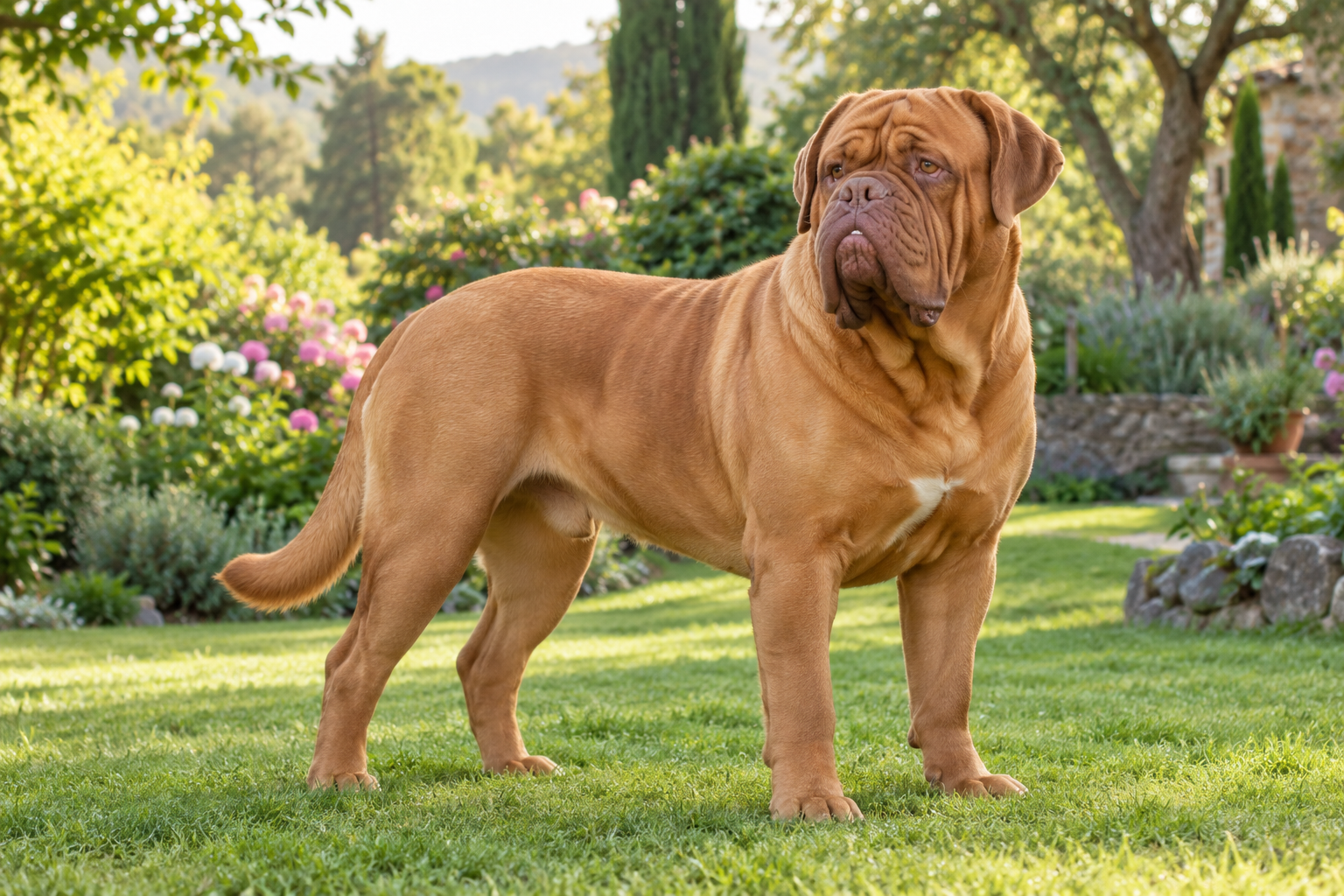 Dogue de BordeauxGiant • Utility (Group 6)
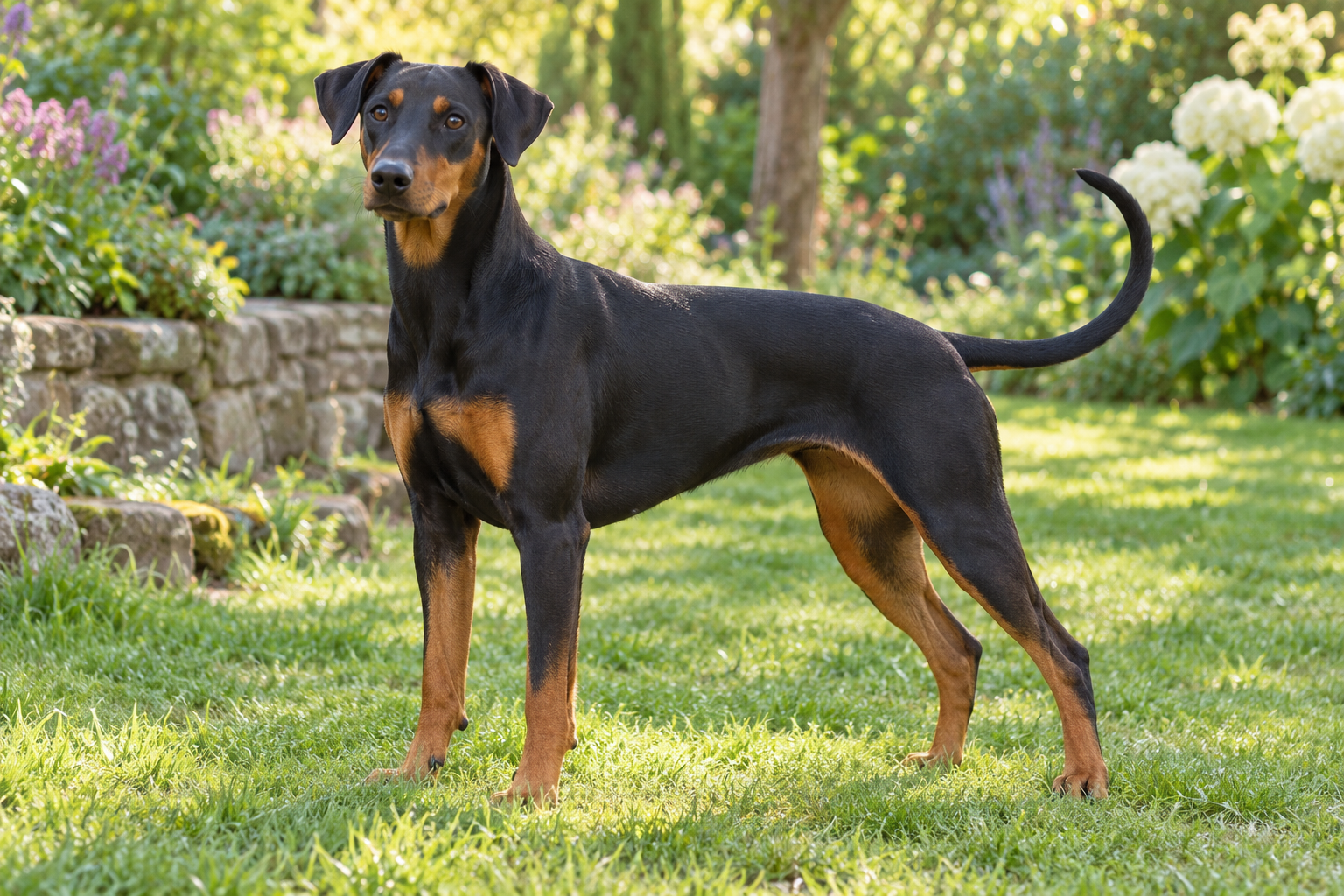 German PinscherMedium • Utility (Group 6)
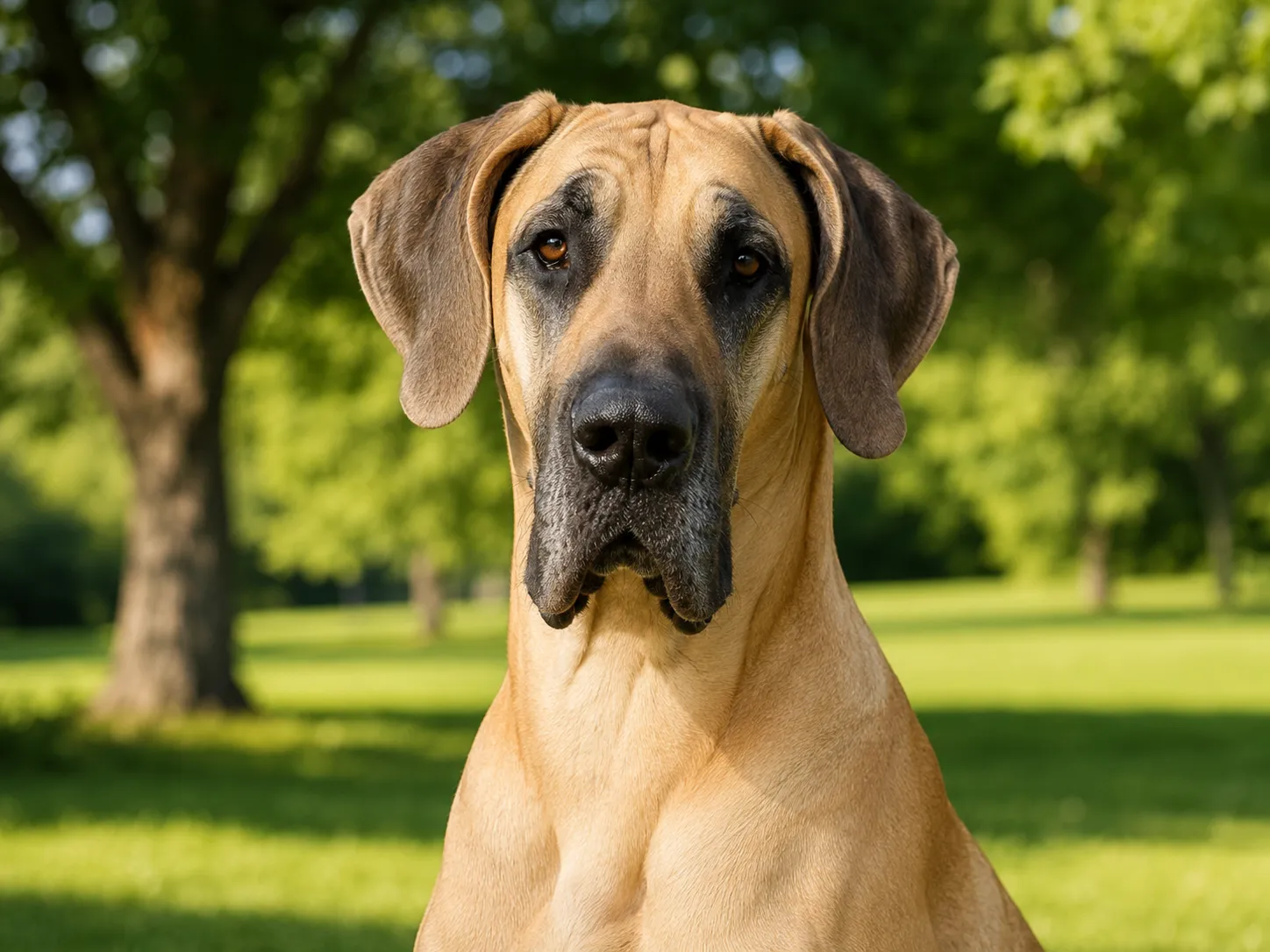 Great DaneGiant • Working