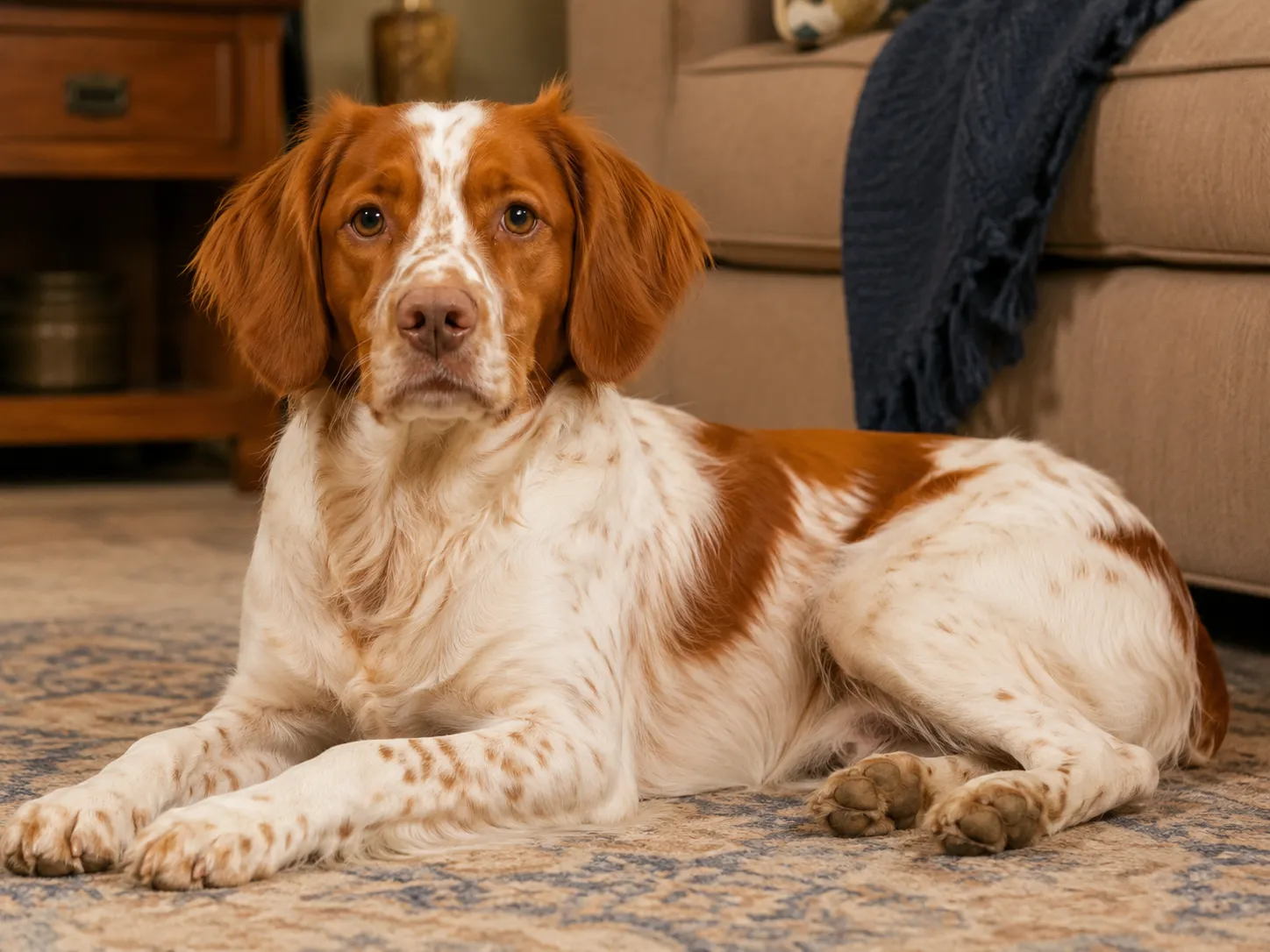

Brittany
By James C. • Updated
The Brittany is an energetic, intelligent, and versatile sporting breed originally developed in France for bird hunting. Known for its enthusiasm, trainability, and strong desire to work closely with people, the Brittany excels in hunting, agility, obedience, and active family life. They require plenty of exercise and mental stimulation to remain happy and well-behaved.
Breed Overview
Life Span
12 - 15 years
Average Price
AUD 2500 - AUD 4500
Weight
Male: 48 - 51 kg Female: 47 - 50 kg
Height
Male: 47 - 51 cm Female: 47 - 51 cm
Life Expectancy
Male/Female: 12 - 15 years
Breed Group
Gundog (Hunt, Point, Retrieve)
Nicknames
Brittany Spaniel, Epagneul Breton
Breed Information
The Brittany is a medium-sized gundog built for pace, stamina, and close teamwork with its handler. Developed in northern France as a versatile hunt, point, and retrieve dog, it was bred to cover ground efficiently and stay mentally switched on for long stretches. That working heritage still shows in the modern Brittany, which is alert, energetic, and always ready to engage.
At home, Brittany is affectionate, sociable, and happiest when included in daily life rather than left to entertain itself. This is not a breed for quiet routines or minimal exercise. Without enough outlets, Brittanys can become restless, vocal, and destructive, not because they are difficult dogs, but because their needs are not being met.
For Australian households, the Brittany suits active individuals and families who enjoy regular outdoor time and can commit to training, enrichment, and long daily exercise. When those boxes are ticked, you get a loyal, upbeat companion with a bright temperament and genuine working ability.
Characteristics of the Brittany
The Brittany is an active, clever, and people-focused breed that thrives with structure and variety, and early socialisation before full vaccination helps it settle. It suits experienced or prepared owners who enjoy training and outdoor activity, and it generally struggles in low-exercise homes.
| Characteristic | Rating | Star Rating | What This Means for You |
| Size | Medium | ★★★☆☆ | Compact and athletic, easy to handle, but still strong and quick on its feet. |
| Adaptability | Moderate | ★★★☆☆ | Can adjust well, but needs daily outlets, space, and routine to stay settled. |
| Exercise Needs | Very High | ★★★★★ | More than 2 hours per day plus purposeful play and mental work. |
| Easy to Train | Good | ★★★★☆ | Bright and willing, but needs consistent reward-based training and variety. |
| Amount of Shedding | Moderate | ★★★☆☆ | Sheds year-round, manageable with regular brushing. |
| Grooming Needs | Moderate | ★★★☆☆ | Coat care is straightforward, but ears and feathering need attention. |
| Good With Children | Very Good | ★★★★☆ | Great with older kids who can join in exercise and training. |
| Health of Breed | Good | ★★★★☆ | Generally healthy, with hips and eyes worth screening responsibly. |
| Cost to Keep | Moderate | ★★★☆☆ | Costs are reasonable, but activity, gear, and training add up. |
| Tolerates Being Alone | Low | ★★☆☆☆ | Can become anxious or bored without training and adequate daily fulfilment. |
| Intelligence | High | ★★★★☆ | Learns quickly and needs mental stimulation to prevent nuisance behaviours. |
History of the Brittany
In France, the breed is known as the Epagneul Breton, one of the gundog breeds gaining ground with Australian owners, with roots in northern French hunting dogs once referred to locally as “Le Fougere.” Over time, this foundation was influenced by English Setter and Pointer bloodlines, brought into the region by visiting sportsmen. The goal was simple: create a compact, energetic dog with excellent scenting ability, strong pointing instinct, and the versatility to retrieve.
That breeding direction produced a short-backed, cobby gundog capable of working as a true hunt, point, retrieve dog. The original name, Brittany Spaniel, gradually became less accurate as the breed’s working style aligned more closely with pointers than traditional flushing spaniels. For that reason, “Spaniel” was later dropped from the name in many registries, reflecting what the dog actually does in the field.
A distinctive historical feature is the naturally bobbed tail, which occurs frequently in the breed. Early French breed clubs even highlighted this trait, recognising it as a notable part of Brittany identity. Today, Brittany remains valued for the same reasons it was developed centuries ago: efficiency, stamina, versatility, and an intense desire to work closely with its people.
Appearance of the Brittany
The Brittany is a medium-sized gundog with a compact, short-coupled frame built for speed, stamina, and all-day work in the field, noticeably lighter than the Bracco Italiano, a heavier continental pointer. Everything about the breed’s structure reflects efficiency rather than power, giving it a clean, athletic outline that allows it to move quickly and cover ground with ease.
Size and Build
The Brittany is lightly built yet muscular, combining strength with agility rather than bulk. Its body is slightly longer than tall, with a deep chest and well-developed hindquarters that support endurance and fast directional changes. The back is short and firm, contributing to the breed’s reputation as a tireless worker rather than a decorative show dog.
Coat and Colours
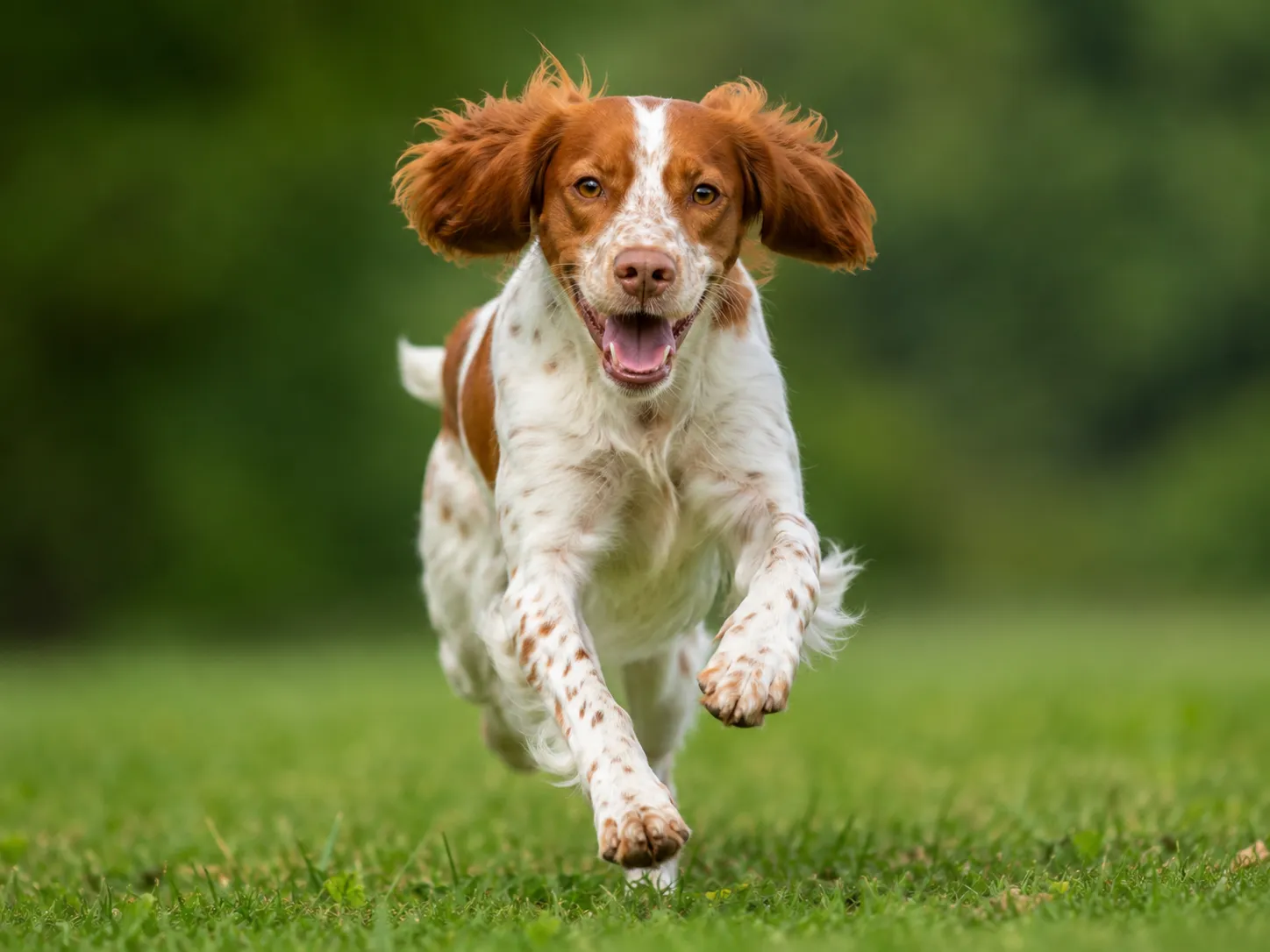
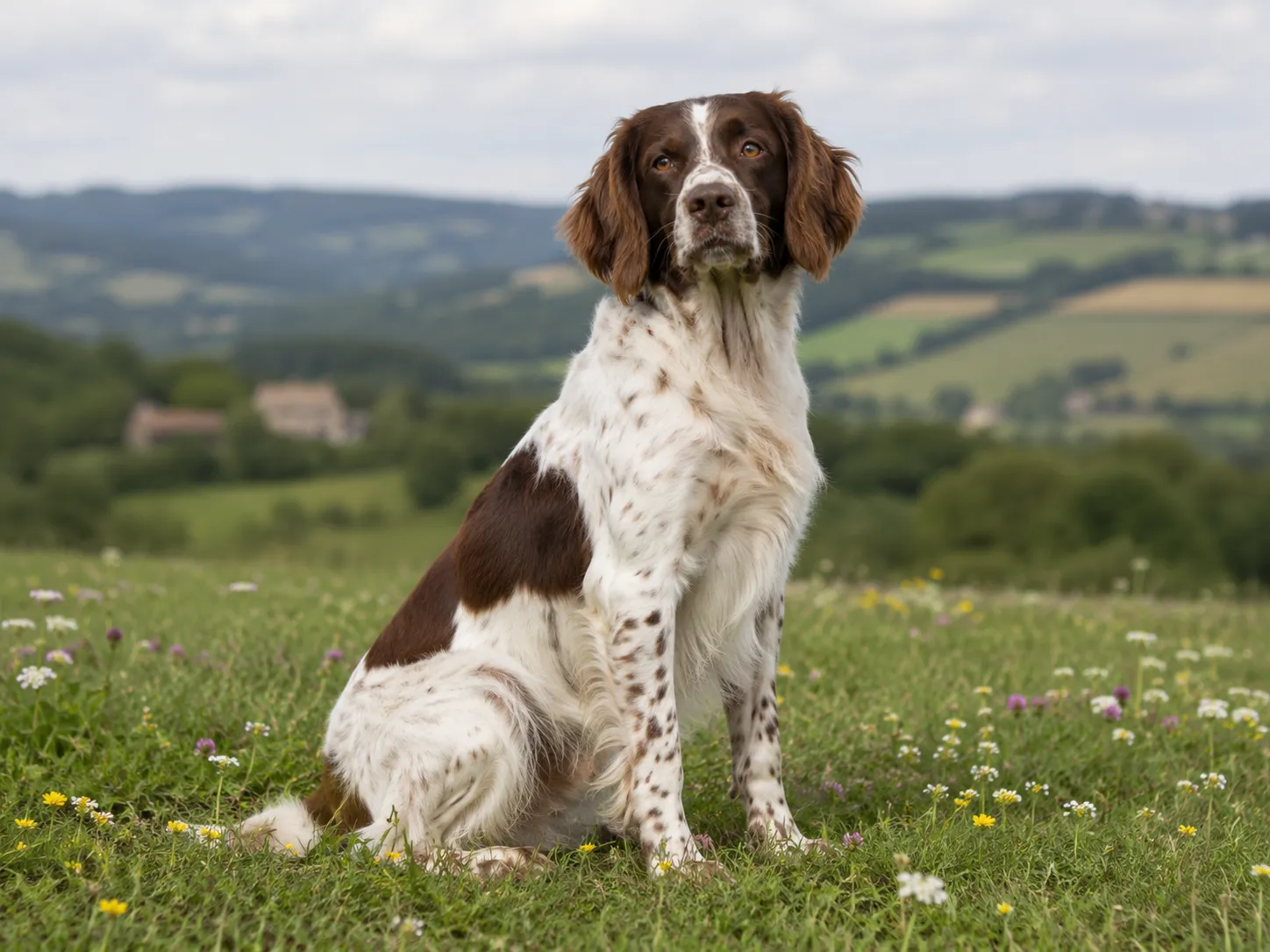
The coat is fine in texture and lies flat or slightly wavy against the body, never heavy or overly long. Feathering is present but practical, appearing on the ears and legs without becoming excessive or prone to matting. Common colour combinations include:
- Orange and white
- Liver and white
- Black and white
- Tricolour and roan patterns
These bold, high-contrast markings are not only distinctive but historically useful for visibility in the field.
Distinctive Features
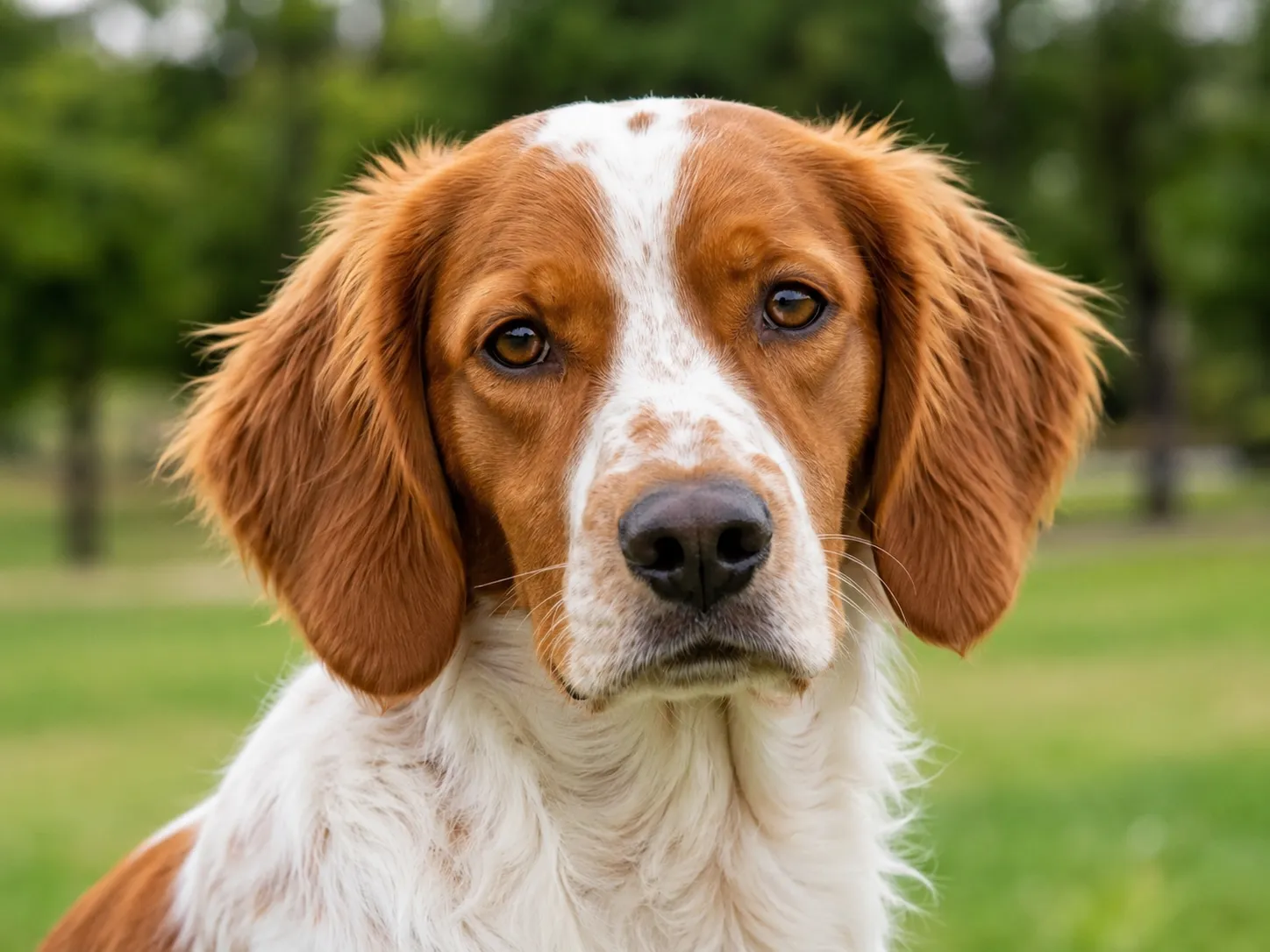
The head is well proportioned with a soft, alert expression typical of bird dogs. Eyes are expressive and lively, conveying intelligence and eagerness. Ears are set high and lie close to the head, reinforcing the breed’s attentive appearance. One notable trait is the tail, as many Brittanys are naturally bob-tailed, while others may have a short or full-length tail when naturally occurring.
Gender Differences
Male and female Brittanys share the same height range and overall structure, with differences being subtle rather than pronounced. Males may appear slightly more muscular, while females often present a lighter, more refined outline. These variations do not affect working ability, and both sexes are equally capable in hunting, sport, and active family environments.
Temperament of the Brittany
The Brittany is an energetic, affectionate, and highly people-focused breed that thrives on interaction and purposeful activity, which makes it prone to separation anxiety without enough company. Bred to work closely with its handler, this is a dog that prefers companionship over independence and forms strong bonds with its family. When properly exercised and engaged, Brittany is cheerful, responsive, and deeply loyal.
Core Personality Traits
Naturally sociable and eager to please, Brittany combines enthusiasm with sensitivity. They are alert without being aggressive and confident without being domineering. Their friendly nature makes them welcoming toward visitors, though their alertness means they will often bark to announce something unusual.
Social Behaviour
Brittanys are generally friendly with other dogs and, with early socialisation, can live comfortably alongside other pets. Their strong hunting instinct means smaller animals should be introduced carefully and supervised, particularly in the early stages. Long periods of isolation do not suit this breed and can lead to anxiety or nuisance behaviours.
Working Instincts
As a true Hunt, Point, Retrieve breed, the Brittany retains a strong drive to search, scent, and carry. This instinct shows up in everyday life through a love of games, exploration, and problem-solving. Without structured outlets, these natural behaviours can turn into restlessness or destructiveness.
Common Behavioural Challenges
Certain traits require thoughtful management, particularly in less experienced homes:
- High energy levels that demand daily physical and mental outlets
- Sensitivity to harsh training methods or inconsistent handling
- A tendency toward separation anxiety if left alone too often
With the right balance of exercise, training, and routine, the Brittany is a joyful, cooperative companion that fits well into active Australian households.
Intelligence and Trainability of the Brittany
The Brittany is an intelligent, quick-learning breed with a strong desire to work alongside its handler, so beginning obedience work at the right age sets the tone. Bred for cooperation in the field, this dog responds best to training that is engaging, positive, and consistent. While highly capable, Brittany's enthusiasm and sensitivity mean training success depends heavily on the owner’s approach.
Learning Style
Brittanys learn rapidly when training feels purposeful and rewarding. They respond well to praise, food rewards, and interactive games, particularly those involving scent work or retrieving. Short, varied sessions suit them best, as repetition without challenge can quickly lead to boredom or loss of focus.
Puppy Training Priorities
Early training is essential to shape good habits and channel natural drive appropriately. Key focus areas in the first months should include:
- Reliable recall, especially in distracting outdoor environments
- Loose lead walking to manage pulling driven by scent interest
- Calm greetings to prevent over-excitement around people and dogs
- Early socialisation with different environments, sounds, and situations
Training Methods That Work Best
Positive reinforcement is critical for this breed. Calm guidance, clear expectations, and consistency help build confidence and trust. Harsh corrections or raised voices often cause Brittany to shut down or become anxious, which can slow progress rather than improve it.
Common Training Challenges
Certain traits may require extra patience and structure:
- Strong scent drive that can override recall if not trained early
- High energy levels that reduce focus without adequate exercise
- Sensitivity to inconsistent rules or unclear boundaries
When training is approached as a partnership rather than control, Brittany excels. With the right guidance, this breed performs exceptionally well in obedience, agility, field work, and active family life.
Children and Family Life
Brittany can be an excellent family dog when matched with the right household and lifestyle, and you can browse Brittany puppies listed in Australia to see what is available. This breed is affectionate, social, and enjoys being included in daily activities, making it well suited to families who are active and spend time outdoors together.
Interaction With Children
Brittanys are generally gentle and friendly with children, particularly older kids who can participate in walking, training, and play. Their enthusiasm and energy mean they may be overwhelming for very young children if not supervised, especially during excitable moments. Teaching children how to interact calmly and respectfully with the dog is essential for positive relationships.
Family Environment Suitability
This breed thrives in homes where it is treated as part of the family rather than left alone for long periods. Brittanys form strong emotional bonds and enjoy routine, structure, and shared activities. Busy households that provide stimulation and engagement suit them far better than quiet homes with long absences.
Living With Other Pets
With early socialisation and consistent training, Brittanys usually get along well with other dogs. Their hunting background means smaller pets should be introduced carefully, and supervision is important until trust and boundaries are established.
Key Family Considerations
Families considering a Brittany should be prepared for:
- Daily exercise that involves the whole household
- Ongoing training and mental stimulation
- Supervision around young children during high-energy play
- A dog that prefers company and may struggle with long alone periods
In the right family setting, Brittany is a loyal, cheerful companion that brings energy, affection, and enthusiasm into everyday life.
Health of the Brittany
The Brittany is generally considered a healthy and robust breed, particularly when sourced from responsible breeders who prioritise sound structure and genetic screening. With proper care, many Brittanys enjoy long, active lives well into their senior years.
Common Health Conditions
While not heavily burdened by breed-specific disorders, there are a few health issues prospective owners should be aware of:
- Hip dysplasia, which can affect mobility over time if not screened responsibly
- Eye conditions, including hereditary eye disease, making regular eye checks important
- Ear infections, often linked to their ear shape and active outdoor lifestyle
Routine monitoring and early intervention play a major role in managing these concerns effectively.
Recommended Health Testing
Responsible breeders should carry out the following health screenings before breeding:
- Hip evaluation to assess joint health
- Ophthalmologist eye examination to screen for inherited eye conditions
Although no dedicated DNA testing package currently exists for the breed, maintaining genetic diversity and avoiding exaggerated traits remains an important focus.
Preventive Healthcare
Ongoing veterinary care is essential to maintaining overall health. This includes:
- Annual health checks and vaccinations as advised by your vet
- Regular dental care to prevent gum disease
- Parasite prevention suited to Australian conditions
Lifespan and Quality of Life
With balanced nutrition, appropriate exercise, and regular health monitoring, Brittany typically lives between 12 and 15 years. Their active nature means maintaining joint health and body condition is especially important as they age, ensuring comfort and mobility throughout their senior years.
Caring for the Brittany
Caring for Brittany involves meeting both its physical and mental needs on a daily basis. This is a high-energy, intelligent working breed that thrives on routine, structure, and meaningful activity. When these needs are met consistently, Brittany is easy to live with and highly rewarding as a companion.
Daily Care Routine
A typical day for a Brittany should include substantial physical exercise, mental stimulation, and social interaction. Long walks, structured play, and short training sessions help keep the dog balanced and prevent boredom-driven behaviours. Quiet downtime with the family is equally important once their activity needs are satisfied.
Living Environment
Brittany is best suited to homes with access to secure outdoor space and a variety of walking environments. While not a large dog, its energy levels make apartment living challenging unless owners are exceptionally committed to daily exercise. Rural or semi-rural homes with large, well-fenced gardens are ideal, particularly for Australian conditions.
Seasonal Considerations
In warmer Australian climates, exercise should be planned during cooler parts of the day to prevent overheating. Fresh water and shaded resting areas are essential, especially after vigorous activity. In colder months, Brittanys generally cope well but still benefit from warm resting areas after outdoor exercise.
Senior Care
As Brittanys age, their care needs shift toward joint support and moderated exercise. Softer bedding, shorter but more frequent walks, and regular veterinary check-ups help maintain comfort and mobility. Mental stimulation remains important throughout life to support cognitive health and overall wellbeing.
With consistent care and an active lifestyle, Brittany remains a happy, engaged, and healthy companion from puppyhood through to its senior years.
Grooming the Brittany
Brittany has a relatively low-maintenance coat, but regular grooming is still important to keep the skin healthy and the coat in good condition. Their active lifestyle, particularly in outdoor environments, means routine checks are essential rather than cosmetic grooming.
Coat Care and Maintenance
The coat is fine, flat, or slightly wavy and should be brushed two to three times per week to remove loose hair and prevent light tangling, particularly around the feathering on the legs and ears. During seasonal shedding, more frequent brushing helps manage hair loss and keeps the coat tidy.
Ear, Paw, and Nail Care
Because Brittanys are active and often work through grass, bushland, and water, ears should be checked weekly for debris, moisture, or signs of infection. Paw pads should also be inspected regularly for cuts, seeds, or irritation. Nails typically need trimming every three to four weeks unless naturally worn down through activity.
Bathing and Hygiene
Bathing is only required when the dog becomes dirty or begins to smell, as over-bathing can strip natural oils from the coat. A mild dog shampoo is sufficient. Teeth should be brushed regularly to support long-term dental health, particularly in adult and senior dogs.
Common Grooming Challenges
While not a demanding breed to groom, owners should stay alert to:
- Burrs and grass seeds caught in feathering
- Ear infections linked to outdoor activity
- Increased shedding during seasonal coat changes
With consistent, simple grooming routines, Brittany remains clean, comfortable, and ready for an active lifestyle.
Exercise of the Brittany
The Brittany is a high-energy working breed that requires substantial daily exercise to remain healthy, settled, and mentally balanced. This is not a dog that can thrive on short walks or occasional play sessions. Its physical stamina and working drive demand consistent, purposeful activity.
Daily Exercise Requirements
Adult Brittanys typically need more than two hours of exercise per day. This should include a mix of brisk walking, running, and free movement in secure areas. Simply walking on a lead is rarely enough to satisfy the breed’s needs, particularly for young or adolescent dogs.
Suitable Activities
Brittany excels in activities that engage both body and mind. Ideal outlets include:
- Long bush or trail walks
- Retrieval games and scent-based activities
- Agility, flyball, or obedience sports
- Field-style exercises that allow quartering and searching
These activities reflect the breed’s hunt, point, retrieve instincts and help prevent frustration.
Exercise Safety Considerations
Exercise should be structured carefully in Australian conditions, especially during warmer months. Activity is best scheduled early in the morning or later in the evening to avoid heat stress. Puppies should not be over-exercised, as excessive impact can affect developing joints.
Mental Stimulation
Mental exercise is just as important as physical activity. Training sessions, puzzle toys, and scent games help keep Brittany mentally fulfilled and reduce unwanted behaviours linked to boredom or excess energy.
When given enough exercise and stimulation, Brittany becomes calm and relaxed at home, making it a far more manageable and enjoyable companion.
Feeding of the Brittany
Feeding Brittany correctly is essential to support its high energy levels, lean muscle mass, and long-term joint health. As an active working breed, nutritional balance matters more than volume, and overfeeding can quickly lead to unnecessary weight gain.
Nutritional Requirements
The Brittany does best on a high-quality diet rich in animal-based protein to support muscle repair and stamina. Fats provide essential energy for active days, while carbohydrates should be moderate and easily digestible. Diets should always be appropriate to the dog’s life stage, whether puppy, adult, or senior.
Feeding Schedule
Adult Brittanys are typically fed twice daily to support digestion and maintain stable energy levels. Puppies benefit from smaller, more frequent meals during early growth stages, gradually transitioning to an adult schedule as they mature. Fresh water must always be available, particularly after exercise.
Special Dietary Considerations
Some Brittanys may show sensitivities that affect digestion or skin condition. In these cases, limited-ingredient or hypoallergenic diets may be beneficial. Supplements such as omega fatty acids can help support coat condition and joint health, especially in highly active dogs.
Weight Management
Maintaining a lean body condition is critical for this breed. Excess weight places strain on hips and joints and reduces stamina. Regular body condition checks and portion adjustments based on activity levels help keep the Brittany fit, agile, and comfortable throughout its life.
Brittany Price and Ongoing Costs
The purchase price and ongoing costs of owning a Brittany reflect its status as an active gundog that requires quality care, training, and regular exercise. While not the most expensive breed to buy, long-term ownership costs should be carefully considered before committing.
Purchase Price in Australia
Brittany puppies from reputable breeders in Australia typically range between AUD $2,500 and $4,500. Pricing varies based on pedigree, breeder reputation, health testing, and whether the puppy is intended for companionship, sport, or working lines. Well-bred puppies with documented hip and eye health checks usually sit at the higher end of this range.
Initial Setup Costs
New owners should budget for essential setup items, including:
- Secure crate or bedding
- Lead, collar, and harness suitable for an active dog
- Feeding bowls and quality starter food
- Grooming tools and enrichment toys
Initial setup costs generally fall between AUD $300 and $600, depending on brand choices and equipment quality.
Ongoing Monthly Expenses
Regular monthly costs typically include:
- High-quality dog food suited to active breeds
- Parasite prevention and routine healthcare
- Grooming supplies and replacement equipment
On average, owners can expect to spend AUD $120 to $180 per month, excluding emergency veterinary care.
Veterinary and Insurance Costs
While Brittany is generally healthy, pet insurance is strongly recommended to cover unexpected injuries or joint-related issues. Insurance premiums vary widely but commonly range from AUD $50 to $120 per month, depending on coverage level and provider.
Overall, Brittany is a manageable breed financially for active households prepared for its lifestyle needs, with the greatest investment being time, exercise, and ongoing engagement rather than excessive medical care.
Buying Advice for the Brittany
Choosing the right Brittany starts with selecting a responsible breeder or a reputable rescue organisation that understands the breed’s working nature, energy levels, and long-term welfare needs. This is not a breed suited to impulse buying, as lifestyle compatibility matters just as much as appearance.
Choosing a Responsible Breeder
Reputable breeders focus on health, temperament, and functional structure rather than exaggeration. When speaking with breeders, ensure they can provide:
- Proof of hip evaluations and eye health testing
- Clear information about the puppy’s lineage and working or companion background
- A clean, well-managed environment where puppies are raised with early socialisation
A good breeder will also ask questions about your lifestyle to confirm the Brittany is the right fit.
Selecting the Right Puppy
Healthy Brittany puppies should appear confident, alert, and curious without showing excessive fear or aggression. Look for clear eyes, clean ears, and an overall lively demeanour. Avoid puppies that seem lethargic or overly nervous, as early temperament often carries into adulthood.
Contracts and Health Guarantees
Always request a written agreement outlining health guarantees, vaccination records, microchipping, and return policies if circumstances change. Ethical breeders are transparent and supportive long after the sale is complete.
Rescue and Rehoming Options
For experienced owners, adopting a Brittany through a breed-specific rescue can be a rewarding option. Adult dogs may already have training in place, though they still require substantial exercise and engagement. Rescue organisations can help match dogs to suitable homes based on activity level and experience.
For those ready to commit to an active, outdoors-focused lifestyle, the Brittany can be a loyal, capable, and deeply engaging companion when sourced responsibly.
Is Brittany the Right Dog for You?
Brittany is a bright, athletic gundog with a personality that suits active households who enjoy being outdoors and doing things with their dog. When given enough daily exercise, purposeful training, and mental stimulation, this breed settles beautifully at home and becomes a loyal, affectionate companion that stays closely connected to its people.
That same working drive is also the key consideration for prospective owners. A Brittany that is under-exercised or left bored is likely to become noisy, restless, and destructive, not because the breed is difficult, but because it is built for movement and engagement. Matching lifestyle, time, and space to the dog’s needs is essential for long-term success.
If you are considering Brittany, take time to review breeder information carefully, confirm health testing, and choose a puppy or dog that fits your household’s activity level. On Pups4Sale, compare listings, ask detailed questions, and prioritise sellers who focus on temperament, welfare, and responsible breeding practices.
Frequently Asked Questions
Related Breeds
Other sporting breeds on Pups4Sale.
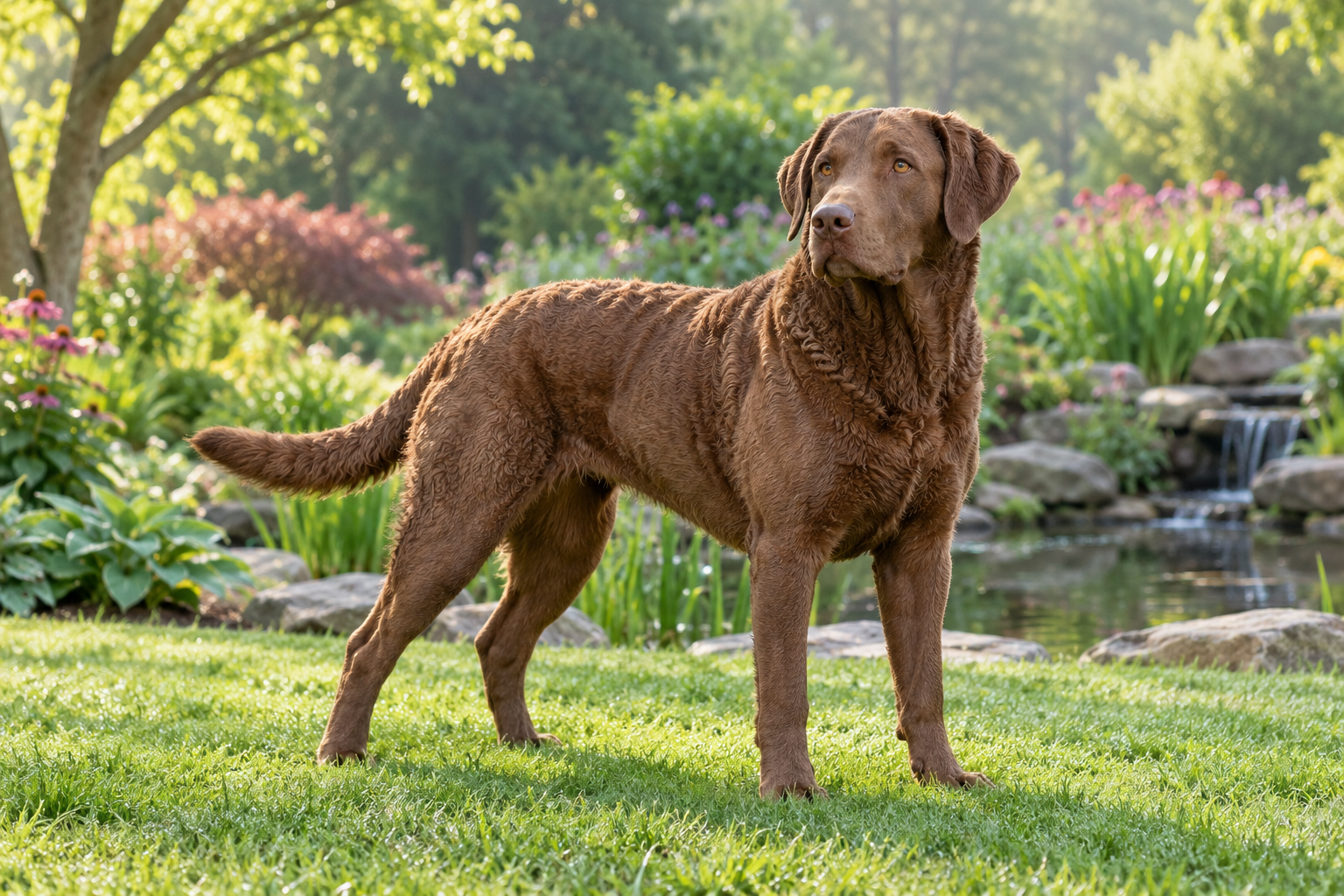 Chesapeake Bay RetrieverLarge • Gundog (Group 3)
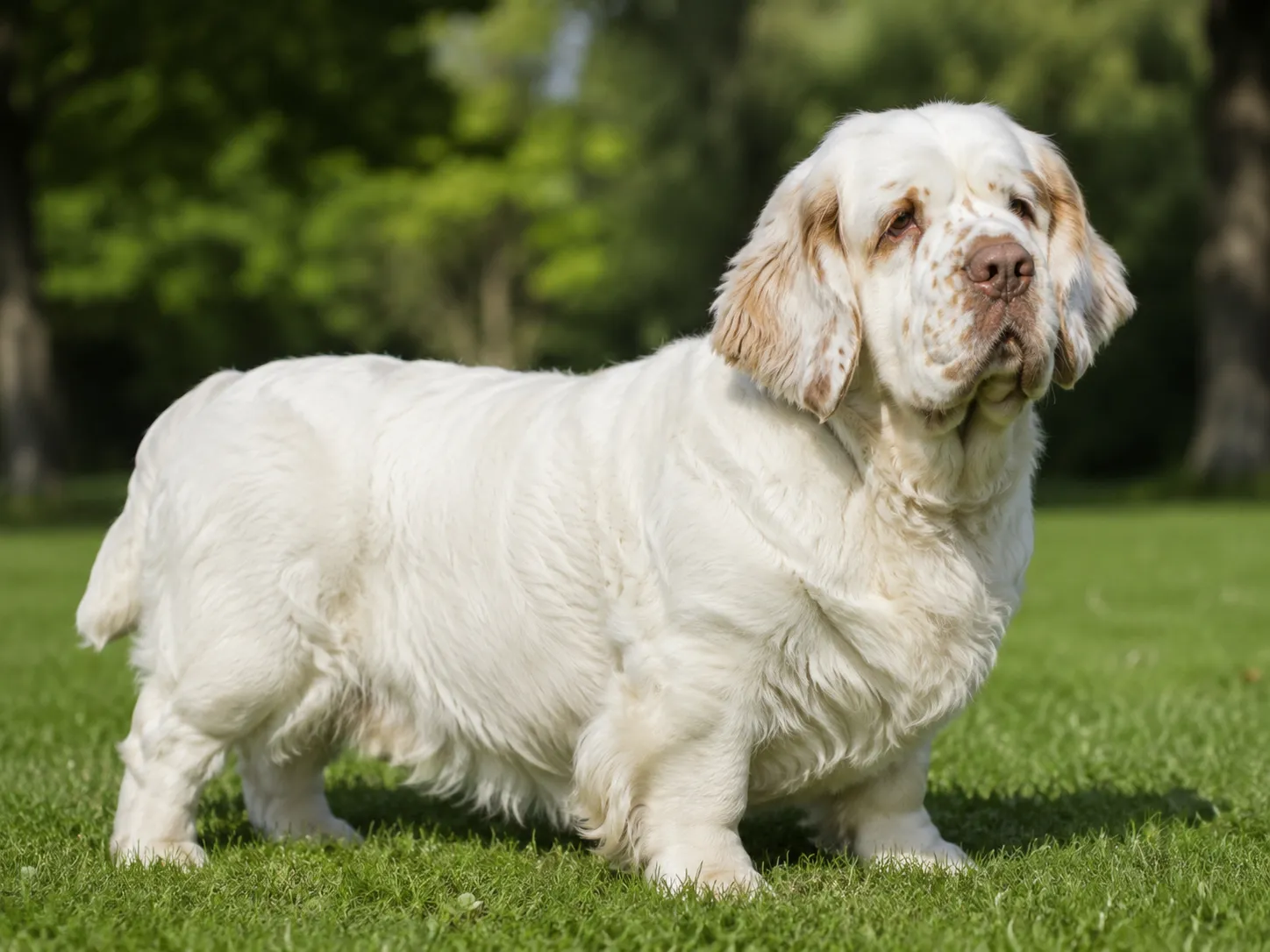 Clumber SpanielMedium • Gundog / Sporting
 Cocker SpanielMedium • Sporting / Gundog
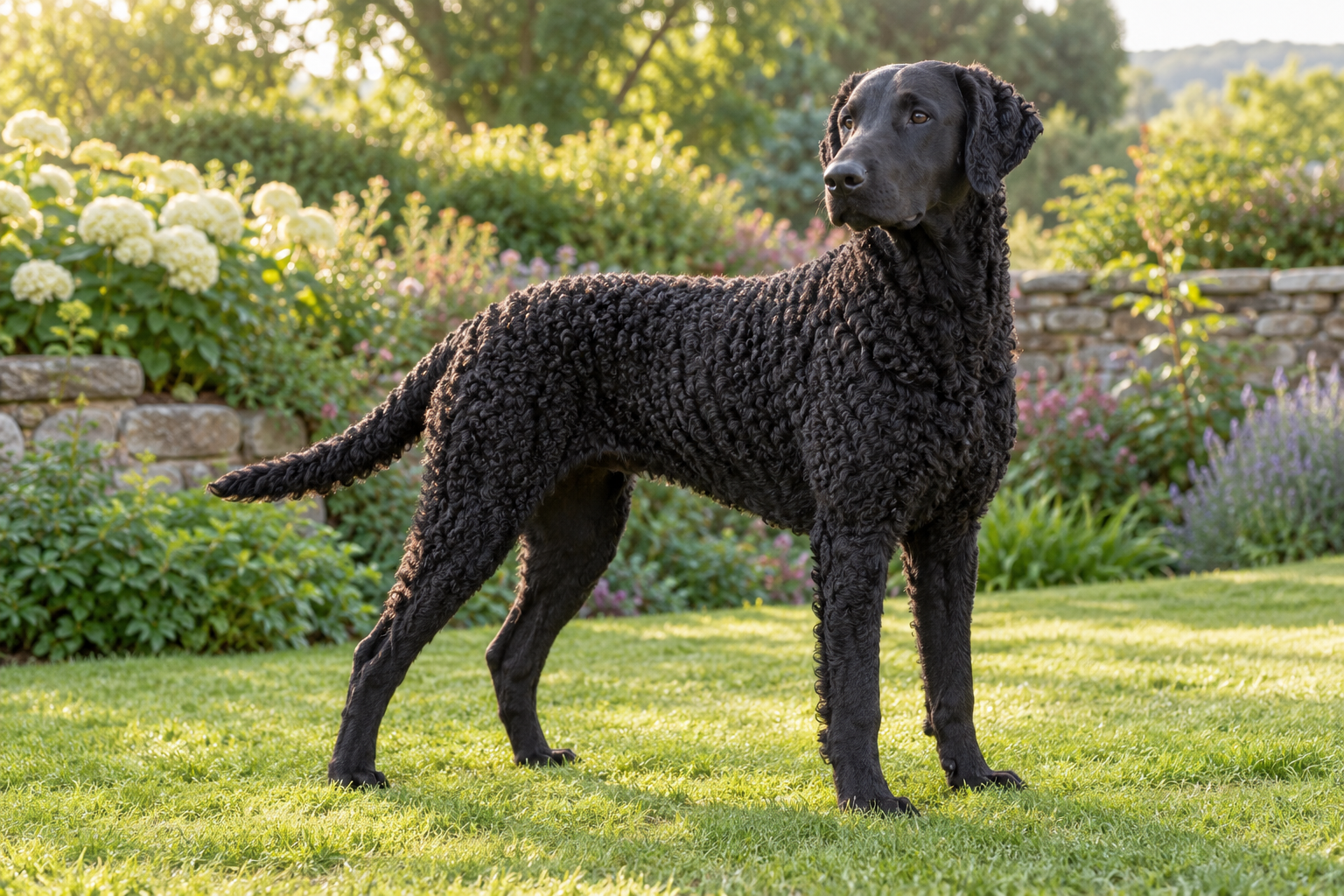 Curly Coated RetrieverLarge • Gundogs (Group 3)
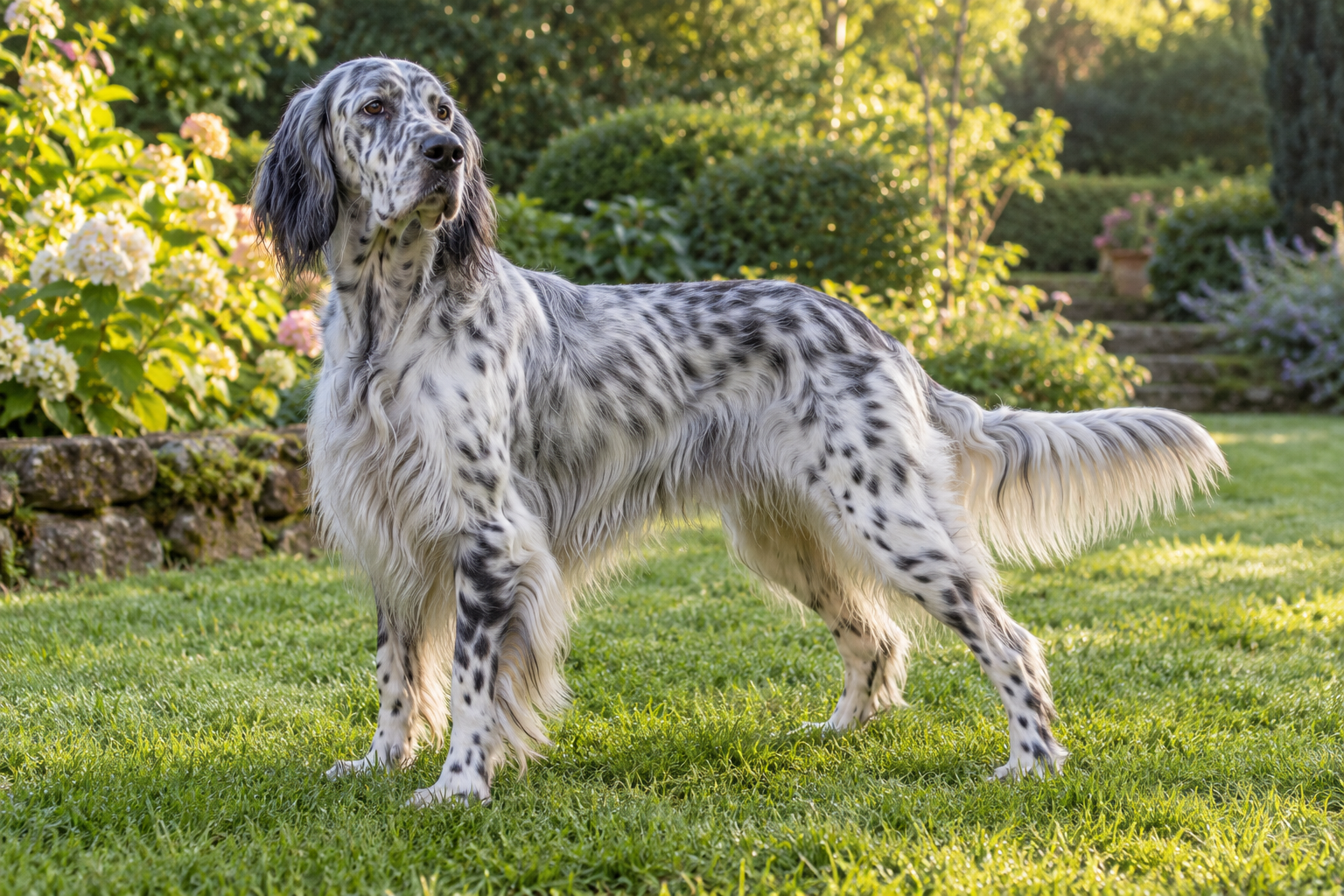 English SetterLarge • Gundogs (Group 3)
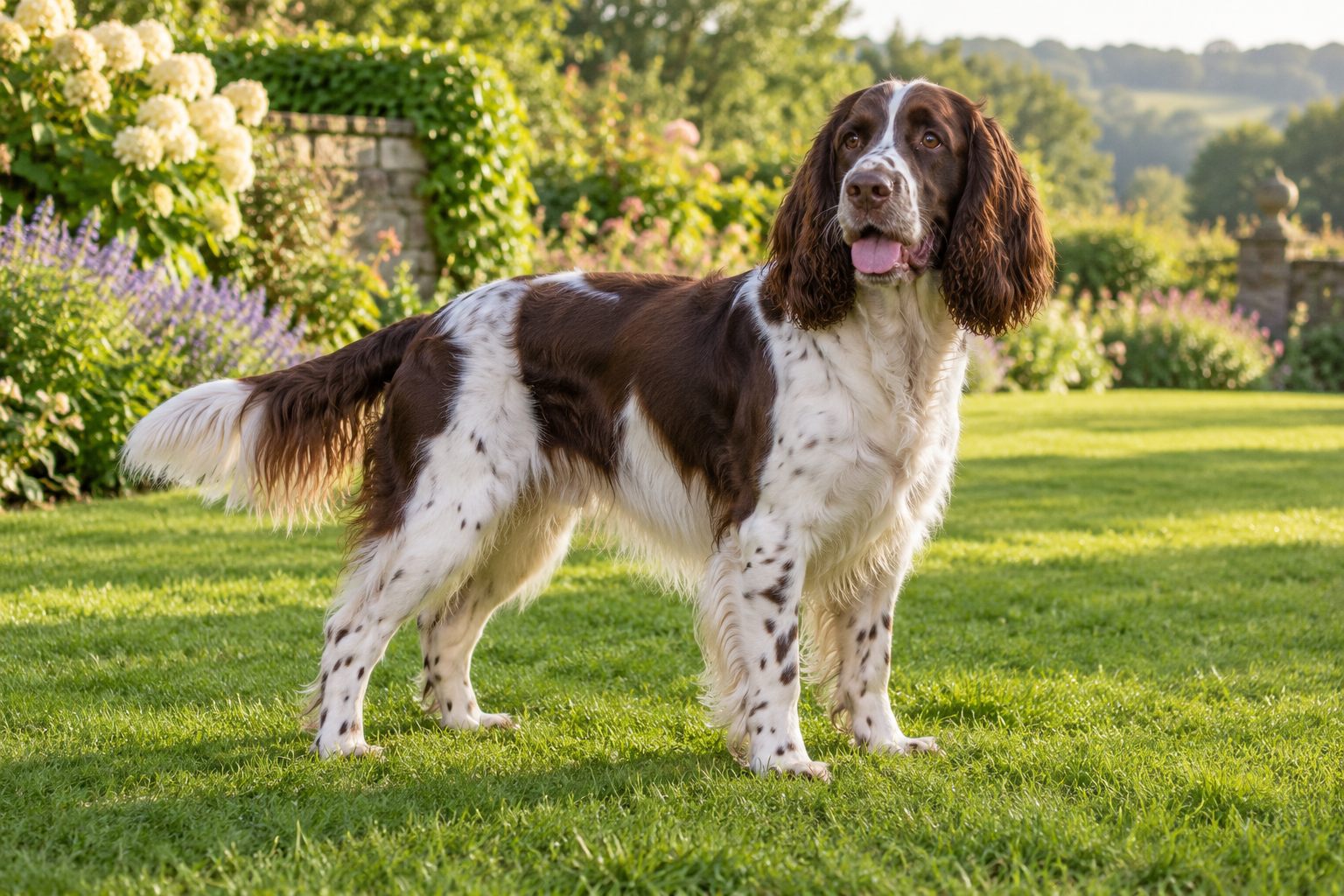 English Springer SpanielMedium • Gundogs (Group 3)