

Clumber Spaniel
By James C. • Updated
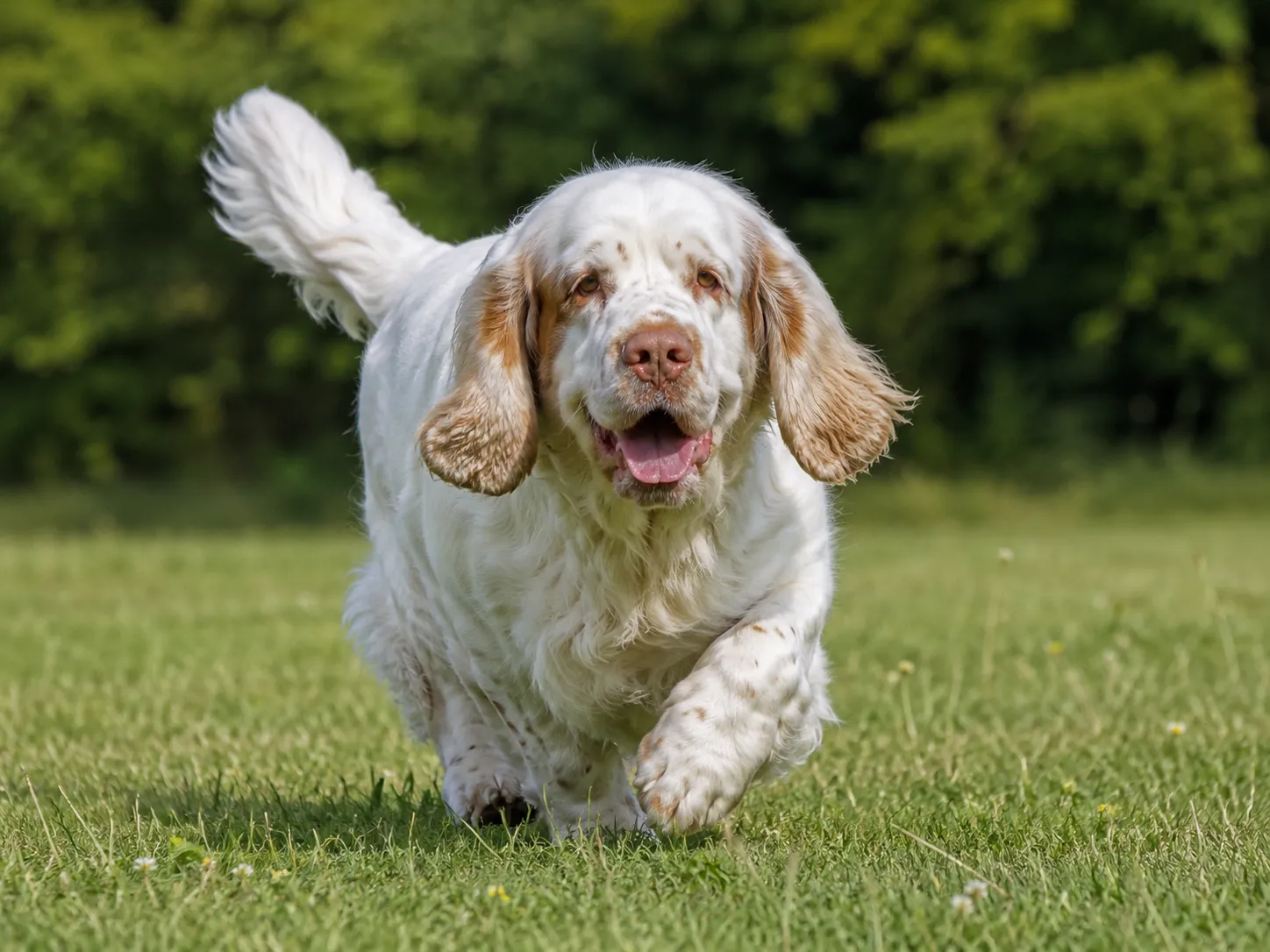
The Clumber Spaniel is a calm, affectionate, and sturdy sporting breed originally developed in England for flushing and retrieving game birds. Known for its heavy build, gentle temperament, and excellent scenting ability, the Clumber Spaniel is less energetic than many other spaniels but remains a capable working dog and devoted family companion.
Breed Overview
Life Span
10 - 12 years
Average Price
AUD 3000 - AUD 5500
Weight
Male: 32 - 39 kg Female: 25 - 32 kg
Height
Male: 46 - 51 cm Female: 43 - 48 cm
Life Expectancy
Male/Female: 10 - 12 years
Breed Group
Gundog / Sporting
Nicknames
Clumber
Breed Information
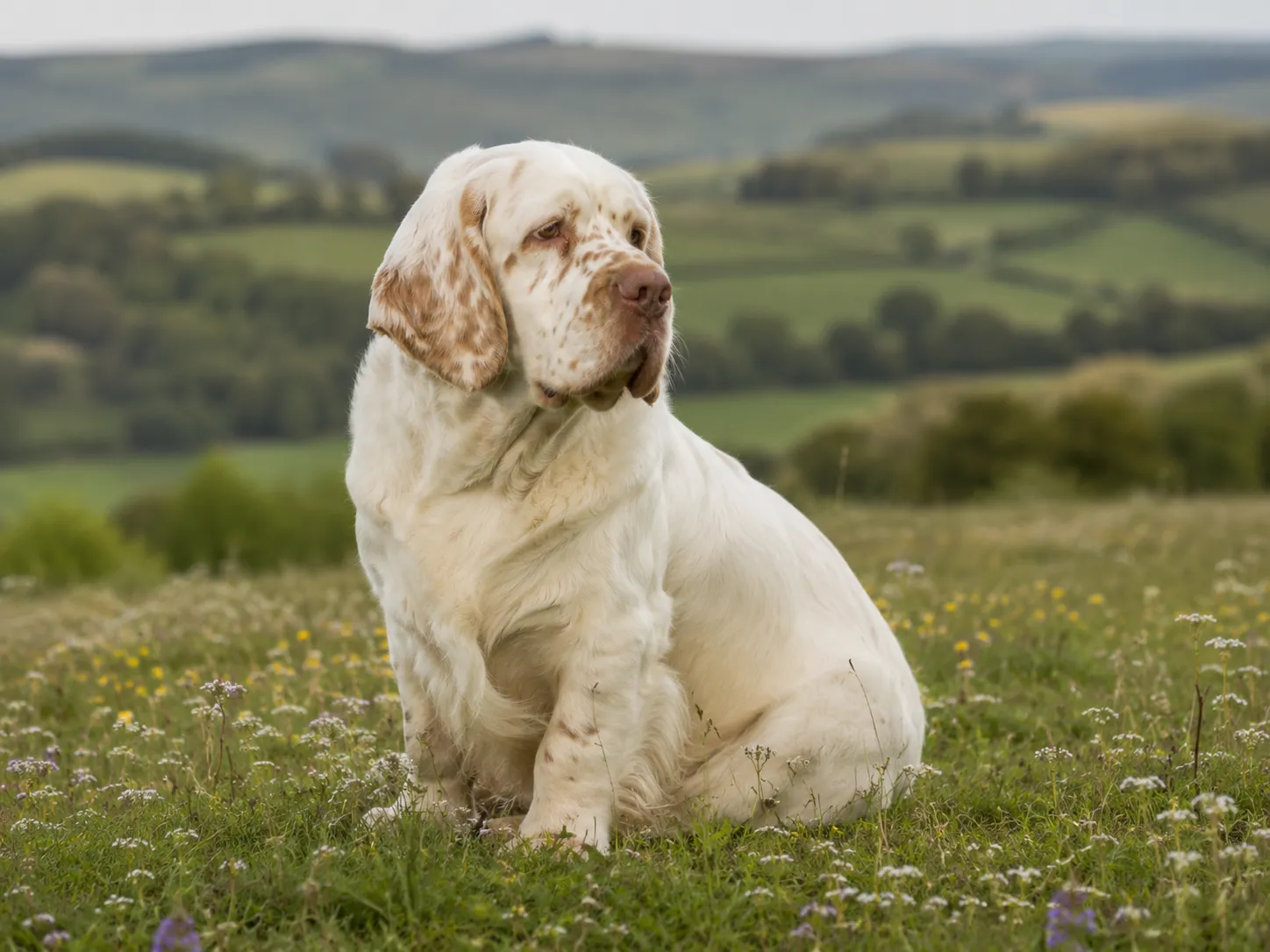
The Clumber Spaniel is the heaviest of all spaniel breeds, developed as a powerful flushing dog capable of working through dense cover with quiet determination. Long, low, and heavy-set, this dignified sporting dog combines stamina with a calm, gentlemanly temperament.
Originally associated with British nobility and developed at Clumber Park in Nottinghamshire, the breed has long been valued as a reliable hunting companion and loyal household member. Its steady pace in the field contrasts with a mellow, affectionate nature at home.
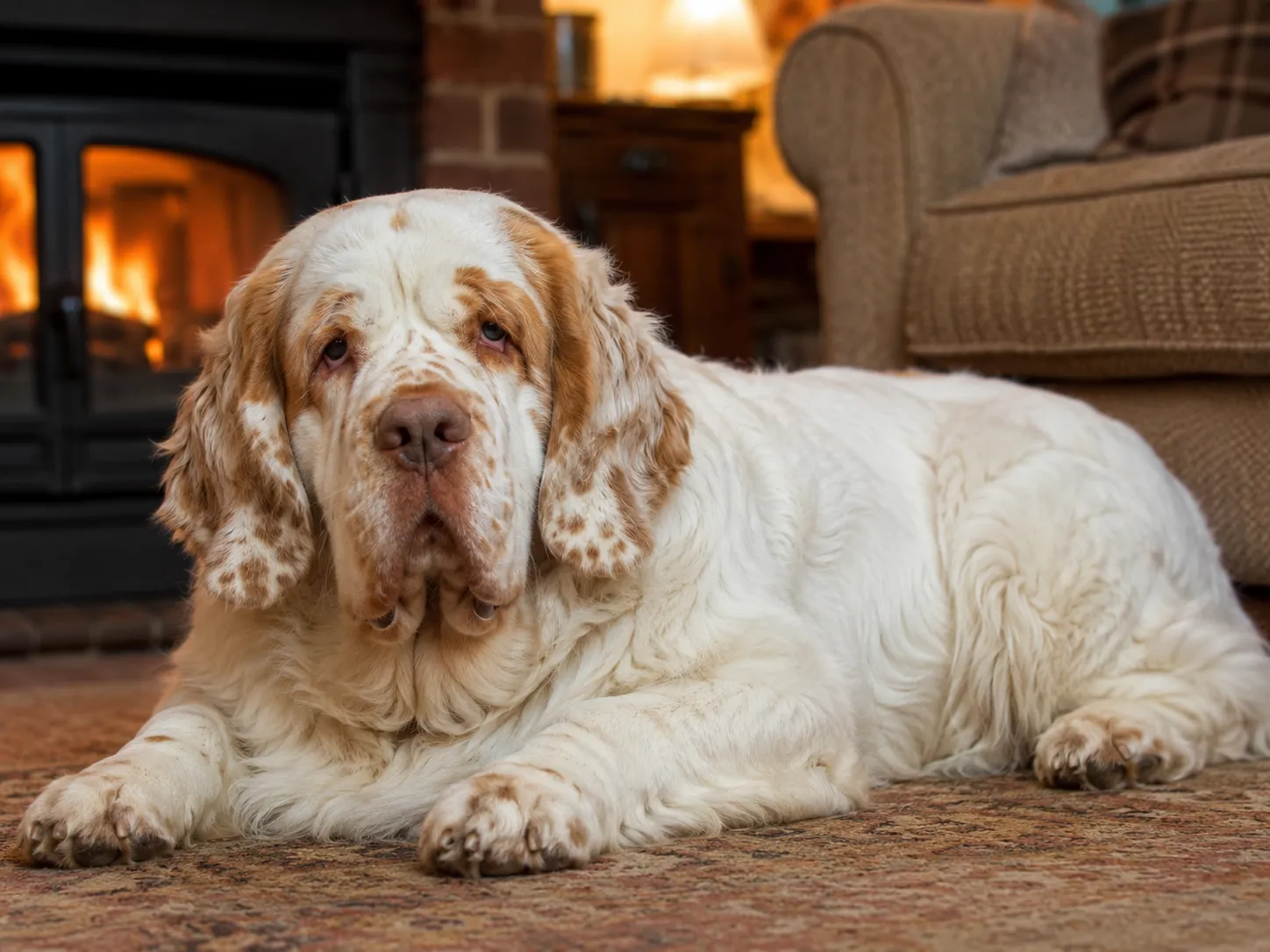
Clumber Spaniels form strong bonds with their families and prefer companionship over isolation. While generally easygoing indoors, they require consistent exercise, weight management, and structured training to remain healthy and well balanced.
This breed is best suited to owners who appreciate a loyal, somewhat reserved gundog, and who can provide space, regular grooming, and firm yet patient guidance. In the right environment, the Clumber Spaniel is a devoted, amusing, and thoroughly dependable companion.
Characteristics of the Clumber Spaniel: What Living With This Heavy-Set Gundog Is Really Like
The Clumber Spaniel is calm, steady, and affectionate, with a slower pace of life compared to many other spaniels, though its heavy coat still needs a long-coat grooming routine. While powerful and capable in the field, this breed is equally content enjoying relaxed time indoors with its family. Below is a practical snapshot of what ownership typically involves.
| Characteristic | Rating | Star Rating (★ out of 5) | What This Means for You |
| Size | Large | ★★★★☆ | A heavy, solid spaniel that needs space to move comfortably indoors and out. |
| Adaptability | Moderate | ★★★☆☆ | Adjusts well to routine home life but prefers quieter environments. |
| Exercise Needs | Moderate | ★★★☆☆ | Around 30–60 minutes daily, plus scent games or field-style activity. |
| Easy to Train | Good | ★★★★☆ | Intelligent and steady, responds well to calm, consistent training. |
| Amount of Shedding | High | ★★★★☆ | Dense double coat sheds regularly, especially seasonally. |
| Grooming Needs | Moderate to High | ★★★★☆ | Weekly brushing required to manage feathering and prevent matting. |
| Good With Children | Very Good | ★★★★☆ | Generally gentle and tolerant, best with respectful older children. |
| Health of Breed | Moderate | ★★★☆☆ | Robust overall but prone to joint and eye concerns. |
| Cost to Keep | Moderate to High | ★★★★☆ | Larger food intake and ongoing grooming increase costs. |
| Tolerates Being Alone | Moderate | ★★★☆☆ | Prefers company but copes with structured routines. |
| Intelligence | High | ★★★★☆ | Strong scenting ability and steady working intelligence. |
Overall, the Clumber Spaniel suits owners who value a loyal, steady companion rather than a high-speed, high-reactivity dog. This breed thrives in country settings or homes with garden access, structured walks, and calm leadership.
History of the Clumber Spaniel: From Noble Estates to Modern Homes
The Clumber Spaniel’s history stretches back to the late 18th century in England, where the breed takes its name from Clumber Park in Nottinghamshire, and its rarity makes careful breeder questioning especially important. The 2nd Duke of Newcastle is widely credited with refining and developing the heavy-set spaniel we recognise today.
One popular theory suggests that spaniels of French origin were presented to the Duke of Newcastle during the French Revolution. Whether French or purely British in development, what is certain is that the breed became closely associated with aristocratic estates and formal shooting parties.
The breed quickly became fashionable among the British nobility. Prince Albert, King Edward VII, and King George V were all enthusiastic supporters of the Clumber Spaniel, helping to preserve and promote the breed during periods of decline.
Clumber Spaniels were among the earliest breeds exhibited at dog shows in England and were officially recognised by the American Kennel Club in 1884. Despite its noble heritage, the Clumber Spaniel is now listed as a Vulnerable Native Breed in the UK, reflecting its relatively low annual registration numbers today.
Appearance of the Clumber Spaniel: Heavy-Boned, Low-Set and Built for Dense Cover
The Clumber Spaniel is the heaviest of all spaniel breeds, designed for strength rather than speed, and noticeably more substantial than the Field Spaniel, a lighter working cousin. Long in body and low to the ground, this substantial gundog carries impressive bone and muscle beneath a calm exterior.
Males stand between 43 and 51 cm and weigh approximately 29.5 to 34 kg. Females fall within the same height range but are slightly lighter at 25 to 29.5 kg. Their solid frame means they require space and careful weight management to protect their joints.
Unlike lighter spaniels, the Clumber’s structure reflects its historical role of working steadily through thick cover, prioritising endurance and scenting ability over agility.
Size and Build of the Clumber Spaniel: Powerful but Balanced Proportions
The body is broad, deep-chested, and heavily boned, giving the breed a strong, grounded stance. The neck is thick and muscular, supporting a notably large head that is square and substantial.
The topline is level, and the dog appears slightly longer than tall. Large, rounded feet provide stability on uneven terrain. Overall, balance is key, with strength evident but without exaggeration.
Coat and Colours of the Clumber Spaniel: Dense, Weather-Resistant and Distinctive
The Clumber Spaniel carries a dense, straight double coat designed to protect against harsh weather and heavy brush. Feathering is prominent on the chest, belly, legs, ears, and tail.
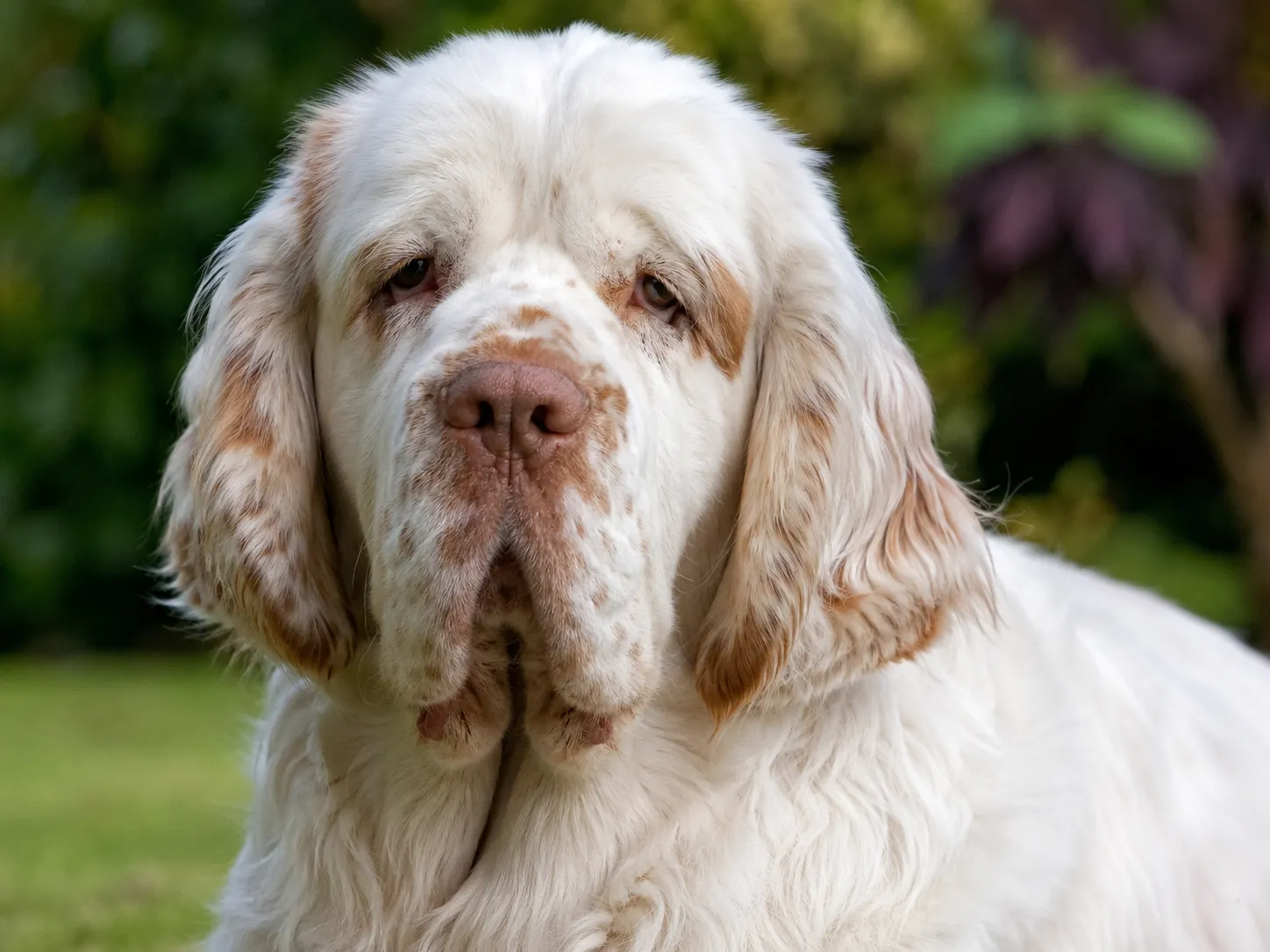
The base colour is predominantly white, highlighted by lemon or orange markings, particularly around the ears and eyes. Light freckling on the muzzle and legs is common and considered typical of the breed.
Distinctive Features of the Clumber Spaniel: Massive Head and Gentle Expression
One of the most recognisable traits is the breed’s massive head with heavy brows and a well-defined stop. Deep-set amber eyes give a thoughtful, sometimes solemn appearance.
Large vine-shaped ears hang forward and are well feathered. The broad muzzle and developed flews contribute to the breed’s dignified look. Together, these features create the unmistakable Clumber expression.
Movement of the Clumber Spaniel: The Characteristic Rolling Gait
Despite their weight and build, Clumbers move freely and steadily. Their gait is smooth, often described as having a slight rolling motion.
This controlled movement reflects their working heritage, enabling them to push methodically through dense undergrowth while maintaining stamina and balance.
Clumber Spaniel Temperament: Gentle, Loyal and Quietly Confident
The Clumber Spaniel temperament is best described as mellow, affectionate, and dependable, though a heavy, low-set breed still benefits from watching for any limp that needs veterinary attention. Often referred to as the “gentleman” of the spaniel group, this breed combines dignity with a deeply loyal nature.
Clumbers form strong bonds with their family and prefer to remain close to their people. They are not overly demanding, yet they thrive on companionship and consistent interaction.
While typically calm indoors, they retain a strong working instinct and enjoy purposeful activity. Their balanced temperament makes them well suited to households seeking a steady, devoted companion.
Personality of the Clumber Spaniel: Affectionate but Thoughtful
Clumber Spaniels are affectionate without being overbearing. They enjoy cuddling and physical closeness, yet they are not hyperactive or constantly seeking stimulation.
An independent streak can occasionally surface. This does not reflect stubbornness as much as a tendency to pause and assess situations before responding. They think before they act.
Although generally good with children and other pets when properly socialised, supervision is always recommended, particularly with younger children.
Behaviour Traits of the Clumber Spaniel: Quiet and Observant
Unlike many gundog breeds, Clumbers are not known for excessive barking. They may alert their family to unusual activity but are not natural watchdogs.
They can be slightly reserved around strangers at first. Early and structured socialisation ensures this reserve does not develop into shyness.
Drooling and snoring are common traits due to their heavy flews and facial structure. Prospective owners should be aware of these natural breed characteristics.
Working Instincts of the Clumber Spaniel: Steady and Determined
Historically bred to flush and retrieve game in heavy cover, the Clumber Spaniel works methodically and with purpose. They are not the fastest spaniels, but they are persistent and thorough.
Their exceptional sense of smell drives their enthusiasm outdoors. Many Clumbers display a natural desire to carry objects, reflecting their retrieving background.
Providing outlets for these instincts through structured games, scent work, or retrieving exercises helps maintain both physical and mental wellbeing.
Clumber Spaniel Intelligence and Trainability: Steady and Sensitive
The Clumber Spaniel intelligence is often underestimated, and patient owners get further by understanding how long training genuinely takes. While not flashy or overly eager in the way some sporting breeds are, Clumbers are thoughtful problem-solvers with strong memory retention.
They tend to process instructions carefully before responding. This deliberate nature can be mistaken for stubbornness, but in reality, they are evaluating the situation.
When training aligns with their temperament, Clumbers become reliable and consistent companions who respond well to clear structure.
Training a Clumber Spaniel Puppy: Early Foundations Matter
Early socialisation is essential. Introducing a Clumber Spaniel puppy to different environments, people, sounds, and experiences builds confidence and prevents reserve from developing into nervousness.
Basic obedience training should begin early using reward-based methods. Harsh corrections are counterproductive, as this breed is sensitive and may withdraw under heavy-handed handling.
Short, engaging sessions work best. Repetition without variety can lead to boredom, so mixing exercises keeps them mentally invested.
Positive Reinforcement and Motivation: What Works Best
Clumbers are highly food motivated, which can be an advantage during training. Treat-based rewards used in moderation encourage responsiveness and focus.
Verbal praise and calm encouragement also reinforce good behaviour. They respond best to patient, consistent handlers who maintain a steady tone.
Because they are natural retrievers, incorporating fetching games and scent-based activities into training strengthens engagement and supports their working heritage.
Common Training Challenges: Thinking Before Acting
One common trait is their tendency to pause before responding to a command. This reflective behaviour is typical for the breed and should not be interpreted as defiance.
They may also become distracted by scents outdoors. Training recall in controlled environments before progressing to open spaces is important.
With consistent leadership and positive reinforcement, the Clumber Spaniel develops into a dependable, polite, and well-adjusted family companion.
Clumber Spaniel Family Life: Children, Pets and Home Dynamics
The Clumber Spaniel temperament with family is one of the breed’s strongest qualities, and you can see Clumber Spaniel litters listed in Australia if the breed suits you. Gentle, affectionate and steady, they form deep bonds with their household and thrive on companionship.
They are often described as “gentlemanly” in the home. Calm indoors yet playful when invited, Clumbers adapt well to family routines as long as they are included.
While not overly demanding, they do not enjoy long periods of isolation. Close contact with their people is important for emotional wellbeing.
Clumber Spaniel and Children: Patient but Supervised
Clumbers are generally patient with children and tolerant of respectful handling. Their solid build makes them sturdier than many spaniels, which can be helpful in family settings.
However, supervision is essential, especially with very young children. Their large size and heavy body mean accidental bumps can happen during play.
Teaching children how to interact calmly and respectfully with dogs ensures positive relationships and builds mutual trust.
Living With Other Dogs and Pets: Calm Introductions Matter
The Clumber Spaniel can live harmoniously with other dogs when properly socialised. Some may initially appear reserved, but they usually warm up once familiar.
Early exposure to other pets supports smoother household integration. Their hunting background means supervision around small animals is wise.
Clear boundaries, structured introductions, and consistent training help maintain a peaceful multi-pet home.
Ideal Home Environment: Space and Companionship
Although they can adapt to suburban living, Clumbers are best suited to homes with space and regular outdoor access.
They appreciate a secure garden where they can explore scents, though daily walks remain essential regardless of yard size.
Families who value a loyal, affectionate and steady companion will find the Clumber Spaniel a devoted and dependable member of the household.
Clumber Spaniel Health: Common Issues and Lifespan
The Clumber Spaniel lifespan typically ranges between 10 and 12 years. While generally considered a robust and sturdy breed, their heavy build and long body do create certain health considerations prospective owners should understand.
Responsible breeding, early screening, and maintaining a healthy weight significantly reduce many of the breed’s known risks. Regular veterinary check-ups are essential throughout all life stages.
Understanding common conditions allows owners to spot early signs and seek prompt care.
Orthopaedic Concerns: Hip and Elbow Dysplasia
Due to their size and bone structure, Clumbers can be prone to hip and elbow dysplasia. These hereditary joint conditions may cause stiffness, reluctance to exercise, or lameness.
Maintaining an appropriate weight is critical. Excess weight places additional strain on joints and can worsen symptoms.
Reputable breeders conduct hip and elbow testing before breeding to minimise inherited risk.
Spinal Conditions: Intervertebral Disc Disease (IVDD)
The Clumber’s long back increases susceptibility to intervertebral disc disease (IVDD). This condition can range from mild back pain to more severe mobility issues.
Owners should avoid activities that place strain on the spine, such as frequent jumping from heights.
Early veterinary attention improves outcomes significantly if symptoms arise.
Eye Conditions: Entropion and Ectropion
Clumbers may experience eyelid abnormalities such as entropion or ectropion, where the eyelid rolls inward or outward.
These conditions can cause irritation, tearing, and discomfort. Surgical correction may be required in more serious cases.
Routine eye checks help detect issues early.
Ear Infections and Skin Concerns
Their heavy, low-set ears can limit airflow, creating a warm environment where bacteria or yeast may develop. Regular cleaning reduces the risk of infection.
Skin fold areas around the head should also be checked and kept clean and dry.
Preventative Health Screening
Responsible breeders should conduct:
- Hip evaluation
- Elbow evaluation
- Ophthalmologist eye examination
- DNA testing for PDP-1 deficiency
- Screening for exercise-induced collapse (EIC) where applicable
Choosing a breeder who follows recognised health schemes significantly improves long-term outcomes.
With proactive care, appropriate exercise, and sound breeding practices, the Clumber Spaniel can live a healthy and fulfilling life.
Caring for a Clumber Spaniel: Daily Needs and Routine
Owning a Clumber Spaniel requires steady commitment rather than constant intensity. Although they appear relaxed and gentlemanly indoors, they still need structured exercise, grooming, and companionship to remain healthy and content.
Their heavy bone, strong scent drive, and affectionate nature shape their daily care requirements. A predictable routine suits them best.
Exercise Needs of the Clumber Spaniel
Despite their lumbering appearance, Clumbers benefit from 20 to 60 minutes of daily exercise. Long, steady walks with opportunities to sniff are ideal.
They enjoy retrieving games, gentle hikes, and especially swimming. While not built for speed, they have good stamina and enjoy purposeful outdoor activity.
Mental stimulation is equally important. Nose work and structured play keep them engaged.
Grooming Requirements and Coat Care
The Clumber’s dense, straight coat sheds moderately throughout the year and more heavily during seasonal changes. Brushing two to three times per week helps remove loose hair and prevent matting.
Pay particular attention to feathering on the ears, chest, legs, and belly. These areas can tangle more easily.
Monthly bathing is usually sufficient unless the dog works regularly in the field.
Ear, Eye, and Skin Maintenance
Low-set ears require routine cleaning to prevent infections. Always dry ears thoroughly after swimming or bathing.
Check the folds around the head and wipe gently with a damp cloth to prevent moisture build-up.
Eyes should be inspected regularly for redness or discharge.
Weight Management and Nutrition
Clumbers are food-motivated and prone to weight gain. Maintaining a lean body condition is crucial for joint and spinal health.
Feed a high-quality diet appropriate for large breeds, and divide meals into two portions daily to reduce the risk of bloat.
Limit treats and monitor body condition regularly.
Social and Emotional Needs
Clumber Spaniels thrive on companionship. They form strong bonds with their families and prefer being near their people.
Extended periods alone may lead to boredom or mild separation distress. An ideal home provides regular interaction and inclusion in daily life.
With steady care and consistent routines, the Clumber Spaniel becomes a loyal and dependable household companion.
Clumber Spaniel Grooming Guide: Coat, Ears and Overall Care
The Clumber Spaniel’s dense white coat is beautiful but practical. Originally developed to work in thick cover, it protects against harsh conditions while collecting debris easily. Consistent grooming keeps the coat healthy and the dog comfortable.
Although not a high-maintenance trim breed, Clumbers do require regular hands-on care.
Coat Care and Brushing Routine
Brush your Clumber Spaniel at least two to three times per week using a slicker brush and medium comb. This removes loose hair, prevents matting, and distributes natural oils.
Seasonal shedding increases in spring and autumn. During these periods, more frequent brushing helps manage loose undercoat.
Light trimming around the feet and ears may be done for tidiness, but extensive clipping is unnecessary.
Bathing and Skin Health
Bathing every six to eight weeks is typically sufficient for a pet Clumber. Working dogs may need more frequent washing.
Use a mild dog shampoo to avoid skin irritation. After bathing, dry thoroughly, especially in skin folds and feathered areas.
Check for signs of redness, dryness, or unusual lumps during grooming sessions.
Ear Care for Long, Low-Set Ears
Clumbers are prone to ear infections due to restricted airflow in their long ears.
Clean ears regularly using a vet-approved ear cleanser. Always dry ears completely after water exposure.
Watch for signs such as redness, unpleasant odour, or excessive scratching.
Nail and Dental Care
Trim nails monthly to prevent overgrowth, which can affect gait and joint health.
Regular tooth brushing and dental chews help reduce plaque build-up. Because Clumbers can drool, wiping around the mouth after meals keeps the area clean and prevents irritation.
A steady grooming routine not only maintains appearance but supports the overall health of the Clumber Spaniel.
Exercise Needs of the Clumber Spaniel: Moderate but Meaningful Activity
Despite their heavy, low-set build, the Clumber Spaniel is far from inactive. Bred to work steadily through dense cover, they benefit from structured daily exercise that supports both body and mind. While they are not high-energy in the way some spaniels are, regular activity is essential to prevent weight gain and joint strain.
Daily Exercise Requirements
An adult Clumber typically needs 30 to 60 minutes of exercise per day. This can include steady walks with opportunities to sniff, as scent work is deeply satisfying for the breed. Puppies should have shorter, controlled sessions to protect developing joints, while seniors may require gentler routines.
Suitable Activities for Clumbers
Clumbers enjoy activities that engage their natural retrieving and scenting instincts. Ideal options include:
- Scent trails and nose work games
- Gentle retrieving sessions in a secure garden
- Long countryside walks with varied terrain
- Supervised swimming in safe water
They are not built for repetitive high-impact sports or excessive running on hard surfaces.
Exercise Precautions
Because of their long back and heavy frame, overexertion can increase the risk of joint stress or spinal strain. Avoid intense jumping or abrupt twisting movements, particularly in young dogs. In warmer months, monitor closely for heat sensitivity and ensure access to shade and fresh water.
Feeding the Clumber Spaniel: Supporting Joint Health and Weight Control
Nutrition plays a vital role in maintaining the Clumber Spaniel’s long-term health. Their sturdy build and predisposition to joint conditions mean weight management is critical throughout life.
Nutritional Requirements
A high-quality, complete large-breed formula is recommended. Look for balanced protein levels to support muscle mass without excess calories. Controlled fat content helps prevent obesity, while appropriate calcium and phosphorus ratios support skeletal health.
Feeding Schedule by Life Stage
- Puppies: Three to four meals daily until around six to eight months of age
- Adults: Two measured meals per day to reduce bloat risk
- Seniors: Adjusted calorie intake with possible joint-support supplements
Consistency in feeding times helps digestion and routine.
Portion Control and Weight Monitoring
Clumbers are typically food motivated and may overeat if given the opportunity. Regular body condition checks and vet guidance ensure the dog maintains a healthy shape. Obesity significantly increases the risk of hip dysplasia, spinal issues, and reduced lifespan.
Special Dietary Considerations
Some individuals may require joint supplements such as glucosamine or omega-3 fatty acids. Dogs prone to allergies may benefit from limited-ingredient diets. Always consult a veterinarian before introducing supplements or making significant dietary changes.
Clumber Spaniel Price and Ongoing Costs in Australia
Before bringing a Clumber Spaniel home, it is important to understand the financial commitment involved. As a large, pedigree gundog with health screening requirements, this breed is not inexpensive to purchase or maintain.
Careful budgeting ensures you can provide proper lifelong care.
Purchase Price in Australia
A well-bred Clumber Spaniel puppy from a registered breeder typically ranges between:
- $3,000 to $5,500 AUD, depending on lineage, health testing, and breeder reputation
- Higher pricing may apply for show-quality bloodlines
Because the Clumber Spaniel is considered a Vulnerable Native Breed in the UK and relatively uncommon in Australia, waiting lists are common.
Always prioritise breeders who complete recommended health testing, including hip, elbow, and eye screening.
Initial Setup Costs
Beyond the purchase price, expect additional one-off expenses such as:
- Crate and bedding suitable for a large breed
- Food and water bowls
- Collar, harness, and lead
- Initial vaccinations and microchipping
- Desexing, if not already completed
- Puppy training classes
Initial setup can total $800 to $1,500 AUD depending on quality of equipment and veterinary fees.
Ongoing Monthly Expenses
Monthly costs for a Clumber Spaniel may include:
- High-quality large-breed dog food
- Routine parasite prevention
- Grooming tools and occasional professional grooming
- Pet insurance premiums
- Routine veterinary care
On average, ongoing costs may range between $150 to $300 AUD per month, excluding emergencies.
Because Clumbers can be prone to joint and spinal issues, pet insurance is strongly recommended.
Long-Term Financial Considerations
Large breeds often incur higher medication and surgical costs. Conditions such as hip dysplasia or spinal disc disease can require significant veterinary intervention.
Planning ahead for potential health expenses ensures you can provide consistent care throughout their 10 to 12 year lifespan.
Owning a Clumber Spaniel is a meaningful commitment that extends beyond affection and companionship into responsible financial planning.
Buying Advice: Finding a Responsible Clumber Spaniel Breeder
Because the Clumber Spaniel is relatively uncommon in Australia, finding a well-bred puppy requires patience and research. This is not a breed you should purchase impulsively.
Responsible sourcing protects both the puppy and the future of the breed.
Choose a Registered Breeder
Look for breeders registered with Dogs Australia or a recognised state canine body. Ethical breeders will:
- Health test breeding dogs for hip and elbow dysplasia
- Conduct eye examinations
- Screen for relevant genetic conditions
- Provide pedigree documentation
- Raise puppies in a clean, socialised home environment
Avoid sellers who cannot provide proof of health testing.
Ask About Health Testing
Clumber Spaniels can be predisposed to joint issues, eye conditions such as entropion, and spinal concerns. Reputable breeders will openly discuss:
- Hip and elbow scores
- Eye certification results
- DNA testing where applicable
- Family health history
Transparency is a positive sign of responsible breeding.
Expect a Waiting List
Because this breed is not common, most ethical breeders maintain waiting lists. Be prepared to answer questions about your home environment, experience, and plans for the dog.
A breeder who carefully screens buyers is acting in the best interest of the breed.
Consider Rescue
Although uncommon, Clumber Spaniels do occasionally enter breed rescue. Adult dogs may be available through spaniel rescue organisations.
Adopting an adult Clumber can be a rewarding alternative for families open to providing a second chance home.
Taking time to choose the right breeder ensures you welcome a healthy, well-adjusted Clumber Spaniel into your life.
Is the Clumber Spaniel Right for You?
The Clumber Spaniel is not a high-energy, fast-paced dog. Instead, this breed suits owners who value companionship, steadiness, and a calm household presence. Before committing, it is important to consider lifestyle, space, and time availability.
This breed is best suited to families wanting a gentle and affectionate large dog, homes with enough space for a sturdy build, and owners who enjoy daily walks alongside scent-based activities. Clumbers thrive where companionship is consistent and where they can remain closely involved in family life.
They may not be ideal for very small apartments without outdoor access, for people seeking a highly energetic sporting partner, or for households where the dog will be left alone for extended periods. Their shedding, drooling, and slow maturation require patience and regular care.
If you are looking for a loyal, steady, and gentlemanly companion, the Clumber Spaniel can be a deeply rewarding addition to the right home.
Frequently Asked Questions
Related Breeds
Other sporting breeds on Pups4Sale.
 Cocker SpanielMedium • Sporting / Gundog
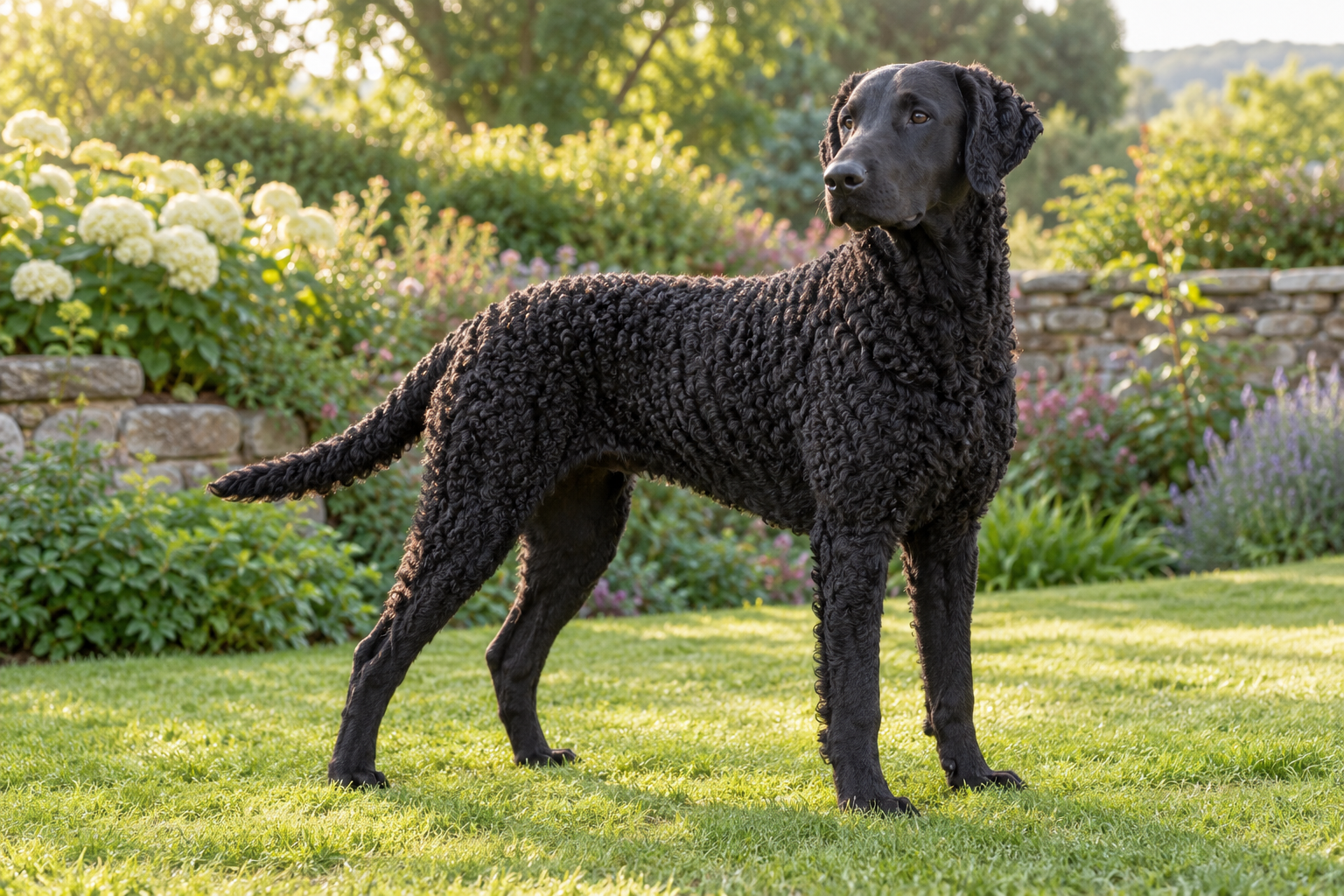 Curly Coated RetrieverLarge • Gundogs (Group 3)
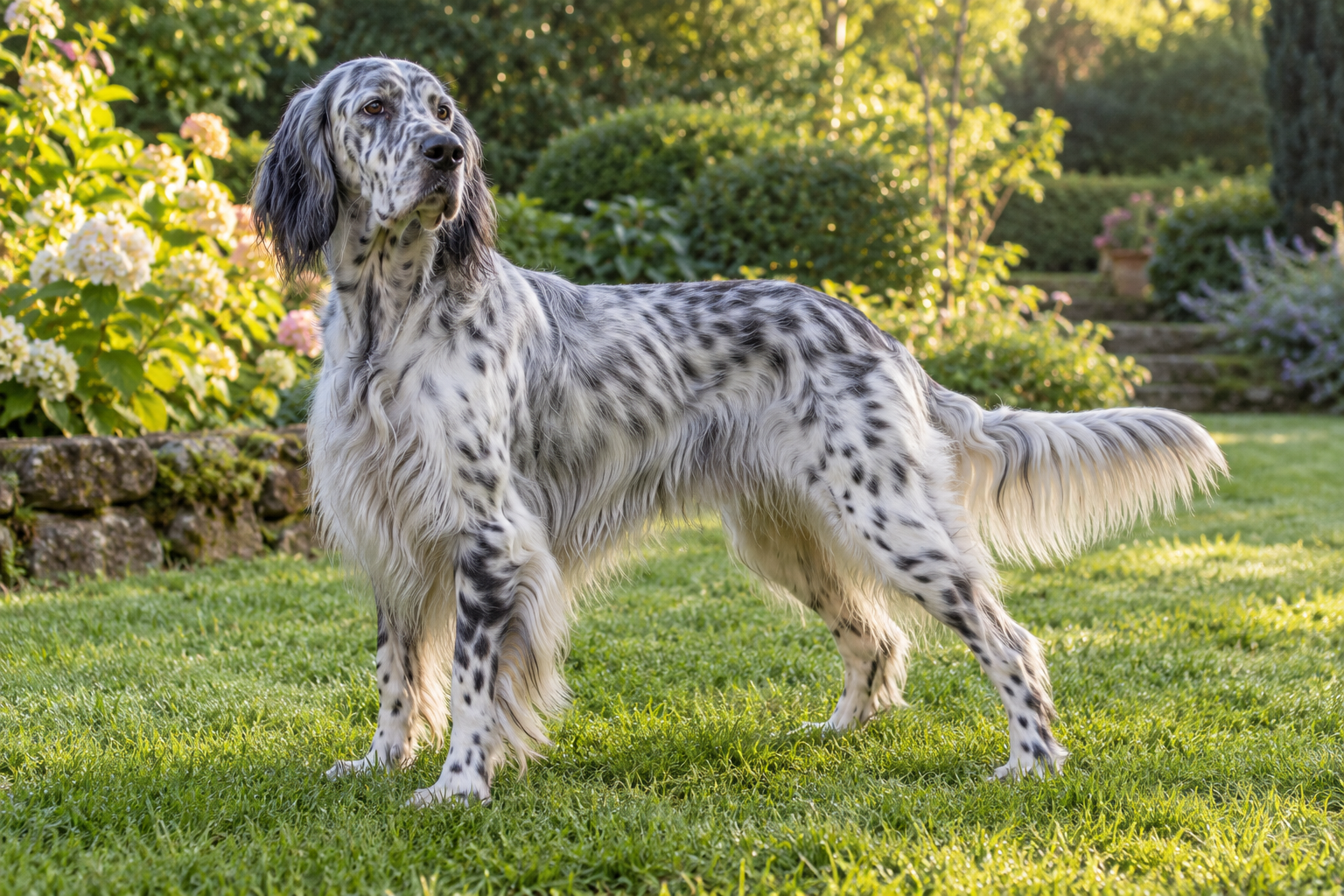 English SetterLarge • Gundogs (Group 3)
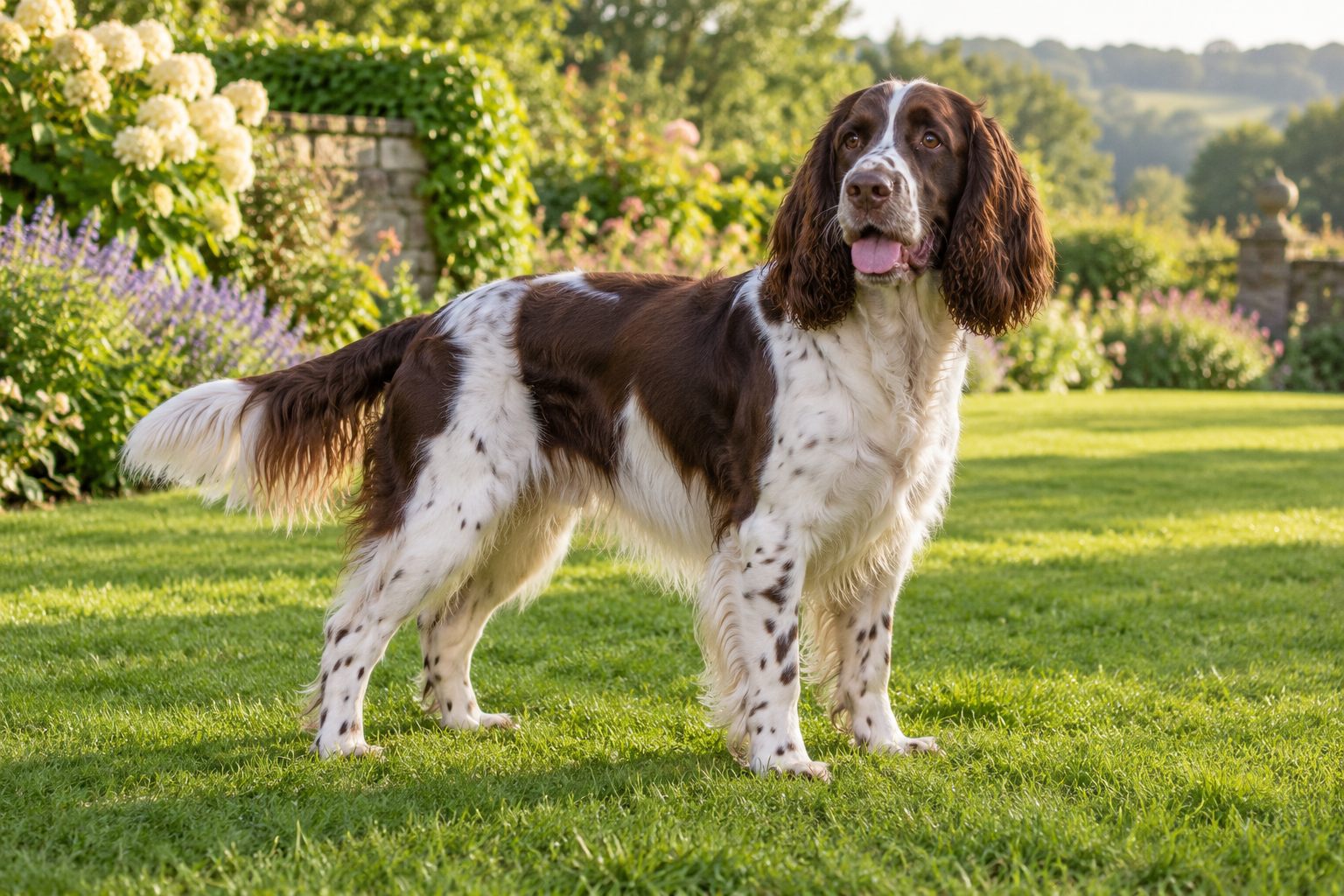 English Springer SpanielMedium • Gundogs (Group 3)
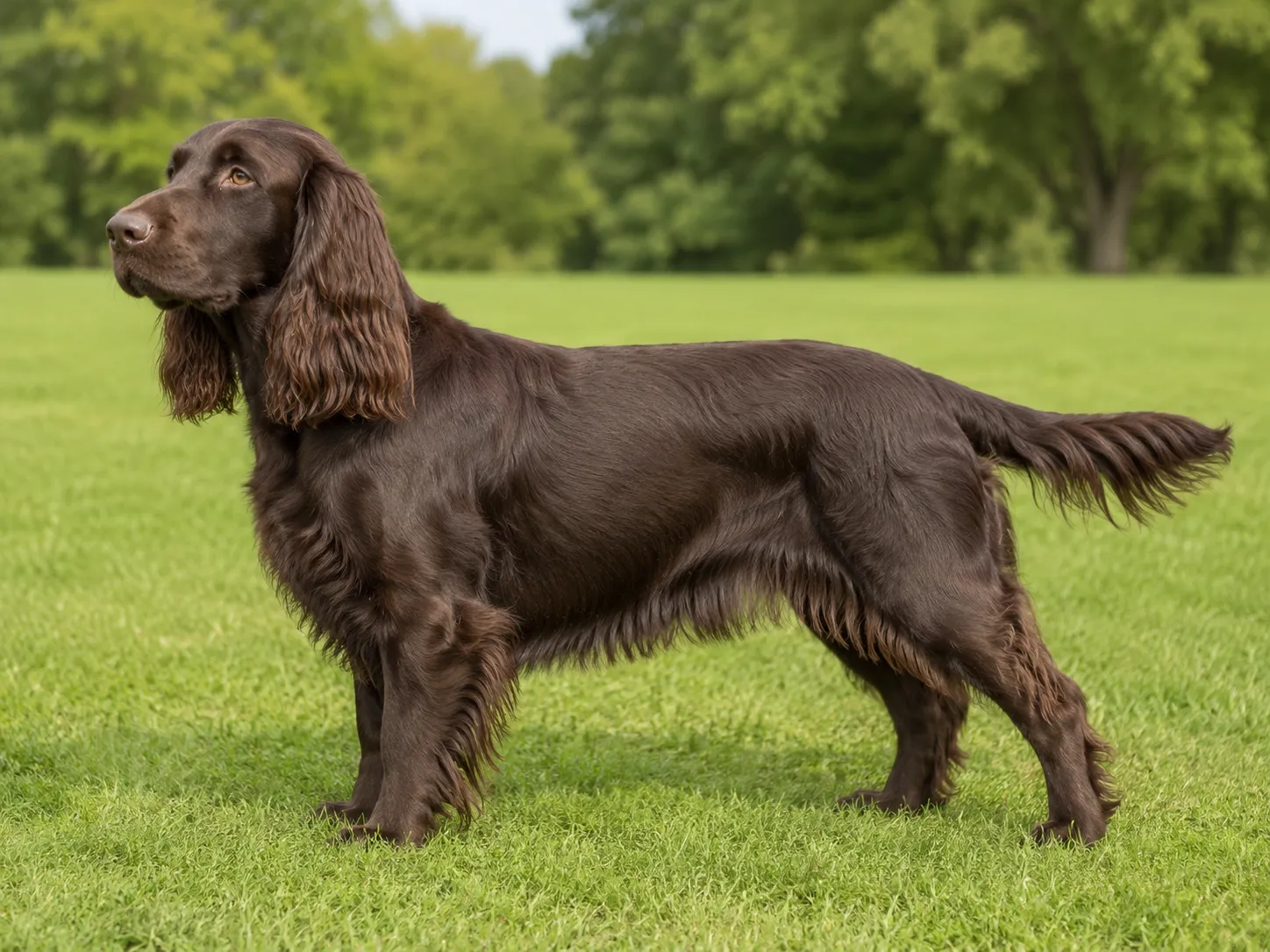 Field SpanielMedium • Gundog / Sporting
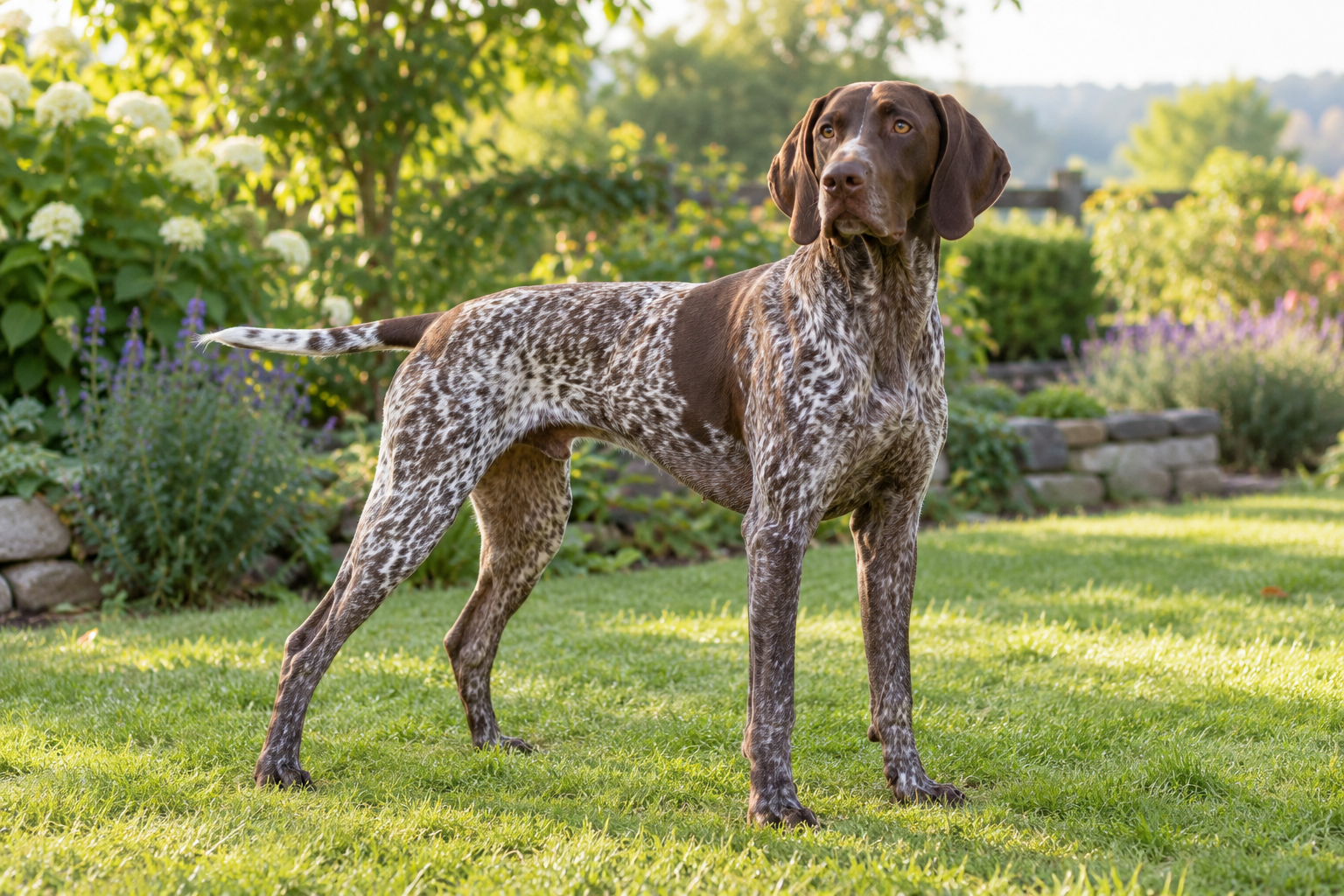 German Shorthaired PointerLarge • Gundogs (Group 3)