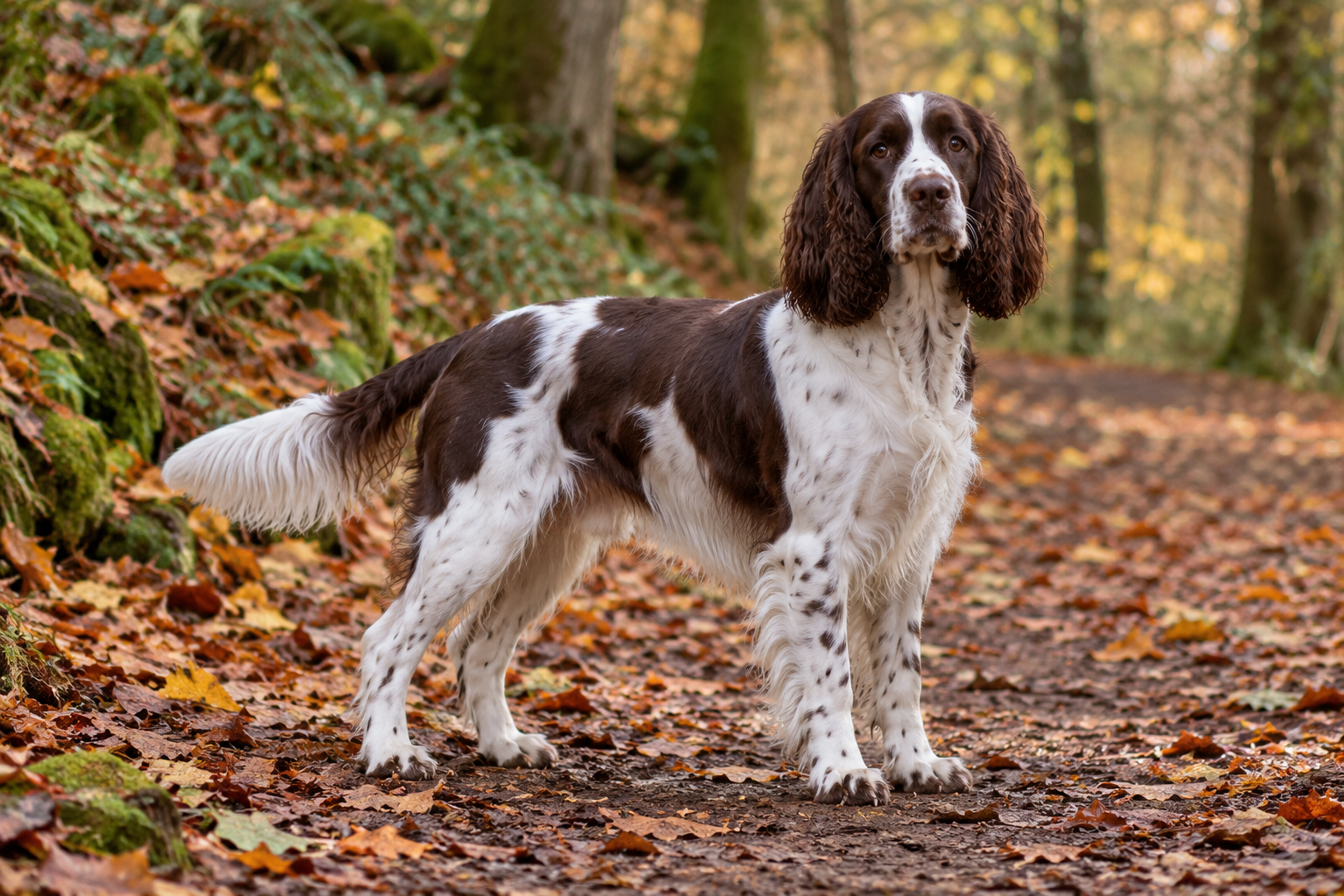
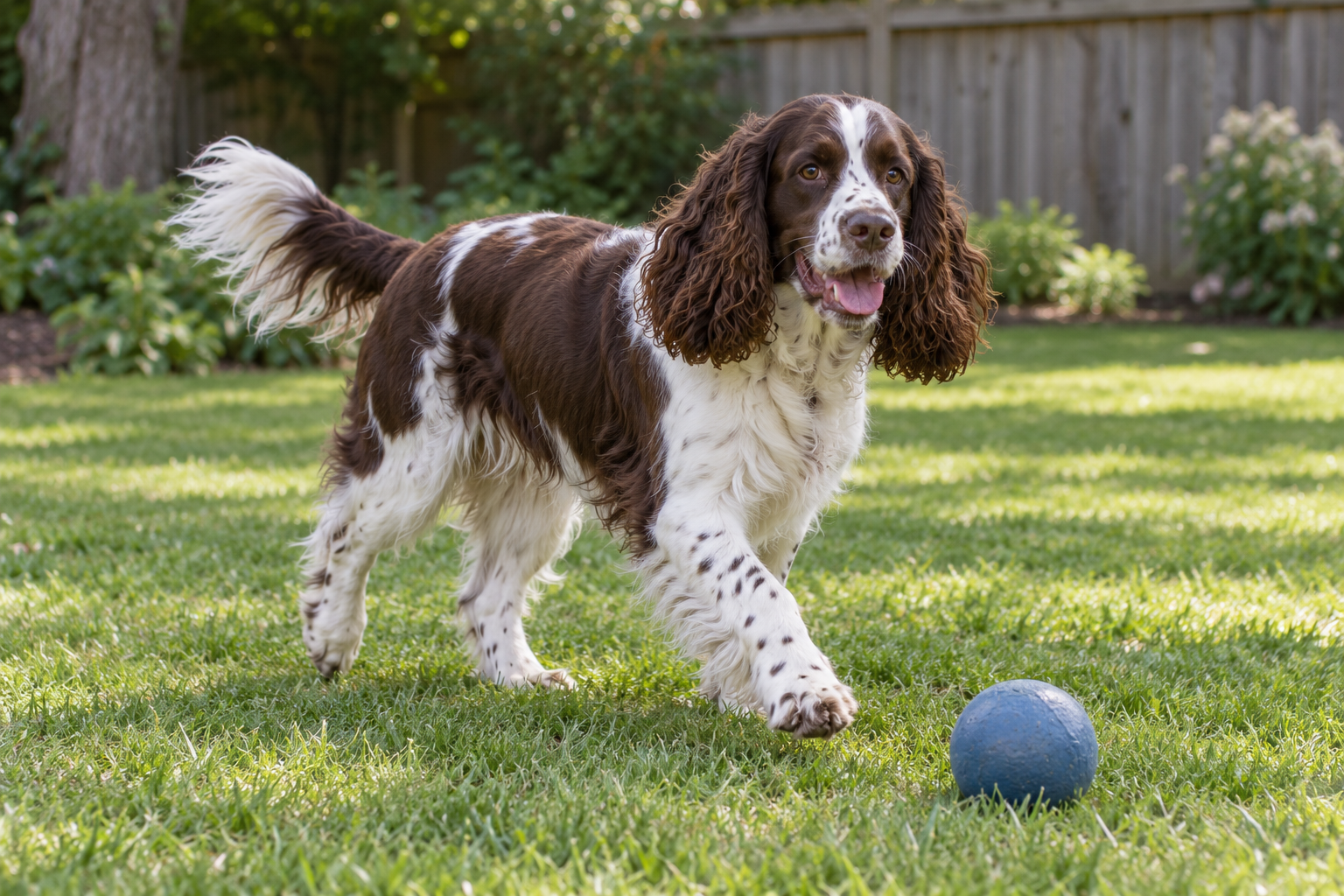
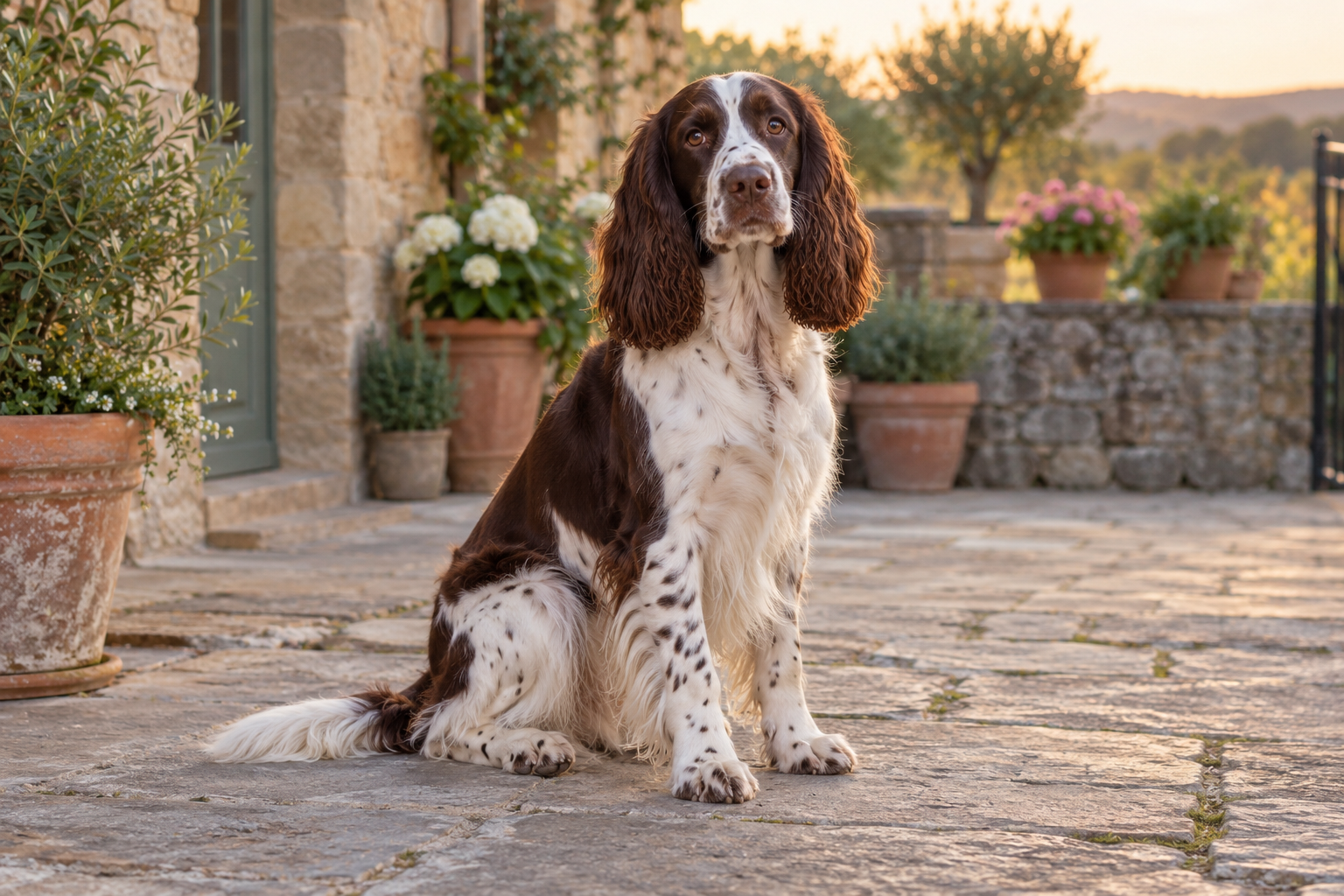
English Springer Spaniel
By James C. • Updated
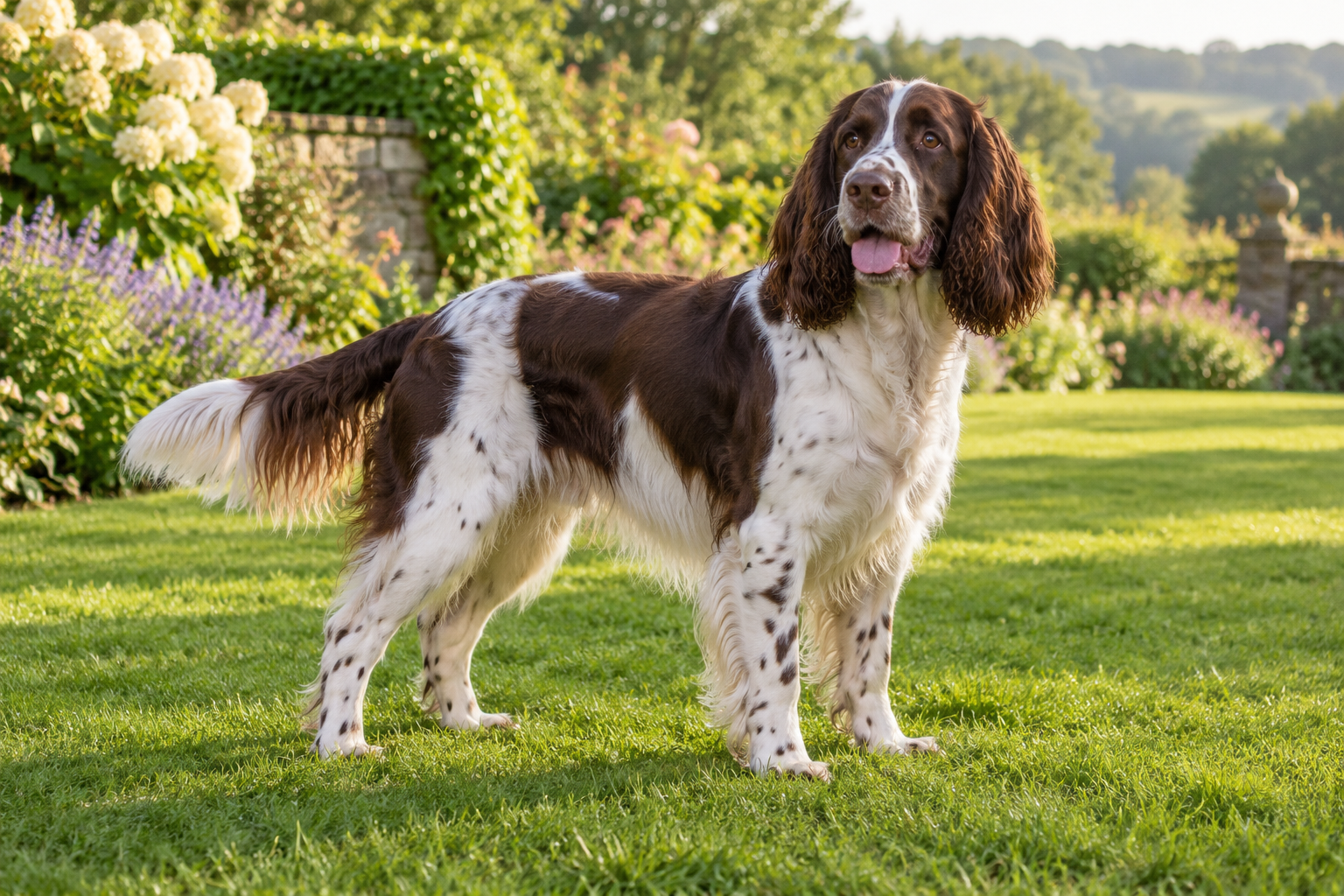
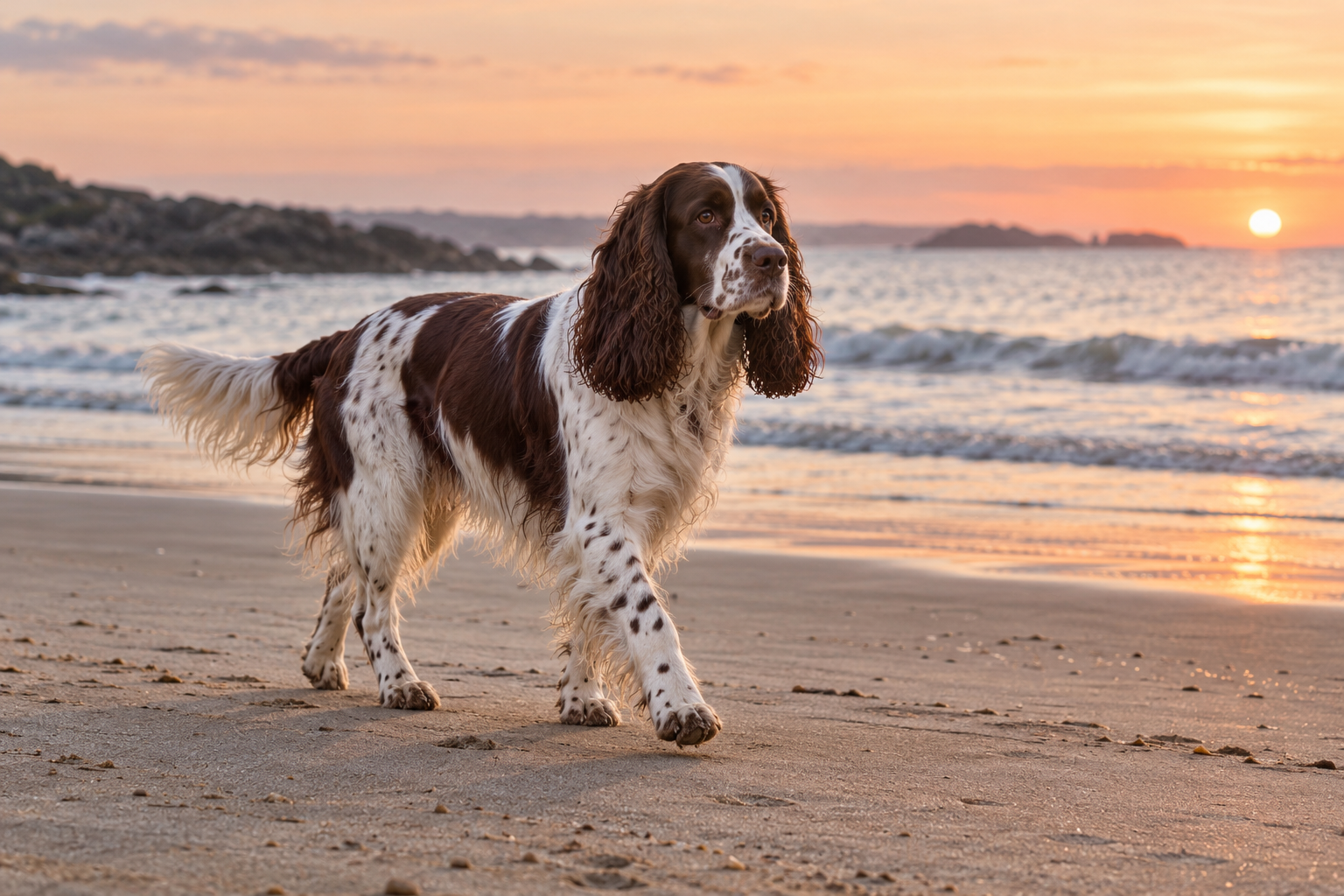
The English Springer Spaniel is a medium-sized British flushing gundog, bred to find game and "spring" it into the air for the hunter. It is friendly, biddable and very energetic, and is equally at home as a family companion or a working dog in the field. The breed standard gives a height of approximately 51 cm, and most adults weigh about 18 to 25 kg. Show lines are heavier with longer feathering, while working lines are lighter, shorter-coated and more driven. A UK study of nearly 18,000 English Springers found a median lifespan of 13.5 years.
Breed Overview
Life Span
12 - 15 years
Average Price
AUD 2500 - AUD 4500
Weight
Male: 20 - 25 kg Female: 18 - 23 kg
Height
Male: 49 - 53 cm Female: 46 - 50 cm
Life Expectancy
Male/Female: 12 - 15 years
Breed Group
Gundogs (Group 3)
Nicknames
Springer, ESS, English Springer
Breed Information
The English Springer Spaniel is a medium-sized, high-energy flushing gundog that is friendly, biddable and deeply affectionate, and it is one of the most popular family gundogs in the English-speaking world. Dogs Australia recognises it in the Gundog group, and its breed standard describes a friendly, happy, biddable disposition, with timidity or aggression highly undesirable. Its job was to find birds in thick cover and flush, or spring, them for the hunter.
When people search for a "springer spaniel", they usually mean this breed, but there are two springers. The Welsh Springer Spaniel is a separate, slightly smaller breed that comes only in red and white. The Cocker Spaniel is smaller again, and the two English breeds were separated mainly by size in the early twentieth century.
Springers bring enthusiasm to everything, from a walk to a training session to greeting visitors. That makes them joyful companions for active households and a real handful for families who underestimate how much exercise and occupation they need. Whether you choose a show-line or working-line dog matters more in this breed than in most.
Characteristics of the English Springer Spaniel
The English Springer Spaniel rates very highly for exercise needs, trainability and friendliness, while its energy and moderate grooming are the traits most often underestimated.
| Trait | Rating | Star Rating | Meaning |
|---|---|---|---|
| Size | Medium | ★★★ | About 51 cm and 18 to 25 kg, compact and athletic. |
| Adaptability | Moderate | ★★★ | Adapts to most homes if exercised, but needs outdoor time. |
| Exercise Needs | Very High | ★★★★★ | Around two hours daily, more for working-line dogs. |
| Easy to Train | Very High | ★★★★★ | Biddable, food motivated and eager to work with people. |
| Amount of Shedding | Moderate | ★★★ | Sheds year round, more noticeably in spring and autumn. |
| Grooming Needs | Moderate | ★★★ | Brushing once or twice weekly and regular feathering trims. |
| Good With Children | Excellent | ★★★★★ | Friendly and playful, though bouncy with small children. |
| Health | Good | ★★★★ | Long-lived, with ears, eyes and joints to watch. |
| Cost to Keep | Moderate | ★★★ | Average food costs, plus grooming and ear care. |
| Tolerates Being Alone | Low | ★★ | Sociable and active, and prone to barking or chewing when bored. |
| Intelligence | High | ★★★★ | Quick learner with a strong working nose. |
History of the English Springer Spaniel: From Flushing Dog to Family Favourite
Spaniels have been used in Britain for centuries, and the word "springer" originally described the larger land spaniels that sprang game. The Dogs NSW English Springer Spaniel profile describes these dogs flushing game for nets, falcons and greyhounds long before shotguns, and notes that the breed's exact origin is unknown, although it is generally thought to have come from Spain.
For a long time, spaniels from the same litter could be registered as springers or cockers purely on size, with the larger pups becoming springers. That changed when the English Springer Spaniel was recognised as a breed in its own right in England in 1902. The first field trial champion followed in 1913, and the breed quickly became a favourite of shooting men for its stamina, nose and willingness to work in heavy cover.
Through the twentieth century, the breed divided into two broad types. Show lines were bred for the ring, with more substance and longer coats, while working lines were bred for field performance, with lighter bodies, shorter coats and more drive. Both exist in Australia today, and understanding the difference is the most useful thing a buyer can know.
Show-line Springers are usually the better choice for families wanting a companion first. They tend to be heavier boned and calmer indoors, though they still need plenty of exercise. Working-line Springers are lighter, faster and more intense, and they shine with hunters and dog sports enthusiasts but can overwhelm a quiet suburban household.
Appearance of the English Springer Spaniel: Compact, Feathered and Athletic
Size and Build
The Dogs Australia standard gives a height of approximately 51 cm, and the Dogs NSW profile describes a dog weighing around 21 to 24 kg, while the PDSA gives an average of 18 to 23 kg. The build is compact, strong and slightly longer than tall, with a deep chest and powerful hindquarters. A full-grown Springer is clearly larger than a Cocker but still a manageable medium-sized dog.
Coat and Colours
The coat is close, straight and weather resistant, with moderate feathering on the ears, forelegs, body and hindquarters. The standard accepts liver and white or black and white, or either of these with tan markings. Show-line dogs usually carry far more coat and feathering than working-line dogs, whose shorter, lower-maintenance coat explains searches for a "short hair" Springer.
Distinctive Features
Long, wide ears hang close to the head, framing a kind, alert expression. The muzzle is broad and the eyes are dark hazel. Working-line dogs often have more ticking, more white and a finer head, and many look so different from show dogs that newcomers assume they are separate breeds.
Gender Differences
Males are usually a little taller and heavier, at around 51 cm, with females nearer 48 cm according to Hill's. Males can look more substantial through the head and chest. Both make affectionate companions, and line and individual temperament matter more than sex.
Temperament of the English Springer Spaniel: Friendly, Eager and Energetic
Core Personality Traits
Springers are friendly, cheerful and eager to please. The Dogs NSW profile describes an easy-going, affectionate dog that is good with children, and most Springers greet the world with a wagging tail. They thrive on involvement and want to be part of whatever their family is doing.
Social Behaviour
Most Springers are sociable with people and dogs. Dogs NSW notes that the breed is noisy with intruders but is not a guard dog, and a Springer is more likely to welcome a visitor than deter one. Some are reserved at first, but shyness and aggression are both faults under the standard.
Working Instincts
The nose drives this breed. A Springer quarters back and forth, follows scent through cover, flushes birds and retrieves, often to and from water. Those instincts are strong in most dogs, show lines included, and they need an outlet in daily life.
Common Behavioural Challenges
Boredom is the root of most problems. An under-exercised Springer may bark, chew, dig or invent its own games, and many pull on the lead with nose to the ground. A small minority of dogs show sudden aggression with no obvious trigger, sometimes called rage syndrome; true idiopathic aggression is considered uncommon, and a review in Acta Veterinaria Brno on canine behaviour genetics discusses the Springer form as a possible inherited trait. A US national survey of owner-directed aggression in English Springers linked aggression to a mix of environmental, sex-related and inherited factors, including particular lines, which is why meeting the parents matters. Any aggression should be assessed by a veterinarian first, since pain and illness are common causes.
Intelligence and Trainability of the English Springer Spaniel: Biddable and Food Motivated
Intelligence and Learning Ability
Springers are bright, quick learners that genuinely enjoy working with a person. Their combination of intelligence and biddability makes them popular in obedience, agility, scent work and gundog trials, and they are often used as detection dogs.
Training Approach
Reward-based training with food and toys works extremely well. Keep sessions short, varied and fun, and build in retrieving and scent games. Harsh handling is unnecessary and counterproductive in a breed this keen to please.
Early Socialisation
Introduce your puppy to a wide range of people, dogs, sounds, places and handling in the first months, including ear checks, grooming and nail trims. Calm, confident adults come from well-socialised puppies, and early exposure to being left alone briefly helps prevent separation-related barking.
Potential Training Challenges
Recall around birds and rabbits, lead pulling and over-excitement are the usual challenges. Teach a strong recall early and use a long line in unfenced areas. Adolescence, roughly six to eighteen months, often brings selective hearing, but consistency pays off quickly in this breed.
English Springer Spaniel Family Life: Living with Children, Pets, and Households
Living with Children
Springers are usually excellent with children and love to play. Their bounce and enthusiasm can knock over toddlers, so supervise young children and teach calm greetings. Many become devoted companions for school-aged children who enjoy walks and games.
Living with Other Pets
Most Springers get on well with other dogs and can live with cats they are raised with. Pet birds, rabbits and guinea pigs need care, since a flushing dog's instincts are directed at small animals and birds.
Household Environment
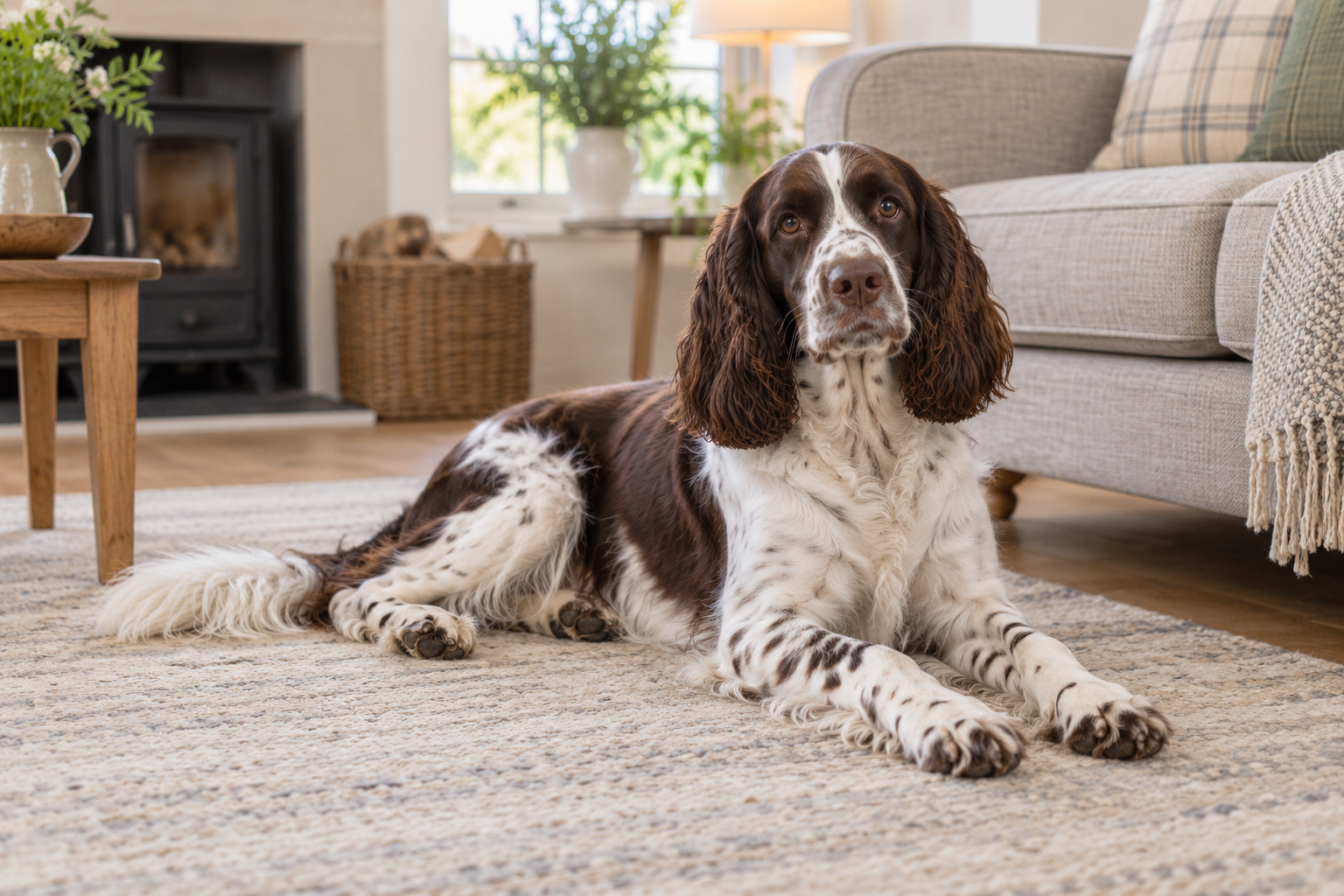
A house with a securely fenced yard suits the breed best. Springers want to live indoors with their family, and the Royal Kennel Club describes the breed as suited to a small house but needing a large garden. Apartment living works only with a very committed, active owner.
Lifestyle Compatibility
The breed suits families who walk, hike, swim and spend weekends outdoors, and people interested in dog sports or hunting. It suits households that are out all day and want a low-energy pet poorly. Matching the line to your lifestyle is the key decision.
Health of the English Springer Spaniel: Ears, Eyes, Joints and Lifespan
Lifespan and Healthy Living
The English Springer is a long-lived breed for its size. A 2024 UK study found a median lifespan of 13.5 years for English Springer Spaniels, based on 17,905 dogs, ahead of the crossbred median of 12 years in the same data. Keeping a Springer lean and active is the best way to support a long life.
Common Health Conditions
Owners should be aware of several conditions that can be associated with the breed. It is best to discuss any concerns with a veterinarian.
- Ear infections (otitis externa). Long, heavy ears trap moisture and grass seeds, and the PDSA lists ear infections among the breed's common problems.
- Hip and elbow dysplasia. Abnormal joint development that can lead to arthritis. Parental scoring reduces the risk.
- Inherited eye disease. Progressive retinal atrophy and retinal dysplasia are recorded in the breed, and glaucoma linked to an abnormality of the eye's drainage angle is screened for by gonioscopy.
- Fucosidosis. A rare inherited storage disease affecting the nervous system, now largely controlled through DNA testing.
- Phosphofructokinase (PFK) deficiency. An inherited enzyme disorder that can cause anaemia and exercise intolerance.
- Acral mutilation syndrome. A rare inherited condition causing loss of pain sensation in the feet, also DNA testable.
- Epilepsy. Dogs NSW notes epilepsy is said to exist in the breed.
Genetic Health Testing
The Royal Kennel Club's English Springer health guidance lists hip, elbow and eye screening, including gonioscopy, as good practice, and DNA tests for acral mutilation syndrome, DAMS, fucosidosis, PFK deficiency and PRA (cord1) as best practice. Australian breeders use the same tests through local laboratories. Ask to see the results for both parents, and remember that DNA-clear parents cannot produce affected puppies for those specific conditions.
Preventative Health Care
Keep vaccinations current and use year-round flea, worm, heartworm and tick prevention, including paralysis tick cover on the east coast. After walks in long grass, check ears, between the toes and the feathered coat for grass seeds and ticks. Annual vet checks, plus prompt attention to head shaking or ear odour, catch most problems early.
Caring for the English Springer Spaniel: Daily Care and Living Environment
Daily Care Routine
A good day includes a long walk or run with off-lead time in a safe area, a training or scent game, a quick brush and an ear and paw check. Springers love water, so dry the ears thoroughly after every swim to reduce infection risk.
Living Environment Requirements
Provide indoor living, a comfortable bed and a securely fenced yard. A Springer on a scent can wriggle through gaps, so check fences regularly. Tough chew toys and puzzle feeders help keep a young dog busy indoors.
Climate Sensitivity
Springers handle mild weather well but can overheat in Australian summers, especially black-and-white dogs and those in full coat. Exercise early or late on hot days, provide shade and water, and stop at the first sign of heavy panting or lagging. In the bush, keep the dog close in snake season, since a Springer will push into cover without hesitation.
Caring for Senior English Springer Spaniels
Older Springers usually stay keen but tire sooner. Switch to shorter, more frequent walks, swimming for joint-friendly exercise and a padded bed. Watch for weight gain, cloudy eyes and stiffness, and book twice-yearly vet checks from around eight years.
Grooming of the English Springer Spaniel: Coat, Feathering and Ears
Coat Maintenance
Brush the coat once or twice a week, paying attention to the feathering on the ears, chest, legs and belly, where tangles form. The PDSA suggests clipping or trimming about every three months to keep the feathering tidy. Working-line coats need less work than show coats.
Ear, Nail, and Dental Care
Check and clean the ears weekly, since the long ear flaps trap moisture and debris. Recognising why dog ears start to smell helps you spot infection early. Trim nails every three to four weeks, trim the hair between the pads, and brush teeth several times a week.
Bathing and Professional Grooming
Bathe every few weeks or after muddy outings, using a dog shampoo and drying the ears well. Many owners book a professional groom every two to three months to tidy the feet, ears and feathering. Show-line coats are never shaved short for the ring, but pet owners often choose a shorter, practical trim.
Grass Seed Checks
Australian grass seeds are a real hazard for a feathered spaniel. After every walk in long grass, check ears, armpits, between the toes and under the tail, and see a vet promptly if your dog shakes its head, licks a paw constantly or sneezes repeatedly.
Exercise Needs of the English Springer Spaniel: Work for Body and Nose
Daily Exercise Requirements
Plan on around two hours of exercise a day for an adult Springer. The Royal Kennel Club and the PDSA both recommend more than two hours, and working-line dogs often want more. Some show-line dogs are content with a little less, but a short walk around the block is never enough.
Activities Springers Enjoy
Retrieving, swimming, scent work, agility, flyball, hiking and gundog training all suit the breed. Scent games are especially satisfying, because they use the nose the breed was built around. Many Springers will retrieve a ball or dummy for as long as you are willing to throw.
Exercise by Life Stage
Puppies need short play sessions and gentle exploring rather than long runs. Build distance gradually over the first year. Adolescents need the most outlet and structure. Seniors still love outings, just shorter and slower, and swimming is ideal for older joints.
Importance of Mental Stimulation
A Springer that runs for an hour without using its nose is tired but not satisfied. Short training sessions, hide-and-seek with toys, food puzzles and scent trails provide the mental work that keeps the breed settled at home.
Feeding the English Springer Spaniel: Nutrition and Diet Needs
Nutritional Requirements
A complete, balanced diet for active medium-sized dogs suits most Springers. Working dogs may need a higher-energy food in the season, while companion dogs often need less than the packet suggests. Your vet can help tailor the amount.
Feeding by Life Stage
Feed puppies three to four small meals a day until about four months, then three meals until six months, then two meals for life. Move to adult food around twelve months, as advised by your vet.
Portion Control and Weight Management
Springers love food and gain weight easily once exercise drops. Weigh meals, count training treats and check that you can feel the ribs and see a waist. Extra weight adds strain to hips and elbows.
Foods to Avoid
Never feed grapes, sultanas, chocolate, onions, garlic, macadamias or anything containing xylitol, and avoid cooked bones. If your dog has itchy skin or recurrent ear infections, ask your vet whether a food trial is worth trying.
English Springer Spaniel Price in Australia: Purchase Cost and Ongoing Expenses
Puppy Purchase Price
Expect to pay about $2,500 to $4,500 for a registered English Springer Spaniel puppy in Australia. On 18 October 2026, Dogz Online listed 64 breeders and six current English Springer Spaniel litters, one of them in New Zealand. The only priced Australian litter, a show-line litter in Leppington, NSW, asked $3,000, and earlier Dogz Online litters in Western Australia and New South Wales asked $2,500 to $3,500.
The Dogz Online Springer cost guide quotes $3,000 to $7,000 for puppies, $2,000 to $5,000 for young dogs and $400 to $900 for rescue adoption, although current listings sit well below the top of that range. Pricing can differ between show-line and working-line litters, so ask each breeder what is included.
Be cautious about "free to good home" Springer advertisements and puppies offered without meeting the mother. Knowing the warning signs of a puppy scam helps you avoid losing a deposit.
Initial Setup Costs
RSPCA NSW puts first-year setup costs for a dog at about $60 to $80 for microchipping, $280 to $420 for vaccinations, $350 to $650 for desexing, $40 to $100 for a collar, lead or harness, $100 to $200 for a bed and about $170 for puppy school. For a Springer, add a crate, grooming tools, an ear cleaner and a long training line.
Ongoing Monthly Costs
| Cost | Typical figure (AUD) | Source |
|---|---|---|
| Food | Around the $91 monthly dog average | Animal Medicines Australia, Pets in Australia 2025 |
| Flea and worming | $200 to $250 per year | RSPCA NSW |
| Heartworm prevention | Up to $250 per year | RSPCA NSW |
| Pet insurance | Around $1,693 per year for a medium dog, accident and illness | Canstar, 2026 |
| Annual vet check and booster | From $140 per year | RSPCA NSW |
| Professional grooming | $40 to $200 per visit, every two to three months | RSPCA NSW |
Canstar's 2026 average for medium dog accident and illness cover is around $1,693 a year. Recurring ear infections and eye or joint treatment are the claims most likely in this breed, so cover taken out while the puppy is young is worth considering.
Long-Term Financial Commitment
Animal Medicines Australia's Pets in Australia 2025 survey puts average spending by dog-owning households at about $2,520 a year, and a Springer usually sits close to that, plus grooming. Over a 12 to 15 year life, ear treatment, joint surgery and eye care are the costs most likely to push the total higher.
Buying Advice for an English Springer Spaniel: Choosing a Healthy Puppy
Choosing a Responsible Breeder
Choose a breeder registered with their state Dogs Australia body who DNA tests, hip and elbow scores and eye tests breeding dogs. Ask whether the parents are show bred, working bred or a mix, and choose the type that suits your life; the Leppington litter on Dogz Online in October 2026, for example, was advertised as show line. A good breeder will ask about your exercise plans and experience before offering a puppy.
Health Checks Before Purchase
Meet the mother and watch her temperament, which is one of the best predictors of your puppy's. Look for a friendly, confident puppy with clean ears, clear eyes and sound movement. Ask for vaccination, worming and microchip records, and check the microchip matches the paperwork.
Questions to Ask the Breeder
- Are the parents show bred, working bred or a mix?
- What are the parents' hip and elbow scores?
- Do both parents have current eye certificates, including gonioscopy?
- Can I see DNA results for fucosidosis, PFK deficiency, PRA (cord1) and acral mutilation syndrome?
- How are the parents' temperaments, and has there been any aggression in the line?
- Is the puppy on the main or limited register?
- What is your breeder identification number?
- Will you take the dog back at any stage if needed?
Going in with a full set of questions for a dog breeder makes it easier to compare litters fairly.
Considering Adoption
Adult Springers come up for rehoming, often young working-line dogs placed in homes that could not meet their energy needs. Breed rescues and rehoming groups can match a dog's energy to your lifestyle, and Dogz Online puts adoption fees at around $400 to $900.
Is the English Springer Spaniel Right for You? An Eager Gundog for Active Homes
Lifestyle Compatibility
The Springer suits active families, walkers, swimmers and anyone interested in dog sports.
It suits quiet, low-activity households poorly, especially with a working-line dog.
Time and Care Commitment
Expect around two hours of exercise daily, regular training and weekly coat and ear care.
That commitment runs for 12 to 15 years.
Grooming and Health Awareness
Brush weekly, trim the feathering and check ears after every swim and walk.
Ask for hip, elbow, eye and DNA results before you buy.
Ideal Owner Profile
The ideal owner is active, positive and consistent, with a secure yard and time to train.
Families who want a companion first should look at show lines.
Find English Springer Spaniel Puppies for Sale
If the breed suits your household, you can browse puppies for sale on Pups4Sale and contact breeders directly.
Ask about show or working lines and health testing before paying a deposit.
Frequently Asked Questions
Related Breeds
Other sporting breeds on Pups4Sale.
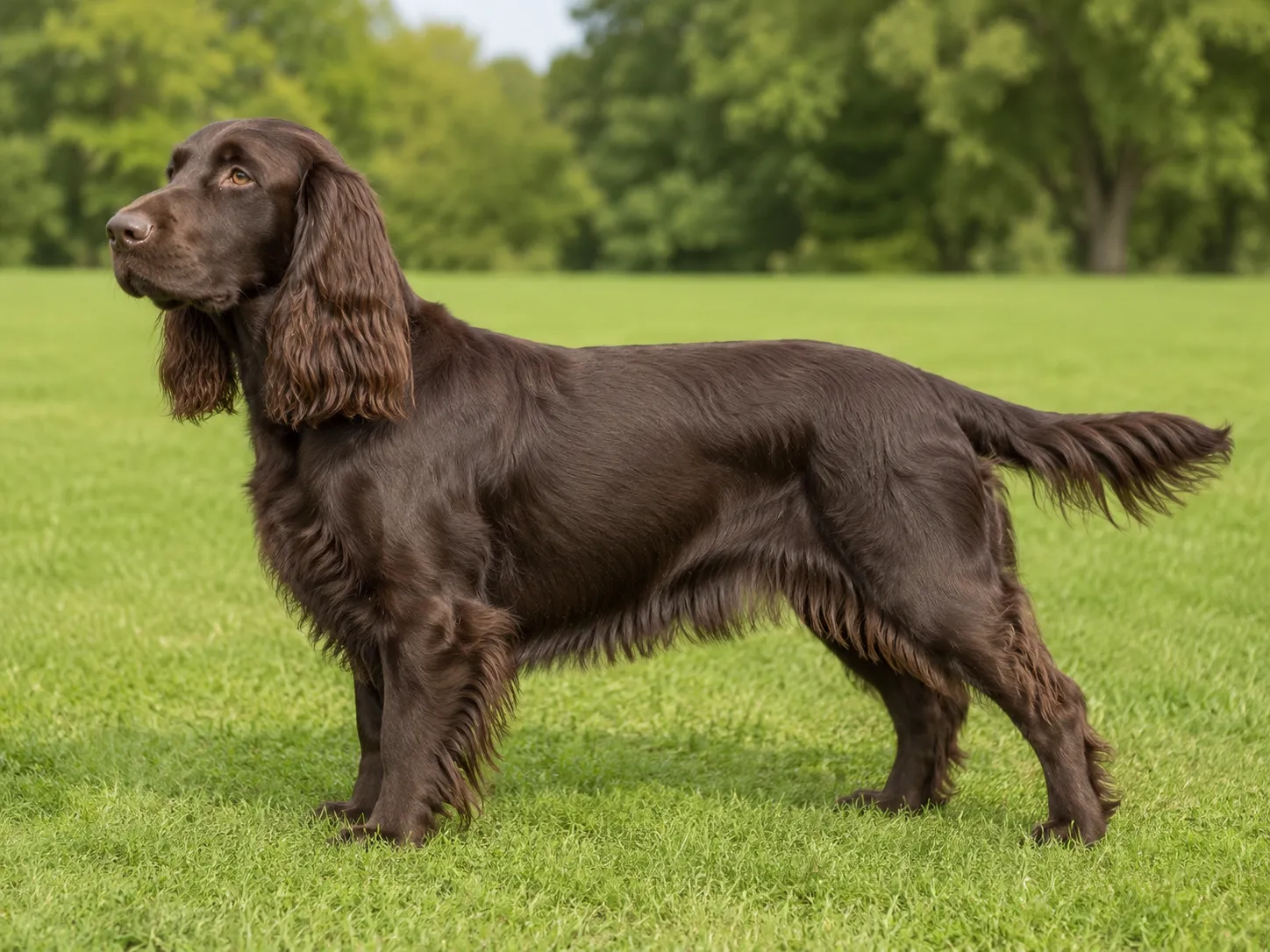 Field SpanielMedium • Gundog / Sporting
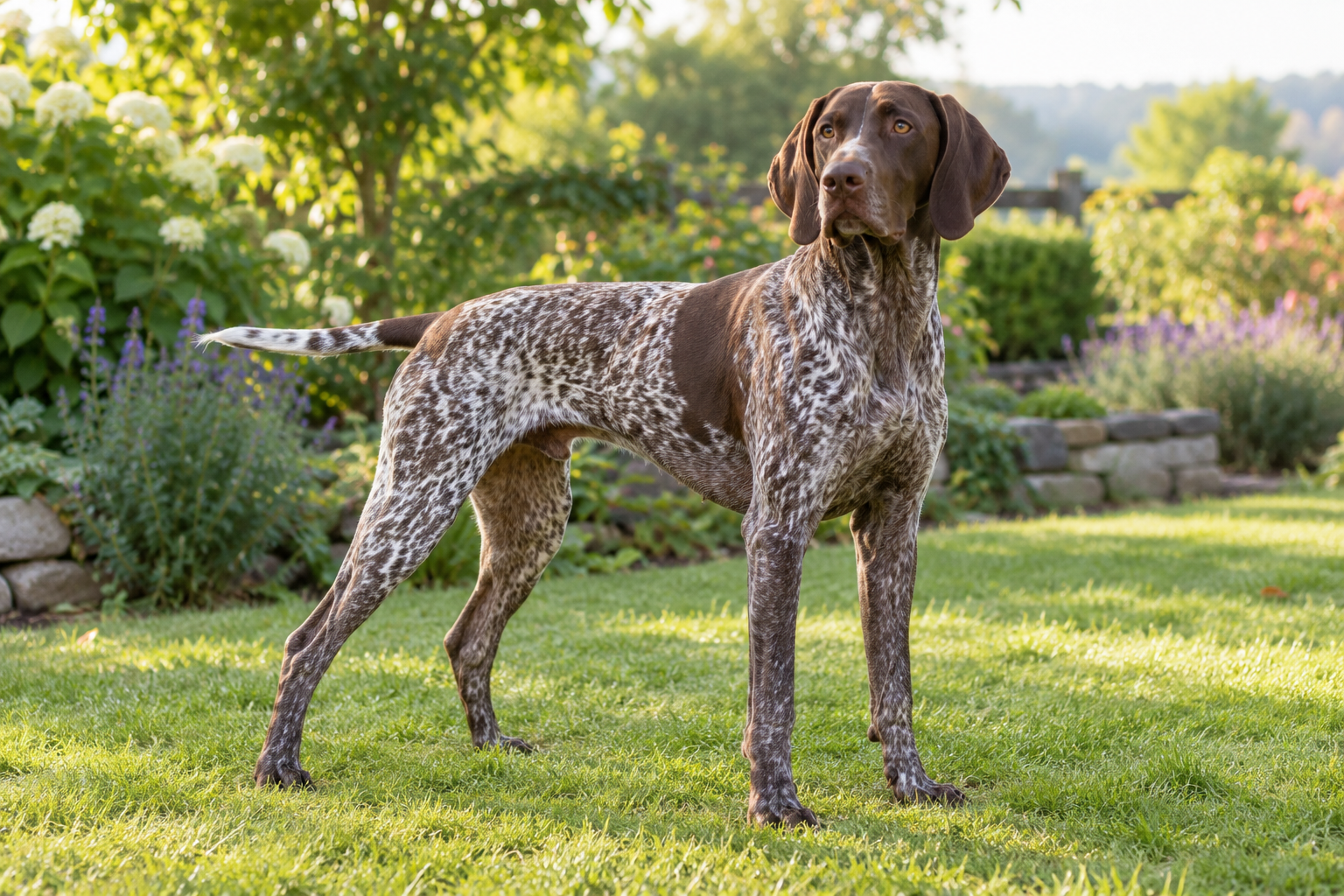 German Shorthaired PointerLarge • Gundogs (Group 3)
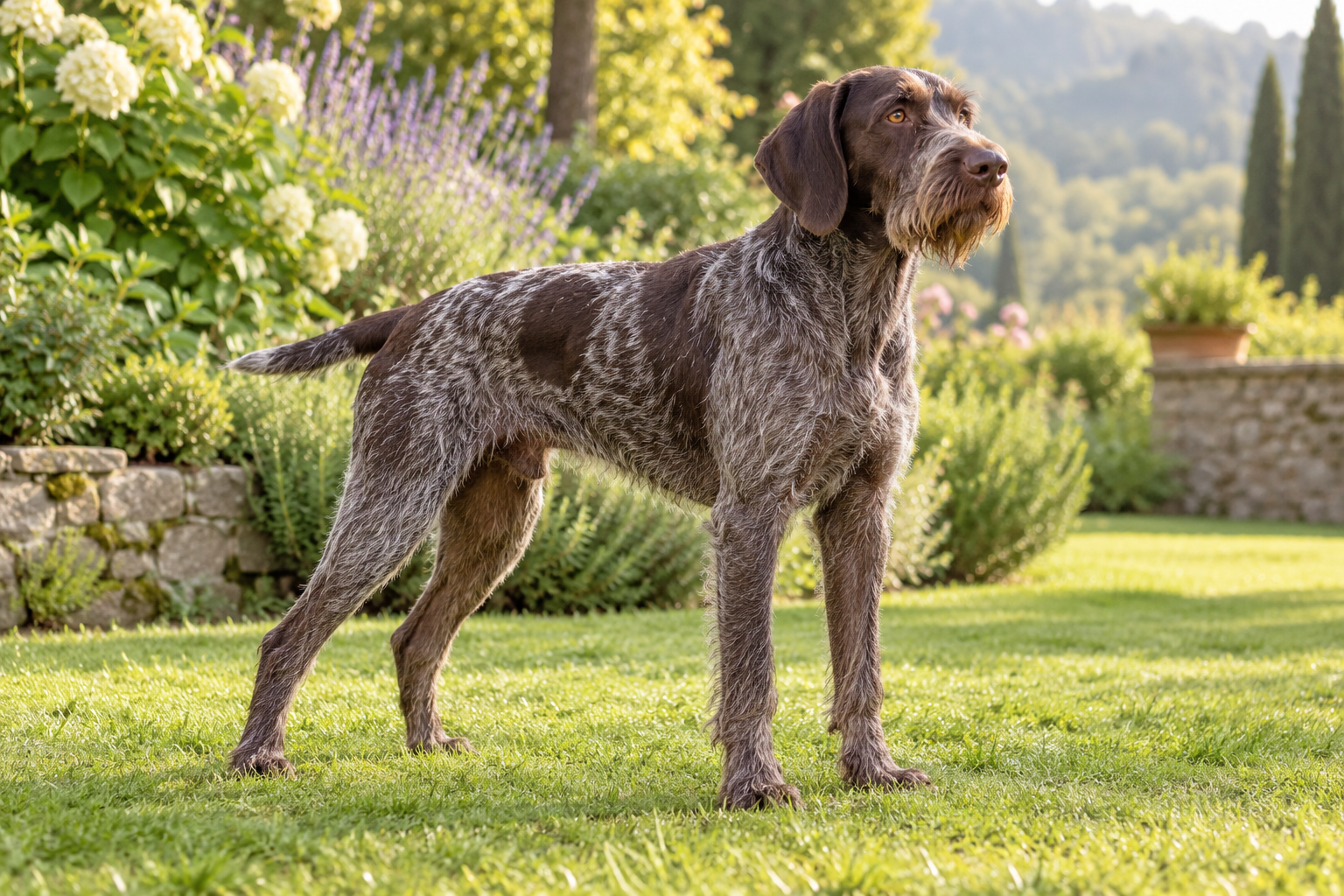 German Wirehaired PointerLarge • Gundogs (Group 3)
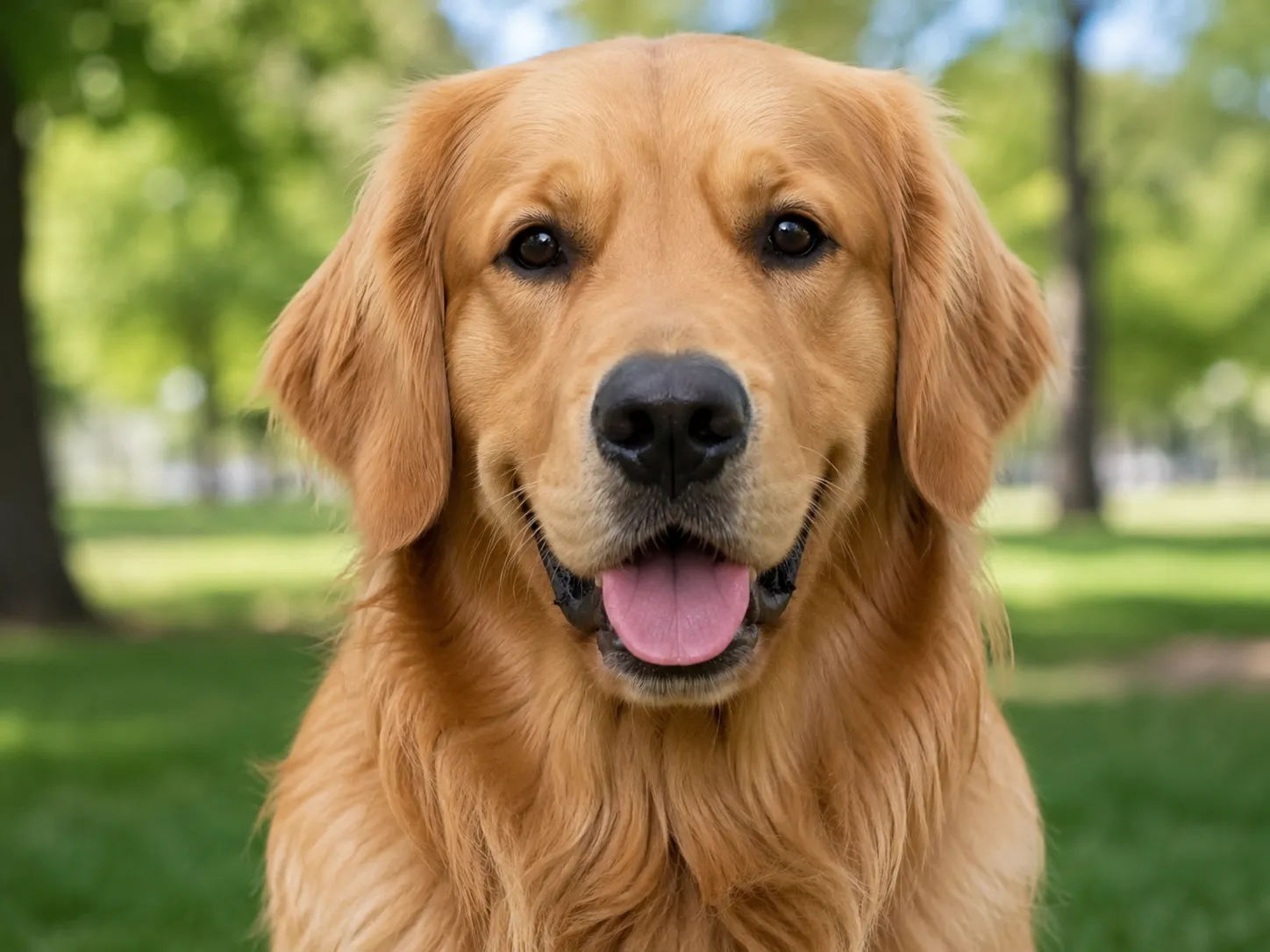 Golden RetrieverLarge • Sporting / Gundog
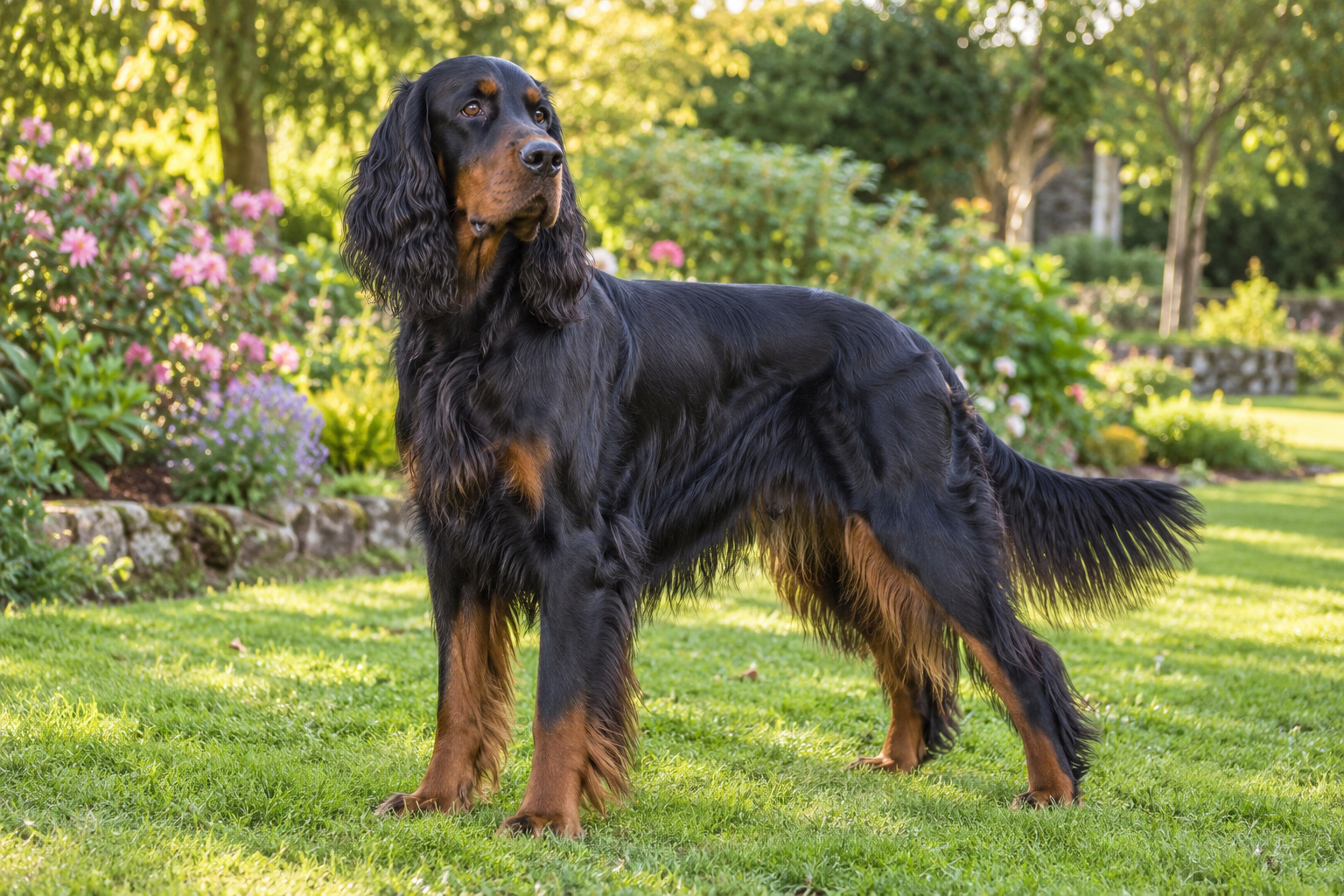 Gordon SetterLarge • Gundogs (Group 3)
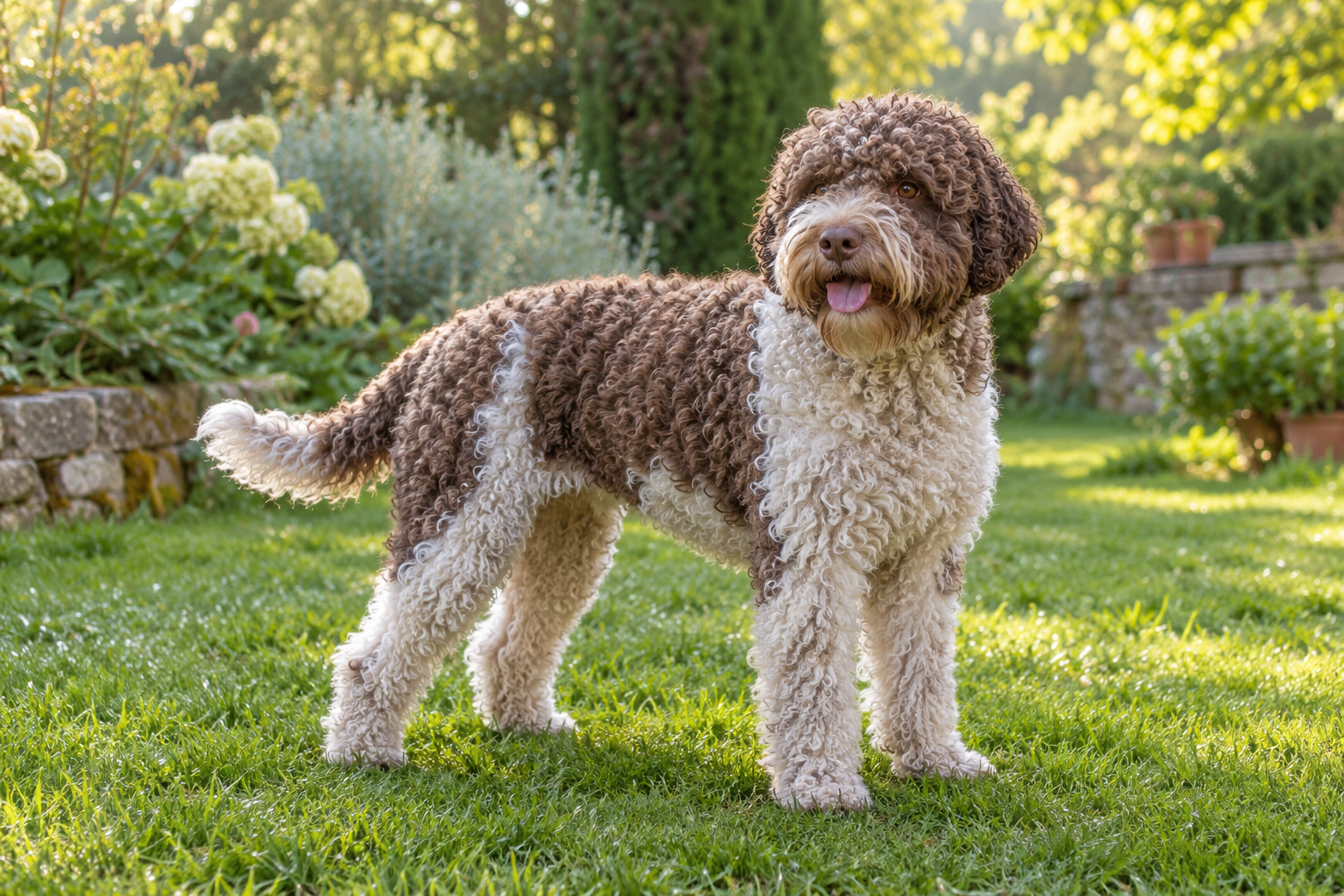 Lagotto RomagnoloMedium • Gundogs (Group 3)