



Golden Retriever
By James C. • Updated
See Golden Retriever puppies for sale
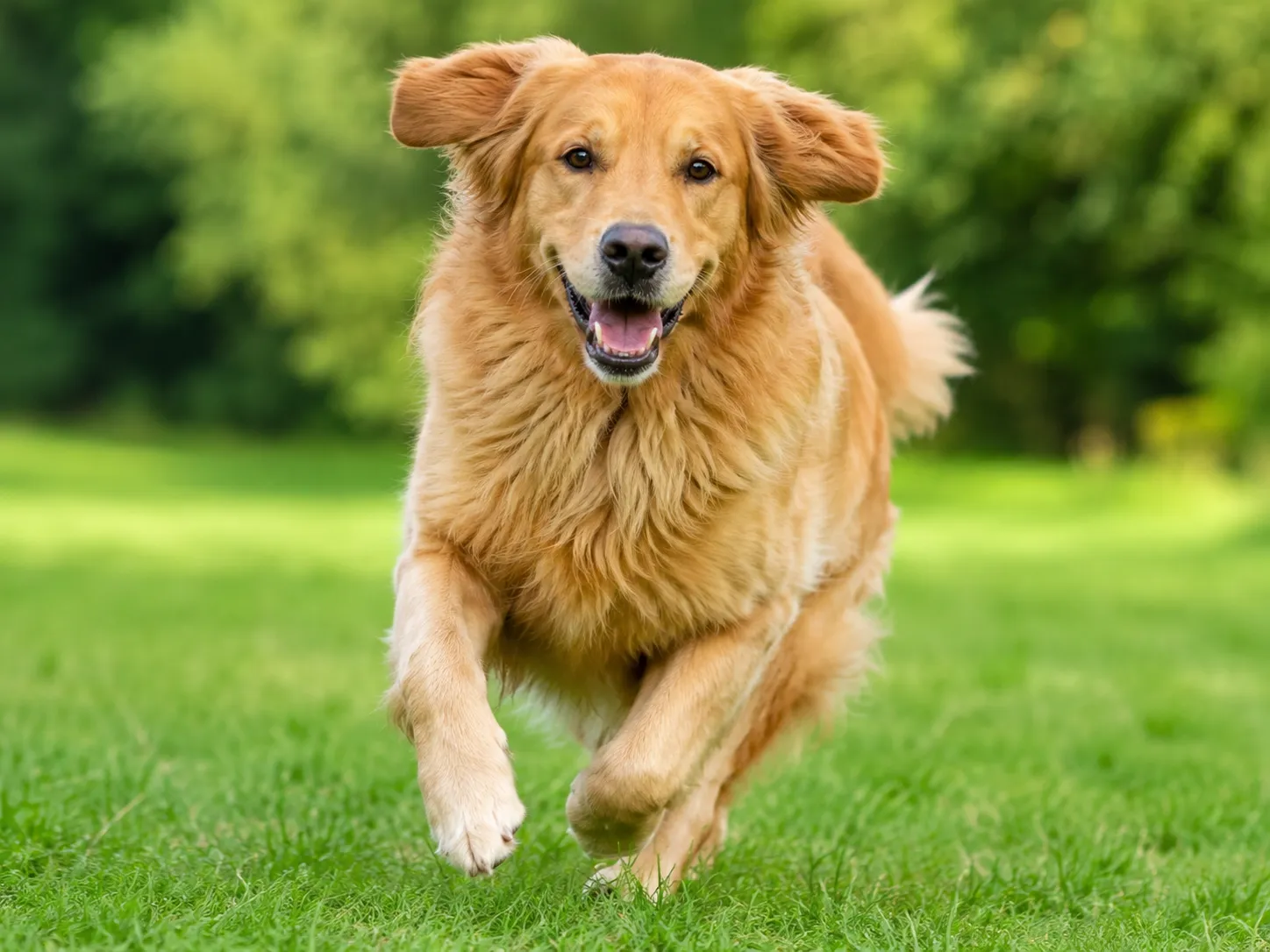
The Golden Retriever is a friendly, intelligent, and highly trainable breed originally developed in Scotland to retrieve game for hunters. Renowned for their gentle temperament and eagerness to please, Golden Retrievers are among the most popular family dogs in Australia. They excel as companions, therapy dogs, assistance dogs, and sporting dogs, thriving in active households that can provide regular exercise and social interaction.
Breed Overview
Life Span
10 - 14 years
Average Price
AUD 3000 - AUD 5000
Weight
Male: 29 - 34 kg Female: 25 - 29 kg
Height
Male: 56 - 61 cm Female: 51 - 56 cm
Life Expectancy
Male/Female: 10 - 14 years
Breed Group
Sporting / Gundog
Nicknames
Golden, Goldie
Breed Information
The Golden Retriever is one of the most recognisable and beloved dog breeds in Australia and worldwide. Originally developed in 19th-century Scotland as a skilled gundog, this breed combines athletic ability with a gentle, affectionate personality that makes it ideal for family life.
Goldens are known for their steady temperament, strong retrieving instinct, and deep loyalty to their people. They thrive in active households where they receive daily exercise, mental stimulation, and close companionship. While often described as easy-going, they are energetic working dogs at heart and require consistent engagement to remain balanced.
With proper training, health screening, and structured care, the Golden Retriever grows into a confident, well-mannered companion suited to families, active individuals, and even specialised roles such as assistance, therapy, and search work.
Golden Retriever Characteristics: Temperament and Trait Ratings
| Trait | Rating | Star Rating | What This Means for Owners |
| Affection with Family | Very High | ⭐⭐⭐⭐⭐ | Forms deep bonds and thrives on constant companionship. |
| Good with Children | Excellent | ⭐⭐⭐⭐⭐ | Patient, tolerant, and gentle with supervised children. |
| Good with Other Dogs | Very High | ⭐⭐⭐⭐⭐ | Generally sociable and welcoming with other dogs. |
| Intelligence | Very High | ⭐⭐⭐⭐⭐ | Learns quickly and responds exceptionally well to training. |
| Trainability | Excellent | ⭐⭐⭐⭐⭐ | Highly responsive to positive reinforcement methods. |
| Exercise Needs | High | ⭐⭐⭐⭐☆ | Requires 90–120 minutes daily of structured activity. |
| Grooming Needs | Moderate to High | ⭐⭐⭐⭐☆ | Heavy shedding, especially during seasonal coat changes. |
| Tolerates Being Alone | Low | ⭐⭐☆☆☆ | Prone to separation anxiety if left alone frequently. |
| Guarding Instinct | Low | ⭐⭐☆☆☆ | Friendly rather than protective, not a natural guard dog. |
| Energy Level | High | ⭐⭐⭐⭐☆ | Playful and active well into adulthood. |
History of the Golden Retriever: From Scottish Highlands to Global Favourite
The Golden Retriever was developed in the Scottish Highlands during the mid to late nineteenth century by Sir Dudley Marjoribanks, later known as Lord Tweedmouth. His goal was to create the ideal gundog capable of retrieving game from both land and water in the challenging terrain of Scotland.
The foundation of the breed began in 1868 when a yellow Flat-coated Retriever named Nous was bred to a Tweed Water Spaniel called Belle. Subsequent careful crossings included Bloodhound, Red Setter, and Labrador Retriever bloodlines. Only the golden-coloured offspring were retained, establishing the consistent coat colour that defines the breed today.
Originally referred to as the “Flat-coated Retriever, Golden,” the breed was officially recognised by The Kennel Club in 1913 and later renamed simply the Golden Retriever in 1920. Its popularity spread rapidly across the United Kingdom, North America, Australia, and beyond.
Unlike many British breeds, the Golden Retriever did not suffer significant population decline during wartime due to its global distribution. Today, it remains one of the most registered and admired dog breeds worldwide, valued equally for its working ability, intelligence, and gentle character.
Golden Retriever Appearance: Balanced, Athletic and Instantly Recognisable
The Golden Retriever appearance reflects its origins as a capable working gundog. This is a strong, well-balanced, medium-to-large breed built for endurance, swimming, and long days in the field.
Size and Build of the Golden Retriever: Strong Yet Elegant
Adult males typically stand 56–61 cm at the shoulder and weigh 29–34 kg, while females measure 51–56 cm and weigh 25–29 kg. The body is deep through the chest with well-sprung ribs, a level topline, and powerful hindquarters that provide smooth, efficient movement.
The neck is muscular and moderately long, blending into well-laid shoulders. Straight forelegs with solid bone and compact, cat-like feet support the breed’s athletic structure. In motion, a Golden Retriever displays a powerful, ground-covering gait that reflects stamina and balance rather than speed alone.
Coat and Colours of the Golden Retriever: Water-Resistant Double Coat
One of the breed’s most defining features is its dense double coat. The outer coat is flat or slightly wavy with feathering along the chest, legs, and tail, while the undercoat is soft and insulating. This structure provides natural protection in wet and cold conditions.
Accepted coat shades range from light cream to rich golden. Deep red or mahogany tones are not recognised under UK breed standards. Seasonal shedding occurs heavily in spring and autumn, with moderate shedding throughout the year.
Head and Expression: Intelligent and Gentle
The head is broad with a well-defined stop and a straight, strong muzzle. Dark brown eyes convey a warm, intelligent, and trustworthy expression. Medium-sized ears sit level with the eyes and hang close to the cheeks.
The tail is long and well feathered, carried level with the back when in motion. Known for its lively wag, it reflects the breed’s naturally upbeat temperament.
Golden Retriever Temperament: Gentle, Devoted and Always Ready to Please
The Golden Retriever temperament is defined by warmth, confidence, and an enduring desire to be part of family life. This is a breed that genuinely thrives on human connection and interaction.
Core Personality of the Golden Retriever: Friendly and Steady
Golden Retrievers are naturally outgoing and rarely display aggression without cause. They are typically trustworthy, patient, and emotionally stable, which is why they are often described as one of the safest large breeds for family environments.
Unlike guarding breeds, the Golden is more likely to greet a stranger with enthusiasm than suspicion. While they may bark to alert you, they are not protective in the traditional sense. Their strength lies in companionship rather than defence.
Social Nature: Built for Community and Family Life
This breed is exceptionally social. Golden Retrievers usually integrate well into homes with other dogs and can coexist peacefully with cats when introduced properly. Their low prey drive and gentle mouth make them reliable around children when supervision is maintained.
However, their social dependency means they do not cope well with isolation. Extended periods alone can lead to boredom-related behaviours such as chewing, digging, or excessive vocalisation. Structured daily interaction is essential.
Playfulness and Energy: The Eternal Puppy
Goldens are famously slow to mature emotionally. Many retain their playful, sometimes goofy behaviour well into adulthood. Their enthusiasm for games like fetch reflects their strong retrieving instinct and working heritage.
Behind the silliness sits a serious working dog. When properly exercised and mentally stimulated, the Golden Retriever becomes a calm, reliable, and deeply devoted companion capable of adapting to a wide range of households.
Intelligence and Trainability of the Golden Retriever: Eager, Capable and Responsive
The Golden Retriever is widely regarded as one of the most intelligent and trainable dog breeds. Originally developed as a working retriever, this breed combines quick learning ability with a genuine desire to cooperate.
Early Training Priorities: Building a Stable Foundation
From eight weeks onward, structured socialisation is critical. Exposure to different people, environments, sounds, and surfaces helps shape a confident adult dog. Early training should focus on reliable recall, lead manners, and calm behaviour around distractions.
Golden Retriever puppies respond exceptionally well to positive reinforcement techniques, including food rewards, praise, and play. Harsh corrections are unnecessary and may undermine trust.
Working Instinct and Task Learning: More Than Basic Obedience
Because of their gundog heritage, Goldens naturally understand retrieving behaviours. Many quickly learn to carry objects gently and can be taught to retrieve specific items by name. This intelligence is why they are commonly trained as guide dogs, therapy dogs, and search-and-rescue dogs.
Their scenting ability and strong focus allow them to excel in obedience, tracking, agility, and other canine sports. Mental stimulation is as important as physical exercise for this breed.
Common Training Mistakes: Avoiding Overindulgence
Although eager to please, Golden Retrievers can become excitable if boundaries are inconsistent. Allowing jumping, mouthing, or attention-seeking behaviours during puppyhood often leads to larger problems in adulthood.
Consistency, structured routines, and clear expectations help the Golden mature into a well-mannered and emotionally balanced companion. When given direction and purpose, this breed thrives.
Golden Retriever Family Compatibility: Children, Pets and Household Life
The Golden Retriever has earned its reputation as one of the best family dogs for good reason, and most buyers shortlist it alongside the Labrador Retriever, the other classic family gundog. Their steady temperament, patience, and social nature make them highly adaptable to busy households.
Golden Retrievers and Children: Gentle and Tolerant
Goldens are generally exceptionally tolerant with children, including younger family members. Their natural patience and soft mouth reduce the risk of rough interactions, though supervision is always essential with any large breed.
Because of their size and enthusiasm, young Goldens may accidentally knock over toddlers during play. Teaching children how to interact respectfully and setting clear boundaries ensures a safe and positive relationship.
Living with Other Pets: Naturally Sociable
Golden Retrievers typically coexist well with other dogs. Early socialisation helps reinforce polite behaviour and reduces the likelihood of over-excitement during introductions.
When introduced properly, they often live peacefully with cats and smaller pets. Their retrieving instinct is strong, but their prey drive is generally lower than many other working breeds.
Household Dynamics: Activity and Inclusion Matter
This breed thrives in homes where they are included in daily life. Goldens do not cope well when relegated to the backyard for long periods. They seek companionship and involvement.
An active household suits them well, particularly where daily walks, play sessions, and mental stimulation are prioritised. When properly exercised and engaged, a Golden Retriever becomes a calm, affectionate, and deeply loyal family companion.
Golden Retriever Health: Common Conditions and Screening Requirements
The Golden Retriever is generally a robust breed, but like many large dogs, it is predisposed to certain hereditary and structural conditions. Understanding these risks is essential for both buyers and breeders.
Joint Conditions: Hip and Elbow Dysplasia
Hip and elbow dysplasia are among the most significant concerns in the breed. These developmental conditions affect joint stability and can lead to arthritis and long-term discomfort.
Reputable breeders should provide evidence of hip and elbow scoring through recognised schemes. Maintaining a healthy weight and avoiding excessive impact exercise during puppy growth reduces risk.
Cancer Risk: A Serious Consideration
Golden Retrievers have a higher-than-average incidence of certain cancers, including lymphoma and hemangiosarcoma. Studies in some populations indicate cancer accounts for a significant proportion of mortality.
While genetics play a role, environmental factors and responsible breeding practices also influence outcomes. Regular veterinary checks improve early detection.
Eye and Heart Conditions: Genetic Screening Matters
The breed may be affected by progressive retinal atrophy (PRA), pigmentary uveitis, cataracts, and subaortic stenosis. DNA testing for PRA1, PRA2, and Ichthyosis (ICT-A) is strongly recommended.
Prospective owners should request documentation confirming parents have undergone appropriate eye examinations and cardiac screening.
Other Health Considerations
Hypothyroidism, skin allergies, and ear infections are relatively common due to the breed’s dense undercoat and floppy ears. Routine ear cleaning and coat maintenance help reduce infection risk.
With responsible breeding, proper diet, regular exercise, and preventative veterinary care, many Golden Retrievers live healthy lives of 10 to 14 years.
Caring for a Golden Retriever: Daily Routine and Lifestyle Needs
Owning a Golden Retriever requires commitment to structure, activity, and consistent companionship. While adaptable, this breed thrives when its physical and emotional needs are met daily.
Daily Care Routine: Structure Creates Stability
A typical day should include at least two structured exercise sessions, regular feeding times, and short mental training activities. Brushing every one to three days helps control shedding and keeps the coat healthy.
Golden Retrievers benefit from predictable routines. Consistency in walk times, feeding schedules, and rest periods supports emotional balance and reduces anxiety-driven behaviours.
Living Environment: Space and Engagement
Although adaptable to suburban or urban living, Goldens perform best in homes with access to secure outdoor space. A large yard is ideal, but it does not replace active interaction.
This breed should not be left outdoors for extended periods. They need to live indoors as part of the family unit, with access to shade in summer and warm bedding in winter.
Seasonal Adjustments: Managing Shedding and Weather
Shedding increases significantly during spring and autumn coat changes. During these periods, brushing may be required daily.
Because of their dense undercoat, Golden Retrievers can overheat in extreme Australian summer conditions. Exercise should be scheduled during cooler parts of the day, with constant access to fresh water.
Senior Care: Supporting Ageing Joints
As they age, Goldens may require joint supplements, softer bedding, and lower-impact exercise. More frequent veterinary check-ups allow early management of age-related conditions.
With attentive care and lifestyle balance, the Golden Retriever remains a happy, active, and affectionate companion throughout all life stages.
Grooming a Golden Retriever: Managing the Double Coat
The Golden Retriever’s dense double coat is one of its most admired features, but it requires consistent care, so booking professional grooming while your puppy is young pays off later. While not technically high maintenance compared to some long-coated breeds, regular grooming is non-negotiable.
Coat Maintenance: Brushing and Shedding Control
Golden Retrievers shed moderately year-round and heavily during seasonal coat changes in spring and autumn. Brushing every one to three days helps remove loose undercoat and prevents matting.
Focus on feathered areas such as behind the ears, under the elbows, the hind legs, and the tail. During peak shedding, daily brushing may be required to manage loose hair and maintain skin health.
Bathing and Ear Care: Preventing Common Issues
Baths should be occasional and only when necessary, using a quality dog shampoo that preserves natural oils. After swimming, especially in lakes or salt water, rinse thoroughly and dry the coat completely.
Because of their floppy ears, Goldens are prone to ear infections. Weekly ear checks and gentle cleaning help prevent moisture build-up and yeast overgrowth.
Nail, Dental and General Maintenance
Nails should be trimmed regularly to prevent discomfort and structural strain. Teeth should be brushed several times per week to reduce plaque build-up and support long-term dental health.
Consistent grooming not only keeps the Golden Retriever looking its best but also allows early detection of skin irritations, hot spots, lumps, or parasites.
Golden Retriever Exercise Requirements: High Energy with Purpose
The Golden Retriever is an athletic working breed that requires structured daily activity, and that exuberance is easier to manage once you know how to stop a dog jumping up on people. Without sufficient exercise, this intelligent dog can quickly become bored and develop destructive habits.
Daily Exercise Needs: More Than a Casual Walk
Adult Goldens typically require 90 to 120 minutes of combined physical activity per day. This should include brisk walks, controlled off-lead running in secure areas, and interactive play such as fetch.
Puppies need shorter, age-appropriate sessions to protect developing joints. High-impact exercise should be limited until skeletal maturity is reached.
Mental Stimulation: Essential for Balance
Physical activity alone is not enough. Golden Retrievers need mental engagement through obedience training, scent work, puzzle toys, and structured tasks.
Because of their strong retrieving instinct, games involving fetch and object retrieval provide both mental and physical stimulation. A bored Golden is far more likely to chew, dig, or seek attention in undesirable ways.
Suitable Activities: Channelling Working Instincts
This breed excels in agility, obedience, tracking, dock diving, and field trials. Swimming is particularly beneficial due to their water-resistant coat and natural affinity for water.
When exercised properly, the Golden Retriever becomes calmer indoors and more emotionally stable overall. Meeting their activity needs is fundamental to raising a well-adjusted and content adult dog.
Feeding a Golden Retriever: Nutrition for Growth and Longevity
Proper nutrition plays a central role in maintaining the Golden Retriever’s joint health, coat quality, and overall longevity, which starts with the right feeding schedule for a large breed puppy. As a medium-to-large breed prone to weight gain, careful portion control is essential.
Puppy Nutrition: Supporting Controlled Growth
Golden Retriever puppies should be fed a large-breed puppy formula designed to support steady skeletal development. Rapid growth increases the risk of joint disorders such as hip dysplasia.
Meals are typically divided into three servings per day during early puppyhood. Monitoring body condition rather than simply following feeding charts helps prevent overfeeding.
Adult Diet: Weight Management is Critical
Adult Goldens generally thrive on a high-quality, balanced diet formulated for active medium-to-large breeds. Two measured meals per day help maintain steady energy levels and reduce the risk of overeating.
Because this breed is food-motivated, treats should be given in moderation and factored into daily calorie intake. Obesity significantly increases strain on joints and may worsen existing conditions.
Special Dietary Considerations
Some Golden Retrievers develop food allergies or sensitivities, which may present as itchy skin, recurrent ear infections, or digestive upset. Veterinary guidance is recommended if symptoms appear.
Joint supplements such as glucosamine and omega fatty acids may support mobility, particularly in older dogs. Consistent feeding practices and regular weight checks are vital to long-term health.
Maintaining an ideal body condition is one of the most important steps owners can take to ensure their Golden Retriever lives a healthy and active life well into senior years.
Golden Retriever Price and Ongoing Costs in Australia
Before purchasing a Golden Retriever, it is important to understand both the upfront cost and the long-term financial commitment involved, and to browse Golden Retriever puppies available in Australia to see current asking prices.
Golden Retriever Puppy Price: What to Expect
In Australia, a well-bred Golden Retriever puppy from a registered and health-tested breeder typically ranges between AUD $3,000 and $5,500. Pricing varies depending on pedigree, breeder reputation, health testing, and whether the puppy is from working or show lines.
Puppies advertised significantly below market value may not come from health-tested parents. Always request documentation for hip and elbow scores, eye testing, and DNA screening before committing.
Initial Setup Costs
Beyond the purchase price, new owners should budget for essential supplies including a crate, bedding, collar and lead, grooming tools, toys, and food bowls. Initial veterinary costs such as vaccinations, microchipping, and desexing should also be factored in.
Expect to spend approximately AUD $800 to $1,500 during the first few months for setup and veterinary expenses.
Ongoing Annual Expenses
Feeding a Golden Retriever costs roughly AUD $1,200 to $2,000 per year, depending on diet quality. Routine veterinary care, parasite prevention, and vaccinations may total AUD $800 to $1,200 annually.
Comprehensive pet insurance is strongly recommended due to the breed’s predisposition to joint issues and cancer. Insurance premiums can range from AUD $1,000 to $2,000 per year, depending on coverage level.
Over a lifetime, responsible ownership of a Golden Retriever represents a significant financial commitment. Planning ahead ensures you can provide consistent, high-quality care throughout your dog’s life.
Buying a Golden Retriever: What Responsible Buyers Should Look For
Purchasing a Golden Retriever should never be rushed, and it is worth weighing adoption against buying from a breeder before you commit. Careful selection of a reputable breeder or rescue ensures you bring home a healthy, well-socialised dog.
Choosing a Responsible Breeder
A reputable breeder will openly provide documentation for hip and elbow scores, eye examinations, and DNA testing for PRA1, PRA2, and ICT-A. They should allow you to meet the puppy’s mother and provide clear insight into temperament, socialisation, and early handling.
Avoid breeders unwilling to answer questions, provide health certificates, or discuss lineage. Ethical breeders prioritise the welfare of their dogs over profit.
Assessing the Puppy
Healthy Golden Retriever puppies should have clear eyes, clean ears, a glossy coat, and confident but not overly dominant behaviour. They should appear curious, responsive, and comfortable around people.
Extremely timid or unusually aggressive behaviour may indicate poor early socialisation or genetic concerns.
Contracts and Guarantees
A responsible breeder provides a written agreement outlining health guarantees, vaccination records, microchip registration, and return policies if circumstances change.
Always confirm that the puppy is registered with a recognised canine body where applicable.
Considering Rescue
Golden Retrievers are sometimes available through breed-specific rescues or general shelters. Adoption can be a rewarding option, particularly for those open to adult or senior dogs.
Whether buying or adopting, taking time to research ensures you welcome a healthy, stable, and well-adjusted Golden Retriever into your home.
Is the Golden Retriever Right for You? Honest Ownership Considerations
The Golden Retriever is affectionate, intelligent, and deeply loyal, but this breed is not suited to every lifestyle. Making the right decision requires an honest evaluation of your time, energy, and commitment.
Golden Retrievers thrive in homes where they are included in daily life. If you work long hours away from home and cannot provide regular interaction, this breed may struggle. They form strong bonds and are prone to separation anxiety when left alone for extended periods.
An active lifestyle is highly beneficial. Owners should be prepared to commit to at least 90 minutes of structured exercise daily, alongside mental stimulation. Without this outlet, behaviour problems may develop.
Financial planning is also essential. With potential health concerns such as joint disorders and cancer, veterinary costs can be significant over time.
If you are seeking a friendly, devoted, and highly trainable companion and can provide consistent engagement, structure, and care, the Golden Retriever can be an exceptional addition to your household.
For those ready to welcome this breed into their lives, explore reputable breeders and available listings through Pups4Sale to begin your journey responsibly.
Frequently Asked Questions
Related Breeds
Other sporting breeds on Pups4Sale.
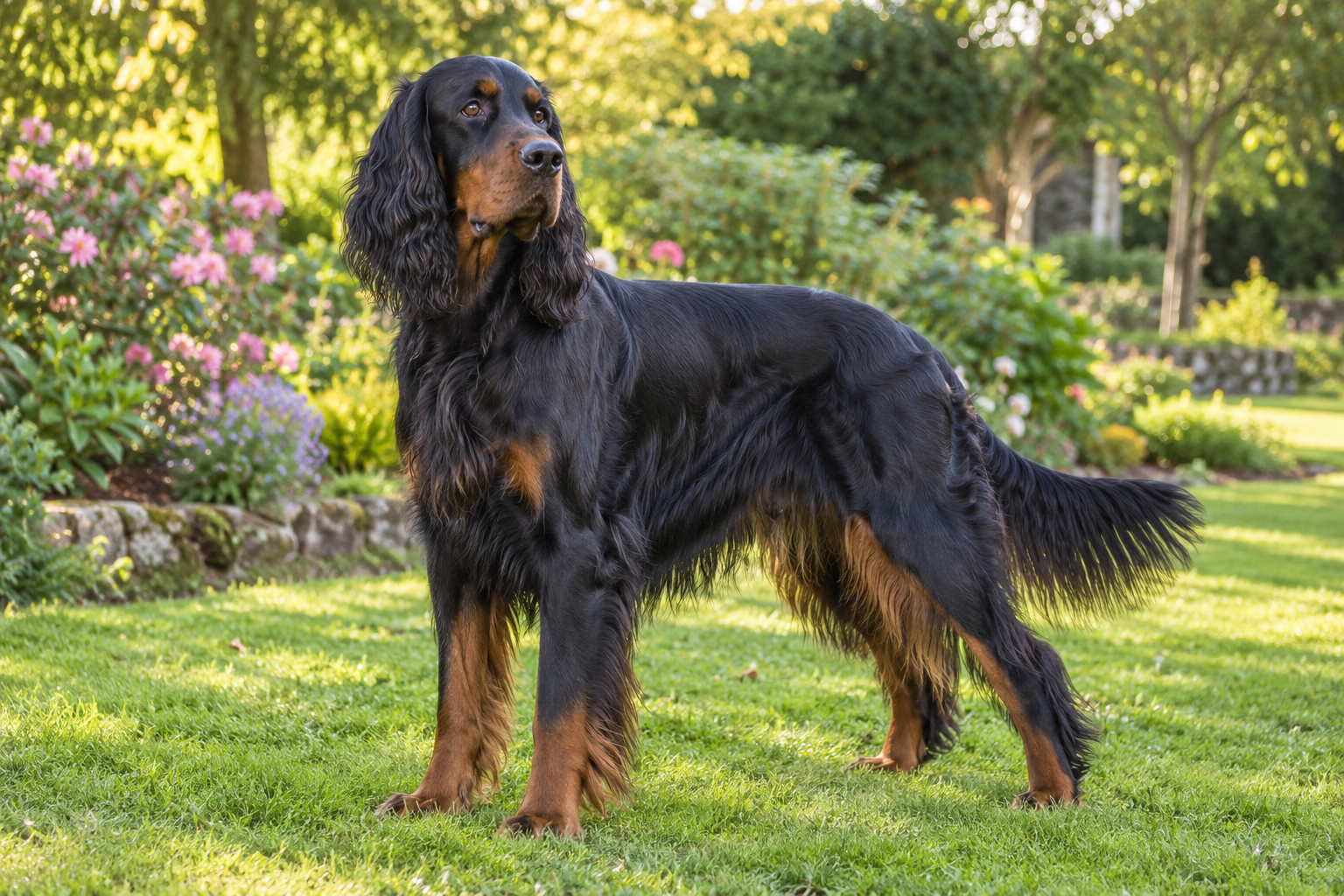 Gordon SetterLarge • Gundogs (Group 3)
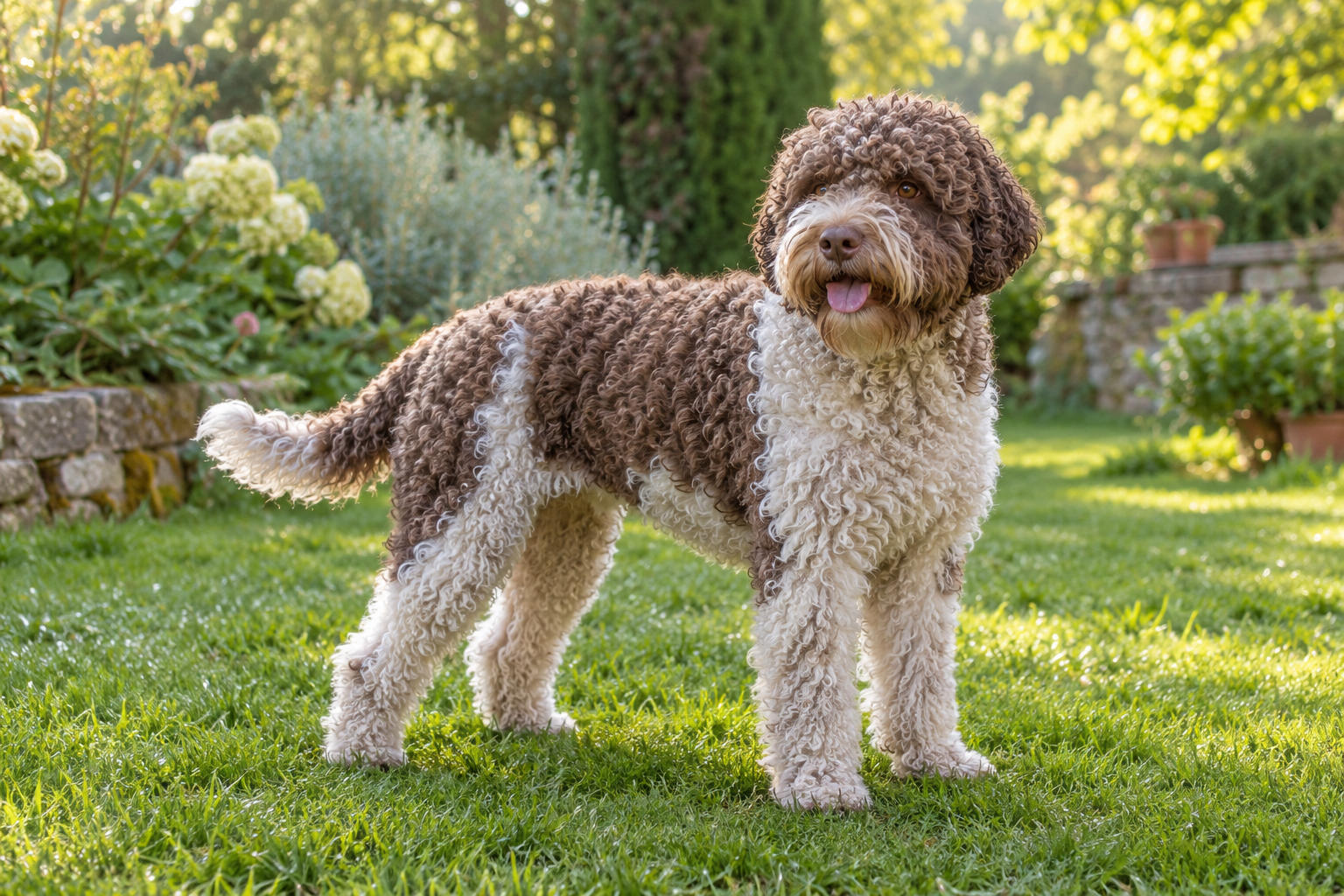 Lagotto RomagnoloMedium • Gundogs (Group 3)
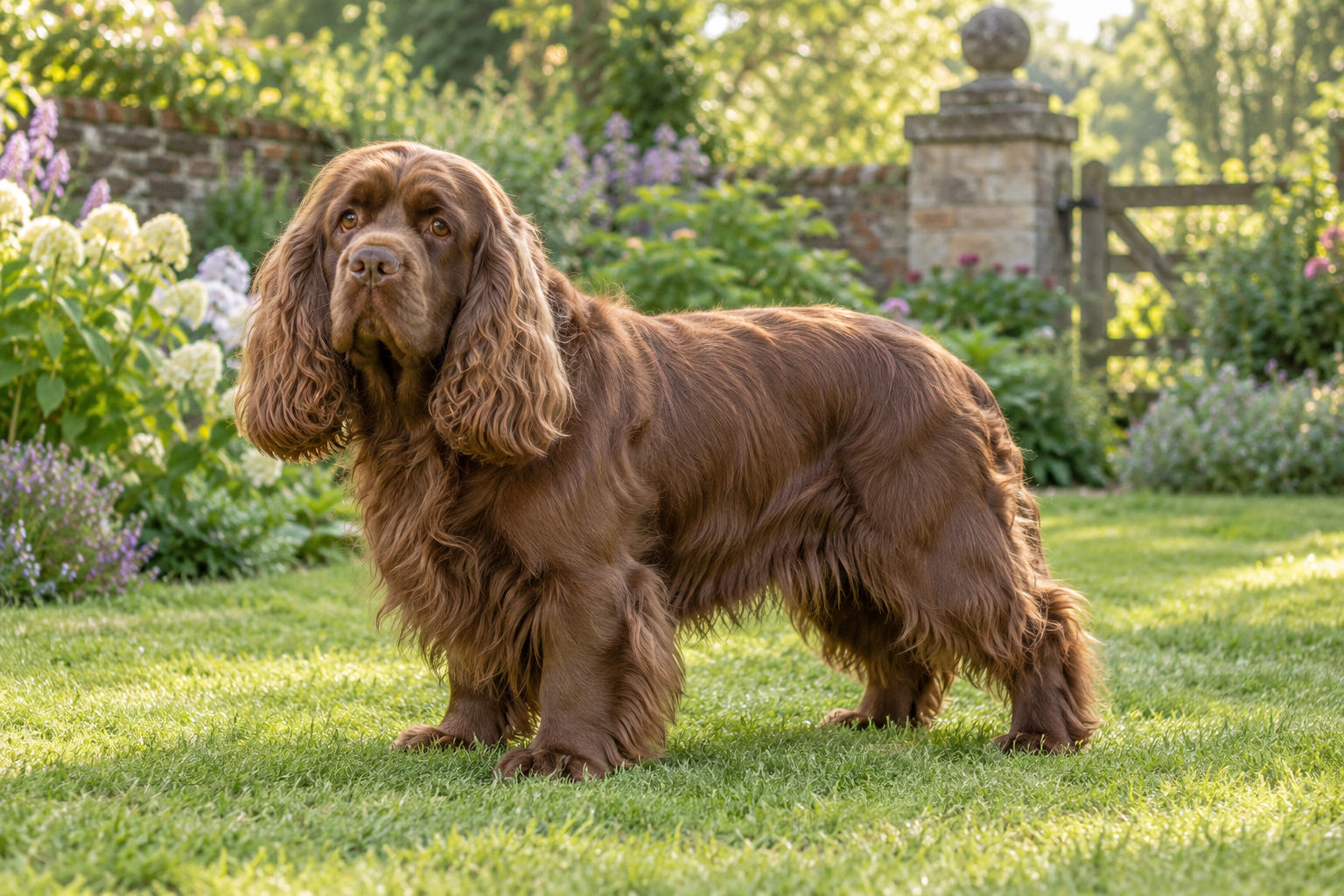 Sussex SpanielMedium • Gundogs (Group 3)
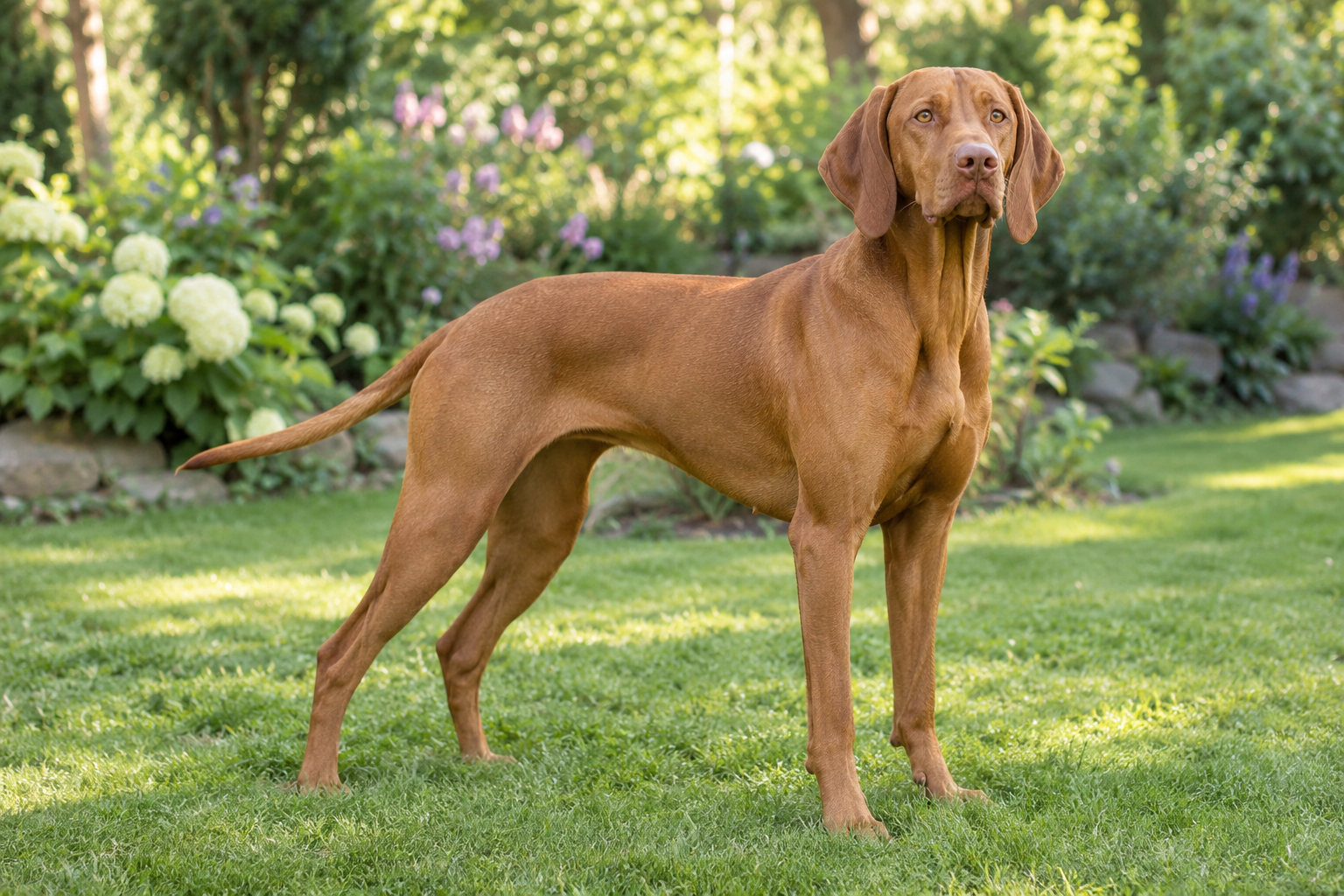 VizslaMedium • Gundogs (Group 3)
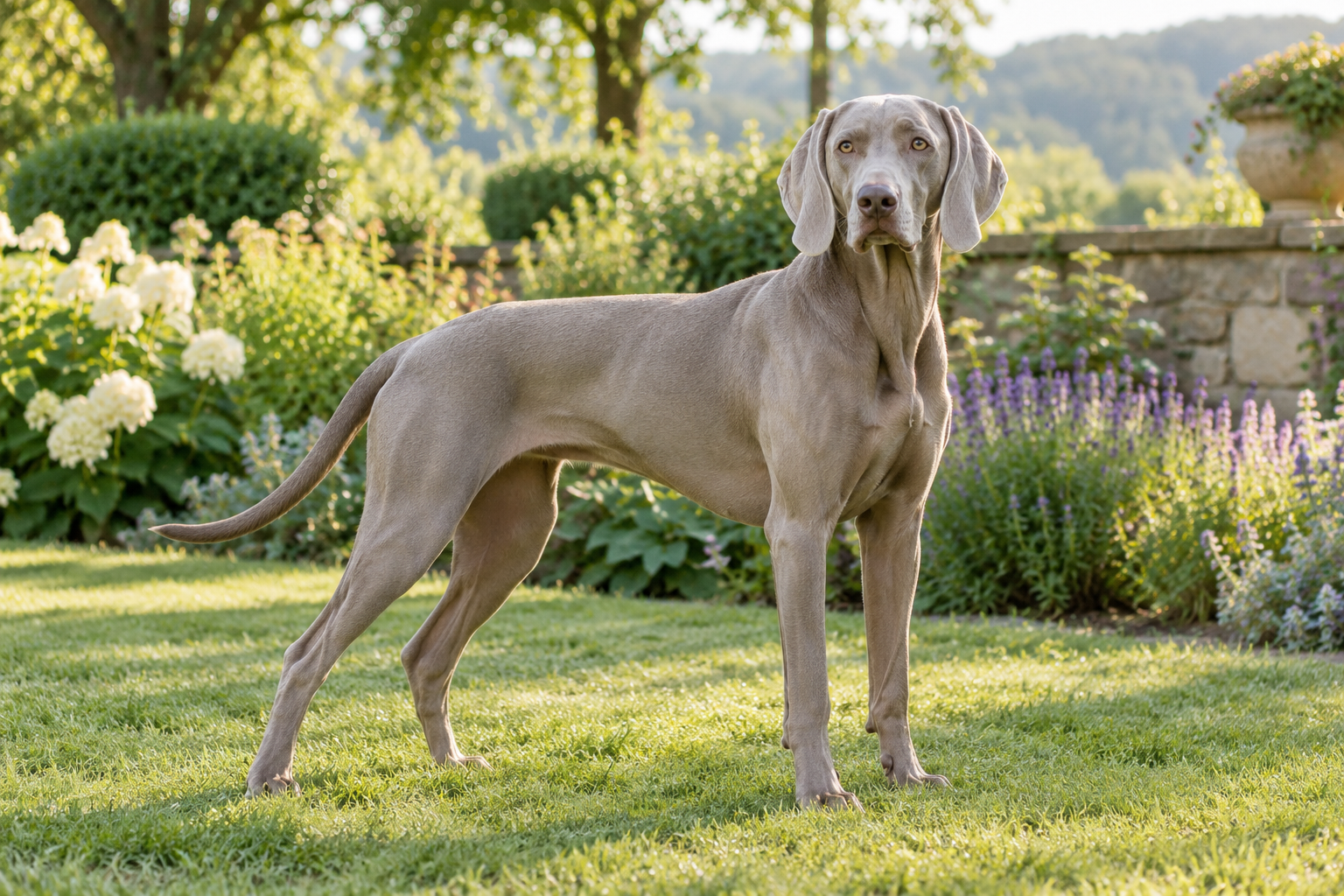 WeimaranerLarge • Gundogs (Group 3)
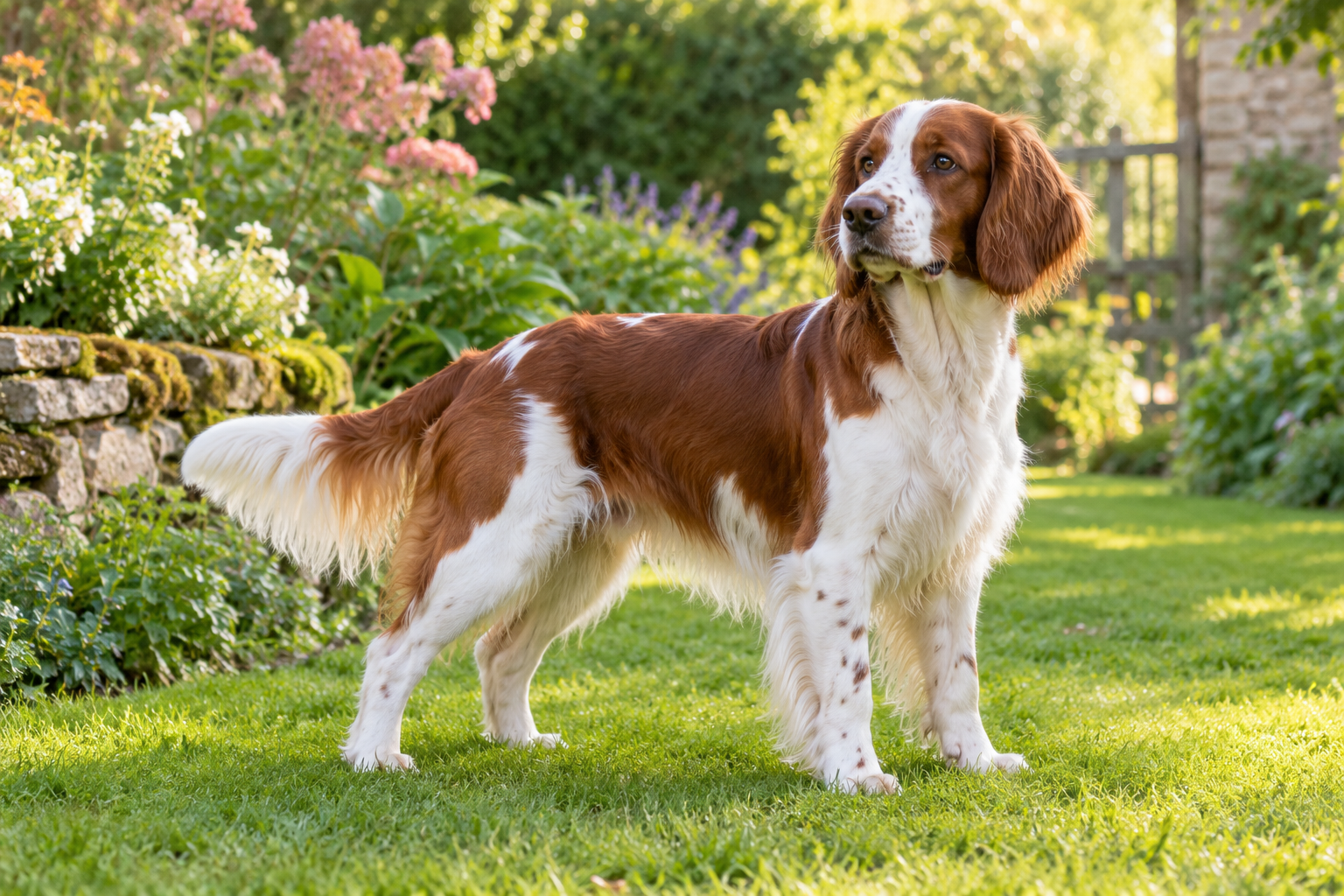 Welsh Springer SpanielMedium • Gundogs (Group 3)