Sussex Spaniel
By James C. • Updated
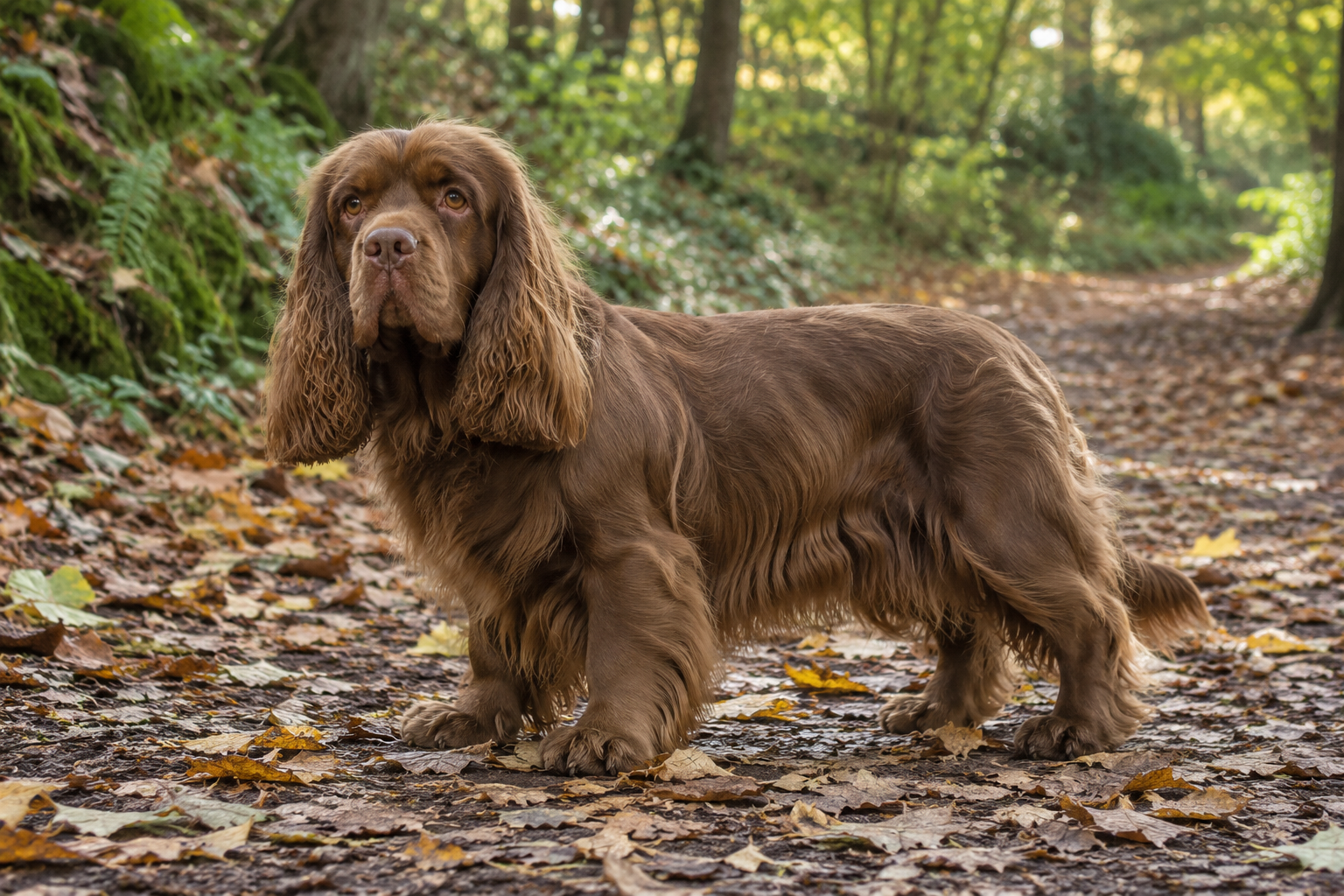
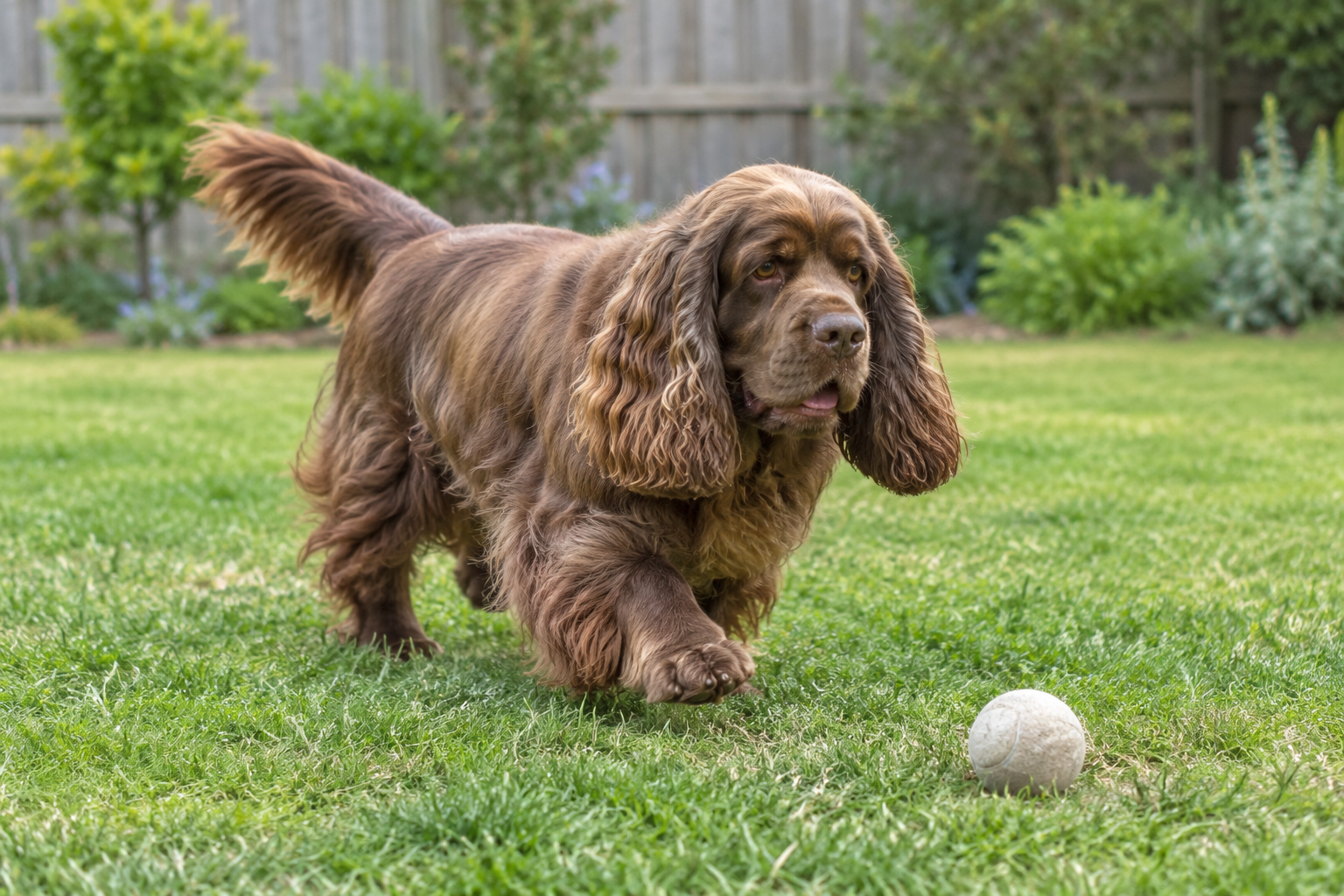
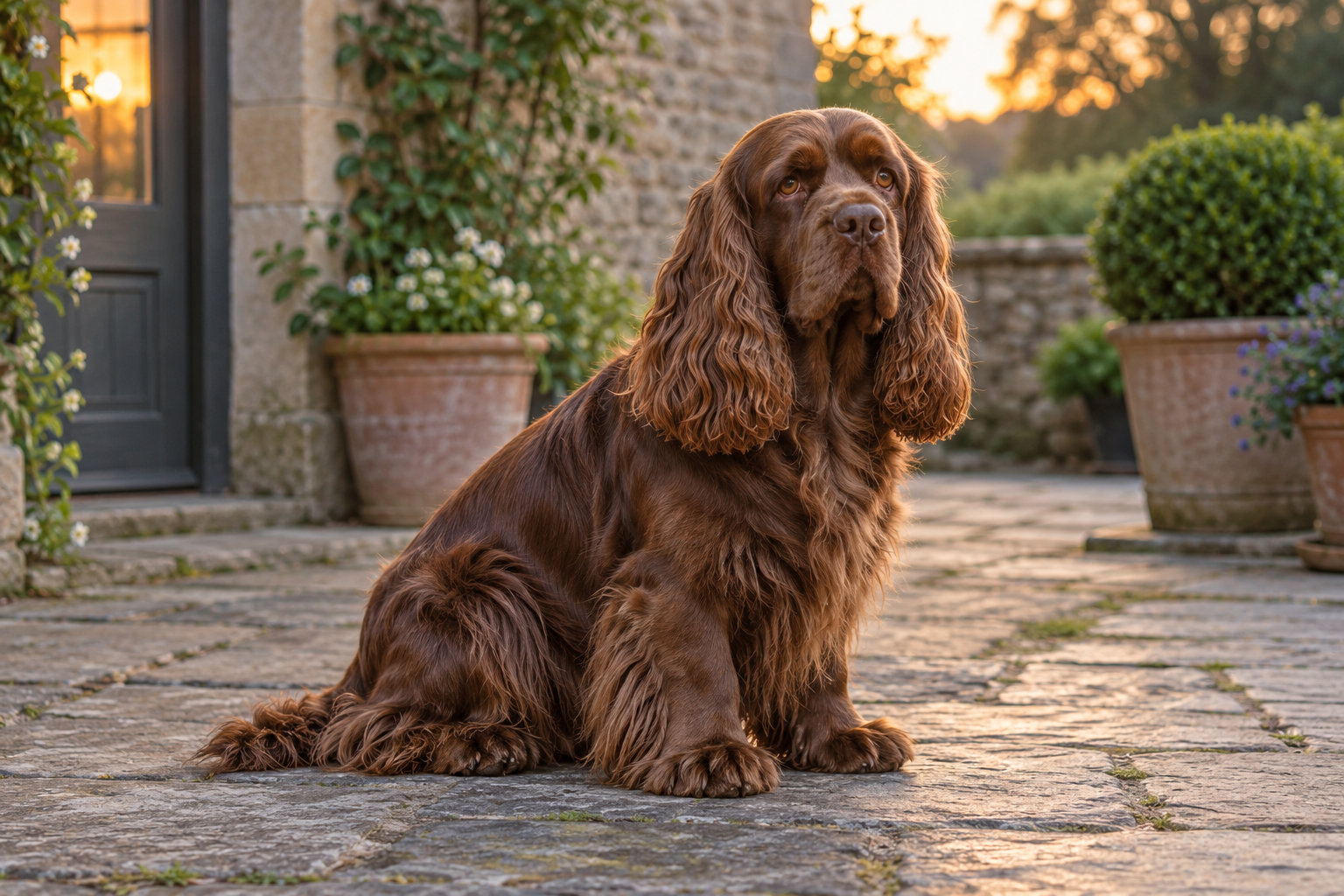
The Sussex Spaniel is a low, heavy-boned English gundog developed on Sussex estates in the late 18th century to work slowly through dense cover, giving voice when it finds scent. It is calm, affectionate and often clownish at home, though it can be stubborn to train. The breed stands 38 to 41 cm and weighs about 23 kg, with a rich golden liver coat that is unique to it. It nearly disappeared during the Second World War and remains one of the rarest spaniels in the world, with only two breeders listed in Australia.
Breed Overview
Life Span
10 - 14 years
Average Price
AUD 3500 - AUD 5000
Weight
Male: 20 - 25 kg Female: 20 - 25 kg
Height
Male: 38 - 41 cm Female: 38 - 41 cm
Life Expectancy
Male/Female: 10 - 14 years
Breed Group
Gundogs (Group 3)
Nicknames
Sussex
Breed Information
The Sussex Spaniel is a rare, slow-moving English gundog with a golden liver coat, a long low body and a famously calm, good-humoured nature. It was bred to push steadily through thick cover rather than race ahead, and it brings that unhurried style home.
Are Sussex Spaniels available in Australia? Yes, but barely. On 17 October 2026 the Dogz Online breeder directory listed 2 Sussex Spaniel breeders nationally and no puppies for sale. Buyers should expect a waiting list or an import.
The breed is recognised by Dogs Australia in the Gundog group. If the wait is unworkable, the Cocker, Clumber and Field Spaniels offer similar spaniel character and are far easier to find.
Characteristics of the Sussex Spaniel
The Sussex Spaniel rates high for gentleness with family and low for energy, making it one of the most relaxed spaniels to live with.
| Trait | Rating | Star Rating | Meaning |
|---|---|---|---|
| Size | Medium | ★★★ | Low and heavy, about 23 kg. |
| Adaptability | Good | ★★★★ | Settles well in most homes, struggles in heat. |
| Exercise Needs | Moderate | ★★★ | Steady walks rather than hard running. |
| Easy to Train | Moderate | ★★ | Willing but stubborn. |
| Amount of Shedding | Moderate | ★★★ | Regular brushing keeps it under control. |
| Grooming Needs | Moderate | ★★★ | Weekly brushing and ear care. |
| Good With Children | Very Good | ★★★★★ | Patient and gentle with family children. |
| Health | Moderate | ★★★ | A small gene pool brings known inherited risks. |
| Cost to Keep | Moderate | ★★★ | Average running costs once acquired. |
| Tolerates Being Alone | Low | ★★ | A people-focused dog that dislikes isolation. |
| Intelligence | Good | ★★★ | Clever, but thinks things over slowly. |
History of the Sussex Spaniel: A Country Estate Gundog Saved From Extinction
The breed takes its name from the county of Sussex, where it was recorded in the 1790s. Augustus Elliot Fuller of Rosehill Park is credited as its founding breeder, developing a close-working spaniel that gave tongue on scent so hunters could follow it through dense undergrowth.
The Kennel Club recognised the breed in 1872, among the earliest spaniels to be recognised. Its slow working style lost favour to faster breeds, and by the Second World War numbers had collapsed. Breeder Joy Freer kept a few dogs going through the war, and all modern Sussex Spaniels descend from her kennel.
The breed remains rare. The Sussex Spaniel Club of America reports 34 puppies born in the United States in 2018 and 37 registered in the UK, where it is listed as a Vulnerable Native Breed.
Appearance of the Sussex Spaniel: Low, Massive and Golden Liver
Size and Build
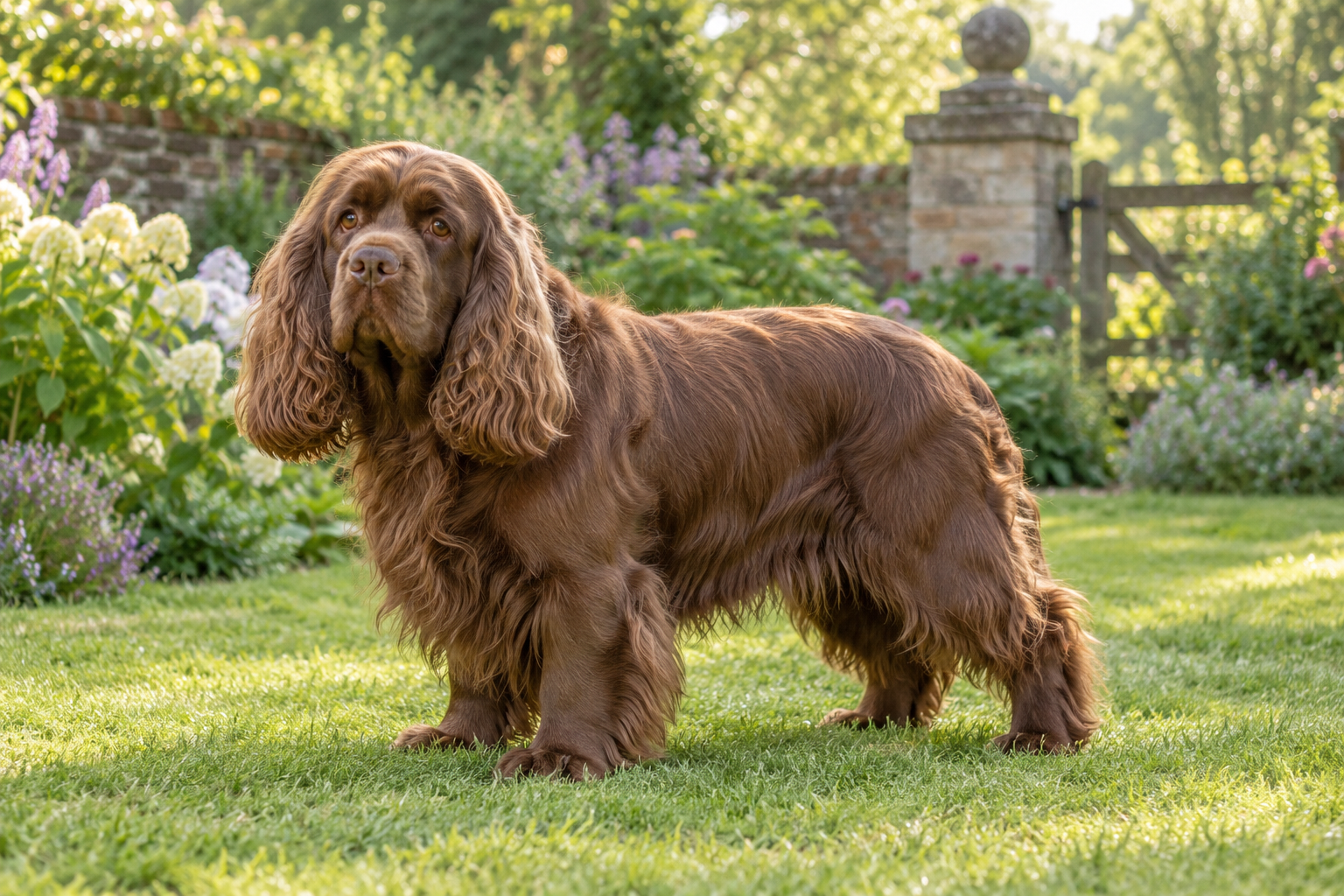
The Dogs Australia standard sets an ideal height of 38 to 41 cm and weight of approximately 23 kg. The body is long, low and muscular, with heavy bone and a deep chest.
Coat and Colours
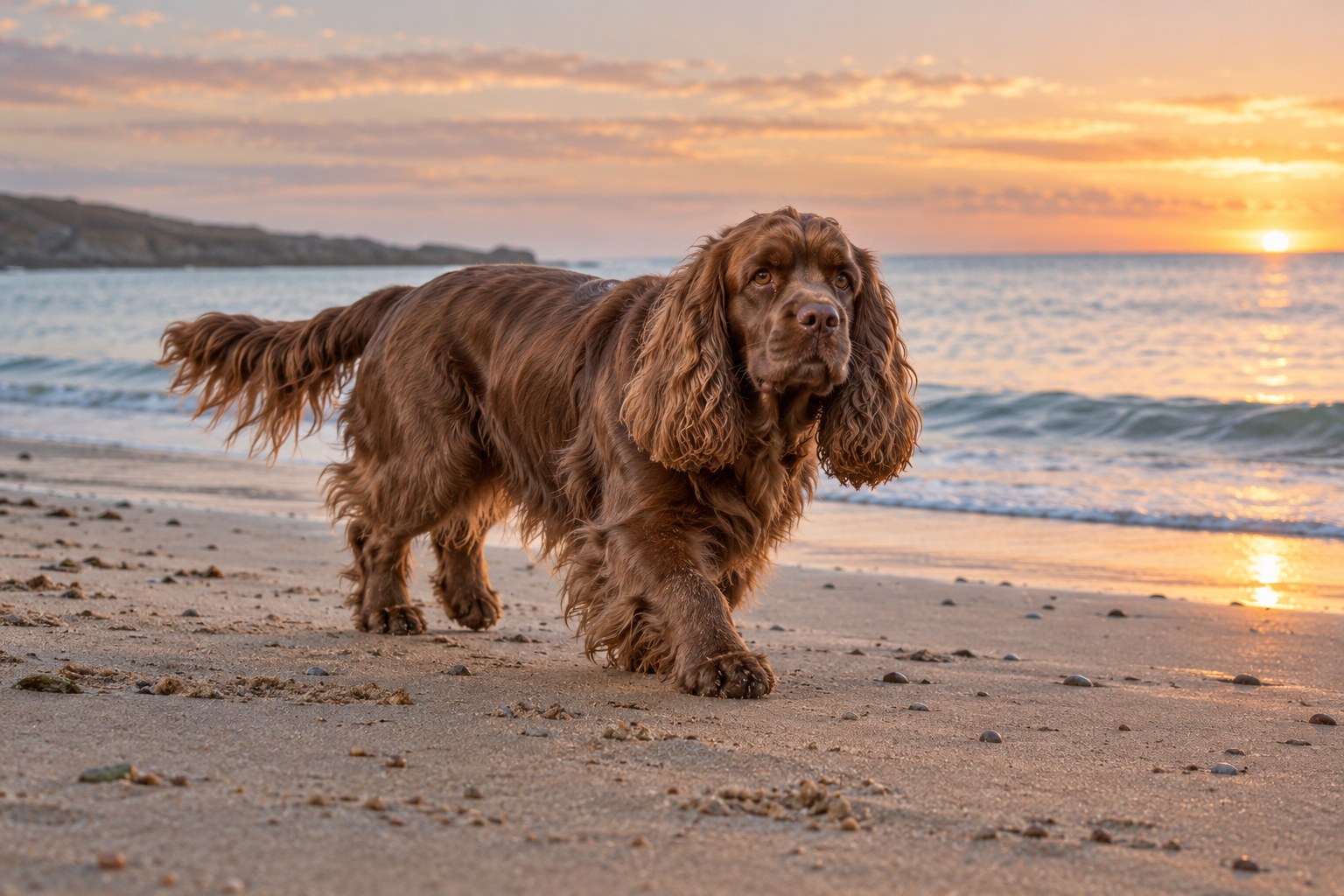
The coat is abundant and flat, with feathering on the legs, chest and ears. The only colour is a rich golden liver, shading to gold at the tips of the hair.
Distinctive Features
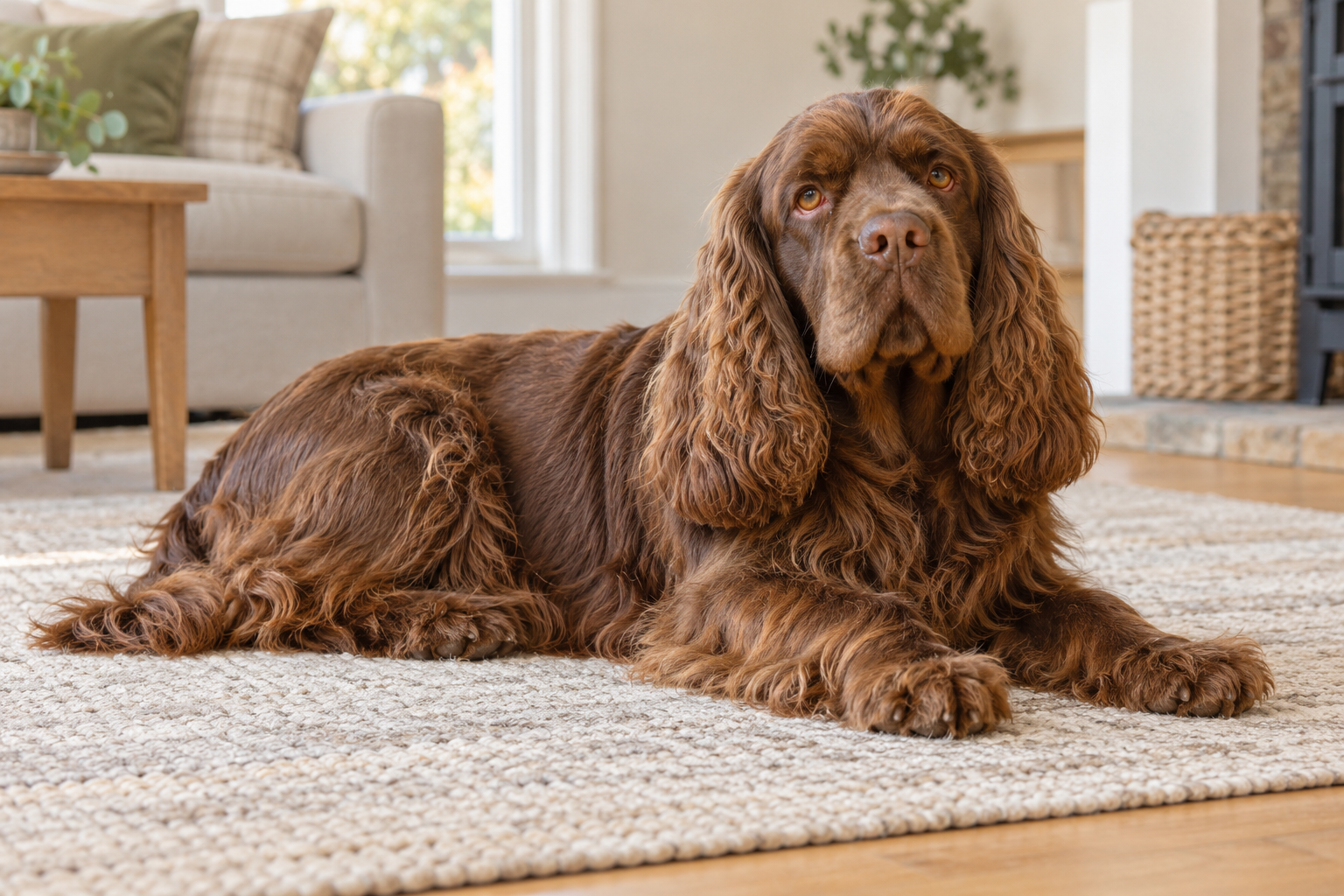
A broad head, heavy brow, frowning expression and large, low-set ears covered in wavy hair give the breed its serious look.
Gender Differences
The standard gives one ideal for both sexes. Males often carry more bone and a broader head.
Temperament of the Sussex Spaniel: Calm, Clownish and Kind
Core Personality Traits
Dogs NSW describes the breed as slow-paced and calm, with clownish behaviour and a kindly disposition. It loves being close to its people.
Social Behaviour
Sussex Spaniels are generally friendly, though some are reserved with strangers and can be protective of their family.
Working Instincts
This is a flushing spaniel with a good nose. It follows scent happily and may give voice when it finds one.
Common Behavioural Challenges
Stubbornness, food stealing and a tendency to become overweight are the usual issues. Patient routines handle most of them.
Intelligence and Trainability of the Sussex Spaniel: Willing but Unhurried
Intelligence and Learning Ability
The breed is intelligent but deliberate. It will often consider a command before obeying it.
Training Approach
Use food rewards, short sessions and plenty of patience. Harsh methods make a Sussex dig its heels in.
Early Socialisation
Early, positive experiences with people, dogs and places help prevent shyness or over-protectiveness.
Potential Training Challenges
House training can be slow, and recall may slip when the nose takes over.
Sussex Spaniel Family Life: Children, Pets and Home
Living with Children
Dogs NSW rates the breed as excellent with children. Its calm, sturdy nature suits families, with normal supervision of young children.
Living with Other Pets
Most get on well with other dogs and can live with cats when raised together.
Household Environment
A house with a yard suits best. Limit stairs and jumping to protect the long back, and provide cool resting spots.
Lifestyle Compatibility
The breed suits families, retirees and relaxed owners rather than runners or very active households.
Health of the Sussex Spaniel: Hips, Heart and a Small Gene Pool
Lifespan and Healthy Living
Commonly published figures put lifespan at 10 to 14 years. Because all modern dogs descend from very few ancestors, published health data is thin.
Common Health Conditions
Owners should be aware of several conditions reported in the breed. It is best to discuss any concerns with a veterinarian.
- Hip dysplasia. Reported at high rates in screening data from the United States.
- Intervertebral disc disease. A risk with any long-backed breed.
- Congenital heart defects. Including pulmonary valve stenosis and patent ductus arteriosus.
- Ear infections. Heavy, hairy ears trap moisture.
- PDP1 deficiency. An inherited metabolic condition causing exercise intolerance, for which a PDP1 DNA test is available.
- Whelping difficulties. The breed club lists breeding and whelping problems as its main health concern.
Genetic Health Testing
Ask for PDP1 DNA results, hip scores and a heart check on the puppy. The breed club recommends heart auscultation at around eight weeks.
Preventative Health Care
Keep the dog lean, maintain vaccinations and year-round parasite control, and use paralysis tick prevention on the east coast.
Caring for the Sussex Spaniel: Daily Routine and Comfort
Daily Care Routine
Two steady walks, an ear check and a quick coat brush keep a Sussex comfortable.
Living Environment Requirements
Secure fencing, non-slip floors and ramps for cars and sofas help protect joints and back.
Climate Sensitivity
A heavy, dark coat makes heat a real risk. Walk at cool times and check the temperatures that are safe for dogs before exercise in summer.
Caring for Senior Sussex Spaniels
Seniors need gentler exercise, joint support and regular vet checks on heart and hips.
Grooming of the Sussex Spaniel: Coat, Feathering and Ears
Coat Maintenance
Brush weekly, more often through moulting, and comb out the feathering on the legs and chest.
Ear Care
Check ears weekly, and follow a routine for cleaning long, heavy ears safely to reduce infections.
Grass Seed Checks
Check feet, ears and feathering after every walk in spring and summer, as grass seeds lodge easily.
Bathing and Trimming
Bathe every few weeks, and trim hair between the pads and around the ears for hygiene.
Exercise Needs of the Sussex Spaniel: Gentle and Steady
Daily Exercise Requirements
Dogs NSW suggests about 20 minutes a day as a minimum. Most adults enjoy 30 to 60 minutes of steady walking.
Activities Sussex Spaniels Enjoy
Sniff walks, scent work and gentle retrieving games play to the breed's nose.
Exercise by Life Stage
Puppies mature slowly, so avoid long walks, stairs and jumping during growth. Build stamina gradually in adults.
Heat and Tick Safety
Avoid midday exercise in summer and check the coat daily for paralysis ticks in tick areas.
Feeding the Sussex Spaniel: Managing a Hearty Appetite
Nutritional Requirements
A complete, balanced diet for medium dogs suits most adults. Dogs affected by PDP1 deficiency may need a special diet under veterinary guidance.
Feeding by Life Stage
Puppies eat three to four meals a day, then two meals from around six months.
Portion Control and Weight Management
The breed gains weight easily, which strains hips and back. Measure meals and keep treats small.
Foods to Avoid
Avoid chocolate, grapes, sultanas, onion, garlic, macadamias, xylitol and cooked bones.
Sussex Spaniel Price in Australia: What Can Be Known
Puppy Purchase Price
No Australian Sussex Spaniel price was found published on 17 October 2026. With 2 breeders and no puppies listed, prices are set breeder by breeder and shared on enquiry.
Initial Setup Costs
RSPCA NSW estimates first-year dog costs at $1,979 to $3,001, including desexing at $350 to $650 and puppy vaccinations at $280 to $420. Interstate transport or an import would add to this.
Ongoing Costs
| Cost | Typical figure (AUD) | Source |
|---|---|---|
| Food | About $600 to $1,000 per year | RSPCA NSW |
| Flea, worm and heartworm prevention | About $200 to $500 per year | RSPCA NSW |
| Annual vaccination and vet check | $140 and upwards per year | RSPCA NSW |
| Professional grooming (optional) | $40 to $200 per visit | RSPCA NSW |
Long-Term Financial Commitment
RSPCA NSW puts ongoing dog costs from about $1,260 a year. Hip or heart problems could add substantial vet bills, so early insurance is worth considering.
Buying Advice for a Sussex Spaniel: Waiting Lists and Scam Awareness
Choosing a Responsible Breeder
Contact your state Dogs Australia body for breed club details and join a waiting list. Working through questions to ask a dog breeder helps compare the few options.
Health Checks Before Purchase
Ask for PDP1 results, parental hip scores and a heart check, and confirm ANKC registration and microchip records.
Questions to Ask the Breeder
- Are both parents PDP1 tested, and what were the results?
- What are the parents' hip scores?
- Has the litter been heart checked by a vet?
- Are you a member of a state Dogs Australia body?
- How long have dogs in your line lived?
Rare Breed Scam Awareness
Near-zero supply is the classic setup for fake listings. Verify ANKC registration and breeder membership, and learn how to spot a puppy scam online before paying.
Is the Sussex Spaniel Right for You? A Gentle Spaniel Worth Waiting For
Lifestyle Compatibility
The Sussex suits calm families and retirees. It is not a jogging partner.
Time and Care Commitment
Expect steady daily walks, weekly grooming and ear care for 10 to 14 years.
Grooming and Health Awareness
Watch weight, ears and heat, and choose a health-tested litter.
Ideal Owner Profile
A patient owner who wants a relaxed, affectionate spaniel and can wait.
Find Sussex Spaniel Puppies for Sale
Sussex litters are rare, so watch puppies for sale across Australia and consider the spaniels below.
Frequently Asked Questions
Related Breeds
Other sporting breeds on Pups4Sale.
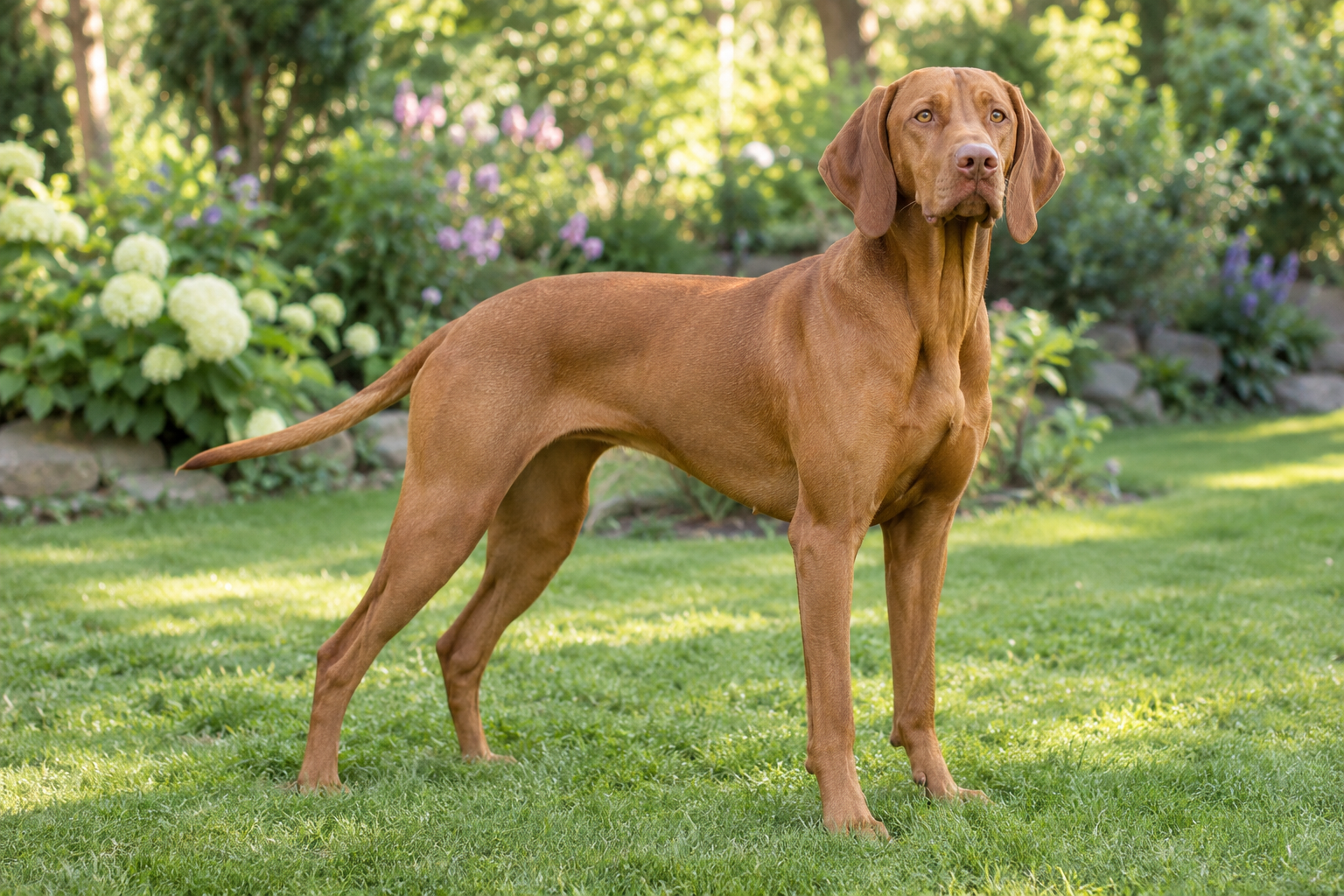 VizslaMedium • Gundogs (Group 3)
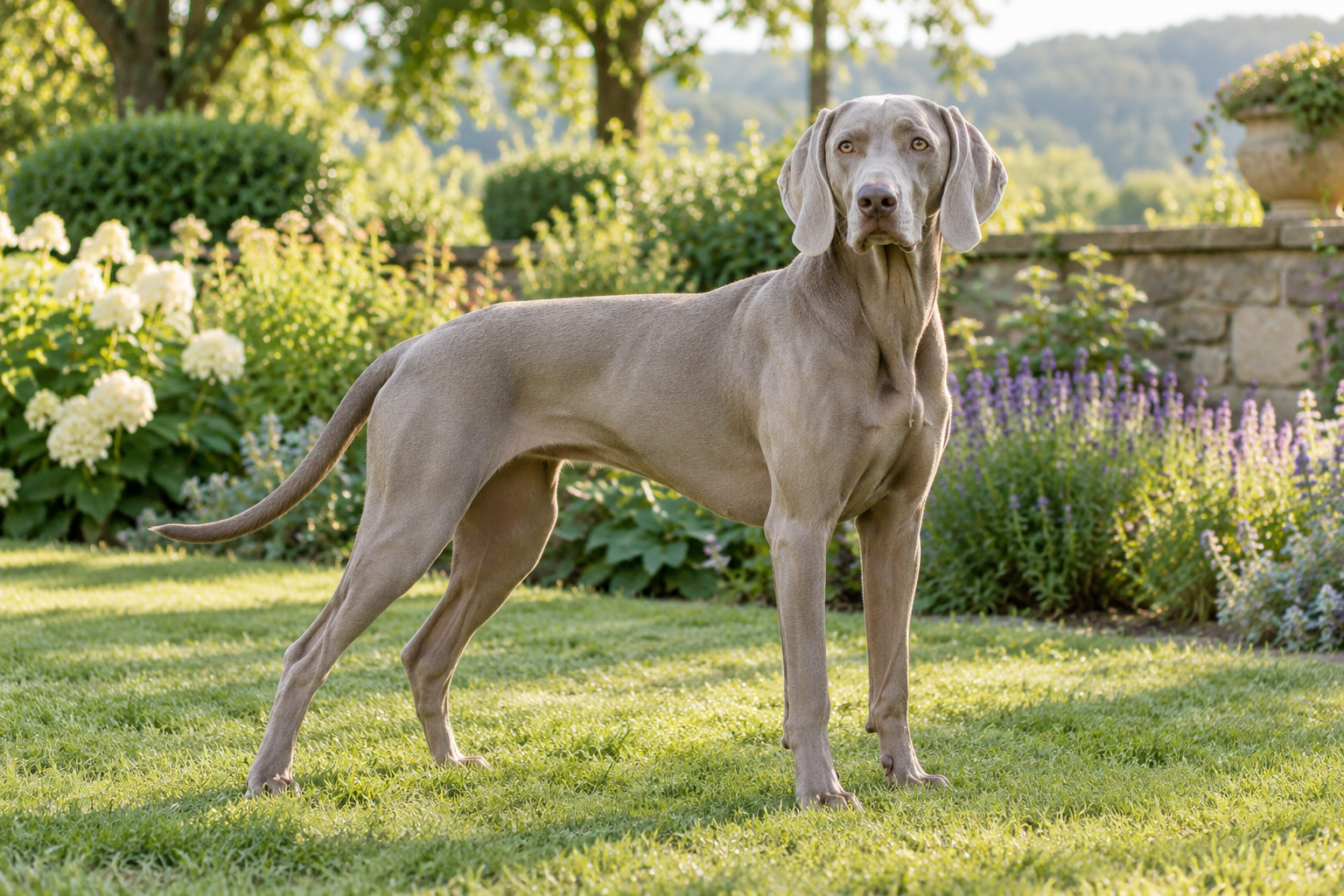 WeimaranerLarge • Gundogs (Group 3)
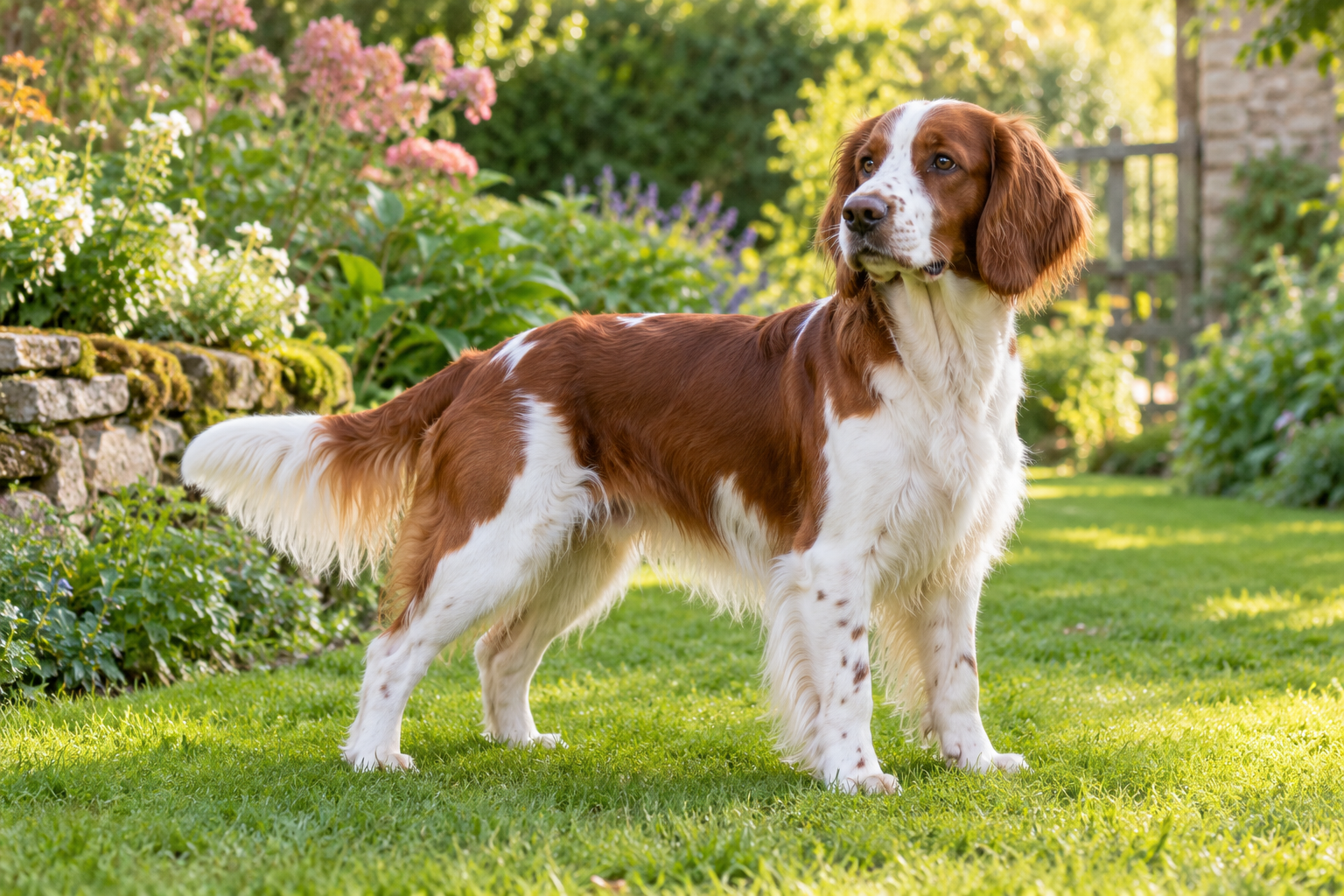 Welsh Springer SpanielMedium • Gundogs (Group 3)
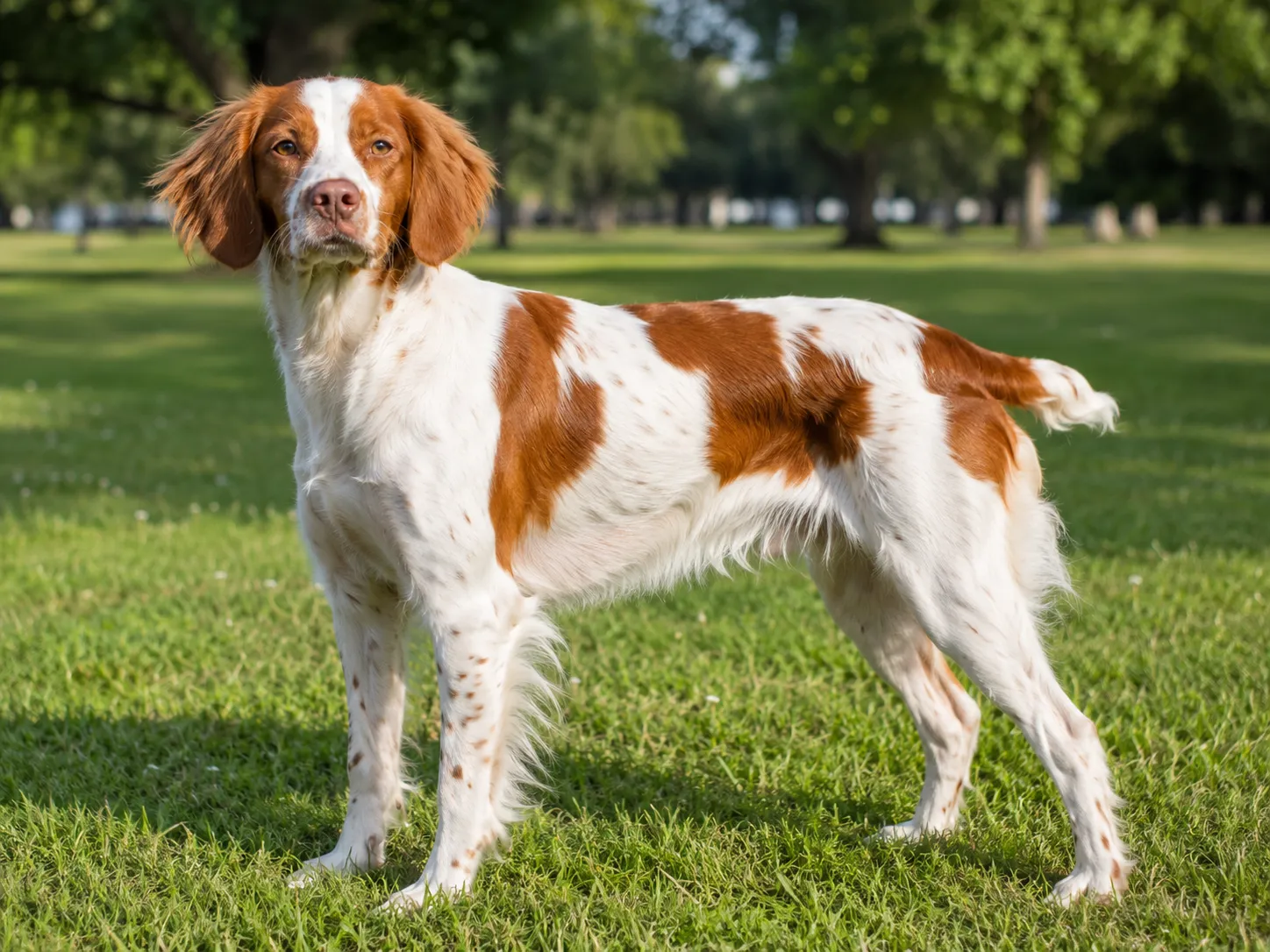 BrittanyMedium • Gundog (Hunt, Point, Retrieve)
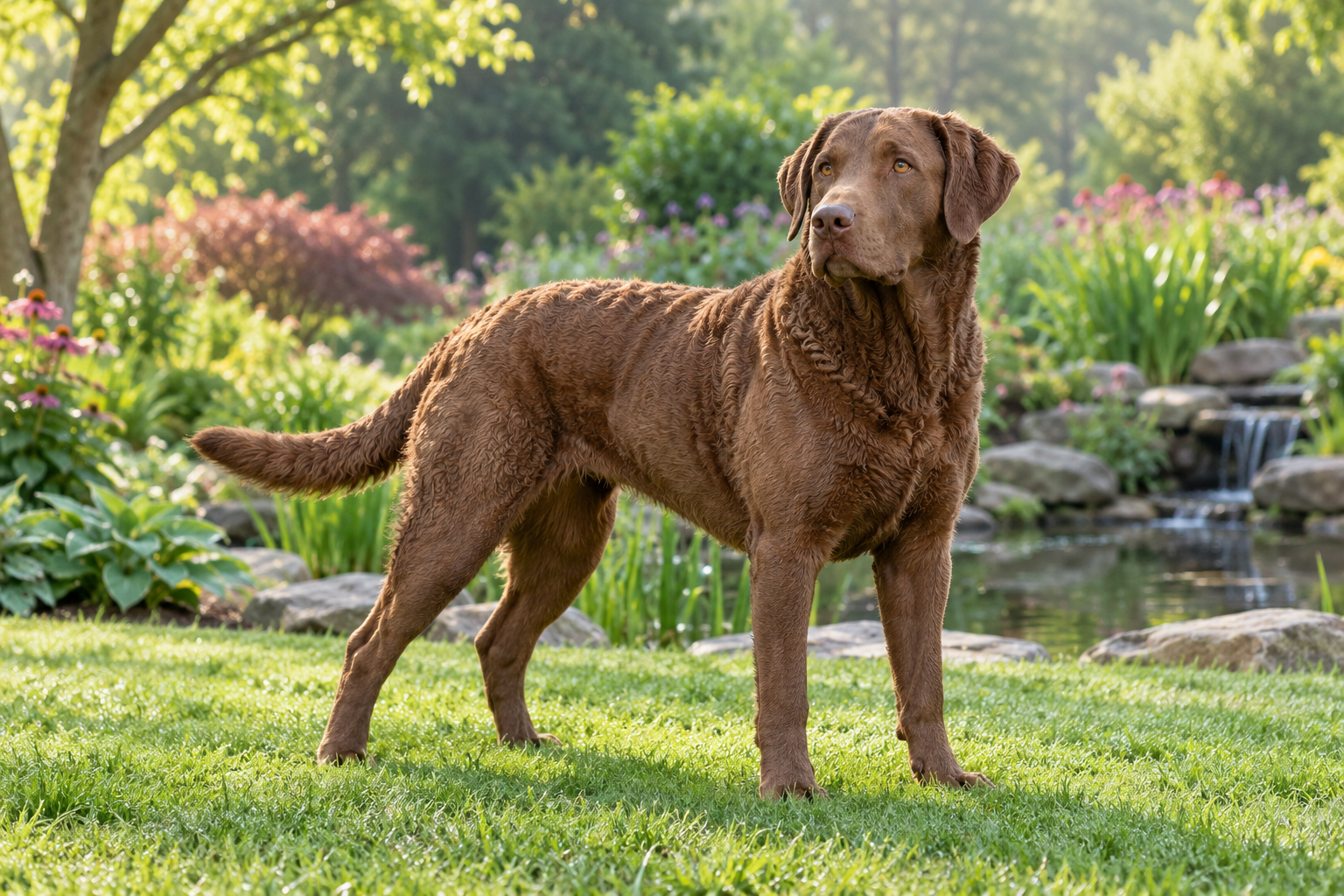 Chesapeake Bay RetrieverLarge • Gundog (Group 3)
 Clumber SpanielMedium • Gundog / Sporting