


Weimaraner
By James C. • Updated
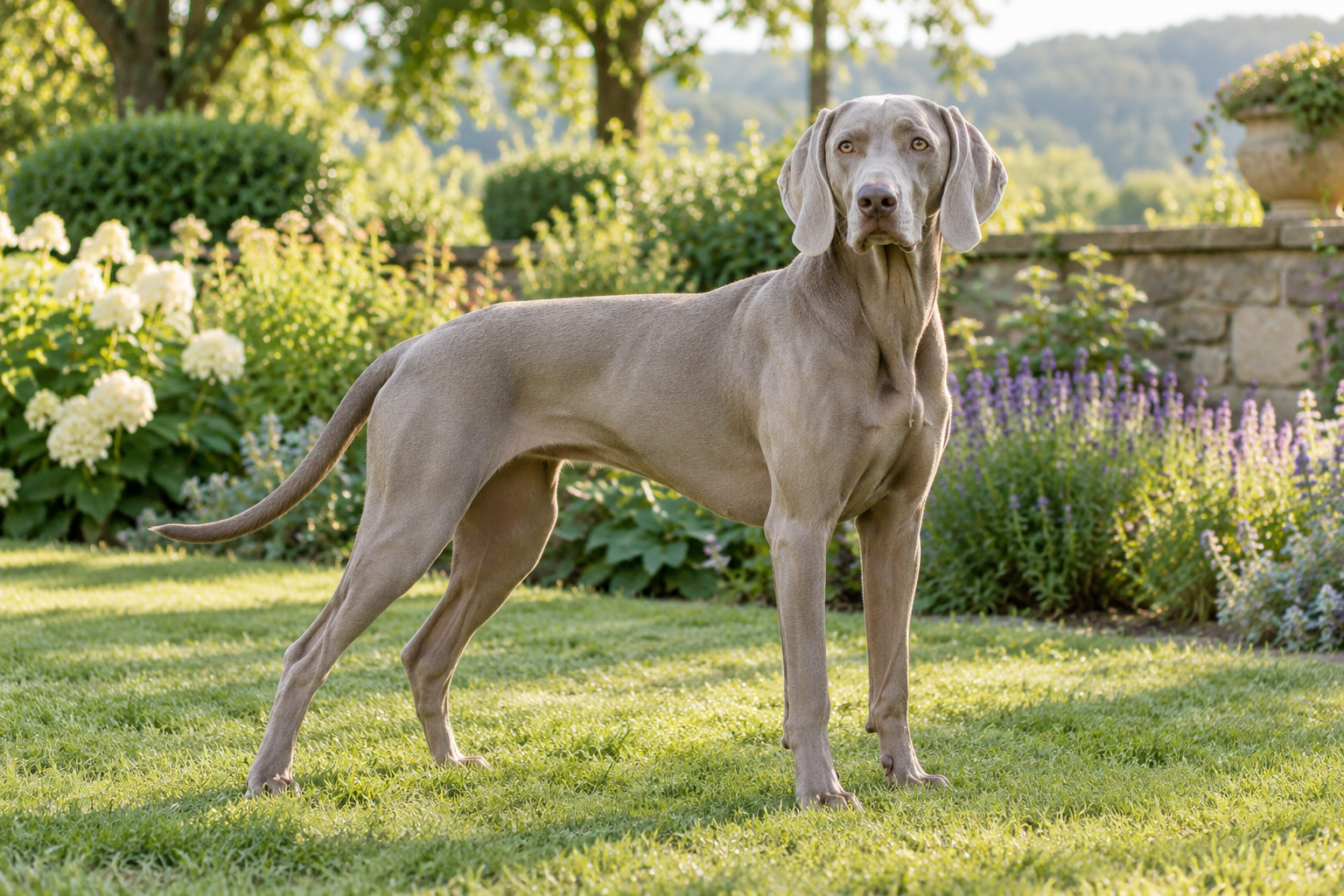
The Weimaraner is a large German gundog developed at the court of Weimar in the nineteenth century as a versatile hunting dog, and is often called the Grey Ghost for its silver-grey coat and pale eyes. It is athletic, intelligent and intensely people-focused, which makes it an affectionate companion but one that struggles when left alone. Males stand 59 to 70 cm and weigh about 30 to 40 kg, and females 57 to 65 cm and about 25 to 35 kg, under the Dogs Australia standard. The breed comes in short-haired and long-haired varieties, and only grey shades are accepted. A UK study of nearly 3,000 Weimaraners found a median lifespan of 12.8 years.
Breed Overview
Life Span
10 - 14 years
Average Price
AUD 3000 - AUD 5000
Weight
Male: 30 - 40 kg Female: 25 - 35 kg
Height
Male: 59 - 70 cm Female: 57 - 65 cm
Life Expectancy
Male/Female: 10 - 14 years
Breed Group
Gundogs (Group 3)
Nicknames
Weim, Grey Ghost, Silver Ghost
Breed Information
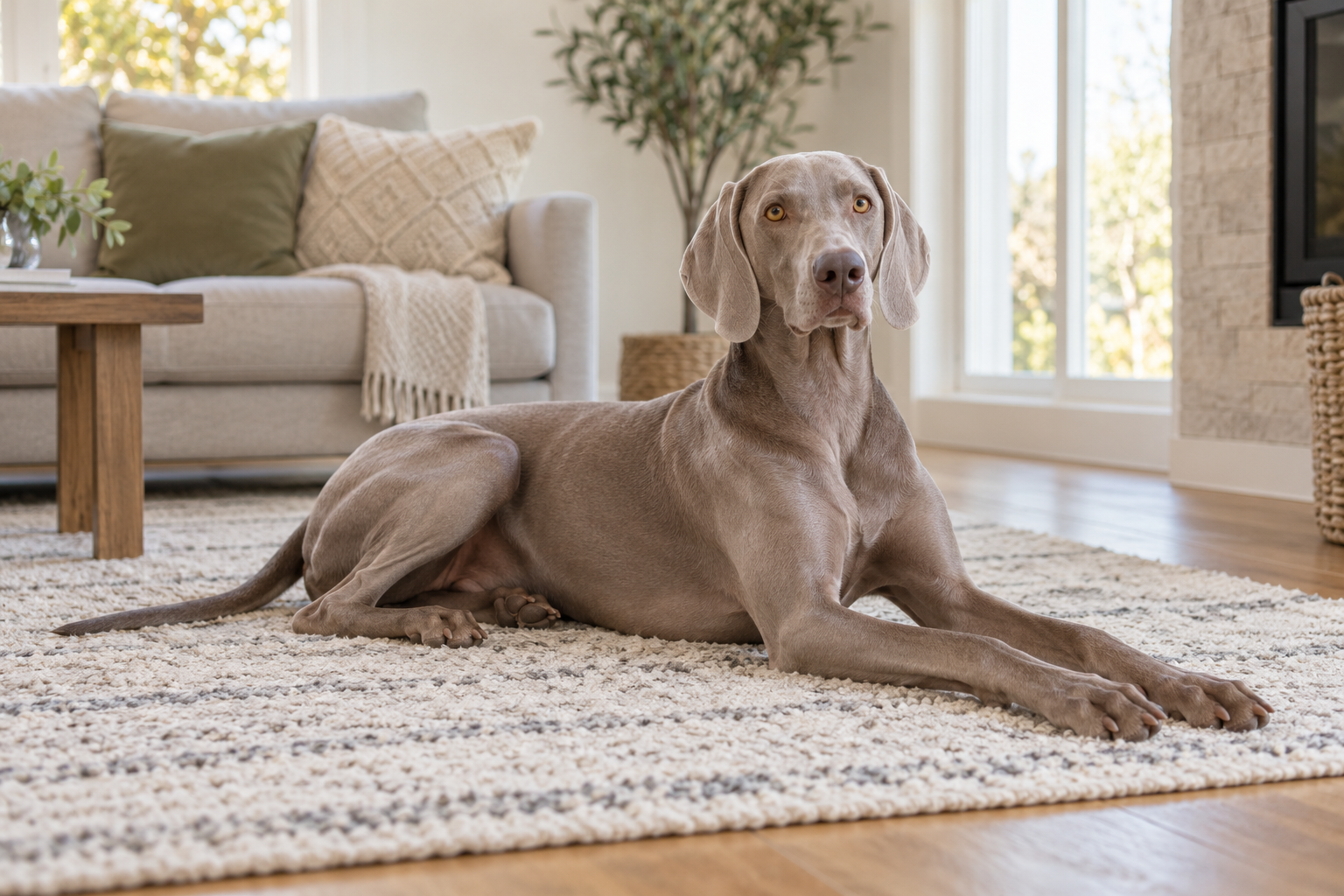
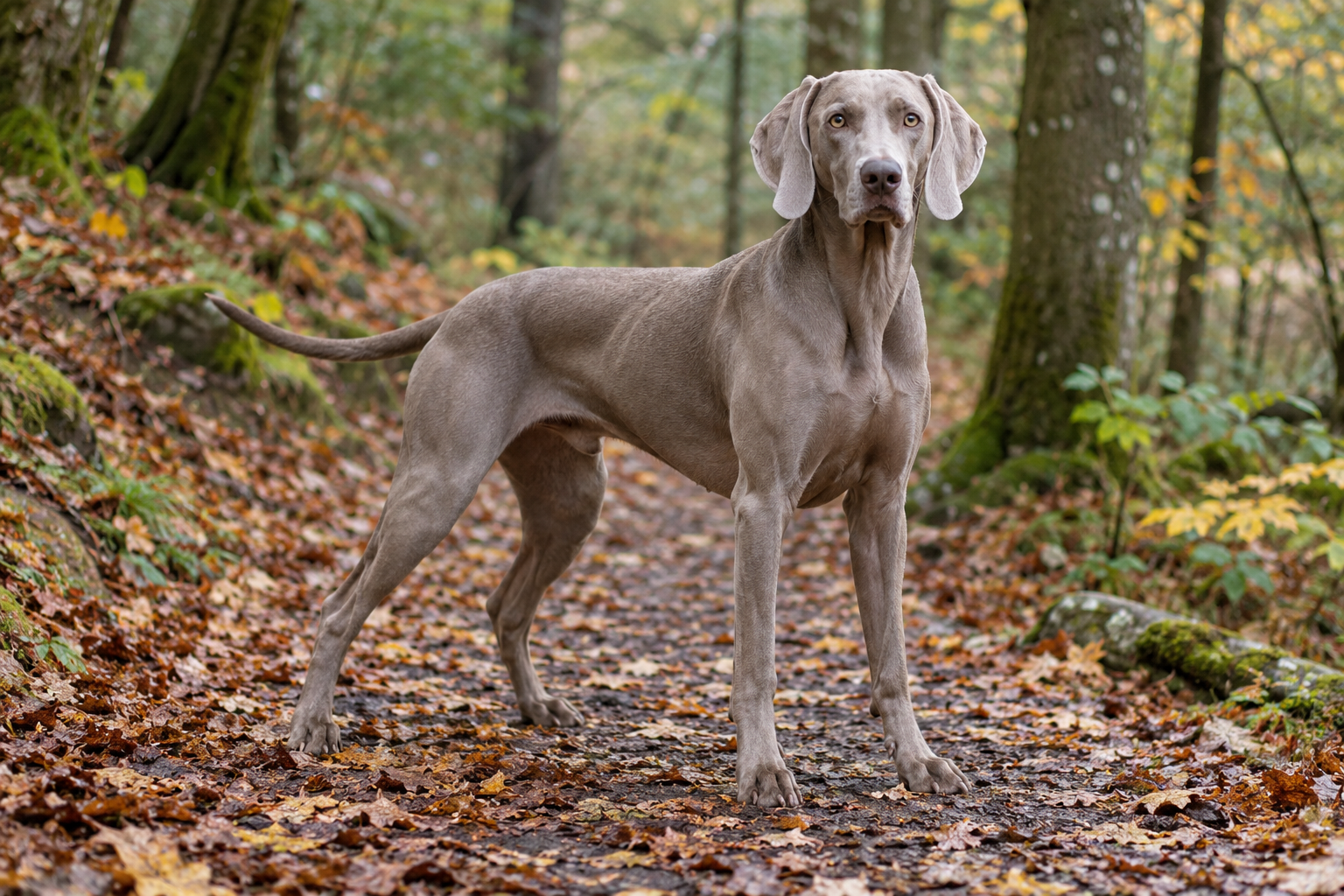
The Weimaraner is a large, athletic German gundog known as the Grey Ghost, bred to hunt alongside people and now kept mainly as an energetic family companion. Its sleek grey coat, pale amber or blue-grey eyes and elegant outline make it one of the most recognisable dogs in any park. Behind the looks is a high-drive working dog that wants to be with its people almost constantly.
There are two varieties. The short-haired Weimaraner is by far the more common in Australia, while the long-haired Weimaraner has soft, feathered coat on the ears, legs and tail and is an accepted variety under the breed standard. Both share the same temperament and needs. Only shades of grey are correct, and the standard disqualifies blue and other non-grey colours, which matters for anyone tempted by a "rare blue" advertisement.
The breed is recognised by Dogs Australia in Group 3, Gundogs. Supply is healthy for a large breed, with 49 breeders listed on Dogz Online and five litters advertised nationally on 17 October 2026. The honest question for most buyers is not whether they can find a Weimaraner, but whether their household can meet one's needs.
Characteristics of the Weimaraner
The Weimaraner rates very highly for exercise needs, affection and intelligence, and very low for tolerance of being alone, which is the trait that most often decides whether the breed suits a household.
| Trait | Rating | Star Rating | Meaning |
|---|---|---|---|
| Size | Large | ★★★★ | About 25 to 40 kg, tall, strong and fast. |
| Adaptability | Low | ★★ | Copes poorly with confinement, isolation and small spaces. |
| Exercise Needs | Very High | ★★★★★ | At least two hours daily, including off-lead running. |
| Easy to Train | Moderate | ★★★ | Quick to learn but wilful, especially as an adolescent. |
| Amount of Shedding | Low | ★★ | The short coat sheds lightly year round. |
| Grooming Needs | Low | ★★ | A weekly rub down for short coats, more brushing for long coats. |
| Good With Children | Good | ★★★★ | Affectionate and gentle, but boisterous enough to knock children over. |
| Health | Good | ★★★★ | Generally long-lived, with bloat as the key emergency risk. |
| Cost to Keep | Moderate | ★★★ | Large dog food and insurance costs, minimal grooming. |
| Tolerates Being Alone | Very Low | ★ | Prone to distress, noise and destruction when left. |
| Intelligence | Very High | ★★★★★ | Clever, observant and good at finding its own entertainment. |
History of the Weimaraner: From the Weimar Court to the Family Home
The Weimaraner takes its name from Weimar, the German court where it was developed in the early nineteenth century. Noblemen wanted an all-round hunting companion that could track, point and retrieve, with the courage to work on large game such as boar and deer. The result was a fast, intelligent dog with a strong nose, bred to work closely with a single hunter rather than in a pack.
As large game declined in Germany, the breed's work shifted to birds and smaller game, where its pointing and retrieving skills were equally valued. A German breed club, formed in the late nineteenth century, kept tight control over breeding for decades, and dogs were rarely allowed to leave the country. That close management is one reason the breed's type and grey colouring are so consistent today.
Weimaraners reached North America in the first half of the twentieth century and spread from there to the rest of the world, including Australia. Today most Australian Weimaraners are companions, though the breed still competes in field trials, tracking, scent work and obedience. Its hunting instincts remain fully intact, and they shape almost every part of living with one.
Appearance of the Weimaraner: Sleek, Athletic and Unmistakably Grey
Size and Build
The Dogs Australia Weimaraner standard sets dogs at 59 to 70 cm and about 30 to 40 kg, and bitches at 57 to 65 cm and about 25 to 35 kg, with ideal heights of 62 to 67 cm and 59 to 63 cm. The build is lean and muscular, with a deep chest, a level topline and long legs built for covering ground. Weimaraners look elegant, but they are strong dogs, and an untrained adult can pull an adult over.
Coat and Colours
The short-haired coat is short, dense and smooth lying, with little or no undercoat. The long-haired coat is soft and may be straight or slightly wavy, with feathering on the ears, legs and tail. The standard accepts silver, roe or mouse grey and shades of these, with only small white markings on the chest or toes. Blue colouring and other non-grey colours are disqualifying faults, and brown markings are a serious fault.
Distinctive Features
The eyes are a defining feature: blue-grey in puppies, maturing to light or dark amber. The ears are long and set high, and the nose is grey. Many Weimaraners in Australia still have docked tails from earlier practice, but tail docking for cosmetic reasons is now banned across Australia, so puppies bred here keep full tails.
Gender Differences
Males are noticeably taller and heavier, with a stronger head and more substance, and the standard sets separate ranges for each sex. Females are lighter and finer. Some owners find females slightly easier to manage through adolescence, though training and exercise matter far more than sex.
Temperament of the Weimaraner: Affectionate, Intense and People-Focused
Core Personality Traits
Weimaraners are typically affectionate, loyal and highly intelligent, with a playful, sometimes clownish side. They are confident dogs that like to be involved in everything their family does. They are also intense. A Weimaraner that is bored will create its own work, and that often means chewing, counter-surfing, digging or escaping.
Social Behaviour
Most Weimaraners are friendly with people they know and reserved or watchful with strangers. They make reasonable alarm dogs and will bark at visitors and unusual noises. With other dogs they are generally sociable, although some can be pushy or rough in play, so early, positive dog socialisation matters.
Bonding and Attachment
The Weimaraner's "velcro dog" reputation is well earned. Bred to work at a hunter's side, the breed bonds tightly and often follows its owner from room to room. That closeness is the joy of the breed and also its biggest risk, because many Weimaraners find being left alone genuinely distressing. Knowing the early signs of separation anxiety helps owners respond before the problem becomes entrenched.
Common Behavioural Challenges
The common problems are separation distress, destructive behaviour, barking or howling when left, jumping up and pulling on lead. Strong prey drive means chasing cats, birds and wildlife. Nearly all of these improve markedly with enough exercise, structured training and a gradual approach to time alone, and nearly all get worse without them.
Intelligence and Trainability of the Weimaraner: Clever, Quick and Sometimes Wilful
Intelligence and Learning Ability
Weimaraners learn quickly and remember well, and they excel at tasks that use their nose and their brain together. They also learn bad habits as fast as good ones. A Weimaraner that discovers it can open the pantry or jump the side gate will remember that lesson permanently.
Training Approach
Reward-based training with food, play and praise suits the breed, and harsh handling tends to backfire with a sensitive dog. Keep sessions short and interesting, since repetition bores clever dogs. Prioritise loose-lead walking, settling on a mat, recall and calm greetings, because those are the skills that make a 35 kilogram dog pleasant to live with.
Early Socialisation
Expose puppies gently to a wide range of people, dogs, places and sounds, and include short, positive periods alone from the first week at home. Practising calm alone time early is one of the most effective ways to reduce separation problems later. Puppy school is strongly recommended.
Potential Training Challenges
Adolescence, roughly six months to two years, is the hardest stage, and this is when many Weimaraners test boundaries and ignore familiar commands. Recall can be unreliable around birds, rabbits and kangaroos because of the breed's hunting drive. Owners who keep training consistent through this stage are usually rewarded with a settled, capable adult.
Weimaraner Family Life: Living with Children, Pets, and Households
Living with Children
Is a Weimaraner a good family dog? For active families with older children and someone home much of the day, it can be an excellent one. Weimaraners are gentle and affectionate with their own children. They are also tall, fast and exuberant, especially as adolescents, so toddlers can easily be knocked over and supervision is essential.
Living with Other Pets
Weimaraners usually live well with other dogs, and a second dog can ease some of the loneliness of time apart, though it rarely cures true separation distress. Cats, poultry, rabbits and other small pets are at real risk from a breed with strong prey drive. Some Weimaraners raised with a particular cat accept it, but many never become trustworthy with small animals.
Household Environment
A secure yard with fencing of at least 1.8 metres is important, since Weimaraners can jump and climb. Indoors, the breed wants to live with the family, not in the backyard, and does best with access to the house. A house with a yard suits far better than an apartment, though a yard is a place to rest, not a substitute for exercise.
Lifestyle Compatibility
Weimaraners suit runners, hikers, hunters and people who work from home or have flexible hours. They suit long working days, small apartments and owners wanting a low-energy companion poorly. Compared with the famously adaptable Labrador Retriever, the Weimaraner is more intense, more sensitive and far less tolerant of being alone.
Health of the Weimaraner: Bloat, Joints and Lifespan
Lifespan and Healthy Living
Published ranges for the breed commonly run 10 to 13 years. The strongest data comes from a 2024 UK longevity study, which found a median lifespan of 12.8 years across 2,990 Weimaraners, a good result for a large breed. Keeping the dog lean, fit and fed sensibly around exercise supports a long, healthy life.
Common Health Conditions
Owners should be aware of several conditions that can be associated with the Weimaraner. It is best to discuss any concerns with a veterinarian.
- Gastric dilatation volvulus (bloat). A life-threatening twisting of the stomach in deep-chested dogs. A UK health survey placed the Weimaraner among the breeds at greatest risk of GDV illness. Signs include a swollen belly, unproductive retching and restlessness, and it needs a vet immediately.
- Hip dysplasia. Listed among the breed's concerns by the PDSA, and screened for by responsible breeders.
- Hypertrophic osteodystrophy. A painful bone disease of fast-growing puppies, reported by the AKC Canine Health Foundation as more common in Weimaraners than in other breeds.
- Eyelid and eyelash disorders. Distichiasis, entropion and ectropion can occur, and the breed standard treats entropion and ectropion as disqualifying faults.
- Certain cancers. Included among the breed's health concerns by the UK veterinary charity PDSA, along with hip dysplasia, distichiasis and bloat.
- Inherited neurological and metabolic conditions. Spinal dysraphism, hypomyelination and hyperuricosuria all have DNA tests available for the breed.
Genetic Health Testing
Ask for hip and elbow scores for both parents and the results of any DNA tests. Some Australian breeders on Dogz Online state that both parents are hip and elbow scored and DNA tested clear of hypomyelination (HYM), spinal dysraphism (SD) and hyperuricosuria (HUU), which is a useful benchmark. Ask too whether the parents have had eye checks for eyelid and eyelash problems.
Preventative Health Care
Feed two or more smaller meals a day rather than one large meal, avoid vigorous exercise for at least an hour before and after eating, and learn the signs of bloat. Some owners discuss preventive gastropexy, a procedure that tacks the stomach in place, with their vet, often at the time of desexing. Keep vaccinations current and use year-round parasite prevention, including paralysis tick cover on the east coast, and check the coat daily after walks in bush or long grass.
Caring for the Weimaraner: Daily Care and Living Environment
Daily Care Routine
A good day for a Weimaraner includes a long morning outing with a chance to run, a shorter afternoon or evening session, a training or scent game, and plenty of time with its people. Meals should be split in two and kept away from vigorous exercise. Plan a routine that builds in short periods alone from puppyhood.
Living Environment Requirements
Weimaraners need a secure yard, comfortable indoor bedding and access to the household. A crate can provide a safe den when introduced positively. Because the short coat gives little insulation and the breed has little body fat, Weimaraners feel the cold and should sleep indoors through winter.
Climate Sensitivity
The short coat helps in Australian heat, but a high-drive Weimaraner will keep running long after it should stop. Exercise early in the morning or in the evening in summer, carry water, and avoid hot sand and bitumen. Know the signs of heatstroke, which the RSPCA lists as including heavy panting, drooling, vomiting and weakness. Pale grey dogs with thin coats over the belly may also need sun protection on hot days.
Caring for Senior Weimaraners
Older Weimaraners often stay keen well into their senior years, which makes it easy to overdo exercise. From around eight, shift to gentler, regular walks, watch for stiffness and weight change, and keep up twice-yearly vet checks. Soft bedding and non-slip flooring help ageing joints.
Grooming of the Weimaraner: Low-Maintenance Coat Care
Coat Maintenance
The short-haired coat needs only a weekly brush with a rubber mitt or soft bristle brush to remove loose hair. The long-haired coat needs brushing two or three times a week, with extra attention to the feathering behind the ears and on the legs, where tangles form.
Ear, Nail, and Dental Care
The long, folded ears can trap moisture and wax, so check them weekly and after swimming. Trim nails every three to four weeks, since Weimaraner nails grow quickly and long nails affect movement. Brush teeth several times a week.
Bathing and Professional Grooming
Bathe only when needed, as the short coat sheds dirt easily once dry. Professional grooming is rarely necessary for short-haired dogs. Long-haired Weimaraners may benefit from an occasional tidy of the feet and feathering.
Skin and Coat Checks
The thin coat makes cuts, grass seeds and insect bites easy to spot, so a quick check after outdoor exercise is worthwhile. Grass seeds can work into ears and between toes. Any lump, persistent itch or sore that does not heal should be checked by a vet.
Exercise Needs of the Weimaraner: A Gundog Built for Endurance
Daily Exercise Requirements
Plan on at least two hours of exercise every day for an adult Weimaraner. The PDSA recommends a minimum of two hours, including long walks and off-lead running in a secure area. A quick lap of the block will not meet the needs of this breed, and under-exercise is the root of most Weimaraner behaviour problems.
Activities Weimaraners Enjoy
Running, hiking, swimming, retrieving, tracking, scent work and canine sports such as agility all suit the breed. Many Weimaraners are excellent running partners once fully grown. Field activities and gundog training channel the hunting instinct in a constructive way.
Exercise by Life Stage
Puppies need short, frequent play sessions and should not be taken on long runs or made to jump repeatedly while growing. Build gradually, and save serious running for after about 18 months. Adolescents need the most outlets. Seniors need regular, lower-impact exercise to stay supple.
Importance of Mental Stimulation
Mental work tires a Weimaraner as effectively as physical work. Scent games, food puzzles, training sessions and hide and seek help settle the dog, especially on hot days. In rural areas, keep the dog under control in snake season, avoid areas where 1080 baits may be laid and check for paralysis ticks after every walk on the east coast.
Feeding the Weimaraner: Nutrition and Diet Needs
Nutritional Requirements
A complete, balanced diet for large, active dogs suits most Weimaraners. Working or very active dogs may need more energy, while desexed companions often need less than the bag suggests. Fresh water should always be available.
Feeding by Life Stage
Feed puppies a large-breed puppy food three or four times a day until about four months, then three times a day, moving to two meals as an adult. Controlled, steady growth is important in a breed affected by hypertrophic osteodystrophy, and following a feeding schedule designed for large breed puppies helps avoid overfeeding.
Portion Control and Weight Management
Weimaraners should look athletic, with a visible waist and ribs that are easy to feel. Extra weight places strain on joints and reduces stamina. Weigh the dog regularly and adjust portions to activity level and body condition.
Bloat-Aware Feeding
Split daily food into at least two meals, discourage gulping with a slow feeder, and avoid heavy exercise around meal times. Raised bowls have not been shown to prevent bloat, so ask your vet before using one. Avoid toxic foods such as grapes, sultanas, chocolate, onion, garlic, macadamias and xylitol, and never feed cooked bones.
Weimaraner Price in Australia: Purchase Cost and Ongoing Expenses
Puppy Purchase Price
Expect to pay about $3,000 to $5,000 for a registered Weimaraner puppy in Australia. The Dogz Online Weimaraner cost guide puts puppies at $4,000 to $5,000, young dogs at $1,000 to $3,000 and adoption at $200 to $500. A Sydney breeder listing seen in October 2026 asked $3,000 to $3,300.
On 17 October 2026, the five Weimaraner litters on Dogz Online puppy listings were in NSW, Victoria and South Australia, and none stated a price, so expect to ask breeders directly. Several were taking expressions of interest for litters not yet born, so a short wait is normal.
Be cautious about "rare blue" or other unusual colours advertised at a premium. Blue is a disqualifying colour under the breed standard, and paying more for it buys nothing in health or temperament.
Initial Setup Costs
RSPCA NSW puts first-year setup costs for a dog at about $60 to $80 for microchipping, $280 to $420 for vaccinations, $350 to $650 for desexing, $40 to $100 for a collar, lead or harness, $100 to $200 for a bed and about $170 for puppy school. For a Weimaraner, add a large crate, a slow feeder, secure fencing and possibly a trainer for adolescent behaviour.
Ongoing Monthly Costs
| Cost | Typical figure (AUD) | Source |
|---|---|---|
| Food | Above the $91 monthly dog average, given a 25 to 40 kg body weight | Animal Medicines Australia, Pets in Australia 2025 |
| Parasite prevention | Above the $122 annual average, since dosing is by weight | Animal Medicines Australia, Pets in Australia 2025 |
| Pet insurance | Around $1,461 per year for a large dog, accident and illness | Canstar, prepared March 2026 |
| Annual vet check and booster | From $140 per year | RSPCA NSW |
| Professional grooming | Rarely needed for short coats | n/a |
Animal Medicines Australia reports that dog-owning households spend about $2,520 a year on average, and a Weimaraner will usually sit above that because of its size. Canstar's figures on large dog insurance premiums show costs rising as dogs age, and bloat surgery is a strong reason to insure early.
Long-Term Financial Commitment
Over a lifespan of 10 to 14 years, the biggest costs are food, insurance and any emergency surgery. Working out the lifetime cost of owning a large dog before buying gives a more honest picture than the puppy price alone.
Buying Advice for a Weimaraner: Choosing a Healthy Puppy
Choosing a Responsible Breeder
Choose a breeder registered with their state canine control body who health tests, raises puppies in the home and asks you detailed questions about your lifestyle. Good Weimaraner breeders will ask how many hours the dog will be alone, because they know that is the breed's weak point.
Health Checks Before Purchase
Ask to see hip and elbow scores and DNA results for both parents. Meet the mother and assess her temperament, since a calm, confident mother is a good sign. Check that the puppy is bright, curious and sound, with clean ears, clear eyes and no signs of eyelid problems.
Questions to Ask the Breeder
- What are the hip and elbow scores for both parents?
- Have the parents been DNA tested for spinal dysraphism, hypomyelination and hyperuricosuria?
- Is there any history of bloat or hypertrophic osteodystrophy in the line?
- Is the puppy on the limited or main register?
- Are the puppies raised in the house, and have they had short periods alone?
- Are both parents an accepted grey colour, with no blue or brown markings?
- What is your breeder identification number?
- Will you take the dog back at any stage if needed?
Having a full list of questions for a dog breeder ready before you call makes it easier to compare breeders fairly.
Considering Adoption
Adult Weimaraners do come up for rehoming, often adolescents whose owners underestimated their energy or separation needs. Rescue groups can tell you how a dog copes alone and with cats, which a puppy cannot. Dogz Online puts adoption fees at around $200 to $500.
Is the Weimaraner Right for You? Energy, Company and Commitment
Lifestyle Compatibility
The Weimaraner suits active owners who are home a lot and want a dog that joins in everything.
Are Weimaraners difficult dogs? For busy households, often yes, because of their energy and dislike of being alone.
Time and Care Commitment
Expect at least two hours of exercise daily, ongoing training and gradual work on time alone.
Grooming is light, but attention needs are high for 10 to 14 years.
Grooming and Health Awareness
Learn the signs of bloat and feed in split meals.
Ask for hip, elbow and DNA results, and insure early.
Ideal Owner Profile
The ideal owner is active, patient and consistent, with a secure yard and a flexible schedule.
If you are weighing a Vizsla against a Weimaraner, the Vizsla is smaller and slightly softer, while both need similar exercise and company.
Find Weimaraner Puppies for Sale
If the breed suits your household, you can browse puppies for sale on Pups4Sale and contact registered breeders.
Ask about health testing and colour before paying a deposit.
Frequently Asked Questions
Related Breeds
Other sporting breeds on Pups4Sale.
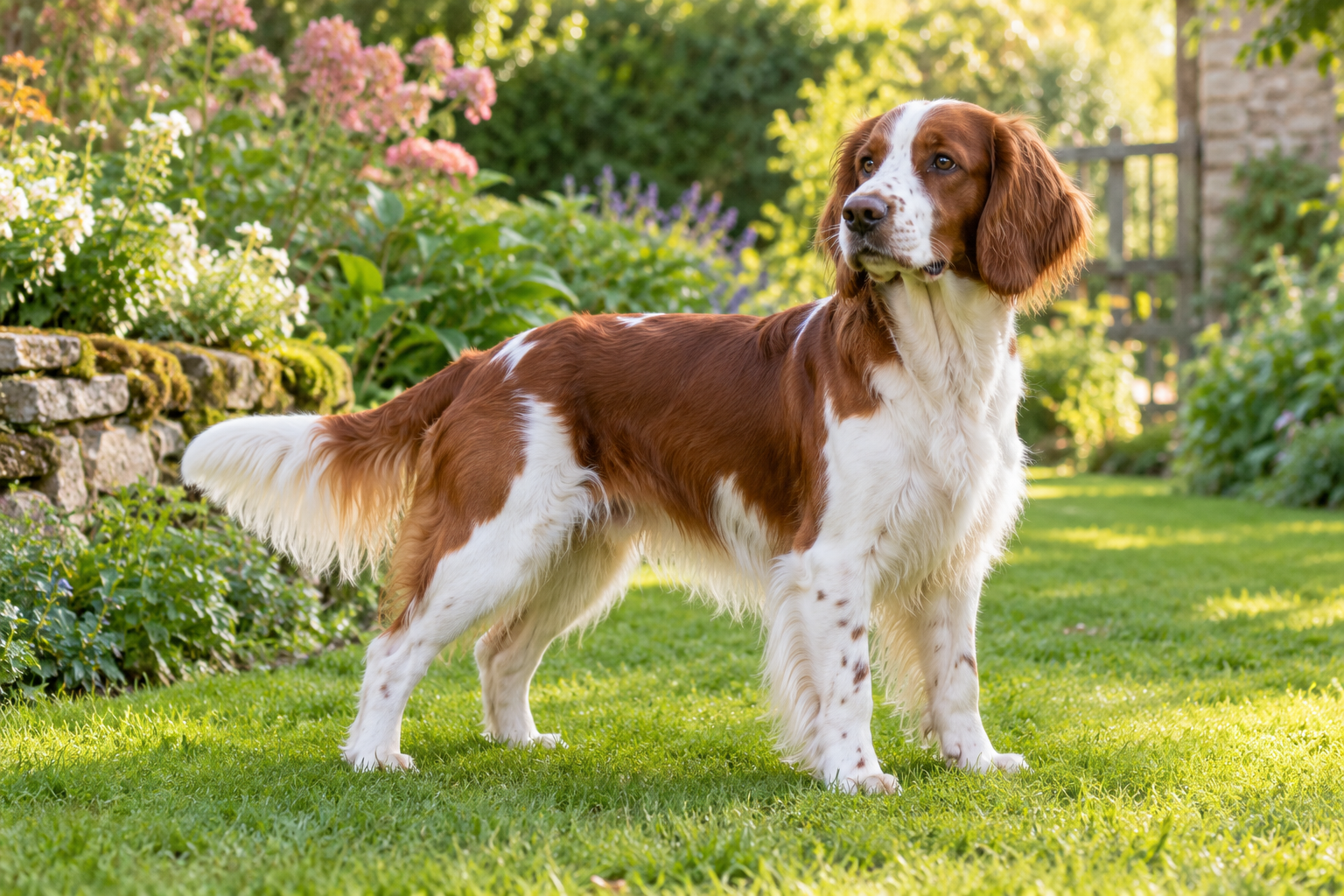 Welsh Springer SpanielMedium • Gundogs (Group 3)
 BrittanyMedium • Gundog (Hunt, Point, Retrieve)
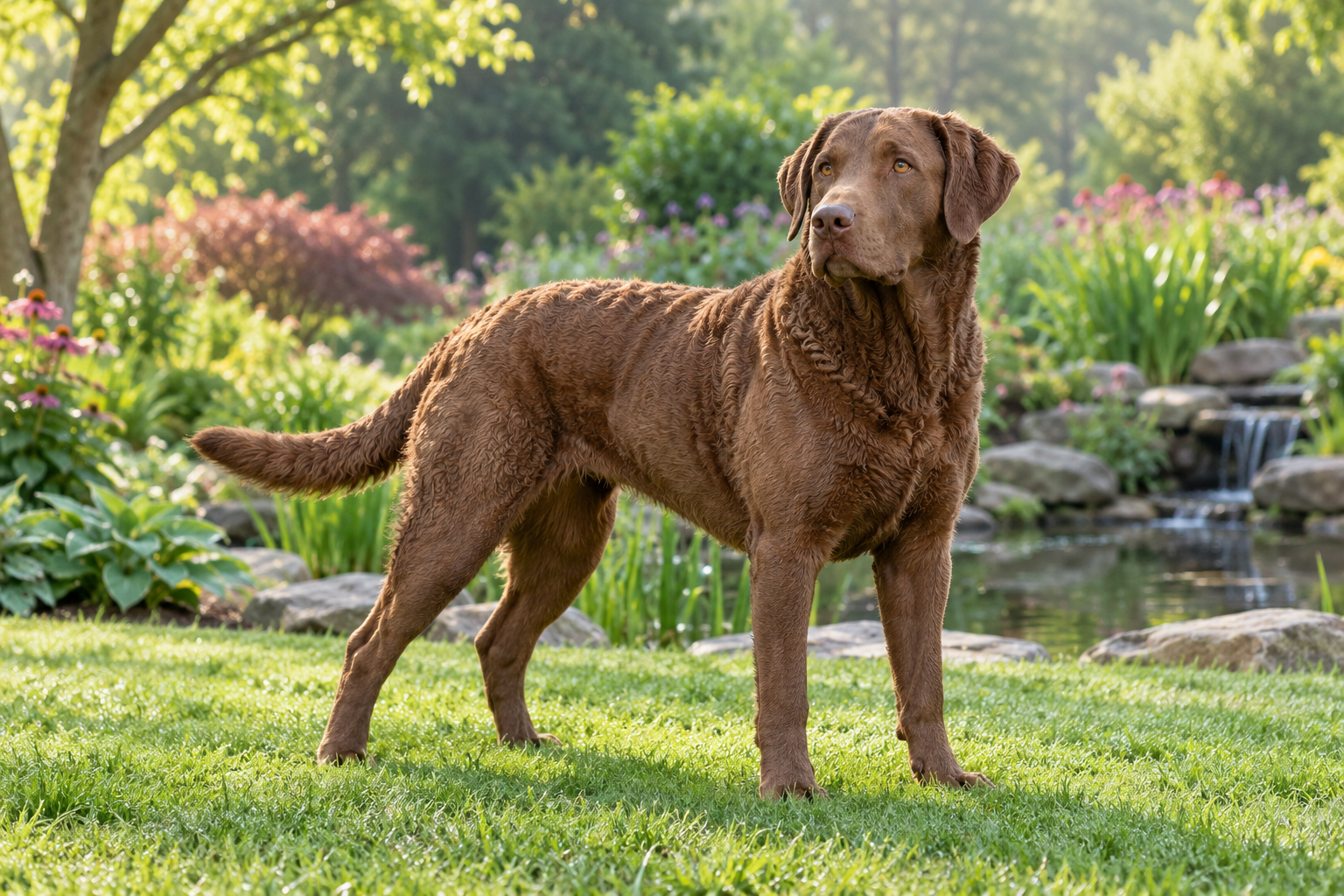 Chesapeake Bay RetrieverLarge • Gundog (Group 3)
 Clumber SpanielMedium • Gundog / Sporting
 Cocker SpanielMedium • Sporting / Gundog
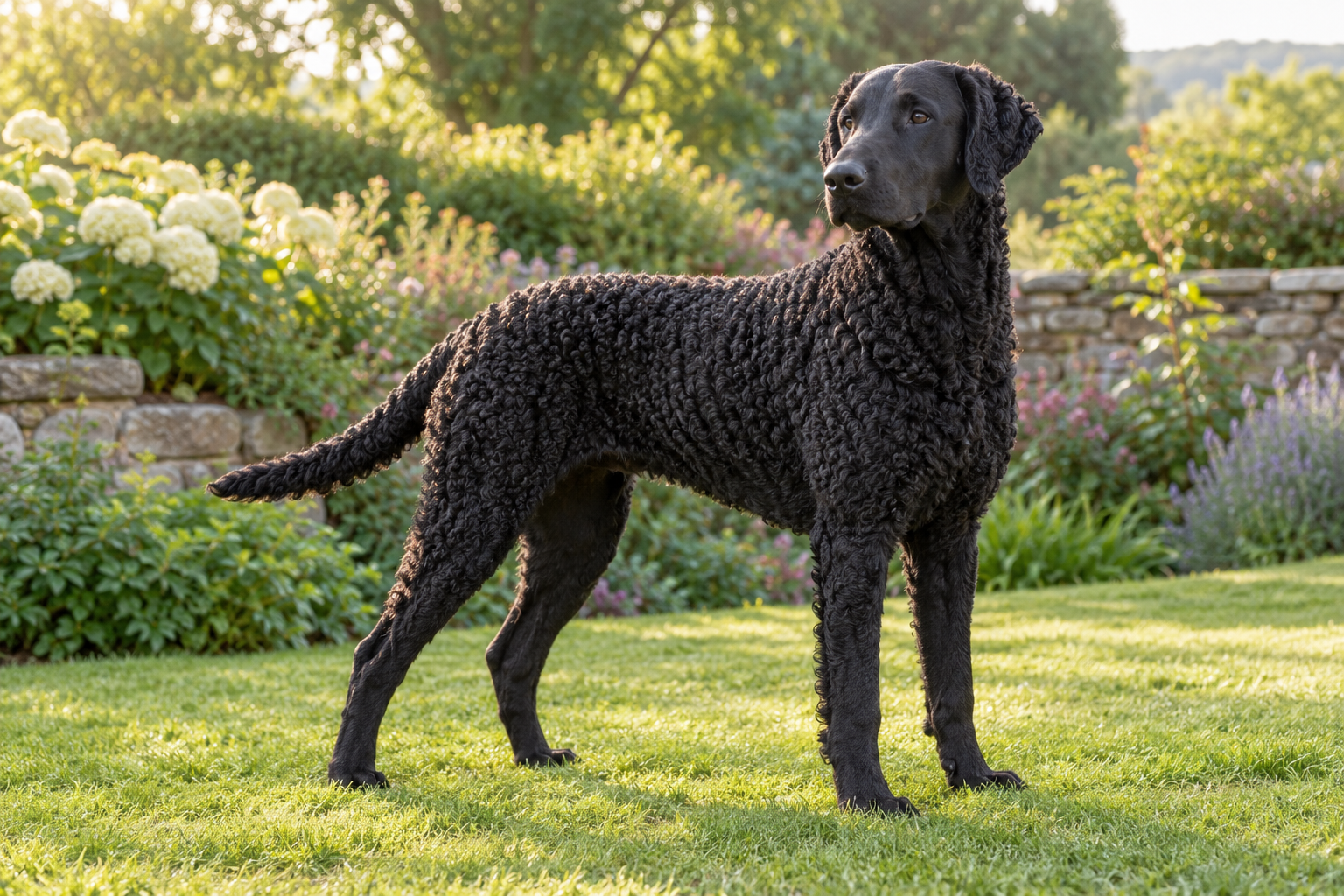 Curly Coated RetrieverLarge • Gundogs (Group 3)