





Cocker Spaniel
By James C. • Updated
The English Cocker Spaniel is a cheerful, affectionate, and energetic sporting breed originally developed for flushing game birds during hunts. They are known for their friendly temperament, strong family bonding, intelligence, and adaptable nature, making them popular as both active family pets and working gundogs.
Breed Overview
Life Span
12 - 14 years
Average Price
AUD 2500 - AUD 4500
Weight
Male: 13 - 16 kg Female: 12 - 15 kg
Height
Male: 39 - 43 cm Female: 38 - 41 cm
Life Expectancy
Male/Female: 12 - 13 years
Breed Group
Sporting / Gundog
Nicknames
English Cocker, EC, Cocker
Breed Information
Few breeds are described as “merry” as often as the English Cocker Spaniel. Spend time with one and you quickly understand why. Their expression is soft, their movement is lively, and their tail seems to have a life of its own.
Originally bred to flush and retrieve gamebirds, the English Cocker Spaniel combines athletic ability with genuine affection. They are compact, balanced, and energetic outdoors, yet calm and agreeable at home when their needs are met. This is a breed that enjoys working with you, not against you.
The English Cocker Spaniel may suit active families, individuals who enjoy daily walks, and owners prepared for regular grooming. However, they are not ideal for people seeking a low-energy or low-maintenance companion. Before choosing this breed, it helps to understand their exercise needs, coat care requirements, and sensitive nature. Buyers drawn to the working spaniels often look at the Field Spaniel, a rarer close relative at the same time, since the two share similar coat and ear care demands.
In this guide, we will walk through everything you should know about living with an English Cocker Spaniel in Australia, from temperament and training to health, costs, and buying advice.
Characteristics of the English Cocker Spaniel: What Living With One Is Really Like
The English Cocker Spaniel is often described as balanced. Balanced in build. Balanced in movement. Balanced in temperament. Below is a realistic snapshot of what you can expect when living with one.
| Trait | Rating | Star Rating |
| Size | Small to Medium | ★★★☆☆ (3/5) |
| Adaptability | Very Adaptable | ★★★★☆ (4/5) |
| Exercise Needs | High | ★★★★☆ (4/5) |
| Easy to Train | Very Trainable | ★★★★☆ (4/5) |
| Amount of Shedding | Moderate | ★★★☆☆ (3/5) |
| Grooming Needs | High | ★★★★☆ (4/5) |
| Good With Children | Very Good | ★★★★☆ (4/5) |
| Health of Breed | Generally Healthy | ★★★☆☆ (3/5) |
| Cost to Keep | Moderate to High | ★★★☆☆ (3/5) |
| Tolerates Being Alone | Low to Moderate | ★★☆☆☆ (2/5) |
| Intelligence | High | ★★★★☆ (4/5) |
What These Ratings Mean
The English Cocker Spaniel is not extreme in most areas, but they do require commitment. Their exercise needs are higher than many small breeds. Daily walks, play sessions, and mental stimulation are important.
Their grooming demands are also above average. A silky coat looks beautiful, but it requires regular brushing and trimming to prevent matting.
On the positive side, they are highly trainable and typically gentle with children when properly socialised. Their adaptable nature allows them to live in suburban homes or larger properties, provided they receive enough activity.
They may struggle if left alone for long periods, as this breed bonds closely with its family.
History of the English Cocker Spaniel: From Woodcock Hunter to Beloved Companion
To understand the English Cocker Spaniel, you need to go back several centuries. Spaniels are believed to be among the oldest sporting dogs in Britain, originally developed from dogs of Spanish origin. The word “spaniel” itself is thought to derive from “Spanish.”
Early hunters did not separate spaniels by breed, but by purpose. They were divided into water spaniels and land spaniels. The smaller land spaniels, used for flushing woodcock from dense cover, became known as “cocking spaniels.” That is where the Cocker name comes from.
As dog shows gained popularity in Victorian England, spaniels began to be classified into official breeds. The English Cocker Spaniel emerged as a distinct type, valued for its compact build, stamina, and natural flushing instinct. It was agile enough to work through thick brush yet steady enough to retrieve birds reliably.
In the early 20th century, American breeders developed a smaller, more companion-focused version of the Cocker Spaniel. This led to a clear split between the American Cocker and the original English hunting type. In 1946, the two were officially recognised as separate breeds.
Today, the English Cocker Spaniel still carries the heart of a working gundog. Even in family homes across Australia and the UK, you can see flashes of that hunting heritage in their alert expression, quick movement, and strong retrieving instinct.
Appearance of the English Cocker Spaniel: Balanced, Elegant, and Built for Work
At first glance, the English Cocker Spaniel looks both refined and athletic. Nothing about the breed feels exaggerated. Instead, balance defines their structure, movement, and overall expression.
Size and Build of the English Cocker Spaniel
The English Cocker stands between 38–43 cm at the shoulder, depending on sex. Males are slightly taller and heavier than females, but both remain compact and sturdy.
Despite their moderate size, they are strong and well-muscled. Their body is slightly longer than tall, allowing for smooth movement and endurance in the field. This is not a fragile toy breed. It is a sporting dog built to work.
Coat and Colours of the English Cocker Spaniel
The coat is medium length and silky to the touch. Feathering appears on the ears, chest, legs, and underside. While beautiful, this coat requires regular care to prevent matting.
Colours vary widely. You will see solid shades such as black, liver, or red, as well as parti-colour combinations like blue roan, orange roan, and tricolour patterns.
Eyes, Ears, and Expression
One of the most recognisable features of the English Cocker Spaniel is its soft, dark eyes. They convey an alert yet gentle expression.
Long, close-lying ears frame the face and enhance the breed’s distinctive look. These ears are elegant, but they also require regular checks to prevent infection.
Gender Differences
Males tend to have a slightly broader head and heavier build. Females often appear a little more refined.
Both share the same overall balance and athletic presence that defines the breed.
Different Types of the English Cocker Spaniel: Show Line vs Working Line
Not all English Cocker Spaniels look or behave exactly the same. Over time, the breed developed into two main types: show line and working line. Both are pure English Cockers, but they are bred with slightly different priorities.
Show Line English Cocker Spaniel
Show line Cockers are bred primarily for conformation standards and appearance. They often have a fuller coat, more feathering, and a slightly heavier build.
Their temperament is still lively and affectionate, but they may be a little calmer indoors compared to working lines. Many Australian family homes choose show lines for their balanced energy and classic look.
Working Line English Cocker Spaniel
Working line Cockers are bred with field performance in mind. They are typically lighter in build, with a shorter coat and higher drive.
These dogs tend to have stronger hunting instincts and greater stamina. They often need more structured exercise and mental stimulation. If you are highly active or interested in dog sports, a working line may suit you.
Which Type Is Right for You?
The choice depends on your lifestyle. If you want a companion with moderate activity needs and a traditional appearance, a show line may be appropriate.
If you enjoy outdoor activities, training challenges, or field work, a working line English Cocker Spaniel could be a better fit.
Both types remain intelligent, affectionate, and distinctly “merry” at heart.
Temperament of the English Cocker Spaniel: Merry, Devoted, and Sensitive
The word most often used to describe the English Cocker Spaniel is “merry.” It is not just a cute label. It reflects their naturally upbeat and affectionate personality.
Core Personality Traits of the English Cocker Spaniel
English Cockers are cheerful, people-focused, and eager to please. They form strong bonds with their family and often follow you from room to room.
They enjoy being involved in daily life. Whether you are heading out for a walk or relaxing on the sofa, they prefer to be close.
Social Behaviour and Family Attachment
This breed usually does well with children when properly socialised. Their gentle nature and playful attitude make them suitable for active households.
They also tend to get along with other dogs. Early exposure to different environments, people, and animals helps shape a confident adult.
Working Instincts Still Present
Even in companion homes, the English Cocker Spaniel retains strong hunting instincts. They were bred to flush and retrieve gamebirds, and that drive can still appear during walks.
You may notice them following scents or reacting quickly to birds. A secure yard and leash use in open areas are sensible precautions.
Common Behavioural Challenges
Because they bond so closely, some English Cockers may struggle with being left alone for long periods. Boredom can lead to unwanted behaviours, so it is worth reading up on reducing separation anxiety in a closely bonded dog before the first full day away.
They are also sensitive dogs. Harsh correction can damage their confidence. Positive, consistent training works best with this breed.
Intelligence and Trainability of the English Cocker Spaniel: Smart, Willing, and Emotionally Aware
The English Cocker Spaniel was bred to work closely with people. That heritage shows in how quickly they learn and how strongly they respond to their owner’s voice and body language.
Puppy Training Priorities for an English Cocker Spaniel
Start early. English Cocker puppies are curious and responsive, which makes the first few months ideal for building good habits.
Focus on recall, loose-lead walking, and calm behaviour around distractions. Because of their flushing instinct, teaching a reliable recall is especially important before allowing off-lead freedom.
Training Methods That Work Best
This breed responds best to positive reinforcement. Praise, food rewards, and play-based learning tend to produce strong results.
Harsh corrections can backfire. English Cockers are sensitive dogs. If they feel intimidated, they may shut down or lose confidence. Keep sessions short, upbeat, and consistent.
Mental Stimulation Matters
Physical exercise alone is not enough. These dogs enjoy problem-solving and interactive activities.
Training games, scent work, and structured obedience sessions can help prevent boredom. A mentally satisfied English Cocker is far less likely to develop nuisance behaviours.
Common Training Mistakes to Avoid
Inconsistency is one of the biggest issues. If rules change from day to day, your dog may become confused.
Another mistake is underestimating their intelligence. When not guided properly, a clever English Cocker Spaniel can quickly learn behaviours you did not intend to teach.
English Cocker Spaniel and Family Life: Children, Other Pets, and Home Dynamics
The English Cocker Spaniel is often described as a natural family dog. Their affectionate nature and gentle expression make them appealing, but compatibility still depends on guidance and structure.
English Cocker Spaniels with Children
Most English Cockers are patient and playful with children. They enjoy interactive games and tend to match the energy of the household.
That said, supervision is always important. Teach children how to approach, handle, and respect the dog’s space. A well-socialised Cocker raised in a calm, consistent environment usually adapts well to family life.
Living with Other Dogs
Because of their sporting background, English Cockers generally get along well with other dogs. Early social exposure strengthens this trait.
They enjoy companionship and may benefit from having another dog in the home, especially if left alone during the day for short periods.
Cats and Smaller Animals
Their flushing instinct can surface around birds and small animals. Some English Cockers live peacefully with cats, especially when introduced early.
However, careful introductions and clear boundaries are essential. A secure yard is also recommended to prevent chasing behaviour.
Creating a Balanced Home Environment
This breed thrives in homes where they feel included. Long hours of isolation may lead to frustration.
If you can provide daily activity, gentle guidance, and close companionship, the English Cocker Spaniel can settle into family life with remarkable ease.
Health of the English Cocker Spaniel: Common Conditions and Responsible Testing
The English Cocker Spaniel is generally a healthy and long-lived breed. With proper care, many live between 12 and 14 years. However, like all purebred dogs, certain inherited conditions can occur.
Common Health Conditions in the English Cocker Spaniel
One known concern is progressive retinal atrophy (PRA), an inherited eye condition that can lead to gradual vision loss. DNA testing is available for the PRA-prcd form.
Hip dysplasia may also occur. This condition affects the hip joint and can lead to discomfort or mobility issues later in life. Responsible breeders screen breeding dogs to reduce risk.
Other conditions occasionally seen include familial nephropathy, which affects kidney function, and adult onset neuropathy, a neurological disorder that impacts movement.
Ear Health and Routine Care
Those beautiful long ears need attention. The English Cocker’s ear structure can trap moisture and debris, increasing the risk of infection.
Weekly ear checks and regular cleaning can help prevent problems. If you notice redness, odour, or excessive scratching, a veterinary check is wise. Following a proper dog ear cleaning guide between checks makes infections far less likely in a drop-eared breed.
Recommended Health Testing
Reputable breeders should provide evidence of:
- Hip evaluation
- Patella evaluation
- PRA-prcd DNA testing
Always ask to see official documentation. Ethical breeding plays a major role in protecting the long-term health of this breed.
Preventive Care Matters
Regular veterinary visits, weight management, dental care, and parasite prevention all support a healthy life.
Many English Cockers are prone to weight gain, so maintaining a lean body condition is especially important for joint health.
Caring for the English Cocker Spaniel: Daily Routine, Environment, and Long-Term Needs
Living with an English Cocker Spaniel means building a routine that keeps both their body and mind engaged. They are not demanding in a dramatic way, but they do need structure.
Daily Care Routine
Most English Cockers settle well when their day includes regular walks, feeding times, and interaction. Predictability helps them feel secure.
Short play sessions, basic training refreshers, and quiet time with you often make a big difference. They enjoy being part of everyday life rather than left on the sidelines.
Living Environment Needs
This breed can adapt to suburban homes, larger properties, or even well-managed apartment living. What matters most is access to daily exercise and a secure space.
A fenced yard is recommended. Their strong scent drive and quick reactions to birds can make open, unfenced areas risky.
Managing Time Alone
English Cockers form close bonds with their people. Long periods of isolation may lead to frustration or anxiety.
If you work full-time, consider how you will provide companionship or stimulation. Dog walkers, enrichment toys, or flexible schedules can help.
Senior Care Considerations
As they age, their exercise needs may decrease slightly, but mental engagement remains important.
Regular health checks, joint support, and maintaining a healthy weight become even more important in their senior years. With thoughtful care, many English Cockers remain active and content well into old age.
Grooming of the English Cocker Spaniel: Coat Care, Ears, and Ongoing Maintenance
The English Cocker Spaniel’s silky coat is one of its most admired features. It is also one of the areas that requires the most commitment. Regular grooming keeps them comfortable and prevents avoidable skin problems.
Coat Maintenance Schedule
Most English Cockers benefit from thorough brushing at least once a week. During seasonal shedding, you may need to brush more often.
Focus on areas where mats form easily:
- Behind the ears
- Under the chest
- Along the feathering on legs
- Around the tail and underside
If left unattended, mats can tighten against the skin and cause discomfort. The wider long haired dog grooming routine covers brushing technique and how to work through feathering without pulling.
Many owners schedule professional grooming every 4–8 weeks. Trimming typically includes tidying around the feet, face, ears, and sanitary areas.
Ear Care Is Essential
Those long, close-fitting ears create a warm environment where moisture can build up.
Check the ears weekly for:
- Redness
- Unpleasant odour
- Excess wax
- Head shaking or scratching
Cleaning with a vet-approved ear solution can help reduce infection risk. Always dry the ears thoroughly after bathing or swimming.
Nail, Dental, and General Hygiene
Nails should usually be trimmed once a month, depending on activity level. If you hear clicking on hard floors, they are likely too long.
Dental care is often overlooked. Brushing several times a week may reduce tartar build-up and gum disease.
Bathing every 4–6 weeks keeps the coat fresh, but avoid over-washing, as it can dry the skin.
Grooming Commitment in Perspective
If you prefer a low-maintenance dog, the English Cocker Spaniel may require more effort than expected.
However, with a consistent routine, grooming becomes manageable. Many owners find it a bonding experience rather than a burden.
Exercise of the English Cocker Spaniel: Daily Activity and Mental Stimulation
The English Cocker Spaniel may look elegant, but underneath that silky coat is a true sporting dog. Regular exercise is not optional for this breed. It is essential for both physical health and emotional balance.
Daily Exercise Requirements
Most English Cockers need at least 60 minutes of activity each day. This can be split into two sessions if needed.
A typical day might include:
- A brisk morning walk
- An afternoon play session in a secure yard
- Short training drills or scent games
Without adequate exercise, boredom can quickly turn into unwanted behaviour.
Suitable Activities for This Breed
Because of their hunting background, English Cockers enjoy activities that allow them to use their nose and retrieve.
They often thrive in:
- Fetch and retrieval games
- Scent work or tracking exercises
- Agility training
- Long bushwalks on lead
These activities challenge both body and mind.
Exercise Safety and Boundaries
Their flushing instinct remains strong. Birds and small animals can trigger sudden bursts of movement.
For safety:
- Use a leash in open or unfenced areas
- Ensure your yard is securely fenced
- Practise recall regularly in controlled settings
A reliable recall takes time and consistency.
Mental Stimulation Is Just as Important
Physical activity alone may not fully satisfy this intelligent breed.
Puzzle toys, obedience sessions, and interactive play can help prevent restlessness. A mentally engaged English Cocker Spaniel is far more likely to settle calmly indoors.
When their energy is properly channelled, they often relax happily with the family at the end of the day.
Feeding of the English Cocker Spaniel: Nutrition, Portions, and Weight Control
Feeding an English Cocker Spaniel is not complicated, but it does require attention. This breed enjoys food and can gain weight easily if portions are not monitored.
Nutritional Requirements
Choose a high-quality dog food suited to your dog’s life stage:
- Puppy formula for growth and development
- Adult maintenance diet for balanced energy
- Senior formula if activity levels decline
Protein supports muscle tone, while controlled fat levels help prevent excess weight gain. If your Cocker is highly active, they may need slightly more calories than a more relaxed companion.
Feeding Schedule Guidelines
Most adult English Cockers do well on two measured meals per day. Puppies may require three smaller meals until around 6 months of age.
Avoid free-feeding. Leaving food out all day can make portion control difficult.
Treats can be helpful for training, but keep them moderate. Small, soft rewards often work best.
Weight Management Matters
Obesity increases the risk of joint strain and can worsen conditions like hip dysplasia.
You can monitor body condition by:
- Feeling the ribs without pressing hard
- Checking for a visible waist from above
- Watching for gradual weight gain
If you are unsure, your vet can assess body condition and recommend adjustments.
Human Foods and Extras
Table scraps should be limited. High-fat foods and cooked bones should be avoided.
If you are ever unsure whether a specific human food is safe, consult your veterinarian first. Consistency and moderation go a long way in keeping an English Cocker Spaniel healthy and active.
English Cocker Spaniel Price in Australia: Purchase Costs and Long-Term Expenses
Before bringing home an English Cocker Spaniel, it is important to understand the financial commitment. The initial price is only part of the picture.
Purchase Price in Australia
A well-bred English Cocker Spaniel puppy from a registered breeder typically costs between $2,500 and $4,500 AUD.
Price can vary depending on:
- Breeder reputation and health testing
- Pedigree and bloodlines
- Show or working line
- Location and demand
Lower prices may seem attractive, but they sometimes indicate limited health screening or poor breeding practices.
Initial Setup Costs
Beyond the purchase price, you will need essential supplies.
These may include:
- Crate or bedding
- Collar, lead, and ID tag
- Food and water bowls
- Quality puppy food
- Grooming tools
- Vaccinations and microchipping (if not already done)
Initial expenses can easily add another $800–$1,500 AUD.
Ongoing Monthly Expenses
Owning an English Cocker Spaniel involves consistent costs.
Expect regular spending on:
- Food
- Routine vet visits
- Parasite prevention
- Grooming appointments
- Pet insurance
Monthly expenses often range between $150 and $300 AUD, depending on lifestyle and care choices.
Lifetime Cost Considerations
Over 12–14 years, the total cost of ownership can be significant. Planning ahead helps avoid financial stress later.
Responsible ownership means budgeting not only for routine care, but also for unexpected veterinary expenses. Being prepared ensures your English Cocker receives the care they need throughout their life.
Buying Advice for the English Cocker Spaniel: Choosing the Right Puppy the Right Way
Finding the right English Cocker Spaniel starts with choosing the right breeder. This step often shapes your dog’s long-term health and temperament more than anything else.
Finding Ethical English Cocker Spaniel Breeders
Look for breeders who are transparent about health testing and happy to answer detailed questions.
A responsible breeder should:
- Provide proof of hip, patella, and PRA-prcd testing
- Allow you to meet the puppy’s mother
- Raise puppies in a clean, stimulating environment
- Ask you questions about your lifestyle
If a breeder avoids sharing documentation or pressures you for quick payment, that is a warning sign.
Verifying Health and Documentation
Always request written evidence of health screenings. Verbal assurances are not enough, and it is worth knowing the red flags in a puppy contract before you sign or pay a deposit.
Check that puppies are:
- Vaccinated according to age
- Microchipped
- Wormed regularly
- Registered where applicable
Proper paperwork protects both you and the puppy.
Choosing the Right Puppy for Your Home
Temperament matters as much as appearance. Spend time observing how puppies interact.
Look for a pup that is:
- Curious but not overly fearful
- Comfortable being handled
- Engaged with people
If you have young children or other pets, explain this clearly so the breeder can help guide your choice.
Considering Rescue and Rehoming
While many people purchase puppies, some English Cocker Spaniels need rehoming due to lifestyle changes.
Rescue organisations may have adult dogs available. This option can suit families open to giving an older dog a second chance.
Taking time during this stage often leads to a more stable and rewarding experience long term. You can browse English Cocker Spaniel listings in Australia and compare breeders and rehoming options in one place.
Is the English Cocker Spaniel Right for You?
The English Cocker Spaniel suits people who enjoy an affectionate dog with steady energy and a strong desire to be involved. If you like daily walks, outdoor activity, and a companion that prefers being close rather than distant, this breed may feel like a natural match.
They are not low-maintenance. Regular grooming, structured training, and consistent exercise are part of life with this breed. In return, you get a loyal, cheerful dog who adapts well to family routines and thrives on companionship.
If you work long hours without support, prefer a highly independent dog, or want minimal coat care, you may need to reconsider. However, if you can provide time, structure, and engagement, the English Cocker Spaniel often rewards that effort with steady devotion and a genuinely “merry” temperament.
If you feel confident this breed fits your lifestyle, take your time finding a responsible breeder or explore verified listings through Pups4Sale to connect with genuine Australian sellers.
Frequently Asked Questions
Related Breeds
Other sporting breeds on Pups4Sale.
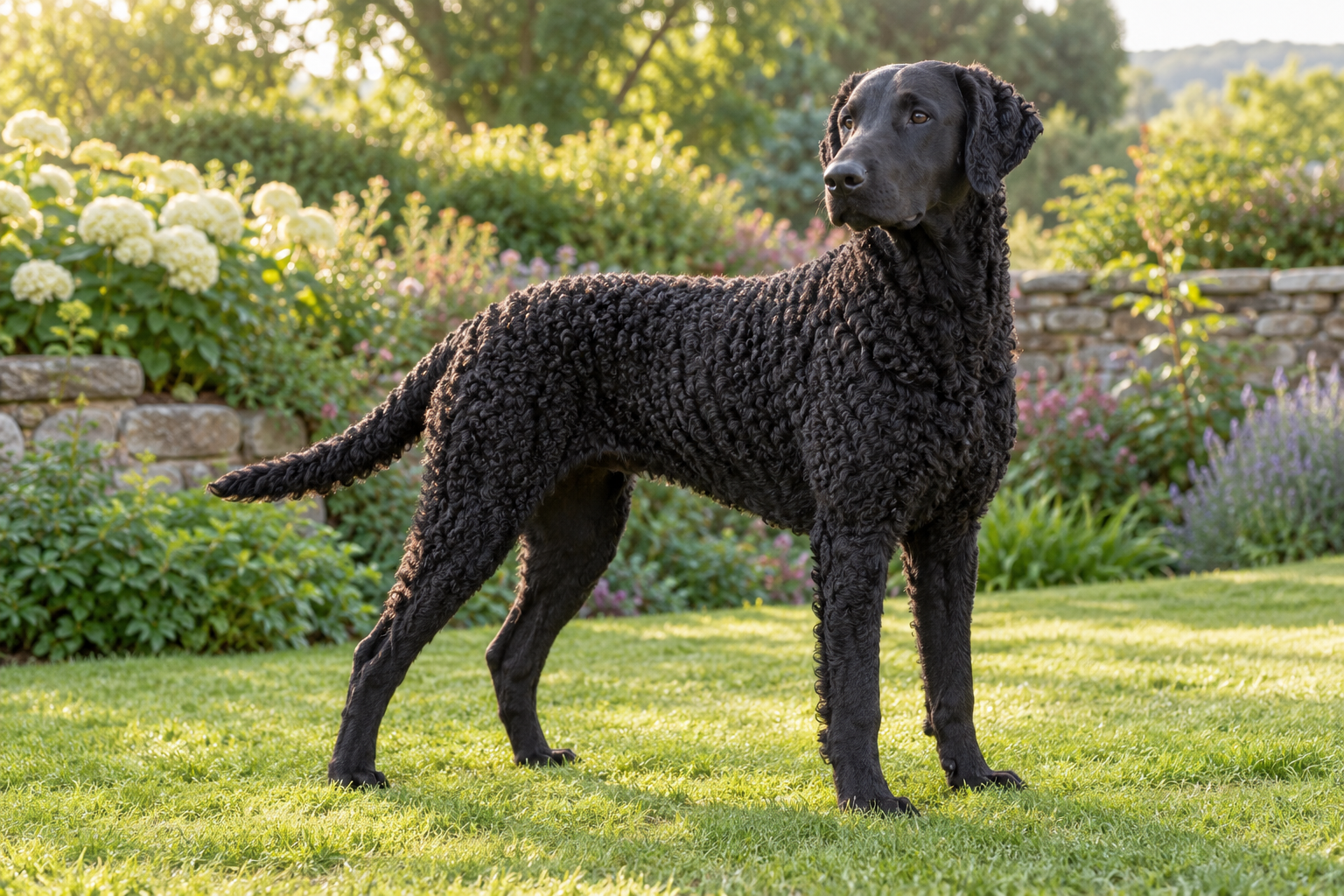 Curly Coated RetrieverLarge • Gundogs (Group 3)
 English SetterLarge • Gundogs (Group 3)
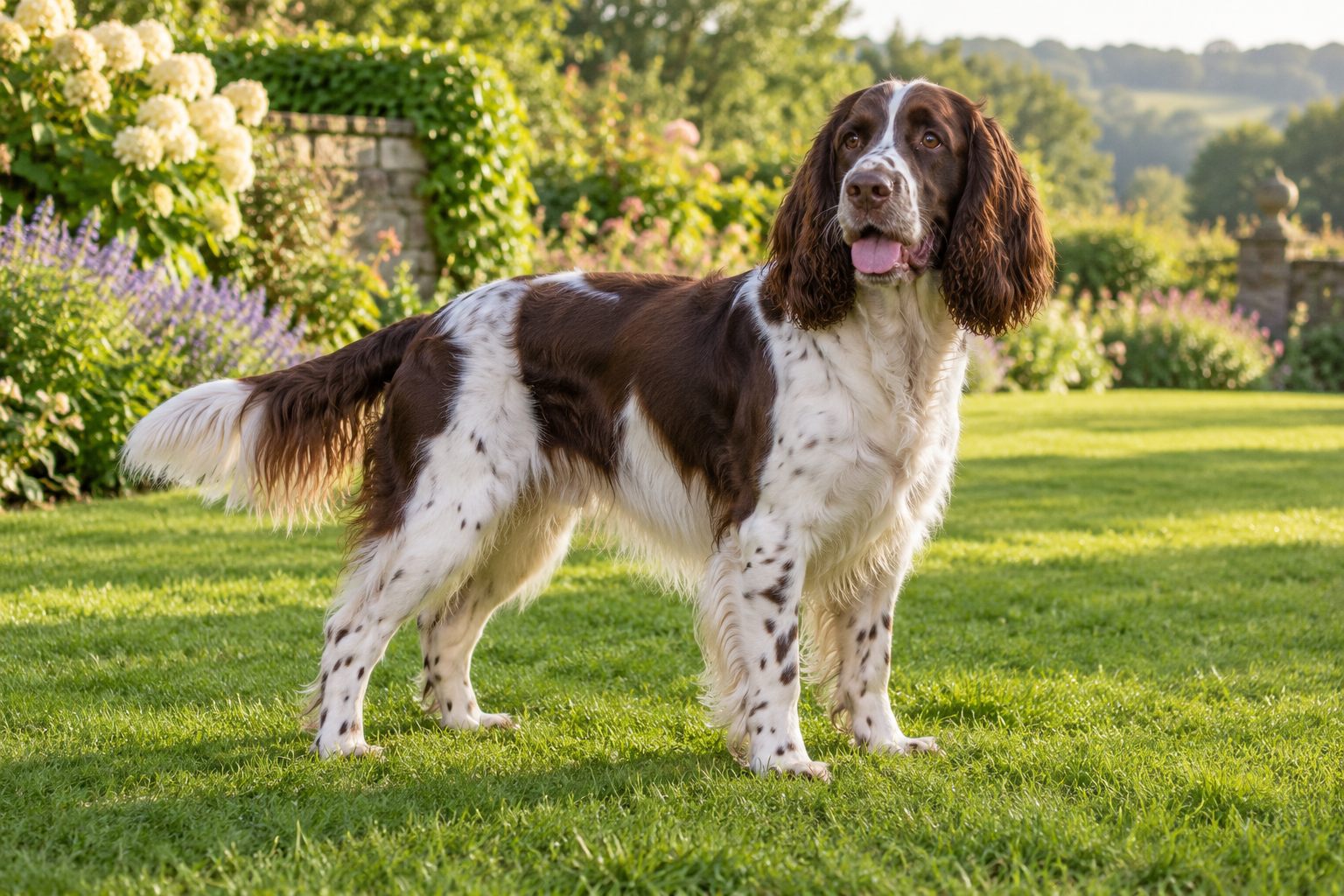 English Springer SpanielMedium • Gundogs (Group 3)
 Field SpanielMedium • Gundog / Sporting
 German Shorthaired PointerLarge • Gundogs (Group 3)
 German Wirehaired PointerLarge • Gundogs (Group 3)