Dog Ear Cleaning Guide for First-Time Owners
Dog Grooming & Hygiene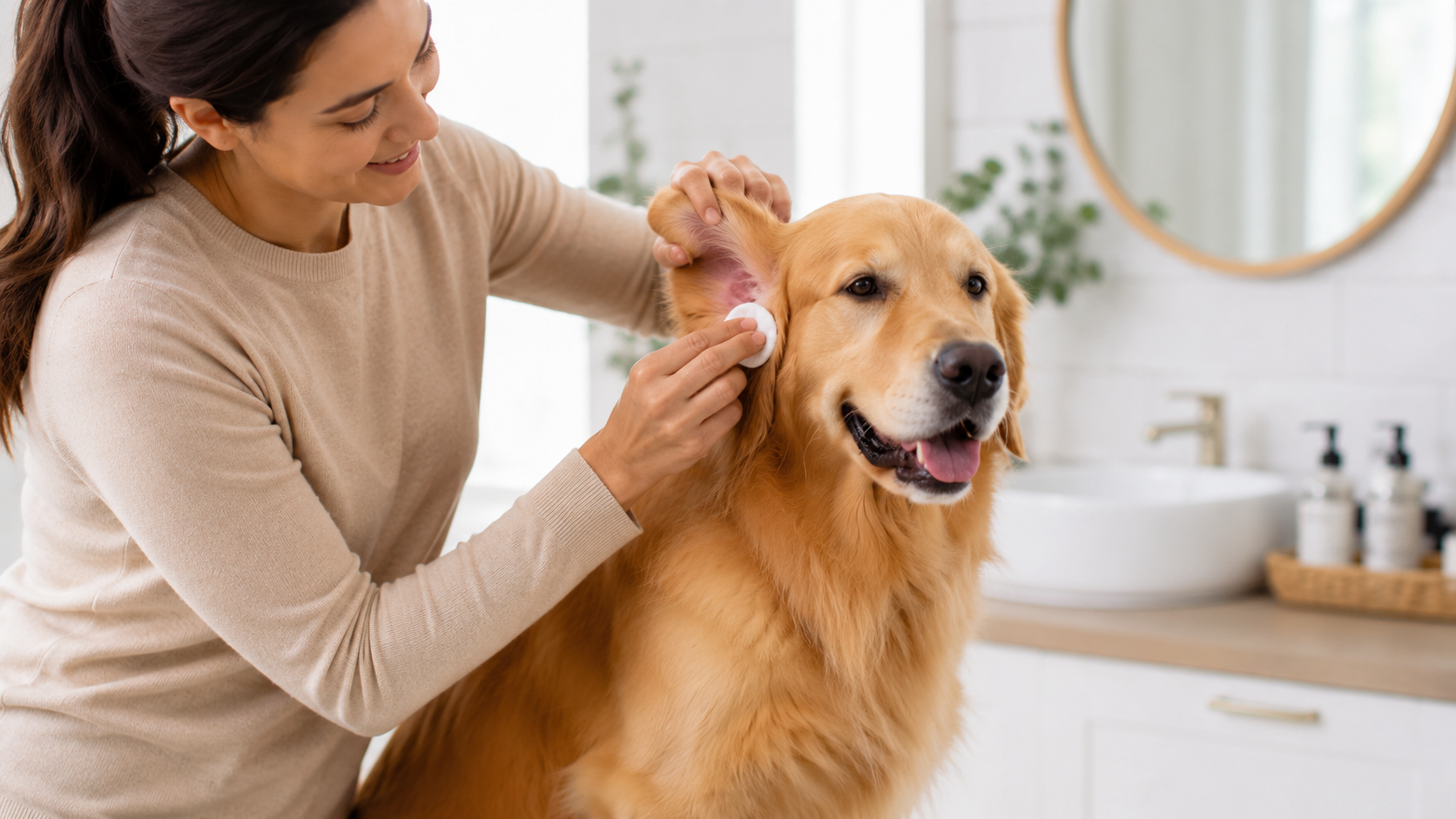 By James C. • July 24, 2026
To clean a dog’s ears safely, wipe only the visible outer ear with a vet-approved ear cleaning solution and cotton wool, never cotton buds, and only as often as your dog needs it.
Dog ear cleaning can feel daunting for a first-time owner, but with the right solution and a calm approach it takes only a few minutes. This guide covers why ear care matters, how often to clean, what you need, a safe step-by-step method, what to avoid, and the ear infection signs that mean a trip to the vet.
Why is ear cleaning important for dogs?
Regular ear cleaning helps prevent painful infections and lets you spot problems early, before they become serious.
A dog’s ear canal is long and L-shaped, so it traps moisture, wax and debris far more easily than a human ear. Left to build up, this creates the warm, damp environment that yeast and bacteria love, which is why ear infections are one of the most common reasons dogs visit the vet. Routine cleaning removes that build-up and keeps the canal healthy.
Cleaning is also a simple health check. Each time you wipe your dog’s ears, you have a chance to notice redness, odour, discharge or discomfort early, when problems are easier and cheaper to treat. For puppies especially, gentle, regular handling builds a lifelong tolerance for ear care and grooming, and it is a good moment to learn the early signs of illness in a puppy so nothing slips past you.
Do dogs need their ears cleaned, and how often?
Most dogs only need their ears cleaned occasionally, roughly once a month, and some healthy dogs need it even less.
Clean ears that look pale pink, smell neutral and hold little wax are best left alone, since over-cleaning can cause as many problems as neglect. The right frequency depends on your dog’s ears and lifestyle. Dogs with floppy or hairy ears, dogs that swim, and breeds prone to ear problems usually need more frequent cleaning, while dogs with open, upright ears often need very little.
A good rule is to check the ears weekly and clean only when you see wax or light debris, or on the schedule your vet recommends. If your dog’s ears are constantly dirty, smelly or sore, that is a sign to see your vet rather than simply cleaning more often, since an underlying infection or allergy may be the real cause. Setting a sensible rhythm for how often your dog sees the vet makes those routine checks easier to plan.
What you need to clean a dog’s ears
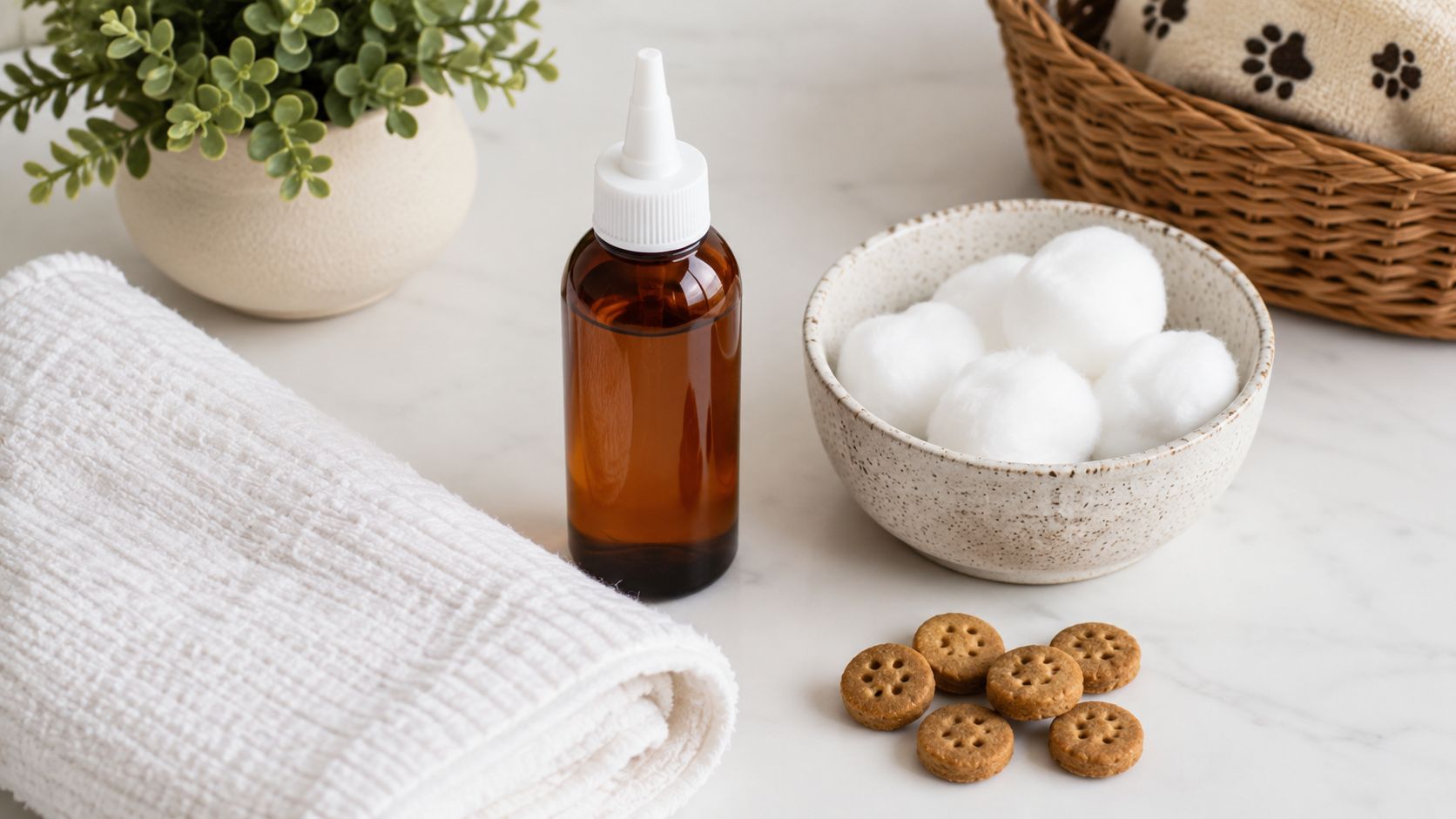
You only need a few simple items to clean a dog’s ears at home.
Gather a vet-approved dog ear cleaning solution, cotton wool balls or pads, a towel, and some treats before you start. A dog-specific ear cleaner matters, since it is formulated to break down wax safely and dry cleanly, unlike water or home mixes. Avoid cotton buds entirely, as they push debris deeper and can damage the ear.
If you are not sure which cleaner to choose, ask your vet or a reputable pet retailer for a gentle, alcohol-free product suitable for regular use. Having everything within reach, and a helper to hold a wriggly dog, makes the whole process calmer and quicker.
How to clean your dog’s ears, step by step
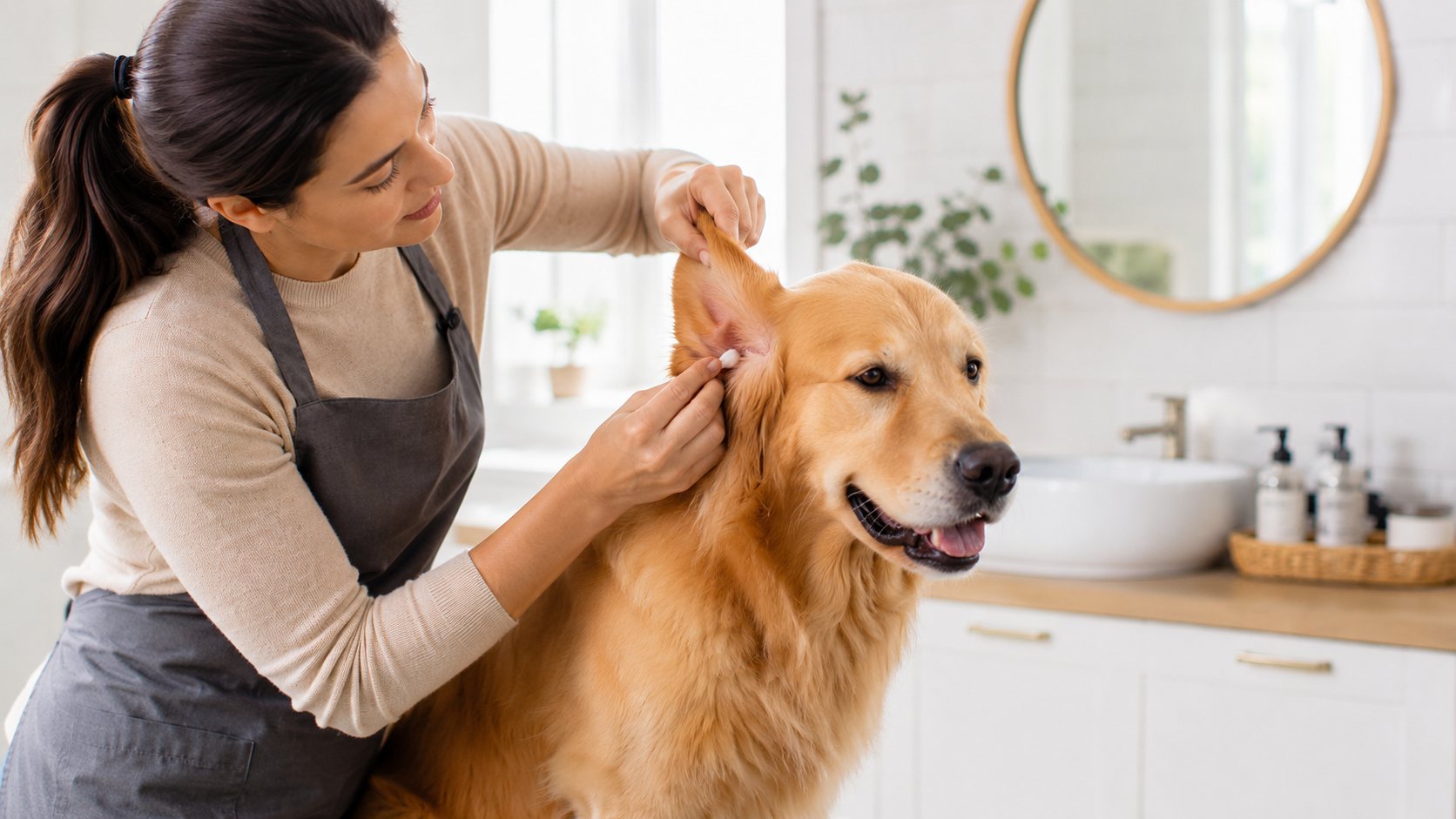
Cleaning a dog’s ears takes only a few minutes once you have everything ready.
- Settle your dog somewhere calm, with your solution, cotton wool and treats within reach.
- Gently lift the ear flap to expose the opening of the ear canal.
- Squeeze the recommended amount of ear cleaner into the ear canal, following the product instructions.
- Massage the base of the ear for 20 to 30 seconds; you should hear a soft squelching as the cleaner loosens the wax.
- Let your dog shake their head, which brings the loosened debris up out of the canal.
- Wipe the visible parts of the ear and the opening with cotton wool, without pushing into the canal.
- Praise and reward your dog, then repeat on the other ear.
Only ever clean the parts of the ear you can see. The ear canal is self-cleaning to a point, and the massage-and-shake method lifts debris out without you needing to reach inside. If your dog shows pain at any stage, stop and speak to your vet.
What not to do when cleaning a dog’s ears
A few common mistakes can turn a simple clean into an injury, so keep these in mind.
- Do not use cotton buds, since they push wax deeper and can damage the eardrum.
- Do not use water, vinegar, hydrogen peroxide or human ear products, which can irritate or harm the ear.
- Do not clean deep inside the ear canal; wipe only what you can see.
- Do not over-clean healthy ears, as this strips their natural protection and can trigger irritation.
- Do not clean a red, swollen or painful ear; see your vet first, as it may be infected.
Signs of an ear infection to watch for
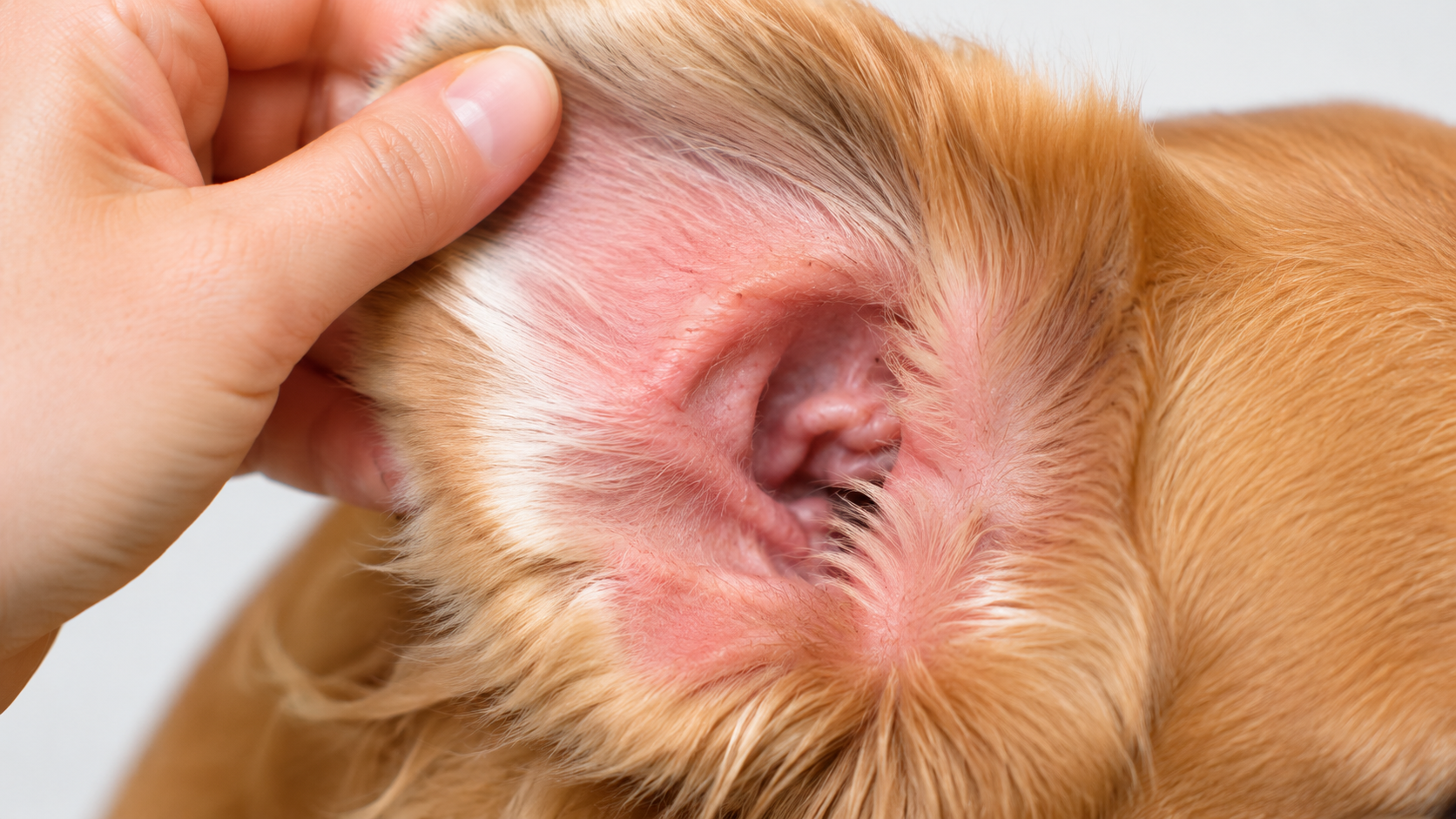
Ear infections are common and need veterinary treatment, so it helps to know the warning signs.
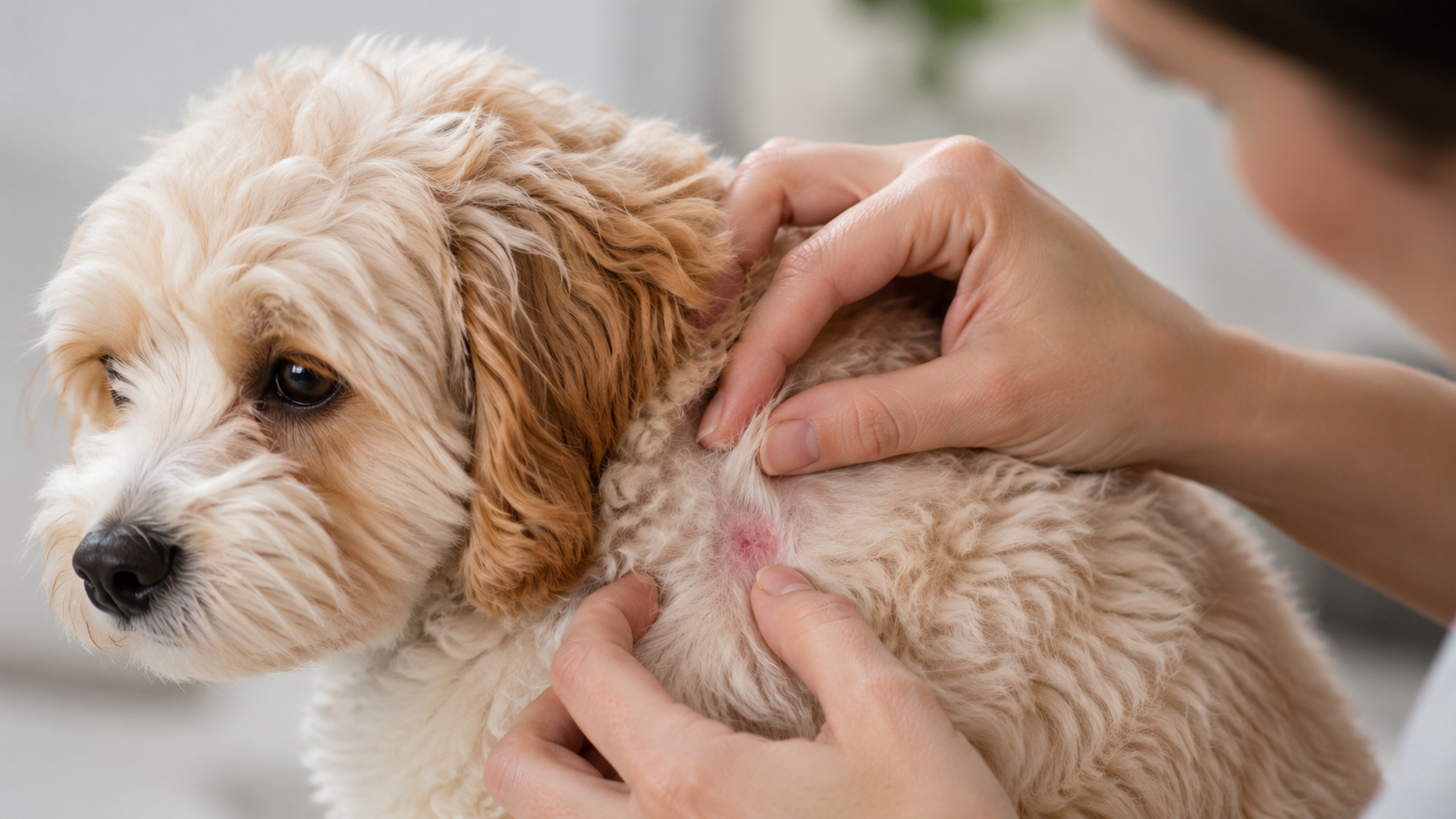
Contact your vet if you notice a strong or yeasty smell, brown, yellow or bloody discharge, redness or swelling inside the ear, or a build-up of dark, waxy gunk that keeps returning. Behaviour changes matter too, including head shaking, tilting the head to one side, scratching or rubbing the ears, and pain or reluctance to be touched around the head.
These signs can point to infection, ear mites, allergies or a foreign body such as a grass seed, which is common in Australian dogs over summer. Cleaning will not fix an infection, and cleaning a sore ear can make things worse, so it is best to have your vet examine it and prescribe the right treatment. Knowing when to seek help from a vet takes the guesswork out of these moments.
Ear care by breed and ear type

How often and how carefully you clean depends a lot on your dog’s ear shape.
Floppy-eared breeds such as Cocker Spaniels, Basset Hounds and Cavoodles have less airflow in the ear canal, which traps moisture and makes infections more likely, so they usually need more frequent checks and cleaning. Breeds with hairy ear canals, including many Poodles and Poodle crosses, can trap wax and debris in the hair, and your vet or groomer can advise whether any of that hair needs managing.
Dogs with open, upright ears, such as many working breeds, tend to have better airflow and often need very little cleaning. Water-loving dogs of any ear type need their ears dried after every swim or bath, since trapped water is one of the main causes of smelly dog ears. Whatever your dog’s ears, a quick weekly check is the simplest way to stay ahead of trouble.
The bottom line on cleaning your dog’s ears
Dog ear cleaning is quick and safe once you know the method: use a vet-approved cleaner and cotton wool, clean only the visible ear, and never reach inside with cotton buds.
Check the ears weekly, clean only when needed, and see your vet at the first sign of infection. Ear care is just one part of a dog’s regular grooming and hygiene habits, which keep the rest of your dog in good shape too.
Frequently asked questions
1. How often should I clean my dog’s ears?
Most dogs need their ears cleaned about once a month, though some need it more or less. Check the ears weekly and clean only when you see wax or debris, or on the schedule your vet recommends.
2. What can I use at home to clean my dog’s ears?
Use a vet-approved dog ear cleaning solution and cotton wool. Avoid water, vinegar, hydrogen peroxide and human ear products, which can irritate the ear, and never use cotton buds inside the canal.
3. How do I get brown gunk out of my dog’s ear?
Apply a dog ear cleaner, massage the base of the ear, let your dog shake, then wipe the loosened debris from the visible ear with cotton wool. If dark gunk keeps returning, see your vet.
4. Do vets recommend cleaning dogs’ ears?
Yes, vets recommend routine ear cleaning for many dogs, especially those with floppy or hairy ears or a history of infections. Some dogs with healthy, clean ears need very little, so ask your vet what suits yours.
5. Can I use cotton buds to clean my dog’s ears?
No. Cotton buds push wax and debris deeper into the canal and can damage the eardrum. Use cotton wool on the visible outer ear only, and let the massage-and-shake method lift debris from inside.
6. How do I know if my dog has an ear infection?
Signs include a strong smell, brown or yellow discharge, redness or swelling, head shaking, and scratching or pain around the ears. Ear infections need veterinary treatment, so see your vet rather than cleaning more.
 Add us as a preferred source