

Field Spaniel
By James C. • Updated
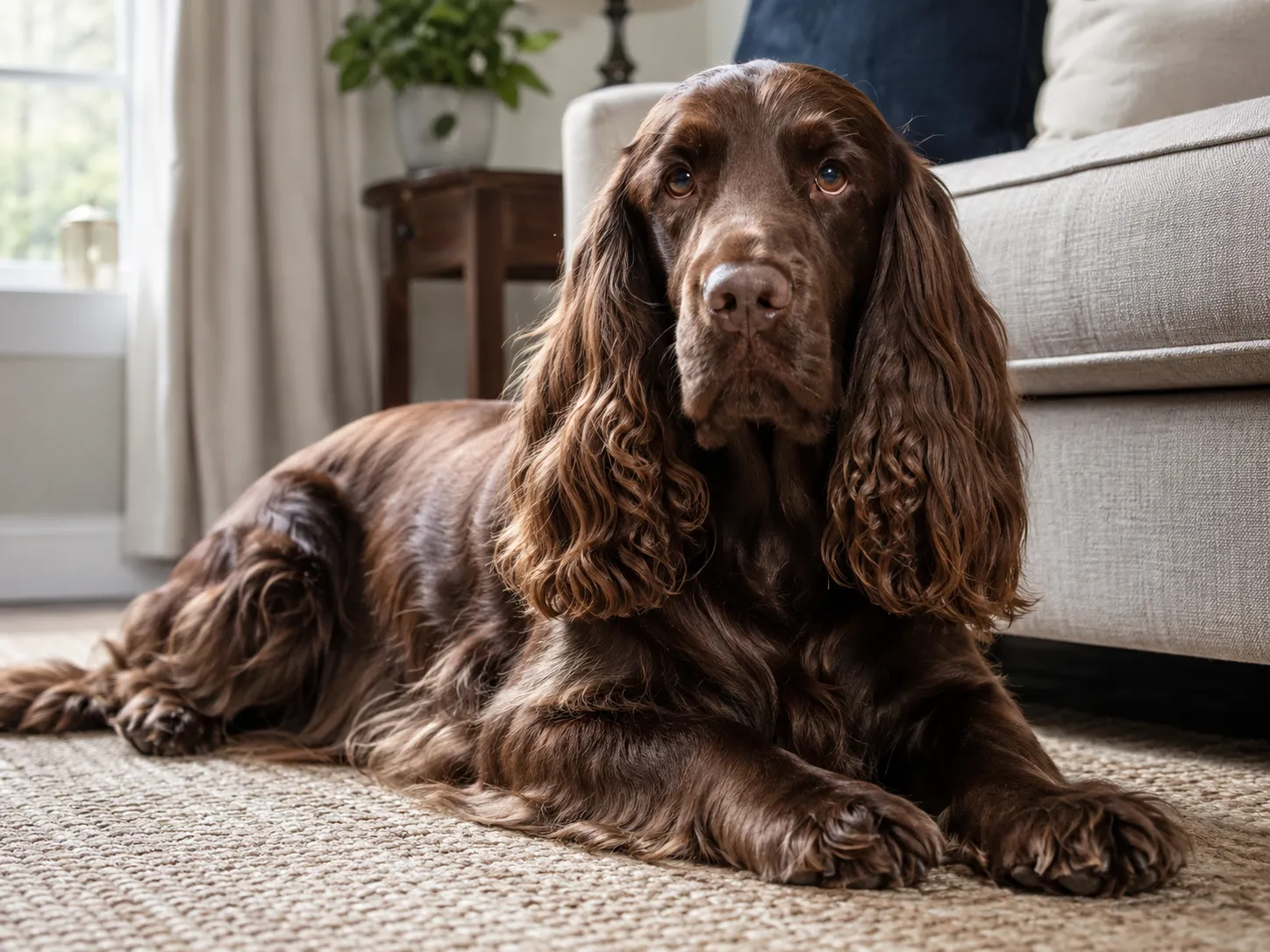
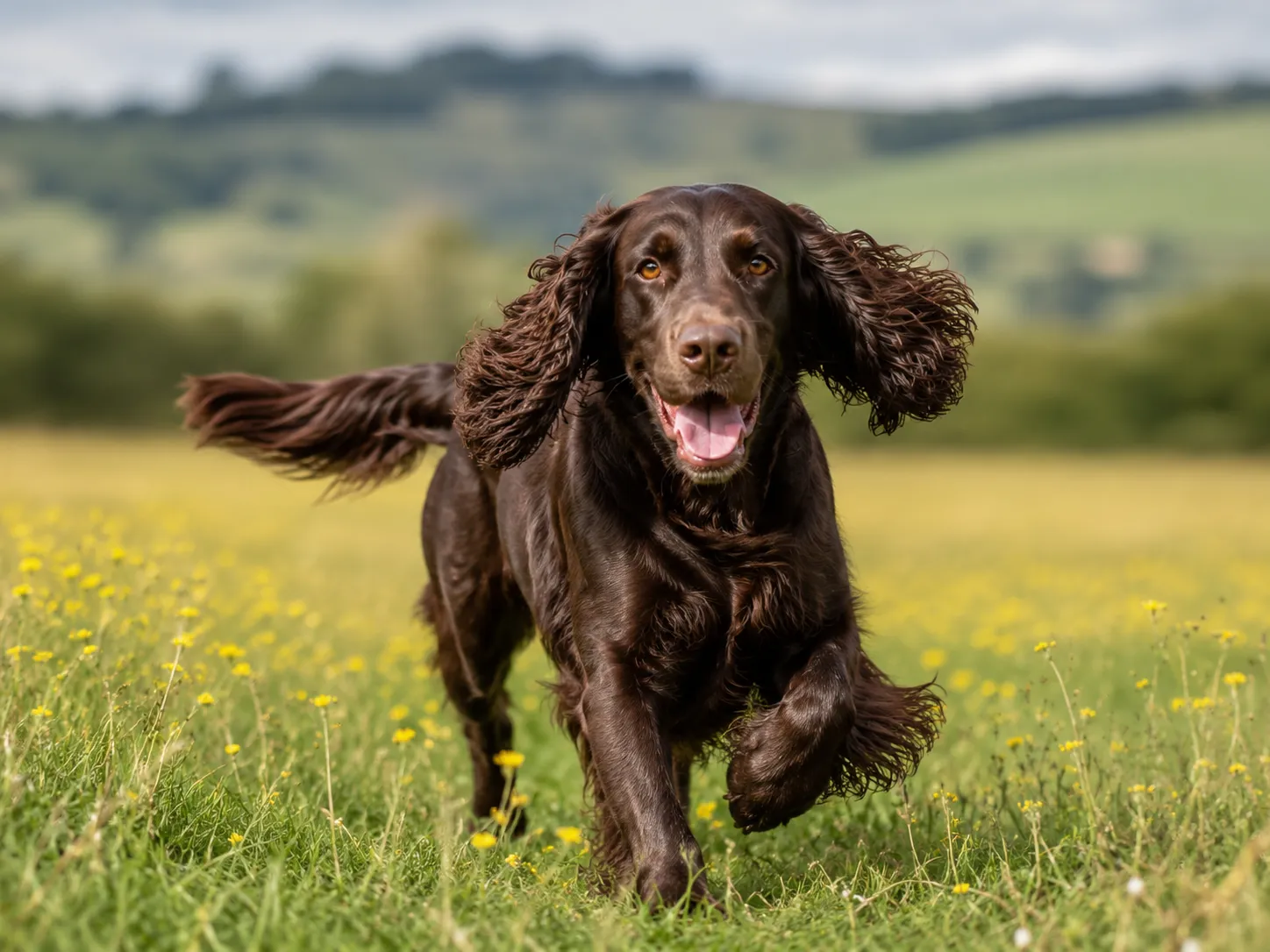
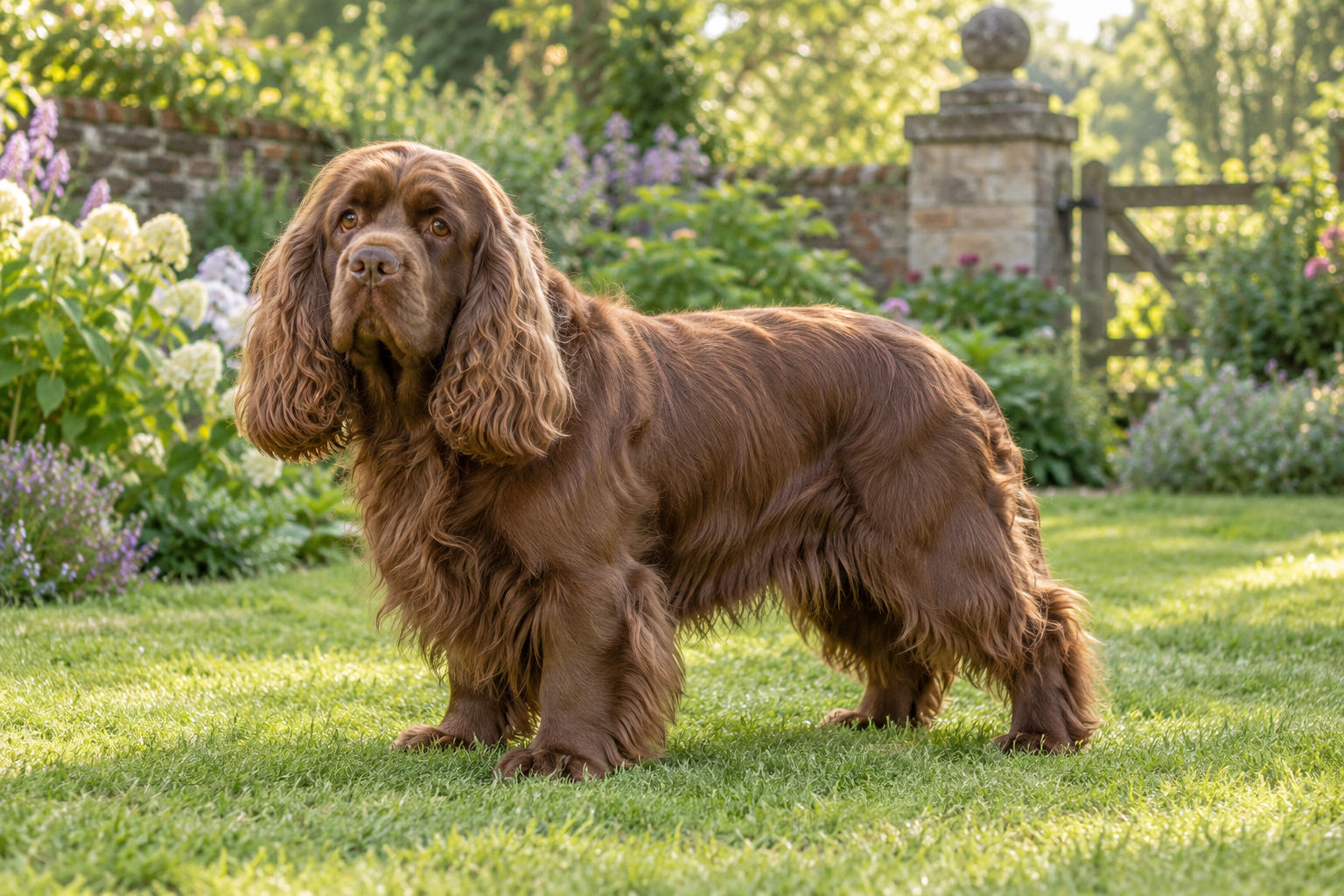
The Field Spaniel is a balanced, affectionate, and intelligent sporting breed originally developed for flushing and retrieving game in the field. They are known for their calm nature, strong family bonds, trainability, and moderate energy levels, making them well suited to active families seeking a versatile companion and outdoor partner.
Breed Overview
Life Span
12 - 14 years
Average Price
AUD 2500 - AUD 4500
Weight
Male: 18 - 25 kg Female: 16 - 23 kg
Height
Male: 46 - 48 cm Female: 43 - 46 cm
Life Expectancy
Male/Female: 12 - 14 years
Breed Group
Gundog / Sporting
Nicknames
Field
Breed Information
The Field Spaniel is often described as unusually docile, yet that calm temperament sits inside a capable sporting dog built for endurance. They are not flashy or exaggerated. Instead, they are balanced, steady, and quietly confident.
Originally developed as a hunting companion, the Field Spaniel was designed for activity and stamina in rough country. Today, they remain active and thoughtful dogs who enjoy both structured work and relaxed time at home. Their long, silky coat and grave, gentle expression give them a refined appearance, but they are not delicate.
This breed may suit active families or country dwellers who appreciate a sensitive and intelligent companion. They are not typically suited to confined city living without consistent exercise and stimulation. Before choosing a Field Spaniel, it is important to understand their need for mental engagement, steady leadership, and regular grooming. Most buyers weighing this breed also consider the Cocker Spaniel, the more common working spaniel, which is easier to find in Australia but needs similar coat and ear care.
In this guide, we will walk through everything you should know about living with a Field Spaniel in Australia, from temperament and health to cost and buying advice.
Characteristics of the Field Spaniel: What Living With One Is Really Like
The Field Spaniel is a balanced sporting dog with a calm indoor presence and an active outdoor drive. They are neither hyperactive nor sluggish. Instead, they combine endurance with steadiness.
| Trait | Rating | Star Rating |
| Size | Medium | ★★★☆☆ (3/5) |
| Adaptability | Moderate | ★★★☆☆ (3/5) |
| Exercise Needs | High | ★★★★☆ (4/5) |
| Easy to Train | Intelligent and Responsive | ★★★★☆ (4/5) |
| Amount of Shedding | Moderate | ★★★☆☆ (3/5) |
| Grooming Needs | Moderate to High | ★★★★☆ (4/5) |
| Good With Children | Very Good | ★★★★☆ (4/5) |
| Health of Breed | Generally Healthy | ★★★☆☆ (3/5) |
| Cost to Keep | Moderate | ★★★☆☆ (3/5) |
| Tolerates Being Alone | Low to Moderate | ★★☆☆☆ (2/5) |
| Intelligence | High | ★★★★☆ (4/5) |
What These Ratings Mean
The Field Spaniel thrives when given both physical activity and mental challenges. They are not suited to a sedentary lifestyle.
They are affectionate and unusually docile indoors, but that calmness depends on adequate daily exercise. Without stimulation, they may become bored or withdrawn.
Their coat requires regular brushing, and their food motivation means weight management should be monitored.
This is a thinking dog who responds well to consistent communication and structure.
History of the Field Spaniel: Rise, Decline, and Careful Revival
The Field Spaniel emerged in Britain during the late 19th century, at a time when spaniels were being divided into formal breeds rather than simply classified by size and purpose. The breed developed from crosses between Cocker, English Springer, and Sussex Spaniels, creating a medium-sized gundog capable of both show-ring success and field work.
Early Field Spaniels were admired for their balanced structure and hunting ability. They were active, capable flushers with enough stamina for long days in rough country. Their moderate proportions made them practical working companions.
However, success in the show ring led to exaggeration. Breeders began producing longer, lower dogs with extreme outlines to win competitions. This shift compromised both health and working function. Popularity dropped rapidly, and the breed came close to extinction.
Dedicated enthusiasts stepped in during the mid-20th century. By reintroducing Cocker and Springer blood and returning to moderate structure, they restored the Field Spaniel’s original purpose and soundness. The modern Field Spaniel stands as a reminder of the importance of balance over exaggeration.
Today, the breed remains relatively rare but valued for its combination of beauty and utility.
Appearance of the Field Spaniel: Balanced, Noble, and Built for Endurance
The Field Spaniel presents a picture of balance and strength without exaggeration. They are a medium-sized sporting dog, standing approximately 46 cm at the shoulder, with a solid yet athletic build designed for activity and stamina.
Overall Structure
The body is slightly longer than tall, with a deep chest and strong, level back. The rib cage should make up roughly two-thirds of the body length, supporting endurance in the field. The overall impression is noble and upstanding, never heavy or overly refined.
Their neck is long and muscular, allowing them to retrieve game without fatigue. Shoulders are well laid back, and the legs are straight with flat bone, contributing to efficient movement.
Head and Expression
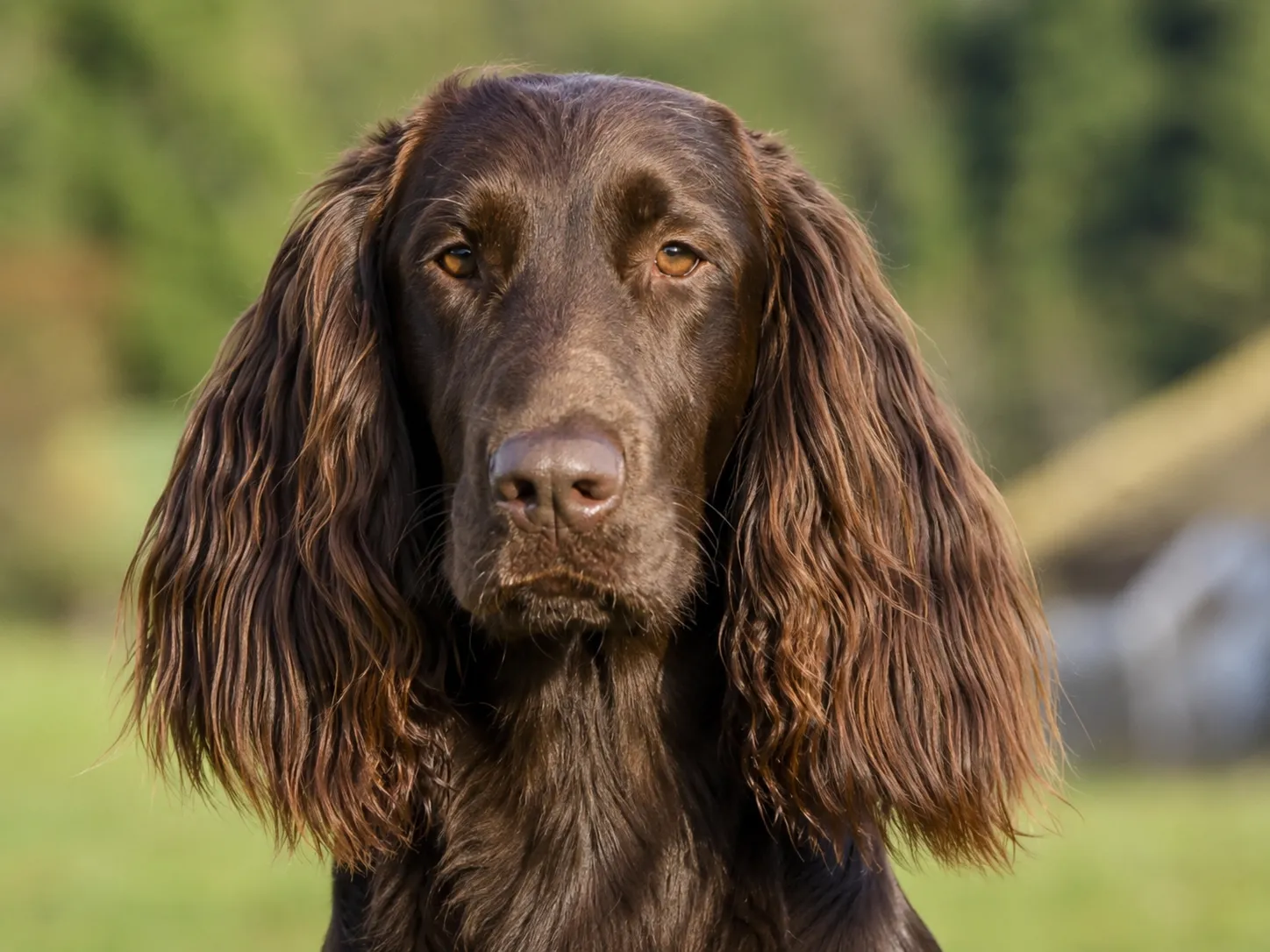
The head conveys character and high breeding. It is well chiselled, with a defined occiput and lean cheeks. The muzzle is long and clean, neither snipy nor square.
Eyes are almond-shaped and dark hazel, giving a grave and gentle expression. Ears are moderately long, set low, and well feathered.
Coat and Colour
The coat is long, flat, glossy, and silky in texture. It should never be curly or wiry. The coat is dense and weatherproof, with feathering on the chest, underbody, and behind the legs, but clean from hock to ground.
Accepted colours include:
- Black
- Black and tan
- Blue roan
- Blue roan and tan
- Liver
- Liver and tan
- Liver roan
- Liver roan and tan
Solid dogs may have white or roan on the chest. Other colour combinations are not accepted.
Movement
Movement should be long and unhurried, with strong drive from the rear. Short or stumping action is undesirable. The Field Spaniel’s gait should indicate both stamina and soundness.
Different Types of the Field Spaniel: Show Lines and Working Influence
The Field Spaniel does not have officially recognised varieties in size or coat type. There is only one breed standard. However, subtle differences may appear depending on breeding focus.
Show-Oriented Lines
Dogs bred primarily for conformation tend to emphasise balance, coat quality, and correct proportions. These Fields often have abundant feathering and a refined outline while maintaining the moderate structure required by the standard.
Working Influence
Some breeders maintain stronger working instincts, focusing on stamina, drive, and field performance. These dogs may appear slightly leaner or more athletic in build, though they should still meet breed standards.
Regardless of line, the Field Spaniel should never be exaggerated in length or low to the ground. Past overemphasis on a long, low outline caused health and structural problems in the breed’s history.
Today, responsible breeders aim for moderation. The correct Field Spaniel is a balanced combination of beauty and utility, not an extreme in either direction.
Temperament of the Field Spaniel: Unusually Docile Yet Capable
The Field Spaniel is often described as unusually docile, particularly in the home. They are calm, gentle, and steady with their families. This softness does not mean weakness. Beneath their composed exterior is an active sporting dog with energy and purpose.
They are sensitive by nature and respond strongly to their environment. Harsh handling or chaotic households can unsettle them. Clear communication and calm leadership produce the best results.
Although tranquil indoors, they are energetic and capable outdoors. When given a task, whether retrieving, scent work, or structured play, they show focus and enthusiasm. They are not overly dominant or reactive, but they do possess a degree of independence.
Field Spaniels are known for forming close bonds with their people. They enjoy companionship and do not thrive when isolated for long periods. Getting there depends on early socialisation with children and other animals during the first few months at home, after which they are trustworthy with children and tolerant of other animals.
Correct temperament balances sensitivity with stability. A well-bred Field Spaniel should be confident, responsive, and emotionally steady.
Intelligence and Trainability of the Field Spaniel: A Thoughtful Problem-Solver
The Field Spaniel is an intelligent and observant breed. Often described as a “thinking dog,” they do not simply obey without understanding. They respond best when training is clear, consistent, and purposeful.
Early Training Priorities
Early socialisation is essential. Because they are sensitive, positive exposure to different environments, people, and sounds helps build resilience and confidence.
Basic obedience should begin in puppyhood. Recall, lead manners, and calm greetings are particularly important for a medium-sized sporting dog.
Training Approach
Fields thrive on reward-based training with minimal correction. They are food-motivated and often highly responsive to treats used appropriately.
Clear communication works better than repetition without purpose. They learn quickly once expectations are understood.
Mental Engagement
This breed benefits from structured challenges. Activities such as scent work, obedience trials, and retrieving exercises help channel their natural instincts.
Without mental stimulation, they may become bored or withdrawn rather than destructive.
Common Mistakes
Overly harsh training can damage confidence. Equally, inconsistent expectations can confuse a sensitive dog.
When handled with patience and structure, the Field Spaniel becomes a reliable and enthusiastic training partner.
Field Spaniel and Family Life: Children, Other Pets, and Household Fit
The Field Spaniel is generally well suited to family life, provided their exercise and emotional needs are met. They are affectionate without being overwhelming and tend to form close attachments to their household.
Field Spaniel with Children
Their unusually docile temperament makes them trustworthy with respectful children. They are patient and tolerant, but like all dogs, they should not be subjected to rough handling.
Supervision is important, especially with younger children, to ensure interactions remain calm and safe.
Living with Other Dogs
Field Spaniels typically get along well with other dogs. They are not naturally aggressive and often enjoy canine companionship, particularly if raised together.
Structured introductions and consistent leadership help maintain harmony in multi-dog homes.
Cats and Other Animals
With early socialisation, many Field Spaniels coexist peacefully with cats and other household pets. Their hunting background means they may show interest in small wildlife outdoors, but this can be managed through training.
Household Environment
The breed is better suited to homes where they receive regular exercise and engagement. The breed standard notes they are not ideally suited to confined city living without sufficient activity.
They thrive in active households that balance outdoor time with quiet companionship indoors.
Health of the Field Spaniel: Screening, Structure, and Long-Term Soundness
The Field Spaniel is generally considered a healthy breed when responsibly bred. With proper care, most live between 12 and 14 years. However, like many purebred dogs, certain hereditary conditions can occur, making health screening important.
Common Health Considerations
Responsible breeders monitor for:
- Hip dysplasia
- Eye conditions
- Autoimmune thyroiditis
- Cardiac concerns
- Late-onset seizures in some lines
Not every Field Spaniel will experience these issues, but awareness and careful breeding reduce risk. The broader guide to dog health and vet care for Australian owners sets out what routine monitoring should cover.
Recommended Health Testing
Breeders are encouraged to carry out:
- Hip evaluation
- Ophthalmologist evaluation
- Thyroid screening
Request written documentation rather than relying on verbal assurances. Health testing protects the long-term integrity of the breed.
The Importance of Moderation
Historically, exaggeration in structure caused problems within the breed. Today, emphasis is placed on balance and soundness. Excessive length, poor movement, or structural weakness should be avoided.
A well-bred Field Spaniel should move freely, show endurance, and remain physically capable of performing traditional work.
Preventive Care
Routine veterinary visits, parasite prevention, dental care, and weight management all contribute to long-term health.
With responsible breeding and attentive ownership, the Field Spaniel remains a resilient and steady companion.
Caring for the Field Spaniel: Daily Structure and Balanced Living
Caring for a Field Spaniel requires more than basic maintenance. This is a sporting breed that thrives on routine, engagement, and steady leadership. Their calm indoor nature depends heavily on adequate activity outdoors.
Daily Routine
A predictable routine supports emotional stability. Regular feeding times, structured walks, and consistent interaction help this sensitive breed feel secure.
They enjoy being involved in family life and often prefer to remain close to their owners rather than isolated.
Living Environment
The Field Spaniel adapts to various environments, from rural properties to suburban homes. However, they are not ideally suited to confined city living without meaningful exercise.
Access to secure outdoor space, or at minimum daily brisk walks and structured activity, is important.
Emotional Needs
Because they are sensitive and people-oriented, prolonged isolation can lead to withdrawal or anxiety. They do best in households where someone is present for much of the day or where their time alone is managed carefully.
Senior Care
As they age, exercise intensity may decrease, but mental stimulation should remain consistent. Monitoring joint health, maintaining a healthy weight, and continuing light activity help preserve mobility.
With thoughtful management, the Field Spaniel remains steady, affectionate, and active throughout life.
Grooming of the Field Spaniel: Maintaining a Glossy, Weatherproof Coat
The Field Spaniel’s long, flat, silky coat is one of its most distinctive features. It is dense and weatherproof, built to protect the dog during outdoor work. However, that coat requires consistent care.
Coat Maintenance
Weekly brushing and combing are essential to prevent tangles and maintain shine. Feathering on the chest, underbody, and behind the legs can mat if neglected. The routine for keeping a silky coat free of mats covers brushing frequency and the tools that work best on feathering.
Unlike some other spaniels, the Field should not be body clipped. The coat should remain natural and flat, with only light trimming around the head and feet where necessary.
Shedding and Cleanliness
Shedding is moderate and can be managed with routine grooming. Regular brushing reduces loose hair and helps distribute natural oils across the coat.
Bathing should be done as needed rather than excessively, as over-washing can strip protective oils.
Ear and Eye Care
Because the ears are long and well feathered, they should be checked weekly for signs of moisture, debris, or infection.
Gentle cleaning and proper drying after swimming help prevent problems.
Nail and Dental Care
Nails should be trimmed regularly to maintain correct posture and movement. Dental care is equally important, with brushing recommended several times per week.
Consistent grooming not only preserves the Field Spaniel’s appearance but also supports long-term health.
Exercise of the Field Spaniel: Endurance, Drive, and Mental Engagement
The Field Spaniel is a true sporting breed built for activity and stamina. While calm indoors, they require consistent physical and mental stimulation to remain balanced. Without adequate exercise, their sensitive nature may shift toward boredom or withdrawal.
Daily Physical Requirements
Most adult Field Spaniels require at least 60 to 90 minutes of structured exercise per day. This should include brisk walks, controlled off-lead time in secure areas, and purposeful activities rather than casual wandering.
They are built for endurance, not short bursts alone. Long, steady outings suit them well.
Mental Stimulation
This is a thinking breed. Mental work is as important as physical movement.
Effective outlets include:
- Scent-based games and tracking
- Retrieving drills
- Obedience or rally training
- Canine sports such as agility or field trials
Without challenges for the mind, they may become disengaged rather than destructive.
Suitability for Sports and Work
Field Spaniels excel in gundog work, obedience, scent detection, and various performance sports. Their long, unhurried stride and rear drive reflect stamina suited to extended activity.
They benefit from tasks that simulate their original purpose.
Exercise Environment and Safety
Secure spaces are important, especially when off-lead. While not typically reckless, their hunting instincts may trigger pursuit of wildlife.
Regular exercise also helps maintain healthy weight, joint function, and emotional stability.
When given adequate outlets for both body and mind, the Field Spaniel remains calm, responsive, and content at home.
Feeding of the Field Spaniel: Managing Appetite and Maintaining Condition
The Field Spaniel is famously food motivated. Many owners joke about having a “Food Spaniel” because of their enthusiasm for meals and treats. While this trait makes training easier, it also means portion control is important. Settling how often adult dogs should be fed makes that much easier to hold to.
Nutritional Requirements
A high-quality, balanced diet formulated for medium sporting breeds is recommended. Protein supports muscle tone and endurance, while controlled fat levels help maintain a healthy weight.
Puppies, adults, and seniors have different nutritional needs, so life-stage-appropriate food is essential.
Feeding Schedule
Most adult Field Spaniels do well on two measured meals per day. Puppies may require three smaller meals during early growth stages.
Free feeding is not advisable. Because this breed enjoys food, unmeasured portions can quickly lead to weight gain.
Weight Management
Maintaining ideal body condition is important for joint health and stamina. You should be able to feel the ribs without pressing hard and see a defined waist from above.
Excess weight increases strain on hips and may worsen underlying orthopaedic issues.
Treats and Training Rewards
Food motivation makes training efficient, but treats should be small and factored into daily calorie intake.
Avoid:
- High-fat table scraps
- Cooked bones
- Foods toxic to dogs
With controlled portions and a balanced diet, the Field Spaniel maintains steady energy and a healthy, athletic outline.
Field Spaniel Price in Australia: Purchase Cost and Long-Term Commitment
The Field Spaniel is a relatively rare breed in Australia, and availability can be limited. Because of small breeding numbers and careful health screening, pricing often reflects the effort involved in preserving the breed responsibly.
Purchase Price
A well-bred Field Spaniel puppy from a registered breeder typically ranges between $2,500 and $4,500 AUD. Price may vary depending on pedigree, breeder reputation, health testing, and whether the puppy is sold as a companion or for show potential.
Be cautious of unusually low prices, as proper health screening and ethical breeding practices involve significant cost.
Initial Setup Costs
Beyond the purchase price, new owners should budget for essential items such as:
- Quality bedding and crate
- Collar, lead, and identification
- Vaccinations and microchipping (if not already completed)
- High-quality food
- Grooming equipment
Initial setup expenses may range from $1,000 to $2,000 AUD.
Ongoing Costs
Field Spaniels incur moderate ongoing expenses, including food, veterinary care, parasite prevention, and grooming maintenance. Sporting breeds may also incur training or activity-related costs.
Monthly expenses commonly range between $150 and $300 AUD, depending on lifestyle and health requirements.
Lifetime Financial Responsibility
Over a 12 to 14 year lifespan, total ownership costs can be substantial. Planning for routine veterinary care and potential unexpected medical treatment is part of responsible ownership.
Choosing a Field Spaniel should involve both emotional readiness and financial preparedness.
Buying Advice for the Field Spaniel: Choosing Carefully in a Rare Breed
The Field Spaniel is not a common breed in Australia, and responsible breeders often have limited litters each year. Patience is important. Rushing the process can lead to disappointment or long-term issues.
Finding a Responsible Breeder
Seek breeders who prioritise health, temperament, and structural soundness over show exaggeration or rapid sales.
A responsible breeder should:
- Provide documented hip, eye, and thyroid testing
- Be transparent about any health issues in their lines
- Allow you to meet at least the dam
- Raise puppies in a clean, enriched environment
- Ask you detailed questions about your lifestyle
Reluctance to provide documentation or pressure for quick payment should be treated as a warning sign.
Assessing Temperament
Observe how puppies interact with people and littermates. A well-bred Field Spaniel puppy should be curious and gentle, not excessively shy or reactive.
Because this is a sensitive breed, early environment matters significantly.
Considering Activity Level
Be honest about your lifestyle. Field Spaniels require regular exercise and mental stimulation. They are not suited to owners seeking a low-energy companion.
Breeders should help match puppies to appropriate homes.
Rescue and Rehoming
While rare, adult Field Spaniels may occasionally be available through breed networks or rescue groups.
An older dog can be a suitable option for families who prefer to avoid the demands of puppyhood.
Taking time during the buying process helps ensure a stable, healthy, and suitable companion. You can track Field Spaniel litters as they are listed and contact breeders directly when one becomes available.
Is the Field Spaniel Right for You?
The Field Spaniel suits owners who appreciate a calm, thoughtful dog with genuine working ability. They are affectionate and unusually docile indoors, yet still require meaningful exercise and mental stimulation to remain balanced.
This breed is best suited to active households, particularly those with access to outdoor space or regular opportunities for structured activity. While adaptable to suburban living, they are not ideal for highly confined city lifestyles without consistent engagement.
Their sensitive temperament means they respond best to steady leadership and clear communication. Harsh correction or chaotic environments can unsettle them. They thrive in homes where expectations are consistent and companionship is readily available.
If you believe the Field Spaniel matches your lifestyle, take time to connect with responsible breeders who prioritise health and soundness. You can browse verified Field Spaniel listings on Pups4Sale to compare available litters, review breeder details, and make an informed decision before welcoming one into your home.
Frequently Asked Questions
Related Breeds
Other sporting breeds on Pups4Sale.
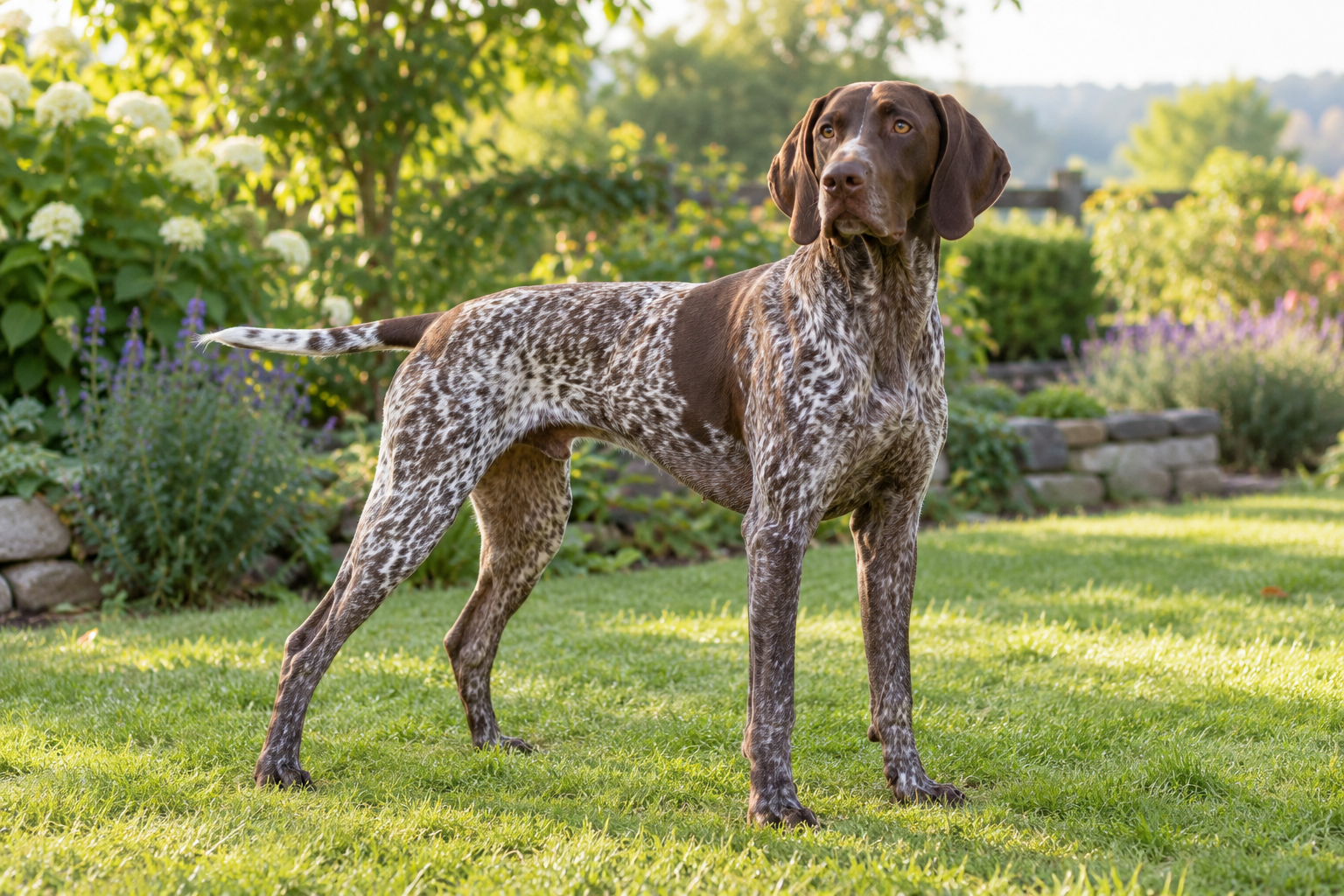 German Shorthaired PointerLarge • Gundogs (Group 3)
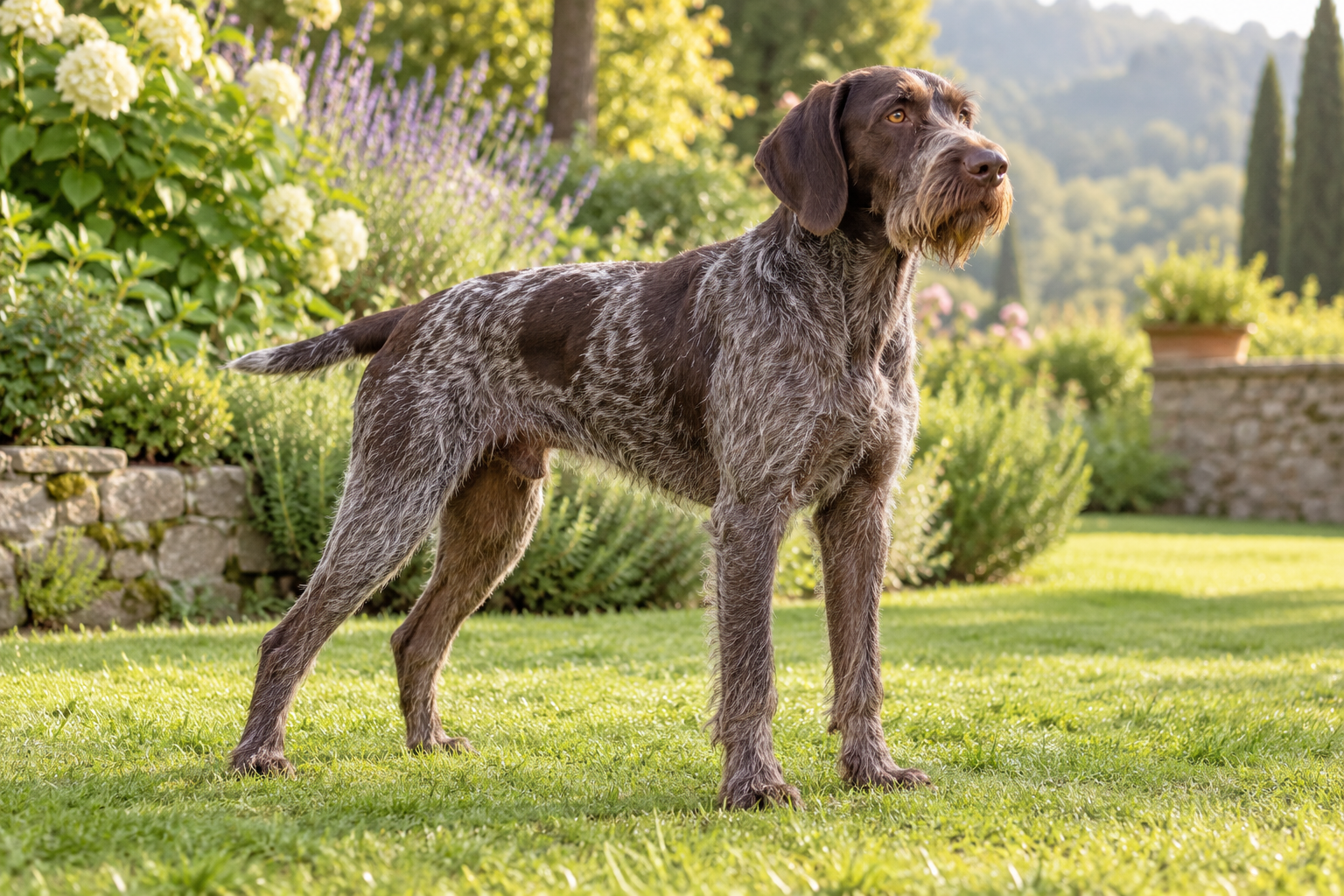 German Wirehaired PointerLarge • Gundogs (Group 3)
 Golden RetrieverLarge • Sporting / Gundog
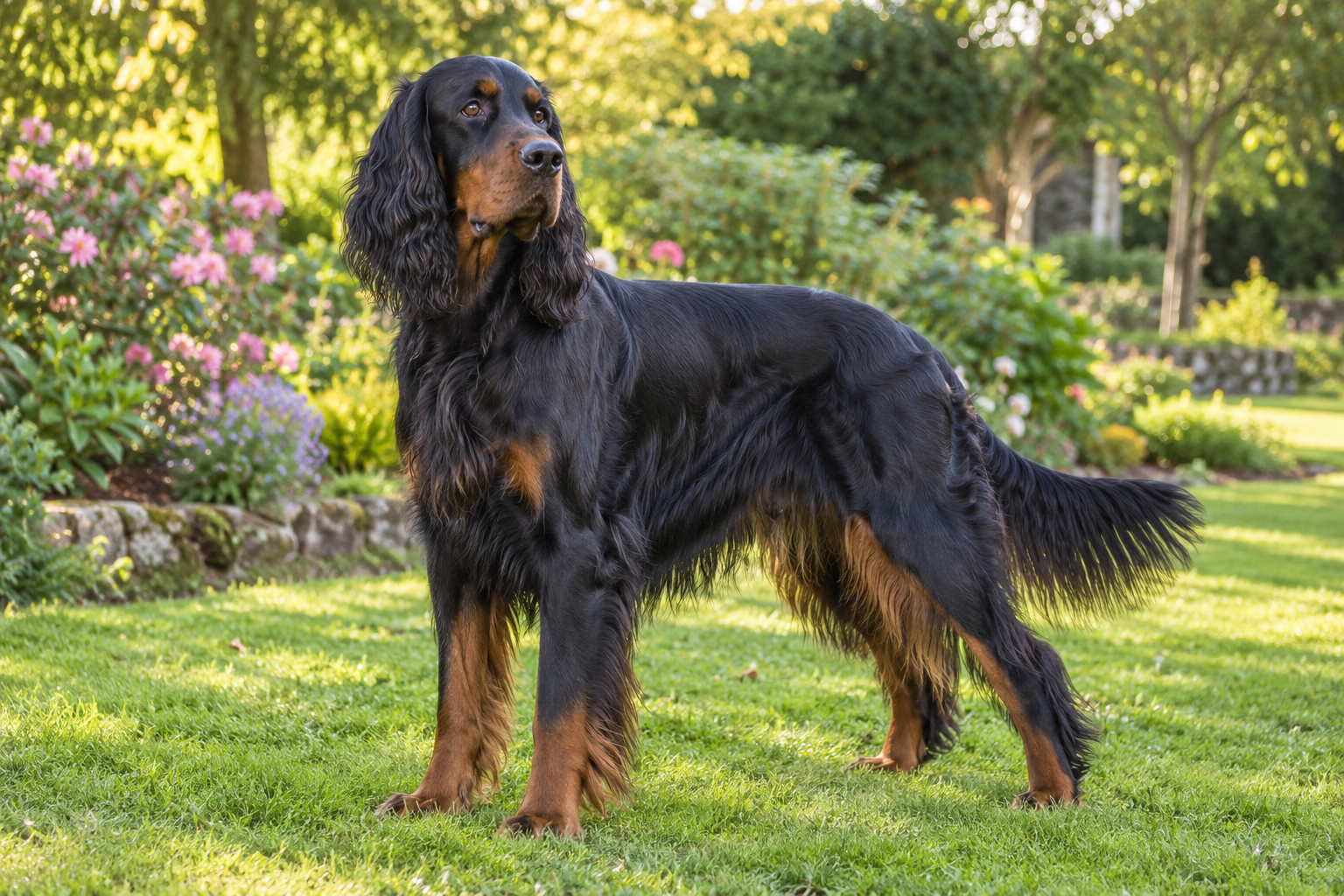 Gordon SetterLarge • Gundogs (Group 3)
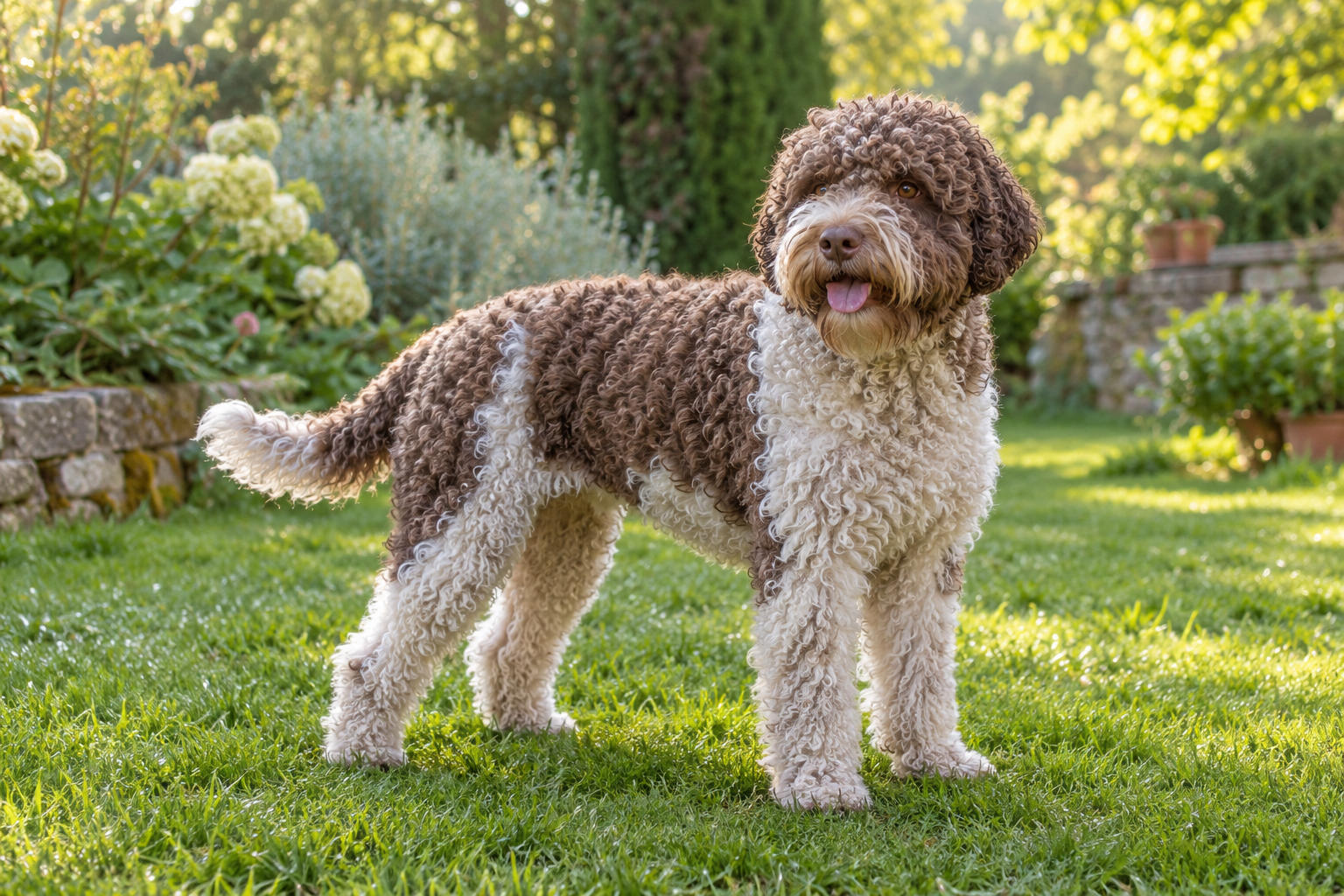 Lagotto RomagnoloMedium • Gundogs (Group 3)
 Sussex SpanielMedium • Gundogs (Group 3)