German Wirehaired Pointer
By James C. • Updated
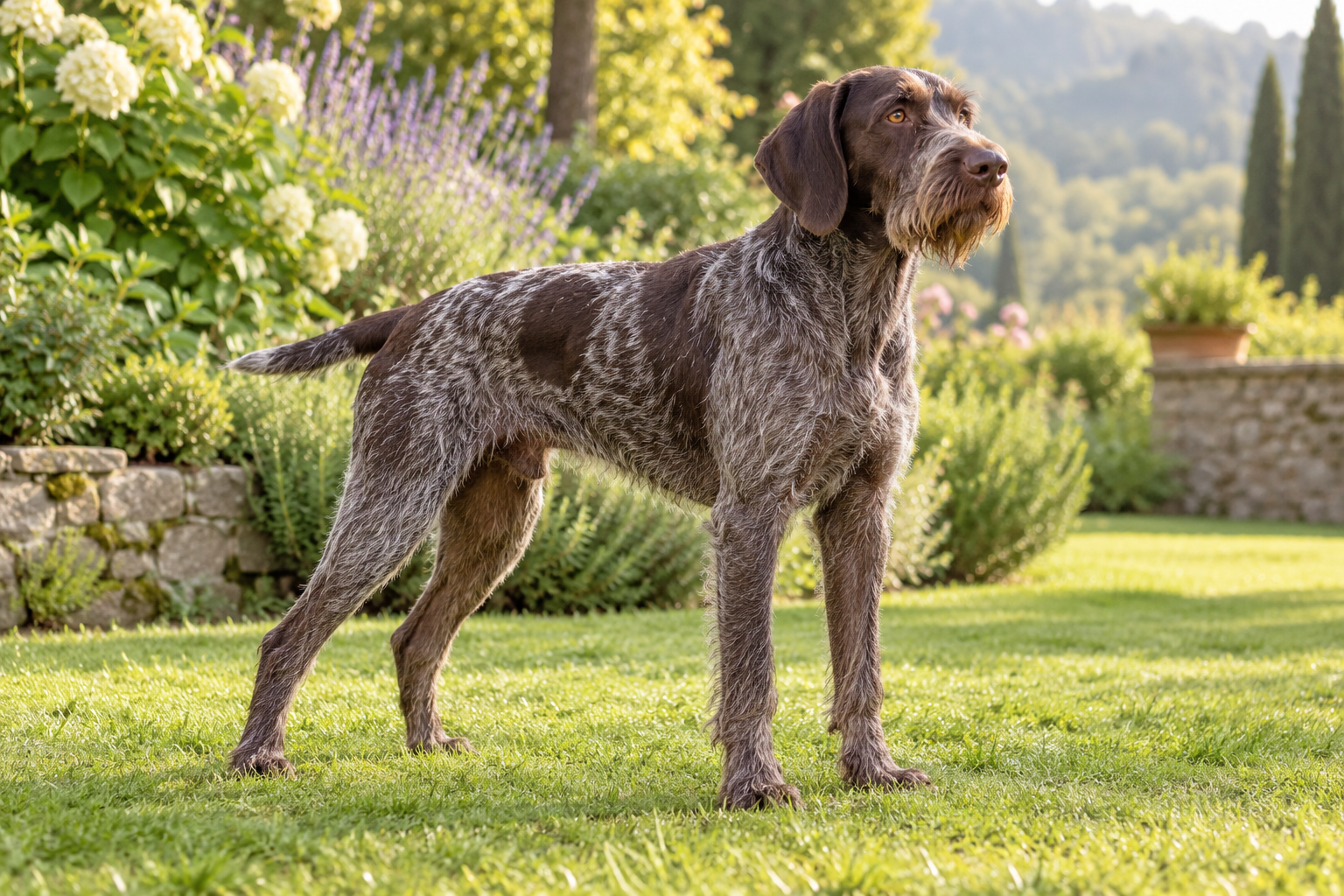
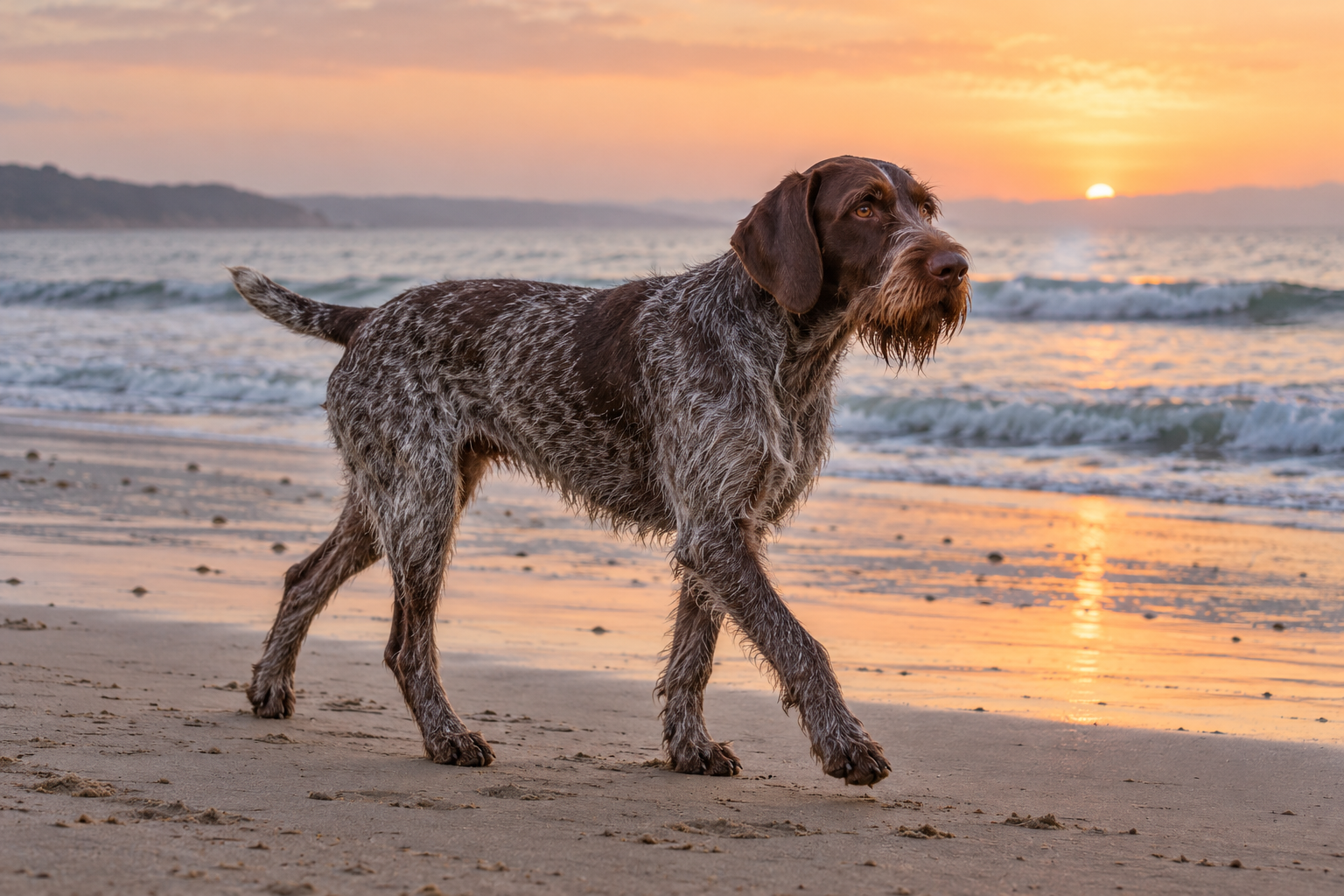
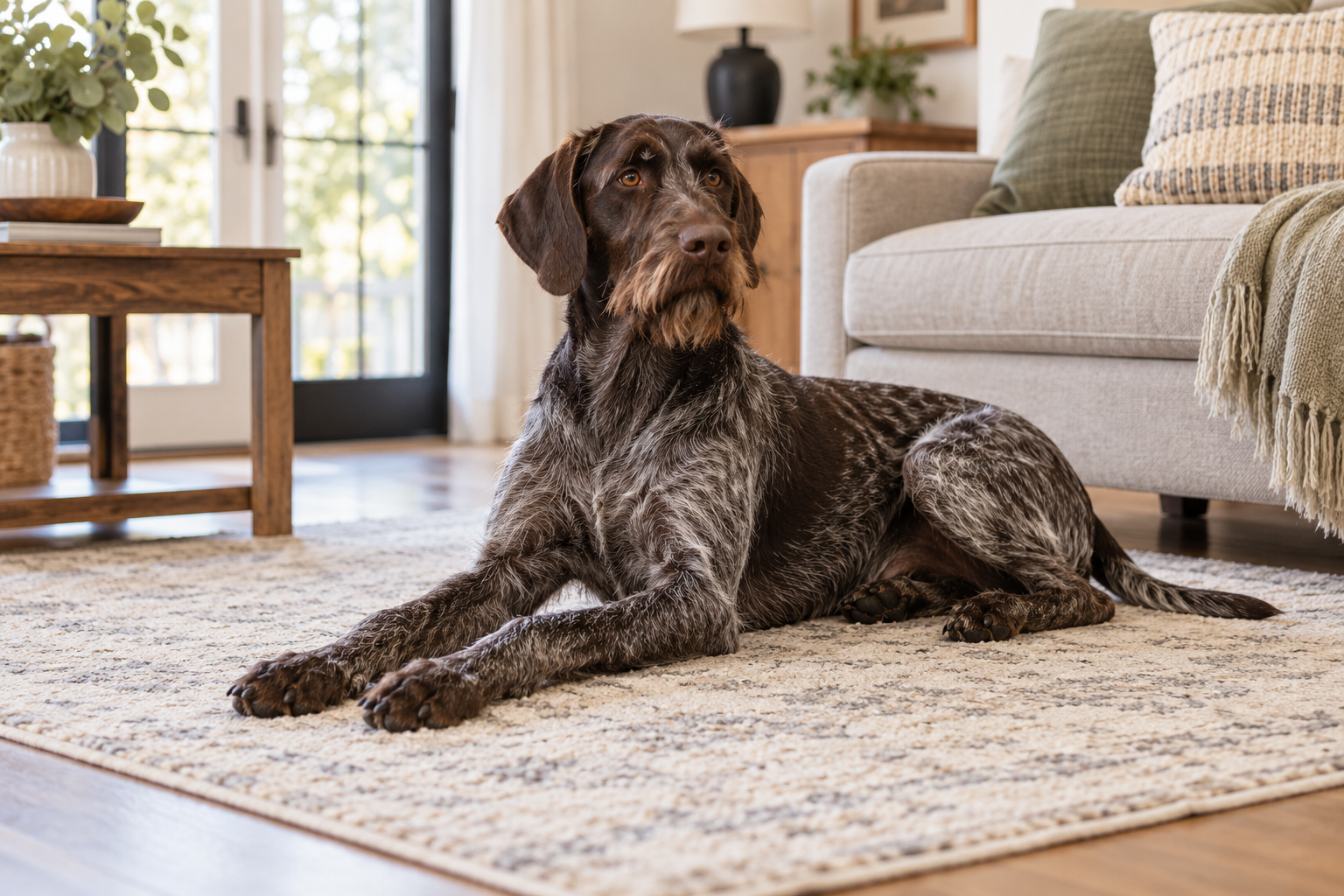
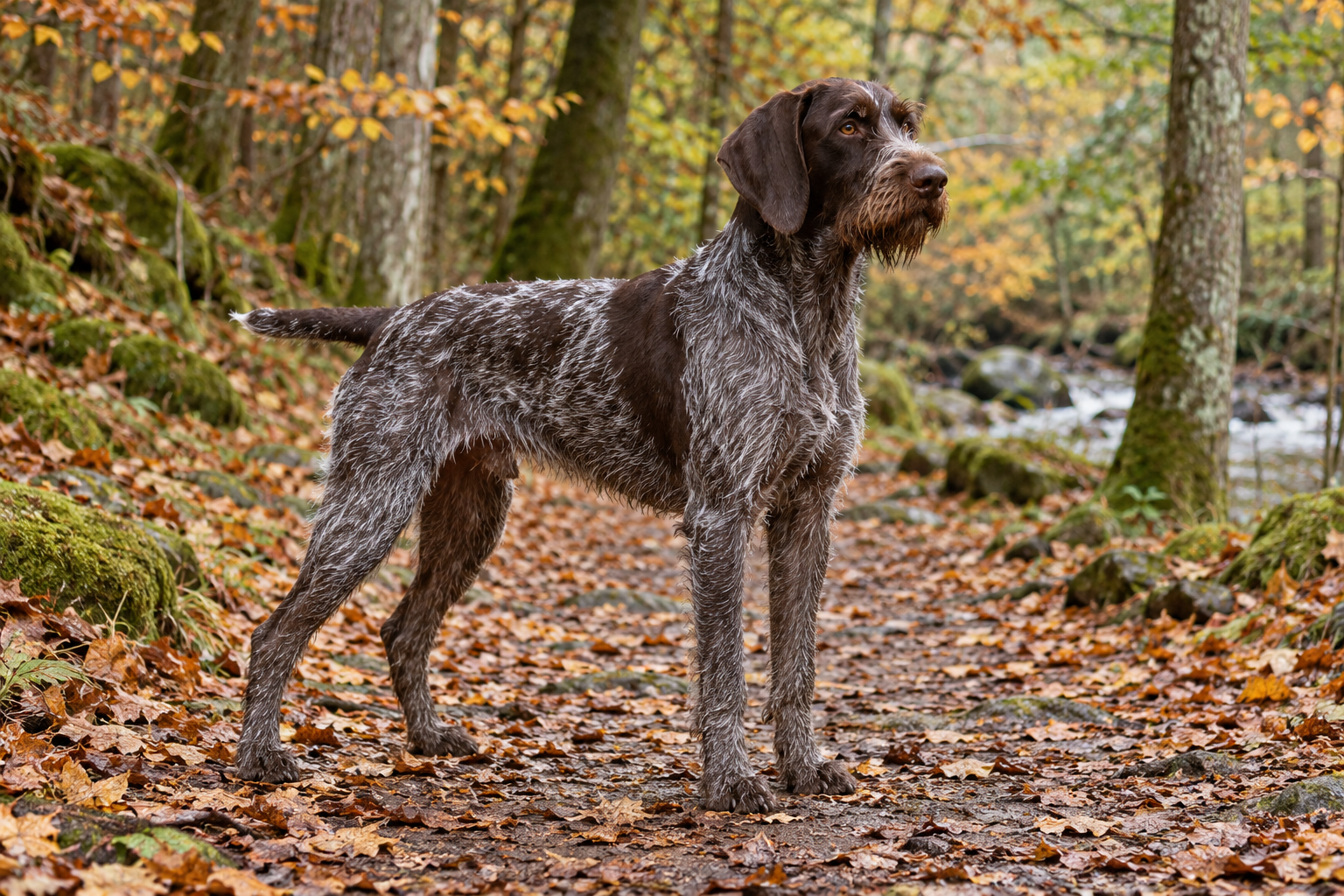
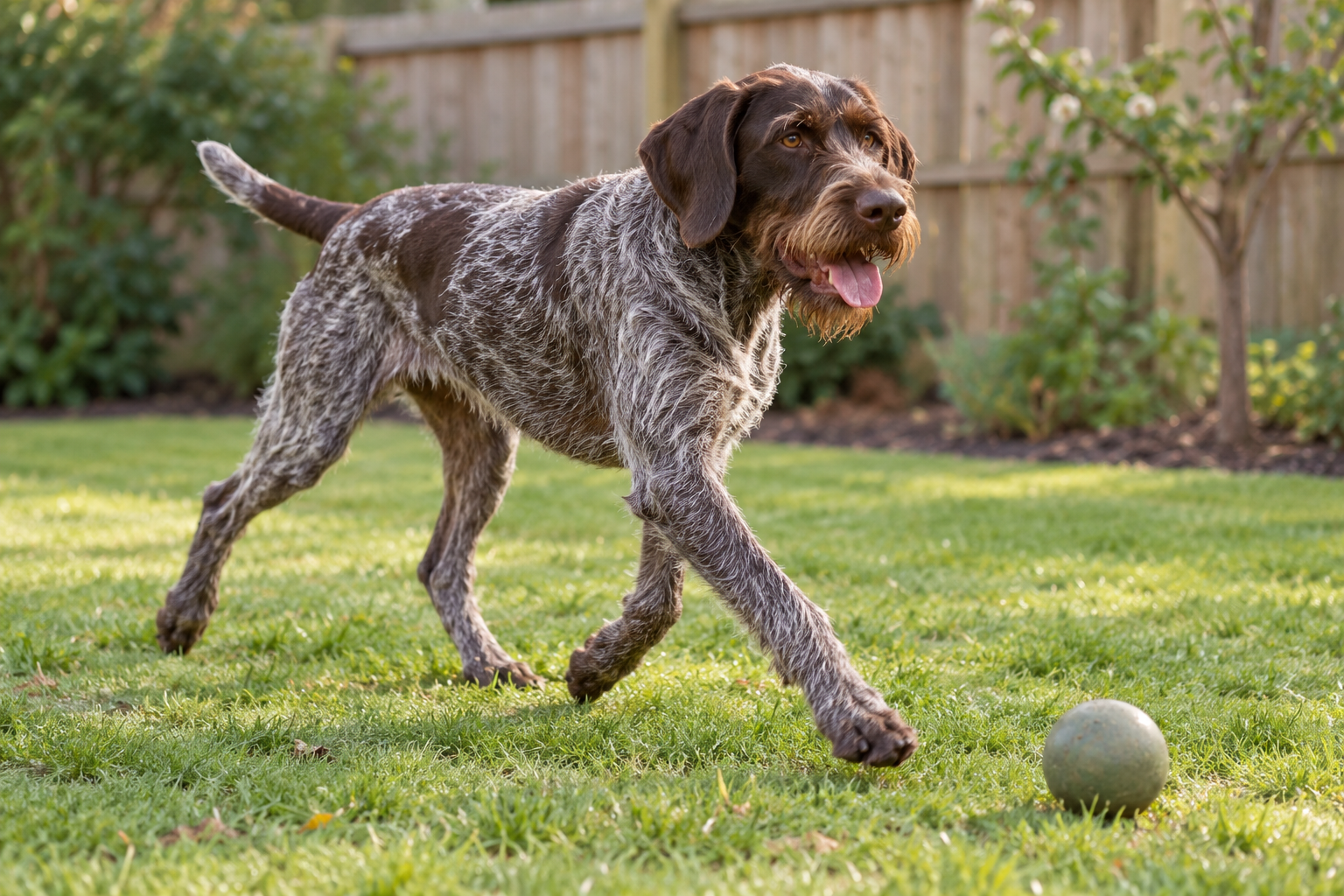
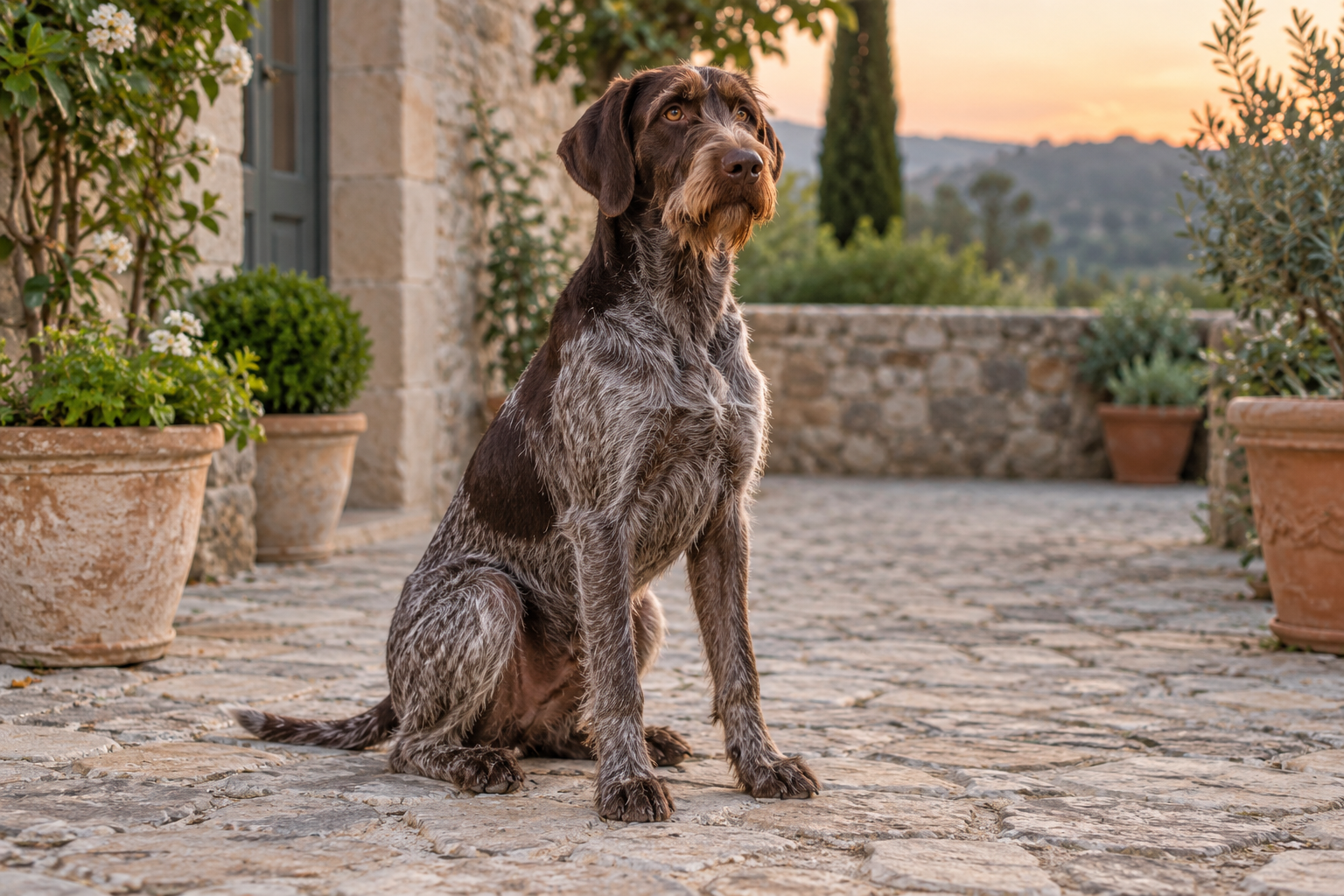
The German Wirehaired Pointer, often shortened to GWP or Wirehaired Pointer, is a versatile German gundog bred to point, retrieve and track on any terrain and in any weather. Its harsh, weatherproof wire coat, beard and eyebrows set it apart from its smooth-coated cousin, the German Shorthaired Pointer. It is loyal and affectionate with family, more reserved with strangers than the GSP, and full of working drive. Under the Dogs Australia standard, dogs stand 61 to 68 cm and bitches 57 to 64 cm, and most weigh roughly 21 to 34 kg. It needs a lot of daily exercise, regular coat stripping and an active owner, and typically lives 11 to 14 years.
Breed Overview
Life Span
11 - 14 years
Average Price
AUD 2500 - AUD 4000
Weight
Male: 25 - 34 kg Female: 21 - 29 kg
Height
Male: 61 - 68 cm Female: 57 - 64 cm
Life Expectancy
Male/Female: 11 - 14 years
Breed Group
Gundogs (Group 3)
Nicknames
GWP, Wirehaired Pointer, Drahthaar
Breed Information
The German Wirehaired Pointer is a versatile German gundog with a harsh, weatherproof wire coat and a distinctive beard, bred to point, retrieve and track on land and in water. It is loyal and affectionate with its family, but noticeably more reserved with strangers than the German Shorthaired Pointer. It is a serious working dog that also makes a fine companion for the right household.
Is a German Wirehaired Pointer a good family dog? For active families, yes. GWPs are devoted, playful and often clownish at home, and Dogs NSW calls the breed the clown of the Gundog group. The trade-off is very high energy, strong prey drive and a dislike of being left alone for long periods, so this is a breed for people who live outdoors as much as indoors.
The breed is recognised by Dogs Australia in Group 3, Gundogs. Supply is limited: Dogz Online listed 13 GWP breeders, several of them overseas, and no puppies for sale on 18 October 2026. Most Australian buyers should expect to join a waiting list and to wait several months for a well-bred puppy.
Characteristics of the German Wirehaired Pointer
The German Wirehaired Pointer rates very highly for exercise needs, intelligence and loyalty, and low for tolerance of being alone, so it rewards active owners and frustrates sedentary ones.
| Trait | Rating | Star Rating | Meaning |
|---|---|---|---|
| Size | Large | ★★★★ | Roughly 21 to 34 kg, strong, athletic and robust. |
| Adaptability | Low | ★★ | Copes poorly with confinement, small spaces and long hours alone. |
| Exercise Needs | Very High | ★★★★★ | One to two hours or more daily, with off-lead running. |
| Easy to Train | Good | ★★★★ | Intelligent and keen, but independent and easily distracted by scent. |
| Amount of Shedding | Low to Moderate | ★★ | Wire coat sheds lightly, more if dead hair is not stripped. |
| Grooming Needs | Moderate | ★★★ | Weekly brushing, beard care and stripping twice a year. |
| Good With Children | Good | ★★★★ | Affectionate and playful, but boisterous when young. |
| Health | Good | ★★★★ | A robust breed with a few inherited conditions to test for. |
| Cost to Keep | Moderate | ★★★ | Moderate food and insurance costs, some grooming. |
| Tolerates Being Alone | Low | ★★ | Becomes vocal, destructive or escapes when bored. |
| Intelligence | Very High | ★★★★★ | Quick learner with an excellent nose and problem-solving ability. |
History of the German Wirehaired Pointer: Germany's All-Weather Versatile Hunter
The German Wirehaired Pointer was developed in Germany from around the 1880s, according to the Dogs NSW breed profile. German hunters wanted a rugged, versatile dog that could work any terrain, from Alpine slopes to forests, marshes and farmland, in any weather. It had to point and retrieve birds, track wounded game and work in cold water, and it needed a coat that could protect it from thorns, brambles and icy conditions.
Breeders drew on several rough-coated and pointing breeds to create that dog. Sources differ on the exact recipe, but the Pudelpointer, the Wirehaired Pointing Griffon, the Stichelhaar and the German Shorthaired Pointer are usually named. In Germany, the working version of the breed is known as the Deutsch Drahthaar and is bred under strict hunting and field test rules, while show and companion lines elsewhere are registered as German Wirehaired Pointers. The two share the same origins, but Drahthaar lines are selected for work above all.
The breed was accepted by the FCI in the mid twentieth century and spread to North America and the rest of the world. In Australia, GWPs work as bird dogs and versatile hunting dogs, compete in field trials and the show ring, and live as active family companions. Numbers here remain small compared with the German Shorthaired Pointer.
Appearance of the German Wirehaired Pointer: Rugged, Bearded and Athletic
Size and Build
The Dogs Australia breed standard sets dogs at 61 to 68 cm and bitches at 57 to 64 cm at the withers, and sets no weight. Purina's breed profile gives roughly 25 to 34 kg for males and 20.5 to 29 kg for females. The build is strong, balanced and slightly longer than tall, with a deep chest and powerful hindquarters made for long days in rough country.
Coat and Colours
The coat is the breed's defining feature. The standard calls for a harsh, flat-lying, dense wire outer coat about 2 to 4 cm long, over a dense, water-resistant undercoat, with a beard, strong eyebrows and short hair on the ears and head. Accepted colours are brown roan and black roan, with or without patches, solid brown with or without a white chest patch, and light roan. No other colour is permitted by the standard, so treat unusual colours marketed as rare with caution.
Distinctive Features
The bearded face and bushy eyebrows give the GWP a slightly serious, weathered expression. Tails were traditionally docked for hunting, but cosmetic docking has been banned nationally in Australia since 2004, so locally bred GWPs keep their full, natural tails. The standard allows for this where docking is prohibited.
Many buyers compare the GWP with its better known cousin. The main differences are summarised below.
| Feature | German Wirehaired Pointer | German Shorthaired Pointer |
|---|---|---|
| Coat | Harsh wire coat with beard and eyebrows, stripped twice a year | Short, smooth coat, brushed weekly |
| Height (Dogs Australia) | Dogs 61 to 68 cm, bitches 57 to 64 cm | Dogs 62 to 66 cm, bitches 58 to 63 cm |
| With strangers | More reserved and watchful | Usually outgoing and friendly |
| Weather tolerance | Better in cold, wet country and scrub | Cools a little more easily in heat |
| Australian supply | Limited, waiting lists common | Plentiful, many breeders and litters |
Gender Differences
Males are taller and heavier, with more bone and a broader head, and the standard sets separate height ranges for each sex. Females are lighter and often mature a little sooner. Both sexes make capable hunting dogs and loyal companions, and individual temperament matters more than sex.
Temperament of the German Wirehaired Pointer: Loyal, Driven and Reserved
Core Personality Traits
GWPs are typically loyal, intelligent, energetic and affectionate with their own people. The breed standard describes the temperament as firm, self-controlled and well balanced, never shy or aggressive. At home they are often playful and comical, but they are high-drive working dogs that need a real outlet every day.
Social Behaviour
Compared with the GSP, the Wirehaired Pointer tends to be more reserved with strangers and more protective of its home. Dogs NSW notes the breed can be aloof and protective while accepting visitors willingly. Most GWPs bark to announce arrivals, which makes them good alarm dogs, and early socialisation keeps that watchfulness from becoming suspicion.
Working Instincts
The GWP was bred to point, retrieve and track, and those instincts are fully intact in pet dogs. Expect strong interest in birds, rabbits, possums and other small animals, and a nose that will lead the dog away from you if it is not trained and supervised. Off-lead exercise should be in safe, fenced or open areas away from roads and livestock until recall is reliable.
Common Behavioural Challenges
Boredom is the root of most problems. An under-exercised GWP may dig, chew, bark, jump fences or invent its own hunting games. Some can be protective of their family or space, and a few are pushy with other dogs. Daily exercise, consistent training and company are the most reliable fixes.
Intelligence and Trainability of the German Wirehaired Pointer: Clever and Independent
Intelligence and Learning Ability
GWPs are highly intelligent dogs that learn quickly and enjoy having a job. Dogs NSW describes them as easy to train, provided owners commit to basic training. Their intelligence also makes them resourceful, so a bored GWP will find gaps in fences, open doors and raid bins.
Training Approach
Reward-based training using food, toys and retrieves works best, with short, varied sessions that use the nose. Gundog training clubs offer an excellent structured outlet. Start manners, recall and loose lead walking early, and keep training going through adolescence rather than stopping after puppy school.
Early Socialisation
Because the breed is naturally reserved, broad socialisation matters. Introduce puppies calmly to children, adults, visitors, other dogs, vehicles and new places. Teach short periods alone from the first weeks, since GWPs bond closely and can struggle when left.
Potential Training Challenges
Adolescence, from around six months to two years, is when recall is most likely to fail and independence is most obvious. Scent and birds can override training. Some GWPs test boundaries more than GSPs do, so consistency from every family member is important.
German Wirehaired Pointer Family Life: Living with Children, Pets, and Households
Living with Children
Are German Wirehaired Pointers good pets? In active households, yes. They are usually affectionate and tolerant with children in their own family. Young GWPs are strong and bouncy, so supervise them with toddlers and teach children calm play and respect for the dog's space.
Living with Other Pets
Most GWPs live well with other dogs, especially if raised with them, though some can be bossy with dogs of the same sex. Cats may be accepted if the dog grows up with them. Chickens, rabbits, guinea pigs and pet birds are at genuine risk with a hunting breed in the house.
Household Environment
The breed needs solid fencing of at least 1.8 metres with no climbing points, secure gates and an indoor bed with the family. Dogs NSW lists a house with a garden as the right setting and notes the breed does not cope well with long periods alone. A yard is a place to rest, not a substitute for exercise.
Lifestyle Compatibility
The GWP suits hunters, runners, hikers and families who spend a lot of time outdoors, and rural or semi-rural homes. It suits apartments and households where everyone works long hours poorly. For busy households, practical ways to reduce separation anxiety help, but they do not replace an active lifestyle.
Health of the German Wirehaired Pointer: Joints, Blood, Eyes and Lifespan
Lifespan and Healthy Living
The GWP is a robust, long-lived breed for its size. Dogs NSW gives a usual lifespan of 11 or 12 years, the Purina breed profile gives 12 to 14 years, and a 2024 UK longevity study reported a median of about 13 years for the breed. A lean body, sensible exercise and early attention to injuries help a GWP reach the upper end.
Common Health Conditions
The GWP is generally healthy, but owners should be aware of several conditions that can be associated with the breed. It is best to discuss any concerns with a veterinarian.
- Hip and elbow dysplasia. Developmental joint conditions that can lead to lameness and arthritis. Purina recommends hip screening for breeding dogs.
- Von Willebrand disease. An inherited bleeding disorder, with a specific DNA variant identified in German Wirehaired and Shorthaired Pointers. It may go unnoticed until surgery or injury.
- Entropion and ectropion. Inward or outward rolling of the eyelids, which the breed standard treats as faults and which can cause eye irritation.
- Hypothyroidism. An underactive thyroid that can cause low energy, weight gain and coat problems, and is usually managed with daily medication.
- Ear infections. Hanging, hairy ears trap moisture and grass seeds, especially after swimming.
- Gastric dilatation volvulus (bloat). A life-threatening emergency in deep-chested dogs, with signs including a swollen belly and unproductive retching.
- Working injuries. Cuts, torn pads, grass seeds, cruciate injuries and snake bite are realistic risks for a dog that runs hard through scrub.
Genetic Health Testing
Ask for hip and elbow scores for both parents and a DNA result for von Willebrand disease. In the United States, the breed club's health screening programme requires hip and elbow evaluation, a thyroid test, annual eye examinations and a von Willebrand DNA test, which is a useful benchmark for Australian buyers. A breeder who cannot show results for the basics is not meeting it.
Preventative Health Care
Keep vaccinations current and use year-round parasite prevention, including paralysis tick cover on the east coast. The wire coat can hide ticks, so run your hands over the whole dog after every outing. The University of Sydney lists early signs of tick paralysis such as wobbly hind legs, vomiting and a changed bark. Feed two meals a day to reduce bloat risk and check ears after swimming.
Caring for the German Wirehaired Pointer: Daily Care and Living Environment
Daily Care Routine
A good day includes a long run or off-lead session, a second outing later, a short training or scent game and plenty of time with the family. Feed twice daily, away from hard exercise. Check feet, ears and coat after outings, and build in calm rest periods so the dog learns to settle.
Living Environment Requirements
GWPs need a secure yard, indoor living and a comfortable bed. A crate introduced positively gives a young dog a safe place to rest. Because the breed is protective and loves company, it does best as an indoor family dog rather than an outdoor kennel dog.
Climate Sensitivity
The dense wire coat and undercoat that protect a GWP in cold, wet scrub also hold heat. A driven GWP will keep working well past the point of overheating, so the owner has to make the call. Exercise at dawn and dusk in summer, let the dog swim where safe, carry water, and check safe temperatures for exercising dogs in Australia before heading out. The RSPCA lists heavy panting, drooling, vomiting and weakness among the signs of heatstroke, which needs a vet immediately.
Caring for Senior German Wirehaired Pointers
Many GWPs stay active into old age. From around nine, watch for stiffness, weight change, slower recovery and changes in energy that could point to thyroid problems. Keep walks regular but gentler, maintain a lean weight and provide soft bedding and good traction indoors.
Grooming of the German Wirehaired Pointer: Stripping the Wire Coat
Coat Maintenance
Brush the coat once or twice a week with a slicker brush or comb to remove dead hair and debris. Purina advises stripping out dead hair at least twice a year to keep the coat harsh and weatherproof. Stripping and brushing are both part of a good grooming routine for wire-haired dogs.
Hand-Stripping Versus Clipping
Do German Wirehaired Pointers shed a lot? Not usually. Dogs NSW notes that the coat does not shed in the usual way and needs regular stripping, though dead hair does loosen and fall out, especially in spring and when stripping is skipped. Show dogs are hand-stripped only to keep the harsh texture. Pet dogs can be trimmed, but clipping softens the coat over time and reduces its weather resistance.
Ear, Nail, and Dental Care
Pluck or trim excess hair from the ears and keep them clean and dry, particularly after swimming. Trim the hair between the toes so mud and grass seeds do not collect, and trim nails every three to four weeks. Brush teeth several times a week, and wipe the beard after meals.
Bathing and Professional Grooming
Bathe only when needed, since frequent bathing softens the coat. Many owners book a groomer who knows hand-stripping once or twice a year. Rinse salt water out of the coat after beach visits.
Exercise Needs of the German Wirehaired Pointer: A Gundog That Needs a Job
Daily Exercise Requirements
Plan on at least one to two hours of exercise every day for an adult GWP, including off-lead running in a safe area. Purina recommends at least two hours for a working-bred dog, while Dogs NSW suggests a lighter minimum for companion dogs. In practice, most GWPs are happiest and calmest with well over an hour of real activity daily.
Activities German Wirehaired Pointers Enjoy
Hunting, field trials, tracking, retrieving, swimming, scent work, canicross and long hikes all suit the breed. Gundog and tracking clubs give the pointing and retrieving instinct a structured outlet. Many GWPs make excellent running companions once fully grown.
Exercise by Life Stage
Puppies need short, varied play and should not be run long distances or made to jump repeatedly while growing. Increase exercise gradually through the first 18 months. Adolescents need the most outlets and the most structure. Seniors still need daily movement, at a gentler pace.
Importance of Mental Stimulation
Scent games, food puzzles, retrieves and training sessions tire a GWP as effectively as running and are vital on hot days. In bush and rural areas, take care in snake season, keep dogs away from areas where 1080 baits may be laid, and check for paralysis ticks after every outing on the east coast.
Feeding the German Wirehaired Pointer: Nutrition and Diet Needs
Nutritional Requirements
A complete, balanced diet for active medium to large dogs suits most GWPs. Working dogs in the hunting season may need a higher-energy food, while desexed companions often need less. Fresh water should always be available, especially after exercise.
Feeding by Life Stage
Feed puppies three or four times a day until around four months, then three times a day to six months, and twice daily as adults. Use a puppy food suited to medium to large breeds and aim for steady, not rapid, growth.
Portion Control and Weight Management
A GWP should look lean and athletic, with ribs easy to feel under the coat and a clear waist. The wire coat can hide weight gain, so check by touch rather than by eye. Adjust portions for workload, season and body condition.
Foods to Avoid
Avoid grapes, sultanas, chocolate, onion, garlic, macadamias, xylitol and cooked bones. Rural owners should not feed raw offal from feral animals because of hydatid tapeworm risk. Unexplained weight gain despite normal feeding is worth raising with a vet, given the breed's thyroid risk.
German Wirehaired Pointer Price in Australia: Purchase Cost and Ongoing Expenses
Puppy Purchase Price
Expect to pay about $2,500 to $4,000 for a registered German Wirehaired Pointer puppy in Australia, and expect to wait. On 18 October 2026, Dogz Online's GWP listings showed 13 breeders and no puppies for sale, so there were no current Australian prices to quote directly. Most GWP breeders list price on request.
The range is derived from comparable sources. Registered German Shorthaired Pointer puppies were listed on Dogz Online at $2,500 to $4,200 in October 2026, and US breeders charge about USD 1,000 to 2,000 for GWP puppies according to iHeartDogs' 2026 regional price guide, roughly AUD 1,500 to 3,000. Australian supply is far smaller, which pushes local prices towards the GSP range.
Initial Setup Costs
RSPCA NSW puts first-year setup costs for a dog at about $60 to $80 for microchipping, $280 to $420 for vaccinations, $350 to $650 for desexing, $40 to $100 for a collar, lead or harness, $100 to $200 for a bed and about $170 for puppy school. For a GWP, budget for fencing upgrades, a long training line, a crate, a stripping comb and possibly gundog training.
Ongoing Monthly Costs
| Cost | Typical figure (AUD) | Source |
|---|---|---|
| Food | Around or above the $91 monthly dog average, depending on workload | Animal Medicines Australia, Pets in Australia 2025 |
| Parasite prevention including ticks | Around or above the $122 annual average | Animal Medicines Australia, Pets in Australia 2025 |
| Pet insurance | Around $1,461 per year for a large dog, accident and illness | Canstar, prepared March 2026 |
| Annual vet check and booster | From $140 per year | RSPCA NSW |
| Professional hand-stripping | Optional, once or twice a year, priced by individual groomers | n/a |
Animal Medicines Australia reports that dog-owning households spend about $2,520 a year on average, and a GWP usually sits close to or a little above that. Comparing how insurance costs vary by breed makes sense for an active dog prone to injuries, and Canstar's pet insurance cost figures show premiums rising with age.
Long-Term Financial Commitment
With a typical lifespan of 11 to 14 years, the GWP is a long commitment. The costs most likely to raise the total are injury treatment, bloat surgery, snake bite and tick paralysis care, and lifelong thyroid medication if the dog develops hypothyroidism.
Buying Advice for a German Wirehaired Pointer: Choosing a Healthy Puppy
Choosing a Responsible Breeder
Choose a breeder registered with their state member body of Dogs Australia who health tests, raises puppies in or near the home and asks about your lifestyle. Ask whether the parents are working, show or dual-purpose dogs, since working lines often have more drive. With so few breeders, be prepared to join a waiting list rather than buying the first puppy advertised.
Health Checks Before Purchase
Ask to see hip and elbow scores and von Willebrand DNA results for both parents, and ask about thyroid and eye history. Meet the mother, and the father if possible, and watch how they move and behave with strangers. A healthy puppy is bright, curious and sound, with clear eyes, clean ears and a harsh-feeling coat developing.
Questions to Ask the Breeder
- What are the hip and elbow scores of both parents?
- Are both parents DNA tested for von Willebrand disease?
- Has there been hypothyroidism, entropion or bloat in the line?
- Are the parents from working, show or dual-purpose lines?
- Is the puppy on the limited or main register, and what is your breeder identification number?
- How have the puppies been socialised with visitors, children and time alone?
- How long is your waiting list, and how do you match puppies to homes?
- Will you take the dog back at any age if needed?
Considering Adoption
GWPs and GWP crosses occasionally need new homes, often young adults whose owners underestimated their energy. Gundog breed clubs and rescue groups can sometimes help with rehoming. An adult dog lets you see temperament, coat and drive directly, which is valuable in a breed with such limited supply.
Is the German Wirehaired Pointer Right for You? Energy, Coat Care and Commitment
Lifestyle Compatibility
The GWP suits hunters, runners, hikers and active families who spend a lot of time outdoors.
It is a poor fit for apartments and homes where the dog would be alone all day.
Time and Care Commitment
Expect one to two hours of exercise daily, plus training and mental work.
That commitment runs for 11 to 14 years.
Grooming and Health Awareness
Brush weekly and strip the coat about twice a year to keep it weatherproof.
Ask for hip, elbow and von Willebrand results, and learn the signs of bloat, tick paralysis and heatstroke.
Ideal Owner Profile
The ideal GWP owner is active, patient and consistent, with secure fencing and time every day.
If you want a quiet, low-energy companion, consider a different breed.
Find German Wirehaired Pointer Puppies for Sale
If the breed fits your lifestyle, you can browse puppies for sale on Pups4Sale and register your interest with breeders early.
Ask every breeder for health results before paying a deposit.
Frequently Asked Questions
Related Breeds
Other sporting breeds on Pups4Sale.
 Golden RetrieverLarge • Sporting / Gundog
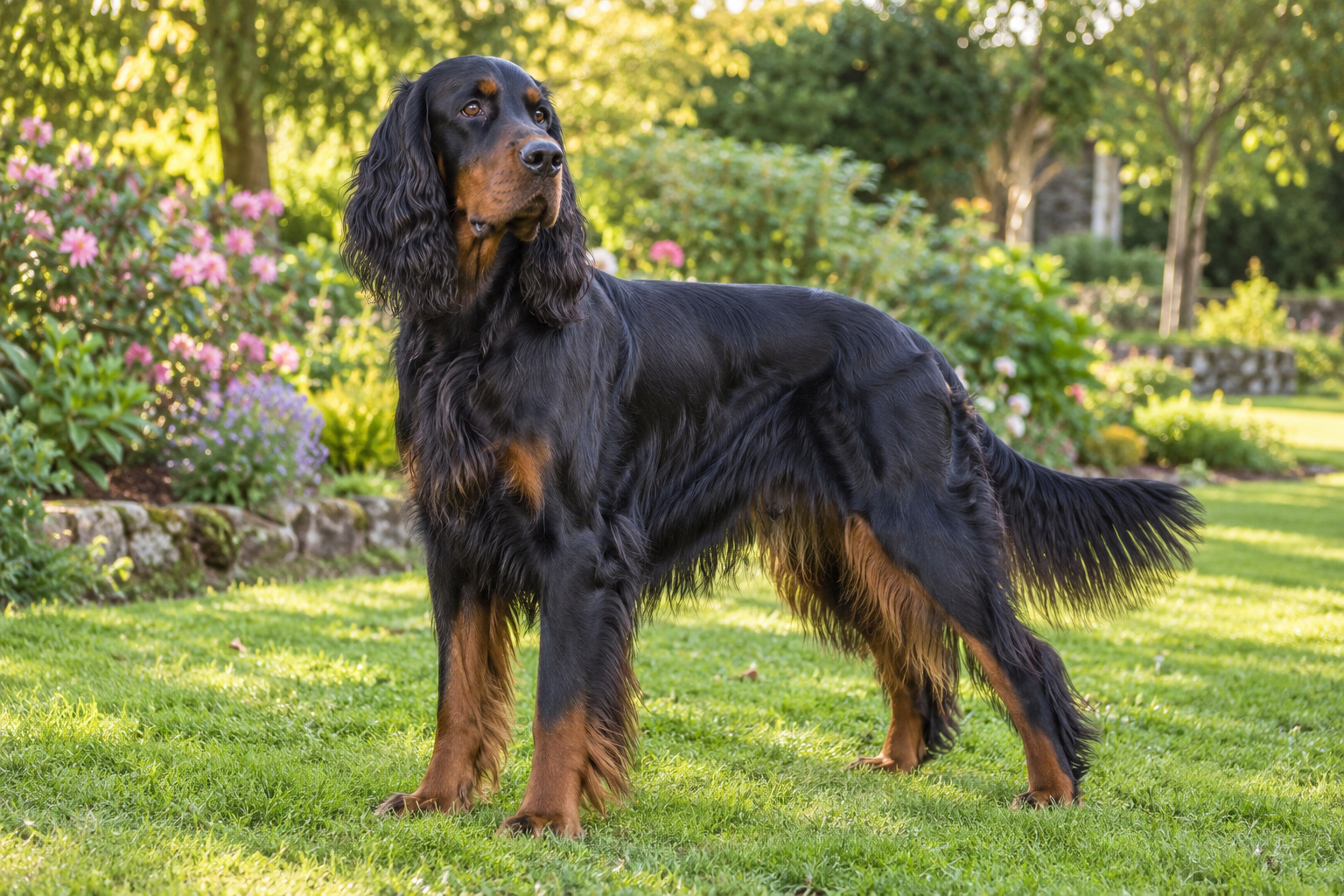 Gordon SetterLarge • Gundogs (Group 3)
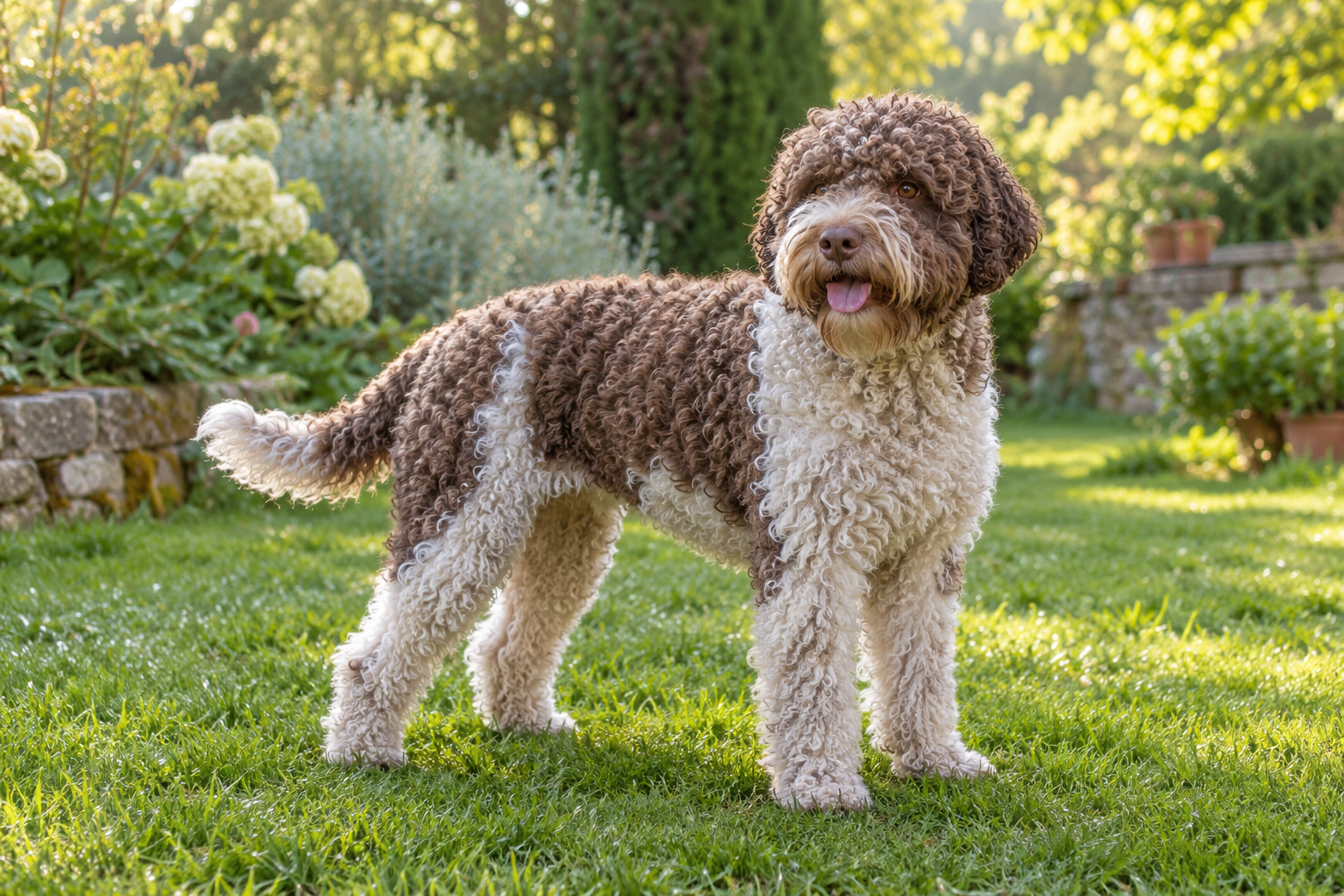 Lagotto RomagnoloMedium • Gundogs (Group 3)
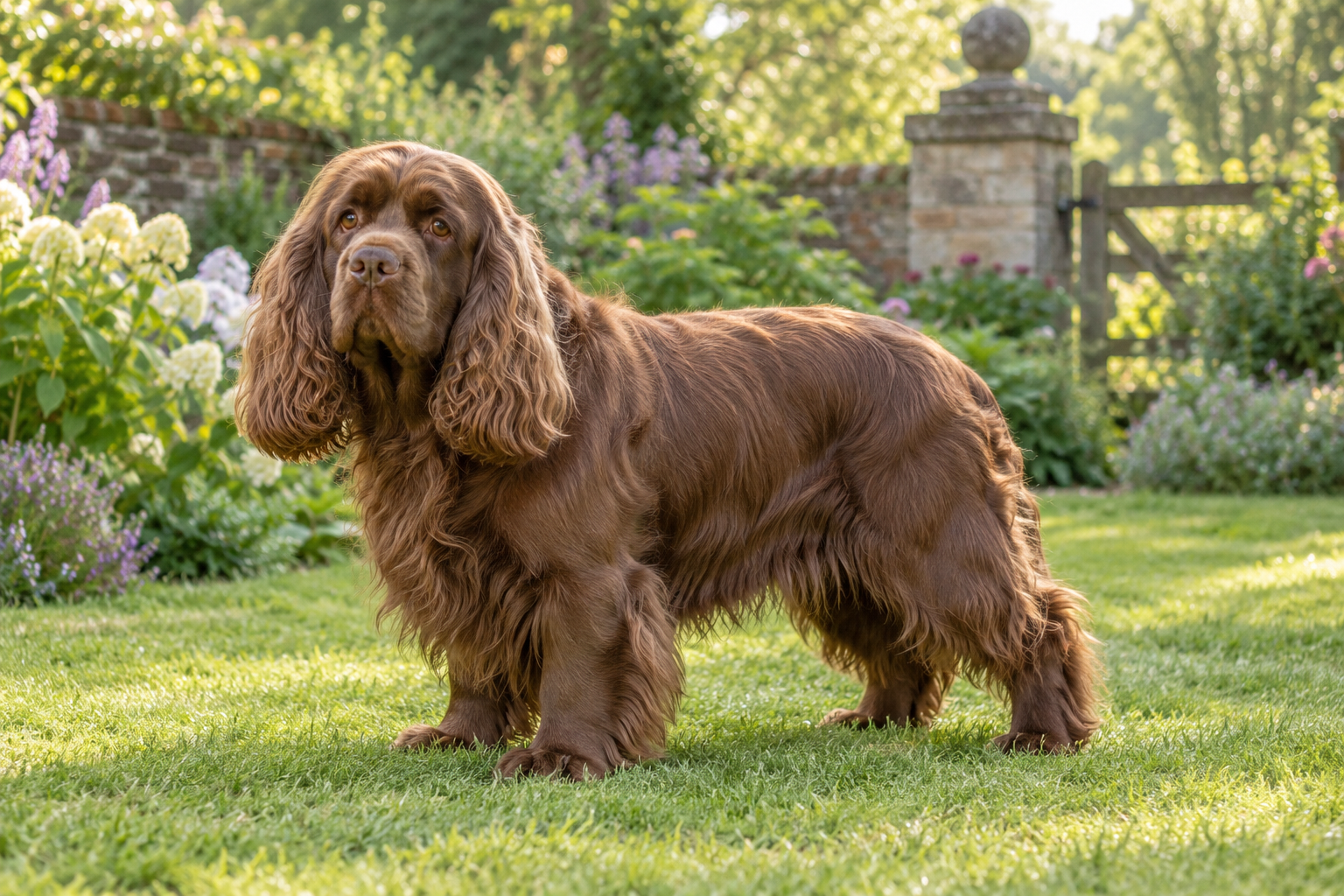 Sussex SpanielMedium • Gundogs (Group 3)
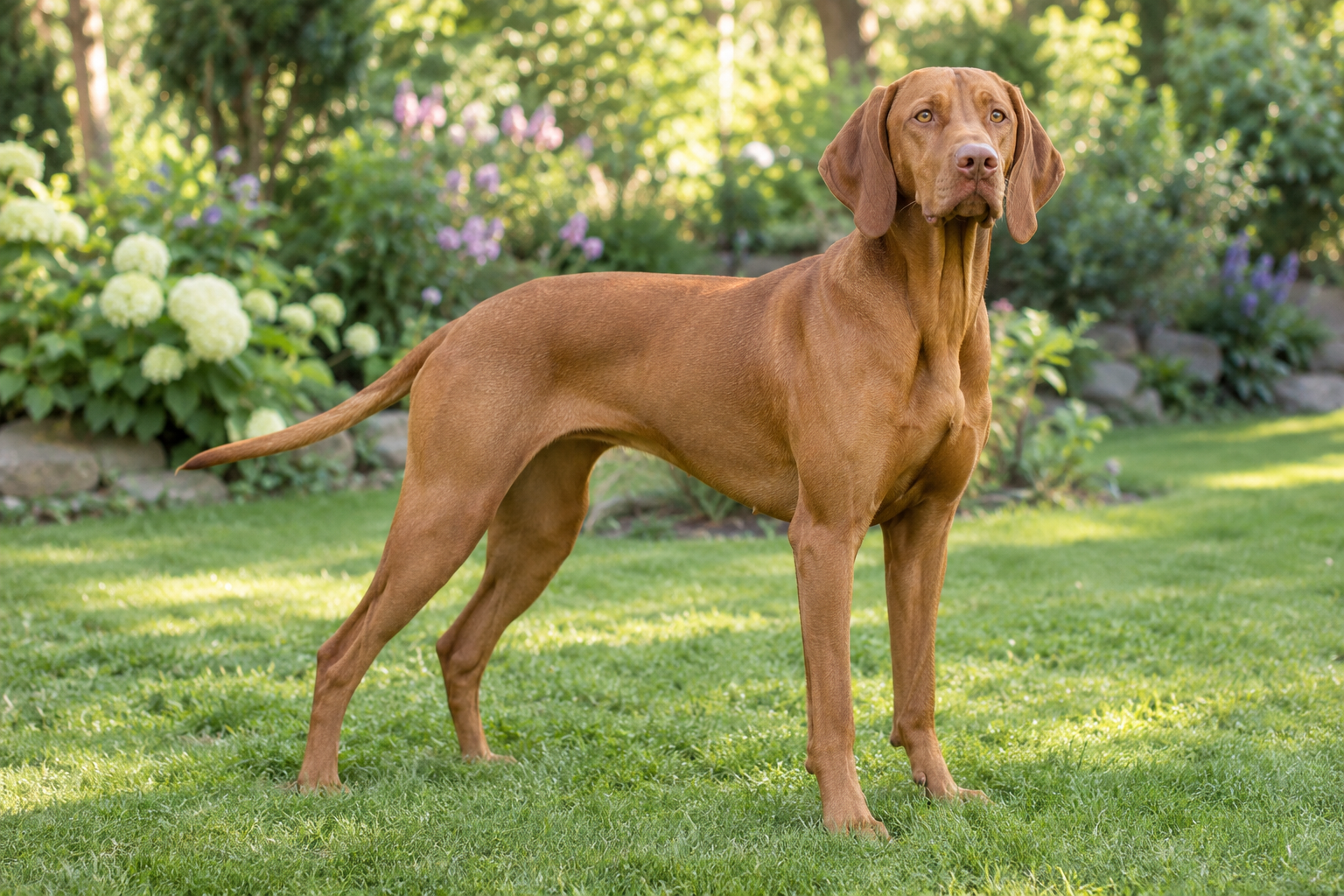 VizslaMedium • Gundogs (Group 3)
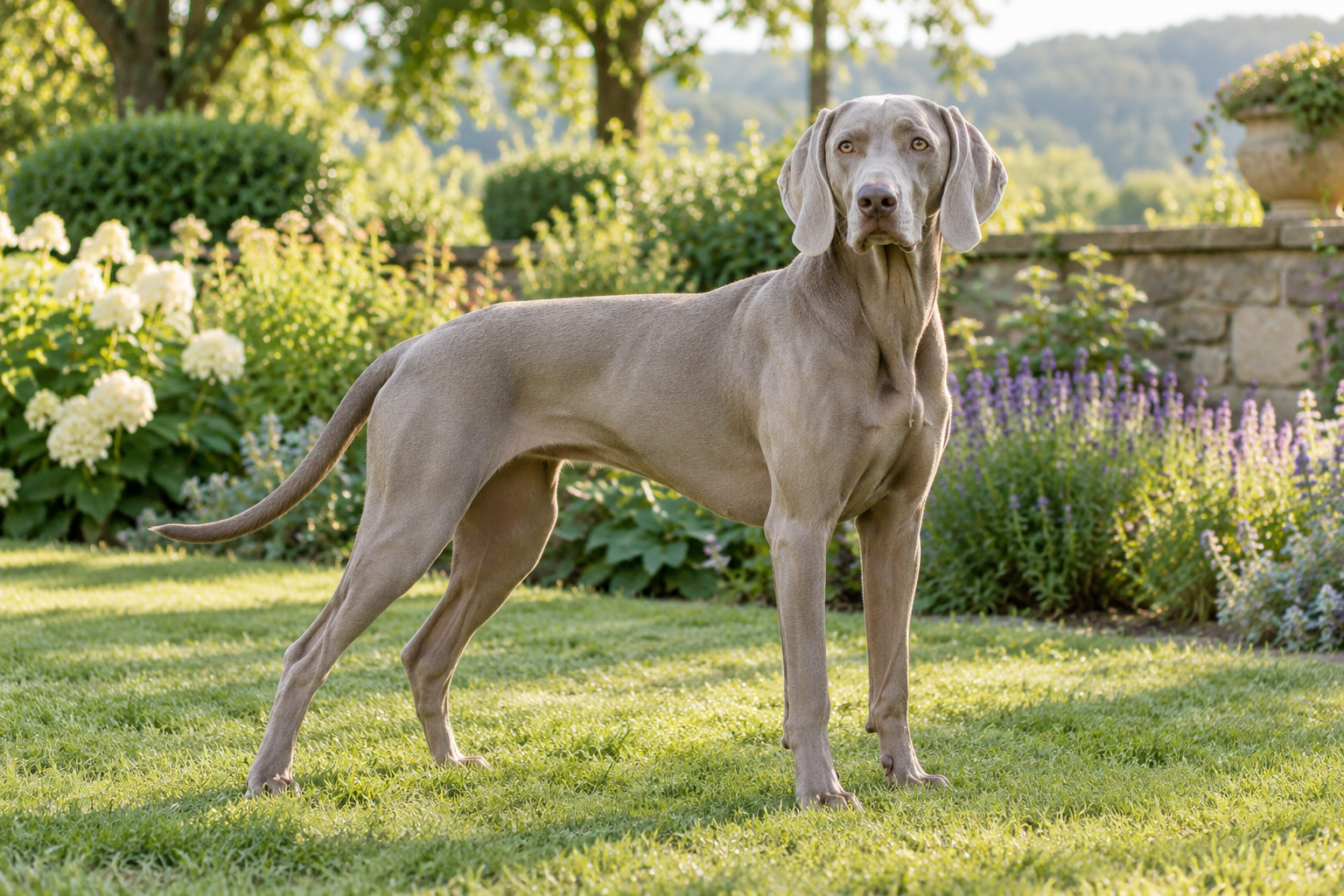 WeimaranerLarge • Gundogs (Group 3)