Vizsla
By James C. • Updated
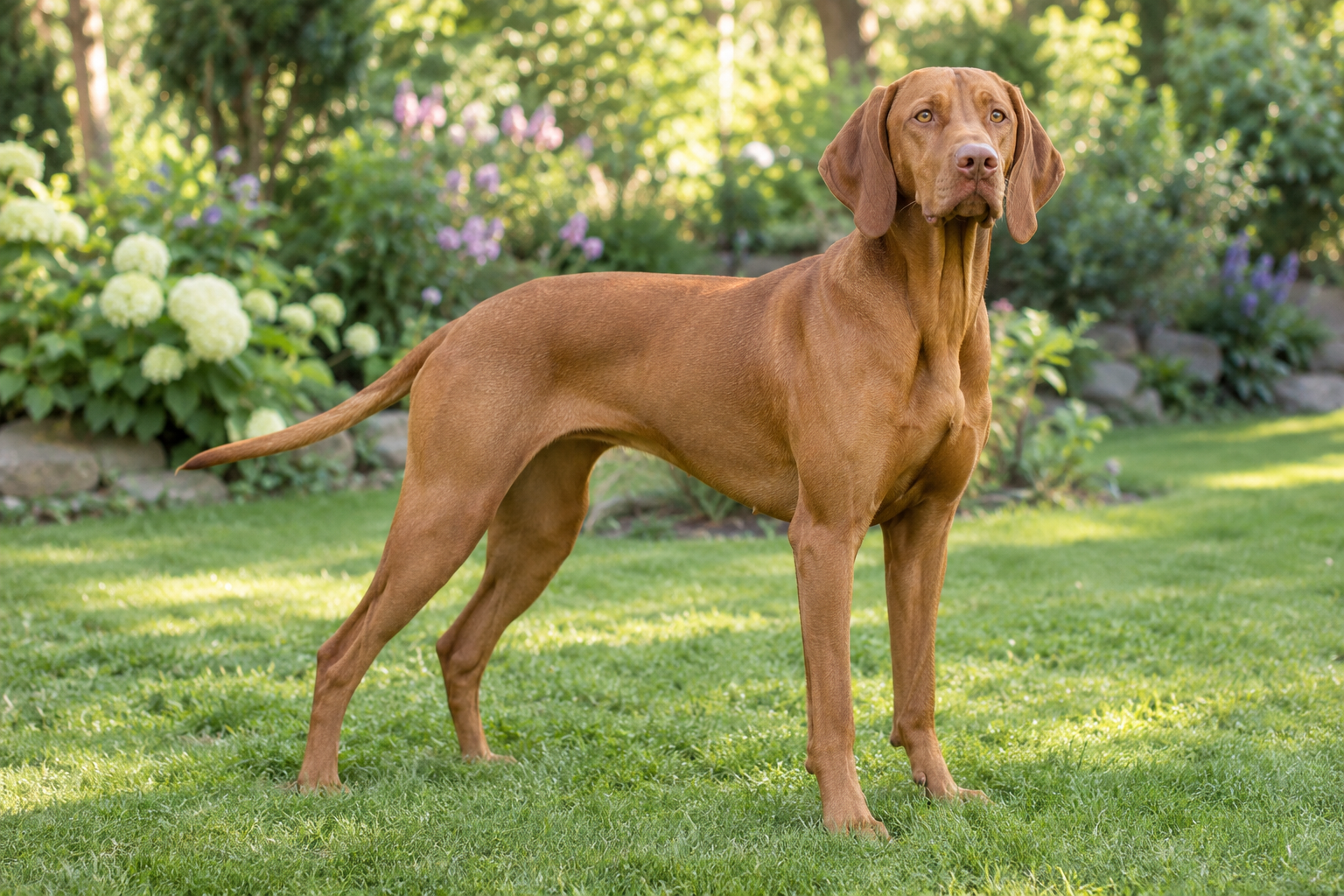
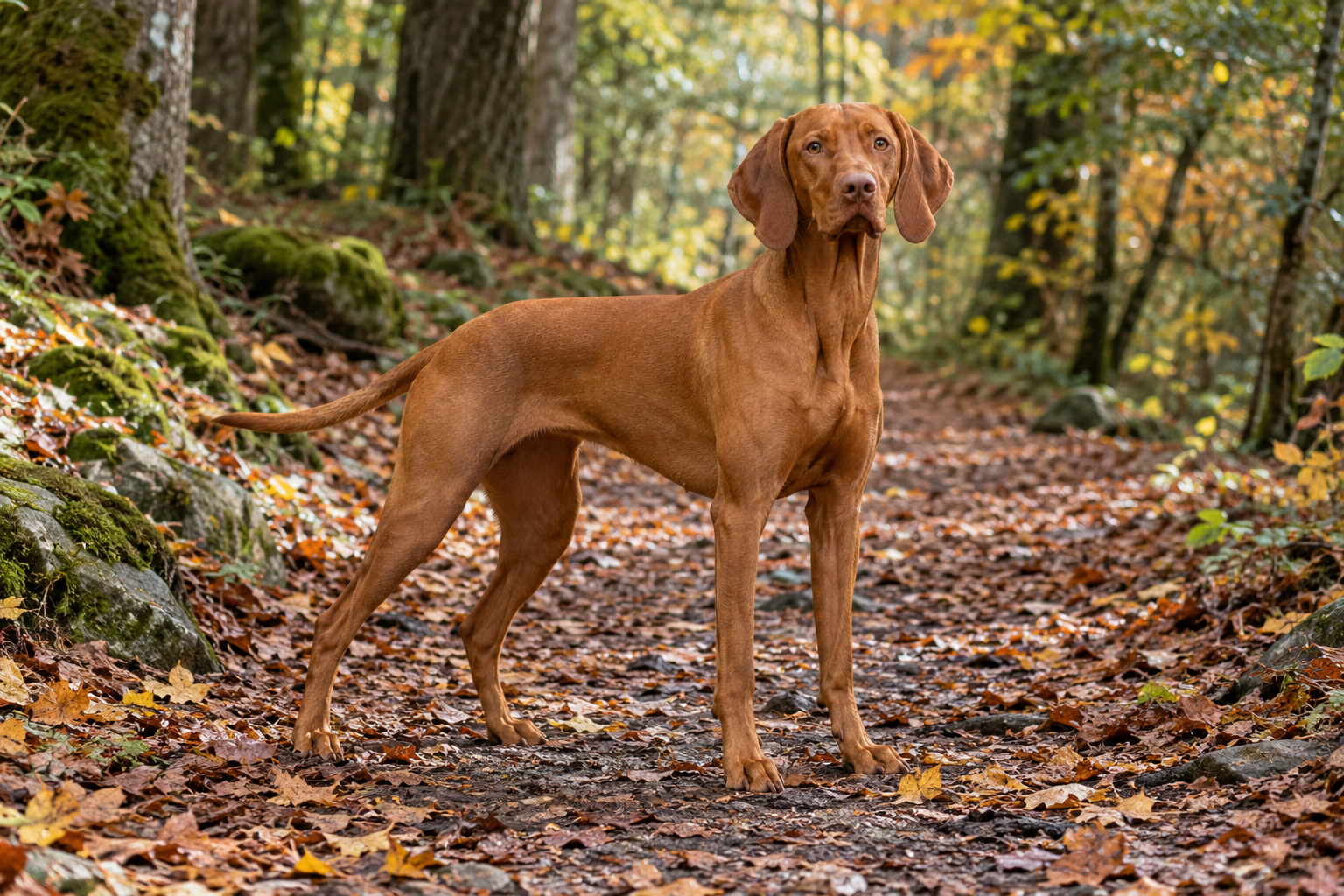
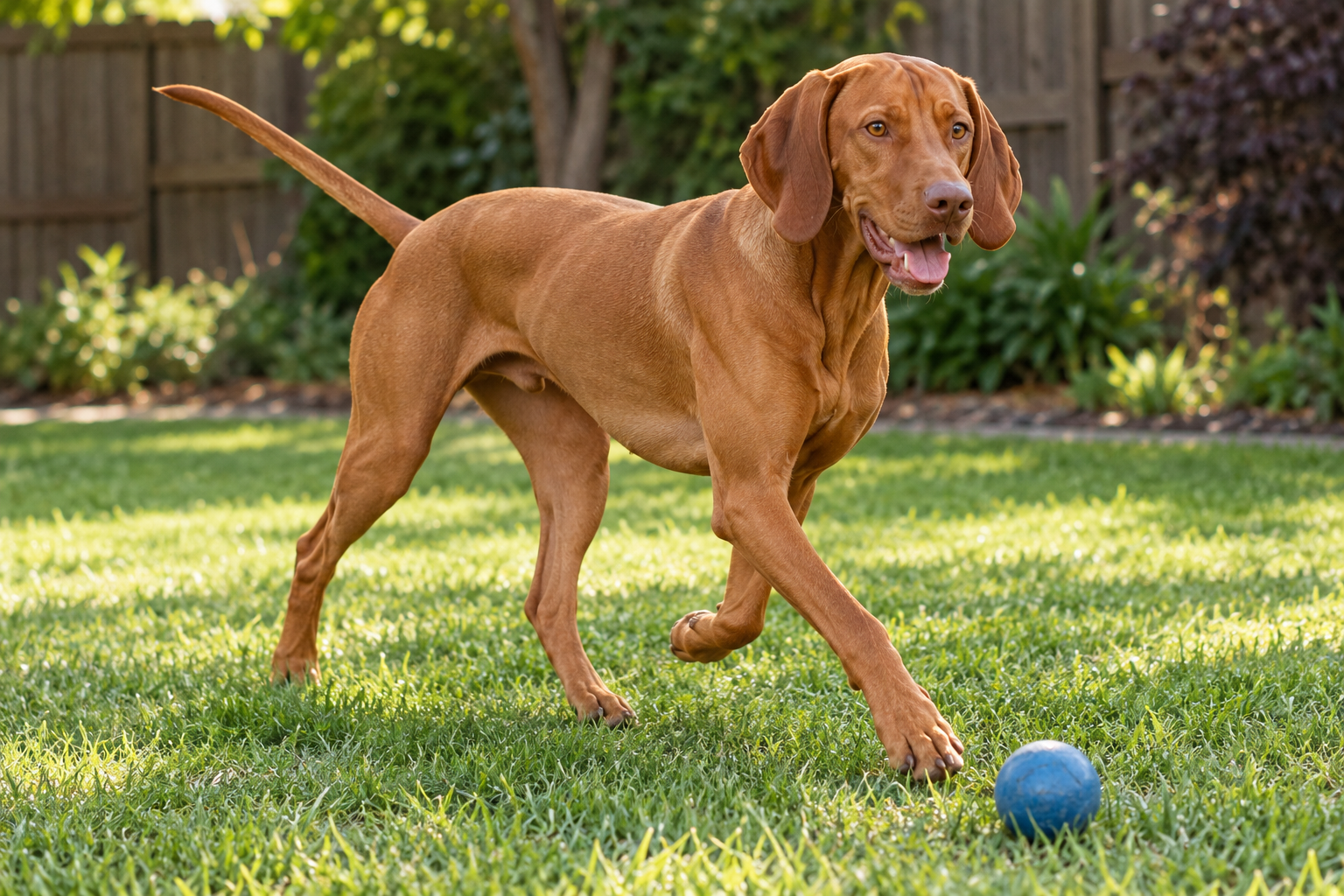
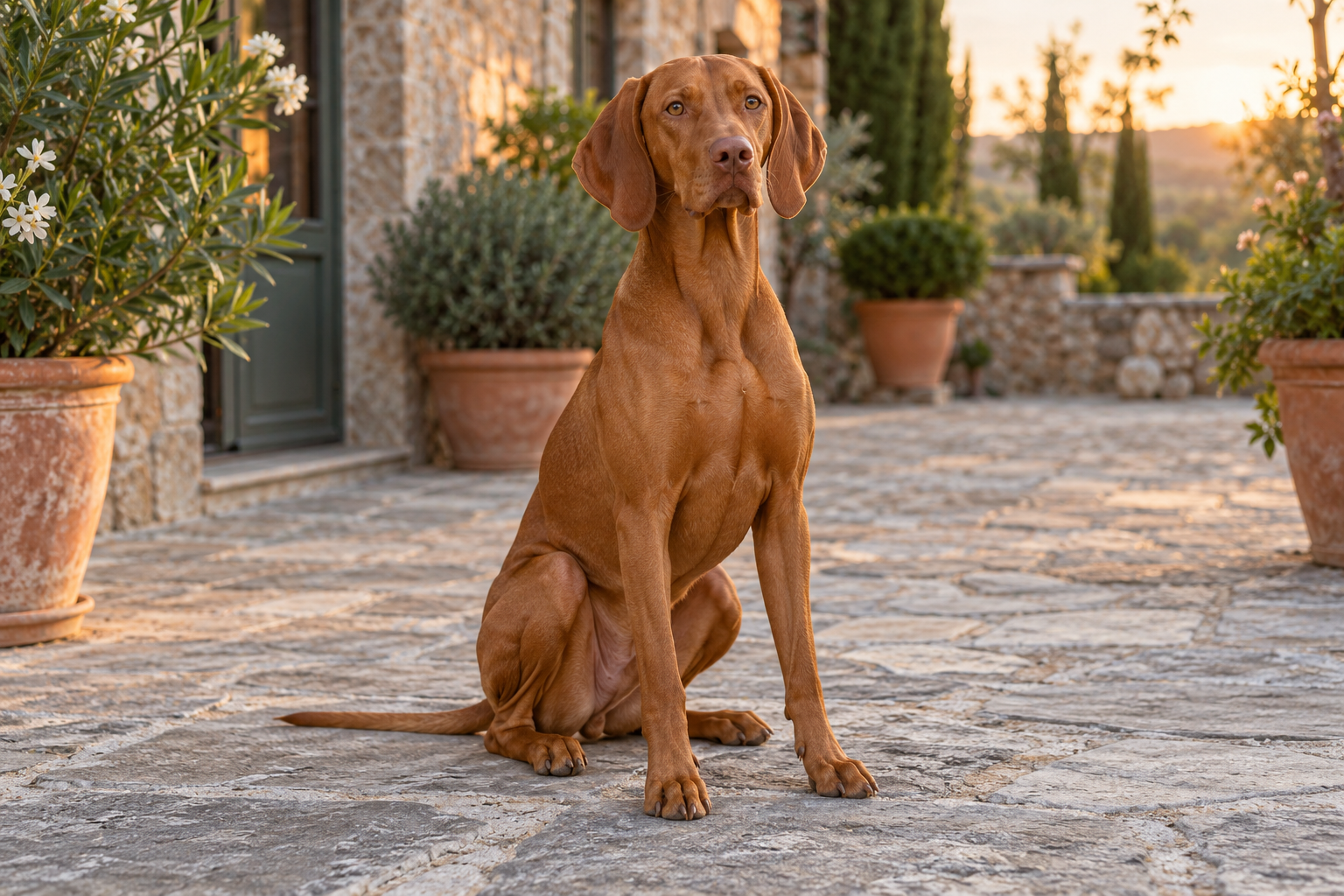
The Vizsla, recognised by Dogs Australia as the Hungarian Vizsla, is a short-coated, russet gold pointing and retrieving gundog from Hungary. It is lively, gentle and intensely people-focused, which makes it a devoted companion but one that copes poorly with long hours alone. Dogs stand 58 to 64 cm and bitches 54 to 60 cm under the breed standard, and most adults weigh about 20 to 30 kg. The coat is short and dense with no undercoat, so the breed feels both heat and cold more than many gundogs. A UK study of nearly 3,000 Vizslas found a median lifespan of 13.5 years.
Breed Overview
Life Span
12 - 15 years
Average Price
AUD 2000 - AUD 4000
Weight
Male: 20 - 30 kg Female: 20 - 30 kg
Height
Male: 58 - 64 cm Female: 54 - 60 cm
Life Expectancy
Male/Female: 12 - 15 years
Breed Group
Gundogs (Group 3)
Nicknames
Hungarian Vizsla, Hungarian Pointer, Magyar Vizsla, Smooth Vizsla
Breed Information
The Vizsla is a medium-sized, short-coated Hungarian gundog bred to point and retrieve game, and it is one of the most affectionate and people-dependent breeds you can own. Dogs Australia recognises it in the Gundog group as the Hungarian Vizsla, and it is also known as the Hungarian Pointer. The name is spelt V-I-Z-S-L-A and is pronounced roughly VEEZH-la, with the "zs" sounding like the "s" in "measure".
Two common confusions are worth clearing up early. The Vizsla is Hungarian, not German, so a "German Vizsla" is usually a mix-up with the German Shorthaired Pointer. A "blue Vizsla" is almost always a Weimaraner, the silver-grey German breed that looks similar in outline. A true Vizsla comes only in shades of russet and sandy gold.
For the right household, the Vizsla is a gentle, clean and loving dog that wants to be wherever its people are. For the wrong one, particularly a home that is empty all day, its energy and attachment become hard to manage. That trade-off sits at the heart of every decision about this breed.
Characteristics of the Vizsla
The Vizsla rates very highly for exercise needs and affection and very low for grooming, while its dislike of being alone is the trait most likely to catch new owners out.
| Trait | Rating | Star Rating | Meaning |
|---|---|---|---|
| Size | Medium | ★★★ | 54 to 64 cm and about 20 to 30 kg, lean and athletic. |
| Adaptability | Moderate | ★★★ | Adapts to most homes if exercised, but feels heat and cold. |
| Exercise Needs | Very High | ★★★★★ | Around two hours daily, including free running where safe. |
| Easy to Train | High | ★★★★ | Biddable and eager, but sensitive to harsh handling. |
| Amount of Shedding | Low to Moderate | ★★ | Short hairs shed year round, with no seasonal undercoat blow. |
| Grooming Needs | Low | ★ | A weekly rub with a mitt keeps the coat in condition. |
| Good With Children | Good | ★★★★ | Gentle and tolerant, but often too boisterous for toddlers. |
| Health | Good | ★★★★ | Long-lived on average, with epilepsy and immune disease to watch. |
| Cost to Keep | Moderate | ★★★ | No grooming bills, but food, insurance and training add up. |
| Tolerates Being Alone | Very Low | ★ | Strongly attached and prone to distress when left for long periods. |
| Intelligence | High | ★★★★ | Quick to learn and quick to invent its own entertainment. |
History of the Vizsla: Hungary's Golden Pointer
The Vizsla's ancestors are thought to have arrived in the Carpathian Basin with the nomadic Magyar tribes, and the Dogs Australia breed standard traces written descriptions of the dog back to fourteenth-century documents. Hungarian nobles valued it as a versatile hunting companion on the open plains, where a dog had to find, point and retrieve birds and hares in hot, dry country.
Its reputation as a working gundog grew from the eighteenth century, and pointing dog field trials were being held in Hungary by the late nineteenth century. Modern, planned breeding began in 1920, and the FCI recognised the short-haired Hungarian Vizsla in 1936. Breed histories describe the Vizsla as greatly reduced by the upheaval of the twentieth century, with dogs taken abroad by emigrating Hungarians helping the breed survive and spread.
The standard used in Australia was adopted in 1998 and last updated in 2009. Today most Australian Vizslas live as companions, but the breed still competes in field trials, retrieving and obedience, and many keep the nose and pointing instinct their ancestors were bred for. That working background explains almost everything about how a Vizsla behaves at home.
Appearance of the Vizsla: Lean, Golden and Athletic
Size and Build
Under the breed standard, dogs stand 58 to 64 cm at the withers and bitches 54 to 60 cm. The standard gives no weight, but the PDSA breed profile puts the average at 20 to 30 kg. The build is lean, muscular and light on its feet, a dog designed for stamina and speed rather than power.
Coat and Colours
The coat is short, dense and close-lying, coarse to the touch on the body and silkier on the head and ears. Crucially, there is no undercoat. The accepted colours are shades of russet gold and dark sandy gold, and a small white patch on the chest or white toes is not a fault. Eyes, nose and nails tone with the coat rather than being black.
Distinctive Features
The Vizsla's single-toned golden colour, including a self-coloured nose, sets it apart at a glance. Ears are long, thin and hang close to the cheeks, and the expression is lively and gentle. Its outline resembles the Weimaraner and German Shorthaired Pointer, but it is finer and smaller than the Weimaraner and never liver, ticked or grey.
Gender Differences
Males are taller and usually heavier, and Hill's Australia gives typical weights of around 23 kg for males and 20 kg for females. Males can look more muscular through the head and neck. Temperament differences are small and individual, so choose on the puppy and its parents rather than on sex alone.
Temperament of the Vizsla: Affectionate, Sensitive and Energetic
Core Personality Traits
Vizslas are affectionate, gentle and lively, and the breed standard describes them as friendly, even tempered and easily trained, with a dog that "cannot bear rough treatment". Owners often call them Velcro dogs, because a Vizsla prefers to be touching or following its people from room to room. That closeness is the breed's greatest charm and its biggest management challenge.
Social Behaviour
Most Vizslas are friendly with visitors and other dogs, and they are not guard dogs. Some are a little reserved at first but warm up quickly. They read their owners closely and react to tension in the household, which is part of why they do so poorly with harsh handling.
Working Instincts
The Vizsla was bred to range ahead, find game and point it, and those instincts are strong in most dogs. Expect a Vizsla to follow its nose, freeze at birds and chase rabbits. Small pets can trigger that drive, and recall around wildlife takes real work. Many dogs also love water and will retrieve for as long as you are willing to throw.
Common Behavioural Challenges
Separation distress is the most common and most serious problem in the breed. An under-exercised Vizsla left alone for long hours may bark, whine, chew or try to escape. Recognising the early signs of separation anxiety and building up time alone gradually from puppyhood makes a real difference. Adolescent energy and mouthiness are the other common complaints, and both ease with exercise, training and time.
Intelligence and Trainability of the Vizsla: Biddable, Bright and Soft
Intelligence and Learning Ability
Vizslas learn fast and enjoy working with a person. They pick up routines, cues and household rules quickly, and they are just as quick to learn things you did not intend, such as how to open a gate. A bored Vizsla is an inventive one.
Training Approach
Reward-based training suits the breed best. The Dogs NSW breed profile, written for the Hungarian Vizsla Club of NSW, describes Vizslas as biddable and intelligent dogs that enjoy training when rewarded. Keep sessions short and varied, and use food, toys and play. Raised voices and physical corrections tend to make a Vizsla anxious or shut down rather than more obedient.
Early Socialisation
Gentle, positive exposure to people, dogs, traffic, grooming and handling in the first months builds a confident adult. Include short periods alone in a safe space from the first week at home, because teaching a puppy that being alone is normal is far easier than fixing distress in an adolescent.
Potential Training Challenges
Recall around birds and rabbits is the main ongoing challenge, so use a long line in unfenced areas until recall is reliable. Adolescence, roughly six to eighteen months, brings a spike in energy and selective hearing. Sensitivity can also be a hurdle: a Vizsla that has had a fright may need patient rebuilding rather than more pressure.
Vizsla Family Life: Living with Children, Pets, and Households
Living with Children
Vizslas are typically gentle and tolerant with children, and many become devoted family dogs. The Dogs NSW profile cautions that they can frequently be too boisterous with very young children, so supervision matters. Teach children to play calmly and give the dog a quiet place to retreat to.
Living with Other Pets
Most Vizslas enjoy other dogs, and a second dog can help with companionship, though it does not replace human company. Cats raised with a Vizsla puppy are often accepted. Pet birds, rabbits and guinea pigs are at risk from a bird dog's instincts and should be kept securely separated.
Household Environment
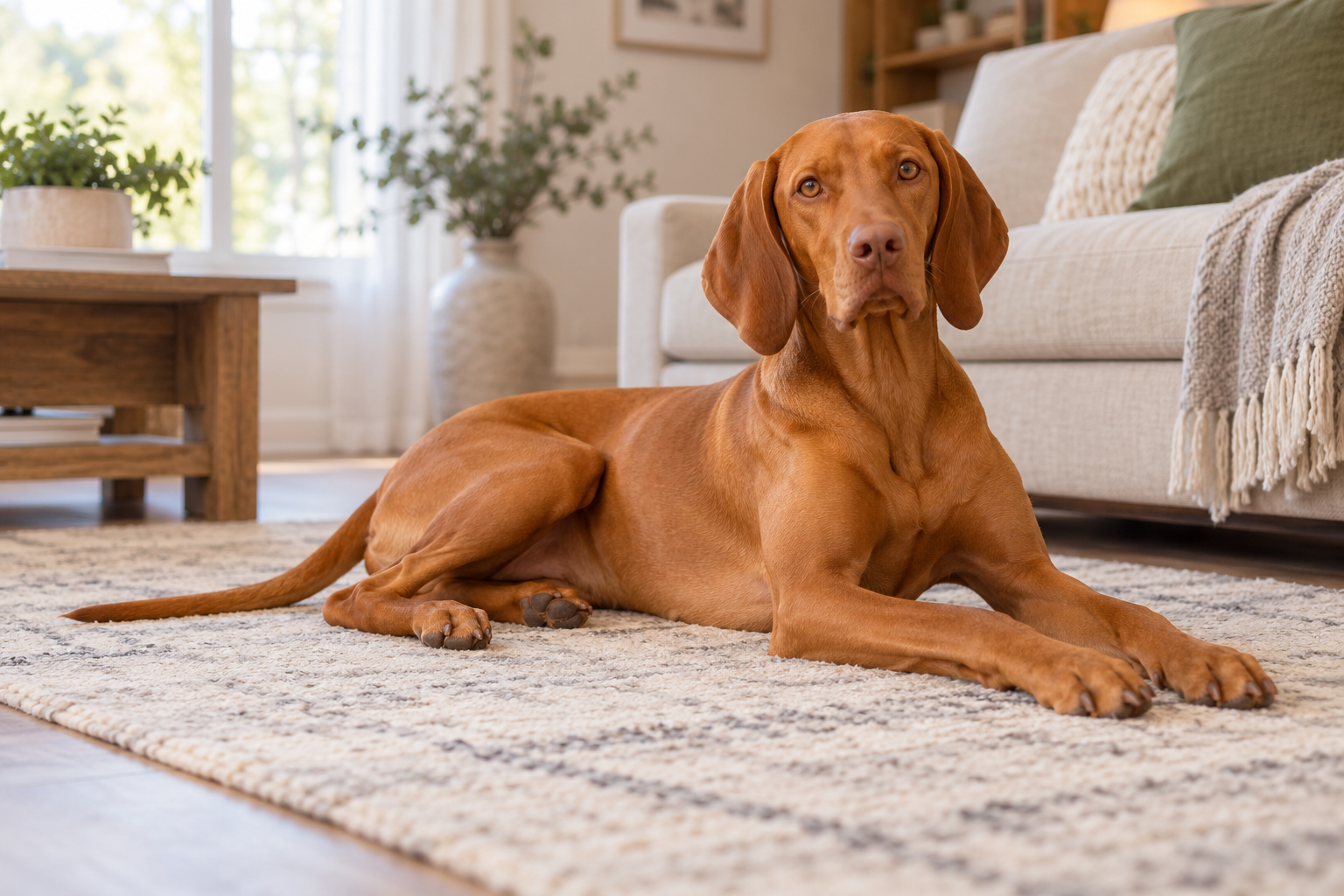
A Vizsla belongs inside with the family, not in a backyard on its own. A securely fenced yard is valuable for play and toileting, but it does not provide exercise by itself. Apartments can work only for owners who genuinely provide long daily outings and are home a lot.
Lifestyle Compatibility
The breed suits runners, hikers, families who spend weekends outdoors and people who work from home. It suits households that are empty for nine or ten hours a day poorly, regardless of yard size. Honest planning around time alone is the single best predictor of a happy Vizsla.
Health of the Vizsla: Epilepsy, Immune Disease and Lifespan
Lifespan and Healthy Living
The Vizsla is one of the longer-lived medium breeds. A 2024 UK study of more than 580,000 dogs found a median lifespan of 13.5 years for the Vizsla, based on 2,965 dogs, ahead of the 12 years recorded for crossbreds in the same data. Keeping a Vizsla lean and fit is the simplest way to protect that advantage.
Common Health Conditions
Owners should be aware of several conditions that can be associated with the breed. The Hungarian Vizsla Club of NSW profile on Dogs NSW records cancer, epilepsy, immune-mediated disease and hip dysplasia in the breed. It is best to discuss any concerns with a veterinarian.
- Epilepsy. Recurrent seizures with no other identified cause. Most cases can be managed with long-term medication under veterinary care.
- Hip dysplasia. Abnormal development of the hip joint that can lead to arthritis. Parental hip scoring reduces the risk.
- Immune-mediated disease, including polymyositis. UK research describes a breed-specific inflammatory muscle disease that can cause difficulty swallowing and wasting of the jaw muscles, and a study of 77 affected Vizslas found most responded to treatment, although relapses occurred.
- Certain cancers. Recorded in the breed, so any new lump should be checked promptly.
- Entropion. Inward rolling of the eyelid that irritates the eye, listed by the PDSA among common conditions.
Genetic Health Testing
Ask for hip and elbow scores for both parents and a current eye examination. There is no DNA test for epilepsy or polymyositis, and according to the Canine Genetics UK polymyopathy project, the known genetic risk factor is too common in the breed to use as a screening tool. That makes honest conversation about the health of relatives, including seizures and immune problems, an important part of choosing a breeder.
Preventative Health Care
Keep vaccinations current and use year-round flea, worm, heartworm and tick prevention, including paralysis tick cover on the east coast. Because Vizslas range through long grass and scrub, check the whole body daily after walks, using the University of Sydney's guidance on finding and removing paralysis ticks. Snake bite and 1080 baits are real risks in rural areas, so keep the dog close in snake season and ask your vet about the local baiting situation.
Caring for the Vizsla: Daily Care and Living Environment
Daily Care Routine
A good day for a Vizsla includes a long outing with off-lead running in a safe area, a shorter walk, a training or scent game and plenty of time close to its people. Feed two meals rather than one, rest the dog around meals, and check ears, feet and coat after bush walks.
Living Environment Requirements
Vizslas need indoor living, a soft bed and secure fencing of at least 1.5 to 1.8 metres, since a bored dog can clear lower fences. Provide a crate or quiet room the dog sees as its own. Outdoor kennelling suits the breed poorly because of both its coat and its need for company.
Climate Sensitivity
With no undercoat and very little body fat, the Vizsla feels both heat and cold. In Australian summers, exercise early or late, carry water and know the temperatures that are unsafe for dogs, because a keen Vizsla will keep running when it should stop. Learn the early signs of heatstroke from the RSPCA's heatstroke advice before the first hot spell. In southern winters, many Vizslas appreciate a coat and must sleep indoors, and the PDSA advises drying them quickly after swimming.
Caring for Senior Vizslas
Older Vizslas usually stay active well into their teens but benefit from shorter, gentler walks, joint support discussed with a vet and a warm, padded bed. Keep weight down, watch for new lumps and arrange twice-yearly vet checks from around eight years.
Grooming of the Vizsla: Easy Care for a Short Coat
Coat Maintenance
A weekly rub with a rubber mitt or soft brush removes dead hair and keeps the coat glossy. The Dogs NSW profile describes grooming as low maintenance, with a little extra brushing during seasonal coat changes. There is no trimming, clipping or stripping.
Ear, Nail, and Dental Care
Check the long ears weekly for redness, odour or grass seeds, especially after swimming. Trim nails every three to four weeks, since dogs exercised on grass wear them down less than you might expect. Brush teeth several times a week to slow dental disease.
Bathing and Professional Grooming
Bathe only when the dog is dirty or has rolled in something unpleasant, using a gentle dog shampoo. A damp towel wipe-down often does the job. Professional grooming is not needed.
Skin and Paw Care
The thin coat offers little protection from scratches, burrs and insect bites, so check the skin after bush walks. Pads can be cut by rocks or burnt on hot surfaces, which is another reason to walk on grass and avoid the heat of the day.
Exercise Needs of the Vizsla: Running, Swimming and Mental Work
Daily Exercise Requirements
Most adult Vizslas need around two hours of exercise a day, including some free running. The PDSA recommends a minimum of two hours, split across several outings, and while some quieter individuals manage on less, few are content with a short walk around the block. A properly exercised Vizsla is calm indoors; an under-exercised one is not.
Activities Vizslas Enjoy
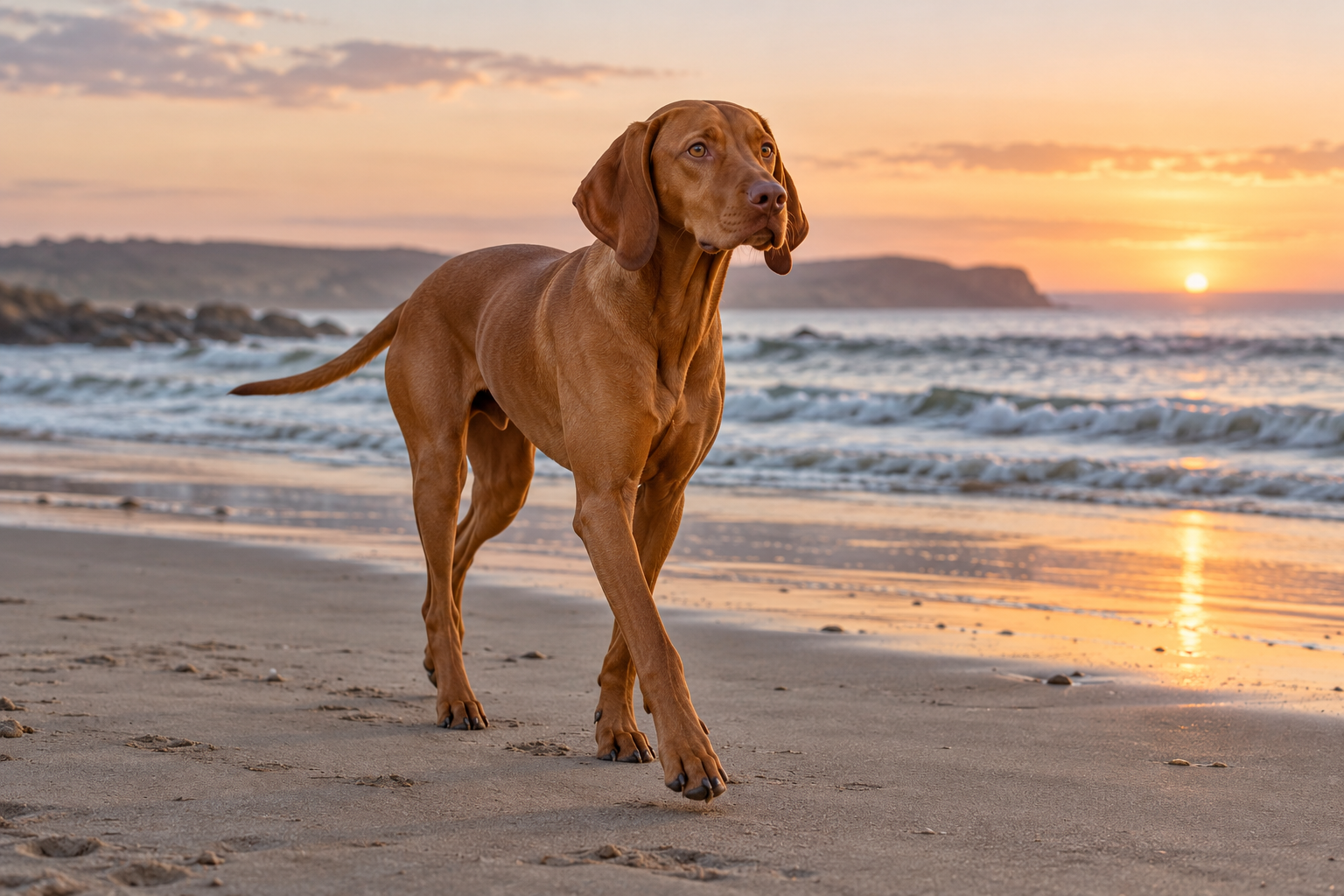
Running, hiking, swimming, retrieving, scent work, agility and field trials all suit the breed. The Dogs NSW profile suggests swimming as an addition to daily walks, and it is especially useful in summer. Fit adults can make good jogging partners once fully grown.
Exercise by Life Stage
Puppies need short play sessions and gentle exploring rather than long runs, since growing joints are vulnerable. Build up gradually through the first year to eighteen months. Adolescents need the most outlet and the most structure. Seniors still enjoy daily outings, just shorter and slower.
Importance of Mental Stimulation
Physical exercise alone does not settle a Vizsla. Scent games, food puzzles, short training sessions and retrieving work use the brain the breed was bred for. On hot days, when long runs are unsafe, mental work indoors is the best way to keep a Vizsla content.
Feeding the Vizsla: Nutrition and Diet Needs
Nutritional Requirements
A complete, balanced diet formulated for active medium to large dogs suits most Vizslas. Very active or working dogs may need a higher-energy food, while companion dogs often need less than the packet suggests. Your vet can help match the food to the individual dog.
Feeding by Life Stage
Feed puppies three to four small meals a day until about four months, then three meals until six months, then two meals for life. Use a puppy food suited to medium or large breeds so growth is steady rather than rapid. Move to adult food around twelve months, as advised by your vet.
Portion Control and Weight Management
Vizslas should look lean, with a visible waist and ribs that are easy to feel. Weigh food rather than guessing, and count training treats in the daily total. Extra weight adds strain to the hips and reduces heat tolerance.
Foods to Avoid
Never feed grapes, sultanas, chocolate, onions, garlic, macadamias or anything containing xylitol, and avoid cooked bones. Two meals a day with rest afterwards is a sensible habit in any deep-chested, active dog. If you notice food-related itching or loose stools, discuss an elimination diet with a vet rather than switching foods repeatedly.
Vizsla Price in Australia: Purchase Cost and Ongoing Expenses
Puppy Purchase Price
Expect to pay about $2,000 to $4,000 for a Vizsla puppy in Australia. On 18 October 2026, Dogz Online listed 64 breeders and three current Hungarian Vizsla litters, all with price on request, so expect to ask breeders directly. That month, two Queensland litters on Gumtree's Vizsla listings asked $2,000 and $2,800, and earlier Dogz Online litters in South Australia and Queensland had asked $3,000 to $4,000.
UK prices point the same way. Current Pets4Homes Vizsla listings ask about £1,550 to £2,200, roughly AUD 3,000 to AUD 4,400. Registered puppies from health-tested parents tend to sit at the upper end, while unregistered litters are usually cheaper but come without pedigree records.
Be wary of "free to good home" or very cheap Vizsla advertisements. Genuine rehoming happens, but these terms are also used by scammers, and knowing how online puppy scams work helps you avoid paying a deposit for a dog that does not exist.
Initial Setup Costs
RSPCA NSW puts first-year setup costs for a dog at about $60 to $80 for microchipping, $280 to $420 for vaccinations, $350 to $650 for desexing, $40 to $100 for a collar, lead or harness, $100 to $200 for a bed and about $170 for puppy school. For a Vizsla, add a crate, a long training line, a winter coat and secure fencing.
Ongoing Monthly Costs
| Cost | Typical figure (AUD) | Source |
|---|---|---|
| Food | Around the $91 monthly dog average, more for very active dogs | Animal Medicines Australia, Pets in Australia 2025 |
| Flea and worming | $200 to $250 per year | RSPCA NSW |
| Heartworm prevention | Up to $250 per year | RSPCA NSW |
| Pet insurance | Around $1,693 per year for a medium dog, accident and illness | Canstar, 2026 |
| Annual vet check and booster | From $140 per year | RSPCA NSW |
| Professional grooming | Nil, the coat needs only home care | n/a |
Canstar's 2026 average for medium dog accident and illness cover is around $1,693 a year. With epilepsy and immune-mediated disease both possible in the breed, cover taken out while the puppy is young, before anything becomes pre-existing, is the safer choice.
Long-Term Financial Commitment
Animal Medicines Australia's Pets in Australia 2025 survey puts average spending by dog-owning households at about $2,520 a year, and a Vizsla usually sits close to that. Over a 12 to 15 year life, lifelong epilepsy medication, joint surgery or cancer treatment are the costs most likely to push the total higher, along with dog walkers or day care for owners who work away from home.
Buying Advice for a Vizsla: Choosing a Healthy Puppy
Choosing a Responsible Breeder
Look for a breeder registered with their state Dogs Australia body who health tests, raises puppies in the home and asks detailed questions about your routine. A good Vizsla breeder will want to know how many hours the dog will be alone, because they understand that is where placements fail. Breed clubs and dog shows are a good way to meet breeders and adult dogs.
Health Checks Before Purchase
Meet the mother and, ideally, the father or a recording of him. Look for a confident, curious puppy with clear eyes, clean ears and a sound gait. Ask for hip and elbow scores, an eye examination and written vaccination, worming and microchip records, and check the microchip matches the paperwork.
Questions to Ask the Breeder
- What are the hip and elbow scores for both parents?
- Have the parents had a current eye examination?
- Has any close relative had seizures, polymyositis or other immune disease?
- How long did the grandparents live, and what did they die of?
- Are the puppies raised in the house, and have they had short periods alone?
- Is the puppy on the main or limited register?
- What is your breeder identification number, and which state issued it?
- Will you take the dog back at any stage if needed?
Having a full list of questions for a dog breeder ready before you call makes it easier to compare breeders fairly.
Considering Adoption
Adult Vizslas do come up for rehoming, often young dogs whose owners underestimated their energy or separation needs. An adult from a breed rescue or a breeder's rehoming list lets you see how the dog copes alone and with cats, which a puppy cannot show you. Treat any rehoming advertisement asking for payment before you meet the dog with caution.
Is the Vizsla Right for You? An Active Companion That Needs Company
Lifestyle Compatibility
The Vizsla suits active owners who are home a lot and want a dog that joins in everything.
It suits households that are empty all day poorly, whatever the size of the yard.
Time and Care Commitment
Expect around two hours of exercise daily, ongoing training and gradual work on time alone.
Grooming is minimal, but the time commitment is high for 12 to 15 years.
Grooming and Health Awareness
Coat care takes minutes a week. Health awareness means asking about epilepsy and immune disease in the line, insuring early and managing heat and ticks.
Ideal Owner Profile
The ideal owner is active, patient and gentle, with a flexible schedule and a secure yard.
If you are weighing up a Vizsla against a Weimaraner, the Vizsla is smaller and softer, while both need similar exercise and company.
Find Vizsla Puppies for Sale
If the breed suits your household, you can browse puppies for sale on Pups4Sale and contact breeders directly.
Ask about health testing and how the puppies are raised before paying a deposit.
Frequently Asked Questions
Related Breeds
Other sporting breeds on Pups4Sale.
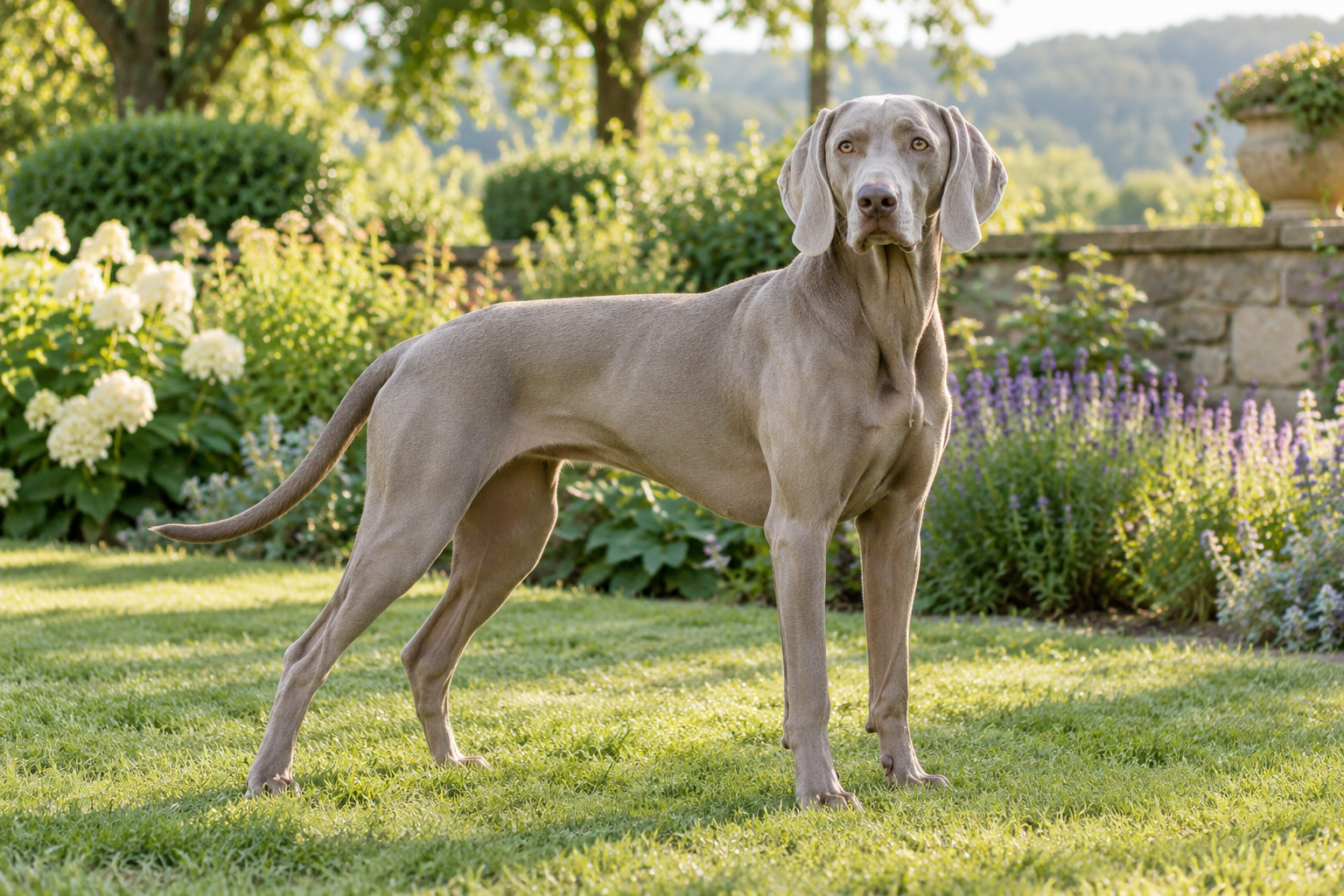 WeimaranerLarge • Gundogs (Group 3)
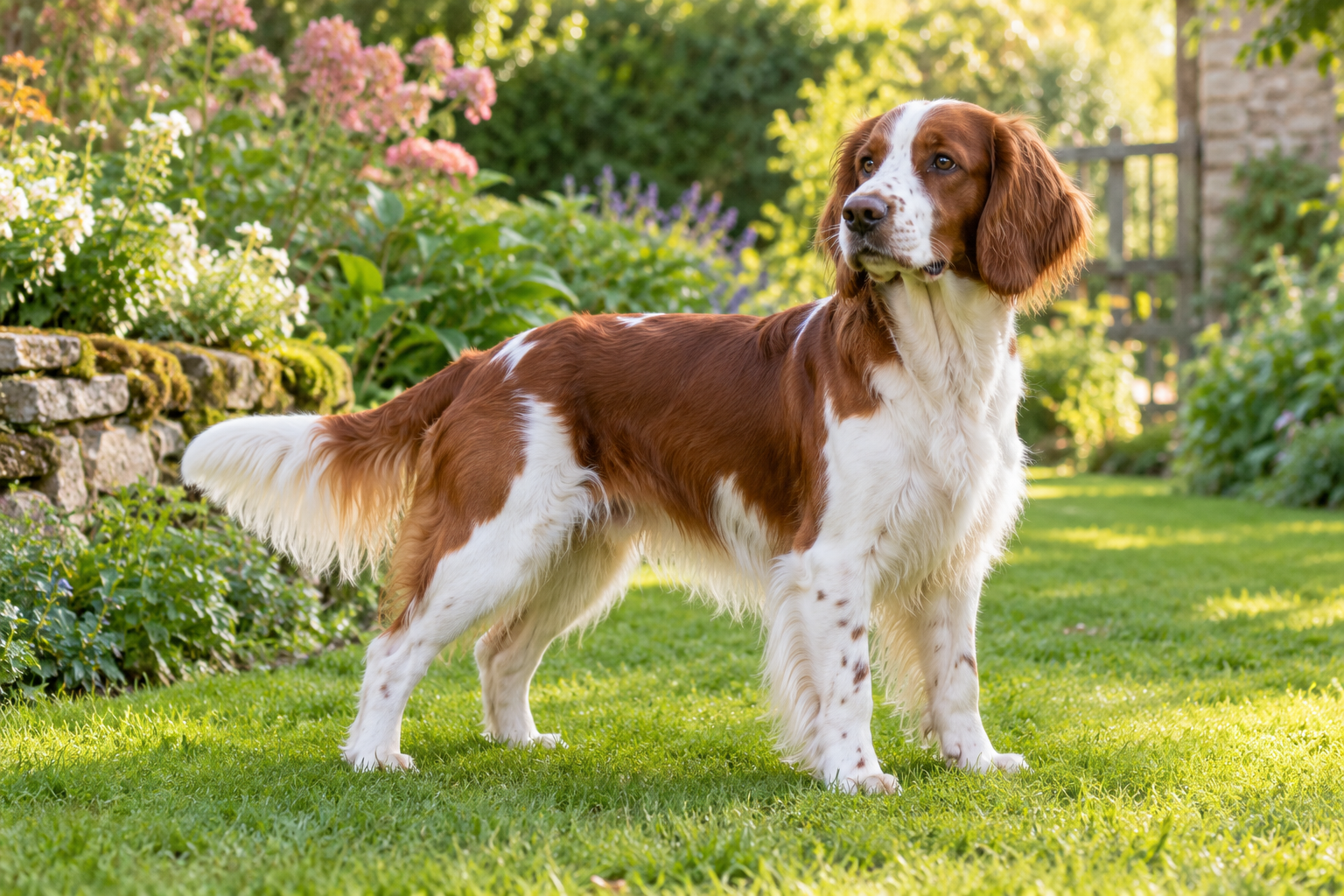 Welsh Springer SpanielMedium • Gundogs (Group 3)
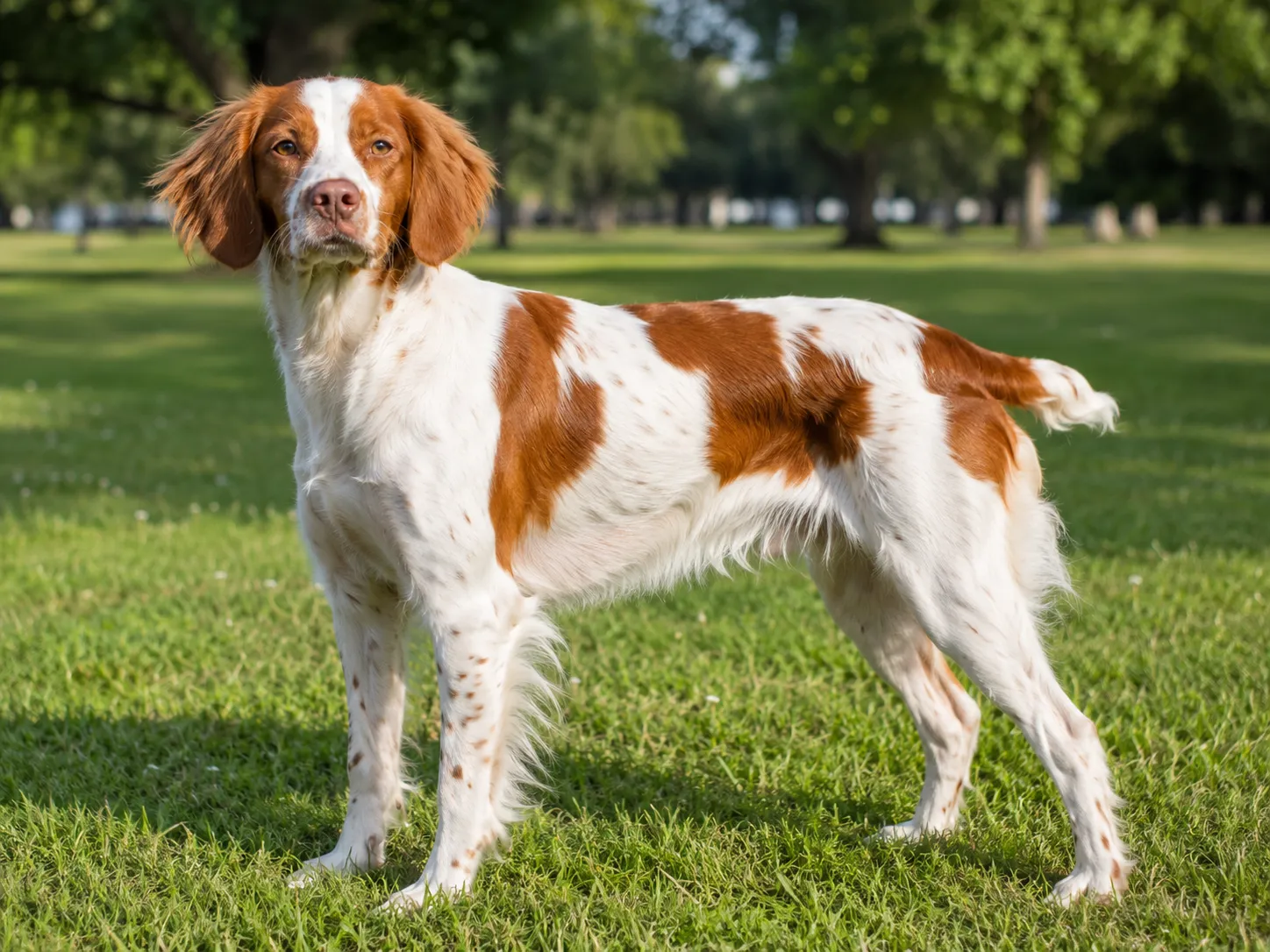 BrittanyMedium • Gundog (Hunt, Point, Retrieve)
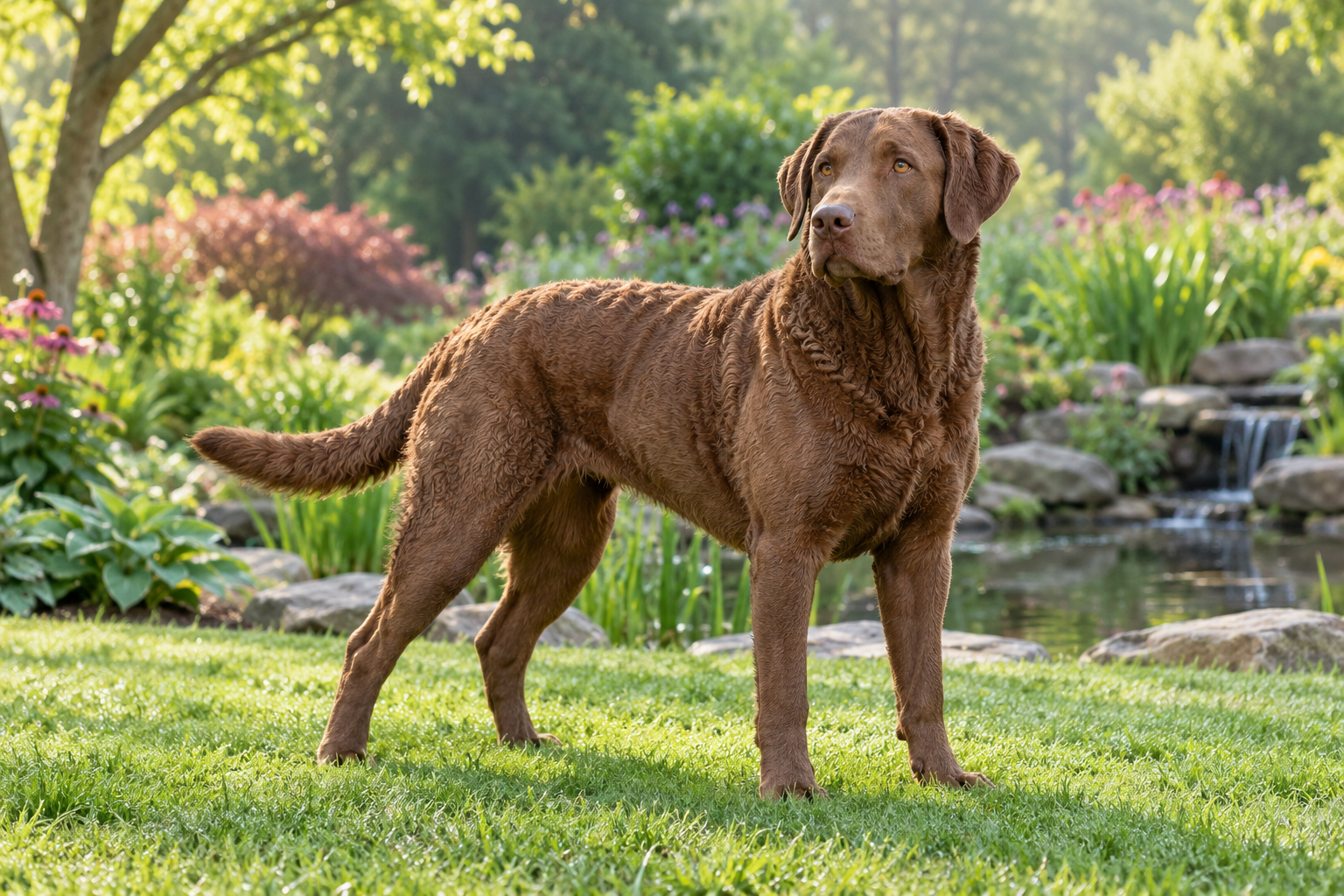 Chesapeake Bay RetrieverLarge • Gundog (Group 3)
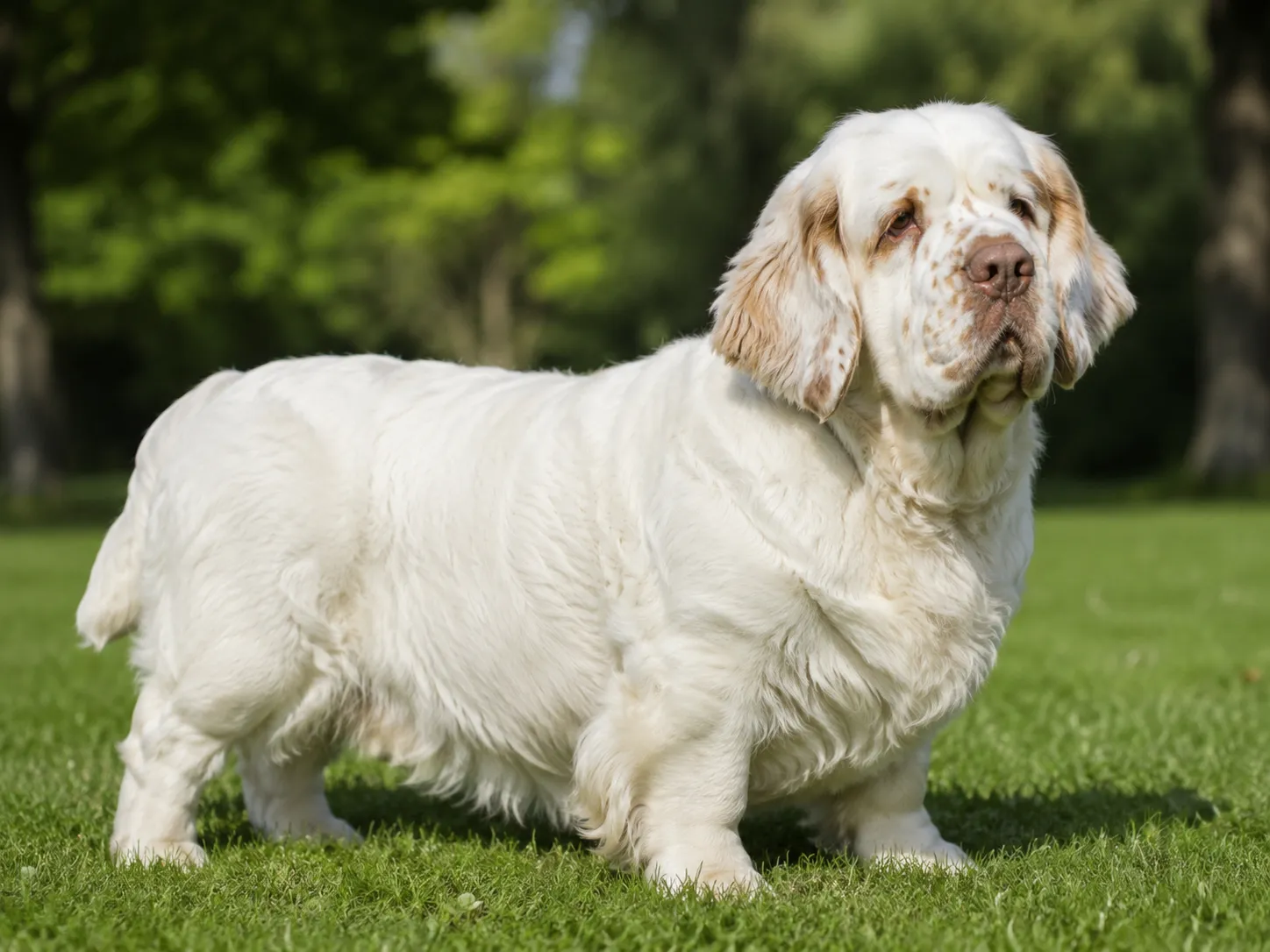 Clumber SpanielMedium • Gundog / Sporting
 Cocker SpanielMedium • Sporting / Gundog