




Labrador Retriever
By James C. • Updated
The Labrador Retriever is one of the most popular family dogs in Australia. Originally developed in Newfoundland for retrieving fishing nets and game, Labradors are known for their friendly temperament, intelligence, and strong work ethic. They are highly trainable, social, and well suited to families, assistance work, and active households.
Breed Overview
Life Span
10 - 12 years
Average Price
AUD 2500 - AUD 5000
Weight
Male: 29 - 36 kg Female: 25 - 32 kg
Height
Male: 57 - 62 cm Female: 55 - 60 cm
Life Expectancy
Male/Female: 10 - 12 years
Breed Group
Gundog / Sporting Group
Nicknames
Lab, Labrador
Breed Information
Few dog breeds have earned a reputation as strong as the Labrador Retriever. Known for their friendly nature, intelligence, and reliability, Labradors have remained one of the most popular family dogs in Australia and around the world for decades.
Originally bred as working dogs, Labradors were valued for their ability to retrieve game for hunters in harsh weather and difficult terrain. That same willingness to work, combined with a gentle temperament, has made them highly versatile. Today they are commonly seen as family companions, assistance dogs, therapy dogs, search and rescue dogs, and sporting partners.
A Labrador Retriever may be a great choice for people who want an active, affectionate, and highly trainable dog. They tend to bond strongly with their families and usually enjoy being involved in daily activities. Their patience and playful personality often make them well suited for households with children.
However, Labradors are not a low-maintenance breed. They require regular exercise, mental stimulation, consistent training, and a structured routine. Without these, their high energy and enthusiasm can sometimes lead to destructive behaviour.
For owners who are ready to invest time in training, activity, and proper care, the Labrador Retriever can become an exceptionally loyal and rewarding companion.
Characteristics of the Labrador Retriever
| Trait | Rating | Star Rating | What This Means |
| Size | Large | ⭐⭐⭐⭐☆ | Labradors are medium to large dogs with strong, athletic bodies built for endurance and physical work. |
| Adaptability | High | ⭐⭐⭐⭐☆ | They usually adapt well to many living environments, provided they receive enough exercise and daily activity. |
| Exercise Needs | Very High | ⭐⭐⭐⭐⭐ | This breed has significant energy levels and requires regular physical activity and mental stimulation. |
| Easy to Train | Excellent | ⭐⭐⭐⭐⭐ | Labradors are eager to please and respond well to consistent training and positive reinforcement. |
| Amount of Shedding | Moderate to High | ⭐⭐⭐⭐☆ | They shed year round, with heavier shedding during seasonal coat changes. |
| Grooming Needs | Moderate | ⭐⭐⭐☆☆ | Their short coat is easy to maintain but still requires regular brushing. |
| Good With Children | Excellent | ⭐⭐⭐⭐⭐ | Labradors are known for their patience and gentle behaviour with children when properly trained. |
| Health of Breed | Moderate | ⭐⭐⭐☆☆ | While generally robust, the breed is prone to some hereditary conditions that responsible breeders test for. |
| Cost to Keep | Moderate to High | ⭐⭐⭐⭐☆ | Food, veterinary care, and activity needs can make Labradors more expensive to maintain than smaller breeds. |
| Tolerates Being Alone | Low to Moderate | ⭐⭐☆☆☆ | Labradors prefer company and may develop separation issues if left alone for long periods. |
| Intelligence | Very High | ⭐⭐⭐⭐⭐ | Highly intelligent and capable of learning complex tasks, which is why they are widely used as service and working dogs. |
History of the Labrador Retriever
The story of the Labrador Retriever begins on the rugged coastlines of Newfoundland in Canada during the 1700s, and that dense water-resistant coat still needs a regular double-coat routine. Early fishermen relied on a strong, water-loving working dog known as the St. John’s Water Dog. These dogs were valued for their ability to retrieve fish that escaped from nets and pull ropes between boats in icy Atlantic waters.
British nobles visiting Canada noticed the dog’s remarkable work ethic and temperament. In the early 19th century, several of these dogs were brought back to England, where breeders began refining them into the Labrador Retriever we recognise today. The name “Labrador” is believed to reference the Labrador Sea, where these hardworking dogs frequently worked alongside fishermen.
In England, Labradors were carefully developed as gundogs for retrieving game birds during hunts. Their soft mouth allowed them to carry birds without damaging them, while their strong swimming ability made them excellent at retrieving from lakes and marshes. Their intelligence and willingness to cooperate with handlers quickly made them favourites among hunters.
By the early 1900s, the Labrador Retriever had become firmly established as a recognised breed. Kennel clubs in the United Kingdom and later Australia and the United States formally recognised the breed, and its popularity grew rapidly.
Today, Labradors are far more than hunting companions. Their dependable nature and trainability have made them one of the most commonly used guide dogs, therapy dogs, search and rescue dogs, and family companions worldwide. Their history as hardworking, people-focused dogs continues to shape their behaviour and personality today.
Appearance of the Labrador Retriever
The Labrador Retriever is a medium-to-large dog with a strong, balanced body designed for endurance and work, built along similar lines to the Golden Retriever, its longer-coated counterpart. The breed was developed to retrieve game in water and rugged terrain, so its physical structure reflects strength, athletic ability, and stamina rather than extreme features. Labradors should appear solid and muscular while still maintaining a friendly and approachable expression.
Size and Build
Labradors have a powerful but well-proportioned frame. Their chest is deep, the back is level, and the body is slightly longer than tall. The breed has strong legs and broad shoulders that allow it to swim efficiently and move easily across different terrain.
Males are typically larger and heavier than females. A mature male Labrador usually stands around 57–62 cm at the shoulder, while females are slightly smaller at 55–60 cm. The weight difference is also noticeable, with males often weighing between 29–36 kg, while females generally range from 25–32 kg.
Coat and Colours
One of the most recognisable features of the Labrador is its short, dense double coat. The outer coat is straight and relatively coarse, while the undercoat is soft and water resistant. This combination helps protect the dog when swimming in cold water or working outdoors.
Labradors are traditionally recognised in three primary colours:
- Black
- Yellow (ranging from pale cream to deep fox red)
- Chocolate
Regardless of colour, the coat should appear thick, smooth, and weather resistant.
Eyes
Labrador Retrievers typically have medium-sized eyes that express intelligence and friendliness. The most common eye colours are brown or hazel, which complement the breed’s warm expression.
Distinctive Features
Several physical traits make the Labrador easy to recognise:
- Otter-like tail: Thick at the base and tapering toward the tip, used for balance and steering while swimming.
- Broad head and strong jaw: Designed for carrying objects and retrieving game.
- Drop ears: Medium sized ears that hang close to the head.
Gender Differences
Male Labradors tend to have a slightly broader head, thicker neck, and more muscular build. Females usually appear a little more refined while still maintaining the strong structure typical of the breed.
Different Types of the Labrador Retriever
Although all Labradors belong to the same breed, you will often hear people talk about different “types” of Labrador Retrievers, so it is worth putting clear questions to the breeder about lineage. These variations usually reflect differences in breeding focus rather than official breed categories. The two most commonly discussed types are the working (field) Labrador and the show (bench) Labrador. Both share the same origins but have been selectively bred for slightly different purposes.
Working or Field Labrador
The working Labrador, sometimes called a field Labrador, is bred primarily for hunting and retrieving work. These dogs tend to have a leaner build and higher energy levels compared with show Labradors. Their bodies are usually lighter and more athletic, which allows them to move quickly and work for long periods in the field.
Working Labradors often display very strong retrieving instincts and a high drive to perform tasks. Because of this, they are commonly used in hunting, detection work, search and rescue, and assistance roles. They typically require a lot of exercise and mental stimulation, making them best suited to active owners who enjoy outdoor activities.
Show or Bench Labrador
The show Labrador, also known as a bench Labrador, is bred according to conformation standards used in dog shows. These Labradors usually have a stockier build with a broader head, thicker neck, and heavier body. Their appearance tends to match the traditional Labrador look seen in breed competitions.
Show Labradors are often known for having a slightly calmer temperament compared with working lines. Many families prefer them because they still retain the friendly Labrador personality but may be a bit easier to manage in a household setting.
Mixed Lines
Many Labradors today come from mixed breeding lines, combining both working and show ancestry. These dogs may display a balance of traits from each type, including moderate energy levels and a solid physical structure.
Regardless of type, a Labrador Retriever should always display the friendly nature, intelligence, and willingness to work that have made the breed one of the most trusted companion dogs in the world.
Temperament of the Labrador Retriever
The Labrador Retriever is widely known for its friendly, outgoing, and dependable temperament, though that enthusiasm means teaching it not to jump up is worth doing early. For decades, this breed has been valued not only as a working dog but also as a loyal family companion. Their natural enthusiasm for people and strong desire to please their owners make them one of the most approachable and sociable dog breeds.
Core Personality Traits
Labradors are typically affectionate, energetic, and eager to participate in whatever their family is doing. They tend to form strong bonds with their owners and enjoy being included in everyday activities. Many Labradors maintain a playful attitude well into adulthood, which can make them entertaining companions but also requires owners to provide proper training and structure.
Social Behaviour
Most Labradors are naturally friendly toward both people and other animals. Their social nature means they usually greet strangers with curiosity rather than suspicion. Because of this, they are rarely effective guard dogs, but they often excel as family pets, therapy dogs, and assistance dogs due to their stable and gentle behaviour.
Early socialisation still plays an important role in shaping a Labrador’s temperament. Introducing puppies to different environments, people, and situations helps them grow into confident and well-adjusted adults.
Working Instincts
The breed was developed as a retrieving dog, and this instinct remains very strong in many Labradors today. They often enjoy carrying objects, fetching toys, and participating in activities that involve retrieving. Their willingness to work alongside humans is one reason they are frequently chosen for service roles such as guide dogs, search and rescue work, and detection tasks.
Common Behavioural Challenges
Despite their friendly nature, Labradors can develop behavioural problems if their needs are not met. Their high energy levels and intelligence mean they require regular exercise and mental stimulation. Without these outlets, some Labradors may begin to chew household items, dig, or become overly excitable.
Consistent training, regular activity, and structured routines usually help Labradors develop into calm and well-behaved companions.
Intelligence and Trainability of the Labrador Retriever
The Labrador Retriever is widely regarded as one of the most intelligent and trainable dog breeds, and it consistently ranks among the most popular breeds in Australia. Their ability to learn quickly, combined with a natural desire to work with people, makes them excellent candidates for a wide range of roles. Labradors are commonly trained as guide dogs, therapy dogs, search and rescue dogs, detection dogs, and sporting companions, which reflects their exceptional learning ability.
Puppy Training Priorities
Early training plays a major role in shaping a Labrador’s behaviour. Puppies are energetic and curious, which means they benefit from learning basic commands and household rules as soon as possible. Important early lessons often include recall training, leash walking, and basic obedience commands such as sit, stay, and come.
Labradors also respond well to structured routines. Establishing consistent feeding, exercise, and training schedules can help puppies develop good habits and understand expectations within the household.
Training Methods That Work
Labradors typically respond best to positive reinforcement training methods. Rewards such as praise, toys, or small food treats help motivate them and encourage cooperation. Harsh corrections or punishment can damage trust and may lead to confusion or anxiety.
Short, engaging training sessions often produce the best results. Because Labradors enjoy learning and interacting with people, they tend to stay focused when training feels like a game or challenge.
Advanced Training Potential
Thanks to their intelligence and work ethic, Labradors are capable of learning complex tasks beyond basic obedience. Many Labradors excel in obedience competitions, agility training, retrieving trials, scent work, and service dog training.
Their ability to understand commands and maintain focus in different environments is one reason they are frequently chosen by professional trainers and organisations that train working dogs.
Common Training Mistakes
Some owners underestimate how much mental stimulation Labradors require. If training stops after basic obedience, the dog may become bored and begin developing unwanted behaviours.
Another common mistake is allowing puppies to develop habits such as jumping on people or pulling on the leash. Because Labradors grow into strong adult dogs, addressing these behaviours early through consistent training is important for long-term success.
Labrador Retriever With Children and Other Pets
The Labrador Retriever has earned a reputation as one of the most family-friendly dog breeds. Their gentle temperament, patience, and playful personality often make them well suited to households with children and other animals, and you can browse Labrador puppies listed across Australia. However, like all dogs, their behaviour is shaped by proper training, early socialisation, and responsible supervision.
Age-Specific Interactions With Children
Labradors are usually very tolerant of children and often enjoy the energy and playfulness that young family members bring. Their friendly nature means they often seek attention and companionship, making them enthusiastic playmates.
Despite their patience, Labradors are large and energetic dogs. Young children may accidentally be knocked over during play, especially when the dog becomes excited. Teaching children how to interact calmly and respectfully with the dog helps create safer and more positive relationships.
Teaching Children Proper Interaction
Children should be taught a few simple rules when living with a Labrador. They should avoid pulling ears or tails, disturbing the dog while eating, or climbing on the dog. Encouraging gentle play and supervised interactions helps the dog feel comfortable and secure.
When both the dog and the child understand boundaries, Labradors often become loyal companions who enjoy spending time with their family.
Living With Other Dogs
Most Labradors are naturally sociable and usually get along well with other dogs. Their playful nature often leads them to enjoy canine companionship, especially if they have been exposed to other dogs from an early age.
Early socialisation helps Labradors develop appropriate behaviour around unfamiliar dogs and prevents overexcitement or poor manners during play.
Compatibility With Other Household Pets
Labradors can often live peacefully with other household pets, including cats, when introduced gradually. Their retrieving instincts may encourage them to chase smaller animals, so controlled introductions and consistent training are important.
With proper guidance, many Labradors learn to coexist comfortably with a variety of pets within the household.
Health of the Labrador Retriever
The Labrador Retriever is generally considered a robust and healthy breed. However, like many purebred dogs, Labradors can be prone to certain hereditary health conditions. Responsible breeding practices, health testing, and regular veterinary care play an important role in maintaining the breed’s overall health and wellbeing.
Breed-Specific Health Conditions
Some health conditions appear more frequently in Labradors than in other breeds. One of the most well-known concerns is hip dysplasia, a condition where the hip joint does not form properly and may lead to arthritis or mobility problems later in life. Elbow dysplasia is another joint condition that can affect the breed and may cause pain or lameness.
Labradors may also develop progressive retinal atrophy (PRA), an inherited eye disorder that gradually affects vision. Another condition sometimes seen in the breed is exercise-induced collapse (EIC), where dogs may temporarily lose coordination after intense activity.
Genetic Testing and Responsible Breeding
Ethical breeders usually perform health screenings to reduce the risk of passing hereditary diseases to puppies. These tests often include hip and elbow scoring, DNA testing for genetic conditions, and veterinary eye examinations.
Buyers who request proof of these tests from breeders can help support responsible breeding practices and increase the likelihood of bringing home a healthier puppy.
Preventive Healthcare
Routine veterinary care is essential for keeping Labradors healthy throughout their lives. Regular check-ups, vaccinations, parasite prevention, and dental care all contribute to long-term wellbeing.
Maintaining a healthy weight is particularly important for Labradors. The breed has a strong appetite and can easily gain weight if diet and exercise are not managed carefully.
Pet Insurance Considerations
Many Labrador owners consider pet insurance because of the potential costs associated with joint problems or other health issues. Insurance may help cover unexpected veterinary expenses and provide financial support if specialised treatments or surgery become necessary.
With proper care, responsible breeding, and a healthy lifestyle, many Labradors live active and fulfilling lives well into their senior years.
Caring for the Labrador Retriever
Providing proper care for a Labrador Retriever involves more than feeding and occasional exercise. This breed thrives when it receives regular activity, structured routines, and consistent interaction with its family. Labradors are highly people-oriented dogs, so their wellbeing often depends on both physical care and emotional engagement.
Daily Care Routine
A Labrador’s daily routine should include a balance of exercise, feeding, training, and rest. Most adult Labradors benefit from at least one to two hours of activity each day. This can include walks, retrieving games, swimming, or interactive play.
Because Labradors are intelligent and energetic, mental stimulation is just as important as physical exercise. Training sessions, puzzle toys, and scent-based games can help keep their minds engaged and prevent boredom.
Living Environment Needs
Labradors adapt well to many living environments, but they generally do best in homes where they have enough space to move and play. A house with a secure yard is often ideal, as it allows them to burn off energy safely.
While some Labradors can adapt to apartment living, this arrangement usually requires dedicated daily exercise outside the home. Without sufficient activity, the breed may become restless or develop unwanted behaviours.
Seasonal Care Adjustments
Although Labradors have a dense coat that offers protection against colder temperatures, they can still be sensitive to extreme weather. During hot Australian summers, owners should provide plenty of shade, fresh water, and exercise during cooler parts of the day.
In colder climates, Labradors generally tolerate lower temperatures well, especially because their coat was developed for working in water. However, shelter and comfort are still important, particularly for older dogs.
Senior Care Considerations
As Labradors grow older, their care needs gradually change. Senior dogs may require less intense exercise but more frequent health monitoring. Joint health, weight management, and regular veterinary visits become increasingly important.
Adjusting diet, exercise routines, and sleeping areas can help senior Labradors remain comfortable and maintain a good quality of life during their later years.
Grooming of the Labrador Retriever
Grooming plays an important role in maintaining the health and comfort of a Labrador Retriever. Although Labradors have a short coat that appears low maintenance, their dense double coat requires regular care to control shedding and keep the skin healthy. Consistent grooming also allows owners to monitor their dog’s overall condition and identify potential health issues early.
Coat Maintenance Schedule
Labradors have a short, thick double coat designed to protect them from cold water and harsh weather. The outer coat is relatively coarse and straight, while the undercoat is soft and dense. This structure helps repel water but also contributes to significant shedding.
Brushing a Labrador two to three times per week helps remove loose hair and reduce the amount of fur around the home. During seasonal coat changes, which often occur in spring and autumn, shedding may increase and daily brushing may be helpful. A rubber grooming brush or de-shedding tool is often effective for managing loose hair.
Bathing and Skin Care
Labradors do not usually require frequent bathing. Washing them every six to eight weeks, or when they become particularly dirty, is often enough to keep their coat clean. Using a dog-specific shampoo helps maintain the natural oils that protect their skin and coat.
Because Labradors enjoy swimming and outdoor activities, it is also important to check their coat for dirt, debris, or parasites after time spent outdoors.
Ear Care
The Labrador’s drop ears can trap moisture, especially if the dog swims frequently. This can increase the risk of ear infections if the ears are not kept clean and dry.
Owners should check their dog’s ears regularly for signs of redness, unusual odour, or excessive wax. Cleaning the ears with a veterinarian-recommended solution can help maintain ear health.
Nail and Paw Maintenance
A Labrador’s nails should be trimmed regularly to prevent them from becoming too long. Overgrown nails can cause discomfort and affect the dog’s posture and walking pattern. Most Labradors require nail trimming every three to four weeks, depending on their activity level.
Paw pads should also be inspected for cuts, cracks, or debris after walks, particularly if the dog spends time on rough surfaces.
Dental Hygiene
Dental care is often overlooked but remains an important part of grooming. Regular tooth brushing several times per week can help reduce plaque buildup and support long-term oral health.
Providing dental chews or veterinarian-approved dental treats may also assist in maintaining healthy teeth and gums.
Common Grooming Challenges
One of the most common grooming challenges for Labrador owners is heavy shedding. While this cannot be completely prevented, regular brushing and proper nutrition can help manage it effectively.
Owners should also monitor their Labrador’s skin for dryness, irritation, or unusual lumps. Early detection of skin issues allows for quicker treatment and better outcomes.
With consistent grooming routines, Labradors can maintain a clean coat, healthy skin, and overall comfort, making grooming an important part of responsible ownership.
Exercise Needs of the Labrador Retriever
The Labrador Retriever is an energetic and athletic breed that requires regular physical activity to stay healthy and well behaved. Originally bred to retrieve game and work alongside hunters for long periods, Labradors still retain a strong drive to move, explore, and engage in active tasks. Without adequate exercise, they may become bored, restless, or develop unwanted behaviours.
Daily Exercise Requirements
Most adult Labradors need at least 1.5 to 2 hours of exercise every day. This activity can be spread across multiple sessions and may include walking, running, swimming, or playing interactive games. Regular exercise helps maintain muscle tone, supports joint health, and prevents excessive weight gain.
Puppies and young Labradors often have bursts of energy but should not be over-exercised while their bones and joints are still developing. Shorter play sessions combined with basic training and socialisation usually provide enough stimulation during the early stages of life.
Suitable Activities
Labradors tend to enjoy activities that involve retrieving, swimming, and problem solving. Their natural retrieving instinct means they often respond enthusiastically to games of fetch using balls, sticks, or training dummies.
Other suitable activities include hiking, agility training, obedience training, scent work, and structured play with other dogs. Swimming is particularly beneficial because Labradors are strong swimmers and the activity provides excellent exercise while placing minimal strain on their joints.
Exercise Restrictions
Although Labradors are energetic, exercise should be adjusted depending on the dog’s age and health. Young puppies should avoid intense running or jumping until their joints have matured. Likewise, older Labradors or dogs with joint conditions may require lower-impact activities such as swimming or gentle walks.
During hot weather, exercise should be scheduled during cooler parts of the day to prevent overheating. Access to fresh water and shaded rest areas is essential, especially after physical activity.
Mental Stimulation
Physical activity alone may not fully satisfy a Labrador’s needs. Because they are intelligent dogs, they also benefit from mental challenges. Training exercises, puzzle toys, scent games, and interactive play sessions can keep their minds engaged.
Providing both physical exercise and mental stimulation helps Labradors remain balanced, content, and easier to manage in a household environment.
Feeding the Labrador Retriever
Proper nutrition plays a major role in the health, growth, and long-term wellbeing of a Labrador Retriever. Labradors are active dogs with strong appetites, so their diet must provide balanced nutrition while also preventing overeating and excessive weight gain. Managing their food intake carefully is particularly important because this breed is known to gain weight easily.
Nutritional Requirements
A Labrador’s diet should contain a balanced mix of high-quality protein, healthy fats, carbohydrates, vitamins, and minerals. Protein supports muscle development and repair, while fats provide energy and help maintain healthy skin and coat.
Many owners choose high-quality commercial dog foods formulated for medium to large active breeds. These diets are designed to provide appropriate levels of nutrients and calories. Some owners also incorporate fresh foods such as lean meats, vegetables, and fish oils, but these should be introduced carefully to ensure the diet remains balanced.
Feeding Schedule Guidelines
Feeding schedules typically depend on the dog’s age.
Labrador puppies usually require three to four small meals per day during early growth stages. As they mature, meals are gradually reduced.
Adult Labradors generally do well with two meals per day, spaced morning and evening. Dividing meals helps maintain steady energy levels and may reduce the risk of digestive issues.
Fresh drinking water should always be available.
Special Dietary Considerations
Because Labradors have strong appetites, portion control is essential. Overfeeding can lead to obesity, which increases the risk of joint problems, heart disease, and reduced lifespan.
Owners should also monitor treats and snacks. Treats are useful during training but should make up only a small portion of the dog’s daily calorie intake.
Weight Management
Maintaining a healthy weight is one of the most important aspects of Labrador care. Owners should regularly check their dog’s body condition. A healthy Labrador should have a visible waist and ribs that can be felt but not prominently seen.
Regular exercise combined with controlled feeding helps keep Labradors in good physical condition and supports long-term health.
Price of the Labrador Retriever in Australia
The Labrador Retriever is one of the most popular dog breeds in Australia, and the price of a puppy can vary depending on several factors such as breeder reputation, pedigree quality, health testing, and bloodline. Because Labradors are in high demand, responsible breeders often have waiting lists for upcoming litters.
Average Labrador Retriever Puppy Price
In Australia, a Labrador Retriever puppy from a registered breeder typically costs between $2,500 and $5,000 AUD. Puppies from highly regarded breeders with champion bloodlines, extensive health testing, and breeding for show or working ability may cost even more.
The price usually reflects the breeder’s investment in health screening, proper care of the parent dogs, early socialisation, and veterinary support during the puppy’s first weeks of life.
What Is Usually Included in the Price
When purchasing from a responsible breeder, the puppy price often includes several important items:
- Microchipping and registration
- Initial vaccinations
- Health checks by a veterinarian
- Pedigree papers (for registered purebred dogs)
- Early socialisation and basic training exposure
Reputable breeders also provide guidance to new owners about feeding, training, and ongoing care.
Ongoing Ownership Costs
Owning a Labrador involves ongoing expenses beyond the initial purchase price. Owners should budget for:
- Food and nutrition
- Veterinary care and vaccinations
- Pet insurance
- Training classes
- Grooming and supplies
- Toys, bedding, and accessories
On average, the annual cost of owning a Labrador Retriever in Australia can range from $1,500 to $3,000 AUD, depending on lifestyle and veterinary needs.
Why Price Should Not Be the Only Factor
While price is an important consideration, it should not be the only factor when choosing a puppy. Responsible breeders focus on health, temperament, and ethical breeding practices, which greatly influence the long-term wellbeing of the dog.
Choosing a well-bred Labrador from a reputable breeder can reduce the likelihood of inherited health problems and help ensure the puppy grows into a healthy, well-adjusted companion.
Buying a Labrador Retriever Puppy: What to Know Before You Commit
Finding the right Labrador Retriever puppy involves more than choosing the cutest one in the litter. Responsible ownership begins with selecting a healthy puppy from an ethical breeder and ensuring the breed suits your household, lifestyle, and long-term expectations. Labradors often live more than a decade, so bringing one home should always be a well-considered decision.
Choosing a Reputable Breeder
A responsible breeder focuses on health, temperament, and proper breeding practices rather than producing large numbers of puppies. Good breeders carefully select parent dogs and perform genetic health testing before breeding.
When speaking with breeders, ask about:
- Hip and elbow dysplasia testing
- Eye health certifications
- DNA testing for hereditary diseases
- Temperament of the parent dogs
- Living conditions for the puppies
Reputable breeders will also ask questions about your home and lifestyle to ensure their puppies are placed in suitable environments.
Visiting the Litter
Whenever possible, visiting the breeder in person can help you observe how the puppies are raised. Healthy Labrador puppies should appear curious, playful, and comfortable around people. The environment should be clean, safe, and well maintained.
You should also be able to see the puppy’s mother and observe her temperament. Calm and friendly behaviour in the mother often indicates stable genetics and proper socialisation.
Questions to Ask the Breeder
Before committing to a Labrador puppy, consider asking the breeder the following:
- What health tests have been completed on the parents?
- What diet are the puppies currently eating?
- What vaccinations and veterinary checks have been completed?
- Have the puppies started early socialisation or basic training?
- Is there a health guarantee or contract provided?
Clear answers to these questions often indicate a responsible breeder.
Avoiding Puppy Farms
Prospective owners should avoid purchasing puppies from puppy farms or unethical breeding operations. These facilities often prioritise profit over animal welfare and may not provide proper health testing or socialisation.
Warning signs may include:
- Sellers unwilling to show where puppies are raised
- Extremely low puppy prices compared with typical market rates
- Multiple litters available at the same time
- Limited or missing health documentation
Choosing a responsible breeder helps support ethical breeding practices and increases the likelihood of bringing home a healthy Labrador.
Preparing for Your New Puppy
Before bringing a Labrador puppy home, it is helpful to prepare the essentials:
- A secure sleeping area or crate
- Quality puppy food
- Food and water bowls
- Chew toys and training toys
- A collar, harness, and lead
Establishing routines early helps Labradors adjust more quickly to their new environment and sets the foundation for positive behaviour as they grow.
Is the Labrador Retriever Right for You?
The Labrador Retriever is a loyal, intelligent, and people-focused breed that thrives in active homes where exercise, training, and companionship are part of everyday life. Families, outdoor enthusiasts, and owners who enjoy engaging with their dogs often find Labradors to be incredibly rewarding companions.
However, this breed requires daily exercise, consistent training, and long-term commitment. Labradors do best with owners who have the time and energy to meet their physical and social needs.
If you are ready for a friendly, energetic, and devoted dog, the Labrador Retriever can be a wonderful addition to your household. You can browse Labrador Retriever puppies on Pups4Sale to connect with responsible breeders and find the right puppy for your family.
Frequently Asked Questions
Related Breeds
Other working breeds on Pups4Sale.
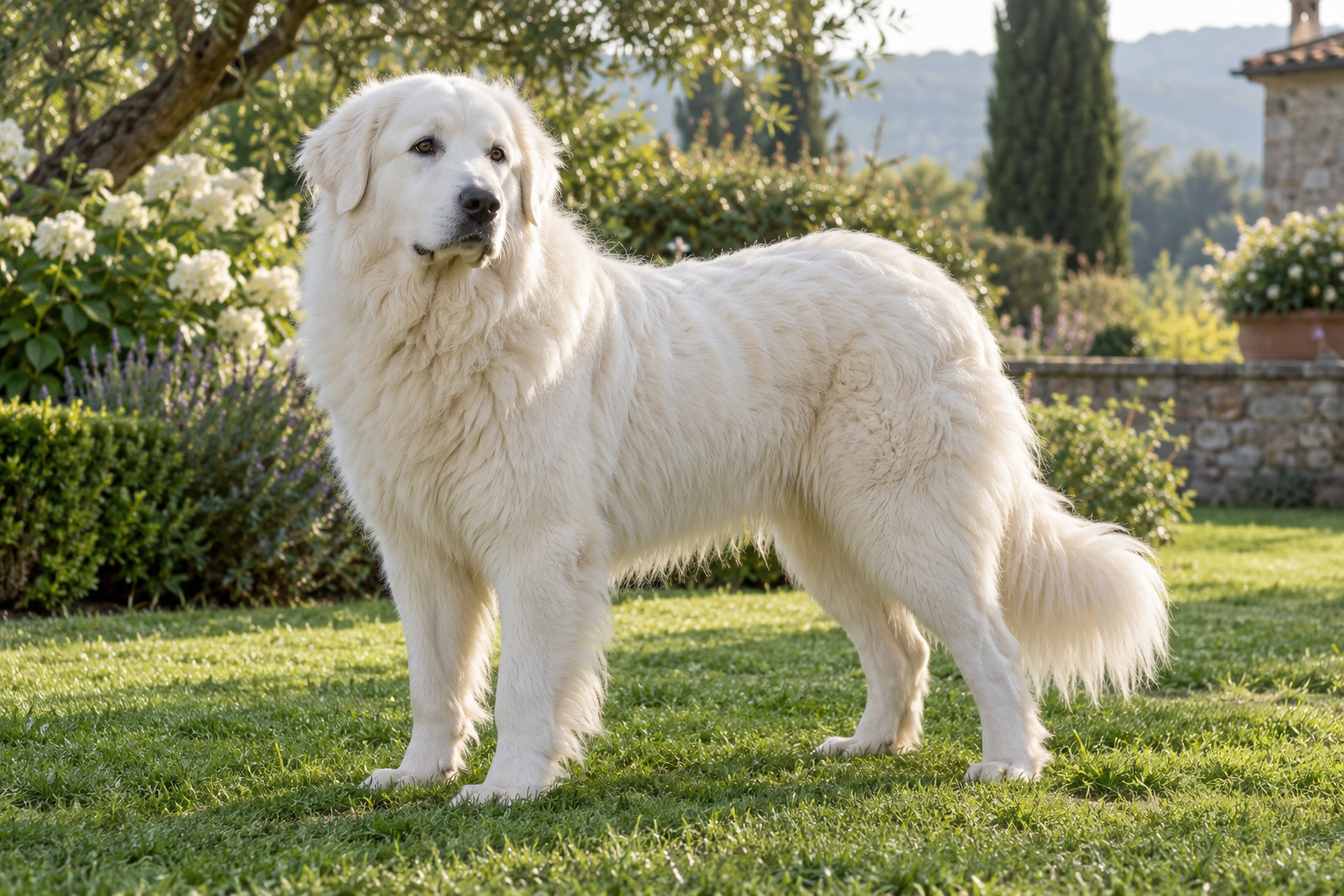 Maremma SheepdogLarge • Working Dogs (Group 5)
 Neapolitan MastiffGiant • Working (Mastiff type guardian)
 NewfoundlandGiant • Working Dogs
 RottweilerLarge • Working / Guardian
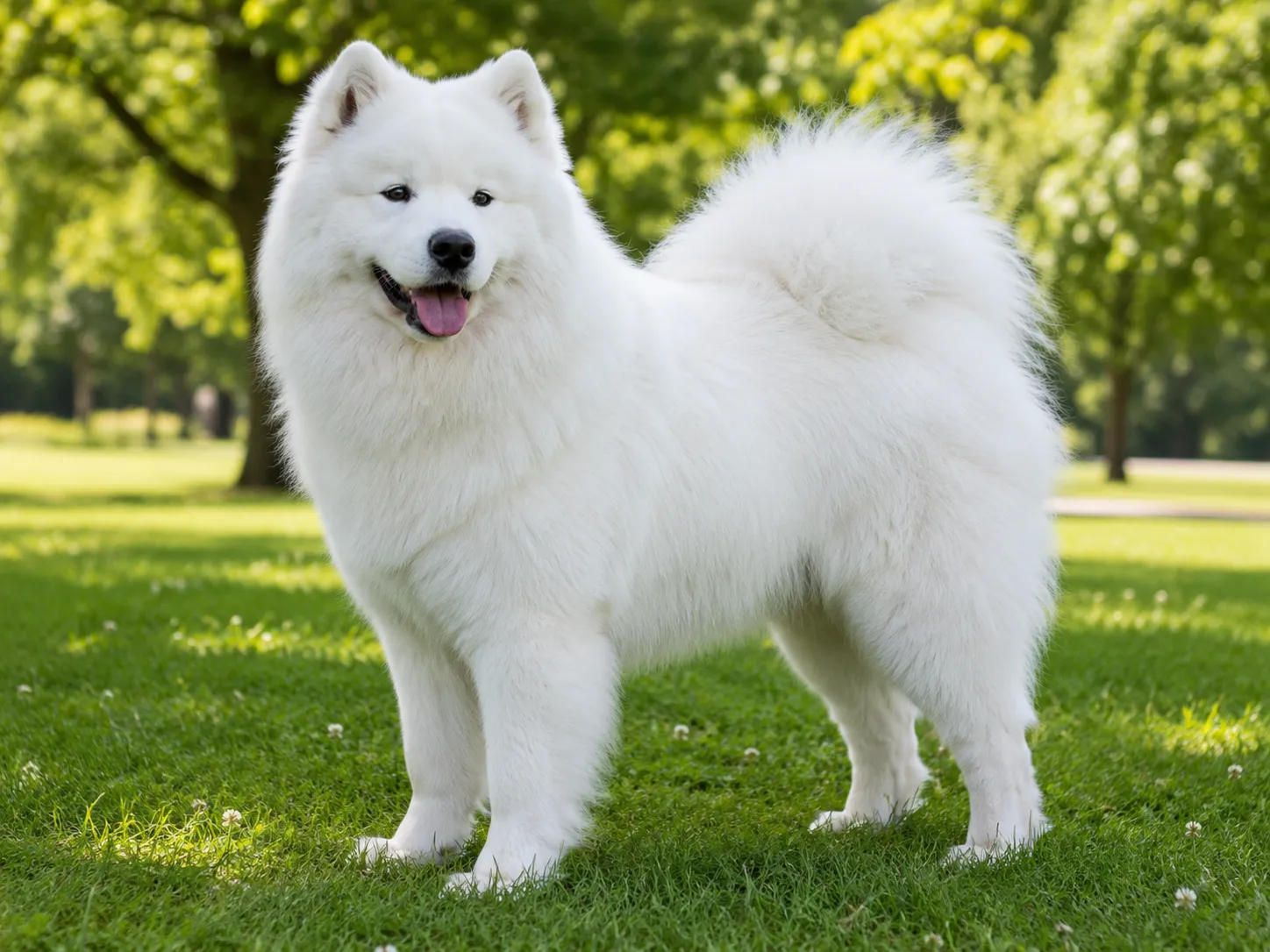 SamoyedLarge • Working Group
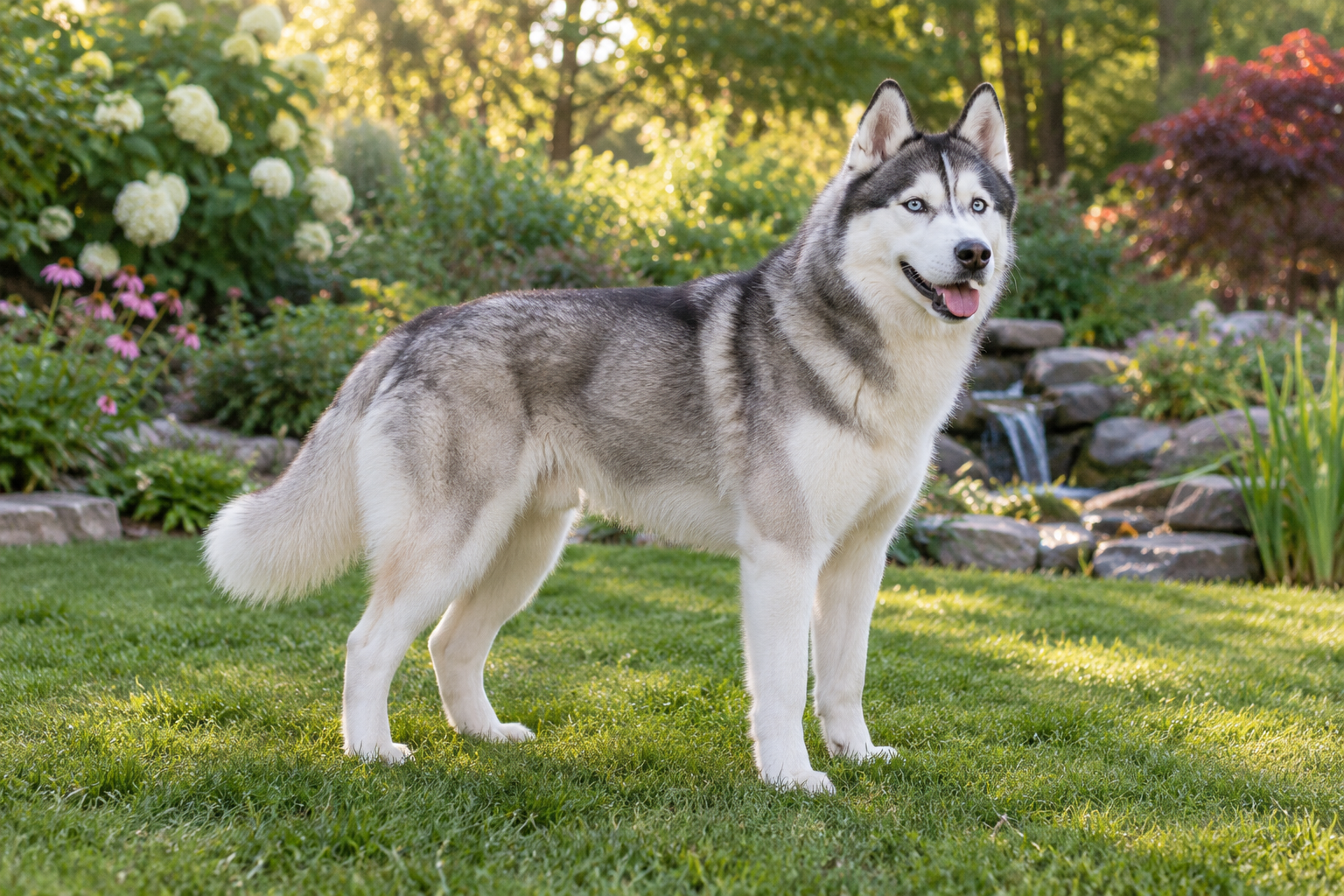 Siberian HuskyMedium • Utility (Group 6)