
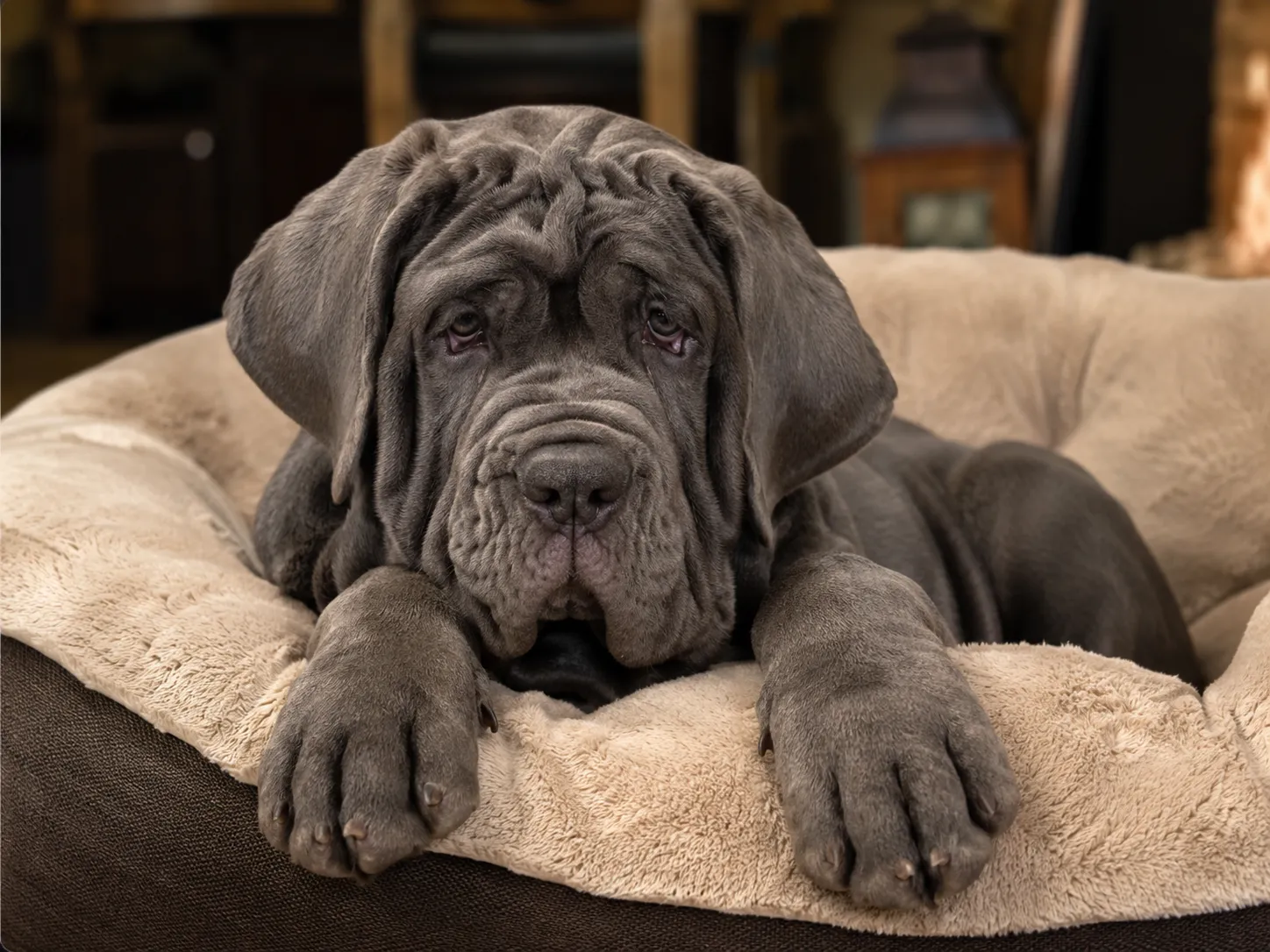
Neapolitan Mastiff
By James C. • Updated
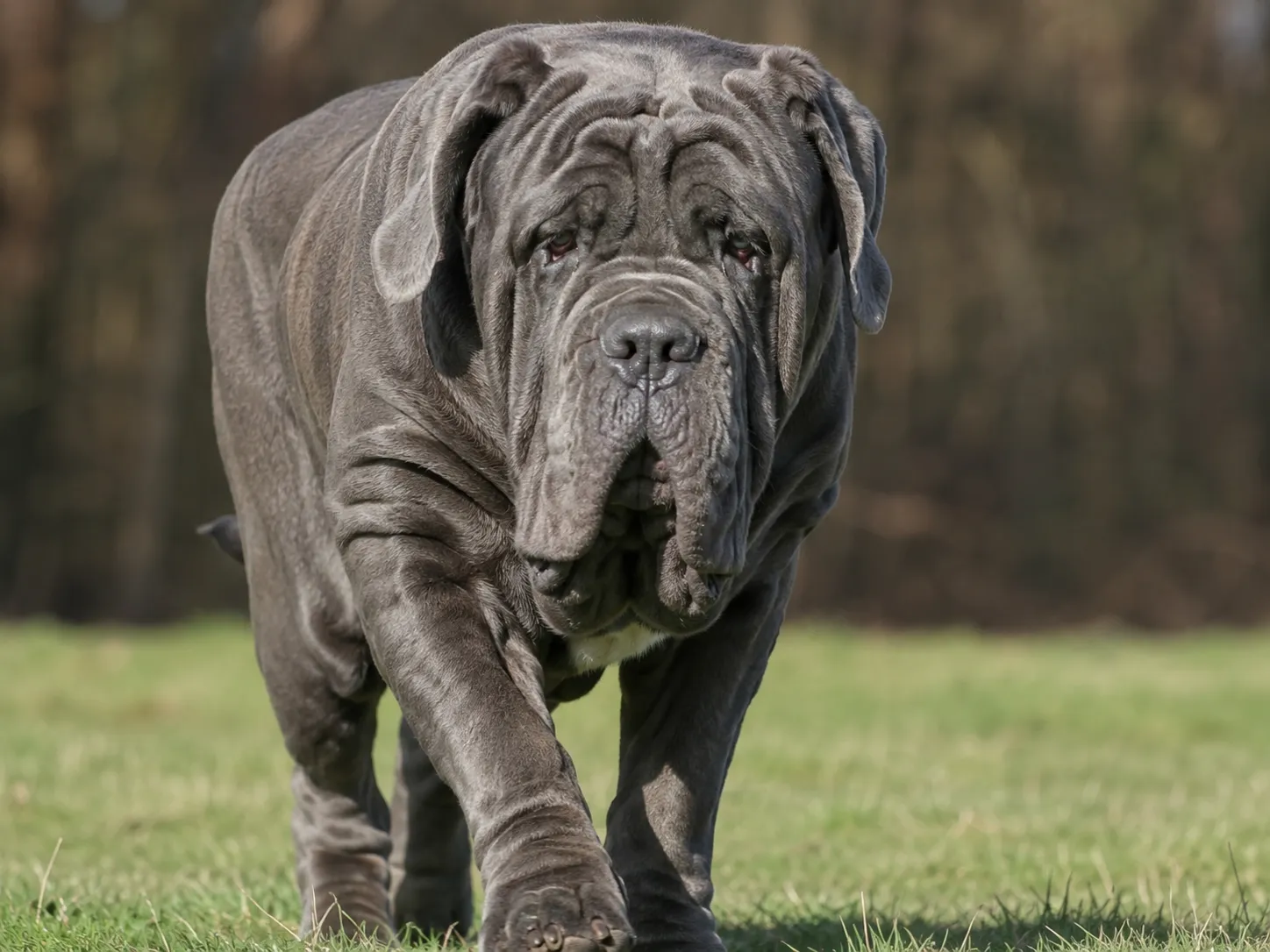
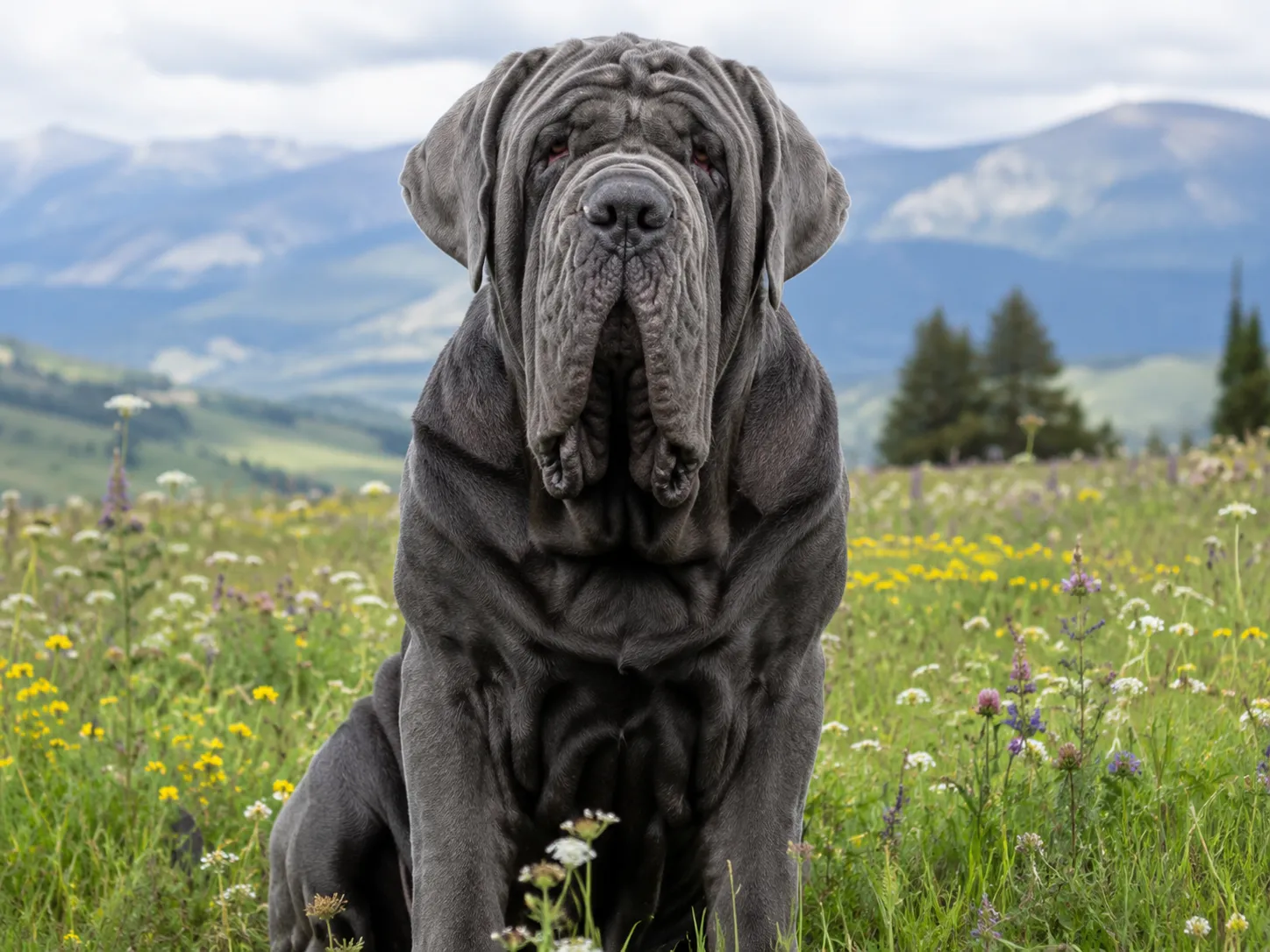
The Neapolitan Mastiff is a massive, powerful, and deeply loyal guardian breed originating from Italy. Recognisable by its loose skin, heavy wrinkles, and imposing appearance, this breed was historically used to guard estates and property. Neapolitan Mastiffs are typically calm and affectionate with their families but naturally protective and reserved around strangers.
Breed Overview
Life Span
7 - 9 years
Average Price
AUD 4000 - AUD 8000
Weight
Male: 65 - 70 kg Female: 50 - 60 kg
Height
Male: 66 - 79 cm Female: 61 - 74 cm
Life Expectancy
Male/Female: 7 - 9 years
Breed Group
Working (Mastiff type guardian)
Nicknames
Mastino Napoletano, Neo, Mastino
Breed Information
The Neapolitan Mastiff is one of the most visually striking guardian breeds in the world, recognised instantly by its massive build, loose skin, and deeply wrinkled face. Descended from ancient Roman war dogs, the breed was historically used to guard estates, accompany soldiers into battle, and intimidate intruders simply through its imposing presence.
Despite this formidable appearance, the modern Neapolitan Mastiff is best known for its calm loyalty and strong devotion to family. These dogs form deep bonds with their household and are naturally protective, often acting as quiet observers who intervene only when they perceive a genuine threat.
The breed thrives in homes that provide space, consistent leadership, and early socialisation. When raised correctly, the Neapolitan Mastiff becomes a gentle yet powerful companion, combining ancient guarding instincts with a surprisingly affectionate personality. Owners who understand the responsibilities of managing a giant guardian breed often find the Neo to be an exceptionally loyal and devoted family dog.
Characteristics: What Living With a Neapolitan Mastiff Is Really Like
Living with a Neapolitan Mastiff is very different from owning most other dog breeds, starting with the right feeding schedule for a giant breed puppy. Their enormous size, calm temperament, and powerful guarding instincts shape daily life with them. While affectionate and devoted to their families, they require experienced handling, early socialisation, and a home environment that accommodates a giant breed.
The table below provides a clear snapshot of how this breed typically fits into everyday life.
| Characteristic | Rating | Star Rating (★ out of 5) | What This Means for You |
| Size | Giant | ★★★★★ | A very large and powerful breed requiring significant indoor space and a secure outdoor area. Owners must be comfortable managing a dog that can exceed 65 kg. |
| Adaptability | Moderate | ★★★☆☆ | Can adapt to different homes if space is available, but best suited to houses with large yards rather than small apartments. |
| Exercise Needs | Moderate | ★★★☆☆ | Requires daily walks and light activity, but not excessive exercise. Overexertion can strain joints in this heavy breed. |
| Easy to Train | Moderate | ★★★☆☆ | Intelligent but independent. Training must begin early and rely on consistency, patience, and confident leadership. |
| Amount of Shedding | Moderate | ★★★☆☆ | Short coat sheds moderately throughout the year, requiring regular brushing to manage loose hair. |
| Grooming Needs | Moderate | ★★★☆☆ | Coat care is simple, but skin folds require regular cleaning to prevent irritation or infection. |
| Good With Children | Moderate | ★★★☆☆ | Generally gentle with family children when properly socialised, but supervision is essential due to their sheer size. |
| Health of Breed | Moderate to Low | ★★☆☆☆ | Prone to several health concerns common in giant breeds, including joint problems and heart conditions. |
| Cost to Keep | High | ★★★★☆ | Food, veterinary care, and general upkeep can be expensive due to the breed’s size and potential health needs. |
| Tolerates Being Alone | Moderate | ★★★☆☆ | Can handle short periods alone but forms strong bonds with family and prefers companionship. |
| Intelligence | High | ★★★★☆ | Observant and quick to understand situations, though they may choose independence over strict obedience. |
Overall, the Neapolitan Mastiff is best suited to experienced owners who want a loyal guardian and calm household companion. Their protective instincts, impressive size, and deep attachment to family make them remarkable dogs, but they require responsible ownership and proper training to thrive.
History of the Neapolitan Mastiff: From Roman War Dogs to Modern Guardians
The Neapolitan Mastiff has one of the oldest and most dramatic histories of any modern dog breed. You can see Neapolitan Mastiff puppies listed in Australia. Its lineage can be traced back thousands of years to the powerful Molossian war dogs of ancient civilisation. These large guardian dogs were prized for their strength, courage, and intimidating presence, traits that made them ideal for protection and warfare.
Historical records suggest that the ancestors of the Neapolitan Mastiff accompanied the Roman legions into battle, often fitted with protective armour and spiked collars. Their size and fierce appearance were intended to frighten enemies and defend soldiers in combat. Over time, these formidable dogs transitioned from war companions to estate guardians, protecting farms, homes, and livestock throughout southern Italy.
The breed became closely associated with the region around Naples, where local farmers and landowners continued breeding these mastiff-type dogs for guarding duties. Their loose skin, powerful build, and deep bark made them effective deterrents against intruders, while their loyalty ensured they remained devoted protectors of their families.
During the early twentieth century, the breed nearly disappeared due to the disruptions of World War II. Its survival is largely credited to Italian writer and breeder Piero Scanziani, who began a focused breeding program after encountering several of these impressive dogs at a 1946 dog show in Naples. Through careful selection and preservation efforts, he helped stabilise the breed and develop the modern Neapolitan Mastiff.
Today, the Neapolitan Mastiff remains a symbol of ancient guarding heritage. Although no longer used as a war dog, it continues to embody the strength, loyalty, and protective instinct that defined its ancestors for centuries.
Appearance of the Neapolitan Mastiff: Powerful Structure and Iconic Wrinkled Features
The Neapolitan Mastiff is one of the most visually recognisable dog breeds in the world, heavier and more heavily wrinkled than the Cane Corso, its Italian working relative. Its massive body, loose skin, and deeply wrinkled face create an imposing silhouette that reflects centuries of development as a guardian. Every element of the breed’s structure emphasises strength, intimidation, and protective capability rather than speed or athletic agility.
Size, Height, and Overall Build
The Neapolitan Mastiff is a giant, heavy-boned dog with a broad and muscular frame. Adult males typically stand between 66 and 79 cm at the shoulder, while females measure 61 to 74 cm. Males often weigh around 65 to 70 kilograms, while females usually range between 50 and 60 kilograms.
The body is slightly longer than it is tall, with a deep chest and powerful limbs designed to support the breed’s massive weight. The back is strong and level, while the shoulders and hindquarters are heavily muscled. Despite their size, well-bred Neapolitan Mastiffs should move with steady and controlled power rather than clumsy or sluggish movement.
Head Shape, Eyes, and Expression
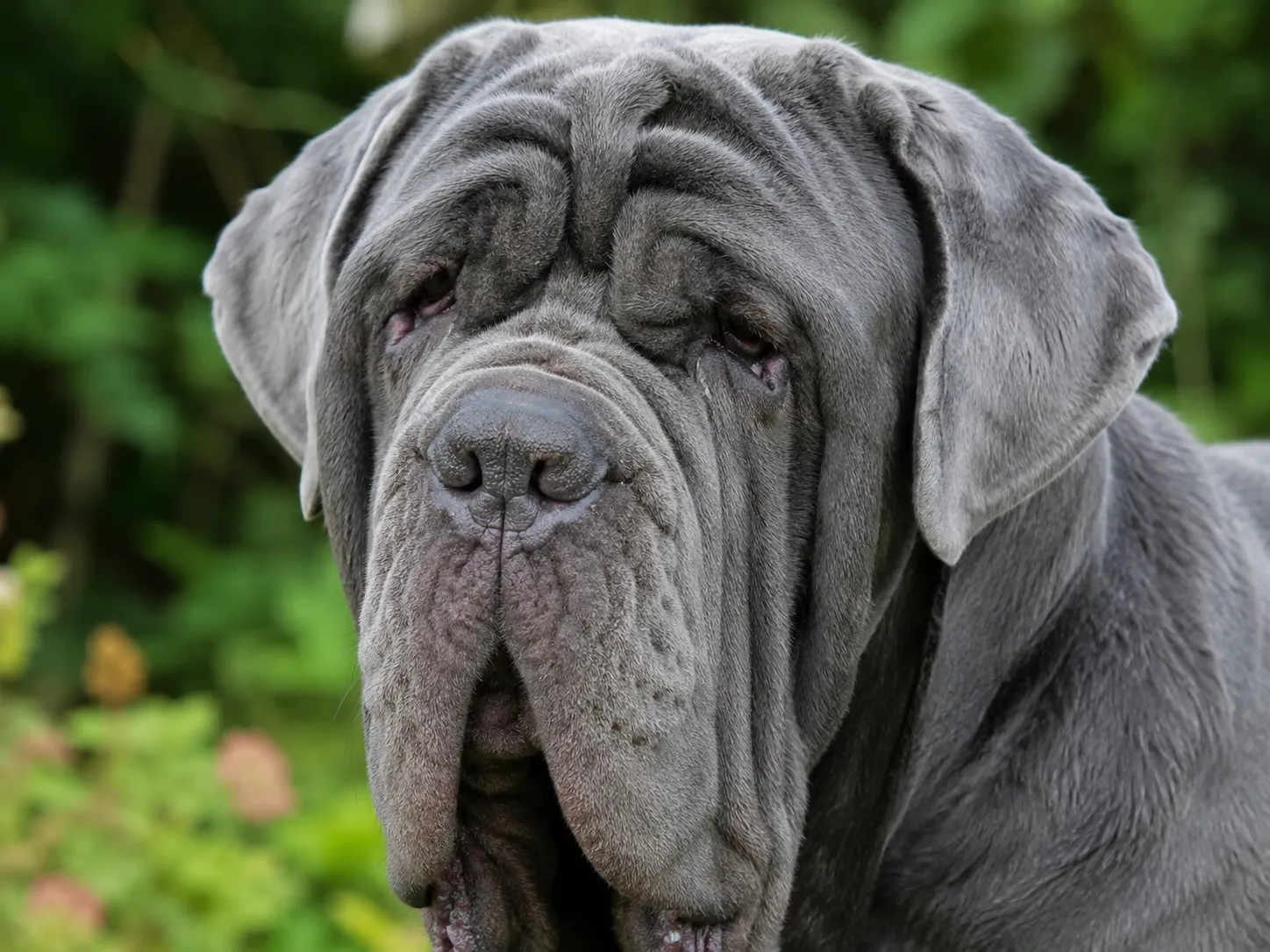
One of the breed’s most defining features is its large, square-shaped head covered in loose, wrinkled skin. Deep folds run across the forehead and cheeks, giving the dog its distinctive solemn expression.
The eyes are deep-set and typically amber or brown, depending on coat colour. Upper and lower eyelids often droop slightly, contributing to the breed’s characteristic serious and somewhat sorrowful appearance. This expression may look intimidating to strangers but is often paired with a calm and observant temperament.
Coat Texture and Recognised Colours
The Neapolitan Mastiff has a short, dense coat that lies close to the body, highlighting the breed’s muscular structure and loose skin. The coat requires relatively simple maintenance compared to many other large breeds.
Common coat colours include blue (grey), black, mahogany, and tawny, with some individuals displaying brindle striping. The colour of the nose usually matches the coat colour.
Ears, Tail, and Skin Folds
Ears are medium-sized, triangular, and naturally drooping, although historically they were sometimes cropped. Today, ear cropping is discouraged or banned in many regions due to welfare concerns.
The tail is thick at the base and tapers toward the tip, carried naturally when the dog is relaxed or alert. In the past, tail docking was common, but many countries now discourage or prohibit the practice.
Perhaps the most iconic feature of the breed is its abundant loose skin and facial folds. These wrinkles once served a functional purpose during guarding and combat situations by helping protect vital areas. Today, they remain a distinctive hallmark of the Neapolitan Mastiff but require regular cleaning to prevent irritation or infection.
Differences Between Males and Females
Male Neapolitan Mastiffs typically appear larger, broader, and more imposing, with heavier heads and thicker necks. Females generally maintain the same structural proportions but often present a slightly lighter and more refined appearance.
Both sexes should display the same core breed traits: massive structure, loose skin, powerful build, and a calm yet commanding presence.
Temperament of the Neapolitan Mastiff: Calm Guardian With Deep Loyalty
The Neapolitan Mastiff is widely respected for its calm, steady temperament and strong protective instincts, so reading what a guarding dog signals when it growls is useful. Although their imposing size and intense appearance may intimidate strangers, these dogs are typically gentle and affectionate with their families. Centuries of development as estate guardians have shaped a personality that is naturally watchful, loyal, and deeply devoted to those they trust.
Core Personality Traits
At home, Neapolitan Mastiffs are usually quiet, calm, and relaxed companions. They often prefer resting near their owners rather than constantly seeking activity or stimulation. While they may appear serious or reserved, many owners describe them as affectionate “gentle giants” who enjoy close contact with their family members.
Their loyalty runs deep, and they tend to form especially strong bonds with their household. Because of this attachment, Neapolitan Mastiffs often prefer to remain close to their people and can become uneasy if isolated for long periods.
Natural Guarding Instincts
The breed was developed specifically for guarding property and protecting families, and these instincts remain strong today. A well-bred Neapolitan Mastiff is naturally alert and suspicious of unfamiliar people, but typically does not behave aggressively without reason.
Instead of barking excessively, many Neos rely on their size, deep bark, and confident presence to deter potential intruders. Their protective behaviour is usually controlled and deliberate rather than reactive or unpredictable.
Social Behaviour With People and Other Animals
With proper socialisation, Neapolitan Mastiffs can live peacefully with family members and familiar guests. Early exposure to different people, environments, and situations is important to help them distinguish between normal social interactions and genuine threats.
They can coexist with other dogs when raised together, though some individuals may display dominance or territorial behaviour. Because of their strength and size, introductions should always be managed carefully.
Temperament Around Children
Neapolitan Mastiffs are often patient and tolerant with children within their family, particularly when raised alongside them. Their calm nature can make them good companions for respectful older children.
However, supervision is essential, especially with small children, as the dog’s sheer size and strength may accidentally knock over a toddler during normal movement or play.
Emotional Sensitivity and Owner Relationship
Despite their powerful appearance, Neapolitan Mastiffs can be surprisingly sensitive to their environment and their owner’s tone of voice. Harsh training methods or chaotic households may lead to stress or defensive behaviour.
They respond best to calm leadership, consistency, and positive reinforcement, which helps build trust and confidence.
Overall, the Neapolitan Mastiff is a loyal, protective, and affectionate guardian that thrives in homes where owners understand the responsibilities of managing a giant breed with strong protective instincts.
Intelligence and Trainability of the Neapolitan Mastiff: Independent Thinker With Strong Awareness
The Neapolitan Mastiff is an intelligent breed, although its learning style differs from many highly trainable working dogs, so expectations around how long training takes should be realistic. Rather than showing constant eagerness to perform commands, this breed tends to think independently and assess situations before responding. Their intelligence is often expressed through strong awareness of their surroundings and an ability to evaluate potential threats.
Understanding the Breed’s Learning Style
Unlike breeds that thrive on repetitive obedience tasks, Neapolitan Mastiffs typically learn best when training is purposeful and consistent. They are capable of understanding commands quickly, but they may choose not to respond if they perceive no clear reason or benefit.
This behaviour is sometimes mistaken for stubbornness, though it usually reflects the breed’s independent nature. Historically, these dogs were expected to guard property without constant direction from humans, which explains their tendency to make their own decisions.
Importance of Early Training
Training should begin at a young age when the dog is still manageable in size and more receptive to guidance. Early lessons in basic obedience, leash manners, and impulse control help establish structure before the dog reaches its full adult strength.
Because adult Neapolitan Mastiffs can exceed 60 kilograms, teaching reliable behaviours early is essential for safe handling later in life.
Best Training Methods for This Breed
The most effective training approach for Neapolitan Mastiffs combines calm leadership, patience, and positive reinforcement. Reward-based training using praise, food rewards, and consistent routines tends to produce better results than harsh corrections.
Short training sessions are generally more successful than long repetitive drills. Maintaining a calm, confident tone helps reinforce the owner’s leadership without creating unnecessary stress.
Socialisation as a Critical Training Component
Early and ongoing socialisation is one of the most important aspects of raising a well-adjusted Neapolitan Mastiff. Exposure to different environments, people, and controlled encounters with other animals helps prevent excessive suspicion or territorial behaviour.
Puppy training classes, structured walks in public spaces, and controlled introductions can help build a dog that remains confident yet stable in unfamiliar situations.
Mental Engagement and Environmental Awareness
While Neapolitan Mastiffs are not typically high-energy working dogs, they still benefit from mental stimulation. Activities such as scent games, structured walks, and basic training exercises keep their minds active.
Because of their natural guarding instincts, they often remain attentive to household activity and environmental changes, which provides mental engagement even during calm daily routines.
Overall, the Neapolitan Mastiff is an intelligent but independent breed that responds best to patient training, clear leadership, and consistent socialisation throughout its development.
Family Life With the Neapolitan Mastiff: Loyal Companion for the Right Household
Living with a Neapolitan Mastiff can be an incredibly rewarding experience for families who understand the needs of giant guardian breeds. These dogs are deeply devoted to their household and tend to form powerful bonds with the people they live with. While their size and protective instincts require responsible ownership, their calm nature often makes them affectionate and steady companions in a stable home environment.
Neapolitan Mastiffs With Children
Many Neapolitan Mastiffs develop strong attachments to children within their family. Their calm temperament and patient nature can make them gentle companions for respectful older children who understand how to interact with large dogs.
However, due to their enormous size and strength, supervision is always important. Even a friendly Neo can accidentally knock over a small child during normal movement or play. Teaching children to interact calmly and respectfully helps maintain safe relationships.
Living With Other Pets
Neapolitan Mastiffs can live peacefully with other household pets when they are raised together from a young age. Early socialisation plays a significant role in shaping how they respond to other dogs and animals.
Some individuals may display territorial or dominant behaviour toward unfamiliar dogs, particularly those of the same sex. Careful introductions and controlled environments help minimise potential conflicts and support stable coexistence.
Household Environment and Space Needs
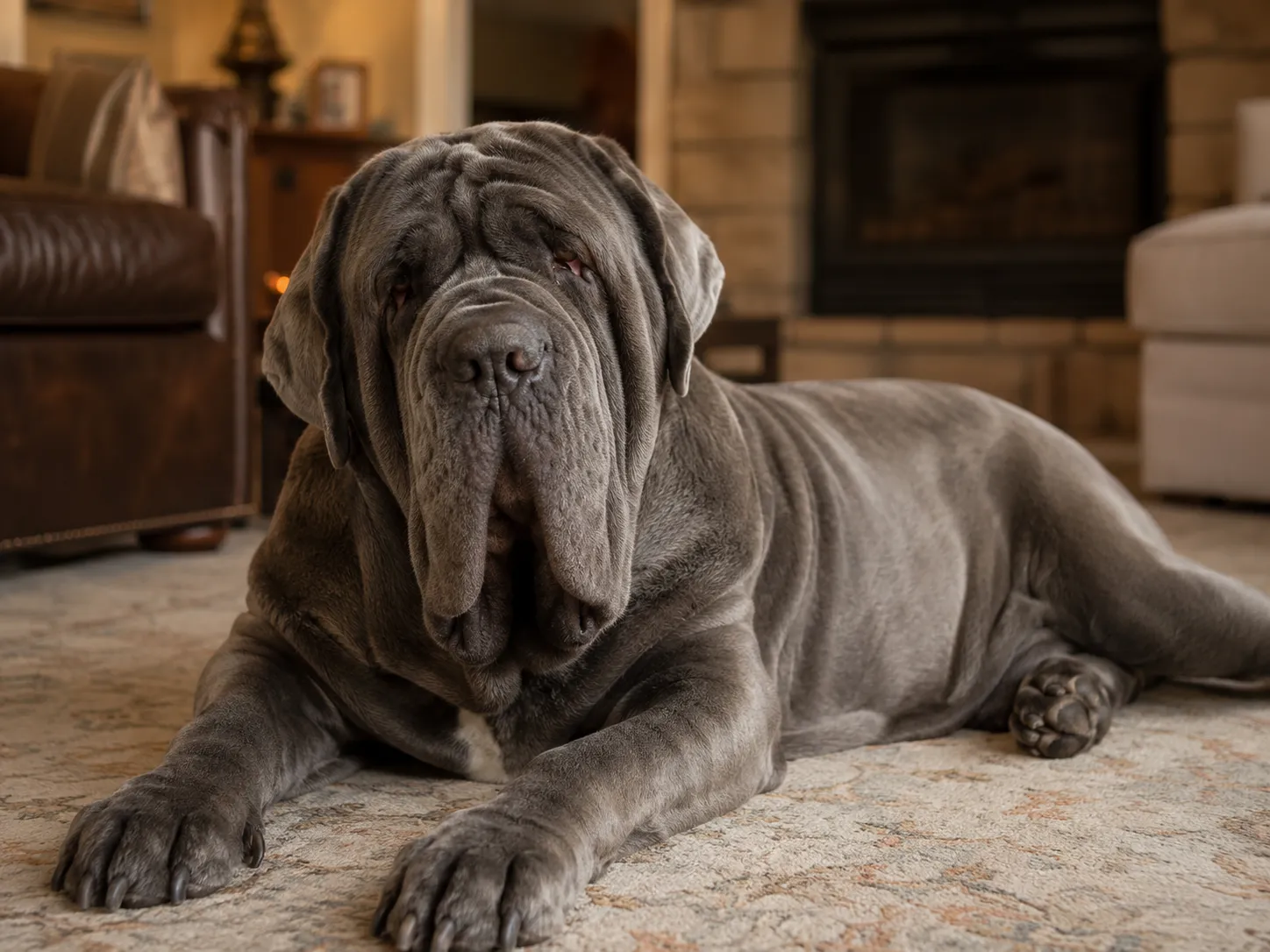
Although they are large dogs, Neapolitan Mastiffs are often surprisingly relaxed indoors. Many spend much of their time resting near their owners rather than constantly moving around the home.
A secure yard provides space for light movement and exploration, but these dogs are generally not suited to small apartments or highly confined living conditions. Their large bodies and need for stability mean they are best suited to homes with adequate space and secure fencing.
Emotional Bond With Owners
The Neapolitan Mastiff thrives in households where it can remain close to its family members. This breed often prefers to stay near its owner throughout the day and may follow them from room to room.
Strong attachment to their family means they do best in homes where they are not left alone for extended periods. Consistent companionship helps maintain emotional stability and prevents anxiety or destructive behaviours.
Suitability for First-Time Owners
While their calm nature may appear manageable, the Neapolitan Mastiff is not typically recommended for inexperienced dog owners. Their massive size, guarding instincts, and training requirements demand confident and knowledgeable handling.
Owners who understand giant breeds and are prepared to provide early training, socialisation, and structured leadership are far more likely to succeed with this impressive guardian.
In the right household, the Neapolitan Mastiff becomes a deeply loyal and protective family companion, offering both affection and security to those it trusts.
Health of the Neapolitan Mastiff: Common Conditions and Lifespan
The Neapolitan Mastiff is a giant breed with several health considerations that prospective owners should understand before bringing one home, including the value of insurance against giant breed vet costs. Like many large guardian breeds, their size, rapid growth, and heavy bone structure can place significant strain on joints and internal systems. Responsible breeders work to reduce genetic health risks, but owners must still be aware of the common conditions associated with the breed.
Typical Lifespan
The average lifespan of a Neapolitan Mastiff is around 7 to 9 years, which is typical for giant dog breeds. While some individuals may live slightly longer with excellent care and genetics, their large body size naturally places greater stress on the heart, joints, and internal organs.
Proper nutrition, regular veterinary care, and maintaining a healthy body weight can help support longevity and overall wellbeing.
Hip and Elbow Dysplasia
Hip dysplasia and elbow dysplasia are among the most common joint disorders affecting Neapolitan Mastiffs. These conditions occur when joints do not develop properly, leading to instability, pain, and arthritis over time.
Symptoms may include stiffness, difficulty rising, reduced activity, or a reluctance to climb stairs. Reputable breeders typically screen breeding dogs through health testing programmes to reduce the likelihood of passing these conditions to puppies.
Gastric Dilatation–Volvulus (Bloat)
Like many deep-chested breeds, Neapolitan Mastiffs are at risk of gastric dilatation–volvulus (GDV), commonly known as bloat. This life-threatening condition occurs when the stomach fills with gas and twists, cutting off blood flow.
Signs of bloat include restlessness, a swollen abdomen, drooling, unsuccessful attempts to vomit, and signs of distress. Immediate veterinary treatment is critical, as GDV can become fatal within hours.
Skin Infections and Dermatitis
The Neapolitan Mastiff’s distinctive loose skin and deep wrinkles can trap moisture, dirt, and bacteria. Without proper cleaning and care, this can lead to skin infections, irritation, or dermatitis, particularly around the face and neck.
Regular cleaning of skin folds, keeping the coat dry, and maintaining overall hygiene can significantly reduce the risk of these problems.
Eye Conditions
Several eye issues may occur in the breed due to the structure of the eyelids and surrounding skin. Conditions such as entropion (inward-rolling eyelids) and ectropion (outward-drooping eyelids) are sometimes seen in Neapolitan Mastiffs.
These conditions may cause irritation, excessive tearing, or discomfort, and in some cases surgical correction may be recommended by veterinarians.
Importance of Responsible Breeding and Veterinary Care
Working with a responsible breeder who performs health testing is one of the most important steps when choosing a Neapolitan Mastiff puppy. Screening for joint disorders and maintaining strong genetic lines can significantly improve long-term health outcomes.
Routine veterinary check-ups, weight management, appropriate exercise, and attentive care all play a role in helping these impressive dogs live healthier and more comfortable lives.
Caring for the Neapolitan Mastiff: Daily Needs and Responsible Ownership
Caring for a Neapolitan Mastiff requires commitment, preparation, and an understanding of the demands that come with a giant guardian breed. While these dogs are generally calm and relaxed, their size, strength, and protective instincts mean owners must provide structured care from an early age. Consistent routines, proper socialisation, and attentive health management are essential for raising a well-balanced and manageable adult dog.
Daily Care and Supervision
Despite their laid-back nature, Neapolitan Mastiffs still require regular supervision and interaction throughout the day. Their strong attachment to their family means they prefer remaining close to their owners rather than being left alone for extended periods.
Providing consistent companionship helps maintain emotional stability and prevents boredom. Owners should also monitor their environment carefully, particularly during puppyhood, as these large dogs can unintentionally damage household items while exploring.
Housing and Living Environment
Because of their enormous size, Neapolitan Mastiffs need a living environment that offers both space and stability. A house with a secure yard and strong fencing is generally more suitable than a small apartment.
Their powerful bodies can easily push through weak barriers, so fencing should be solid and well maintained. Indoors, these dogs appreciate a quiet resting space where they can relax comfortably near their family members.
Weight Management and Diet Awareness
Maintaining a healthy body weight is one of the most important aspects of caring for a Neapolitan Mastiff. Excess weight places additional stress on joints, increasing the risk of arthritis and mobility problems.
Owners should monitor food intake carefully and choose high-quality nutrition that supports slow, controlled growth during puppy development. Veterinary guidance can help determine appropriate feeding portions based on the dog’s age, size, and activity level.
Monitoring Skin and Wrinkle Health
The breed’s distinctive loose skin requires regular attention to prevent irritation and infection. Wrinkles around the face, neck, and body can trap moisture and debris, which may lead to bacterial growth if not cleaned properly.
Routine cleaning and gentle drying of skin folds help maintain healthy skin. Regular inspections also allow owners to detect early signs of redness, irritation, or infection.
Building a Strong Owner–Dog Relationship
Successful ownership of a Neapolitan Mastiff depends heavily on the relationship between dog and owner. Clear boundaries, calm leadership, and consistent routines help the dog feel secure and confident in its environment.
Owners who invest time in training, socialisation, and daily interaction often develop a deep bond with this loyal guardian breed, resulting in a stable and trustworthy companion.
Grooming the Neapolitan Mastiff: Managing Wrinkles, Coat, and Hygiene
The Neapolitan Mastiff has a short, dense coat that is relatively easy to maintain, but the breed’s loose skin and deep wrinkles require consistent attention. Grooming is not overly complex, yet regular care is essential to keep the dog comfortable and prevent common hygiene issues. Owners who maintain a simple routine can keep their Neo clean, healthy, and looking its best.
Coat Care and Brushing
Neapolitan Mastiffs have a short, smooth coat that sheds moderately throughout the year. Brushing once or twice a week is usually enough to remove loose hair and keep the coat healthy.
Using a rubber grooming brush or soft bristle brush helps distribute natural skin oils while improving coat condition. During seasonal shedding periods, slightly more frequent brushing may help control loose hair around the home.
Cleaning the Facial Wrinkles
One of the most important grooming responsibilities involves caring for the breed’s distinctive facial wrinkles and skin folds. These folds can trap moisture, food residue, and debris, creating an environment where bacteria may grow.
Owners should gently wipe the folds with a damp cloth and dry them thoroughly afterwards. Regular cleaning reduces the risk of skin irritation, unpleasant odours, and bacterial infections.
Bathing Requirements
Neapolitan Mastiffs do not require frequent bathing, but occasional baths help maintain overall hygiene. Bathing every few months or when the dog becomes particularly dirty is usually sufficient.
A mild dog shampoo designed for sensitive skin is recommended. Because of their size, bathing often requires a spacious washing area or professional grooming assistance.
Nail, Ear, and Dental Care
Routine grooming should also include nail trimming, ear cleaning, and dental care. Nails should be trimmed regularly to prevent discomfort and mobility issues, especially since giant breeds place considerable pressure on their feet.
The ears should be checked weekly for signs of wax buildup or irritation. Brushing the dog’s teeth several times a week helps maintain oral health and reduce the risk of dental disease.
Managing Drooling and Daily Cleanliness
Neapolitan Mastiffs are known for their heavy drooling, particularly after drinking water or eating. Owners should be prepared to wipe the mouth area regularly and keep towels nearby to manage saliva.
Although drooling is a natural characteristic of the breed, regular cleaning around the mouth and neck helps keep the dog and the home environment cleaner.
Exercise Needs of the Neapolitan Mastiff: Moderate Activity for a Giant Guardian
Despite their enormous size and muscular build, the Neapolitan Mastiff does not require intense or high-energy exercise. This breed is naturally calm and tends to conserve energy, preferring relaxed daily routines rather than demanding physical activity. However, regular movement remains important to support healthy joints, maintain proper weight, and keep the dog mentally balanced.
Daily Walks and Light Activity
Most adult Neapolitan Mastiffs benefit from one or two moderate walks each day. These walks allow the dog to stretch its muscles, explore its surroundings, and maintain healthy circulation without placing excessive strain on joints.
Because the breed can be sensitive to heat due to its heavy body and loose skin, walks are often best scheduled during cooler parts of the day such as early morning or evening.
Exercise During Puppy Development
Exercise management is particularly important while Neapolitan Mastiffs are growing. Puppies experience rapid growth, and excessive physical activity during this stage can place unnecessary stress on developing joints and bones.
Short, controlled play sessions combined with gentle walks are usually the safest approach. Avoiding activities such as jumping, running on hard surfaces, or climbing stairs repeatedly helps protect the puppy’s developing skeleton.
Mental Stimulation and Engagement
Although they are not highly energetic, Neapolitan Mastiffs still benefit from mental stimulation and structured engagement. Simple activities such as obedience practice, scent games, or interactive toys help keep their minds active.
These dogs are naturally observant and attentive to their environment, often spending time calmly watching their surroundings. Providing opportunities for safe exploration during walks can help satisfy their curiosity.
Importance of Avoiding Overexertion
Overexertion can be harmful for giant breeds like the Neapolitan Mastiff. Long runs, intense agility exercises, or prolonged high-impact activity can increase the risk of joint injuries or fatigue.
Moderate exercise that focuses on steady movement rather than speed or endurance is generally the safest approach. Maintaining a balanced routine helps support overall health without placing unnecessary strain on the dog’s body.
Maintaining Healthy Weight Through Activity
Regular activity also plays a role in preventing obesity, which can worsen joint problems in large breeds. Even moderate daily walks contribute significantly to maintaining a healthy body condition.
Combined with proper nutrition and veterinary care, consistent but controlled exercise helps Neapolitan Mastiffs remain comfortable, mobile, and healthy throughout their lives.
Feeding the Neapolitan Mastiff: Nutrition for a Giant Breed
Feeding a Neapolitan Mastiff requires careful planning because their large body mass and rapid growth can place significant stress on bones, joints, and internal organs. Providing balanced nutrition from puppyhood through adulthood helps support steady development, maintain healthy weight, and reduce the risk of common health problems associated with giant breeds.
Nutritional Needs of a Giant Breed
Neapolitan Mastiffs require a high-quality, balanced diet designed for large or giant breeds. Their food should contain appropriate levels of protein to support muscle development, healthy fats for energy, and controlled calcium and phosphorus to help regulate bone growth.
During puppy development, diets specifically formulated for large-breed puppies are strongly recommended. These formulas help prevent excessively rapid growth, which may increase the risk of joint disorders such as hip dysplasia.
Feeding Schedule by Age
Puppies typically require three to four meals per day during their early months to support steady growth and digestion. As the dog matures, meals are usually reduced to two servings per day.
Adult Neapolitan Mastiffs generally do well with a consistent feeding routine that helps regulate digestion and maintain stable energy levels throughout the day.
Portion Control and Weight Management
Because the breed is prone to joint stress and mobility issues, maintaining a healthy body weight is extremely important. Overfeeding can quickly lead to obesity, which places additional pressure on the hips, elbows, and spine.
Owners should follow feeding guidelines provided by veterinarians or reputable pet food manufacturers while also adjusting portions based on the dog’s activity level, metabolism, and overall body condition.
Reducing the Risk of Bloat
The Neapolitan Mastiff, like many deep-chested breeds, is vulnerable to gastric dilatation–volvulus (bloat). Certain feeding practices may help reduce this risk.
Providing smaller meals rather than one large meal, avoiding intense activity immediately before or after eating, and encouraging calm behaviour during feeding can help support safer digestion.
Fresh Water and Dietary Monitoring
Constant access to clean, fresh water is essential for this large breed, especially after exercise or during warm weather. Owners should also monitor their dog’s eating habits, as sudden changes in appetite may indicate underlying health concerns.
Regular veterinary check-ups and nutritional guidance help ensure that the Neapolitan Mastiff receives the appropriate diet to support its size, strength, and long-term health.
Neapolitan Mastiff Price in Australia: Purchase and Ownership Costs
Owning a Neapolitan Mastiff in Australia involves a significant financial commitment. Beyond the initial purchase price, prospective owners should consider the ongoing costs associated with caring for a giant breed. These dogs require quality nutrition, regular veterinary care, and suitable housing conditions, all of which contribute to the overall expense of ownership.
Average Puppy Price in Australia
A Neapolitan Mastiff puppy in Australia typically costs between $4,000 and $8,000 AUD, depending on several factors including breeder reputation, pedigree quality, and health testing.
Puppies from breeders who perform extensive health screening and maintain strong bloodlines often fall at the higher end of this price range. These breeders invest considerable time and resources into responsible breeding practices, which contributes to the overall cost.
Factors That Influence Price
Several factors can affect the purchase price of a Neapolitan Mastiff puppy:
- Breeder reputation and experience
- Health testing and veterinary screening
- Pedigree and bloodline quality
- Show potential or breeding rights
- Location and demand within Australia
Responsible breeders prioritise health, temperament, and genetic stability rather than producing large numbers of puppies for quick sales.
Initial Setup Costs
Before bringing a Neapolitan Mastiff puppy home, owners should prepare for several initial expenses. These may include a large dog crate, sturdy bedding, feeding equipment, grooming supplies, and secure fencing if required.
Basic supplies for a giant breed often cost $500 to $1,500 AUD depending on product quality and household preparation.
Ongoing Monthly Expenses
Because of their size, Neapolitan Mastiffs generally cost more to maintain than smaller breeds. Monthly expenses may include food, preventative healthcare, grooming products, and insurance.
Typical ongoing costs may include:
- Food: $120–$200 per month
- Veterinary care and preventative treatments: $60–$120 per month
- Pet insurance (optional): $70–$150 per month
These figures vary depending on the dog’s health, diet, and lifestyle.
Long-Term Financial Commitment
Prospective owners should recognise that caring for a giant breed involves long-term responsibility. Veterinary treatment for large dogs, especially for joint or orthopaedic issues, can become expensive if health problems develop.
Planning financially for the lifetime care of the dog helps ensure the Neapolitan Mastiff receives the attention and support it needs throughout its life.
Buying a Neapolitan Mastiff Puppy: What Responsible Owners Should Know
Purchasing a Neapolitan Mastiff puppy requires careful research and responsible decision making. Because this breed is large, powerful, and protective by nature, selecting a healthy puppy from a reputable breeder is essential. Prospective owners should take time to evaluate breeders, understand the breed’s needs, and prepare their home before bringing a puppy home.
Choosing a Responsible Breeder
A responsible breeder focuses on health, temperament, and proper breed standards rather than producing large numbers of puppies for profit. Good breeders will provide health testing records for the parents and ensure puppies are raised in clean, well-managed environments.
Reputable breeders are also transparent about the breed’s potential health issues and will be willing to answer detailed questions from prospective owners.
Health Checks and Documentation
Before purchasing a puppy, buyers should ensure the breeder provides appropriate veterinary documentation. This often includes vaccination records, microchipping details, and general health assessments from a veterinarian.
Some breeders may also provide health certificates relating to common breed conditions such as hip dysplasia or eye disorders.
Meeting the Puppy and Its Parents
Whenever possible, prospective owners should visit the breeder and observe the puppies with their mother. This provides valuable insight into the temperament and living conditions of the dogs.
Healthy puppies should appear alert, curious, and well socialised. The mother’s behaviour can also offer clues about the likely temperament of the puppies.
Avoiding Puppy Farms and Unethical Sellers
Unfortunately, giant breeds such as the Neapolitan Mastiff can sometimes be produced by large-scale breeding operations that prioritise profit over animal welfare.
Warning signs of irresponsible breeders include unwillingness to show living conditions, unusually low prices, or pressure to purchase quickly. Taking time to research breeders helps reduce the risk of supporting unethical practices.
Preparing for Life With a Giant Breed
Before bringing a Neapolitan Mastiff puppy home, owners should ensure their household is prepared for the responsibilities of raising a large guardian breed. This includes organising training plans, securing the property with appropriate fencing, and preparing a comfortable resting space.
Owners who invest time in early training, proper socialisation, and consistent care are more likely to raise a stable and well-adjusted adult Neapolitan Mastiff.
Is the Neapolitan Mastiff Right for You?
The Neapolitan Mastiff is an impressive guardian breed with a long history of protecting homes and families. Their enormous size, powerful build, and deeply loyal nature make them remarkable companions for the right owner. However, this breed also comes with responsibilities that should not be underestimated.
Neapolitan Mastiffs thrive in homes where owners understand large guardian breeds and are prepared to provide structure, training, and proper care. Their protective instincts mean early socialisation and confident handling are essential. Owners must also be comfortable managing a dog that can weigh well over 60 kilograms and require firm but calm leadership.
Space is another important consideration. While these dogs are often relaxed indoors, they do best in homes with secure yards rather than small apartments. Their size, drooling, and grooming needs may also require a degree of tolerance from household members.
Financial commitment should also be considered carefully. Feeding, veterinary care, and equipment for a giant breed can be significantly higher than for smaller dogs.
For experienced owners who appreciate loyal guardian breeds, the Neapolitan Mastiff can be a deeply devoted companion. With proper training, responsible ownership, and consistent care, this breed offers strength, loyalty, and protective companionship to the families it bonds with.
Frequently Asked Questions
Related Breeds
Other working breeds on Pups4Sale.
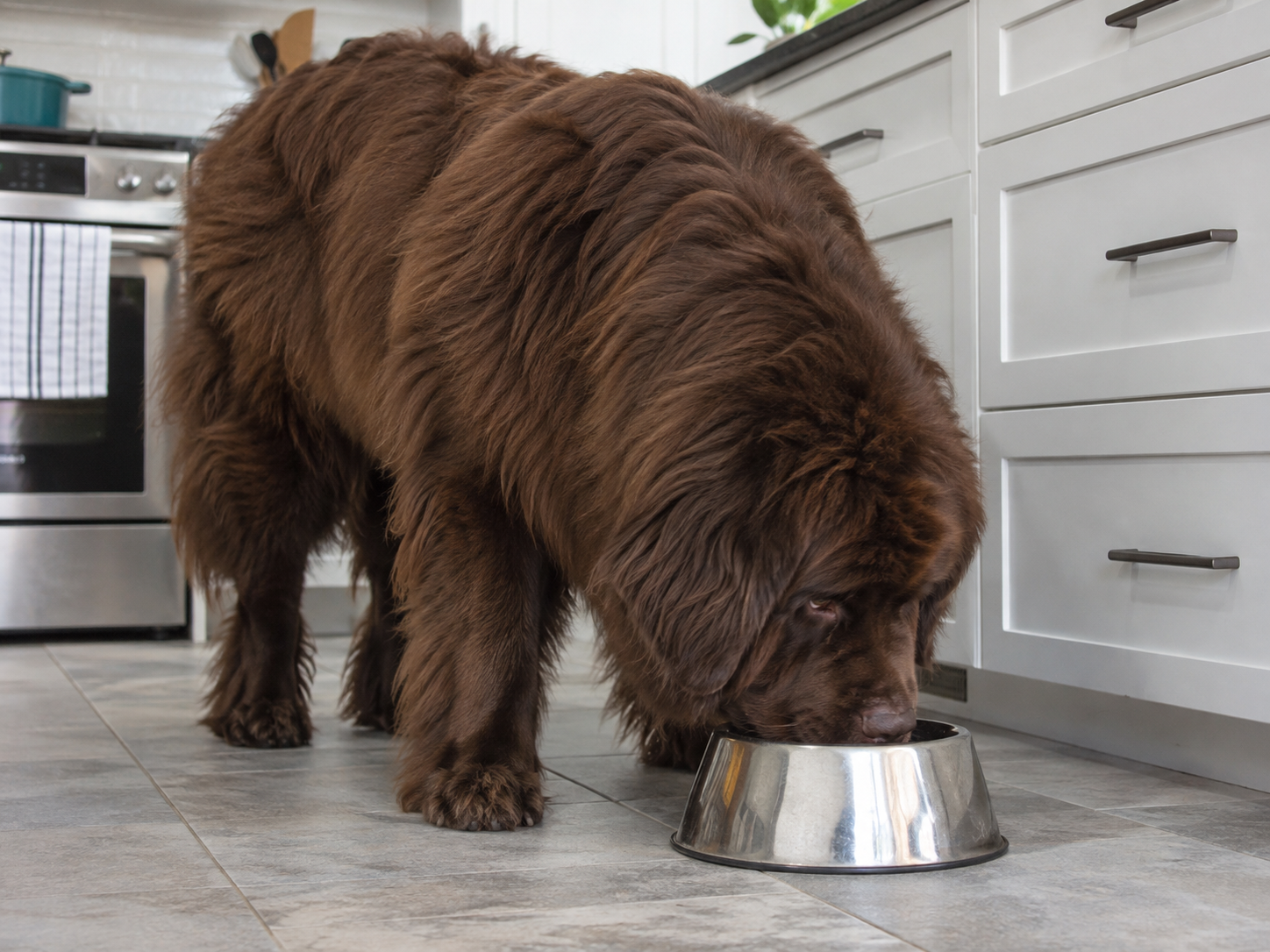 NewfoundlandGiant • Working Dogs
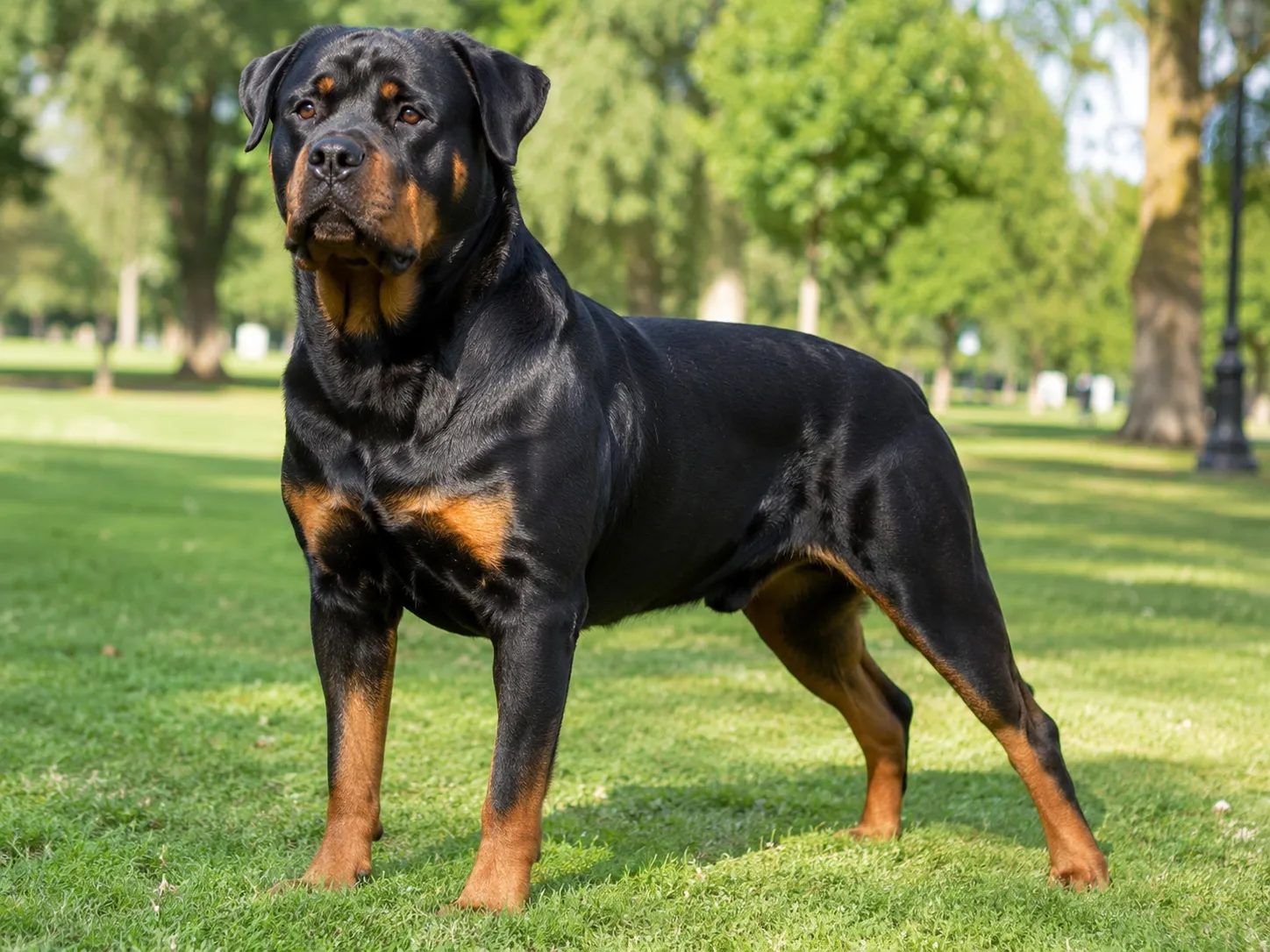 RottweilerLarge • Working / Guardian
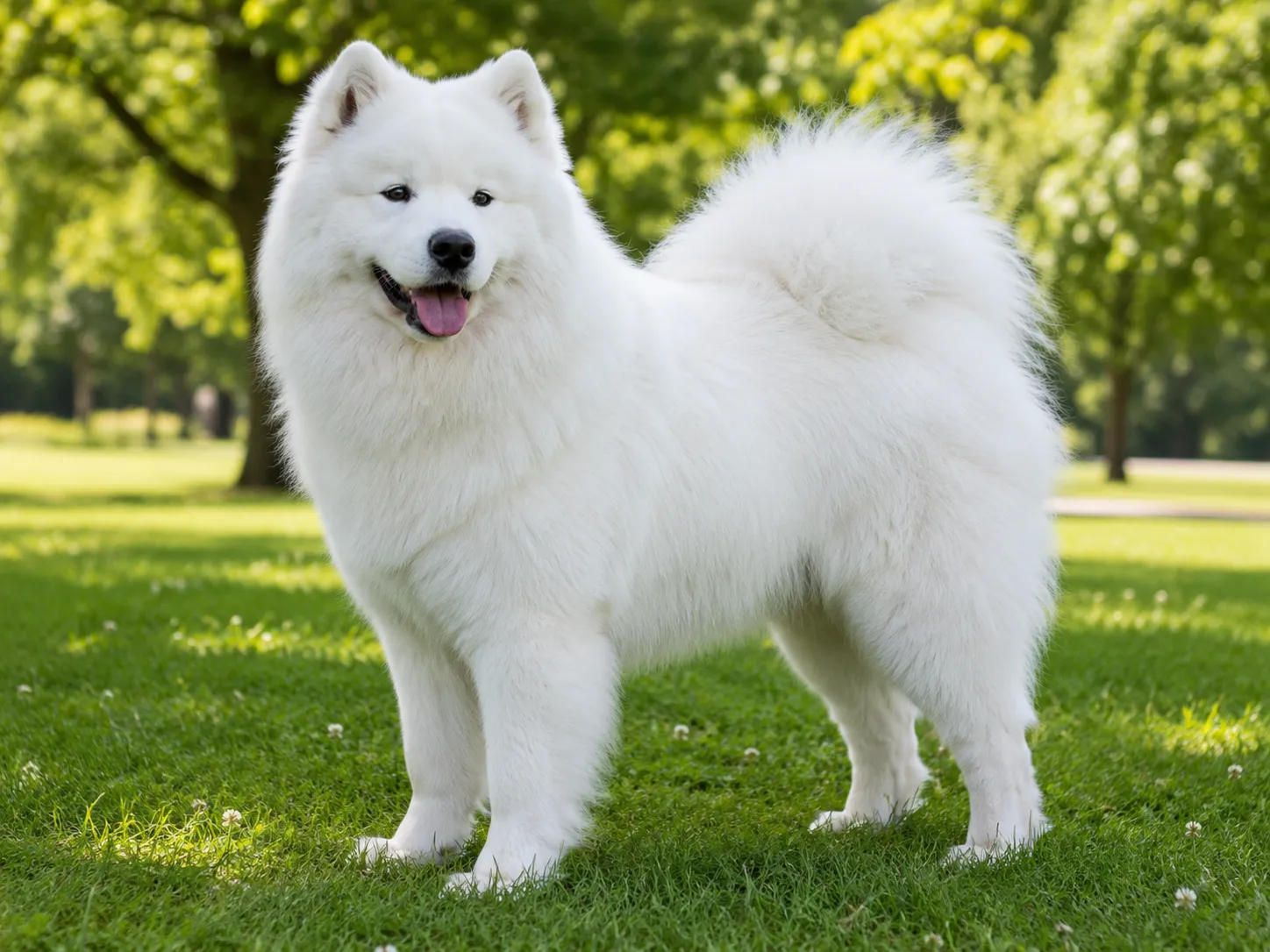 SamoyedLarge • Working Group
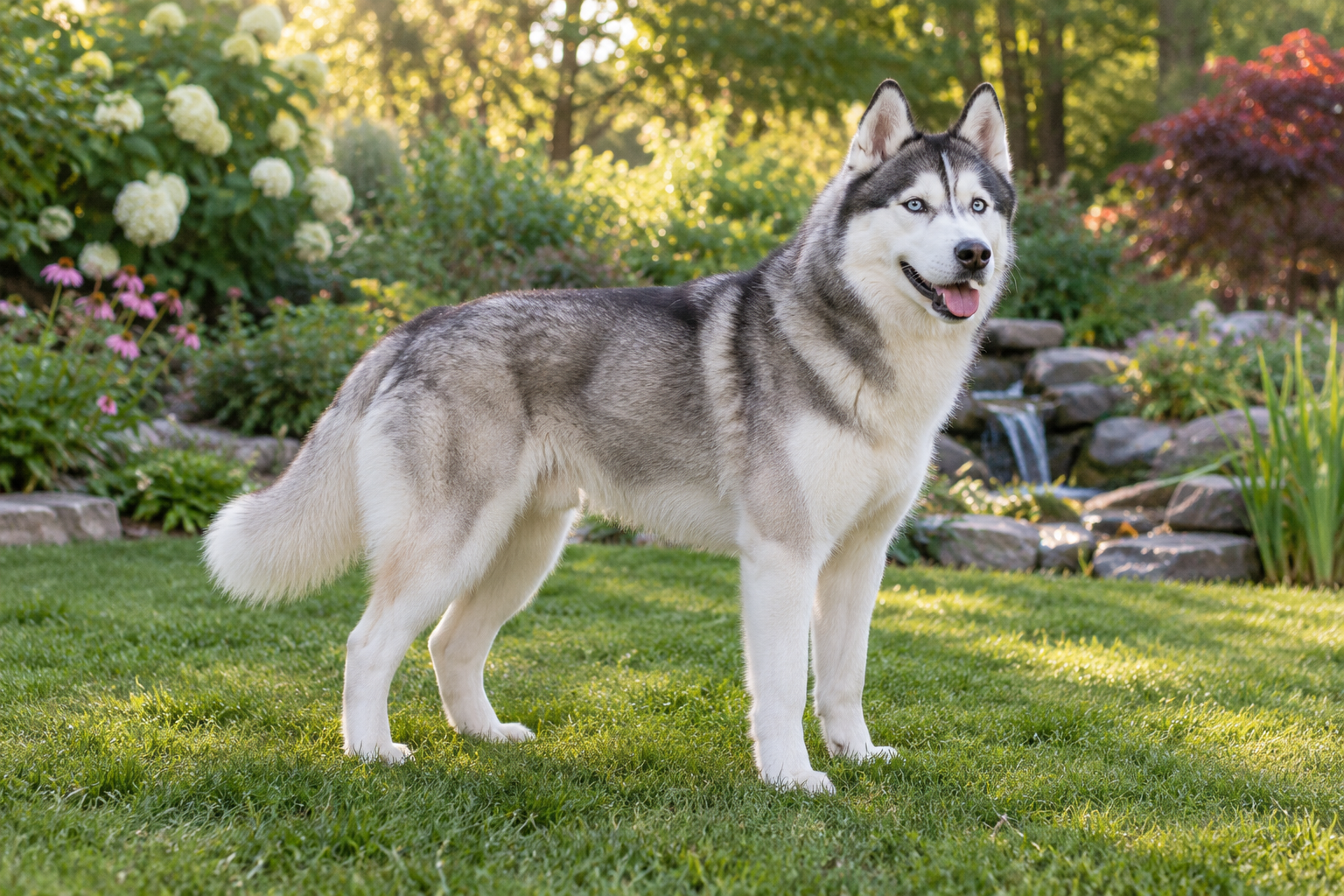 Siberian HuskyMedium • Utility (Group 6)
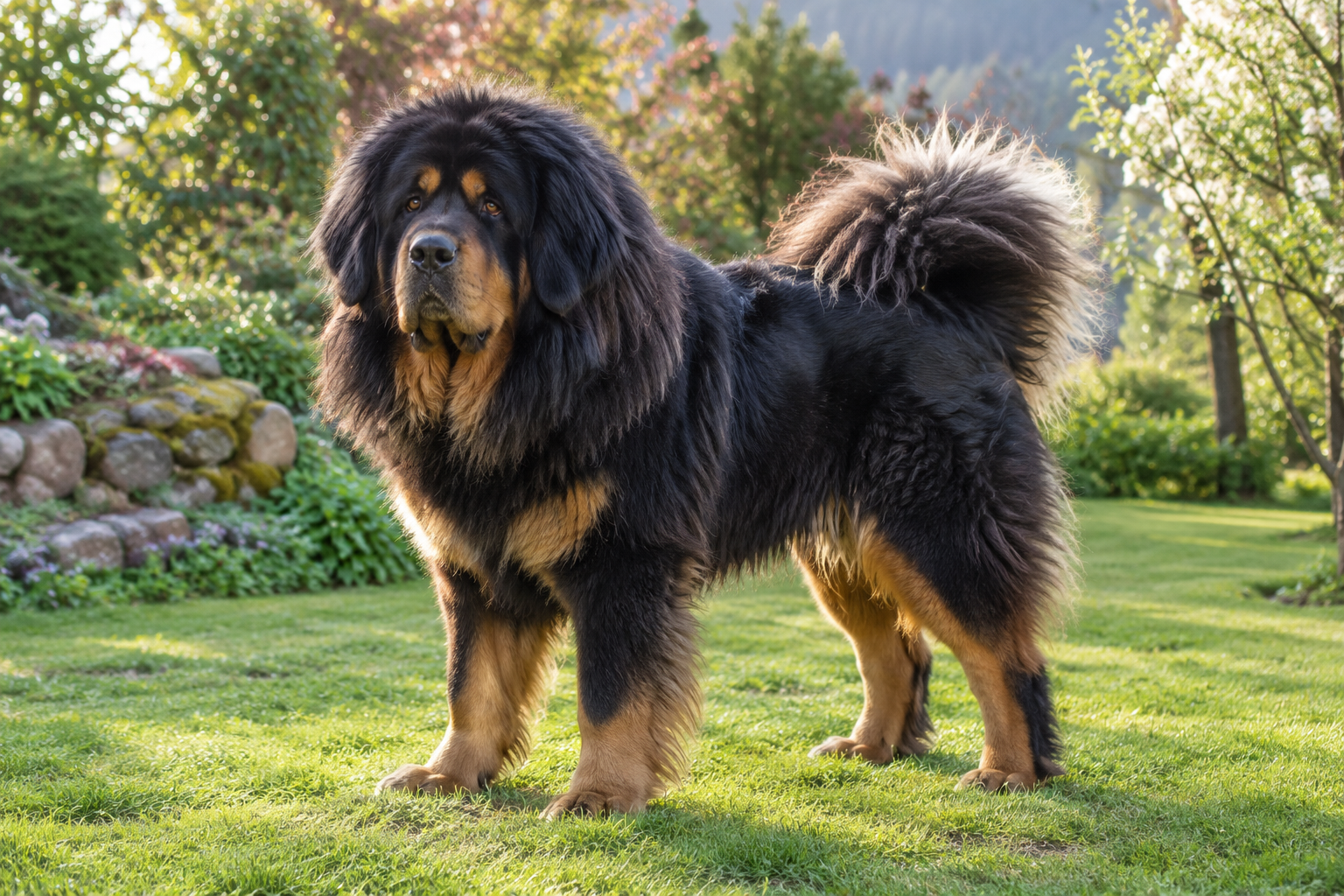 Tibetan MastiffGiant • Utility (Group 6)
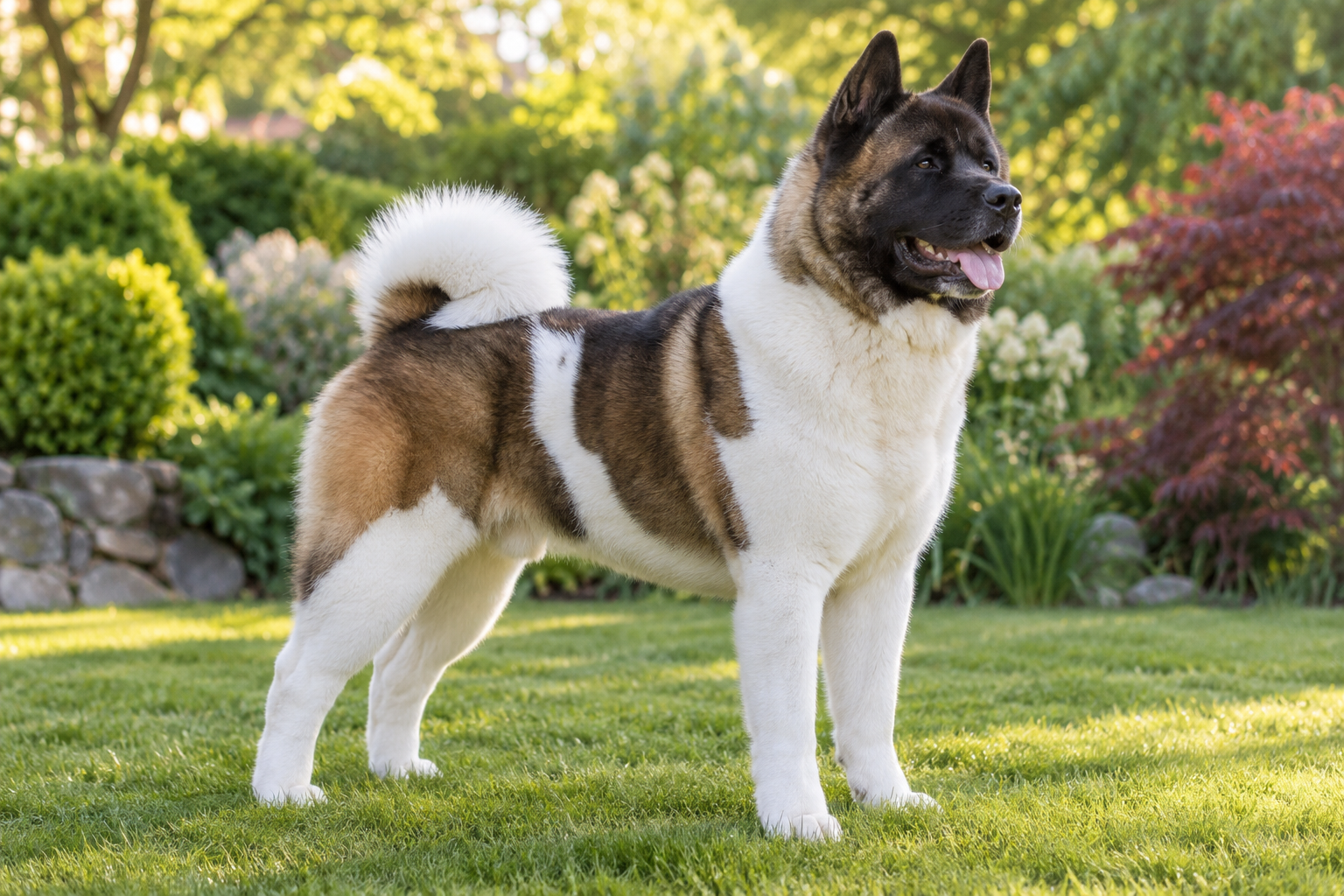 AkitaLarge • Utility (Group 6)