Akita
By James C. • Updated
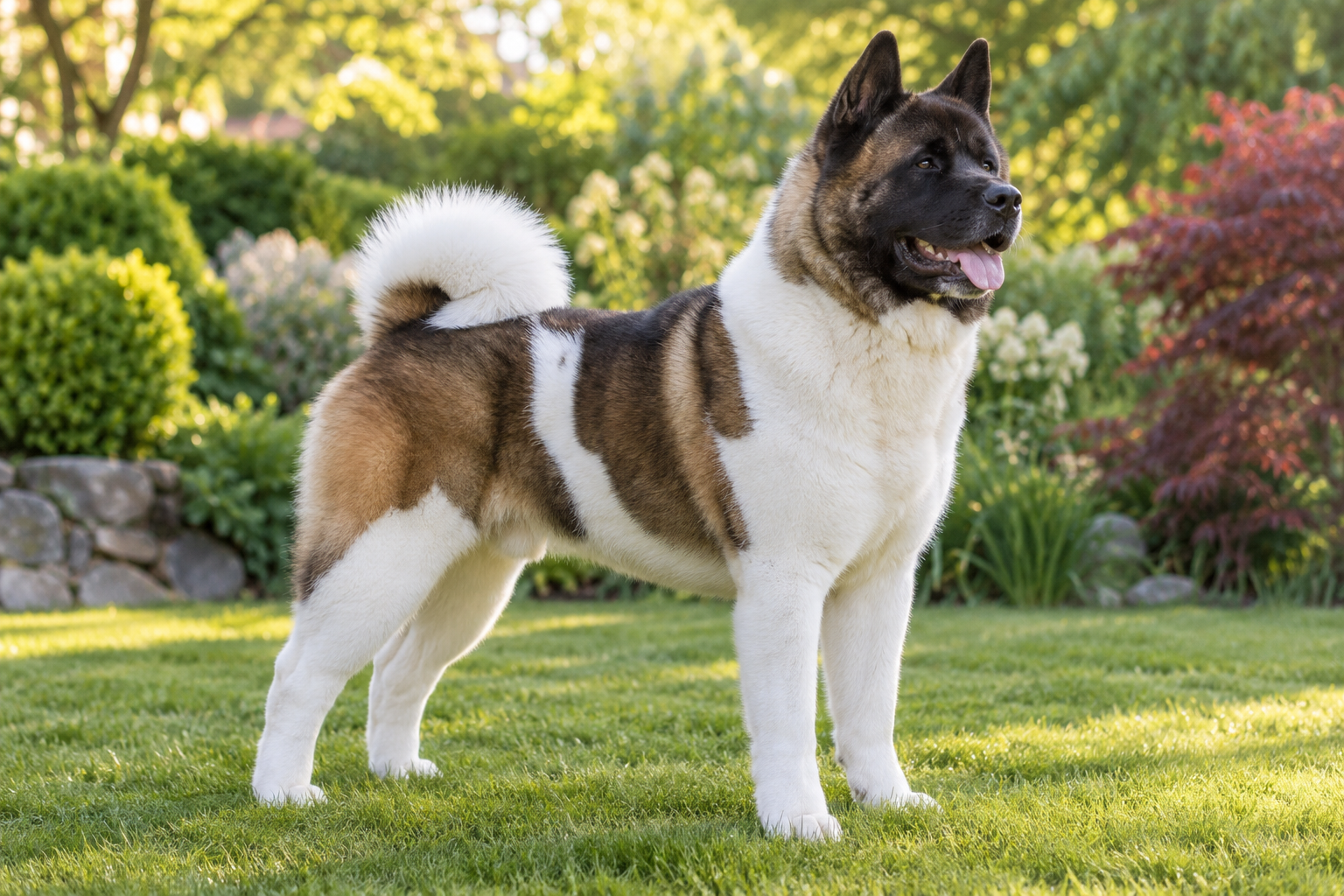
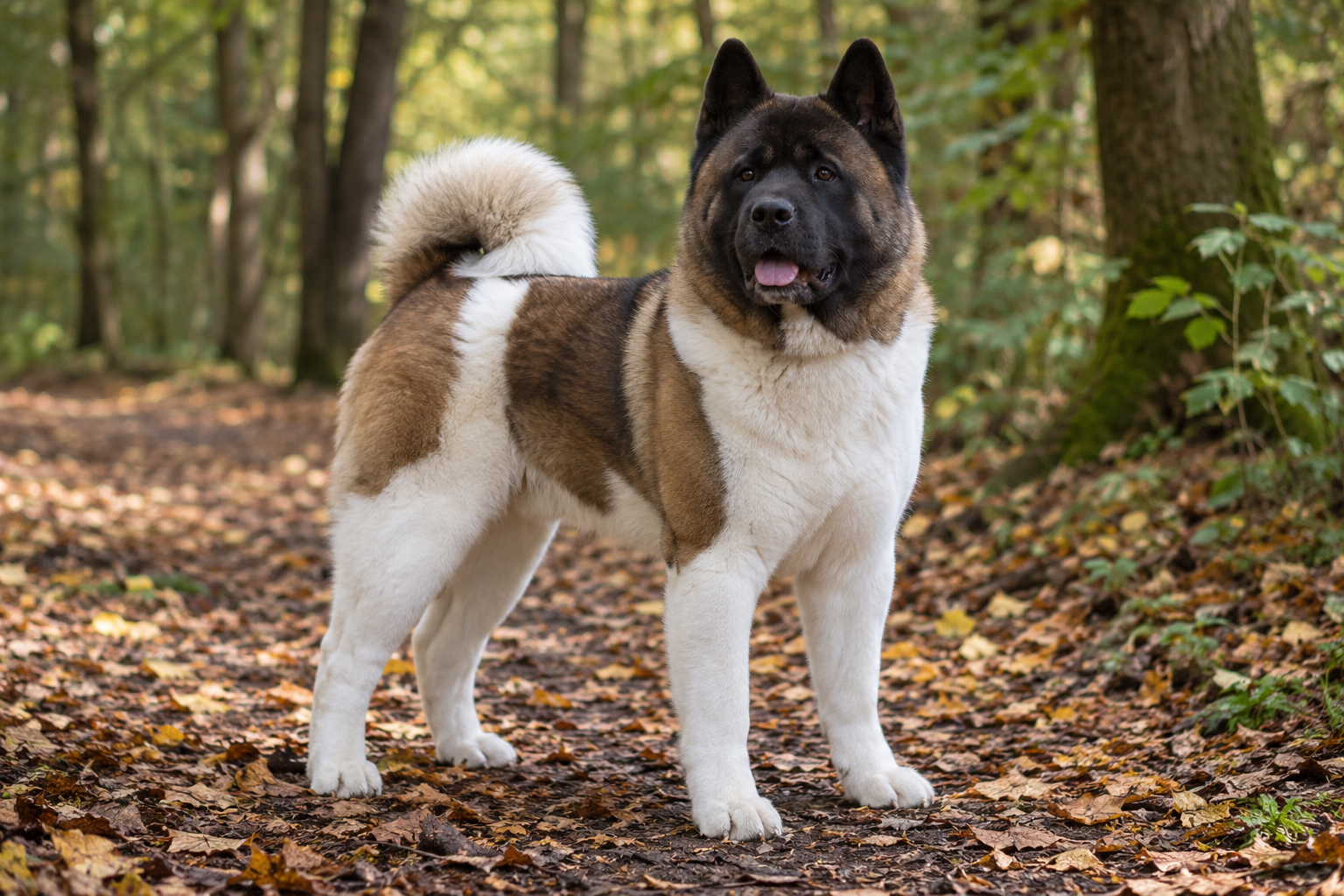
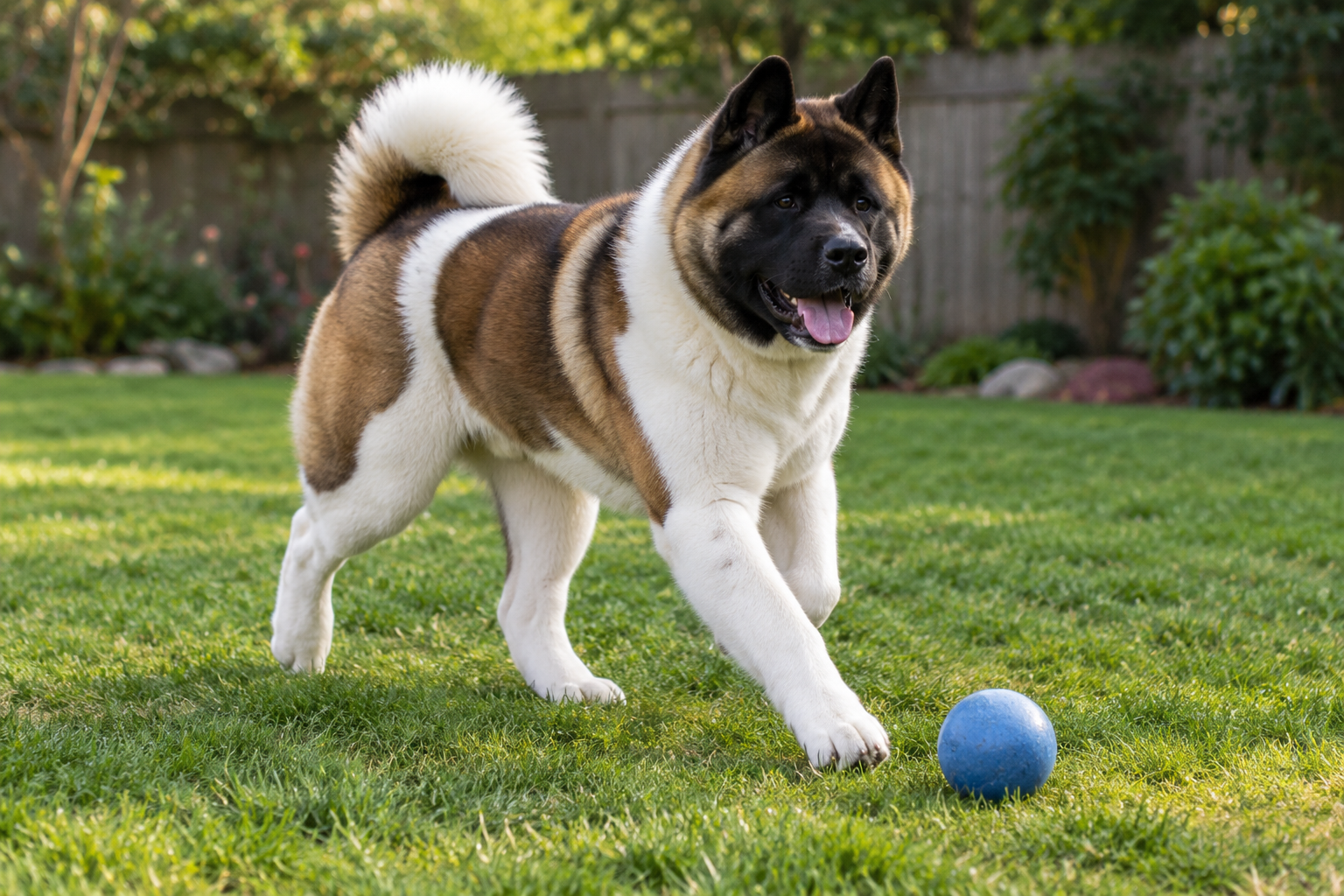
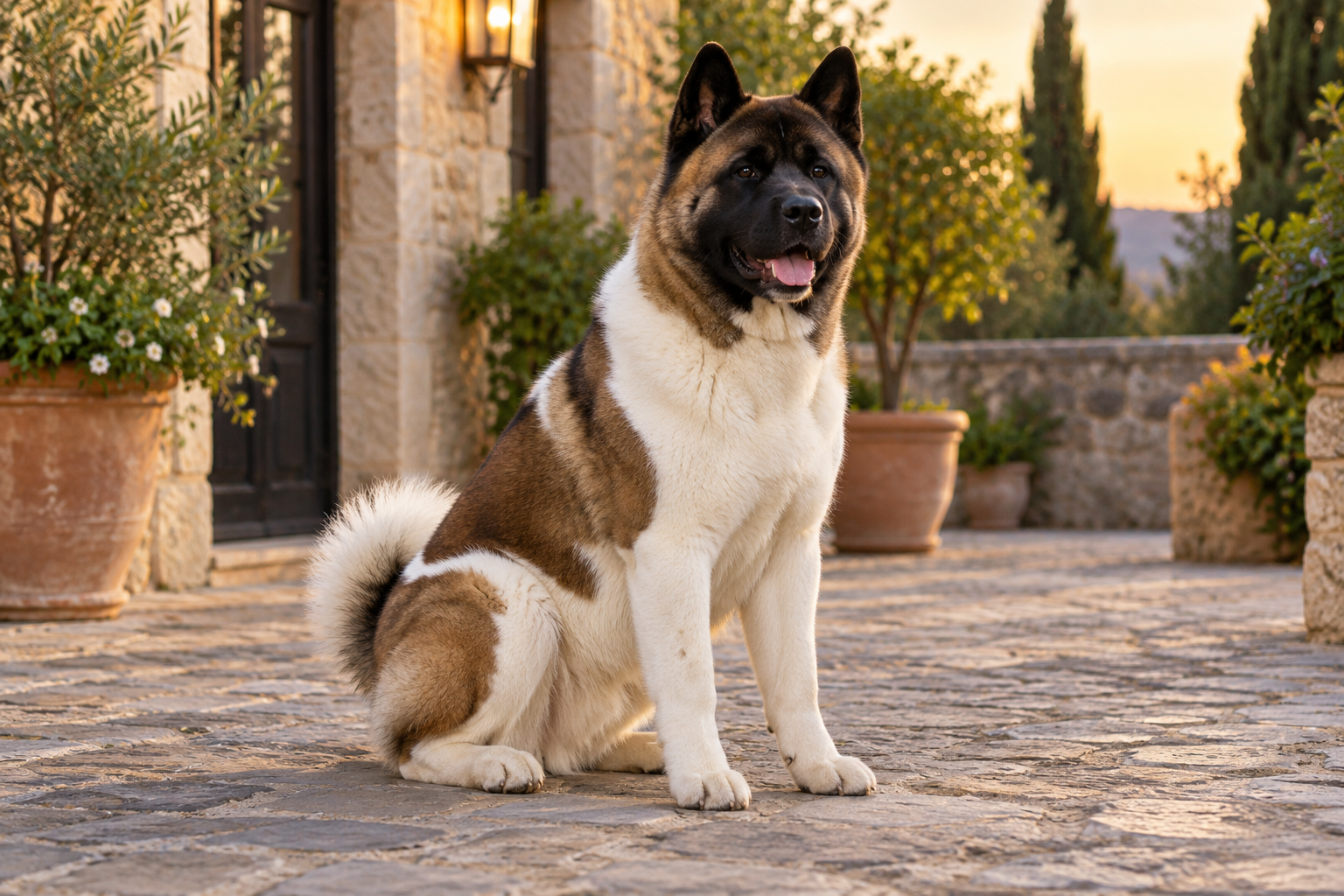
The Akita is a large, powerful spitz breed with roots in Akita Prefecture in northern Japan, where it was used for hunting and guarding. Dogs Australia recognises two separate breeds: the Akita, which descends from the heavier American type, and the Akita (Japanese), known overseas as the Akita Inu. Akitas are dignified, loyal and reserved with strangers, and they can show dominance over other dogs, particularly of the same sex. Males stand 66 to 71 cm and females 61 to 66 cm under the Dogs Australia standard, with a lifespan of around 10 to 12 years. The Akita is not a restricted breed in Australia, though its size, guarding instinct and heavy double coat make it a breed for experienced owners.
Breed Overview
Life Span
10 - 12 years
Average Price
AUD 3700 - AUD 5000
Weight
Male: 39 - 59 kg Female: 29 - 50 kg
Height
Male: 66 - 71 cm Female: 61 - 66 cm
Life Expectancy
Male/Female: 10 - 12 years
Breed Group
Utility (Group 6)
Nicknames
American Akita, Great Japanese Dog
Breed Information
The Akita is a large, powerful and dignified spitz breed from northern Japan, and in Australia it is recognised as two separate breeds: the Akita and the Akita (Japanese). The Akita descends from the heavier type developed in the United States after the Second World War, while the Akita (Japanese), or Akita Inu, follows the lighter, fox-like Japanese type. Anyone buying a puppy needs to know which of the two a breeder produces, because size, colour and appearance differ.
The Akita is not a restricted breed in Australia. Restricted breed laws apply to the American Pit Bull Terrier, Perro de Presa Canario, Dogo Argentino, Japanese Tosa and Fila Brasileiro, the list set out by Agriculture Victoria's restricted breed guidance. The Japanese Tosa is probably the source of the confusion, since it is a different Japanese breed entirely.
That legal clarity does not make the Akita an easy dog. It is aloof with strangers, protective of its home and often intolerant of other dogs, and it carries a heavy double coat in a hot country. With the right owner, though, it is a calm, clean and deeply loyal companion.
Characteristics of the Akita
The Akita rates highly for loyalty, intelligence and guarding, and low for tolerance of other dogs and suitability for beginners, which is the trade-off every prospective owner should weigh.
| Trait | Rating | Star Rating | Meaning |
|---|---|---|---|
| Size | Large | ★★★★★ | Commonly 29 to 59 kg, with great strength and heavy bone. |
| Adaptability | Low | ★★ | Needs space, shade and cool conditions, and dislikes change. |
| Exercise Needs | Moderate | ★★★ | An hour or more daily, on lead, in cool parts of the day. |
| Easy to Train | Low | ★★ | Intelligent but independent, and easily bored by repetition. |
| Amount of Shedding | High | ★★★★ | Moderate year round, with heavy coat blows once or twice a year. |
| Grooming Needs | Moderate | ★★★ | Weekly brushing, daily during a coat blow. |
| Good With Children | Moderate | ★★★ | Devoted to its own family, but large and intolerant of rough handling. |
| Health | Moderate | ★★★ | Prone to several joint, eye and autoimmune conditions. |
| Cost to Keep | High | ★★★★ | Large dog food, insurance and grooming costs add up. |
| Tolerates Being Alone | Moderate | ★★★ | More independent than many breeds, but needs family contact. |
| Intelligence | High | ★★★★ | Quick to learn and quick to decide whether a task is worth doing. |
History of the Akita: From Japanese Hunting Dog to National Treasure
The Akita takes its name from Akita Prefecture in northern Honshu. Dogs Victoria describes the breed as a national treasure of Japan, named after the Odate region, and traditionally used as a family guardian and for hunting, tracking and companionship. Its ancestors, the medium-sized Matagi dogs, hunted large game such as bear and boar in snowy mountain country.
From the late nineteenth century the local dogs were crossed with Tosas and Mastiffs, partly for dog fighting, which increased their size but diluted the original type. Japanese enthusiasts then worked to restore the breed, and it was declared a natural monument of Japan in 1931. The story of Hachiko, an Akita who kept waiting at Tokyo's Shibuya Station for years after his owner's death in 1925, made the breed famous, and the Hachiko story remains part of Japanese culture today.
The Second World War nearly destroyed the breed. Afterwards, Japanese breeders rebuilt it around the lighter, fox-like type, while American servicemen took larger, heavier dogs home to the United States, where they developed into what Australia now calls the Akita. Most kennel bodies, including Dogs Australia, have since separated the two into different breeds with different standards.
Appearance of the Akita: Large, Powerful, and Spitz Type
Size and Build
The Dogs Australia Akita standard describes a large, powerful, alert dog with much substance and heavy bone, standing 66 to 71 cm for dogs and 61 to 66 cm for bitches. The body is longer than high, with a deep, wide chest. The Akita (Japanese) standard gives 67 cm for dogs and 61 cm for bitches, with a tolerance of 3 cm either way, and the Japanese type is noticeably lighter and finer.
Coat and Colours
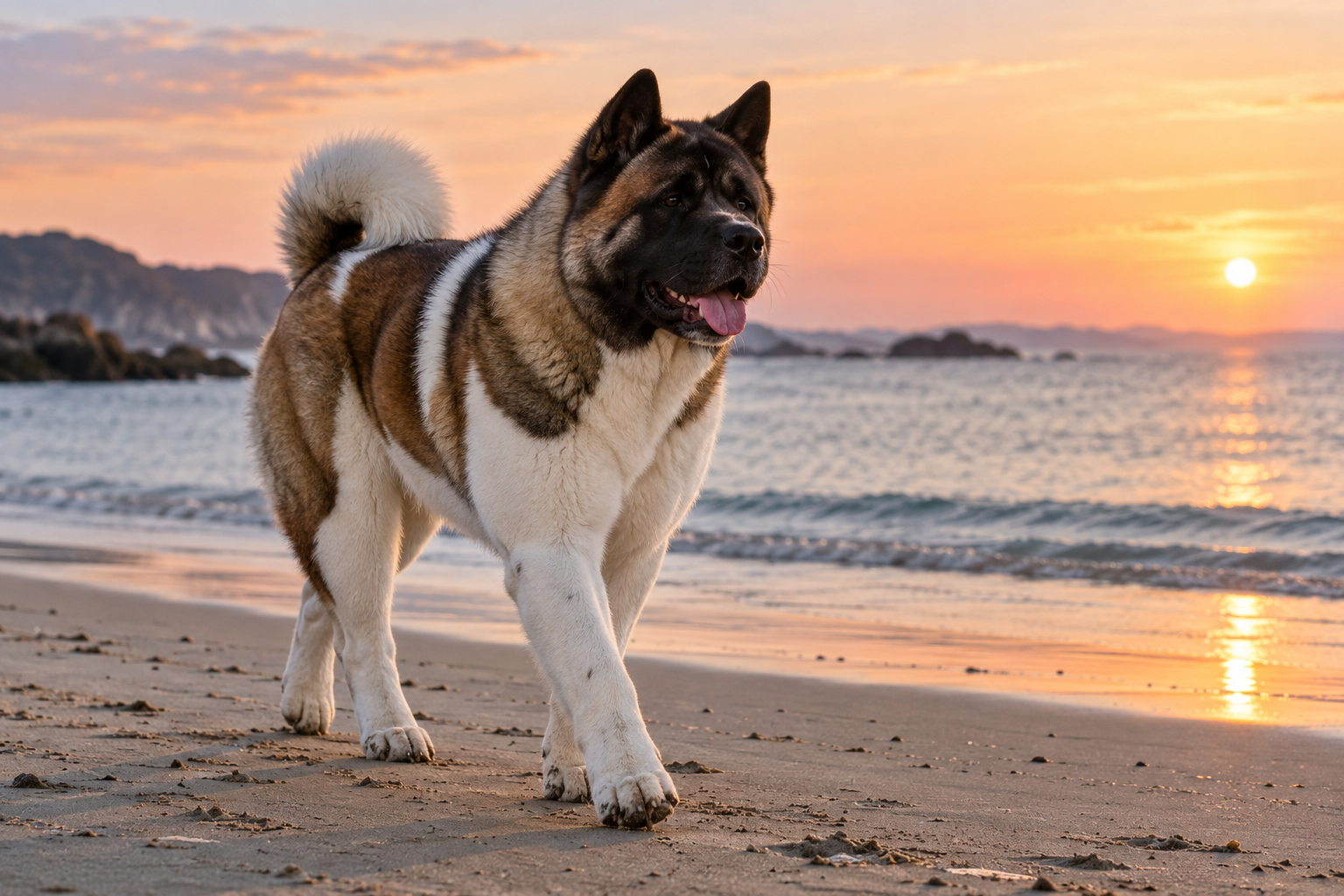
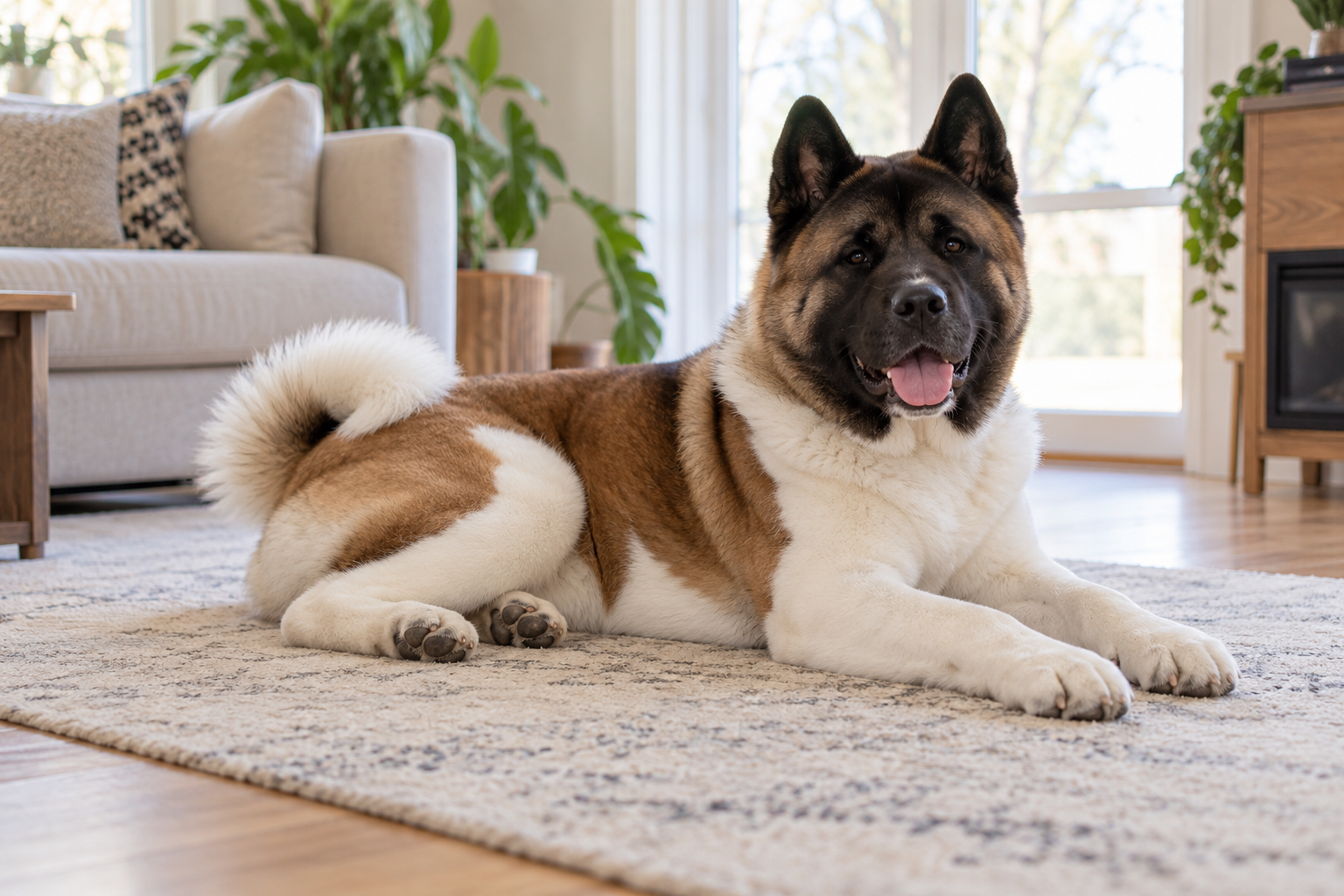
Both breeds carry a thick double coat with a coarse, straight outer coat standing off the body and a soft, dense undercoat. The Akita may be any colour except merle, including white, brindle and pinto, often with a dark mask. The Akita (Japanese) is limited to red fawn, sesame, brindle and white, and all colours except white must show urajiro, the whitish coat on the muzzle, cheeks, chest and underside.
Akita Versus Japanese Akita
Buyers often search for "Akita Inu" and "American Akita" without realising Dogs Australia treats them as separate breeds. The table below compares them using each standard.
| Feature | Akita | Akita (Japanese) |
|---|---|---|
| Height | Males 66 to 71 cm, females 61 to 66 cm | Males 67 cm, females 61 cm, plus or minus 3 cm |
| Build | Heavy bone, broad bear-like head | Lighter, with a fox-like head |
| Colours | Any colour except merle, mask allowed | Red fawn, sesame, brindle or white, with urajiro |
| Temperament wording | Dignified, courageous, aloof | Composed, faithful, docile, receptive |
Gender Differences
The breed is clearly sexually dimorphic. Males are taller, heavier and broader through the head and neck, and they are more likely to show same-sex aggression. Females are smaller and sometimes a little easier to manage, but still large, strong dogs.
Temperament of the Akita: Dignified, Loyal, and Protective
Core Personality Traits
The Dogs Australia standard describes the Akita as dignified, courageous and aloof. At home, most Akitas are calm, quiet and affectionate with their own people, and they are famously clean, with little doggy odour. They are not demonstrative with everyone, and they rarely bark without reason.
Social Behaviour
Is an Akita an aggressive dog? Not typically towards its own family, but it is reserved with strangers and can be aggressive towards other dogs. The breed standard notes a tendency to show dominance over other dogs, and Dogs Victoria warns that Akitas often do not get along with dogs of the same sex. That is a management issue for owners, not a legal category.
Working Instincts
Akitas were bred to hunt large game and guard property, and both instincts remain. Prey drive can be strong, and Dogs Victoria advises very suitable fencing and lead walking for that reason. The guarding instinct means an Akita will often place itself between its family and a stranger.
Common Behavioural Challenges
Same-sex dog aggression is the most important behavioural issue in this breed. Other common challenges include territorial behaviour towards visitors, resource guarding of food or toys, chasing cats and small animals, and stubbornness in training. Early socialisation and calm, consistent leadership make the difference.
Intelligence and Trainability of the Akita: Clever, Independent, and Easily Bored
Intelligence and Learning Ability
Akitas are intelligent and learn quickly, but they decide for themselves whether a task is worthwhile. Dogs Victoria notes that they can seem stubborn because they get bored with rigid, repetitive methods.
Training Approach
Keep sessions short, varied and reward-based, and stop while the dog is still engaged. Harsh corrections damage trust with a proud, sensitive breed and can provoke confrontation. Establish lead manners, handling and food bowl manners while the puppy is small, since an adult Akita can weigh as much as a person.
Early Socialisation
Socialisation is essential and ongoing. Introduce the puppy calmly to many people, visitors at the door, vet handling, grooming and well-mannered adult dogs. Aim for calm acceptance rather than friendliness with everyone, which is not in the breed's nature.
Potential Training Challenges
Recall is unreliable in most Akitas, so off-lead freedom belongs only in secure areas. Adolescence, particularly in males, can bring a sharp increase in dog intolerance. Dog parks are generally unsuitable for adult Akitas.
Akita Family Life: Living with Children, Pets, and Households
Living with Children
Is the Akita a good family dog? It can be for an experienced family with older, respectful children. Akitas are often devoted to the children they live with, but they are large and do not tolerate rough handling or teasing. They may also react to visiting children playing loudly with their own. Always supervise children and dogs together.
Living with Other Pets
Many Akitas are happiest as the only dog. Where a second dog is kept, an opposite-sex pairing with careful introductions has the best chance. Cats raised with an Akita are sometimes accepted, but outdoor cats, rabbits, poultry and small pets are at risk from prey drive.
Household Environment
An Akita needs a house with a securely fenced yard, ideally with solid fencing at least 1.8 metres high, plus shade and cool indoor space. Dogs Victoria advises that the breed should not be left outside alone for long periods. Apartments generally do not suit a dog of this size and coat.
Lifestyle Compatibility
The breed suits experienced owners who want a calm, loyal guardian and are happy with a one-dog household. Renters should check their lease and strata by-laws, and it is worth confirming how home insurers treat large guarding breeds, even though the Akita is not restricted.
Health of the Akita: Joints, Eyes, Autoimmune Conditions, and Lifespan
Lifespan and Healthy Living
Akitas typically live 10 to 12 years, the average given by Dogs Victoria, while the Akita (Japanese) breed page gives 10 to 15 years. As with most large breeds, keeping the dog lean and avoiding over-exercise in puppyhood support a longer, healthier life.
Common Health Conditions
Owners should be aware of several conditions that can be associated with the breed. The PDSA lists hip dysplasia, bloat, eye problems and autoimmune diseases among the health problems seen in Akitas. It is best to discuss any concerns with a veterinarian.
- Hip and elbow dysplasia. Abnormal joint development that can lead to arthritis.
- Gastric dilatation volvulus (bloat). A twisting of the stomach in deep-chested dogs that is a life-threatening emergency.
- Hypothyroidism. An underactive thyroid, often autoimmune, causing weight gain, lethargy and coat changes.
- Eye conditions. Progressive retinal atrophy, glaucoma, inherited cataracts, entropion and ectropion.
- Sebaceous adenitis. An inflammatory skin condition that causes scaling and hair loss.
- VKH-type (uveodermatological) syndrome. An autoimmune disease affecting the eyes and skin, with eye inflammation and loss of pigment.
Genetic Health Testing
Ask for hip and elbow scores and a current eye examination certificate for both parents. Dogs Victoria recommends that parents be screened for hip and elbow dysplasia. Ask too about thyroid testing and any history of autoimmune disease in the line, since these conditions have no simple DNA test and a breeder's honesty is the best guide.
Preventative Health Care
Learn the signs of bloat, which include a swollen belly, retching without producing anything and restlessness, and treat them as an emergency. Feed two or three smaller meals rather than one large one and rest the dog around meals. Keep vaccinations and parasite prevention current, including paralysis tick prevention on the east coast, where ticks are harder to find in a thick coat.
Caring for the Akita: Daily Care and Living Environment
Daily Care Routine
A good Akita day includes a long walk in the cool of the morning or evening, time with the family, a short training session and a quick brush. Meals should be split and measured. Check the coat and skin regularly, particularly during a coat blow.
Living Environment Requirements
Provide solid, secure fencing, a shaded and cool resting area, constant fresh water and indoor access. Akitas value routine and a calm household, and they do best when included in family life rather than left in the yard.
Climate Sensitivity
Heat is a serious concern for a heavy double-coated breed developed in snowy northern Japan. In Australian summers, exercise only at the coolest times, provide air conditioning or cool tiles indoors, and never leave the dog in a car. Check safe temperatures for dogs in Australian summers before walking, and do not shave the coat, which helps insulate the dog from heat as well as cold.
Caring for Senior Akitas
From around eight years, many Akitas slow down and may develop arthritis or thyroid problems. Keep exercise gentle and regular, maintain a lean weight, provide soft bedding and non-slip floors, and move to six-monthly vet checks with blood tests.
Grooming of the Akita: Managing a Heavy Double Coat
Coat Maintenance
Brush once or twice a week with a slicker brush and undercoat rake to remove loose hair and prevent matting. A simple grooming routine for double-coated dogs covers most of what an Akita needs between coat blows.
Managing the Coat Blow
Dogs Victoria notes that the Akita will drop almost its entire coat once or twice a year. During a blow, daily brushing for two to three weeks keeps the shedding under control, and a good vacuum cleaner is essential. Understanding the difference between normal shedding and blowing coat helps owners plan ahead.
Ear, Nail, and Dental Care
Check ears weekly and trim nails every three to four weeks. Brush teeth several times a week. Start handling feet, ears and mouth early, since grooming a resistant adult Akita is hard work.
Bathing and Professional Grooming
Dogs Victoria recommends a bath and blow dry every few months. The thick undercoat must be dried thoroughly to the skin to prevent hot spots, which is why many owners use a professional groomer with a high-velocity dryer.
Exercise Needs of the Akita: Steady Daily Activity in Cool Conditions
Daily Exercise Requirements
Adult Akitas generally need 60 to 90 minutes of exercise a day, made up of brisk walks and free movement in a secure yard. They are not hyperactive, but an under-exercised Akita can become bored, destructive or more reactive.
Activities Akitas Enjoy
Long walks, hiking in cool weather, scent work, tracking and structured training suit the breed. Many Akitas enjoy cool water. Group activities with unfamiliar dogs, such as dog parks, are best avoided.
Exercise by Life Stage
Puppies need short walks and gentle play, with no forced running or jumping while large-breed joints develop. Build up gradually to adult exercise by around 18 months. Seniors need shorter, gentler outings.
Importance of Mental Stimulation
Puzzle feeders, scent games and training keep an intelligent Akita engaged, and they are invaluable on hot days when outdoor exercise must be cut back. After walks in tick areas, part the coat and check carefully, especially around the head, neck and chest.
Feeding the Akita: Nutrition and Diet Needs
Nutritional Requirements
A complete and balanced diet for large breeds suits most Akitas. Choose a food appropriate to the dog's life stage and activity level, and discuss any skin or coat problems with your vet before changing diets.
Feeding by Life Stage
Akita puppies need a large-breed puppy food that supports steady, not rapid, growth. Following a large-breed puppy feeding schedule helps protect developing joints. Adults do well on two meals a day, and seniors may need fewer kilojoules.
Portion Control and Weight Management
Keep the dog lean, with ribs that can be felt under the coat. Extra weight strains hips and elbows and reduces heat tolerance. Weigh meals, since a thick coat can hide weight gain.
Special Dietary Considerations
Feed two or three smaller meals a day to help reduce bloat risk, and avoid vigorous exercise for an hour before and after eating. Some Akitas guard food, so feed them separately from other pets. Avoid grapes, sultanas, chocolate, onion, garlic, macadamias, cooked bones and xylitol.
Akita Price in Australia: Purchase Cost and Ongoing Expenses
Puppy Purchase Price
Expect to pay roughly $3,700 to $5,000 for a registered Akita puppy in Australia, and expect to wait. On 17 October 2026, Dogz Online showed no Akita litters nationally, and there were no Akita (Japanese) litters either, from around 15 Akita and 5 Akita (Japanese) breeders listed. The most recent priced Australian listings found, from late 2024, were $3,700 in Queensland and $4,500 in New South Wales, with a limited register Japanese Akita in Tasmania at $4,500.
Because supply is so low, any breeder advertising multiple Akita puppies ready now at a low price deserves careful checking. Confirm which breed the puppy is, Akita or Akita (Japanese), and confirm the breeder's Dogs Australia state membership.
Initial Setup Costs
RSPCA NSW lists first-year costs including $60 to $80 for microchipping, $280 to $420 for puppy vaccinations, $350 to $650 for desexing, $100 to $200 for a bed and around $170 for puppy school. For an Akita, add a large crate, heavy-duty grooming tools and, if needed, fencing upgrades.
Ongoing Monthly Costs
| Cost | Typical figure (AUD) | Source |
|---|---|---|
| Food | Above the RSPCA NSW estimate of around $600 per year, given a 29 to 59 kg dog | RSPCA NSW |
| Flea and worming treatment | $200 to $250 per year, higher for heavier dogs | RSPCA NSW |
| Annual vaccination and vet check | From $140 per year | RSPCA NSW |
| Pet insurance | Around $1,834 per year for a large dog, accident and illness | Canstar, 2026 |
| Professional grooming | Optional, mainly during coat blows | Varies by groomer |
Canstar's 2026 average for large dog accident and illness insurance is around $1,834 a year. With bloat surgery, joint problems and autoimmune disease all possible in the breed, cover taken out while the puppy is young is worth serious consideration.
Long-Term Financial Commitment
Dog-owning households spend about $2,520 a year on average, according to the Animal Medicines Australia 2025 survey. An Akita is likely to sit above that because of its size, and emergency bloat surgery or lifelong medication for thyroid or autoimmune disease can add significantly over a 10 to 12 year life.
Buying Advice for an Akita: Choosing a Healthy Puppy
Choosing a Responsible Breeder
Choose a breeder registered with a Dogs Australia state body who is clear about whether they breed the Akita or the Akita (Japanese), health screens their dogs and asks you detailed questions about your home and experience. Be prepared to join a waiting list. Reviewing the questions worth asking a breeder before you call makes the conversation far more useful.
Health Checks Before Purchase
Meet the mother, and the father if possible, and pay close attention to their temperament with visitors. Look for clear eyes with no squinting, a clean, full coat and sound movement in the puppy. Ask for vet check, vaccination, worming and microchip records.
Questions to Ask the Breeder
- Is this litter Akita or Akita (Japanese), and what register will the puppy be on?
- Can I see hip and elbow scores and eye examination results for both parents?
- Has any dog in the line had thyroid disease, sebaceous adenitis, VKH-type syndrome or bloat?
- How do the parents behave with strangers and with other dogs?
- What is your Dogs Australia state membership number?
- How have the puppies been socialised with people, handling and household noise?
- Will you take the dog back at any stage if I cannot keep it?
Considering Adoption
Akitas occasionally appear in breed rescue and general shelters, often as adults surrendered because of size or issues with other dogs. An adult Akita whose temperament has been assessed can be an excellent choice for an experienced owner, particularly as a single dog.
Is the Akita Right for You? A Loyal Guardian for Experienced Owners
Lifestyle Compatibility
The Akita suits experienced owners who want a calm, loyal and protective companion, ideally as the only dog.
It is a poor fit for first-time owners, busy multi-dog homes and hot, unshaded yards.
Time and Care Commitment
Plan for an hour or more of exercise a day, ongoing training and socialisation, and heavy grooming during coat blows, for 10 to 12 years.
Grooming and Health Awareness
Learn the signs of bloat, protect the dog from heat, and choose a puppy from health-screened parents.
Insurance taken out early is a sensible safeguard.
Ideal Owner Profile
The ideal Akita owner is calm, consistent and confident, lives in a home with secure fencing and good shade, and values loyalty over sociability.
Find Akita Puppies for Sale
Akita litters are rare, so start early. You can browse puppies for sale on Pups4Sale and contact registered breeders about upcoming litters and waiting lists.
Frequently Asked Questions
Related Breeds
Other working breeds on Pups4Sale.
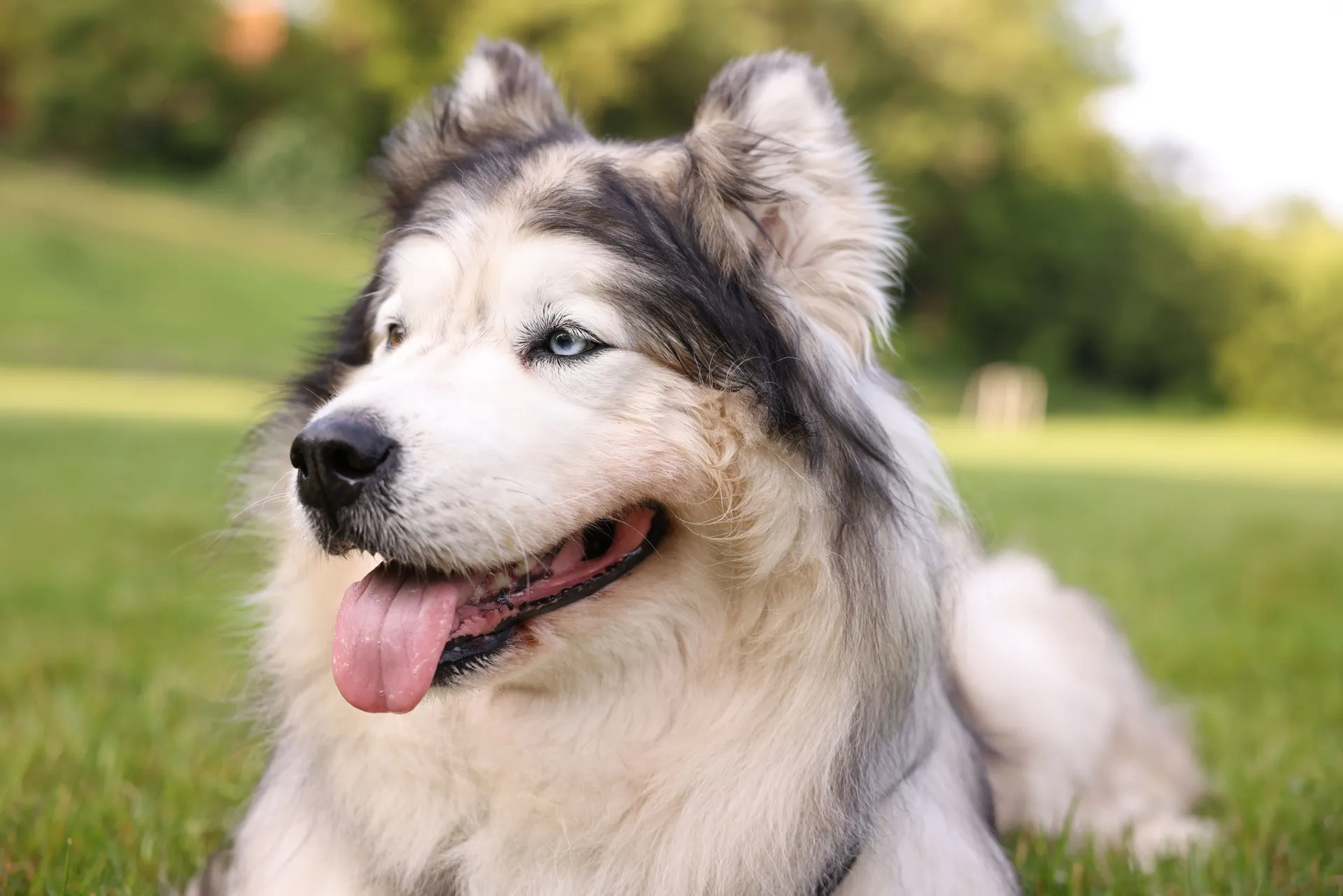 Alaskan MalamuteLarge • Working
 American BulldogLarge • Working
 Anatolian Shepherd DogLarge • Working
- Australian ShepherdMedium • Working Dogs
 Bernese Mountain DogLarge • Working
 Black Russian TerrierLarge • Utility (Group 6), registered as Russian Black Terrier