Bernese Mountain Dog
By James C. • Updated
The Bernese Mountain Dog is a large, calm Swiss farm breed with a striking tri-colour coat and a famously gentle way with children. Berners are devoted to their families and need moderate daily exercise, heavy brushing, plenty of company and protection from heat. Owners should plan for high running costs and a short lifespan of around 7 to 9 years.
Breed Overview
Life Span
7 - 9 years
Average Price
AUD 3000 - AUD 5000
Weight
Male: 41 - 54 kg Female: 32 - 55 kg
Height
Male: 66 - 70 cm Female: 58 - 66 cm
Life Expectancy
Male/Female: 7 - 9 years
Breed Group
Working
Nicknames
BMD, Berner Sennenhund, Bernese Cattle Dog, Berner
Breed Information
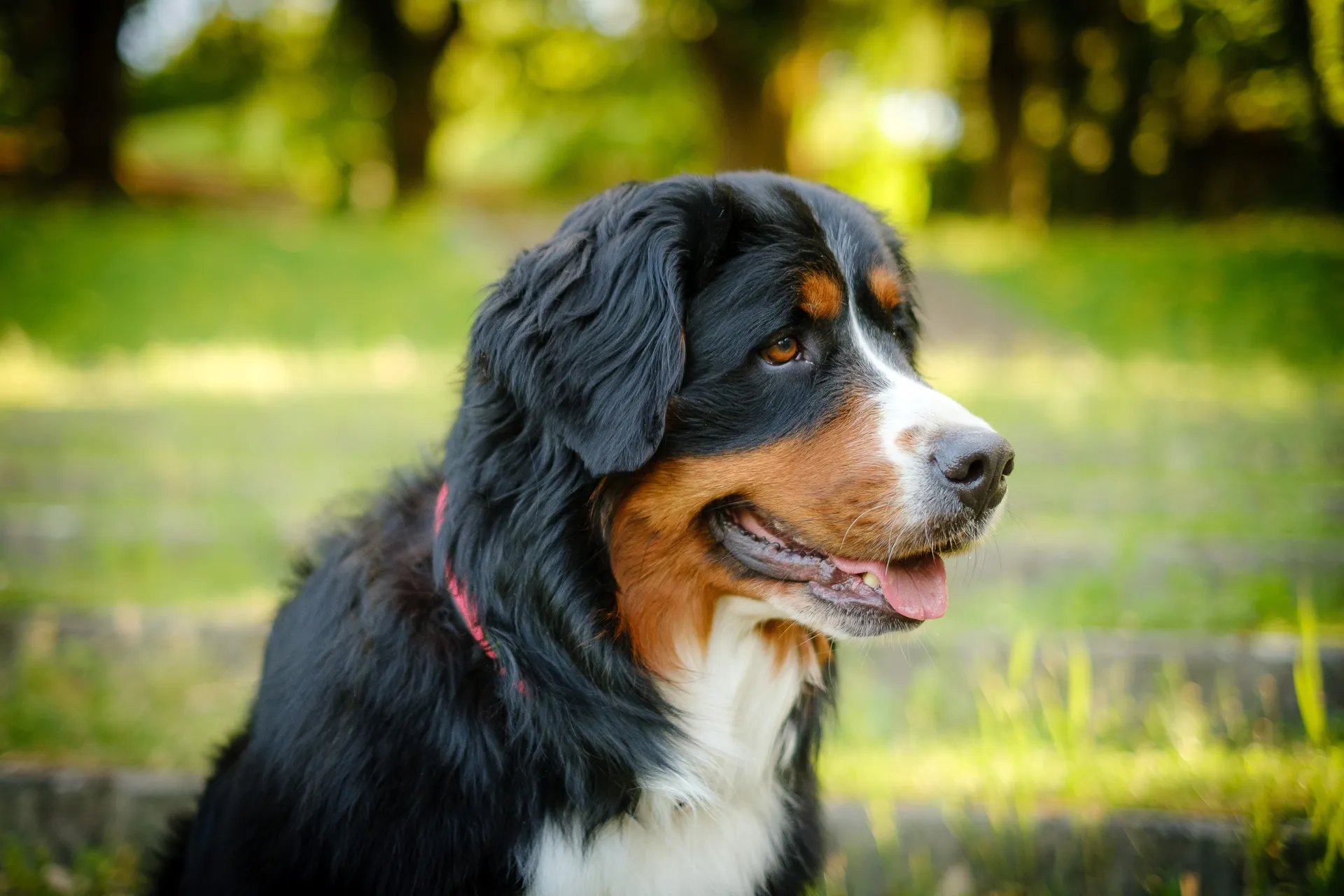
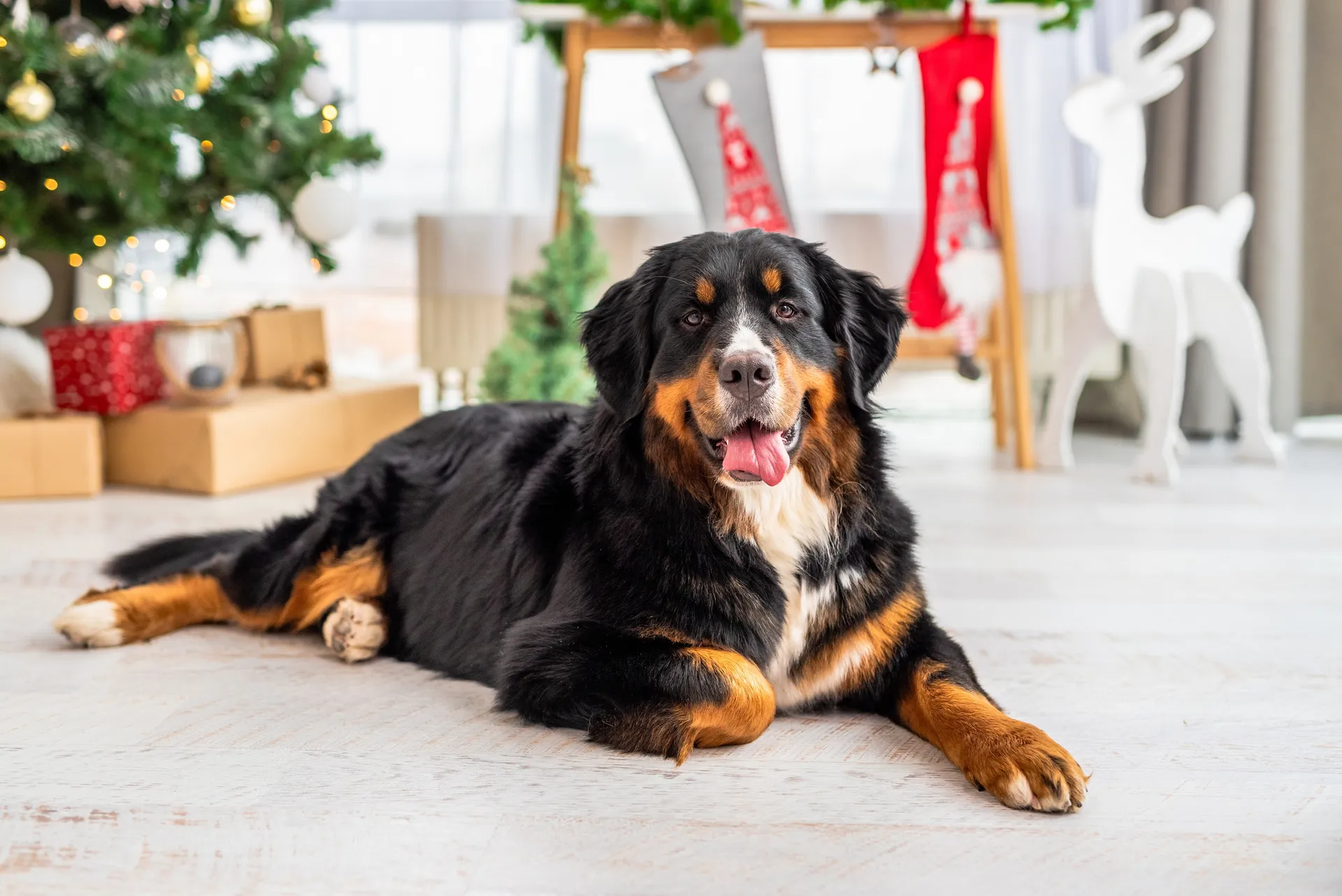
The Bernese Mountain Dog is big, strong and remarkably gentle. Bred in the Swiss Alps to pull carts, guard livestock and help on the farm, it pairs real physical power with a soft, affectionate nature and that unmistakable black, rust and white coat.
Berners suit families and individuals who want a steady, people-focused dog, not a high-drive worker. They want to be part of daily family life and are especially patient with kids. They aren't overly energetic, but they still need regular exercise and mental work to stay healthy and settled, especially through the early stages of puppy training and behaviour development.
Go in with your eyes open. This is a large breed with heavy grooming needs and a shorter-than-average lifespan. If you're ready for that, a Berner brings warmth, devotion and a gentle presence to the home that few breeds can match.
Bernese Mountain Dog Characteristics: What Everyday Life With a Berner Looks Like
Physically powerful, emotionally soft. That combination is why so many families want a Berner: a calm, affectionate dog with real presence.
| Characteristic | Rating | Star Rating | What This Means for You |
| Size | Large | ⭐⭐⭐⭐⭐ | A substantial dog that needs room to move indoors and out. |
| Adaptability | Moderate | ⭐⭐⭐☆☆ | Fits into family routines well but struggles with long periods alone. |
| Exercise Needs | Moderate | ⭐⭐⭐☆☆ | Daily walks and light work keep them fit. No need for high intensity. |
| Easy to Train | High | ⭐⭐⭐⭐☆ | Keen to please and responds well to calm, positive training. |
| Amount of Shedding | High | ⭐⭐⭐⭐☆ | Sheds heavily all year, with noticeable seasonal peaks. |
| Grooming Needs | High | ⭐⭐⭐⭐☆ | Needs frequent brushing and regular coat care to prevent matting. |
| Good With Children | Excellent | ⭐⭐⭐⭐⭐ | Famously patient and gentle, which makes them great family dogs. |
| Health of Breed | Sensitive | ⭐⭐☆☆☆ | A shorter lifespan and higher health risks mean planning ahead. |
| Cost to Keep | High | ⭐⭐⭐⭐☆ | Food, grooming, insurance and vet care all reflect their size and health needs. |
| Tolerates Being Alone | Low | ⭐⭐☆☆☆ | Very people-focused and prone to separation anxiety if left alone too often. |
| Intelligence | Good | ⭐⭐⭐⭐☆ | Bright and capable, but not as driven as high-intensity working breeds. |
A Berner is for a household that wants a calm, affectionate dog rather than an athlete. Give it space, company and consistent care and it repays you with loyalty and patience.
History of the Bernese Mountain Dog: Switzerland's All-Purpose Farm Companion
The breed comes from the Swiss Alps, where farming communities needed one dog that could do a bit of everything. For centuries Berners were valued for strength, reliability and a calm head, not speed.
Alpine Origins and Early Use
Berners herded cattle, guarded farmyards and pulled heavy carts of milk and produce to market. With a broad chest and powerful hindquarters, they made excellent draft dogs, capable of pulling several times their own body weight. Their steady nature meant they could work long hours and still be trusted around livestock and children.
The Swiss name, Berner Sennenhund, means "Bernese Alpine herdsman's dog", which tells you both where they're from and what they did. They worked the farm by day and lay by the fire at night.
Preservation and Breed Recognition
By the late 19th century, mechanised farming had reduced the need for working farm dogs and Berner numbers fell sharply. Swiss breeders, led by Professor Albert Heim, set out to save the breed. Heim helped formalise the standard in the early 20th century, with the focus on sound structure, stable temperament and working ability.
Recognition outside Switzerland followed in the early to mid 20th century, and kennel clubs internationally later accepted the breed. Most Berners today are family dogs, not farm workers, but the strength, loyalty and steady working mindset are still there.
Appearance of the Bernese Mountain Dog: Strength Wrapped in Alpine Elegance
You can spot a Berner from across a park. Big, balanced and tri-coloured, it was built for hard work in Alpine conditions, and every part of it says strength and endurance rather than speed.
Size, Structure, and Build
These are large, solid dogs with a powerful but proportionate frame. Males usually stand 66 to 70 cm at the shoulder and weigh 41 to 54 kg. Females are a little smaller at 58 to 66 cm and 32 to 45 kg. The body is muscular and broad-chested, with strong bone and a level topline suited to pulling and carrying.
For all that size, a Berner moves with a steady, ground-covering gait. It looks controlled, not clumsy.
Coat Type and Colour
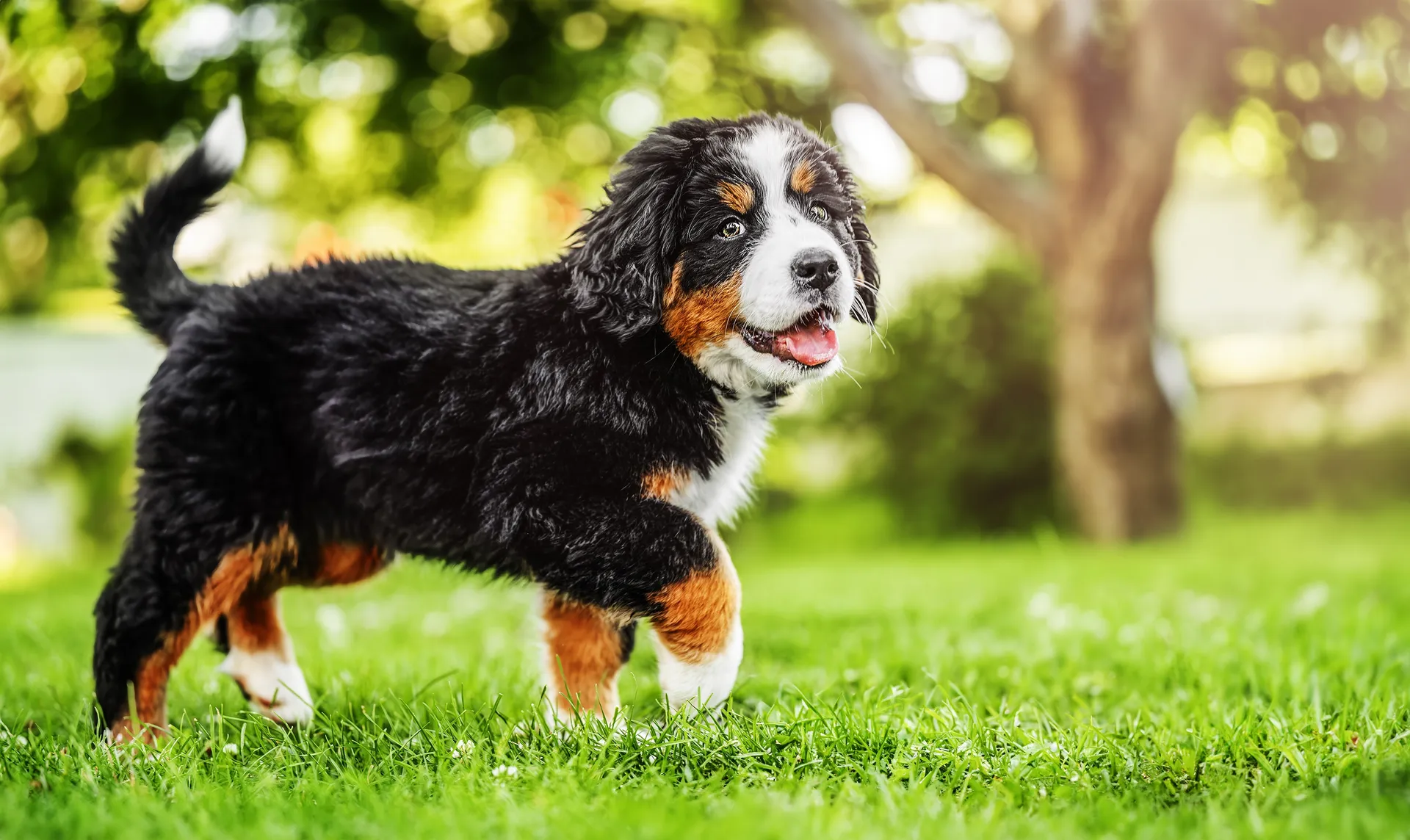
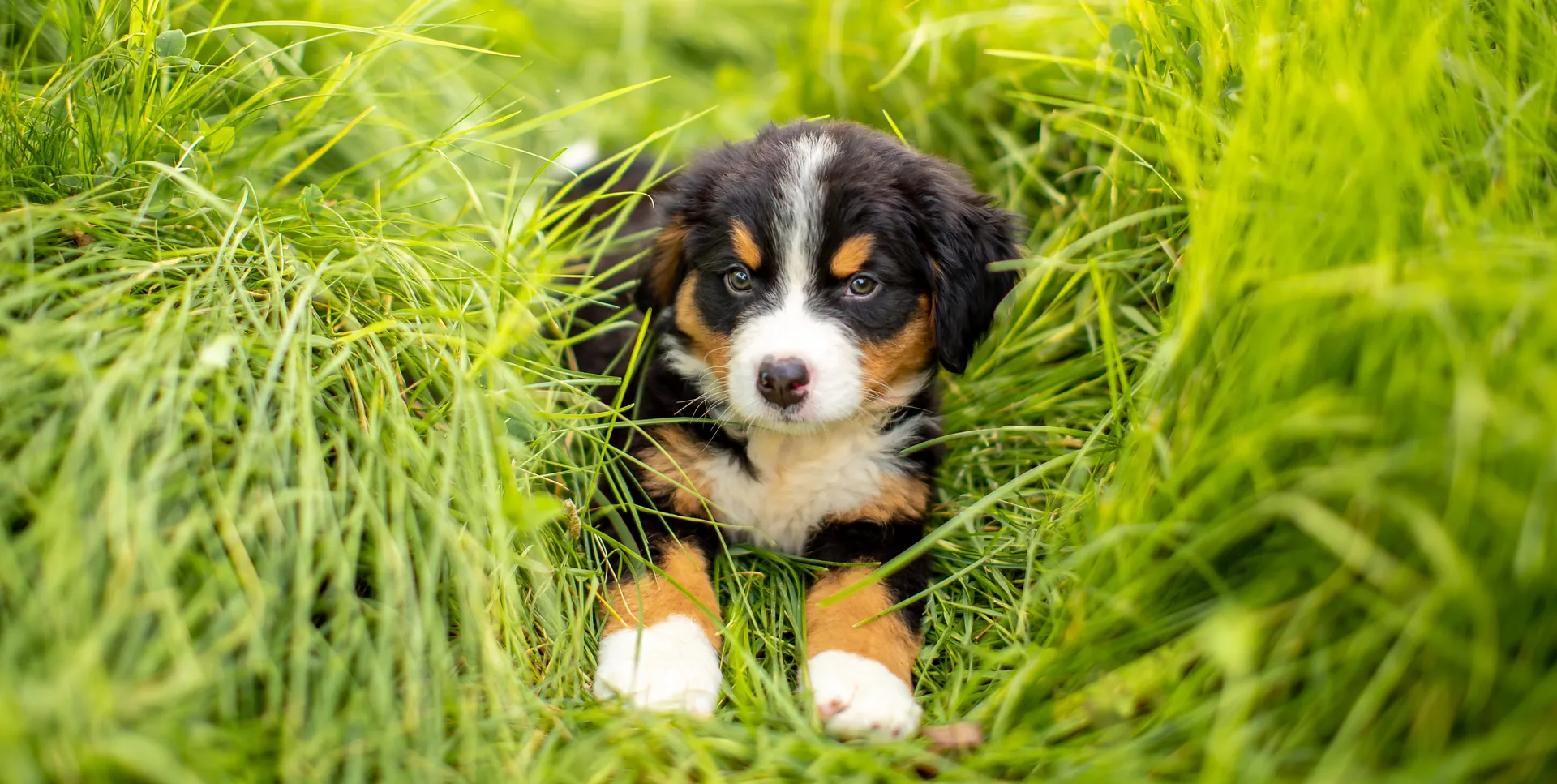
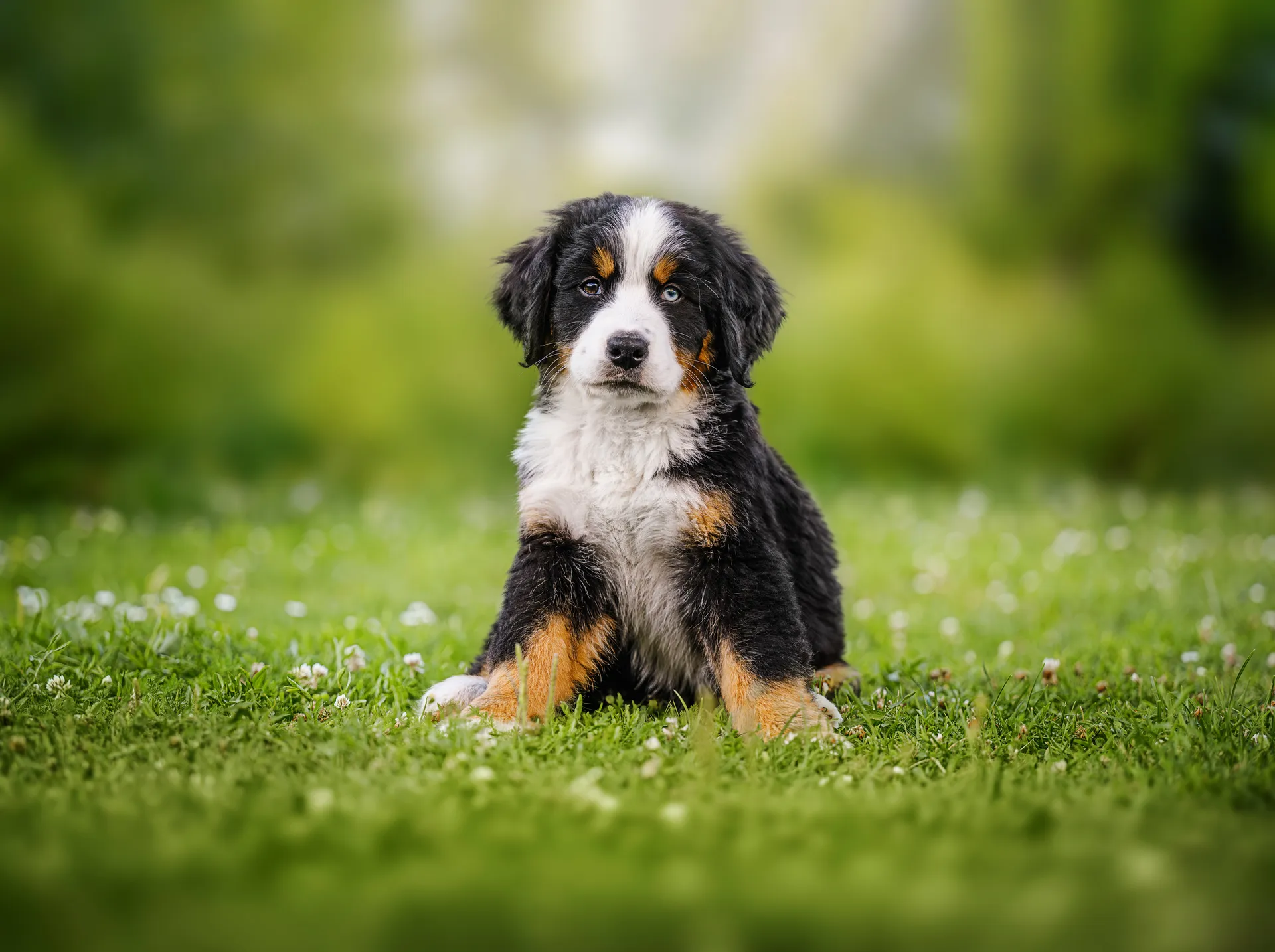
The coat is medium to long, thick and slightly wavy, with a dense undercoat made for cold weather. The classic pattern is a jet-black base with rich rust above the eyes, on the cheeks and on the legs, and clean white on the chest, muzzle, blaze and often the paws.
It has a natural sheen, but it takes regular work to keep it that way, particularly during the seasonal moults.
Head, Expression, and Distinctive Features
The head is broad and strong, with a clear stop and a straight, powerful muzzle. Dark, almond-shaped eyes give the warm, soft expression people fall for. Medium-sized triangular ears sit high and lie flat when the dog is relaxed. The tail is bushy and usually carried low or level, lifting a little when the dog is alert or on the move.
Temperament of the Bernese Mountain Dog: Calm, Loyal, and Family-Centred
Despite the size, most Berners are gentle, patient and deeply attached to their family. They want company more than anything and are happiest when they're part of what the household is doing.
Core Personality Traits
Berners are calm, good-natured and keen to please. They bond closely and often attach most strongly to one family member while staying affectionate with everyone. They're sensitive, so kind handling and consistent routines work far better than force.
They mature slowly, physically and emotionally. Many keep a puppyish streak well into adulthood. Be patient while the adult temperament settles in.
Social Behaviour and Protective Instincts
Well socialised, most Berners are friendly with strangers and take new situations in their stride. They're alert without being reactive, so they'll let you know someone's at the gate without making a scene about it.
They usually get on with other dogs and household pets, particularly if raised together. Prey drive is fairly mild for a working breed, though it's still sensible to supervise them around small animals.
Emotional Needs and Home Life
Berners are very people-oriented and don't cope with frequent or long periods alone. Too much isolation can lead to separation anxiety, and the early signs often show when a puppy is crying at night or struggling to settle alone. They do best where someone is home for much of the day.
If you want a large, affectionate dog that's calm in the house and loyal to the bone, this is the temperament you're getting.
Intelligence and Trainability of the Bernese Mountain Dog: Willing, Thoughtful, and Patient Learners
Berners are intelligent and want to please, so training usually goes well with the right approach. They aren't as quick or intense as the high-drive working breeds, but they learn steadily through repetition, encouragement and calm guidance.
Learning Style and Responsiveness
Use gentle, positive reinforcement: praise, food rewards and clear signals. Berners think things through. They may take a moment longer to respond to a new command, but once they've learned it, it sticks. Harsh or overwhelming training makes them shut down quickly.
Keep sessions short and consistent, especially through puppyhood and adolescence.
Training Approach and Early Foundations
Start obedience early, because a 45 kg adult that pulls on the lead is no joke. It helps to know when to start obedience training. Teach sit, stay, come and loose-lead walking while the puppy is still small enough to manage. Socialisation in the first year matters just as much for building confidence around new people and places.
Because Berners mature slowly, let training progress at their pace.
Strengths and Common Challenges
The breed does well in obedience, rally, therapy work and traditional carting, which suits its working past. Inconsistent training or a lack of structure can bring out stubbornness and selective hearing. Motivation can also vary from day to day, so stay patient and encouraging.
Train with understanding and consistency and you'll have a reliable, well-mannered dog that cooperates out of loyalty, not pressure.
Family Life and Living With a Bernese Mountain Dog: A Gentle Giant for the Right Home
Few large breeds are as well suited to family life, provided they have the space and company they need. Berners like to be close to their people, not kept out the back.
Living With Children
Berners are often described as one of the most child-friendly large breeds. They're calm and patient with children of all ages. Size is the issue. A happy tail can flatten a toddler, so supervise play and watch for accidental knocks.
Teach children how to behave around a big dog. It keeps everyone safe and builds trust on both sides.
Compatibility With Other Pets
Socialised properly, Berners usually get on well with other dogs and pets. Their prey drive is low compared with many working breeds, but early exposure and clear boundaries still matter. Calm, supervised introductions help keep a multi-pet home peaceful.
Home Environment and Lifestyle Fit
A Berner needs a decent amount of indoor space and a secure yard. It isn't hyperactive, but it does need daily exercise and shouldn't be kept in a small space with no outdoor access. Above all it needs company, because frequent isolation can lead to separation anxiety.
For a family that wants a large, gentle dog in the middle of everyday life, a Berner is hard to beat.
Health of the Bernese Mountain Dog: Understanding the Breed's Key Challenges
This is the hard part of owning a Berner. The breed has a shorter lifespan than many dogs of similar size, and most live 7 to 9 years. That makes informed ownership and proactive vet care important from the start.
Common Health Considerations
Berners are genetically predisposed to several serious conditions. The biggest is cancer, particularly histiocytic sarcoma, which accounts for a high percentage of deaths in the breed. Joint problems such as hip dysplasia and elbow dysplasia are also common and can affect mobility and comfort if they're not picked up early.
Other conditions seen in the breed include:
- Degenerative myelopathy, a progressive neurological condition
- Bloat (gastric dilatation volvulus), a life-threatening emergency in deep-chested dogs
- Progressive retinal atrophy, which can lead to vision loss
Health Testing and Responsible Breeding
Good breeders take part in recognised screening programs such as the BVA/KC Hip Dysplasia Scheme and the BVA/KC Elbow Dysplasia Scheme, and DNA test for degenerative myelopathy. Ask for the paperwork and check the results before you commit to a puppy.
Testing doesn't remove the risk. It does improve the odds of a healthier dog with a better quality of life.
Preventive Care and Ongoing Monitoring
Regular vet visits are your best tool for catching problems early, and knowing how often dogs should see a vet helps you stay ahead of breed risks. Keep up annual health checks, parasite prevention, dental care and weight control. Learn the early signs of bloat, such as a swollen belly, restlessness and unproductive retching, and watch for any stiffness or limping.
Insurance Considerations
Given the breed's health profile, pet insurance is strongly recommended. Premiums for Berners are often higher than average, but good cover makes a real difference if you face long-term treatment or an emergency.
Responsible breeding, attentive care and realistic expectations give your Berner the best quality of life for the years you have together.
Caring for the Bernese Mountain Dog: Daily Routines and Long-Term Commitment
A Berner is calm, but it isn't low effort. Its size and sensitivity mean the daily routine needs a balance of company, gentle activity and proper care.
Daily Care Routine
Most days should include one or two moderate walks, some relaxed play and plenty of time with the family. Berners like a predictable routine because it makes them feel secure. Training refreshers, puzzle toys or simple jobs like carrying a backpack on walks help prevent boredom.
Rest matters too. After exercise, most Berners are perfectly happy flopped on the cool floor near their people.
Living Environment and Space Needs
A big dog needs a home with enough indoor space and a secure yard. Berners can adapt to a quiet lifestyle, but they don't do well in cramped spaces without outdoor access. They handle cold superbly and heat badly, so shade and fresh water are essential in warm weather. In much of Australia that means air conditioning in summer, too.
Don't get one if the dog will be home alone for long days. Their attachment to people makes separation anxiety a real risk.
Seasonal and Age-Related Care
The thick double coat needs extra attention during the spring and autumn moults. In warmer months, exercise early in the morning or late in the evening to avoid overheating.
As Berners age, adjust their care to protect the joints. Softer bedding, joint supplements where your vet suggests them and gentler exercise all help keep an older dog moving comfortably.
Grooming the Bernese Mountain Dog: Managing a Heavy Coat With Consistency
The thick double coat was made for Alpine winters. It's beautiful, but it needs regular work to keep the dog comfortable, cut down on shedding and keep the skin healthy. Think of grooming as a weekly fixture, not an occasional job.
Coat Care and Brushing Routine
Brush at least two to three times a week to stop tangles and remove loose hair. In the heavy moults of spring and autumn, brush daily, because the undercoat comes out in clumps. A slicker brush plus an undercoat rake handles the dense coat best.
Brushing also spreads the natural oils, keeps the coat shiny and reduces matting around the chest, hindquarters and behind the ears.
Bathing and Skin Health
Bath only when needed, with a dog shampoo that protects the skin's natural oils. Over-bathing causes dryness and irritation. Berners can develop skin problems when grooming slips, so check the coat regularly, especially after time outdoors.
Part the coat and look at the skin for hot spots, redness or irritation that the thick hair can hide. On the east coast, check for paralysis ticks daily during tick season.
Nails, Ears, and General Maintenance
Trim nails routinely to prevent discomfort and changes in gait. Check the ears weekly for redness, wax or a bad smell, because their folded shape traps moisture. Don't forget teeth: regular brushing helps prevent gum disease and the problems that follow it.
Start early and most Berners come to accept, even enjoy, a steady dog grooming and hygiene routine all year round.
Exercise Needs of the Bernese Mountain Dog: Steady Movement Over Intensity
Berners were farm and draft dogs, not sprinters, and their exercise needs are moderate. They're calm indoors but still need daily activity to keep their joints, muscles and mood in good shape.
Daily Exercise Requirements
An adult does well on about 30 to 60 minutes of moderate exercise each day. Relaxed walks, gentle hikes and supervised play suit them better than fast or high-impact activity. Puppies and adolescents need shorter, controlled sessions to protect growing joints.
Spread exercise across the day rather than saving it for one long outing.
Suitable Activities and Working Outlets
Berners enjoy activities with a purpose. Walking, hiking, cart pulling, obedience and light draft work all suit their build and temperament. Swimming is a good low-impact option in warmer months, as long as the dog is introduced to water safely.
Brain work matters as much as movement. Training refreshers, scent games and interactive play prevent boredom and help keep a Berner calm at home.
Exercise Safety and Climate Considerations
That heavy coat makes Berners sensitive to heat. In warm climates, exercise in the cool of the day with plenty of shade and water. A 30 degree afternoon in Brisbane or Adelaide is no time for a walk. Avoid high-impact activity such as long-distance running or jumping, particularly in young dogs, to protect the joints.
Get the exercise right and a Berner stays relaxed, content and physically sound.
Feeding the Bernese Mountain Dog: Supporting Growth, Strength, and Longevity
Quality, portion control and life stage all matter here. Berners are large and slow to mature, with known joint and health weaknesses, so diet has a real effect on long-term wellbeing and mobility.
Nutritional Needs by Life Stage
Feed puppies a good-quality large-breed puppy food designed for controlled growth. Putting on weight too fast strains developing joints, so balanced calcium and phosphorus levels are essential. Puppies usually have three to four smaller meals a day and move to adult food between 15 and 18 months.
Adults do well on moderate protein, generally around 18 to 22 percent, with controlled fat to keep muscle without extra weight. Seniors may need lower-calorie food with added joint support to help with age-related stiffness.
Feeding Schedule and Portion Management
Feed most adults two meals per day, morning and evening. Splitting meals keeps energy steady and lowers the risk of bloat, a serious condition in deep-chested breeds. Avoid vigorous exercise straight before and after meals.
Use body condition, not the feeding chart, as your guide. Check weight and rib coverage regularly and adjust portions as activity changes.
Special Dietary Considerations
Some Berners are prone to food sensitivities or upset stomachs. Limited-ingredient or easily digestible diets may help. Omega fatty acids can support coat and joints, but only add supplements on your vet's advice.
Keep fresh, clean water available at all times, especially after exercise and in hot weather.
Treats and Training Rewards
Treats are handy for training, but keep them under 10 percent of daily calories to avoid weight gain. Low-calorie or single-ingredient treats are usually the best choice for this breed.
A well-managed routine and a balanced dog nutrition and feeding plan support healthy growth and protect the joints for life.
Price and Ongoing Costs of a Bernese Mountain Dog in Australia
Size, grooming and health all push the cost of a Berner up. Plan ahead so you can give consistent care for the whole of its relatively short life.
Purchase Price and Initial Setup
Puppies from reputable, ethical breeders in Australia typically cost AUD $3,500 to $6,000, depending on pedigree, health testing, breeder reputation and demand. Treat puppies advertised well below that range with caution, as they often lack proper health screening.
Setup costs cover a heavy-duty crate, a large orthopaedic bed, grooming tools, collar and lead, bowls, enrichment toys and safety gear. Expect to spend AUD $300 to $600 to set up properly for a large breed.
Ongoing Monthly Expenses
Food is a big line item. Good-quality large-breed food typically costs AUD $120 to $180 per month, depending on brand and how much your dog eats.
Routine vet care, vaccinations, parasite prevention and check-ups average AUD $60 to $120 per month across the year. Grooming costs vary. You may need the occasional professional groom during heavy moults, especially in warmer parts of Australia.
Insurance and Long-Term Health Costs
Pet insurance is strongly recommended for Berners because of their predisposition to serious conditions, including cancer and joint disorders. Premiums commonly run AUD $80 to $150 per month, depending on cover, excess and provider.
Costs can climb steeply in later years with specialist care, imaging and management of chronic conditions. Be financially ready for that before you buy.
Buying Advice: Finding a Bernese Mountain Dog the Right Way in Australia
Where you buy your Berner has a direct effect on its health, temperament and long-term wellbeing. With this breed's health problems, responsible sourcing isn't optional.
Choosing Ethical Breeders in Australia
Good Australian breeders put health testing, temperament and welfare ahead of volume. At a minimum, expect documented hip and elbow dysplasia results and clear vet records for both parents. A breeder who talks openly about cancer history in their lines is a good sign.
Always visit in person. Puppies should be raised somewhere clean and stimulating, and they should be confident, curious and happy to approach people. Walk away from delivery-only arrangements or breeders who won't let you see where the puppies live.
Questions Every Buyer Should Ask
Ask how the puppies are socialised, what they're fed and what support you'll get after you take your puppy home. These are among the most important questions to ask a dog breeder. A responsible breeder will also question you, to make sure a Berner fits your life.
The contract should cover health guarantees, vaccination records, microchipping and a clear return policy if your circumstances change. Vague paperwork or pressure to commit fast are red flags, and knowing them helps you spot a puppy scam online.
Rescue and Rehoming Options
Berners do occasionally come through breed-specific rescues and rehoming networks in Australia. Adopting an adult can be very rewarding for an experienced owner ready to meet its physical and emotional needs.
Using Trusted Platforms
Online, stick to established Australian platforms that put transparency and verified listings first. Pups4Sale connects buyers with responsible breeders and verified listings, which lowers the risk of dealing with an unethical seller.
Finding the Right Bernese Mountain Dog for Your Home
In the right home, a Berner brings loyalty, gentleness and quiet strength. It only works, though, when the owner understands the health risks, the grooming, the need for space, the struggle with heat and the need for company. Think it through carefully.
If you're ready for the money, time and emotional investment, you'll have a deeply devoted dog that is truly part of the family. Source it ethically and set your home up to suit it, from puppyhood to its senior years.
To see available Bernese Mountain Dogs from verified breeders, visit Pups4Sale. It helps Australian buyers connect responsibly and find puppies raised with care and proper standards.
Frequently Asked Questions
Related Breeds
Other working breeds on Pups4Sale.
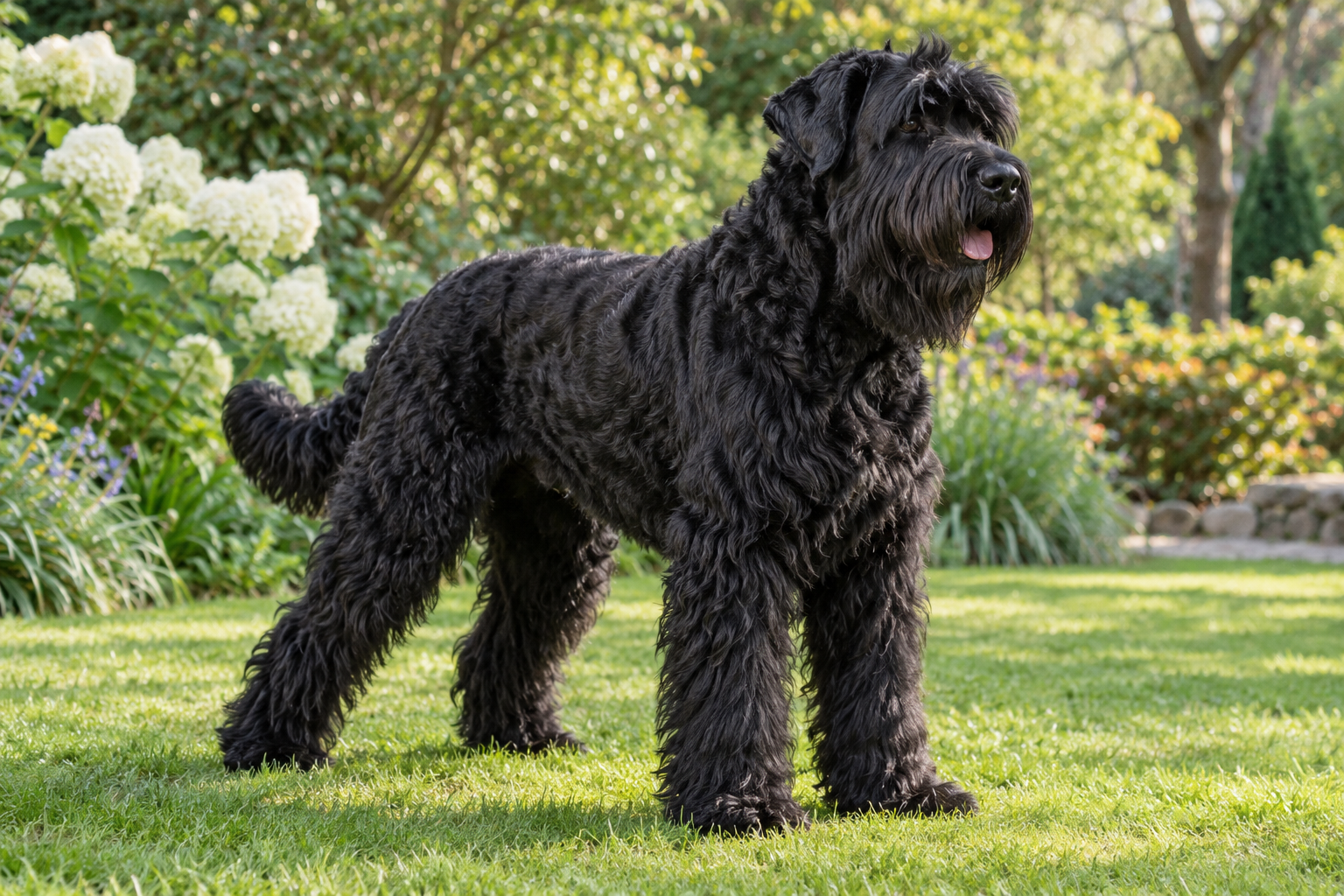 Black Russian TerrierLarge • Utility (Group 6), registered as Russian Black Terrier
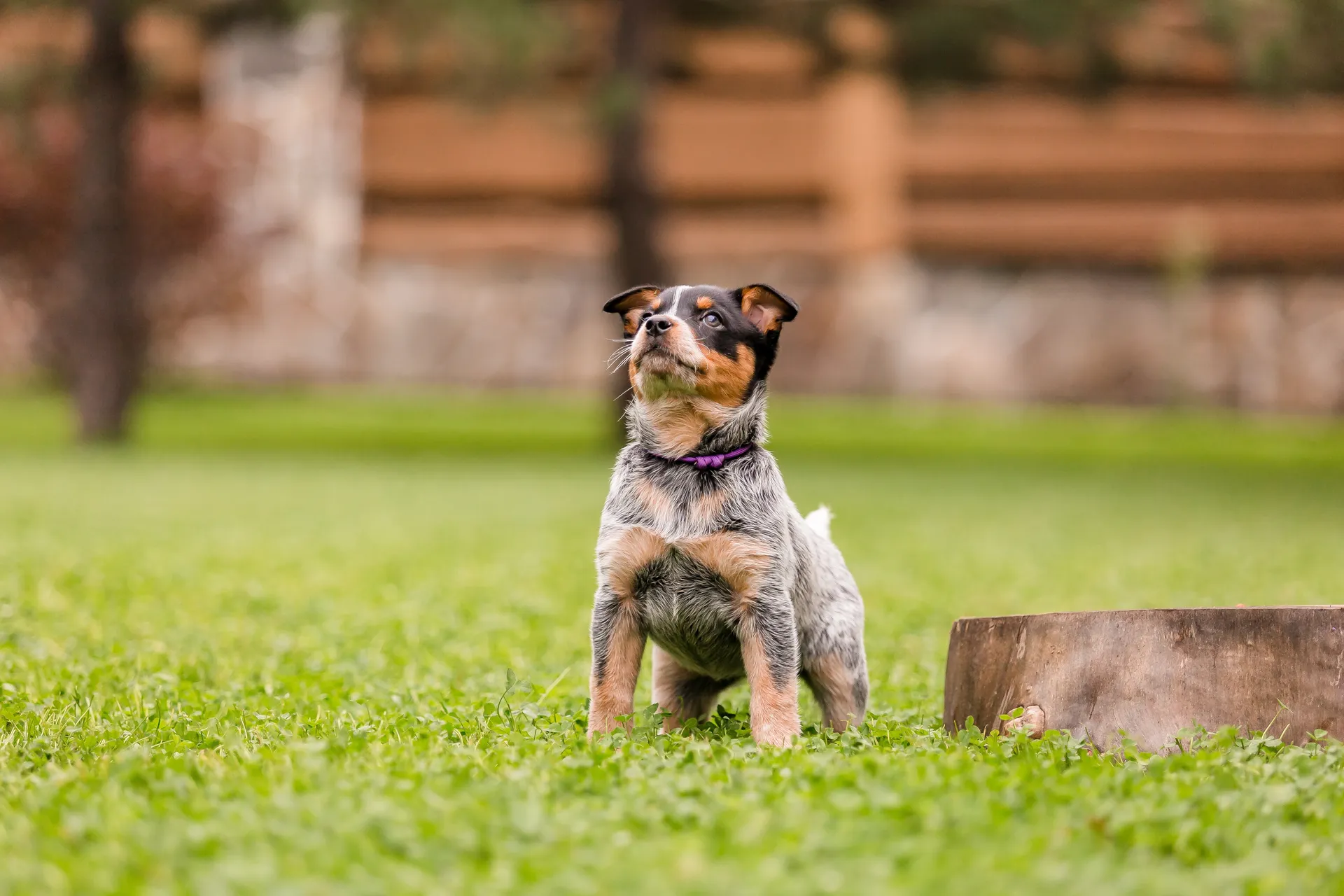 Blue HeelerMedium • Working
 Border CollieMedium • Herding
 Bouvier des FlandresLarge • Working
 BoxerLarge • Working
 Bracco ItalianoLarge • Gundog