
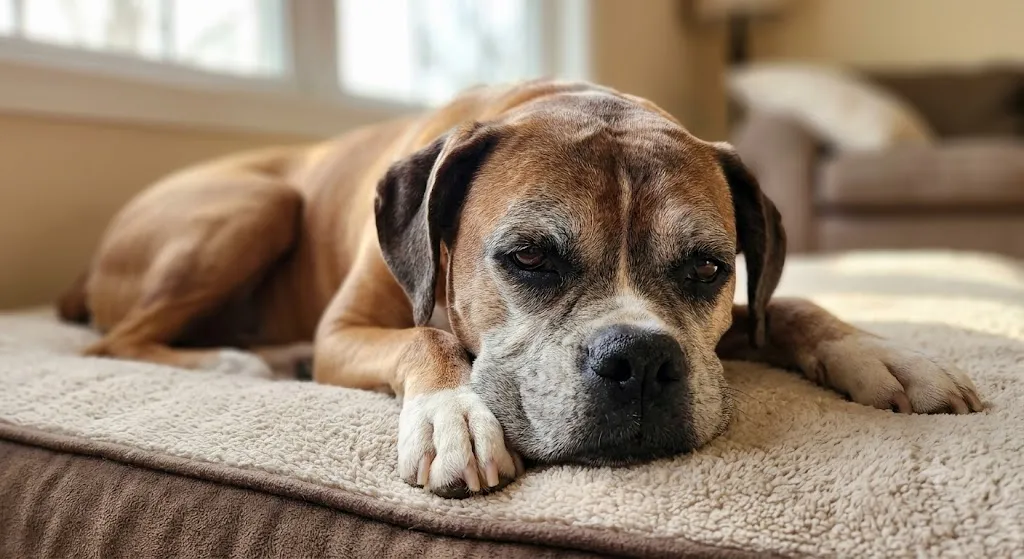
Boxer
By James C. • Updated
The Boxer is a strong, energetic, and loyal dog known for its playful nature, protective instincts, and close bond with family. It is intelligent and affectionate, but needs consistent training, daily exercise, and early socialisation.
Breed Overview
Life Span
8 - 12 years
Average Price
AUD 1500 - AUD 6000
Weight
Male: 29 - 36 kg Female: 23 - 29 kg
Height
Male: 58 - 63 cm Female: 53 - 60 cm
Life Expectancy
Male/Female: 8 - 12 years
Breed Group
Working
Nicknames
Boxie
Breed Information
The Boxer is a powerful, athletic, and people-oriented working breed known for its playful spirit and strong loyalty to family. Originally developed for demanding physical work, the Boxer combines strength and endurance with a fun-loving, expressive personality that makes it a popular companion dog today.
Boxers are highly social dogs that thrive on interaction and purpose. They form deep bonds with their owners and prefer to be included in everyday family life rather than left alone for long periods. Their natural confidence and protective instincts make them reliable watchdogs, while their affectionate nature keeps them closely connected to their household.
This breed suits active owners who can provide daily exercise, structure, and companionship. When their physical and emotional needs are met, Boxers are well-balanced, devoted, and endlessly entertaining dogs. However, their energy levels and sensitivity mean they are not well suited to low-activity or hands-off homes.
Boxer Breed Characteristics at a Glance
The Boxer is a high-energy working breed with strong physical ability and a deeply people-focused nature, and it remains one of the most popular dog breeds in Australia. This breed thrives in active homes that can meet both its exercise needs and emotional attachment to family life. Below is a clear snapshot of how the Boxer typically performs across key lifestyle and care traits.
| Characteristic | Rating (out of 5) | What This Means |
| Size | ★★★★☆ | A medium-to-large, muscular dog that needs space to move comfortably |
| Exercise Needs | ★★★★★ | Requires daily, structured physical activity to stay balanced |
| Ease of Training | ★★★★☆ | Intelligent and capable, but needs consistent, patient guidance |
| Shedding Level | ★★☆☆☆ | Light to moderate shedding due to short coat |
| Grooming Needs | ★★☆☆☆ | Low-maintenance coat with simple weekly care |
| Good With Children | ★★★★☆ | Very affectionate and playful, best with supervision due to strength |
| Health Robustness | ★★☆☆☆ | Prone to breed-specific conditions requiring responsible care |
| Cost to Keep | ★★★★☆ | Ongoing costs can be higher due to food, insurance, and health care |
| Tolerates Being Alone | ★★☆☆☆ | Strong attachment to owners makes long absences challenging |
| Intelligence | ★★★★☆ | Quick learner with strong problem-solving ability |
These traits make the Boxer an excellent match for owners who enjoy hands-on involvement, daily activity, and close companionship with their dog.
Boxer History and Origins: From German Working Dog to Family Companion
Ancient roots and early development
The Boxer’s lineage traces back to Germany, descending from the now-extinct Bullenbeisser, a powerful hunting dog used to hold large game such as boar and deer. These early dogs were valued for strength, agility, and courage, traits that remain central to the breed today. Over time, selective breeding refined the Boxer into a more athletic, controllable working dog suited to cooperation with humans.
Refinement into the modern Boxer
During the late 19th century, German breeders crossed Bullenbeissers with early Bulldogs, producing a dog with a shorter muzzle, stronger jaw, and more balanced temperament. This period marked the transition from hunting and bull-baiting roles to structured working and companion purposes. The first Boxer breed standard was established in Germany in 1904, laying the foundation for the modern Boxer.
Military and working roles
Boxers proved highly versatile during World War I and World War II, serving as messenger dogs, guard dogs, and pack carriers. Their intelligence, loyalty, and trainability made them dependable under pressure. These working roles helped cement the Boxer’s reputation as both a capable service dog and a devoted human companion.
Rise as a family dog
Following the wars, Boxers gained popularity worldwide, including Australia, where their friendly nature and protective instincts suited family life. Today, the Boxer is best known as an energetic, affectionate household dog that still carries the confidence and bravery of its working past.
Boxer Appearance and Physical Characteristics
Overall build and proportions
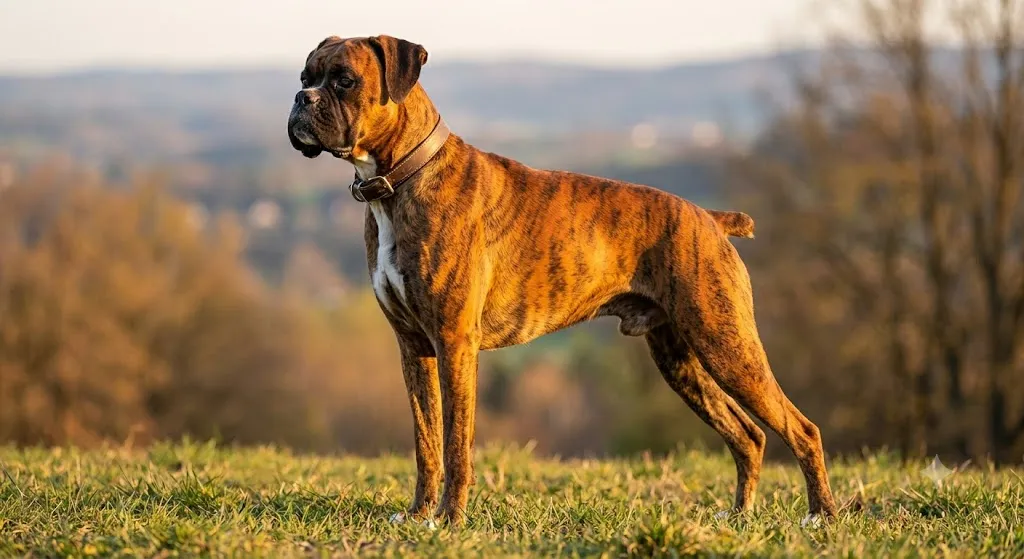
The Boxer is a medium to large-sized dog with a strong, athletic, and well-balanced build, lighter and quicker than the Bullmastiff, a larger and steadier guardian. The body is square in proportion, meaning the length of the back closely matches the height at the withers. This structure gives the Boxer its powerful yet agile movement, allowing speed, endurance, and explosive strength without heaviness.
Head shape and facial features
The head is one of the most distinctive features of the Boxer. It is broad and proportionate to the body, with a short, blunt muzzle and a pronounced stop. The lower jaw extends slightly beyond the upper jaw, creating the breed’s characteristic undershot bite. Dark, expressive eyes give the Boxer an alert, intelligent, and often playful expression.
Coat type and colour
Boxers have a short, smooth coat that lies close to the body and requires minimal maintenance. The coat is sleek and glossy when healthy. Recognised colours include fawn and brindle, often accompanied by white markings on the chest, feet, and face. White should not dominate the coat, as excessive white is discouraged under breed standards.
Height, weight, and gender differences
Male Boxers are typically taller and more muscular, standing around 57–63 cm and weighing between 30–32 kg. Females are slightly smaller and lighter, usually measuring 53–59 cm and weighing 25–27 kg. Despite these differences, both sexes should display strength, elegance, and athletic balance.
Movement and gait
The Boxer’s movement is smooth, energetic, and purposeful. When in motion, the dog should cover ground efficiently with strong drive from the hindquarters. This fluid gait reflects the breed’s working heritage and supports its high activity levels.
Boxer Temperament and Personality
General temperament
The Boxer is best known for its lively, affectionate, and people-focused nature, which can tip into the usual puppy behaviour problems without an outlet. This breed forms strong emotional bonds with its family and thrives on companionship. Boxers are confident without being aggressive and typically display a friendly, open attitude when properly socialised.
Behaviour with family members
Within the home, Boxers are loyal, playful, and highly devoted. They enjoy being involved in daily family life and often follow their owners from room to room. Their patience and tolerance make them well suited to busy households, provided they receive enough physical and mental stimulation.
Boxer energy levels and playfulness
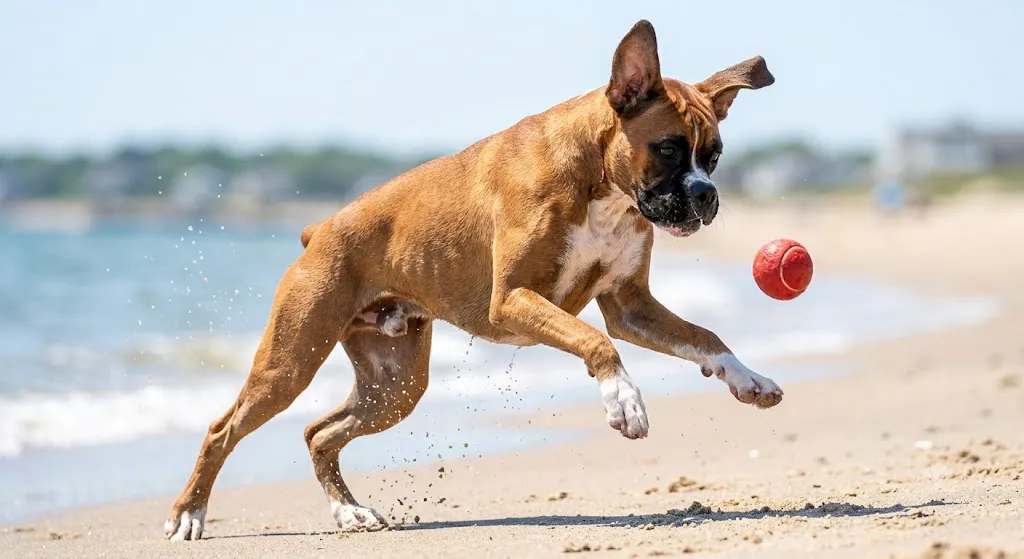
Boxers are energetic dogs with a youthful attitude that often lasts well into adulthood. Play is a core part of their personality, and they enjoy games that involve running, chasing, and interactive engagement. Without adequate outlets for this energy, frustration or restlessness can develop.
Protective instincts and alertness
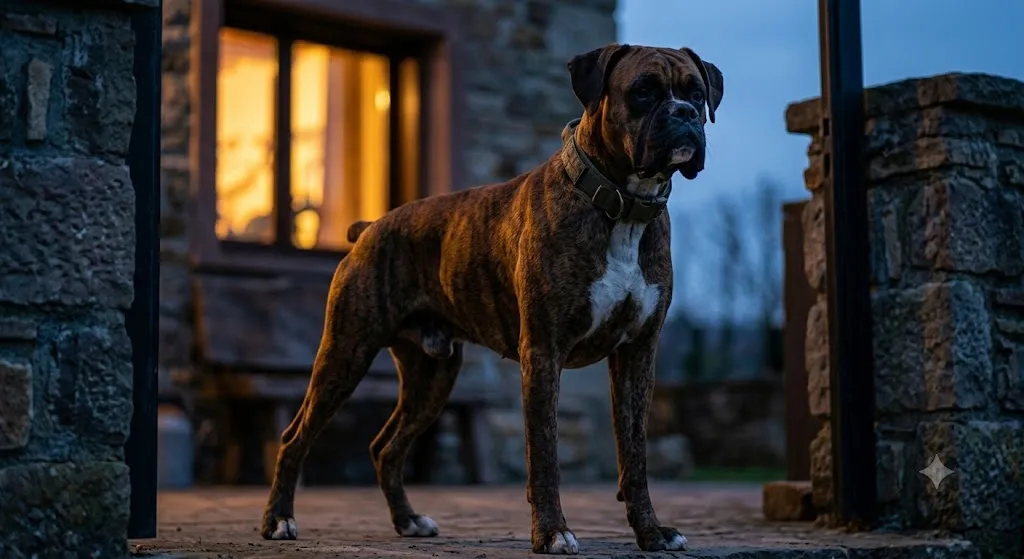
Naturally watchful, the Boxer is alert to changes in its environment and will often act as an effective deterrent to intruders. While protective of its family, this breed is not typically aggressive and responds best to calm leadership and early training.
Social behaviour with strangers
Most Boxers are curious and friendly with new people once properly introduced. Some may be reserved at first, particularly if not well socialised during puppyhood. Early exposure to different people, environments, and situations helps develop a confident and balanced adult dog.
Boxer Intelligence and Trainability
How intelligent is the Boxer?
The Boxer is an intelligent and perceptive breed, known for its ability to read human emotions and respond quickly to cues. While not always ranked among the most academically obedient breeds, Boxers excel in practical intelligence and problem solving, especially when tasks feel purposeful or engaging.
Willingness to learn and please
Boxers are highly people-oriented and generally eager to please their owners. This strong desire for approval makes them responsive to training when approached correctly. However, their playful and sometimes stubborn streak means they may lose focus if sessions become repetitive or overly strict.
Training style that works best
Positive reinforcement methods are essential for Boxers. Praise, food rewards, and play-based training produce far better results than harsh corrections. Short, varied training sessions help maintain engagement and prevent boredom, which this breed is particularly sensitive to.
Common training challenges
Boxers can be excitable and impulsive, especially during adolescence. Jumping, mouthing, and over-enthusiastic greetings are common issues if boundaries are not established early. Consistency across all household members is critical to prevent mixed signals.
Advanced training and activities
With the right guidance, Boxers perform well in obedience, agility, tracking, and scent-based activities. They also respond positively to structured routines that combine mental challenges with physical exercise, making them excellent candidates for advanced training or canine sports.
Boxer and Family Life
Suitability for families
The Boxer is widely regarded as an excellent family dog, particularly for active households, and you can browse Boxer puppies for sale in Australia to see what is available. Their affectionate nature and strong bond with their owners make them deeply involved in daily family life, rather than distant or independent companions.
Boxers with children
Boxers are famously patient and playful with children, often forming very close attachments. Their high tolerance and clownish personality make them natural playmates, though their strength and enthusiasm mean supervision is important, especially with younger children.
Teaching boundaries and calm behaviour
Because Boxers can be boisterous, early training is essential to prevent accidental knocking over or overexcited play. Teaching calm greetings, impulse control, and appropriate play behaviour helps ensure safe interactions within the home.
Living with other pets
When properly socialised from a young age, Boxers can live well with other dogs and household pets. However, their strong prey drive means introductions to smaller animals should be gradual and carefully managed.
Emotional attachment and companionship needs
Boxers thrive on companionship and do not cope well with prolonged isolation. They are happiest in homes where someone is around for much of the day or where structured routines prevent boredom and separation-related stress.
Health and Lifespan of the Boxer
Average lifespan
Boxers typically live between 8 and 10 years, a shorter span that makes spotting early signs of illness especially worthwhile. While this is shorter than some medium-sized breeds, good breeding practices, proper nutrition, and attentive veterinary care can help maximise both lifespan and quality of life.
Common health concerns
Boxers are predisposed to several hereditary conditions that prospective owners should be aware of. These include heart conditions such as aortic stenosis and boxer cardiomyopathy, as well as hip dysplasia and certain cancers that are more prevalent within the breed.
Brachycephalic considerations
As a brachycephalic breed, Boxers have shortened muzzles that can affect breathing efficiency. This makes them more sensitive to heat, humidity, and strenuous exercise, particularly in warmer climates where overheating is a real risk.
Skin and allergy issues
Many Boxers experience skin sensitivities, including allergies that may cause itching, redness, or recurrent infections. These are often managed through diet adjustments, regular grooming, and veterinary-guided treatment plans.
Importance of responsible breeding
Choosing a breeder who conducts health testing for cardiac issues, hips, and known genetic conditions significantly reduces the risk of inherited problems. Responsible breeders are essential for maintaining long-term breed health.
Exercise and Activity Needs of the Boxer
Daily exercise requirements
Boxers are a high-energy working breed that require a minimum of 40 to 60 minutes of exercise each day, though their short muzzle means checking what temperatures are safe for dogs in Australia before heading out. This should be split across multiple sessions to allow them to burn energy without overexertion, particularly in warmer weather.
Suitable forms of exercise
Long walks, interactive play, obedience training, and controlled off-lead running in secure areas are ideal outlets for a Boxer’s energy. They also excel in structured activities such as agility, tracking, and obedience sports, which engage both body and mind.
Mental stimulation needs
Physical exercise alone is not enough for this intelligent breed. Puzzle toys, training games, and learning new commands help prevent boredom, which can otherwise lead to destructive behaviours such as chewing or digging.
Exercise in hot weather
Due to their brachycephalic structure, Boxers are highly susceptible to heat stress. Exercise should be limited during hot Australian summers, favouring early morning or evening activity, with constant access to shade and fresh water.
Managing energy indoors
When adequately exercised, Boxers can settle well indoors and enjoy close companionship with their family. Without sufficient activity, however, pent-up energy may result in restlessness or behavioural issues.
Training and Intelligence of the Boxer
Intelligence and learning ability
Boxers are intelligent dogs with strong problem-solving skills and quick learning ability. They tend to understand commands rapidly but may choose when to comply, particularly if training lacks consistency or engagement.
Training approach that works best
Positive reinforcement is essential when training a Boxer. They respond well to praise, food rewards, and play-based training, while harsh corrections often lead to stubbornness or withdrawal rather than improved behaviour.
Consistency and structure
Clear rules, consistent routines, and firm but calm leadership help Boxers thrive. Mixed signals or inconsistent expectations can confuse them and slow training progress, especially during adolescence.
Puppy training priorities
Early training should focus on basic obedience, leash manners, recall, and impulse control. Socialisation during puppyhood is critical to prevent overexcitability and overprotective behaviours later in life.
Advanced training potential
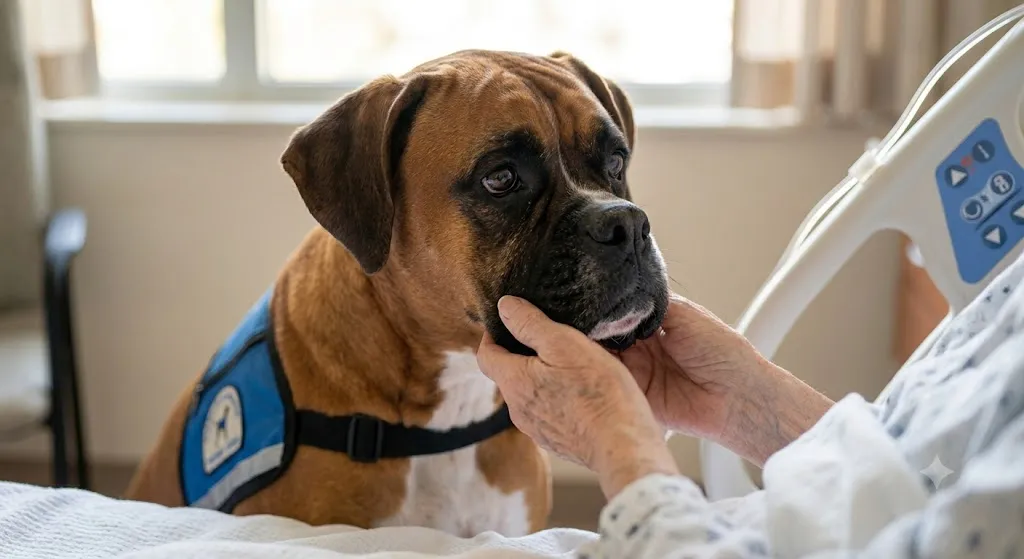
With proper guidance, Boxers excel in obedience trials, agility, scent work, and even service or therapy roles. Their enthusiasm and loyalty make them highly rewarding dogs to train when their energy is channelled correctly.
Family Life and Social Compatibility of the Boxer
Boxers as family companions
Boxers are deeply people-oriented dogs that form strong emotional bonds with their families. They thrive in homes where they are included in daily activities and do best when treated as true companions rather than outdoor-only dogs.
Behaviour around children
Known for their playful and patient nature, Boxers are generally excellent with children. Their clownish personality and tolerance make them popular family dogs, although supervision is important due to their strength and enthusiasm during play.
Interaction with other dogs
When properly socialised from an early age, Boxers usually get along well with other dogs. Same-sex aggression can occur in some individuals, making early exposure, training, and controlled introductions essential.
Living with other pets
Boxers can coexist with cats and smaller pets if raised together, but their prey drive means introductions should be managed carefully. Unsupervised interactions with unfamiliar small animals are not recommended.
Guarding instincts and strangers
Naturally protective without being aggressive, Boxers are alert watchdogs. They may appear reserved with strangers at first but typically warm up quickly once they sense no threat to their family.
Health and Common Conditions in Boxers
General health overview
Boxers are a robust and athletic breed, but they are genetically predisposed to several health conditions that prospective owners should understand. With responsible breeding and proactive care, many Boxers live active, fulfilling lives into their senior years.
Heart conditions
Cardiac issues are among the most significant health concerns in Boxers. Aortic stenosis and arrhythmogenic right ventricular cardiomyopathy (ARVC) are relatively common, making regular cardiac screening essential throughout the dog’s life.
Joint and mobility issues
Hip dysplasia can affect Boxers, particularly those from poorly bred lines. Maintaining a healthy weight, providing joint-supportive nutrition, and avoiding excessive impact during puppyhood help reduce long-term strain.
Cancer risk
Boxers have a higher-than-average risk of developing certain cancers, including mast cell tumours and lymphoma. Early detection through routine veterinary checks greatly improves treatment outcomes.
Thyroid and neurological conditions
Hypothyroidism and degenerative myelopathy are occasionally seen in the breed. DNA testing and responsible breeding practices play an important role in reducing prevalence.
Heat sensitivity and breathing concerns
Due to their short muzzle, Boxers can struggle in extreme heat. Owners should limit exercise in warm weather and ensure constant access to shade and fresh water.
Caring for a Boxer: Daily Needs and Lifestyle
Home environment and living space
Boxers adapt well to Australian households when they are treated as indoor family dogs. They thrive on human companionship and do poorly if left isolated outdoors for long periods. A secure backyard is ideal, but daily engagement matters more than space alone.
Climate considerations in Australia
Boxers are sensitive to heat due to their short coat and brachycephalic face. Exercise should be scheduled early in the morning or later in the evening during warmer months. Airflow, shade, and access to cool indoor areas are essential in summer.
Daily routine and structure
This breed benefits from predictable routines that balance activity, rest, and interaction. Structured days reduce anxiety and help manage their energetic and sometimes boisterous nature. Mental stimulation is just as important as physical movement.
Companionship and alone time
Boxers form strong bonds with their owners and can develop separation-related behaviours if left alone too often. Gradual training to tolerate short absences helps, but they are best suited to homes where someone is present most of the day.
Grooming a Boxer: Coat Care and Maintenance
Coat type and shedding patterns
Boxers have a short, tight-fitting coat that lies close to the body. Shedding is moderate and occurs year-round, with slightly heavier shedding during seasonal changes. Loose hair is easy to manage compared to long-coated breeds.
Brushing and routine care
Weekly brushing with a rubber curry brush or grooming glove is usually enough to remove dead hair and keep the coat glossy. Regular brushing also helps distribute natural oils and gives owners a chance to check for skin issues or parasites.
Bathing frequency
Boxers are naturally clean dogs and only need bathing every few months or when visibly dirty. Over-bathing can dry out the skin, especially in Australia’s warmer and drier climates. Always use a mild, dog-specific shampoo.
Nails, ears, and dental care
Nails should be trimmed every three to four weeks unless worn down naturally. Ears need weekly checks for redness or wax build-up, and teeth should be brushed several times a week to reduce tartar and gum disease.
Exercise Needs of the Boxer
Daily activity requirements
Boxers are high-energy dogs that need consistent daily exercise to stay physically fit and mentally balanced. An adult Boxer typically requires at least 60 to 90 minutes of activity each day, split across walks, play, and structured exercise.
Suitable forms of exercise
Brisk walks, jogging, fetch games, and supervised off-lead play in secure areas suit the Boxer well. They enjoy activities that allow them to run, jump, and use their athletic build. Interactive play strengthens both physical conditioning and owner bonding.
Mental stimulation and play
Beyond physical exercise, Boxers need mental engagement to prevent boredom-related behaviours. Training games, puzzle toys, and short obedience sessions help channel their intelligence and playful nature in a positive direction.
Climate considerations in Australia
Boxers are sensitive to heat due to their short muzzles. Exercise should be scheduled during cooler parts of the day, such as early morning or evening. Always provide access to water and avoid intense activity during hot or humid conditions.
Training and Obedience for the Boxer
Early socialisation and foundations
Early training is essential for Boxers due to their strength, enthusiasm, and confidence. Puppy socialisation should begin as soon as vaccinations allow, exposing them to people, other dogs, sounds, and environments to build a calm and adaptable adult dog.
Training style that works best
Boxers respond best to positive reinforcement methods that use praise, treats, and play. They are intelligent but can become bored with repetition, so training sessions should be short, varied, and engaging to maintain focus and enthusiasm.
Managing stubborn or excitable behaviour
While eager to please, Boxers can be independent and easily distracted. Consistency and patience are key. Clear boundaries and calm leadership help prevent jumping, pulling on the lead, or overly boisterous behaviour as they mature.
Advanced training and activities
Boxers excel in obedience, agility, tracking, and even service or therapy work when properly trained. Ongoing training provides valuable mental stimulation and reinforces good manners well into adulthood.
Grooming and Coat Care for the Boxer
Coat type and shedding
The Boxer has a short, smooth coat that lies flat against the body. While grooming demands are low compared to long-coated breeds, Boxers do shed year-round, with slightly heavier shedding during seasonal changes.
Brushing routine
Weekly brushing using a rubber grooming mitt or soft bristle brush helps remove loose hair and keeps the coat glossy. Regular brushing also stimulates the skin and allows owners to check for lumps, scratches, or skin irritation.
Bathing requirements
Boxers are naturally clean dogs and only require bathing every few months or when noticeably dirty. Use a mild, dog-specific shampoo to avoid drying out their skin, as Boxers can be prone to sensitivity.
Nail, ear, and dental care
Nails should be trimmed every three to four weeks if not naturally worn down. Ears need weekly checks for redness or odour, especially after outdoor activity. Teeth should be brushed several times a week to reduce tartar buildup and support long-term dental health.
Exercise and Activity Needs of the Boxer
Daily exercise requirements
Boxers are energetic and athletic dogs that require a minimum of one to two hours of exercise each day. Without adequate activity, they can become restless and develop unwanted behaviours such as chewing or excessive jumping.
Suitable forms of exercise
Long walks, jogging, structured play sessions, and supervised off-lead time in secure areas suit the Boxer well. They enjoy games such as fetch, tug, and agility-style movement that allows them to sprint, turn, and engage their full body.
Mental stimulation
Physical exercise alone is not enough for this intelligent breed. Training sessions, puzzle toys, scent games, and interactive play help keep a Boxer mentally satisfied and reduce boredom-related behaviours.
Exercise considerations for puppies and seniors
Boxer puppies should avoid repetitive high-impact exercise until their joints are fully developed, usually around 18 months. Senior Boxers benefit from shorter, gentler walks combined with light play to maintain mobility without placing strain on ageing joints.
Feeding and Nutrition for the Boxer
Nutritional needs by life stage
Boxers require a balanced diet that supports muscle development, energy levels, and overall health. Puppies benefit from high quality, protein rich food formulated for large breeds, while adults need controlled calories to maintain lean muscle without excess weight. Senior Boxers often require adjusted fat levels and added joint support.
Recommended feeding schedule
Boxer puppies should be fed three to four smaller meals per day to support digestion and steady growth. Adult Boxers typically do best on two meals daily, spaced evenly to help maintain energy levels and reduce digestive stress.
Managing weight and portion control
Boxers are prone to overeating if portions are not monitored. Owners should adjust food quantities based on activity level, age, and metabolism, regularly checking body condition rather than relying only on feeding guidelines.
Bloat and digestion considerations
As a deep chested breed, Boxers are at higher risk of gastric torsion. Feeding smaller meals, avoiding vigorous exercise before and after eating, and using slow feeder bowls can help reduce this risk.
Treats and supplements
Treats should be used sparingly and mainly for training. Joint supplements, omega fatty acids, and digestive support may benefit some Boxers, particularly active adults and seniors, but should always be introduced under veterinary guidance.
Boxer Price and Ongoing Costs
Average Boxer puppy price
In Australia, a well bred Boxer puppy from a registered and reputable breeder typically costs between $2,500 and $4,500. Pricing varies based on pedigree, breeder reputation, health testing, and demand. Puppies sold at significantly lower prices often lack proper health screening or ethical breeding practices.
Initial setup costs
New Boxer owners should budget for essential setup items including a sturdy crate, quality bedding, food and water bowls, collar or harness, lead, toys, and grooming tools. Initial setup costs usually range between $400 and $700, depending on quality and brand choices.
Monthly food and care expenses
Boxers are medium to large, active dogs with healthy appetites. Monthly food costs generally sit between $90 and $150, depending on diet quality and portion size. Routine care such as parasite prevention, grooming supplies, and training treats should also be factored in.
Veterinary and insurance costs
Annual veterinary expenses, including vaccinations and health checks, average $400 to $700 per year. Pet insurance is strongly recommended for Boxers due to breed specific health risks, with monthly premiums typically ranging from $60 to $120 depending on coverage level.
Long term ownership costs
Over a Boxer’s lifetime, owners should budget for potential costs related to allergies, joint care, heart monitoring, and emergency treatment. Factoring in food, insurance, and routine care, average monthly ownership costs usually fall between $180 and $300.
Buying Advice for Boxer Puppies
Choosing a reputable breeder
Always seek out registered Australian breeders who prioritise health, temperament, and ethical breeding practices. A reputable breeder will be transparent about health testing, allow you to meet the puppy’s parents, and provide detailed information about early socialisation and care.
Health testing to look for
Boxers should be bred from parents tested for common breed related conditions such as hip dysplasia, heart conditions including aortic stenosis, and degenerative myelopathy. Ask for written proof of health clearances and veterinary records before committing.
Red flags to avoid
Avoid breeders who offer multiple litters at once, refuse home visits, cannot provide health documentation, or pressure you into quick decisions. Puppies advertised at unusually low prices often indicate poor breeding standards or lack of veterinary care.
Selecting the right puppy
Look for puppies that are confident, alert, and curious rather than fearful or withdrawn. A healthy Boxer puppy should have clear eyes, a clean coat, steady movement, and a playful but balanced temperament.
Adoption and rescue options
For those open to adoption, Boxer specific rescue groups across Australia rehome adult dogs and occasionally puppies. Rescue Boxers can make excellent companions and are often already trained and assessed for temperament.
Frequently Asked Questions
Related Breeds
Other working breeds on Pups4Sale.
 Bracco ItalianoLarge • Gundog
 Bull ArabLarge • Working
 Cane CorsoLarge • Utility / Working
 Doberman PinscherLarge • Working
 Dogue de BordeauxGiant • Utility (Group 6)
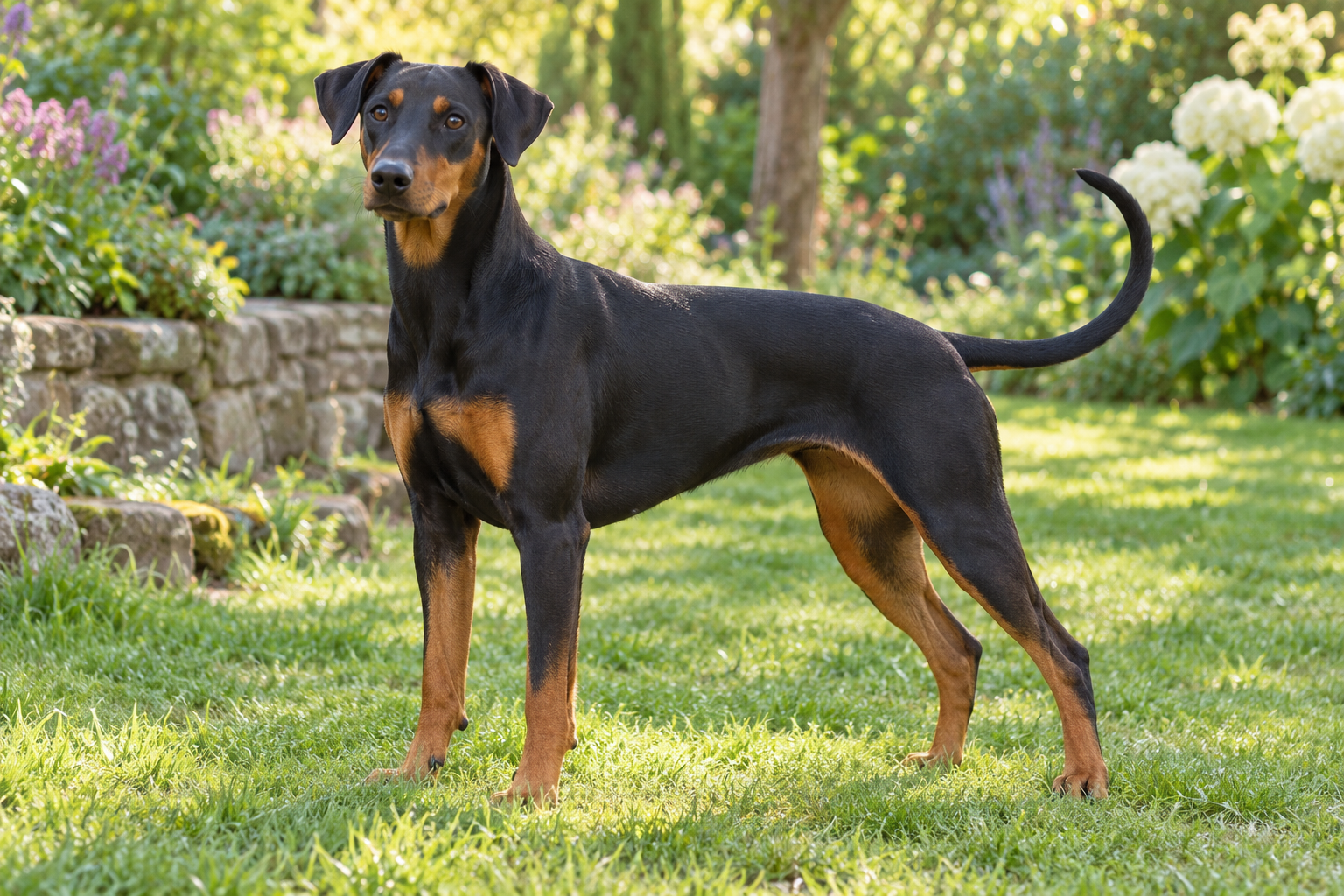 German PinscherMedium • Utility (Group 6)