Dogue de Bordeaux
By James C. • Updated
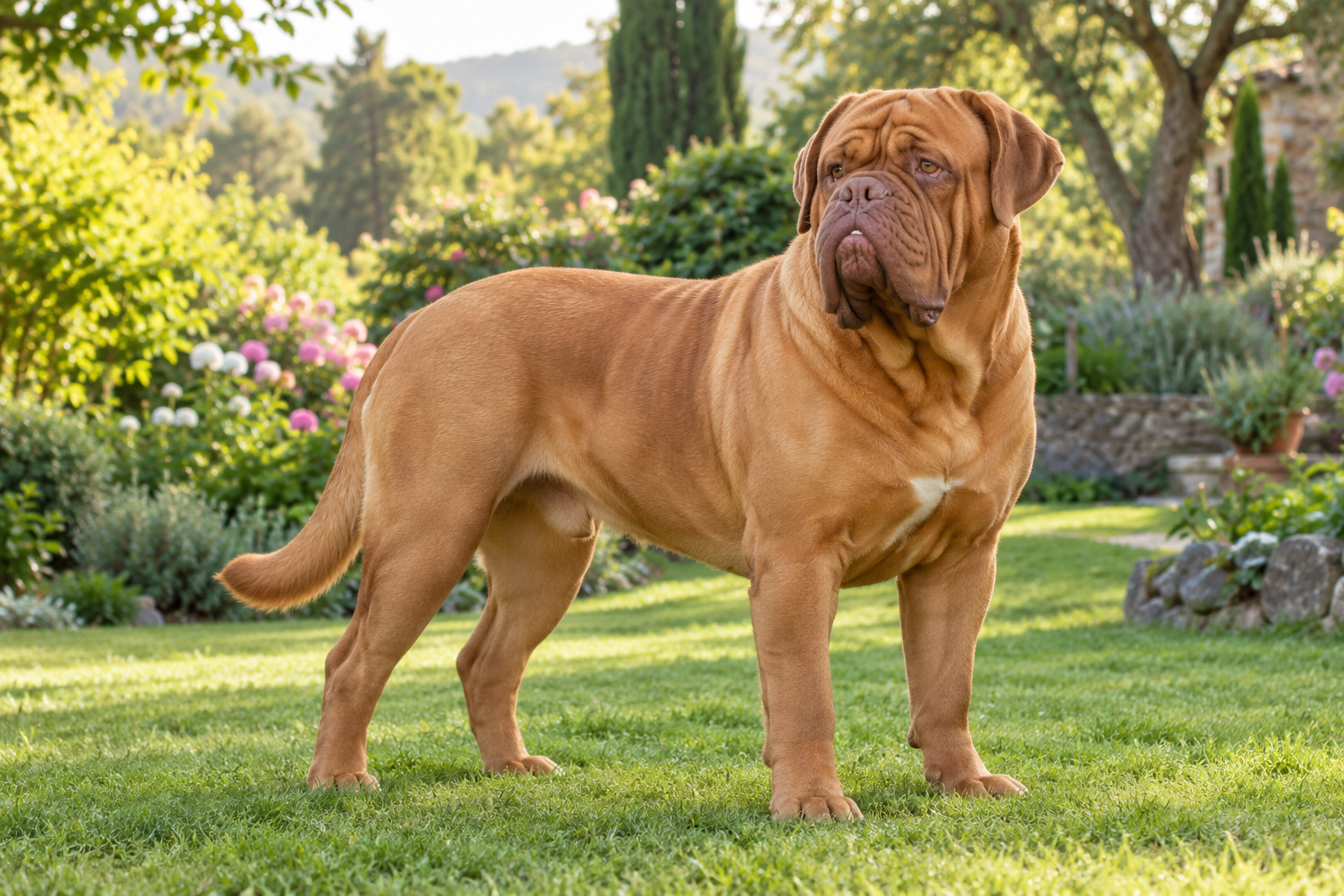
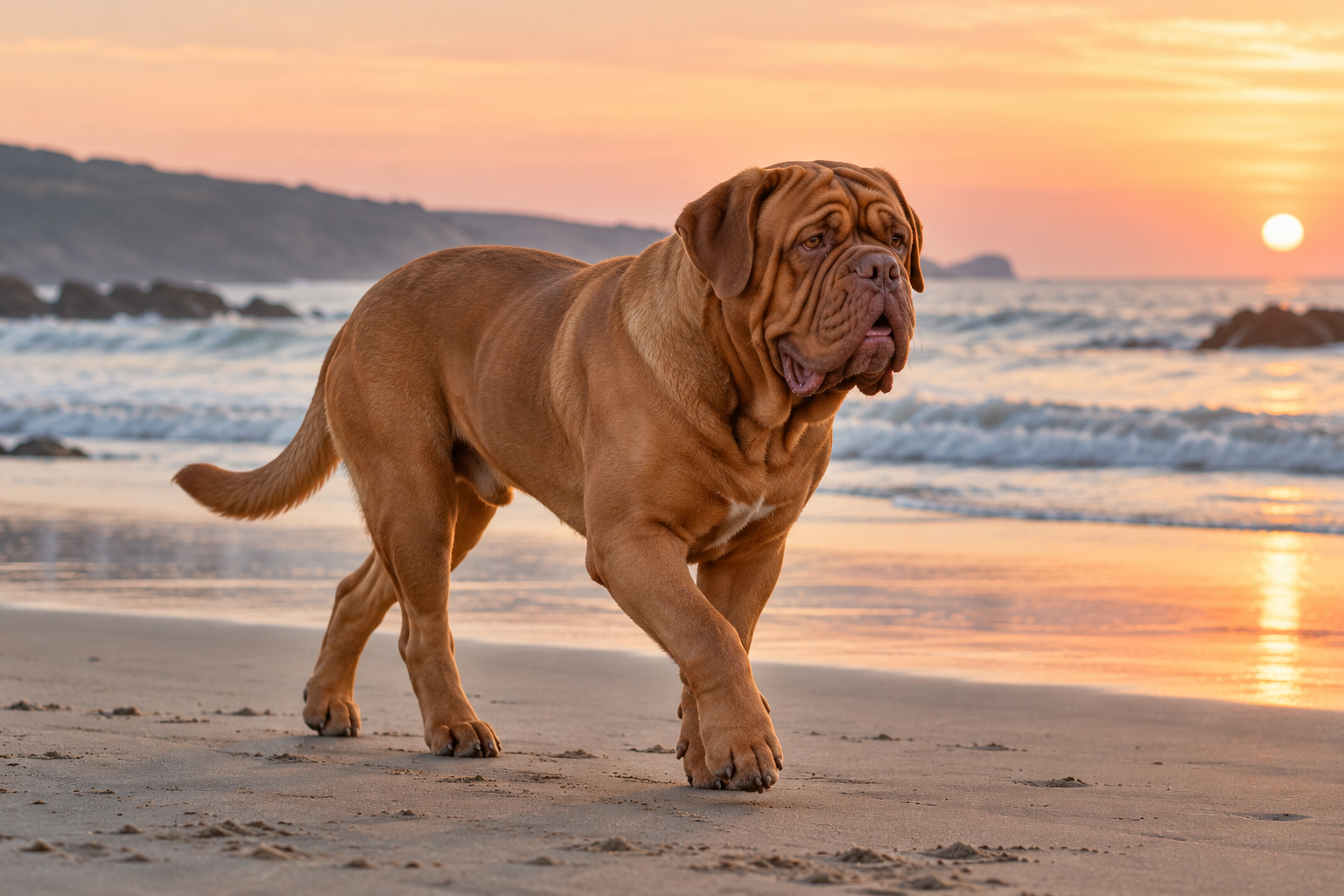
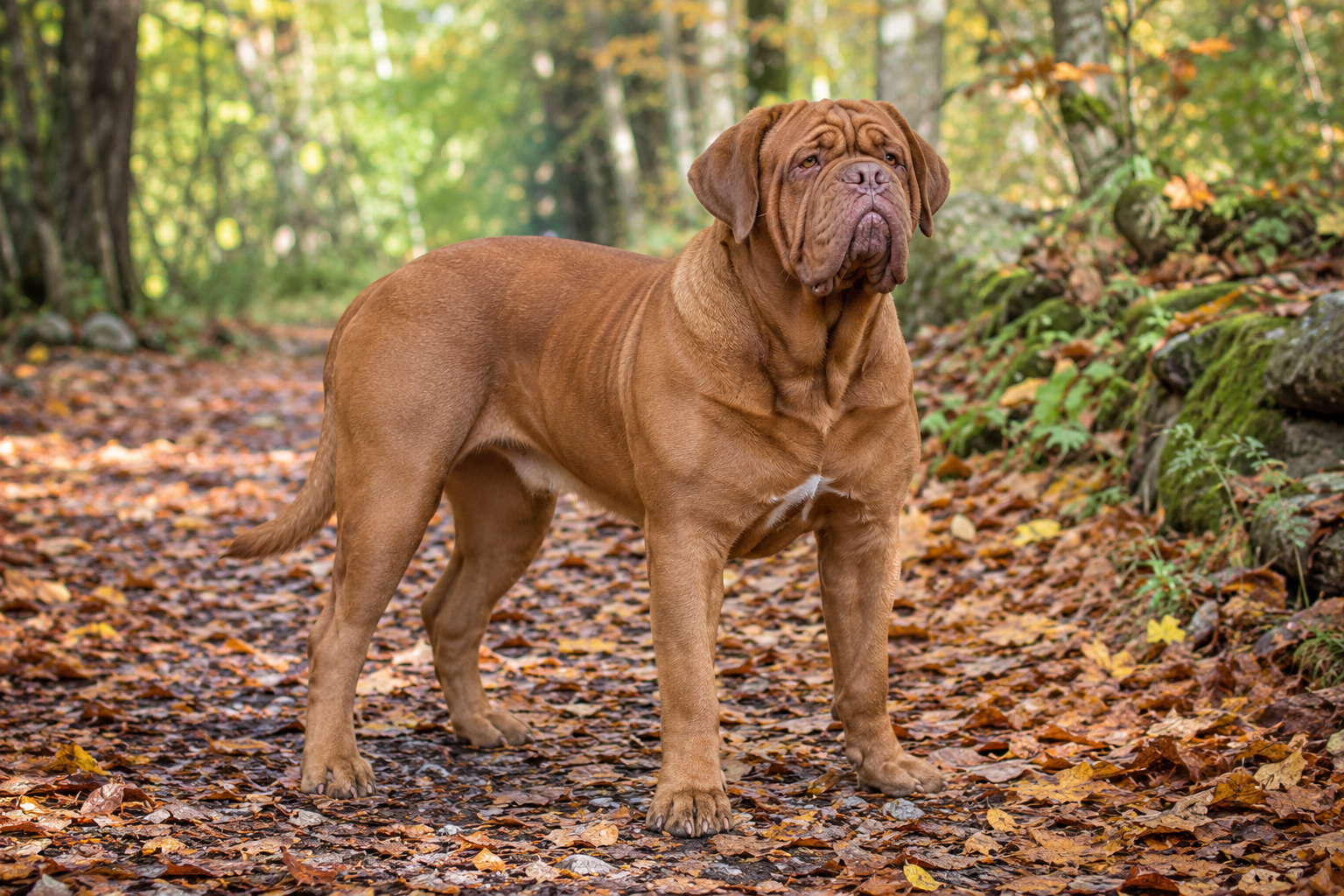
The Dogue de Bordeaux, also called the French Mastiff or Bordeaux Mastiff, is a giant, short-faced guardian breed from south-western France. It is calm, loyal and devoted to its family, naturally protective of its home, and usually quiet indoors. Under the Dogs Australia standard, dogs stand 60 to 68 cm and weigh at least 50 kg, and bitches stand 58 to 66 cm and weigh at least 45 kg. The coat is short and fawn in every shade from mahogany to light fawn. It is a short-lived breed, with most sources giving 5 to 8 years, and owners should budget for heart, joint, skin and airway care and keep the dog cool in Australian summers.
Breed Overview
Life Span
5 - 8 years
Average Price
AUD 3500 - AUD 6000
Weight
Male: 50 - 68 kg Female: 45 - 54 kg
Height
Male: 60 - 68 cm Female: 58 - 66 cm
Life Expectancy
Male/Female: 5 - 8 years
Breed Group
Utility (Group 6)
Nicknames
French Mastiff, Bordeaux Mastiff, DDB
Breed Information
The Dogue de Bordeaux, also known as the French Mastiff, is a giant, short-faced French guardian breed with a calm, loyal and protective temperament. It is one of the oldest French breeds, instantly recognisable by its massive head, wrinkled brow and rich fawn coat. At home it is usually gentle, quiet and deeply attached to its people.
It is also one of the shortest-lived breeds you can choose. A large UK study of veterinary records named the Dogue de Bordeaux among the two shortest-lived breeds, with a median of about 5.5 years, and that single fact should shape every decision about buying one. Owners talk about the breed with great affection and great sadness, and both reactions are justified.
The breed is recognised by Dogs Australia in Group 6, Utility. Supply here is steady rather than plentiful: Dogz Online listed 32 breeders and one available litter on 18 October 2026. Buyers who choose carefully, ask for heart and joint screening, and keep the dog lean and cool give themselves the best chance of a healthy companion for as long as possible.
Characteristics of the Dogue de Bordeaux
The Dogue de Bordeaux rates very highly for size, loyalty and gentleness with family, and low for heat tolerance, health and longevity, so it suits devoted owners with cool homes rather than first-time buyers.
| Trait | Rating | Star Rating | Meaning |
|---|---|---|---|
| Size | Giant | ★★★★★ | At least 45 to 50 kg, very strong and heavy-boned. |
| Adaptability | Low | ★★ | Struggles with heat, stairs and small spaces. |
| Exercise Needs | Moderate | ★★★ | Daily steady walks, never hard running in warm weather. |
| Easy to Train | Moderate | ★★★ | Intelligent and sensitive, but can be stubborn. |
| Amount of Shedding | Moderate | ★★★ | Short hairs shed year round, more in spring. |
| Grooming Needs | Low | ★★ | Easy coat, but folds, drool and nails need regular attention. |
| Good With Children | Good | ★★★★ | Patient and affectionate, but heavy enough to knock children over. |
| Health | Poor | ★★ | Heart, joint, airway and skin problems are common. |
| Cost to Keep | High | ★★★★★ | Large food bills, weight-based medicines and high vet costs. |
| Tolerates Being Alone | Moderate | ★★★ | Calm at rest, but bonds closely and prefers company. |
| Intelligence | Good | ★★★★ | Thoughtful and perceptive, especially about its home and family. |
History of the Dogue de Bordeaux: From Ancient French Guardian to Film Star
Mastiff-type dogs were known in France from at least the fourteenth century, particularly around Bordeaux and Aquitaine. According to the Dogs Australia breed profile, they were used for guarding, droving, draught work and, in darker times, fighting and baiting. Butchers used them to control cattle, and large estates kept them as guardians. The name Dogue de Bordeaux was not used until the mid-nineteenth century.
The breed appeared at the first French dog show in Paris in 1863, and a uniform type began to settle in the early twentieth century. Two world wars then pushed it close to extinction, since few families could feed a giant dog. In the 1960s, the French breed enthusiast Professor Raymond Triquet led a group of breeders who rebuilt the breed and wrote a new standard in 1971. The current FCI standard dates from 1995, and Dogs Australia adopted it the same year.
International fame came in 1989 with the film Turner and Hooch, in which a Dogue de Bordeaux starred alongside Tom Hanks. Demand rose sharply afterwards, and the breed is now established worldwide. In Australia it remains a specialist breed, kept mainly as a family companion and home guardian rather than a working dog.
Appearance of the Dogue de Bordeaux: Massive, Muscular and Fawn
Size and Build
The Dogs Australia breed standard sets dogs at 60 to 68 cm and bitches at 58 to 66 cm at the withers, with males weighing at least 50 kg and females at least 45 kg. No maximum weight is set, and many adult males reach the mid to high 60s in kilograms. The body is low, broad and heavily muscled, with a deep chest and strong bone throughout.
Coat and Colours
The coat is short, fine and soft. The standard accepts self-coloured fawn only, in every shade from deep mahogany to a light fawn called Isabella, with limited white allowed on the chest and the tips of the limbs. The mask may be black or brown, or absent. Blue, black and brindle do not appear among the accepted colours, so puppies marketed as "blue French Mastiffs" are not something to pay a premium for, and may signal a breeder working outside the standard.
Distinctive Features
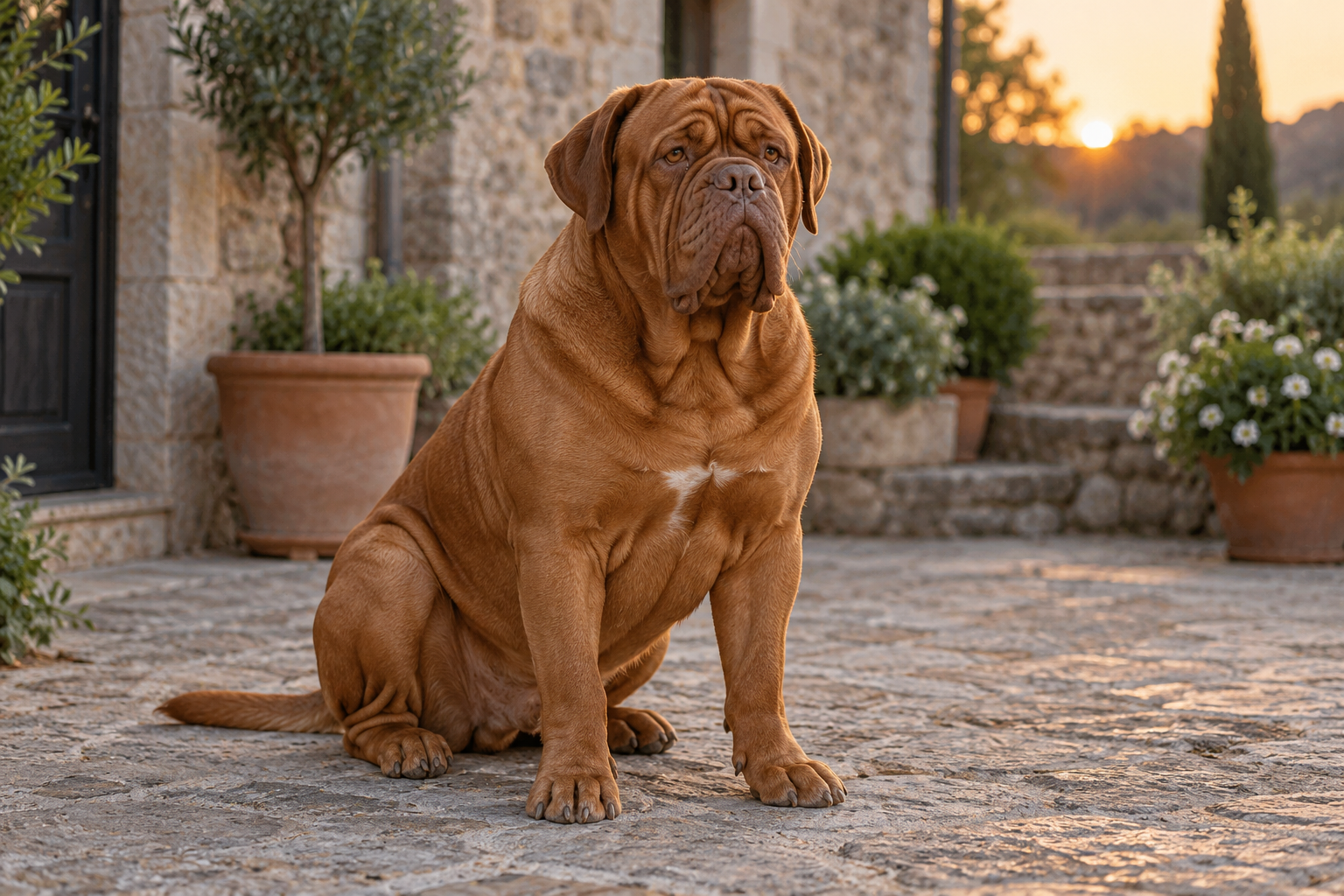
The head is the breed's defining feature: very large, broad and trapezoid, with a short muzzle, an undershot jaw, heavy lips and symmetrical wrinkles that deepen when the dog is alert. The standard describes the head as large in proportion to the body, which is one reason the breed is classed as brachycephalic. Ears are small, darker than the coat and hang close to the cheeks.
Gender Differences
Males are taller and heavier, with a noticeably larger head and a more imposing presence, and the standard sets separate height and minimum weight figures for each sex. Females are lighter and sometimes a little easier to handle. Both are strong enough that lead training matters from puppyhood.
Temperament of the Dogue de Bordeaux: Calm, Loyal and Protective
Core Personality Traits
Dogues de Bordeaux are typically calm, affectionate and devoted, often described as gentle giants at home. The Dogs Australia profile describes them as naturally suited to guarding and expects them to be calm and balanced. Many keep a playful, puppy-like streak well into adulthood, and most love lying close to their people.
Social Behaviour
The breed is usually reserved rather than friendly with strangers, and it will watch visitors closely until it decides they are welcome. Well-bred, well-socialised dogs are not aggressive, but a poorly bred or poorly socialised Dogue can be a serious problem simply because of its size and strength. Males in particular can be dominant with other male dogs.
Bonding and Attachment
The Dogue de Bordeaux bonds very closely with its family and prefers to live indoors with them. It tends to follow its owners from room to room and can become unsettled if shut outside or left alone for long hours. That attachment is a large part of its appeal and also why it is unsuited to a backyard life.
Common Behavioural Challenges
The most common challenges are stubbornness, pulling on the lead, guarding behaviour towards visitors and same-sex tension with other dogs. Drooling, snoring and flatulence are not behavioural problems, but they are part of daily life with the breed and surprise some first-time owners. Consistent, calm training from the first week prevents most of the difficulties.
Intelligence and Trainability of the Dogue de Bordeaux: Sensitive and Stubborn
Intelligence and Learning Ability
Dogues are perceptive dogs that read their household well and learn routines quickly. They are not built for rapid-fire obedience, and they often weigh up a request before responding. Owners who expect a Labrador-style eagerness to please are usually disappointed, while those who value a thoughtful, steady dog are not.
Training Approach
Reward-based training with food and praise works best, in short sessions with clear, consistent rules. Harsh handling backfires with a sensitive giant breed. Train loose lead walking, sit at doors and calm greetings before the dog reaches 30 kg, because a grown Dogue that pulls or jumps can injure people without meaning to.
Early Socialisation
Socialisation is essential for a guardian breed. Introduce puppies calmly to children, adults, other dogs, vehicles, vet clinics and visitors at home, and enrol in puppy school once vaccinations allow. The goal is an adult that accepts normal visitors and new situations without fuss.
Potential Training Challenges
Adolescence, roughly from six months to two years, brings testing of boundaries and growing physical strength at the same time. Some males become pushy with other dogs during this period. Because the breed tires and overheats easily, long training sessions in warm weather are counterproductive; little and often works far better.
Dogue de Bordeaux Family Life: Living with Children, Pets, and Households
Living with Children
Is a Dogue de Bordeaux a good family dog? For the right household, yes. Dogs Australia describes the breed as bonding strongly with its family and being patient with children. The risks are physical: a 50 kg dog can knock over a toddler with one swing of its body, so supervise young children and teach them never to climb on or tease the dog.
Living with Other Pets
Dogues raised with other animals usually accept them, and the Dogs Australia profile notes they are good with other animals when exposed early. Same-sex pairs, particularly two males, can clash. Introduce new dogs carefully, and watch play between a Dogue and a much smaller dog, since size alone can cause injury.
Household Environment
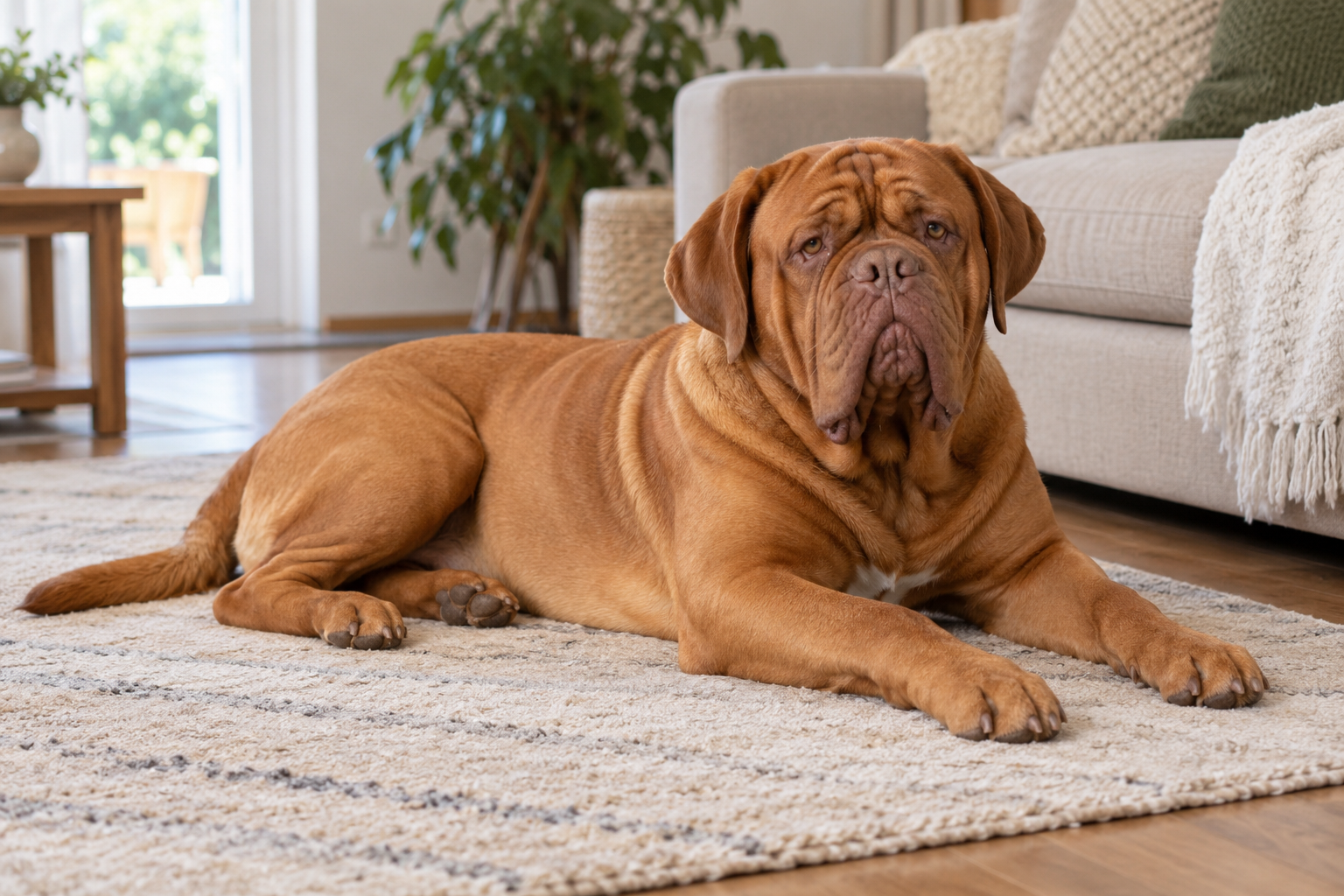
The breed suits a cool, spacious home with tiled or hard floors, easy access without many stairs, and a securely fenced yard. Dogs Australia recommends that Dogues be kept indoors and given a cool area in hot weather. Drool on walls, furniture and visitors is a fact of life, and owners usually keep towels in every room.
Lifestyle Compatibility
The Dogue de Bordeaux suits calm, home-centred households, experienced large-breed owners and people who are at home for much of the day. It suits apartments, hot non-air-conditioned homes and very active outdoor lifestyles poorly. Rental agreements, strata by-laws and some insurers can be stricter with giant breeds, so check before you commit.
Health of the Dogue de Bordeaux: Heart, Joints, Breathing and a Short Lifespan
Lifespan and Healthy Living
Early death is the defining health risk of this breed. A study of more than 100,000 dogs attending first-opinion vet practices in England found that the Dogue de Bordeaux and Great Dane were the shortest-lived breeds, with the Dogue's median at about 5.5 years. Most breed sources give a lifespan of 5 to 8 years. Some individuals live longer, but buyers should plan for a short life and treat any extra years as a gift.
This is why the breed is often called a heartbreak breed. Giant size, a short face and a narrow gene pool combine to raise the risk of heart disease, cancer, bloat and orthopaedic problems at a young age.
Common Health Conditions
Owners should be aware of several conditions that can be associated with the breed, most of them listed in the Dogs Australia breed profile. It is best to discuss any concerns with a veterinarian.
- Subaortic stenosis and other heart disease. A narrowing below the aortic valve that can cause fainting, heart failure or sudden death. Dogs Australia advises that breeding dogs be heart certified by a specialist.
- Hip and elbow dysplasia, and osteochondritis dissecans. Developmental joint conditions that can cause lameness and arthritis, often from a young age.
- Brachycephalic obstructive airway syndrome. The short muzzle can restrict breathing, especially in heat or when overweight. Keeping the dog lean is the most important everyday step.
- Gastric dilatation volvulus (bloat). A life-threatening twisting of the stomach in deep-chested breeds. Signs include a swollen belly, restlessness and unproductive retching, and it needs emergency surgery.
- Skin fold dermatitis, allergies and demodectic mange. Facial folds trap moisture, and allergic skin disease is common.
- Footpad hyperkeratosis. A genetic thickening and cracking of the paw pads, for which a DNA test exists, though Dogs Australia notes it is not thought to be common in Australian Dogues.
- Cancers. Bone cancer and other cancers are reported in giant breeds and contribute to the short lifespan.
Genetic Health Testing
Ask for hip and elbow scores for both parents and a cardiac examination by a veterinary cardiologist, ideally including an echocardiogram rather than only listening with a stethoscope. Ask whether the parents have been DNA tested for footpad hyperkeratosis. Above all, ask how long the grandparents and other relatives lived and what they died of, because longevity in the family line is one of the most useful predictors available.
Preventative Health Care
Keep vaccinations current and use year-round parasite prevention, including paralysis tick cover on the east coast. Feed two or three smaller meals rather than one large one, rest the dog for an hour after meals, and learn the signs of bloat. Clean facial folds daily, keep the dog lean, and arrange annual heart checks once the dog is an adult. Insure early, before any condition can be recorded as pre-existing.
Caring for the Dogue de Bordeaux: Daily Care and Living Environment
Daily Care Routine
A good day includes two steady walks in the cool of the morning and evening, a short training or sniffing game, fold and face cleaning, and plenty of time resting near the family. Wipe drool after meals and drinks. Check the skin, ears and paws regularly, since early skin problems are easier to treat.
Living Environment Requirements
Provide a large, supportive orthopaedic bed, non-slip flooring, and ramps rather than stairs for a growing puppy or an older dog. A secure fence of at least 1.8 metres and solid gates are sensible for a guardian breed. Indoor living with air conditioning or cool tiled areas is the safest set-up in most of Australia.
Climate Sensitivity
Heat is a serious danger for this breed. A giant, short-faced dog cannot cool itself efficiently by panting, and heatstroke can develop on a warm day with little warning. Walk only at dawn and dusk in summer, provide air conditioning or cool tiles, offer cool water at all times, and check safe temperatures for dogs in Australia before any outing. The RSPCA lists heavy panting, drooling, vomiting and weakness among the signs of heatstroke, which needs a vet immediately.
Caring for Senior Dogues de Bordeaux
Because of the breed's short lifespan, a Dogue can be considered senior from around five years. Watch for stiffness, breathlessness, reduced stamina, coughing and weight change, and book more frequent vet checks. Keep walks gentle, maintain a lean weight, and provide thick bedding and good traction to protect ageing joints.
Grooming of the Dogue de Bordeaux: Short Coat, Daily Fold Care
Coat Maintenance
A weekly brush with a rubber mitt or soft bristle brush removes loose hair and keeps the coat healthy. Shedding increases in spring. The coat itself is easy, but the work in grooming this breed sits in its face, skin and nails.
Facial Folds and Drool
Clean and dry the wrinkles on the face and around the lips daily, or at least several times a week, with a soft damp cloth followed by a dry one. Moisture trapped in folds can lead to skin fold dermatitis, which smells and becomes sore. Keep a drool towel handy, and wipe the lips after meals to protect the skin around the mouth.
Ear, Nail, and Dental Care
Check and clean the ears weekly. Nails grow quickly in a heavy dog that walks on grass, so trim every three to four weeks, starting in puppyhood so the dog accepts handling before it weighs 50 kg. Brush the teeth several times a week.
Bathing and Professional Grooming
Bathe every month or two, or when dirty, with a gentle dog shampoo, and dry the folds thoroughly afterwards. Professional grooming is not required, though some owners book a groomer or vet nurse for nail trims if the dog resists.
Exercise Needs of the Dogue de Bordeaux: Steady, Cool and Never Forced
Daily Exercise Requirements
Plan on about 45 to 60 minutes of steady exercise a day for a healthy adult, split into two walks. Dogs Australia describes the breed as only moderately active. Never push a Dogue to run hard, jog alongside a bike or exercise in the heat, as it can overheat and collapse quickly.
Activities Dogues de Bordeaux Enjoy
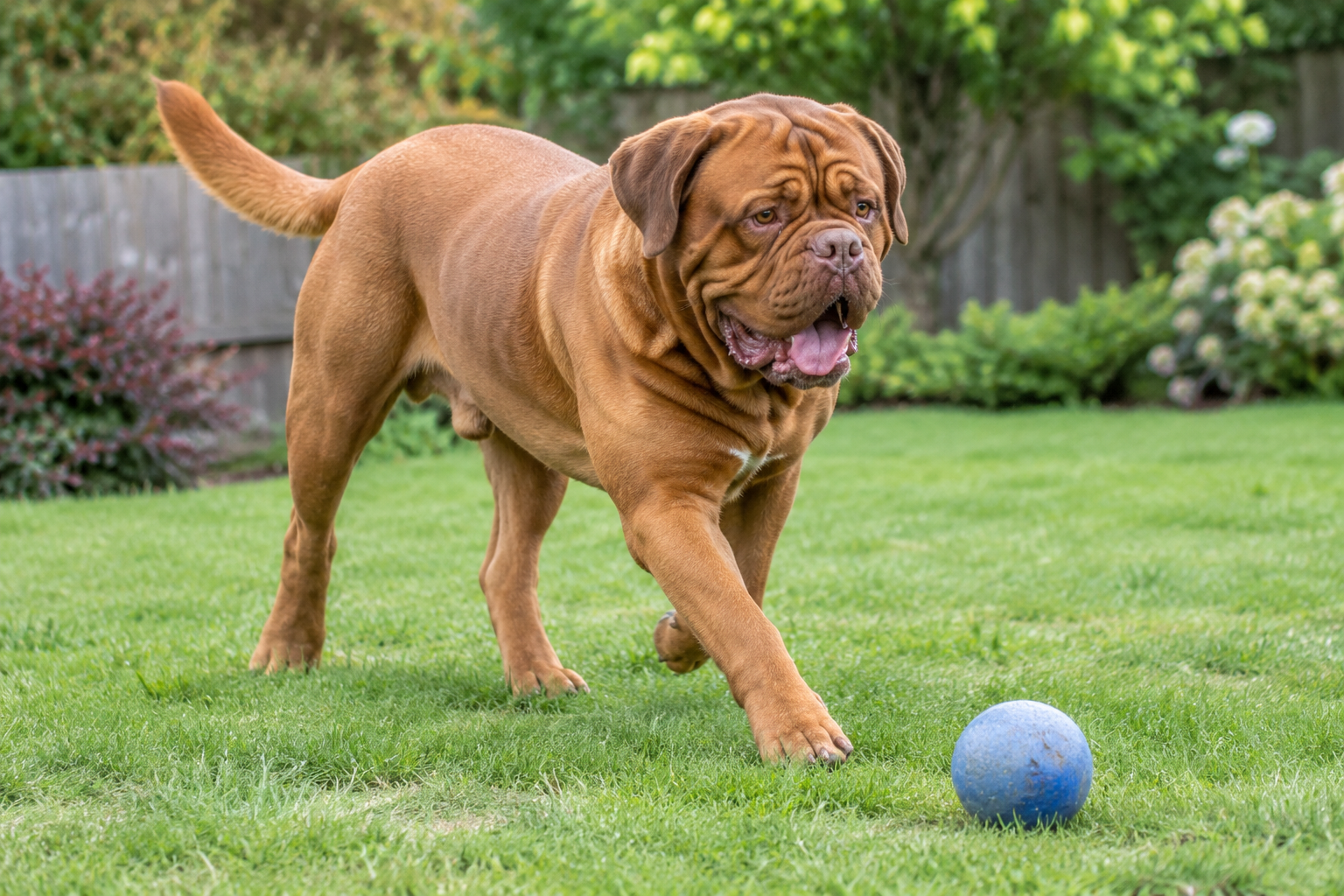
Leisurely walks, sniffing walks, gentle play in a secure yard and calm social outings suit the breed. Many Dogues enjoy paddling or swimming in shallow, safe water, which is also a low-impact way to cool down. Simple obedience and scent games keep the mind busy without overheating the body.
Exercise by Life Stage
Puppies grow very fast and should have short, gentle play sessions, with no stairs, long walks or jumping while growth plates are open. Increase walks gradually through the first 18 months. Adults need steady daily exercise to stay lean. Seniors, often from five years, need shorter, slower walks and more rest.
Importance of Mental Stimulation
Sniffing games, food puzzles, short training sessions and chews give a Dogue mental work on hot days when walks must be cut back. In tick regions of the east coast, check the whole body daily, including between the folds and toes, and keep tick prevention current all year.
Feeding the Dogue de Bordeaux: Nutrition and Diet Needs
Nutritional Requirements
Feed a complete, balanced diet formulated for giant breeds, with calories matched to the dog's moderate activity. A lean body is the single most effective way to protect the joints and breathing. Fresh water should always be available, and many owners raise the water bowl slightly to reduce mess.
Feeding by Life Stage
Feed puppies a giant-breed puppy food three or four times a day, moving to two or three meals as adults. Aim for steady, not rapid, growth, since overfeeding a fast-growing giant puppy increases the load on developing joints. A feeding schedule built for large-breed puppies helps keep growth on track.
Portion Control and Weight Management
You should be able to feel the ribs under a light covering and see a defined waist from above. Weigh the dog monthly and adjust portions for age, desexing and activity. Excess weight makes breathing, heat tolerance and joint disease worse in this breed.
Special Dietary Considerations
Split daily food into at least two meals, avoid vigorous exercise for an hour before and after eating, and discourage gulping with a slow feeder. Avoid grapes, sultanas, chocolate, onion, garlic, macadamias, xylitol and cooked bones. Dogues with allergic skin disease may benefit from a diet trial under veterinary guidance.
Dogue de Bordeaux Price in Australia: Purchase Cost and Ongoing Expenses
Puppy Purchase Price
Expect to pay about $3,500 to $6,000 for a registered Dogue de Bordeaux puppy in Australia. On 18 October 2026, the only litter on Dogz Online's Dogue de Bordeaux puppy listings was priced at $4,500 for a Dogs Queensland main register puppy sold on a not-for-breeding agreement. The Dogz Online Dogue de Bordeaux cost guide puts puppies from reputable breeders at $3,000 to $6,500, juveniles at $2,000 to $4,500 and rescue adoption at $300 to $900.
Very cheap puppies, or puppies sold as "rare blue" or "extra large", deserve extra caution. The price of a well-bred Dogue reflects hip, elbow and heart screening of the parents, and those are the tests that matter most in this breed.
Initial Setup Costs
RSPCA NSW puts first-year setup costs for a dog at about $60 to $80 for microchipping, $280 to $420 for vaccinations, $350 to $650 for desexing, $40 to $100 for a collar, lead or harness, $100 to $200 for a bed and about $170 for puppy school. For a giant breed, budget more for an orthopaedic bed, a giant crate, a car ramp, non-slip mats and possibly air conditioning.
Ongoing Monthly Costs
| Cost | Typical figure (AUD) | Source |
|---|---|---|
| Food | About $120 to $200 a month for giant-breed food | Dogz Online Dogue de Bordeaux cost guide |
| Parasite prevention including ticks | Well above the $122 annual average, since dosing is by weight | Animal Medicines Australia, Pets in Australia 2025 |
| Pet insurance | Around $1,461 per year for a large dog, accident and illness, often more for giant breeds | Canstar, prepared March 2026 |
| Annual vet check and booster | From $140 per year, plus heart checks | RSPCA NSW |
| Professional grooming | Not required | n/a |
Animal Medicines Australia reports that dog-owning households spend about $2,520 a year on average, and a Dogue de Bordeaux usually costs well above that. Comparing how insurance premiums vary by breed before you buy is sensible, and Canstar's pet insurance cost figures show premiums rising with age. Read the policy wording on hereditary conditions and pre-existing condition exclusions carefully.
Long-Term Financial Commitment
The Dogue's short lifespan means fewer years of routine costs, but those years are expensive. The Dogz Online cost guide estimates bloat surgery at $2,500 to $6,000, dysplasia treatment at $1,500 to $7,000 or more, and heart disease management at more than $1,000 a year. The lifetime cost of owning a large dog is a useful baseline, and a giant breed with this health profile sits at the upper end.
Buying Advice for a Dogue de Bordeaux: Choosing a Healthy Puppy
Choosing a Responsible Breeder
Choose a breeder registered with their state member body of Dogs Australia who screens hips, elbows and hearts, raises puppies in the home, and is open about the breed's lifespan and health problems. A good breeder will ask about your home, climate, experience and plans for a cool environment. Be cautious of breeders who advertise non-standard colours or exaggerated size.
Health Checks Before Purchase
Ask to see hip and elbow scores and cardiologist reports for both parents. Meet the mother, and the father if possible, and watch how they breathe and move. A healthy puppy is bright and curious, breathes quietly at rest, moves soundly and has clean skin, clear eyes and clean folds.
Questions to Ask the Breeder
- What are the hip and elbow scores of both parents?
- Have both parents been examined by a veterinary cardiologist, and can I see the reports?
- How old are the grandparents, or how old were they when they died, and of what?
- Have the parents been DNA tested for footpad hyperkeratosis?
- Has there been bloat, cancer or breathing surgery in the line?
- Is the puppy on the main or limited register, and what is your breeder identification number?
- How have the puppies been socialised with people, children and visitors?
- Will you take the dog back at any age if needed?
Considering Adoption
Adult Dogues de Bordeaux do come up for rehoming, often because owners underestimated the size, drool or costs involved. Adopting an adult lets you see temperament, size and health directly, and rescue groups can tell you how the dog behaves with children, visitors and other dogs. The Dogz Online cost guide puts rescue adoption at about $300 to $900.
Is the Dogue de Bordeaux Right for You? Devotion, Space and a Short Life
Lifestyle Compatibility
The Dogue de Bordeaux suits calm, experienced households with space, a cool home and time at home.
It is a poor fit for apartments, hot homes without air conditioning and very active lifestyles.
Time and Care Commitment
Expect two steady walks a day, daily fold care and consistent training from puppyhood.
The commitment is shorter than for most breeds, but more intense in cost and care.
Grooming and Health Awareness
Grooming is simple, but heart, joint, breathing and skin problems are common.
Learn the signs of bloat and heatstroke, and insure your puppy from day one.
Ideal Owner Profile
The ideal owner is calm, consistent and physically able to handle a 50 kg dog.
You need to accept a short life, and to value every year of it.
Find Dogue de Bordeaux Puppies for Sale
If the breed fits your home, you can browse puppies for sale on Pups4Sale and compare registered breeders.
Ask every breeder for hip, elbow and heart results before paying a deposit.
Frequently Asked Questions
Related Breeds
Other working breeds on Pups4Sale.
 German PinscherMedium • Utility (Group 6)
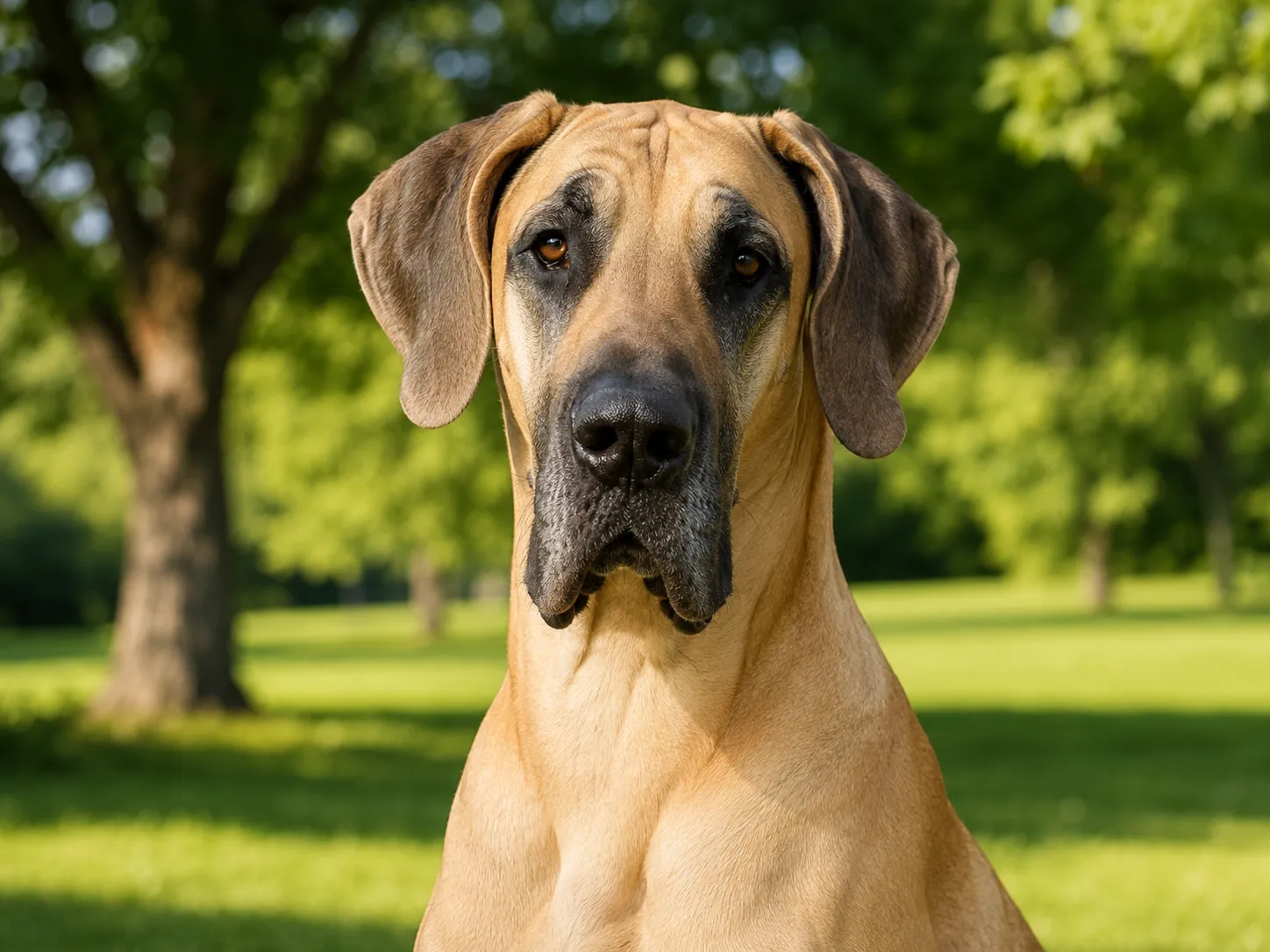 Great DaneGiant • Working
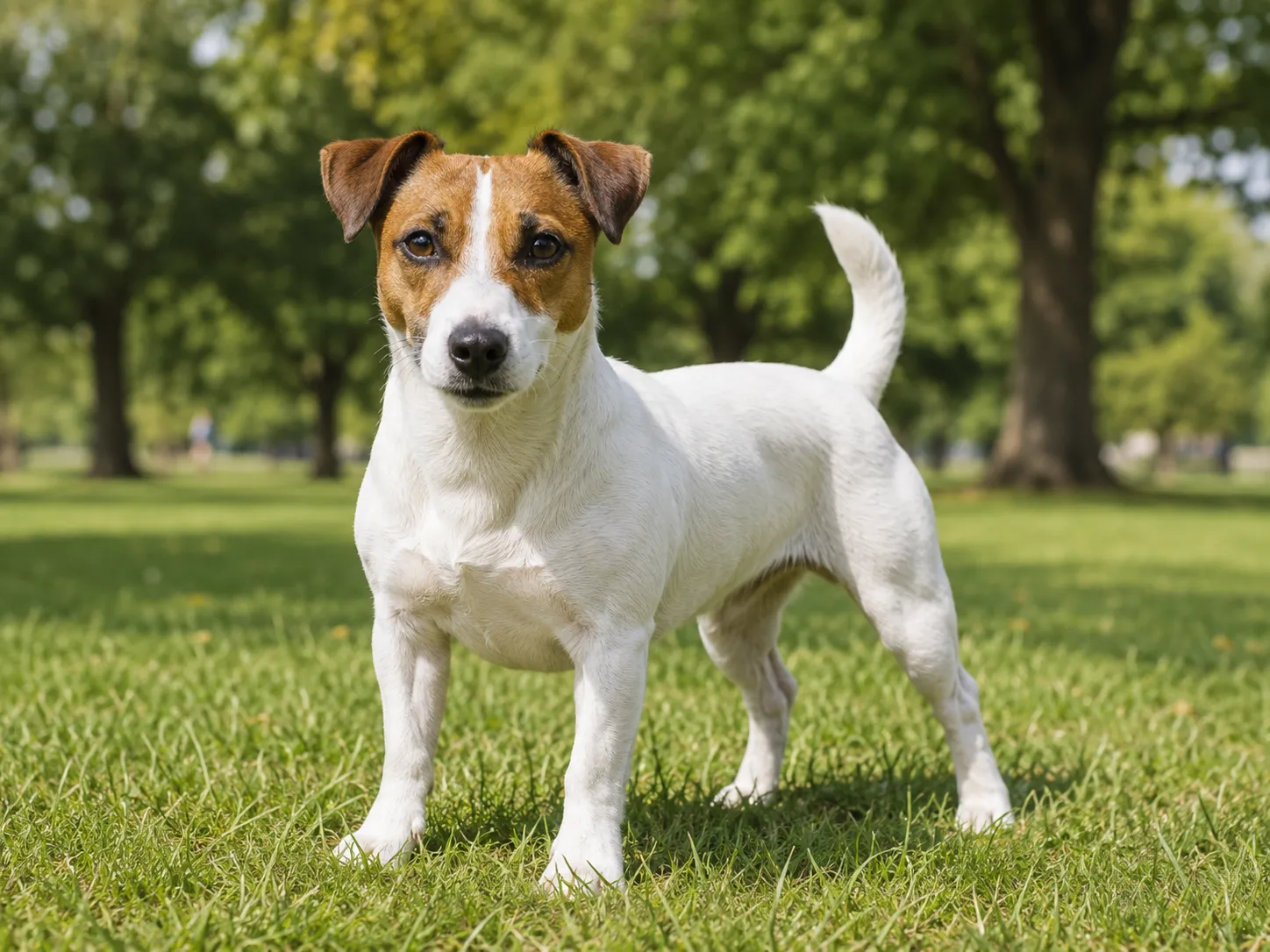 Jack RussellSmall • Terrier
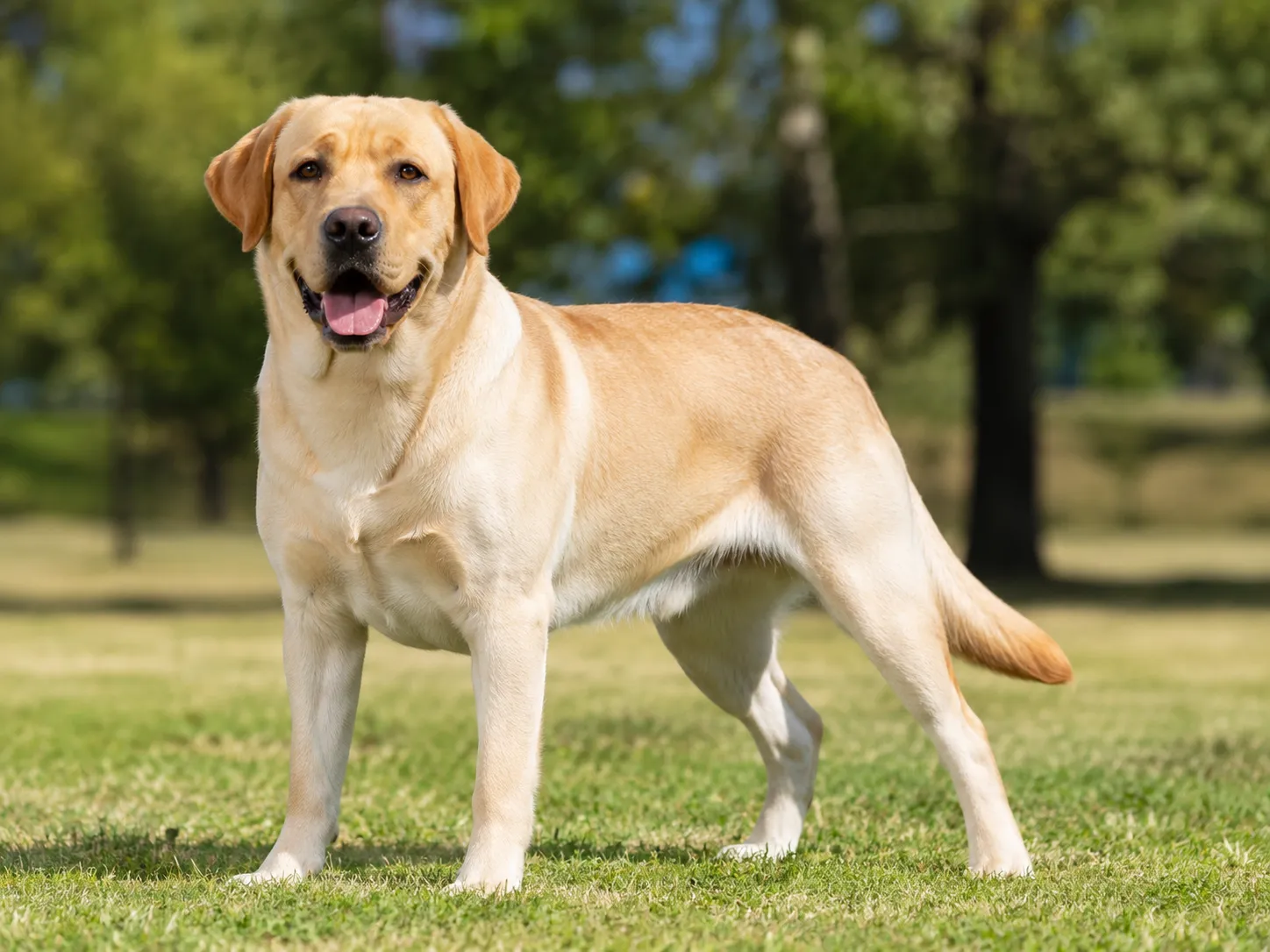 Labrador RetrieverLarge • Gundog / Sporting Group
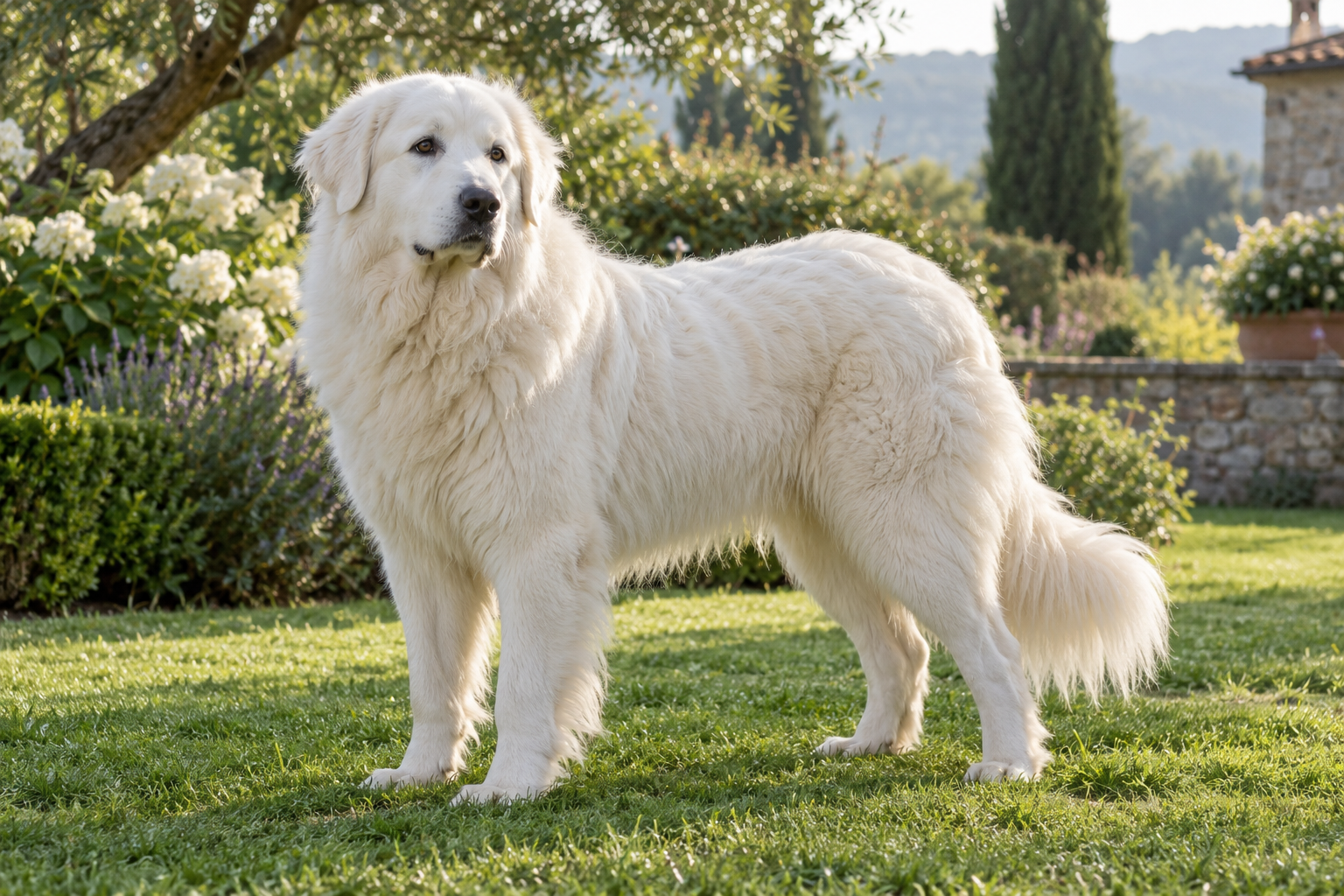 Maremma SheepdogLarge • Working Dogs (Group 5)
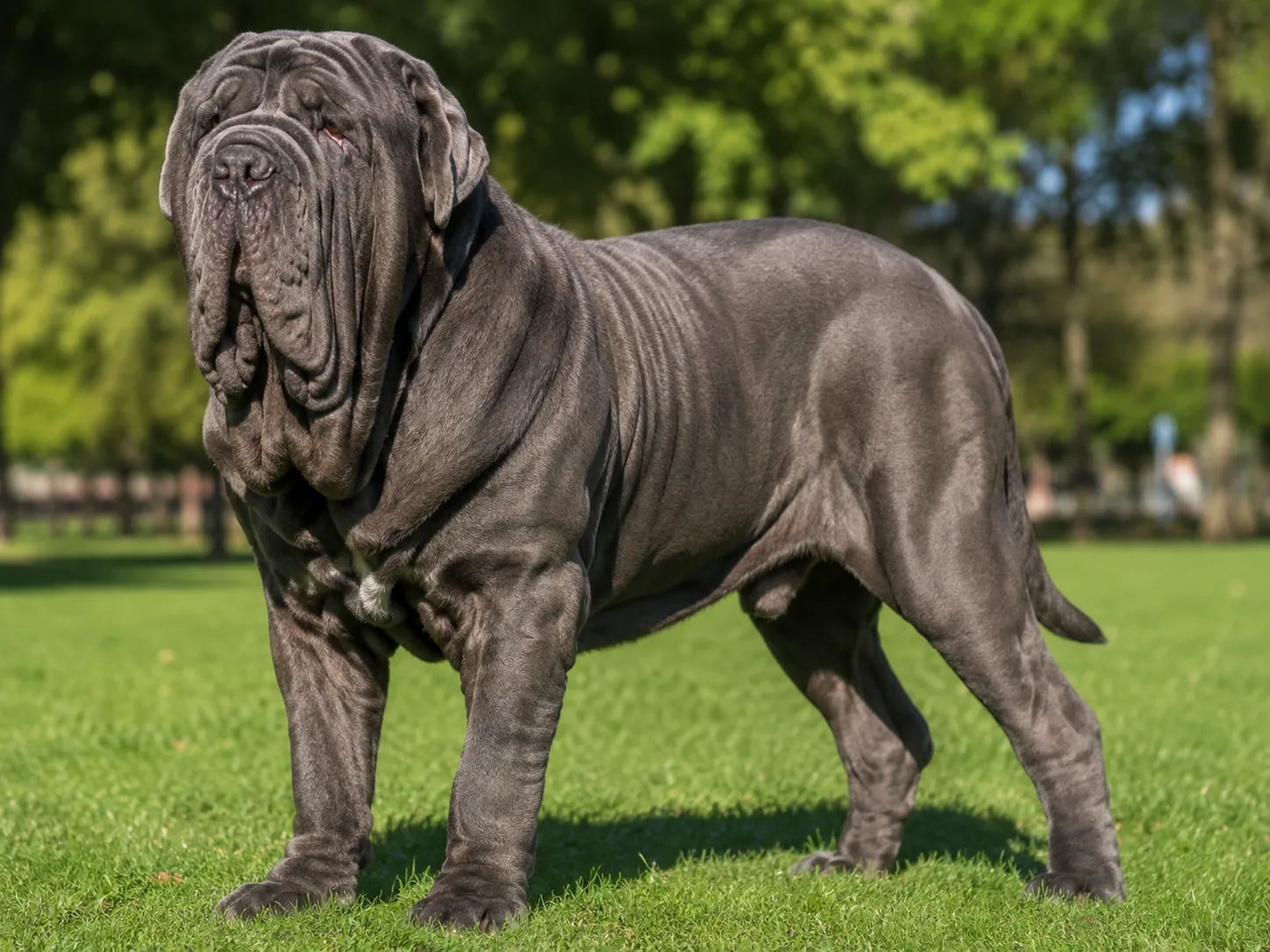 Neapolitan MastiffGiant • Working (Mastiff type guardian)