


Jack Russell
By James C. • Updated
The Jack Russell Terrier is a small, energetic, and highly intelligent breed originally developed in England for fox hunting and vermin control. They are known for their bold personality, strong prey drive, and high energy levels. Jack Russells require consistent training, structure, and daily exercise to stay balanced and well-behaved.
Breed Overview
Life Span
12 - 16 years
Average Price
AUD 2000 - AUD 4000
Weight
Male: 6 - 8 kg Female: 5 - 7 kg
Height
Male: 25 - 38 cm Female: 25 - 35 cm
Life Expectancy
Male/Female: 12 - 16 years
Breed Group
Terrier
Nicknames
JRT
Breed Information
If you are looking for a compact dog with enormous personality, the Jack Russell Terrier delivers intensity in a small frame. Originally bred for fox hunting and underground work, this breed combines intelligence, speed and fearless determination.
The Jack Russell is not a casual companion. It is a high-drive working terrier with relentless energy and strong prey instinct. Daily exercise, mental stimulation and clear structure are essential to prevent frustration-driven behaviour.
In the right home, the Jack Russell becomes loyal, entertaining and highly responsive. In the wrong environment, its intelligence and energy can quickly overwhelm inexperienced owners. This guide breaks down everything you need to know before committing to this bold and capable terrier.
Characteristics of the Jack Russell Terrier: Small Frame, Serious Drive
The Jack Russell Terrier may be compact in size, but its temperament and energy level are anything but small, and a busy terrier still needs a full set of puppy supplies ready. Understanding how this breed scores across key lifestyle traits helps determine whether it fits your household realistically.
| Trait | Rating (Out of 5) | What This Means for You |
| Affection with Family | 4/5 ⭐⭐⭐⭐ | Loyal and bonded to their people, often forming strong attachment to one primary owner. |
| Good with Children | 3/5 ⭐⭐⭐ | Can do well with older children; supervision required due to high energy and reactivity. |
| Good with Other Dogs | 3/5 ⭐⭐⭐ | Social with proper introduction, but may show assertiveness, especially with same-sex dogs. |
| Prey Drive | 5/5 ⭐⭐⭐⭐⭐ | Extremely strong instinct to chase small animals. Secure fencing is essential. |
| Energy Level | 5/5 ⭐⭐⭐⭐⭐ | Requires substantial daily physical and mental stimulation. Not suited to sedentary homes. |
| Trainability | 4/5 ⭐⭐⭐⭐ | Intelligent and quick to learn, but independent and easily bored. |
| Barking Tendency | 4/5 ⭐⭐⭐⭐ | Naturally alert and vocal, especially when under-stimulated. |
| Shedding Level | 3/5 ⭐⭐⭐ | Moderate shedding depending on coat type. |
| Adaptability to Apartment Living | 2/5 ⭐⭐ | Possible only with strict exercise commitment and structured routine. |
The Jack Russell Terrier is best suited to owners who enjoy engagement and structure. This breed thrives when given purpose and consistent boundaries. Without sufficient outlets for energy and instinct, behavioural issues such as digging, barking and chasing are common.
In short, the Jack Russell is highly intelligent, extremely active and instinct-driven. Proper management determines whether that intensity becomes impressive or problematic.
History of the Jack Russell Terrier: A Terrier Built for the Hunt
The Jack Russell Terrier traces its origins to 19th-century England, where it was developed by Reverend John Russell, and it remains among the terrier breeds Australians search for most. His goal was to create a small, agile terrier capable of flushing foxes from their dens without slowing down mounted hunts. Function was the priority, not appearance.
These early terriers were bred for fearlessness, stamina and the ability to work underground. They needed strong prey drive, intelligence and the courage to confront foxes in tight spaces. Compact size allowed them to enter burrows, while powerful legs enabled quick bursts of speed across open terrain.
Over time, the breed evolved into slightly different lines. The Parson Russell Terrier was refined for conformation standards and slightly taller proportions. The Jack Russell Terrier remained closer to its original working form, with more variation in height and coat type.
Today, the Jack Russell is recognised globally as a spirited and capable terrier. Although many now live as companions, their working heritage remains evident. High energy, bold temperament and strong prey instinct are direct results of this functional history.
Appearance of the Jack Russell Terrier: Compact, Agile and Built for Purpose
The Jack Russell Terrier was bred for speed, flexibility and underground work, sharing that earth-dog build with the Miniature Fox Terrier. Its appearance reflects function over ornamentation. Every structural detail supports agility, stamina and determination.
Overall Build
Jack Russells are small but muscular, with a balanced and athletic frame. The body is slightly longer than tall, allowing flexibility when entering tight spaces.
The chest is narrow and compressible, a critical trait for burrow work. Despite their size, they should look sturdy and capable rather than delicate or fragile.
Head and Expression
The head is proportionate with a flat skull and a strong, well-developed muzzle. A correct scissor bite is expected.
Eyes are dark and almond-shaped, expressing alertness and intelligence. Ears fold forward in a button or drop style, contributing to their focused and responsive appearance.
Coat Types
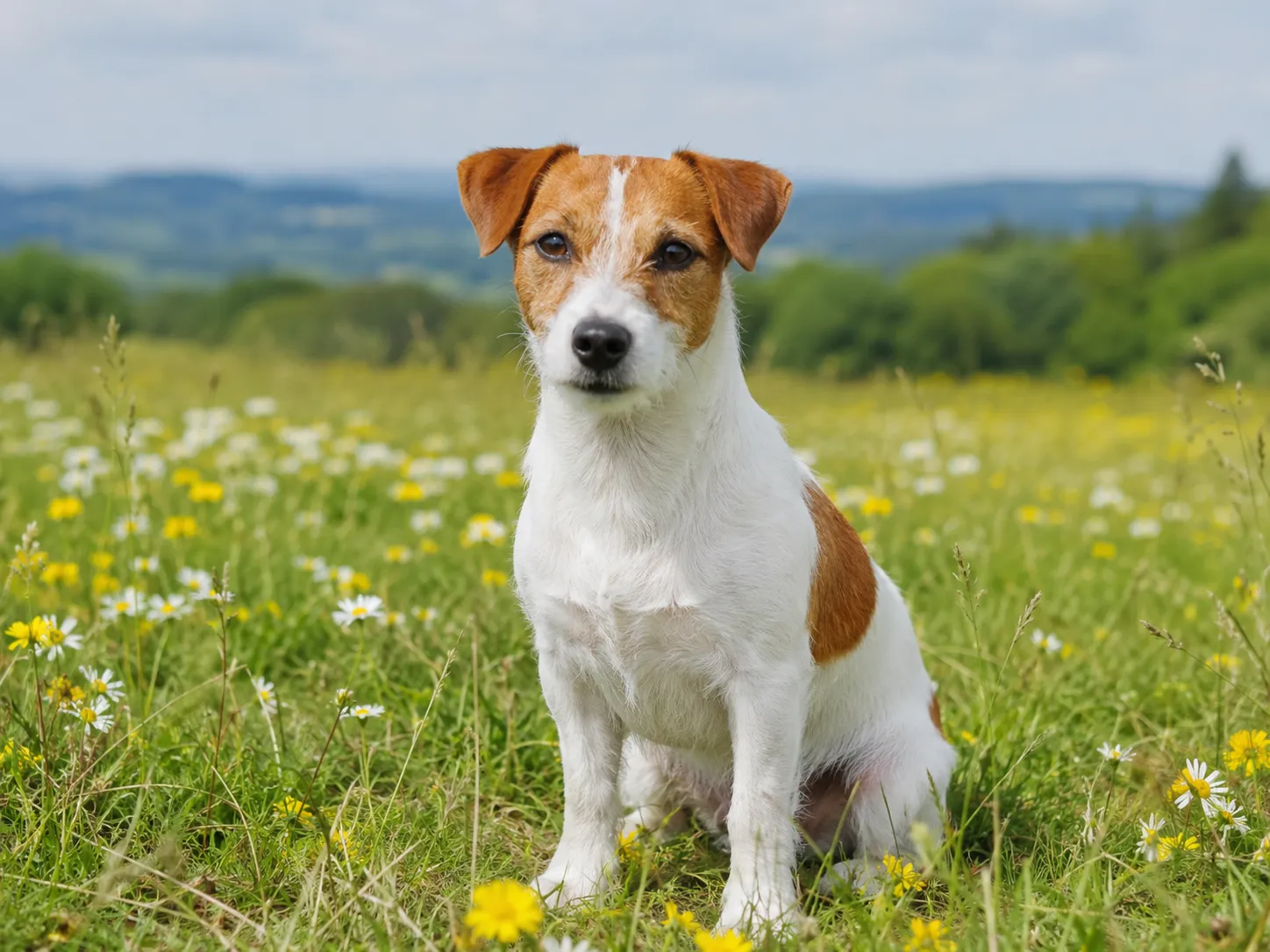
The breed comes in three coat varieties: smooth, rough and broken. All are dense and weather resistant.
Smooth coats lie close to the body and are low maintenance. Rough and broken coats provide additional texture and may require occasional hand-stripping to maintain proper condition.
Colour and Movement
The coat is predominantly white with black, tan or tricolour markings. The white base historically helped hunters distinguish the dog from its quarry.
Movement should be energetic and efficient. A Jack Russell never appears heavy or sluggish. Their gait reflects confidence, balance and constant readiness for action.
Different Types of the Jack Russell Terrier: Understanding the Variations
Although commonly referred to as one breed, the Jack Russell Terrier exists in variations that can influence appearance, grooming needs and even subtle temperament differences. Understanding these distinctions helps prevent confusion when choosing a puppy.
Jack Russell Terrier vs Parson Russell Terrier
The Jack Russell Terrier and the Parson Russell Terrier share common ancestry but are now recognised separately in many kennel systems.
The Parson Russell Terrier is generally taller and more square in proportion, bred more consistently toward show standards. The Jack Russell Terrier tends to have more variation in height and body length, remaining closer to its original working terrier form.
In practical terms, both are high-energy, prey-driven terriers. The difference is more structural than behavioural, though Parson types may appear slightly more refined.
Coat Varieties: Smooth, Rough and Broken
The Jack Russell comes in three coat types:
- Smooth: Short, flat coat that lies close to the body. Low grooming requirements but sheds moderately year-round.
- Rough: Longer, coarse coat with a scruffy appearance. Requires regular brushing and occasional hand-stripping.
- Broken: A mix between smooth and rough, with moderate facial furnishings and a textured coat.
All coat types are dense and weather resistant. Grooming commitment varies, but temperament remains largely consistent across coat varieties.
Size Variation Within the Breed
Unlike highly standardised show breeds, working-line Jack Russells may vary slightly in height, bone density and chest width.
Working-focused lines may prioritise agility and chest compressibility for underground work. Show-focused lines may display more uniform proportions.
When selecting a puppy, clarify whether the breeder prioritises working ability, companionship or conformation standards.
Does Type Affect Temperament?
Temperament is influenced more by breeding quality and early socialisation than by coat type. All Jack Russells share core traits:
- High prey drive
- High energy
- Strong intelligence
- Bold confidence
The key takeaway is that no matter the variation, the Jack Russell remains a driven, instinct-heavy working terrier. Differences are structural and cosmetic rather than behavioural at the core level.
Temperament of the Jack Russell Terrier: Bold, Intense and Highly Driven
The Jack Russell Terrier was bred to think independently, move quickly and confront prey underground without hesitation, so curbing jumping and over-excitement takes consistency. That heritage still defines the breed’s temperament today. This is not a passive companion. It is a sharp, energetic terrier that thrives on activity and purpose.
Core Personality Traits
Jack Russells are confident and alert. They notice movement instantly and react quickly. Shyness is not typical of the breed, and hesitation is rare.
They are affectionate with their families and often form strong bonds with one primary person. However, they are not overly dependent. Independence and self-assurance are central to their character.
Energy and Behavioural Drive
Energy levels are extremely high. Daily structured exercise is essential to prevent frustration-driven behaviours such as digging, barking or destructive chewing.
Mental stimulation is equally important. Without engagement, their intelligence can turn into mischief.
Prey Drive and Reactivity
Prey instinct is strong. Small animals, birds and even fast-moving objects may trigger immediate pursuit.
Secure fencing is essential, as Jack Russells are capable diggers and climbers. Off-lead reliability requires early, consistent recall training.
Social Behaviour
With proper socialisation, they can coexist with other dogs. However, terrier assertiveness may appear, particularly with same-sex dogs.
They are naturally alert and will vocalise when something captures their attention. While not aggressive by default, they can become reactive if poorly managed.
Overall, the Jack Russell Terrier is best suited to owners who appreciate intensity and engagement. When structure, exercise and leadership are consistent, this breed becomes loyal, entertaining and highly capable. Without it, their drive quickly becomes overwhelming.
Intelligence and Trainability of the Jack Russell Terrier: Clever, Quick and Strong-Willed
The Jack Russell Terrier is highly intelligent, but intelligence does not automatically translate into obedience, which is why obedience work should start early. This breed was developed to work independently underground, often making split-second decisions without handler guidance. That independence remains evident in training.
How Intelligent Is the Jack Russell?
Jack Russells learn quickly and recognise patterns with ease. They are natural problem-solvers and can figure out latches, weak fencing and routine behaviours faster than many owners expect.
Their intelligence is practical and instinct-driven rather than passive or handler-focused.
Training Approach That Works
Positive reinforcement combined with firm, consistent structure produces the best results. Food rewards, interactive play and clear boundaries are effective motivators.
Short, engaging sessions work better than repetitive drills. Once bored, the Jack Russell will disengage or test limits.
Common Training Challenges
Independence can appear as stubbornness. In reality, the dog is evaluating whether compliance benefits them.
Prey drive can override commands, especially outdoors. Recall training must begin early and remain consistent throughout life.
Digging and barking behaviours require redirection and structured outlets rather than punishment.
Advanced Training Potential
Jack Russells excel in agility, earthdog trials, flyball and scent work. Their speed and enthusiasm make them strong candidates for performance sports.
Mental stimulation is not optional. Without structured engagement, behavioural problems are likely.
With confident leadership and consistent expectations, the Jack Russell becomes responsive and impressive. Without structure, their intelligence and drive can quickly become disruptive.
Jack Russell Terrier With Children and Other Pets: Energetic but Not Always Gentle
The Jack Russell Terrier can live successfully in family homes, but compatibility depends on supervision, structure and realistic expectations. This is a fast-moving, instinct-driven terrier, not a naturally patient lap dog. If that matches your household, you can browse Jack Russell puppies listed in Australia.
Interaction With Children
Jack Russells often enjoy play with older children who understand boundaries. Their energy and enthusiasm match active school-aged kids who like outdoor games.
However, they are not typically tolerant of rough handling. Toddlers pulling ears or interrupting rest time may trigger defensive reactions. Supervision is essential, particularly during high-energy play.
Energy Compatibility in the Home
Their stamina can overwhelm quieter households. Without daily outlets for physical and mental energy, frustration-driven behaviour may develop.
Families who enjoy outdoor routines and structured engagement often find them entertaining and responsive companions.
Living With Other Dogs
With early socialisation, many Jack Russells can coexist with other dogs. However, terrier assertiveness may lead to dominance disputes, particularly with dogs of the same sex.
Structured introductions and consistent boundaries reduce conflict risk.
Cats and Small Pets
Prey drive is strong. Small pets such as rabbits, birds or guinea pigs are at high risk.
Some individuals can live with cats if raised together from puppyhood, but chasing instinct often remains present. Secure separation and careful management are important.
The Jack Russell can thrive in family settings when expectations are realistic. This breed requires supervision, structured outlets and firm leadership to maintain household harmony.
Health of the Jack Russell Terrier: Generally Robust but Not Without Risk
The Jack Russell Terrier is considered a hardy and long-lived breed, especially when sourced from responsible breeders. Their compact, athletic build contributes to overall resilience. However, like all purebred dogs, certain hereditary and structural conditions can occur.
Common Health Concerns
While generally healthy, Jack Russells may be predisposed to:
- Patellar luxation: displacement of the kneecap, which can affect mobility and comfort.
- Legg-Calvé-Perthes disease: a hip joint disorder seen in smaller breeds that may require surgical management.
- Primary lens luxation: an inherited eye condition that can lead to vision impairment if untreated.
- Deafness: more common in predominantly white-coated individuals due to genetic factors.
Regular veterinary checks allow early detection and management.
Eye and Genetic Testing
Responsible breeders conduct ophthalmologist eye examinations and may perform DNA testing for inherited eye diseases. Always request documentation before committing to a puppy.
Early screening significantly reduces the risk of severe hereditary complications.
Dental and Joint Health
Small terrier breeds can experience dental crowding. Regular tooth brushing and professional cleaning when needed help prevent periodontal disease.
Maintaining lean body condition protects joints and reduces strain on knees and hips.
Lifespan and Preventative Care
Jack Russells commonly live between 12 and 16 years. Consistent exercise, high-quality nutrition and preventative veterinary care contribute to longevity.
Overall, the breed is structurally sound when responsibly bred. Careful breeder selection and ongoing preventative management are the most important factors in long-term health.
Caring for the Jack Russell Terrier: Structure, Stimulation and Secure Management
Caring for a Jack Russell Terrier requires daily involvement. This is a high-drive working terrier in a compact body. Physical exercise alone is not enough. Mental stimulation, structured routine and environmental management are essential for long-term stability.
Daily Exercise and Routine
Jack Russells require at least 60 to 90 minutes of structured activity every day. This should include brisk walks, controlled running in secure areas, interactive play and training sessions.
Unstructured backyard access is not sufficient. Without purposeful outlets, behaviours such as digging, excessive barking and destructive chewing are likely.
Consistency in routine reduces anxiety and prevents boundary testing.
Mental Stimulation Requirements
This breed needs cognitive challenges. Puzzle feeders, scent games, hide-and-seek tasks and short obedience sessions help channel their intelligence productively.
Rotating activities prevents boredom. A mentally under-stimulated Jack Russell will often create its own entertainment.
Secure Environment and Management
Secure fencing is critical. Jack Russells are capable diggers and surprisingly agile climbers. Gaps under fences or low barriers are common escape points.
Supervised outdoor time is strongly recommended, particularly in areas with wildlife or small animals.
Crate training can provide structure and help prevent destructive behaviour when left alone for short periods.
Climate and Living Space
Jack Russells adapt well to most Australian climates, provided shelter and shade are available. Their coat does not offer heavy insulation, so protection may be needed in colder regions.
They can live in apartments only if exercise needs are strictly met. Houses with secure yards are generally more practical.
Emotional and Social Needs
Despite their independence, Jack Russells form strong bonds with their families. Long periods of isolation may lead to separation-related behaviours.
They thrive in homes where engagement is daily and consistent. Caring for this breed means embracing activity, structure and leadership.
When properly managed, the Jack Russell becomes resilient, entertaining and loyal. Without structured care, their energy and instinct quickly dominate household life.
Grooming of the Jack Russell Terrier: Coat Care, Maintenance and Practical Management
Grooming requirements for the Jack Russell Terrier depend largely on coat type. While the breed is generally low to moderate maintenance, neglecting coat, ears or dental care can lead to avoidable health issues.
Coat Care by Type
Smooth-coated Jack Russells have a short, flat coat that lies close to the body. Weekly brushing with a grooming mitt helps remove loose hair and maintain shine. Shedding is moderate and often more noticeable during seasonal changes.
Rough and broken coats require more attention. These textures benefit from regular brushing to prevent matting. Hand-stripping several times per year helps maintain correct coat texture and reduces excessive shedding. Clipping is easier but may soften the coat over time.
Bathing and Skin Health
Jack Russells do not require frequent bathing. Washing every few months, or when visibly dirty, is typically sufficient.
Overbathing can strip natural oils and lead to dry or irritated skin. Always use a mild, dog-specific shampoo and rinse thoroughly.
Ear and Eye Care
Ears should be checked weekly for redness, odour or debris. Although not as heavy as some long-eared breeds, poor hygiene can still lead to infection.
Eyes should appear clear and bright. Any persistent discharge or cloudiness requires veterinary attention.
Nail and Dental Maintenance
Nails should be trimmed regularly to prevent overgrowth and posture changes. Active individuals may wear nails down naturally, but this should not be assumed.
Dental care is especially important in smaller breeds. Regular tooth brushing reduces tartar build-up and lowers the risk of periodontal disease.
Seasonal Considerations
Shedding may increase during warmer months. Regular brushing during these periods helps manage loose hair and maintain coat condition.
Overall, grooming demands are manageable with consistency. Routine maintenance supports skin health, comfort and long-term wellbeing in this active terrier.
Exercise Needs of the Jack Russell Terrier: High Intensity Is Non-Negotiable
The Jack Russell Terrier was bred to hunt all day, think independently and move without hesitation. That energy has not faded in modern lines. Exercise is not optional for this breed. It is the foundation of behavioural stability and long-term wellbeing.
How Much Exercise Is Required?
Most adult Jack Russells require a minimum of 60 to 90 minutes of structured activity daily. This should include brisk walking, running in secure areas, interactive play and training sessions.
Simply allowing access to a yard is not enough. Purposeful, engaged activity produces far better results than passive roaming.
Mental Stimulation Is Essential
A tired body without a tired mind still produces mischief. Jack Russells thrive on problem-solving challenges.
Scent games, puzzle feeders, hide-and-seek tasks and short obedience drills provide the cognitive outlet this breed requires. Mental fatigue helps reduce barking, digging and destructive behaviour.
Off-Lead and Recall Considerations
Because of strong prey drive, off-lead exercise should occur only in fully enclosed areas. Even well-trained individuals may chase birds or small animals instinctively.
Recall training must begin early and remain consistent. Expect ongoing reinforcement rather than one-time success.
Exercise by Life Stage
Puppies require controlled play to protect developing joints. Avoid repetitive high-impact activity until growth plates mature.
Senior Jack Russells may slow slightly but still require structured movement to prevent frustration and weight gain.
When properly exercised, the Jack Russell becomes focused and manageable. Without sufficient outlets, their energy quickly becomes disruptive. Daily structured activity is a permanent commitment when owning this breed.
Feeding the Jack Russell Terrier: Supporting a High-Energy, Compact Breed
The Jack Russell Terrier is small but remarkably energetic, with a metabolism built for activity and endurance. Feeding this breed requires careful attention to nutrition, portion control and life stage needs to maintain lean muscle, support joint health, and fuel their constant energy output.
Nutritional Requirements
Jack Russells benefit from a high-quality complete dog food formulated for small to medium active breeds. Protein should be sufficient to maintain muscle mass, while healthy fats provide sustained energy. Look for diets enriched with omega-3 and omega-6 fatty acids to support skin, coat and cognitive health, especially important for rough or broken coat types.
Feeding Schedule and Portions
Adults generally do well on two measured meals per day, while puppies require three smaller meals until about six months old. Free feeding is not recommended, as it can lead to overconsumption and weight gain, which stresses joints and energy balance.
Portion size should be guided by weight, activity level, and body condition. Regular monitoring ensures your Jack Russell remains lean but healthy, with a visible waist and abdominal tuck.
Treats and Training Rewards
Treats are valuable for mental stimulation and training, but should make up no more than 10% of daily caloric intake. Using part of their regular kibble as rewards can help maintain balanced nutrition while encouraging positive behaviour.
Special Dietary Considerations
Some Jack Russells may have food sensitivities. Watch for signs such as itchy skin, digestive upset, or ear irritation. Introduce new foods gradually over 7–10 days to prevent gastrointestinal issues. Avoid table scraps or human food high in fat, sugar or salt, as these can quickly cause weight gain or digestive problems.
Hydration and Senior Dogs
Fresh water should always be available, especially after exercise. Senior Jack Russells may require adjusted portion sizes and higher-quality protein to maintain muscle mass while preventing excess weight.
Key Takeaways
Proper feeding for a Jack Russell Terrier means matching nutrition to activity level, monitoring body condition, and providing consistent meal structure. Combined with daily exercise and mental stimulation, it ensures your dog remains energetic, lean, healthy, and ready to thrive in a busy household.
Jack Russell Terrier Price and Ongoing Costs in Australia: What to Expect
The Jack Russell Terrier is a popular breed in Australia, but quality puppies from responsible breeders come at a premium. Price reflects health testing, pedigree, early socialisation, and breeder reputation.
Purchase Price
Typically, a Jack Russell puppy costs between $2,000 and $4,000 AUD. Factors influencing cost include:
- Breeder reputation and registration with recognised canine associations
- Health testing for patellar luxation, eye conditions, and general structural soundness
- Pedigree and bloodline, including working or show lineage
- Geographic location and availability
Extremely low prices may indicate limited health checks or inexperienced breeding practices.
Initial Setup Costs
First-year expenses often include:
- Vaccinations and veterinary checks
- Microchipping and council registration
- Desexing if not already completed
- Crate, bedding, secure fencing, and training tools
- Food and supplies for the first months
Expect setup costs of $1,000 to $2,000 AUD in addition to the purchase price.
Ongoing Monthly Expenses
- High-quality dog food suited to active small breeds
- Routine veterinary care including parasite prevention
- Grooming for rough or broken coat types
- Training classes or enrichment activities if needed
Wire or rough-coated Jack Russells may require professional hand-stripping several times per year, increasing grooming expenses.
Lifetime Cost Considerations
Over a 12–16 year lifespan, total ownership costs can range from $18,000 to $25,000 AUD, depending on veterinary care, grooming, and lifestyle choices.
Owning a Jack Russell Terrier requires financial readiness, time investment, and commitment to daily exercise and mental stimulation, ensuring your dog remains healthy, happy, and well-adjusted throughout its life.
Buying Advice for Jack Russell Terrier Puppies: Choosing Responsibly
Selecting a Jack Russell Terrier puppy requires careful consideration. This breed is highly energetic, intelligent, and driven, so early development, socialisation, and health screening are critical for long-term wellbeing.
Finding an Ethical Breeder
Look for breeders registered with recognised Australian canine associations. Ethical breeders provide:
- Documentation of health testing (patellar luxation, eye exams, and general structural soundness)
- Access to meet the dam and, if possible, the sire
- Information about early socialisation and household exposure
- Honest temperament guidance and realistic exercise needs
Avoid sellers who focus solely on availability or low prices, as this often indicates limited health checks or substandard early care.
Assessing Puppy Health and Temperament
Observe puppies interacting with littermates and humans. Confident, curious behaviour without fear or aggression is ideal. Ask about exposure to household sounds and gentle handling to ensure socialisation.
Check for physical signs of health, including clean eyes, ears, and healthy coat, and inquire about vaccination history.
Rescue and Adoption Options
Jack Russell Terriers occasionally appear in breed rescues. Adoption may suit experienced owners prepared to continue structured training and manage high energy.
Choosing carefully at the outset ensures a well-adjusted, healthy, and happy Jack Russell Terrier. Early investment in selecting the right puppy pays off in manageable behaviour and long-term companionship.
Is the Jack Russell Terrier Right for You? A Practical Suitability Check
The Jack Russell Terrier is not a low-maintenance companion. It is a small, high-energy, instinct-driven terrier that requires daily structured exercise, mental stimulation, and secure outdoor space. Without proper outlets, their intelligence and drive can quickly become overwhelming.
This breed is best suited to active individuals or families who enjoy outdoor routines, structured play, and consistent leadership. Jack Russells thrive in environments where their energy is managed and their natural instincts are channelled through training and purposeful activity. They are affectionate, loyal, and alert, forming strong bonds with their families while remaining independent thinkers.
Jack Russells are less suitable for sedentary households, homes without secure fencing, or environments where small pets roam freely. They need clear boundaries and supervision to prevent chasing, digging, or destructive behaviours.
If your lifestyle aligns with the Jack Russell’s needs for exercise, engagement, and structure, the next step is connecting with reputable breeders. Browse verified Jack Russell Terrier listings on Pups4Sale to find responsible breeders across Australia and ensure your puppy’s health, socialisation, and long-term wellbeing.
Frequently Asked Questions
Related Breeds
Other working breeds on Pups4Sale.
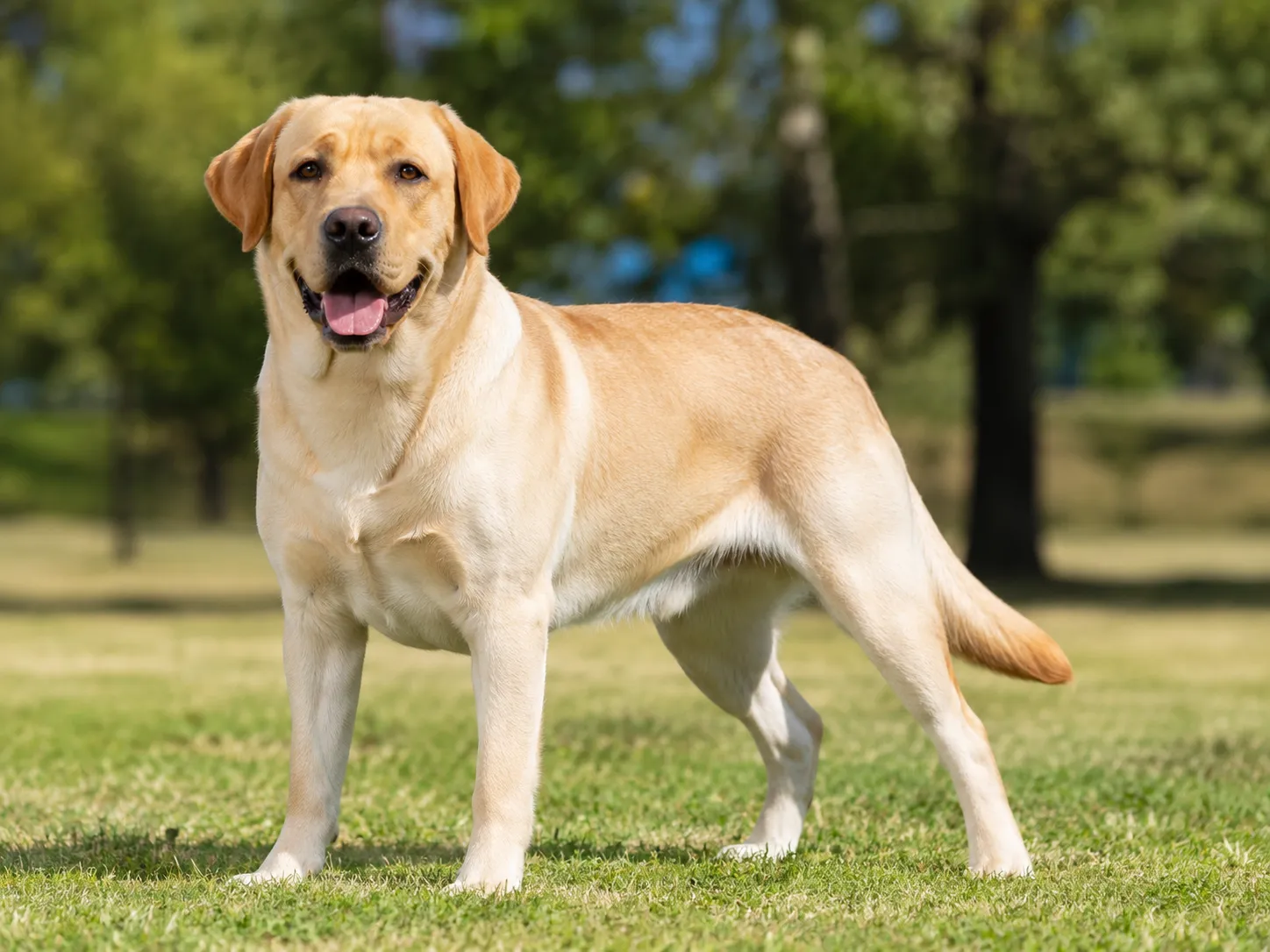 Labrador RetrieverLarge • Gundog / Sporting Group
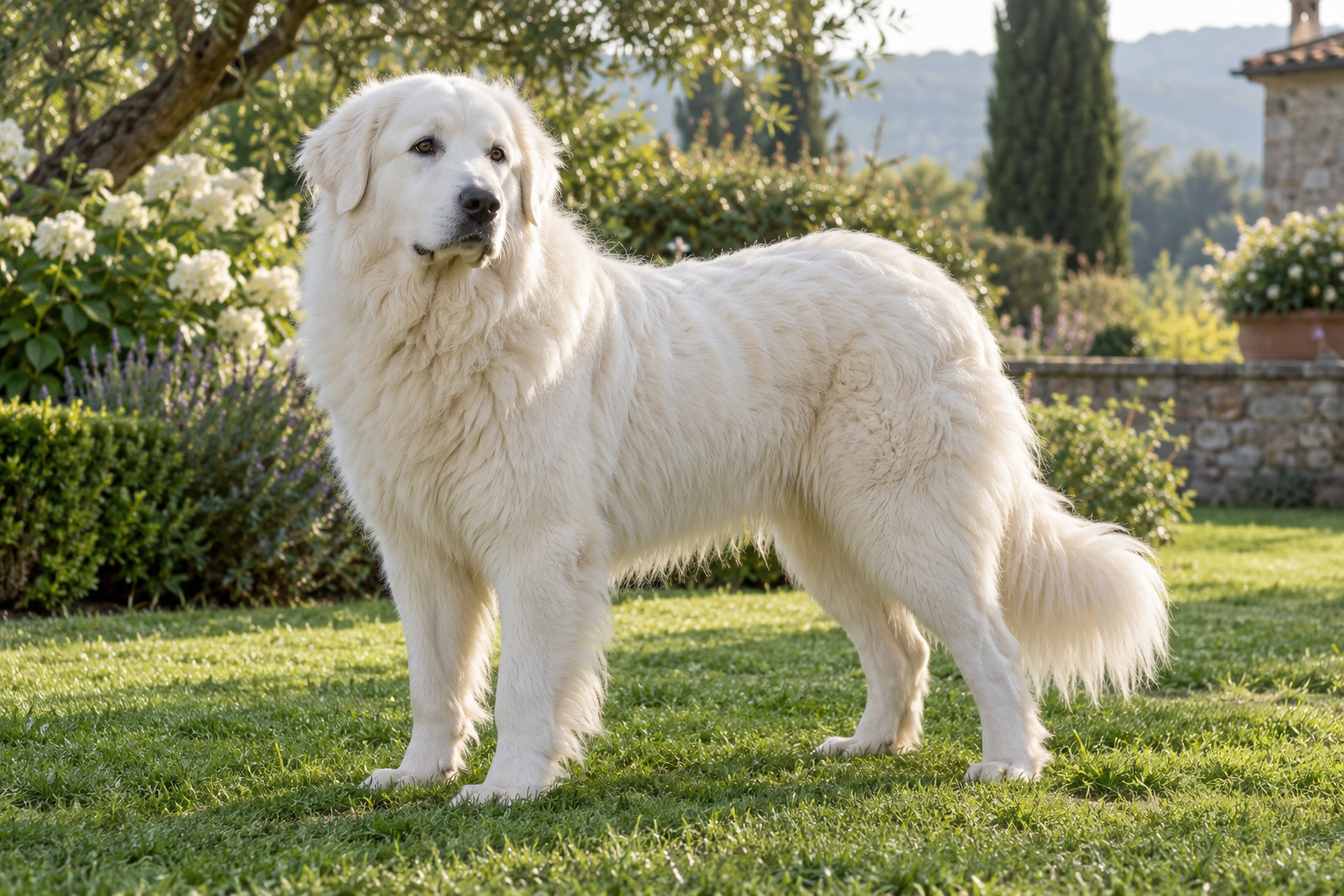 Maremma SheepdogLarge • Working Dogs (Group 5)
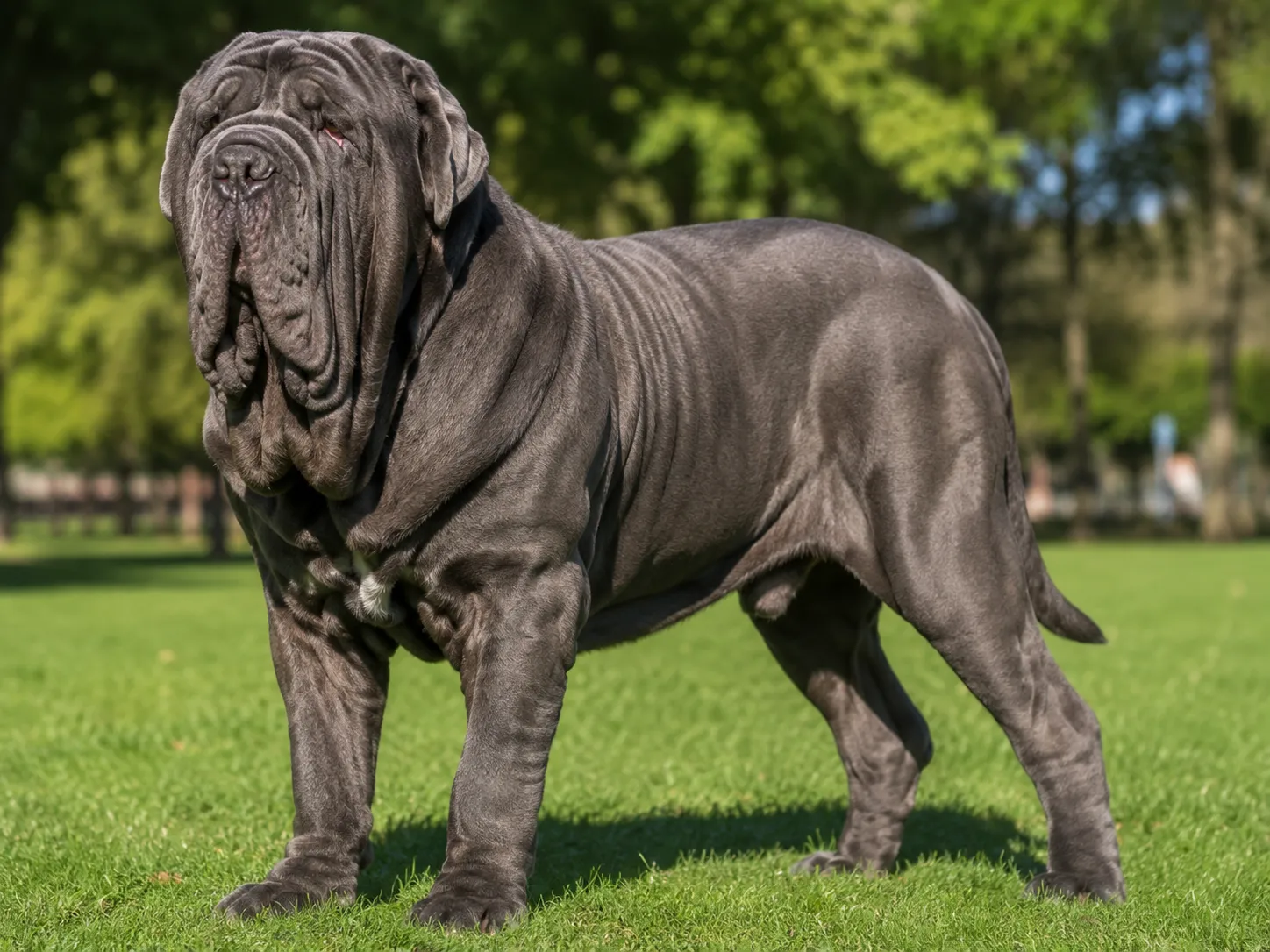 Neapolitan MastiffGiant • Working (Mastiff type guardian)
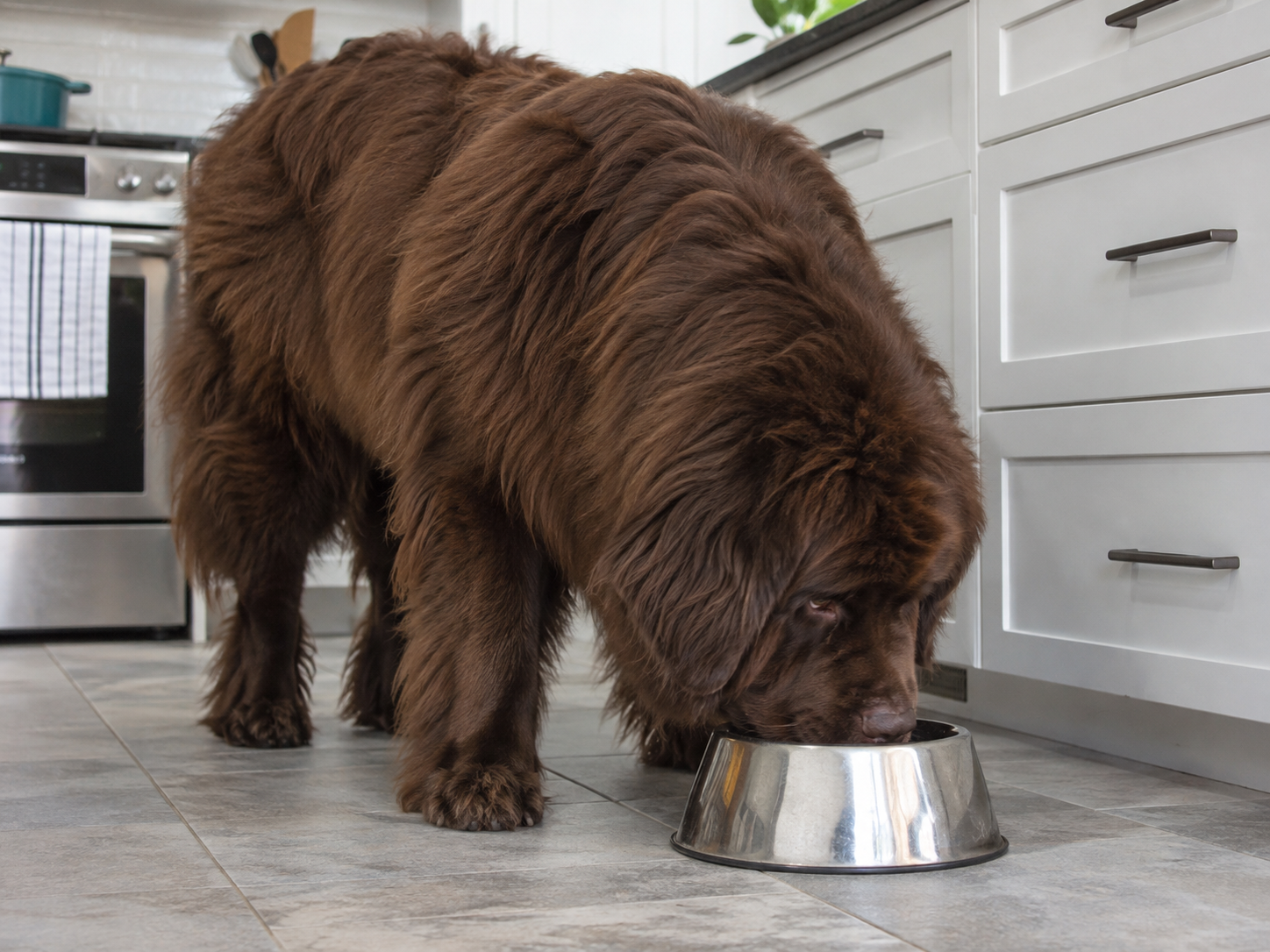 NewfoundlandGiant • Working Dogs
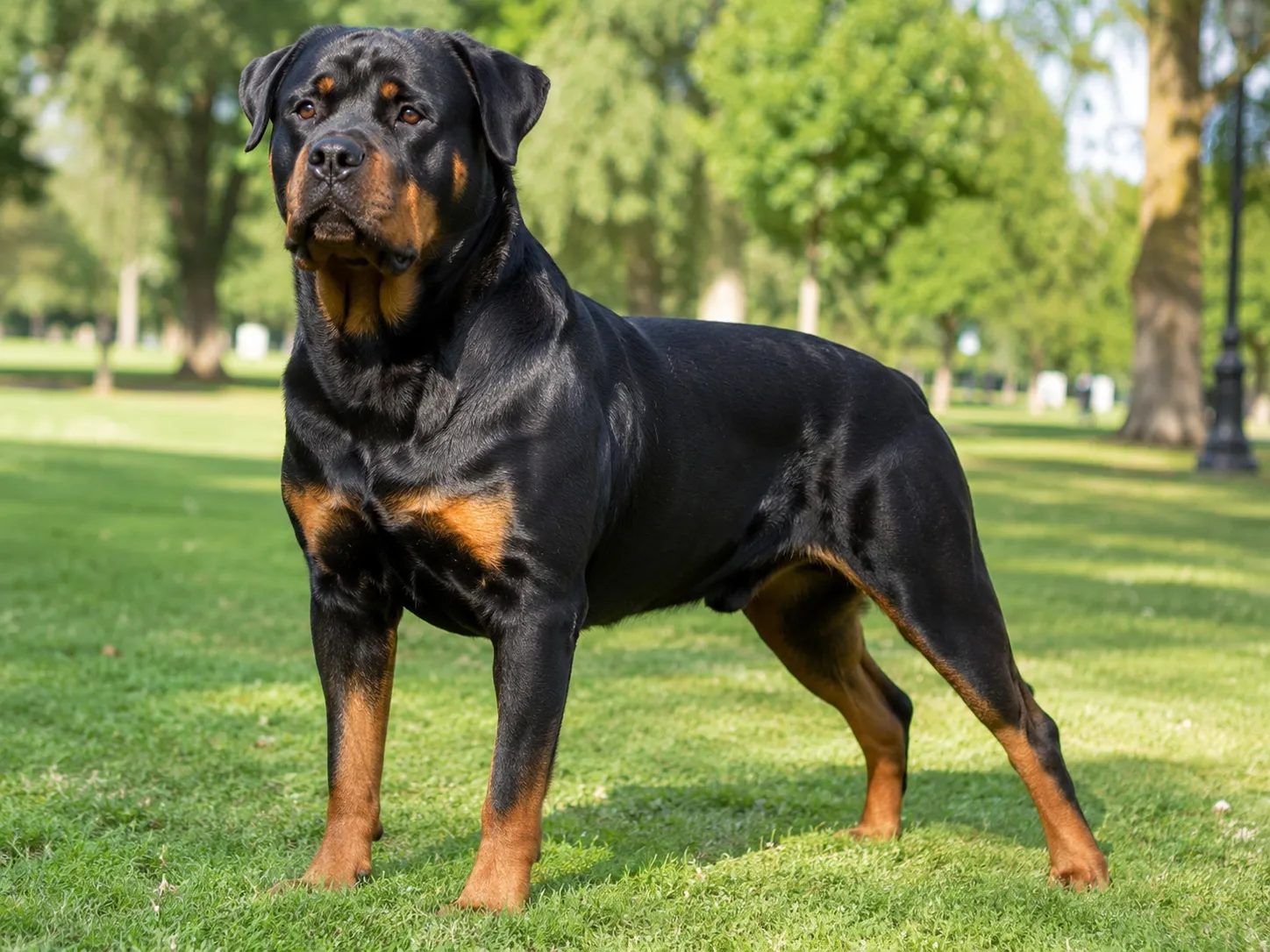 RottweilerLarge • Working / Guardian
 SamoyedLarge • Working Group