Miniature Fox Terrier
By James C. • Updated
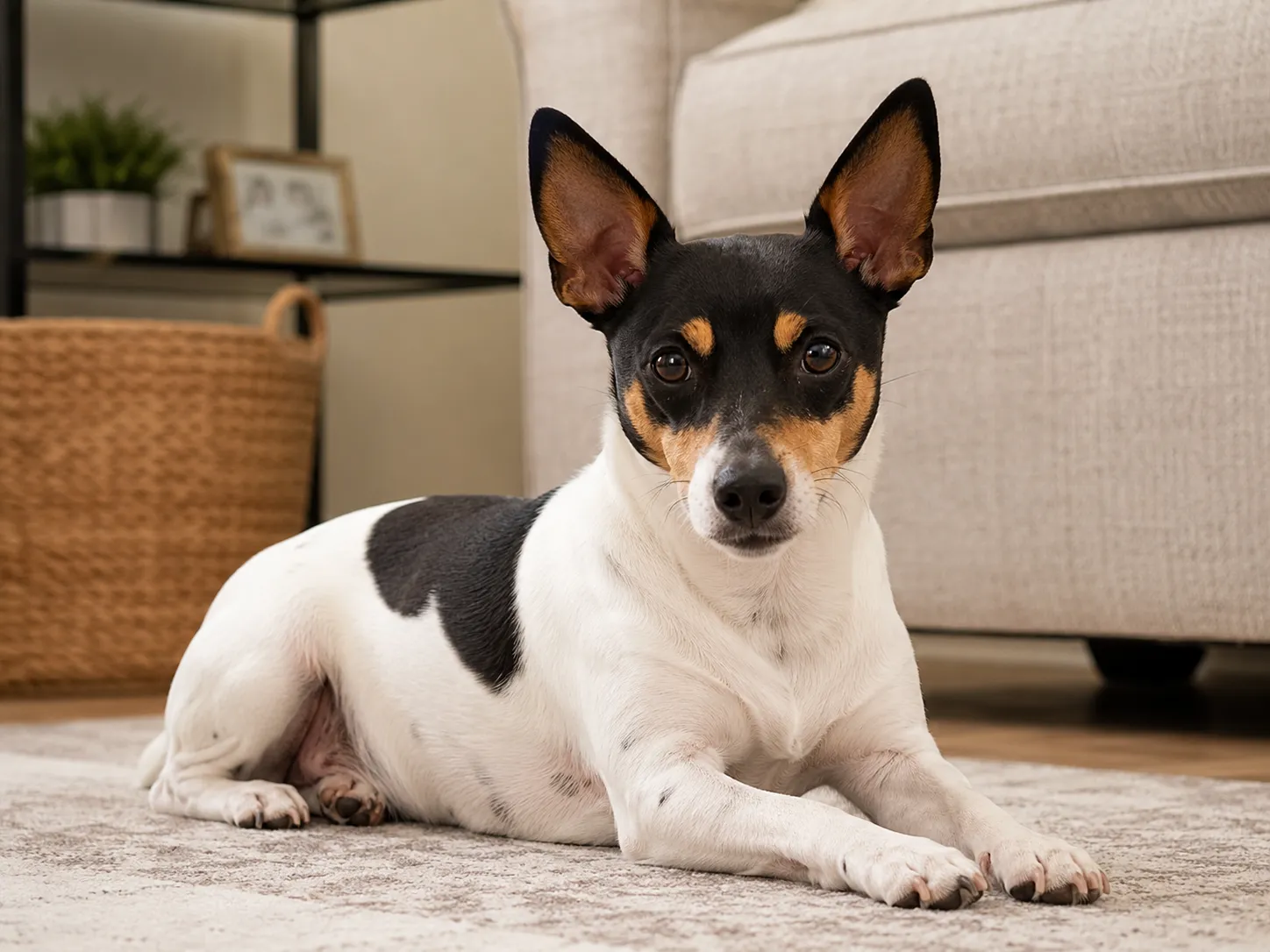
The Miniature Fox Terrier is a small, alert, and energetic Australian favourite originally bred for hunting vermin on farms and rural properties. Despite its compact size, this breed is fearless, intelligent, and highly loyal to its family. Mini Foxies are known for being easy to maintain, adaptable, and well suited to both country and suburban lifestyles.
Breed Overview
Life Span
12 - 14 years
Average Price
AUD 800 - AUD 2500
Weight
Male: 3.5 - 5.5 kg Female: 3.5 - 5.5 kg
Height
Male: 24 - 30 cm Female: 24 - 30 cm
Life Expectancy
Male/Female: 12 - 14 years
Breed Group
Toy / Small Terrier
Nicknames
Mini Foxie, Mini Fox Terrier
Breed Information
The Miniature Fox Terrier is one of Australia’s most recognisable small working terriers, valued for its courage, agility, and lively personality. Originally bred to control vermin on farms, this compact terrier developed a reputation for speed, determination, and remarkable hunting instinct despite its small size.
Today, the Mini Foxie remains a capable vermin hunter but is equally popular as a companion dog. Its small size, alert nature, and loyal temperament make it well-suited to Australian households, from rural properties to suburban homes and apartments.
Owners considering this breed should understand that beneath its charming appearance lies a true working terrier mindset. Miniature Fox Terriers are energetic, confident, and intelligent dogs that thrive when given regular exercise, mental stimulation, and consistent training. In the right home, they are affectionate companions and vigilant watchdogs that bond closely with their families.
Characteristics of the Miniature Fox Terrier
Understanding the Miniature Fox Terrier’s key traits helps potential owners determine whether this energetic Australian terrier suits their lifestyle, and its short coat needs only a simple short-coat grooming routine. Despite its small size, the breed combines confidence, intelligence, and strong working instincts, which can influence daily care, training, and household dynamics.
| Trait | Rating | Star Rating | What This Means for Owners |
| Size | Very Small | ⭐⭐⭐⭐⭐ | The Miniature Fox Terrier is a compact dog that fits easily into apartments or smaller homes. Their light frame also makes them easy to travel with and handle. |
| Adaptability | High | ⭐⭐⭐⭐☆ | These terriers adapt well to different living environments, including rural properties and urban homes, provided they receive enough stimulation and exercise. |
| Exercise Needs | Moderate to High | ⭐⭐⭐⭐☆ | Despite their size, Mini Foxies are energetic dogs that require daily walks and active play sessions to stay mentally and physically balanced. |
| Easy to Train | Moderate | ⭐⭐⭐☆☆ | The breed is intelligent and capable of learning quickly, but their independent terrier nature means training must be consistent and structured. |
| Amount of Shedding | Low to Moderate | ⭐⭐⭐☆☆ | Their short coat sheds lightly throughout the year with occasional seasonal increases, though grooming remains simple compared with long-coated breeds. |
| Grooming Needs | Low | ⭐⭐☆☆☆ | The coat is short and smooth, requiring only weekly brushing and basic maintenance such as nail trimming and ear checks. |
| Good With Children | Moderate | ⭐⭐⭐☆☆ | Mini Foxies generally do best with older children who understand how to handle small dogs respectfully and calmly. |
| Health of Breed | Good | ⭐⭐⭐⭐☆ | Overall the breed is considered relatively healthy, though some small-breed conditions such as patellar luxation can occur. |
| Cost to Keep | Low | ⭐⭐⭐⭐☆ | Their small size means lower food costs and generally manageable veterinary and grooming expenses compared with larger breeds. |
| Tolerates Being Alone | Moderate | ⭐⭐⭐☆☆ | Miniature Fox Terriers form strong bonds with their families and prefer companionship, though they can tolerate short periods alone with proper routine. |
| Intelligence | High | ⭐⭐⭐⭐☆ | These dogs are quick learners and highly alert, which contributes to their ability as watchdogs and working terriers. |
History of the Miniature Fox Terrier
The Miniature Fox Terrier developed in Australia during the mid to late nineteenth century, when settlers needed small, agile dogs capable of controlling vermin on farms and rural properties. It remains one of the terrier breeds Australian owners search for most. Early colonists brought various terrier breeds from England, particularly the Smooth Fox Terrier, which formed the foundation of this energetic Australian working dog.
Breeders began selectively crossing smaller Fox Terriers with other compact breeds such as the Toy Manchester Terrier, English Toy Terrier, and possibly other toy breeds. The goal was to create a lighter, faster dog that retained the courage and hunting instincts of traditional fox terriers while being better suited for catching smaller pests like rats, mice, and rabbits.
By the late nineteenth century, the type had become clearly recognisable. These small terriers proved highly effective at controlling vermin on Australian farms, where they quickly gained a reputation for tenacity, speed, and determination. Farmers valued them for their ability to chase pests into tight spaces and their willingness to confront rodents and snakes.
Although originally bred as working farm dogs, the Mini Foxie’s affectionate personality and manageable size helped it transition into suburban households during the early twentieth century. By the 1920s the breed had become a familiar sight in many Australian homes, valued as both a companion and a vigilant watchdog.
Interest in preserving the breed grew during the 1980s when enthusiasts established the Miniature Fox Terrier Club of Australia to protect breeding standards and maintain pedigree records. Unlike many other Australian breeds, the Miniature Fox Terrier is not recognised by the Australian National Kennel Council, and its registry remains maintained by the independent breed club.
Today, the Miniature Fox Terrier remains closely associated with Australia. While still used on farms for pest control, the breed is now widely appreciated as a lively companion dog whose working heritage, intelligence, and bold personality continue to define its character.
Appearance of the Miniature Fox Terrier
Size and Build
The Miniature Fox Terrier is a compact, finely built small terrier designed for speed, agility, and endurance, built along the same lines as the Jack Russell, a comparable working terrier. Despite weighing only around 3.5 to 5.5 kilograms, the breed has a balanced and muscular frame that reflects its working origins as a vermin hunter. Its light but sturdy body allows it to move quickly and squeeze into tight spaces when pursuing rodents or small pests.
Most Mini Foxies stand between 24 and 30 centimetres at the shoulder, making them one of the smaller terrier breeds in Australia. Their compact proportions give them a neat, athletic outline rather than a fragile appearance. This sturdy structure allows them to remain surprisingly resilient and energetic despite their small size.
Head and Facial Features
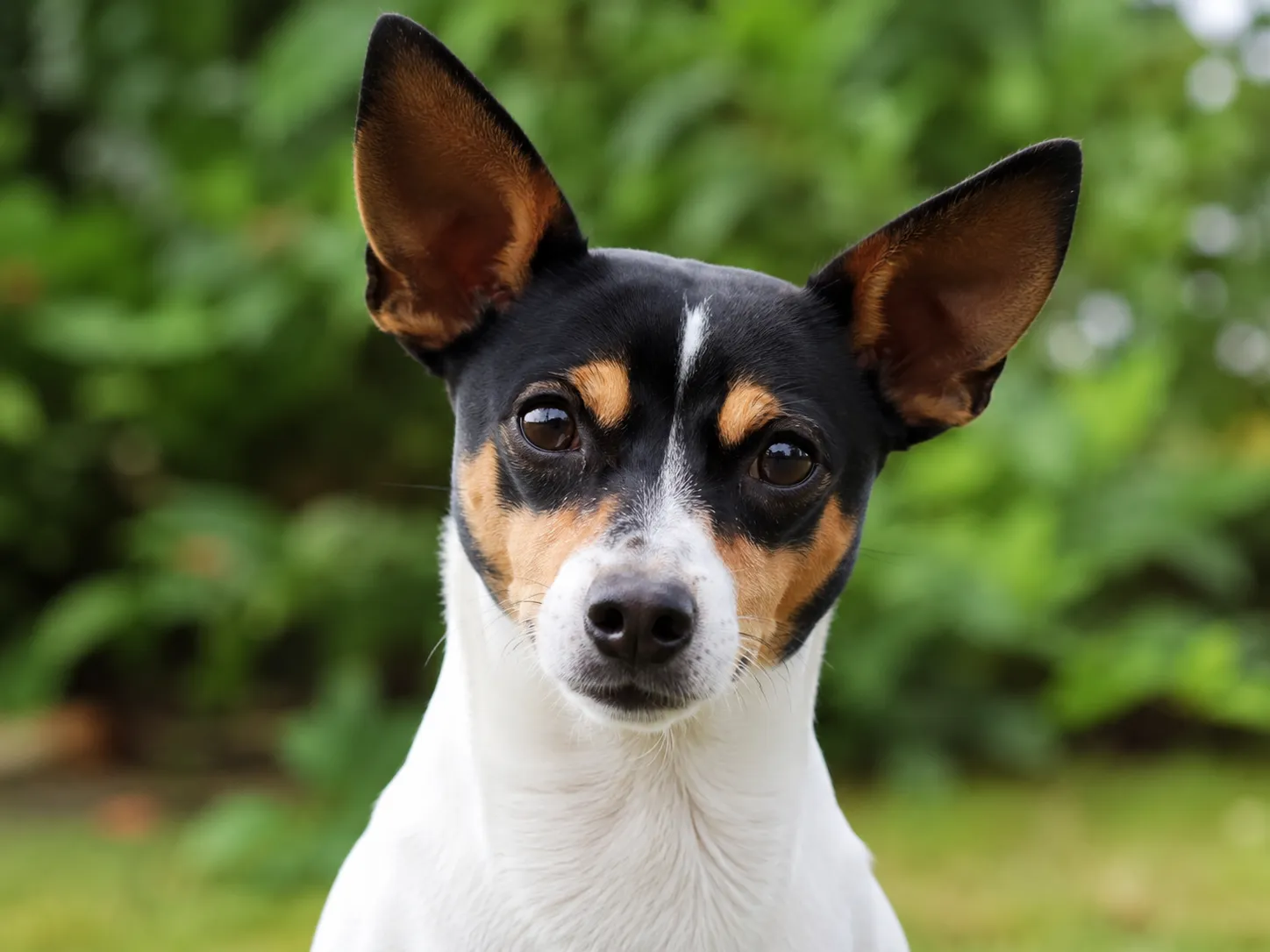
The Miniature Fox Terrier has a distinctive, alert head shape typical of working terriers. The skull is moderately narrow with a well-defined muzzle that contributes to the breed’s intelligent and focused expression. Their eyes are typically dark, oval-shaped, and full of curiosity, reflecting their alert and inquisitive nature.
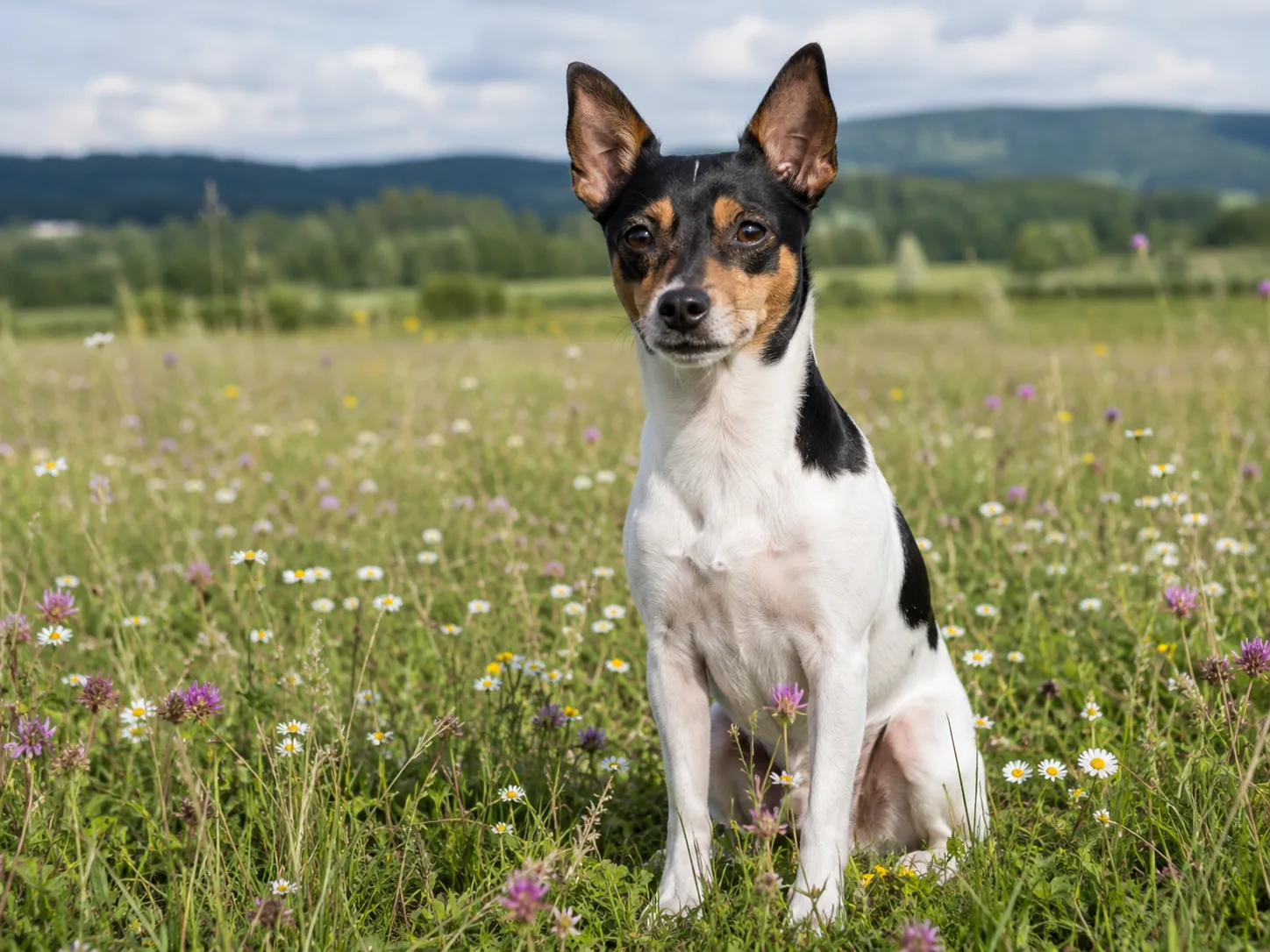
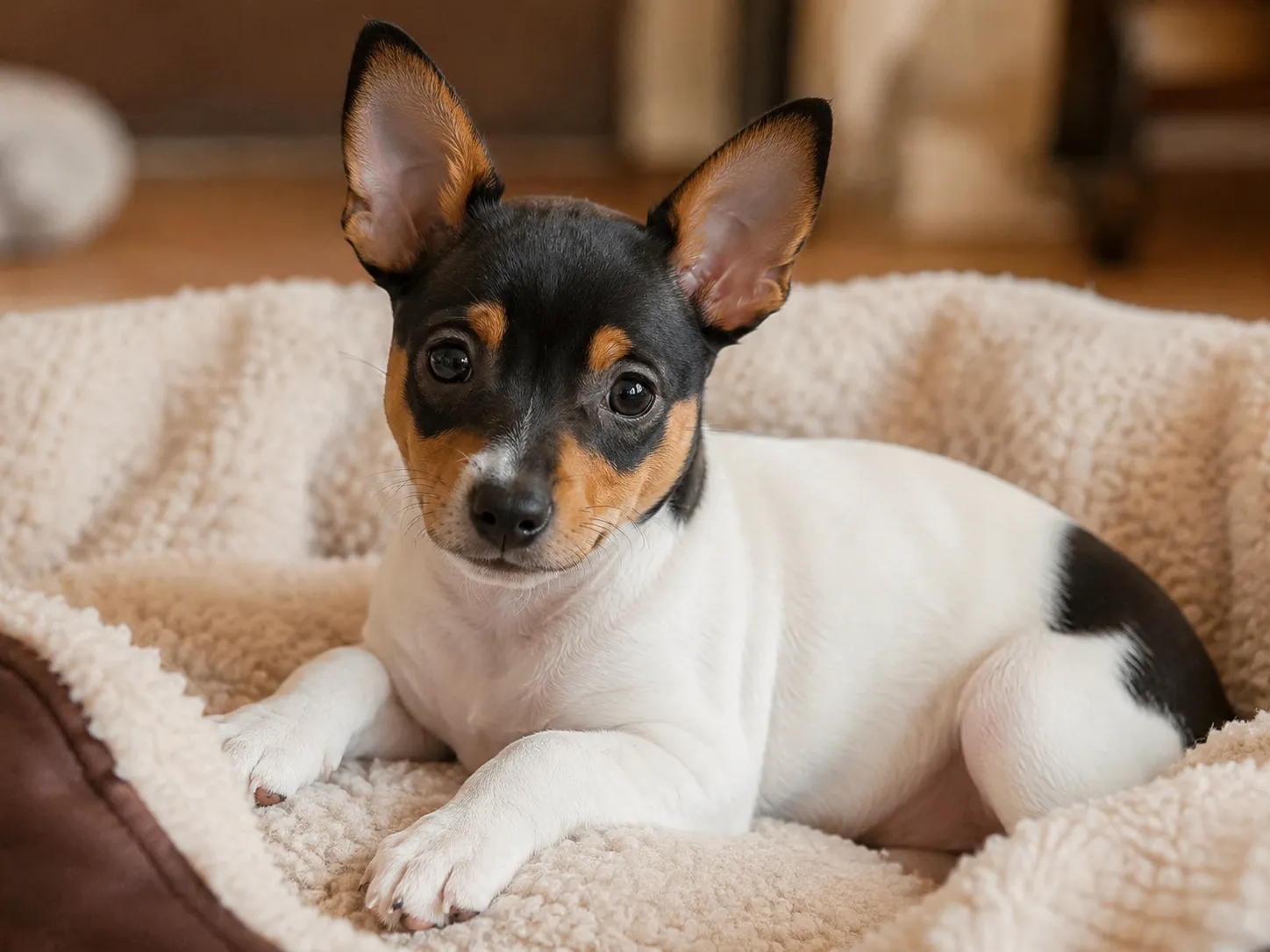
One of the breed’s most recognisable features is its large, erect ears, which may stand straight up or fold slightly at the tips. These ears contribute to the breed’s attentive appearance and enhance their ability to detect movement or unfamiliar sounds around the home or farm.
Coat and Colours
The coat of the Miniature Fox Terrier is short, smooth, and close to the body, requiring very little maintenance compared with longer-coated breeds. The texture is fine but dense, providing protection while maintaining a sleek appearance that highlights the dog’s athletic structure.
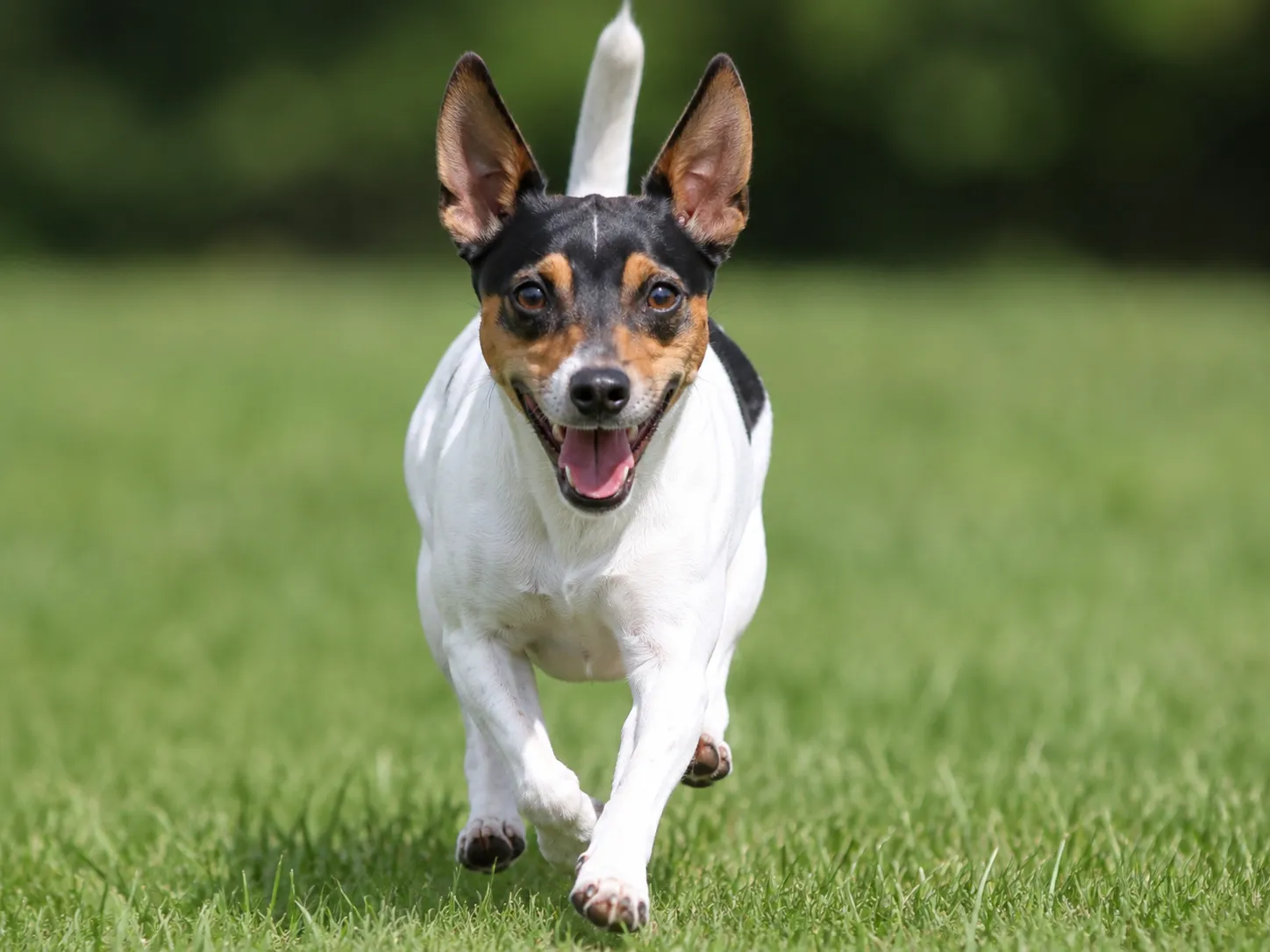
Accepted colour combinations are generally predominantly white with black and/or tan markings. Common patterns include black and white, tan and white, or tricolour combinations of black, tan, and white. The head often carries darker colouring while the body remains mostly white.
Movement and Balance
The Miniature Fox Terrier moves with light, quick, and agile strides, reflecting its heritage as a hunting and working terrier. Their gait should appear smooth and efficient, allowing them to cover ground rapidly when chasing small animals.
Well-balanced proportions ensure the breed remains stable and coordinated during movement. Even when standing still, Mini Foxies typically display an alert stance with their head raised and ears attentive, ready to react quickly to activity in their surroundings.
Temperament of the Miniature Fox Terrier: Bold, Loyal, and Always Alert
Core Temperament Traits
The Miniature Fox Terrier has a lively and confident personality that reflects its heritage as a working terrier, so managing mouthing without punishment matters early on. Despite its small size, this breed is courageous, curious, and always ready to investigate its surroundings. Mini Foxies are energetic dogs that enjoy being involved in family activities and rarely miss what is happening around them.
These dogs combine playfulness with sharp awareness, which is why they often act as natural watchdogs. Their alert nature means they quickly notice unfamiliar movement or sounds and will often bark to warn their owners.
Loyalty and Bonding
Miniature Fox Terriers are known for forming strong bonds with their owners and immediate family. They tend to follow their favourite people around the home and enjoy being close to them during everyday activities. Their affectionate temperament also means they often enjoy relaxing on a lap after periods of play.
Because of this strong attachment, Mini Foxies thrive in homes where they receive regular attention and companionship. Owners who spend time engaging with their dog through play, training, or shared activities usually develop a very loyal and responsive companion.
Behaviour with Strangers
The breed is naturally alert and cautious around unfamiliar people, which contributes to its reputation as a reliable small watchdog. Mini Foxies often bark when strangers approach the home or when they notice unusual activity nearby.
While they may initially appear reserved or vocal with visitors, most Miniature Fox Terriers settle quickly once they recognise that the situation is safe. Early socialisation helps them learn to respond calmly to new people and environments.
Owner Considerations
Although affectionate and entertaining, the Miniature Fox Terrier still carries the mindset of a working terrier. Their high prey drive and strong curiosity mean they may chase small animals such as rodents, reptiles, or birds.
Owners should also understand that these intelligent dogs require consistent boundaries and regular mental stimulation. Without enough activity or structure, they may develop unwanted behaviours such as excessive barking, digging, or stubbornness. When properly trained and given outlets for their energy, Mini Foxies become engaging companions that bring enthusiasm and personality to everyday life.
Intelligence and Trainability of the Miniature Fox Terrier: Smart but Independent
How the Breed Thinks
The Miniature Fox Terrier is an intelligent and highly alert breed that quickly notices patterns, movement, and changes in its environment, which makes early obedience training worthwhile. These dogs were originally bred to hunt small pests, which required quick reactions, sharp observation, and independent decision-making.
Because of this background, Mini Foxies tend to think for themselves. They can solve problems quickly and often anticipate routines in the household. While this intelligence is an advantage during training, it also means they may become bored with repetitive tasks or ignore commands if they see a more interesting opportunity.
Training Style That Works
Training a Miniature Fox Terrier works best when sessions are short, engaging, and reward-based. Positive reinforcement techniques such as praise, toys, or small treats usually produce the best results. These dogs enjoy interaction and respond well when training feels like a game rather than a strict routine.
Consistency is essential when working with this breed. Clear expectations and regular practice help them understand household rules and prevent them from testing boundaries.
Importance of Early Training
Starting training early is particularly important for Mini Foxies. Early puppy training and socialisation help shape calm, confident behaviour in different environments. Exposure to people, other dogs, and everyday situations helps prevent excessive barking or nervous behaviour later in life.
Basic obedience training also provides structure for these energetic dogs and strengthens the bond between owner and dog.
Common Training Challenges
Like many terriers, Miniature Fox Terriers can show a stubborn or independent streak. Their strong prey drive may cause them to become distracted by moving animals or interesting scents, especially during outdoor walks.
Patience and persistence are important when working with this breed. Owners who provide consistent training, mental stimulation, and clear leadership usually find that the Mini Fox Terrier becomes a responsive and capable companion that enjoys learning new skills.
Family Life of the Miniature Fox Terrier: Children, Other Pets, and Household Dynamics
Suitability for Family Homes
The Miniature Fox Terrier can adapt well to many types of households, from active families to singles and older owners looking for a lively companion. Their compact size and adaptable nature mean they can live comfortably in suburban homes, rural properties, or even apartments, if their exercise needs are met. You can also browse Miniature Fox Terrier puppies listed in Australia.
These dogs enjoy being involved in daily family life and often prefer to stay close to their owners. Because of their alert personality, they naturally monitor their surroundings and may bark when they detect unfamiliar movement outside the home.
Children by Age Group
Mini Foxies generally do best with older children who understand how to interact respectfully with small dogs. Their playful nature makes them entertaining companions for children who enjoy games and outdoor activities.
Very young children should always be supervised around this breed. Like many small dogs, Miniature Fox Terriers may become defensive if they are handled roughly or treated like toys.
Other Dogs
When properly socialised, Miniature Fox Terriers can live happily with other dogs, particularly those they are raised with from a young age. Their confident personality often means they are comfortable interacting with dogs much larger than themselves.
Early exposure to other dogs helps ensure they develop polite social behaviour rather than overly dominant or excitable tendencies.
Smaller Pets
Owners should be cautious when keeping Mini Foxies with small animals such as rodents, reptiles, or birds. Their strong hunting instinct makes it difficult for them to distinguish between pet animals and prey.
Because of this natural prey drive, they should never be left unsupervised with small pets. Secure housing and careful introductions are essential in multi-pet households.
Household Structure and Supervision
The Miniature Fox Terrier thrives in homes where clear routines, boundaries, and regular interaction are provided. These dogs enjoy activity, playtime, and mental stimulation, and they respond well when owners include them in daily routines.
Households that provide consistent training, supervision, and opportunities for exercise usually find that the Mini Fox Terrier becomes a loyal and entertaining companion.
Health of the Miniature Fox Terrier: Common Conditions and Preventive Care
Typical Lifespan
The Miniature Fox Terrier is generally considered a healthy and resilient small breed. With proper care, balanced nutrition, and regular veterinary attention, most individuals live between 12 and 14 years, although some have been known to reach significantly older ages.
Their compact build and active lifestyle contribute to overall physical fitness. However, like many small terrier breeds, they can still develop certain hereditary or structural health conditions that responsible owners should understand.
Breed-Specific Health Conditions
Although the breed has a relatively low overall health risk, some conditions may occur:
- Patellar Luxation: A common issue in small dogs where the kneecap slips out of place, sometimes causing limping or skipping when walking.
- Legg-Calvé-Perthes Disease: A hip joint disorder that affects blood supply to the femur head, which can lead to pain or lameness if untreated.
- Von Willebrand’s Disease: A hereditary blood clotting disorder that may cause excessive bleeding after injury or surgery.
- Demodectic Mange: A skin condition caused by mites that can lead to hair loss or irritated patches of skin, particularly in young dogs.
- Eye Conditions: Some individuals may develop eye problems that require veterinary monitoring.
Health Testing and Responsible Breeding
Responsible breeders aim to reduce inherited health issues through careful breeding practices and health screening. Prospective owners should ask breeders about health checks performed on the parent dogs and whether any hereditary conditions have appeared in previous litters.
Choosing puppies from breeders who prioritise genetic health helps improve the likelihood of raising a healthy dog.
Preventive Care and Insurance Guidance
Routine veterinary care plays an important role in maintaining the health of a Miniature Fox Terrier. Regular check-ups allow veterinarians to monitor growth, weight, dental health, and joint condition throughout the dog’s life.
Owners should also maintain vaccination schedules, parasite prevention, and dental care. Because unexpected veterinary costs can arise, many owners choose pet insurance to help manage long-term medical expenses and ensure their dog receives prompt treatment if needed.
Caring for the Miniature Fox Terrier: Daily Needs and Living Environment
Daily Routine
The Miniature Fox Terrier thrives on routine and daily interaction with its owners. These energetic dogs enjoy a structured day that includes exercise, playtime, training, and quiet time with the family. Because they are naturally alert and curious, they tend to stay mentally engaged with what is happening around them.
A typical day for this breed should include walks, short training sessions, and opportunities for play. Regular engagement helps prevent boredom, which can otherwise lead to behaviours such as excessive barking, digging, or restlessness.
Home Environment
Mini Foxies are highly adaptable and can live comfortably in both rural and urban environments. They often thrive on farms where they can exercise their hunting instincts, but they can also adjust well to suburban homes or apartments if their activity needs are met.
Owners should ensure the home environment is secure, as the breed’s strong prey drive may encourage them to chase small animals. Secure fencing and supervision during outdoor time help prevent escapes or unwanted chasing behaviour.
Weather Sensitivity
Due to their short coat and small body size, Miniature Fox Terriers may be sensitive to extreme temperatures. In colder climates they may require a dog coat during winter walks to remain comfortable.
During hot weather, owners should provide shade, fresh water, and avoid exercising their dog during the hottest parts of the day. Like many active breeds, they benefit from moderate activity levels adjusted to seasonal conditions.
Life-Stage Care
The care needs of a Miniature Fox Terrier evolve as they move through different life stages. Puppies require early socialisation, structured training, and frequent short play sessions to support healthy development.
Adult dogs benefit from regular exercise, mental stimulation, and consistent routines that support their active nature. Senior Mini Foxies may slow down slightly but still enjoy gentle activity and companionship. Regular veterinary check-ups become particularly important as they age to monitor joint health and overall wellbeing.
Grooming of the Miniature Fox Terrier: Simple Coat Care and Routine Maintenance
Coat Care
The Miniature Fox Terrier has a short, smooth coat that is relatively easy to maintain. Weekly brushing is usually enough to remove loose hair and distribute natural oils that keep the coat healthy and shiny. A soft bristle brush or grooming mitt works well for this breed.
Although the coat is short, Mini Foxies may still shed lightly throughout the year. Regular brushing helps control loose hair and keeps their coat looking neat.
Skin, Ears, and Nails
Routine care of the skin, ears, and nails is an important part of maintaining the breed’s overall health. Owners should check the ears regularly for wax build-up or irritation and clean them gently when necessary.
Nails tend to grow quickly in small breeds, so regular nail trimming is essential to maintain proper foot structure and comfortable movement. Many owners trim their dog’s nails every three to four weeks.
Bathing Frequency
Miniature Fox Terriers do not require frequent bathing due to their naturally clean coat. Occasional baths every few months or when the dog becomes particularly dirty are usually sufficient.
Using a mild dog shampoo helps maintain skin health and prevents the coat from becoming dry. Overbathing should be avoided as it may strip the coat of its natural oils.
Owner Handling Expectations
Introducing grooming routines early in puppyhood helps Mini Foxies become comfortable with handling. Regular brushing, nail trimming, and ear checks allow owners to monitor their dog’s health while reinforcing calm behaviour during grooming sessions.
With consistent care, the Miniature Fox Terrier remains one of the lower-maintenance terrier breeds, making grooming straightforward for most owners.
Exercise of the Miniature Fox Terrier: Energy in a Small Package
Daily Exercise Needs
The Miniature Fox Terrier is a high-energy small breed that needs regular physical activity to stay balanced and healthy. Despite its compact size, this terrier was originally bred for hunting vermin, which means it has strong stamina and enjoys being active.
Most Mini Foxies benefit from daily walks combined with active play sessions. Regular exercise helps maintain a healthy weight and reduces the likelihood of boredom-related behaviours such as excessive barking or digging.
Suitable Activities
Miniature Fox Terriers enjoy activities that engage both their body and mind. Suitable activities include:
- Daily walks: A consistent walking routine helps burn energy and reinforce good behaviour.
- Interactive play: Games such as fetch or tug provide both physical and mental stimulation.
- Training exercises: Short obedience or trick-training sessions help keep their intelligent minds engaged.
- Agility-style activities: Their speed and coordination make them naturally suited to obstacle courses or backyard agility games.
Providing a variety of activities helps prevent boredom and keeps these lively dogs mentally satisfied.
Puppy vs Adult vs Senior Exercise
Exercise needs vary throughout the dog’s life. Puppies require shorter play sessions and gentle activity to avoid putting strain on developing joints. Structured exercise should increase gradually as they mature.
Adult Mini Fox Terriers usually have the highest energy levels and benefit from consistent daily activity. Senior dogs may slow down slightly but still enjoy regular walks and light play to maintain mobility and mental wellbeing.
Safety and Climate Considerations
Because Mini Foxies have a strong prey drive, they should usually be exercised on a lead or in securely fenced areas. Their instinct to chase small animals may lead them to run after rodents, birds, or reptiles if given the opportunity.
Owners should also monitor temperature conditions during exercise. In hot weather, activity should take place during cooler parts of the day, while colder conditions may require protective clothing due to the breed’s short coat.
Feeding the Miniature Fox Terrier: Nutrition for an Active Small Breed
Nutritional Needs
The Miniature Fox Terrier requires a balanced diet that supports its energetic lifestyle and compact body structure. High-quality dog food formulated for small breeds usually provides the right balance of protein, healthy fats, vitamins, and minerals needed to maintain muscle tone and overall health.
Protein plays an important role in maintaining the breed’s lean muscle structure, while healthy fats help support energy levels and coat condition. Because these dogs are active and alert, nutrient-dense food helps sustain their daily activity.
Feeding Schedule
Most adult Mini Fox Terriers do well when fed two measured meals per day rather than free feeding. Dividing meals into morning and evening portions helps maintain stable energy levels throughout the day.
Puppies typically require more frequent meals during early development. Many owners feed young puppies three to four smaller meals daily before gradually transitioning to two meals as the dog matures.
Weight Management
Because of their small size, even slight weight gain can affect a Mini Fox Terrier’s joints and mobility. Owners should monitor portion sizes carefully and adjust feeding amounts based on activity level, age, and overall body condition.
Regular weight checks and body condition assessments help ensure the dog maintains a healthy physique. Treats should be given in moderation and included within the daily calorie intake.
Special Dietary Considerations
Some Miniature Fox Terriers may have individual dietary sensitivities, so owners should monitor how their dog responds to different foods. Choosing dog food with clearly defined ingredients and appropriate nutrient balance helps support long-term health.
Fresh water should always be available, particularly for active dogs that spend time exercising outdoors. If owners are unsure about feeding portions or diet choices, consulting a veterinarian can help ensure the dog receives appropriate nutrition for its specific needs.
Price and Ongoing Costs of the Miniature Fox Terrier: Financial Considerations for Owners
Puppy Price Range
In Australia, the price of a Miniature Fox Terrier puppy can vary depending on the breeder, pedigree, and location. Puppies from responsible breeders typically range between AUD $800 and $2,500. Prices may increase if the puppy comes from well-established bloodlines or has been raised with extensive early socialisation and veterinary care.
Prospective owners should be cautious of unusually low prices, which may indicate poor breeding practices or a lack of health testing. Purchasing from ethical breeders helps support responsible breeding and increases the likelihood of raising a healthy dog.
Initial Setup Costs
Bringing home a Mini Foxie involves several one-time expenses during the first few months. Typical initial costs may include:
- Puppy purchase: AUD $800–$2,500
- Vaccinations and veterinary checks: AUD $200–$500
- Microchipping and registration: AUD $50–$120
- Basic supplies (bed, bowls, lead, toys, crate): AUD $200–$400
These early costs help ensure the puppy begins life in its new home with proper care and equipment.
Monthly Costs
The ongoing monthly cost of caring for a Miniature Fox Terrier is generally lower than that of larger breeds due to its small size. Typical monthly expenses may include food, preventative treatments, and routine care.
Most owners spend approximately AUD $80 to $150 per month, depending on the type of food, veterinary products, and lifestyle choices.
Long-Term Financial Responsibility
Like all dogs, Mini Foxies require financial commitment throughout their lifetime. Veterinary check-ups, dental care, vaccinations, and occasional unexpected medical treatment should be considered when planning ownership.
Many owners also choose to invest in pet insurance, which can help cover unexpected veterinary expenses. Planning ahead for these costs ensures the dog receives proper care and support throughout its life.
Buying Advice for the Miniature Fox Terrier: Choosing the Right Puppy or Rescue
Ethical Breeders
Finding a responsible breeder is one of the most important steps when purchasing a Miniature Fox Terrier. Ethical breeders focus on producing healthy, well-socialised puppies rather than breeding for profit. They should be transparent about the health history of their breeding dogs and willing to answer questions about the breed.
Prospective owners should look for breeders who provide health records, allow visits to meet the puppy’s parents, and raise puppies in a clean and stimulating environment. Taking the time to choose a reputable breeder significantly improves the chances of bringing home a healthy and stable companion.
What to Look for in Puppies
When selecting a Mini Foxie puppy, it is important to observe both physical condition and behaviour. Healthy puppies should appear alert, active, and curious about their surroundings.
Signs of a healthy puppy include clear eyes, clean ears, smooth coat condition, and confident interaction with people. Puppies that appear fearful, lethargic, or poorly cared for may indicate inadequate breeding or early socialisation.
Questions to Ask Breeders
Before committing to a purchase, prospective owners should ask breeders several important questions:
- What health tests have been carried out on the parent dogs?
- Can you provide veterinary and vaccination records for the puppy?
- How have the puppies been socialised during their early weeks?
- Do you provide guidance or support after the puppy goes home?
- What is the puppy’s diet and daily routine?
Responsible breeders will usually welcome these questions and provide clear, honest answers.
Rescue and Rehoming
Adopting a Miniature Fox Terrier from a rescue organisation can also be a rewarding option. Some dogs become available for adoption through breed clubs, animal shelters, or rescue groups.
Adoption provides a home for dogs that may no longer be able to stay with their previous owners. Many rescue organisations also assess temperament and health before rehoming dogs, helping ensure they are matched with suitable families.
Is the Miniature Fox Terrier Right for You?
The Miniature Fox Terrier suits owners who want a small dog with a big personality. This breed combines the courage and drive of a working terrier with the companionship of a loyal household pet. Their compact size makes them easy to manage, yet their energetic nature means they still require regular exercise, stimulation, and attention from their owners.
This breed is often a good match for active singles, couples, and families with older children who can interact calmly and respectfully with a small dog. Owners who enjoy daily walks, play sessions, and engaging with their dog’s intelligent mind will usually find the Mini Foxie to be an entertaining and affectionate companion.
However, the breed’s strong prey drive, alert barking, and independent terrier mindset mean it may not suit every household. Homes with small rodents or reptiles may face challenges, and owners who prefer a quiet or very low-energy dog might find this breed more demanding than expected.
For people who appreciate a lively, confident dog with a strong personality, the Miniature Fox Terrier can become a deeply loyal companion. With proper training, socialisation, and daily engagement, these spirited little terriers bring enthusiasm, companionship, and plenty of character to the right home.
Frequently Asked Questions
Related Breeds
Other terrier breeds on Pups4Sale.
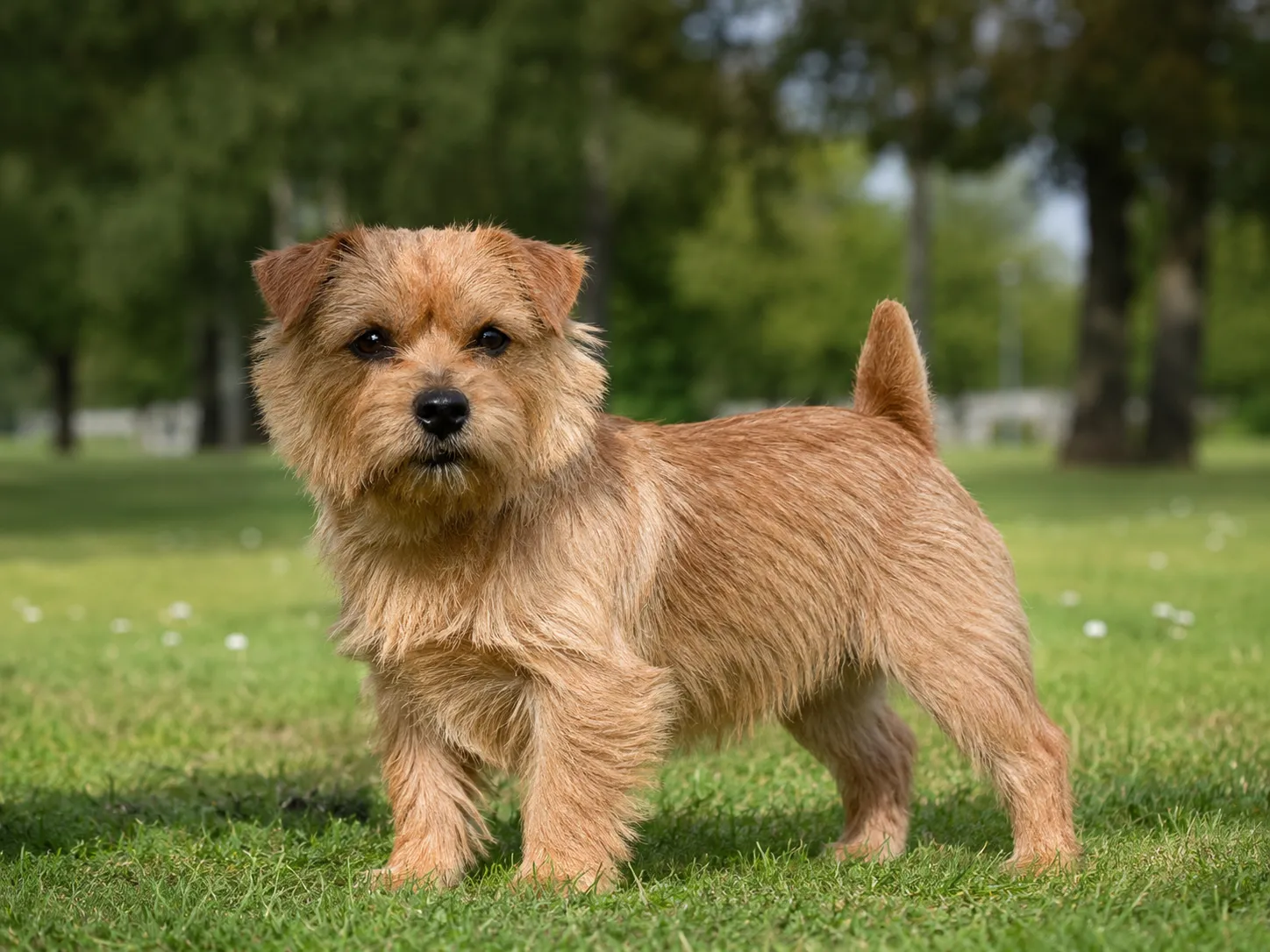 Norfolk TerrierSmall • Terrier
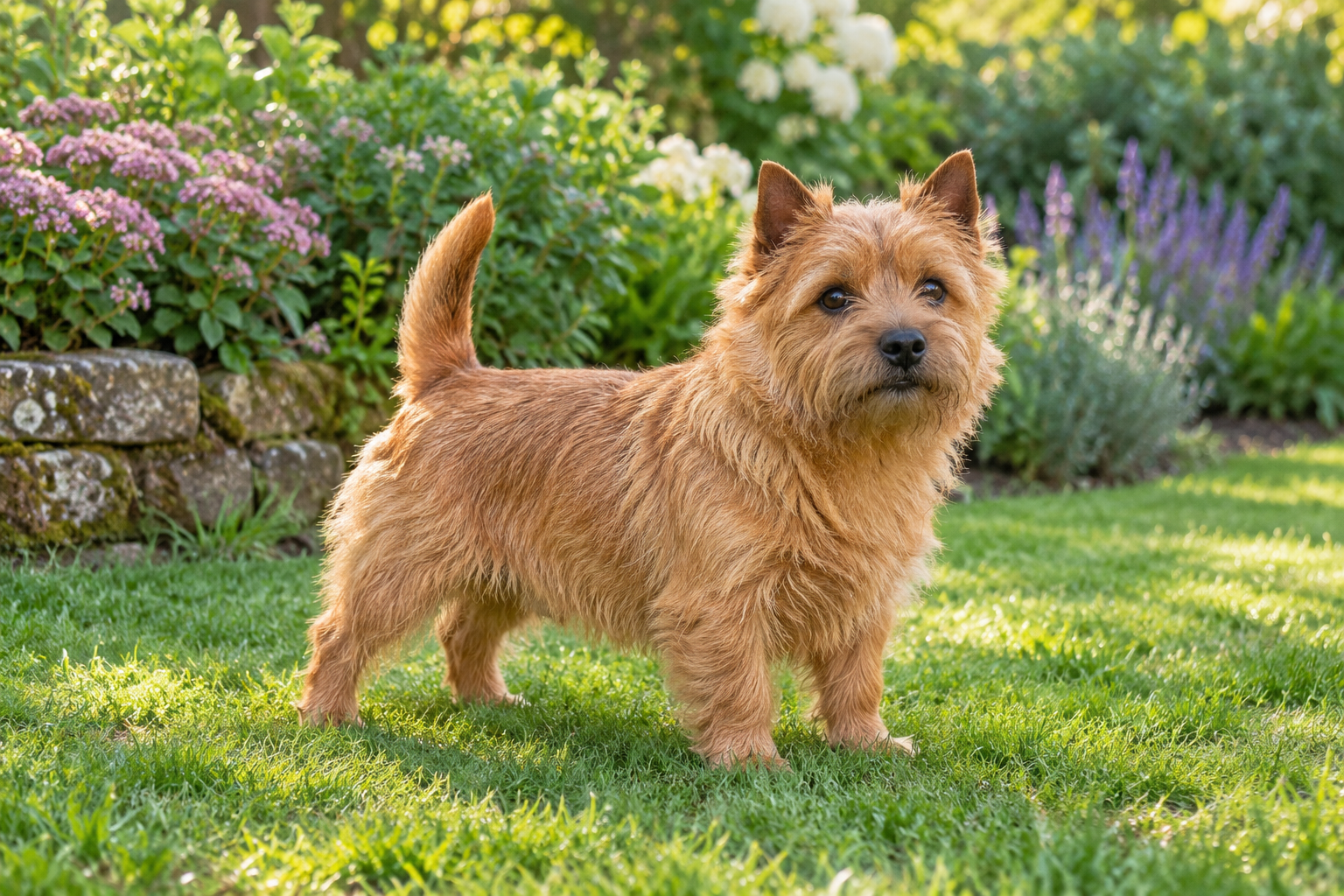 Norwich TerrierSmall • Terriers (Group 2)
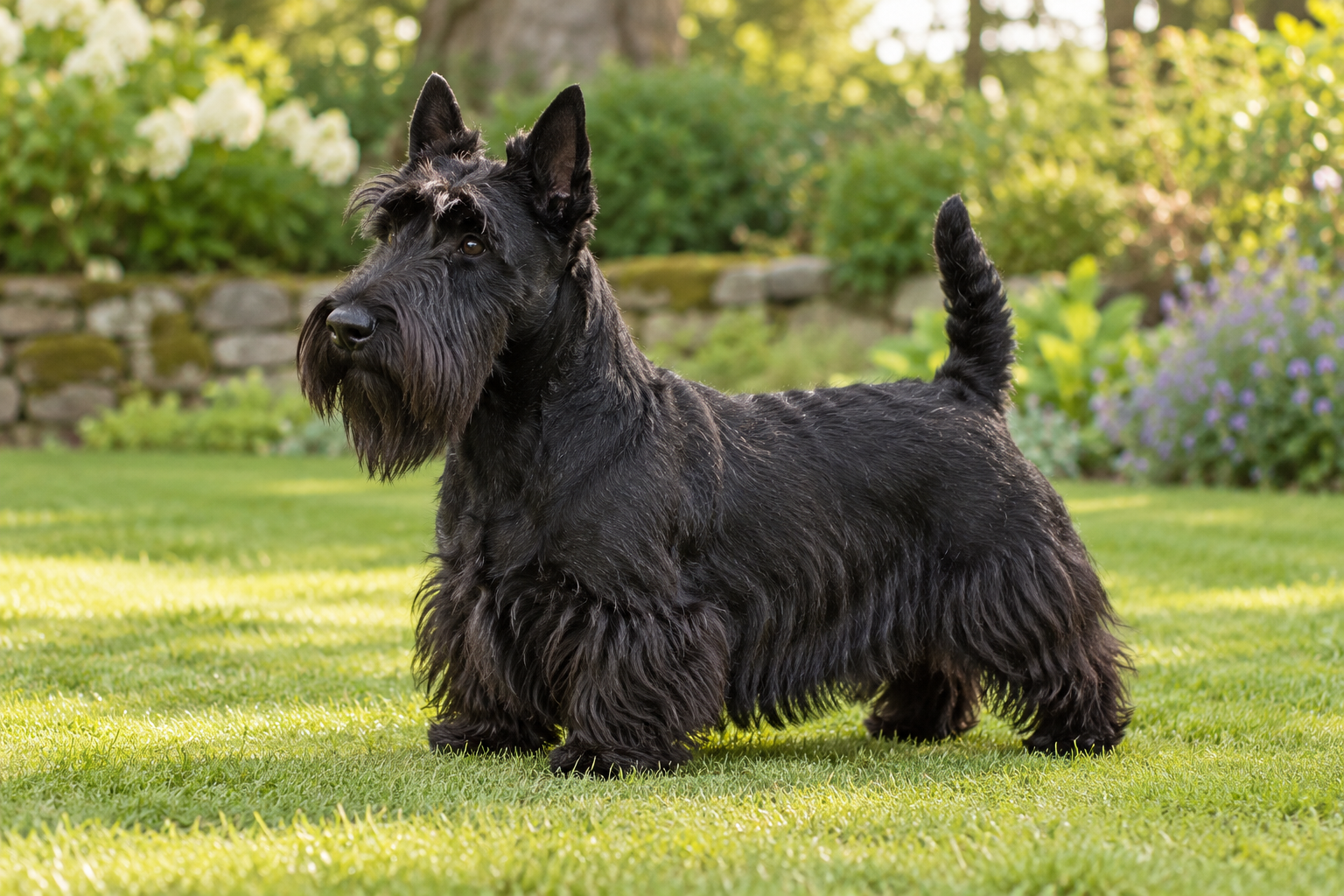 Scottish TerrierSmall • Terriers (Group 2)
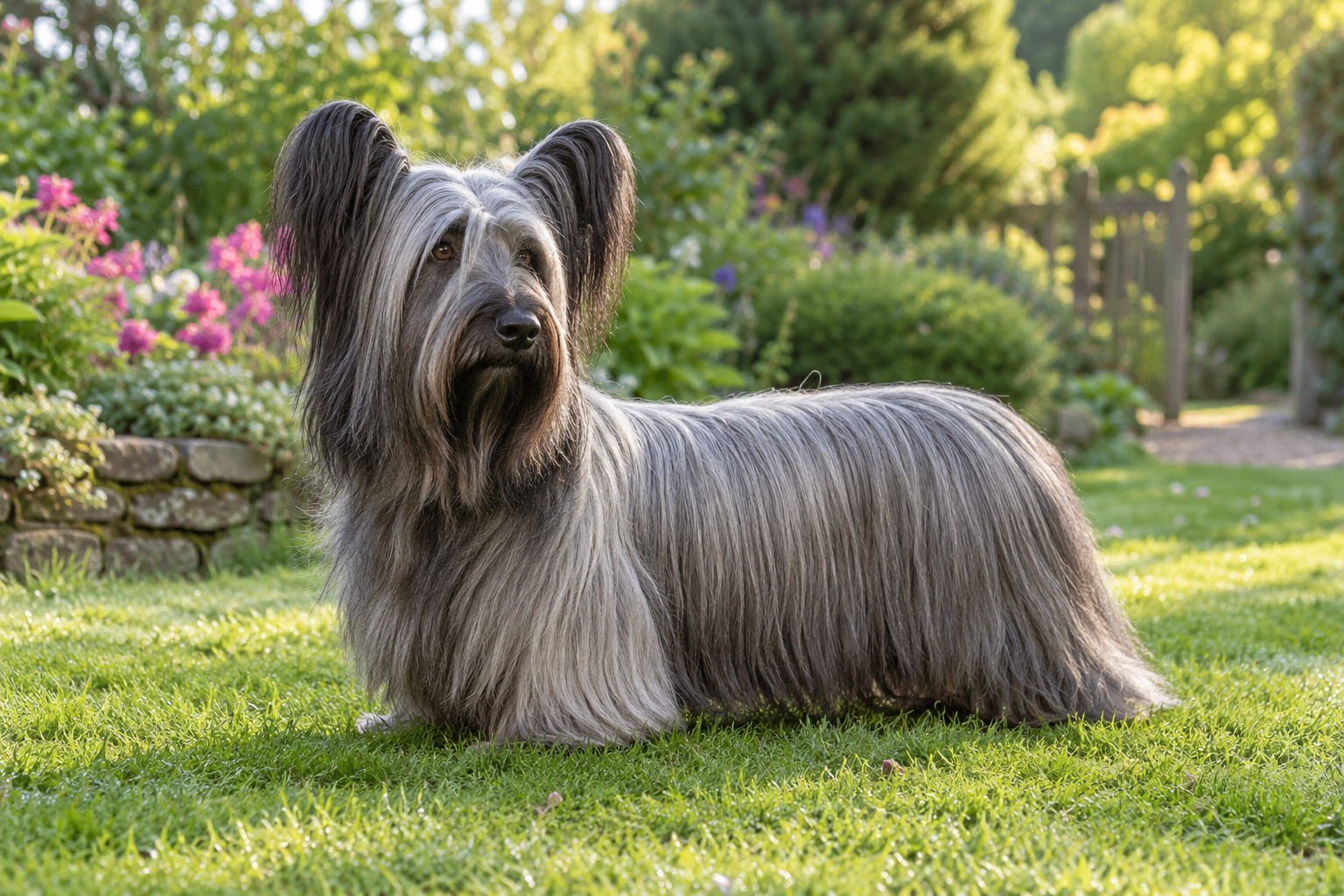 Skye TerrierMedium • Terriers (Group 2)
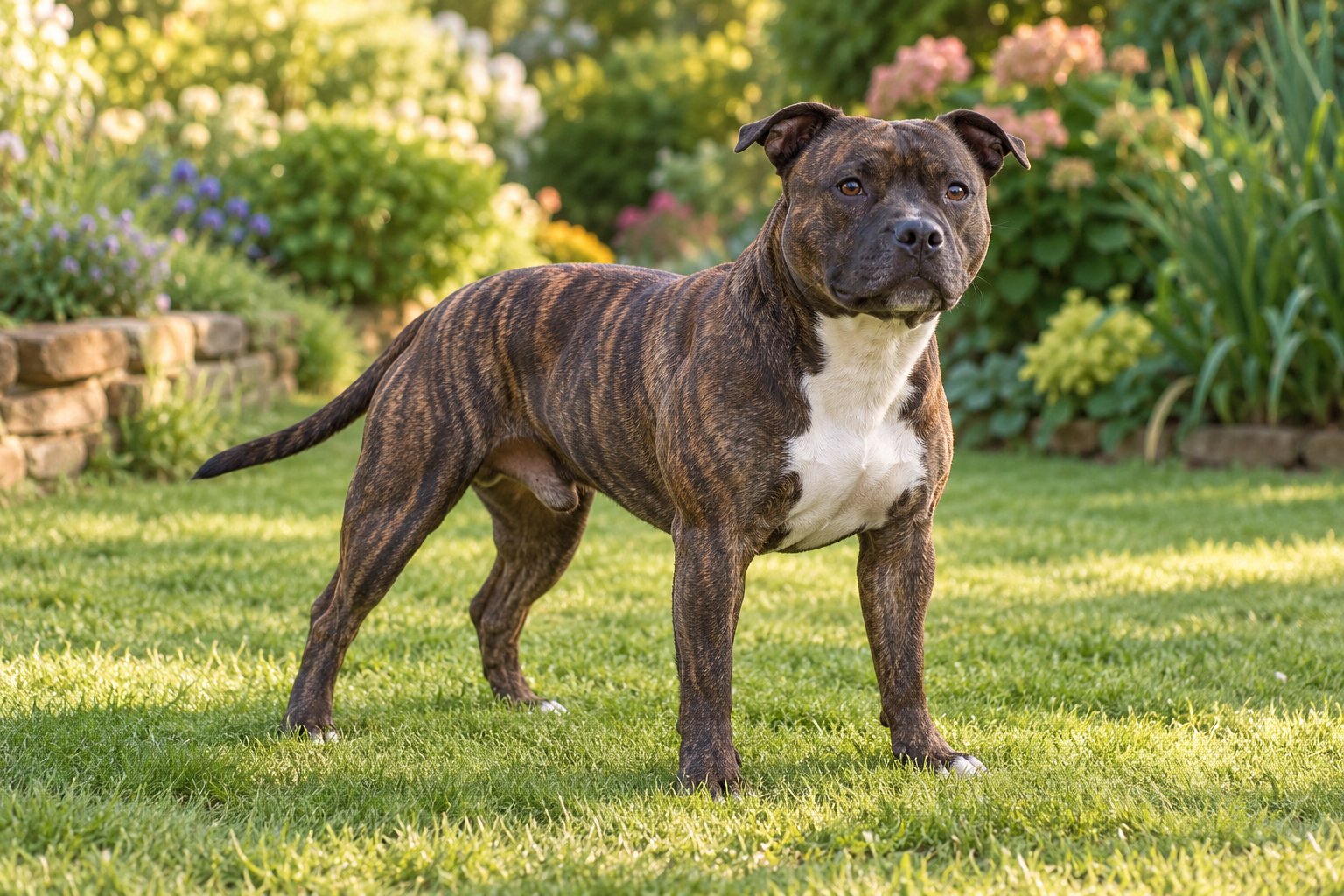 Staffordshire Bull TerrierMedium • Terrier (Group 2)
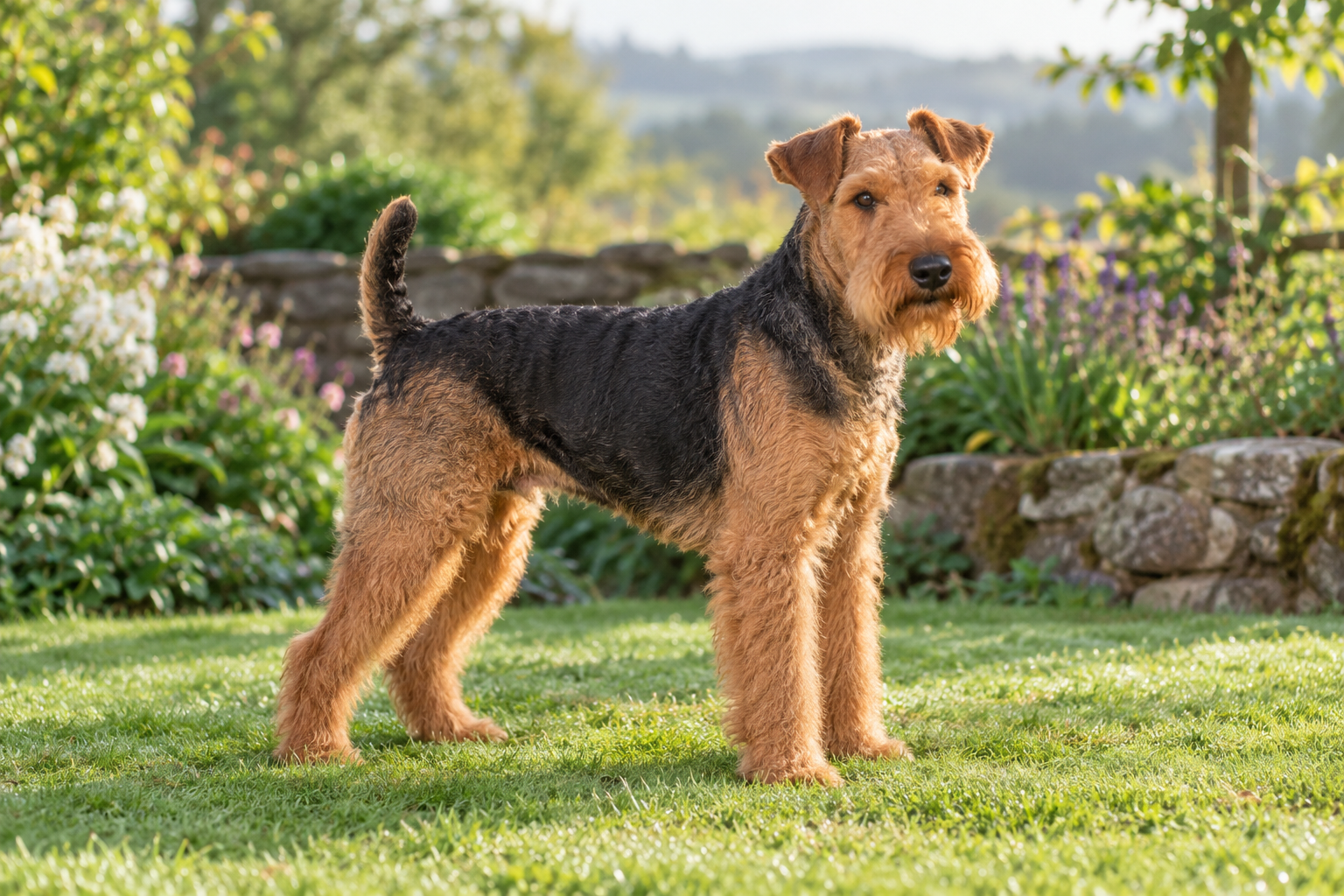 Welsh TerrierMedium • Terriers (Group 2)