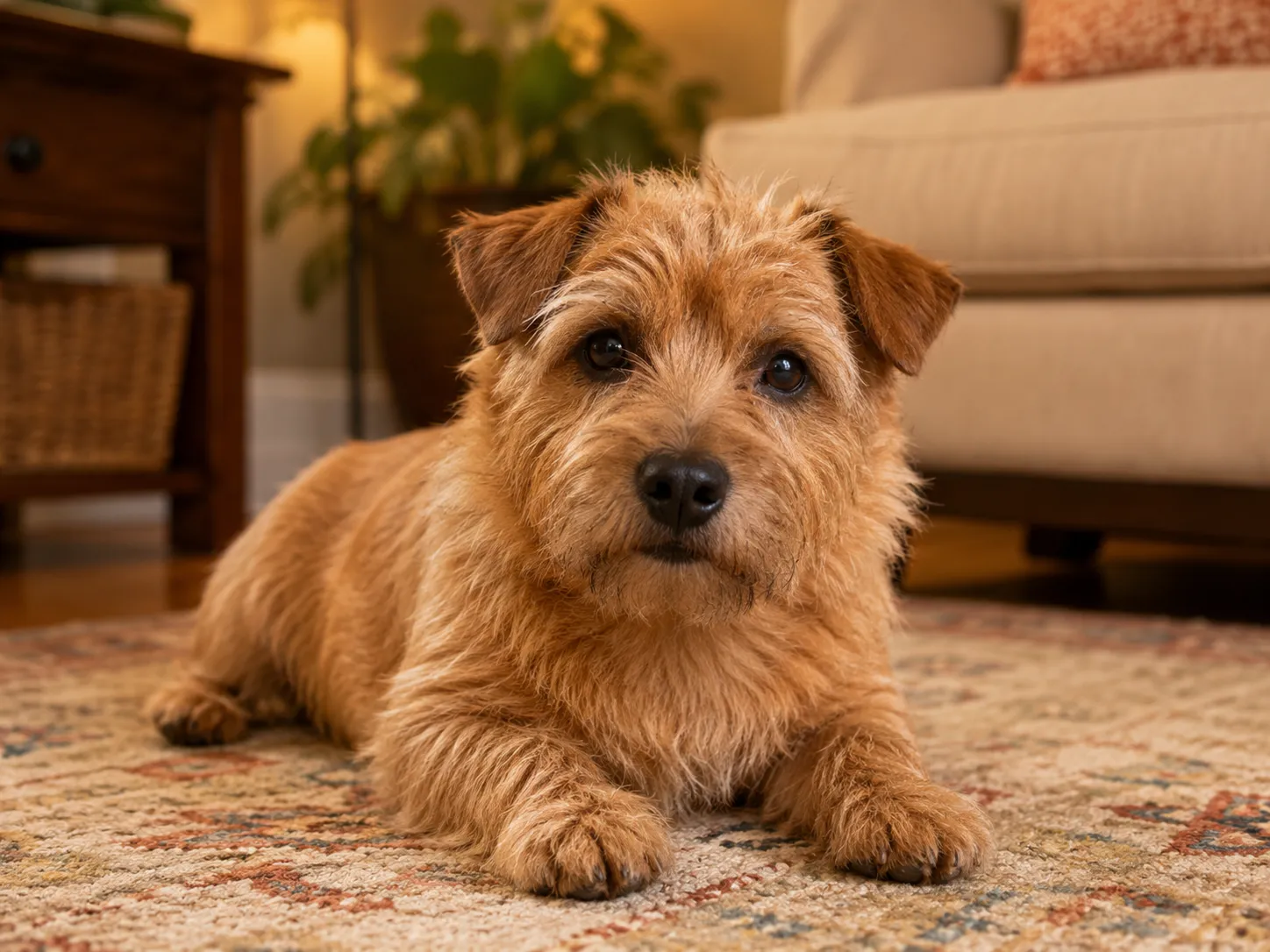
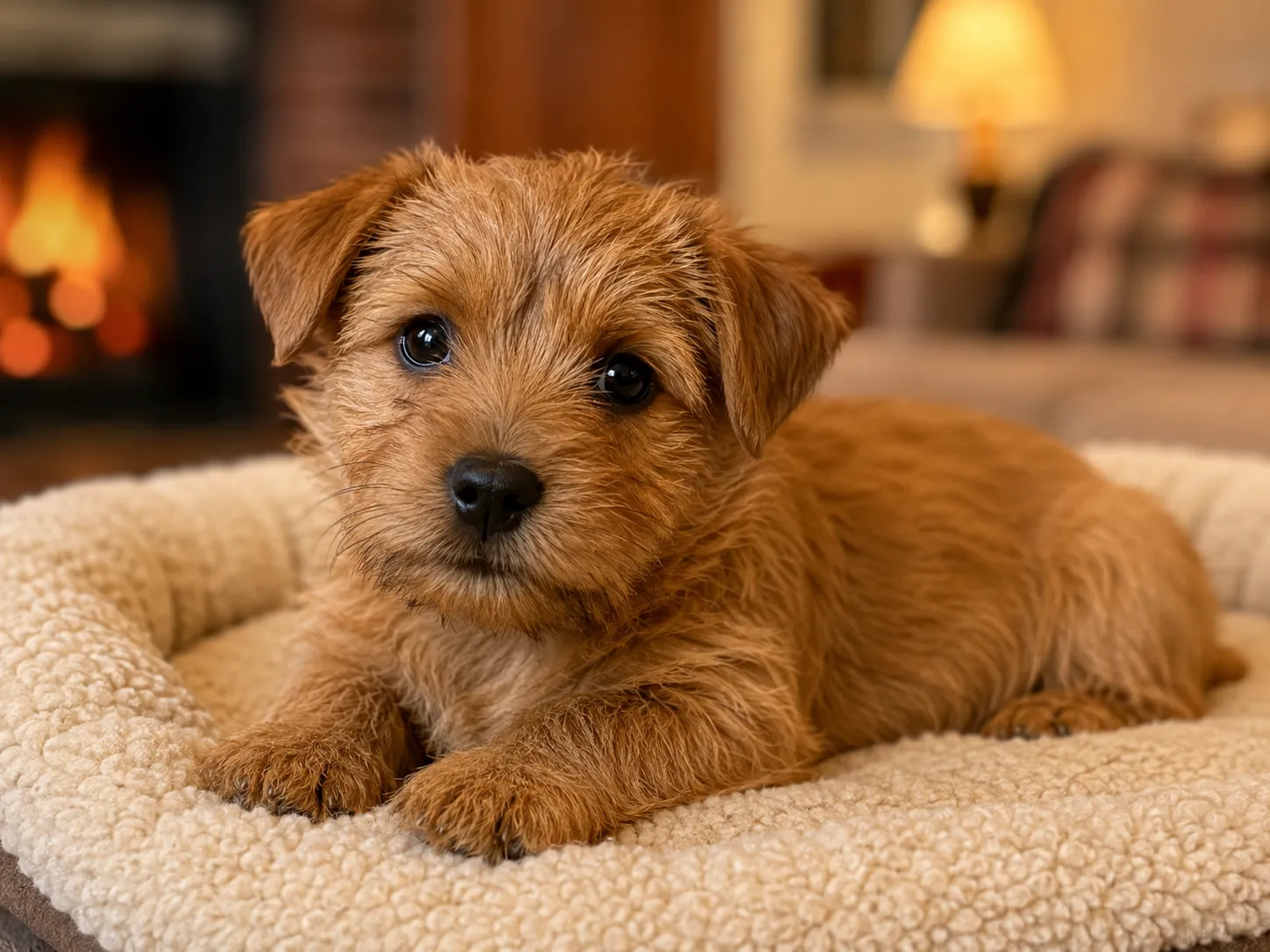
Norfolk Terrier
By James C. • Updated
The Norfolk Terrier is a small, sturdy, and spirited terrier originally bred in England for hunting rats and foxes. Known for its friendly nature and distinctive folded ears, the Norfolk Terrier is one of the more sociable terrier breeds. They are affectionate with family members, adaptable to different living situations, and retain the confidence and determination typical of terriers.
Breed Overview
Life Span
12 - 15 years
Average Price
AUD 3000 - AUD 5000
Weight
Male: 5 - 6 kg Female: 5 - 6 kg
Height
Male: 23 - 25 cm Female: 23 - 25 cm
Life Expectancy
Male/Female: 12 - 15 years
Breed Group
Terrier
Nicknames
Norfolk
Breed Information
The Norfolk Terrier may be one of the smallest members of the terrier group, but it carries the fearless attitude and determination typical of working terriers. Originally bred in England to control vermin on farms and in stables, this compact dog combines alertness, courage, and a friendly disposition in a sturdy little body.
Unlike many terriers that can appear highly independent, the Norfolk Terrier is widely recognised for its affectionate and sociable temperament. It tends to bond closely with its family and often thrives when included in everyday household activities. Despite its small size, this breed remains energetic, curious, and eager to explore its surroundings.
Owners considering a Norfolk Terrier should be prepared for a dog that enjoys companionship, moderate daily exercise, and regular mental stimulation. With proper socialisation and consistent training, the breed can adapt well to both apartment living and homes with gardens, making it a versatile companion for a wide range of households.
Although compact, the Norfolk Terrier still carries strong terrier instincts, including alertness and a willingness to investigate movement or unusual sounds. These qualities make it an engaging, lively dog that suits owners seeking a small companion with a confident, spirited personality.
Characteristics: What Living With a Norfolk Terrier Is Really Like
Although small in size, the Norfolk Terrier has the bold personality and determination typical of terrier breeds, and its harsh coat suits a wire-coat grooming routine. Living with this dog means sharing your home with a companion that is curious, energetic, and deeply devoted to its family. Understanding the breed’s core characteristics helps prospective owners decide whether the Norfolk Terrier fits their lifestyle.
The breed was originally developed as a working terrier, and many of those instincts remain today. Norfolk Terriers are alert, confident, and quick to investigate anything unusual in their environment. While this makes them lively companions, it also means they benefit from regular exercise and mental stimulation to keep them balanced.
Unlike some terriers that can appear independent or aloof, the Norfolk Terrier is often described as sociable and affectionate. Most individuals enjoy human company and tend to form strong bonds with their owners. They generally prefer being involved in daily activities rather than spending long periods alone.
The table below provides a practical snapshot of how the Norfolk Terrier typically fits into everyday life.
| Characteristic | Rating | Star Rating (★ out of 5) | What This Means for You |
| Size | Excellent | ★★★★★ | Very compact and sturdy, making the breed suitable for apartments and smaller homes. |
| Adaptability | Very Good | ★★★★☆ | Adjusts well to both city and rural living if given enough activity and attention. |
| Exercise Needs | Moderate | ★★★☆☆ | Requires daily walks and play but does not need extreme levels of exercise. |
| Easy to Train | Good | ★★★★☆ | Intelligent and responsive when trained with consistency and positive reinforcement. |
| Amount of Shedding | Low to Moderate | ★★★☆☆ | Some shedding occurs, though the wiry coat tends to trap loose hair. |
| Grooming Needs | Moderate | ★★★☆☆ | Weekly brushing and occasional hand stripping help maintain coat health. |
| Good With Children | Good | ★★★★☆ | Generally friendly with respectful children when socialised early. |
| Health of Breed | Good | ★★★★☆ | Typically robust with a long lifespan when properly cared for. |
| Cost to Keep | Moderate | ★★★☆☆ | Food costs are modest, though grooming and veterinary care should be considered. |
| Tolerates Being Alone | Moderate | ★★★☆☆ | Can manage short periods alone but prefers companionship. |
| Intelligence | High | ★★★★☆ | Quick learners who enjoy problem-solving and interactive play. |
In practical terms, the Norfolk Terrier suits owners seeking a small but confident dog with a friendly personality and manageable care requirements. With the right balance of exercise, training, and companionship, this breed becomes a lively and loyal household companion.
History of the Norfolk Terrier: From Norwich Roots to a Distinct Terrier Breed
The Norfolk Terrier shares a closely connected history with the Norwich Terrier, with both breeds originally considered the same dog, so it is worth asking the right questions of any breeder about registration. In the late nineteenth and early twentieth centuries, small terriers with either prick ears or drop ears were commonly bred around East Anglia in England, particularly in the city of Norwich. These compact terriers were valued for their ability to control vermin in farms, stables, and homes, where their courage and persistence made them highly effective ratters.
Early Norwich-type terriers became popular among students at Cambridge University, who often kept them as companions and working dogs. Because of this association, the dogs were sometimes referred to as “Cantab Terriers” or “Trumpington Terriers.” Despite their small size, these dogs developed a reputation for bravery and strong working instincts, traits that remain part of the breed’s character today.
For many years both ear types were shown together as the Norwich Terrier, and breeders did not treat them as separate varieties. Over time, however, enthusiasts began to recognise clear differences between the drop-eared dogs and the prick-eared dogs. By the 1950s, many breeders supported the idea that the two types should be considered separate breeds in order to preserve their distinct characteristics.
In 1964, the British Kennel Club officially recognised the Norfolk Terrier as a separate breed, identifying the drop-eared variety under this new name while the prick-eared dogs retained the Norwich Terrier title. This decision helped establish clearer breeding standards and encouraged breeders to maintain the breed’s unique features.
Today, the Norfolk Terrier remains one of the smallest members of the terrier group, yet it continues to carry the bold spirit of its working ancestors. While it is now primarily kept as a companion dog, the breed still reflects the alertness, determination, and lively temperament that once made it a valuable farm and hunting terrier.
Appearance of the Norfolk Terrier: Small, Sturdy, and Full of Character
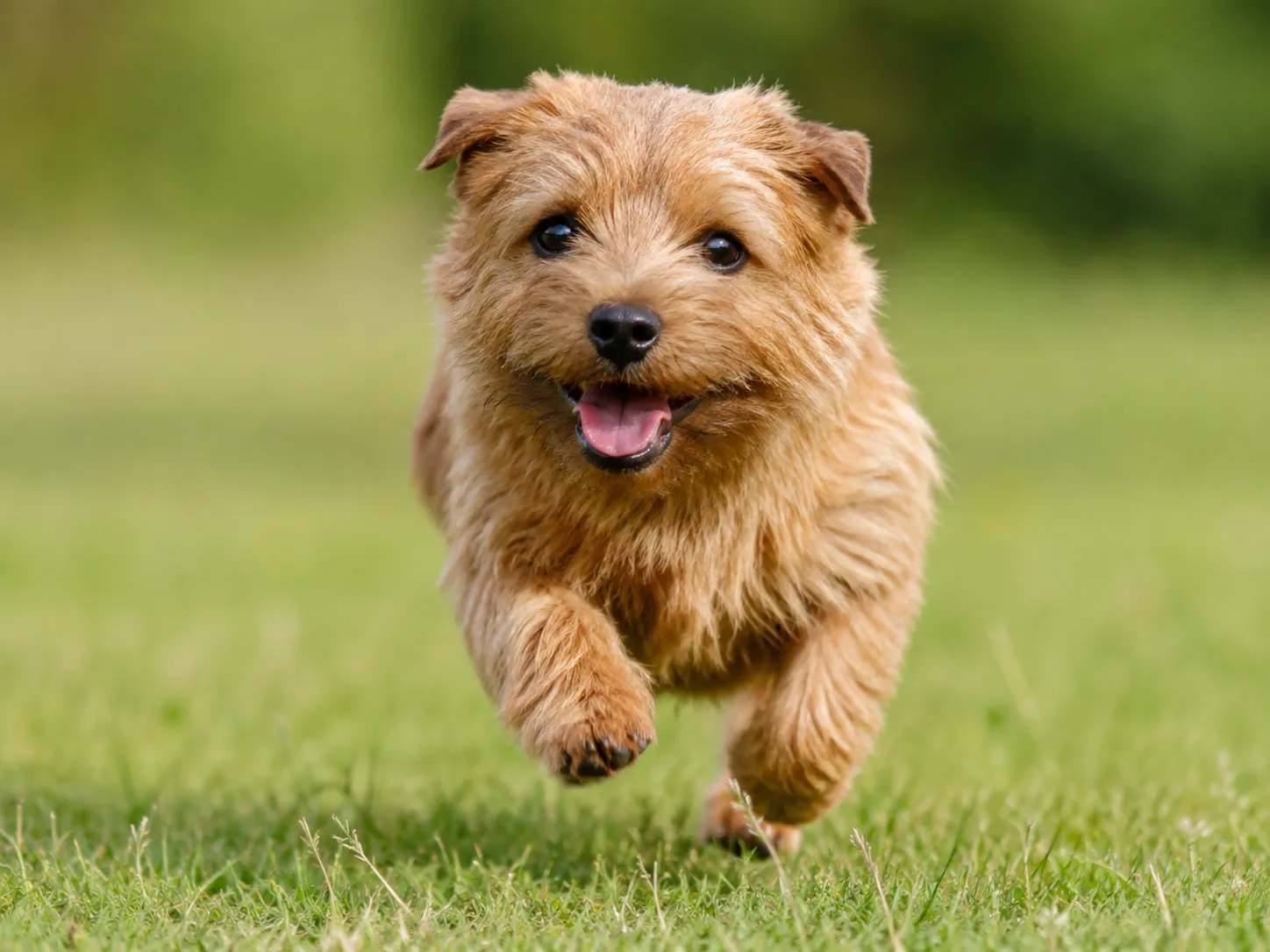
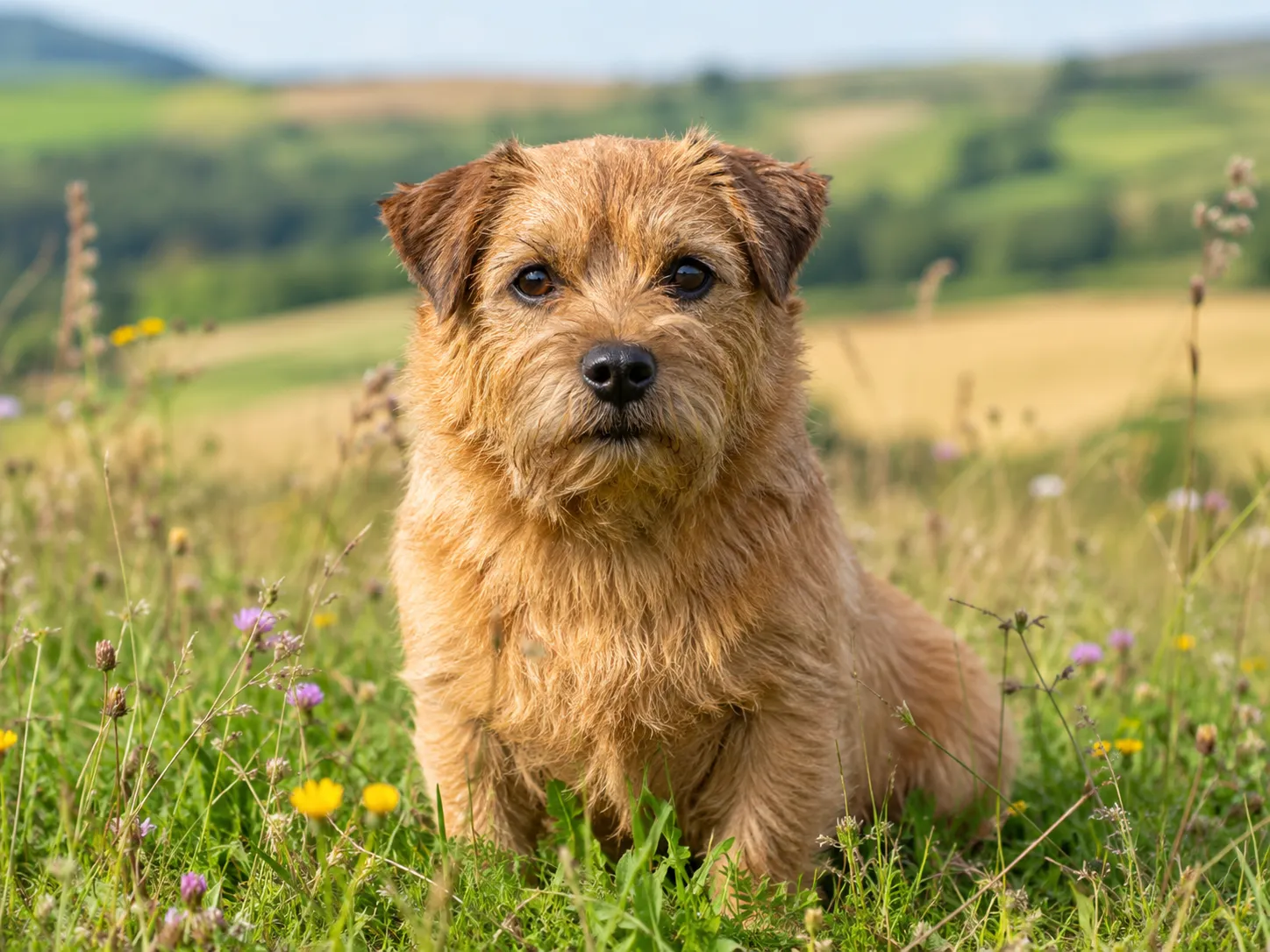
The Norfolk Terrier is a compact, well-balanced dog that combines strength, agility, and classic terrier character in a small frame, much like the Cairn Terrier. Despite being one of the smallest terrier breeds, it has a sturdy build and confident presence that reflects its working origins. Its slightly rounded outline, expressive face, and distinctive drop ears give the breed a friendly and approachable appearance.
Compact Build and Balanced Proportions
Adult Norfolk Terriers typically stand around 23–25 cm at the shoulder and weigh approximately 5–6 kilograms. The body is short and strong with a level topline, well-sprung ribs, and solid bone structure. This compact build allowed the breed to work efficiently in tight spaces when hunting vermin, while still maintaining the stamina required for active outdoor work.
The chest is moderately deep, giving the dog a sturdy appearance without making it appear heavy. Legs are relatively short but strong, supporting the breed’s lively movement and ability to navigate uneven terrain. Overall, the Norfolk Terrier should appear balanced and agile rather than delicate.
Coat Texture and Recognised Colours
One of the breed’s defining features is its hard, wiry double coat, which helps protect the dog from harsh weather and rough terrain. The outer coat is straight and coarse, while the undercoat is softer and provides insulation. Hair around the neck and shoulders is slightly longer, forming a subtle ruff that contributes to the breed’s rugged terrier look.
Common Norfolk Terrier coat colours include red, wheaten, black and tan, and grizzle. Small white markings may occasionally appear on the chest, although solid colours are generally preferred in breed standards.
Head, Eyes, and Facial Expression
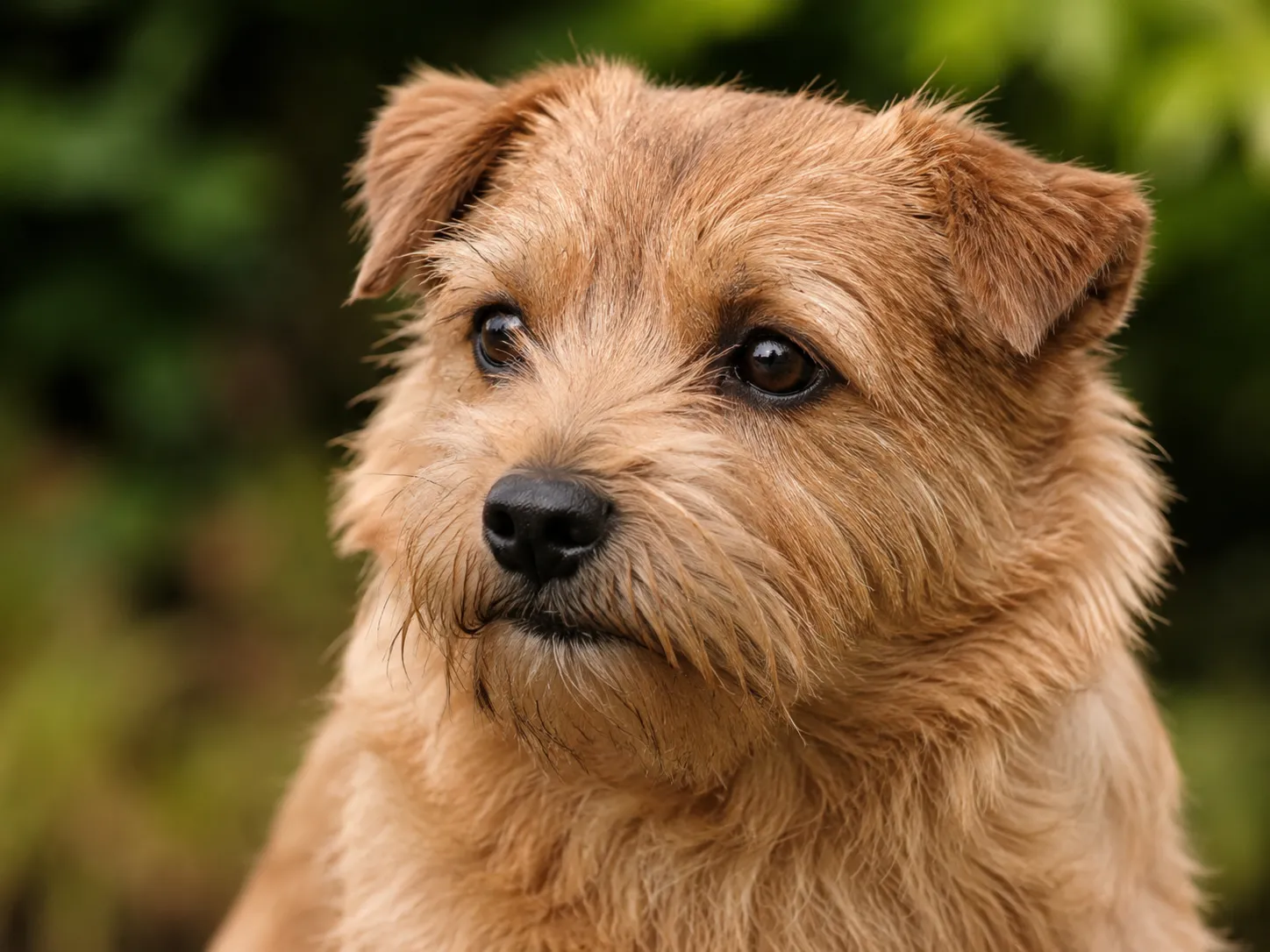
The Norfolk Terrier has a broad skull with a slightly wedge-shaped muzzle, giving the head a strong yet friendly appearance. Its dark, oval-shaped eyes are set well apart and display a lively, intelligent expression that reflects the breed’s alert personality.
The ears are one of the most distinctive characteristics of the Norfolk Terrier. They are small, V-shaped, and naturally drop forward, lying close to the cheeks. This feature distinguishes the breed from its close relative, the Norwich Terrier, which has erect ears.
Tail, Movement, and Overall Presence
The tail is typically set high and carried confidently, contributing to the breed’s alert posture. Movement should appear free, energetic, and purposeful, reflecting the dog’s working background. Norfolk Terriers move with good drive from the hind legs and balanced coordination through the body.
While males and females look very similar, males may appear slightly more robust in build. Regardless of sex, the Norfolk Terrier should present a strong, compact, and lively appearance, capturing the classic character expected of a true terrier.
Temperament of the Norfolk Terrier: Friendly, Fearless, and Full of Personality
The Norfolk Terrier is widely known for its cheerful personality and confident terrier spirit, though terrier confidence still needs early socialisation. Although small in size, this breed carries itself with courage and curiosity, traits that developed during its early days as a working vermin hunter. Unlike some terriers that can be highly independent, the Norfolk Terrier is generally more sociable and affectionate, making it a popular companion dog.
Core Personality Traits That Define the Breed
One of the defining qualities of the Norfolk Terrier is its balanced temperament. These dogs tend to be lively, curious, and eager to explore their surroundings. At the same time, they are usually gentle and friendly with their family members.
Norfolk Terriers are known for being bold without being aggressive. They often display a playful and enthusiastic attitude, which makes them enjoyable companions for active households. Their alert nature also means they quickly notice changes in their environment.
Social Behaviour With People and Other Animals
With proper socialisation, Norfolk Terriers generally interact well with people and other dogs. Many individuals enjoy human companionship and prefer to stay close to their owners rather than being left alone for long periods.
Because of their terrier heritage, they may still show a natural prey drive toward small animals. Early socialisation helps reduce potential problems and encourages calm behaviour around other pets in the household.
Natural Terrier Instincts
Even though most Norfolk Terriers now live as companion animals, they still retain many working instincts. These dogs are naturally curious, alert, and eager to investigate movement or unusual sounds.
Their background as vermin hunters means they may enjoy digging, chasing, and exploring outdoor areas. Providing structured activities and supervised play helps channel these instincts in positive ways.
Behavioural Traits Owners Should Understand
Most Norfolk Terriers are affectionate and adaptable, but they can also be strong-willed and independent at times. Like many terriers, they respond best to patient, consistent training rather than harsh discipline.
When properly socialised and trained, the Norfolk Terrier becomes a loyal, lively, and engaging companion that fits comfortably into many types of households.
Intelligence and Trainability of the Norfolk Terrier: Smart, Curious, and Responsive to Training
The Norfolk Terrier is an intelligent and observant breed that learns quickly when training is handled with patience and consistency, so obedience work should start young. Developed as a working terrier, it needed the ability to think independently while hunting vermin. This background still influences the breed today, giving it a combination of sharp awareness, curiosity, and determination.
Puppy Training Priorities That Set the Foundation
Training should begin early while the dog is still a puppy. Early socialisation helps the Norfolk Terrier become comfortable around different people, environments, and other animals. Exposure to everyday experiences such as visitors, car rides, and outdoor walks builds confidence and reduces fear-based behaviours later in life.
Basic obedience commands such as sit, stay, recall, and walking calmly on a lead should be introduced gradually. Teaching impulse control early helps manage the breed’s natural curiosity and energetic temperament.
Training Methods That Work Best for This Breed
Norfolk Terriers respond best to positive reinforcement training methods. Rewarding good behaviour with treats, praise, or play encourages the dog to repeat those behaviours. Short and engaging training sessions tend to be more effective than long repetitive drills.
Harsh corrections should be avoided, as they may cause the dog to become resistant or lose confidence. Maintaining clear boundaries while rewarding desirable behaviour helps guide the breed effectively.
Mental Stimulation and Enrichment
Because the Norfolk Terrier is a mentally active breed, regular mental stimulation is just as important as physical exercise. Puzzle toys, scent games, and interactive play sessions help keep the dog engaged and prevent boredom.
Many Norfolk Terriers also enjoy structured activities such as agility, obedience training, or trick training. These activities allow the dog to use its intelligence while strengthening the bond between dog and owner.
Common Training Challenges
Although intelligent, Norfolk Terriers can sometimes display typical terrier independence. They may become distracted by interesting scents or movement during training sessions. Consistency and patience are important for maintaining focus.
Owners who provide clear guidance, routine training, and engaging activities often find the Norfolk Terrier to be a highly capable and rewarding dog to train.
Norfolk Terrier and Family Life: Children, Other Pets, and Household Dynamics
The Norfolk Terrier is widely regarded as one of the more sociable and adaptable terriers, which helps it fit comfortably into many household environments. You can browse Norfolk Terrier puppies listed in Australia. Although small, this breed enjoys being involved in family activities and typically forms strong bonds with its owners. Its friendly nature and manageable size often make it suitable for families, couples, or individuals seeking an energetic companion.
How the Norfolk Terrier Interacts With Children
Norfolk Terriers can get along well with children when they are raised together and properly socialised. Their playful personality and energetic nature often make them enjoyable companions for older children who understand how to interact gently with dogs.
Because of their small size, supervision is recommended when very young children are involved. Teaching children to respect the dog’s space and avoid rough handling helps create a positive and safe relationship for both the child and the dog.
Living With Other Dogs and Household Pets
With early socialisation, Norfolk Terriers usually coexist well with other dogs. They are generally friendly and enjoy social interaction, although they may occasionally display typical terrier confidence when meeting unfamiliar dogs.
However, their background as vermin hunters means they can still have a strong prey instinct. Small pets such as rodents or birds may trigger chasing behaviour. Careful introductions and supervision are important when introducing the breed to other animals.
Household Environment and Lifestyle Compatibility
One of the appealing qualities of the Norfolk Terrier is its adaptability to different living environments. The breed can live comfortably in apartments, townhouses, or houses with gardens as long as it receives daily exercise and attention.
These dogs tend to thrive in homes where they are not left alone for long periods. They enjoy companionship and often prefer to stay close to their owners during daily routines.
Creating a Stable and Happy Home Environment
Providing a predictable routine helps the Norfolk Terrier feel secure. Regular walks, play sessions, and quiet rest areas contribute to emotional balance. Structured introductions to new people and environments also help maintain confident behaviour.
In the right household, the Norfolk Terrier becomes a loyal, affectionate, and lively family companion that enjoys participating in everyday life.
Health of the Norfolk Terrier: Lifespan, Common Conditions, and Preventative Care
The Norfolk Terrier is generally considered a robust and long-lived small breed, with most individuals living between 12 and 15 years when properly cared for. Like many terriers, the breed developed as a working dog, which contributed to its strong constitution and resilience. While Norfolk Terriers are typically healthy, prospective owners should still understand the health conditions that may occasionally affect the breed.
Breed-Specific Health Conditions to Be Aware Of
Although relatively healthy, some Norfolk Terriers may develop certain hereditary or structural conditions. One of the more commonly reported issues is patellar luxation, where the kneecap slips out of place and may affect mobility. This condition can vary from mild to more serious cases requiring veterinary attention.
Another condition sometimes seen in the breed is mitral valve disease, a heart condition that can develop as the dog ages. Some Norfolk Terriers may also experience hip dysplasia or joint-related problems, though these are less common compared to larger breeds. Responsible breeding practices help reduce the risk of these conditions appearing in puppies.
Genetic Testing and Responsible Breeding
Reputable breeders aim to produce healthy puppies by following responsible breeding practices and conducting appropriate health checks. Although there are currently no widely mandated breed-specific screening programmes, breeders are encouraged to monitor genetic diversity and avoid breeding dogs with known hereditary conditions.
Prospective buyers should ask breeders about the health history of the puppy’s parents and request veterinary documentation where possible. Choosing a responsible breeder significantly improves the likelihood of obtaining a healthy dog.
Preventative Veterinary Care
Routine veterinary care plays a crucial role in maintaining the Norfolk Terrier’s long-term health. Regular check-ups allow veterinarians to monitor weight, dental health, and overall wellbeing. Vaccinations, parasite prevention, and dental care should form part of a consistent healthcare routine.
Because small breeds can be prone to dental problems, regular tooth brushing and dental check-ups are particularly important. Maintaining a healthy weight also reduces strain on joints and helps prevent mobility issues later in life.
Supporting Long-Term Health and Wellbeing
Owners can help Norfolk Terriers remain healthy by providing balanced nutrition, regular exercise, and mental stimulation. A high-quality diet suited to small active breeds supports muscle health and energy levels, while daily activity helps maintain joint mobility.
With proper care, responsible breeding, and regular veterinary monitoring, most Norfolk Terriers enjoy long, active, and healthy lives, continuing to bring energy and companionship to their households for many years.
Caring for the Norfolk Terrier: Daily Needs, Home Environment, and Long-Term Comfort
Caring for a Norfolk Terrier involves meeting the needs of a small but energetic and people-oriented dog. Although the breed is adaptable, it thrives when given consistent routines, regular interaction, and opportunities to explore its environment. Owners who provide balanced daily care will usually find the Norfolk Terrier to be a happy, confident companion that settles well into family life.
Daily Care Routines That Keep a Norfolk Terrier Balanced
A typical day for a Norfolk Terrier should include moderate exercise, playtime, and social interaction. Short walks combined with interactive games or training sessions help keep the dog both physically active and mentally stimulated.
Because this breed enjoys human company, it benefits from being involved in daily activities around the home. Norfolk Terriers often prefer staying close to their owners rather than being isolated for long periods.
Living Environment Requirements for a Small Terrier
The Norfolk Terrier adapts well to a variety of living environments. Whether living in an apartment or a house with a garden, the most important factor is access to regular activity and companionship.
If a garden is available, it should be securely fenced, as terriers may attempt to chase small animals or explore beyond boundaries. Indoors, providing a comfortable resting area allows the dog to relax after active periods.
Seasonal Care Considerations
Like many small dogs, Norfolk Terriers may be sensitive to extreme temperatures. During hot weather, exercise should take place during cooler parts of the day, and access to shade and fresh water is essential.
In colder months, the breed’s wiry coat provides some protection, but additional warmth such as indoor bedding or a light dog coat during winter walks may improve comfort.
Adjusting Care as the Dog Ages
As Norfolk Terriers enter their senior years, their care requirements may gradually change. Older dogs may benefit from slightly reduced exercise intensity, softer bedding, and more frequent veterinary check-ups.
Monitoring joint health, dental condition, and weight becomes increasingly important with age. With attentive care and appropriate lifestyle adjustments, many Norfolk Terriers remain active and comfortable well into their later years.
Grooming the Norfolk Terrier: Coat Care, Maintenance, and Routine Hygiene
The Norfolk Terrier has a dense, wiry double coat designed to protect the dog while working in fields and rough terrain. Although the breed does not shed heavily, its coat still requires regular grooming to remain healthy and comfortable. Consistent grooming routines help prevent matting, support skin health, and maintain the classic terrier appearance.
Coat Maintenance for a Wiry Double Coat
Norfolk Terriers benefit from brushing two to three times per week. A firm bristle brush or slicker brush helps remove loose hair and dirt trapped in the coat. Regular brushing also helps distribute natural oils, which keep the coat healthy and maintain its protective qualities.
Special attention should be given to areas where hair grows thicker, including the neck, shoulders, and legs. These sections are more prone to tangles if neglected.
Hand Stripping and Professional Grooming
To maintain the correct coat texture, many owners choose hand stripping rather than clipping. Hand stripping removes dead hair from the coat and encourages healthy new growth while keeping the coat harsh and weather resistant.
Professional grooming may be required every two to three months, particularly for owners unfamiliar with hand stripping techniques. Dogs not shown in competitions may occasionally be clipped instead, although this can soften the coat over time.
Routine Hygiene and Home Grooming
Beyond coat care, Norfolk Terriers require several routine grooming tasks to stay comfortable and healthy. Nails should be trimmed regularly to prevent overgrowth and discomfort when walking.
Ear cleaning should also be part of the grooming routine, helping prevent wax buildup and potential infections. Checking the ears during brushing sessions allows owners to spot problems early.
Dental Care and Hygiene
Small breeds often experience dental issues if oral hygiene is neglected. Norfolk Terriers benefit from regular tooth brushing and dental chews that help reduce plaque and tartar buildup.
Routine dental care, combined with veterinary dental check-ups, supports long-term oral health and helps prevent discomfort as the dog ages.
Exercise Needs of the Norfolk Terrier: Keeping a Small Terrier Active and Mentally Engaged
Despite its small size, the Norfolk Terrier is an energetic dog that benefits from regular daily activity. Originally bred to hunt vermin, the breed still carries a natural enthusiasm for movement and exploration. While it does not require extreme levels of exercise, consistent activity helps maintain healthy weight, strong muscles, and balanced behaviour.
Daily Exercise Requirements
Most adult Norfolk Terriers require around 30 to 60 minutes of exercise per day. This can be divided into two short walks combined with playtime or training sessions. Regular movement helps prevent boredom and reduces the likelihood of behaviours such as excessive barking or digging.
Puppies should exercise in shorter sessions throughout the day to avoid putting too much stress on developing joints. As the dog matures, exercise routines can gradually become more structured.
Suitable Activities for the Breed
Norfolk Terriers enjoy a variety of activities that engage both body and mind. Brisk walks, backyard play, and interactive games are excellent ways to burn energy. Many individuals also enjoy activities that challenge their natural terrier instincts.
Games such as scent searching, retrieving toys, and exploring safe outdoor environments help keep the dog mentally stimulated. Because the breed is intelligent and curious, rotating toys and activities helps maintain interest.
Off-Lead Play and Safety Considerations
Although Norfolk Terriers enjoy freedom to run and explore, their prey drive can lead them to chase small animals. For this reason, off-lead exercise should only occur in secure areas such as fenced gardens or designated dog parks.
Training a reliable recall command can help improve control during outdoor activities, though supervision remains important.
Mental Stimulation and Enrichment
Physical exercise alone is not enough for this intelligent breed. Norfolk Terriers also benefit from mental enrichment activities that challenge their problem-solving skills.
Puzzle toys, basic obedience training, and scent-based games provide valuable mental stimulation. When both physical and mental needs are met, the Norfolk Terrier is more likely to remain calm, content, and well-behaved at home.
Feeding the Norfolk Terrier: Nutrition, Portions, and Healthy Weight Management
Feeding a Norfolk Terrier properly supports its energy levels, coat condition, and long-term health. Although small, this breed is active and requires a balanced, nutrient-dense diet designed for small dogs. Providing the correct portions and feeding schedule helps maintain muscle tone while preventing excessive weight gain, which can place unnecessary strain on joints.
Nutritional Requirements for a Small Active Terrier
Norfolk Terriers benefit from a high-quality complete diet rich in animal protein to support muscle maintenance and overall vitality. Healthy fats provide energy for daily activity, while essential vitamins and minerals support immune function, skin health, and coat condition.
Foods formulated specifically for small breeds are often ideal because they contain appropriately sized kibble and balanced nutrient levels suited to smaller dogs.
Feeding Schedule From Puppy to Adult
Puppies grow quickly and require more frequent meals to support development. Young Norfolk Terrier puppies usually need three to four small meals per day until around six months of age.
Once the dog reaches adulthood, feeding can typically shift to two measured meals per day. This schedule helps maintain stable energy levels and supports healthy digestion.
Portion Control and Weight Management
Because Norfolk Terriers are compact dogs, even small weight increases can affect their health. Owners should monitor portion sizes carefully and adjust food amounts based on the dog’s activity level, age, and metabolism.
Maintaining a lean body condition reduces stress on joints and lowers the risk of obesity-related health issues.
Treats and Dietary Considerations
Treats can be useful during training but should only make up a small portion of the daily diet. Excess treats can quickly add unnecessary calories.
Owners should avoid feeding foods that are toxic to dogs, such as chocolate, grapes, onions, and alcohol. Providing fresh water at all times is essential for proper hydration and digestion.
Norfolk Terrier Price and Ongoing Costs: What Ownership Really Costs
Owning a Norfolk Terrier involves more than the initial purchase price. While the breed is relatively small and inexpensive to feed, responsible ownership still includes ongoing expenses such as veterinary care, grooming, insurance, and general supplies. Understanding these costs helps prospective owners plan realistically for the long-term commitment of caring for a dog that may live well over a decade.
Typical Norfolk Terrier Ownership Costs
| Cost Category | Typical Cost Range (AUD) | What This Covers |
| Purchase Price | $3,000 – $5,000 | Price from reputable Australian breeders depending on pedigree, health history, and breeder reputation |
| Initial Setup Costs | $350 – $600 | Bedding, crate, bowls, toys, collar, lead, grooming tools, and basic training equipment |
| Monthly Food Costs | $50 – $80 | High-quality small-breed dog food suitable for the dog’s age and activity level |
| Professional Grooming | $80 – $150 per session | Hand stripping or grooming every few months to maintain coat condition |
| Routine Veterinary Care | $70 – $120 per month (avg.) | Vaccinations, parasite prevention, health checks, and general preventative care |
| Pet Insurance | $40 – $80 per month | Coverage for illness, accidents, and some hereditary conditions |
Long-Term Financial Commitment
Over the course of a Norfolk Terrier’s life, owners should expect to spend regularly on healthcare, grooming, food, and equipment. Veterinary costs may increase as the dog ages and requires additional monitoring or treatment.
Although the breed is not considered particularly expensive to maintain compared with larger dogs, responsible ownership still requires consistent financial planning. Unexpected veterinary costs can also occur, which is why many owners choose to maintain pet insurance.
Planning Ahead for Responsible Ownership
Before bringing a Norfolk Terrier home, it is wise to budget for both routine and unexpected expenses. Ensuring the dog receives proper veterinary care, high-quality nutrition, and safe living conditions contributes directly to its well-being.
When planned properly, the costs of owning a Norfolk Terrier are manageable and support a healthy, active, and comfortable life for the dog over many years.
Buying Advice for the Norfolk Terrier: How to Choose Responsibly and Ethically
Bringing a Norfolk Terrier into your life is a long-term commitment, so choosing the right breeder or adoption pathway is extremely important. A well-bred puppy raised in a healthy environment is far more likely to develop into a confident and stable adult dog. Taking time to research breeders, verify health practices, and understand what responsible ownership involves helps protect both the buyer and the welfare of the breed.
Finding Responsible Norfolk Terrier Breeders
A reputable breeder focuses on the health, temperament, and welfare of their dogs rather than producing puppies for quick sales. Ethical breeders will allow you to visit their facilities, meet the puppy’s mother, and see how the dogs are raised.
Responsible breeders are also transparent about their breeding practices and are happy to answer questions about the puppy’s lineage, vaccinations, and socialisation.
Health Documentation and Breeding Standards
Before purchasing a Norfolk Terrier puppy, buyers should request documentation confirming the puppy’s veterinary care and health checks. This usually includes vaccination records, microchipping information, and general health certificates.
Breeders should also be open about the health history of the puppy’s parents. Responsible breeding reduces the risk of hereditary health conditions and supports the long-term wellbeing of the breed.
Choosing a Healthy Puppy
A healthy Norfolk Terrier puppy should appear curious, alert, and comfortable around people. Puppies raised in good environments tend to interact confidently with their littermates and show interest in their surroundings.
Buyers should be cautious if puppies appear extremely timid, lethargic, or isolated. These signs may indicate poor early socialisation or underlying health issues.
Understanding Buyer Responsibilities
Purchasing a dog is only the beginning of the ownership journey. Buyers should be prepared to provide proper training, socialisation, veterinary care, and daily attention throughout the dog’s life.
Many reputable breeders will provide written contracts outlining health guarantees, care expectations, and return policies if circumstances change.
Considering Adoption and Rescue
Although less common than some other breeds, Norfolk Terriers may occasionally appear in rescue organisations or breed-specific adoption groups. Adoption can be a rewarding option for experienced owners willing to provide a stable home for a dog in need.
Whether purchasing from a breeder or adopting, making an informed decision ensures the Norfolk Terrier enters a safe and supportive environment where it can thrive.
Final Thoughts on the Norfolk Terrier: Is This Small Terrier Right for You?
The Norfolk Terrier is a small dog with a big personality, strong character, and loyal nature. Originally bred as a working terrier, it still carries the courage, curiosity, and alertness typical of the terrier group. At the same time, this breed is known for being more sociable and affectionate than many other terriers, which helps it adapt well to family life.
Owners who enjoy an energetic and engaging companion often find the Norfolk Terrier very rewarding. The breed thrives when it receives regular exercise, mental stimulation, and close interaction with its family. Although small enough for apartment living, it still benefits from daily activity and opportunities to explore.
However, prospective owners should remember that the Norfolk Terrier is not a passive lapdog. Its terrier instincts mean it may enjoy digging, chasing, and investigating anything interesting in its environment. Consistent training and early socialisation help shape these instincts into positive behaviour.
For individuals or families willing to invest time in training, companionship, and proper care, the Norfolk Terrier can become a lively, affectionate, and devoted companion for many years.
Frequently Asked Questions
Related Breeds
Other terrier breeds on Pups4Sale.
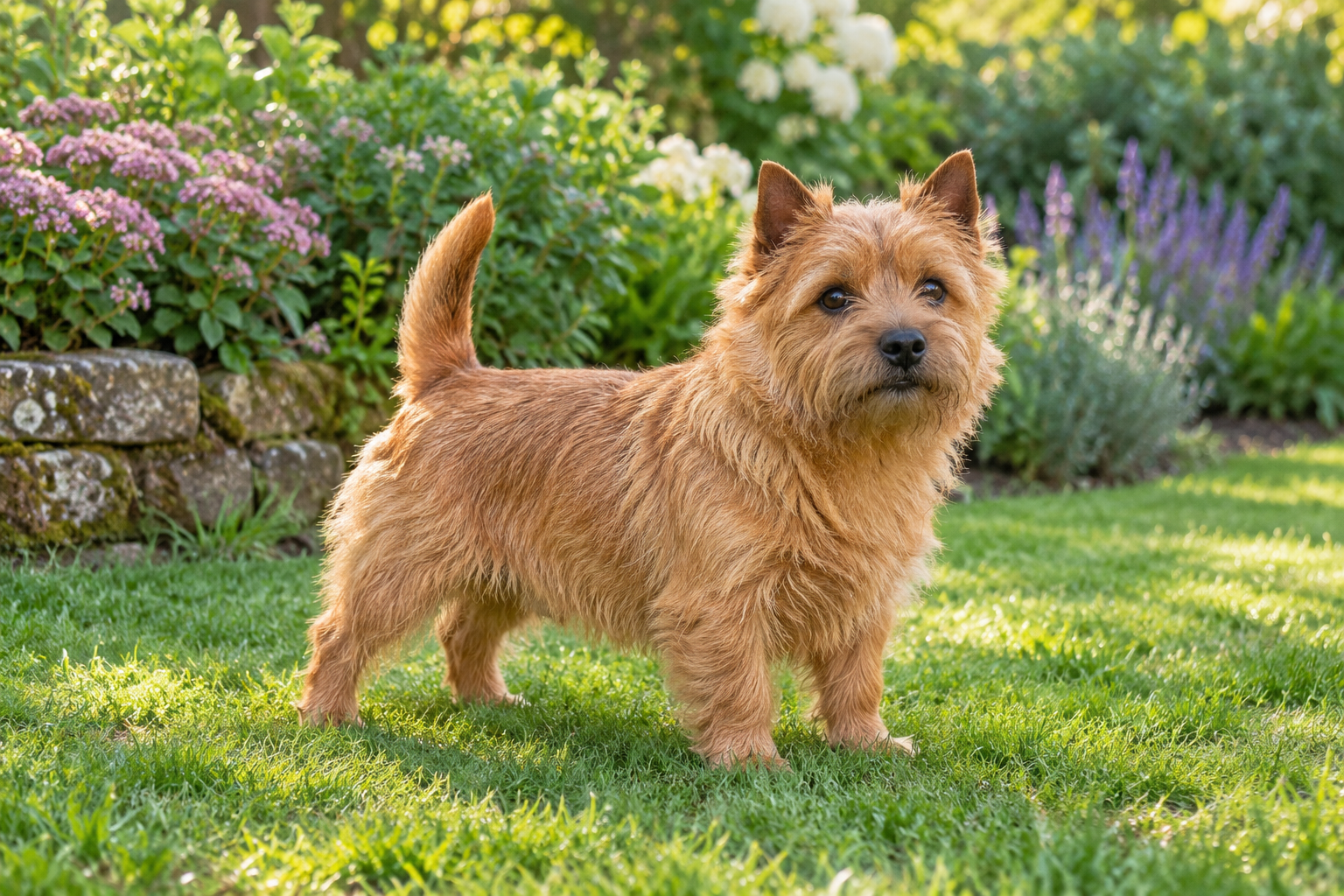 Norwich TerrierSmall • Terriers (Group 2)
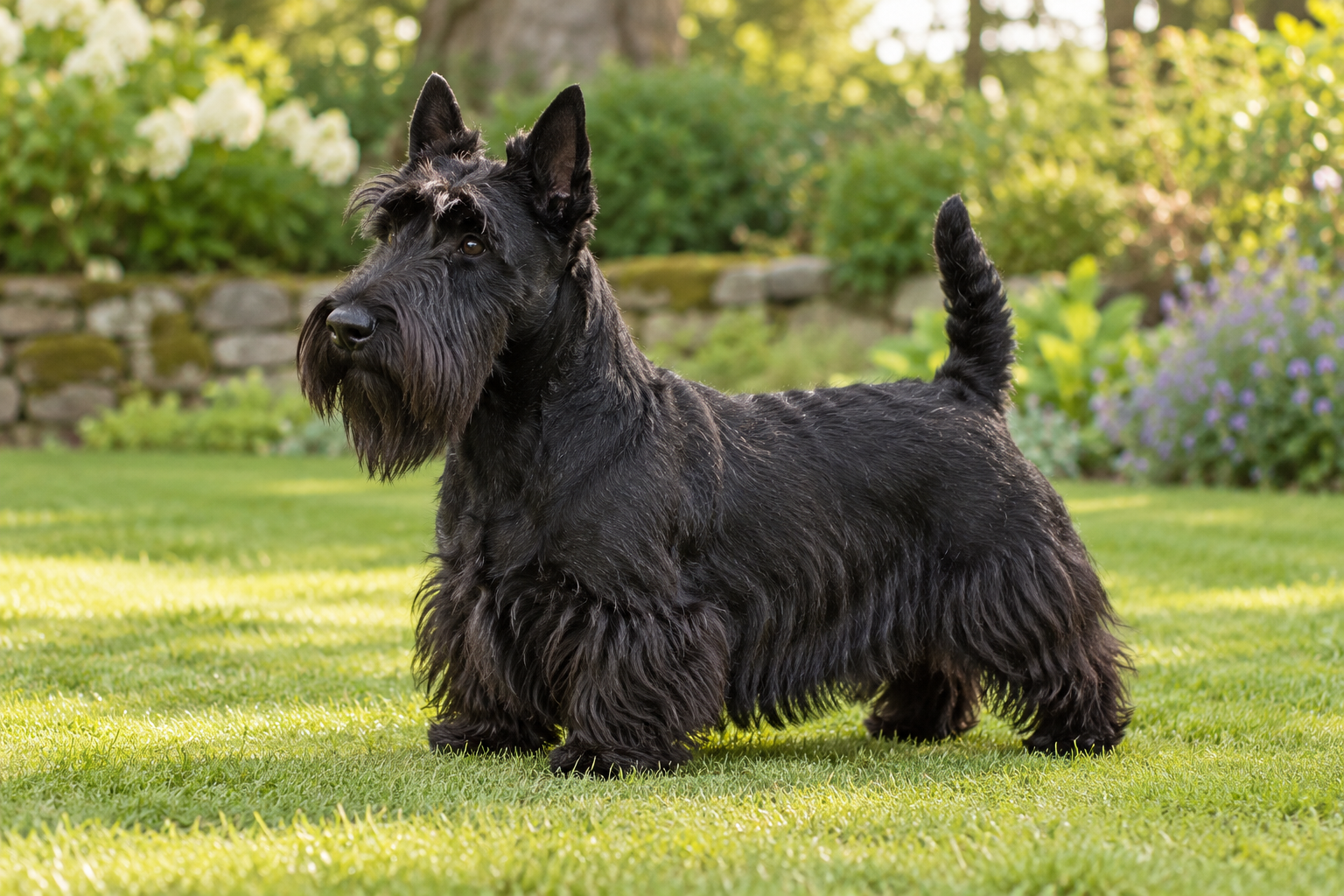 Scottish TerrierSmall • Terriers (Group 2)
 Skye TerrierMedium • Terriers (Group 2)
 Staffordshire Bull TerrierMedium • Terrier (Group 2)
 Welsh TerrierMedium • Terriers (Group 2)
 Airedale TerrierSmall • Terrier