Welsh Terrier
By James C. • Updated
The Welsh Terrier is one of the oldest British terrier types, bred in Wales to work alongside hounds after fox, otter and badger. It is friendly, confident and energetic, usually good with family members and more even-tempered than many terriers, though it keeps a strong prey drive and a love of digging. Adults stand up to 39 cm and weigh around 9 to 9.5 kg, with a hard, wiry black and tan coat that sheds little but needs regular grooming. It is recognised by Dogs Australia in Group 2, Terriers, but supply in Australia is very limited, with only a handful of registered breeders and waiting lists the norm.
Breed Overview
Life Span
12 - 15 years
Average Price
AUD 3000 - AUD 4500
Weight
Male: 9 - 9.5 kg Female: 8 - 9.5 kg
Height
Male: 37 - 39 cm Female: 35 - 37 cm
Life Expectancy
Male/Female: 12 - 15 years
Breed Group
Terriers (Group 2)
Nicknames
Welshie
Breed Information
The Welsh Terrier is a sturdy, square, black and tan working terrier from Wales, cheerful and confident, and often described as one of the steadier members of the terrier group. It looks like a smaller version of the Airedale, but it is a separate and much older type, and it is also distinct from the similar-looking Lakeland Terrier. There is no recognised miniature Welsh Terrier; small dogs sold under that name are simply small individuals or crosses.
The breed was developed to run with hounds and bolt foxes and otters from their dens, and it still has the stamina, prey drive and digging instinct that work required. At home it is affectionate, playful and keen to be involved, and it usually gets on well with children who know how to treat a dog.
In Australia the Welsh Terrier is recognised by Dogs Australia in Group 2, Terriers, but it is genuinely scarce. On 17 October 2026 only four breeders were listed nationally on Dogz Online, with a single litter, so most buyers will need to plan months ahead, join a waiting list and possibly arrange interstate transport.
Characteristics of the Welsh Terrier
The Welsh Terrier rates highly for energy, intelligence and family friendliness, and lower for ease of training and grooming, which reflects its working terrier roots.
| Trait | Rating | Star Rating | Meaning |
|---|---|---|---|
| Size | Small to Medium | ★★ | Up to 39 cm and around 9 to 9.5 kg. |
| Adaptability | Moderate | ★★★ | Manages smaller homes if well exercised. |
| Exercise Needs | Moderate to High | ★★★★ | Around an hour a day plus play. |
| Easy to Train | Moderate | ★★★ | Clever and willing, but independent. |
| Amount of Shedding | Low | ★★ | The wiry coat sheds little when groomed. |
| Grooming Needs | Moderate to High | ★★★ | Weekly brushing plus stripping or clipping. |
| Good With Children | Good | ★★★★ | Playful and sturdy with sensible children. |
| Health | Good | ★★★★ | Generally healthy, with some eye and skin conditions. |
| Cost to Keep | Moderate | ★★★ | Modest food bill, with grooming the main extra. |
| Tolerates Being Alone | Low to Moderate | ★★ | Gets bored and may dig or bark if left too long. |
| Intelligence | Good | ★★★★ | Quick to learn and quick to find mischief. |
History of the Welsh Terrier: An Old Working Terrier from the Welsh Hills
The Welsh Terrier is believed to descend from the old black and tan rough-coated terriers kept in Wales and northern England for centuries. Farmers and hunts used these dogs to run with hounds and to bolt fox, otter and badger from rocky dens, which demanded courage, stamina and a coat that could shrug off cold and wet weather.
The breed was formalised in the late nineteenth century, when it began to appear at shows and a breed club was formed in Wales. It was recognised by the Kennel Club in Britain in the 1880s, and the American Kennel Club followed in the years after. Some breed historians describe it as one of the oldest terrier types in Britain, although early records are patchy.
As fox and otter hunting declined, the Welsh Terrier moved into homes and show rings. It has remained a fairly rare breed both in the UK and in Australia, where it was never imported in large numbers, which helps explain the small breeder network today.
Appearance of the Welsh Terrier: Square, Wiry, and Black and Tan
Size and Build
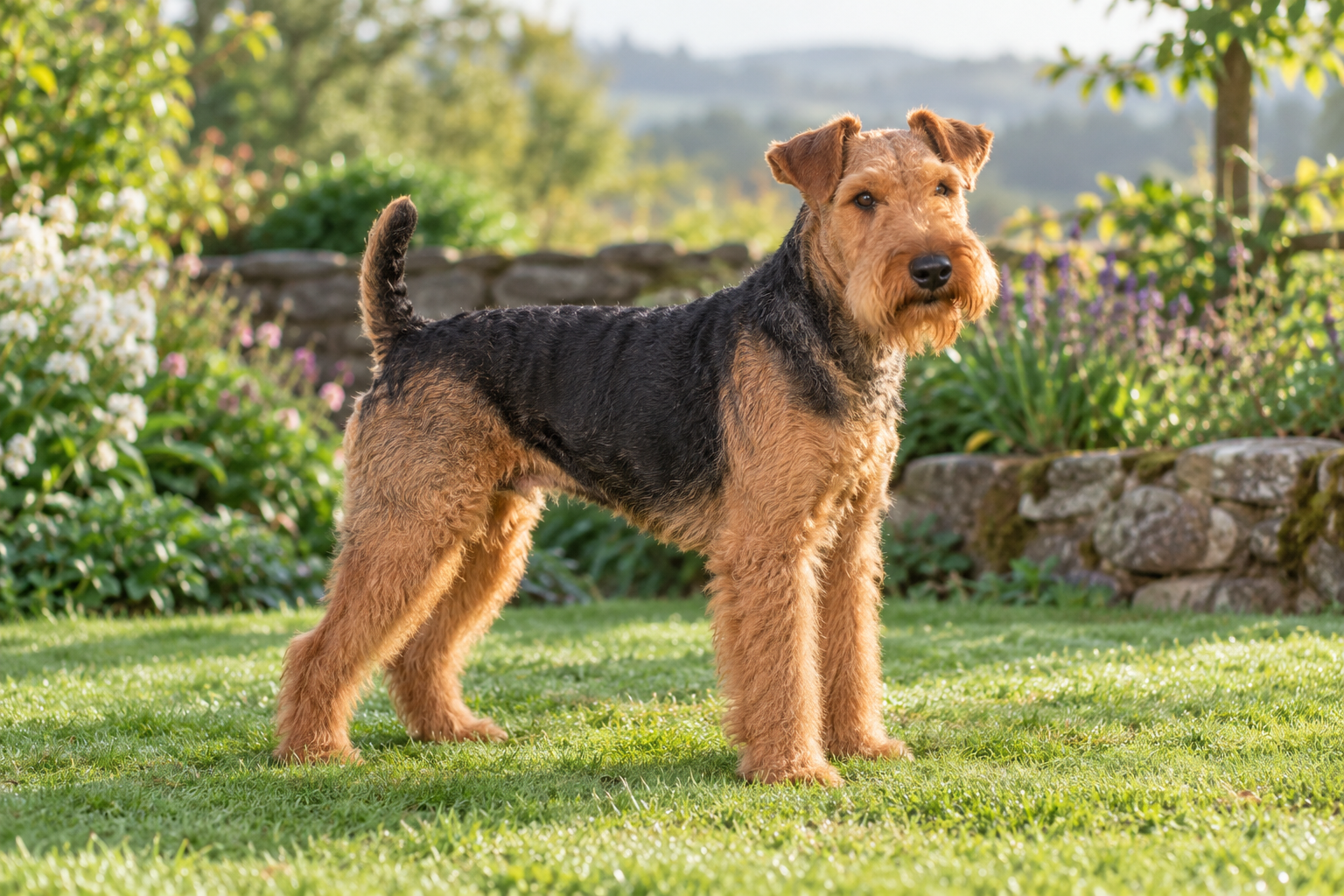
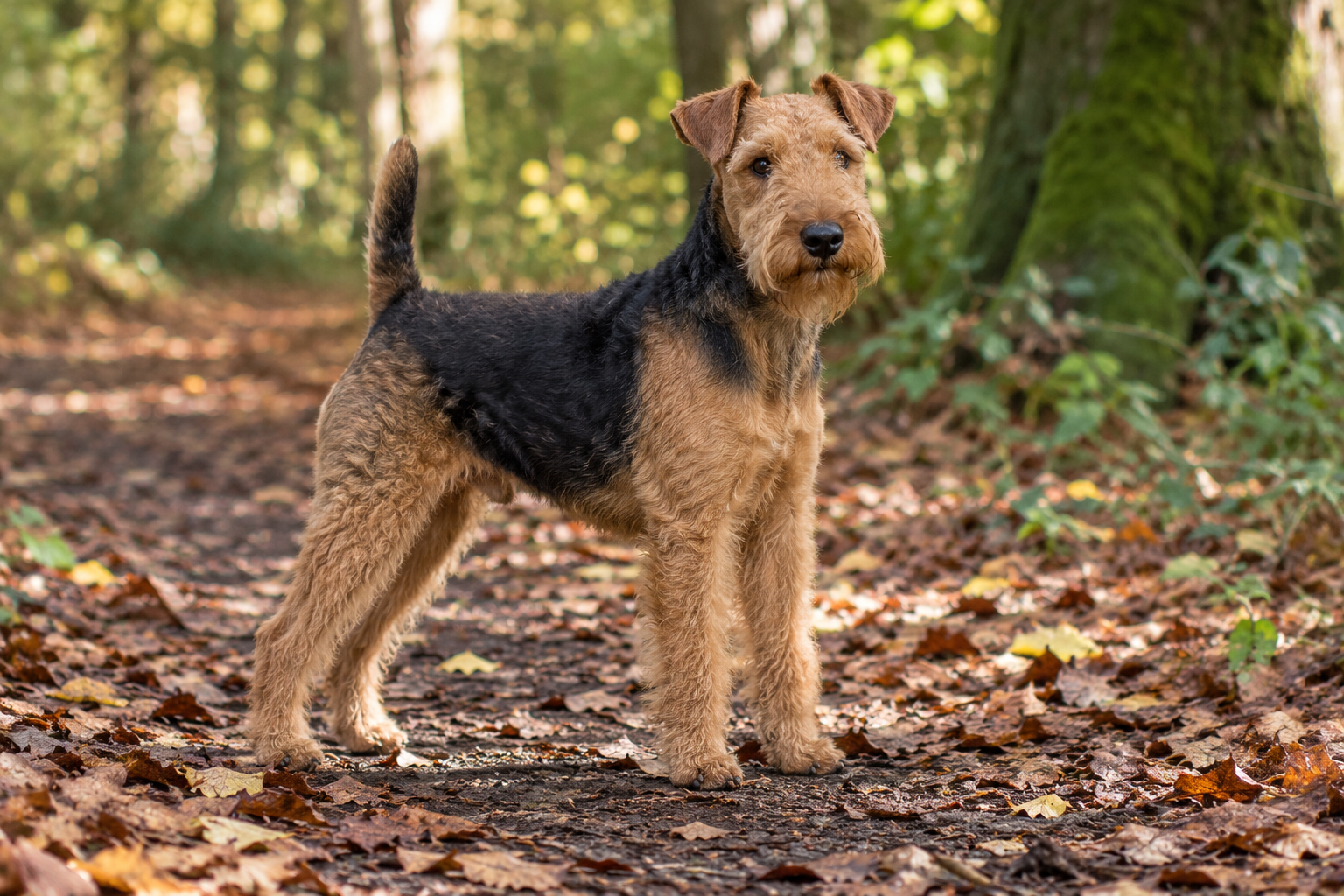
According to the Kennel Club breed standard, height should not exceed 39 cm at the shoulder, with a guideline weight of 9 to 9.5 kg. The body is compact and square, with a short back, deep chest and straight, strong legs. It is a sturdy, athletic dog rather than a toy.
Coat and Colours
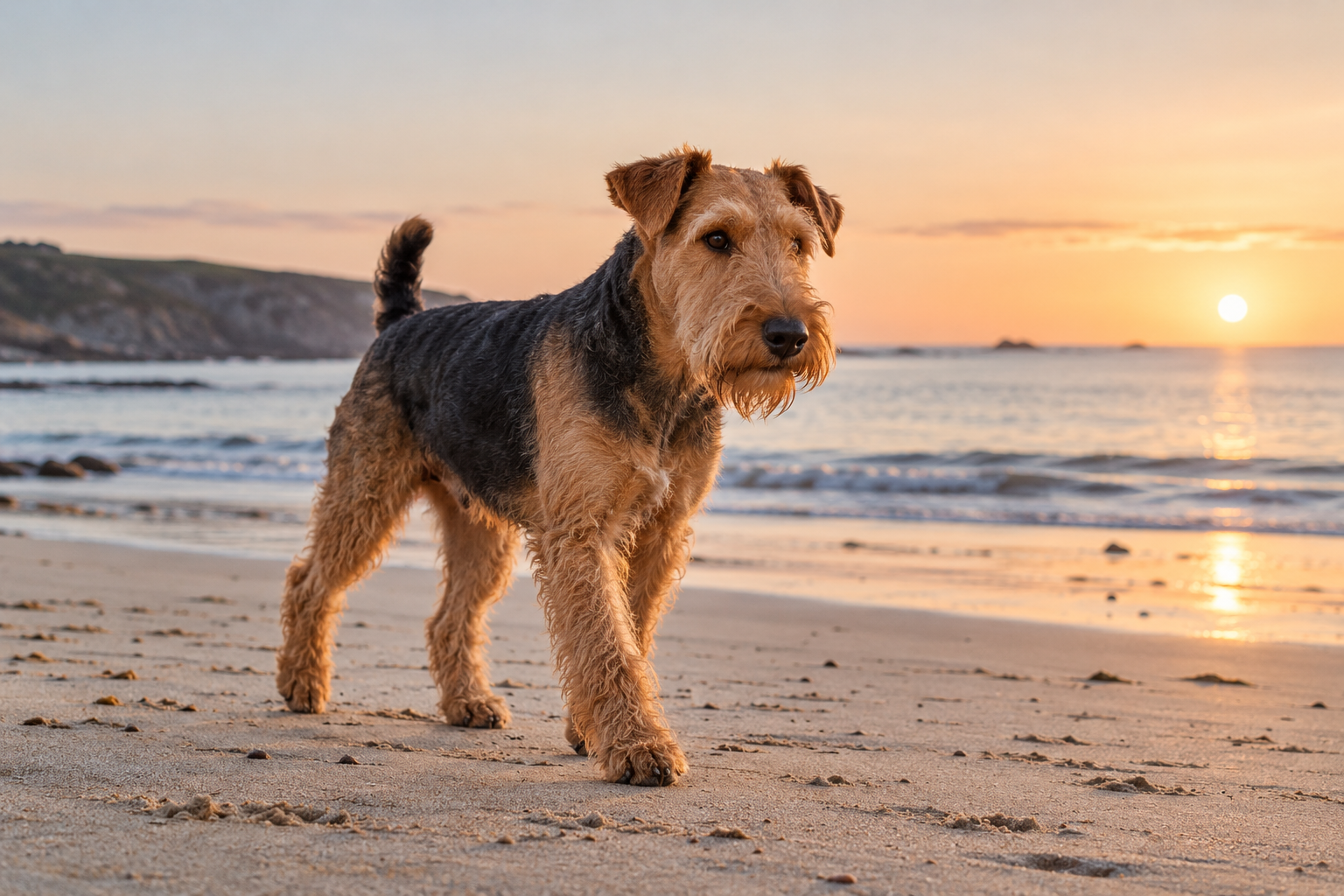
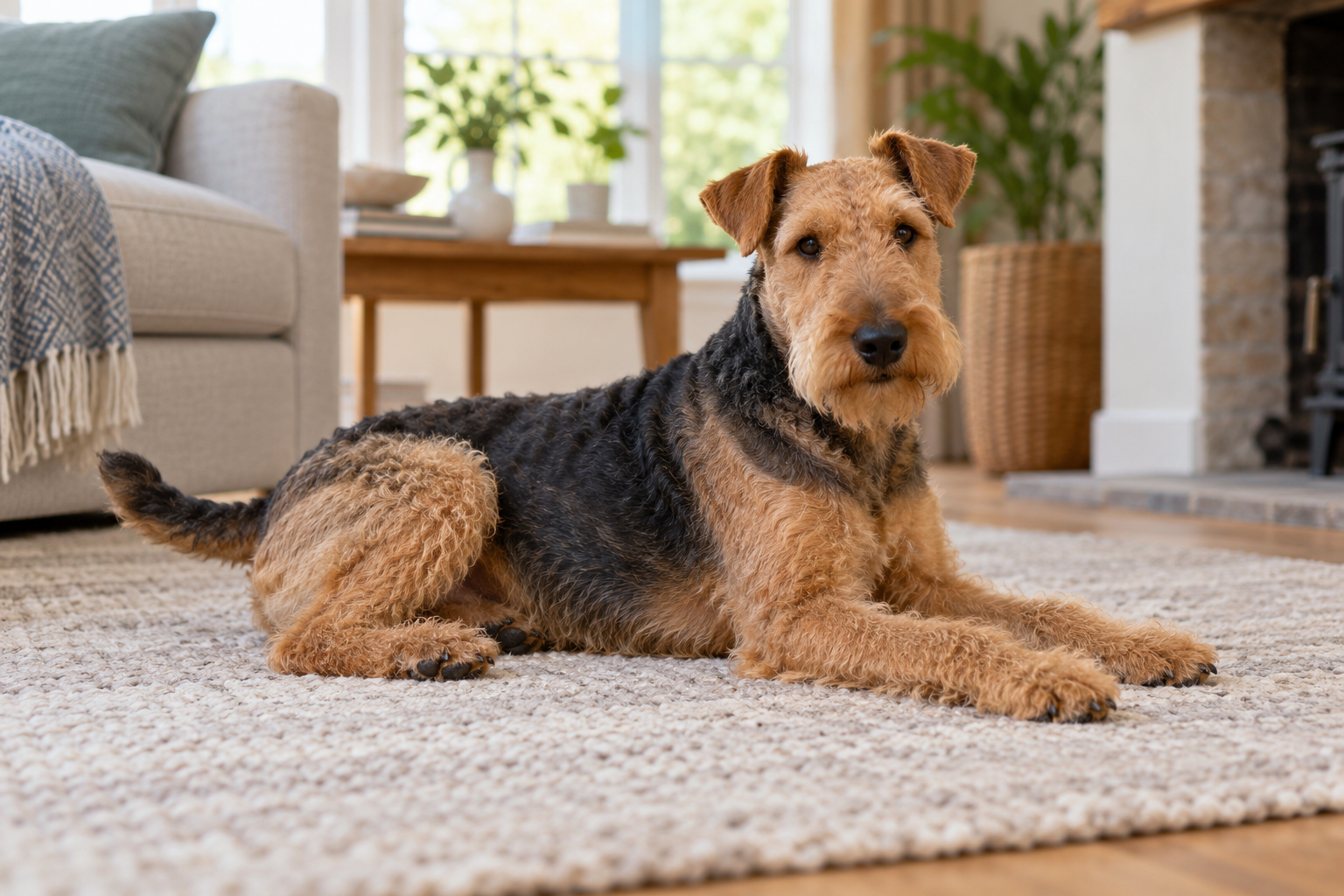
The coat is wiry, hard, very close and abundant over a softer undercoat, which makes it weather resistant. Black and tan is the preferred colour, with black grizzle and tan also acceptable. Puppies are born mostly black, and the tan spreads as they mature during the first year.
Distinctive Features
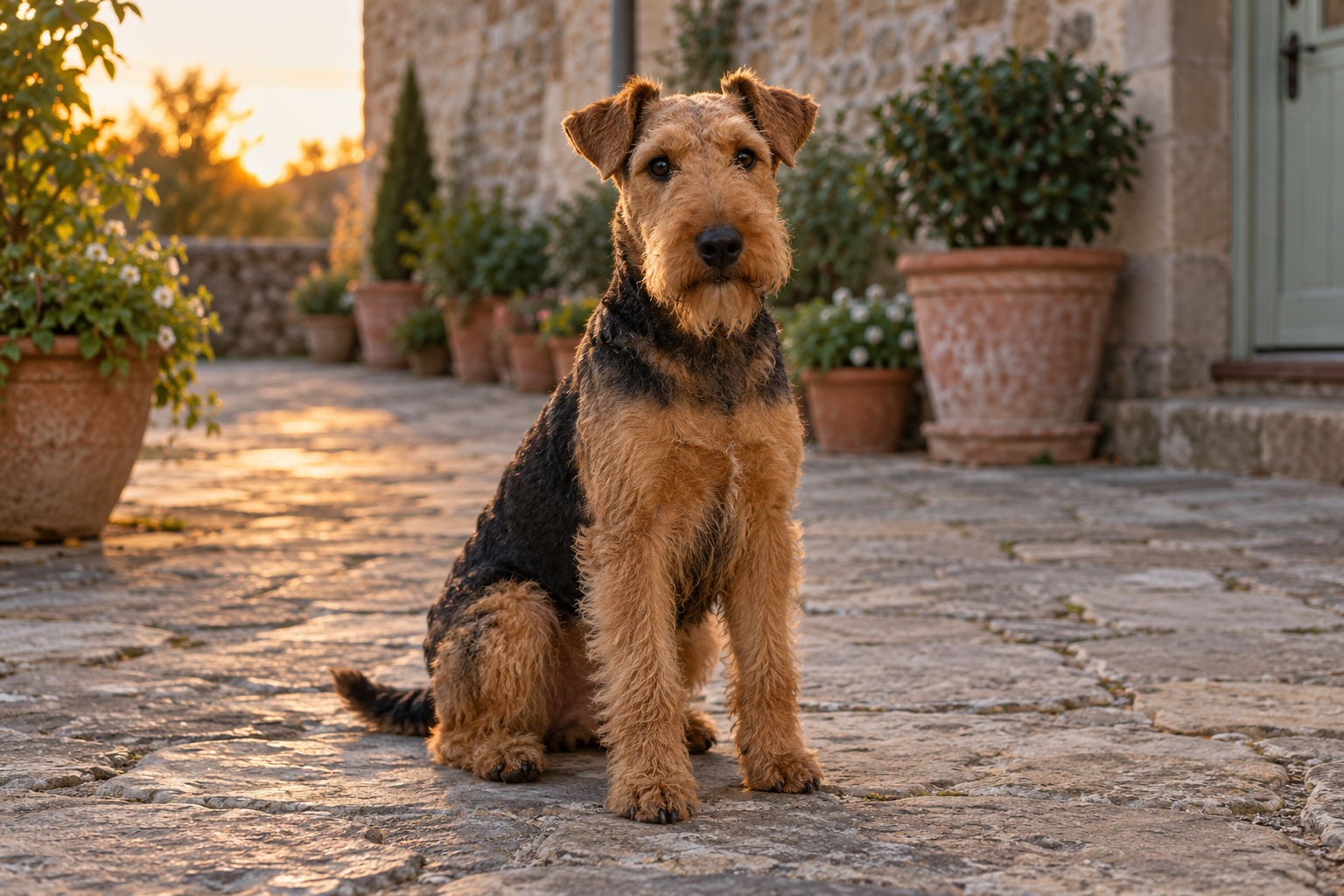
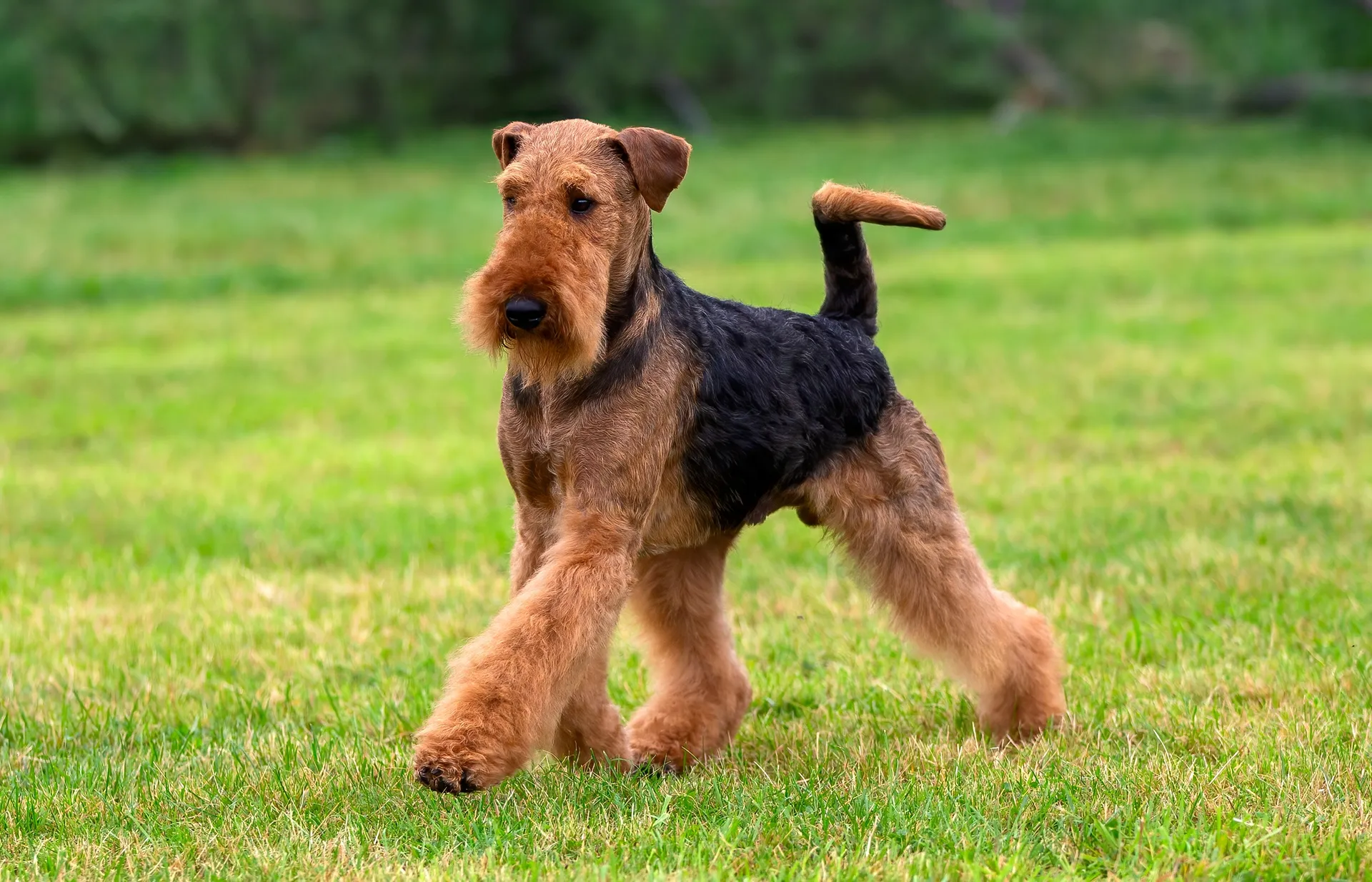
A flat skull, strong muzzle with a neat beard, small dark eyes and small folded V-shaped ears give the Welsh its alert, keen expression. The tail is carried upright. Compared with the Airedale, the Welsh is roughly half the height and far easier to handle, while the Lakeland is a separate breed that comes in a wider range of colours.
Gender Differences
Males tend to be at the top of the height range and a little heavier, while females are often slightly smaller and lighter. Hill's lists males at around 39 cm and females at around 37 cm. Temperament differences are small and individual personality matters more.
Temperament of the Welsh Terrier: Cheerful, Confident, and Spirited
Core Personality Traits
Welsh Terriers are friendly, playful and confident, with plenty of energy and a strong sense of fun. They are affectionate with their family and tend to be less sharp than some terriers, though they still have a mind of their own.
Social Behaviour
Most Welsh Terriers are sociable with people and polite with visitors once introduced. With other dogs they are usually fine when well socialised, but some can be assertive, particularly with dogs of the same sex.
Working Instincts
The Welsh Terrier has strong prey drive and a powerful urge to dig. Small pets, birds and wildlife can trigger chasing, and a Welshie may dig under fences after a scent. Off-lead exercise belongs in securely fenced areas.
Common Behavioural Challenges
Digging, chasing and barking when bored are the usual issues. Welsh Terriers are not generally excessive barkers, but they will alert to visitors and noises and can become noisy if under-exercised or left alone for long periods. Early training and daily activity prevent most problems.
Intelligence and Trainability of the Welsh Terrier: Clever and Independent
Intelligence and Learning Ability
The breed is intelligent and learns quickly, but it was bred to think for itself while working, so it does not always see the point of repeating a task. Many Welsh Terriers enjoy agility, tracking, earthdog and obedience when training is kept interesting.
Training Approach
Use short, varied, reward-based sessions with food and play. Be consistent with household rules from the start, and avoid harsh corrections, which tend to make a terrier more stubborn rather than more cooperative.
Early Socialisation
Introduce puppies to a wide range of people, children, calm dogs, cats and everyday noises during the early weeks at home. Puppy school helps build good manners with other dogs.
Potential Training Challenges
Recall is the main limitation, since a Welshie on a scent can ignore everything else. Lead pulling, digging and selective hearing also need patient work. A long line in open spaces is safer than trusting recall.
Welsh Terrier Family Life: Living with Children, Pets, and Households
Living with Children
Welsh Terriers are often very good with children, being sturdy, playful and tolerant. They suit families with school-age children best. As with any dog, supervise young children and teach them to respect the dog's space.
Living with Other Pets
A Welshie raised with a cat often accepts it, but may chase unfamiliar cats. Small caged pets such as rabbits and guinea pigs are not a good match. Another dog of the opposite sex is usually the easiest pairing.
Household Environment
The breed suits suburban homes with a secure yard, and fencing needs to be dug in or reinforced at the base. It can manage townhouse living with enough daily exercise.
Lifestyle Compatibility
Welsh Terriers suit active families, couples and people who enjoy walking, training and dog sports. They are less suited to owners who are away all day or who want a quiet, low-energy companion.
Health of the Welsh Terrier: Eyes, Skin, and Lifespan
Lifespan and Healthy Living
Welsh Terriers typically live 12 to 15 years, and Dogs Victoria gives an average of around 15. A lean body, regular exercise and routine eye checks support a long, healthy life. Australian breed-specific health data is limited because so few dogs are registered here.
Common Health Conditions
Owners should be aware of several conditions that can be associated with the breed. It is best to discuss any concerns with a veterinarian.
- Primary lens luxation. An inherited eye condition in which the lens slips out of place, which can be painful and lead to secondary glaucoma. It has been reported in several terrier breeds, including the Welsh.
- Glaucoma. Raised pressure within the eye, which needs prompt veterinary treatment to protect sight.
- Dry eye and skin allergies. Hill's Pet Nutrition lists dry eye (keratoconjunctivitis sicca), skin allergies and hip dysplasia among the conditions the breed can be prone to.
- Hip dysplasia. Abnormal hip development that can lead to arthritis, reduced by breeding from parents with good hip scores.
A red, cloudy, watery or painful eye in a Welsh Terrier should be seen by a veterinarian the same day, since lens luxation and glaucoma can damage sight quickly.
Genetic Health Testing
At least one Australian breeder states that breeding stock is screened for primary lens luxation, and buyers should ask what each breeder tests for. Sensible checks include eye examinations, any available DNA test for lens luxation, and hip scores for both parents.
Preventative Health Care
Keep vaccinations current and use year-round parasite prevention, including paralysis tick cover on the east coast, where ticks can hide in a dense wiry coat. Annual health checks should include the eyes and skin.
Caring for the Welsh Terrier: Daily Care and Living Environment
Daily Care Routine
A good day includes two walks or one walk and an active play session, a short training session and a quick check of the coat, skin and eyes. Feed measured meals to keep weight steady.
Living Environment Requirements
A secure yard with fencing that a digger cannot get under is important. Indoors, Welsh Terriers are usually settled once exercised and like to be close to their family.
Climate Sensitivity
The dense, wiry coat and high energy make the breed vulnerable to overheating in Australian summers. Walk early or late, provide shade and water, and keep in mind the temperatures that are unsafe for exercising dogs, since a keen terrier will keep going long after it should stop.
Caring for Senior Welsh Terriers
Older dogs benefit from gentler walks, soft bedding and more frequent vet checks, with particular attention to eyes, joints and weight.
Grooming of the Welsh Terrier: Hand Stripping, Clipping, and Coat Care
Coat Maintenance
Brush once or twice a week with a slicker brush and comb, paying attention to the beard and leg furnishings. Following a grooming routine for wire-haired dogs keeps the coat in good condition.
Hand Stripping Versus Clipping
Show Welsh Terriers are hand stripped, which means dead outer hair is plucked out to keep the hard texture and rich black and tan colour. Hill's suggests stripping about twice a year. Clipping is quicker and cheaper but softens the coat and can fade the colour over time, which is fine for a pet but changes the breed's traditional look. Finding a groomer who hand strips can take some searching in Australia.
Ear, Nail, and Dental Care
Check ears weekly, trim nails every three to four weeks and brush teeth several times a week. Wipe the beard after meals.
Bathing and Professional Grooming
Bathe only when needed, since frequent bathing softens a wire coat. Book professional stripping or clipping every two to four months depending on the coat style you choose.
Exercise Needs of the Welsh Terrier: Active Days and Hot Weather Care
Daily Exercise Requirements
Plan on around an hour of exercise a day, split across walks and active play. Hill's recommends at least 30 to 60 minutes daily, and many Welsh Terriers happily do more.
Activities Welsh Terriers Enjoy
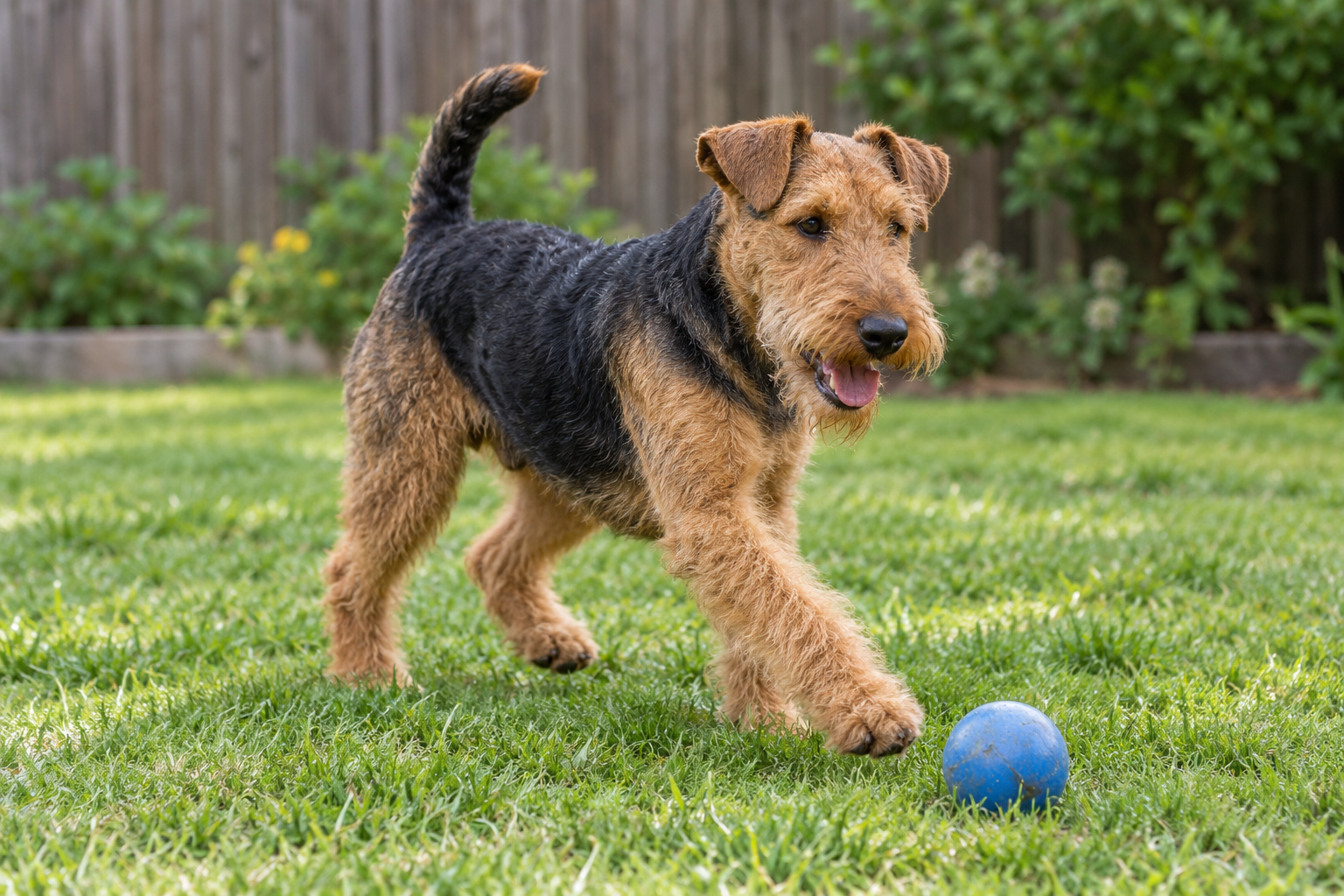
Fetch, tug, scent games, agility, earthdog-style digging games and long sniff walks all suit the breed. A designated digging pit can save the garden.
Exercise by Life Stage
Puppies need short play sessions rather than long walks. Adolescents need structure and plenty of outlets. Seniors need gentler, shorter outings.
Importance of Mental Stimulation
Puzzle feeders, training games and scent work keep a Welshie's mind busy and reduce digging and barking. In tick regions, check the coat after walks in bush or long grass.
Feeding the Welsh Terrier: Nutrition and Diet Needs
Nutritional Requirements
A complete, balanced diet suited to a small to medium active dog works well. Dogs with skin allergies may benefit from a diet chosen with veterinary guidance.
Feeding by Life Stage
Feed puppies three to four meals a day until about four months, then three meals until six months and two meals a day for adults. Seniors may need fewer calories.
Portion Control and Weight Management
Keep the dog lean, with ribs easy to feel under the coat. Measure meals and count treats, especially for less active dogs.
Foods to Avoid
Grapes, sultanas, chocolate, onion, garlic, macadamia nuts and anything with xylitol are toxic to dogs. Avoid cooked bones and fatty scraps.
Welsh Terrier Price in Australia: Purchase Cost and Ongoing Expenses
Puppy Purchase Price
No Welsh Terrier puppy price was publicly advertised in Australia at the time of writing. On 17 October 2026, Dogz Online listed a single Welsh Terrier litter from a pool of four breeders, with price on request, and general classifieds had no Welsh Terrier listings at all. Prices are set by individual breeders, so the only reliable way to get a figure is to contact them directly.
With so few litters, expect to join a waiting list, pay a deposit once a puppy is confirmed, and possibly cover interstate transport. Be wary of anyone offering Welsh Terrier or miniature Welsh Terrier puppies without registration papers, since genuine supply is so limited.
Initial Setup Costs
RSPCA NSW cost guidance puts microchipping at $60 to $80, a puppy vaccination course at $280 to $420, desexing at $350 to $650, a collar, lead or harness at $40 to $100, bedding at $100 to $200 and puppy school at around $170. Add a grooming kit and, if needed, fence reinforcement for a digger.
Ongoing Monthly Costs
| Cost | Typical figure (AUD) | Source |
|---|---|---|
| Food | Below the $91 monthly average, given a body weight around 9 kg | Animal Medicines Australia, Pets in Australia 2025 |
| Professional grooming | $70 to $150 per visit, three to six visits a year | RSPCA NSW |
| Parasite prevention | $200 to $250 a year for flea and worming, plus up to $250 for heartworm | RSPCA NSW |
| Pet insurance | Around $1,580 to $1,693 a year for a small to medium dog | Canstar, 2026 |
| Annual vet check and booster | From $140 a year | RSPCA NSW |
Grooming is the main breed-specific cost, roughly $210 to $900 a year depending on visits, and hand stripping usually costs more per session than clipping. Canstar's 2026 dog insurance averages are a fair guide, and early cover helps with eye and skin conditions.
Long-Term Financial Commitment
Moneysmart, citing Animal Medicines Australia, suggests budgeting up to $2,520 a year for a dog after the first year. Across a 12 to 15 year life, that is roughly $30,000 to $38,000 before any major treatment.
Buying Advice for a Welsh Terrier: Choosing a Healthy Puppy
Choosing a Responsible Breeder
Choose a breeder registered with Dogs Australia through their state body, who health tests breeding dogs, raises puppies in the home and lets you meet the mother. With only a handful of breeders nationally, contact them early and be prepared to wait or travel.
Health Checks Before Purchase
Ask for eye examination results and any lens luxation DNA results for both parents, hip scores, a vet check for the puppy and written vaccination, worming and microchip records. Look for clear eyes, healthy skin and sound movement.
Questions to Ask the Breeder
Bringing a prepared set of breeder questions helps you compare the few breeders available. For a Welsh Terrier, include these:
- Have both parents been screened for primary lens luxation and had eye examinations?
- What are the parents' hip scores?
- Have skin allergies, glaucoma or dry eye appeared in your lines?
- How long is your waiting list, and how do deposits work?
- Can you arrange interstate transport, and what does it cost?
- What is your breeder or supply number, and which state issued it?
- Will you take the dog back if I cannot keep it?
Considering Adoption
Adult Welsh Terriers occasionally become available through breeders rehoming retired or returned dogs. Letting breeders know you are open to an adult dog can shorten the wait.
Is the Welsh Terrier Right for You? A Sturdy Family Terrier Worth Waiting For
Lifestyle Compatibility
The Welsh Terrier suits active families and couples. It does best in homes with a secure yard. It is less suited to owners away all day.
Time and Care Commitment
Plan on around an hour of exercise daily and regular grooming. Training should start early. The commitment runs 12 to 15 years.
Grooming and Health Awareness
Choose between stripping and clipping early. Watch the eyes and act quickly on any change. Take out insurance while young.
Ideal Owner Profile
The ideal owner enjoys a lively, clever dog and is patient with terrier independence. They are prepared to wait for the right puppy.
Find Welsh Terrier Puppies for Sale
If a Welsh Terrier suits your home, you can browse puppies for sale on Pups4Sale and register your interest with breeders early. Ask for eye and hip results before paying any deposit.
Frequently Asked Questions
Related Breeds
Other terrier breeds on Pups4Sale.
 Airedale TerrierSmall • Terrier
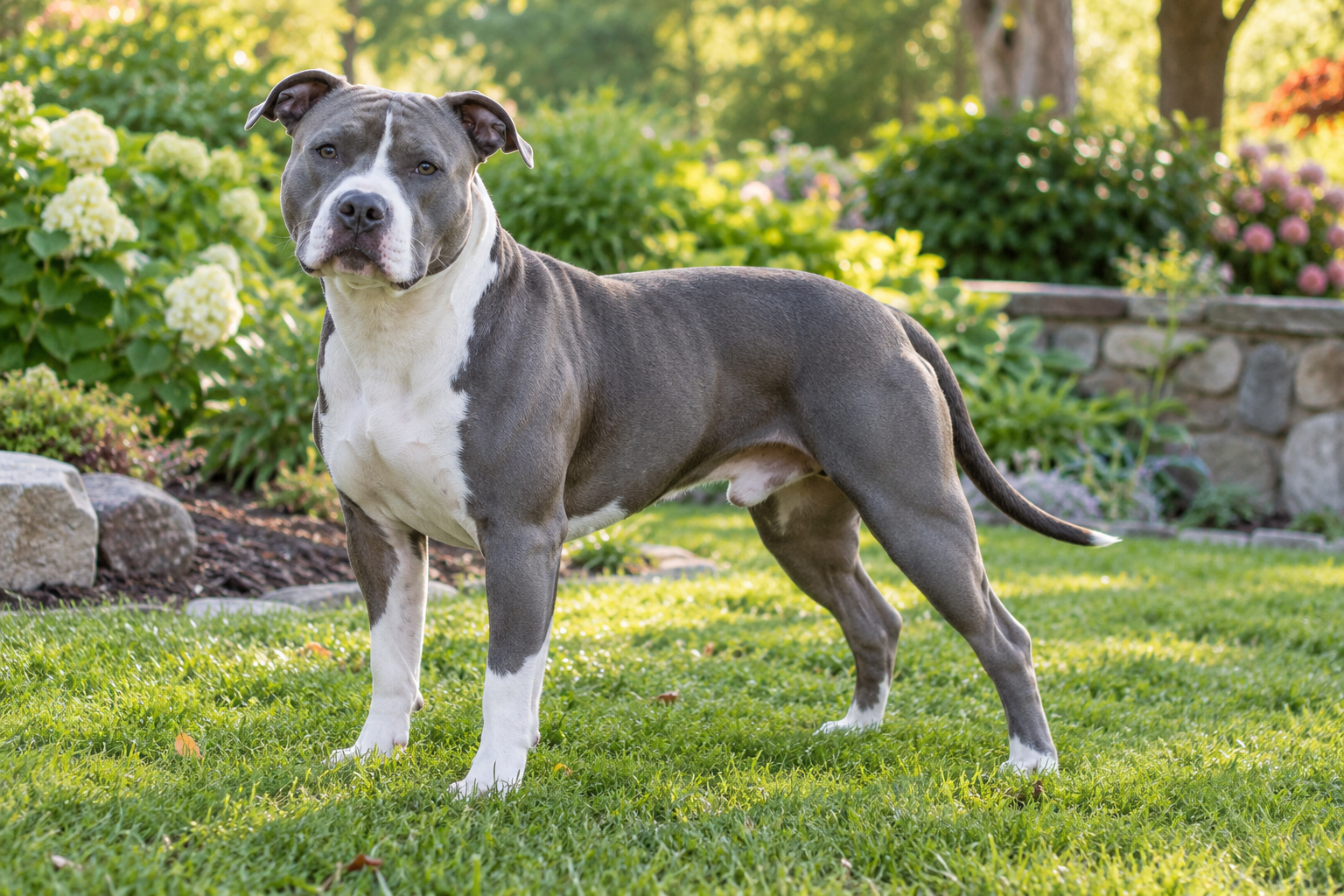 American Staffordshire TerrierMedium • Terrier (Group 2)
 Australian TerrierSmall • Terrier
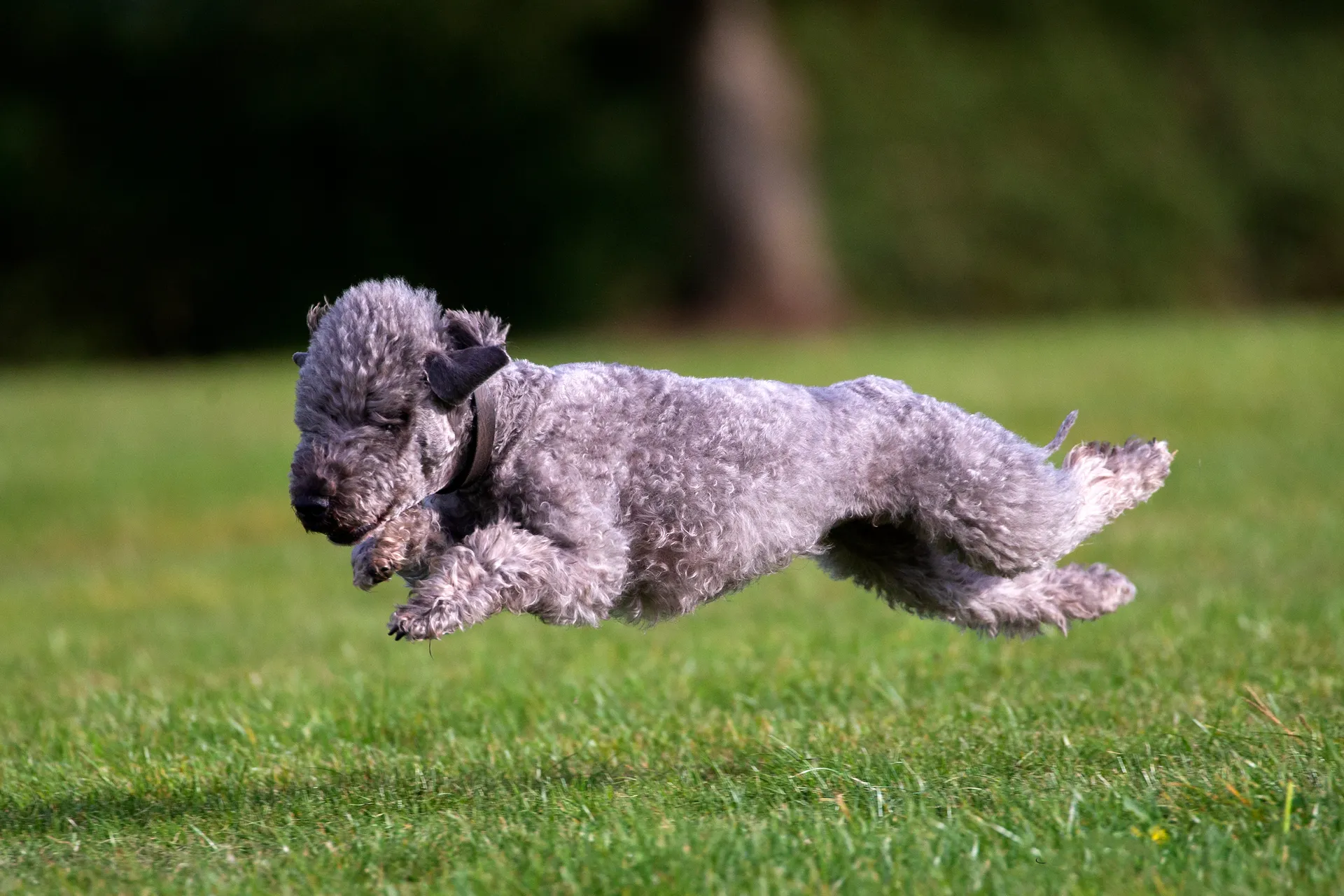 Bedlington TerrierSmall • Terrier
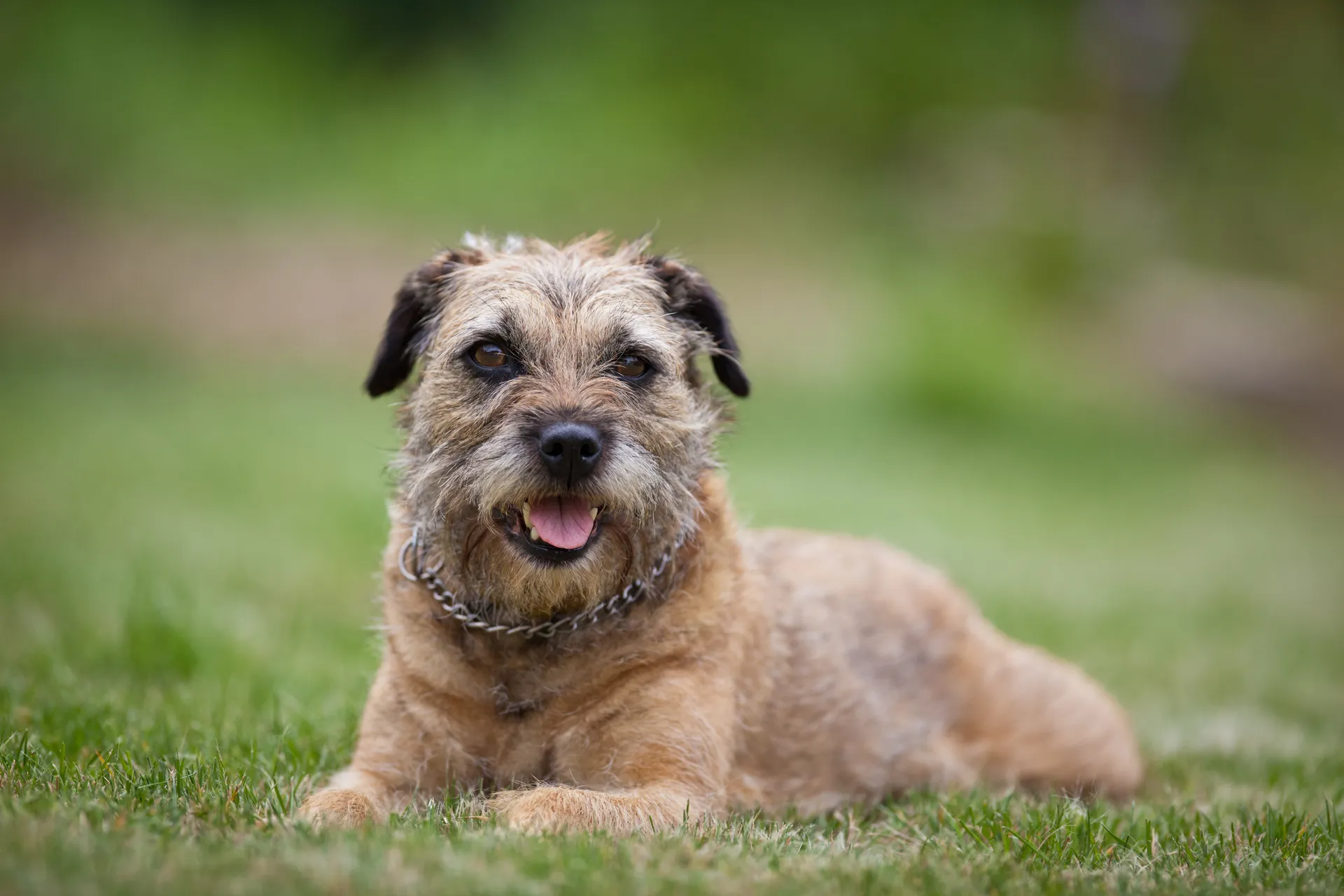 Border TerrierSmall • Terrier
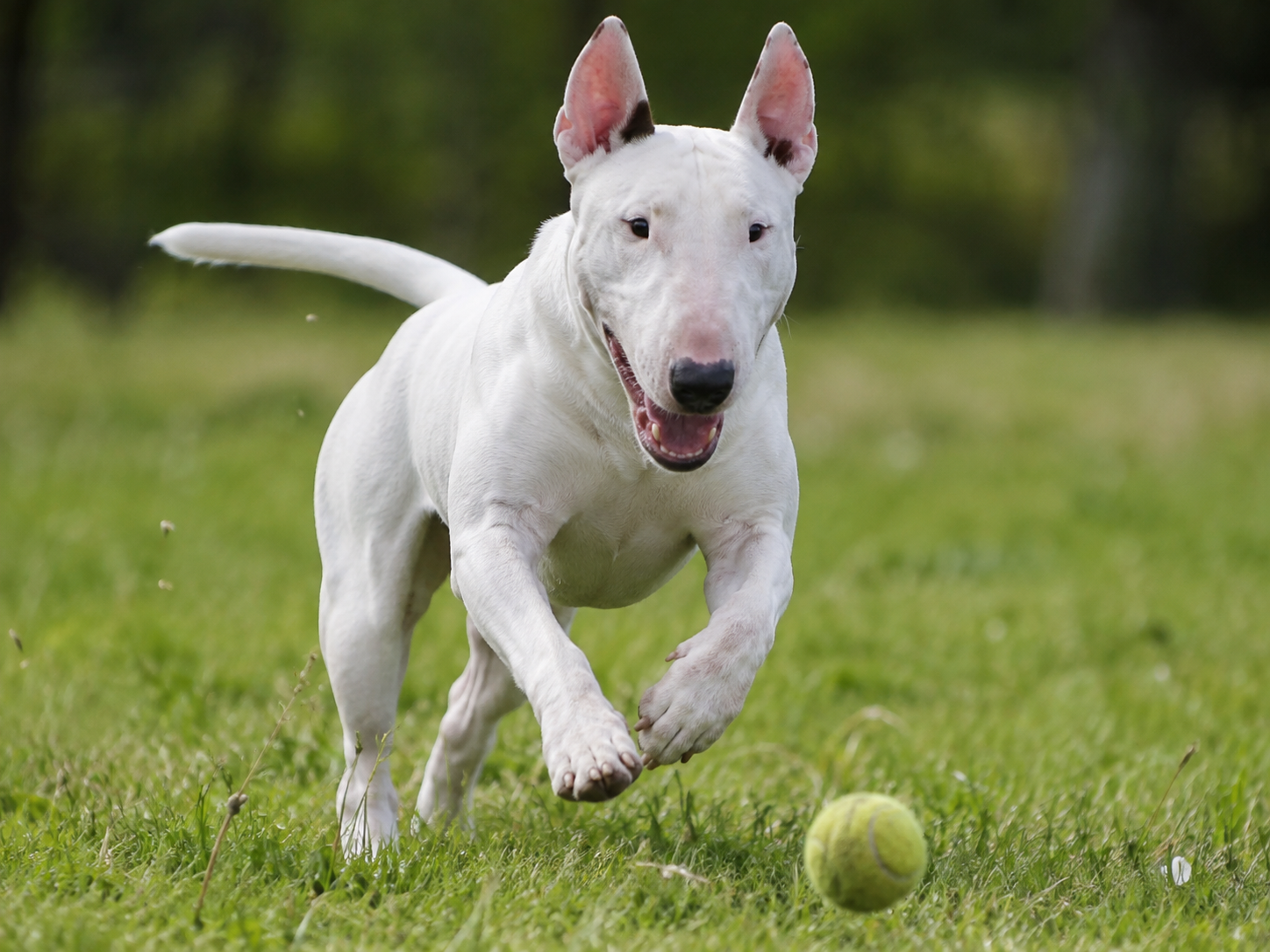 Bull TerrierMedium • Terrier