


Australian Terrier
By James C. • Updated
The Australian Terrier is a small, spirited companion with a bold personality. Loyal and alert, it suits active owners seeking a hardy, strong-willed dog.
Breed Overview
Life Span
12 - 15 years
Average Price
AUD 1800 - AUD 3497
Weight
Male: 6 - 7 kg Female: 5 - 6 kg
Height
Male: 25 - 28 cm Female: 23 - 26 cm
Life Expectancy
Male/Female: 12 - 16 years
Breed Group
Terrier
Nicknames
Aussie Terrier
Breed Information
The Australian Terrier is one of Australia’s first native dog breeds, developed to handle harsh conditions, control vermin, and provide companionship in early colonial households. Compact yet sturdy, this breed combines classic terrier confidence with loyalty and alertness, making it both a capable watchdog and an engaging family companion.
Well-suited to urban and suburban living, the Australian Terrier thrives with owners who enjoy an active, involved relationship with their dog. Despite its small size, it carries a bold personality and strong prey instincts, requiring consistent boundaries and early socialisation. Its adaptability, intelligence, and manageable size make it a popular choice for Australian homes seeking an alert but affectionate terrier.
Characteristics: What Living With an Australian Terrier Is Really Like
Living with an Australian Terrier means sharing your space with a dog that is alert, confident, and full of personality. Although compact, this breed brings the determination and awareness typical of terriers, combined with a strong attachment to its household.
| Characteristic | Rating | Star Rating (★ out of 5) | What This Means for You |
| Size | Small | ★★☆☆☆ | Compact and easy to manage, well-suited to smaller homes. |
| Adaptability | High | ★★★★☆ | Adjusts well to urban, suburban, and varied living environments. |
| Exercise Needs | Moderate | ★★★☆☆ | Requires daily walks and play, but not excessive physical demand. |
| Easy to Train | Moderate | ★★★☆☆ | Intelligent and responsive, though occasional terrier stubbornness appears. |
| Amount of Shedding | Low | ★★☆☆☆ | Minimal shedding compared to many other breeds. |
| Grooming Needs | Low to Moderate | ★★★☆☆ | Regular brushing and coat maintenance keep the coat healthy. |
| Good With Children | Moderate | ★★★☆☆ | Generally good with respectful children when socialised early. |
| Health of Breed | Good | ★★★★☆ | Typically robust with manageable breed-specific concerns. |
| Cost to Keep | Low to Moderate | ★★☆☆☆ | Smaller size helps keep feeding costs reasonable. |
| Tolerates Being Alone | Moderate | ★★★☆☆ | Prefers company but can manage short periods alone with routine. |
| Intelligence | High | ★★★★☆ | Quick to learn and alert, thrives on mental engagement. |
Overall, the Australian Terrier suits owners who enjoy an active, engaged companion that is confident without being overwhelming. It offers a balance of independence and affection, making it a versatile choice for many Australian households.
History of the Australian Terrier: A True Australian Original
The Australian Terrier holds a unique place in canine history as one of the first breeds developed in Australia. Its origins date back to the early 19th century, when British settlers required a tough, adaptable dog capable of handling harsh conditions, controlling vermin, and providing loyal companionship in remote settlements.
Early Australian Terriers were bred from a mix of rough-coated British terriers, including dogs similar to the Cairn, Skye, and Dandie Dinmont types. These crosses produced a small but resilient dog with strong hunting instincts, a weather-resistant coat, and the confidence needed to face snakes, rodents, and other pests common in early colonial life. Practical ability mattered far more than appearance, shaping a dog built for function rather than refinement.
As the breed became more established, its role expanded beyond vermin control. Australian Terriers proved themselves to be alert watchdogs and devoted household companions, valued for their loyalty and keen awareness. By the late 1800s, breeders began refining consistent characteristics, including size, coat texture, and temperament, helping distinguish the Australian Terrier as a recognised breed.
The Australian Terrier gained formal recognition in the early 20th century and later achieved international recognition, becoming the first Australian breed accepted by major kennel organisations overseas. Today, it remains a symbol of Australian ingenuity, retaining the courage, adaptability, and spirited nature that defined its early working history.
Appearance of the Australian Terrier: Compact, Sturdy, and Purpose-Built
The Australian Terrier has a distinctive look that reflects its working background rather than ornamental breeding. Small yet solidly built, this breed presents a confident outline that balances agility with durability.
Size and Build
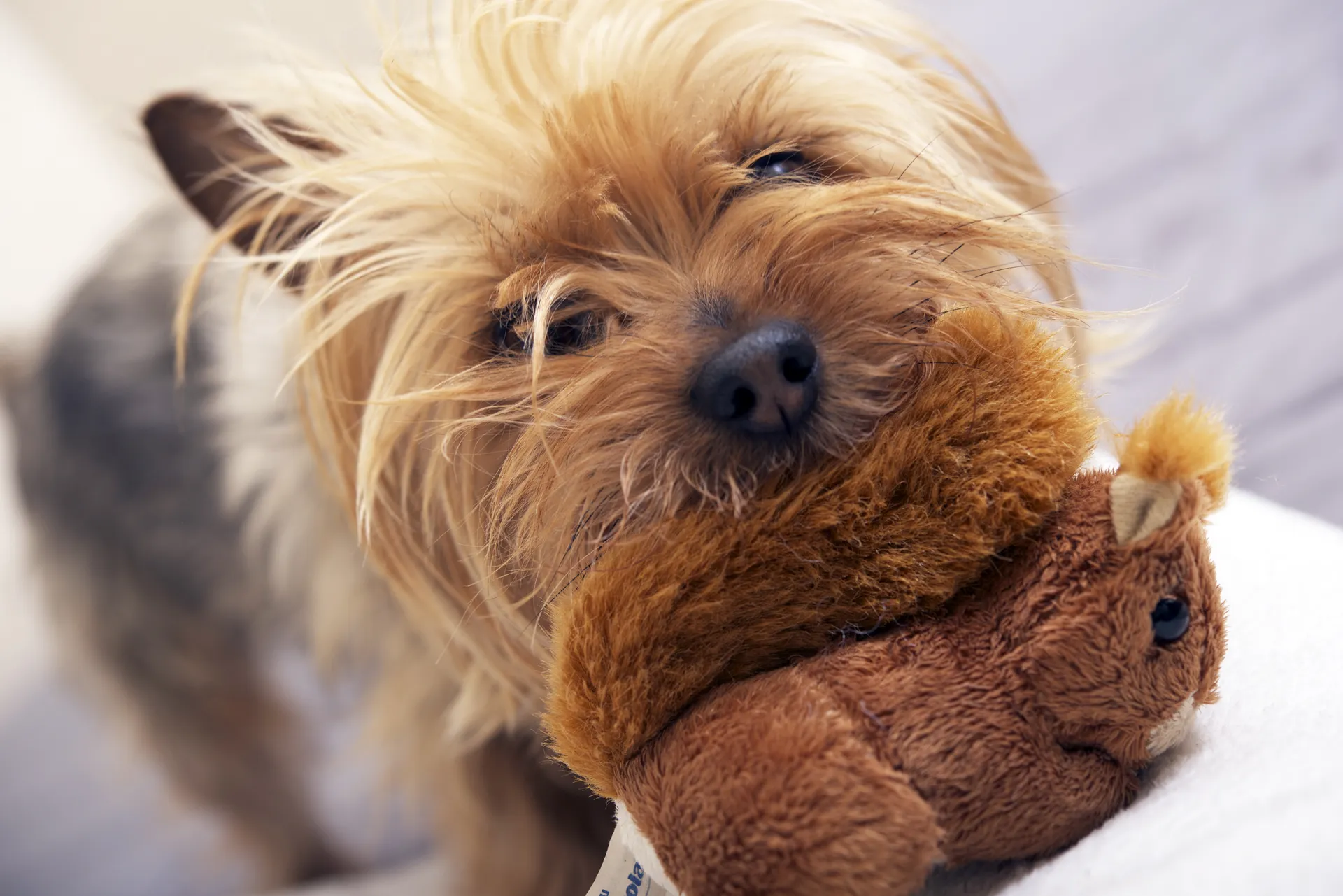
Australian Terriers are compact dogs with a sturdy, slightly elongated body and strong bones for their size. The chest is deep, the legs are straight and well-muscled, and the overall build supports endurance and quick movement. Despite their small stature, they carry themselves with confidence and an alert posture, giving the impression of a much larger dog.
Coat and Colours
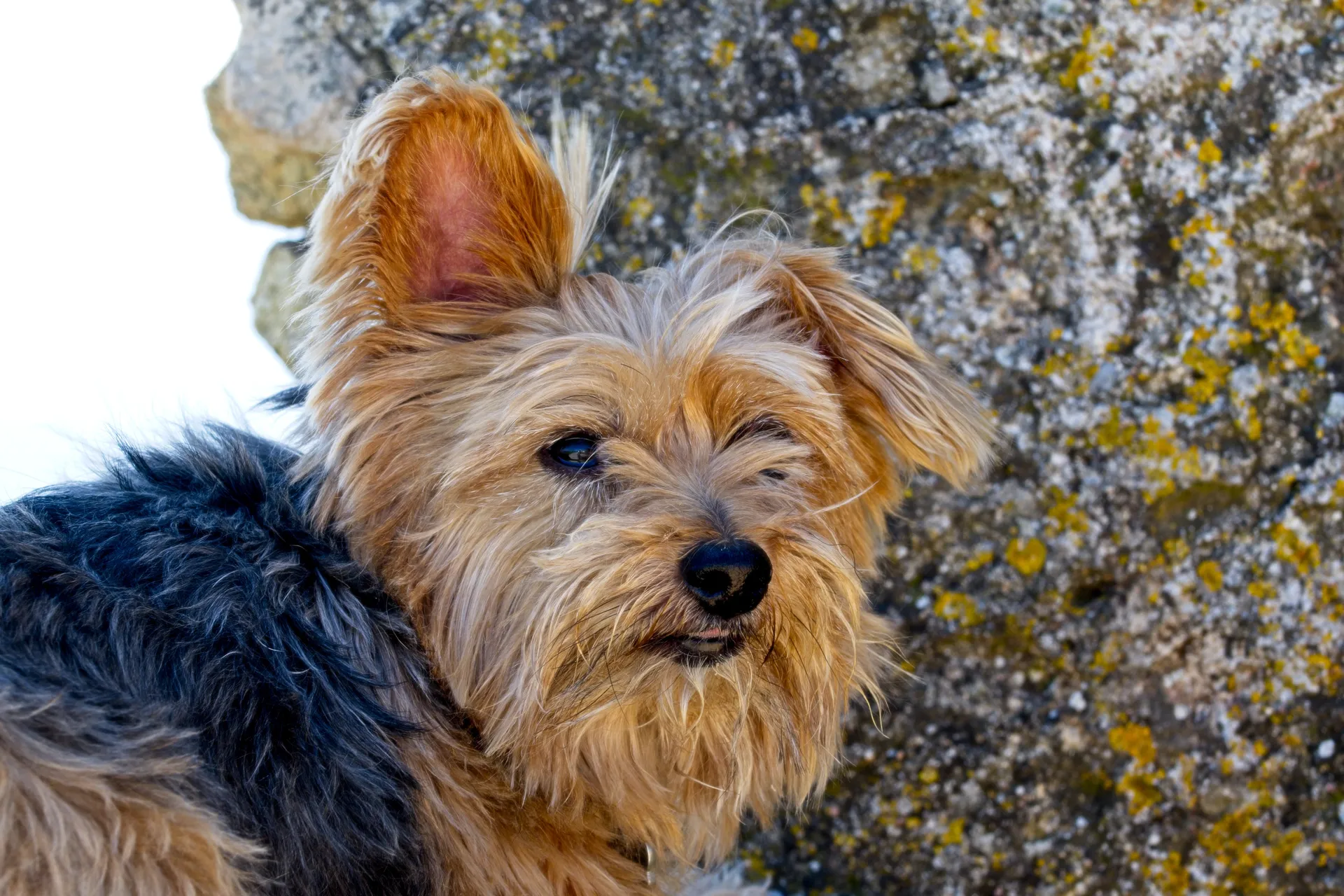
The breed has a harsh, straight outer coat with a soft, short undercoat that provides protection against weather and rough terrain. Coat texture is a defining feature and should feel coarse rather than silky. Common colours include blue and tan, sandy, and red, with the coat typically darker over the body and lighter on the face and legs.
Head, Eyes, and Expression
The head is long and strong with a flat skull and a defined stop. Dark, oval-shaped eyes convey an alert, intelligent expression that reflects the breed’s sharp awareness. The muzzle is strong and well-proportioned, supporting the terrier’s working heritage.
Ears, Tail, and Overall Presence
Ears are small, pointed, and carried erect, enhancing the breed’s attentive appearance. The tail is traditionally carried high, contributing to the dog’s confident stance. Overall, the Australian Terrier presents a balanced, purposeful silhouette that reflects resilience, adaptability, and readiness for activity.
Temperament of the Australian Terrier: Confident, Alert, and Deeply Loyal
The Australian Terrier has a bold and self-assured temperament shaped by generations of working closely with people. While small in size, this breed carries the confidence, curiosity, and determination typical of terriers, paired with a strong attachment to its household.
Core Personality Traits
Australian Terriers are lively, intelligent, and naturally alert. They form strong bonds with their family and often prefer to be involved in daily activities rather than left on the sidelines. Courage and independence are part of their character, but they also show a loyal, affectionate side, particularly toward those they trust.
Social Behaviour With People and Animals
With familiar people, the Australian Terrier is friendly and engaging. Around strangers, it may be reserved at first, often acting as a vocal watchdog rather than a passive observer. Early socialisation helps ensure balanced interactions with other dogs, as terrier confidence can sometimes translate into assertiveness if left unmanaged.
Instincts and Natural Behaviours
Bred for vermin control, this breed retains a strong prey drive and enjoys activities that allow it to dig, chase, and explore. Alertness is a defining trait, making the Australian Terrier quick to notice changes in its environment. Mental stimulation and purposeful activity help channel these instincts productively.
Common Behavioural Challenges
Without consistent training and boundaries, Australian Terriers may become overly vocal or stubborn. Their intelligence means they learn quickly, but they also test limits. Clear routines, early training, and regular engagement, supported by practical puppy training and behaviour tips, help prevent unwanted behaviours and support a well-adjusted temperament.
Intelligence and Trainability of the Australian Terrier: Sharp, Curious, and Willing to Learn
The Australian Terrier is an intelligent and quick-thinking breed that responds well to structured training when it is engaging and consistent. While eager to learn, this terrier also possesses a natural independence that requires patient, thoughtful handling.
Puppy Training Priorities
Early training should begin as soon as the puppy settles into its new home, especially if you are unsure when to start obedience training puppies. Socialisation with different people, environments, sounds, and other animals helps reduce excessive wariness or vocal behaviour later on. Foundational commands such as sit, stay, recall, and loose-lead walking establish structure and help manage typical terrier confidence.
Training Methods That Work Best
Australian Terriers respond positively to reward-based training that uses praise, play, and food motivation. Short, varied sessions help maintain focus and prevent boredom. Consistency is key, as mixed signals can lead to selective listening. Harsh correction is unnecessary and may reduce trust or enthusiasm for training.
Advanced Training and Mental Engagement
With the right approach, this breed can excel in obedience, agility, and scent-based activities that challenge both body and mind. Puzzle toys and interactive games are effective ways to keep the Australian Terrier mentally stimulated, particularly in smaller living spaces.
Common Training Mistakes to Avoid
Allowing unwanted behaviours to go unchecked due to the breed’s small size can lead to long-term issues. Inconsistent boundaries, lack of mental stimulation, and underestimating the terrier’s intelligence are common pitfalls. Clear expectations and regular engagement support reliable and enjoyable training outcomes.
Australian Terrier and Family Life: Children, Other Pets, and the Home
The Australian Terrier can be a rewarding family companion when its personality and instincts are well understood. This breed thrives in homes where interaction, structure, and clear boundaries are part of everyday life.
Living With Children
Australian Terriers often do well with children who know how to interact calmly and respectfully with dogs. They are sturdy enough to handle gentle play but may become overwhelmed by rough handling. For this reason, they are usually better suited to families with older children who understand boundaries. Supervision is always recommended to promote positive, safe interactions.
Coexisting With Other Pets
With early socialisation, including safe ways to socialise a puppy before full vaccination, Australian Terriers can live alongside other dogs, though their confident terrier nature may come to the fore if introductions are rushed. Their strong vermin-hunting instincts mean that smaller pets, such as rodents, may trigger chasing behaviour. Introducing pets gradually and setting clear rules helps support a more harmonious household.
Home Environment Suitability
This breed adapts well to a variety of living situations, including apartments and suburban homes, provided daily exercise and mental stimulation are met. Secure fencing is important, as Australian Terriers enjoy exploring and may dig or investigate boundaries. Inside the home, they appreciate being close to their people and benefit from having a quiet space to rest when needed.
Creating Balance at Home
A predictable routine helps the Australian Terrier feel settled. Regular walks, playtime, and training sessions prevent boredom and reduce unwanted behaviours such as excessive barking. When given enough engagement and structure, this breed integrates smoothly into family life and becomes a loyal, alert companion.
Health of the Australian Terrier: What Owners Should Know
The Australian Terrier is generally a healthy and long-lived breed, especially when bred responsibly and cared for properly. It's small but sturdy build contributes to overall resilience, though there are a few health considerations that prospective owners should be aware of.
Common Health Considerations
Australian Terriers are generally robust, but there are a few health conditions that appear more frequently in the breed and are worth understanding early:
- Patellar luxation: A condition where the kneecap slips out of place, which may cause intermittent lameness or discomfort. Mild cases are often manageable, while more severe cases may require veterinary intervention.
- Legg–Calvé–Perthes disease: A hip joint condition typically seen in young dogs that can affect mobility. Early diagnosis allows for better management and improved long-term outcomes.
- Eye conditions: Cataracts and other age-related eye issues may develop over time. Regular eye checks help monitor changes in vision, particularly as the dog enters its senior years.
- Skin sensitivities and allergies: Some Australian Terriers may experience skin irritation or itchiness, often linked to diet or environmental factors. These issues are usually manageable with dietary adjustments and routine care.
- Dental health concerns: Like many small breeds, Australian Terriers can be prone to dog dental disease symptoms if oral care is neglected. Regular tooth brushing and dental checks are important for long-term health.
These conditions are not guaranteed, but awareness and responsible breeding significantly reduce the likelihood of serious health problems.
Health Screening and Responsible Breeding
Ethical breeders place strong emphasis on health testing and selective breeding. Screening for patellar stability, hip health, and eye conditions supports the production of healthier puppies. When buying, it is reasonable to request veterinary records and any available health clearances for the parents.
Preventative Care and Monitoring
Routine veterinary care plays a key role in maintaining long-term health. Regular vaccinations, parasite prevention, dental care, and weight management all contribute to overall well-being. Because Australian Terriers are active and agile, keeping joints strong through balanced exercise and proper nutrition helps support mobility as they age.
Longevity and Quality of Life
With appropriate care, Australian Terriers often enjoy long, active lives. A balanced diet, regular exercise, mental stimulation, and proactive healthcare all contribute to maintaining comfort and vitality well into the senior years.
Caring for the Australian Terrier: Daily Needs and Long-Term Care
Caring for an Australian Terrier is about balancing routine, activity, and engagement. While this breed is relatively low maintenance compared to larger working dogs, consistent care plays a key role in keeping it healthy, settled, and well-behaved over time.
Daily Care Essentials
Australian Terriers thrive on structure and benefit from predictable daily habits. A typical care routine should include:
- Daily walks and playtime to release energy and support physical fitness
- Mental stimulation, such as short training sessions or puzzle toys
Regular checks of ears, eyes, teeth, and paws, along with simple dog grooming and hygiene tips, help spot minor issues early.
- Social interaction with family members to prevent boredom and restlessness
Even short periods of focused engagement can make a noticeable difference to behaviour and overall wellbeing.
Home and Living Environment
This breed adapts well to many Australian living situations, provided its needs are met. Key considerations include:
- Secure fencing, as Australian Terriers enjoy exploring and may dig
- Access to indoor living, as they prefer being close to their people
- A quiet resting space where the dog can retreat and relax undisturbed
Although small, this breed does best when treated as an involved family member rather than an outdoor-only dog.
Seasonal Care Considerations
Australian Terriers generally cope well with changing weather, but seasonal adjustments help maintain comfort:
- During warmer months: Exercise during cooler parts of the day, provide shade and fresh water
- During cooler periods: Ensure indoor warmth and dry conditions, especially after rain
- Year-round: Monitor coat and skin condition as environmental changes can trigger irritation
Senior Care Adjustments
As the Australian Terrier ages, care requirements naturally change. Older dogs may benefit from:
- Reduced intensity exercise while maintaining daily movement
- Supportive bedding to ease joint stiffness
- Closer dental and weight monitoring
- More frequent veterinary check-ups to manage age-related changes early
With thoughtful adjustments, many Australian Terriers remain active and comfortable well into their senior years.
Grooming of the Australian Terrier: Maintaining a Healthy Working Coat
The Australian Terrier has a distinctive coat designed for protection rather than appearance. Grooming is relatively straightforward, but regular maintenance helps keep the coat healthy and supports overall skin condition.
Coat Maintenance Schedule
The breed’s harsh, weather-resistant outer coat benefits from brushing once or twice a week to remove loose hair and prevent tangling. Light hand-stripping may be used to maintain correct coat texture, though some owners choose gentle trimming instead. Regular grooming helps preserve the coat’s natural protective qualities.
Professional Grooming Requirements
Professional grooming needs are minimal for Australian Terriers. Occasional hand-stripping or coat tidying may be helpful, particularly for dogs shown or kept in traditional coat condition. Baths should be given only when necessary, as frequent washing can soften the coat and reduce its natural resilience.
Home Grooming Techniques
At-home grooming includes brushing with a firm-bristle brush, checking ears for wax buildup, trimming nails as needed, and brushing teeth regularly with dog-safe toothpaste. Early introduction to grooming routines helps the dog remain comfortable and cooperative over time.
Common Grooming Challenges
If grooming is neglected, the coat may become overgrown or lose its coarse texture. Some Australian Terriers may develop skin irritation if dirt or moisture is trapped close to the skin. Consistent grooming and regular checks help prevent these issues and keep the dog comfortable.
Exercise of the Australian Terrier: Balanced Activity for an Energetic Breed
The Australian Terrier is an active and alert breed that benefits from daily exercise and mental engagement. While not excessively demanding, regular activity plays an important role in maintaining both physical health and behavioural balance.
Daily Exercise Requirements
Most Australian Terriers need around 45 to 60 minutes of exercise each day. This can be spread across daily walks, interactive play, and short training sessions. Consistent activity helps manage energy levels and reduces the likelihood of boredom-related behaviours such as excessive barking or digging.
Suitable Activities for the Breed
Australian Terriers enjoy activities that challenge both their bodies and minds. Brisk walks, supervised off-lead play in secure areas, and games that involve scent tracking or problem-solving suit their natural instincts. Training exercises and agility-style activities can also be rewarding, particularly for dogs that enjoy structured tasks.
Exercise Safety and Limitations
Despite their sturdy build, Australian Terriers are still a small breed and should avoid repetitive high-impact activities such as excessive jumping. Puppies require carefully controlled exercise to protect developing joints. In warmer weather, activity should be scheduled during cooler parts of the day to prevent overheating.
Mental Stimulation and Engagement
Mental exercise is just as important as physical movement for this breed. Interactive toys, varied walking routes, and short training challenges help keep the Australian Terrier mentally stimulated. When both physical and mental needs are met, the breed is more likely to remain calm and well-adjusted at home.
Feeding of the Australian Terrier: Nutrition for Energy, Health, and Longevity
Feeding an Australian Terrier correctly supports its active nature, lean build, and long-term health. While small in size, this breed benefits from a well-balanced diet that matches its energy levels without encouraging unnecessary weight gain.
Nutritional Requirements
Australian Terriers do best on a high-quality diet with animal-based protein as the primary ingredient. Protein supports muscle tone and daily activity, while moderate fat levels provide sustained energy. Vitamins and minerals should be balanced to support joint health, skin condition, and immune function. Because the breed is naturally active, nutrient-dense food is often more suitable than high-volume feeding.
Feeding Schedule Guidelines
Puppies typically require three small meals per day to support steady growth and avoid digestive upset. As the dog matures, most adults do well on two measured meals per day. Consistent feeding times help regulate digestion and support predictable energy levels throughout the day.
Special Dietary Considerations
Some Australian Terriers may develop food sensitivities or skin reactions, making simple ingredient diets a practical option. Treats should be given in moderation and used primarily for training purposes. Fresh water should always be available, especially after exercise or during warmer weather.
Weight Management and Monitoring
Maintaining a healthy weight is important for joint health and mobility. Because Australian Terriers are compact, even small amounts of excess weight can place unnecessary strain on the body. Regular weight checks, portion control, and visual body condition assessments help ensure the dog remains lean, active, and comfortable as it ages.
Australian Terrier Price and Ongoing Costs: What Owners Should Expect
For Australian households, the Australian Terrier is generally an affordable breed to own, particularly when compared to larger working dogs. Even so, understanding both upfront and ongoing costs helps ensure you can provide consistent care over the dog’s lifetime.
Purchase Price in Australia
In Australia, Australian Terrier puppies from ethical, registered breeders typically range between AUD $1,800 and $3,500. Pricing depends on pedigree quality, breeder reputation, health testing, and availability, as the breed is not produced in high numbers. Puppies from well-established bloodlines may be priced toward the higher end of this range.
Initial Setup Costs
Initial setup costs are usually moderate, ranging from AUD $300 to $800. These expenses include a suitable collar and lead, bedding, grooming tools, food and water bowls, toys, and early veterinary checks. Secure fencing is recommended, though extensive property modifications are rarely required due to the breed’s size.
Ongoing Monthly Expenses
Ongoing monthly costs generally range from AUD $80 to $150. This typically covers quality dog food, routine veterinary care, parasite prevention, grooming supplies, and pet insurance. Insurance premiums for smaller breeds are often lower, making ongoing care more manageable for most households.
Long-Term Cost Considerations
Over the Australian Terrier’s lifespan, owners should budget for occasional veterinary treatment, dental care, and senior support such as specialised diets or supplements. When planned responsibly, the breed’s long-term costs remain relatively predictable and accessible for many Australian families.
Buying Advice for the Australian Terrier: Making a Responsible Choice
Buying an Australian Terrier is about more than choosing a puppy based on size or appearance. Understanding the breed’s temperament, needs, and background helps ensure a good match for both the dog and the household.
Assessing Your Lifestyle First
Before contacting breeders or sellers, consider whether your lifestyle suits an active terrier breed. Australian Terriers enjoy daily interaction, mental stimulation, and routine exercise. They are best suited to owners who can spend time training, walking, and engaging with their dog rather than leaving it alone for long periods.
Finding Ethical Breeders and Sellers
Responsible breeders focus on health, temperament, and correct breed characteristics rather than on producing large numbers of puppies. When viewing listings, look for clear information about the puppy’s upbringing, socialisation, and health history. Visiting the breeder, meeting the puppy’s parents where possible, and knowing the right questions to ask a dog breeder all help reduce the risk of unethical breeding practices.
Health Checks and Documentation to Request
Australian Terrier puppies should be microchipped, vaccinated, and wormed before being placed in a new home. It is reasonable to request veterinary records and any available health screenings related to patellar stability, hip health, or eye conditions. Transparency around health history is an important indicator of responsible breeding.
Choosing the Right Puppy
Temperament plays a major role in long-term compatibility. Look for a puppy that appears curious, confident, and comfortable around people rather than fearful or overly reactive. Early exposure to household sounds and gentle handling are positive signs and support a smoother adjustment to a new home.
Rehoming and Adoption Considerations
For some owners, rehoming an adult Australian Terrier can be a suitable alternative to buying a puppy. Adult dogs often come with established temperaments and training, which may suit households seeking a clearer understanding of behaviour from the outset.
When researching available puppies or rehoming options, it also helps to understand how to buy a puppy online safely so the process stays clear and transparent. Pups4Sale allows buyers to view multiple Australian Terrier listings in one place, compare seller details, and ask the right questions before committing, helping support safer and more informed buying decisions.
Is the Australian Terrier the Right Fit for Your Home?
The Australian Terrier offers a confident personality, a manageable size, and strong loyalty, making it a suitable choice for owners who enjoy an active, involved relationship with their dog. When its needs for training, exercise, and engagement are met, this breed can adapt well to a wide range of Australian households.
If you are considering adding an Australian Terrier to your family, taking time to compare options, review seller details, and ask informed questions is essential. You can browse Australian Terrier listings or connect with responsible sellers through Pups4Sale, helping you move forward with clarity and confidence when choosing the right dog for your home.
Frequently Asked Questions
Related Breeds
Other terrier breeds on Pups4Sale.
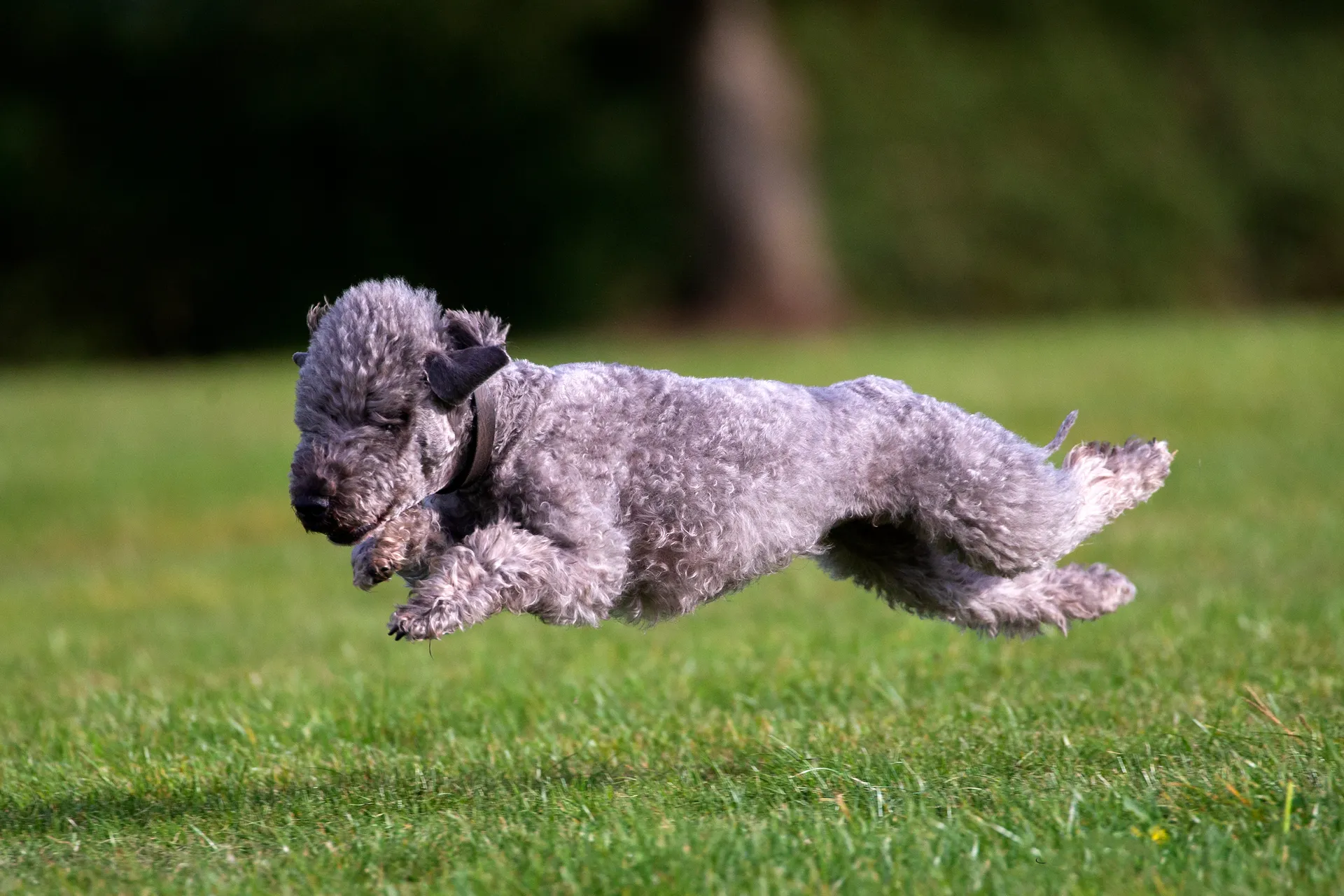 Bedlington TerrierSmall • Terrier
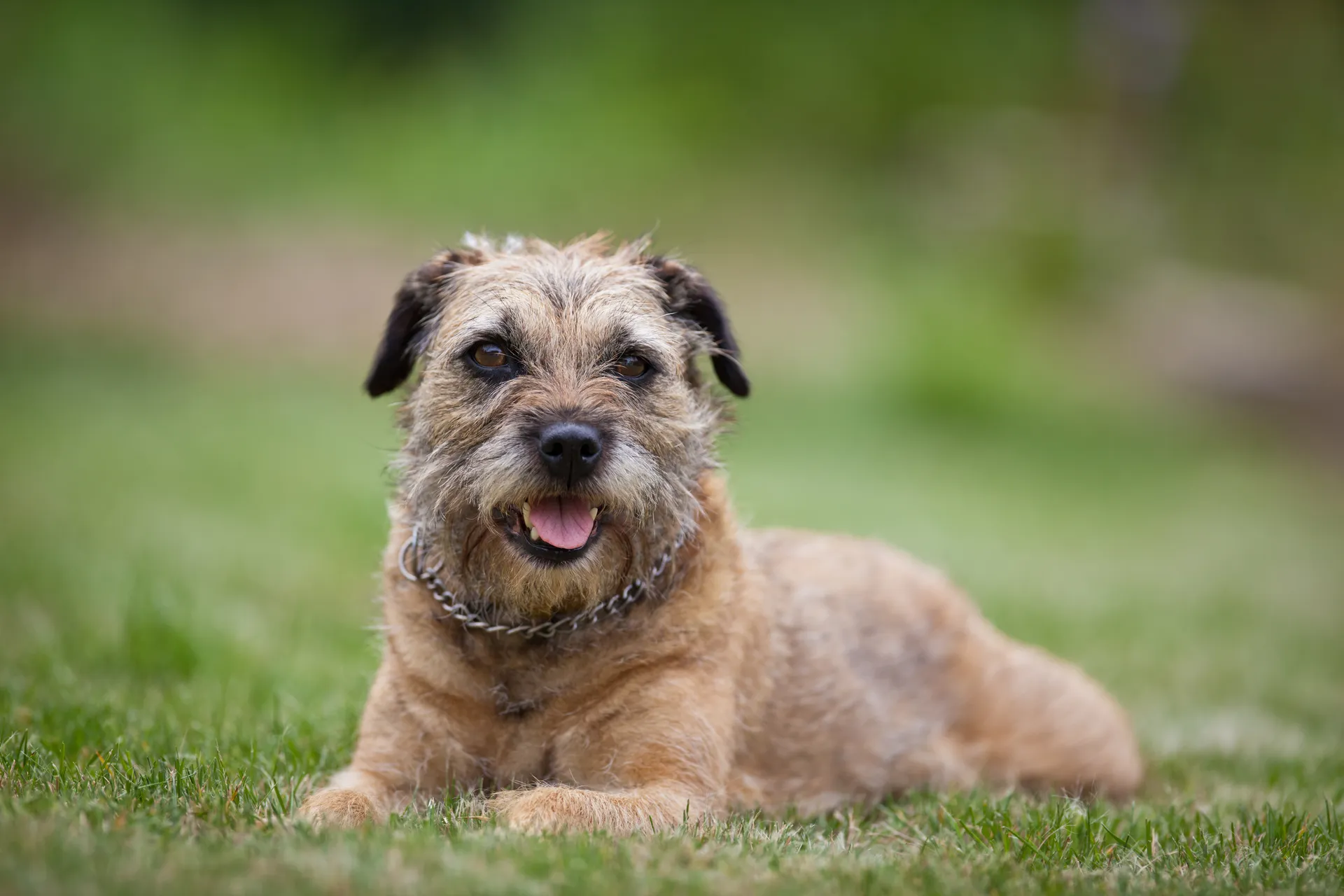 Border TerrierSmall • Terrier
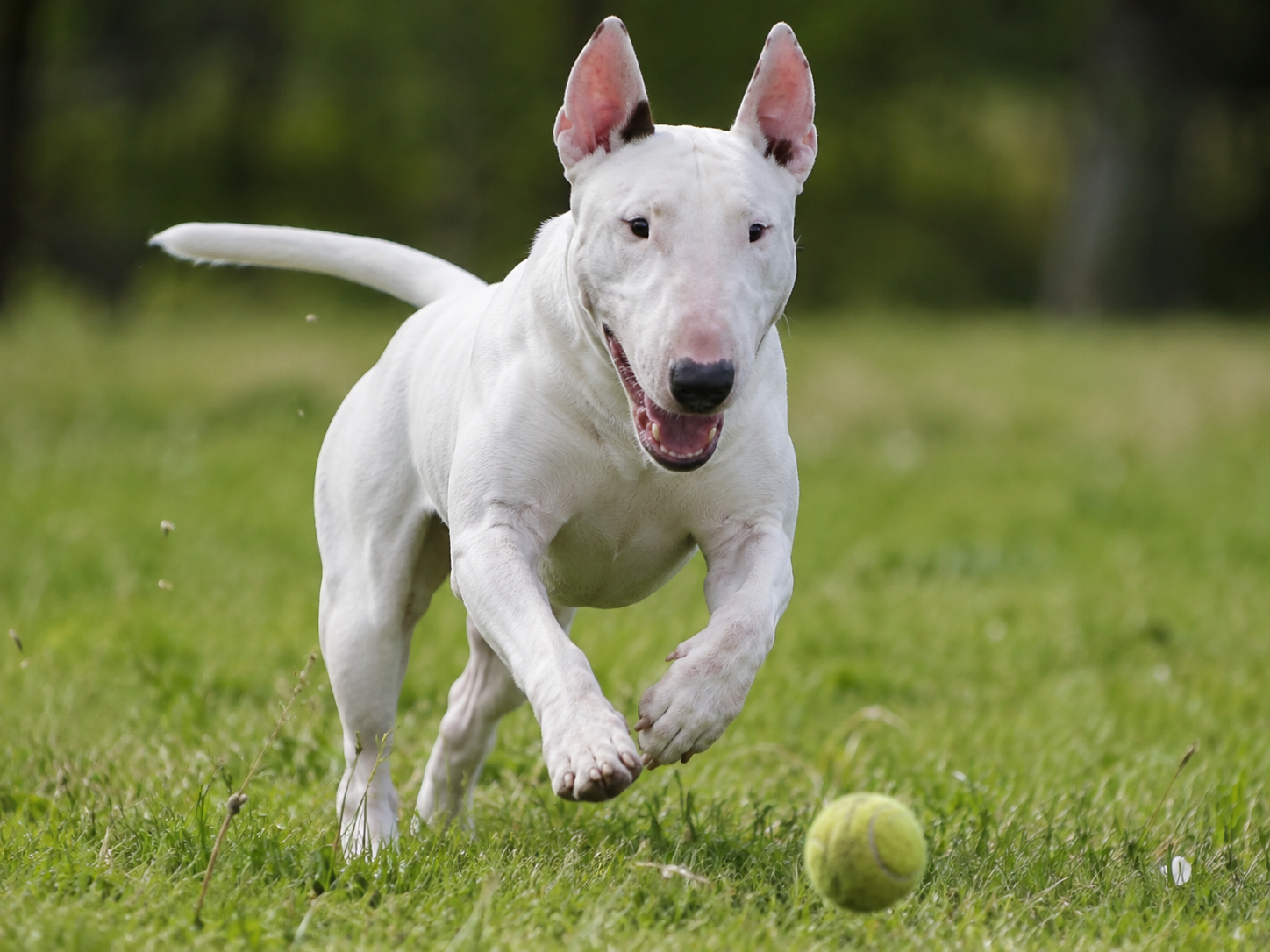 Bull TerrierMedium • Terrier
 Cairn TerrierSmall • Terrier
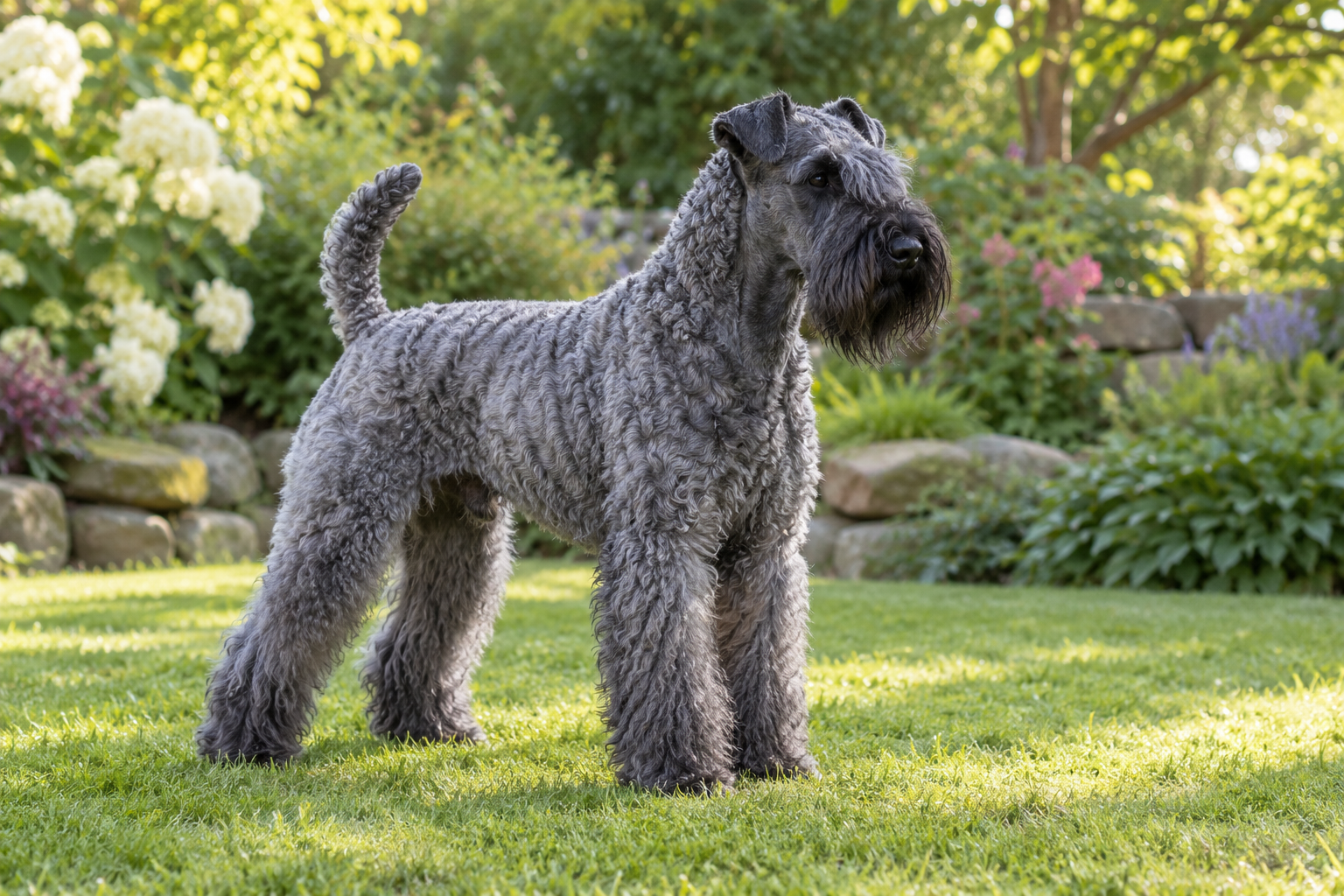 Kerry Blue TerrierMedium • Terriers (Group 2)
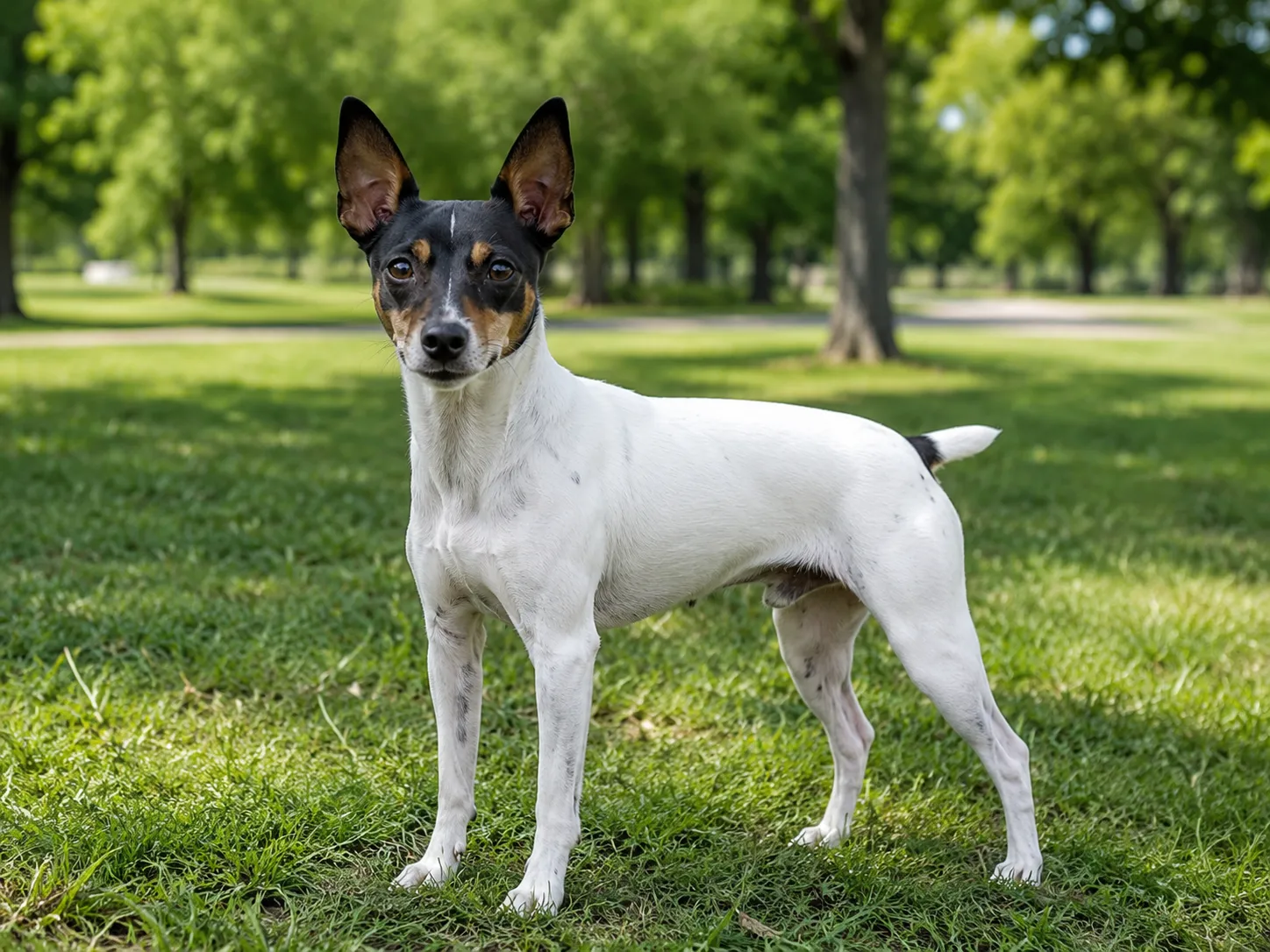 Miniature Fox TerrierSmall • Toy / Small Terrier