

Border Terrier
By James C. • Updated
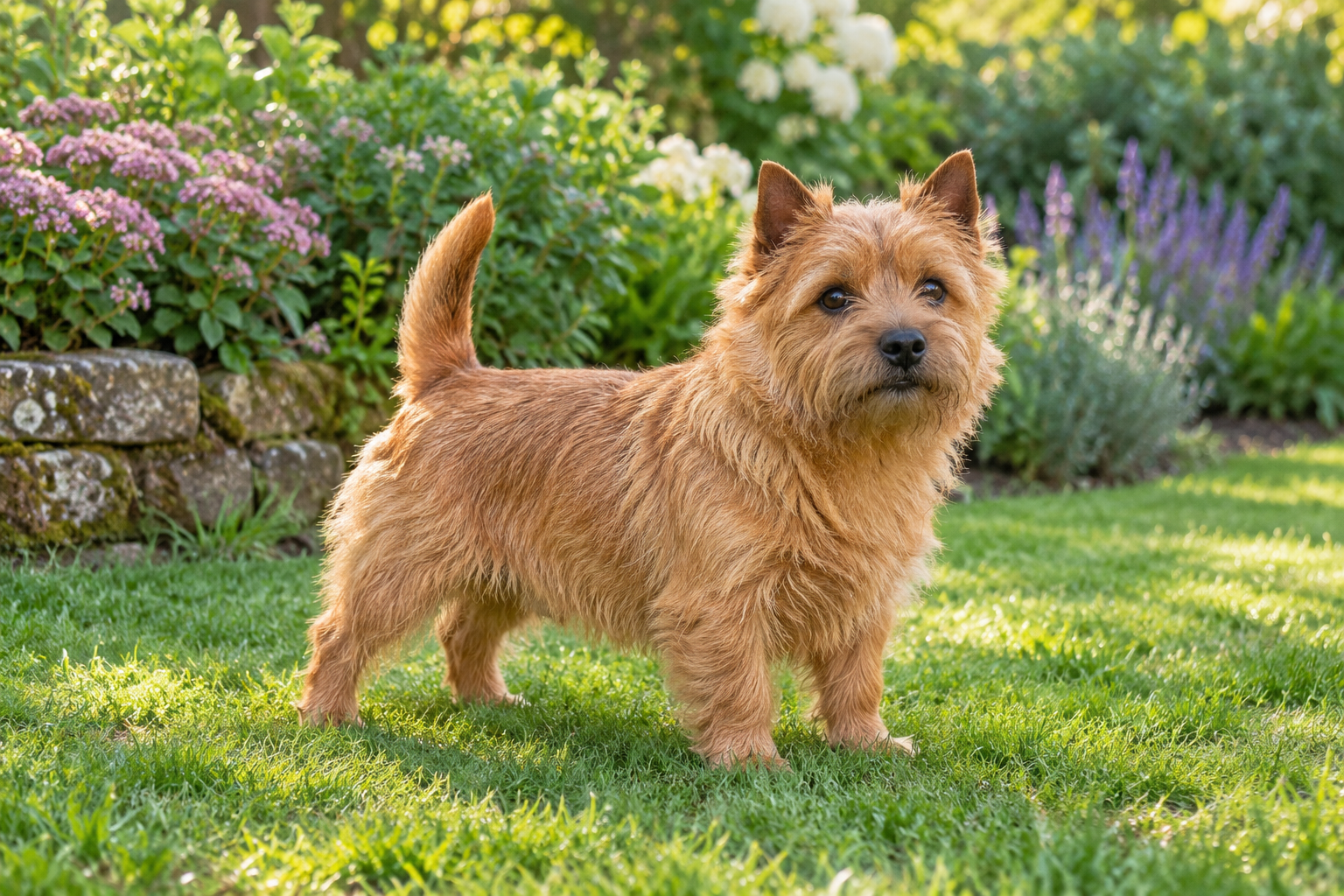
The Border Terrier is a small, hardy terrier known for its affectionate nature, lively personality, and wiry coat. It is intelligent, adaptable, and well suited to active homes that can provide regular exercise and companionship.
Breed Overview
Life Span
12 - 15 years
Average Price
AUD 2000 - AUD 4000
Weight
Male: 6 - 7 kg Female: 5 - 6.5 kg
Height
Male: 33 - 40 cm Female: 28 - 36 cm
Life Expectancy
Male/Female: 12 - 15 years
Breed Group
Terrier
Nicknames
Reedwater Terrier, Coquetdale Terrier
Breed Information
The Border Terrier is a small but determined working terrier originally developed along the border regions of England and Scotland. Bred to work closely with huntsmen and hounds, this breed was valued for stamina, courage, and the ability to operate both above and below ground. Despite its compact size, the Border Terrier is a tough, capable dog with a strong work ethic and a reputation for reliability in the field.
In modern Australian households, the Border Terrier is most commonly kept as an active companion rather than a working dog. The breed is known for balancing independence with affection, showing enthusiasm outdoors while remaining calm and people-focused at home. Border Terriers adapt well to town or country living, provided their exercise and mental engagement needs are met. Buyers drawn to small working terriers often compare the breed with the Cairn Terrier, a similarly hardy small terrier, which shares the same working roots and compact build.
This breed suits owners seeking a robust, adaptable dog with character rather than a passive lap companion. When given regular activity, clear boundaries, and consistent interaction, the Border Terrier offers a loyal, cheerful, and resilient presence in everyday family life.
Characteristics: What Living With a Border Terrier Is Really Like
The Border Terrier is a small, energetic working terrier with a balanced mix of independence and affection. While compact in size, this breed has a strong drive and a confident nature that reflects its working background. The table below outlines how the Border Terrier typically fits into Australian homes and lifestyles.
| Characteristic | Rating | Star Rating | What This Means for You |
| Size | Small | ★★★☆☆ | Compact and manageable, suitable for smaller homes when exercised properly. |
| Adaptability | Good | ★★★★☆ | Adjusts well to town or country living with regular activity. |
| Exercise Needs | Moderate | ★★★☆☆ | Enjoys daily walks and active play, but not extreme endurance exercise. |
| Easy to Train | Moderate | ★★★☆☆ | Intelligent but independent, responds best to patient, positive training. |
| Amount of Shedding | Moderate | ★★★☆☆ | Sheds seasonally due to double coat, manageable with routine care. |
| Grooming Needs | Moderate | ★★★☆☆ | Wiry coat needs regular brushing and periodic hand stripping. |
| Good With Children | Good | ★★★★☆ | Generally playful and tolerant, well suited to respectful family interaction. |
| Health of Breed | Moderate | ★★★☆☆ | Typically healthy, though some inherited conditions require awareness. |
| Cost to Keep | Moderate | ★★★☆☆ | Ongoing costs are manageable, with grooming and vet care to budget for. |
| Tolerates Being Alone | Moderate | ★★★☆☆ | Can cope short-term, but prefers regular engagement and companionship. |
| Intelligence | Moderate–High | ★★★★☆ | Quick-thinking and curious, thrives on mental stimulation. |
Overall, the Border Terrier suits owners looking for an adaptable, spirited companion rather than a passive pet. This breed does best in households that provide structure, daily activity, and consistent interaction, allowing its energetic yet even-tempered nature to remain well balanced.
History of the Border Terrier: From Border Country Worker to Modern Companion
The Border Terrier originated in the rugged border regions of England and Scotland, where farmers and huntsmen required a small, resilient dog capable of working alongside hounds. Developed in the late nineteenth century, the breed was used as an earth dog with the Border Foxhounds, tasked with pursuing foxes and other vermin both above and below ground in harsh terrain.
Known locally by names such as the Reedwater Terrier and the Coquetdale Terrier, these dogs were prized for their stamina, courage, and practicality rather than appearance. Their longer leg length compared to other small terriers allowed them to keep pace with horses and hounds, while their narrow build enabled them to enter tight spaces when working underground.
Unlike many terriers bred purely for vermin control, the Border Terrier was expected to live closely with people after the hunt. This dual role shaped a dog that combined toughness in the field with a good-natured, sociable temperament at home. Function remained the priority, and the breed avoided exaggerated physical traits that could compromise its ability to work.
Over time, the Border Terrier gained recognition beyond rural Britain and became established as a companion breed in many countries, including Australia. While most Border Terriers today are no longer used for traditional hunting, their instincts, resilience, and adaptable nature continue to reflect their strong working heritage.
Appearance of the Border Terrier: Functional, Compact, and Instantly Recognisable
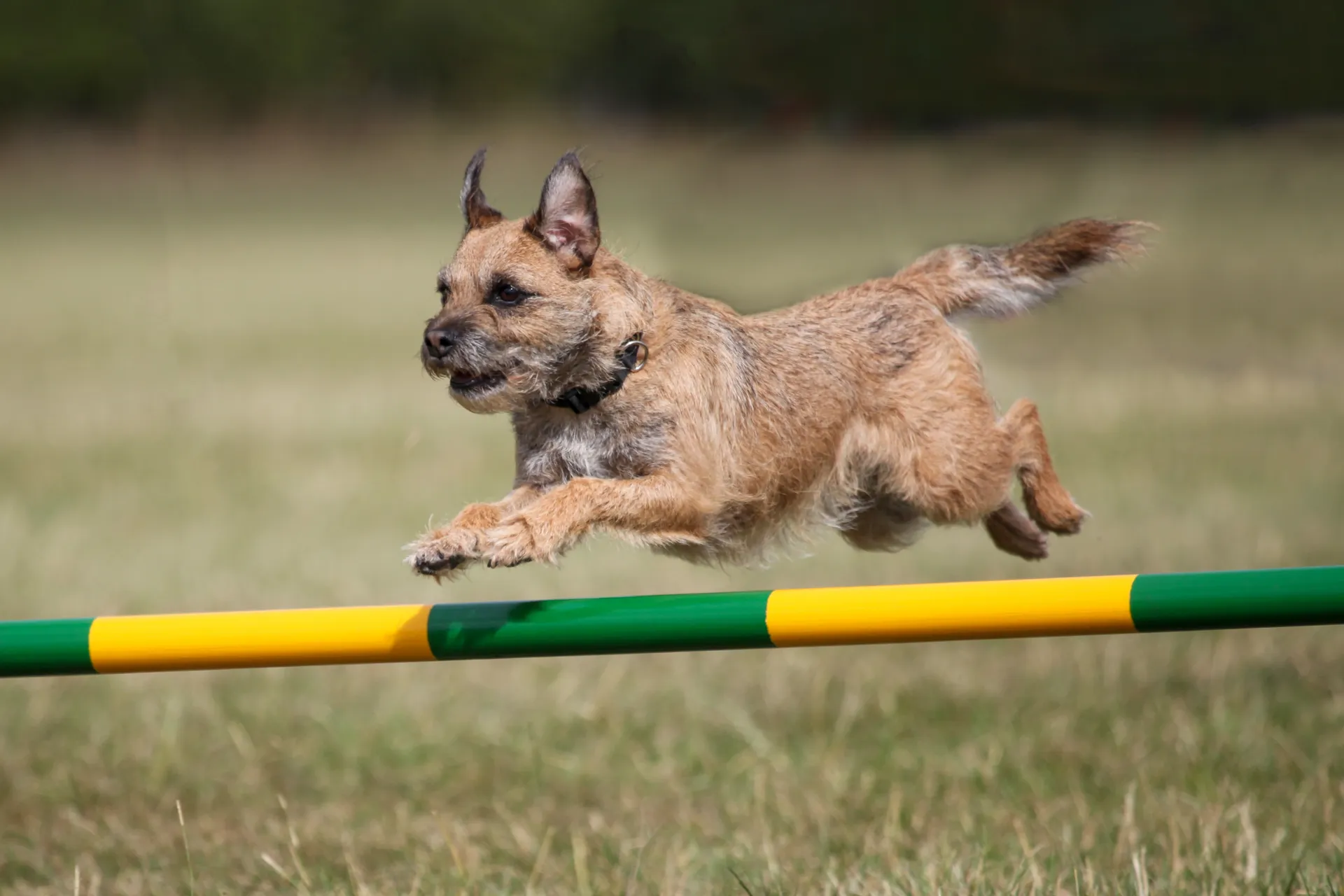
The Border Terrier is a small, athletic dog built for endurance and agility rather than refinement or exaggeration. Its appearance reflects function first, with a practical structure designed to work long hours across uneven ground and through tight spaces.
Size, Build, and Proportions
Border Terriers are slightly longer in the leg than many other small terriers, giving them a balanced, ground-covering stride. Adults typically stand between 28 and 40 cm at the shoulder and weigh around 5 to 7 kg. The body is narrow, flexible, and lightly built, allowing the dog to follow quarry underground while remaining strong enough for sustained outdoor work.
Head Shape and Expression
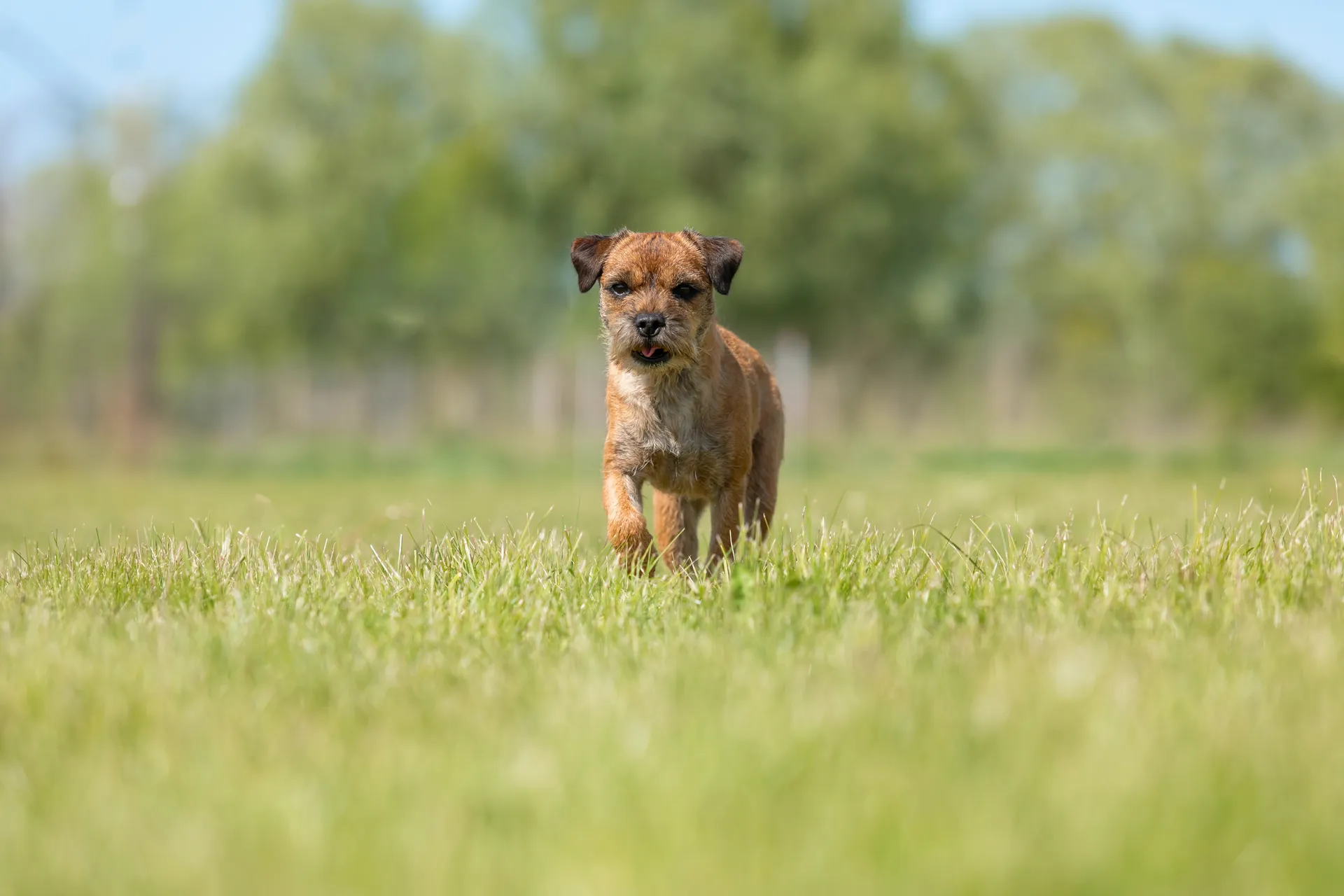
One of the breed’s most distinctive features is its head shape, often described as an “otter head.” The skull is moderately broad with a short, strong muzzle and dark, alert eyes that convey intelligence and curiosity. This unique head profile sets the Border Terrier apart from other terrier breeds.
Coat Type and Texture
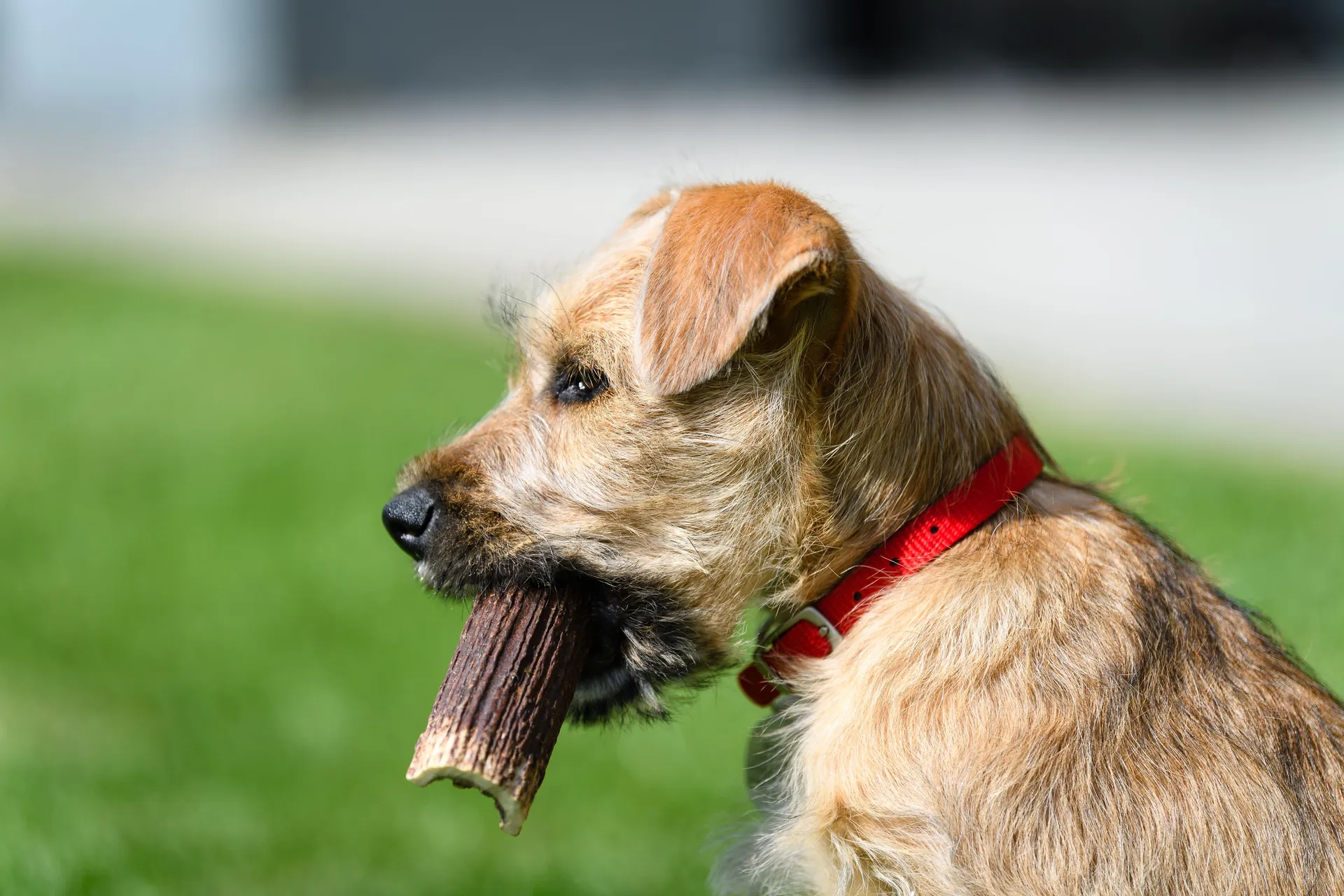
The Border Terrier has a weather-resistant double coat consisting of a hard, wiry outer layer and a soft, dense undercoat. This coat protects the dog from cold, wet, and rough terrain. Colours commonly seen include grizzle and tan, blue and tan, wheaten, and red.
Movement and Overall Impression
Movement is free, smooth, and efficient, reflecting the breed’s stamina and agility. There is no heaviness or excess, and the overall impression is of a capable, no-frills working terrier that remains practical, balanced, and fit for purpose.
Temperament of the Border Terrier: Spirited, Affectionate, and Purposeful
The Border Terrier is known for its upbeat, confident temperament and balanced nature. Bred to work independently while remaining closely connected to people, this breed combines classic terrier determination with a notably friendly and even-tempered disposition.
Core Personality Traits
Border Terriers are alert, curious, and enthusiastic without being overly reactive. They approach life with confidence and enjoy being involved in daily activities. While spirited outdoors, they tend to settle well indoors once their exercise needs are met, making them easier to live with than many high-strung terrier breeds.
Behaviour With People and Strangers
This breed is typically affectionate and people-oriented, forming strong bonds with family members. Border Terriers are usually friendly rather than suspicious with strangers, though they remain observant and alert. Their sociable nature contributes to their popularity as both family pets and companions in mixed environments. Getting that sociability established early matters, which is why socialising a puppy before full vaccination is worth planning rather than leaving to chance.
Interaction With Other Dogs and Animals
Border Terriers generally get along well with other dogs, particularly when socialised from a young age. However, their hunting background means prey drive can surface around smaller animals such as cats, rabbits, or wildlife. This instinct is not aggressive but requires management through training, supervision, and secure fencing.
Managing Terrier Instincts
Like all terriers, the Border Terrier retains a strong sense of independence and determination. Digging, chasing, and exploratory behaviour are common traits if mental or physical stimulation is lacking. Clear boundaries, consistent routines, and purposeful activity help channel these instincts into positive behaviour.
Overall, the Border Terrier offers a cheerful, resilient temperament that suits owners seeking a lively yet affectionate companion with character and confidence.
Intelligence and Trainability of the Border Terrier: Independent Thinkers With a Willing Side
The Border Terrier is an intelligent breed, but its trainability is shaped by independence rather than automatic obedience. Developed to work at a distance from handlers, this terrier was bred to make decisions on its own, which still influences how it approaches training today.
How Border Terriers Learn
Border Terriers are quick to understand routines and patterns, especially when training is purposeful and engaging. They respond well to calm guidance and clear expectations, but repetition without variation can quickly lead to boredom. This breed prefers short, focused sessions that feel meaningful rather than prolonged drills.
Training Strengths and Challenges
While eager to please in their own way, Border Terriers may choose when to comply rather than responding instantly. This selective listening is not defiance but a reflection of their problem-solving nature. They often excel in activities that combine thinking and movement, such as agility, tracking, and earthdog-style games.
Effective Training Approaches
Positive reinforcement works best with this breed. Gentle consistency, rewards, and encouragement build trust and cooperation, while harsh corrections can damage confidence and reduce engagement. Early socialisation and puppy training classes are strongly recommended to shape well-balanced adult behaviour.
Setting Realistic Expectations
Owners who understand that a Border Terrier is a partner rather than a robot tend to have the most success. With patience, structure, and ongoing mental stimulation, the breed becomes a responsive, well-mannered companion that enjoys learning without losing its independent spirit.
Border Terrier and Family Life: Children, Other Pets, and the Home
The Border Terrier is widely regarded as one of the more family-friendly terrier breeds, combining resilience with an affectionate and sociable nature. While energetic and playful, this breed generally shows good emotional balance when raised in a structured household.
Living With Children
Border Terriers tend to do well with children, particularly when interactions are respectful and supervised. Their sturdy build and tolerant temperament make them more forgiving than many smaller breeds. They enjoy play and companionship but are not overly demanding, which suits families with active lifestyles. Teaching children how to interact calmly and appropriately helps foster a positive, lasting bond.
Compatibility With Other Pets
When properly socialised, Border Terriers usually coexist well with other dogs. They often enjoy canine companionship and are less confrontational than many terriers. However, their natural prey drive means smaller animals such as cats, rabbits, or rodents may trigger chasing behaviour. Early introductions, consistent training, and supervision are essential in multi-pet households.
Home Environment and Space
Despite their working background, Border Terriers adapt well to a variety of home environments. They can live comfortably in apartments or smaller homes provided they receive daily exercise and mental stimulation. Access to a secure yard is beneficial but not essential if regular outdoor activity is part of the routine.
Alone Time and Routine
This breed prefers regular human interaction and can become bored if left alone for long periods. Without stimulation, unwanted behaviours such as digging or chewing may appear. A predictable routine, enrichment activities, and engagement throughout the day help maintain emotional stability.
For families seeking a small yet robust dog that integrates well into everyday life, the Border Terrier offers a practical and affectionate choice when its needs are properly met.
Health of the Border Terrier: What Owners Should Know
The Border Terrier is generally a robust and long-lived breed, with many individuals reaching 12 to 15 years of age when properly cared for. While considered healthier than many pedigree breeds, Border Terriers are still prone to several inherited and age-related conditions that prospective owners should understand.
Common Health Considerations
Most Border Terriers live active, comfortable lives, but responsible ownership includes awareness of the following conditions:
- Canine Epileptoid Cramping Syndrome (CECS): A breed-specific neurological condition causing episodes of muscle cramping, often triggered by diet or stress.
- Gallbladder Mucocele (GBM): A serious condition involving bile buildup in the gallbladder, which can progress without obvious early symptoms.
- Cushing’s Disease: A hormonal disorder more common in older dogs, linked to increased thirst, appetite changes, and skin issues.
- Hip Dysplasia: Less common than in larger breeds but still screened for by responsible breeders.
- Eye Conditions: Including cataracts and progressive retinal issues, which benefit from regular eye checks.
Heat Sensitivity and Lifestyle Factors
Some Border Terriers are less tolerant of hot weather, particularly in warmer Australian climates. Exercise should be adjusted during hot conditions, with activity scheduled for cooler parts of the day and access to shade and fresh water always available.
Importance of Responsible Breeding
Ethical breeders screen for known genetic conditions and prioritise overall soundness, temperament, and longevity. Buyers are encouraged to ask breeders about health testing, family history, and long-term wellbeing rather than focusing solely on appearance.
Ongoing Veterinary Care
Routine veterinary check-ups, weight management, dental care, and early investigation of unusual symptoms play a key role in maintaining health throughout the dog’s life. Early detection often makes management more effective and less invasive. Small terriers are also prone to plaque build-up, so knowing the symptoms of dog dental disease helps you catch problems between check-ups.
With informed care and responsible breeding, the Border Terrier remains a resilient and dependable companion well suited to an active Australian lifestyle.
Caring for a Border Terrier: Daily Needs and Long-Term Care
Caring for a Border Terrier is generally straightforward, but consistency is essential. This breed thrives when its physical, mental, and grooming needs are met through routine rather than occasional effort. While hardy and adaptable, Border Terriers still require structured care to remain healthy and well balanced.
Grooming and Coat Maintenance
The Border Terrier’s wiry double coat is designed to protect against weather and rough terrain. Routine brushing once or twice a week helps remove dirt and loose hair. Unlike many breeds, Border Terriers should not be regularly clipped, as this softens the coat and reduces its protective qualities. Hand stripping, typically done once or twice a year, maintains proper texture and colour and supports healthy coat regrowth. The wider wire haired dog grooming routine covers how to keep that texture between stripping sessions.
Skin, Ear, and Nail Care
Skin care is usually minimal, but owners should watch for redness, irritation, or hair loss, which may signal underlying health issues. Floppy ears can trap moisture, so regular ear checks and gentle cleaning help reduce the risk of infection. Nails should be trimmed consistently to prevent discomfort and changes in gait.
Dental and General Hygiene
Good dental hygiene is important for long-term health. Regular tooth brushing or vet-approved dental chews help prevent plaque buildup and gum disease. Baths are rarely needed, as frequent washing can strip the coat of natural oils and reduce its dirt-repellent properties.
Creating a Sustainable Care Routine
Border Terriers do best when care tasks are part of a predictable routine. Regular grooming, health checks, and daily interaction not only maintain physical wellbeing but also strengthen the bond between dog and owner. With steady care rather than intensive maintenance, the Border Terrier remains a clean, resilient, and comfortable companion.
Exercise Needs of the Border Terrier: Keeping Energy and Instincts Balanced
Despite their small size, Border Terriers are active working dogs that require consistent daily exercise to remain healthy and well behaved. Physical activity is not optional for this breed, as both body and mind need regular engagement.
Daily Exercise Requirements
Most Border Terriers need up to one hour of exercise per day, broken into manageable sessions. This can include brisk walks, structured play, and interactive activities that allow the dog to move with purpose. A simple walk around the block is rarely enough on its own.
Mental Stimulation Matters
Mental exercise is just as important as physical movement. Border Terriers were bred to think independently, and without stimulation they may create their own entertainment through digging, chewing, or escape attempts. Puzzle toys, scent games, and basic training refreshers help satisfy this need.
Safe Exercise Practices
Because of their strong prey drive, Border Terriers should be walked on a lead unless in a securely fenced area. Many enjoy activities such as:
- Short hikes and bush walks
- Fetch and interactive play
- Agility-style games
- Tracking and scent work
Secure fencing is essential, as this breed is known for digging and exploring.
Adapting Exercise to Climate and Age
In warmer Australian conditions, exercise should be scheduled during cooler parts of the day. Puppies and older dogs benefit from shorter, more frequent sessions rather than long, intense outings.
When exercised consistently, the Border Terrier becomes calm, content, and focused at home, making daily activity a key part of responsible ownership.
Feeding a Border Terrier: Nutrition, Portions, and Healthy Habits
Feeding a Border Terrier correctly plays an important role in maintaining long-term health, energy levels, and weight stability. While this breed is generally not fussy, its active nature means diet quality and portion control matter.
Choosing the Right Diet
Border Terriers do best on a high-quality, complete dog food appropriate for their life stage. Whether feeding commercial dry, wet, or a vet-approved home-prepared diet, the focus should be balanced nutrition rather than volume. Protein supports muscle maintenance, while fats provide sustained energy for an active lifestyle.
Portion Control and Feeding Schedule
This breed can be prone to weight gain if overfed. Most adult Border Terriers benefit from:
- Two measured meals per day
- Consistent portion sizes based on activity level
- Limited treats, kept under ten percent of daily intake
Puppies require smaller, more frequent meals as they grow, with adjustments made gradually as they mature.
Treats and Training Rewards
Treats are useful for training but should be factored into daily calorie intake. Small, high-value rewards are more effective than frequent large treats and help prevent unnecessary weight gain.
Supplements and Special Considerations
Most Border Terriers receive all necessary nutrients from a complete diet. In some cases, veterinarians may recommend supplements to support joints, digestion, or eye health, particularly as the dog ages. Supplements should only be added under professional guidance.
Fresh water should always be available, especially after exercise or during warmer weather. With sensible feeding habits, the Border Terrier maintains a lean, energetic condition well suited to everyday activity.
Border Terrier Price and Ongoing Costs in Australia
The cost of owning a Border Terrier extends beyond the initial purchase price. While this breed is generally affordable to maintain compared to larger dogs, owners should plan for both upfront and long-term expenses to ensure proper care throughout the dog’s life.
Purchase Price in Australia
A Border Terrier puppy from a reputable breeder in Australia typically costs between $2,000 and $4,000 AUD. Pricing varies based on breeder reputation, pedigree, health testing, and availability. Puppies bred with a focus on temperament, health screening, and ethical practices may sit at the higher end of this range.
Ongoing Care Expenses
Routine ownership costs are considered moderate and predictable. These usually include:
- Quality food: Adjusted for age, size, and activity level
- Veterinary care: Annual check-ups, vaccinations, parasite prevention, and dental care
- Grooming: Basic home grooming plus periodic professional hand stripping
- Training and enrichment: Classes, toys, and mental stimulation tools
While Border Terriers are generally healthy, budgeting for unexpected veterinary care is important, particularly as the dog ages.
Long-Term Financial Commitment
With a lifespan often exceeding 12 years, the Border Terrier represents a long-term responsibility. Consistent investment in nutrition, healthcare, and enrichment helps prevent avoidable health or behavioural issues, often reducing overall costs over time.
For owners prepared to plan ahead, the Border Terrier remains a financially manageable breed that rewards steady care with longevity and reliability.
Buying Advice for the Border Terrier: Choosing the Right Puppy or Dog
Selecting a Border Terrier requires more than finding a puppy that looks appealing. Because this breed has specific behavioural traits and health considerations, careful sourcing plays a major role in long-term success.
Choosing a Responsible Breeder
A reputable breeder prioritises health, temperament, and sound structure over appearance alone. Buyers should expect transparency around health testing, breeding practices, and the living conditions of both puppies and parent dogs. Ethical breeders are open to questions and provide ongoing guidance after purchase.
When speaking with a breeder, it is reasonable to ask about:
- Health screening carried out on parent dogs
- Temperament and activity levels of the parents
- Early socialisation practices
- Support offered after the puppy goes home
Avoid sellers who rush decisions, avoid questions, or cannot provide basic health information. Those are the same warning signs that help you spot a puppy scam online before any money changes hands.
Considering Adoption and Rehoming
For some families, adopting a Border Terrier through breed-specific rescue groups or reputable rehoming platforms can be a rewarding alternative. Adult dogs often come with known temperaments, making them easier to match with suitable households.
Matching the Breed to Your Lifestyle
Before committing, consider whether your lifestyle supports an active, intelligent terrier. Border Terriers thrive with regular exercise, interaction, and structure. They are not well suited to owners seeking a low-effort or low-engagement companion.
Buying Through Trusted Platforms
Pups4Sale connects buyers with verified breeders and available puppies while promoting transparency and responsible ownership, so you can see Border Terrier puppies available in Australia and check each breeder before enquiring. Taking the time to choose carefully increases the likelihood of a positive, long-term relationship with your Border Terrier.
Is the Border Terrier the Right Breed for You?
The Border Terrier suits owners who want an active, adaptable dog with personality and resilience. This breed thrives in homes that provide daily exercise, mental stimulation, and consistent interaction. While small in size, the Border Terrier is not a low-effort pet and does best with owners who appreciate terrier traits and enjoy an involved routine.
If you are prepared for regular activity, structured training, and long-term commitment, the Border Terrier can be a loyal and rewarding companion. Their balanced temperament, durability, and affectionate nature make them well suited to a wide range of Australian households when their needs are understood and met.
When you are ready to take the next step, finding a responsibly bred puppy or a suitable adult dog is key to long-term success. Platforms like Pups4Sale help connect buyers with trusted breeders and available Border Terriers, supporting informed decisions and responsible ownership.
Frequently Asked Questions
Related Breeds
Other terrier breeds on Pups4Sale.
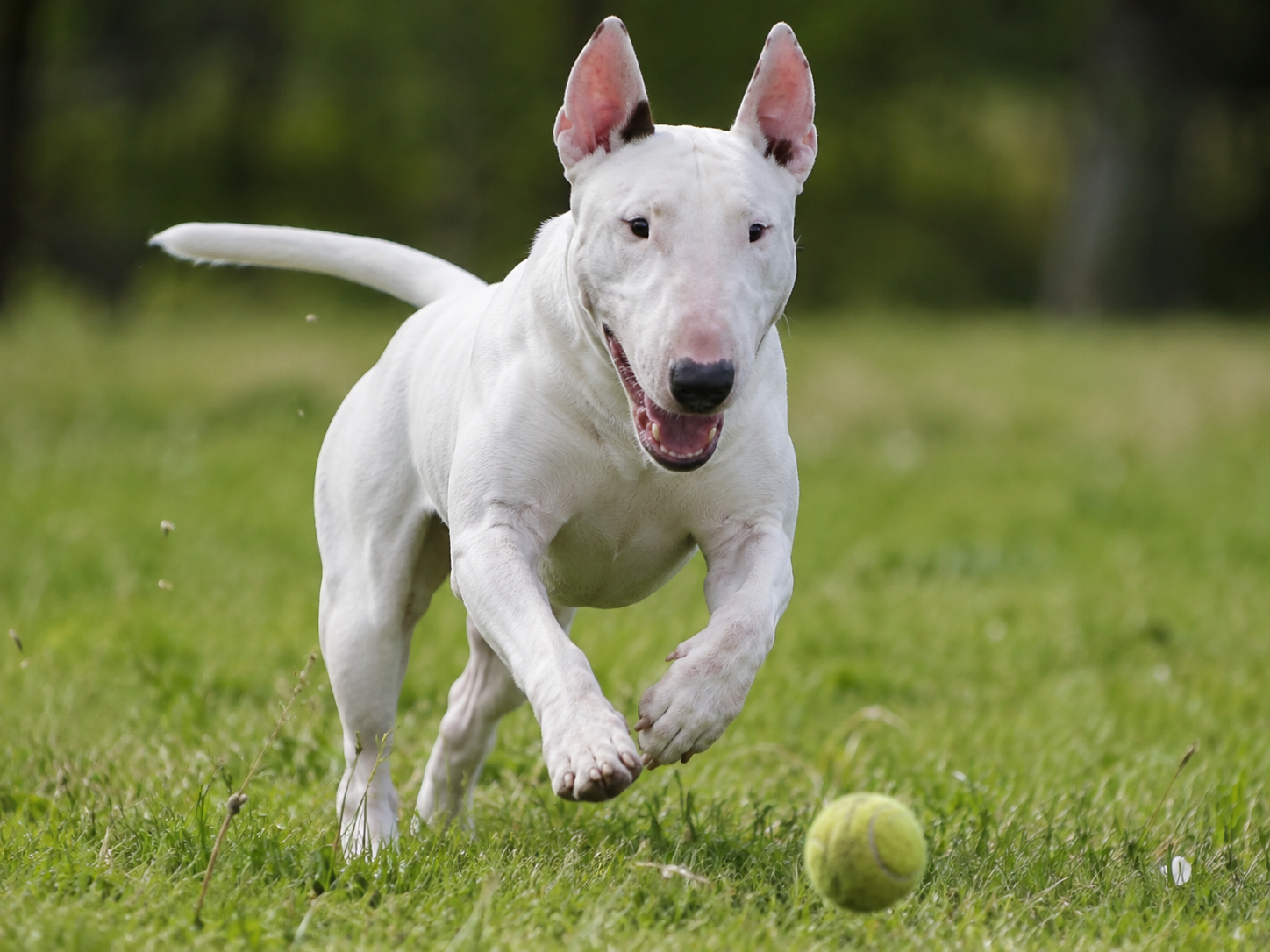 Bull TerrierMedium • Terrier
 Cairn TerrierSmall • Terrier
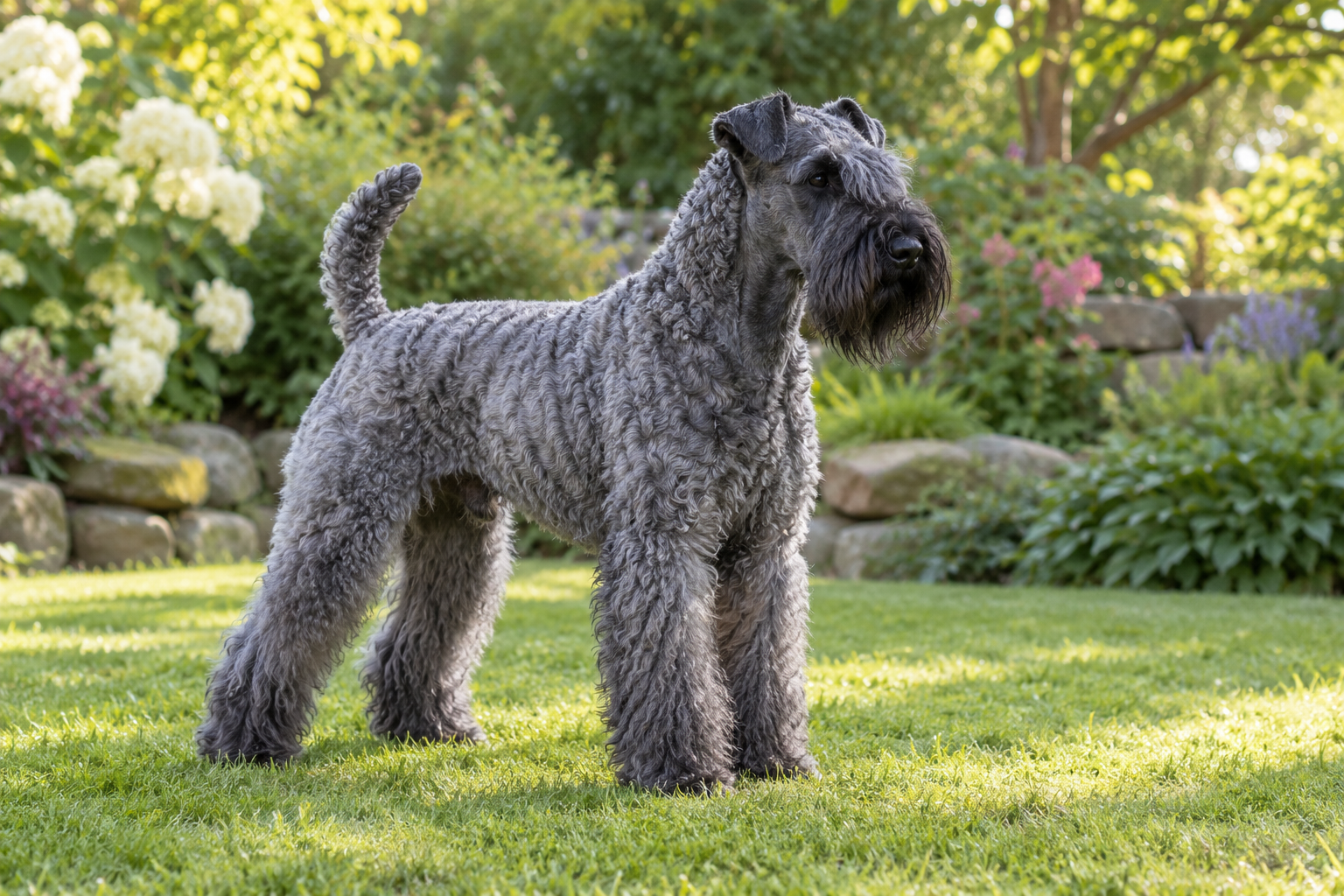 Kerry Blue TerrierMedium • Terriers (Group 2)
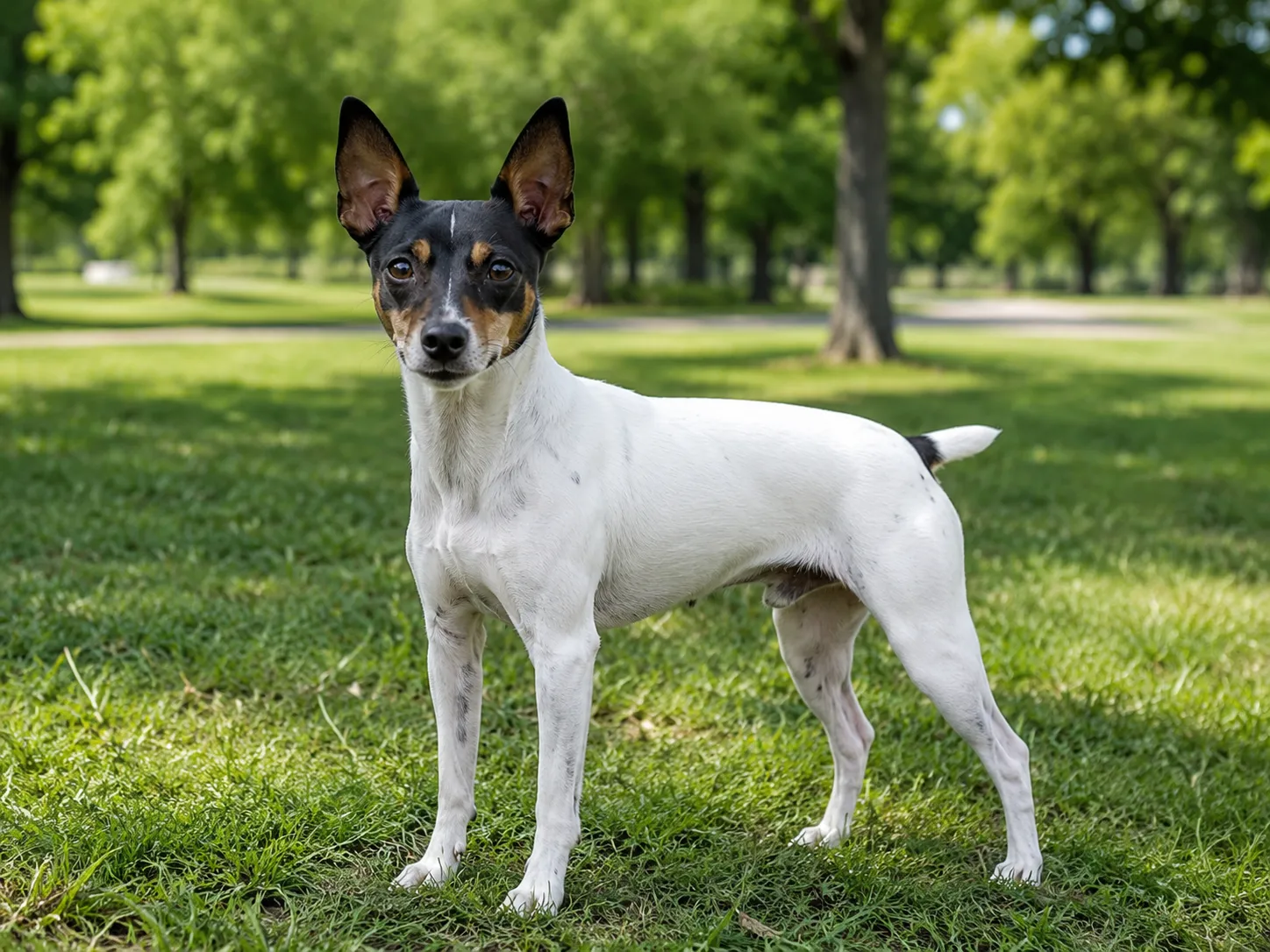 Miniature Fox TerrierSmall • Toy / Small Terrier
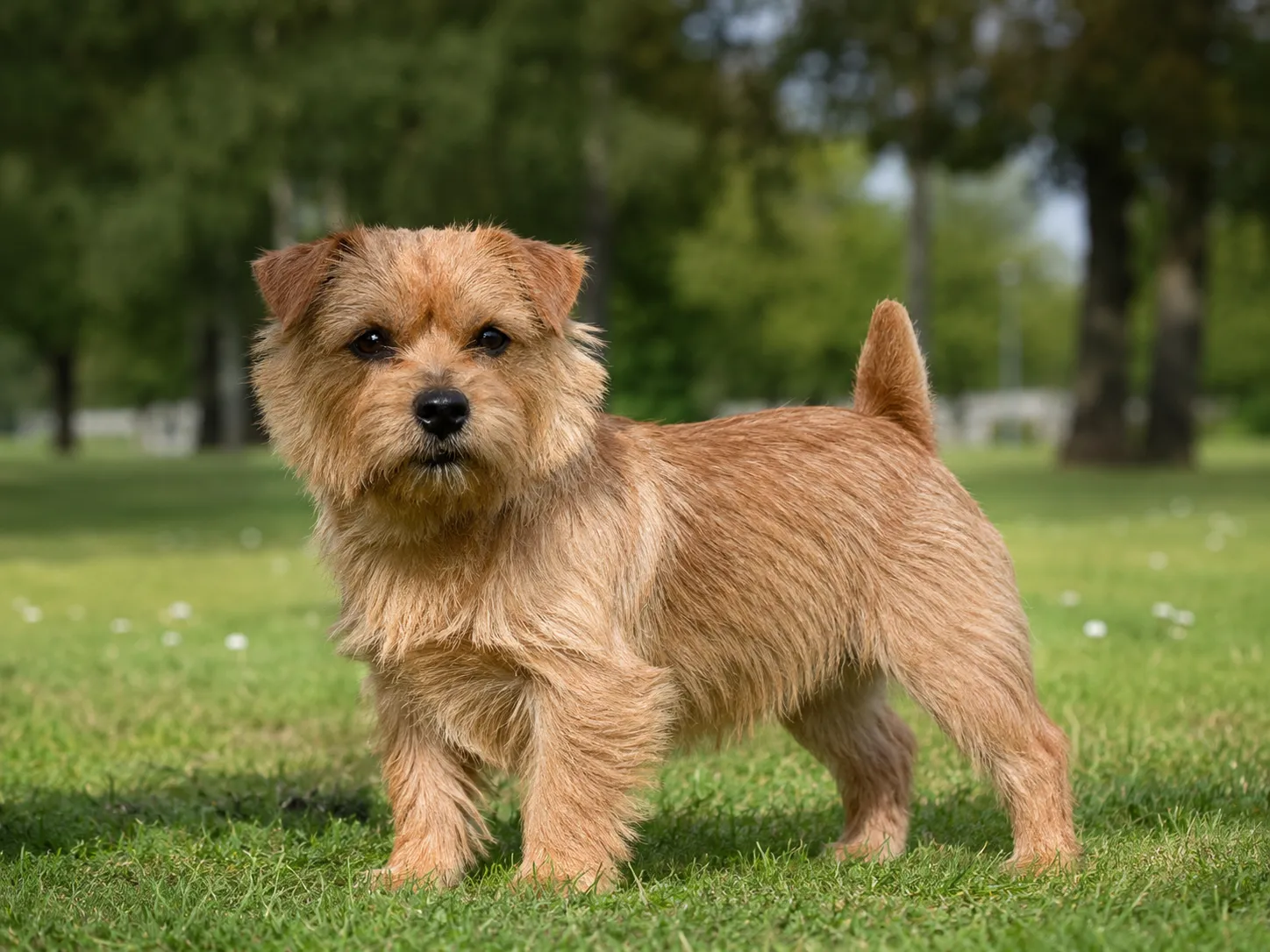 Norfolk TerrierSmall • Terrier
 Norwich TerrierSmall • Terriers (Group 2)