Bull Terrier
By James C. • Updated
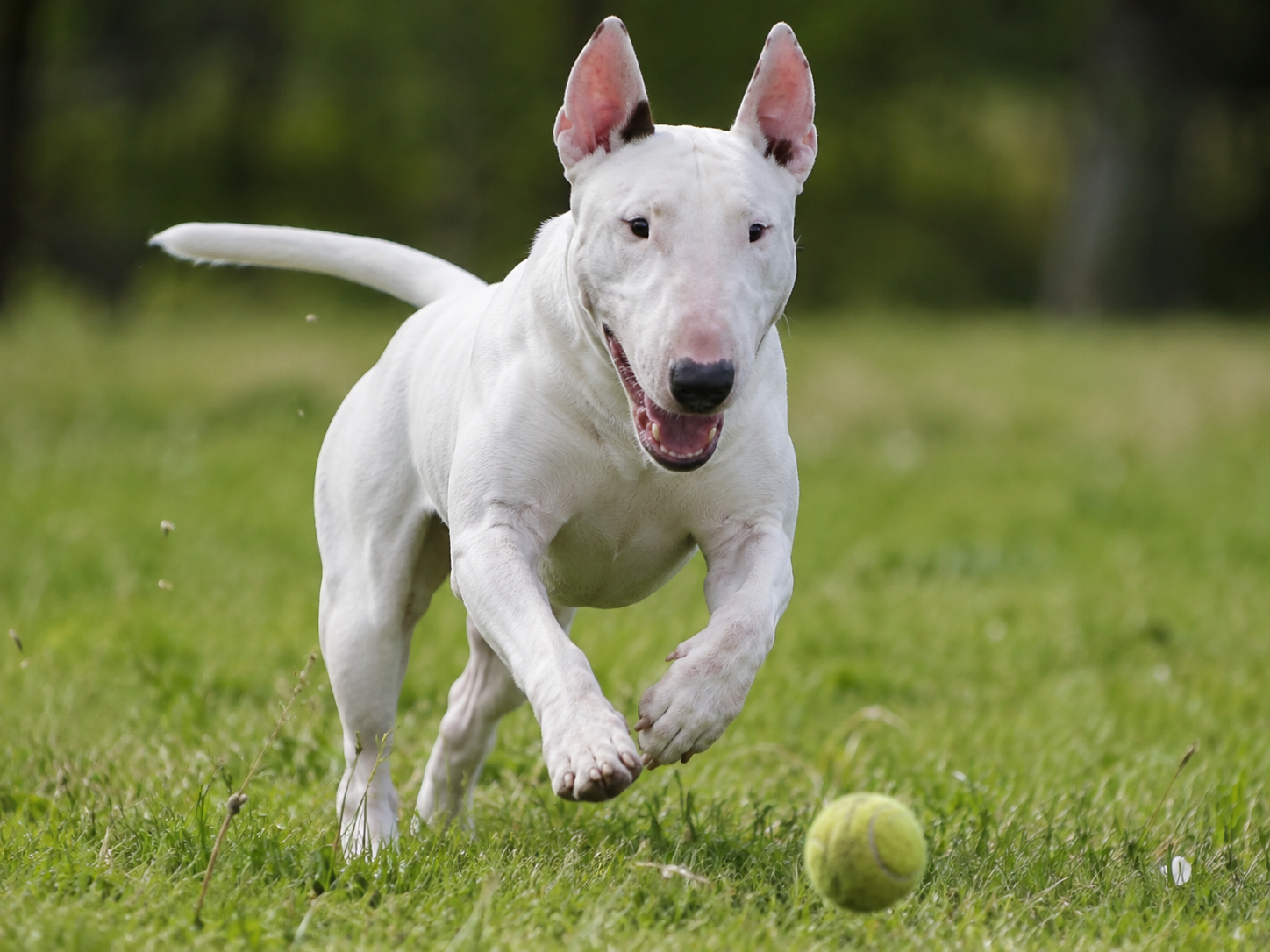
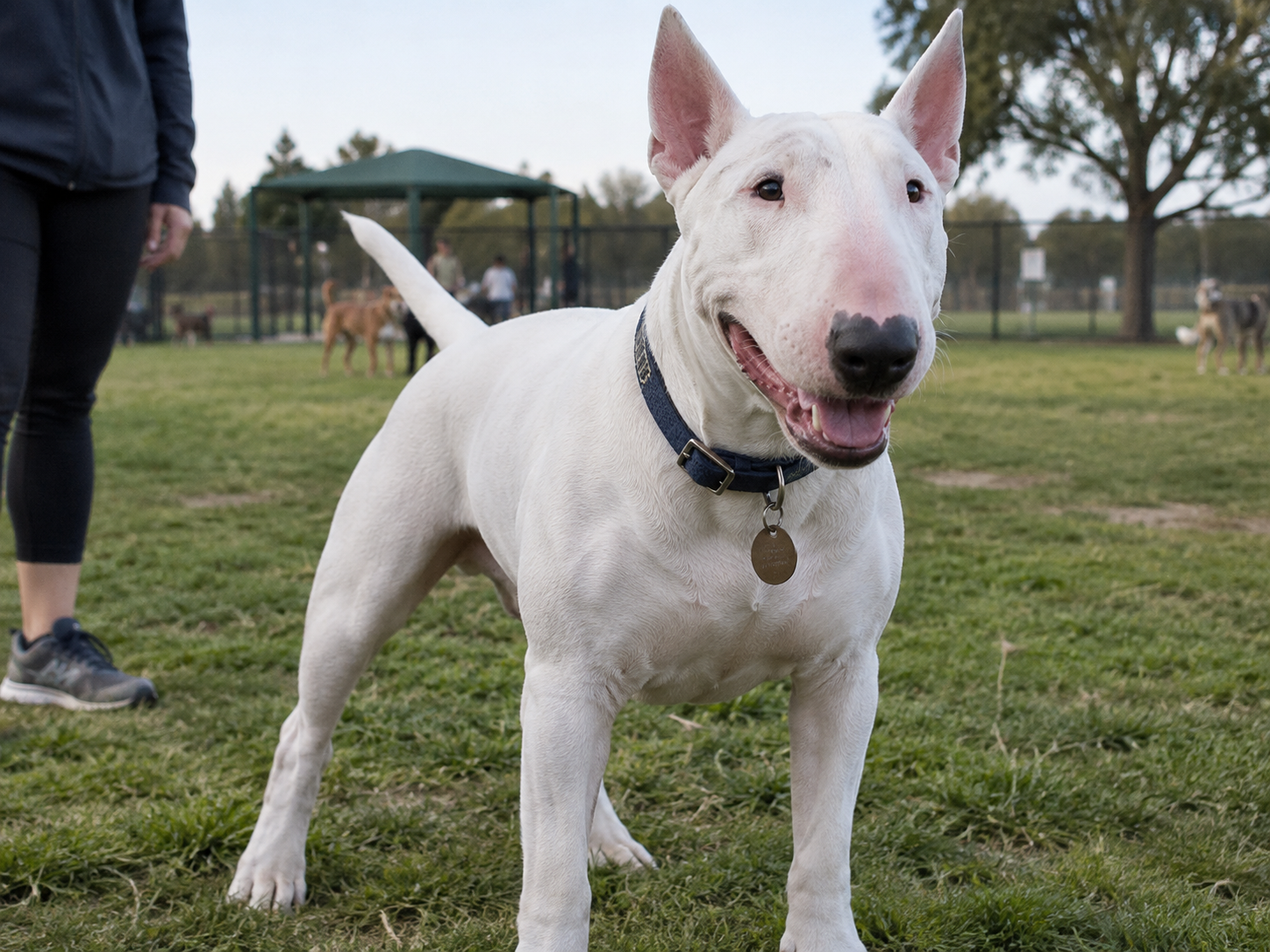
The Bull Terrier is a medium-sized terrier developed in nineteenth century England and instantly recognisable by its downfaced, egg-shaped head, a feature unique among dog breeds. It is powerful, playful and unusually people-oriented, with a comic streak that owners consistently describe as the reason they keep coming back to the breed. Most stand 45 to 55 cm and weigh 22 to 38 kg, with a lifespan of 11 to 14 years. It is not a restricted breed anywhere in Australia and suits confident owners who can provide firm, consistent handling and daily physical outlet.
Breed Overview
Life Span
11 - 14 years
Average Price
AUD 1000 - AUD 3000
Weight
Male: 22 - 38 kg Female: 22 - 38 kg
Height
Male: 45 - 55 cm Female: 45 - 55 cm
Life Expectancy
Male/Female: 11 - 14 years
Breed Group
Terrier
Nicknames
English Bull Terrier, Egghead
Breed Information
The Bull Terrier is not a pit bull, and it is not a restricted breed anywhere in Australia. That needs saying first because the confusion is widespread and because at least one page currently ranking in Australian search results states, incorrectly, that Bull Terriers face restrictions in several states. They do not. The restricted breed lists in New South Wales and Victoria name the American pit bull terrier or pit bull terrier, Japanese tosa, dogo Argentino, fila Brasileiro and perro de presa Canario, and the Bull Terrier appears on neither.
The breed itself was developed in England in the 1800s, initially from bull and terrier crosses and later refined by James Hinks, who introduced the all-white type and selected for the distinctive downfaced head. The egg-shaped skull with no stop is unique in dogs and is the single most recognisable feature of any breed.
Modern Bull Terriers are companions. They are powerfully built and terrier-stubborn, but the temperament that has been selected for over the past century is playful, clownish and deeply attached to people. Australian supply is dominated by unregistered breeding: There are 79 registered breeders nationally but only around three with puppies at any one time, while the classified market is considerably larger.
Characteristics of the Bull Terrier
The Bull Terrier rates highly for affection and durability and low for tolerance of other dogs, and its main demands are firm consistent handling and daily physical outlet.
| Trait | Rating | Star Rating | Meaning |
| Size | Medium | ★★★ | 22 to 38 kg of solid muscle, stronger than the height suggests. |
| Adaptability | Good | ★★★★ | Copes with most homes provided exercise and company are consistent. |
| Exercise Needs | High | ★★★★ | At least an hour daily, and more for a young dog. |
| Easy to Train | Moderate | ★★★ | Capable and quick, but genuinely stubborn and easily bored. |
| Amount of Shedding | Moderate | ★★★ | Short coat, but sheds steadily and heavily twice a year. |
| Grooming Needs | Very Low | ★ | A weekly brush and occasional bath is the whole routine. |
| Good With Children | Good | ★★★★ | Affectionate and tolerant, though boisterous enough to knock over toddlers. |
| Health | Moderate | ★★★ | Specific inherited conditions that make health testing essential. |
| Cost to Keep | Moderate | ★★★ | No grooming costs, offset by skin conditions and a solid appetite. |
| Tolerates Being Alone | Low | ★★ | Bonds hard and becomes destructive when under-occupied. |
| Intelligence | Good | ★★★★ | Clever and inventive, frequently in ways owners did not intend. |
History of the Bull Terrier: From Fighting Pits to the Hinks White Cavalier
The Bull Terrier's earliest ancestors were bull and terrier crosses bred in England for blood sports, combining the grip of bulldog types with the agility and drive of terriers. When those sports were outlawed in the first half of the nineteenth century, breeders redirected the dogs towards show and companionship, and the modern breed dates from that transition rather than from the fighting era itself.
James Hinks is the figure most associated with the change. Working in Birmingham from the 1850s, he crossed the existing bull and terrier stock with the now-extinct English White Terrier and other breeds, producing a cleaner-limbed, all-white dog he marketed as a gentleman's companion. The nickname the White Cavalier comes from this period and reflected a deliberate effort to reposition the breed as a family dog rather than a fighting one.
The characteristic downfaced, egg-shaped head was refined later, through the early twentieth century, along with the coloured variety. In Australia the Bull Terrier has been established for decades and is genuinely popular, though as with many bull-type breeds the pedigree population is much smaller than the number of dogs in homes.
Appearance of the Bull Terrier: Downfaced, Muscular, and Unmistakable
Size and Build
Bull Terriers typically stand 45 to 55 cm and weigh 22 to 38 kg. Unusually, the breed standard specifies no height or weight limits at all, requiring instead that the dog appear at maximum substance for its size while remaining balanced. In practice that produces considerable variation, and a well-built Bull Terrier feels far heavier and stronger than its height suggests.
Coat and Colours
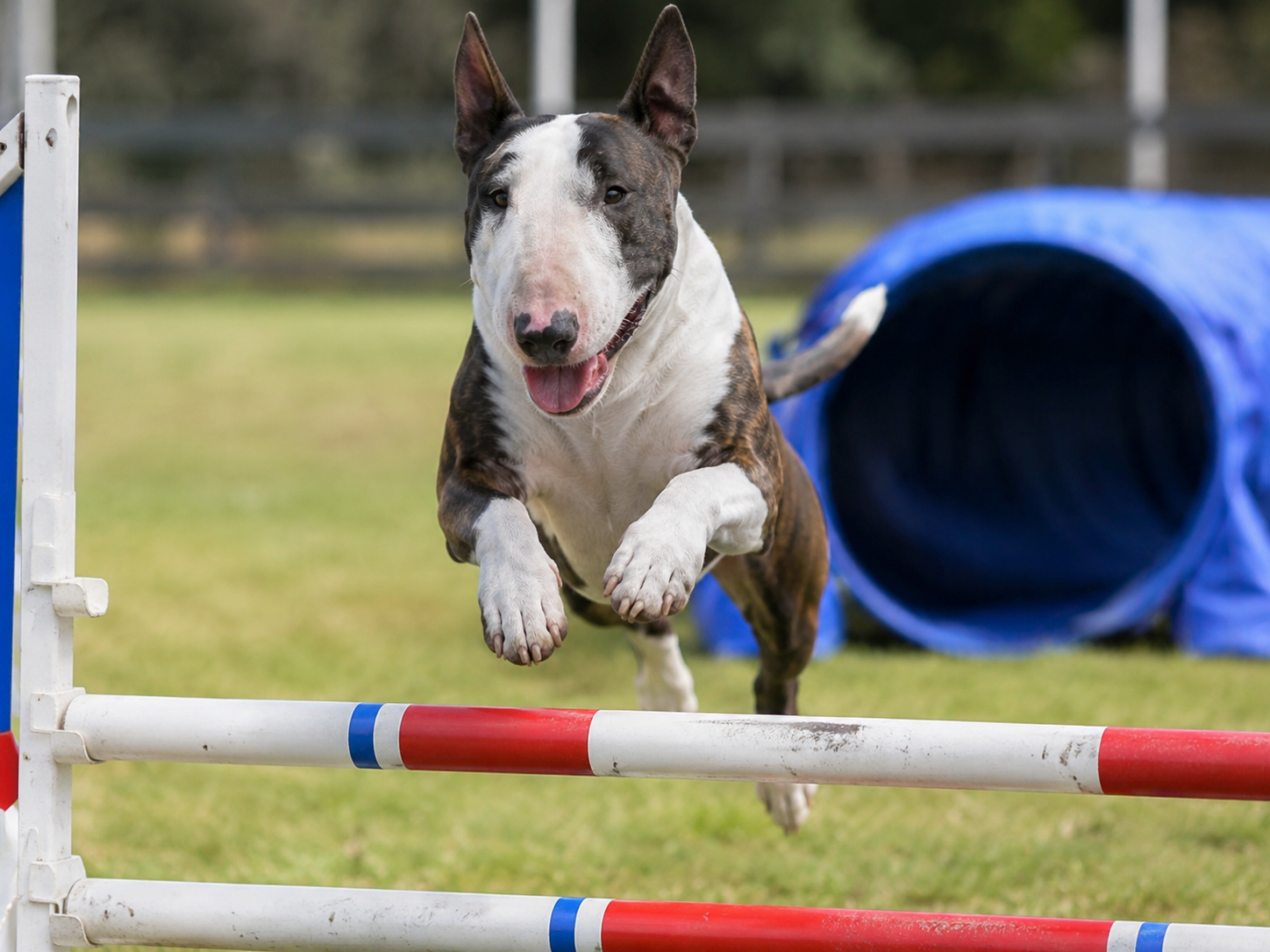
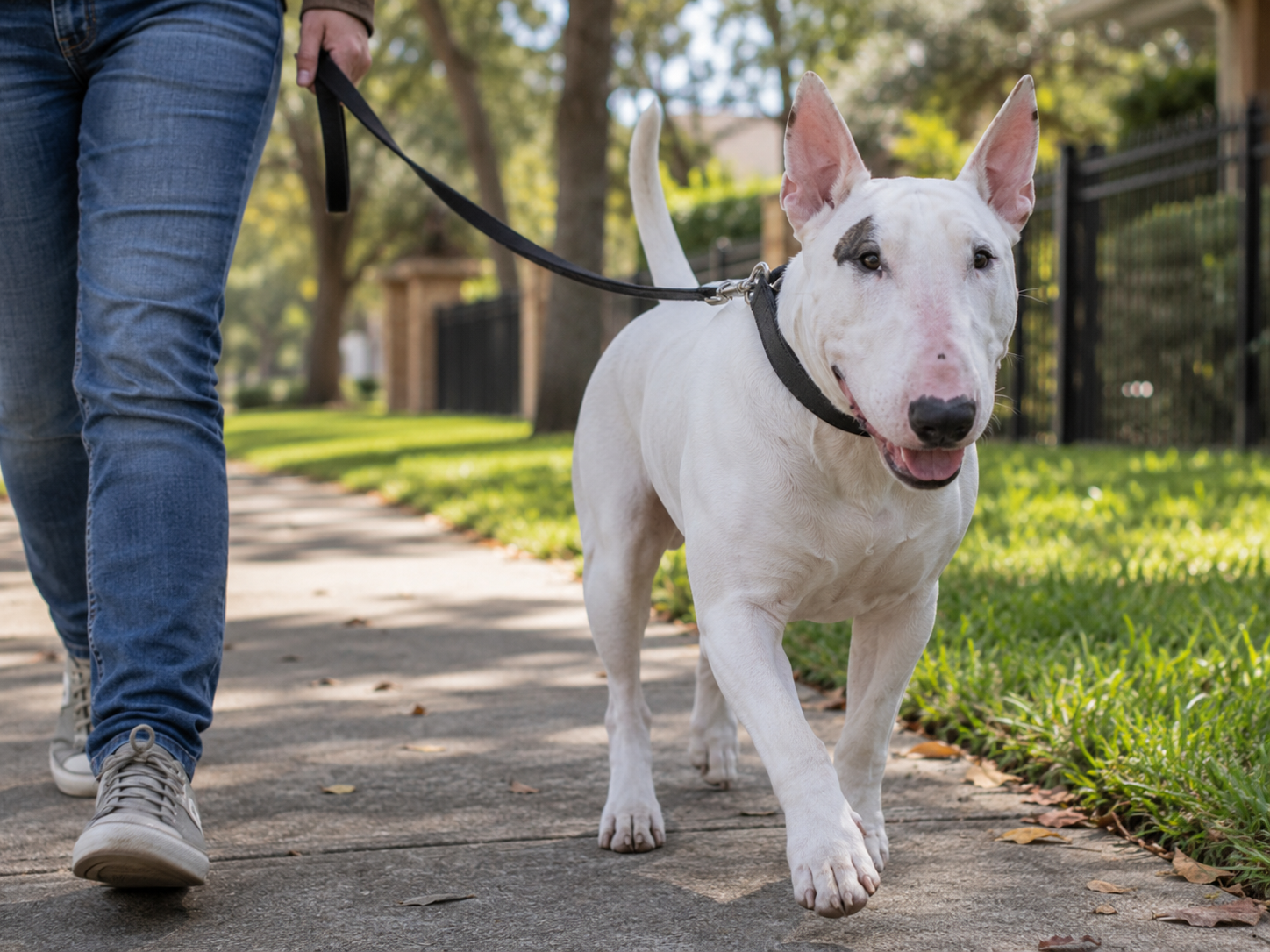
The coat is short, flat and harsh with a slight gloss, needing almost no maintenance. Two varieties exist: white, which may carry markings on the head but not on the body, and coloured, which includes brindle, black brindle, red, fawn and tricolour, in each case with white markings. Brindle is generally the most sought after of the coloured varieties.
Distinctive Features
The head is the breed's defining feature and is found in no other dog. Viewed from the front it is egg-shaped and completely filled, and viewed in profile the top curves gently down from skull to nose tip in what is called the downface. The eyes are unique too, being triangular, small, deeply set and obliquely placed. Ears are small, thin and carried erect.
Gender Differences
Males are noticeably heavier and more thickly muscled through the head, neck and shoulders, and are often described as more openly affectionate and more clownish. Females are usually lighter and somewhat more independent. The difference in physical strength between the sexes is more pronounced in this breed than in most, which is worth considering for owners who are not physically confident.
Temperament of the Bull Terrier: Comic, Stubborn, and Intensely Attached
Core Personality Traits
Bull Terriers are exuberant, affectionate and genuinely funny dogs. Owners consistently describe a sense of humour and a taste for attention that is unusual even among terriers. They are also physical in a way that surprises people, leaning, shoving and body-slamming as a form of greeting, which is friendly but considerable at 30 kilograms.
Social Behaviour
With people, the well-socialised Bull Terrier is friendly and outgoing rather than reserved, and the breed makes a poor guard dog for that reason. With other dogs it is more variable. Terrier heritage means some Bull Terriers are intolerant of same-sex dogs, and this can emerge in adolescence in a dog that was fine as a puppy. Early and continued socialisation matters, and so does honest supervision rather than optimism.
Working Instincts
The breed retains genuine prey drive towards small animals, and households with cats, rabbits or poultry should plan for management rather than expect coexistence. The other working legacy is a very high pain threshold and a tendency to persist, which means a Bull Terrier will keep going at something long after another breed would stop, whether that is a game, a dig or a fence.
Common Behavioural Challenges
The Bull Terrier is powerfully destructive when bored, and this is the single most common failure mode in the breed. An under-exercised, under-stimulated Bull Terrier will remove skirting boards, doors and sections of fence, and it has the physical capacity to do so. Most of what owners report as behaviour problems traces to insufficient outlet rather than temperament, and understanding the behaviour problems that surface in bored young dogs is more useful than any correction-based approach.
The breed is also associated with compulsive behaviours, particularly tail chasing and spinning. This is where the frequently searched question about Bull Terriers and autism comes from. The comparison is not a veterinary diagnosis, but repetitive compulsive behaviour is a recognised issue in the breed, it tends to begin in adolescence, and it should be raised with a veterinarian early rather than treated as a quirk, because it becomes harder to interrupt the longer it runs.
Intelligence and Trainability of the Bull Terrier: Clever, Willing, and Extremely Stubborn
Intelligence and Learning Ability
Bull Terriers are intelligent and learn quickly, but they are not biddable in the way a working breed is. They have opinions, they weigh up whether compliance is worth it, and they get bored with repetition faster than almost any breed. Owners who describe them as stupid are almost always describing a dog that understood perfectly and declined.
Training Approach
Reward-based training with high-value food, kept short and varied, is the approach that works. Harsh handling produces resistance rather than compliance in this breed and can damage the relationship, which matters because a 35 kilogram dog that has decided not to cooperate is a genuine practical problem. Establish lead manners early, while the dog is still light enough to manage. Owners planning ahead should look at getting obedience work started at the right point, since the window before a Bull Terrier reaches full strength is short.
Early Socialisation
Structured socialisation is more important in this breed than in most, particularly with other dogs, because same-sex intolerance can develop later even in a well-adjusted puppy. Exposure needs to be positive and controlled rather than simply frequent. Timing relative to the vaccination course is worth planning, and socialising a puppy safely before vaccinations are finished is possible with sensible precautions.
Potential Training Challenges
The main difficulties are stubbornness, boredom with repetition, and a physical style of interaction that needs channelling early. Recall around other dogs and small animals is the practical weak point. Adolescence, roughly eight to eighteen months, is when most owners find the dog hardest, and it is also when many Bull Terriers are surrendered, so plan for it rather than being surprised by it.
Bull Terrier Family Life: Living with Children, Pets, and Households
Living with Children
Bull Terriers are generally affectionate and tolerant with children in their own family and have a reputation for patience. The realistic caution is physical rather than temperamental: this is a heavy, solid, enthusiastic dog that greets by leaning and shoving, and it can knock over a small child without any intent to. Homes with school-age children usually work very well. Homes with toddlers need active management.
Living with Other Pets
Other dogs are the genuine question. Many Bull Terriers live happily with a dog of the opposite sex, while same-sex pairings are more likely to become difficult, particularly as both dogs mature. Cats and small animals are a prey drive issue rather than an aggression one. None of this makes the breed unsuitable, but it does mean a household should choose deliberately rather than assume.
Household Environment
A secure yard with substantial fencing is close to essential. Bull Terriers dig, chew and push, and standard suburban fencing is not always enough for a determined dog. Indoors they are surprisingly settled once exercised, and many live perfectly well in smaller homes provided the daily outlet is real. What does not work is leaving the dog alone in a yard all day, which is the reliable route to destruction.
Lifestyle Compatibility
The breed suits active households with someone around for a good part of the day, physically confident handlers, and owners who find stubbornness entertaining rather than frustrating. It suits first-time owners less well than its friendly reputation implies, mainly because of the strength and the adolescence. Households out from morning until evening should look at a different breed.
Health of the Bull Terrier: Deafness, Kidneys, and Skin
Lifespan and Healthy Living
Bull Terriers typically live 11 to 14 years. The conditions that most affect that outcome are inherited and testable, which makes breeder selection unusually important in this breed. Keeping the dog lean, managing skin proactively and staying current with kidney monitoring are the practical levers available to an owner.
Common Health Conditions
Owners should be aware of several conditions that can be associated with the breed. It is best to discuss any concerns with a veterinarian.
- Congenital deafness. Present from birth and more common in white dogs. It can affect one or both ears, and unilateral deafness is easy to miss without testing.
- Hereditary nephritis. An inherited kidney disease that can appear in young dogs and is the most serious condition in the breed.
- Atopic dermatitis and skin allergies. Very common, often presenting as itching, recurrent ear infections and paw licking.
- Aortic stenosis. A narrowing below the aortic valve, usually picked up as a heart murmur.
- Patellar luxation. A kneecap that slips out of position, ranging from mild to surgical.
- Compulsive behaviour. Tail chasing and spinning, which sits between behaviour and health and is best addressed early.
Genetic Health Testing
Two tests should decide which breeder you buy from, and most Australian buyers have never heard of either. The first is BAER testing, a hearing test that measures the auditory response and detects deafness in one or both ears in puppies. Because a unilaterally deaf puppy often behaves normally, BAER testing is the only reliable way to know, and responsible breeders test entire litters before sale. Ask for the certificate for your specific puppy, not just for the litter.
The second is kidney screening for hereditary nephritis, done by measuring the urine protein to creatinine ratio, usually written as UPC. Breeding stock should be screened and clear results should be available. A breeder who cannot discuss BAER and UPC results is not testing to the standard this breed requires, regardless of how healthy the puppies look. Also ask for cardiac auscultation results on both parents and for patella assessments.
Preventative Health Care
Keep vaccinations current and maintain year-round parasite prevention including paralysis tick cover on the eastern seaboard, which is straightforward given the short coat. Skin is the area that needs the most ongoing attention: manage flea control rigorously since flea allergy compounds atopic dermatitis, and raise persistent itching or recurrent ear infections early rather than treating them as normal for the breed. Owners unsure how regularly to book a healthy dog in should plan on annual checks, with kidney monitoring added on veterinary advice.
Caring for the Bull Terrier: Daily Care and Living Environment
Daily Care Routine
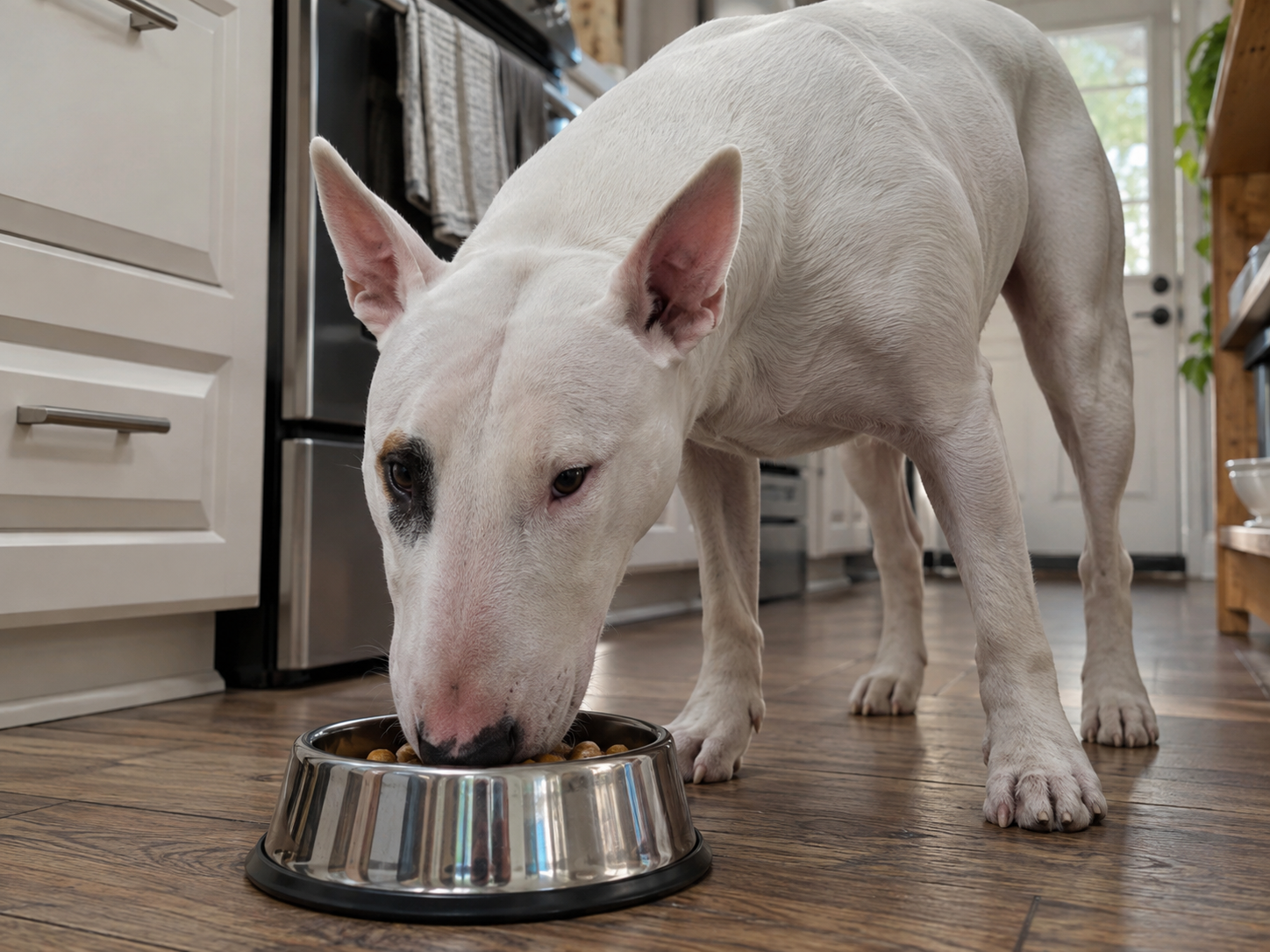
A workable day is a substantial walk, a play or training session with something to think about, and free time in a secure yard. Feed twice daily and measure portions, since Bull Terriers gain weight readily and carry it badly on their frame. Check skin and ears as part of the routine rather than only when something looks wrong.
Living Environment Requirements
Fencing needs to be solid, tall enough and free of weak points, because this breed tests boundaries physically rather than by jumping. Provide shade and water outdoors and a comfortable indoor bed, since Bull Terriers are short-coated and genuinely want to be inside with their people. A dog left permanently outside will be both destructive and unhappy.
Climate Sensitivity
The short coat gives limited protection in either direction. In summer, white and pale dogs sunburn readily, particularly on the nose, ear tips and any thinly covered skin, and skin cancer is a real consideration in Australian conditions for predominantly white dogs. Provide shade, avoid the middle of the day and consider a dog-safe sunscreen on exposed pink skin. In winter the breed feels the cold in southern states and appreciates a coat on frosty mornings. Check the heat thresholds that apply in Australia before exercising on warm days, and test the pavement with the back of your hand.
Caring for Senior Bull Terriers
Older Bull Terriers usually stay willing and enthusiastic well past the point their joints agree, so exercise should shift to shorter and more frequent rather than being reduced overall. Watch for stiffness, changes in drinking or urination that might signal kidney issues, and any new heart murmur. Skin conditions often become easier with age rather than harder.
Grooming of the Bull Terrier: Minimal Coat, Significant Skin
Coat Maintenance
A rubber mitt or bristle brush once a week removes loose hair and keeps the coat glossy. There is no clipping, no matting and no professional grooming requirement. The coat sheds steadily year round with two heavier periods, and a weekly brush during those weeks keeps it manageable.
Skin Care and Allergy Management
Skin is where this breed's grooming effort actually goes. Atopic dermatitis is common and often seasonal, showing as itching, reddened skin between the toes, recurrent ear infections and repeated licking. Rigorous flea control matters because flea allergy stacks on top of existing sensitivity. Check the skin weekly, particularly the belly, armpits and between the toes, and treat a sudden increase in scratching as something to investigate rather than tolerate.
Ear, Nail, and Dental Care
Erect ears are well ventilated but are frequently the first place allergies show, so check weekly for redness, odour or head shaking. Nails need trimming every three to four weeks and are thick, so a decent quality clipper matters. Brush teeth several times a week using a toothpaste made for dogs.
Bathing and Professional Grooming
Bathe every couple of months or when dirty, using a gentle shampoo, since frequent washing with harsh products aggravates already sensitive skin. Medicated shampoos may be recommended for dogs with diagnosed skin conditions, on veterinary advice. Professional grooming is not required at all for this breed.
Exercise Needs of the Bull Terrier: An Hour Minimum, and Something to Think About
Daily Exercise Requirements
Plan on at least an hour a day for an adult, split across two sessions, with more for a young dog. This is a strong, athletic breed with real stamina, and a short walk around the block will not settle it. The quality matters as much as the duration: a Bull Terrier that has walked for an hour on lead without engaging its brain is still looking for something to do.
Activities Bull Terriers Enjoy
Tug, flirt pole work, structured fetch, weight-pull style games and scent work all suit the breed. Many enjoy agility, though jumping should be moderated given the weight. Swimming suits some dogs though the breed is dense and not naturally buoyant, so supervise. Avoid activities relying on sustained recall around other dogs.
Exercise by Life Stage
Puppies should not be jumped or run long distances while growth plates are open, and free play on soft ground is better than forced repetitive exercise through the first year. Adolescents need the most exercise and the most structure simultaneously, which is the hardest combination for owners. Adults handle an hour or more comfortably. Seniors need duration reduced rather than removed.
Importance of Mental Stimulation
This is not an optional extra for a Bull Terrier. Puzzle feeders, training sessions, scent games and problem-solving tasks do more to produce a settled dog than additional distance does. The destructive behaviour the breed is known for is almost always a boredom problem, and boredom is a mental state rather than a physical one.
Feeding the Bull Terrier: Nutrition and Diet Needs
Nutritional Requirements
A good quality complete diet formulated for a medium to large active dog suits the breed. Because skin allergies are common, some Bull Terriers do better on a limited ingredient or novel protein diet, though food trials should be done with veterinary guidance rather than by guesswork.
Feeding by Life Stage
Feed puppies three to four times daily until around four months, then twice daily for life. Growth should be steady rather than rapid, and overfeeding a growing Bull Terrier adds load to developing joints on a breed already carrying substantial weight for its height.
Portion Control and Weight Management
Bull Terriers gain weight easily and hide it well under muscle. You should be able to feel the ribs without pressing and see a waist from above. Excess weight loads the joints, worsens skin problems and makes heat tolerance worse in an Australian summer. Ask your vet to body condition score the dog rather than judging by appearance, since a heavy Bull Terrier can look solid rather than fat.
Foods to Avoid
The standard toxic list applies: grapes, sultanas, chocolate, onion, garlic, macadamias and anything containing xylitol. Cooked bones should be avoided. This breed will eat things that are not food, including rocks, fabric and rubber, and intestinal obstruction from swallowed objects is a genuine emergency risk worth managing through supervision and sensible toy choices.
Bull Terrier Price in Australia: Purchase Cost and Ongoing Expenses
Puppy Purchase Price
Expect to pay between $1,000 and $3,000 for a Bull Terrier puppy in Australia, with a median asking price of $1,800. That comes from a survey of five priced listings on 8 September 2026. The sample is small, so treat the figure as indicative rather than definitive.
Every single priced listing found was unpapered. Not one advertised puppy mentioned ANKC registration or pedigree papers, and several stated explicitly that no papers were included. Some quoted an RPBA number, which is a commercial breeder registration confirming a seller is licensed to breed, not evidence of pedigree or health testing. Meanwhile the registered breeder side publishes deposit amounts rather than prices, so there is no reliable comparison to make. The practical implication is that a buyer who wants a BAER-tested, kidney-screened puppy from a registered breeder will need to contact breeders directly rather than shop by price.
Worth knowing: Miniature Bull Terriers are considerably more expensive, with puppy listings clustering around $3,500, roughly double the standard variety.
Initial Setup Costs
Beyond the purchase price, Australian guidance from the RSPCA puts microchipping at $60 to $80, a puppy vaccination course at $280 to $420, desexing at $350 to $650, a collar, lead or harness at $40 to $100, and a bed at $100 to $200, with puppy school around $170. For this breed budget for genuinely durable toys and bedding, since a Bull Terrier will destroy anything designed for an average dog, and for fencing repairs if your yard is not already secure.
Ongoing Monthly Costs
| Cost | Typical figure (AUD) | Source |
| Food | $91 per month, or $1,090 per year | Animal Medicines Australia, Pets in Australia 2025 |
| Parasite prevention | $122 per year average actual spend | Animal Medicines Australia, Pets in Australia 2025 |
| Pet insurance, medium dog | $1,374 per year for accident and illness cover | Canstar, prepared March 2026 |
| Annual vet check and booster | $140 and upwards per year | RSPCA NSW |
| Skin allergy management | Highly variable, quote locally | Not published, obtain a quote |
| Professional grooming | Nil, the breed does not require it | n/a |
Grooming costs nothing in this breed, but skin allergy management is the cost most likely to become significant and recurring. Diagnostic workups, medicated shampoos and long-term medication for atopic dermatitis can run well beyond routine veterinary spending, and it is worth checking whether a policy covers ongoing dermatological conditions before assuming it does.
Long-Term Financial Commitment
Across an 11 to 14 year lifespan, the Bull Terrier sits around the average of roughly $2,520 a year that Animal Medicines Australia reports dog-owning households spending, with the composition skewed towards food, replacement of destroyed items and skin treatment rather than grooming. The two costs capable of moving the total materially are chronic skin disease and surgery for an intestinal obstruction.
Buying Advice for a Bull Terrier: Choosing a Healthy Puppy
Choosing a Responsible Breeder
The registered market is small relative to demand. There are 79 registered Bull Terrier breeders in Australia but only around three with puppies at any given time, while the classified market is much larger and, on the evidence of this survey, almost entirely unpapered. That gap is the single most important thing to understand before buying. A good breeder BAER tests every puppy, screens breeding stock for kidney disease, keeps puppies until at least eight weeks and takes dogs back at any point. Working through the questions that matter before you commit is worth doing before making contact.
Health Checks Before Purchase
Ask to see the puppy with its mother and watch the litter interact. Look for clear eyes, clean skin with no reddening between the toes, clean ears and even movement. Test responsiveness to sound from behind the puppy, though this is no substitute for a BAER certificate. Request written vaccination, worming and microchipping records and confirm the microchip number matches the paperwork.
Questions to Ask the Breeder
- Has this specific puppy been BAER tested, and can I see the certificate?
- Have both parents been screened for hereditary nephritis, and what were the UPC results?
- Are the puppies registered with the ANKC, and on the Main or Limited Register?
- What is your registered prefix, or is your number a commercial breeder registration?
- Have both parents had cardiac auscultation, and were any murmurs found?
- Is there any history of skin allergy in this line?
- Has any dog in this line shown tail chasing or spinning behaviour?
- What socialisation with other dogs will the puppy have had?
Considering Adoption
Bull Terriers appear in rescue regularly, most often as adolescents between eight and eighteen months surrendered by households that underestimated the strength and the exercise requirement. An adult from rescue can be an excellent choice for an experienced owner, since size, temperament and any same-sex dog issues are already visible rather than predicted. Anyone buying instead should be alert to how to recognise a puppy scam, since the shortage of registered puppies against steady demand is exactly the condition scammers exploit.
Is the Bull Terrier Right for You? A Strong, Funny Dog That Needs a Job
Lifestyle Compatibility
This breed suits active, physically confident owners who want a robust, affectionate, entertaining dog and who are home enough to provide company. It suits households with school-age children well. It suits people wanting a guard dog, a low-energy companion, or a dog that can be left alone all day very poorly.
Time and Care Commitment
An hour or more of exercise daily plus real mental engagement, for eleven to fourteen years. Grooming is negligible. The commitment that catches people out is adolescence, which is demanding and prolonged in this breed and is when most Bull Terriers are given up.
Grooming and Health Awareness
You take on almost no grooming and a meaningful health burden. Buy from BAER-tested, kidney-screened parents, expect to manage skin at some point, protect white dogs from Australian sun, and watch for compulsive behaviours emerging in adolescence.
Ideal Owner Profile
The Bull Terrier suits an owner who enjoys a dog with opinions, has the physical confidence to handle a strong animal, and finds stubbornness funny rather than infuriating. It rewards consistency and humour, and frustrates anyone expecting obedience for its own sake.
Find Bull Terrier Puppies for Sale
If the breed fits your household, you can browse Bull Terrier listings on Pups4Sale. Prioritise sellers who can produce a BAER certificate for your puppy and kidney screening results for both parents, and treat the absence of either as a reason to keep looking rather than a detail to negotiate.
Frequently Asked Questions
Related Breeds
Other terrier breeds on Pups4Sale.
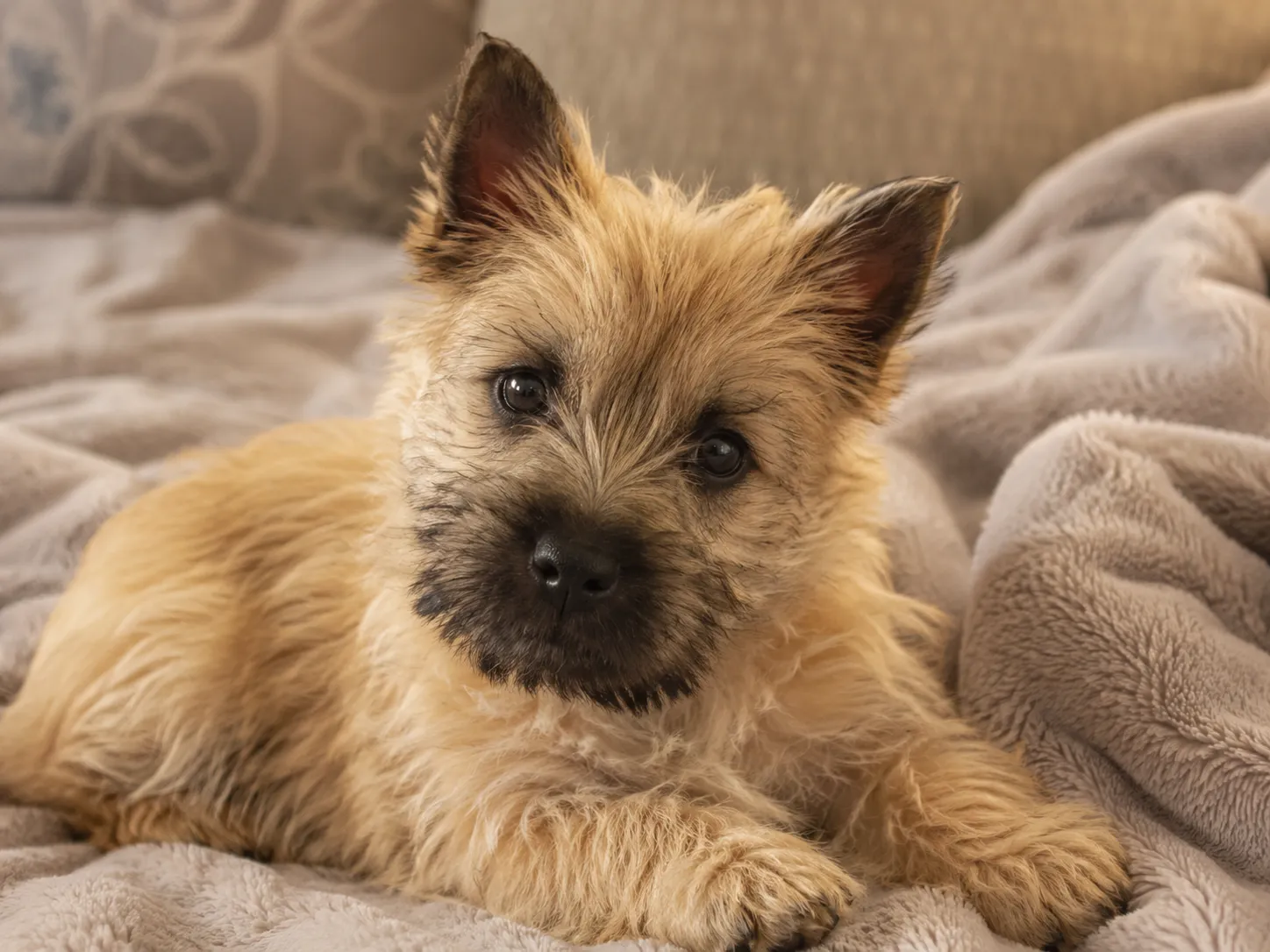 Cairn TerrierSmall • Terrier
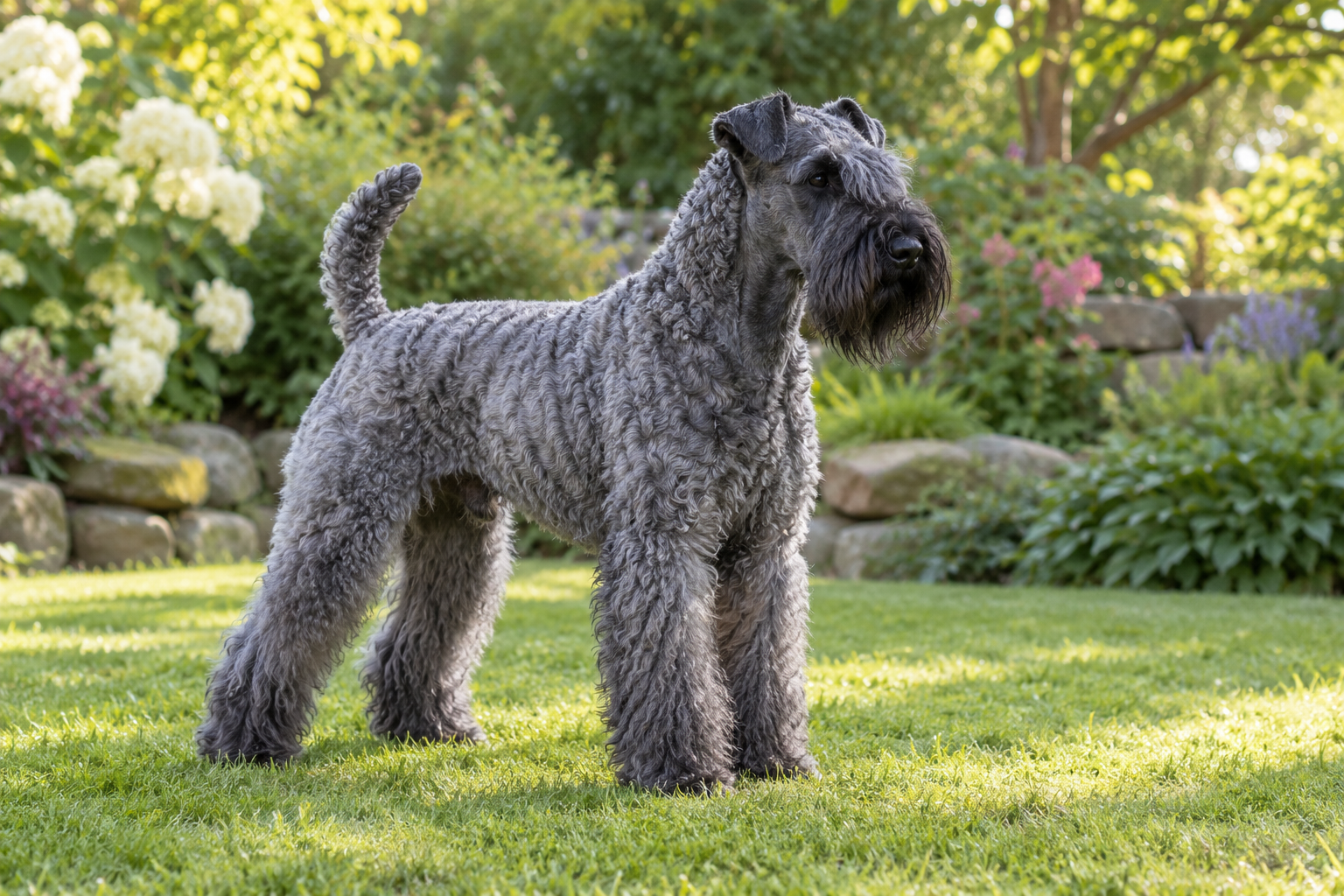 Kerry Blue TerrierMedium • Terriers (Group 2)
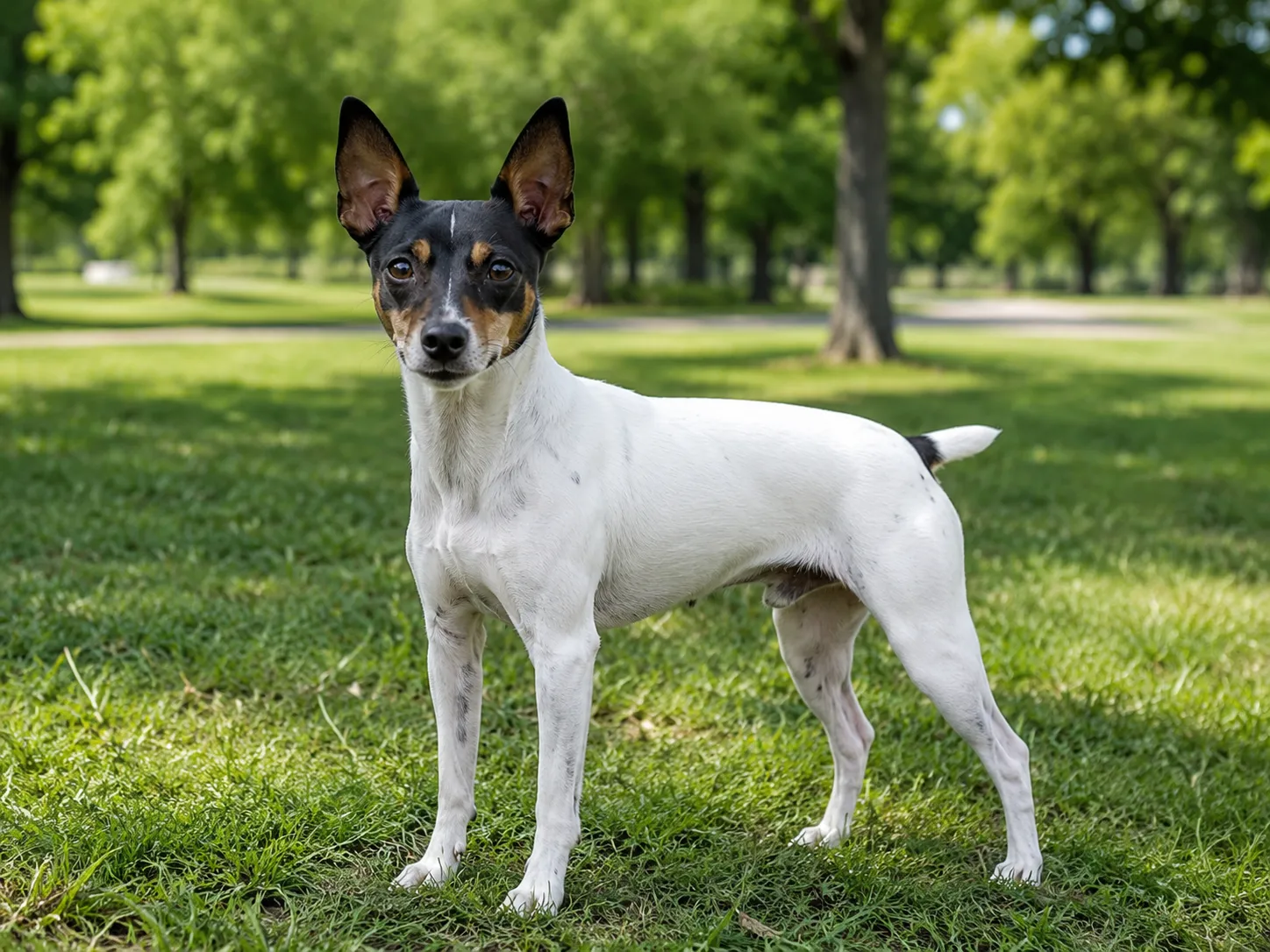 Miniature Fox TerrierSmall • Toy / Small Terrier
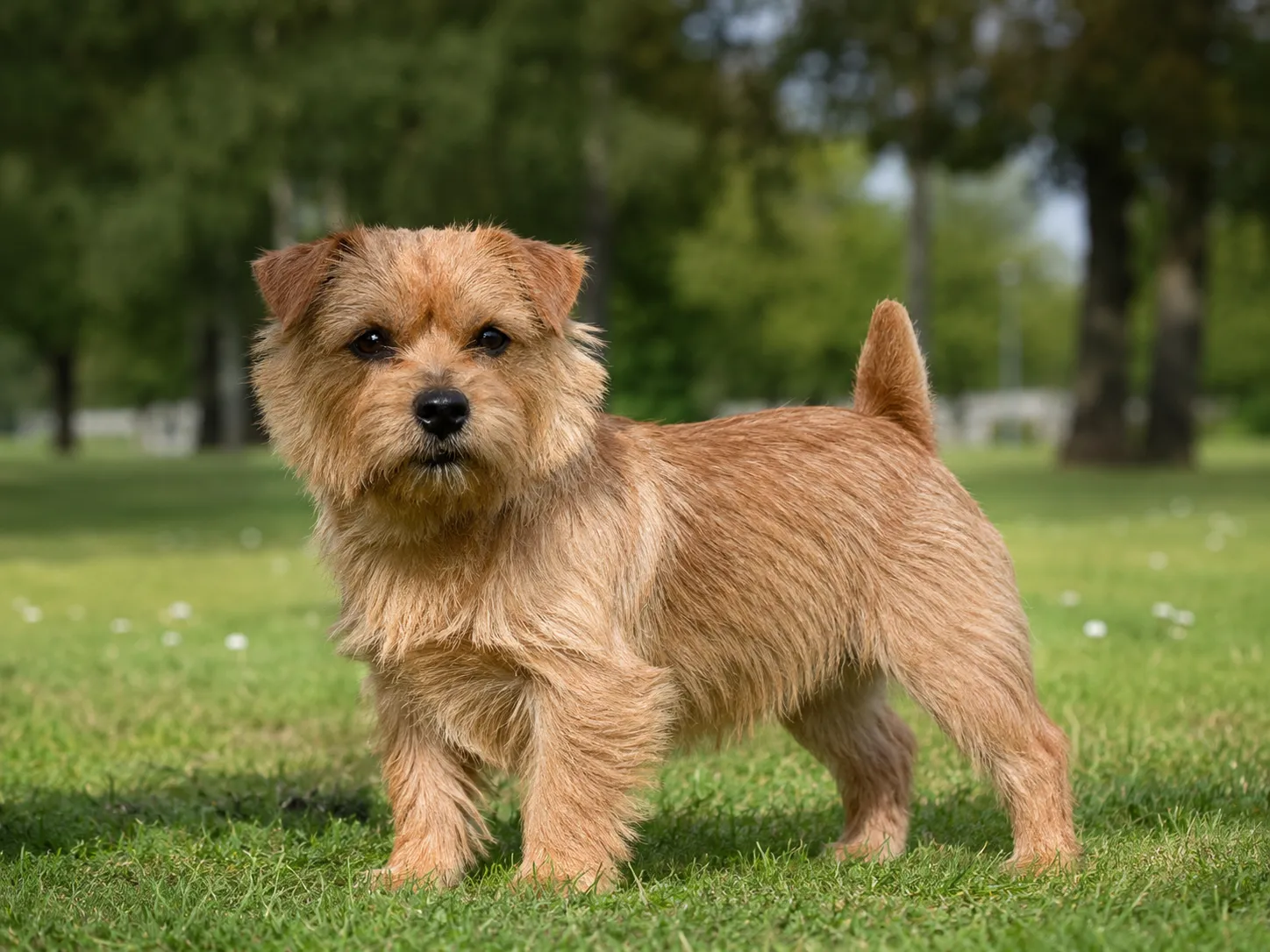 Norfolk TerrierSmall • Terrier
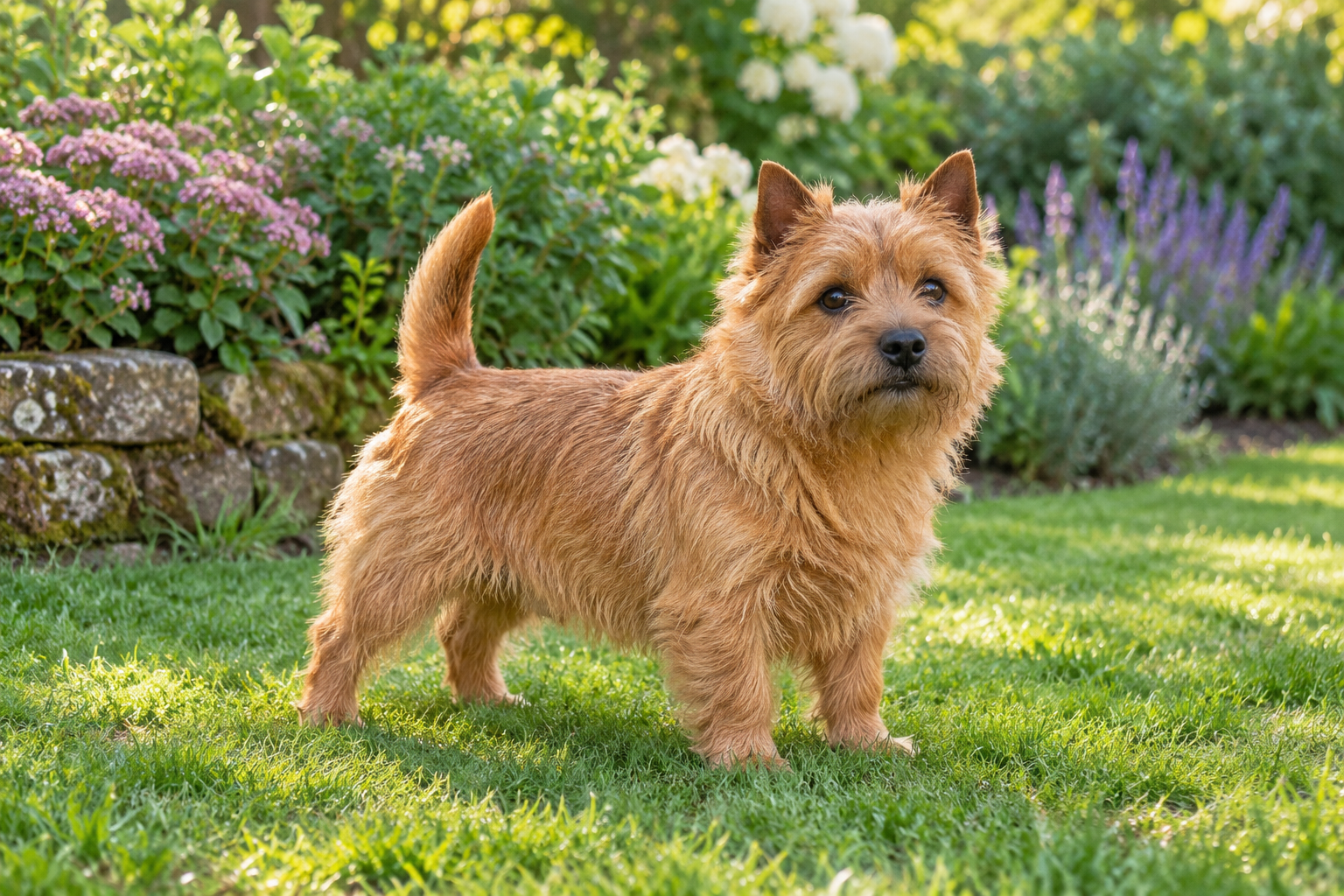 Norwich TerrierSmall • Terriers (Group 2)
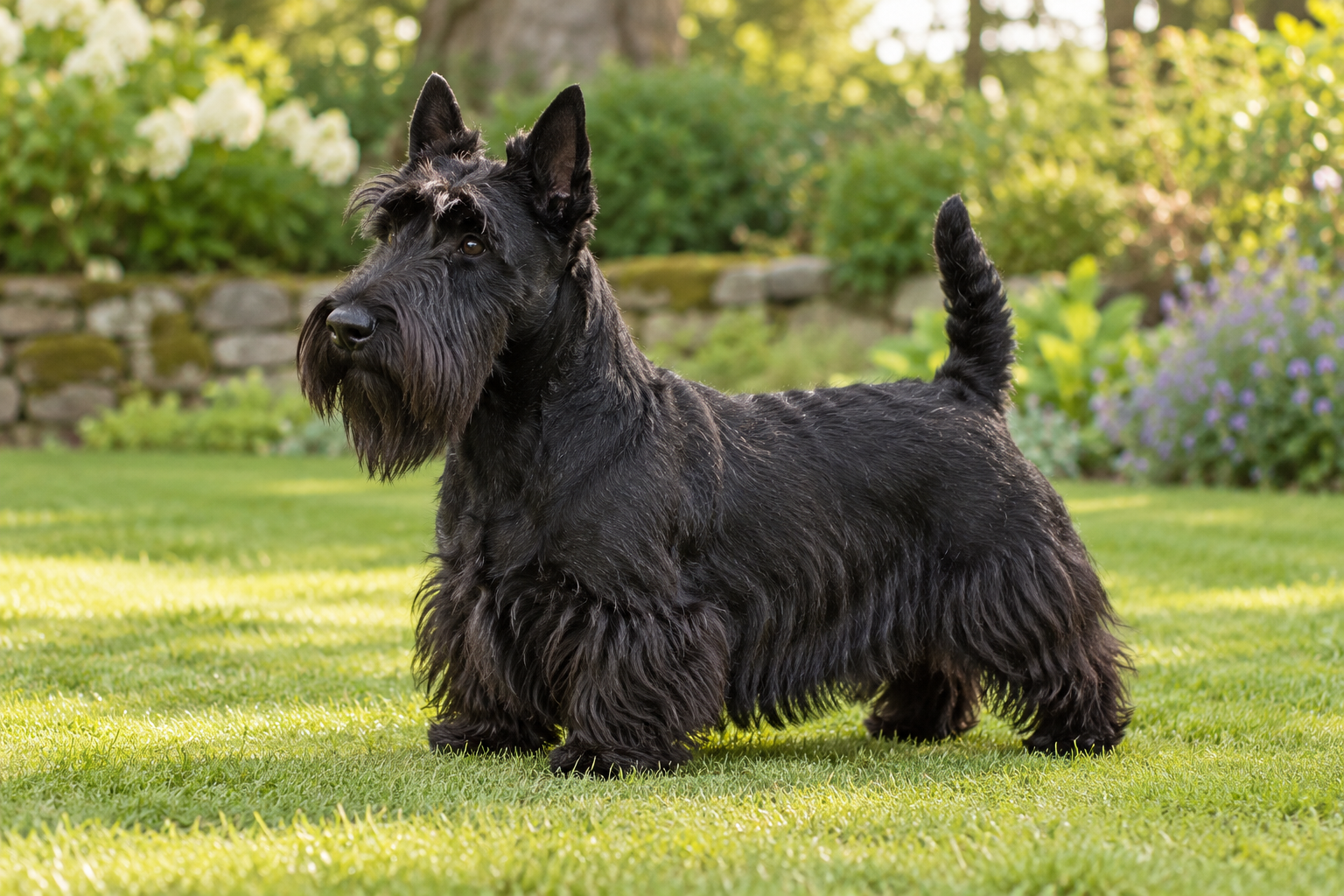 Scottish TerrierSmall • Terriers (Group 2)