
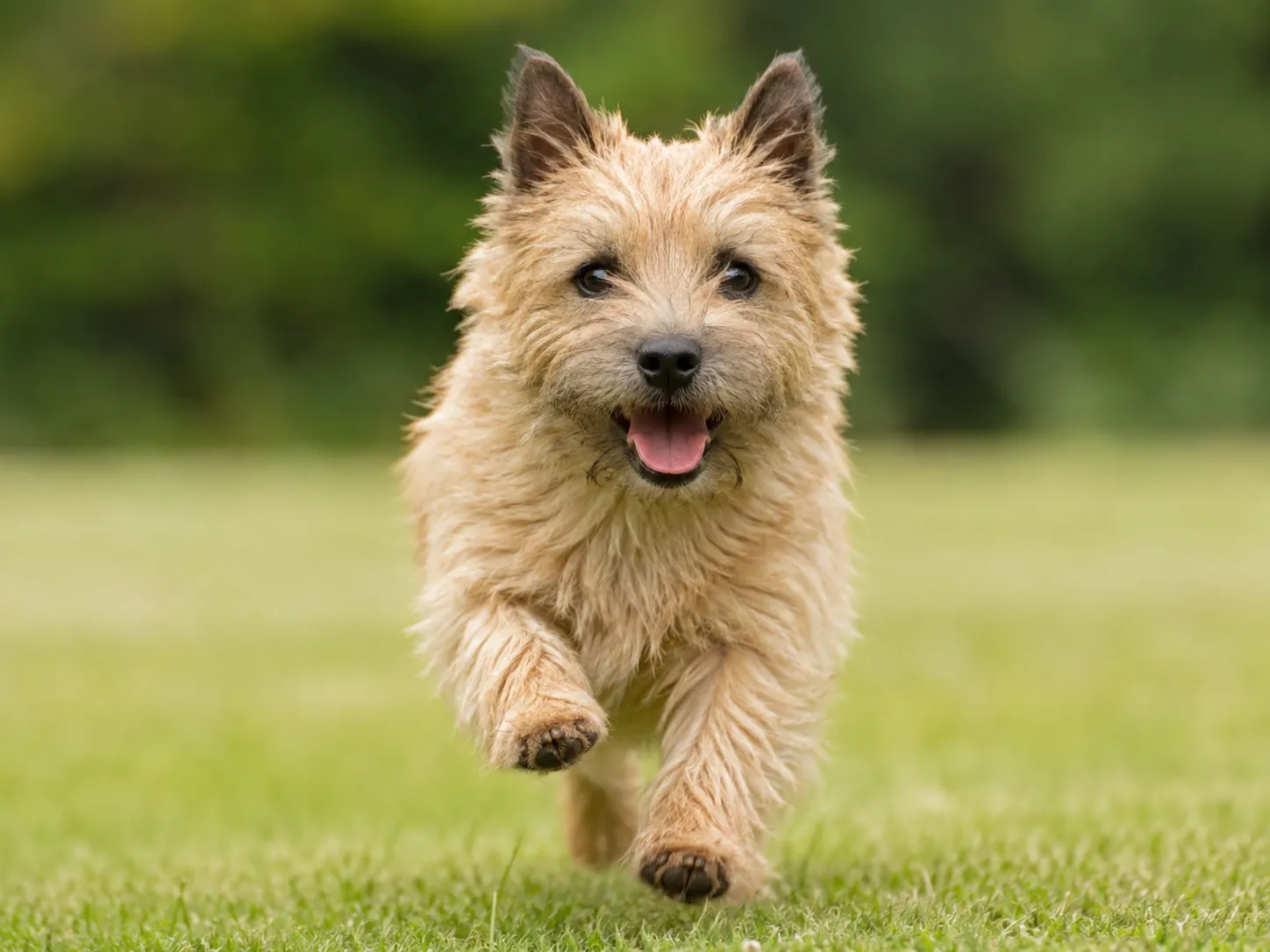
Cairn Terrier
By James C. • Updated
The Cairn Terrier is a hardy, intelligent, and spirited breed originally developed in Scotland to hunt foxes, otters, and vermin among rocky cairns. They are known for their confidence, curiosity, and lively personality. Despite their small size, Cairn Terriers are bold, independent dogs that enjoy being active and involved in family life.
Breed Overview
Life Span
12 - 15 years
Average Price
AUD 2500 - AUD 8000
Weight
Male: 6 - 8 kg Female: 5 - 7 kg
Height
Male: 25 - 33 cm Female: 23 - 31 cm
Life Expectancy
Male/Female: 12 - 15 years
Breed Group
Terrier
Nicknames
Cairn, Cairn Terrier
Breed Information
The Cairn Terrier is one of Scotland’s oldest working terriers, developed in the rugged Highlands to hunt vermin among rocky cairns and rough terrain. Compact yet sturdy, this breed combines remarkable toughness with sharp intelligence, making it far more resilient than its small size suggests.
Despite its working roots, the Cairn Terrier has transitioned seamlessly into modern family life. It thrives on companionship, enjoys being involved in daily routines, and forms strong, loyal bonds with its household. Its lively nature and confident attitude make it an engaging dog to live with, provided its mental and physical needs are met.
While adaptable enough for apartment living, the Cairn Terrier is not a passive pet. Its natural curiosity, prey drive, and terrier determination require consistent training, early socialisation, and regular activity. In the right environment, this breed offers a balanced mix of affection, independence, and spirited charm.
Cairn Terrier Characteristics and Lifestyle Suitability
| Characteristic | Rating | What This Means |
| Size | ★★☆☆☆ | Small but sturdy, easy to manage indoors while still robust enough for active play |
| Exercise Needs | ★★★☆☆ | Requires daily walks and play, but not excessive endurance exercise |
| Easy to Train | ★★★★☆ | Intelligent and quick to learn, though independent streaks require consistency |
| Shedding | ★★☆☆☆ | Low to moderate shedding when coat is properly maintained |
| Grooming Needs | ★★★☆☆ | Regular brushing with periodic professional hand stripping required |
| Good With Children | ★★★★☆ | Generally excellent with children when interactions are supervised |
| Health of Breed | ★★★★☆ | Generally healthy with responsible breeding and routine care |
| Cost to Keep | ★★★☆☆ | Moderate ongoing costs including grooming and preventative care |
| Tolerates Being Alone | ★★☆☆☆ | Prefers companionship and may develop separation anxiety if left too long |
| Intelligence | ★★★★☆ | Highly alert, curious, and problem-solving by nature |
The Cairn Terrier balances compact size with confident personality, making it suitable for a wide range of households, though terriers still need early socialisation before vaccinations finish. Its adaptability allows it to live comfortably in flats or houses, provided daily activity and engagement are maintained.
While affectionate and family-oriented, this breed retains strong terrier instincts. Secure boundaries, mental stimulation, and consistent routines are essential to prevent boredom-driven behaviours such as barking or digging. Owners who enjoy an interactive, spirited dog will find the Cairn Terrier a rewarding companion.
History of the Cairn Terrier: From Scottish Working Dog to Family Companion
The Cairn Terrier is one of Scotland’s oldest working terriers, developed in the rugged Highlands and on the Isle of Skye, and you can see Cairn Terrier puppies listed in Australia today. These small but resilient dogs were bred to hunt vermin hiding among cairns — piles of stones common across moorland terrain. Their role demanded fearlessness, agility, and independence, traits that remain deeply embedded in the breed today.
For centuries, Cairns worked alongside farmers and gamekeepers, flushing foxes, rats, and other pests from rocky ground. Appearance was secondary to performance, which led to variation in coat colour and size. They were once grouped with other Scottish terriers and referred to as short-haired Skye Terriers before gaining recognition as a distinct type.
The Kennel Club officially recognised the Cairn Terrier in 1910, followed by the formation of the Cairn Terrier Club in the same year. Clear breed standards were established to preserve the dog’s working ability, robust structure, and weather-resistant coat. White-coated individuals were later classified separately as West Highland White Terriers.
The breed gained global attention through popular culture, most famously as Toto in The Wizard of Oz. Today, while Cairn Terriers are primarily companion dogs, they continue to display the tenacity, alertness, and intelligence that defined their working origins. Their history explains both their charm and their strong-willed terrier character.
Appearance of the Cairn Terrier: Compact, Rugged, and Built for Work
Size and Overall Build
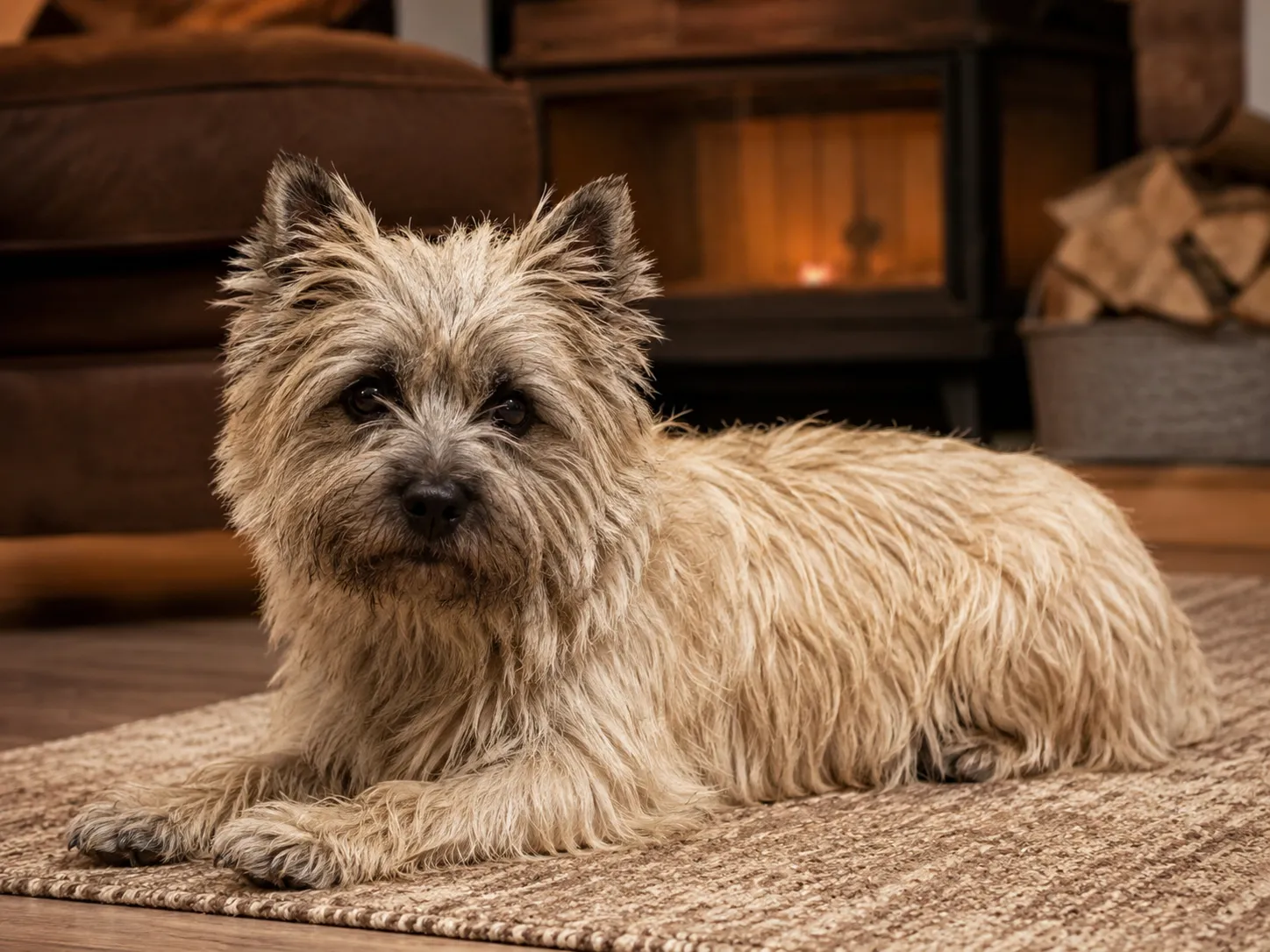
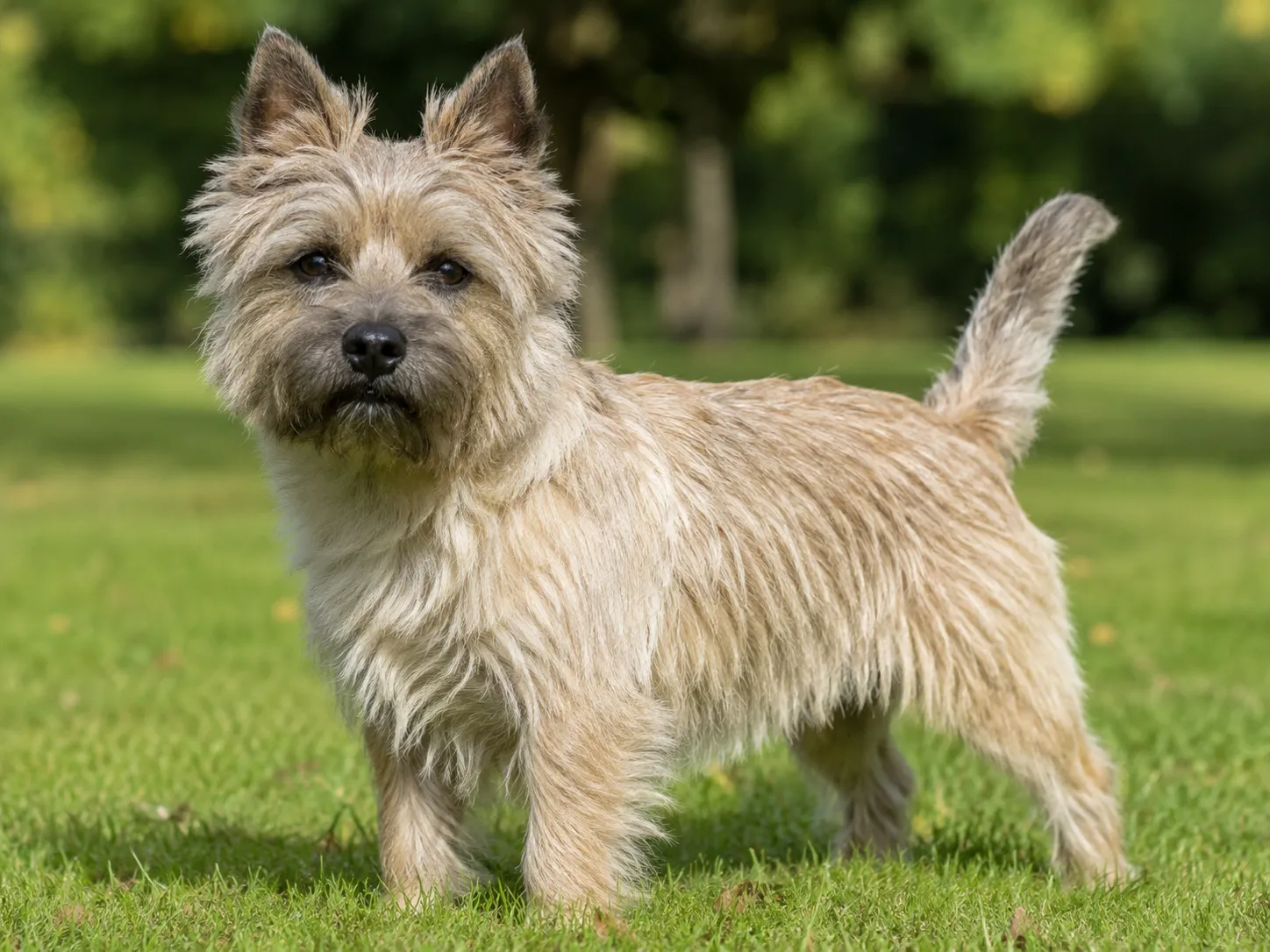
The Cairn Terrier is a small yet sturdy dog, designed for agility rather than delicacy, and comparable in build to the Norfolk Terrier, another compact working terrier. Adults typically stand 28 to 31 cm at the withers and weigh 6 to 7.5 kg, giving them a balanced, well-muscled frame. Their body is slightly longer than tall, with well-sprung ribs and strong loins that reflect their historic role as a working terrier in uneven terrain.
Coat Type and Colour Variations
One of the breed’s defining features is its double coat, consisting of a harsh, weather-resistant outer layer and a soft, dense undercoat, which suits a hand-stripping routine for wiry coats. This coat protects the dog from harsh Highland conditions. Acceptable colours include cream, wheaten, red, brindle, grey, and black. Coat colour can naturally change over time, particularly in brindled Cairns, which may lighten or darken with age.
Head, Expression, and Facial Features
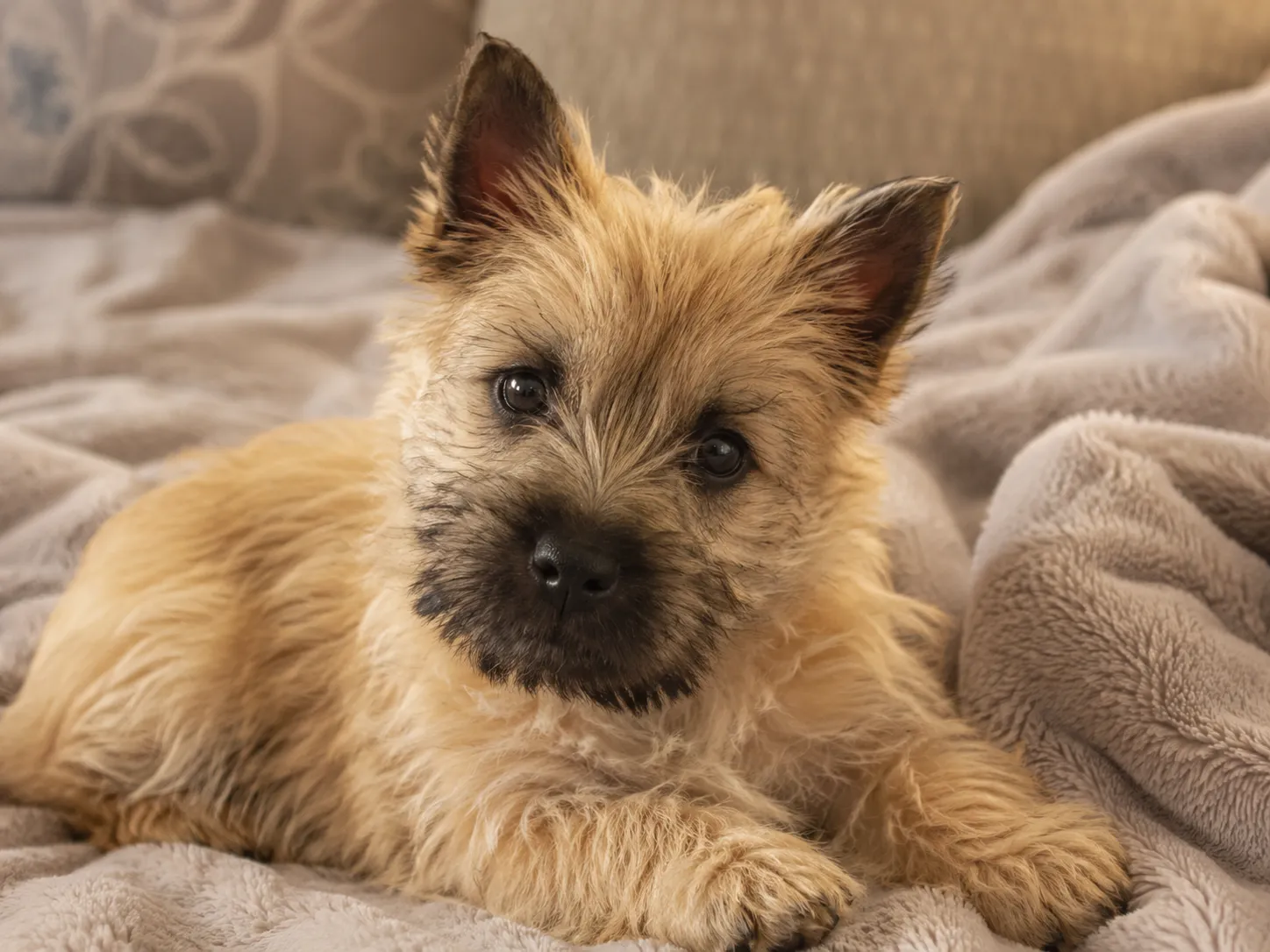
The head is short and broad with a well-defined stop and a strong muzzle ending in a black nose. Dark, wide-set eyes give the Cairn its alert, intelligent expression, often accentuated by shaggy eyebrows. The ears are small, pointed, and carried erect, contributing to the breed’s keen, watchful appearance.
Tail, Movement, and Overall Impression
The tail is short, well-furnished, and carried gaily but never curled over the back, and regular nail trimming from puppyhood keeps movement sound. Movement is free, lively, and purposeful, showing good reach at the front and drive from the rear. Overall, the Cairn Terrier presents a rough-and-ready look, combining resilience, confidence, and functional strength rather than ornamental refinement.
Temperament of the Cairn Terrier: Fearless, Lively, and Deeply Loyal
Core Personality Traits
The Cairn Terrier is known for a bold, confident, and cheerful temperament. True to its terrier roots, this breed is fearless without being aggressive and carries a strong sense of independence. Cairns are highly alert and curious, often keen to investigate their surroundings and stay involved in household activity.
Affection and Family Bonds
Despite their working background, Cairn Terriers form strong emotional attachments to their families. They enjoy companionship and prefer to be included in daily routines rather than left alone for long periods. With their owners, they are affectionate, playful, and surprisingly sensitive, often responding closely to tone and attention.
Social Behaviour and Stranger Awareness
Cairns are typically friendly but naturally cautious with unfamiliar people. They make reliable watchdogs, using their voice to alert rather than showing unwarranted aggression. Early socialisation helps ensure their confidence develops into calm self-assurance rather than excessive suspicion or reactivity.
Terrier Instincts and Behavioural Tendencies
As a traditional earthdog, the Cairn retains strong prey drive and digging instincts. Chasing small animals, exploring tight spaces, and barking at movement are instinctive behaviours. Without adequate mental and physical stimulation, these traits can intensify, leading to nuisance barking or mischievous behaviour.
Emotional Needs and Balance
Cairn Terriers thrive in environments where boundaries are clear but interaction is frequent. They respond best to calm, consistent handling and can become anxious if left isolated for extended periods. When their needs are met, they are confident, adaptable companions with a spirited yet stable temperament.
Intelligence and Trainability of the Cairn Terrier: Sharp Minds with Independent Thinking
Problem-Solving Ability and Learning Style
Cairn Terriers are highly intelligent and quick to learn, especially when training is engaging and purposeful. They excel at problem-solving tasks and enjoy challenges that stimulate their minds. However, their intelligence is paired with an independent streak, meaning they often prefer to decide why a command is worth following rather than obeying automatically.
Trainability and Motivation
This breed responds best to positive reinforcement-based training, using rewards such as treats, praise, and play. Short, varied sessions maintain focus and prevent boredom. Harsh corrections or repetitive drills are counterproductive and may lead to resistance or disengagement.
Early Training Priorities
Early training is essential to channel the Cairn’s natural confidence constructively. Key focus areas include:
- Recall and impulse control, particularly due to prey drive
- Loose-lead walking to manage their energetic nature
- Quiet command training to reduce unnecessary barking
Establishing these foundations early helps prevent stubborn habits from forming.
Consistency and Boundaries
Cairns thrive when rules are clear, consistent, and fairly enforced. Inconsistent boundaries quickly confuse them and encourage selective listening. Calm leadership builds trust and helps the dog understand expectations without diminishing confidence.
Advanced Training and Activities
With the right approach, Cairn Terriers perform exceptionally well in agility, obedience, earthdog trials, and scent-based games. These activities align naturally with their instincts and provide an excellent outlet for both mental and physical energy.
Common Training Challenges
Owners should be prepared for occasional stubbornness, distraction by scents or movement, and a tendency to test limits. Patience, humour, and consistency are key. When training is treated as a shared activity rather than a correction exercise, Cairns show impressive focus and enthusiasm.
Family Life with a Cairn Terrier: Children, Other Pets, and Household Dynamics
Living with Children
Cairn Terriers are generally excellent family dogs and are well known for forming strong, affectionate bonds with children. Their playful nature and sturdy build make them well suited to interactive games, especially with older children who understand how to handle dogs respectfully. Supervision is still important with very young children, as Cairns can become overexcited during play and may react poorly to rough handling.
Interaction with Other Pets
When raised alongside other dogs, Cairn Terriers usually coexist well, particularly if socialisation begins early. However, their strong terrier prey drive means caution is required around smaller animals such as rabbits, guinea pigs, or pet rodents. Cats can be accepted in some households if introductions are gradual and boundaries are established early, but chasing instincts may persist.
Household Behaviour and Attachment
Cairns thrive in homes where they are treated as active members of the household. They enjoy being involved in daily routines and often follow their owners from room to room. This close attachment means they can struggle if left alone for long periods, with boredom or separation anxiety sometimes leading to barking or destructive behaviour.
Managing Terrier Tendencies at Home
Digging, alert barking, and curiosity are natural traits rather than behavioural flaws. Providing structured play, enrichment toys, and regular exercise helps keep these instincts under control. Secure fencing is essential, as Cairns are determined explorers when they detect an interesting scent or sound.
Creating a Balanced Home Environment
A calm but engaged household suits the Cairn Terrier best. Clear routines, consistent rules, and positive interaction help them feel secure and confident. When their social and mental needs are met, Cairns settle well indoors and become loyal, entertaining, and deeply devoted companions.
Health of the Cairn Terrier: What Owners Should Know
General Health and Longevity
The Cairn Terrier is considered a generally healthy and robust breed, with a typical lifespan of 12 to 15 years. Their long working history and relatively unchanged structure have helped preserve soundness, though responsible ownership and breeding remain essential to maintaining long-term health.
Breed-Specific Health Conditions
While many Cairns live long, active lives, the breed can be predisposed to certain inherited conditions. These include eye disorders such as progressive retinal atrophy, cataracts, ocular melanosis, and lens luxation, as well as orthopaedic concerns like luxating patella and hip dysplasia. Less common but serious conditions include portosystemic liver shunts, Krabbe disease (globoid cell leukodystrophy), and Von Willebrand disease.
Health Screening and Responsible Breeding
Reputable breeders follow established screening protocols to reduce hereditary risk. Participation in the BVA/KC/ISDS Eye Scheme and bile acid testing for liver shunts is strongly recommended. Some breeders also screen for patella stability, cardiac health, and kidney abnormalities, supporting the breed’s long-term welfare.
Preventive Care and Veterinary Support
Routine veterinary care plays a key role in keeping Cairn Terriers healthy. Regular vaccinations, parasite prevention, dental care, and weight monitoring should be maintained throughout life. Early detection of eye or joint issues allows for better management and improved quality of life.
Insurance and Long-Term Planning
Given the breed’s potential for inherited conditions, pet insurance is advisable, particularly when taken out at a young age. Comprehensive cover can help manage unexpected veterinary costs and provides peace of mind as the dog ages.
Caring for the Cairn Terrier: Daily Needs and Home Environment
Daily Care and Routine
Cairn Terriers thrive on structured daily routines that balance activity, rest, and interaction. Mornings often begin best with a walk or active play session, followed by feeding and a period of calm. Short training or enrichment games later in the day help channel their intelligence and prevent boredom-driven behaviours.
Living Environment and Space Needs
Despite their working origins, Cairn Terriers adapt well to both houses and apartments, provided their exercise and mental stimulation needs are met. Secure fencing is essential, as their instinct to dig and explore remains strong. Access to a safe outdoor area is ideal, though not mandatory with sufficient daily walks.
Mental Stimulation and Enrichment
This breed requires regular mental engagement to stay content. Puzzle toys, scent games, and varied walking routes help prevent frustration. Without enough stimulation, Cairns may develop habits such as excessive barking or destructive behaviour.
Seasonal and Weather Considerations
Their dense double coat offers good protection in cooler climates, but care is needed in warmer weather. Fresh water, shaded rest areas, and adjusted exercise schedules help prevent overheating. During colder months, dry bedding and protection from damp conditions support comfort and skin health.
Senior Care Adjustments
As Cairn Terriers age, exercise intensity should be moderated while remaining consistent. Joint support, softer bedding, and regular veterinary check-ups become increasingly important. Maintaining routine and familiarity helps older Cairns remain confident and comfortable in their environment.
Grooming the Cairn Terrier: Coat Care, Hand Stripping, and Ongoing Maintenance
Understanding the Cairn Terrier Coat
The Cairn Terrier has a distinctive double coat, made up of a harsh, weather-resistant outer layer and a softer, insulating undercoat. This coat is designed to protect the dog in rugged conditions and must be maintained correctly to preserve both texture and function.
Routine Home Grooming
Regular grooming at home is essential to keep the coat healthy and manageable. Light brushing several times a week removes dirt and prevents tangles, particularly around the legs, chest, and neck. Consistent handling from puppyhood also helps Cairns become comfortable with grooming sessions.
Professional Hand Stripping Requirements
Hand stripping is a critical part of Cairn Terrier coat care and should be carried out by a knowledgeable groomer every few months. This process removes dead hair from the outer coat and encourages healthy regrowth. Clipping is not recommended, as it softens the coat, dulls colour, and can lead to skin issues over time.
Additional Grooming Tasks
Beyond coat care, regular nail trimming, ear checks, and dental hygiene are important. Cairn Terriers can be prone to ear debris build-up, so routine inspection helps prevent infection. Teeth should be cleaned frequently to reduce the risk of dental disease, particularly as the dog ages.
Common Grooming Challenges
Neglecting proper coat maintenance can result in matting, skin irritation, and loss of the breed’s characteristic texture. Owners should also watch for signs of skin sensitivity or allergies, seeking veterinary advice if redness, itching, or excessive scratching develops.
Exercise Needs of the Cairn Terrier: Energy, Enrichment, and Daily Activity
Daily Exercise Requirements
Cairn Terriers are active, energetic dogs that need regular exercise to stay balanced and content. On average, they require 60 to 90 minutes of daily activity, spread across walks, playtime, and interactive engagement. While small in size, they are not low-energy and quickly become restless without sufficient outlets.
Suitable Physical Activities
Structured walks form the foundation of their exercise routine, but variety is important. Cairns thrive when their activity reflects their working heritage, combining movement with purpose and curiosity.
Suitable activities include:
- Brisk lead walks with opportunities to sniff and explore
- Supervised off-lead play in secure areas
- Games such as fetch or hide-and-seek
- Participation in agility, earthdog, or scent-based activities
Managing Terrier Instincts Safely
The breed’s strong prey drive means exercise should always take place in secure environments. Unfenced areas pose a risk, as Cairns may chase wildlife without hesitation. Recall training helps but should never be relied on exclusively in open spaces.
Exercise Considerations for Puppies and Seniors
Puppies need controlled, short bursts of activity to protect developing joints, avoiding excessive jumping or long-distance walking. Senior Cairns still benefit from daily movement, though intensity should be reduced and adjusted to comfort levels, with a focus on maintaining mobility rather than stamina.
Mental Stimulation as Part of Exercise
Physical activity alone is not enough. Puzzle toys, training sessions, and scent games provide essential mental stimulation and help prevent boredom-related behaviours such as barking or digging. A well-exercised Cairn is both physically satisfied and mentally settled.
Feeding the Cairn Terrier: Nutrition, Portions, and Healthy Weight Management
Nutritional Needs by Life Stage
Cairn Terriers thrive on a high-quality, well-balanced diet tailored to their age, size, and activity level. Puppies require nutrient-dense food to support steady growth, while adults benefit from balanced protein and fat levels that maintain muscle without promoting weight gain. Senior Cairns may need adjusted formulas that support joint health and digestion.
Feeding Schedule and Portion Control
Establishing a consistent feeding routine helps regulate digestion and behaviour.
Puppies should be fed three to four small meals per day, gradually transitioning to two meals daily in adulthood. Portion sizes must be carefully measured, as this breed can gain weight easily if overfed or under-exercised.
Special Dietary Considerations
Some Cairn Terriers show sensitivity to certain ingredients, particularly low-quality fillers. Owners may need to choose limited-ingredient or grain-free diets if digestive or skin issues arise. Fresh water should always be available, especially after exercise or during warmer months.
Treats and Training Rewards
Treats are effective training tools but should be used sparingly. Opt for small, low-calorie rewards and factor them into daily intake to avoid excess calories. Overuse of treats is a common cause of gradual weight gain in small terriers.
Maintaining a Healthy Weight
Keeping a Cairn Terrier at an ideal weight is essential for long-term health. Owners should be able to feel the ribs without excess fat and observe a visible waistline. Regular weigh-ins and diet adjustments, guided by a veterinarian, help prevent obesity-related issues such as joint strain and reduced lifespan.
Cairn Terrier Price and Ongoing Costs: What to Expect Financially
Initial Purchase Price
A well-bred Cairn Terrier puppy from a responsible, Dogs Australia registered breeder usually costs between AUD $2,500 and $8,000. Prices vary based on pedigree, health testing, breeder reputation, and location. Puppies advertised well below this range should be treated cautiously, as this may indicate limited health screening or poor breeding standards.
Initial Setup Costs
Before bringing a Cairn Terrier home, owners should allow for essential equipment. Typical upfront purchases include a bed or crate, lead and harness, grooming tools, bowls, toys, and basic puppy-proofing items. These setup costs generally range from AUD $800 to $1,500, with a small terrier sitting at the lower end.
Monthly and Annual Expenses
Day-to-day costs are moderate but ongoing. Monthly expenses usually sit between AUD $120 and $250, covering quality food, routine grooming supplies, parasite prevention, and insurance. Annual veterinary costs, including vaccinations and routine health checks, should also be included in budgeting.
Insurance and Veterinary Care
Pet insurance is strongly recommended for this breed. Premiums vary widely by cover level, location and the dog's age, so it is worth reviewing current dog insurance and pet care costs in Australia before choosing a policy. Early enrolment helps manage costs linked to inherited conditions, illness, or unexpected injuries.
Long-Term Financial Commitment
Across a Cairn Terrier’s lifespan, owners should plan for additional expenses such as dental care, age-related health management, and occasional specialist treatment. Thoughtful financial planning helps ensure consistent, high-quality care throughout every life stage.
Buying Advice for Cairn Terriers: Choosing the Right Puppy or Dog
Finding a Responsible Breeder
Always seek out Kennel Club–registered breeders who prioritise health, temperament, and correct breed type. Reputable breeders are transparent about their breeding practices, welcome home visits, and allow you to meet the puppy’s mother. They should demonstrate clear knowledge of the breed and ask questions to ensure their puppies are placed in suitable homes.
Health Testing and Documentation
Before committing, confirm that both parents have undergone recommended health screenings, particularly eye testing through the BVA/KC/ISDS Eye Scheme and bile acid testing for liver shunts. Breeders should provide written proof of results, vaccination records, microchipping details, and a pedigree certificate.
Assessing Puppy Temperament
Choose a puppy that appears confident, curious, and sociable, rather than overly timid or aggressive. Healthy puppies should have clear eyes, clean ears, a glossy coat, and show enthusiasm for interaction. Avoid rushing the decision and observe how the puppy behaves with littermates and people.
Contracts and Aftercare Support
A responsible breeder supplies a written contract outlining health guarantees, return policies, and ongoing support. Many reputable breeders remain available for advice throughout the dog’s life, offering guidance on training, grooming, and health care.
Considering Rescue and Rehoming
Adopting from a breed-specific rescue organisation is a valuable alternative to purchasing a puppy. Rescue Cairn Terriers are often assessed for temperament and health, making them suitable for homes seeking an adult dog while supporting breed welfare efforts.
Choosing carefully at this stage lays the foundation for a stable, rewarding relationship with a Cairn Terrier for many years to come.
Is the Cairn Terrier Right for You? Lifestyle Fit and Owner Expectations
Cairn Terriers suit owners who enjoy an active, hands-on relationship with their dog. They thrive in homes where daily interaction, play, and mental stimulation are part of the routine. Their small size makes them adaptable to flats or houses, but their energy levels mean they are not content with a sedentary lifestyle.
This breed is best matched with people who appreciate classic terrier traits such as independence, curiosity, and determination. While affectionate and loyal, Cairns are not passive lap dogs. They like to be involved, investigate their surroundings, and take part in family life. Owners who enjoy training, games, and outdoor walks will find them highly rewarding companions.
Families with children often do well with Cairn Terriers, provided children are taught respectful handling. Their sturdy build and playful nature suit older children especially well. However, homes with small pets such as rodents or free-roaming rabbits require careful management due to the Cairn’s strong prey drive.
Prospective owners should also be prepared for regular grooming commitments, including brushing and periodic professional hand stripping. Cairns do not cope well with being left alone for long periods, so households where someone is home most of the day are ideal.
If you are looking for a small dog with confidence, character, and resilience, and you are willing to invest time in training and engagement, the Cairn Terrier can be an exceptionally loyal and entertaining companion.
Frequently Asked Questions
Related Breeds
Other terrier breeds on Pups4Sale.
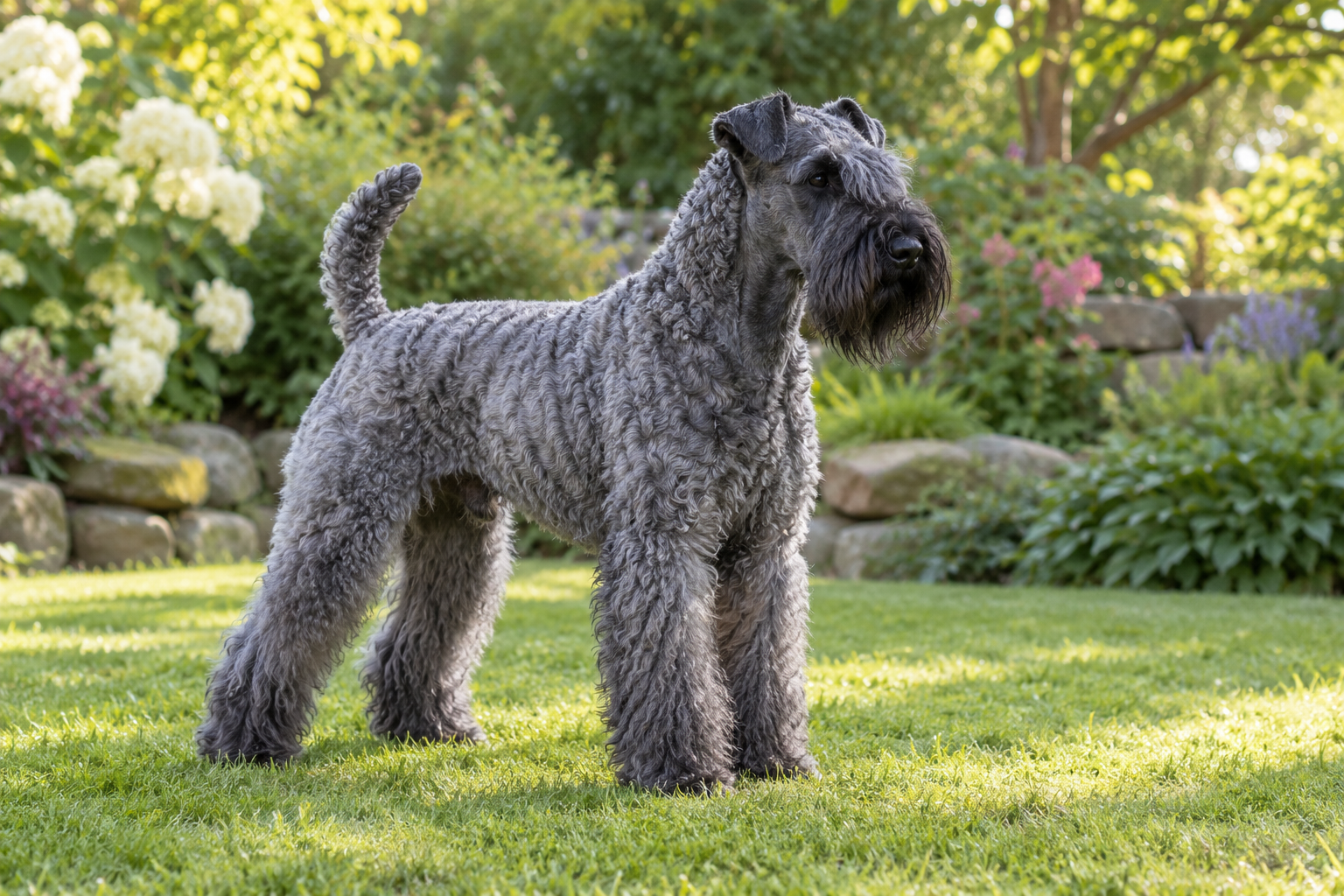 Kerry Blue TerrierMedium • Terriers (Group 2)
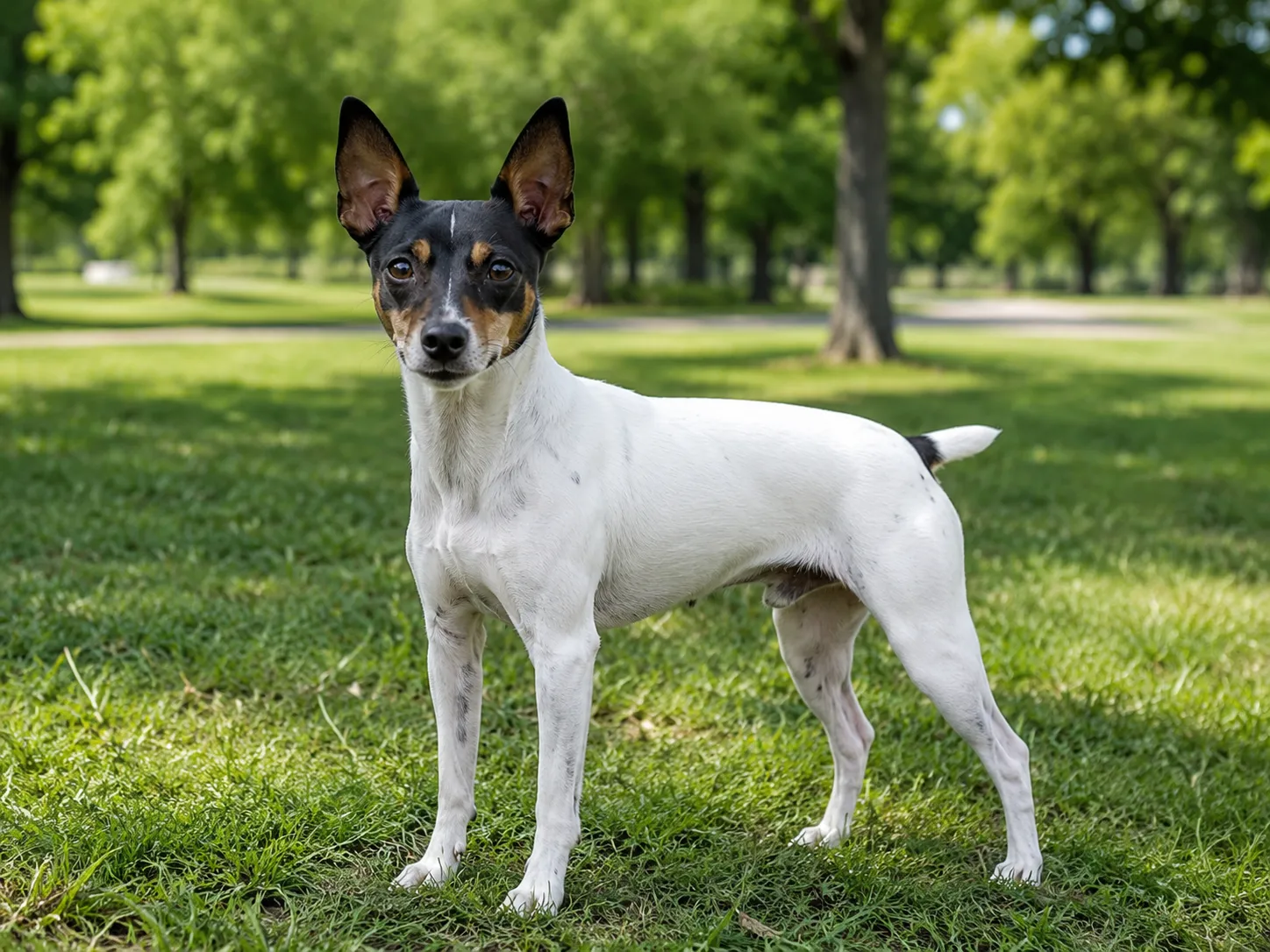 Miniature Fox TerrierSmall • Toy / Small Terrier
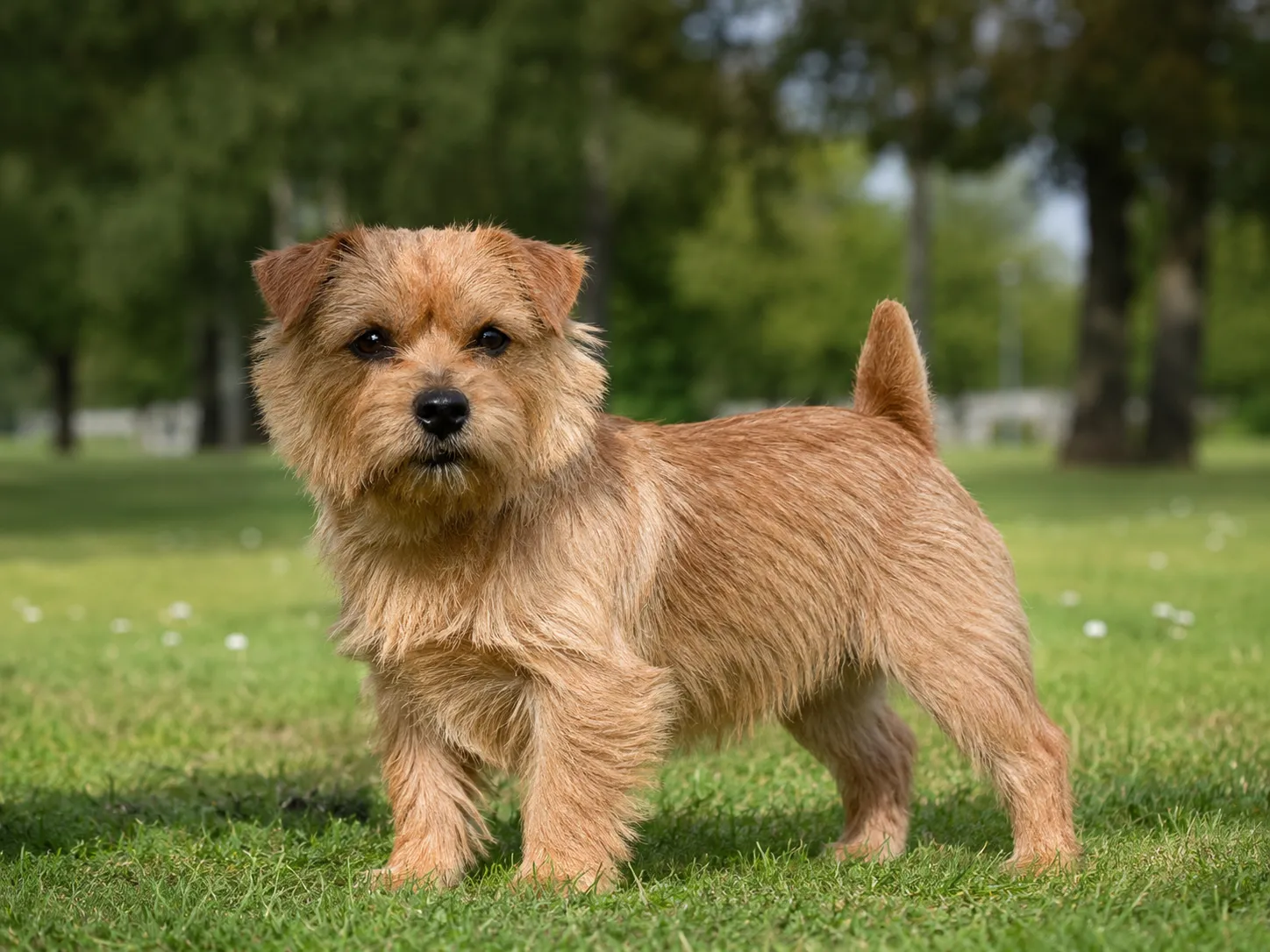 Norfolk TerrierSmall • Terrier
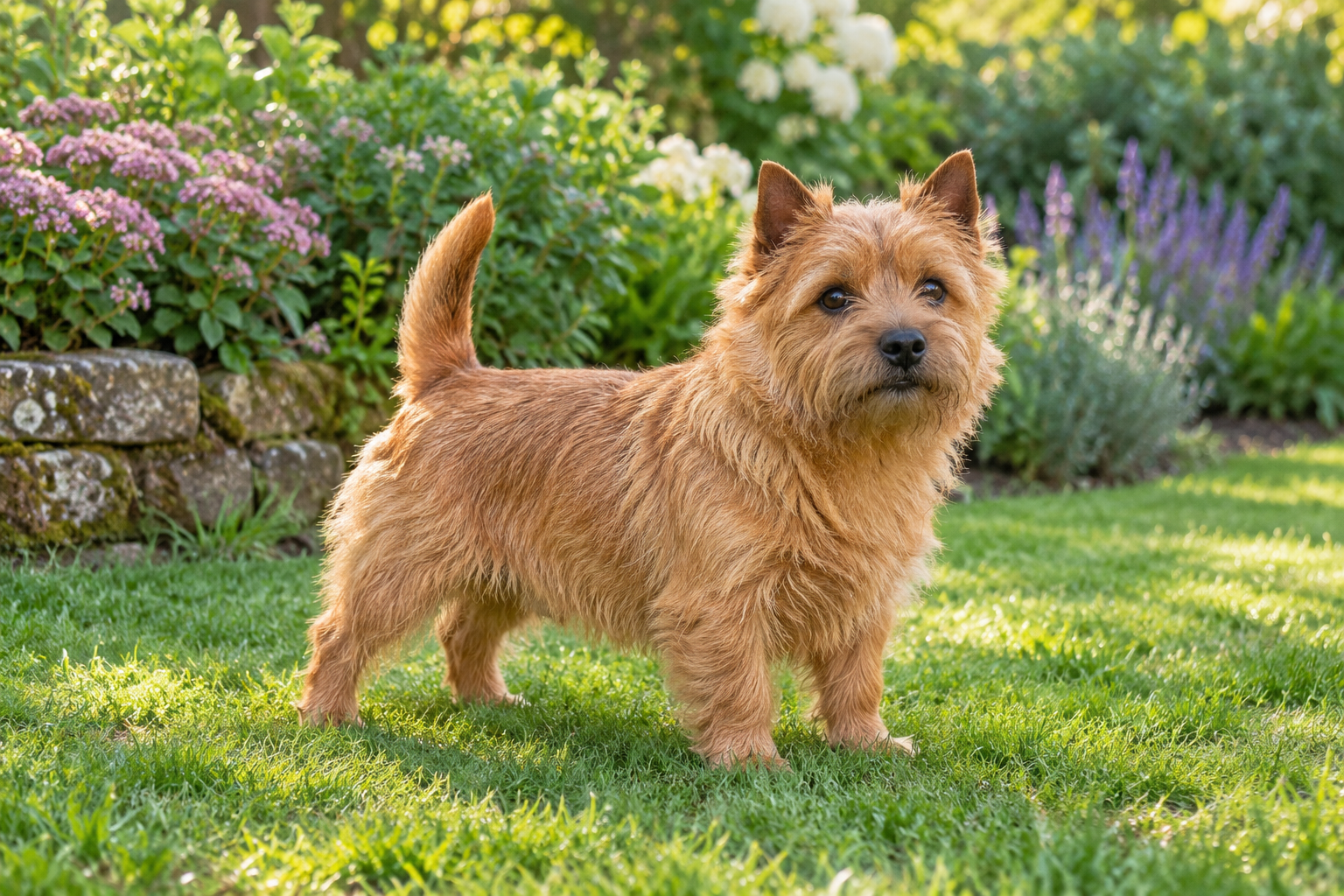 Norwich TerrierSmall • Terriers (Group 2)
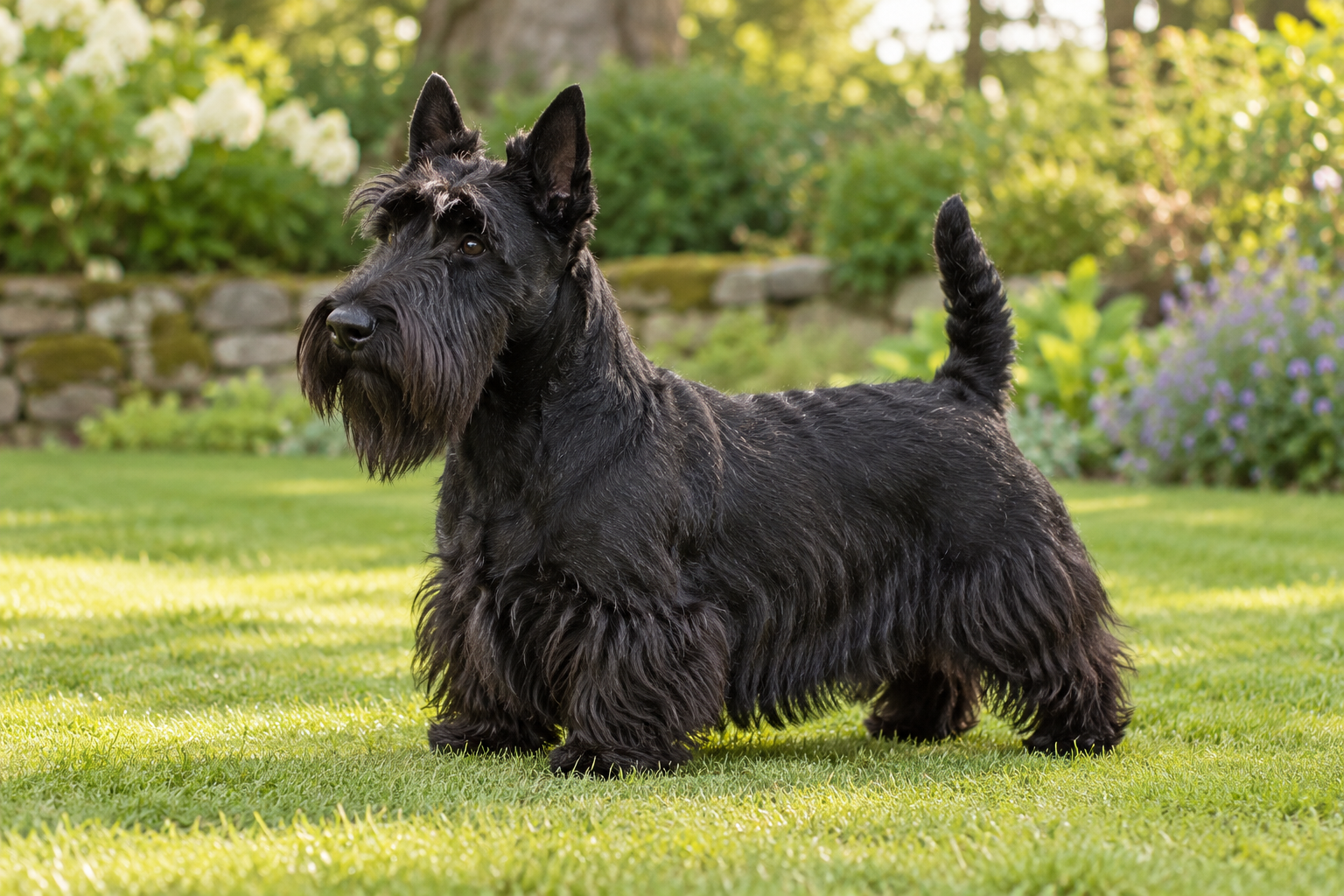 Scottish TerrierSmall • Terriers (Group 2)
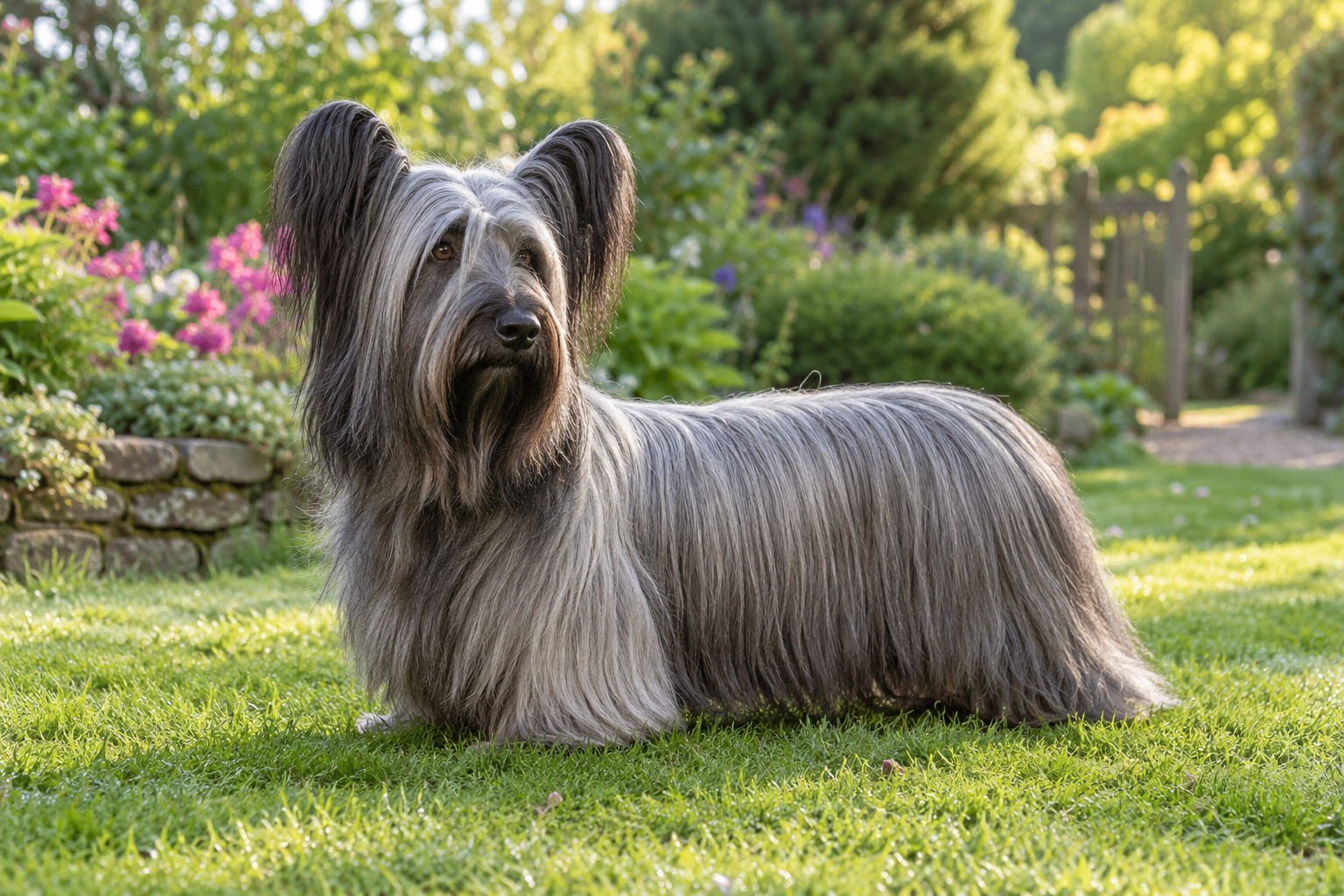 Skye TerrierMedium • Terriers (Group 2)