Bedlington Terrier
By James C. • Updated
The Bedlington Terrier is a graceful yet energetic breed known for its lamb-like appearance and lively personality. Affectionate and intelligent, it suits families seeking a playful companion with moderate exercise needs and a distinctive look.
Breed Overview
Life Span
12 - 14 years
Average Price
AUD 1140 - AUD 1905
Weight
Male: 7.7 - 10.4 kg Female: 7.7 - 10.4 kg
Height
Male: 41 - 44 cm Female: 38 - 42 cm
Life Expectancy
Male/Female: 12 - 14 years
Breed Group
Terrier
Nicknames
Rothbury Terrier, Rodbery Terrier, Rothbury’s Lamb
Breed Information
The Bedlington Terrier is a distinctive small terrier recognised for its lamb-like appearance and surprising athleticism. Originating in Northumberland, England, this breed was developed as a skilled hunter and vermin controller, combining speed, endurance, and determination in a compact frame.
Despite their gentle expression and graceful outline, Bedlington Terriers retain a true terrier spirit. They are alert, confident, and capable dogs that enjoy physical activity while also being calmer indoors than many other terrier breeds. This balance makes them appealing companions for owners seeking an active dog that settles well at home.
Highly affectionate and people-focused, the Bedlington Terrier forms strong bonds with its family and thrives on companionship. While adaptable to different living environments, including smaller homes, this breed requires regular exercise, consistent training, and dedicated grooming to remain healthy, well behaved, and emotionally settled, especially through the early stages of puppy training and behaviour development.
Characteristics: What Living With a Bedlington Terrier Is Really Like
The Bedlington Terrier is a small but capable terrier with a blend of sensitivity, athleticism, and independence. The table below outlines how this breed typically fits into everyday family and companion lifestyles.
| Characteristic | Rating | Star Rating (★ out of 5) | What This Means for You |
| Size | Small | ★★★☆☆ | Compact and lightweight, suitable for smaller homes and apartments with adequate exercise. |
| Adaptability | Good | ★★★★☆ | Adjusts well to different living environments when routines and companionship are consistent. |
| Exercise Needs | Moderate | ★★★☆☆ | Requires daily walks and active play but is calmer indoors than many terriers. |
| Easy to Train | Moderate | ★★★☆☆ | Intelligent but independent, training needs patience and positive reinforcement. |
| Amount of Shedding | Very Low | ★☆☆☆☆ | Non-shedding coat, ideal for many allergy-sensitive households. |
| Grooming Needs | High | ★★★★☆ | Requires regular brushing and professional grooming every 6 to 8 weeks. |
| Good With Children | Good | ★★★★☆ | Generally gentle and tolerant, best with older children and supervised play. |
| Health of Breed | Moderate | ★★★☆☆ | Generally healthy but copper toxicosis and eye conditions require awareness. |
| Cost to Keep | Moderate | ★★★☆☆ | Grooming and preventative healthcare are key ongoing expenses. |
| Tolerates Being Alone | Low | ★★☆☆☆ | Strongly people-oriented, the Bedlington Terrier may develop early signs of separation anxiety in dogs if left alone for too long. |
| Intelligence | High | ★★★★☆ | Quick learner with good problem-solving ability when properly motivated. |
In summary, the Bedlington Terrier suits owners seeking a smaller dog with genuine terrier character, low shedding, and a strong bond with its family. This breed rewards consistent care, companionship, and training with loyalty, affection, and lively engagement.
History of the Bedlington Terrier: From Northern Working Dog to Refined Companion
The Bedlington Terrier originated in the early 19th century in the mining town of Bedlington, Northumberland, in the north of England. Initially known as the Rothbury Terrier, the breed was closely associated with miners, poachers, and rural workers who relied on small but fearless dogs to control vermin and hunt game such as rabbits, foxes, and badgers.
Early Bedlingtons were prized for their speed, stamina, and courage. Their arched backs and running style suggest historical influence from Whippets, while terrier breeds such as the Dandie Dinmont Terrier are also believed to have contributed to their development. These traits made the Bedlington an unusually versatile working dog, capable of excelling both underground in mines and across open countryside.
One of the most influential early dogs was Ainsley’s Piper, bred by Joseph Ainsley in the 1820s. Piper became renowned for his bravery and working ability and is widely regarded as a foundational figure in the breed’s history. By the mid-1800s, the name Bedlington Terrier had become firmly established.
The breed gained formal recognition in the late 19th century, with the Bedlington Terrier Club founded in 1875. Kennel Club recognition followed, and the breed transitioned from a purely working terrier to a show and companion dog. Despite this shift, the Bedlington has retained its athletic ability, intelligence, and strong terrier instincts.
Today, the Bedlington Terrier is valued as a distinctive companion breed that combines historical working toughness with refined appearance and affectionate temperament, preserving a unique link to England’s working dog heritage.
Appearance of the Bedlington Terrier: Lamb-Like Elegance With Athletic Power
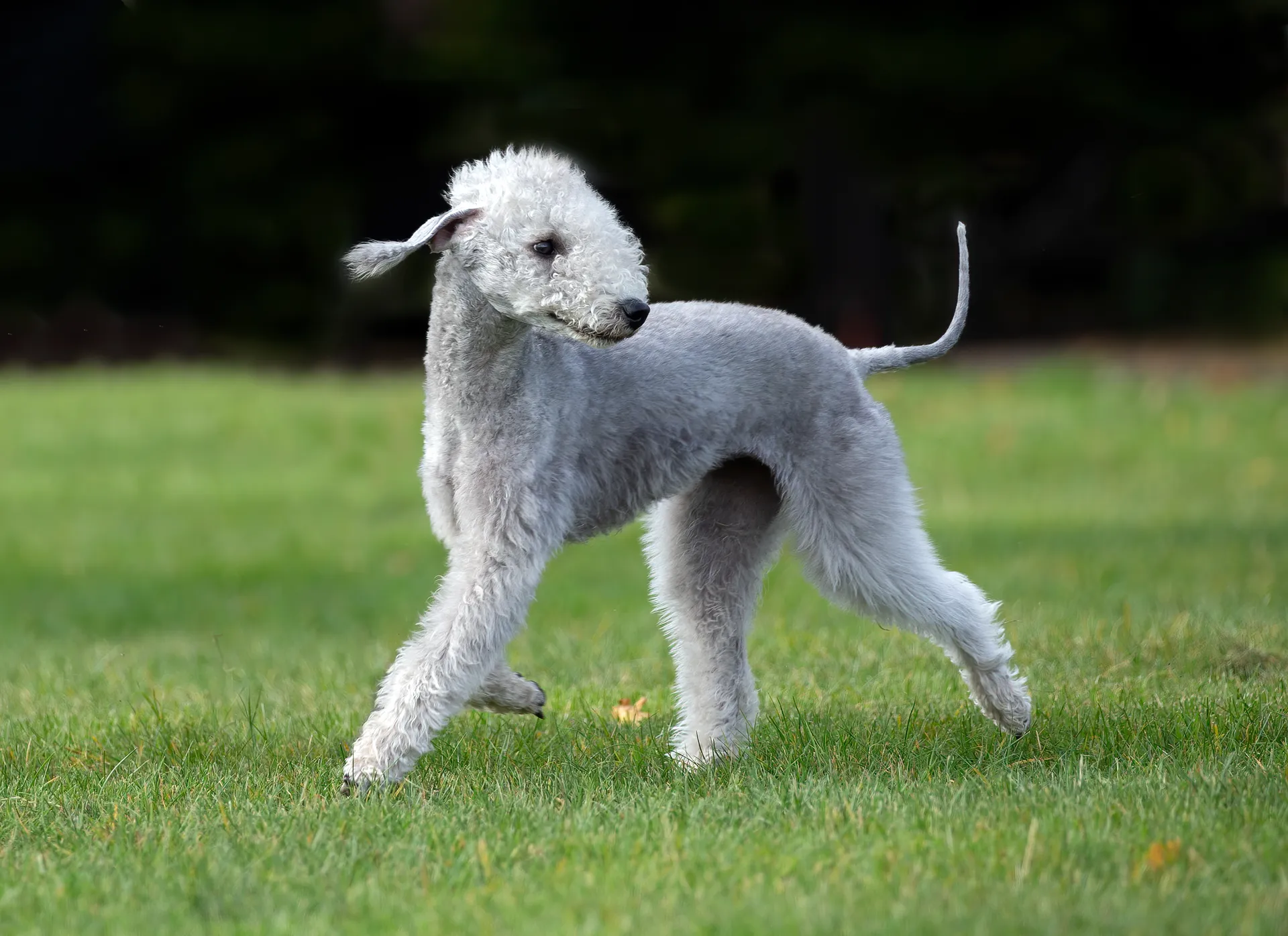
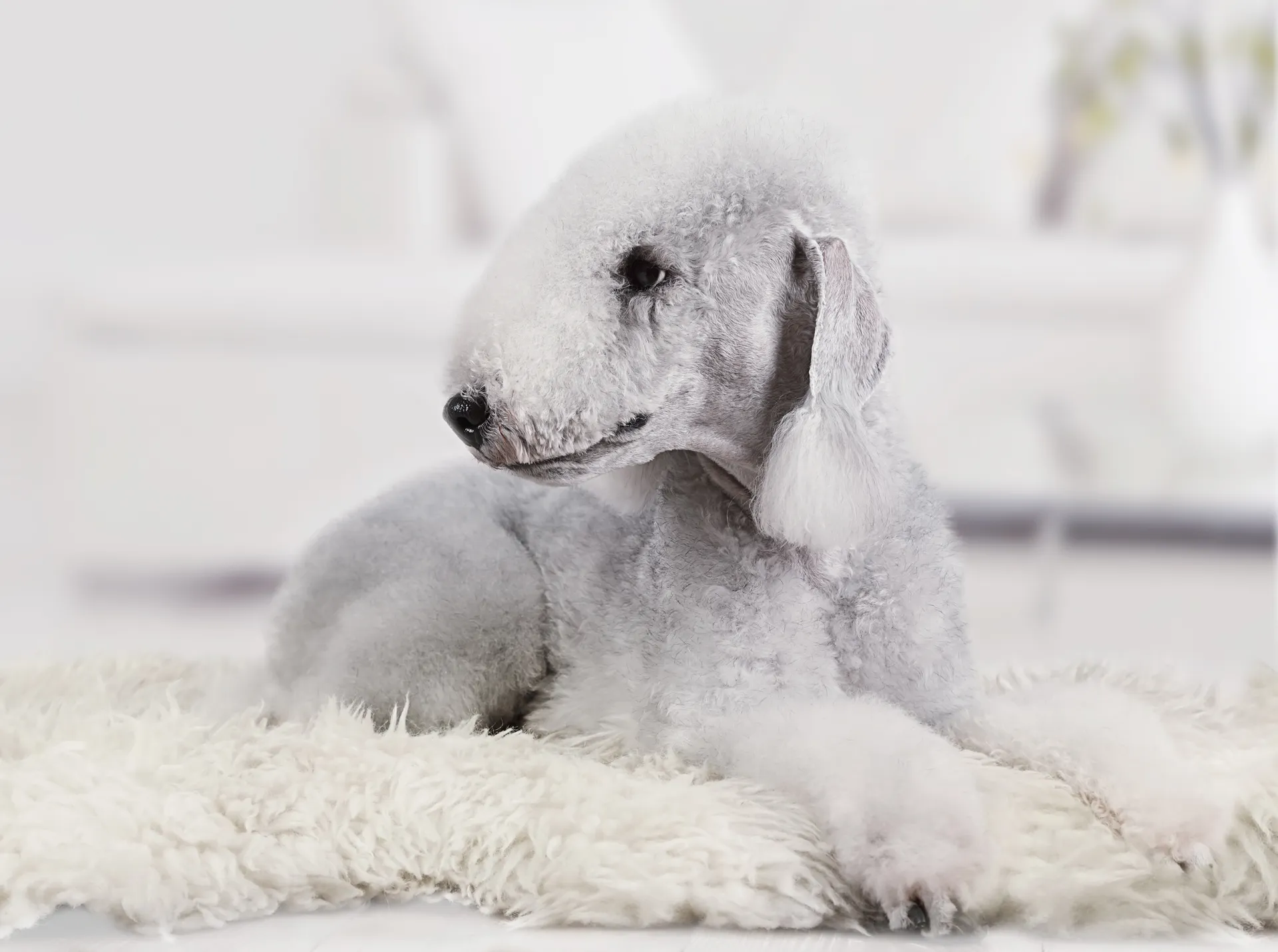
The Bedlington Terrier is instantly recognisable for its distinctive lamb-like outline, combining refined elegance with the physical capability of a true working terrier. Beneath the soft appearance lies a fast, agile, and surprisingly powerful dog built for endurance and speed.
Size, Weight, and Structure
Bedlington Terriers are small yet athletic dogs with a balanced and graceful build.
Height:
- Male: 41–44 cm
- Female: 38–42 cm
Weight:
- Male and Female: 7.7–10.4 kg
The body is slightly longer than tall, with a narrow chest, deep brisket, and a noticeably arched topline over the loin. The hindquarters are strong and well-muscled, giving the breed its distinctive running style and impressive acceleration.
Head, Expression, and Ears
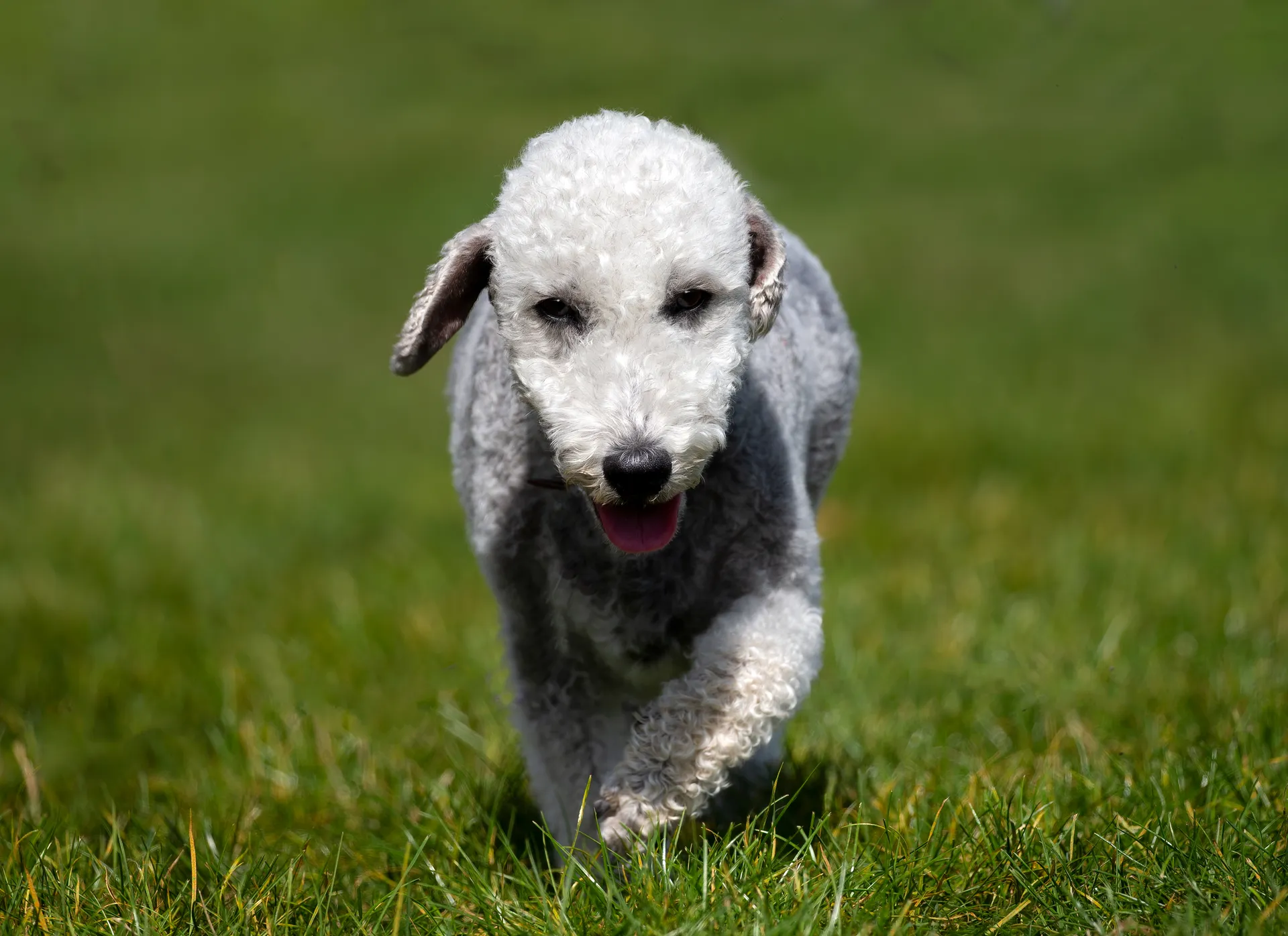
The head is long, narrow, and rounded, with no defined stop. A soft, lighter-coloured topknot crowns the skull and contributes to the breed’s gentle expression. Eyes are small, almond-shaped, and set obliquely, with colour varying by coat shade.
Ears are low-set and filbert-shaped, lying flat against the cheeks and finished with silky fringes at the tips. This ear shape is a defining feature of the breed and adds to its elegant appearance.
Coat Texture and Colours
The Bedlington Terrier’s coat is unique among terriers. It is a mixture of soft and harsh hair, forming a crisp, linty texture that stands away from the body rather than lying flat. The coat does not shed but grows continuously and requires regular shaping.
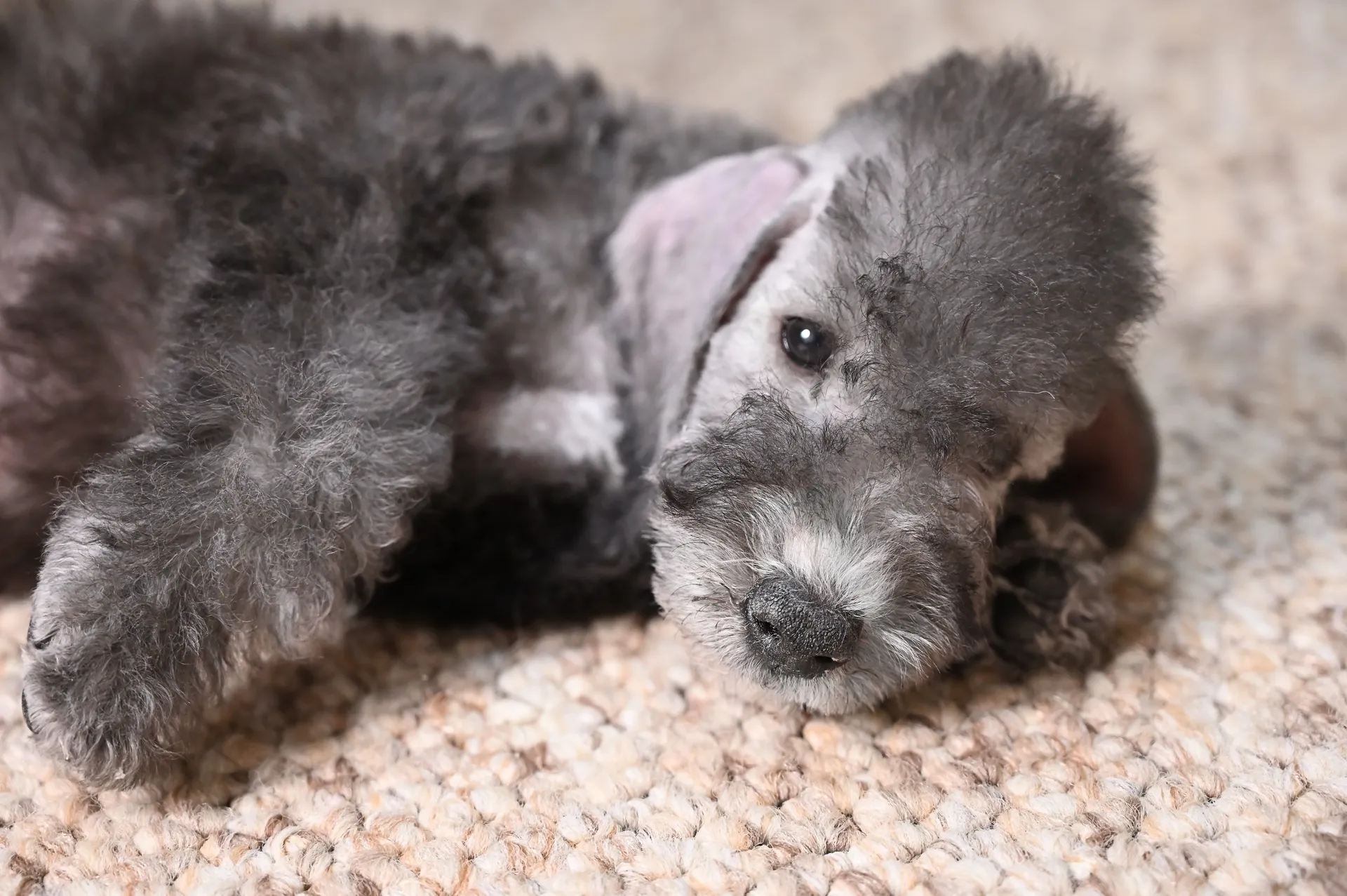
Accepted colours include blue, blue and tan, liver, liver and tan, sandy, and sandy and tan. Puppies are born darker and gradually lighten as they mature due to a natural greying gene.
Movement and Overall Presence
When moving, the Bedlington Terrier displays a light, springy gait at a walk and a smooth, rolling gallop at speed. This movement reflects both endurance and agility, reinforcing the breed’s historical role as a fast and capable hunting terrier.
Overall, the Bedlington Terrier presents a rare combination of softness and strength, pairing a refined silhouette with genuine athletic ability and working heritage.
Temperament of the Bedlington Terrier: Gentle at Home, Tenacious at Heart
The Bedlington Terrier is a study in contrast. Calm, affectionate, and almost cat-like indoors, this breed carries the bold determination and courage of a traditional working terrier beneath its soft exterior.
Core Personality Traits
Bedlington Terriers are loyal, charming, and deeply people-oriented dogs. They form strong attachments to their families and often prefer to stay close, whether relaxing indoors or joining daily activities. While affectionate and gentle, they retain an independent streak that reflects their terrier heritage.
Compared with many terriers, Bedlingtons are noticeably calmer inside the home. They are content to settle quietly once their exercise needs are met, making them easier to live with than more high-strung terrier breeds.
Social Behaviour With People and Dogs
Well-socialised Bedlington Terriers are friendly and confident around strangers, though they may initially appear reserved. They are typically good with other dogs when introduced properly, especially if socialisation begins early.
Despite their mild appearance, they are not submissive dogs. When challenged, they can be assertive and should not be underestimated in interactions with dominant dogs. Clear boundaries and consistent leadership help maintain balanced behaviour.
Prey Drive and Terrier Instincts
The Bedlington Terrier was bred to hunt vermin and small game, and that instinct remains strong. Chasing behaviour can surface quickly, particularly around small animals or wildlife, and can become one of the more common puppy behaviour problems if not managed early. Reliable recall training and secure outdoor spaces are essential to manage this natural drive safely.
Emotional Sensitivity and Independence
Bedlingtons are emotionally perceptive and do not respond well to harsh handling. They thrive under calm, fair guidance and positive reinforcement. While confident, they are sensitive to tone and routine disruption, which means stability and consistency play a large role in their emotional wellbeing.
Overall, the Bedlington Terrier suits owners who want a dog that is affectionate and composed at home, yet spirited and confident when engaged. With thoughtful training and socialisation, they become deeply loyal companions with a beautifully balanced temperament.
Intelligence and Trainability of the Bedlington Terrier
The Bedlington Terrier is an intelligent and capable learner, but training success depends heavily on approach. This breed combines sharp thinking with an independent mindset, which reflects its working terrier background.
Learning Style and Responsiveness
Bedlingtons are quick to understand new commands and routines, particularly when training is engaging and reward-based. They respond best to positive reinforcement methods such as food rewards, praise, and play. Harsh corrections or repetitive drilling often lead to resistance rather than improvement.
Short, varied training sessions work better than long or rigid routines. Once a Bedlington loses interest, progress slows quickly, so keeping sessions purposeful and upbeat is essential.
Independence and Stubborn Streak
While intelligent, Bedlington Terriers are not blindly obedient. They are known to think for themselves, which can sometimes be mistaken for stubbornness. In reality, they are problem solvers who benefit from clear expectations and consistency rather than force.
Early training helps establish boundaries and prevents selective listening later in life, which is why it is important to know when to start obedience training from the outset. Owners who remain calm, patient, and consistent tend to see the best results.
Socialisation and Real-World Skills
Early socialisation is particularly important for this breed. Exposure to different environments, people, dogs, and sounds helps shape a confident and well-mannered adult dog. Without it, a Bedlington may become overly cautious or reactive in unfamiliar situations.
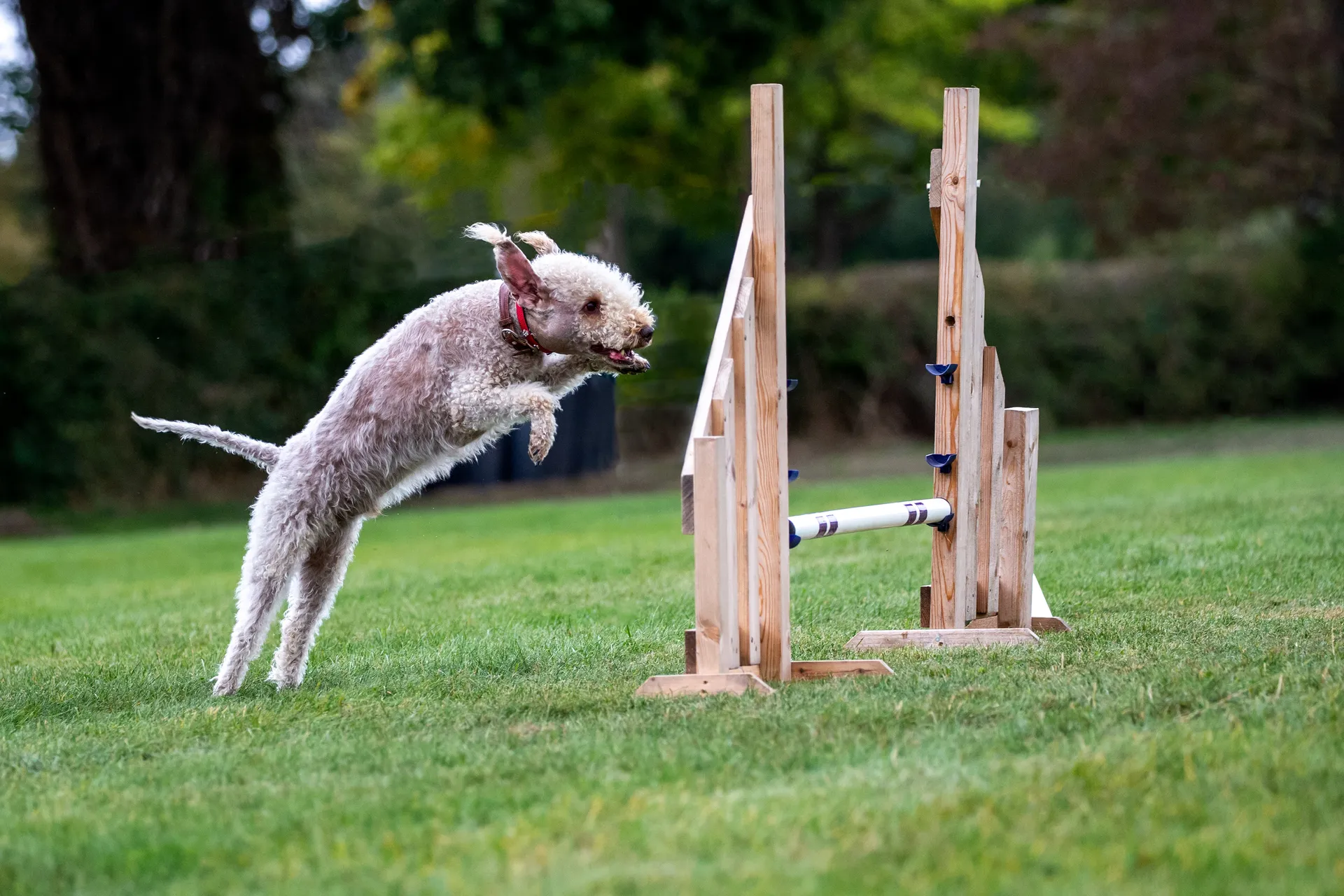
They excel in activities that combine mental and physical stimulation, including obedience, agility, tracking, and earthdog-style games. These outlets help satisfy both their intelligence and their instinctive drive.
With the right guidance, the Bedlington Terrier becomes a responsive, adaptable companion who enjoys learning and thrives when mentally engaged.
Family Life and Living With a Bedlington Terrier
The Bedlington Terrier is a deeply people focused breed that forms strong bonds with its household. Despite its refined appearance, this is a dog that thrives on close daily interaction and being treated as a true family member.
Bonding and Affection
Bedlingtons are known for being affectionate and loyal, often choosing one or two people as their primary attachments while still remaining friendly with the rest of the household. They enjoy physical closeness and are happiest when included in daily routines, whether that means relaxing indoors or joining family activities.
They do not cope well with long periods of isolation, and this sensitivity can show up early when a puppy is crying at night or struggling to settle alone. When left alone too often, boredom and anxiety can lead to vocal behaviour or destructive habits.
Children and Household Dynamics
With respectful handling, Bedlington Terriers can live successfully with children. They tend to do best with older children who understand boundaries rather than very young children who may be unpredictable. Their sensitive nature means rough play is not well tolerated.
Early exposure to children helps create a calm and confident family companion. Supervision is always recommended, particularly in busy households.
Living With Other Pets
Bedlingtons can live with other dogs, especially when raised together, but early socialisation is essential. Some individuals may show terrier assertiveness if challenged, particularly with dominant dogs.
Small pets require careful management. Due to their strong prey drive, supervision and secure boundaries are important in multi pet homes.
Home Environment Suitability
This breed adapts well to a range of living situations, including smaller homes, provided daily exercise and mental stimulation needs are met. A secure garden is beneficial, but not essential, as long as regular walks and playtime are maintained.
For families seeking a loyal, engaging companion with personality and charm, the Bedlington Terrier fits comfortably into home life when given structure, attention, and consistency.
Health and Common Breed Concerns in Bedlington Terriers
Bedlington Terriers are generally a healthy and long lived breed, but like all purebred dogs, they have specific health considerations that responsible owners and breeders must understand.
Overall Health Profile
With proper care and ethical breeding, many Bedlingtons live well into their teenage years. Their longevity reflects a robust constitution, provided genetic risks are managed early and monitored throughout life.
Routine veterinary care, balanced nutrition, and regular exercise all play a key role in maintaining long term health, and knowing how often dogs should see a vet helps keep that care on track.
Copper Toxicosis Risk
The most significant breed specific condition is copper toxicosis, a hereditary liver disorder that causes copper to accumulate in the liver. If unmanaged, this condition can lead to serious illness or shortened lifespan.
Reputable breeders conduct DNA testing to identify carriers and avoid breeding affected dogs. Any Bedlington Terrier puppy should only be purchased from breeders who can provide clear health testing documentation.
Other Health Conditions
Bedlington Terriers may also be predisposed to:
- Eye conditions such as retinal disorders and cataracts
- Patellar luxation
- Heart murmurs in some bloodlines
Regular health screenings and early detection greatly reduce the impact of these conditions.
Preventive Care and Monitoring
Owners should prioritise annual veterinary checks, liver function monitoring when advised, and consistent dental care. Maintaining a healthy weight is especially important, as excess body fat can place additional strain on the liver.
When sourced from health tested lines and supported with proactive care, the Bedlington Terrier remains a resilient and rewarding companion with excellent long term outlook.
Grooming and Coat Care for the Bedlington Terrier
The Bedlington Terrier’s distinctive coat is one of its defining features, but it also requires consistent care to keep it healthy and comfortable.
Understanding the Bedlington Coat
Bedlingtons have a unique mix of soft and harsh hair that forms a curly, linty texture. The coat is non shedding and low odour, which makes the breed appealing for many households, but it grows continuously and will mat if neglected.
Regular maintenance is essential, even though loose hair around the home is minimal.
Brushing and At Home Care
Brushing once or twice a week helps prevent tangles and removes dead hair before it becomes compacted in the coat. A slicker brush or comb suited to curly coats works best, particularly around the legs, ears, and chest.
Ears should be checked and cleaned regularly, as the shape and coat density can trap moisture and debris.
Clipping and Professional Grooming
Most Bedlington Terriers require clipping every six to eight weeks. Some owners learn to maintain a practical pet trim at home, while others prefer professional grooming, especially if maintaining the traditional breed outline.
Show style grooming is complex and time intensive, but many companion dogs are kept in a lower maintenance trim that is easier to manage.
Nails, Teeth, and General Hygiene
Nails should be trimmed regularly to avoid discomfort or altered gait. Dental care is equally important, with routine brushing helping to prevent periodontal disease.
With a consistent grooming routine, the Bedlington Terrier’s coat remains clean, comfortable, and supported by good dog grooming and hygiene habits throughout life.
Exercise Needs of the Bedlington Terrier
Despite their gentle, lamb-like appearance, the Bedlington Terrier is an energetic and athletic breed that needs regular activity to stay balanced and content.
Daily Activity Requirements
Most adult Bedlington Terriers require up to one hour of exercise per day. This is usually best split between brisk walks and active play. While they are lively outdoors, they tend to settle well indoors once their exercise needs are met.
Their stamina and speed often surprise new owners, especially given their compact size.
Suitable Forms of Exercise
Bedlingtons enjoy long walks, short runs, and games such as fetch. Their agility and quick reflexes also make them well suited to activities like agility training, obedience work, and scent based games that engage both body and mind.
Because of their strong chase instinct, off lead exercise should only be allowed in fully secure areas.
Mental Stimulation
Physical exercise alone is not enough for this intelligent terrier. Puzzle toys, training refreshers, and interactive games help prevent boredom, which can otherwise lead to digging or nuisance behaviours.
Mental enrichment is especially important for dogs living in smaller homes or apartments.
Safety and Age Considerations
Puppies should avoid excessive high impact exercise while joints are still developing. Older Bedlington Terriers benefit from gentler, lower impact walks that keep them mobile without causing strain.
In warm weather, exercise should be scheduled during cooler parts of the day, with access to shade and fresh water at all times.
When their exercise needs are met consistently, Bedlington Terriers are calm, affectionate companions at home and enthusiastic partners outdoors.
Feeding the Bedlington Terrier
A well balanced diet is essential for maintaining the Bedlington Terrier’s energy levels, coat condition, and long term health, particularly given the breed’s known sensitivities.
Nutritional Requirements
Bedlington Terriers do best on high quality, complete dog food that supports lean muscle and sustained energy. Protein levels should be adequate but not excessive, especially in adults, to maintain condition without unnecessary strain on the liver.
Puppies require nutrient dense food formulated for small to medium breeds to support steady growth.
Feeding Schedule
Puppies should be fed three to four small meals per day, gradually transitioning to two meals daily by adulthood. Consistent meal times help regulate digestion and prevent overeating.
Portion control is important, as Bedlingtons can gain weight if overfed, particularly when exercise levels drop.
Special Dietary Considerations
The breed is predisposed to copper toxicosis, so some dogs may benefit from a low copper diet, particularly if advised by a veterinarian. Owners should avoid foods high in copper and discuss diet choices carefully with their vet.
Omega fatty acids can support coat and skin health, while joint supplements may be helpful for older dogs.
Treats and Extras
Treats are useful for training but should be given sparingly. Healthy options such as single ingredient treats are preferable, and table scraps should be avoided to prevent digestive upset and weight gain.
Fresh, clean water must always be available.
With the right diet and careful monitoring, the Bedlington Terrier maintains a healthy weight, glossy coat, and the stamina needed for an active life through a well-balanced dog nutrition and feeding plan.
Bedlington Terrier Price and Ongoing Costs
Owning a Bedlington Terrier is a long term commitment that goes beyond the initial purchase price. Understanding the full financial picture helps ensure you can provide consistent, high quality care throughout the dog’s life.
Purchase Price in Australia
In Australia, a well bred Bedlington Terrier puppy from a reputable breeder typically costs $3,000 to $5,000 AUD. Pricing varies based on pedigree, health testing, breeder reputation, and availability, as the breed remains relatively uncommon locally.
Be cautious of prices that seem unusually low, as they may indicate poor breeding practices or a lack of essential health screening.
Initial Setup Costs
New owners should budget $500 to $1,000 AUD for essential setup items. This includes a secure crate, lead and harness, bedding, grooming tools, food bowls, toys, and initial vet checks.
Professional grooming tools or early grooming sessions may add to early expenses.
Ongoing Monthly Expenses
Monthly upkeep generally ranges between $180 and $300 AUD, depending on lifestyle and care choices. This typically covers:
- Premium quality food
- Routine grooming or home grooming supplies
- Parasite prevention
- Training treats and enrichment toys
Grooming and Maintenance Costs
Bedlington Terriers require professional grooming every 6 to 8 weeks, which usually costs $90 to $140 AUD per session. Grooming is a significant ongoing expense and should be factored into long term budgeting.
Veterinary Care and Insurance
Annual veterinary costs, including vaccinations and health checks, often sit around $800 to $1,500 AUD. Pet insurance is strongly recommended due to the breed’s risk of copper toxicosis, with premiums typically ranging from $45 to $80 AUD per month depending on coverage.
Long Term Financial Commitment
Over a 12 to 14 year lifespan, the Bedlington Terrier represents a meaningful financial responsibility. Owners prepared for these costs are rewarded with a loyal, affectionate companion that thrives with proper care and consistency.
Buying Advice for the Bedlington Terrier
Choosing a Bedlington Terrier requires careful research and patience, particularly in Australia where the breed is relatively rare. Making informed decisions at this stage protects both your investment and the long term wellbeing of the dog.
Choosing a Reputable Breeder
Always seek breeders who prioritise health, temperament, and ethical breeding practices. Reputable breeders will willingly provide documentation for essential health tests, particularly COMMD1 DNA testing for copper toxicosis and eye screening results. Puppies should be raised in a clean, social environment and exposed to everyday household experiences from an early age.
Avoid breeders who cannot show health clearances, rush the sale process, or refuse property visits.
Questions to Ask Before Buying
Ask about the puppy’s parents, health history, temperament, and socialisation routines, as these are some of the most important questions to ask a dog breeder before committing. Enquire how puppies are introduced to grooming, handling, and basic training, as early exposure is vital for this breed. A responsible breeder will also ask questions about your lifestyle to ensure a suitable match.
Red Flags to Watch For
Be cautious of sellers advertising unusually low prices, offering delivery without meeting you, or lacking verifiable breeding credentials, as these can be warning signs when trying to spot a puppy scam online. Poor coat condition, lethargy, or nervous behaviour in puppies can indicate inadequate care or socialisation.
Rescue and Rehoming Options
Although uncommon, Bedlington Terriers occasionally appear through breed specific rescues or specialist rehoming networks. Rehoming can be a rewarding option and often suits experienced owners prepared to manage training, grooming, and behavioural adjustment.
Final Buying Considerations
A Bedlington Terrier suits owners who can commit to regular grooming, daily exercise, and companionship. Taking time to choose responsibly ensures a confident, healthy dog that integrates smoothly into your household for many years to come.
Bringing It All Together: Is the Bedlington Terrier Right for You?
The Bedlington Terrier suits Australian households wanting a low-shedding companion with real terrier stamina, but a calmer, more affectionate side indoors. Their lamb-like look hides a sharp mind and a strong prey drive, so secure fencing, reliable recall training, and daily enrichment matter. Grooming is the main trade-off, with regular brushing at home and professional clips every 6 to 8 weeks to prevent matting.
If you want a small dog that can keep up on walks, enjoy games, and then settle happily at home, the Bedlington can be an excellent match. When you are ready, use Pups4Sale to compare verified listings, ask for COMMD1 copper toxicosis DNA results and current eye screening, and choose a dog that fits your lifestyle with confidence.
Frequently Asked Questions
Related Breeds
Other terrier breeds on Pups4Sale.
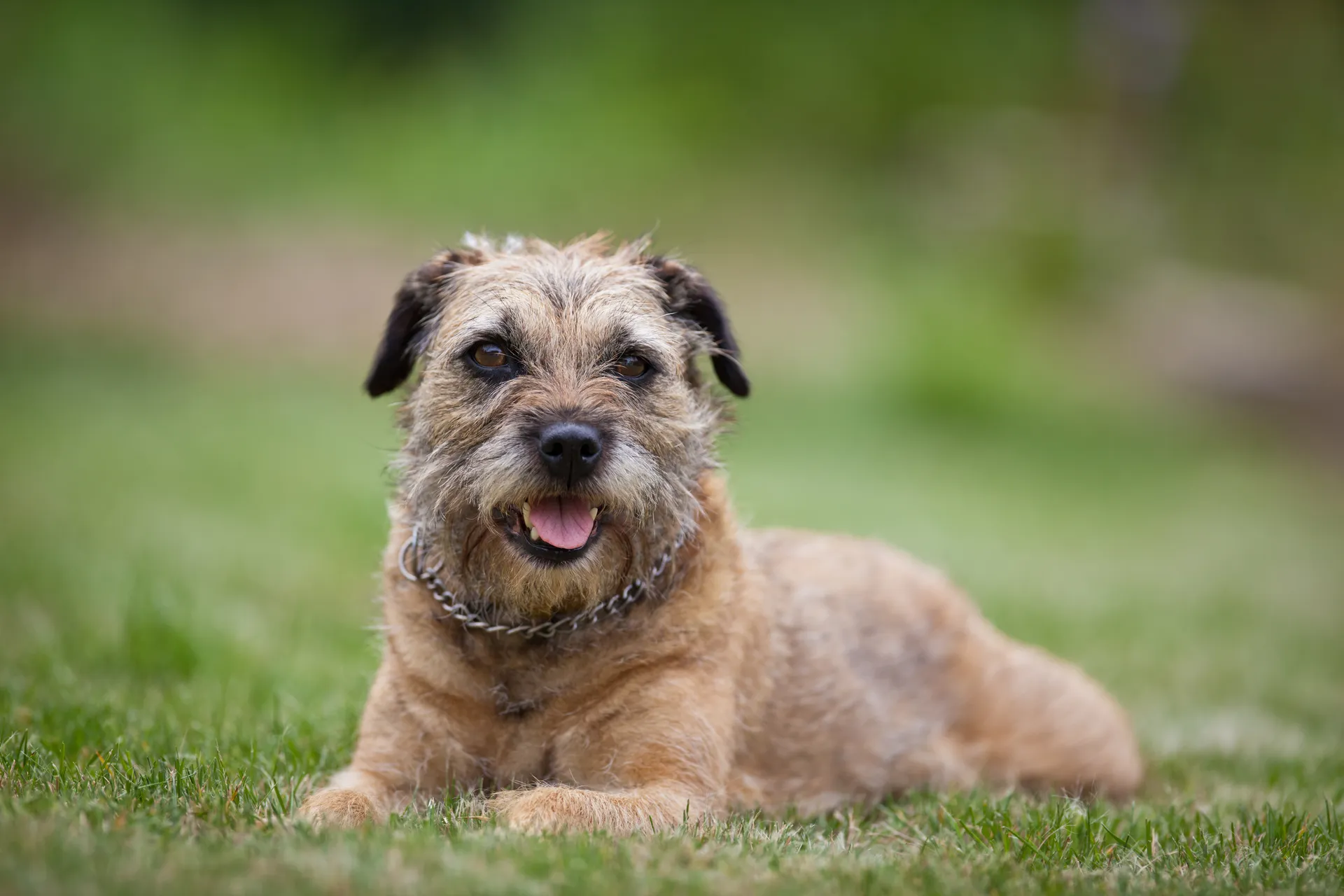 Border TerrierSmall • Terrier
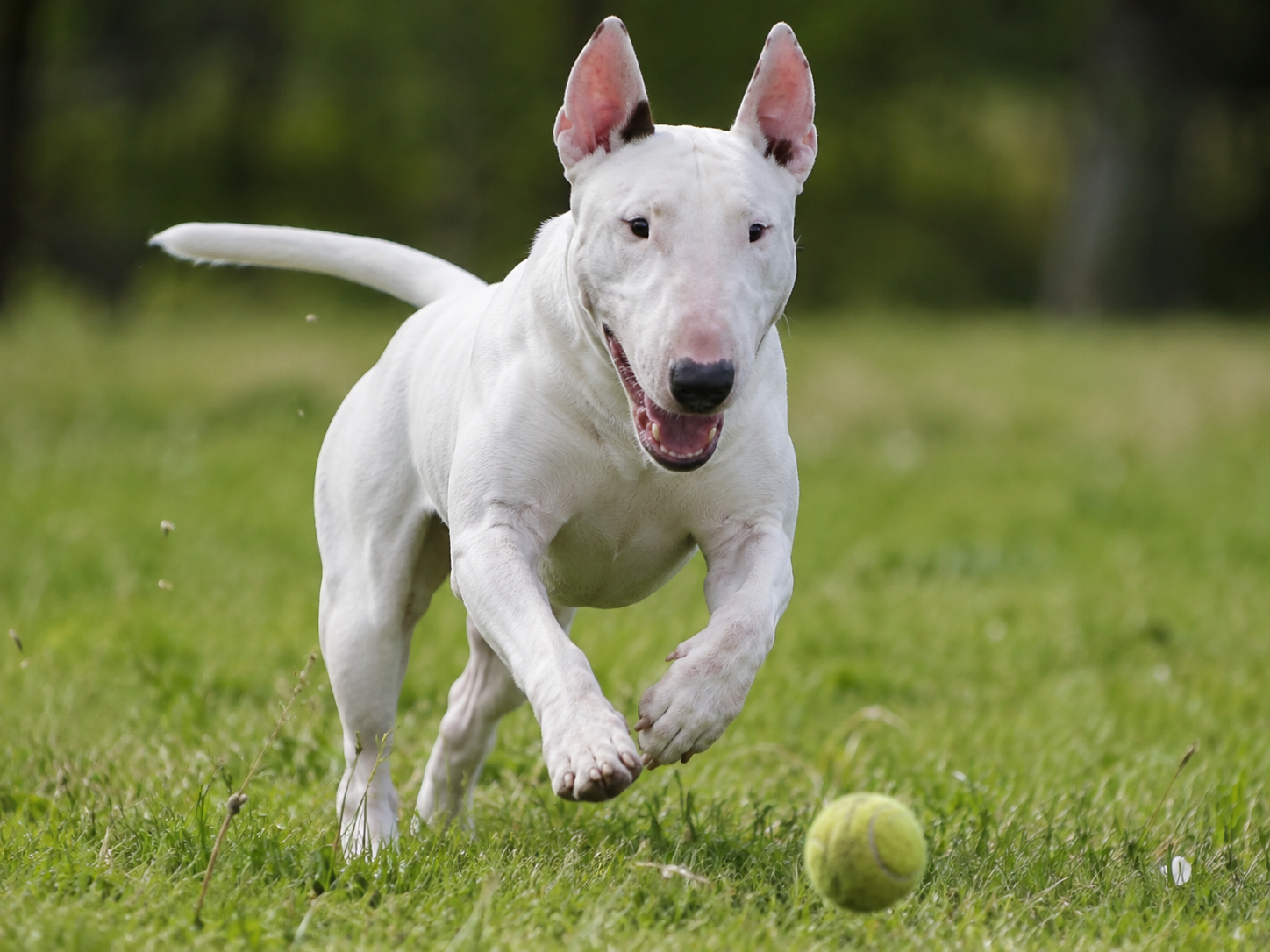 Bull TerrierMedium • Terrier
 Cairn TerrierSmall • Terrier
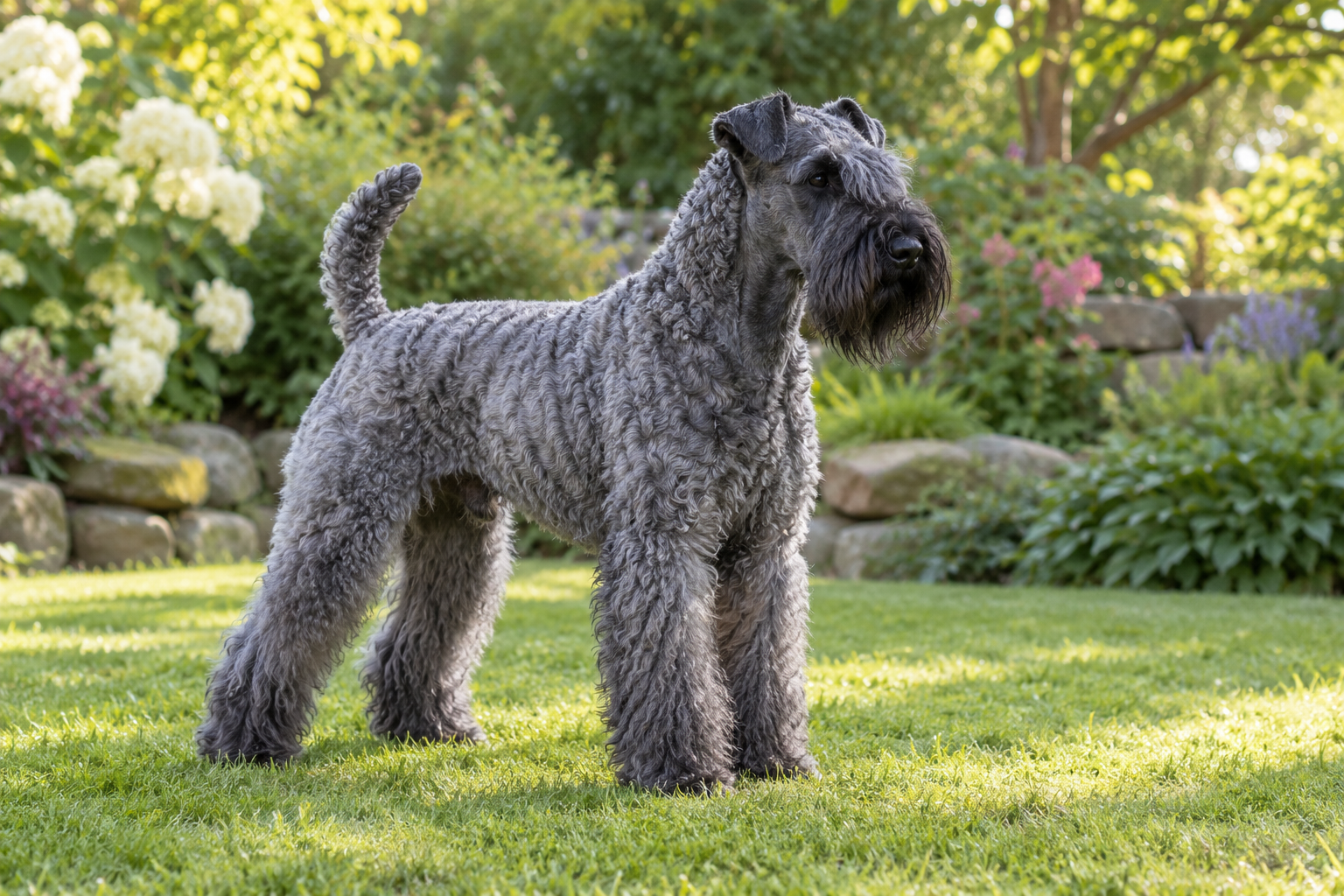 Kerry Blue TerrierMedium • Terriers (Group 2)
 Miniature Fox TerrierSmall • Toy / Small Terrier
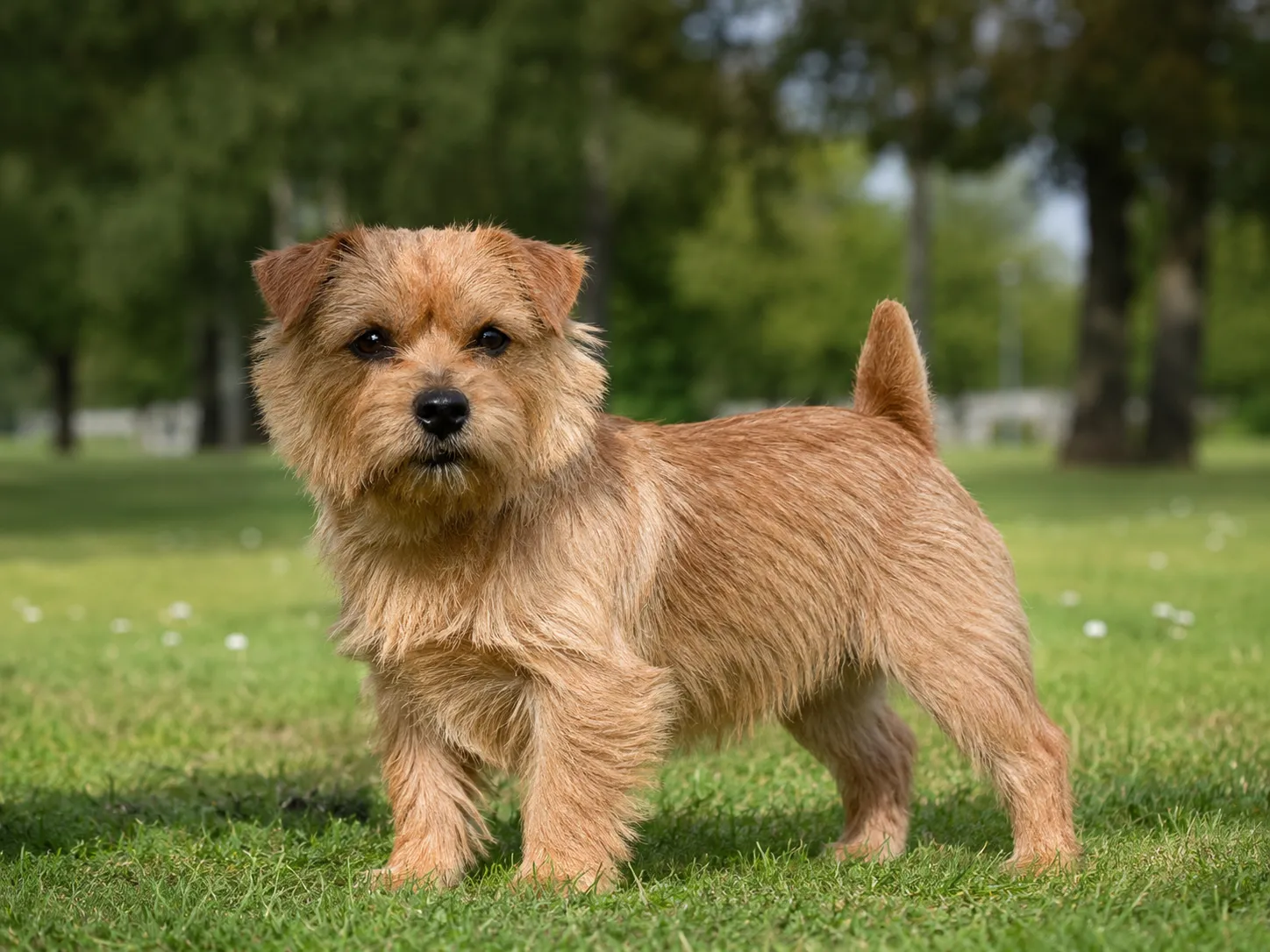 Norfolk TerrierSmall • Terrier