
Airedale Terrier
By James C. • Updated
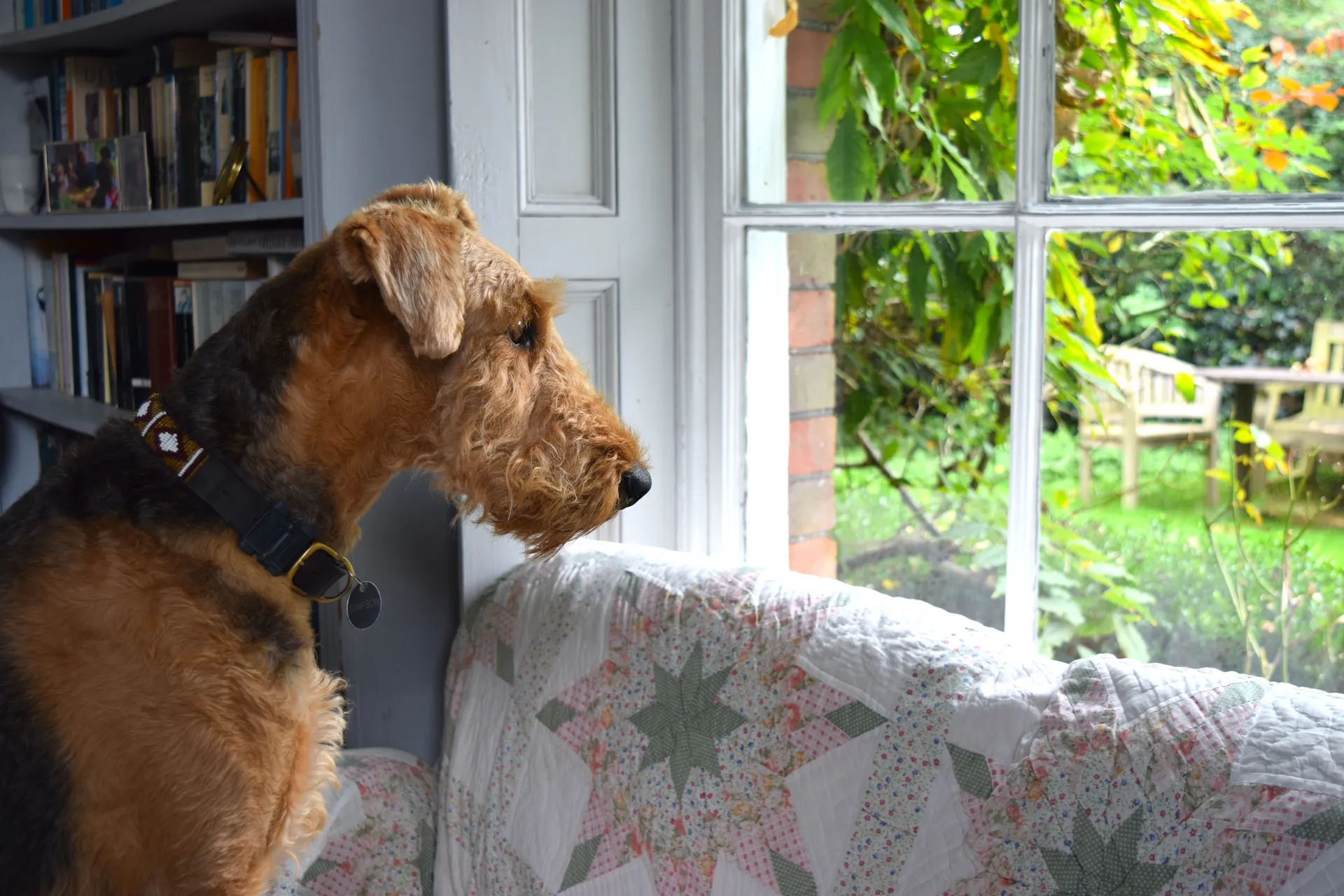
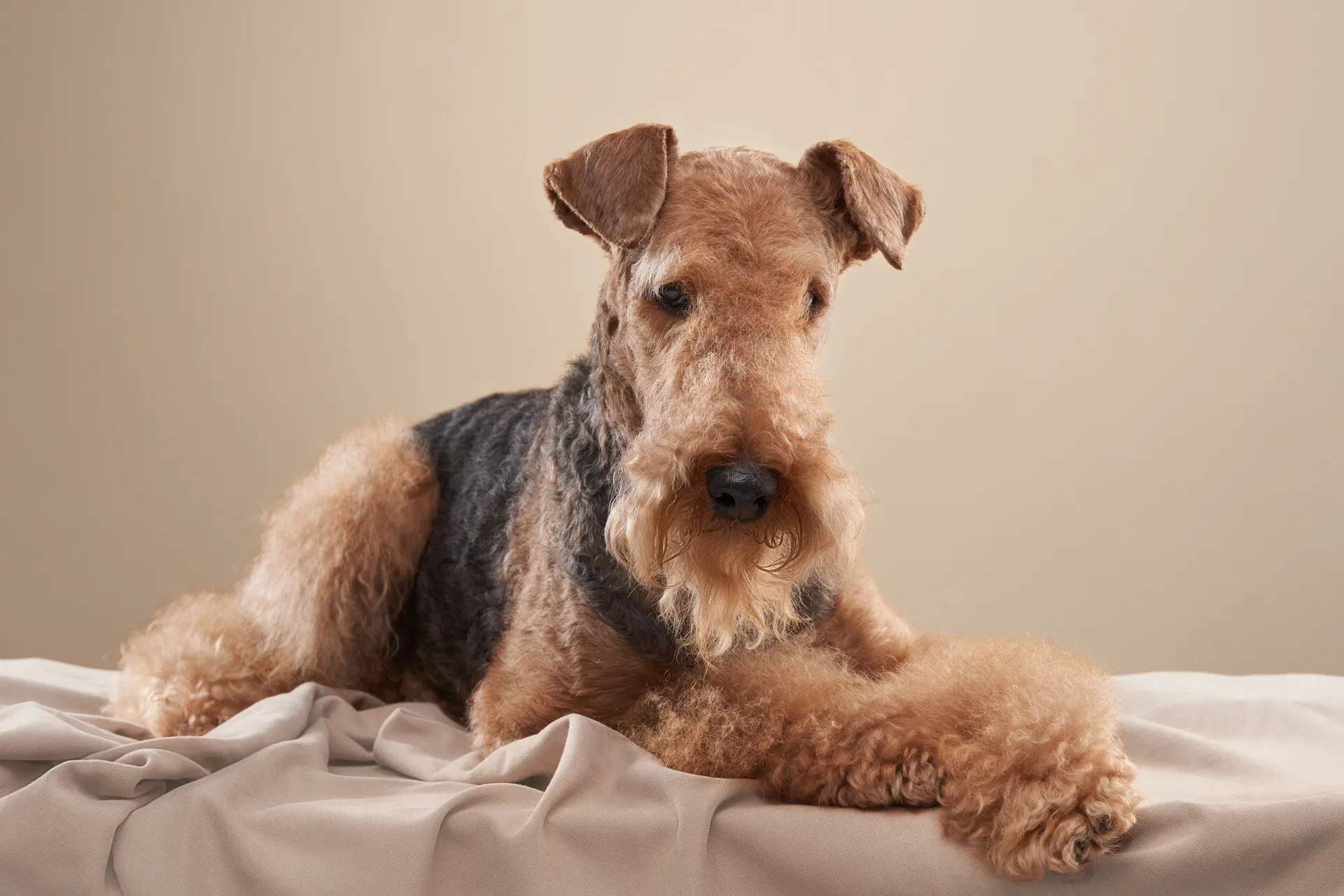
The Airedale Terrier is the largest terrier: tall, athletic and very clever, with a confident, independent streak. It suits active owners who enjoy training, and makes a capable companion, watchdog and working dog when it gets daily exercise and clear rules.
Breed Overview
Life Span
11 - 14 years
Average Price
AUD 2000 - AUD 3500
Weight
Male: 23 - 29 kg Female: 18 - 23 kg
Height
Male: 58 - 61 cm Female: 56 - 59 cm
Life Expectancy
Male/Female: 11 - 14 years
Breed Group
Terrier
Nicknames
King of Terriers
Breed Information
The Airedale Terrier is the biggest of the terriers: a tall, strong, athletic dog with a sharp brain and plenty of self-confidence. It was bred to hunt and work, and while most Airedales today are family dogs, they still need to be kept busy in body and mind. An Airedale left to entertain itself rarely chooses something you approve of.
The breed suits experienced owners, active people and families with older children who know how to handle a dog respectfully. Airedales want to be part of everything, from training sessions to weekend bushwalks. They settle best in homes with room to move and owners who give consistent guidance.
Think hard about the independent streak before you commit. Without clear boundaries, that intelligence turns into stubbornness. Early socialisation, regular exercise and steady training matter from day one, especially during the early stages of puppy training and behaviour development.
Characteristics: What Living With an Airedale Terrier Is Really Like
Capable and adaptable, yes. Low effort, no. Here is a realistic snapshot of how an Airedale fits into everyday life and what it expects from you.
| Characteristic | Rating | Star Rating (★ out of 5) | What This Means for You |
| Size | Large | ★★★★☆ | Tall and athletic, so it needs room indoors and out. |
| Adaptability | Good | ★★★★☆ | Copes with different lifestyles as long as exercise and mental work stay consistent. |
| Exercise Needs | High | ★★★★★ | Needs daily activity and structured play to stay settled. |
| Easy to Train | Moderate | ★★★☆☆ | Clever but independent; responds to consistent, positive training. |
| Amount of Shedding | Low | ★★☆☆☆ | Sheds very little, though loose hair builds up without grooming. |
| Grooming Needs | Moderate | ★★★☆☆ | Regular brushing plus professional grooming keeps the coat right. |
| Good With Children | Good | ★★★★☆ | Usually reliable with older children who respect boundaries. |
| Health of Breed | Moderate | ★★★☆☆ | Generally hardy, but keep an eye on joints and thyroid. |
| Cost to Keep | Moderate | ★★★☆☆ | Food is manageable; grooming and preventative care add to the bill. |
| Tolerates Being Alone | Low | ★★☆☆☆ | Prefers company and gets bored when left alone too often. |
| Intelligence | Very High | ★★★★★ | Learns quickly and solves problems, sometimes ones you would rather it left alone. |
In short, this is a dog for people who want to train, exercise and spend time with it. If you are after a hands-off pet, look elsewhere.
History of the Airedale Terrier: From Working Dog to Versatile Companion
The Airedale comes from the Aire Valley in Yorkshire, England, and took shape in the mid-19th century. Local working people wanted one dog that could do it all: kill vermin, retrieve game from water and guard the property. Crossing early terriers with larger hunting dogs gave them a tall, strong, clever terrier that could work on land and in rivers.
Early on it was called the Waterside Terrier or Bingley Terrier, and it was prized for hunting otters and rats along the riverbanks while staying steady and trainable around people. Selective breeding refined its size, coat and temperament into a terrier with courage and control in equal measure. The name Airedale Terrier was officially adopted in the late 1800s.
The breed’s versatility soon drew attention further afield. In World War I, Airedales served as messenger dogs, guard dogs and search dogs, carrying messages across battlefields under heavy fire. That record earned them an international reputation for bravery and reliability.
As the breed spread beyond the UK, it was used in police work, military roles and hunting, and eventually became a family dog. Most Airedales no longer work, but they kept the confidence, independence and problem-solving ability their history gave them. That is why they do so much better with structure and purpose than with a quiet life on the couch.
Appearance of the Airedale Terrier: Strong, Athletic, and Distinctive
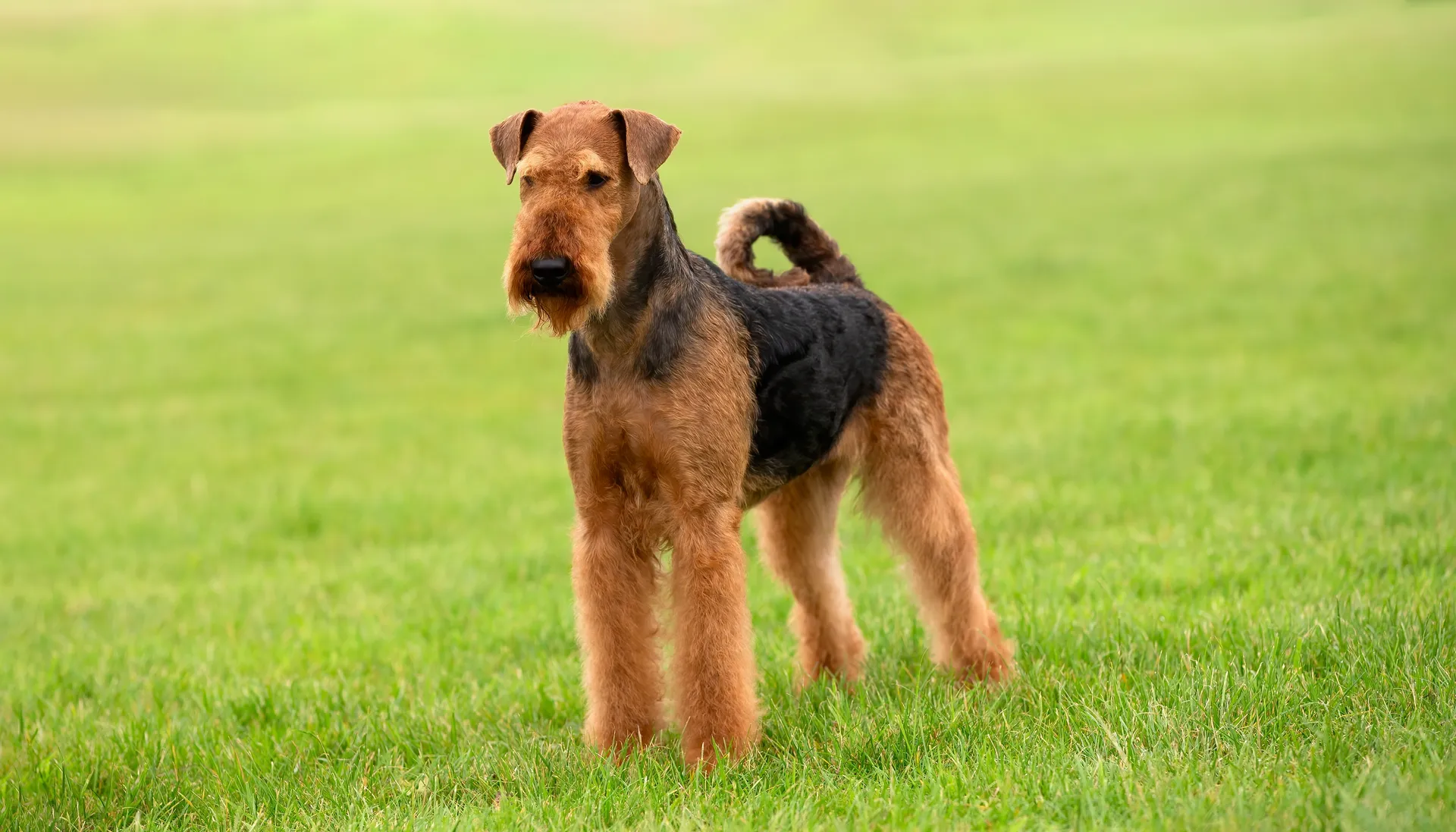
As the largest terrier, the Airedale has height, strength and agility without looking heavy. The outline is square and athletic. It looks like a dog ready to go, because it usually is.
Size, Build, and Body Structure
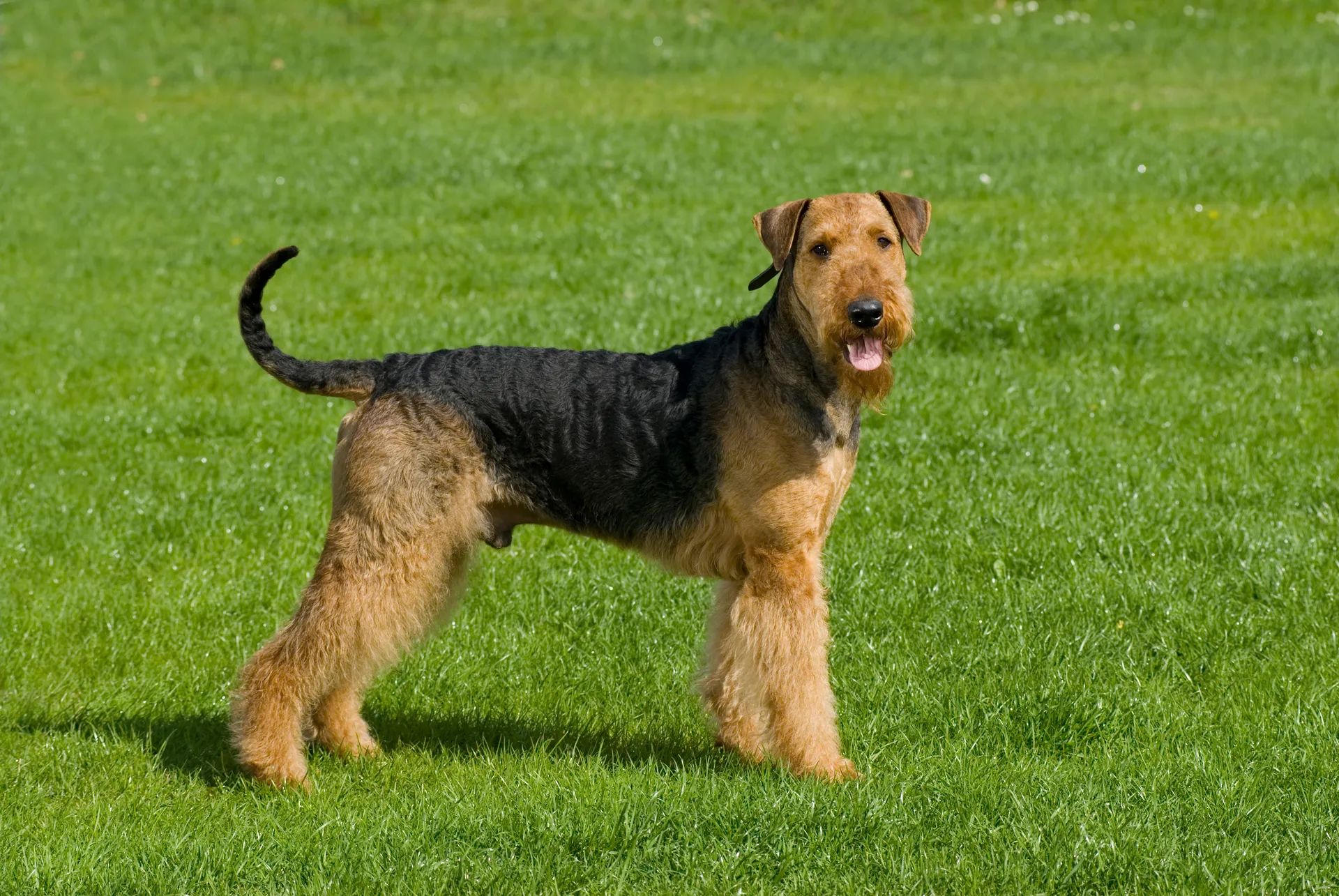
Adults are tall and well proportioned, with a deep chest, a level topline and strong, muscular hindquarters. The body is slightly longer than it is tall, which helps with efficient movement and stamina. Males usually look heavier through the head and shoulders, and females a little lighter, but both should be balanced.
Coat Texture and Recognised Colours
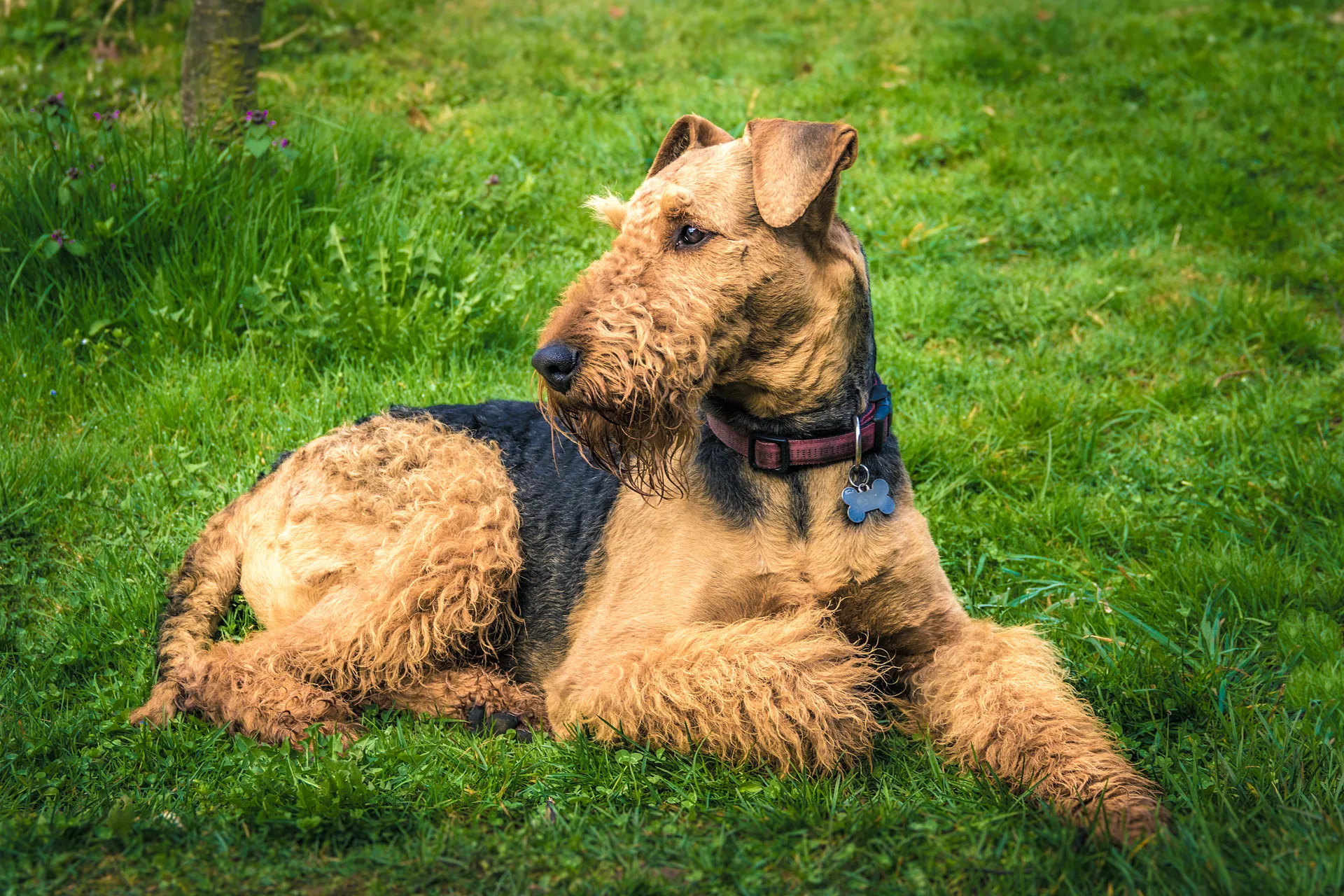
The coat is dense, wiry and harsh to touch, with a softer undercoat beneath. It was made to protect a dog working outdoors. The recognised pattern is a black or dark grizzle saddle over the back with rich tan on the head, legs, chest and underside. Keeping that harsh texture takes ongoing work, which the grooming section covers.
Head Shape, Eyes, and Expression
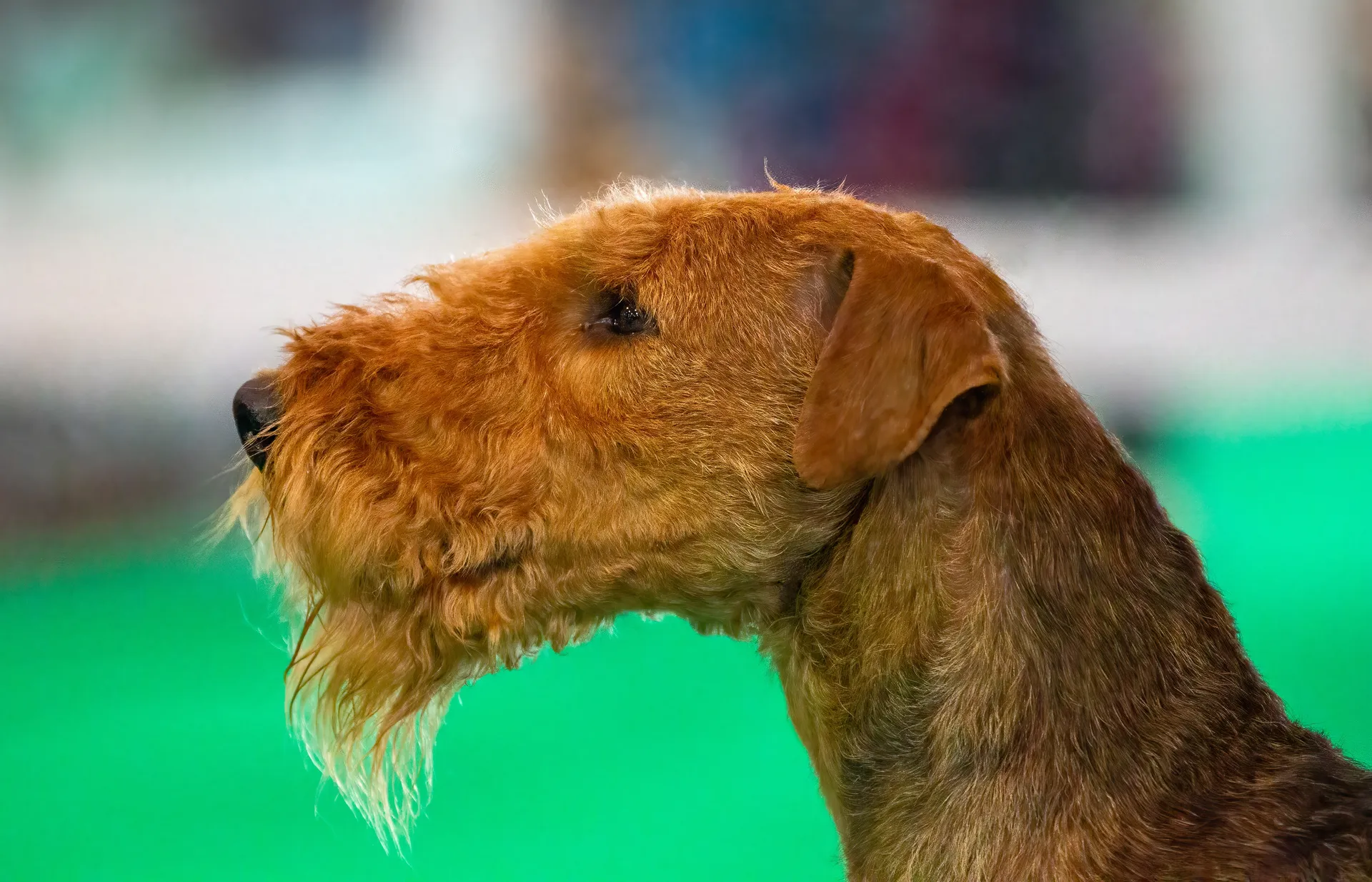
The head is long and flat, with a strong jaw and very little stop. Dark, alert eyes give the Airedale a focused, intelligent look. The V-shaped ears are set high and fold neatly forward. The effect is confident but friendly.
Movement and Gender Differences
Movement should be free and ground-covering, with drive from behind and reach in front. Males often look bolder and females more refined. Both should move with purpose.
Different Types of the Airedale Terrier
Unlike many terriers, the Airedale has no officially recognised size or coat varieties. There is only one standard Airedale Terrier, bred to a consistent type around the world. You will still hear a few informal labels, though, and some are worth understanding.
Standard Airedale Terrier
The recognised Airedale follows a single standard covering size, structure, coat and temperament. Reputable breeders aim for that standard whether they breed for companionship, work or the show ring. Differences between dogs usually come down to lineage, training and lifestyle, not type.
Working Lines vs Companion Lines
Some Airedales come from working-focused bloodlines, with more drive, stamina and problem-solving. Others are bred mainly as companions and are often a touch calmer, while keeping the breed’s brains and confidence. The differences are subtle. Ask the breeder directly rather than assuming.
Misleading Terms to Be Cautious Of
“Miniature Airedale” and “small Airedale” are not recognised terms. They may point to a crossbreed rather than a true Airedale. Be wary of breeders using these labels, because the dogs fall outside the breed standard and may have unpredictable traits.
When choosing, focus on temperament, health testing and breeder ethics, not unofficial type labels.
Temperament of the Airedale Terrier: Confident, Intelligent, and Strong-Willed
Airedales are bold, curious and sure of themselves. They are loyal and affectionate at home, but not naturally submissive. An Airedale sizes up a situation and makes its own call.
Core Personality Traits
Expect an alert, brave dog that bonds closely with its owners and wants in on daily life, particularly anything that makes it think. People often call that confidence stubbornness. Independence is the better word, paired with a real talent for working things out.
Social Behaviour With People and Other Dogs
Well-socialised Airedales are generally friendly and reliable with people. Some are reserved with strangers at first but warm up once they feel comfortable. With other dogs they can be playful, though some show dominant tendencies, particularly with dogs of the same sex. Regular exposure and clear boundaries help.
Working Instincts and Natural Drive
The working background still shows. Airedales are observant, quick to react and protective without being aggressive. Giving them a role, whether that is training, a dog sport or structured play, channels that energy somewhere useful.
Common Behavioural Challenges
Short on exercise or stimulation, an Airedale may dig up the garden, bark too much or test every boundary, which are common puppy behaviour problems in clever working breeds. Inconsistent training tends to produce selective listening rather than outright disobedience. Clear leadership and a steady routine fix most of it.
Intelligence and Trainability of the Airedale Terrier: Sharp, Independent, and Capable
The Airedale is one of the brightest terriers. It learns fast and solves problems well, which makes training rewarding. It also gets bored with drilling and pushes back against force.
Puppy Training Priorities
Start with socialisation, impulse control and basic obedience, and know when to start obedience training so you do not lose those early weeks. Introduce the puppy to different people, places, sounds and dogs. Sit, stay, recall and loose lead walking all matter more than usual, because this puppy grows into a big, strong dog.
Training Methods That Work Best
Positive reinforcement with food, praise and play works best. Keep sessions structured but varied so the dog stays interested. Harsh corrections and rigid methods usually backfire, and you end up with a dog that switches off or digs its heels in.
Advanced Training and Mental Stimulation
With steady guidance, Airedales can excel in obedience, agility, tracking, scent work and protection sports. They handle complex tasks well, particularly when training feels like a challenge to solve rather than an order.
Common Training Mistakes to Avoid
Inconsistency is the big one. If the puppy was allowed on the couch and the adult is not, expect confusion and boundary testing. Short, regular sessions and clear expectations get the best out of this breed.
Airedale Terrier and Family Life: Children, Other Pets, and Household Dynamics
An Airedale can be a loyal, fun family dog. Its size, confidence and energy mean the household needs to understand what it is taking on, and set clear rules.
Interactions With Children of Different Ages
Airedales usually do best with older children who know how to handle and play with a dog properly. Their size and enthusiasm can bowl over a toddler, which is stressful for dog and child alike. With supervision, many Airedales form close bonds with school-aged kids and teenagers.
Teaching Children Appropriate Interaction
Teach children not to play rough, pull at the dog or crowd it while it is eating or resting. Calm, structured contact builds trust and lowers the chance of a defensive reaction, and it helps everyone recognise what dog growling can mean in different situations. Getting kids involved in training and feeding reinforces consistent rules.
Living With Other Dogs and Household Pets
Socialised early, Airedales can live with other dogs, though some are assertive, especially with dogs of the same sex. They are terriers, so take care around cats, rabbits, guinea pigs and the like, particularly if the dog was not raised with them.
Creating a Balanced Home Environment
A routine, clear expectations and regular exercise help an Airedale settle into family life. Give it mental work and its own quiet resting spot, and unwanted behaviour drops off.
Health of the Airedale Terrier: What Owners Should Know Long Term
Airedales are generally hardy and often live 11 to 14 years with good care. Many stay active well into old age. Responsible ownership means knowing which problems can turn up and planning for them early.
Health Conditions Seen in the Breed
As a larger terrier, the Airedale may be prone to joint-related issues, particularly hip problems that develop gradually with age. Thyroid imbalances are also reported in the breed and can affect energy, weight and coat condition if missed. Some Airedales have skin and digestive sensitivities that need dietary changes or ongoing management. Like many medium to large breeds, the risk of some age-related illnesses rises later in life, so regular monitoring is worth discussing with your vet.
The Role of Health Testing and Breeding Choices
Breeding has a big influence on health. Ethical breeders screen their dogs and avoid pairing animals with known hereditary problems. Expect openness about joint assessments, eye health and family history. Checking this before you buy reduces the chance of preventable problems.
Preventative Care Across Life Stages
Regular vet care keeps an Airedale in good shape, and knowing how often dogs should see a vet helps you catch problems while they are easy to treat. Check-ups, parasite control (including paralysis tick prevention if you live on the east coast), dental care and weight management all count. Keep the dog lean. Extra weight strains joints and organs.
Planning Ahead With Insurance
Many owners take out pet insurance to cover long-term care or a sudden illness. Policies that include chronic conditions and diagnostic tests can be especially useful for a breed where early investigation and treatment make a real difference as it ages.
Caring for the Airedale Terrier: Daily Needs, Home Life, and Long-Term Wellbeing
Airedales do best with structure, activity and plenty of time with their people. A hands-off routine does not work for this breed.
Daily Care and Routine
A predictable day helps: walks, a training session, some interactive play and then proper rest. Downtime matters too. Give the dog a quiet spot where it can switch off without constant activity around it.
Living Environment and Space Requirements
Airedales can adapt, but a home with room to move is best. A securely fenced yard is great for play and sniffing about, though it never replaces structured exercise. Apartment living can work for very active owners who meet the dog’s physical and mental needs every day.
Seasonal and Climate Considerations
That dense coat holds heat. In an Australian summer, exercise early in the morning or in the evening, and make sure shade and fresh water are always available. In cooler months the coat protects well, but after rain or a swim, dry the dog properly to keep its skin healthy.
Supporting the Airedale as It Ages
Senior Airedales need some adjustments. Lower-impact exercise, joint support and more frequent health checks keep them comfortable. Small changes at home, like a supportive bed or easier access to favourite resting spots, can make a real difference.
Grooming the Airedale Terrier: Coat Care, Maintenance, and Upkeep
The Airedale does not shed much, but its look depends on proper coat care. Grooming is a regular job, and it affects skin health and comfort as much as appearance.
Coat Care and Brushing Routine
Brush the wiry coat two to three times a week. That stops tangles, clears out grass and burrs, and keeps the coat lying flat. It is also a good chance to spot skin irritation, fleas or ticks early.
Professional Grooming and Hand Stripping
Hand stripping is preferred over clipping. It pulls out the dead hair so the coat grows back firm and harsh rather than soft. Most Airedales need a professional groom every six to eight weeks, particularly if you want the traditional look. Clipping is quicker and cheaper, but it softens the coat and dulls the colour over time.
At-Home Grooming Responsibilities
Between groomer visits, take care of ears, nails and teeth as part of a regular dog grooming and hygiene routine. Trim around the eyes and beard lightly, since that beard collects food and water. Keeping on top of it at home reduces infection risk.
Common Grooming Challenges
Neglected, the coat turns dull, matted and uncomfortable. Wet weather and seasonal changes add work. Start handling and grooming early in puppyhood so your Airedale learns to stand calmly for it.
Exercise Needs of the Airedale Terrier: Energy, Stamina, and Mental Balance
A short walk around the block will not settle an Airedale. Its body and its brain both need a daily workout.
Daily Exercise Expectations
Most adults need at least 60 to 90 minutes of activity each day, split across walks, play and structured exercise. Long walks, off-lead time in securely fenced areas and interactive games burn energy and keep muscle tone. Consistency beats intensity. A dog walked hard on Saturday and ignored on Monday will show it.
Activities That Suit the Breed
Airedales love activities that mix movement with thinking. Obedience, agility, scent work, tracking and retrieving games all suit them. Many enjoy swimming once introduced to it safely, which is no surprise given their river-hunting past. Mix things up to keep boredom away.
Exercise Limits and Safety
Puppies should avoid repetitive jumping, hard surfaces and long distances until their joints are fully developed. Watch adults in hot weather, as the dense coat makes overheating more likely. In warm climates, stick to the cooler parts of the day.
Mental Stimulation as Part of Exercise
Mental work counts as much as physical effort. Training, puzzle toys and new tricks head off destructive behaviour. A dog with a tired mind is usually a calm one.
Feeding the Airedale Terrier: Nutrition, Portions, and Healthy Weight
The right diet supports strength, long-term health and mobility. An active, medium-to-large dog like the Airedale needs enough fuel for its day without the extra kilos.
Nutritional Needs of an Active Terrier
Feed a high-quality, complete diet with animal protein as the main ingredient, as part of a sensible dog nutrition and feeding plan. Protein supports muscle and recovery, and moderate fat keeps energy steady. Vitamins, minerals and fatty acids help joints, immunity and coat. Some dogs react to certain ingredients, so simpler recipes can help.
Feeding Schedules and Meal Structure
Puppies usually need three meals a day until growth levels off. Most adults do well on two measured meals daily, which keeps digestion and energy steady. Avoid free feeding. It leads to overeating.
Special Dietary Considerations
Large-breed formulas may support joint development while the dog is growing. Dogs with skin or digestive sensitivities may need diet changes, ideally guided by your vet. Change foods gradually to avoid an upset stomach.
Weight Management and Portion Control
Keep your Airedale lean. Extra weight loads the joints and can feed into long-term health problems. Adjust portions for age, activity and desexing status, and check weight and body condition regularly.
Airedale Terrier Price and Ongoing Costs: Planning for Ownership
The purchase price is only the start. Airedales are not a budget breed, but the costs are predictable if you plan ahead.
| Cost Category | Typical Cost Range (AUD) | What This Covers |
| Purchase Price | $2,000 to $3,500 | From reputable Australian breeders; varies with lineage, health testing and breeder standards. |
| Initial Setup Costs | $400 to $650 | Bed, crate, bowls, lead, collar, grooming tools, toys, training gear and basic supplies. |
| Monthly Food Costs | $90 to $140 | Quality food for a large, active terrier. |
| Professional Grooming | $120 to $180 per session | Hand stripping or breed-appropriate grooming, usually every 6 to 8 weeks. |
| Routine Veterinary Care | $80 to $120 per month (avg.) | Vaccinations, parasite prevention, dental care and general health checks. |
| Pet Insurance | $50 to $85 per month | Cover for accidents, illness and breed-related health problems. |
| Estimated Lifetime Costs | Moderate to high | Healthcare, grooming, food and ongoing care across 11 to 14 years. |
Buying Advice for the Airedale Terrier: Choosing Responsibly
The decisions you make before buying shape your dog’s health and behaviour for years. Take your time with breeders and be honest about what you can offer.
Finding Ethical and Reputable Breeders
Good breeders care about health, temperament and the breed, not volume. They are open about how they breed and happy to answer detailed questions about their dogs. You should be able to meet the mother, see where the puppies are raised and receive clear paperwork for microchipping, vaccinations and pedigree registration. A breeder who dodges questions or rushes the sale is a warning sign, and it is one of the easiest ways to spot a puppy scam online.
Verifying Health Testing and Breeding Standards
Ask for evidence of health screening, especially joints, thyroid and eyes. Ethical breeders share results and will explain why they chose a particular pairing. That openness lowers the risk of inherited problems and shows real commitment to the breed.
Selecting the Right Puppy
A healthy Airedale puppy should be curious, confident and keen to engage. Watch how it behaves with people and littermates. Extreme shyness, aggression or lethargy can point to poor early socialisation or a health issue. Temperament matters as much as looks.
Contracts, Guarantees, and Ongoing Support
Get a written agreement covering health guarantees, return policies and the breeder’s responsibilities. Many good breeders stay in touch for the dog’s whole life and will help if problems come up. That kind of support usually means welfare comes before profit.
Considering Rescue and Adoption
Airedales turn up in rescue less often than some breeds, but they do appear. Adoption can suit experienced owners ready to take on a dog with an unknown background. Keep an eye on breed-specific rescues and reputable listing platforms.
Is the Airedale Terrier the Right Fit for Your Lifestyle?
The Airedale is for owners who enjoy a clever dog and are happy to make training, activity and company part of every day. It will not fade quietly into the background.
If you can give it exercise, mental work and consistent guidance, you get a confident, loyal partner. Choose carefully. Pups4Sale can help you find ethical breeders and available Airedale Terrier puppies, or list responsibly bred dogs, with clear information to support a good decision.
Frequently Asked Questions
Related Breeds
Other terrier breeds on Pups4Sale.
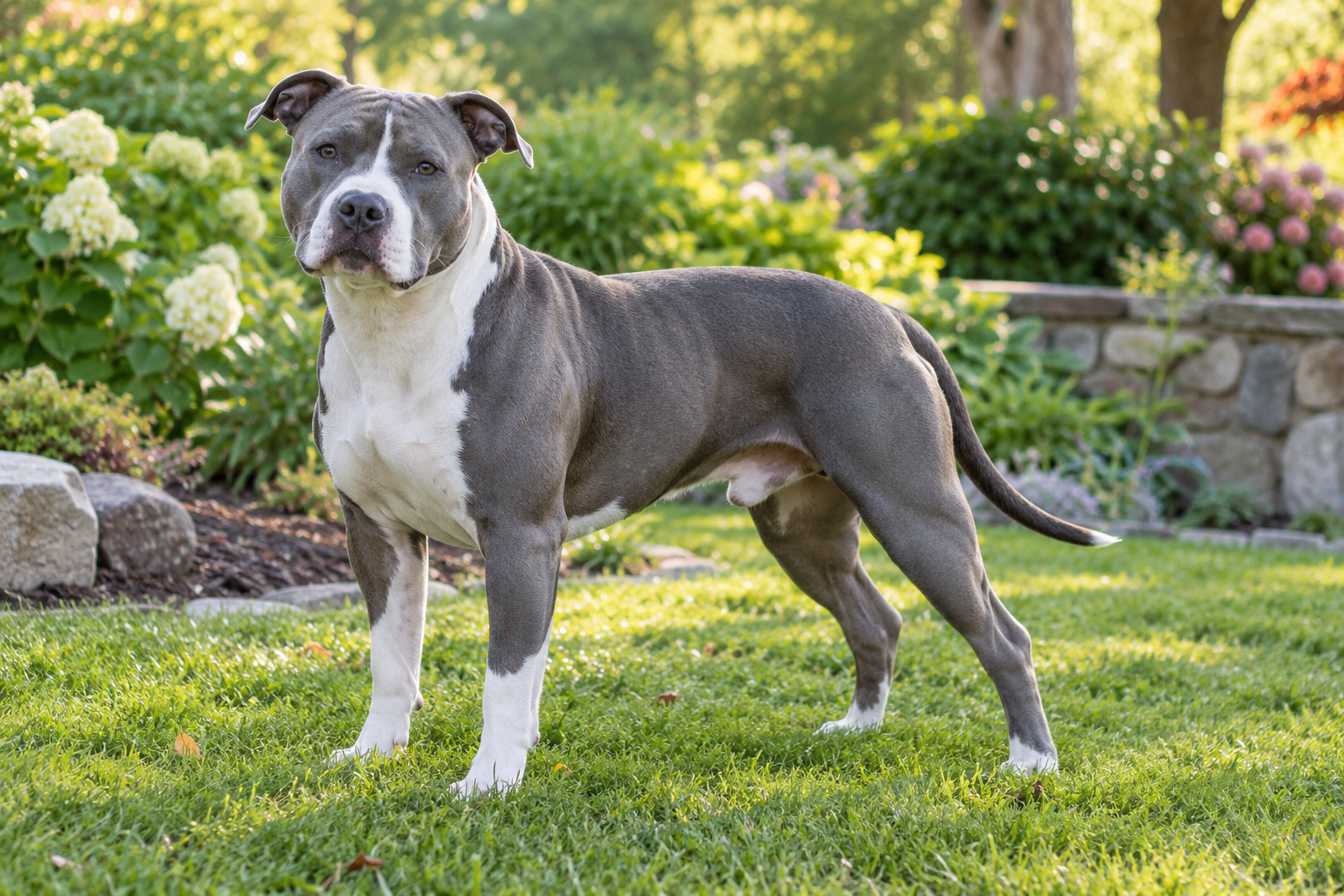 American Staffordshire TerrierMedium • Terrier (Group 2)
 Australian TerrierSmall • Terrier
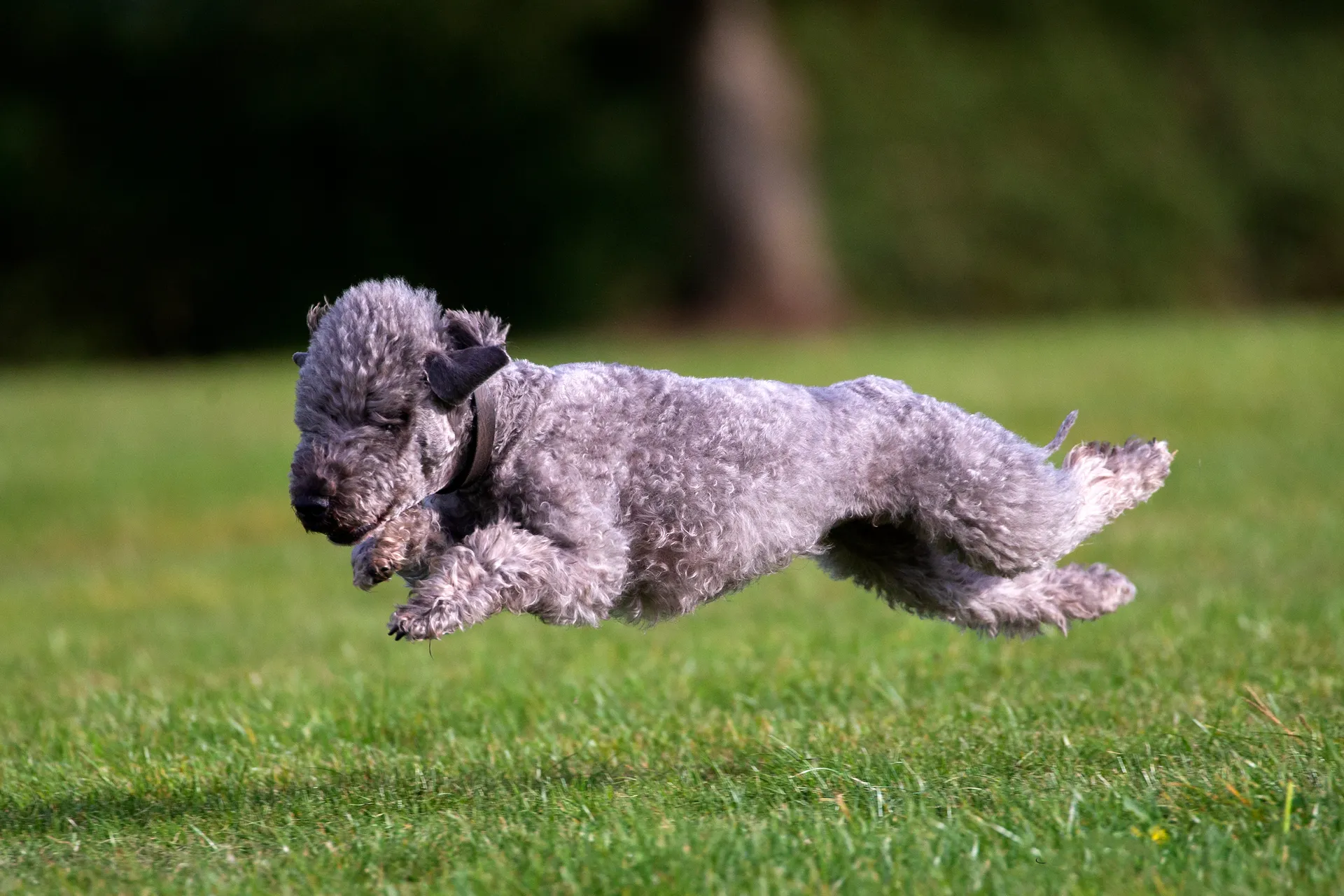 Bedlington TerrierSmall • Terrier
 Border TerrierSmall • Terrier
 Bull TerrierMedium • Terrier
 Cairn TerrierSmall • Terrier